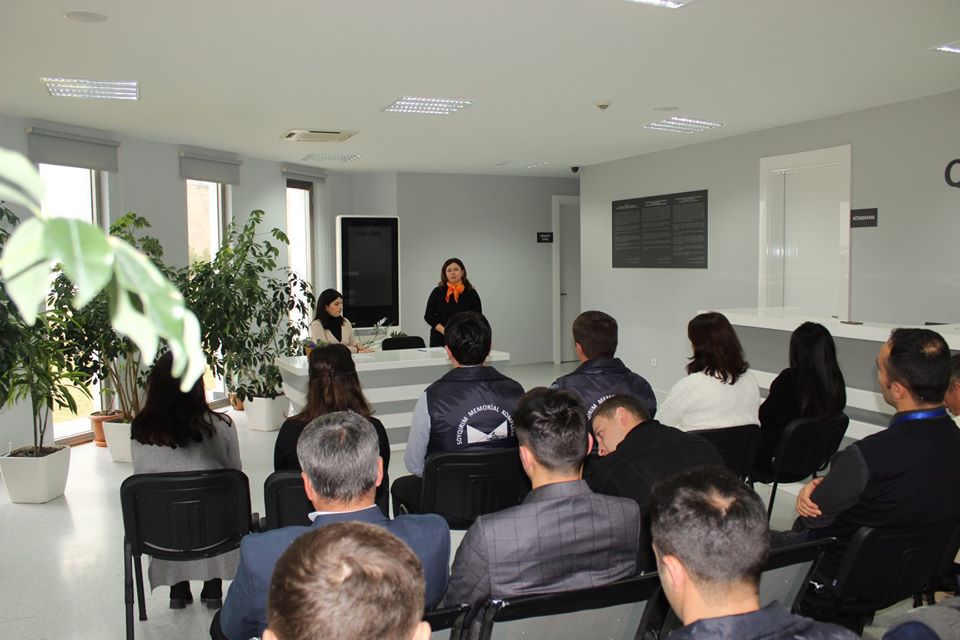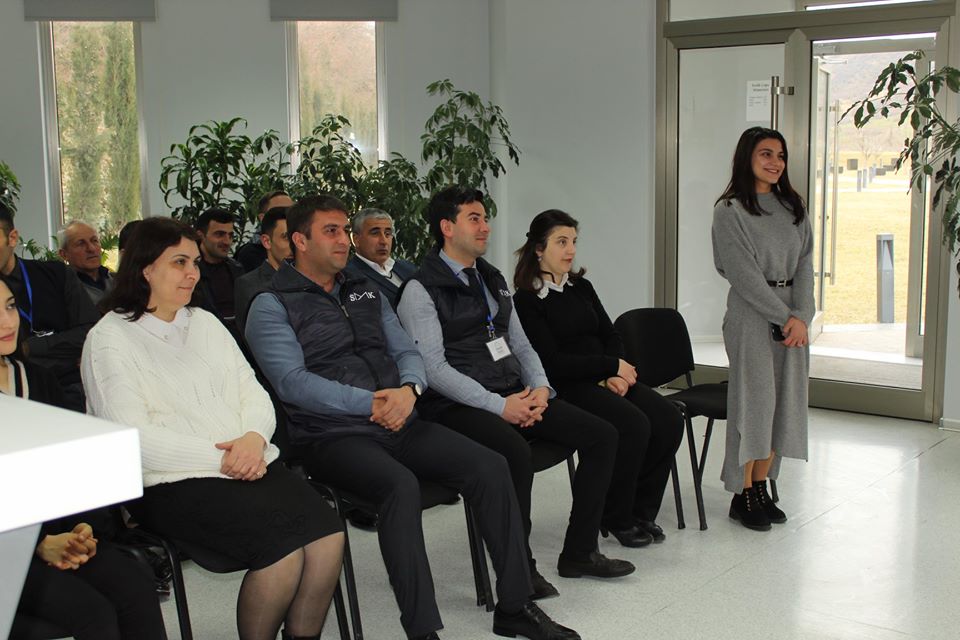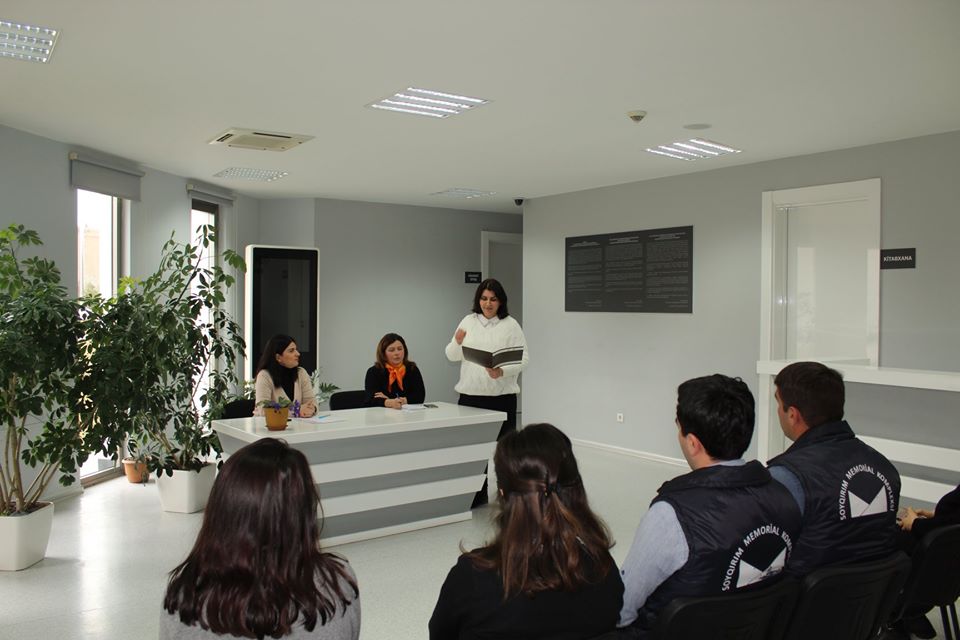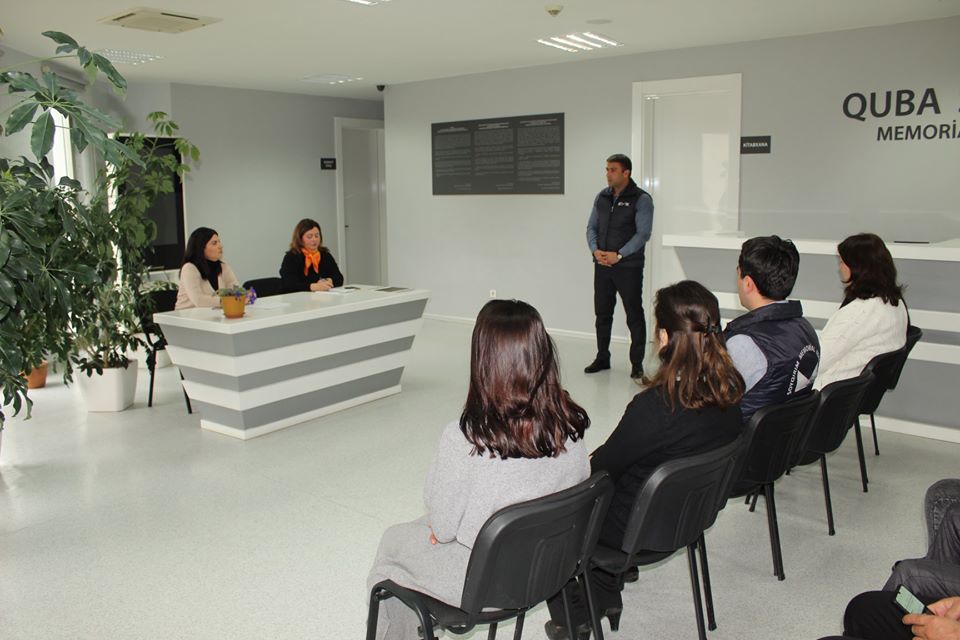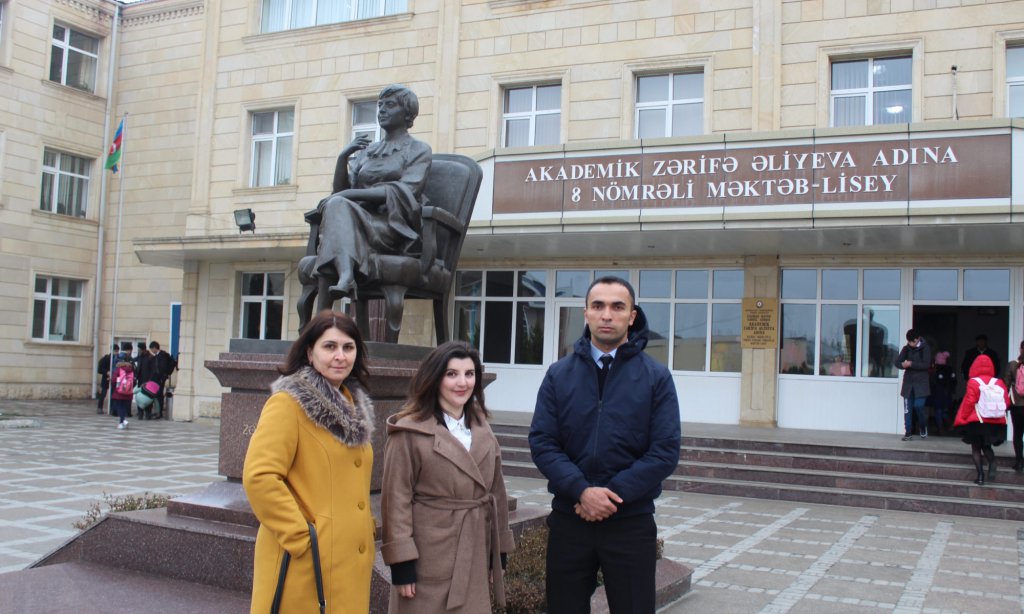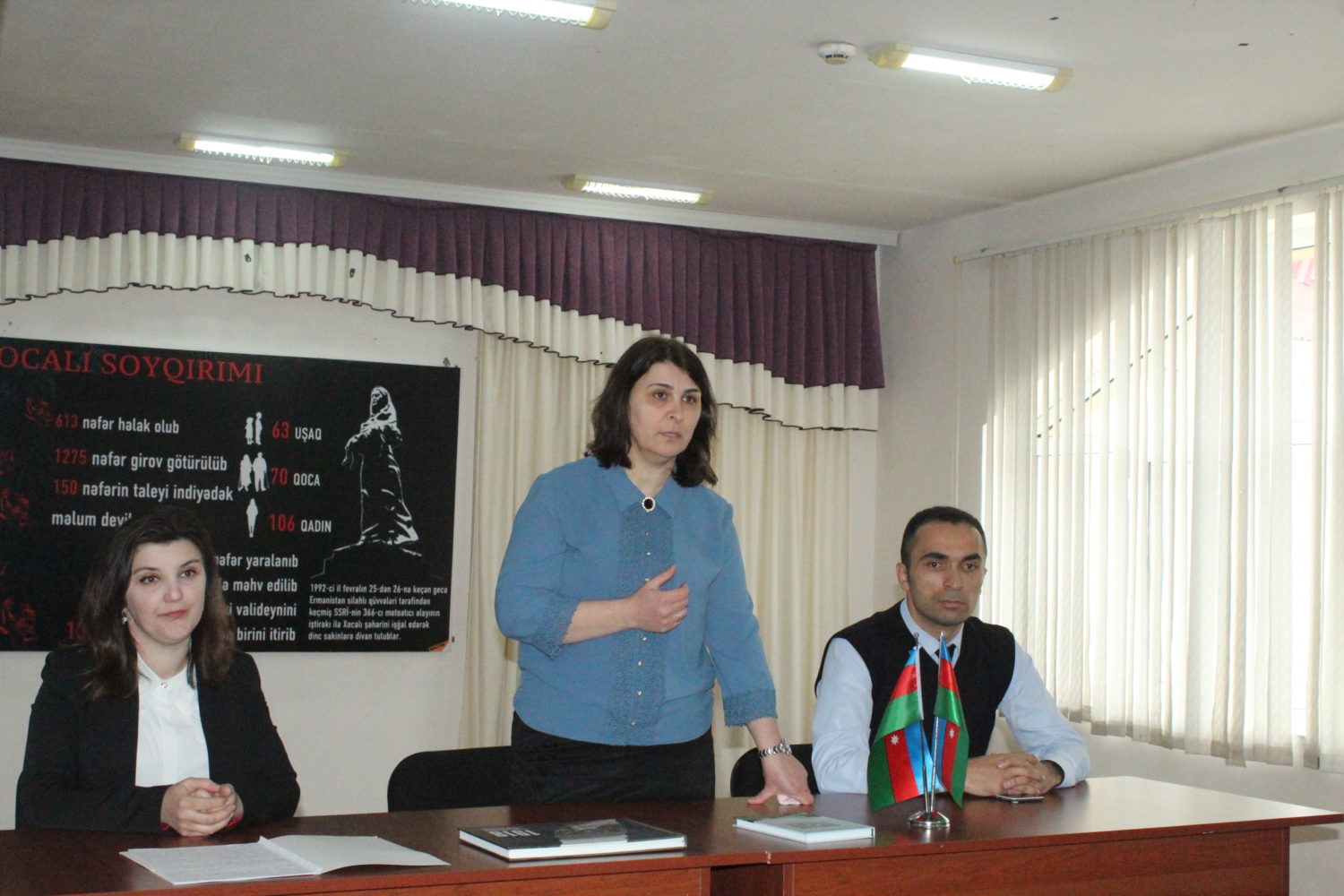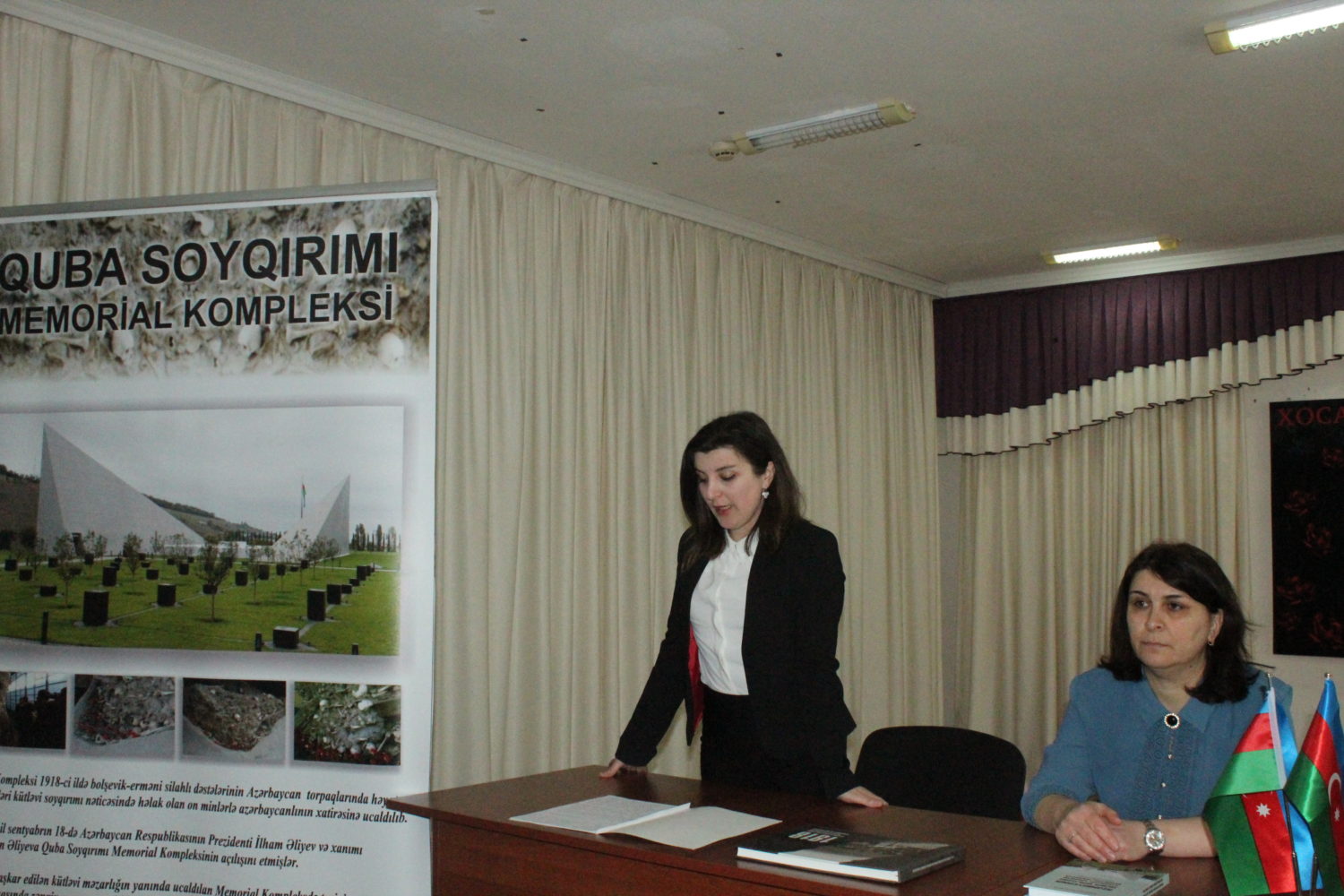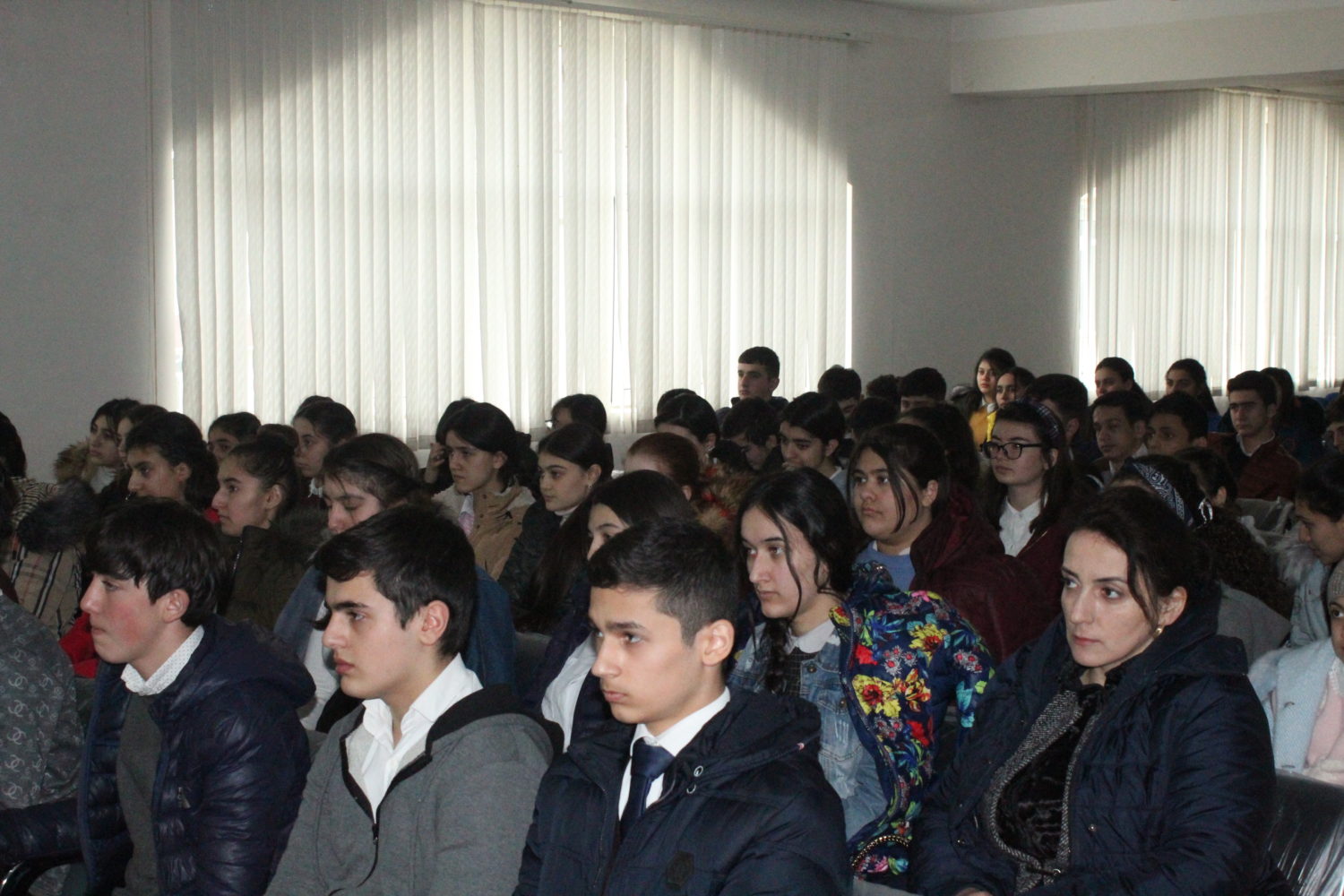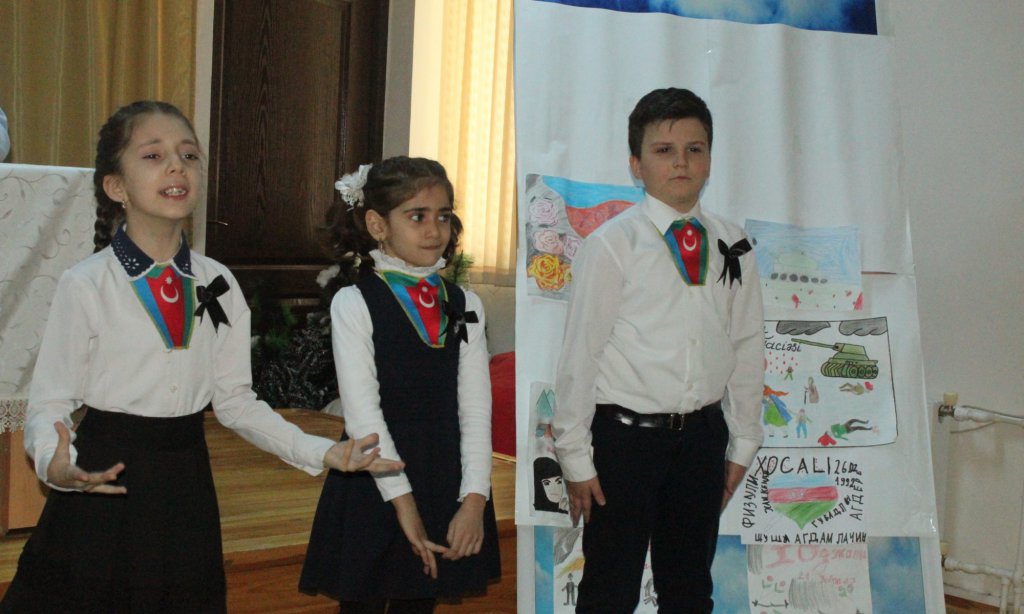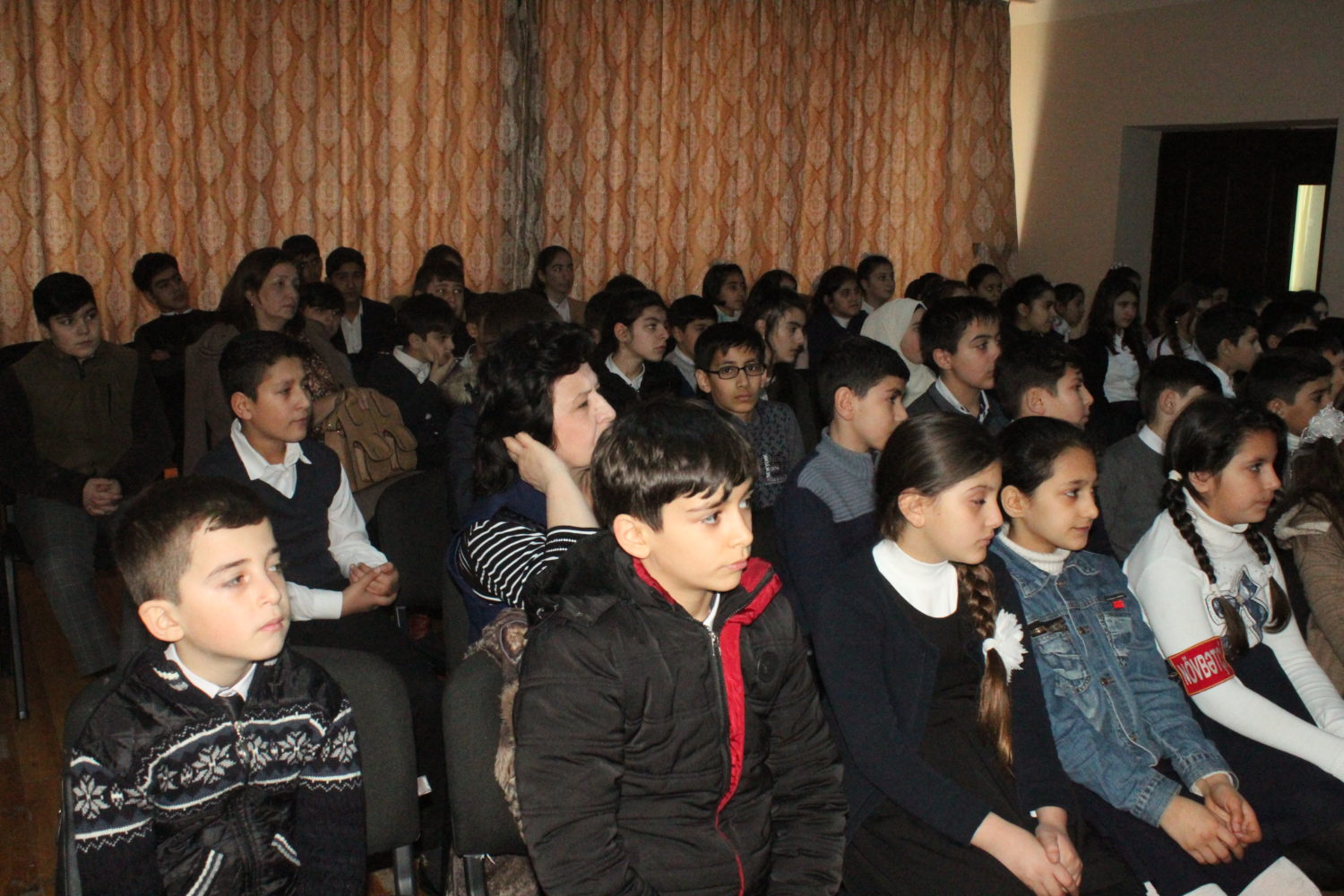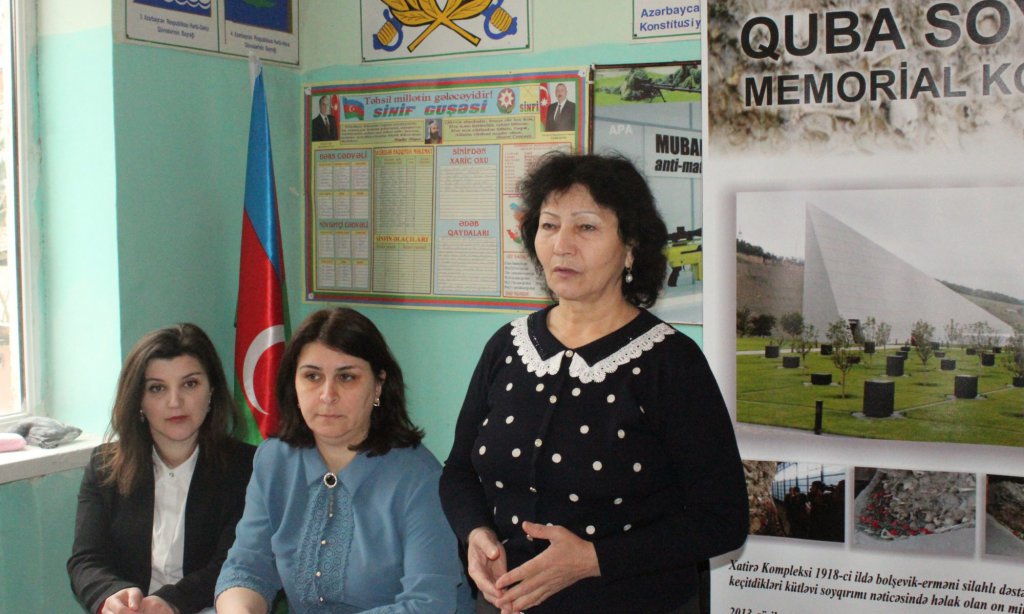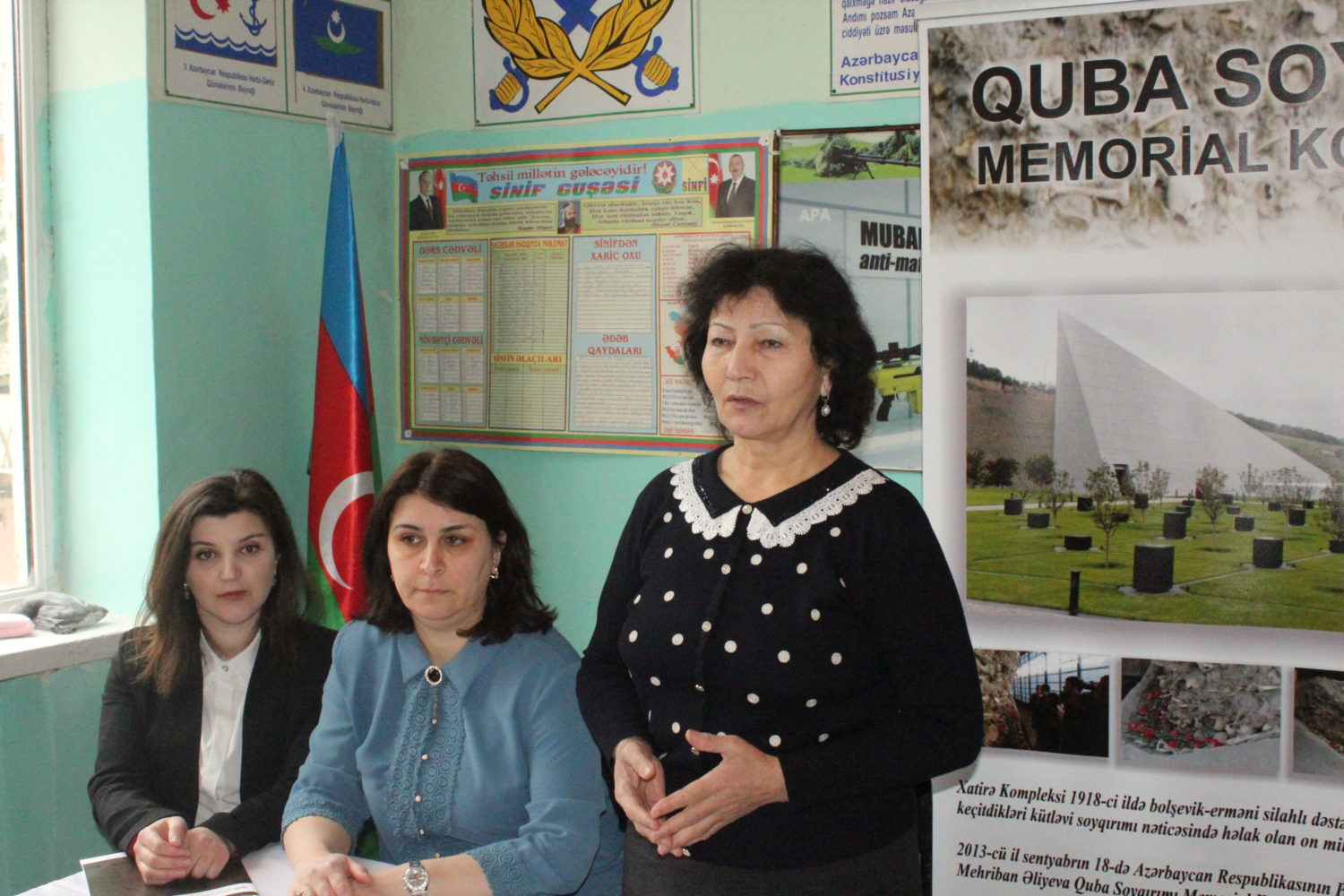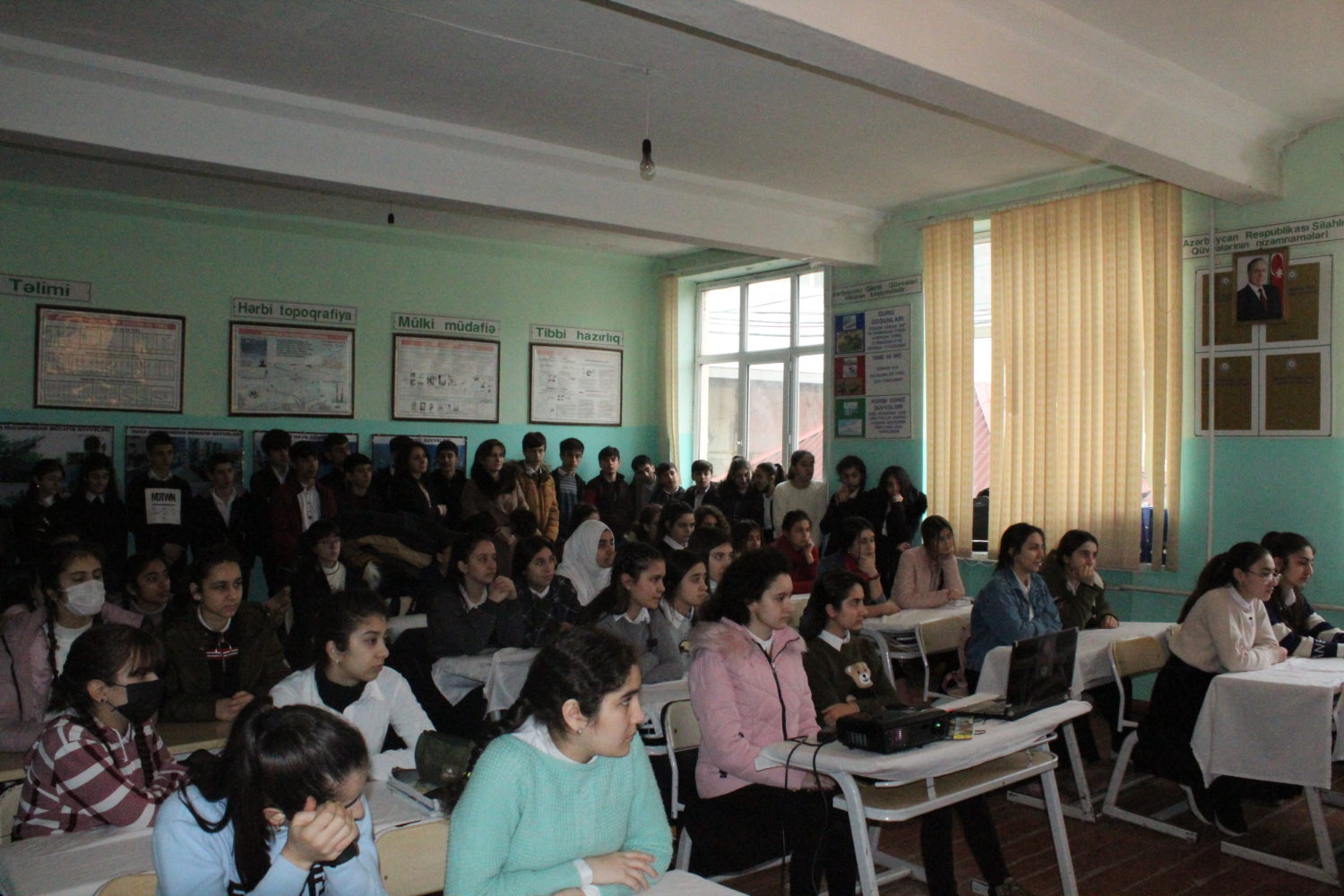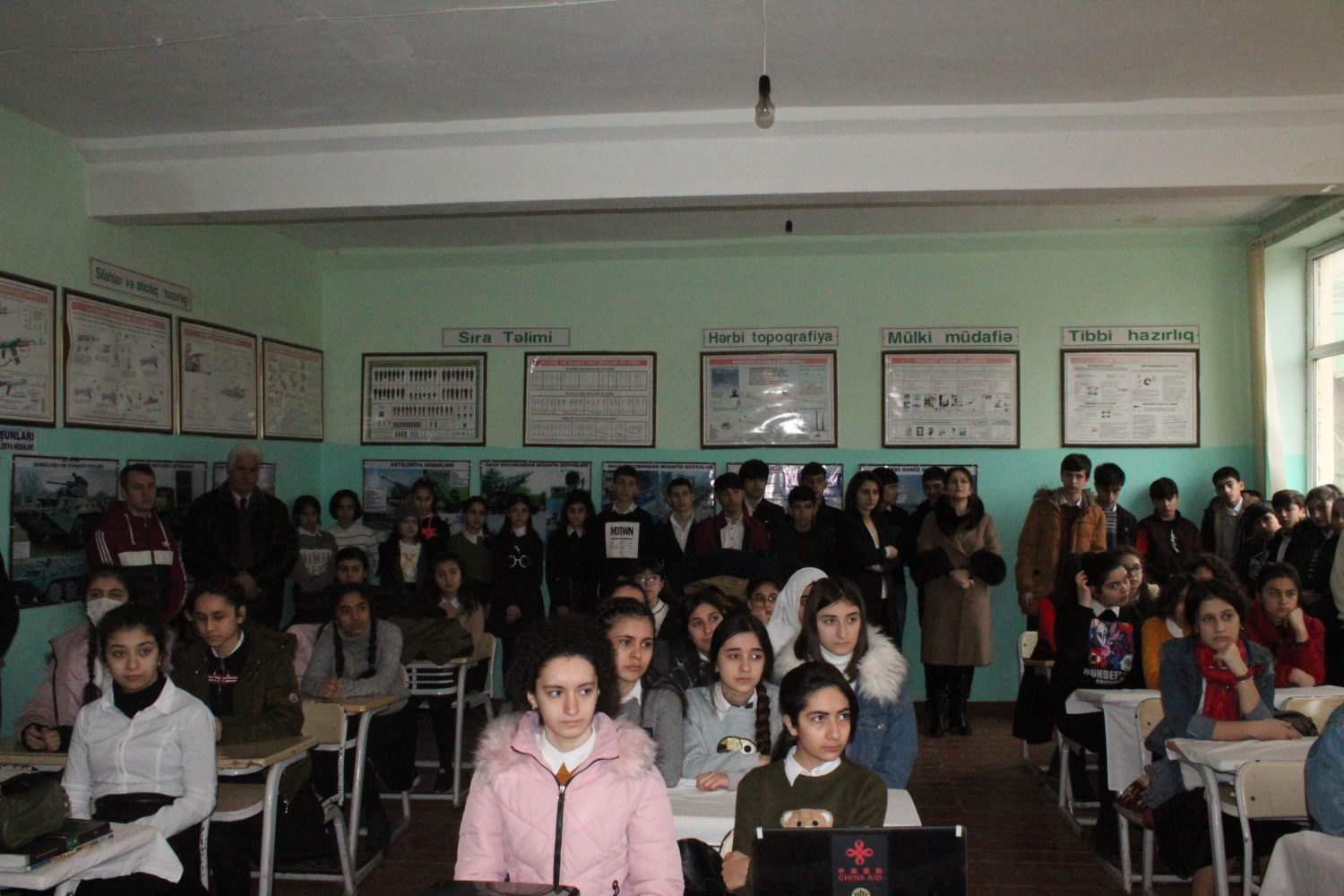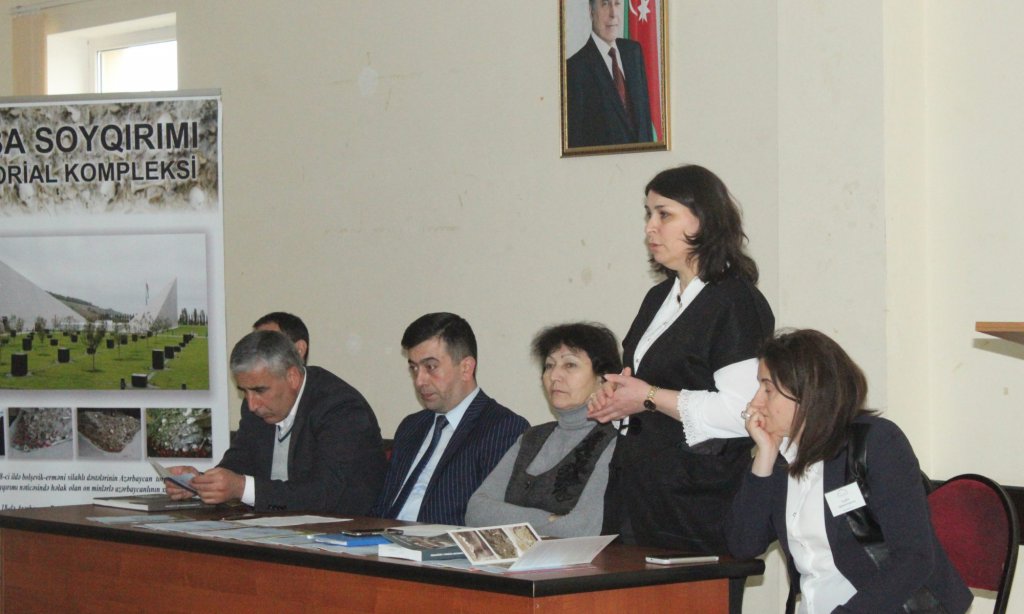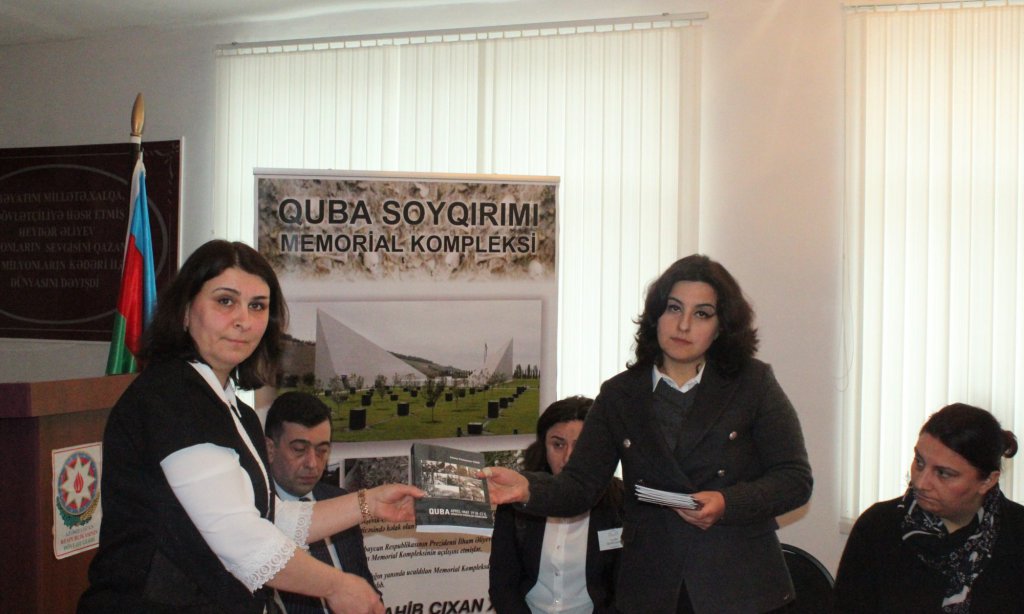
The event “Armenian atrocities will not be erased from history” was held in Khachmaz secondary school No. 4.


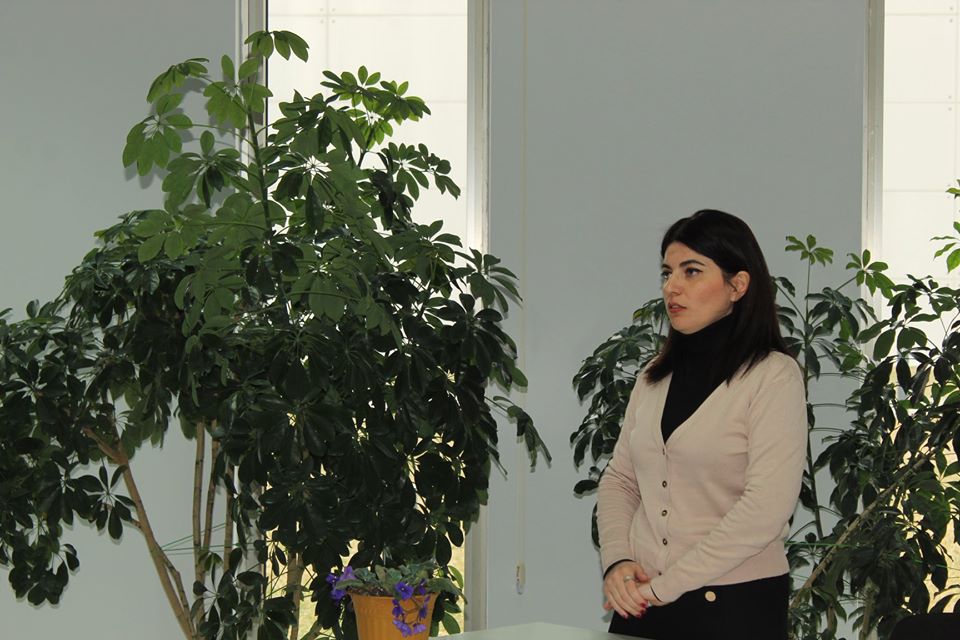
On the initiative of the Genocide Memorial Complex in Guba, the Commissioner for Human Rights of the Republic of Azerbaijan (Ombudsman) with the support of the Guba regional center and the Executive Power of the Khachmaz region “Armenian atrocities will not be erased from history” (Khojaly tragedy, March 1918), an event was organized in high school No. 4 of the city of Khachmaz. The event was attended by the senior adviser of Executive Power Yagut Masimova, head of the Guba regional center for human rights (ombudsman) Bahruz Efendiev, head of the scientific department of the genocide memorial complex Latatet Beybutova and specialists Seyid Dzhabbarov, Islam Aslanov, Aigun Agamirzeeva. Experts made extensive speeches about the activities of the complex. At the end of the event, the institution was presented with books and booklets reflecting genocide.


The project “31st March of Genocide of Azerbaijanis”, which will be implemented within 5 years (2018-2022) on the initiative of the management of the complex, has been launched in educational institutions of Khachmaz city.

On the initiative of the Genocide Memorial Complex in Guba, with the support of the Commissioner for Human Rights (Ombudsman) of the Guba Regional Center and the Khachmaz District Executive Power, an educational event was organized within the project “March 31 – Genocide of Azerbaijanis”. The first event within the framework of the project was held at the full secondary school No. 2 in Khachmaz city, with the participation of  District Executive Power staff, the school’s leadership, and the teaching staff. The event was attended by the Senior Advisor of the Executive Power Yagut Masimova, the head of the Guba Regional Center for Human Rights (Ombudsman) Bahruz Efendiyev, the head of the Scientific Department of the Genocide Memorial Complex Latafet Beybutova and specialists Seyid Jabbarov, Islam Aslan, Aygun Agamirzeyeva. The experts made extensive speeches on the theme: “The people that protect the history are invincible”, as well as  about the activities of the Complex. At the end of the event, a documentary film “Guba Massacre” was shown, books and booklets reflecting  the genocide were presented to the educational institution.

“Bloody history of Khojaly”

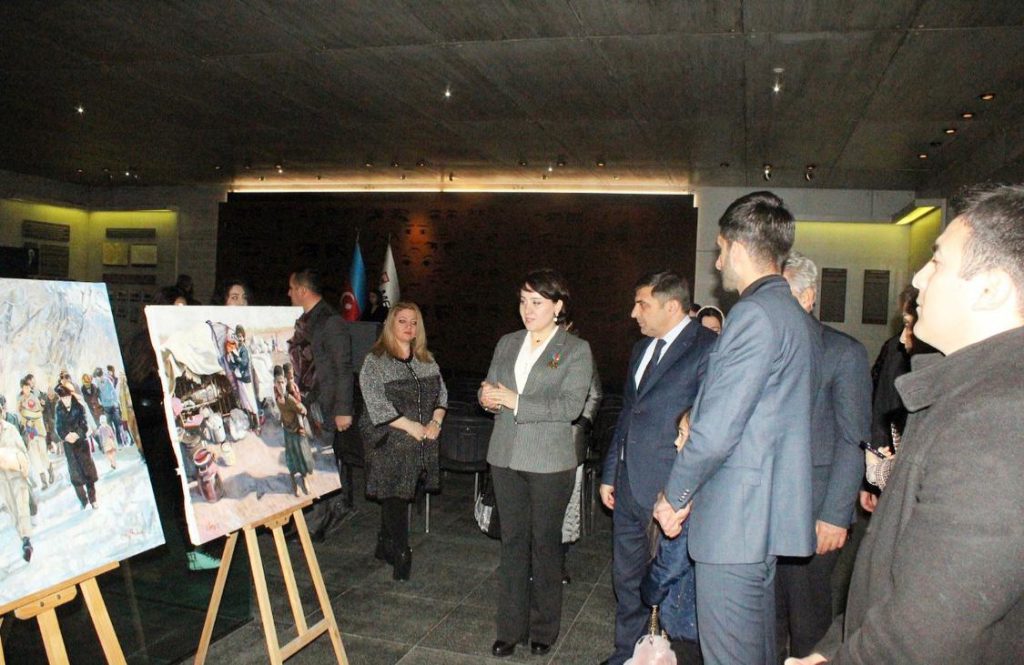
Within the framework of the campaign “Justice for Khojaly” initiated by the vice-president of the Heydar Aliyev Foundation Leyla Aliyeva,the event was organized by the E-Media group and the Genocide Memorial Complex in the museum of the Guba Memorial Complex of Genocide. The victims were remembered for a minute of silence. Speakers also emphasized the importance of such events in bringing the actions of Armenian vandals to the international community. At the end of the event, participants were presented an exhibition of works by Azerbaijani artists, reflecting the Khojaly tragedy.

Successful cooperation between the Bakihanov Institute of History of the National Academy of Sciences and the Genocide Memorial Complex.

In the first decade of February, on the initiative of the Genocide Memorial Complex, Head of the Department of Scientific Research, Exposition and Foundation Letafet Beibutova, was sent to the Bakihanov Institute of History. During this period L. Beibutova worked closely with the departments of the Institute “History of Genocide against the Azerbaijani People,” History of the Azerbaijani Democratic Republic “and got acquainted with the research plans of the departments. She participated in discussions of scientific work conducted in these departments and exchanged business ideas with department staff. During her internship, L.A. Beibutova took part in a number of events held at the Institute, worked in the scientific archives and foundations of the Central Scientific Library of the National Academy of Sciences and got acquainted with the relevant literature. In an official letter, the director of the Institute of History academician Yakub Mahmoudov considered the internship of L. Beibutova acceptable.
Good job! Congratulations!

JUMA (Friday) MOSQUE

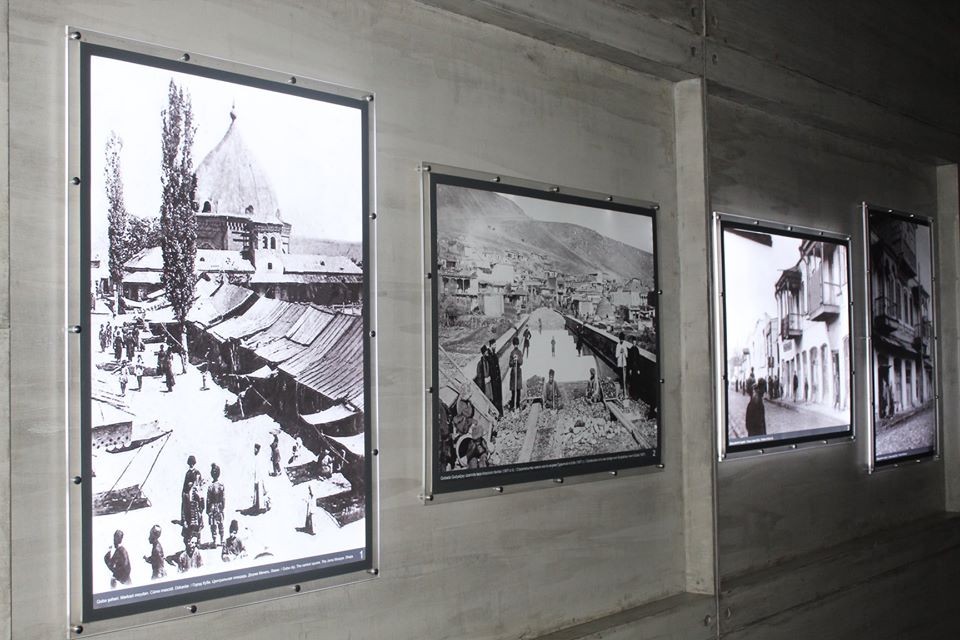
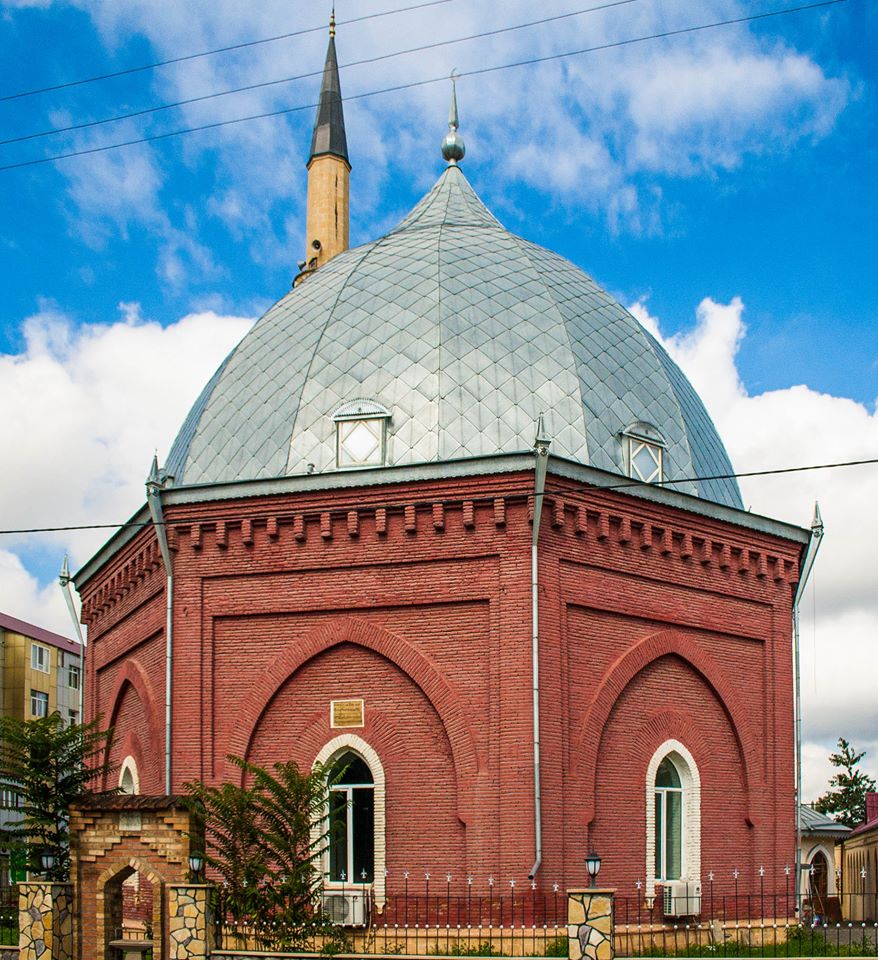
One of the oldest mosques in Guba with its rich national-architectural charms, the Juma Mosque was built in 1802 with the financial support of Gazi Ismail Efendi. In addition to being a place of worship, the “Juma” mosque has played an important role in the city’s public life. The mosque was not only in Guba, but also one of the oldest religious centers in Azerbaijan. The Juma Mosque is located in the center of the city, around the trade square of Guba.
On May 1, 1918, under the leadership of Hamazasp, 3,000 troops entered Guba from three sides and fired on the city with cannons, machine guns and rifles.
On the fourth day of his visit to Guba, Hamazasp met with locals in front of the Juma Mosque and said he did not come to establish a Bolshevik government but to create a great Armenia from the Black Sea to Shahdag.


The Genocide Memorial Complex, built and commissioned on the initiative of the Heydar Aliyev Foundation

The Heydar Aliyev Foundation proceeds from the desire to express respect of our people in memory of the great leader Heydar Aliyev, laid down in our history as an independent state founder, to reflect its rich spiritual heritage, to emphasize the importance of the philosophy of Azerbaijan for our country and to convey the ideas of national statehood to new generations. The Heydar Aliyev Foundation, established in 2004, takes an active part in the creation of a new society that contributes to the country’s social and economic development through the implementation of various projects in the fields of education, health, culture, sports, science and technology, the environment, social sphere and other areas. At the initiative of the First Lady of the Republic of Azerbaijan, UNESCO and ISESCO goodwill ambassador Mehriban Aliyeva, many important projects were implemented in the country. One of such projects is the consturction of the Genocide Memorial Complex commissioned in Guba.
On December 30, 2009, President of the Republic of Azerbaijan Ilham Aliyev signed a decree on the creation of the “Memorial Complex of Genocide” in the city of Guba in order to deliver world community the criminal acts of Armenian nationalists, preserve the national memory of future generations of the Azerbaijani people and perpetuate the memory of the victims of genocide. The complex was built on the initiative of the Heydar Aliyev Foundation and put into operation on September 18, 2013. The opening ceremony was also attended by President of the Republic of Azerbaijan Ilham Aliyev and President of the Heydar Aliyev Foundation Mehriban Aliyeva.


Visit of newly appointed Ambassador of Israel in Azerbaijan to Genocide Memorial Complex in Guba.

As part of his visit to Guba, the newly appointed Ambassador of Israel to Azerbaijan, Mr. George Dick, also visited the Genocide Memorial Complex in Guba. The Ambassador was informed in detail about the genocide committed by Armenian-Bolshevik divisions against the Azerbaijani people. It was reported that the burial site was discovered on 1 April 2007 as a result of the land reconstruction work carried out at the site. After that, the Institute of Archaeology and Ethnography of the National Academy of Sciences of Azerbaijan Republic conducted extensive research into this mass grave. Studies have shown that mass grave is linked to genocide committed by Armenians against the local population in 1918.
Expressing his profound impression of the information, Mr. George Dick wrote in the Complex ‘s “Memorial Book” that, on behalf of the Israeli people, he conveys еру pain for the tragedy done to the Azerbaijani people, and hopes that such tragic events will never be repeated again.

The students of the Azerbaijan Democratic Republic

Approximately 100 students from different backgrounds were sent to Western Europe, Russia and Turkey to get an education by the decision of the Government Azerbaijan Democratic Republic and the Ministry of Education has allocated 7 million rubles for this. Among them were residents of Guba Akhundzadeh Samander Zaki, Hasanov Rzagulu Ismail oglu and residents of Khachmaz district Mammadov Huseynbala Jafarulu. They were sent to Germany and Italy to continue their education by a special decision of the Parliament of the Azerbaijan Democratic Republic.
After graduating, some of the students returned to Soviet Azerbaijan and succeeded to some important positions, including in the oil industry.
However, in the repression of the 1930s, some of the students were repressed by the People’s Commissariat of Internal Affairs in an attempt to restore the Azerbaijan Democratic Republic and on espionage charges for Germany.


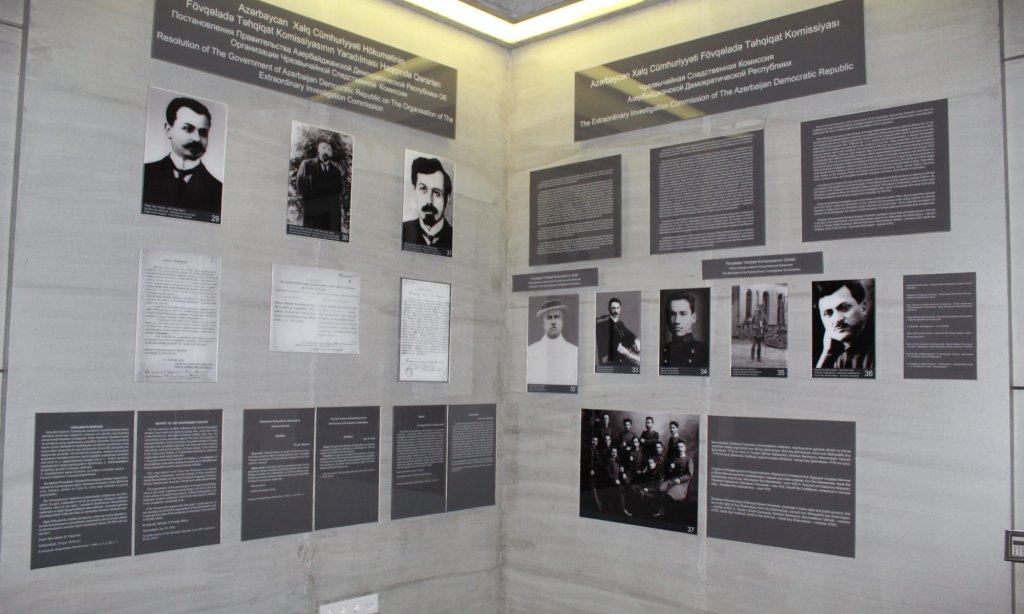
Quotes from the testimony of the Chief Executive of Quba in 1918, Ali Abbas bek Alibekov to the Extraordinary Investigation Commission about the genocide in Quba:

From the testimony of the 49-year-old Ali Abbas bek Alibekov The Chief Executive of Quba as a witness in accordance with the Code of Criminal Procedure, interrogated by the Novatsky member of the Extraordinary Investigative Commission under the Government of Azerbaijan:

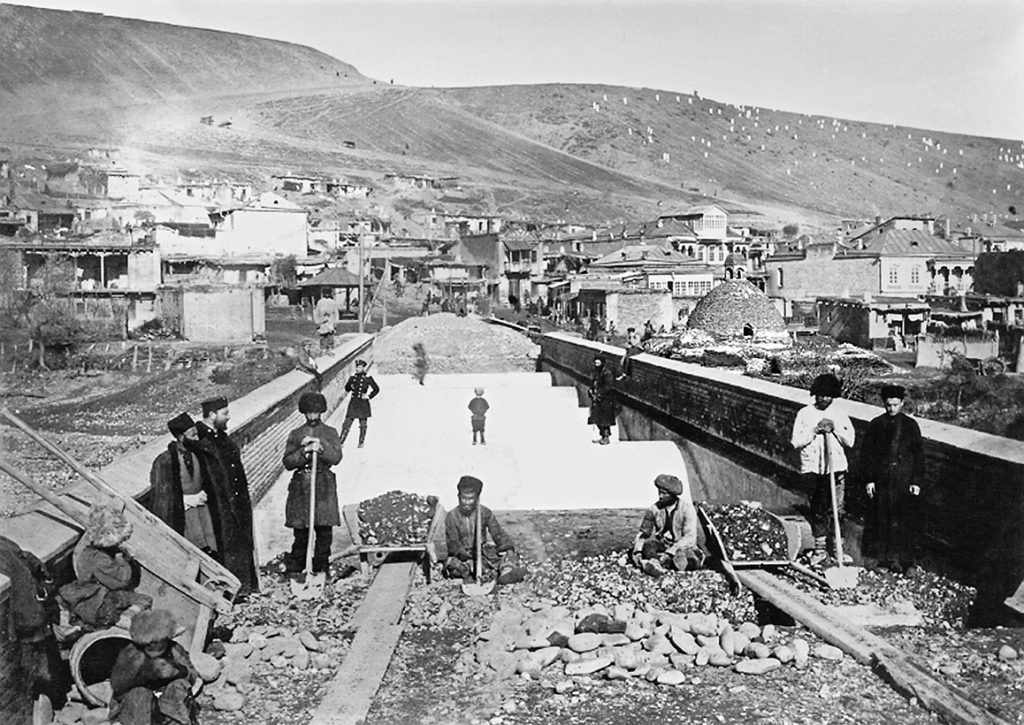
At the head of the detachment, which consisted exclusively of Armenians, was the famous Armenian dashnaktsakan Amazasp with his assistant Nicolay. The detachment also included Harutyun Ayrapetov, an Armenian from Quba, called “Degermachi,” as a guide and bringing down man. On May 1, in the morning, a detachment on three roads entered the city. It consisted of at least three thousand men, four guns and eight machine guns. Murders and robberies began.

 On the first day, 715 Muslims were killed in a larger part of the city, most of them women and children. The older Highway and Bazar streets were crushed. The detachment divided the city into four parts and in each part created headquarters. The atrocities of the Armenians continued and on the second day in the 1st and 2nd part of the city they killed 1,012 people, mainly men from the poor population of the city and Persians, and the looting also continued.

 Violence, murder, robbery lasted 9 days. I went to Amazon asking for permission to bury the bodies of killed people. Named Harutyun Ayrapetov in my presence made him a report that I understood as I know Armenian. He reported that the city collected about three million cash Nicolayev money, as well as all gold and gold women’s jewelry worth about 6 million.


Solmaz  Rustamova  Tokhidy

 Quba April – May 1918 Muslim massacres in documents

Azerbaijan Republic State arcive, f.1061, w.1, d.96, l.34-39.

Document №57