
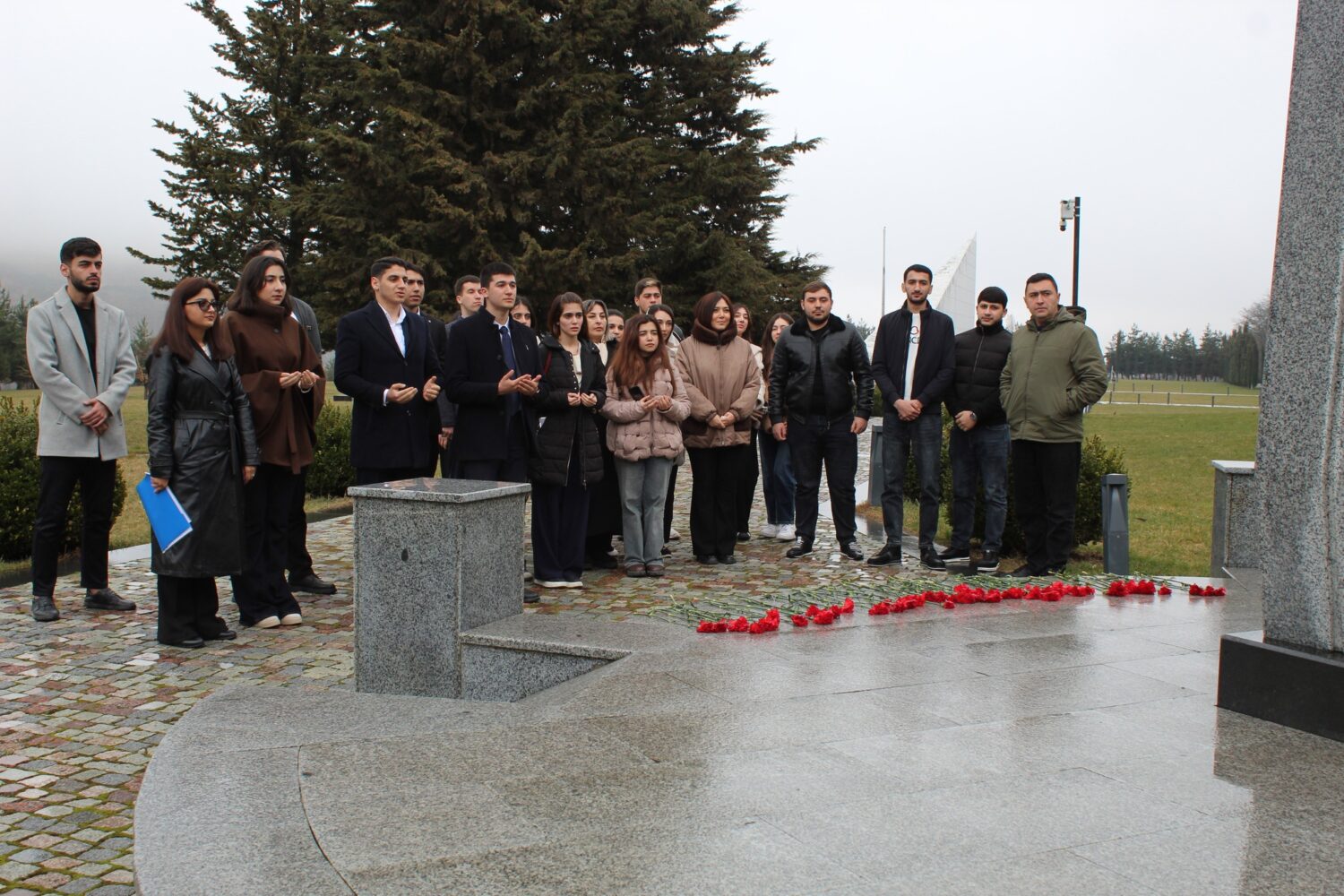
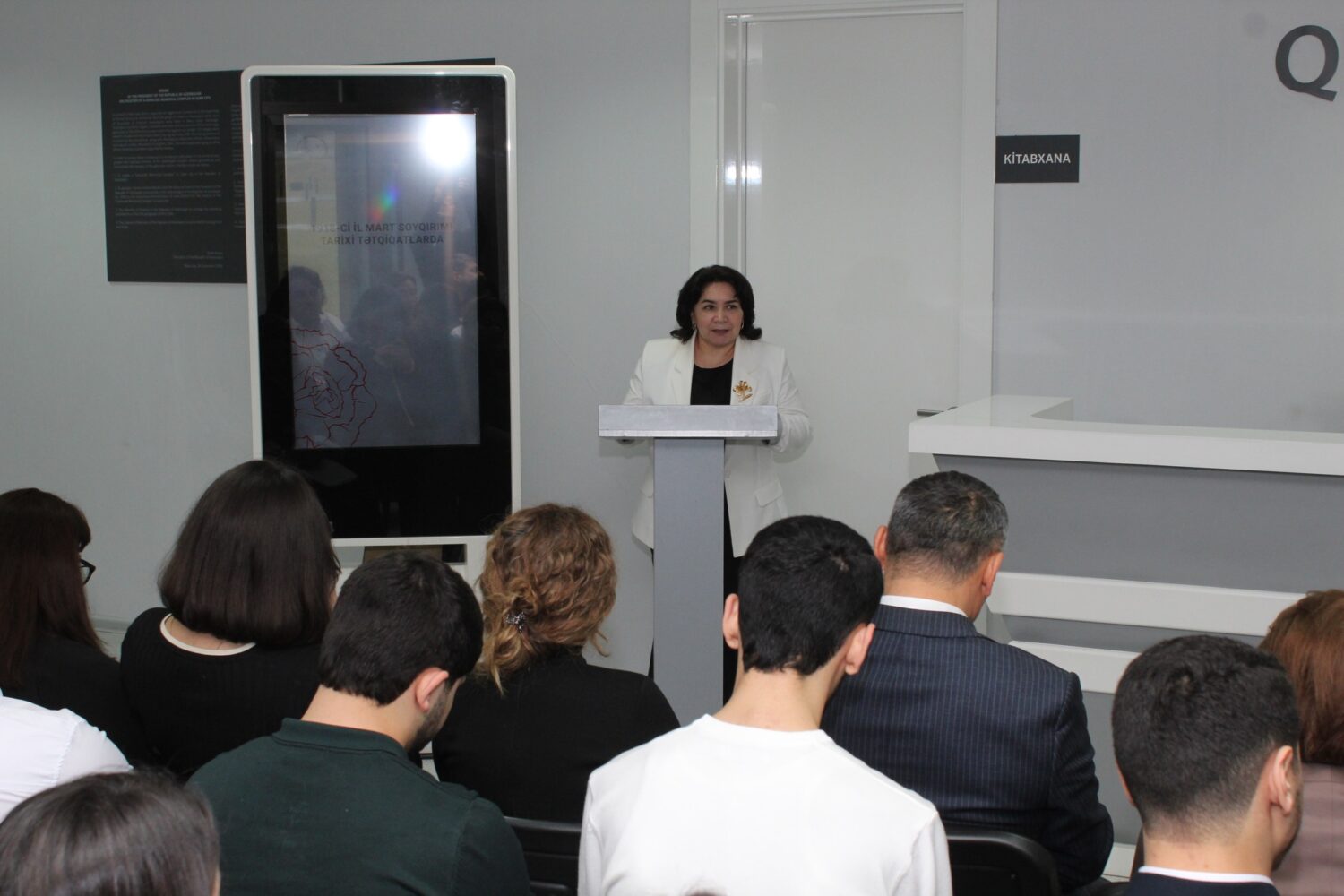
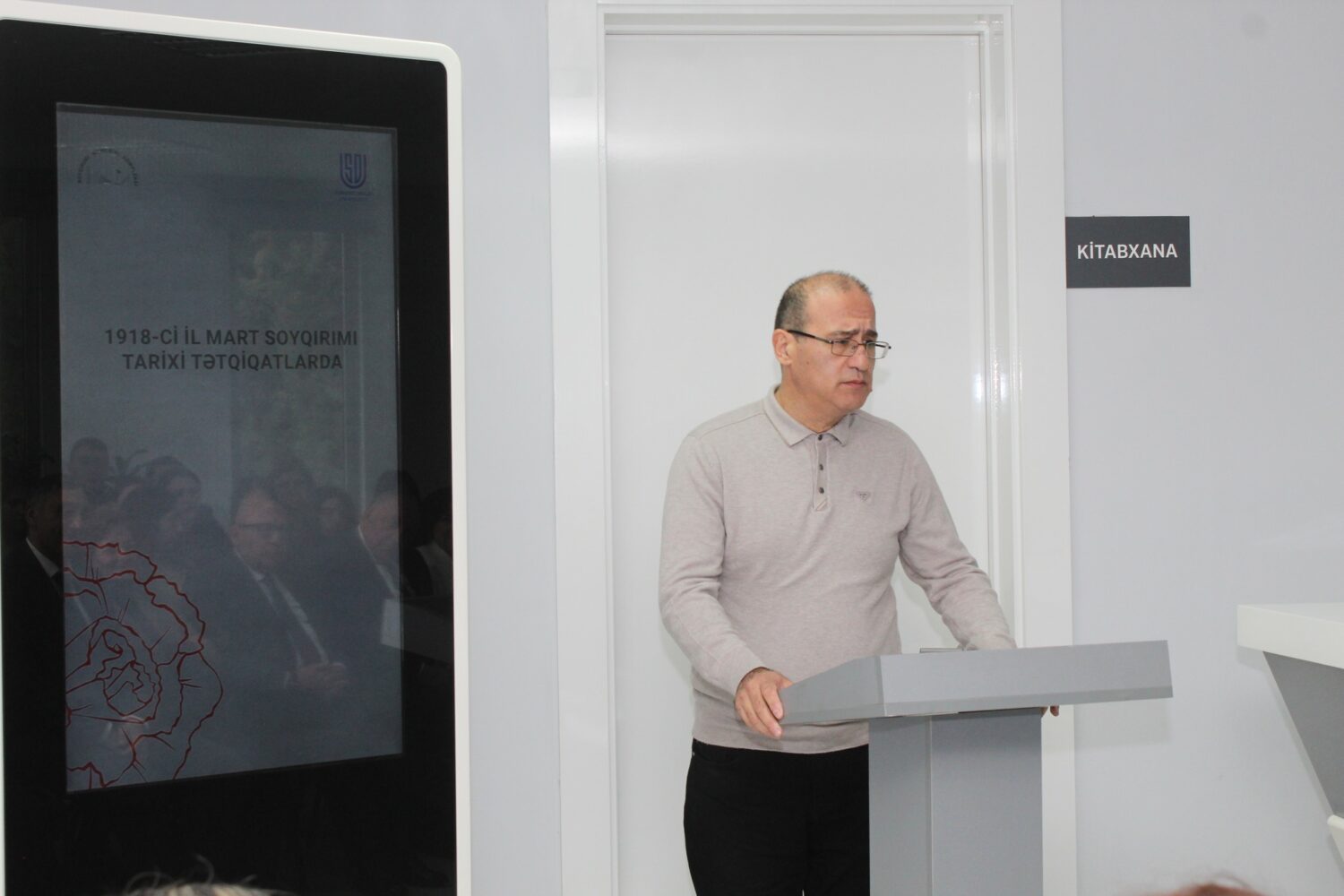
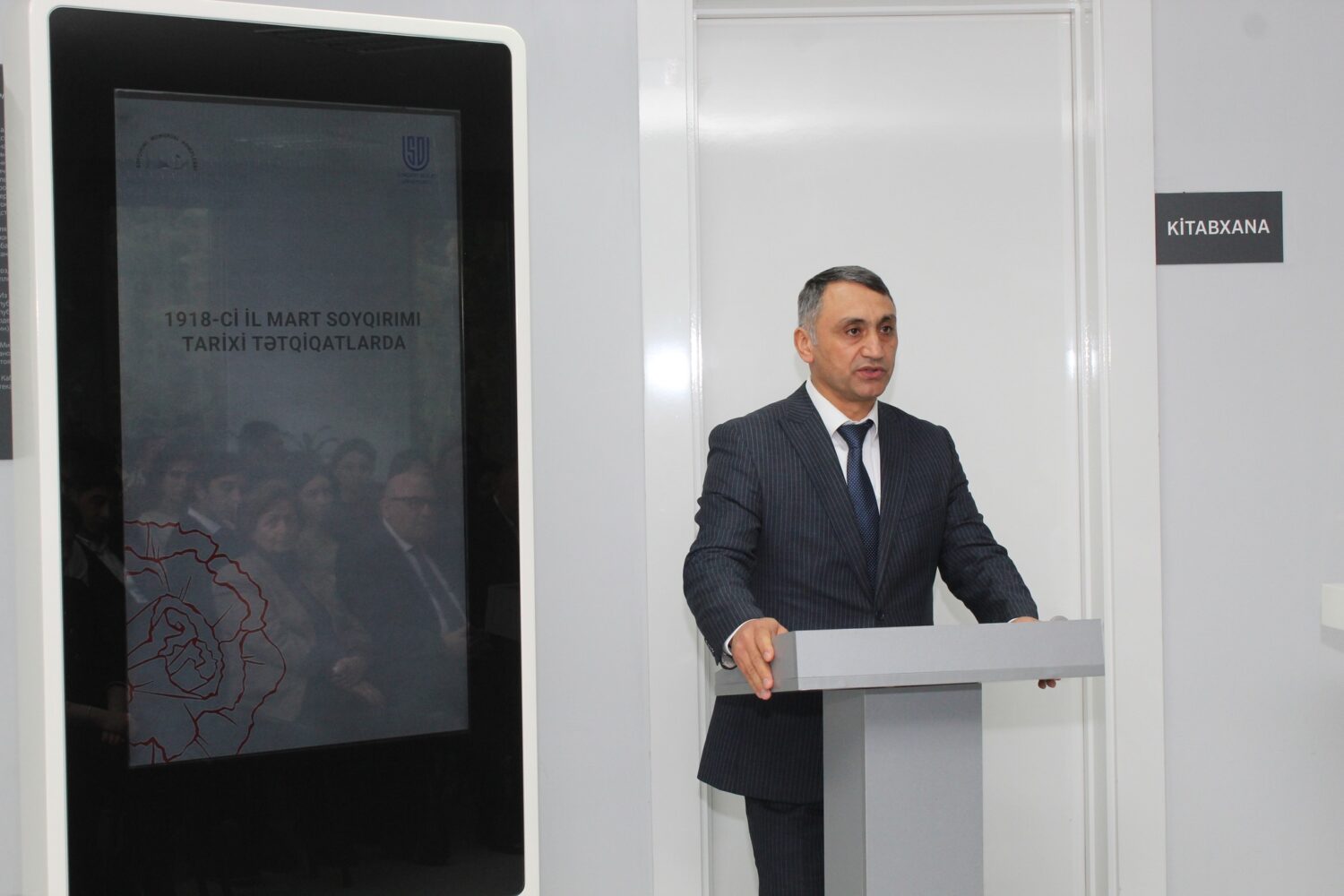
The conference began with the performance of the National Anthem, followed by a one-minute silence in memory of the martyrs who lost their lives for the territorial integrity of Azerbaijan and the victims of genocide.
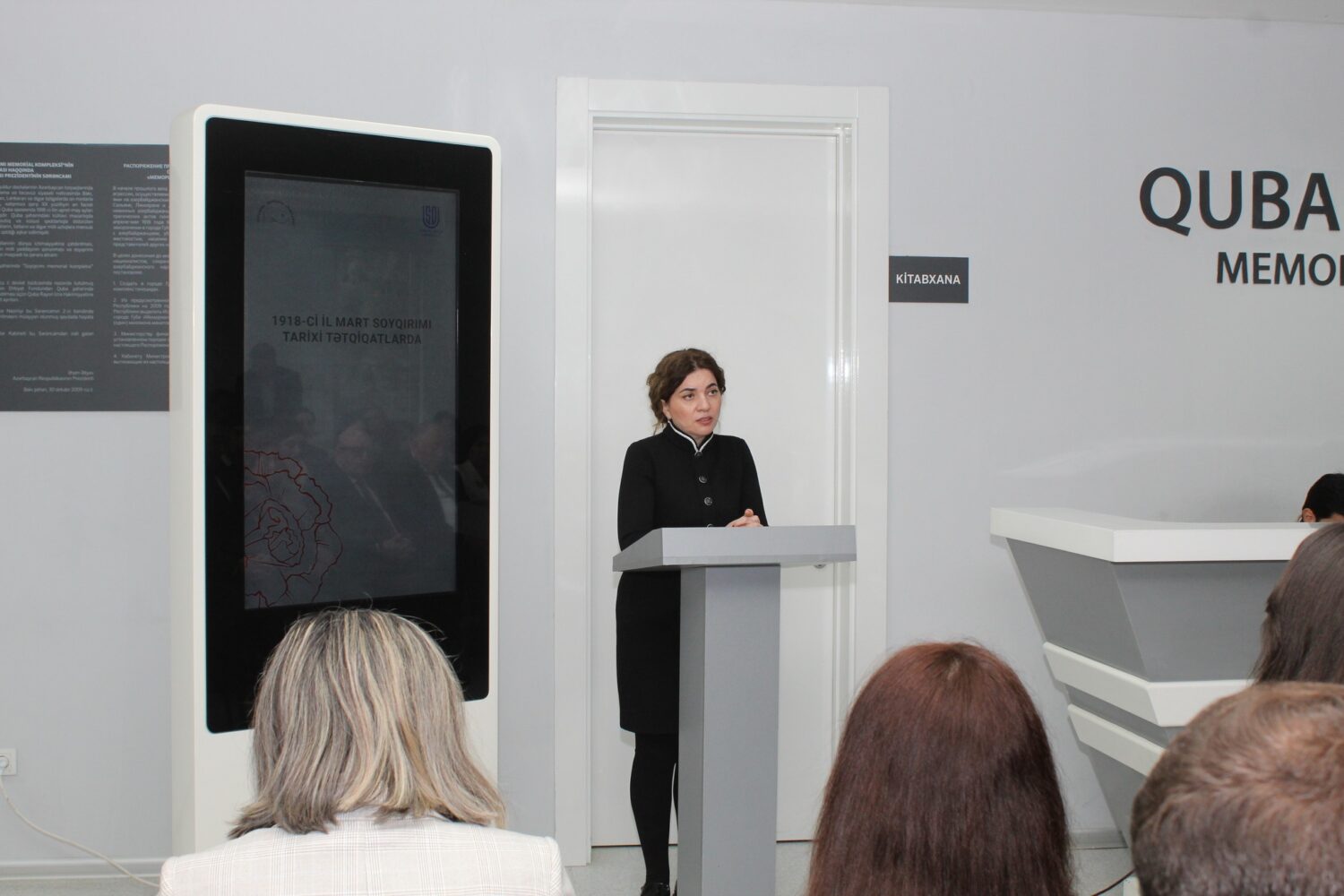
Opening the event, the Director of the Complex, Dr. Rakhshanda Bayramova, emphasized the importance of thoroughly researching Azerbaijan’s historical truths—particularly the realities of the 1918 genocide—studying them on a scientific basis, and conveying them to the international community. She spoke about the significance of ongoing efforts in this direction. She noted that starting from March 31, 1918, in the city of Baku and various regions of the Baku Governorate, as well as in Shamakhi, Guba, Khachmaz, Lankaran, Hajigabul, Salyan, Zangezur, Karabakh, Nakhchivan, and other territories, the forces of the Baku Soviet and Dashnak Armenian armed groups carried out massacres against the civilian population. The events of the 1918 genocide were given a legal and political assessment by the Decree “On the Genocide of Azerbaijanis,” signed on March 26, 1998, by National Leader Heydar Aliyev, which for the first time officially declared that Azerbaijanis had been subjected to genocide by Armenians.
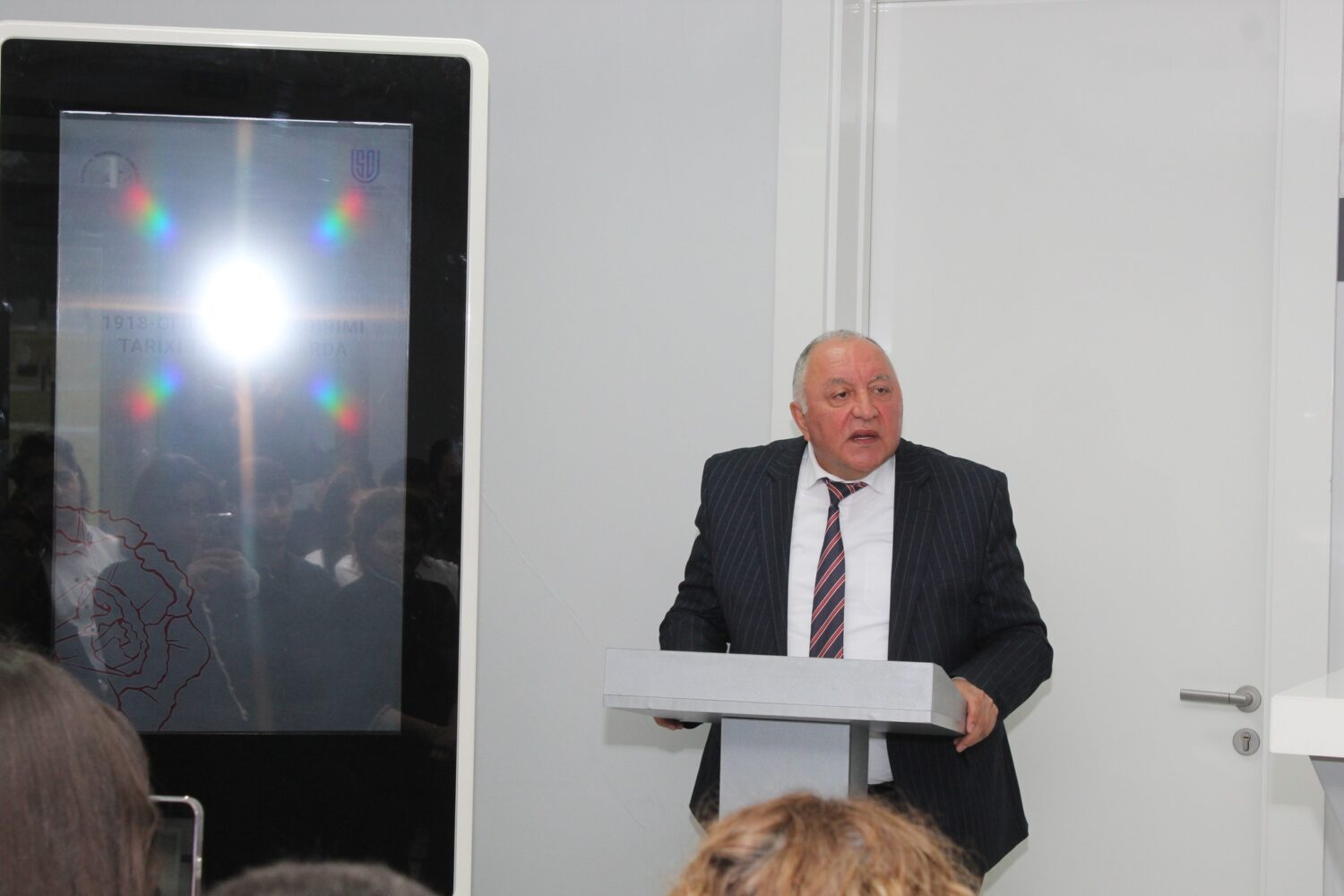
Adil Bakhshaliyev, Dean of the Faculty of History and Geography at Sumgayit State University, Doctor of Historical Sciences and Professor, spoke about the true nature of the genocide and aggressive policies carried out against the Azerbaijani people by Armenian nationalists over the past 200 years, including on March 31, 1918. He stated that this genocide is one of the bloodiest pages in history. As a result of the March genocide, nearly 12,000 Azerbaijanis were killed in Baku alone, more than 50,000 Turkic-Muslim people were destroyed across the South Caucasus, and tens of thousands went missing.
At the conference, Associate Professor Sona Maharramova, Head of the Department of History, Geography and Methodology at the university, delivered a presentation titled “Ethnic Cleansing and Deportations Against Azerbaijanis in Western Azerbaijan in 1918.” She presented an analysis of the tragic events of that period based on historical sources and spoke in detail about the causes and consequences of violence, massacres, and forced displacement inflicted on the Azerbaijani population, emphasizing their serious impact on the region’s demographic situation.
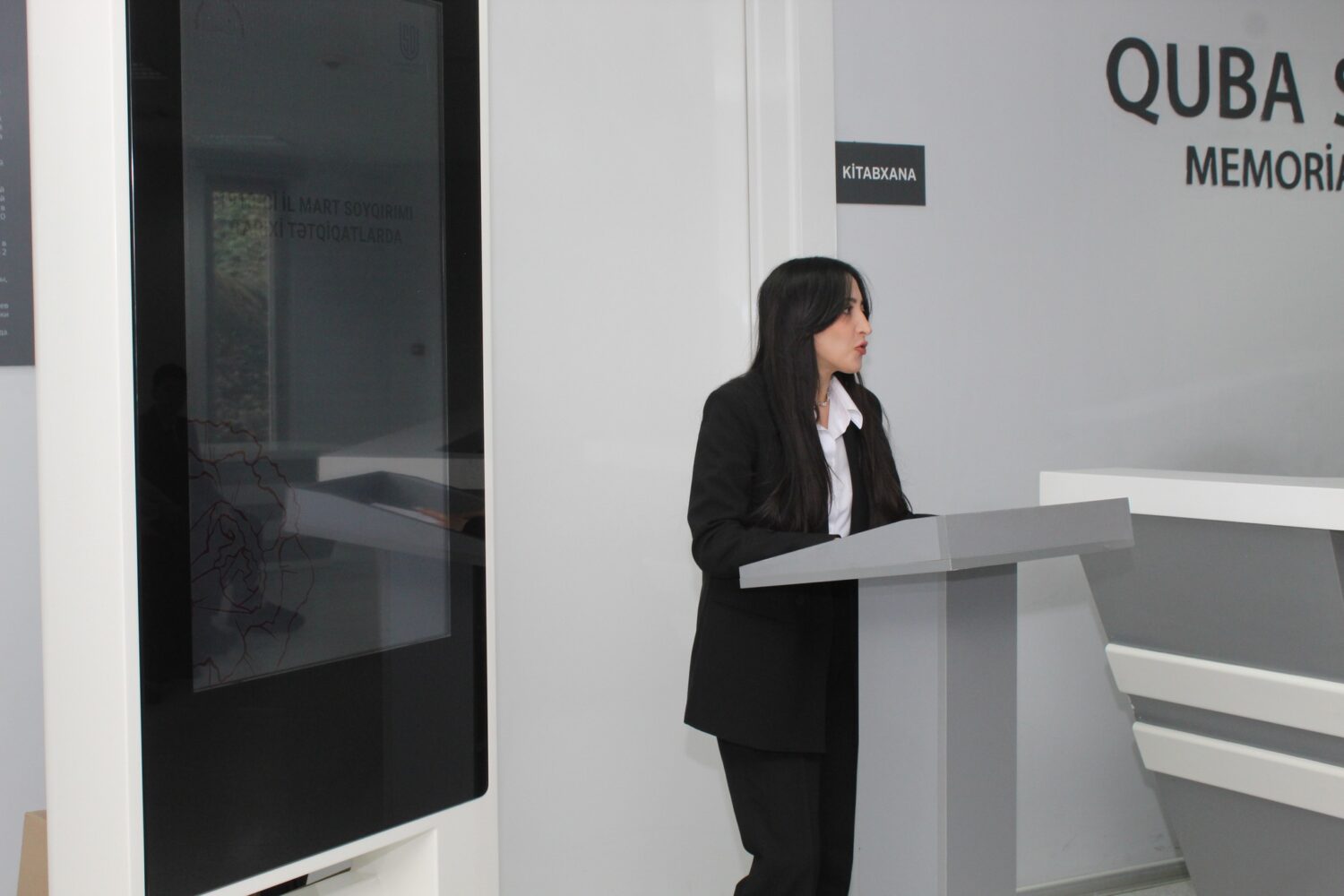
Subsequent presentations were delivered by Associate Professor Yusifali Hasanov on “The March 31, 1918 Genocide: Massacres in Baku,” Associate Professor Samir Karimli on “Massacres Committed in the Shamakhi Region of Azerbaijan in 1918,” fourth-year student Sona Hasanova on “Massacres Committed in the Guba Region in 1918,” fourth-year student Rahil Jafarov on “Massacres Committed in the Karabakh Region of Azerbaijan in 1918,” and Senior Lecturer Nofal Abdullayev on “The Legal and Political Assessment of the 1918 Genocide of Azerbaijanis.”
At the end of the event, teachers and students were provided with information about documents, photographic materials, and archaeological findings related to the genocide exhibited in the museum of the Complex.