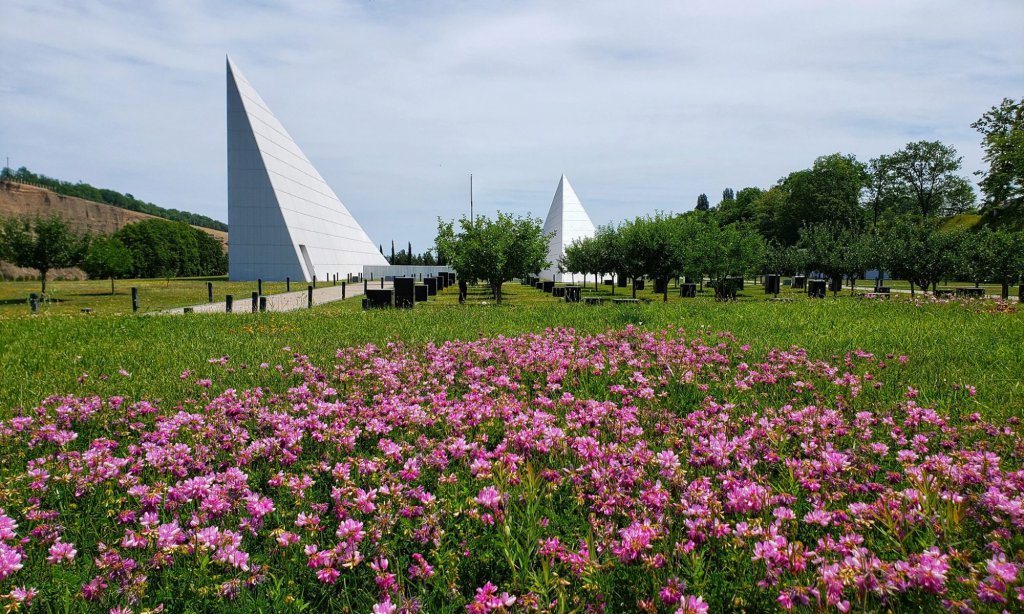
Dear visitors!

Every year, around the world the date April 18 is celebrated as the International Day of Monuments and Historic Sites. This significant day was established by UNESCO in 1983 at the suggestion of the Council for the Protection of Historic Sites and Monuments (ICOMOS). The aim is to bring people’s attention to the protection of monuments and historical sites.
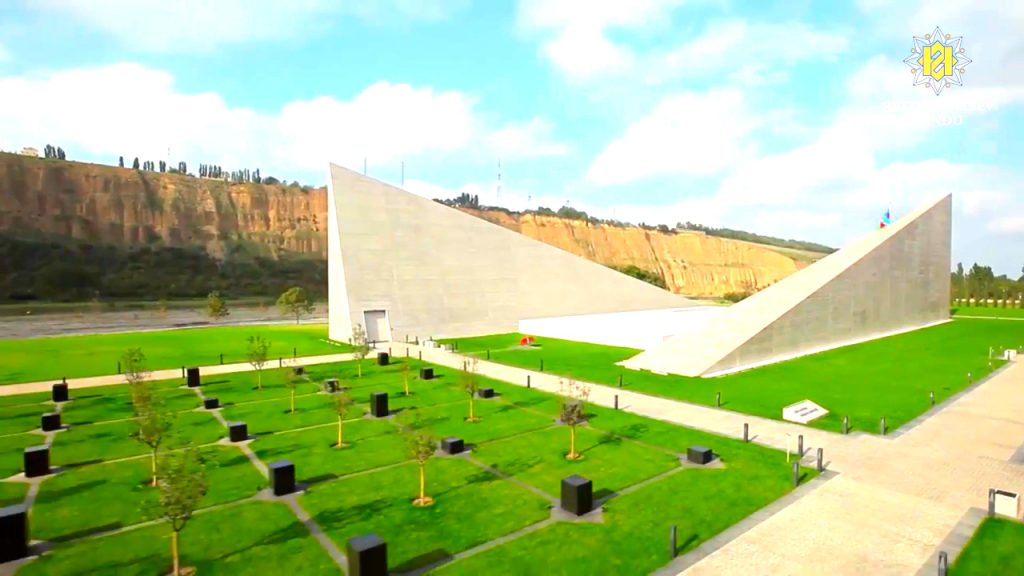
This significant day is widely celebrated in Azerbaijan as well. Every year on this date, various projects and events are held in the reserves, including the “Genocide Memorial Complex” in Guba to promote the protection of monuments and historical sites. We provide information on the events planned for this year and invite you to visit our Complex.
Planned projects and activities:
1. April 15-18 In the page profiles of the complex available on social networks will be presentation of various documentaries about our protected monuments and historical sites, which are considered the pearls of our country’s cultural heritage;.
2. April 15-18 Screening of documentaries on historical monuments in the museum of the Complex;
3. April 17-18 At the exit of the museum for visitors to the complex – the organization of a quiz on the flag square on questions about the events of 1918 and the presentation to participants of the quiz small gifts, as well as giving information about “April 18 International Day of Monuments and Historic Sites” ;
4. April 17-18 Giving various small gifts, balloons and flags to the children coming to visit the complex;
5. Dissemination and promotion on social networks of a video prepared by the specialists of the Complex on protected historical monuments located in Guba on April 17-18;
6. April 17-18 Presentation of a slide based on photographs of cultural and historical monuments destroyed as a result of Armenian vandalism in the liberated territories;
7. Organization of broadcasting a video on social networks of the Complex with information about “Subaba” tomb and ancient tombstones located in Alpan village of the region, which was destroyed during the genocides in Guba on April 17-18, 1918;
8. Holding an online seminar on “Historical monuments of Northeast Azerbaijan” organized by Genocide Memorial Complex in April 17.

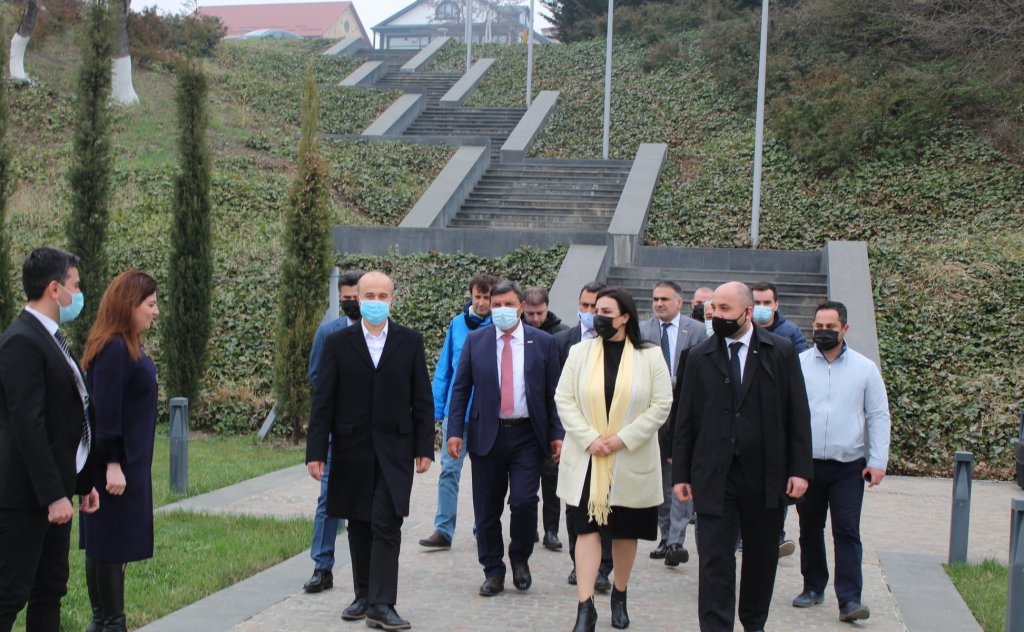
Müstəqil Sənayeçi və İş Adamları Dərnəyinin (MÜSİAD) təşəbbüsü ilə Türkiyəli iş adamlarından ibarət nümayəndə heyəti Quba rayonuna səfər etmişlər. Səfər çərçivəsində qonaqlar Quba şəhərində “Soyqırımı Memorial Kompleks”ini ziyarət etmişlər.
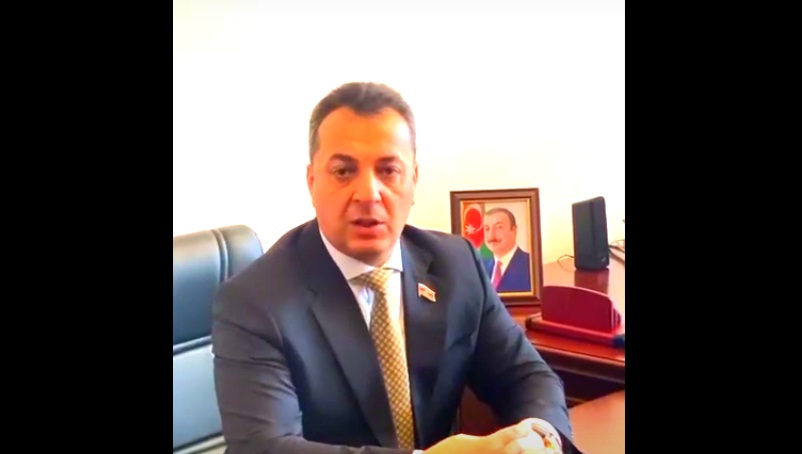
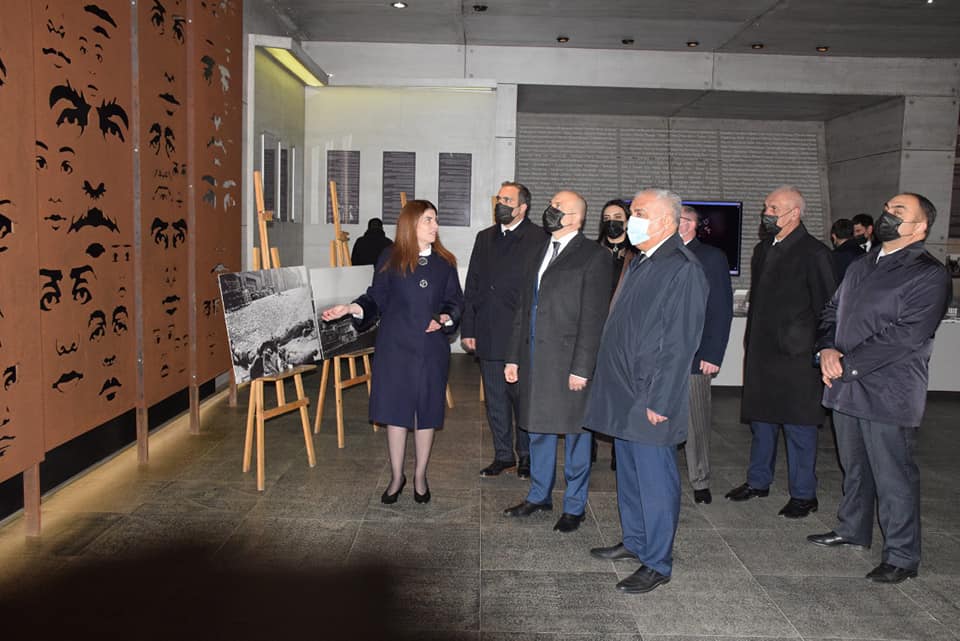
Ziyarətçilərə erməni vandallarının 1918-ci ildə Azərbaycanda o cümlədən Qubada törətdikləri insanlığa sığmayan vəhşilikəri haqqında ətraflı məlumat verilmişdir.
Görüşün sonunda Kompleks tərəfindən hazırlanan təbliğat və tanıtım xarakterli, buklet, müxtəlif kitabçalar, flayer və digər çap məhsulları gələn ziyarətçilərə, Türkiyəli qonaqlar tərəfindən isə Soyqırımı Memorial Kompleksinə xatirə hədiyyəsi təqdim edilmişdir.

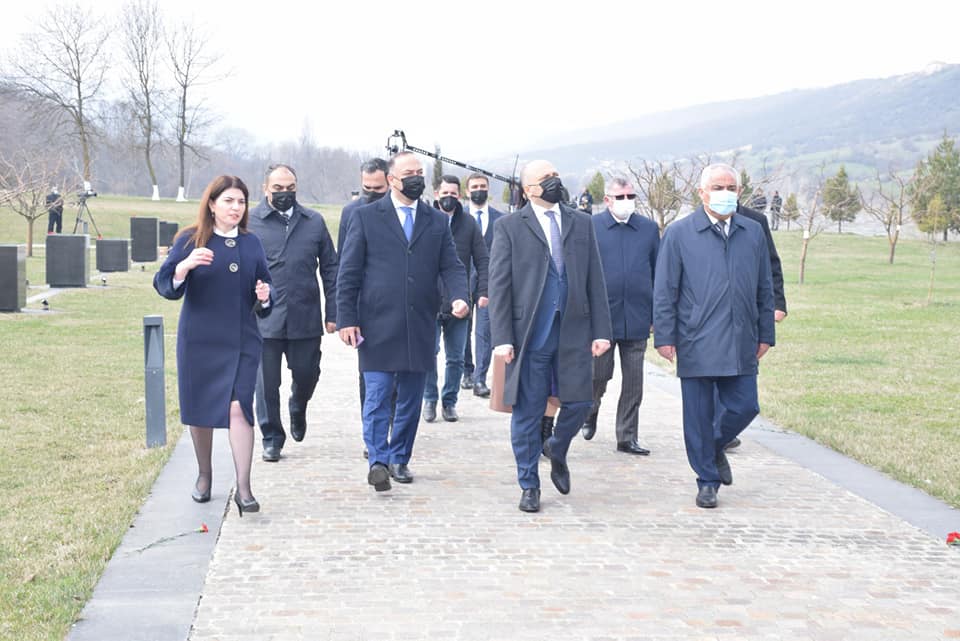
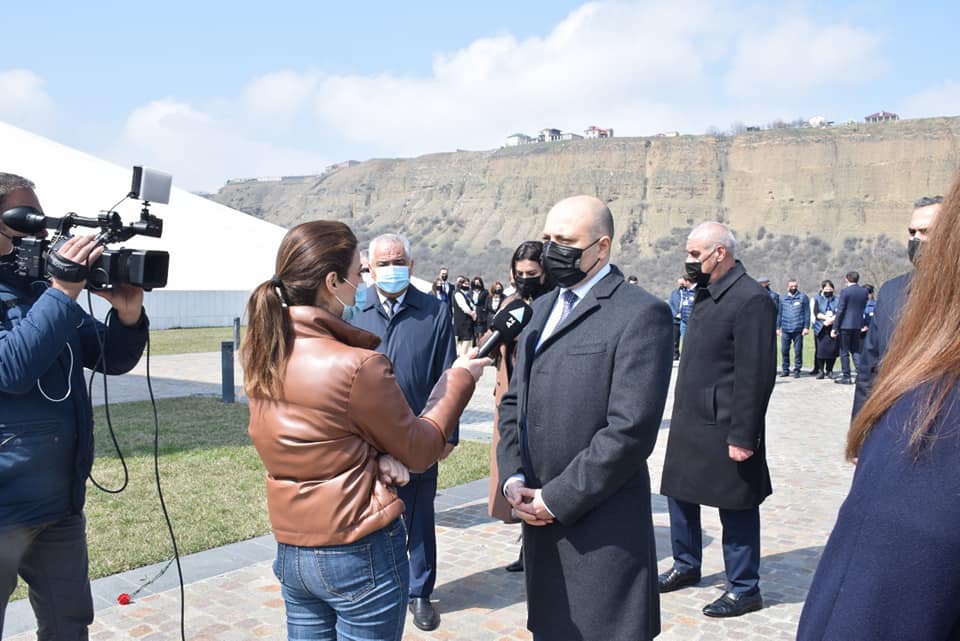
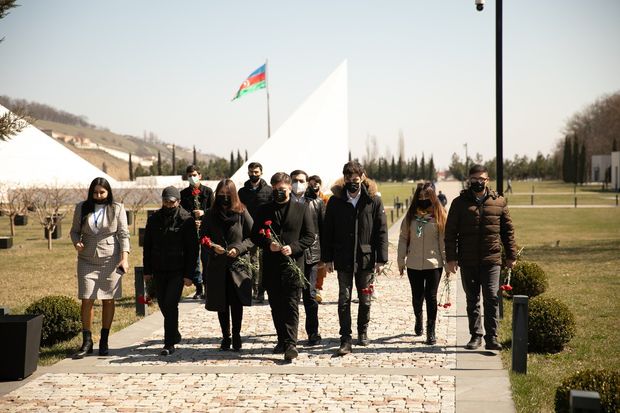
On March 31, 2021, an event dedicated to the 103rd anniversary of the March 31 Genocide of Azerbaijanis was organized at the Guba Genocide Memorial Complex. The event was attended by the Minister of Culture of the Republic of Azerbaijan, Mr. Anar Karimov, Head of the State Service for the Protection, Development and Restoration of Cultural Heritage under the Ministry of Culture of the Republic of Azerbaijan Mr. Azad Jafarli, Head of the Executive Power of the Guba region Ziyaddin Aliyev, government representatives, deputies of Milli Mejlis ( The National Assembly)


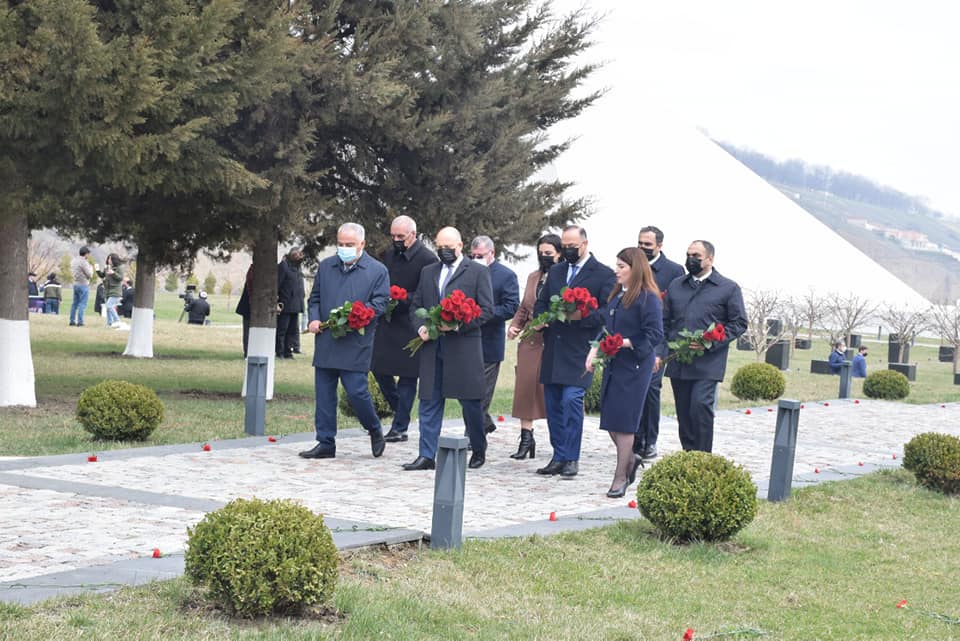
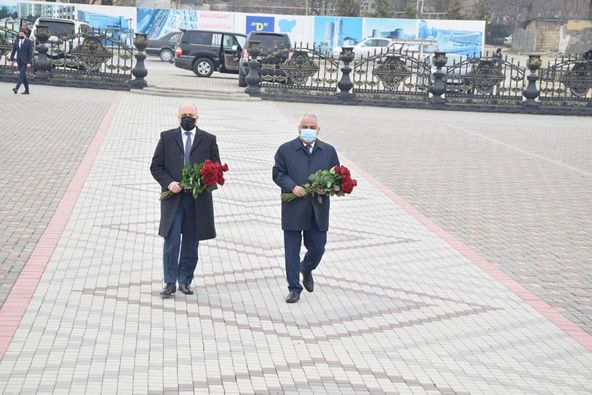
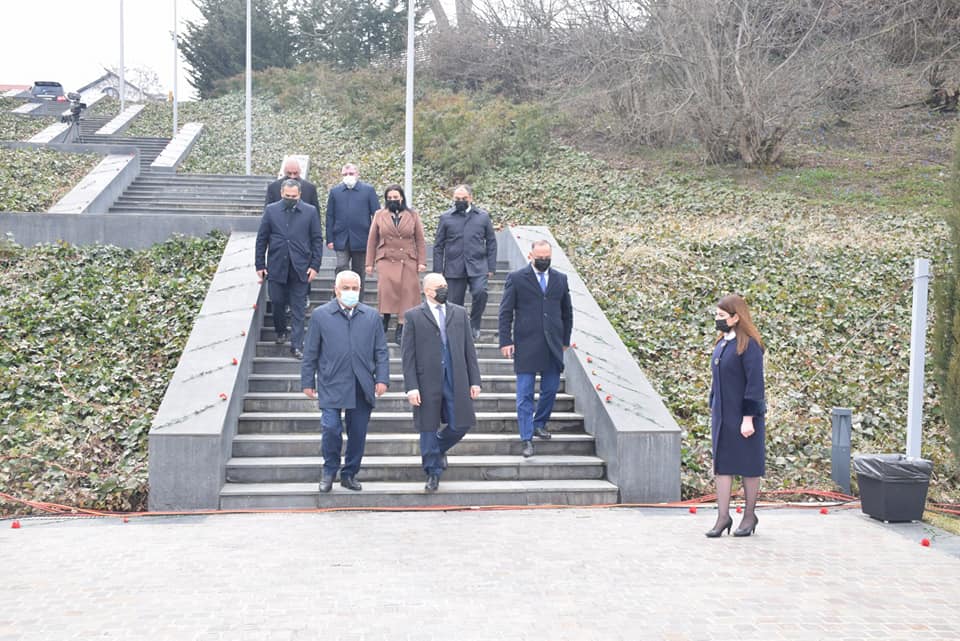
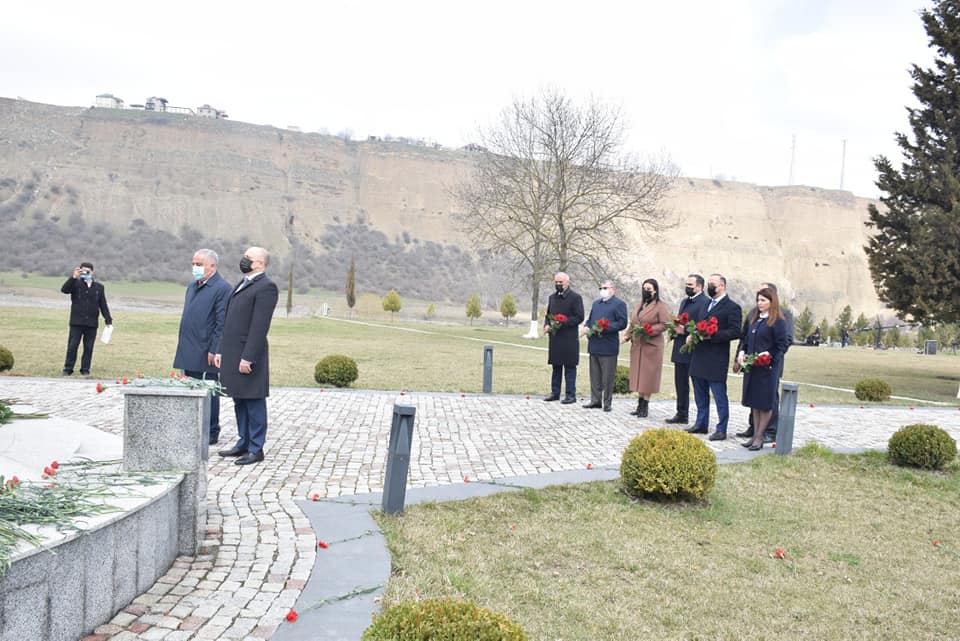
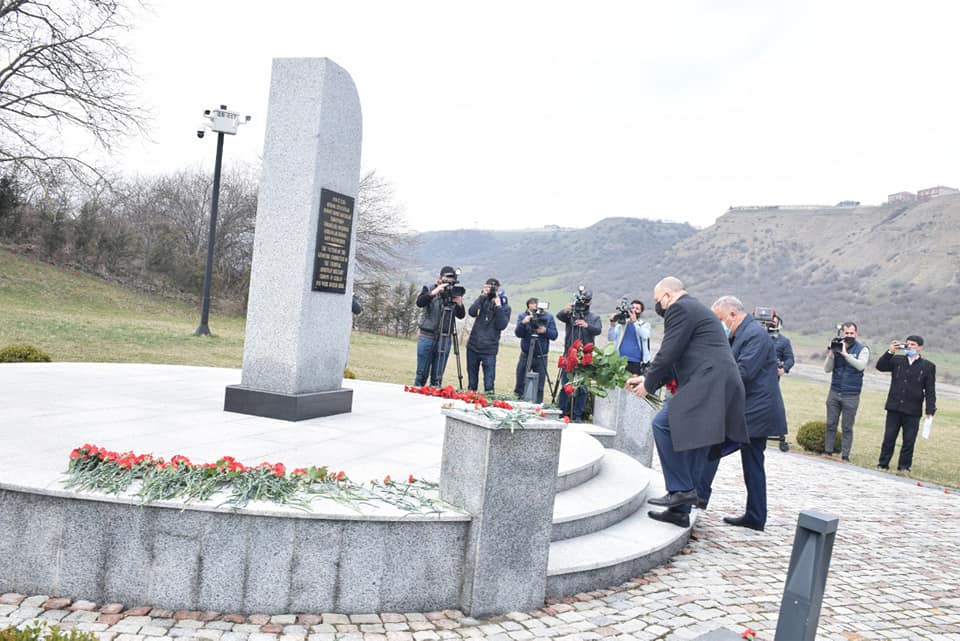
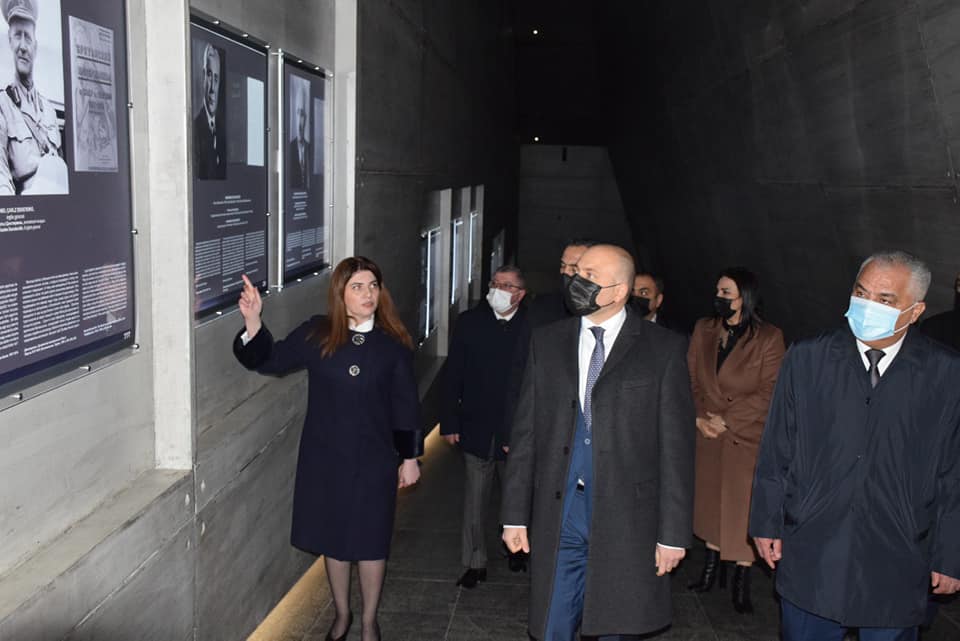
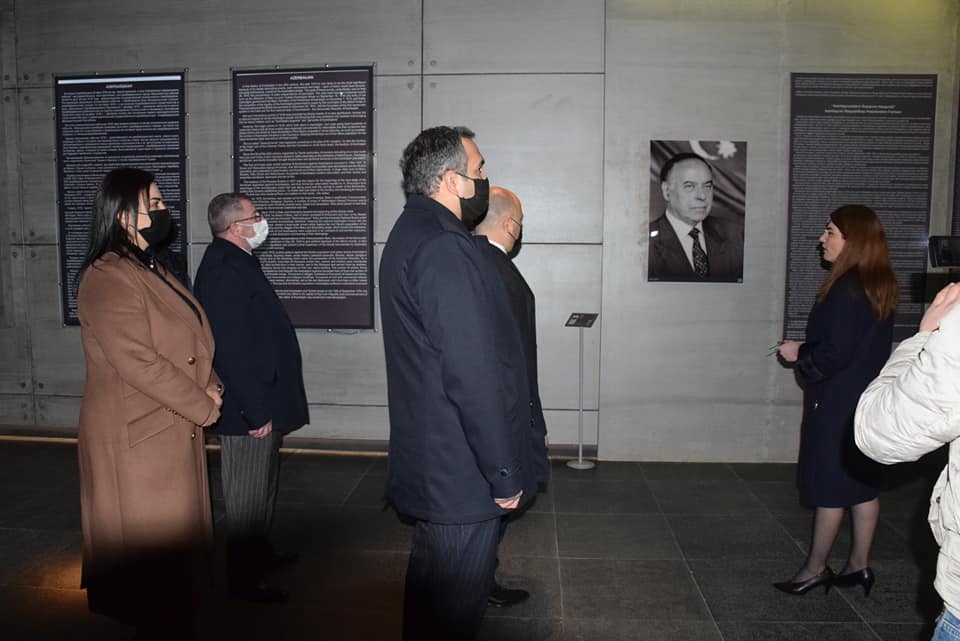
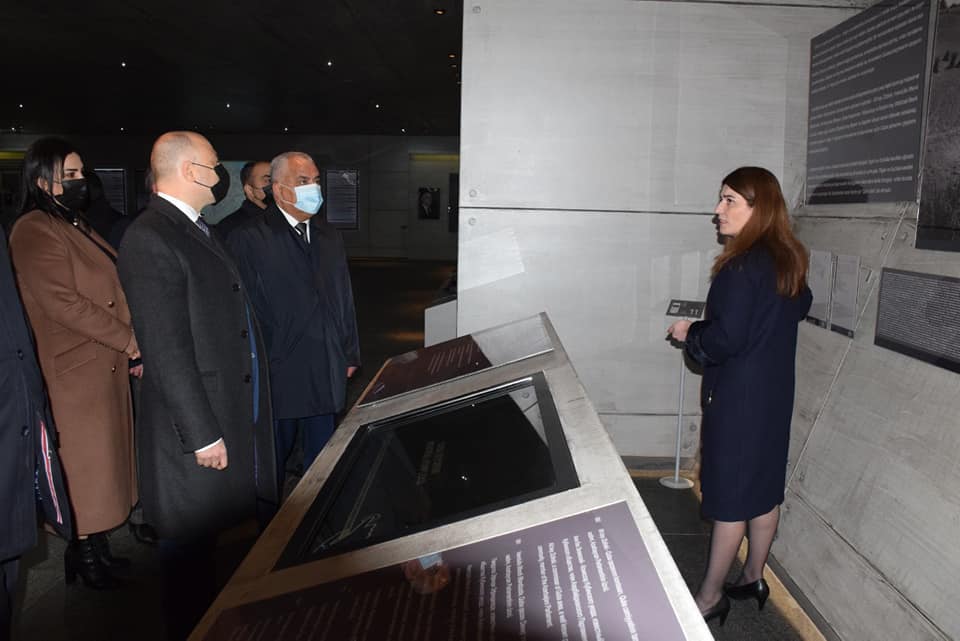
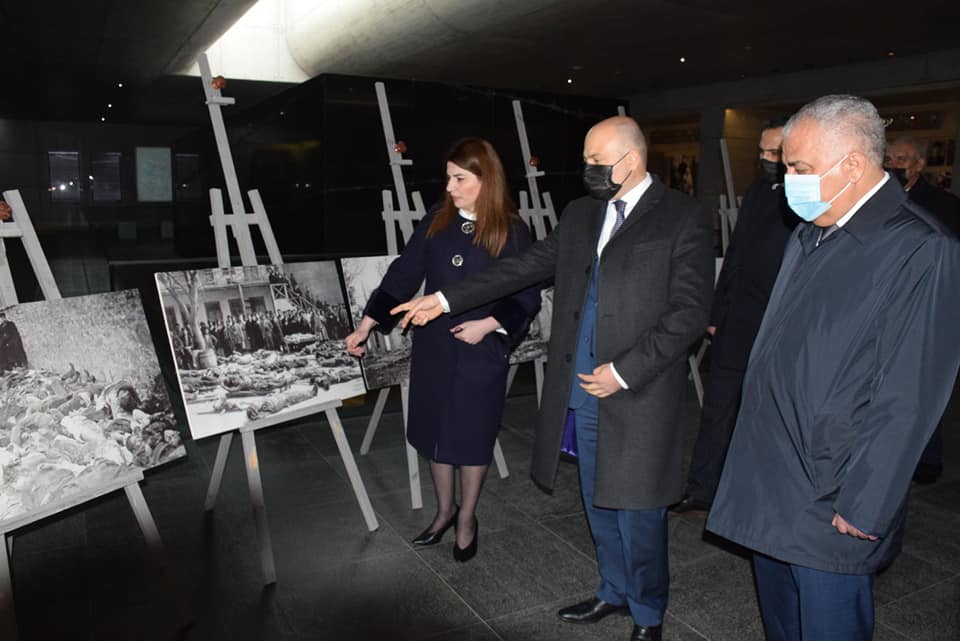
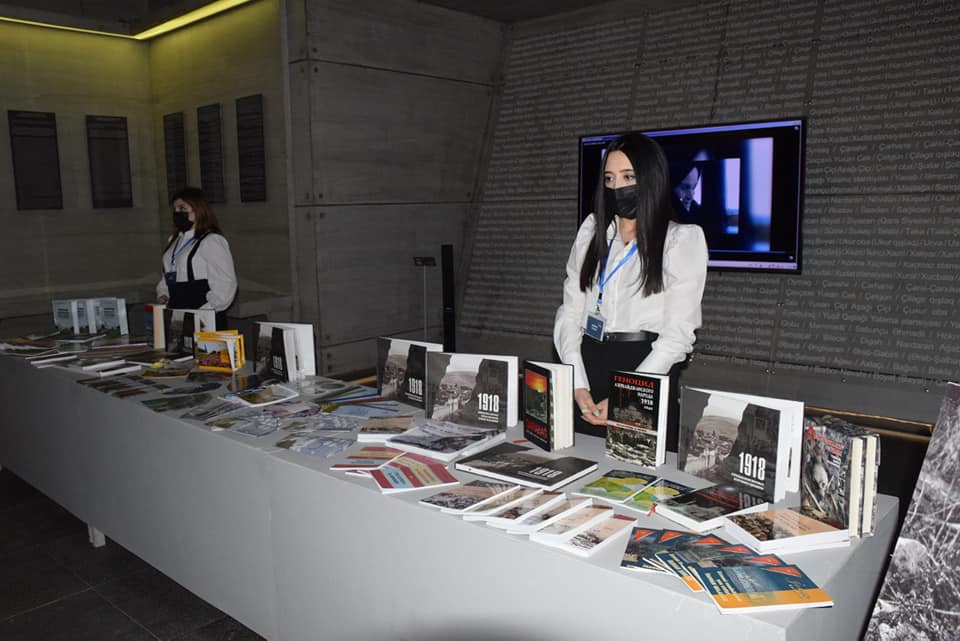
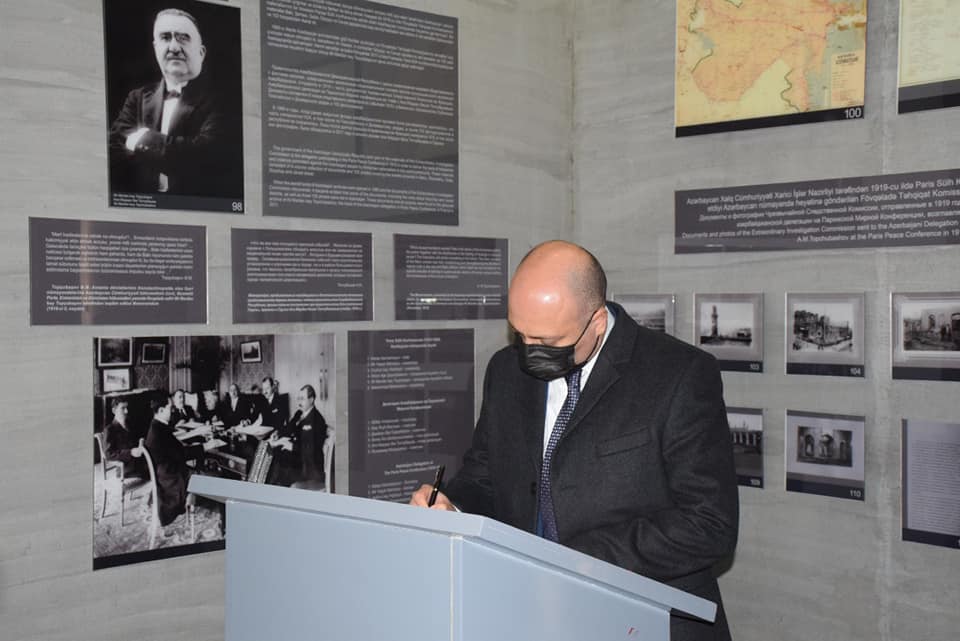
First, the participants visited the monument to the national leader Heydar Aliyev. Then they laid flowers at the monument to the victims of the genocide in the Memorial Complex. The participants of the event visited the Museum of the Complex and got acquainted with a photo-book exhibition dedicated to the Day of the Genocide of Azerbaijanis on March 31.

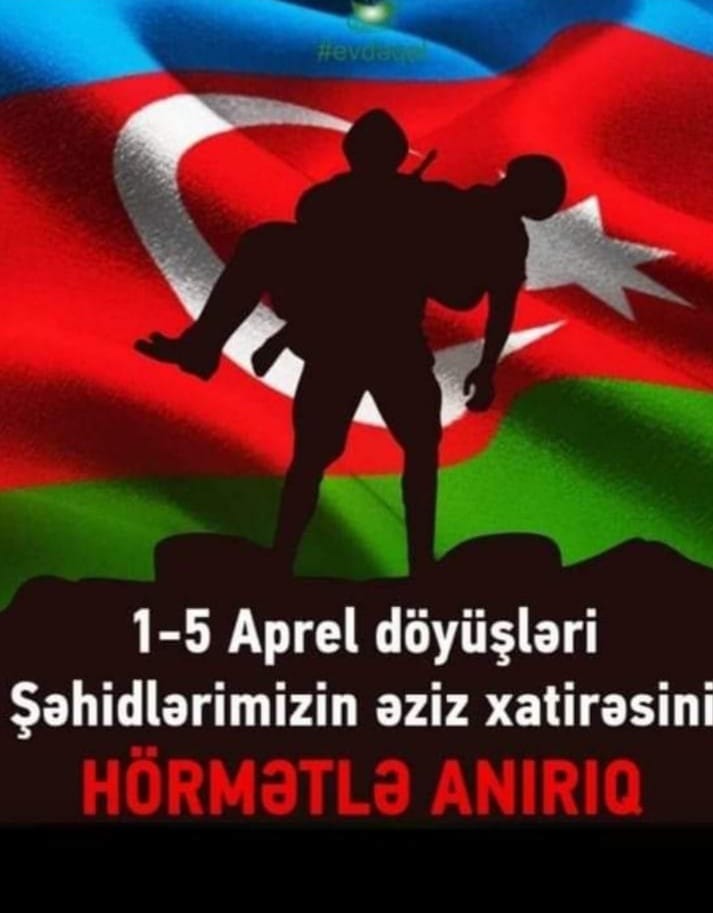
From the pen of our historians: a look at the genocides committed by the Armenian Dashnaks against the Azerbaijanis in 1918 #genocid

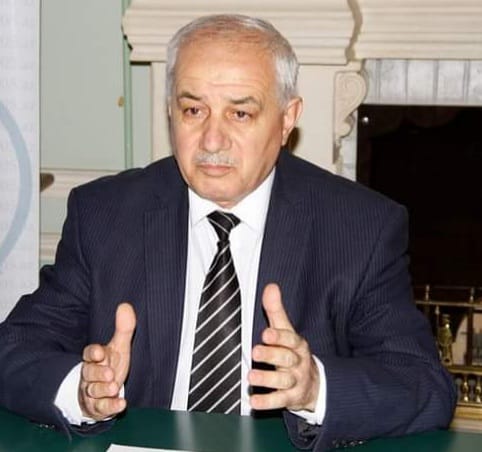
Vagif Abishov – “If the Armenians, who dreamed of creating a ‘Great Armenia’, played a key role in the March 31 genocide against Azerbaijanis, as well as the Turks, the Soviet power of that time was behind this great game.” The Soviet government used Stepan Shaumyan to establish its branch in Baku. Shaumyan worked hard to realize Russia’s intention, as well as to create a great Armenian state. Shaumyan’s popularity in Baku, as well as in the regions, was zero. From this point of view, he was waiting for an opportunity to strengthen his position in Baku until 1920. Although it has repeatedly committed large and small provocations over the years, it has failed to achieve a serious goal. “Shaumyan’s first provocation against Azerbaijanis was the arrest of Talishinsky, the chief of staff of the Azerbaijani Tatar cavalry regiment, together with his staff when he arrived at the Baku station, which caused great discontent in the society at that time. Disarmament eventually led to clashes. Shaumyan, who had been making serious preparations for a long time, had already deployed a group of Armenian soldiers from Iran, the South Caucasus, and Turkey to Baku to fight the Turks. Bloody massacres were committed against Azerbaijanis during the day. “It should be noted that during the March genocide, the historical documents collected by the Extraordinary Investigation Commission established in Baku Province on June 15, 1918, contained legal documents in 36 volumes of 3,500 pages. It contains a list of people killed and a report on the material damage to the population and the country. In recent days, the Institute of History of the National Academy of Sciences has been conducting special research on historical documents imported from Moscow, England and France in order to reveal historical facts.