Javad Area

Since the beginning of April, Armenian vandals under the banner of the Bolsheviks, under the pretext of establishing Soviet power, destroyed and burned Muslim villages in the Javad area, massively killing civilians and plundering property. Armenian armed groups moved from the Hajigabul station along the Kura River and attacked the Azerbaijani villages of Arab-Shahverdi (Zubovka) and Hila-Mirzalikend.
Suddenly, Armenian Dashnaks besieged villages, opened fire with artillery and machine guns, killed many people, burned 44 houses, a village mosque, sacred books and looted all livestock and movable property of villagers.
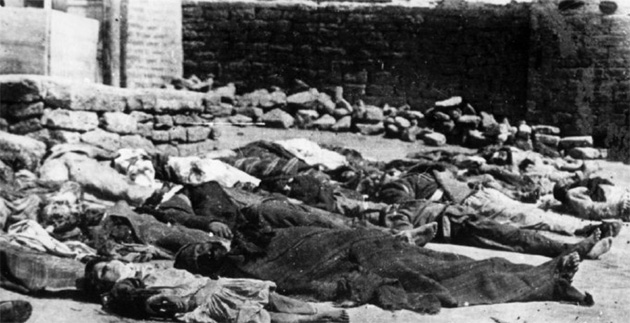
In addition to these villages, Beidi, Yahshikend, Khojaly, Seyidlar, Harmandaly, Arab Gardashbeili, Pirabba, Gara Imamli, Uzun Babali, Ashaga Sorra and other villages of Javad area were time by time destroyed and burned by Armenians, and the population was subjected to unprecedented atrocities and violence. Among the documents of the Extraordinary Commission for the Investigation of the Javad incident, the testimony of 18-year-old resident of Khojaly village Suraya Dadash kyzy can be considered a vivid example of the brutality of the Armenians. The commission’s investigators, along with medical examinations and testimonies, included in the investigative materials and photographs of Suraya Dadash kizi, a victim and a clear example of Armenian vandalism, whose arm was amputated, mutilated, sick and weak, lost all her relatives and found refuge in another village with strangers.
A number of settlements of Javad area, which had been under siege by Bolshevik, Molokan and Armenian troops for some time, were cleared of the enemy in autumn 1918 as a result of special military operations of the Azerbaijani army.
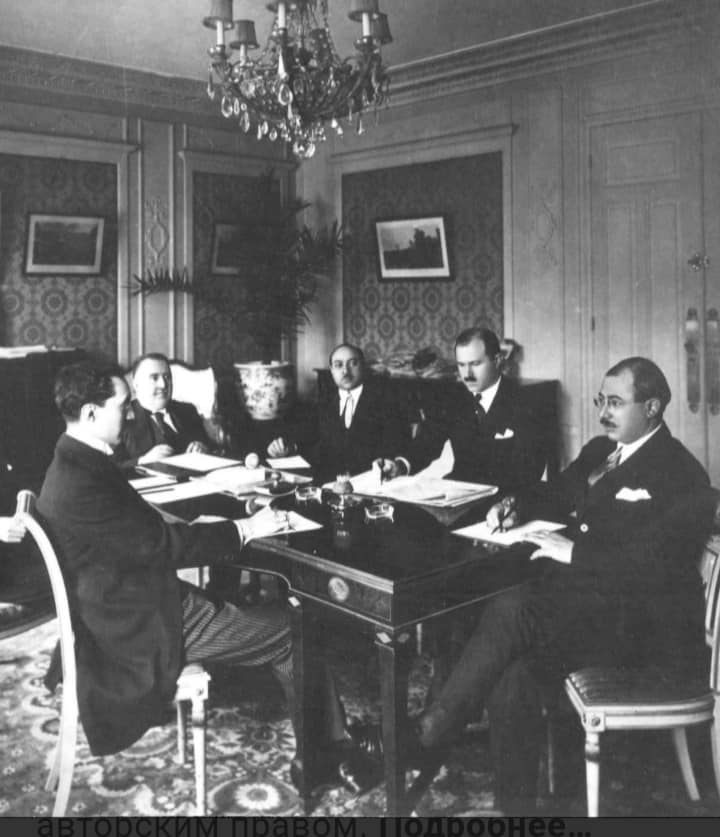
Although the materials of the investigation of the Extraordinary Investigation Commission, which consisted of 36 toms, established on July 15, 1918, indicated that investigations were also conducted in Goychay and Javad areas, documents about these counties were not left in the republic and were considered lost for a long time. Only after a long search, photographs taken by EIC were found in the archives of Ali Mardan bey Topchubashov in Paris.
Thus, only on the basis of documents on the Goychay and Javad areas sent to Paris – mainly consisting of the testimonies of people who were victims of the genocide and the reports of investigators investigating these areas, it became possible to obtain information on the 1918 genocides in two more areas of Azerbaijan .

Əziz həmvətənlər!

Əziz həmvətənlər!

Ölkəmizdə koronavirus infeksiyasına qarşı preventiv addımlar atılması və mübarizə tədbirlərinin gücləndirilməsi məqsədilə Azərbaycan Respublikasının Prezidenti İlham Əliyevin 19 mart 2020-ci il tarixli Fərmanı ilə yaradılmış Koronavirusla Mübarizəyə Dəstək Fonduna könüllü olaraq ödəmələr həyata keçirən bütün təşkilatlara, şirkətlərə, fiziki və hüquqi şəxslərə dərin minnətdarlığımı bildirirəm.

Bu, şübhəsiz ki, Azərbaycan xalqına xas olan xeyriyyəçilik ənənələrinin davamıdır, eyni zamanda, xalqımızın birliyinin, həmrəyliyinin göstəricisidir. Sizin ölkəmizin üzləşdiyi bu problemə biganə yanaşmamağınız və Azərbaycan Respublikasının Prezidenti İlham Əliyevin çağırışına qoşulmağınız çox yüksək qiymətə layiq addımdır və müasir Azərbaycan cəmiyyətində mərhəmət və şəfqət kimi hisslərin mövcudluğundan xəbər verir.

Azərbaycan vətəndaşının sağlamlığının qorunması naminə mən də bu təşəbbüsə qoşuluram və Azərbaycan Respublikasının Birinci vitse-prezidenti kimi bir illik əməkhaqqı məbləğini Koronavirusla Mübarizəyə Dəstək Fonduna ianə edirəm.

Koronavirusla Mübarizəyə Dəstək Fonduna könüllü olaraq ödəmələr həyata keçirən hər kəsə bir daha təşəkkür edirəm və bütün həmvətənlərimizi həmrəylik, vətəndaş məsuliyyəti nümayiş etdirməyə, Nazirlər Kabineti yanında Operativ Qərargahın tövsiyə və tələblərinə ciddi riayət etməyə çağırıram.

Dərin hörmətlə,
MEHRİBAN

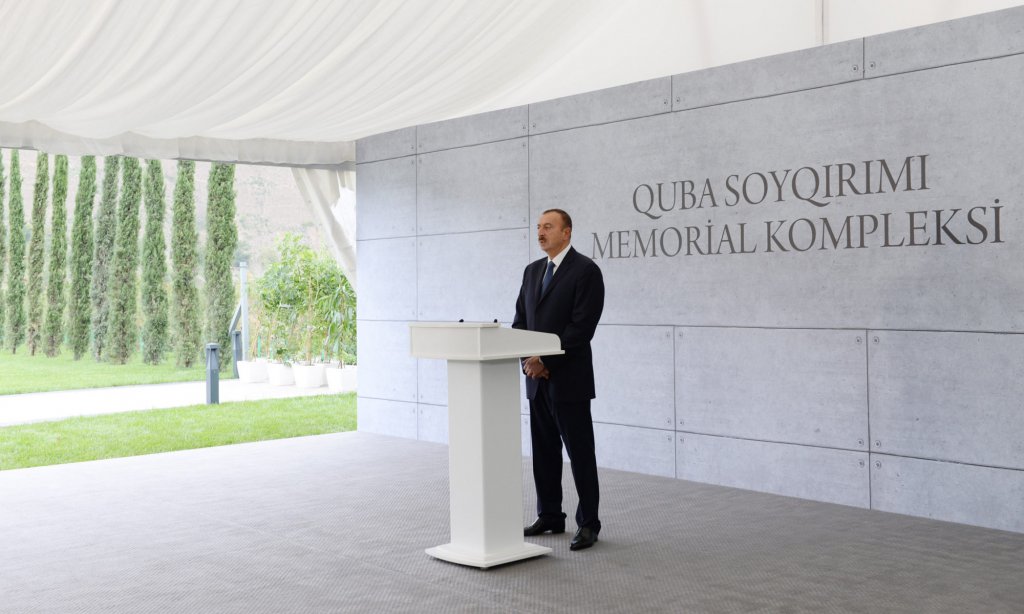
Quba şəhərində “Soyqırımı Memorial Kompleksi” və Belarusiyanın “Xatın Memorial Kompleksi” arasında əməkdaşlıq

2019-cu ilin sonundan etibarən Quba şəhərində “Soyqırımı Memorial Kompleksi” və “Xatın” Memorial Kompleksinin rəhbərliyi  arasında ilkin danışıqlar aparılmış və 2020-ci ildən etibarən müəssisələr arasında əməkdaşlıq edilməsi qərara alınmışdır.

22 mart tarixi hər il Belarusiya xalqı tərəfindən “Xatın” soyqırımının anım günü kimi qeyd olunur. Hər xalqın öz tarixi keçmişi var. Böyük Vətən müharibəsi Sovetlər İttifaqında yaşayan xalqlar üçün işğalçı faşist Almaniyasına  qarşı ümumi müharibə olmuşdur.

Həm ön həm də arxa cəbhədə  partizan dəstələrinin şiddətli müqavimətinin öhdəsindən gələ bilməyən faşistlər qəzəblərini dinc əhaliyə qarşı yönəltmiş və Xatın kəndi də istisna olmamışdır. Hazırda coğrafi xəritələrdə Belarusiyanın bu kəndini tapa bilmərik, çünki o, 1943-cü ilin 22 mart tarixində faşistlər tərəfindən yer üzündən silinmişdir.

Xatın kəndinin 149 sakini partizanlara yardım göstərməsi ehtimal edildiyinə görə işğalçılar tərəfindən diri-diri yandırılmış və güllələnmişdir. Xatında dinc əhalinin, o cümlədən 75 uşağın kütləvi şəkildə məhv edilməsi, Belarus xalqının faciəsinin rəmzinə, Böyük Vətən müharibəsi tarixinin ən kədərli səhifələrindən birinə çevrilmişdir. Xatın faciəsi nasistlərin Belarus əhalisinə qarşı məqsədyönlü soyqırımı siyasətini təsdiq edən faktlardan biridir. Belarus torpağında işğalın davam etdiyi üç il ərzində (1941-1944-cü illər) yuzlərlə belarus kəndi alman nasistləri tərəfindən yandırılmışdir. Həmin kəndlərdən 135-ni bir daha bərpa etmək mümkün olmamışdır.

30 iyul 1969-cu ildə Хatın kəndinin yerində Belarusiya xalqının igidliyi və əyilməzliyi ideyasını təcəssüm etdirən Memorial Kompleks  açılmışdır. Kompleksin yaradılmasında məqsəd müharibənin törətdiyi fəsadları nümayiş etdirməklə yanaşı, bir daha belə faciələrə yol verməmək idi. Bu baxımdan Azərbaycan xalqınına qarşı  erməni vandalizmini özündə əks etdirən yeganə ideoloji mərkəz kimi fəaliyyət göstərən Quba şəhərində “Soyqırımı Memorial Kompleksi” də eyni missiyanı öz üzərinə götürmüşdür.

Belarus xalqının faciəsi Azərbaycan xalqının faciəsinə çox bənzəyir. Birinci dünya müharibəsi, Rusiyada baş vermiş 1917-ci il fevral və oktyabr çevrilişlərindən məharətlə istifadə edən erməni millətçiləri bolşevik bayrağı altında 1918-ci ilin mart ayından etibarən Azərbaycan xalqına qarşı etnik təmizləmə siyasətini həyata keçirməyə çalışmış və kütləvi soyqırımlar törətmişlər. Erməni vandalları  təkcə 1918-ci il soyqırımları zamanı 50 mindən çox azərbaycanlı əhalini yalnız milli mənsubiyyətinə görə xüsusi qəddarlıqla qətlə yetirmiş, evlərə od vurmuş, kəndləri yandırmış, milli mədəniyyət abidələrini dağıdıb məhv etmişlər.

Soyqırımı hadisələri tək bir millətə qarşı deyil, bütün bəşəriyyətə yönəlmiş cinayətdir. Alman faşistləri tərəfindən amansızlıqla qətlə yetirilmiş dinc əhalinin xatirəsini anaraq, bizlər Belarus xalqına dərin ehtiramımızı bildirir və soyqırımı qurbanlarına Allahdan rəhmət diləyirik.

Genocide of 1918 - Guba area

After the bloody March events of 1918, in order to expand Soviet power, D. Genovanini was sent to Guba area. The people of Guba were aware of the bloody clashes in Baku and Shamakha and the violence by the Armenian Dashnaks towards the Muslim population of the cities and villages of these areas. In case of failure to accept the ultimatum, given by Gelovani about recognition and submission of Soviet power, the whole city was exposed to danger.
The population of Guba, having obeyed the ultimatum, lived under Soviet rule for 8 days. On the 9th day of Soviet power, armed attacks by local residents began in Guba. In support of Gelovani, a military force with two guns, consisting of 150 Armenians led by Agaanian, arrived from Khachmaz. After three days of intense fighting, local groups expelled the first Bolshevik “team” from Guba/
Outstanding figures of the Guba community – Ali Bey Zizikski, Hamdullah Efendi Efendizade, Aliabbas bey Alibekov, from the Shihlar Beks – Mursal bek and Ibrahim bek, Mohubeli Efendi Kuzunlu, Khatam agha Jagarvi, Baibala bek Alpanly and others established special cavalry units to defend Guba area.
In response to these incidents, on May 1, 1918, under the command of Hamazasp, 3,000 Armenian troops invaded Guba from three sides and began to shoot with cannons, machine guns and rifles. Together with the Azerbaijani population, representatives of ethnic groups and Jews living in the area were brutally killed. There was no doubt that the main goal of Hamazasp was not to create a new government, but to fulfill its mission of punishment. Hamazasp personally gathered people in front of the Juma mosque and addressed them in the following speech: “I come from Erzurum. I fought the Turks a long time ago. I am a hero of the Armenian people and a defender of their interests… I am not here to set rules and establish Soviet power, but to avenge the killed Armenians. “
According to the investigation by the Extraordinary Investigation Commition, the cases of violence in Guba and the villages of Guba are reflected in the compendium and consist of 451 pages in three toms. As a result, in April-May 1918, the Hamazasp gang in Guba burned and plundered 167 villages, the number of killed people in Guba area was about 16 thousand people, and the material damage caused to the population was more than 121,824,819 rubles..

Announcement:

Announcement: Dear visitors.
In accordance with the latest rules to prevent the spread of coronavirus, the activity of the Guba Memorial Complex of Genocide has been suspended. Since March 16, 2020 our activities have been organized on the official website soyqirim.az, as well as on social networks. We inform you that the specialists of the Complex will regularly provide with information and historical facts about the genocide, as well as virtual visits to various sections.
Complex Guidance.

1918 Genocide - Shamakhi area

The Shamakhi genocide occupies a special place among the criminal acts committed by the Armenian nationalists in 1918, who wanted to create a “Greater Armenia” state in Azerbaijan, in terms of its scale, number of victims and the amount of material and moral damage. In Shamakhi district, the Armenian Dashnaks led by S. Lalayan and T. Amirov brutally killed the Muslim population. Armenian and Molokan soldiers break into Muslim homes, take valuables and money from frightened people, and then kill their entire families.Also, by the order of S. Lalayan, Armenian soldiers burned alive the residents of the city who took refuge in 12 neighborhood mosques of the city, as well as the Juma Mosque, which dates back to the VIII century. The violence and looting continued for four days, until Azerbaijani troops came to the aid of Shamakhi Muslims from Ganja and entered the city. During the two-time genocide of Azerbaijanis in Shamakhi, between 8,000 and 10,000 people out of the city’s 21,127 Muslims were killed, and the rest were displaced to various cities and districts of Azerbaijan. In addition to residential areas and mosques, all public buildings, markets, hundreds of shops, warehouses, mills and other civilian objects in the city were burned and completely destroyed. The genocide in Shamakhi lasted until mid-July 1918, when it was liberated by Turkish-Azerbaijani troops.During that period, 106 villages of Shamakhi district were burned and destroyed, and residents of 110 villages suffered from attacks by Armenian-Molokan gangs.The total number of those killed during the attacks and in captivity was 10,341, including 4,359 women and children. Thousands of wandered refugees in the mountains, forests and plains for months, have died of cold, hunger and disease. The total amount of material damage inflicted on the residents of Muslim villages of Shamakhi district amounted to 607,167,420 rubles. The main difference between the genocide in Shemakhi and the genocides in other regions of Azerbaijan is the active participation of the Molokan-Russian population in these events along with the Armenians. The documents of the Extraordinary Investigation Commission on the Shamakhi genocide totaled 22 volumes of investigative material and 63 photographs. These documents allow us to know the scale of the full picture of the 1918 Shamakhi tragedy.  

Mənbə:

  1. Рустамова-Тогиди <ШЕМАХА. Март-июль 1918г Азербайджанские погромы в документах>. Том 1. Город Шемаха. Баку, 2013, 880 стр. с фотографиями
  2. Azərbaycan tarixi, 7 cilddə, V cild, (1900 – 27 fevral – 1920)
  3. Azərbaycan Xalq Cümhuriyyətinin Ensiklopediyası. 2 cilddə, I cild, B., Lider nəşriyyatı, 2004, 439 s.
  4. Azərbaycan Xalq Cümhuriyyətinin Ensiklopediyası. 2 cilddə, II cild, B., Lider nəşriyyatı, 2004, 469 s.
  5. Abışov V. Azərbaycanlıların soyqırımı, 1918-1920-ci illər, Bakı (B.): Qartal, 2001, 174 s.
  6. Paşayev A. Açılmamış səhifələrin izi ilə. B.: Azərbaycan, 2001, 535 s.

1918 genocide - Baku area

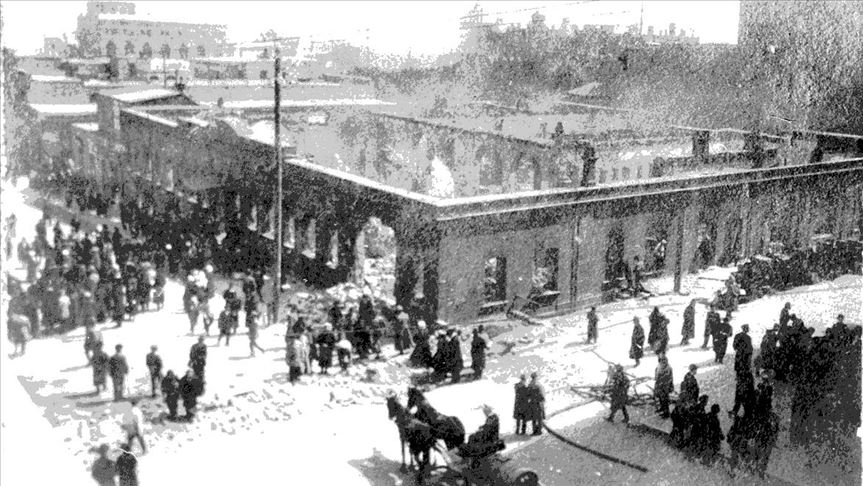
At the end of 1917 – early 1918,in Baku had opened struggle by the Dashnak-Bolshevik forces against the national forces. On December 1917,the arrival of the Military Revolutionary Committee headed by S. Shaumyan, appointed by the Chairman of the Russian People’s Commissars Soviet from Tbilisi to Baku exacerbated the political situation. Red Army which was at the disposal of the Baku Council, was comprised of 20,000 armed forces, mostly Armenians. In March 1918 the political situation in Baku was very tense. Musavat, the strongest political party in the South Caucasus, was striving for Azerbaijan’s territorial autonomy.The Bolshevik forces, headed by Shaumyan, in cooperation with the Armenian National Council and the Dashnaktsutyun party, began a real war against Musavat. Disarmament of 48 officers and soldiers of the 48th Muslim division on the Evelina ship from Lankaran to Baku on March 27, 1918 was an excuse for the bloody clashes in Baku.On March 30, 1918, non-organized protest rallies began in different parts of the city.The city’s central and all Muslim neighborhoods have been subjected to armed attacks by Bolshevik-Armenian units, bombardment from airplanes, and continuous firing from the ships from the Caspian Fleet.On March, all sections of Azerbaijani population in Baku became victims of Armenian violence and looting.All efforts made by the Azerbaijani national elites and political forces to prevent further escalation of tension in the city have ultimately been ineffective. According to the documents of the Extraordinary Investigation Comission, during the March massacre in 1918, in Baku and surrounding villages (Mohammadi, Ahmadli, Balakhani, Binagadi, Bibi-Heybat, Hokimli, Zabrat, Sabunchu, Ramana, Khirdalan, etc.) 12000 Muslims were the victims of the atrocities of the Armenian armed groups. In the tragic March of 1918, the amount of material damage inflicted on the city’s Muslim population was estimated at 400,000,000 rubles. The burned and destroyed buildings included the “Ismailia” (the building of Muslim Charity Association), the “Kaspi” newspaper, the Dagestan, Alexandria and Islamiya hotels. These Muslim hotels and caravanserai were burned with the people inside.

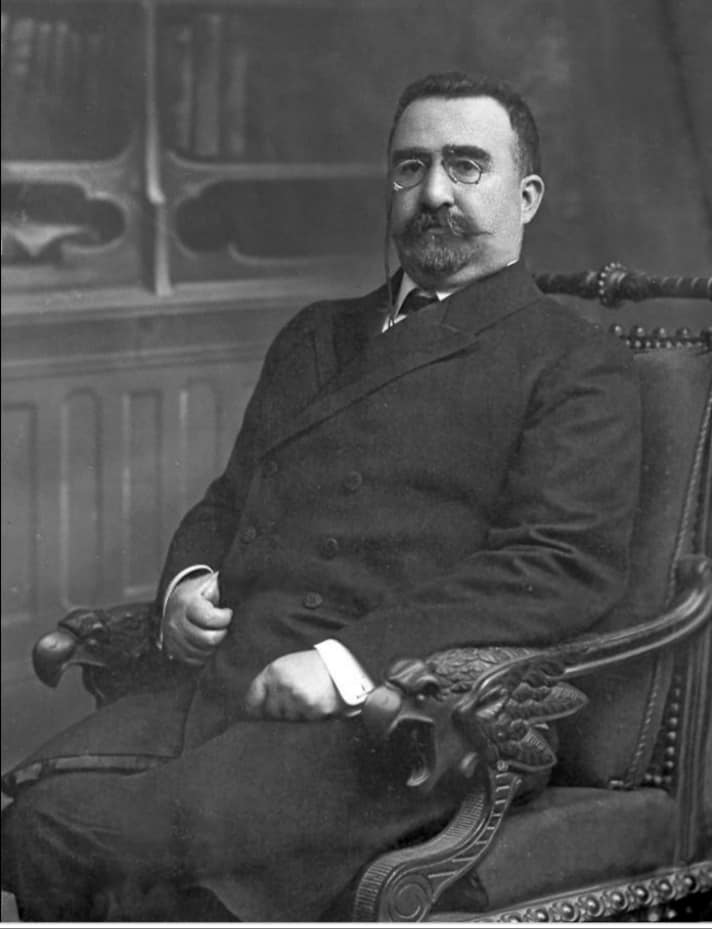
Chairman of the Extraordinary Investigation Commission Alakbar bey Has Mammadov

Chairman of the Extraordinary Investigation Commission Alakbar bey Hasmammadov was a member of the Central Committee of the Difai Party, the Ganja Muslim Charity and the Ganja Muslim National Committee. He was appointed chairman of the Extraordinary Investigation Commission established by the Government of the Republic of Azerbaijan on July 15, 1918, and under his leadership, the EIC collected 36 volumes – 3,500 pages of investigative materials from 15 July 1918 to 01 November 1919. Six volumes of investigative materials reflect the genocide committed by the Armenians against the Muslim population in Baku, and a collection of 451 pages and 3-volume documents on violence in Guba region. Other volumes of investigative material refer to cruel crimes committed by Armenians in Shamakhi, Goychay, Javad, Nukha, Ganja, Karabakh and Zangezur.
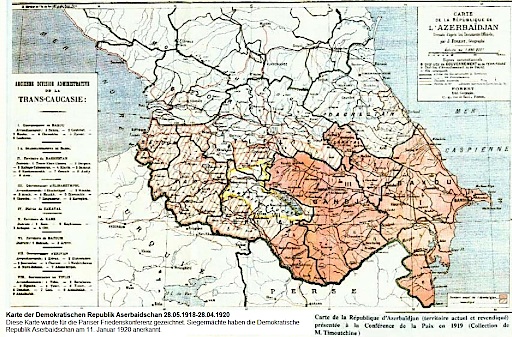
On January 6, 1919, the chairman of the Extraordinary Investigation Comission , Alakbar bey Hasmammadov, sent documents to the Minister of Foreign Affairs regarding the genocide to be sent to the Paris Peace Conference. On January 11, 1920, in connection with the de-facto recognition of the Azerbaijan Democratic Republic by Antanta, on decision of the Parliament of the Republic of February 9, crimes commited on the grounds of hostility, was terminated and the investigation was suspended.
Generally, the materials collected by the EİC under the leadership of Alekber bey Hasmammadov until April 1920, as well as testimonies, are historical records that reveal the crimes of Dashnaks and Bolsheviks. Referring to these documents, the March 31, was declared by the ADR as a national mourning day in 1919 and 1920.

Extraordinary İnvestigation Comission

The government of Democratic Republic of Azerbaijan (ADR) considered it necessary to express its attitude towards the bloody the Republic exposed. The government adopted a solution on establishment of Extraordinary Investigation Commission on 15 July, 1918 to investigate into the cases of violence committed against Muslim population and property by Armenian armed groups under the name of Bolshevik. The chairman of the EIC was known lawyer Alakbar bey Khasmammadov. Though the commission was set up of seven members, later the representatives of the investigation and prosecutor’s office and judicial authorities of Baku and Ganja cities were implicated to this work. The composition of the EIC was multinational and mainly included Polish, Russian, German, Lithuanian Tatars and Azerbaijani lawyers studying in Russia. 36 volumes of investigative materials were collected by the EIC during the activity period of 15 July, 1918 up to 1 November, 1919. Massacres committed in Baku, Shamakhi, Guba, Goychay, Javad, Nukha and Lankaran provinces, as well as in Ganja, Garabagh and Zangazur by Armenians were investigated. As a result of EIC activities, 128 reports and draft resolutions were worked up and criminal cases were instituted on their basis against 194 people, charged of various crimes.