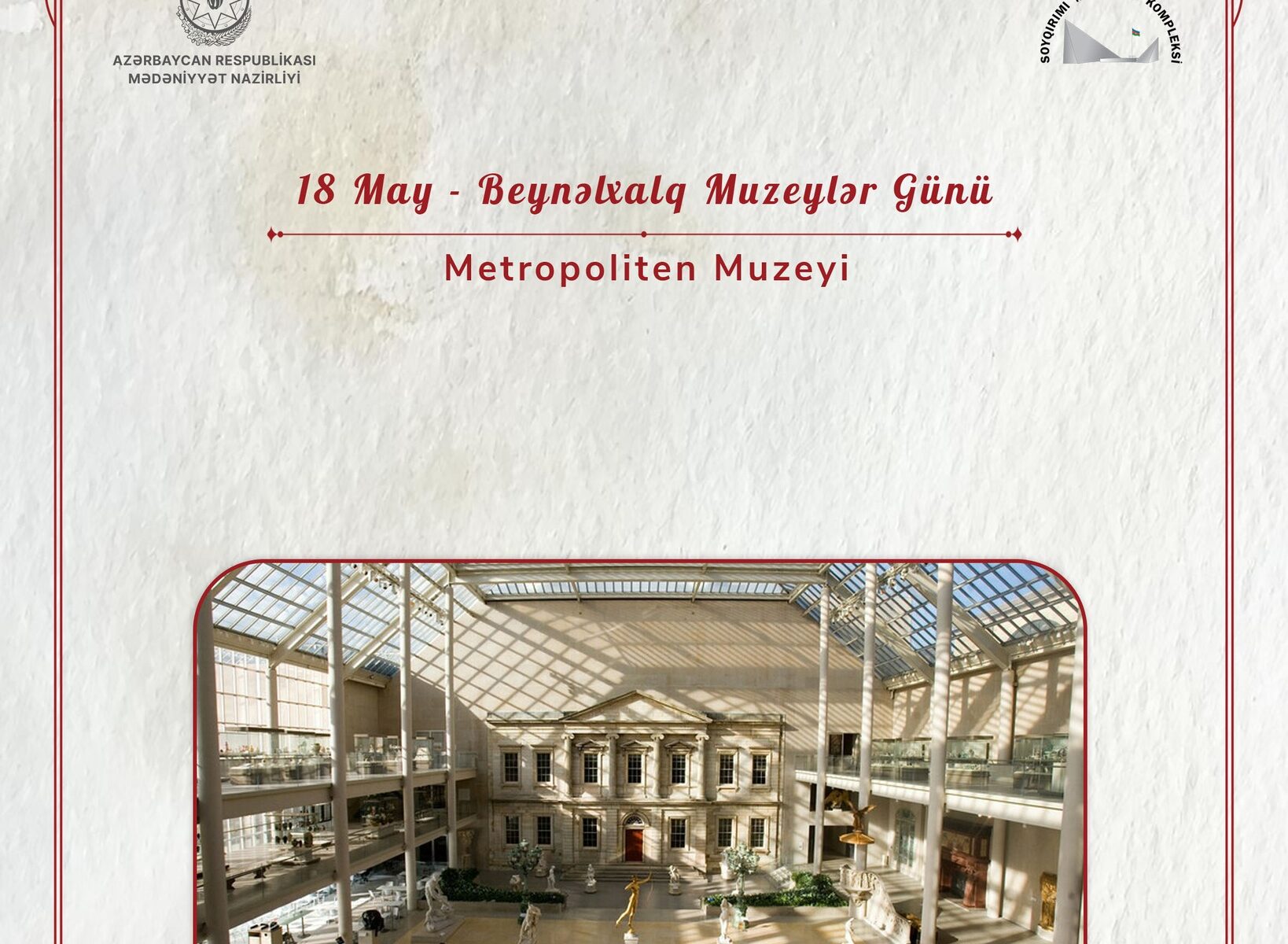
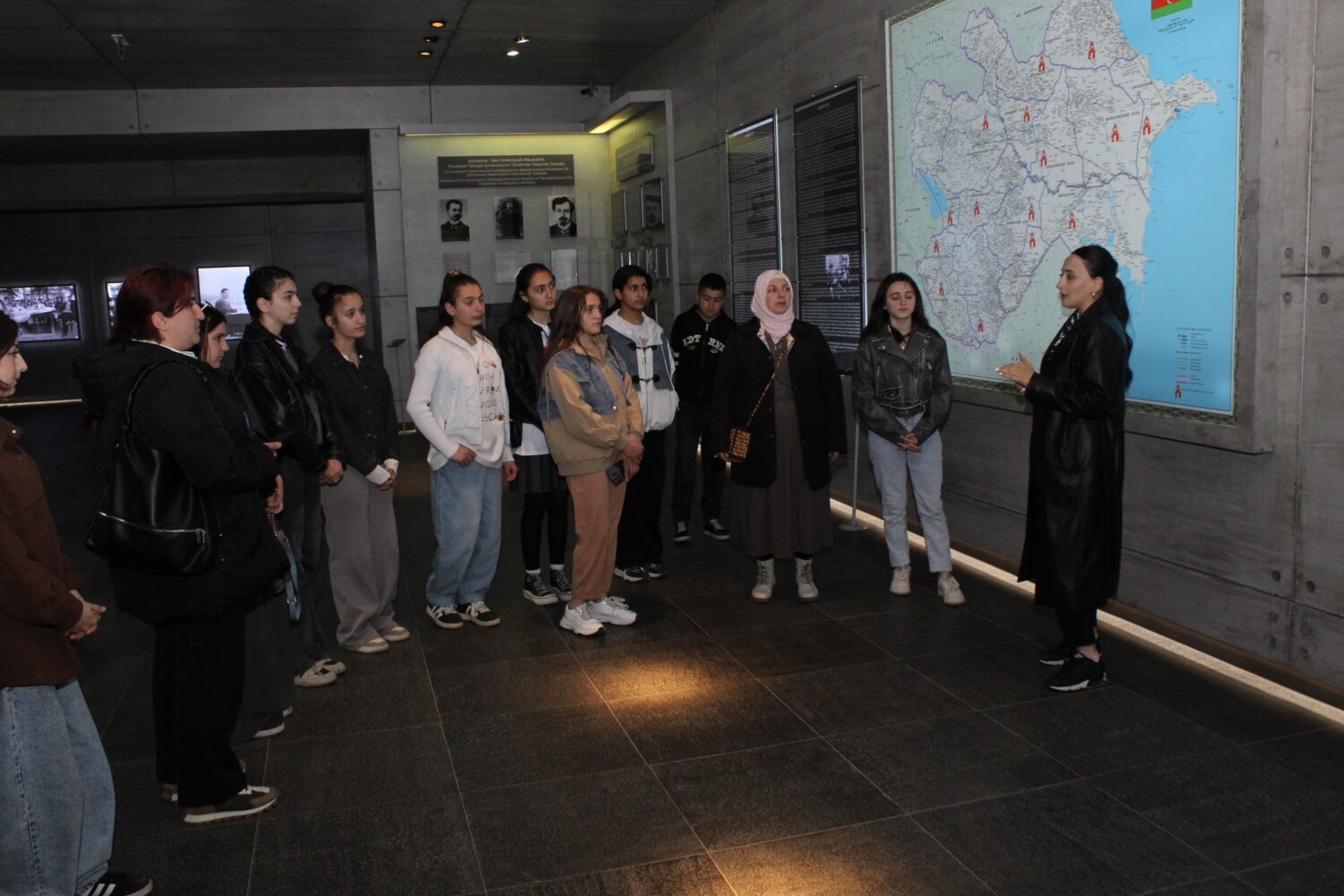
"Metropolitan Museum"


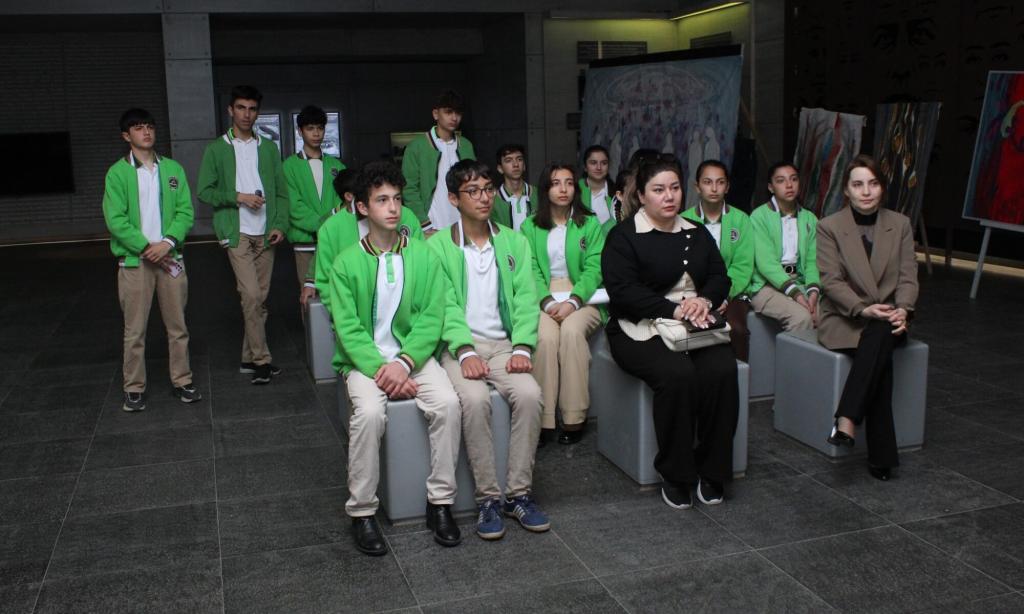
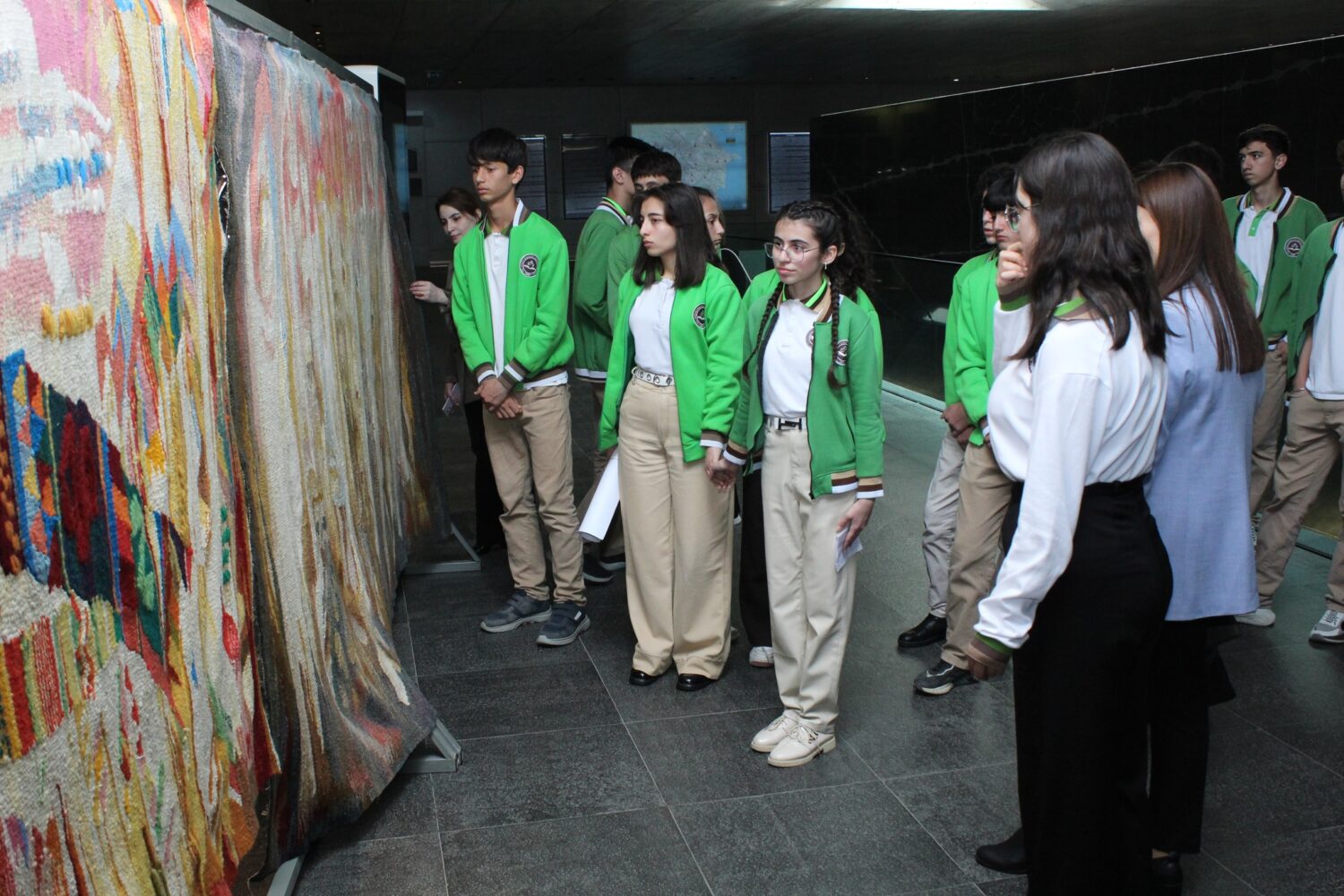
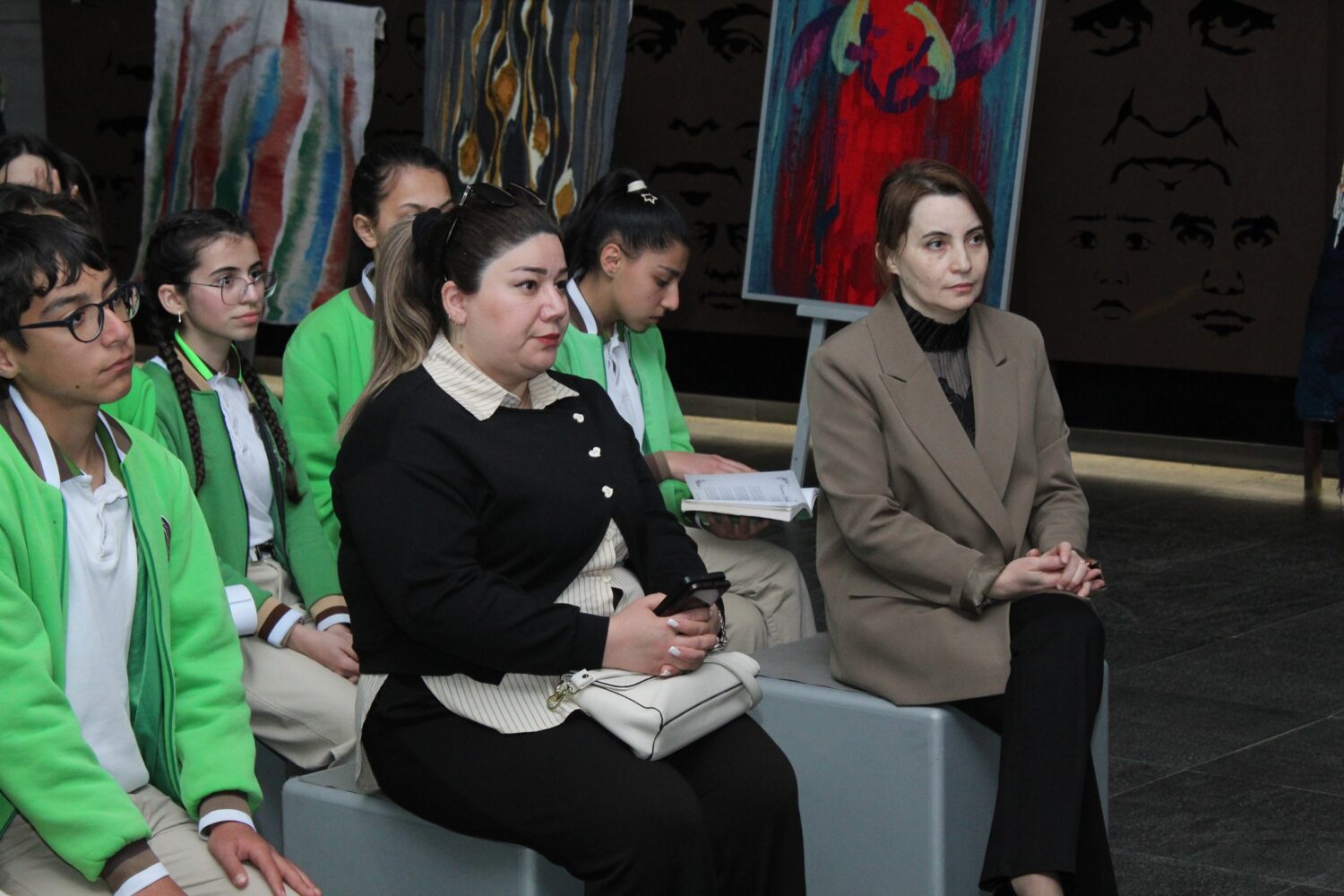
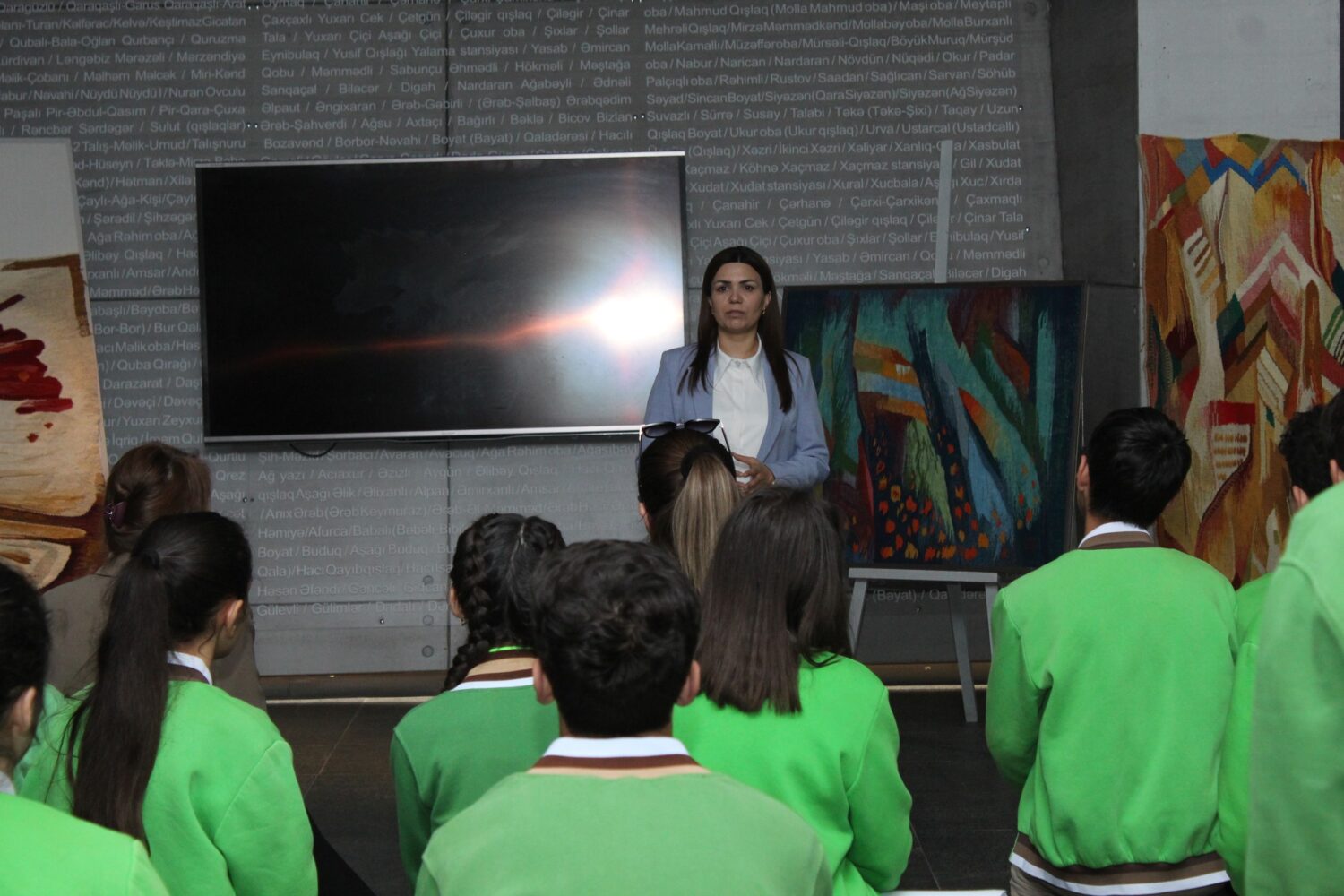
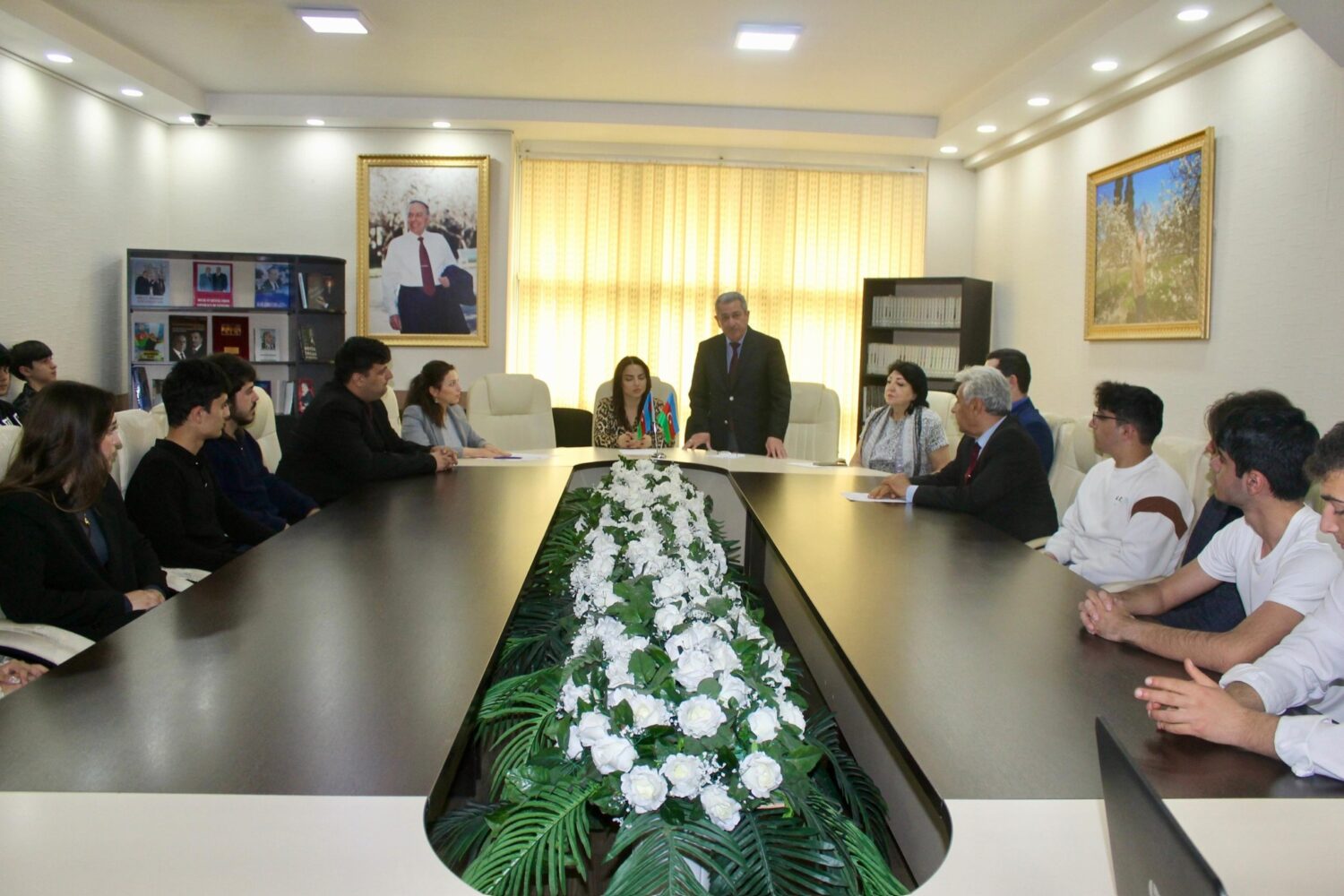
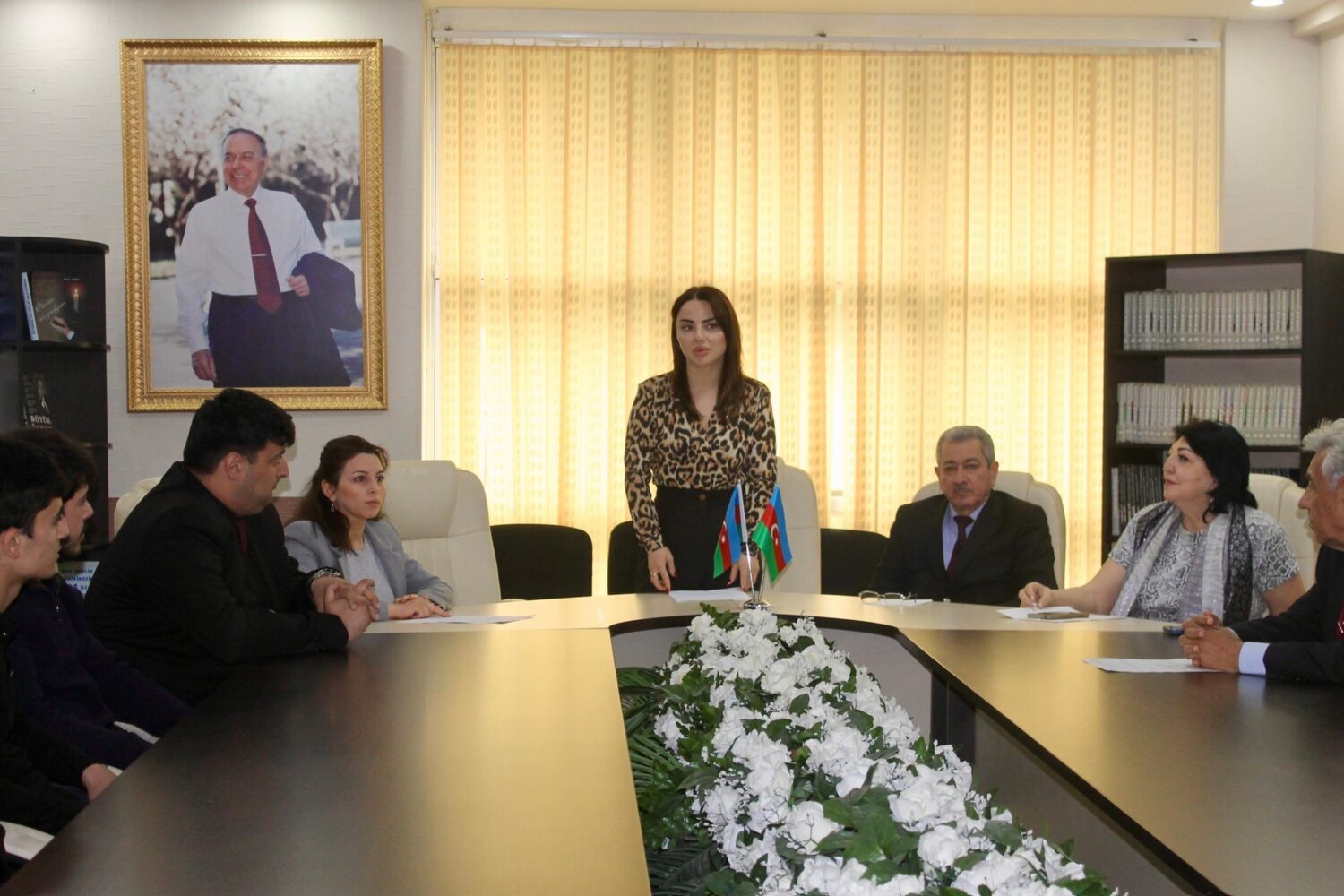
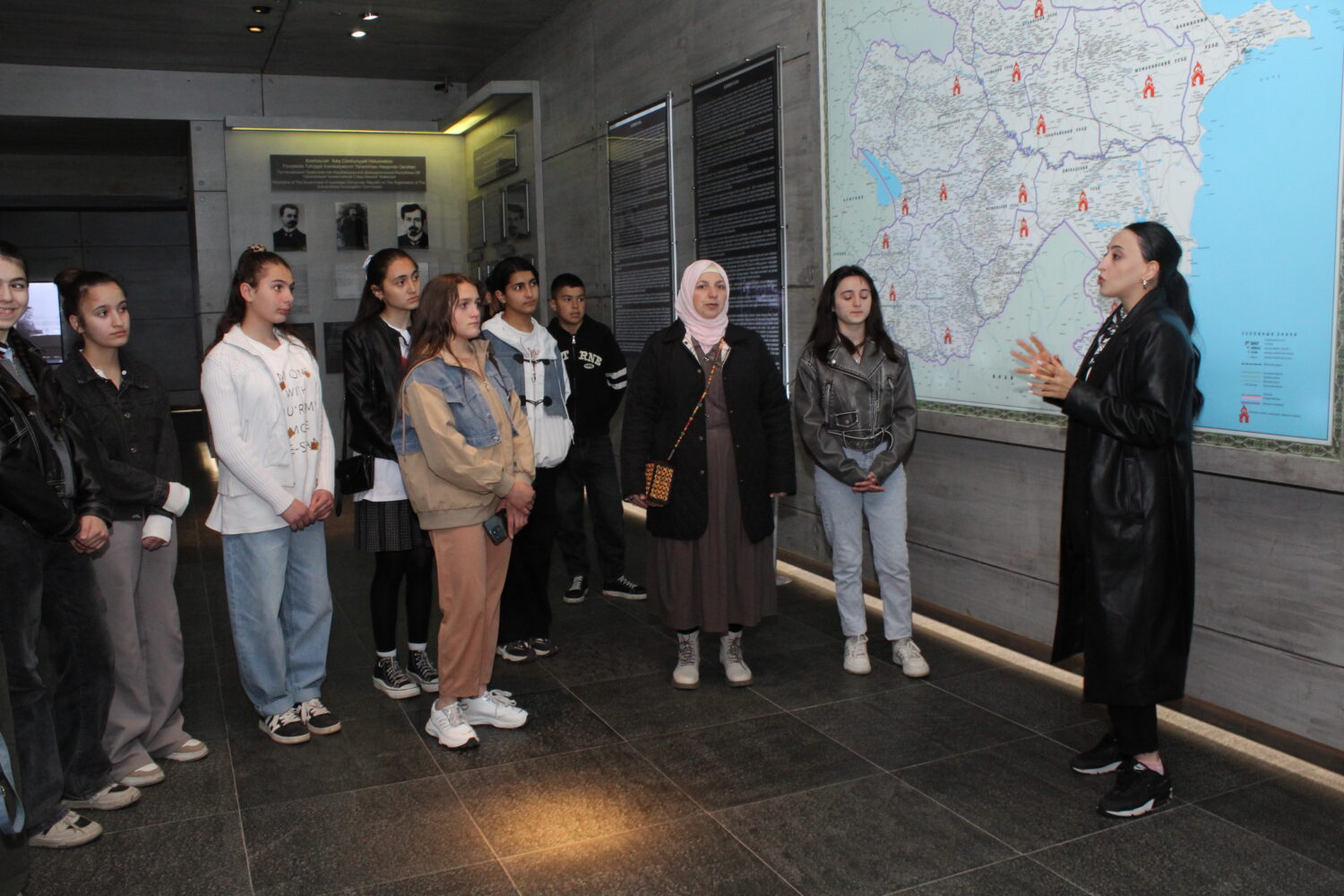
In her opening speech, the Director of the Complex, PhD in History Dr. Rəxşəndə Bayramova, spoke about the origins of International Museum Day. She noted that this significant day has been celebrated annually in various countries around the world since 1977, on the initiative of the International Council of Museums (ICOM). She emphasized that museums are not merely places where exhibits are displayed, but also important cultural institutions that serve educational, research, and awareness-raising functions.
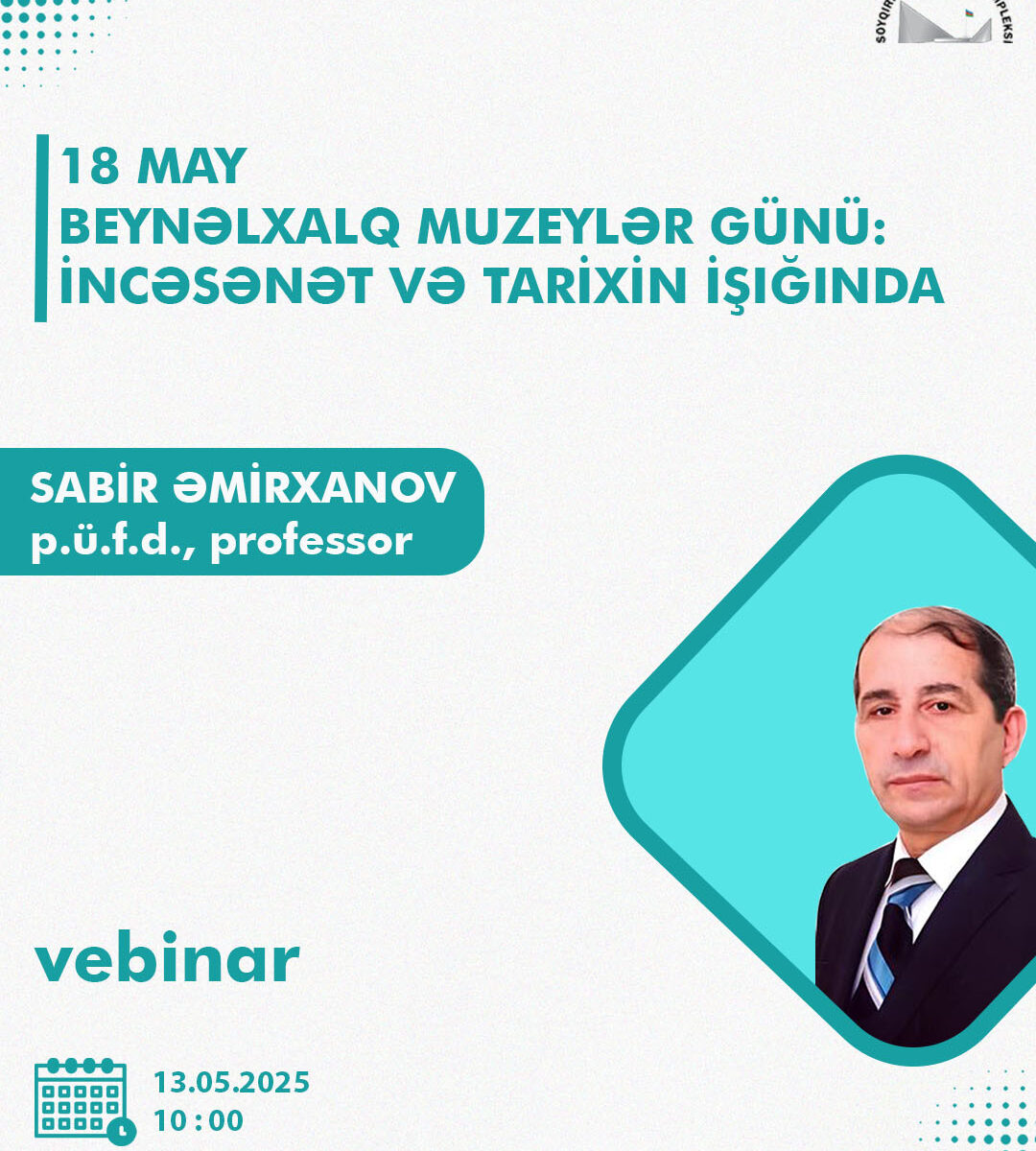
Following her, Professor Sabir Əmirxanov, PhD in Pedagogy, spoke about the importance of International Museum Day in terms of preserving the cultural memory of society. He stated that museums are vital institutions that create a bridge between the past and the future, allowing people to gain a deeper understanding of their history. Speaking about the development of museology as a science, the professor pointed out that this field is not limited to the collection and exhibition of artifacts. He discussed the educational and psychological impact of museums, highlighting their significant role in fostering interest in history and national heritage among the younger generation. Əmirxanov also stressed the need to expand education and scientific research in the field of museology in our country.
At the end of the event, participants exchanged views and voiced suggestions regarding the future development of museums.
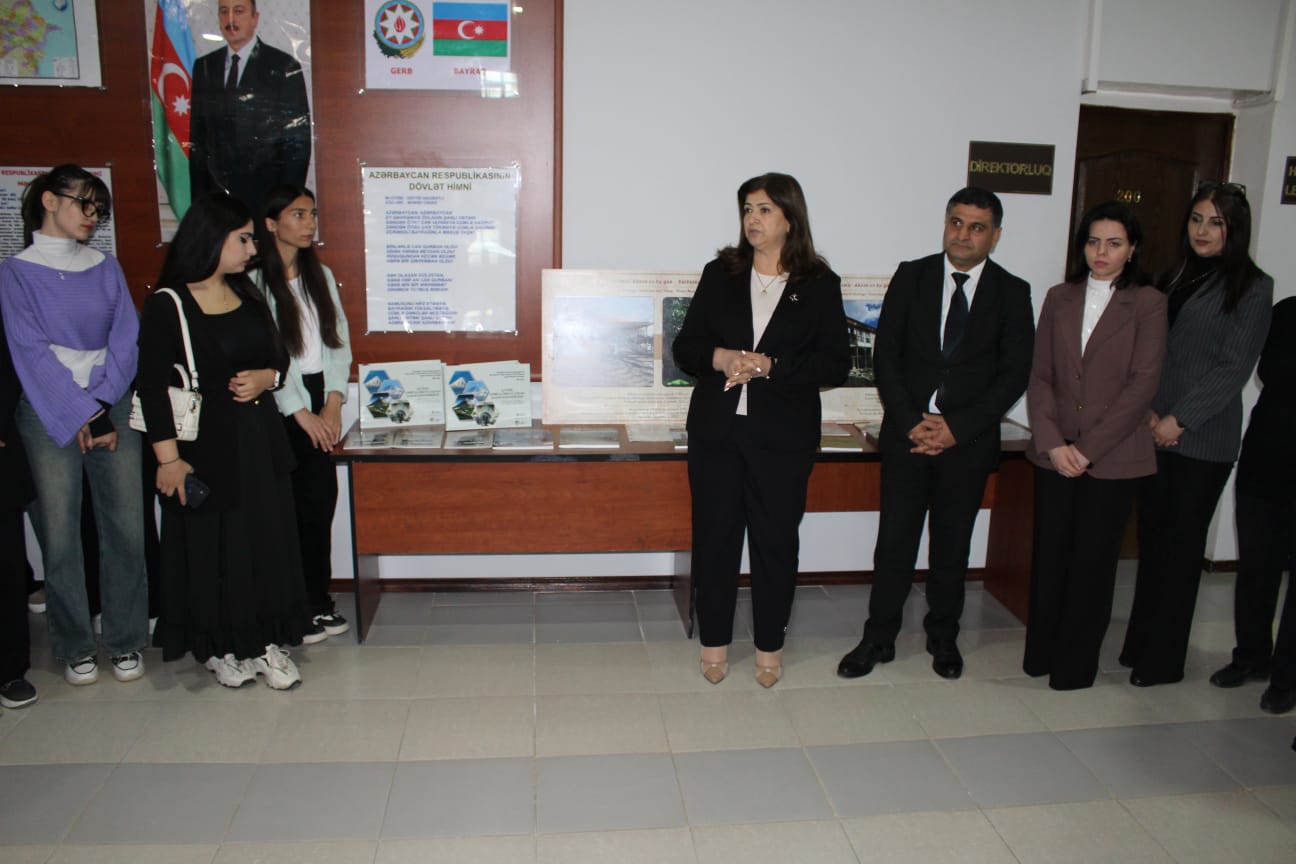
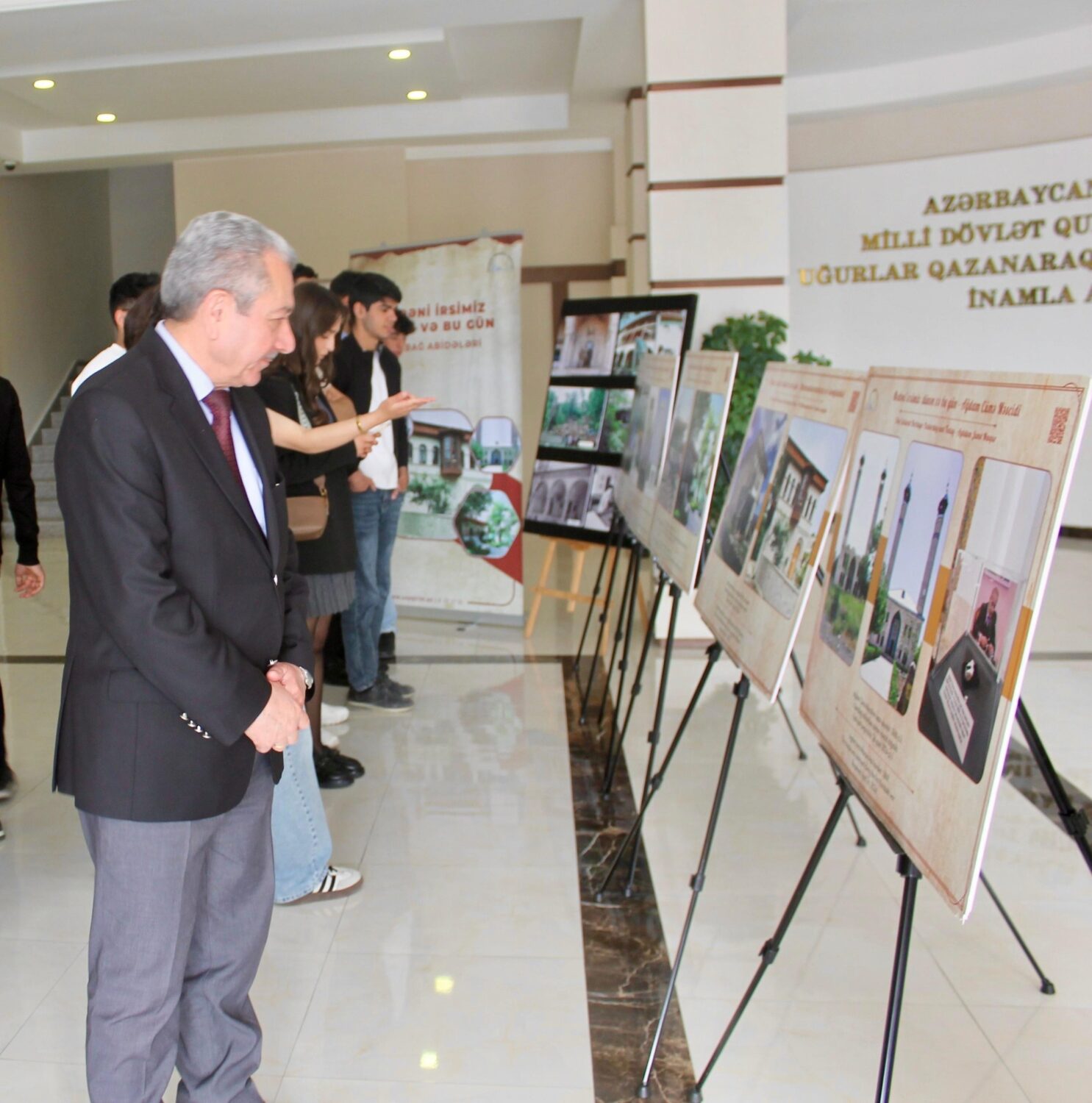
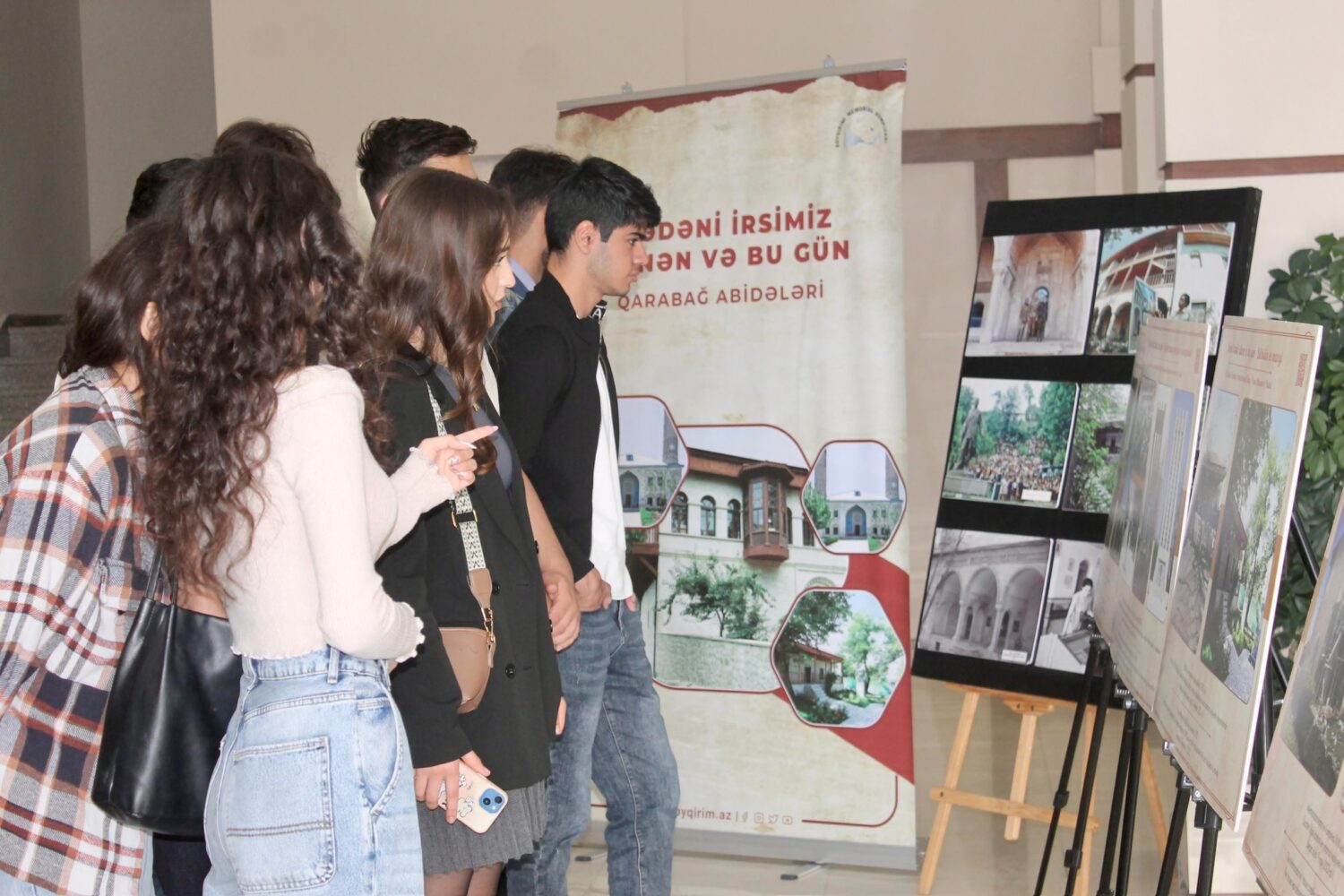
An exhibition was organized at the Shamakhi branch of the Azerbaijan State Pedagogical University (ASPU) within the framework of the “Year of the Constitution and Sovereignty” and the project “Our Cultural Heritage: Yesterday and Today”, initiated by the Quba Genocide Memorial Complex.
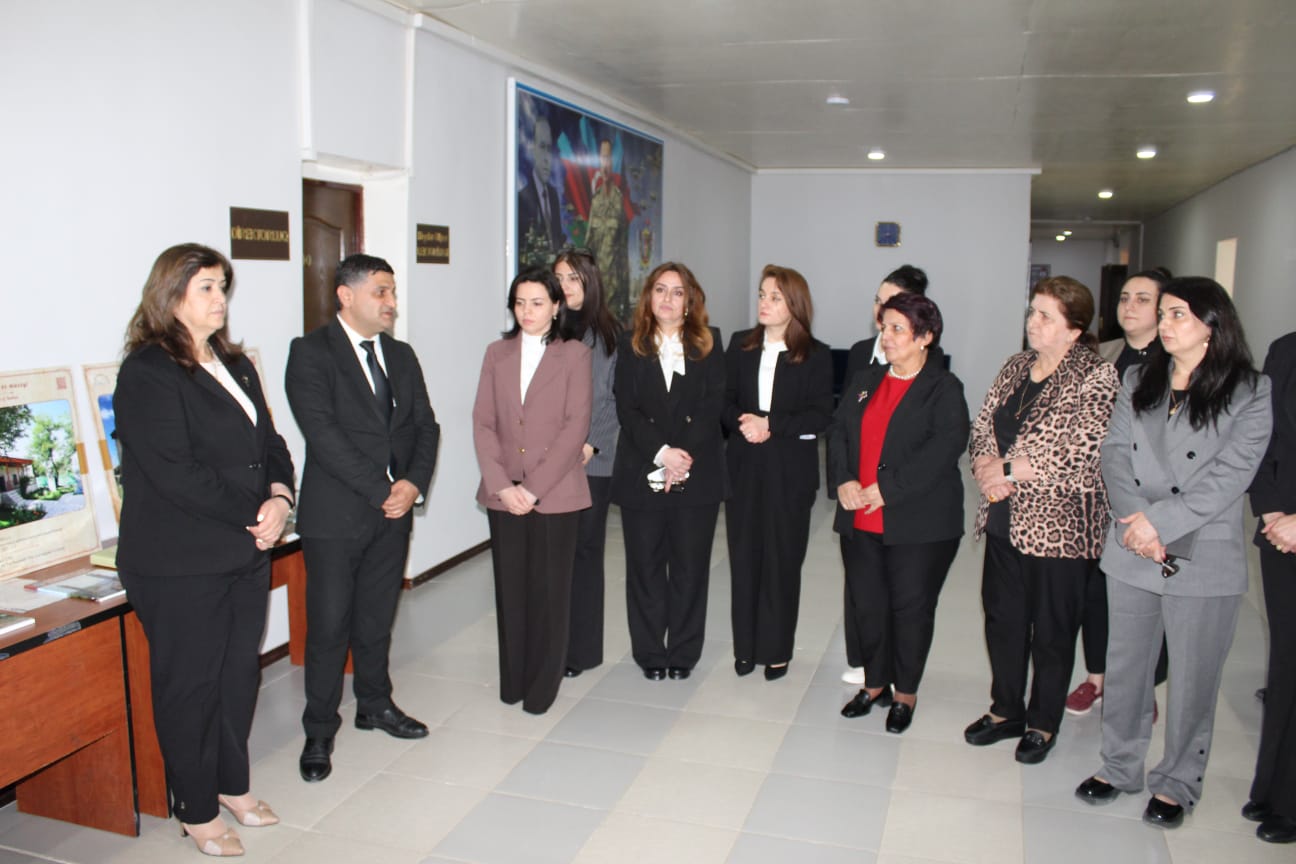
At the opening of the exhibition, the director of the Shamakhi branch, Associate Professor Tünzalə Yusifova, emphasized that the exhibition was held in accordance with the provisions of the memorandum signed between the branch and the Quba Genocide Memorial Complex. She noted that this exhibition plays an important role in educating young people about the restoration and protection of our cultural heritage.It was also highlighted that the Azerbaijani state and people continue their just struggle on their historical and ancestral lands based on international law. During the 44-day Patriotic War, under the leadership of the President of the Republic of Azerbaijan and Supreme Commander-in-Chief of the Armed Forces, Ilham Aliyev, the victorious Azerbaijani army liberated the country’s lands from occupation after 30 years. This victory was also an act of retribution for the ethnic cleansing, genocide, and acts of vandalism committed by Armenia against the Azerbaijani people.
Armenia bears international legal responsibility for the acts of vandalism committed against cultural monuments in the occupied territories. Research is currently being conducted regarding the restoration of these monuments and the preservation of historical heritage. Restoration and reconstruction efforts in Karabakh and other liberated territories are being carried out in a systematic and well-planned manner.
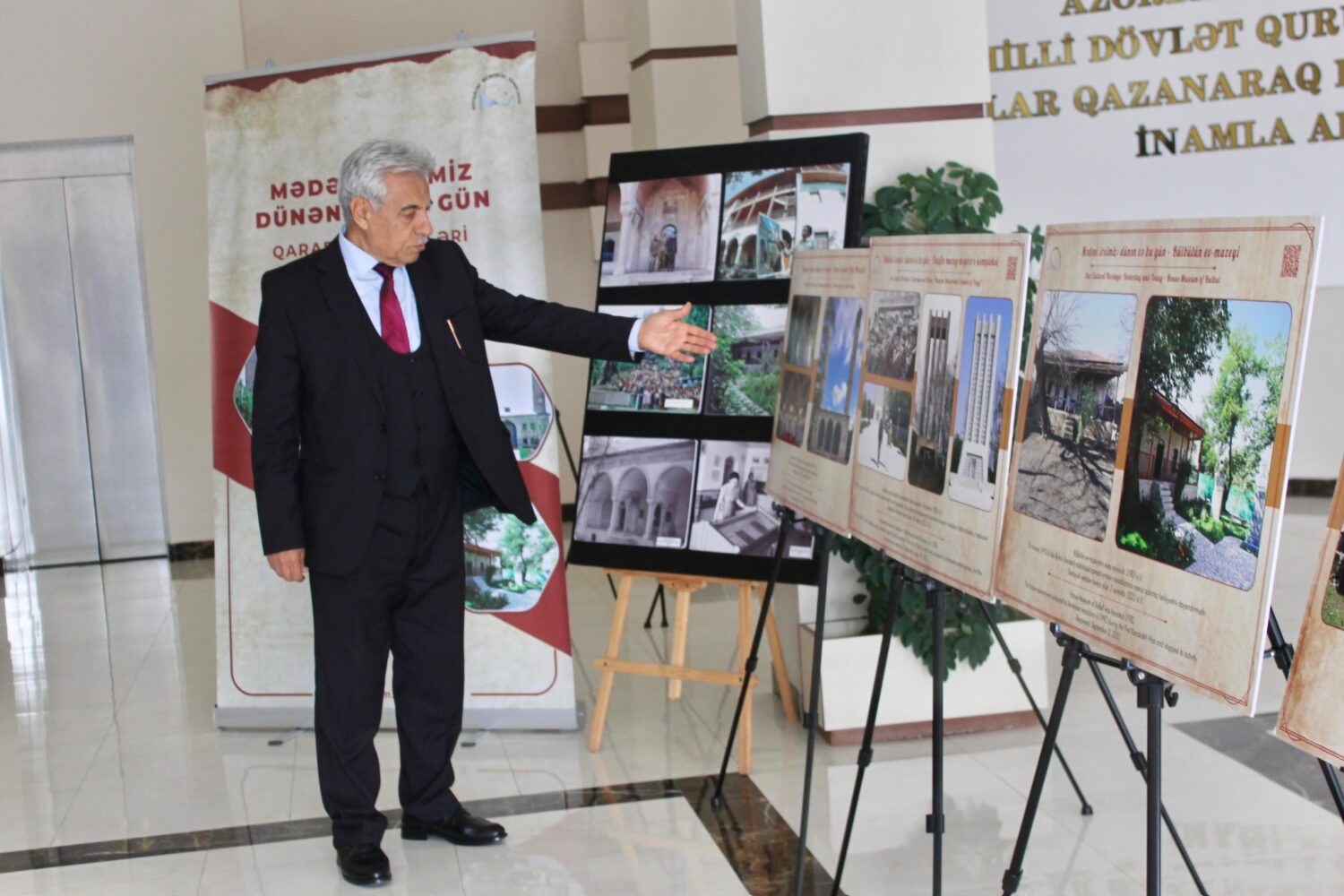
Later, Dr. Subhan Talibli, Associate Professor of the Department of Social and Special Subjects at the branch and an expert of the Genocide Memorial Complex in Quba, spoke in detail about the exhibition. He touched upon current issues related to the preservation and restoration of cultural heritage. He stated that the restoration of monuments destroyed during the occupation in Karabakh is not just a construction process, but also a restoration of the identity of our people and the recovery of lost values.
“Every monument is a piece of history, every stone is a memory,” he said. “The restoration of these monuments teaches us not to forget our past and to build a stronger and more resilient future.” In his speech, he also provided detailed information on the Karabakh Khanate, the socio-political, socio-economic, and cultural-spiritual situation in Karabakh, Armenian terrorism against Azerbaijan’s historical and cultural-spiritual monuments, Armenian vandalism in Yerevan, the destruction of Turkic-Muslim and Albanian monuments in Karabakh during the occupation, and the historical background and restoration processes of monuments destroyed as a result of Armenian vandalism.
The exhibition, which attracted great interest from the branch’s staff and students, will remain open for several days

The event was attended by Zohrab Jafarov, Head of the Department of Yasamal District Executive Authority; Dr. Subhan Talibli, specialist at the “Genocide Memorial Complex” in Guba and associate professor with a PhD in history; Dr. Rizvan Garabaghi, leading researcher at the Institute of Architecture and Art of the Azerbaijan National Academy of Sciences, associate professor with a PhD in architecture; Saadat Mirzayeva, Director of the House Museum of Tahir Salahov; Zakir Guliyev, an employee of the Ministry of Culture; as well as teachers and students from the Azerbaijan University of Culture and Arts.
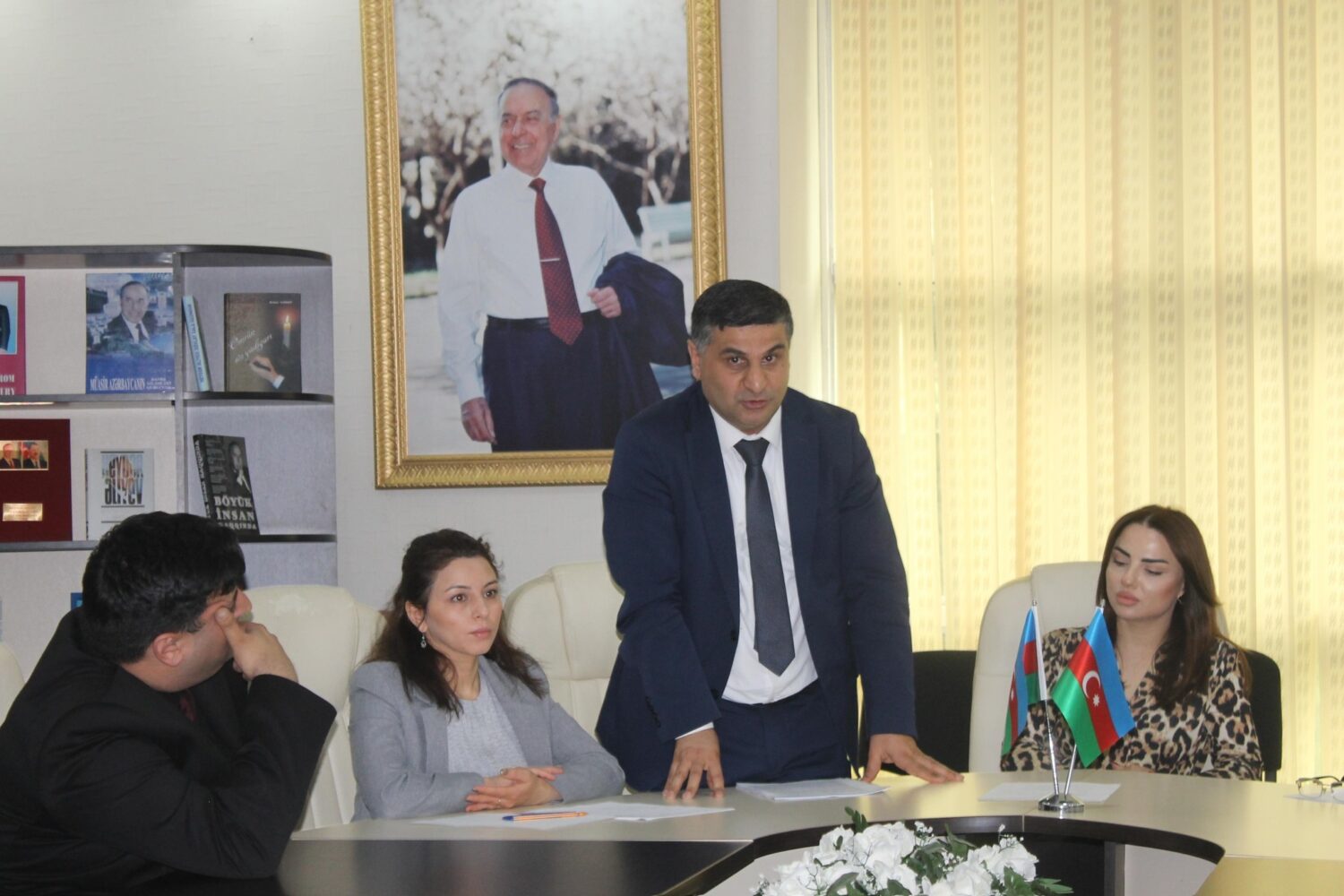
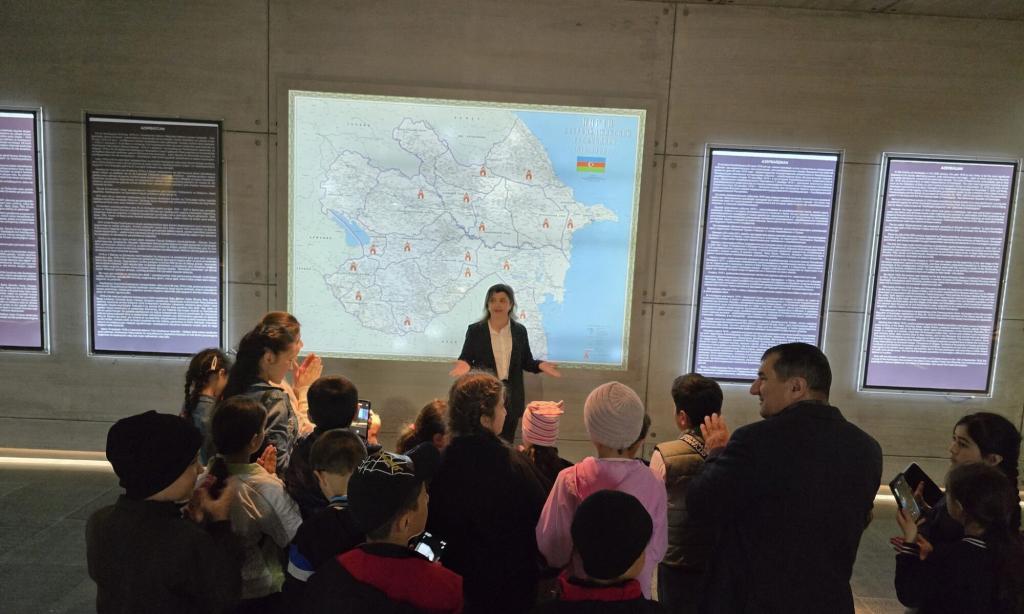
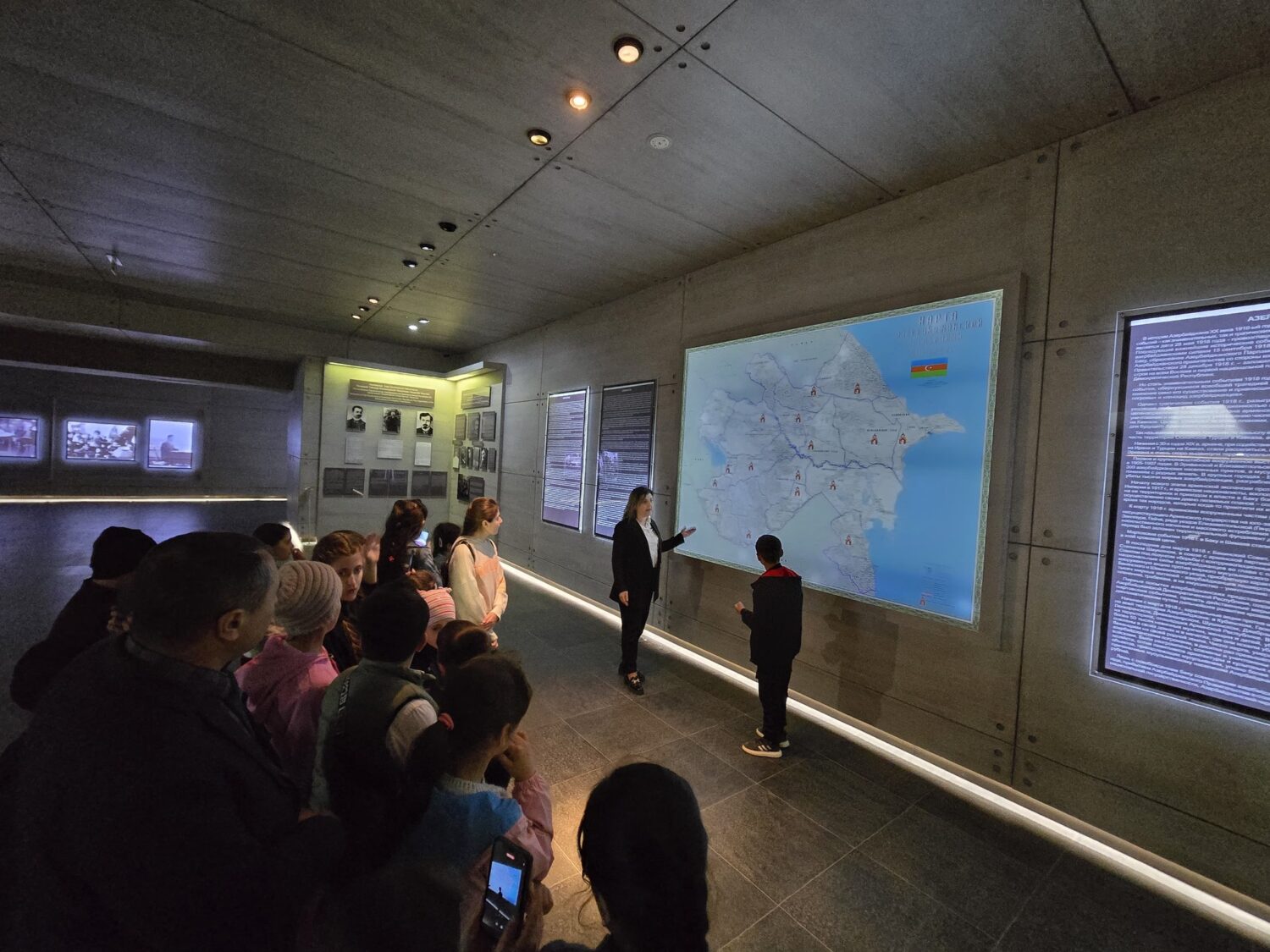
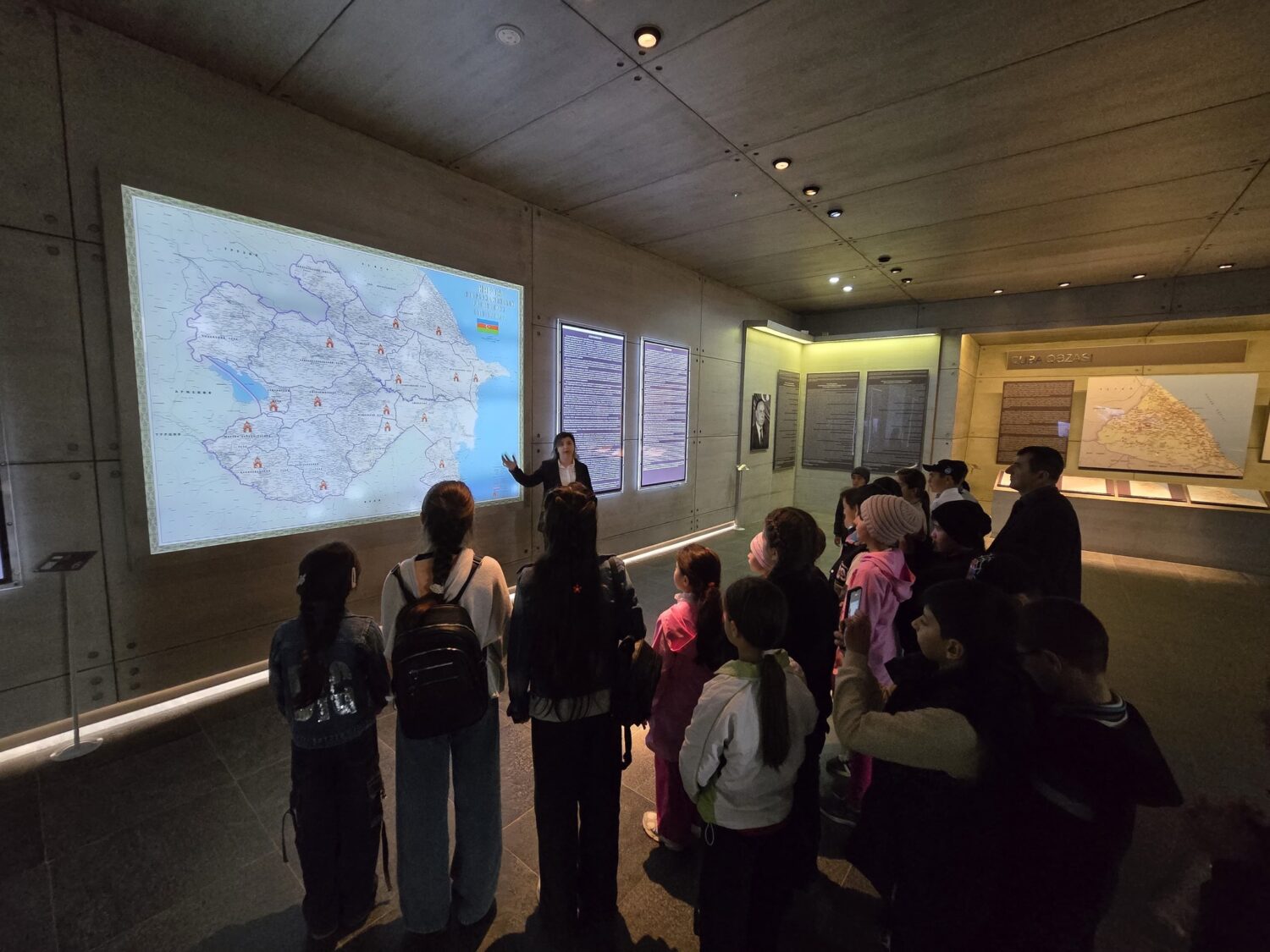
At the event, participants visited a photo exhibition titled “Our Cultural Heritage: Yesterday and Today – Karabakh Monuments,” organized by the Genocide Memorial Complex, in the center’s foyer.
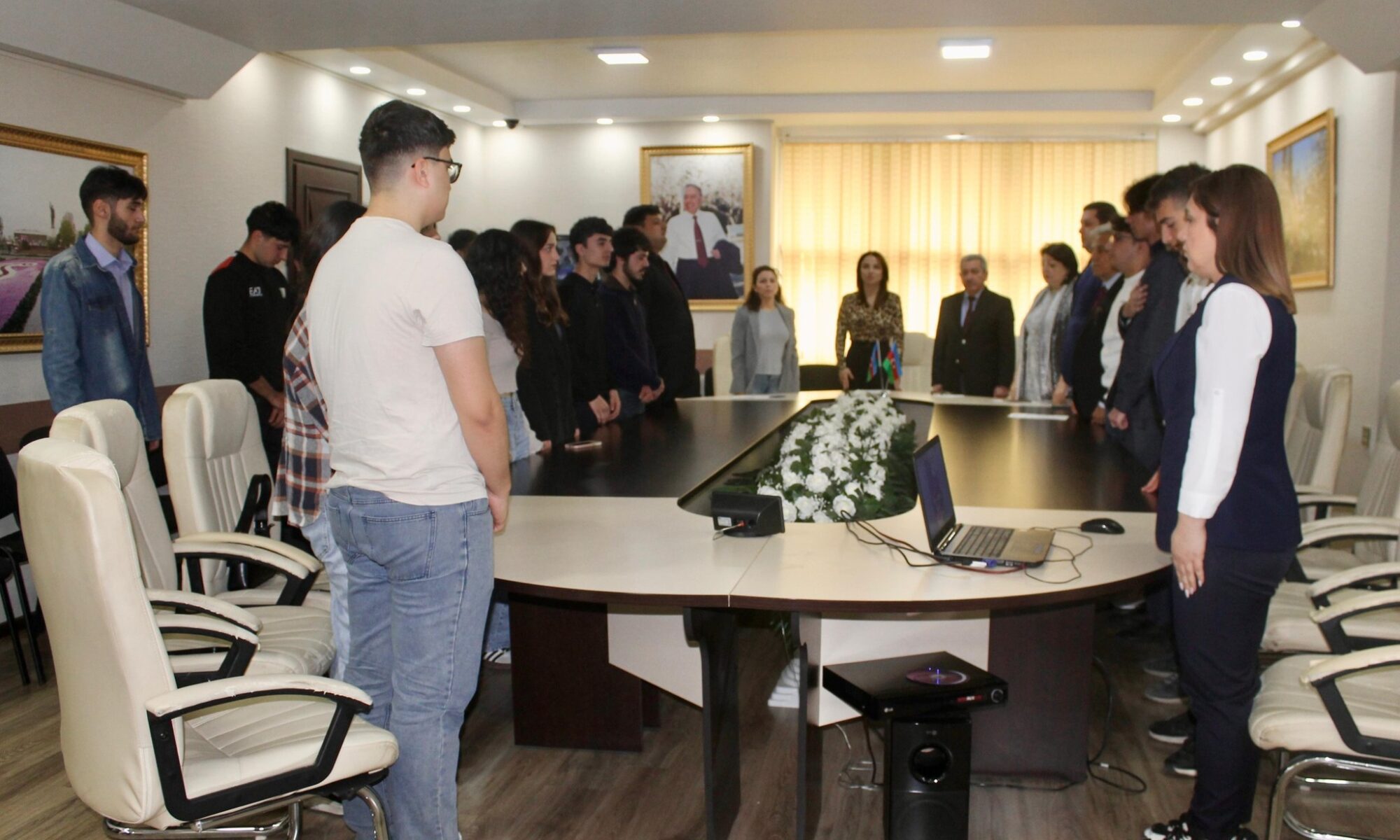
The event began with the National Anthem of the Republic of Azerbaijan, followed by a one-minute silence in memory of National Leader Heydar Aliyev and the martyrs.
Nigar Huseynova, the head curator of the Center, opened the event with a welcoming speech, emphasizing the importance of preserving and promoting Azerbaijan’s rich historical and cultural heritage, as well as the exceptional services of National Leader Heydar Aliyev in this field.
The speakers, Zohrab Jafarov, Subhan Talibli, Rizvan Garabaghi, and Saadat Mirzayeva, talked about the restoration, protection, and preservation of historical monuments in the country, as well as the promotion of cultural artifacts on the international stage. They highlighted the work done in the capital Baku and other regions of Azerbaijan, with the support and care of President Ilham Aliyev, in the fields of conservation, restoration, and reconstruction of cultural and historical monuments.
A video clip titled “Ancient Azerbaijani Monuments” was then shown.