Initial deportation of Azerbaijanis. (1801-1807)

The first period of exile of Azerbaijani Turks from Western Azerbaijan – the territory of present-day Armenia – began in 1801 with the annexation of Eastern Georgia by Russia and the subsequent capture of Shamshadil and Loru-Pambak regions by the Russians.
On July 13, 1801, Major-General Lazerev sent a report to the commander of the Caucasian troops, Knorring, stating that about 5,000 to 6,000 Turks from 14 villages in Pambak province had left the region and taken refuge in the territory of the Iravan Khanate. Later, some Turks of Pambak province revolted because they did not want to submit to Russia, and in July 1804, under the auspices of Pambak beys Rahim bey and Said bey, they fled the region and took refuge in Kars pasha. Prince Sisianov repeatedly appealed to Kars Pasha Mammad Pasha to return them.
In the spring of 1804, 2,000 Armenians secretly fled from the territory of the Iravan Khanate,came under the protection of the Russians and settled in the Loru-Pembek region. That same year, Russian troops entered Shorayel. On October 20, 1805, Shorayel Sultan Budag and Prince Sisianov signed a document in Ganja on Shorayel’s permanent subordination to Russia. After that, the period of exile of the Turks living in the area began. Part of the population of Garagapagh branch of Shorayel villageg left their lands as a result of the Russo-Turkish war of 1807 and found refuge in the territories of Iravan khanate and Kars pashalyk…
(Vagif Arzumanli, Nazim Mustafa, Tarixin qara səhifələri (Black pages of history). Baku, 1998, pp. 18-24)

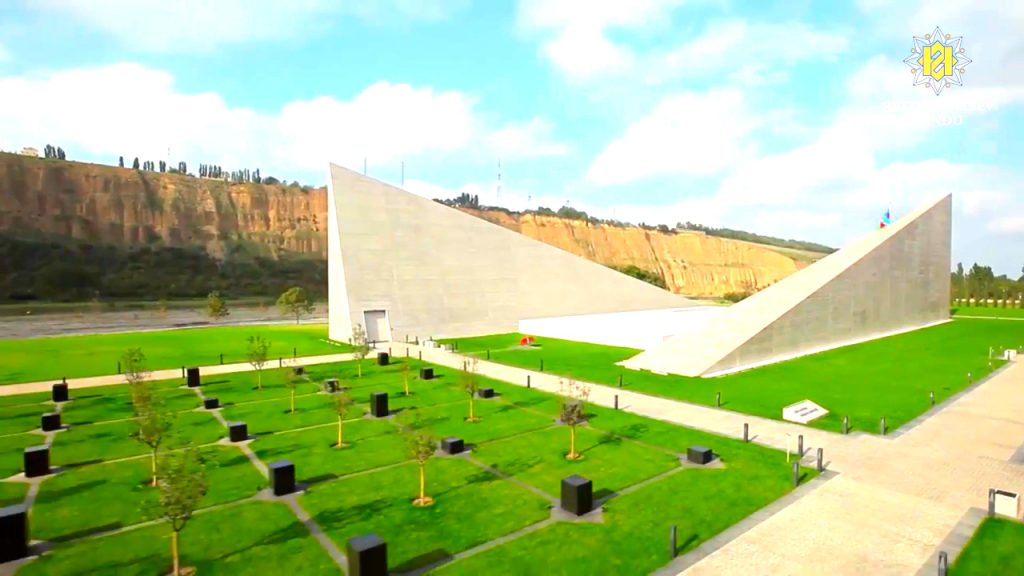
"Genocide Memorial Complex" in Guba, which, in connection with the pandemic, COVID-19 worked online for some time, began receiving visitors on January 25

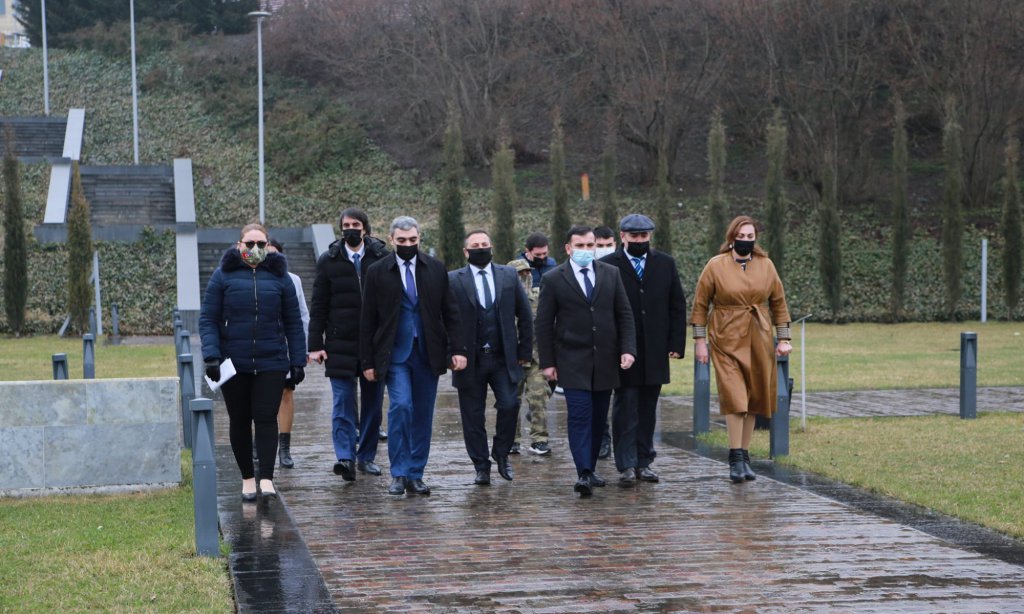
According to the relevant decision of the Operational Headquarters under the Cabinet of Ministers “Genocide Memorial Complex” in Guba, which, in connection with the pandemic, COVID-19 worked online for some time, began receiving visitors on January 25. From the first day of work, the specialists of the Complex informed visitors about the atrocities of Armenians. Visitors were presented with specially designed bags with information booklets and books
Dear visitors! We are glad to see you in our Complex.
The people who have their own history are invincible!

Today in history January 27 is the International Holocaust Remembrance Day.

Every year, January 27 is celebrated as International Holocaust Remembrance Day. The Holocaust was a genocide of millions of European Jews during World War II (1939-1945) only because of their ethnicity . The massacre of Jews was organized by Adolf Hitler, the leader of the German Nazi Party. The German National Socialist Workers’ Party (ANSFP) has organised a number of uprisings since November 1938. The most violent uprising was the “Crystal Night” on November 9-10. Hundreds of years of synagogues, Jewish shops, homes, and other property were burned, 400 Jews killed, and others tortured. Over the next few days, 36,000 Jews were relocated to special camps. More than a million Jews were killed in the gas chambers of the Auschwitz concentration camp only in Nazi-occupied Poland . In all, 7 out of 10 Jews in Europe were killed in the tragedy. The events of the genocide are a universal crime and have turned against humanity. Various commemorative events are held in our country every year to commemorate the victims of the Holocaust.

Armenian ancestry and resettlement to the Caucasus in the works of Armenian authors (quotes)

● If there were not the famous “Turkmenchay Contract” of 1828, Griboedov and Abovyan, as well as Russian soldiers, there would not be hundreds of newly created Armenian centers, which have turned into modern villages and cities today.
B. Ishkhanyan. “Peoples of the Caucasus,” Petrograd. 1916, page 18.
● Just In the last decade (60s and 70s), more than 200,000 Armenians moved to their homeland.
Zori Balayan. “Hearth”, pp. 120, 192,273.
● Historian Karakashyan, who was interested in the past of Armenians, wrote, “There is no information about the past of Armenians that could be considered history or annals.”
Karakashyan. “History of the Eastern Question.” London, 1905.
● Armenian writer and scientist Nalbandian also confirmed, “The Armenian people settled in the territories located in the upper Tigris and Euphrates rivers. The indigenous inhabitants of these places (Hittites, Hurrites, Urarts) were highly developed peoples.
Nalbandian V.S. “Armenian Literature.” M., 1976. p. 7
● Armenian scientist Manuk Abeкyan further developed this idea and came to the following conclusion about the hazy past of Armenians: “What is the origin of the Armenian people, how and when, where and in what ways they got to these places, with which tribes they were associated before and after they became Armenians, what influenced their language and ethnic composition?” We do not have credible and accurate evidence to support these claims. “
Manuk Abekyan. “History of Armenian literature.” Yerevan. 1975. p. 11

Today in history January 27 is the International Holocaust Remembrance Day

Every year, January 27 is celebrated as International Holocaust Remembrance Day. The Holocaust was a genocide of millions of European Jews during World War II (1939-1945) only because of their ethnicity . The massacre of Jews was organized by Adolf Hitler, the leader of the German Nazi Party. The German National Socialist Workers’ Party (ANSFP) has organised a number of uprisings since November 1938. The most violent uprising was the “Crystal Night” on November 9-10. Hundreds of years of synagogues, Jewish shops, homes, and other property were burned, 400 Jews killed, and others tortured. Over the next few days, 36,000 Jews were relocated to special camps. More than a million Jews were killed in the gas chambers of the Auschwitz concentration camp only in Nazi-occupied Poland . In all, 7 out of 10 Jews in Europe were killed in the tragedy. The events of the genocide are a universal crime and have turned against humanity. Various commemorative events are held in our country every year to commemorate the victims of the Holocaust.

Provided within the framework of the project «Let’s study the monuments of Karabakh!": Aghdam-Bread Museum.

The Bread Museum built in Azerbaijan city Aghdam, received its first visitor on November 25, 1983. During the Soviet era, the museum preserved as a monument of local culture.
In addition to the display of about 2,800 exhibits, the museum provided information about bread and bakery products, agricultural tools and their history. In the area adjacent to the museum, which has a caravanserai, there was also a cafe “Sunbul” with a tandir.
During the First Karabakh War, shells fired by the Armenian Armed Forces on August 12, 1992 destroyed the museum. Despite attempts to extinguish the fire, the museum could not be saved, and as a result, about 1,500 exhibits in the museum were destroyed by fire.
After the Second Karabakh War, the city Aghdam was liberated and on the instructions of the President of the Republic of Azerbaijan, Mr. Ilham Aliyev, began restoration work of the city, including the improvement of historical and architectural monuments.

A new guidebook is being published.

After several months of work, the collective of the “Genocide Memorial Complex” in Guba city is completing work on the compilation of CDs with videos and documentaries, flyers, various booklets, and other printed materials. Our first work, a guidebook in 2 languages (Azerbaijani and English), has already been sent to the printing house for publication in 2021. It consists of 12 pages, contains information about the services provided to the visitors of the complex, the conditions created for them, as well as a map of the complex, with marked points, visited during the excursion.

JANUARY 20

JANUARY 20 is a page written in blood in the history of Azerbaijan, but it is not only a tragedy, this date is the first peak on Azerbaijan’s path to independence, the day of awakening the striving of our national ideology for freedom!

Heroes of the local resistance movement during the 1918 genocide: TAHIR GASIMOV

In 1918, Tahir Gasimov from Saadan village of Siyazan, Guba district, together with his two brothers, formed a group of village youth and decided to put up an armed resistance against the Armenian Dashnaks. He and his gang first distinguished themselves in the struggle against Gelovani before the arrival of Hamazasp. Despite heavy rains on April 15, 1918, the Armenian Dashnaks, known as Bolsheviks, entered the village of Sedan, located on the road to Guba, the center of the Guba area. Despite the difficult weather conditions, Tahir Gasimov and his troops fought valiantly, taking a advantageous position against the enemy and destroying more than 100 enemy soldiers. After several hours of fighting, the Armenian Dashnaks, who had been defeated and retreated, killed the population and set their houses on fire as they were leaving the village of Mukul. Hearing this, Tahir Gasimov came to Mukule with his detachment and killed more than 30 Dashnak soldiers in this battle as well. The losing enemy was forced to retreat. Distinguished for his bravery, Tahir Oasimov later served in the Turkish army for 4 years.
Note: Some information was taken from Muzaffar Malikmammadov’s book “Qanlı dərə (Bloody Valley)”.


We present within the project "Let's study Karabakh monuments"

One of the monuments subjected to Armenian vandalism in the city of Shusha is the museum-mausoleum complex of the Azerbaijani poet and public-political figure who lived in the 18th century, the vizier of the Karabakh khan Molla Panah Vagif. The construction of the complex began in 1977 and lasted four years. In 1982, with the participation of national leader Heydar Aliyev, took place the opening of the museum-mausoleum complex of Molla Panah Vagif . The mausoleum, built near the famous Jydyr-duzu plain in the city of Shusha, on the grave of the outstanding poet, has a quadrangular shape and is decorated with marble. About eighty exhibits reflecting the period of Vagif’s life in Shusha were displayed here. As a result of the occupation of the city of Shusha in May 1992 by the Armenian armed forces, the building of the complex and dozens of the exhibit things there were destroyed or taken to Armenia. It should be noted that after the Second Karabakh War, the city of Shusha was liberated and on the order of the President of the Republic of Azerbaijan Ilham Aliyev, construction and landscape work began in the city, including the restoration of historical and architectural monuments.

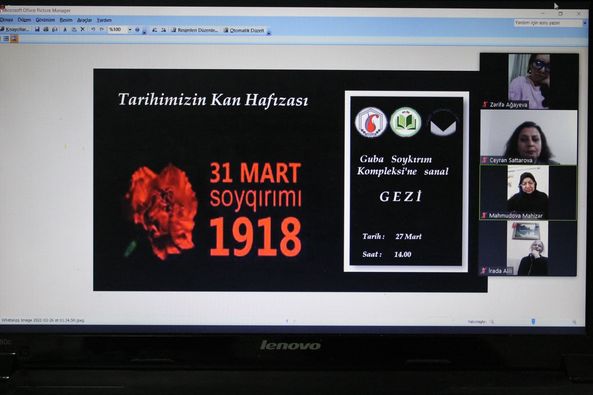
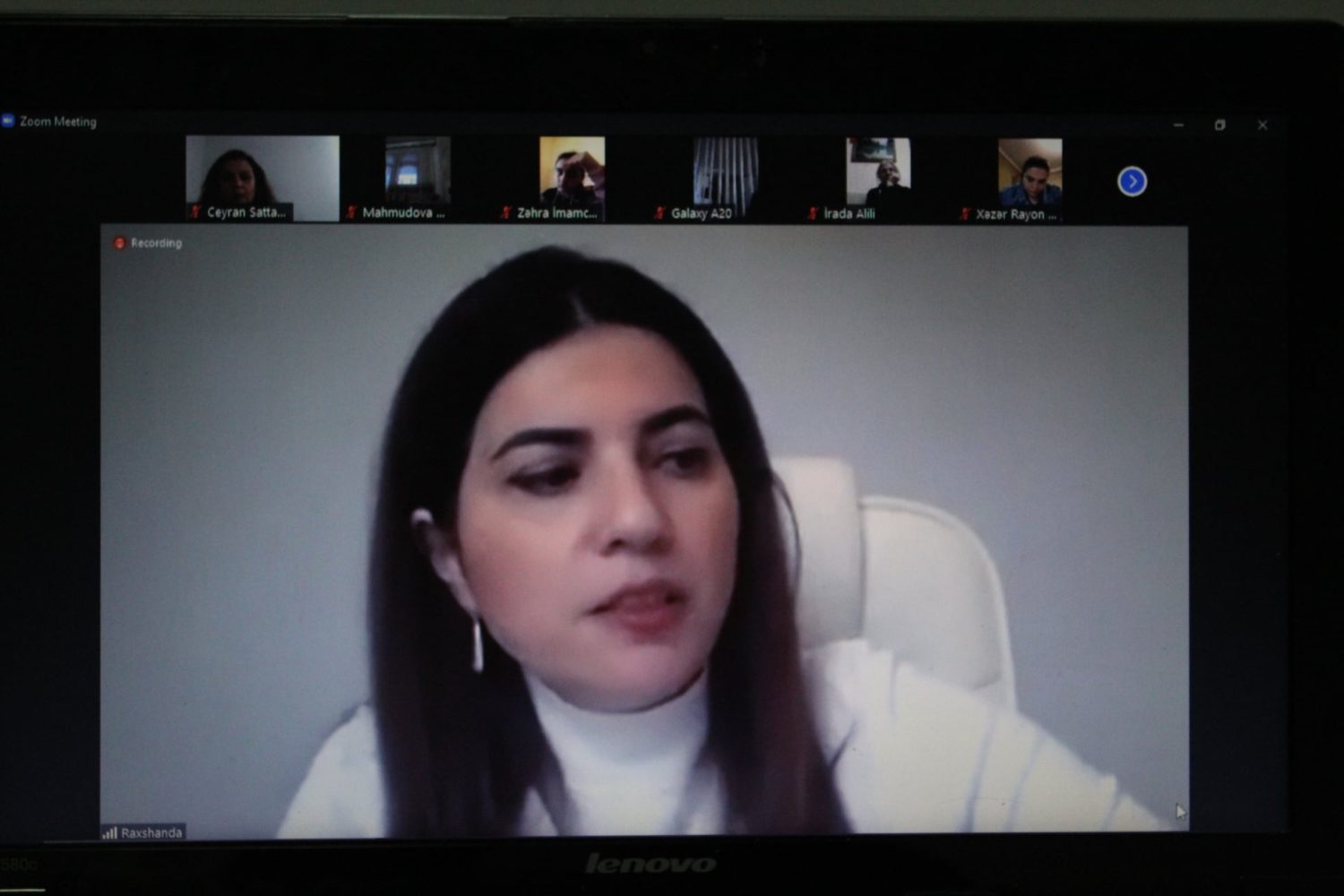
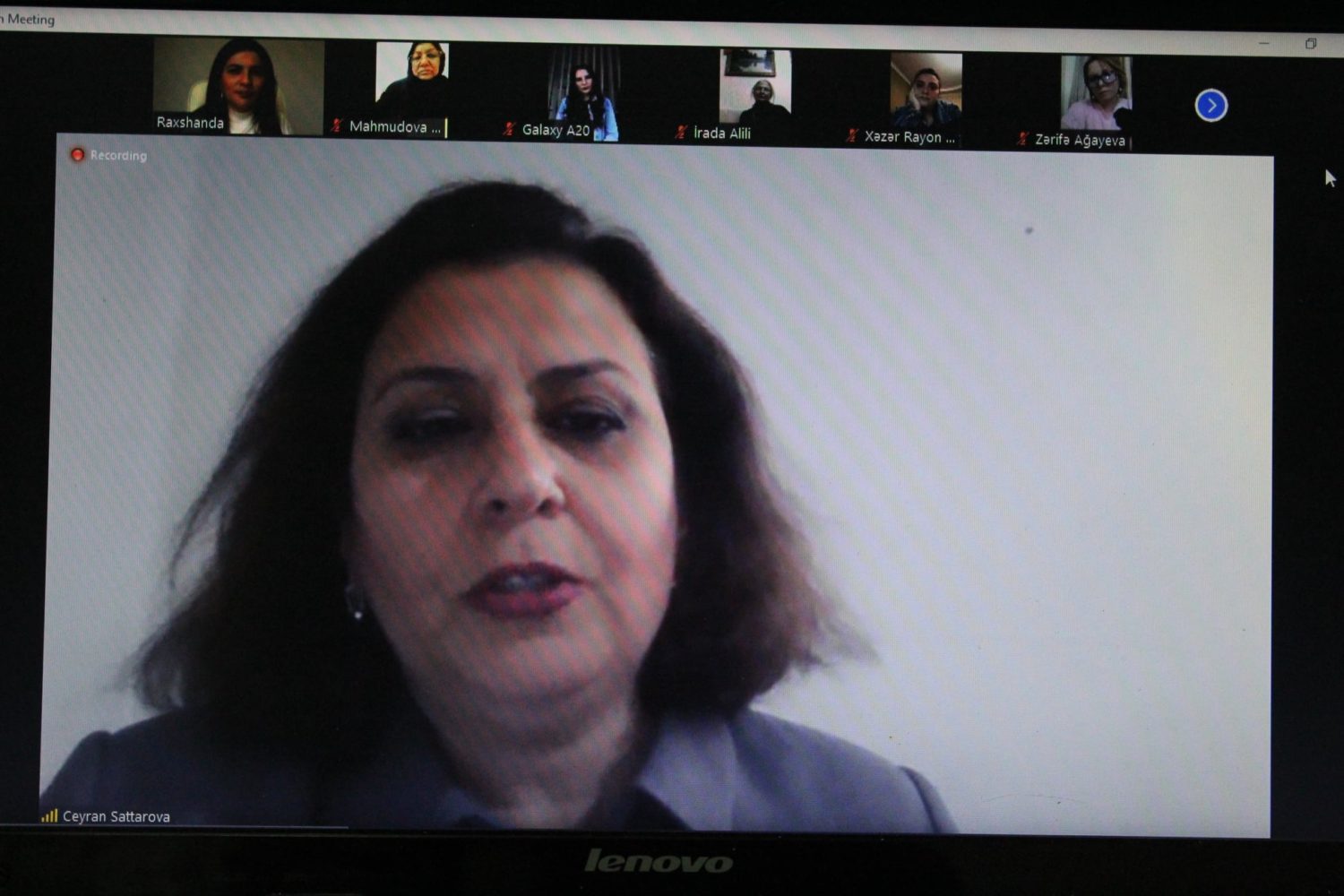
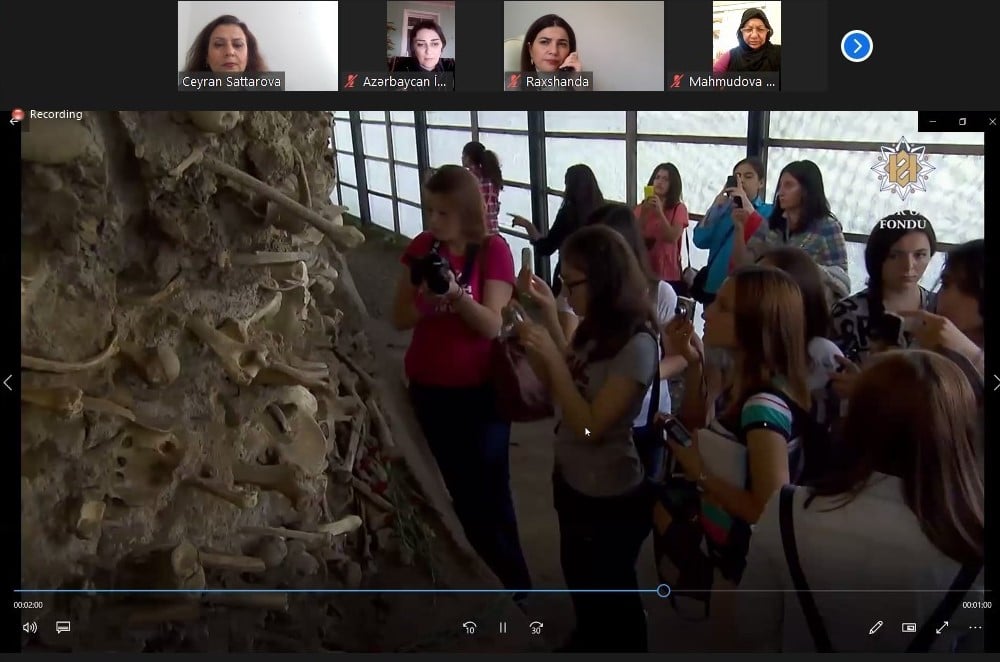
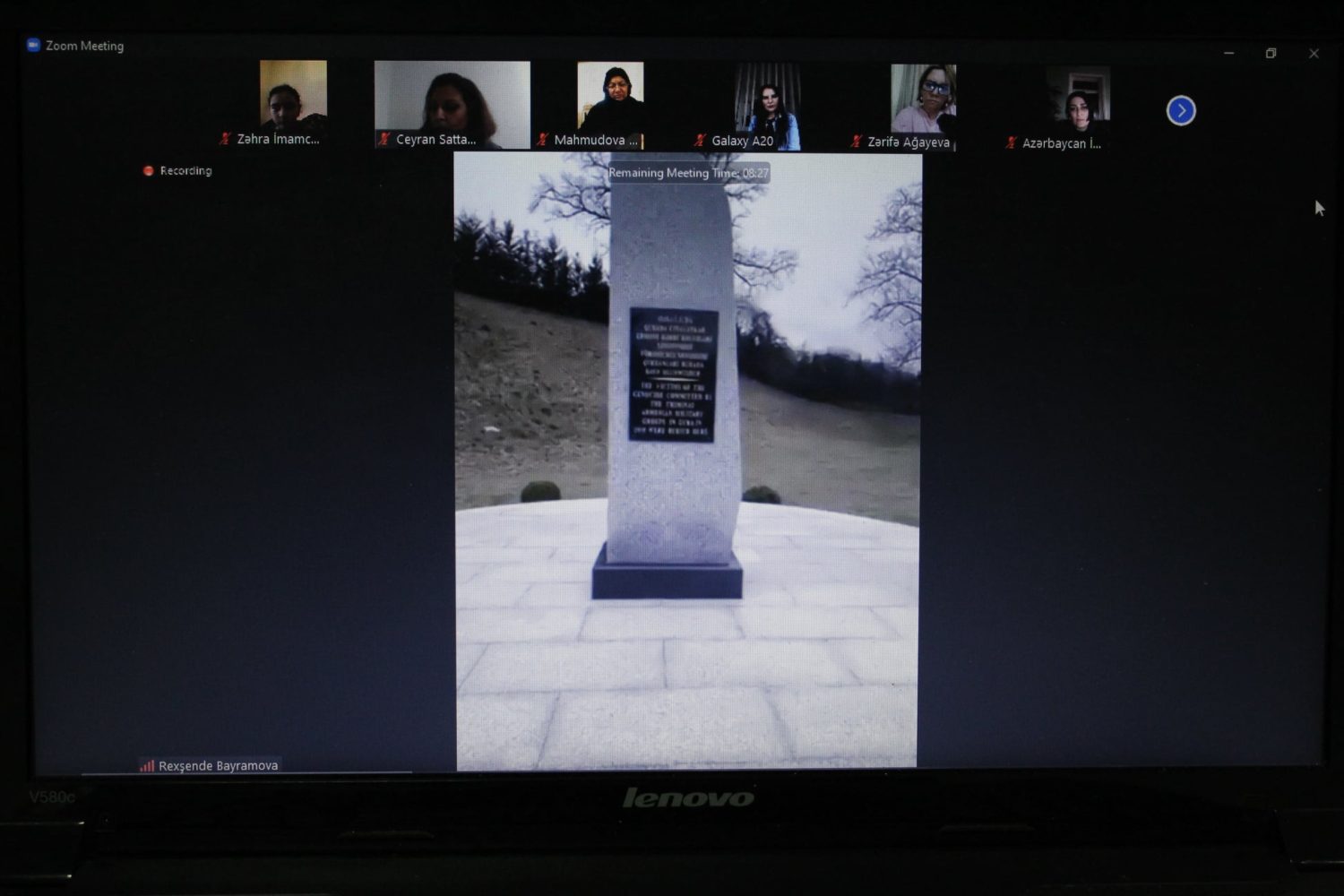
During the Coronavirus (COVID-19) pandemic, the Genocide Memorial Complex continues to operate online.

Dear friends! Time to time we inform you about our activities, work done and plans for the future.Adhering to this tradition, I would like to say that as employees of the “Genocide Memorial Complex”, which has been operating online for some time because of the Coronovirus pandemic, we continue our work in several areas during this period. Thus, through our official website, as well as through our profiles on various social networks, including Facebook, Instagram, YouTube, telegram, etc. in 4 languages (Azerbaijani, English, Russian and Arabic), we present to you the realities of the genocide committed against our people in different years, the true face of Armenian vandalism, the historical roots of the nefarious plans of the Armenians, various archival documents related to their resettlement to the Caucasus, as well as photographs, information about deportations and information about the local resistance movement against Armenian vandalism in different periods of history. Our official website (www.soyqirim.az), which is available in 4 languages (Azerbaijani, English, Russian and Arabic), is regularly updated and new articles are prepared and presented in the most read sections. In particular, the history section of our site is distinguished by the richness of information and the number of readers. In addition, for several months we have been making our work at the level of today’s requirements and promoting the truth about the genocide committed by Armenians against Azerbaijanis in 1918, both in our country and abroad, in 3 languages (Azerbaijani, English and Russian) with videos and documentaries. We carry out work on the production of brochures in 4 languages (Azerbaijani, English, Russian and Turkish), booklets of different sizes and content in 2 languages (Azerbaijani and English), business cards, flyers and other printed materials in 2 languages (Azerbaijani and English) . Several of our printed materials have already been prepared and sent to the printing house. We are proud to present our work to you. We invite young people who want to participate voluntarily in the work of our complex, to come up with interesting proposals and initiatives to cooperate with us.
The people who take possesion of their history are invincible!
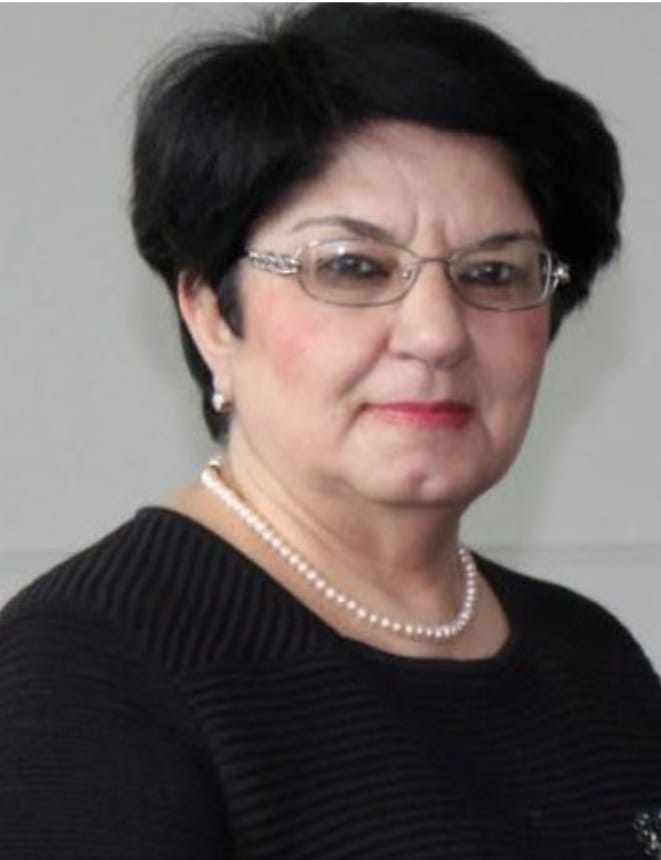
Thank you for your attention / Director of the “Genocide Memorial Complex” in Guba, Doctor of Philosophy in History Rakhshanda Bayramova.