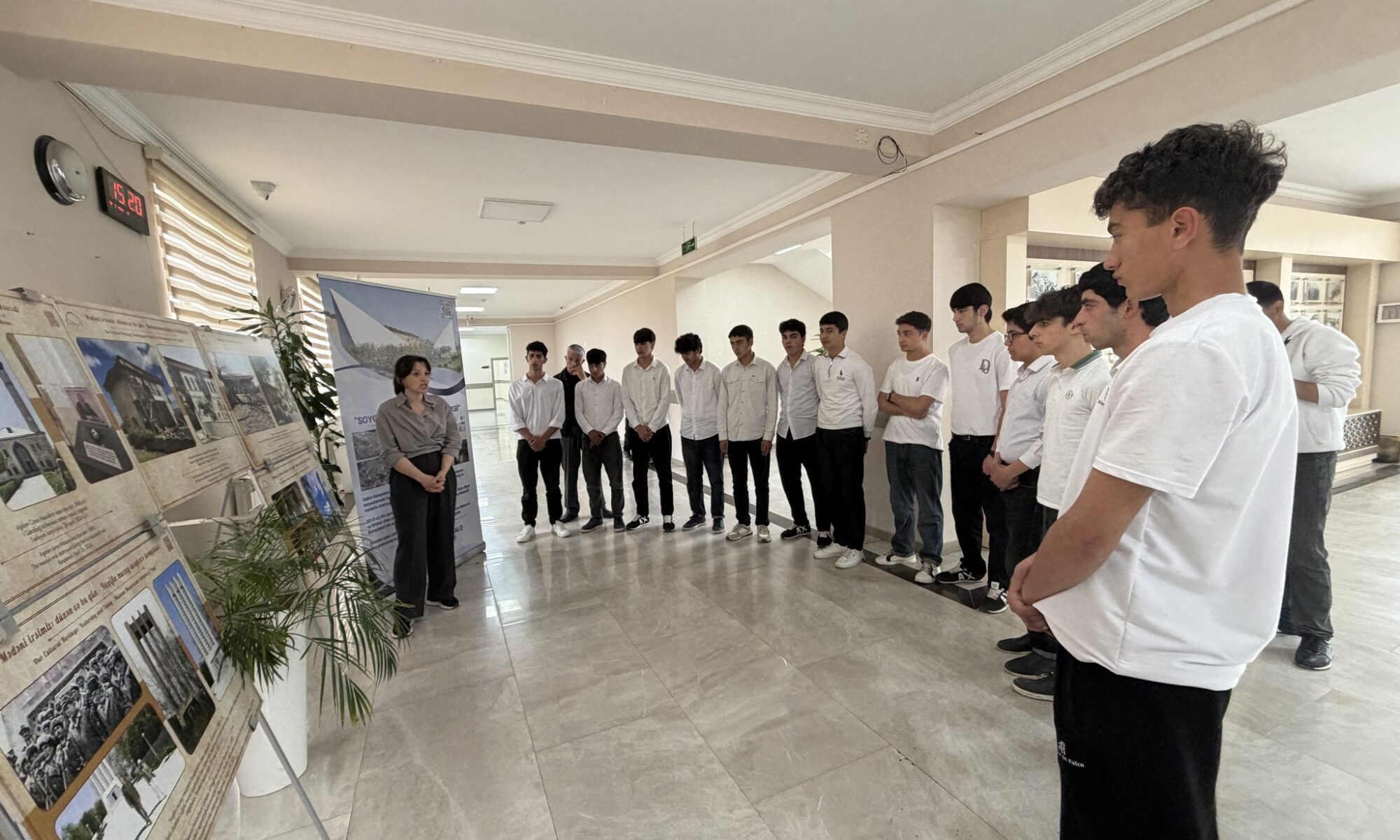
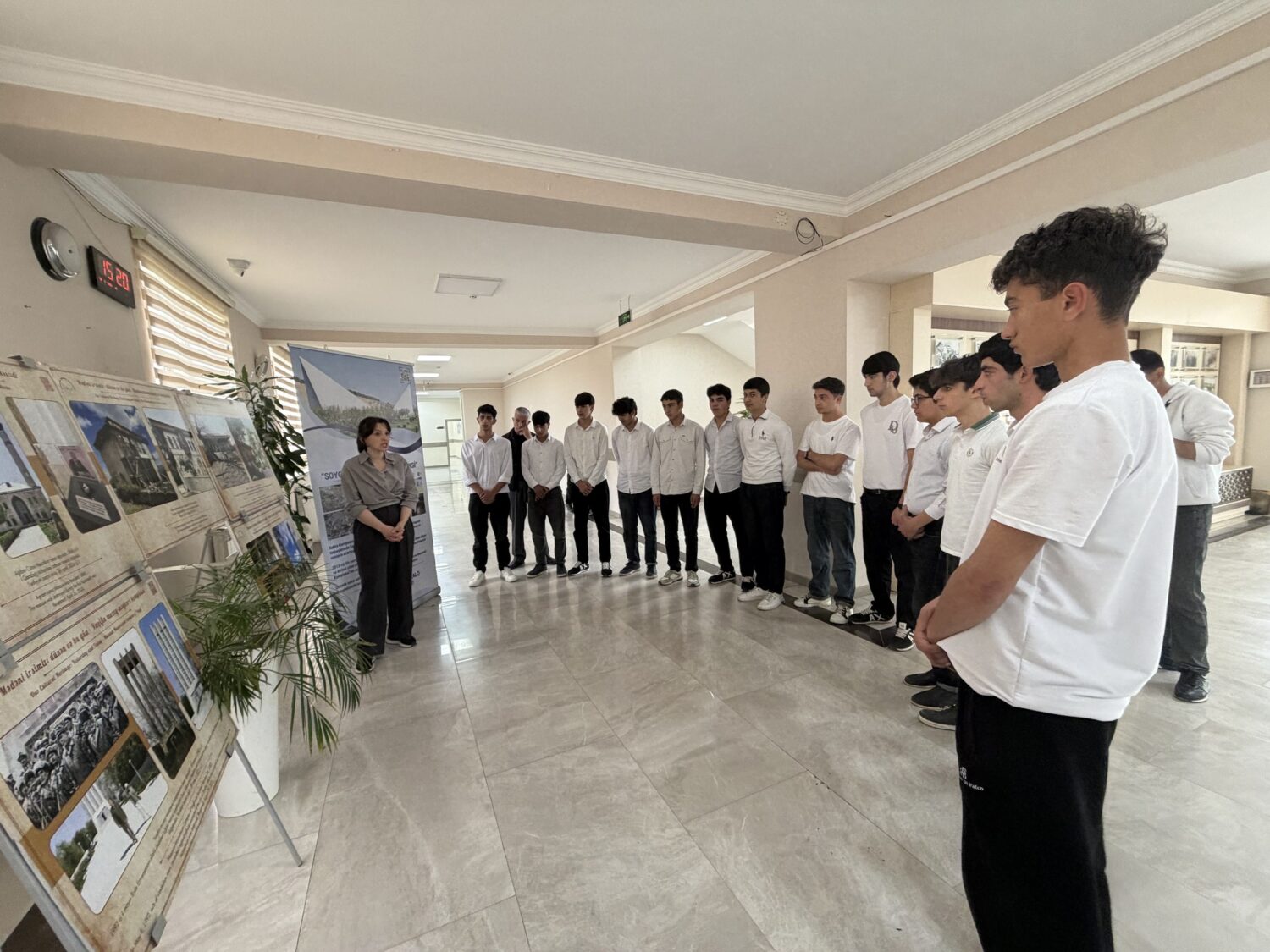
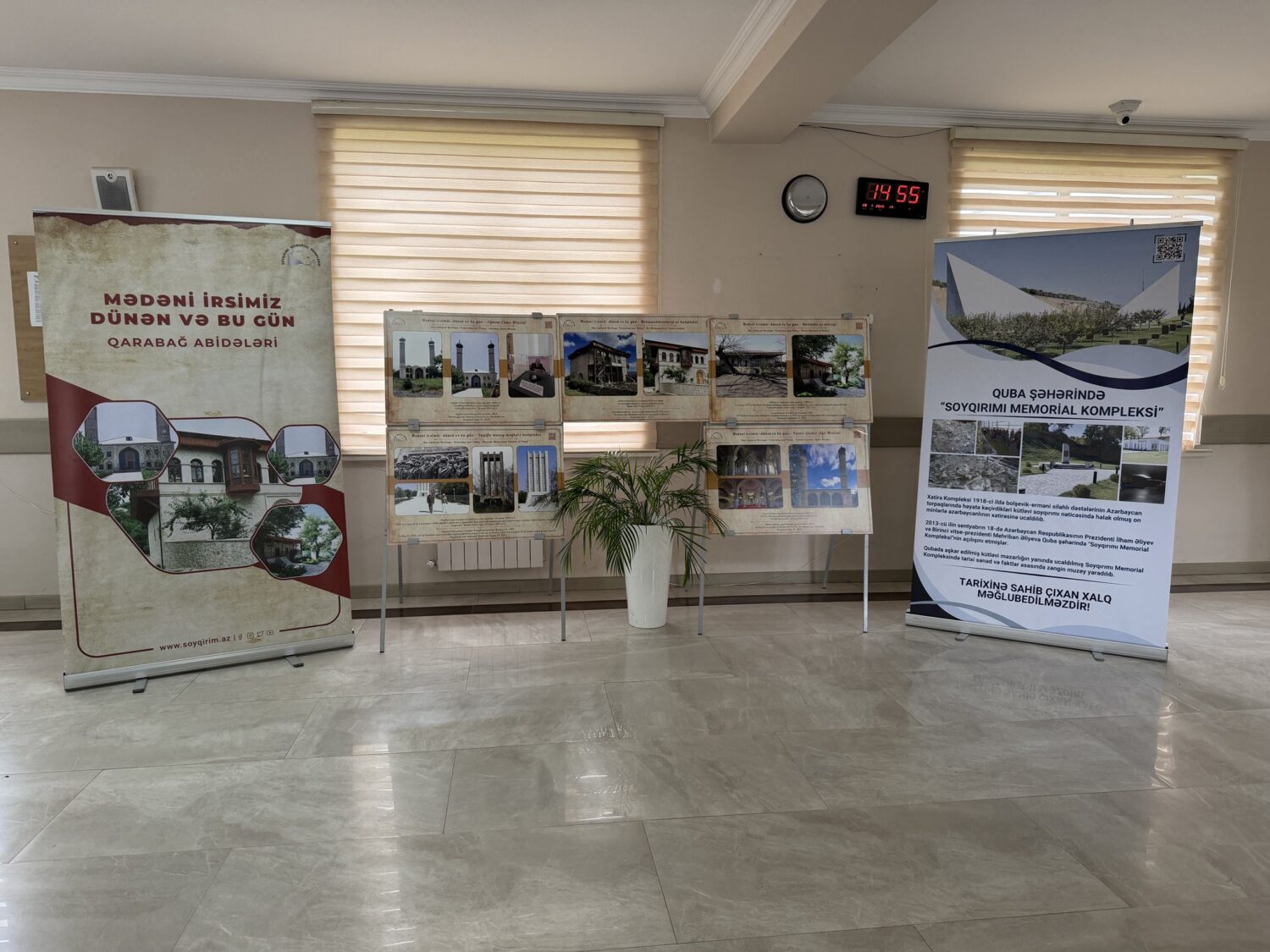
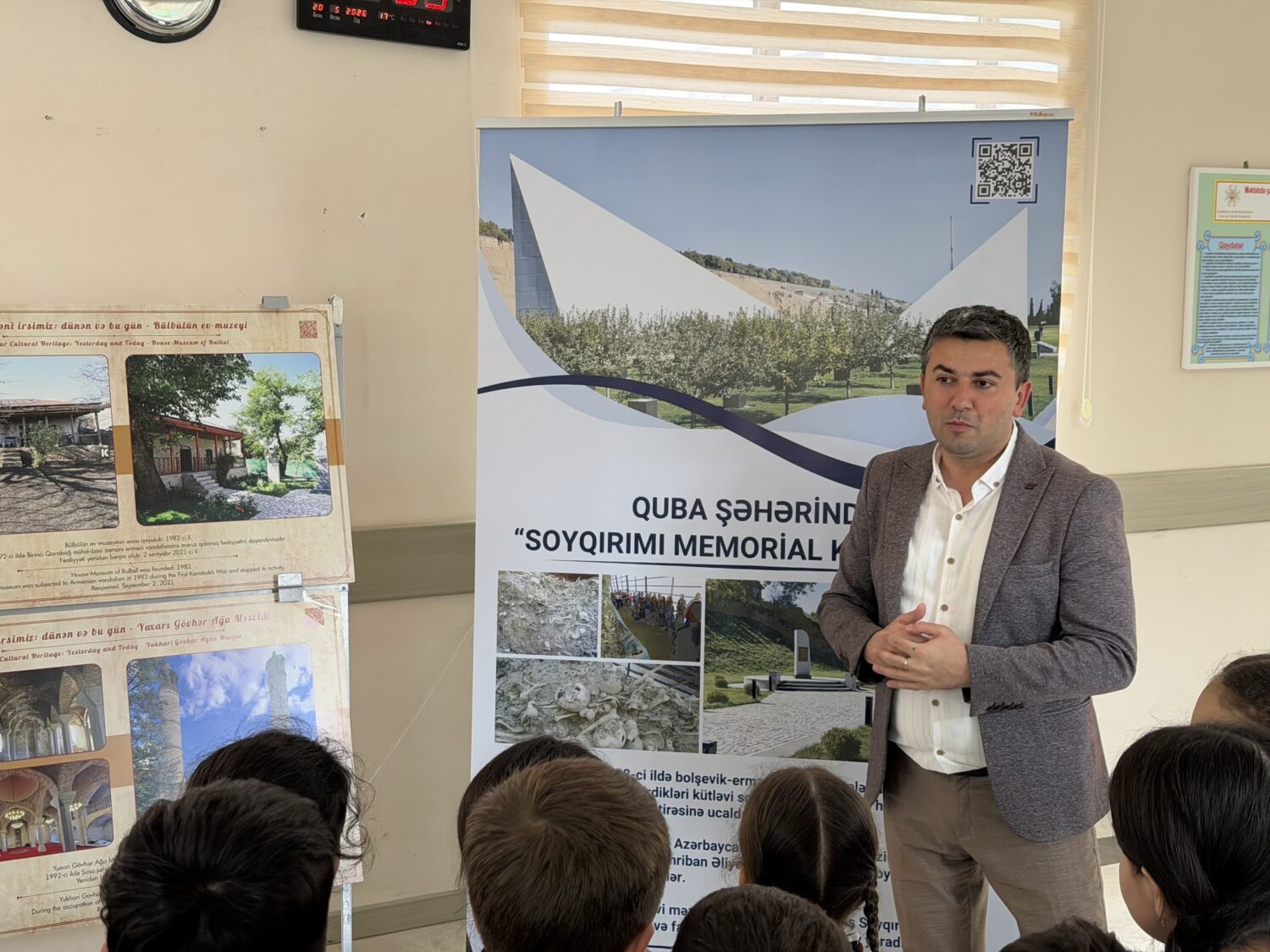
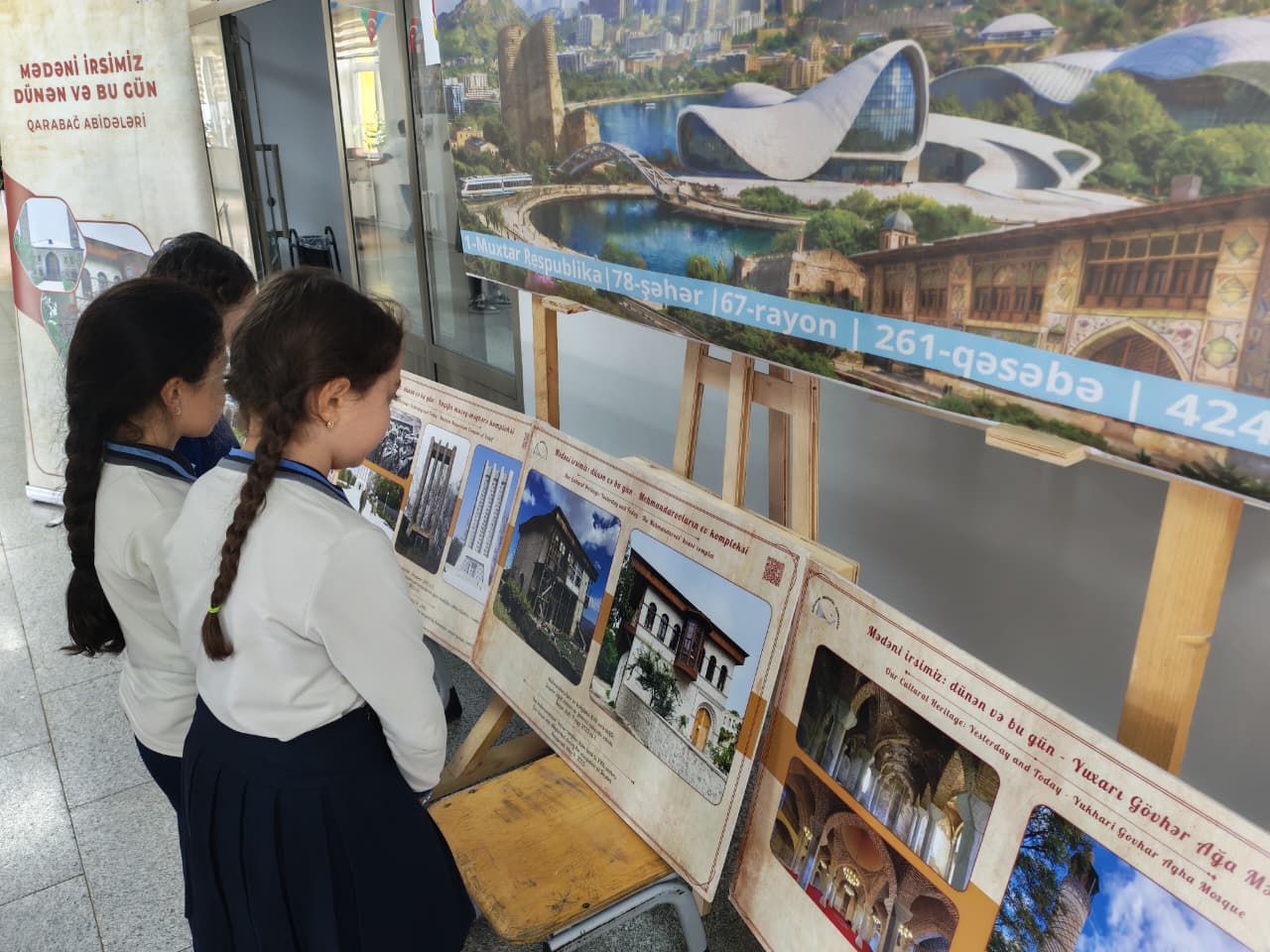
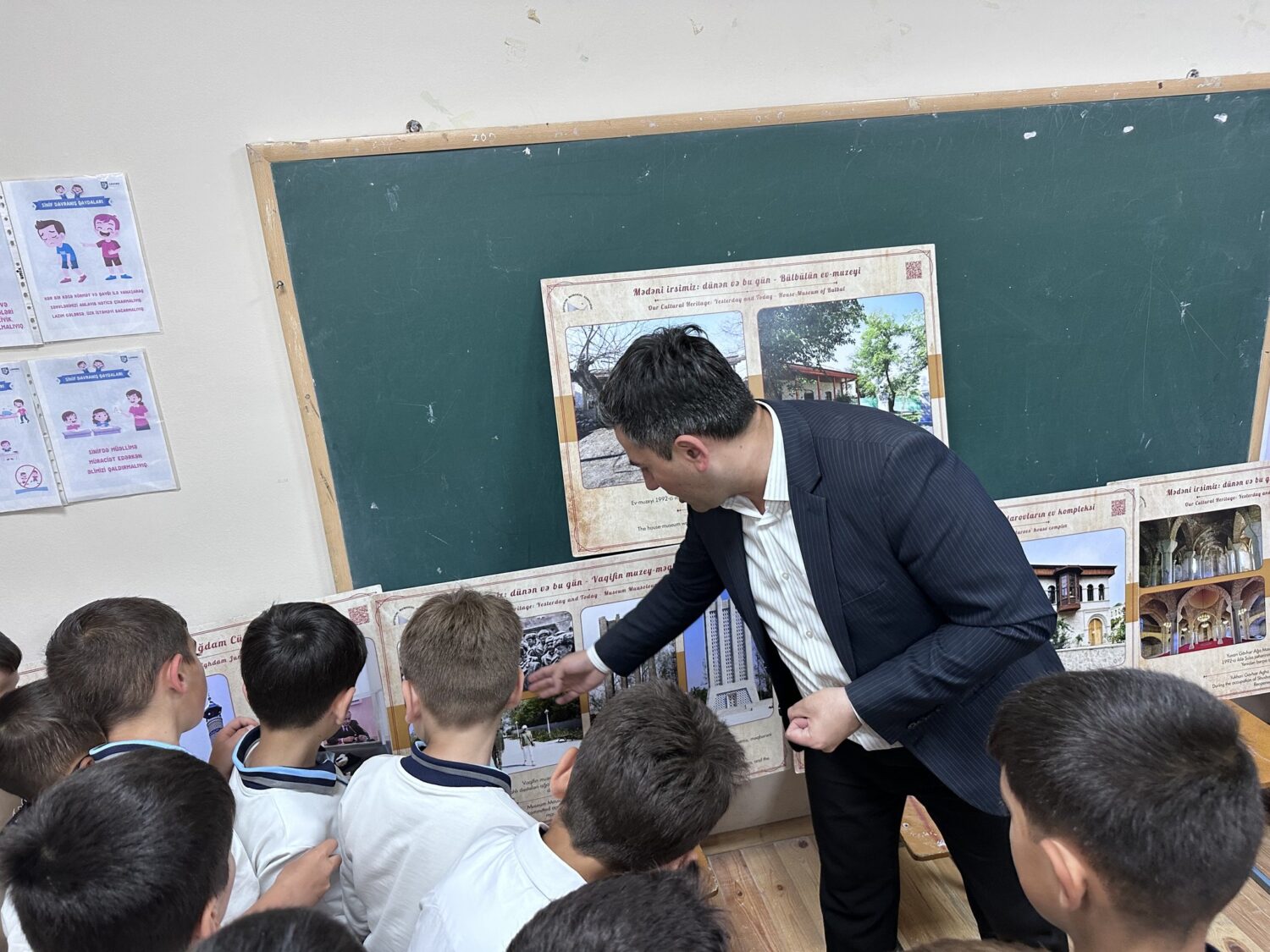
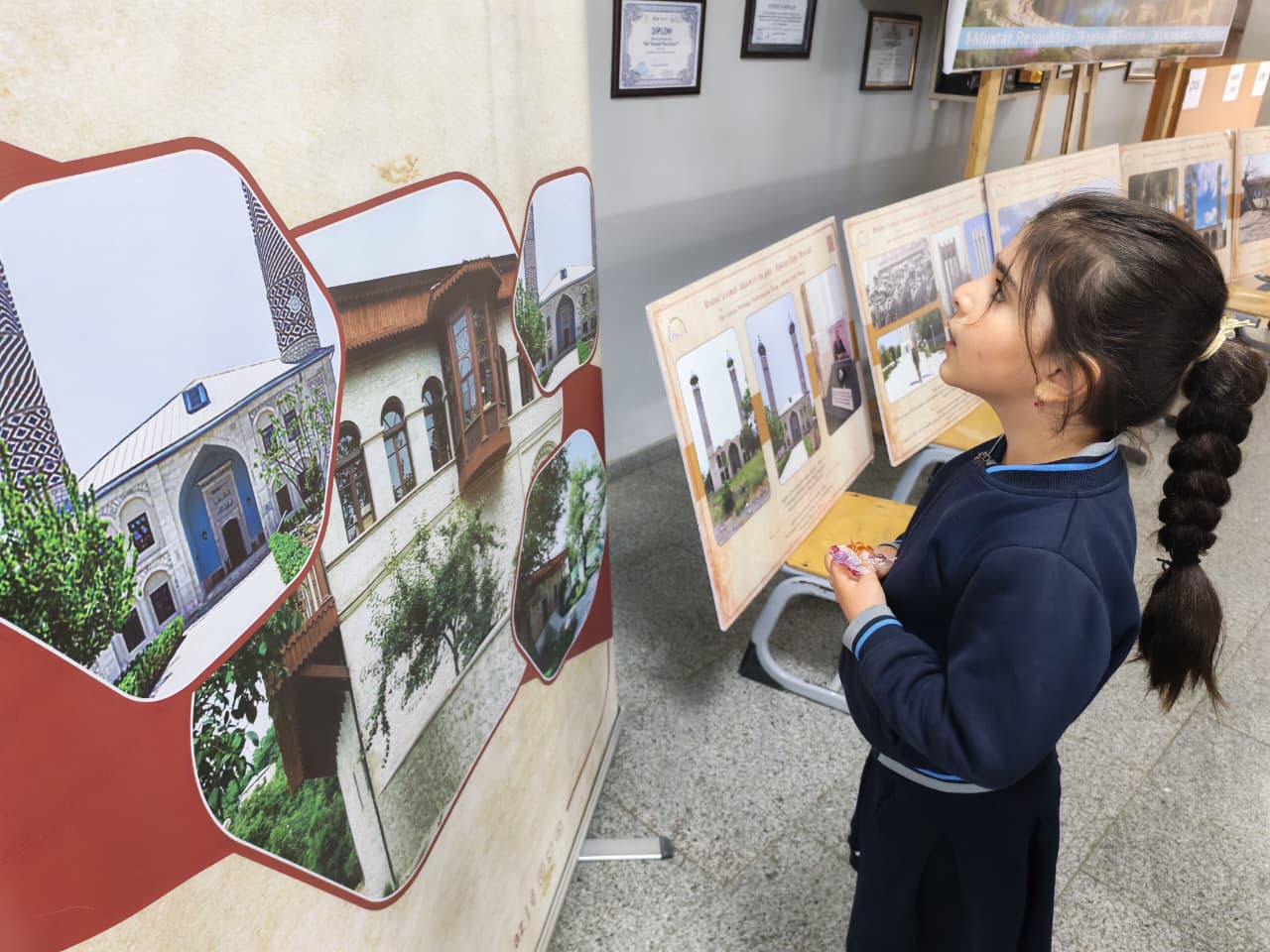
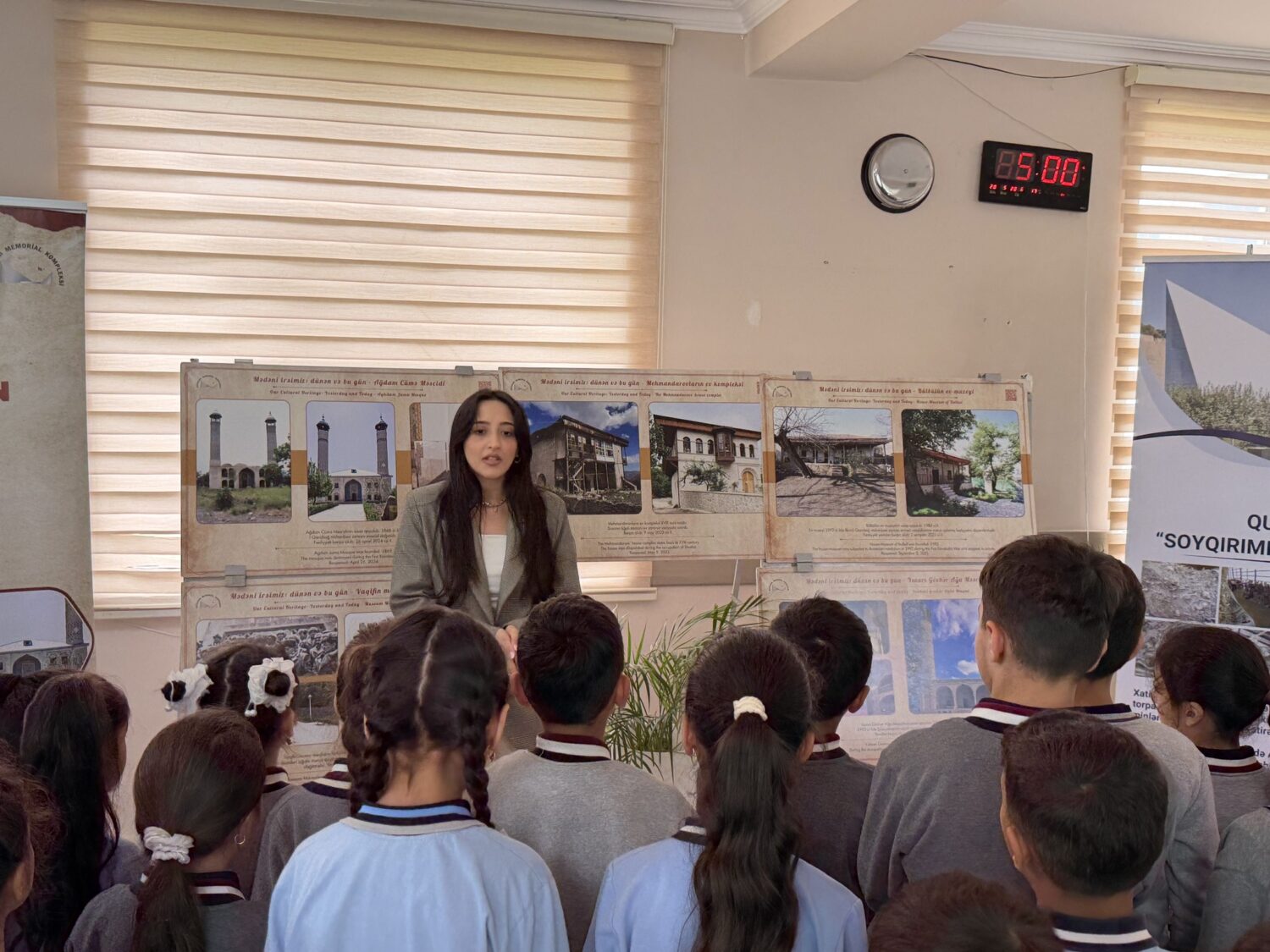
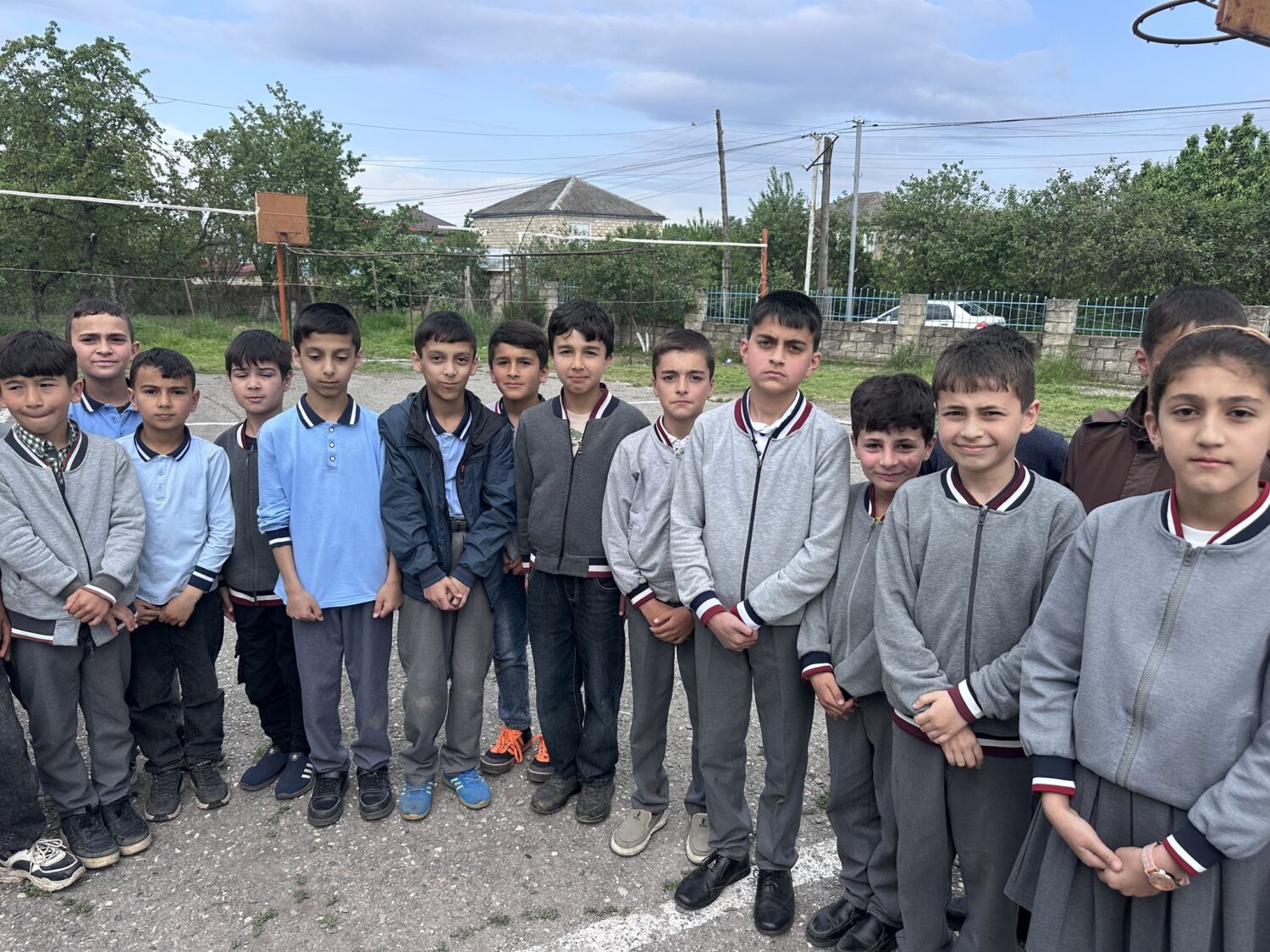
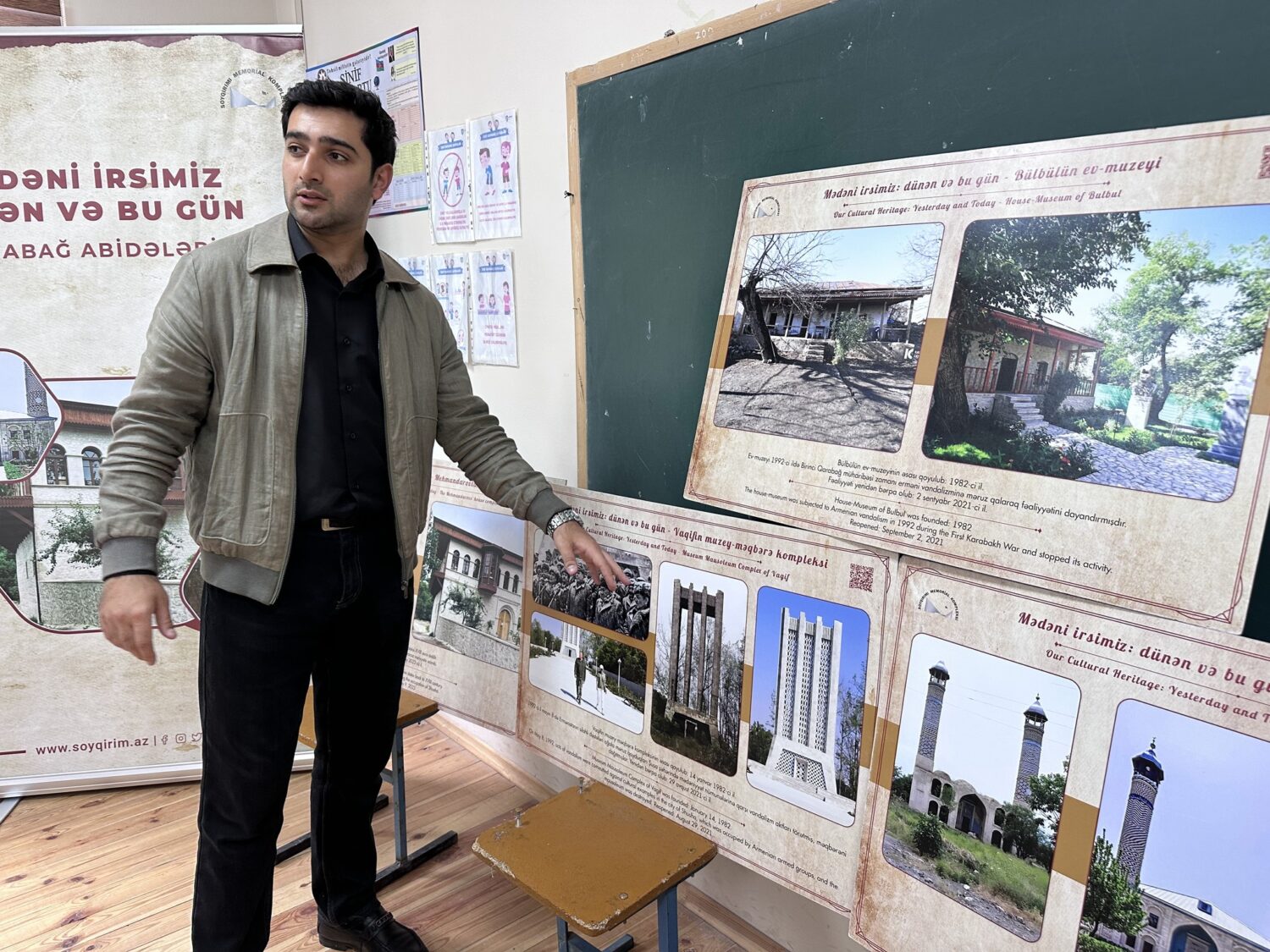
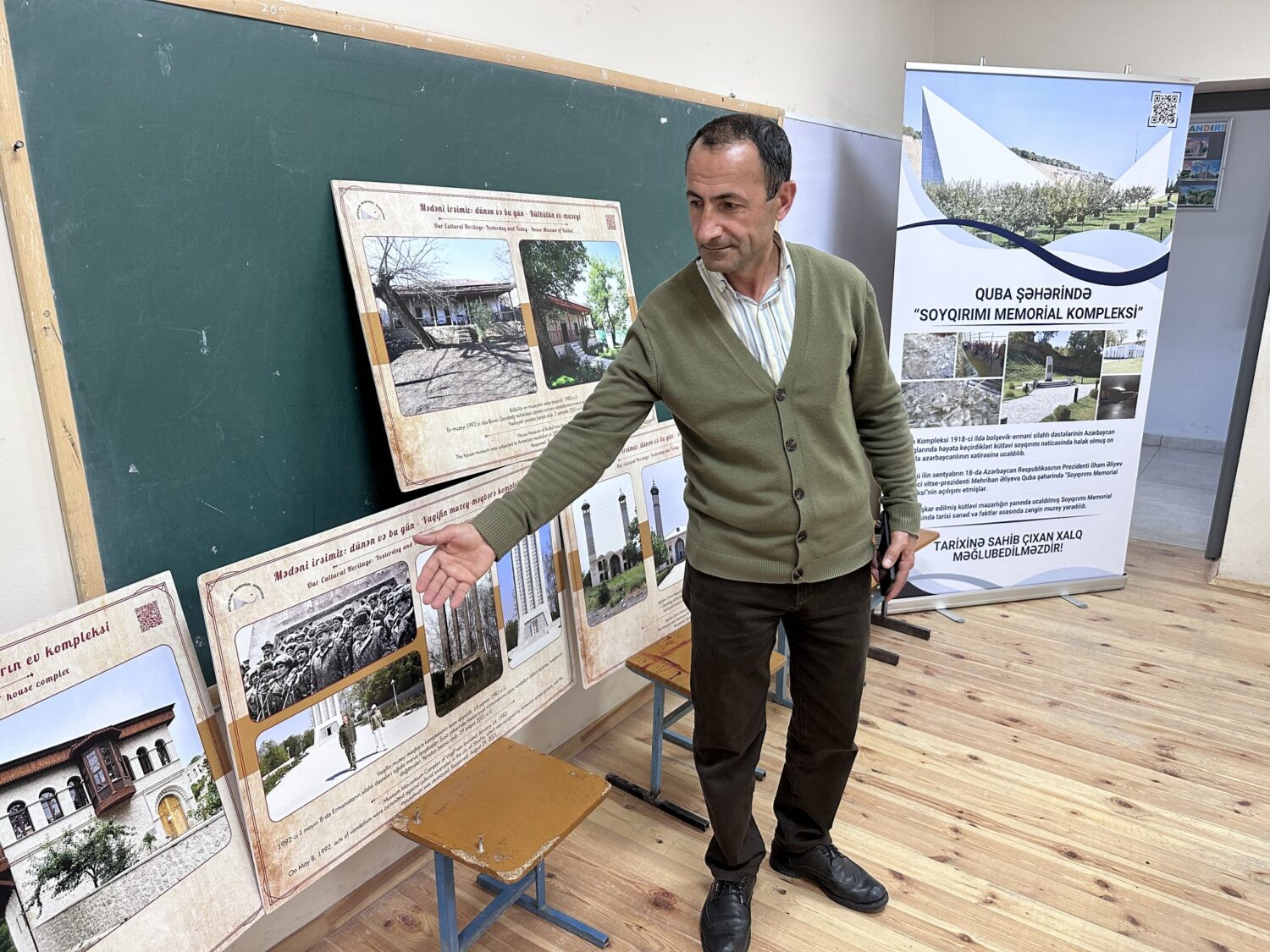
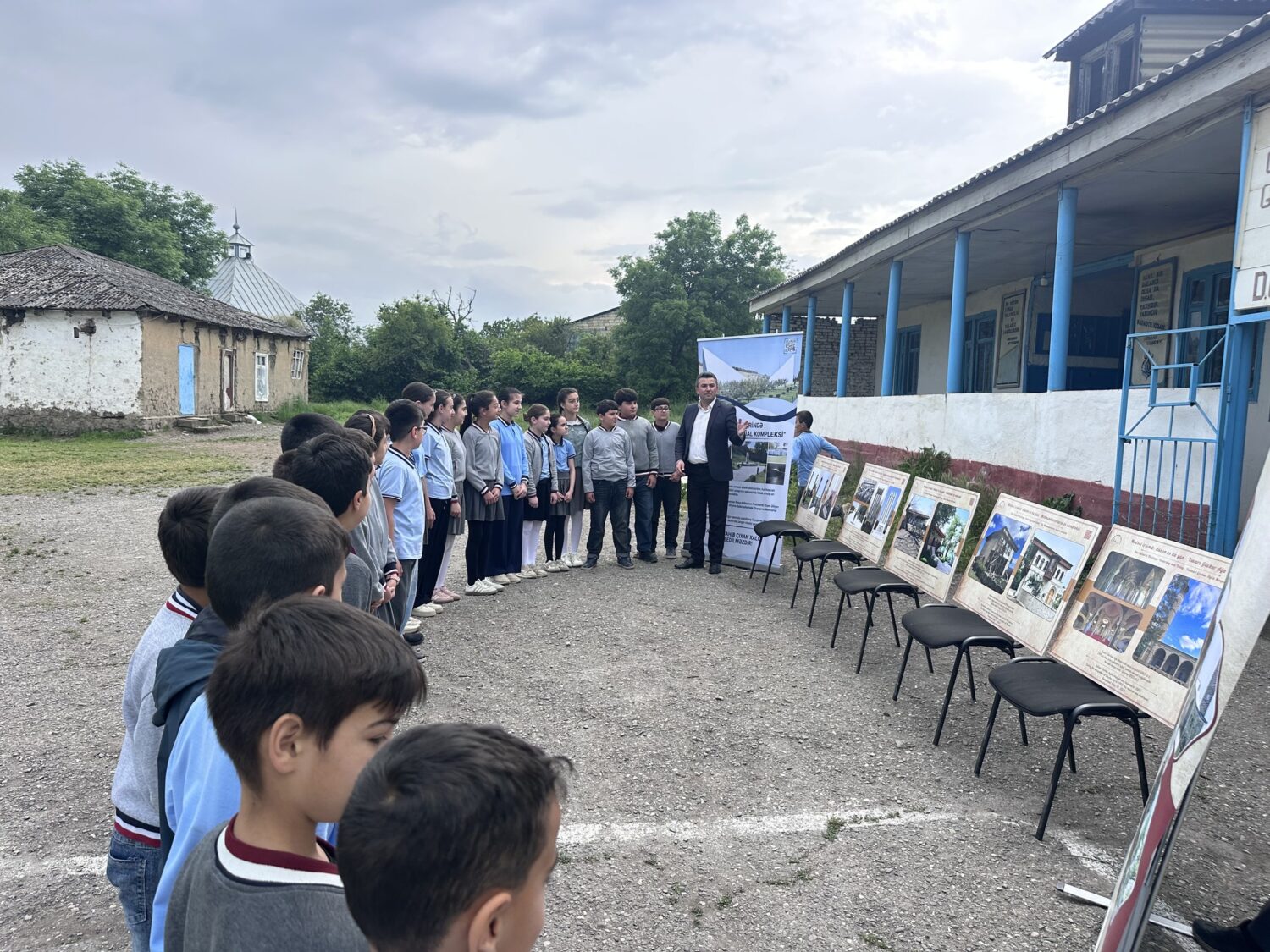
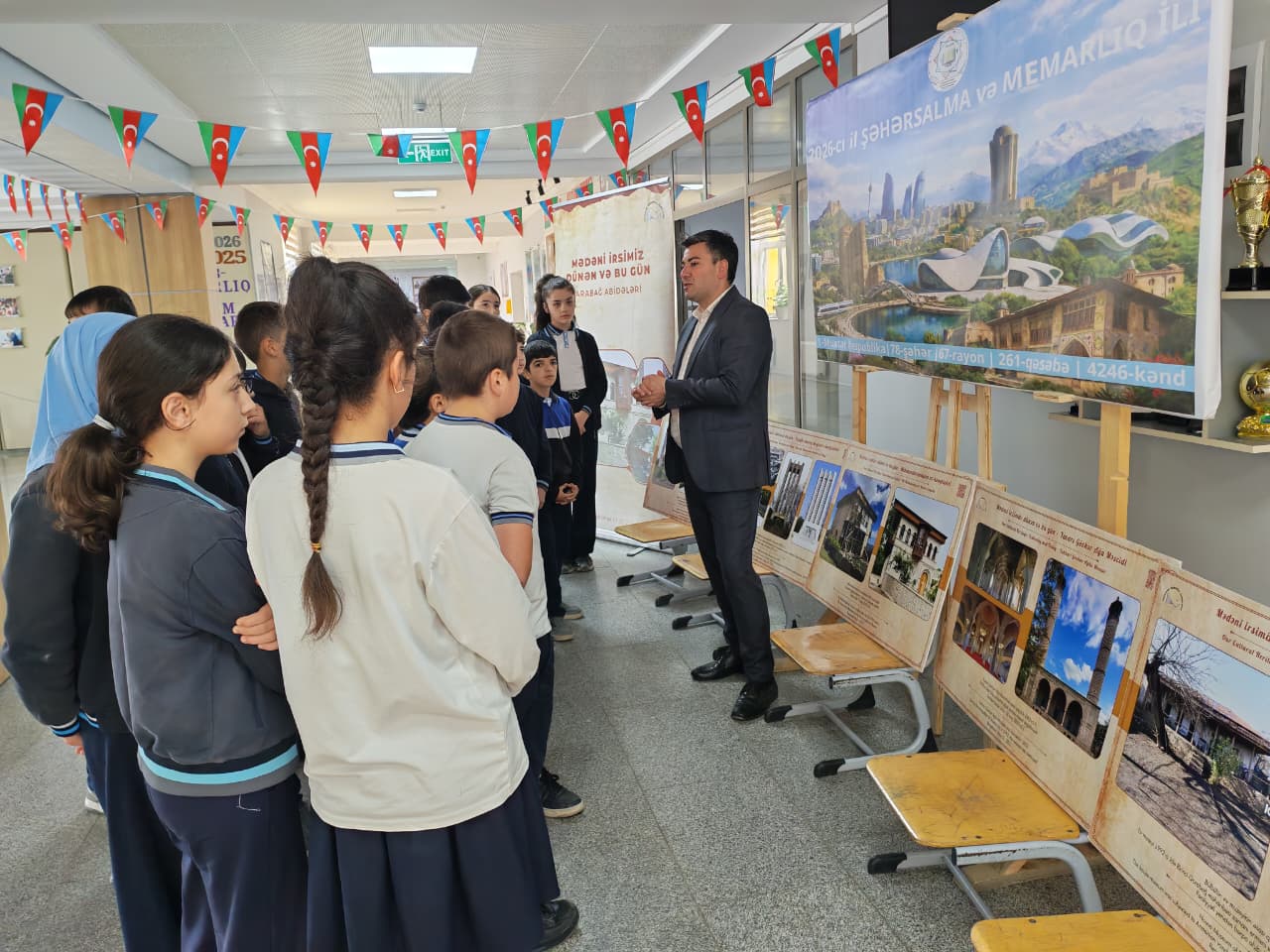
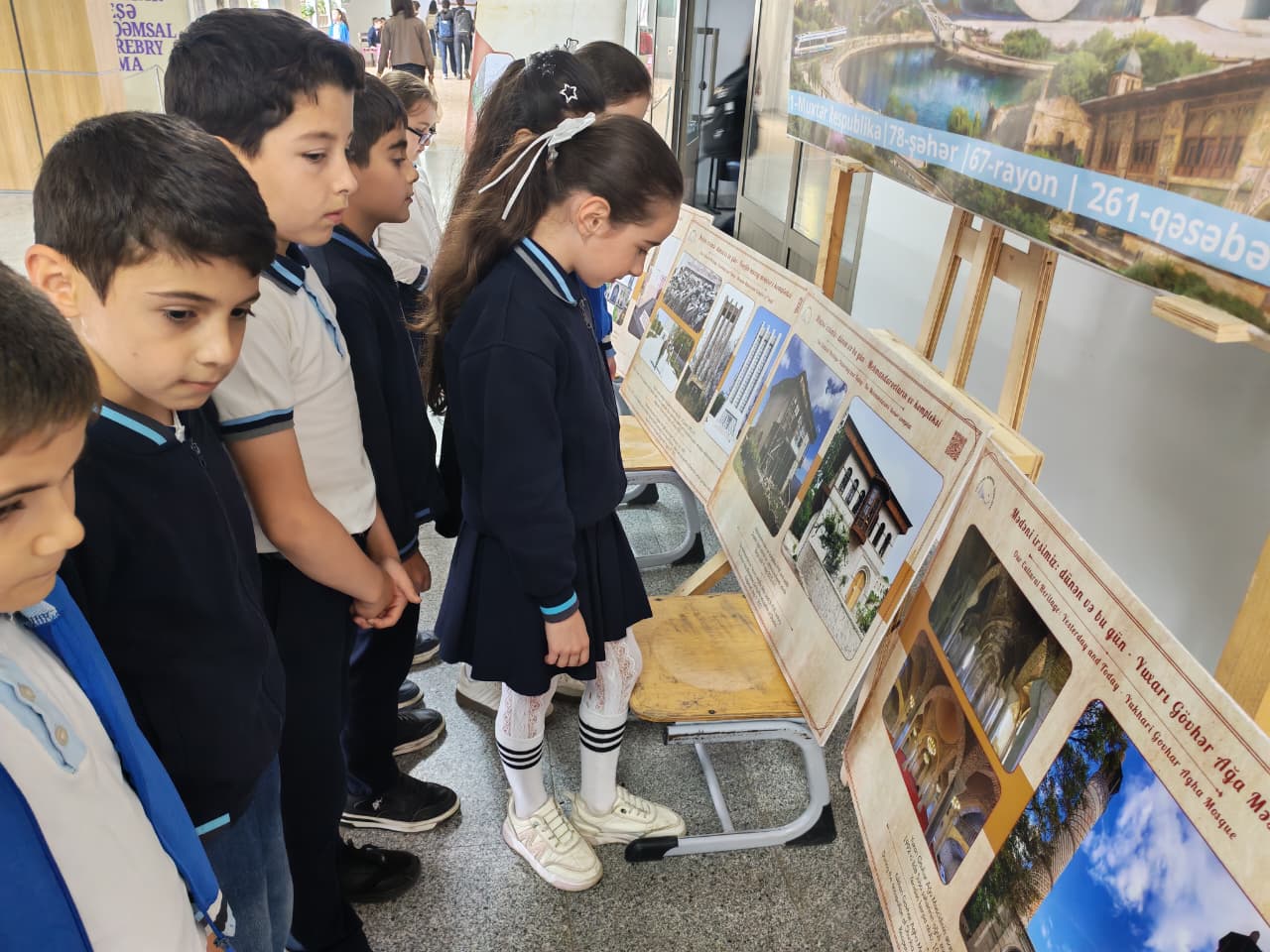
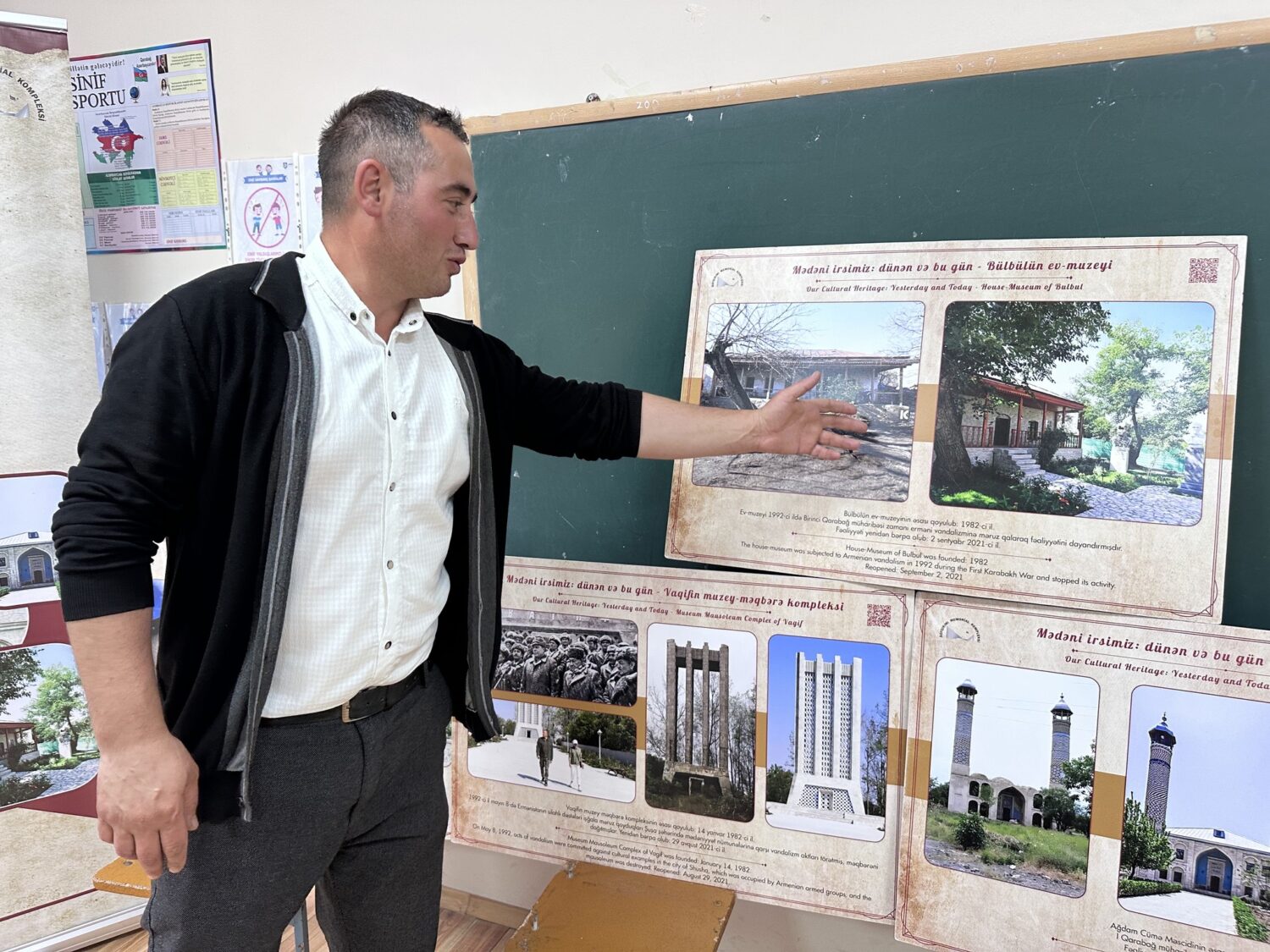
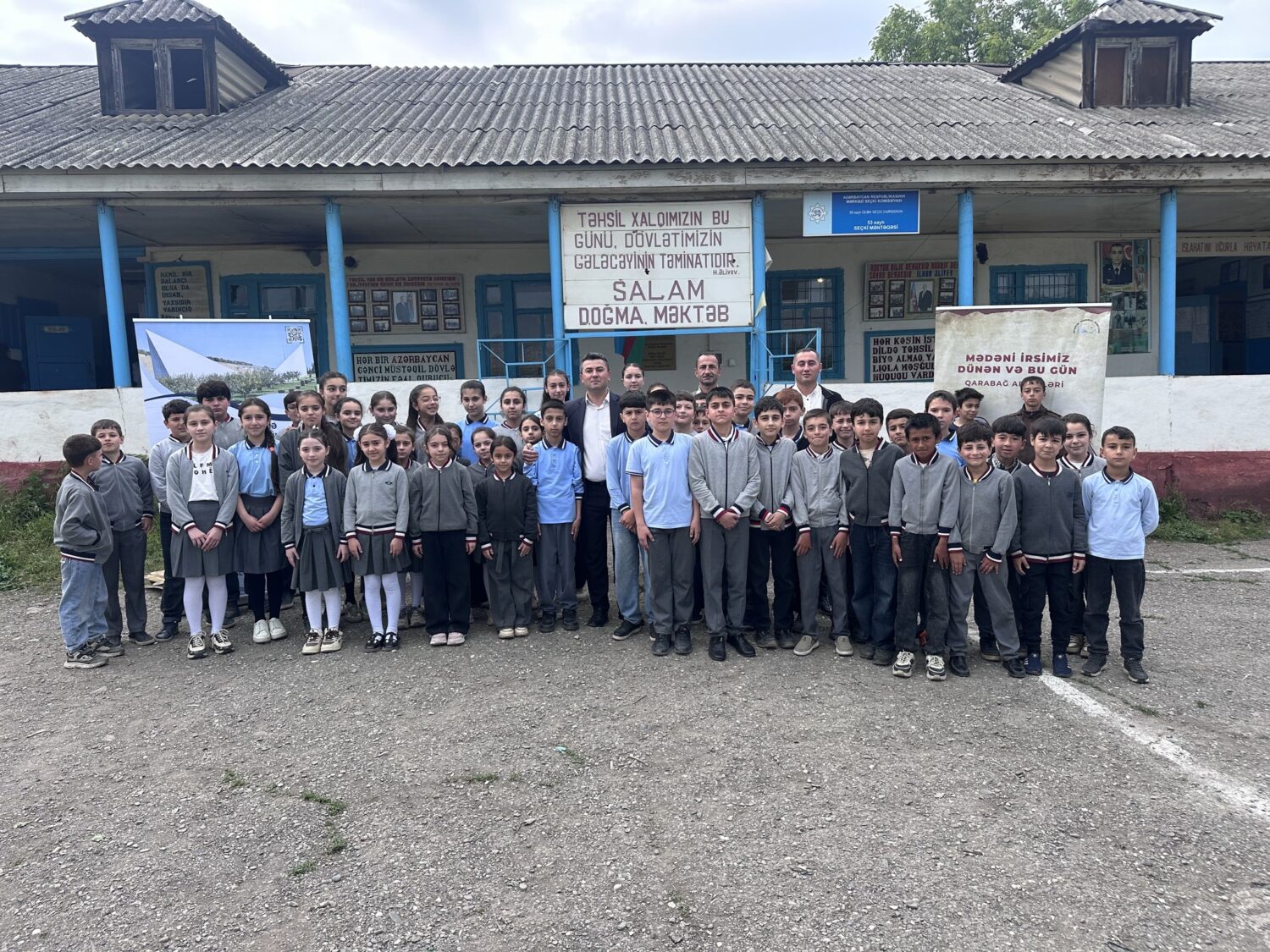
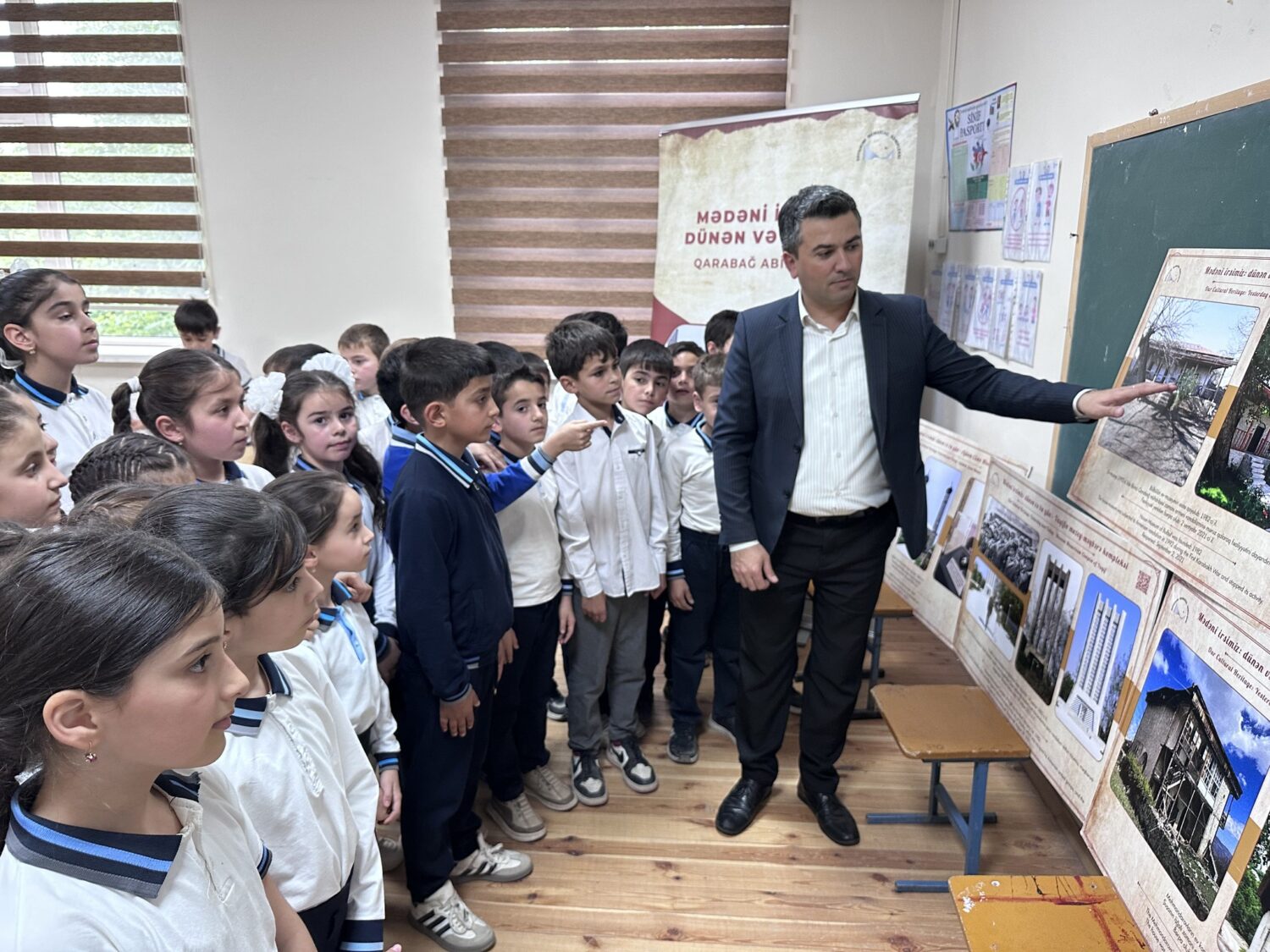
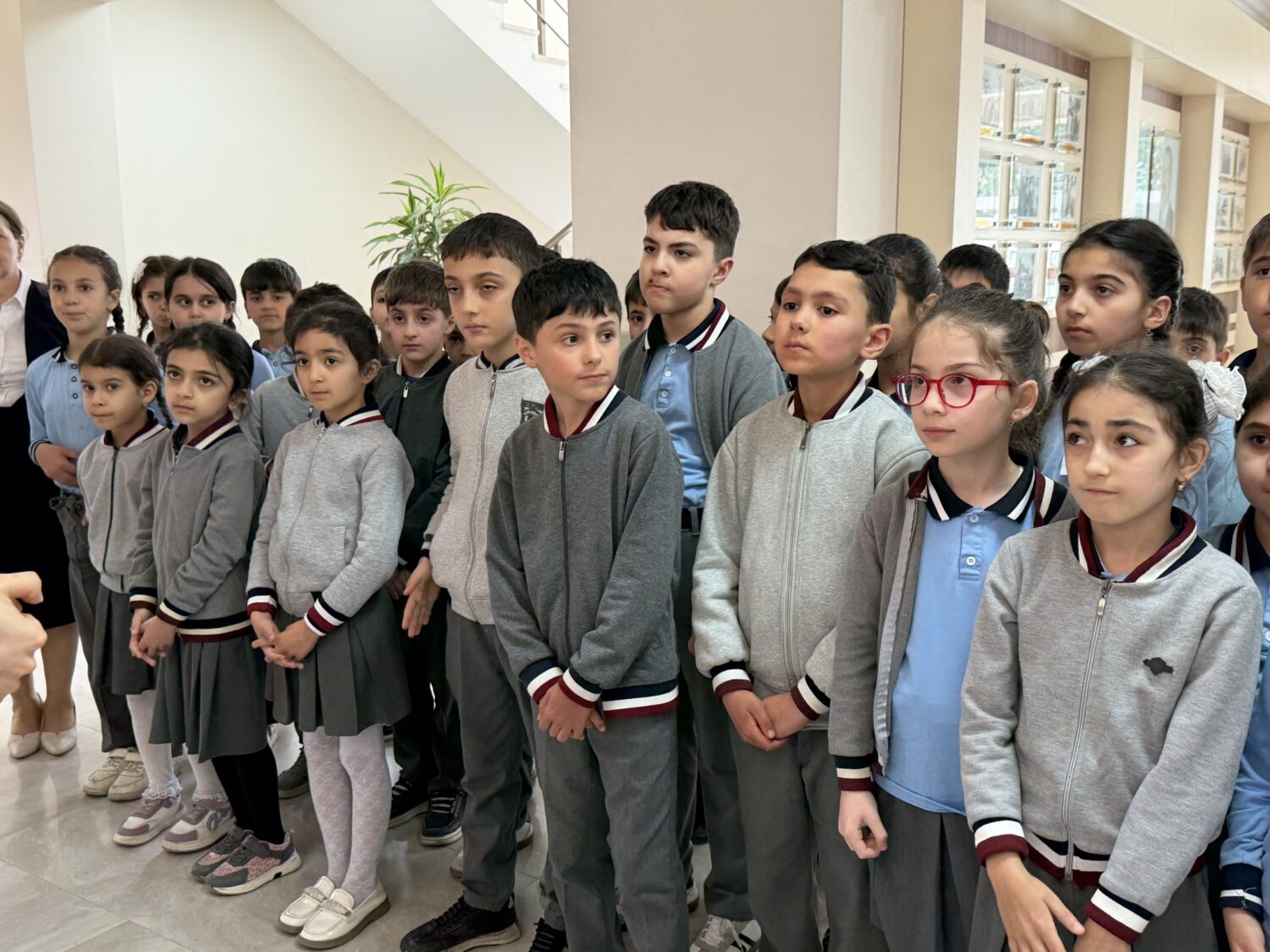
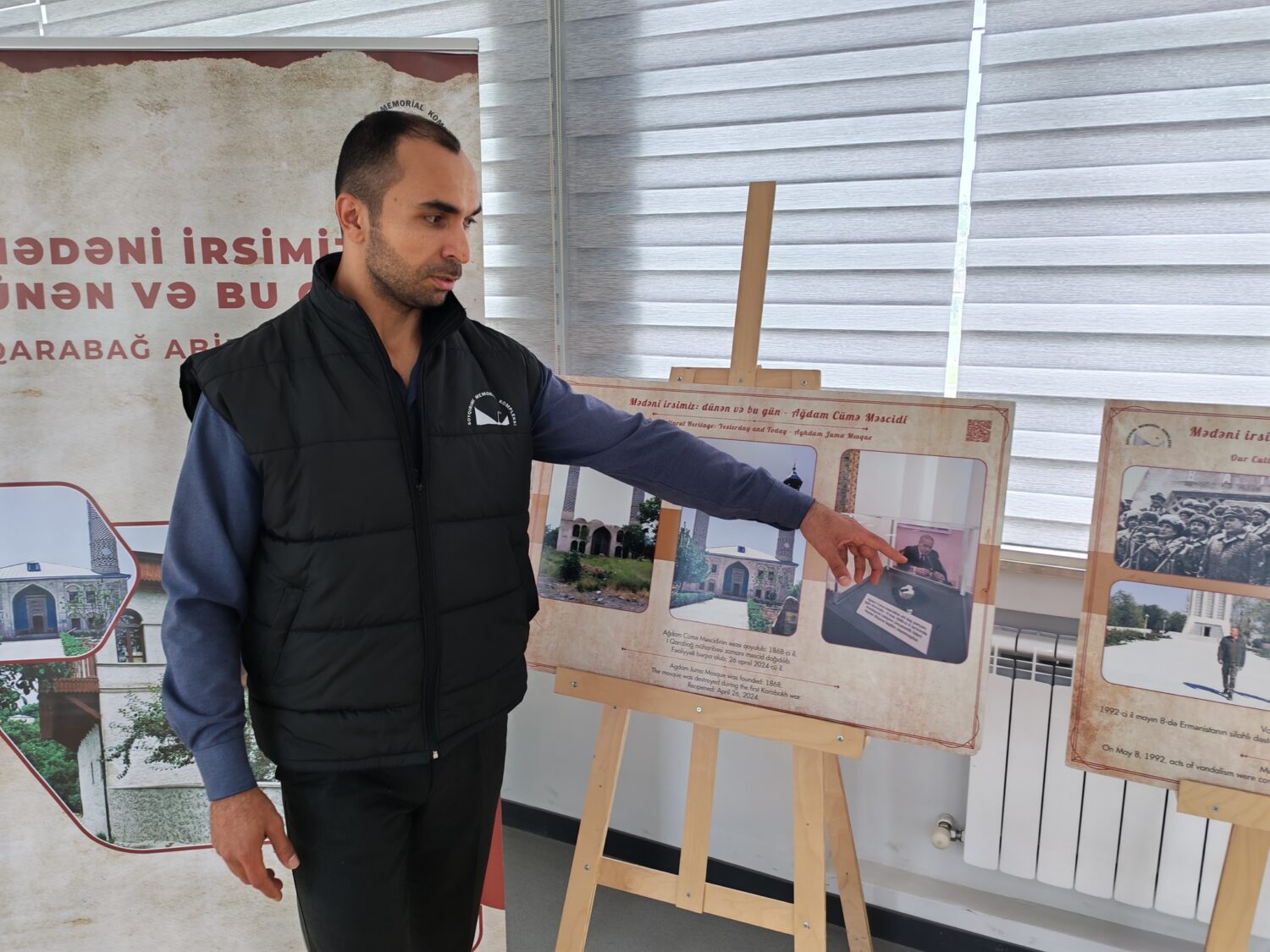
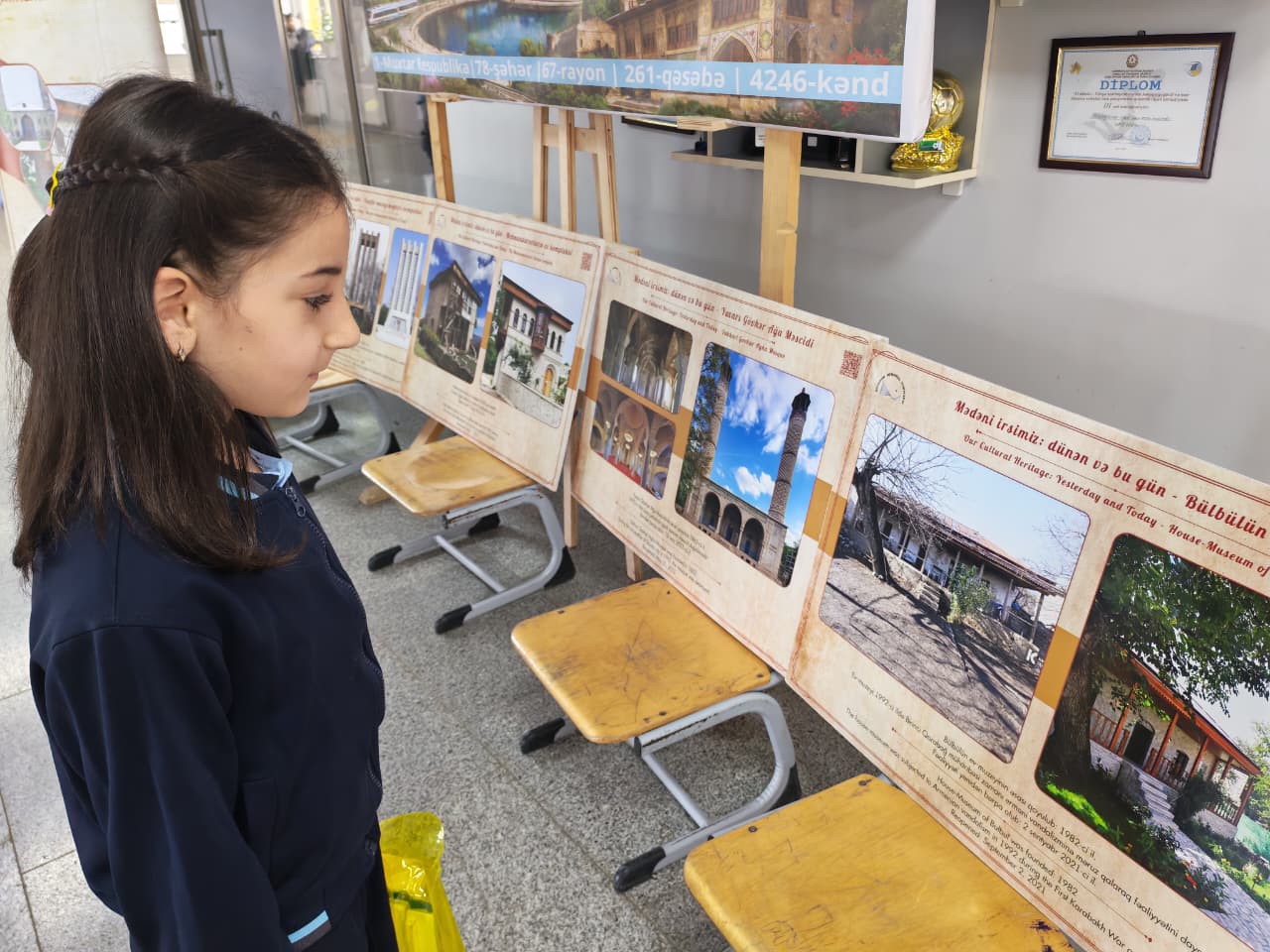
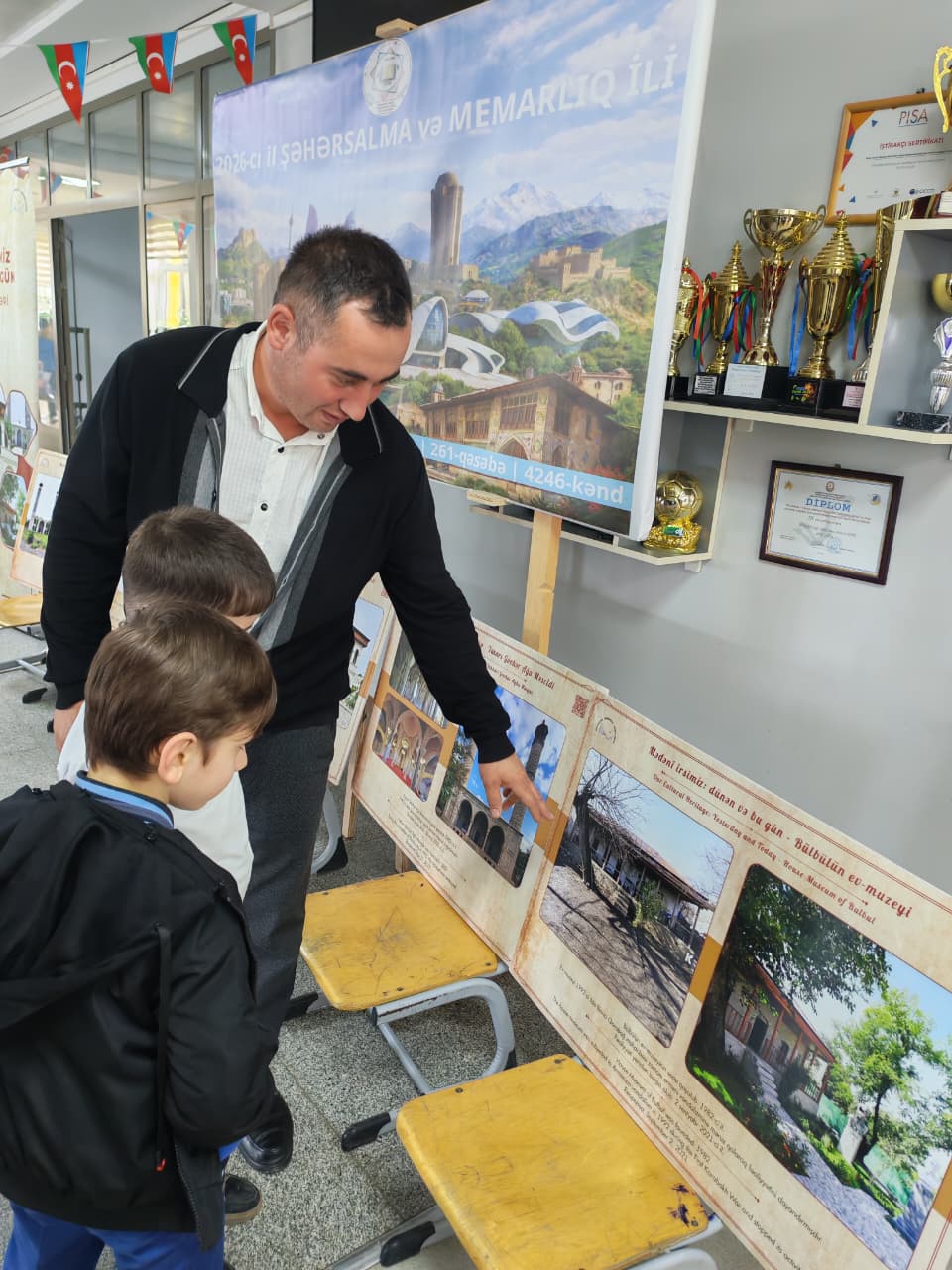
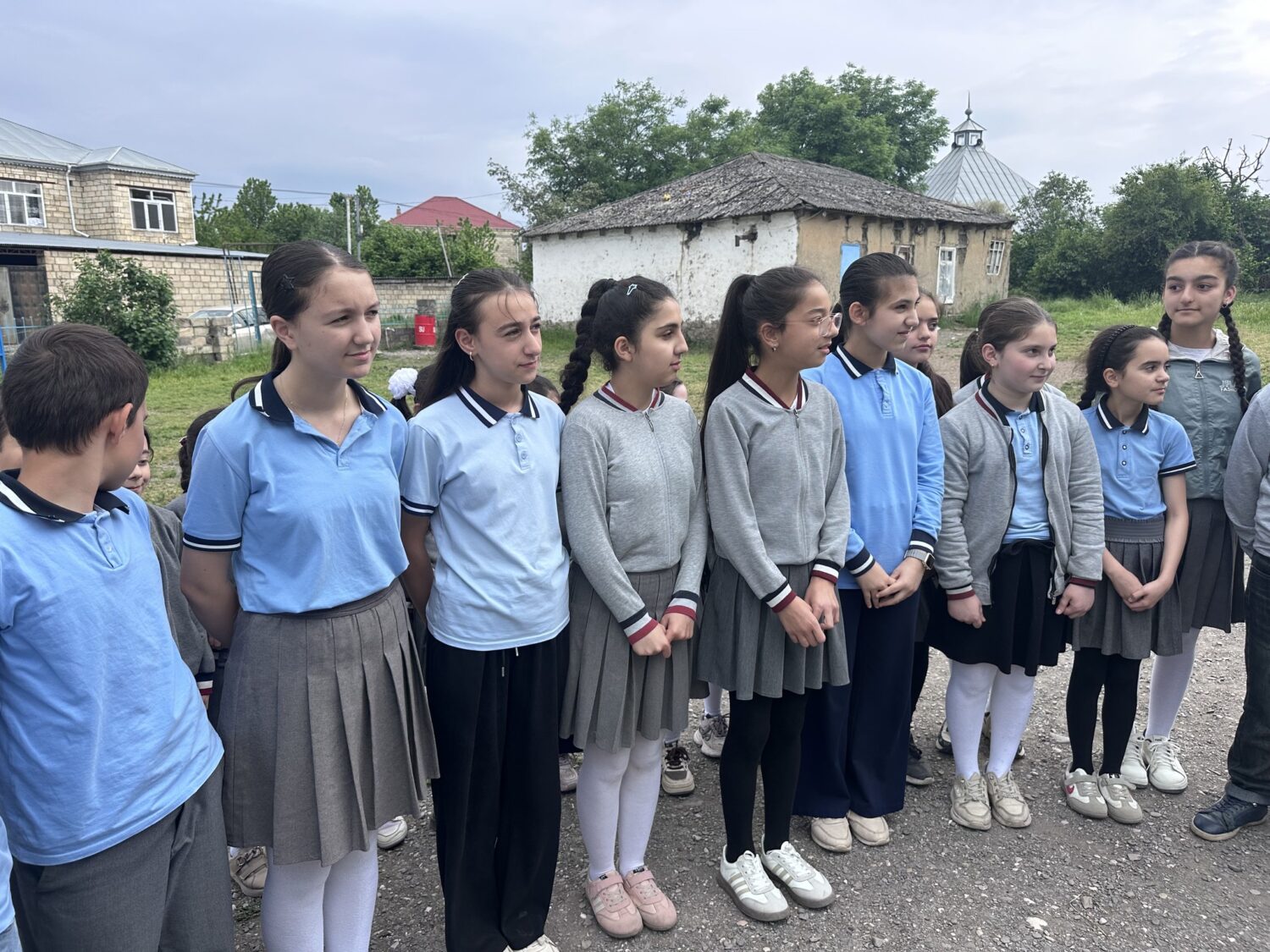
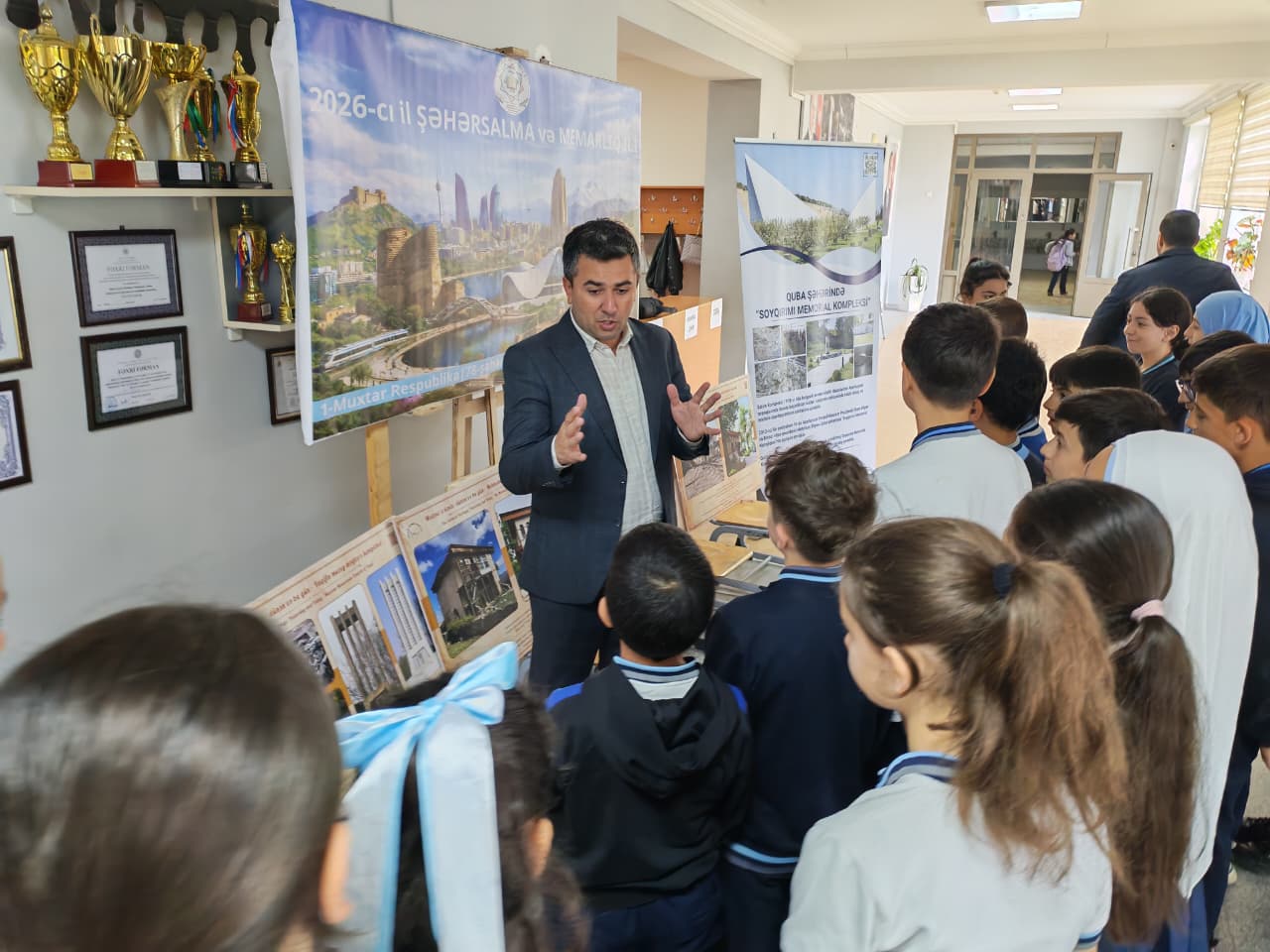
“Mədəni irsimiz: dünən bu gün – Qarabağ abidələri” adlı sərgi təşkil olunub.

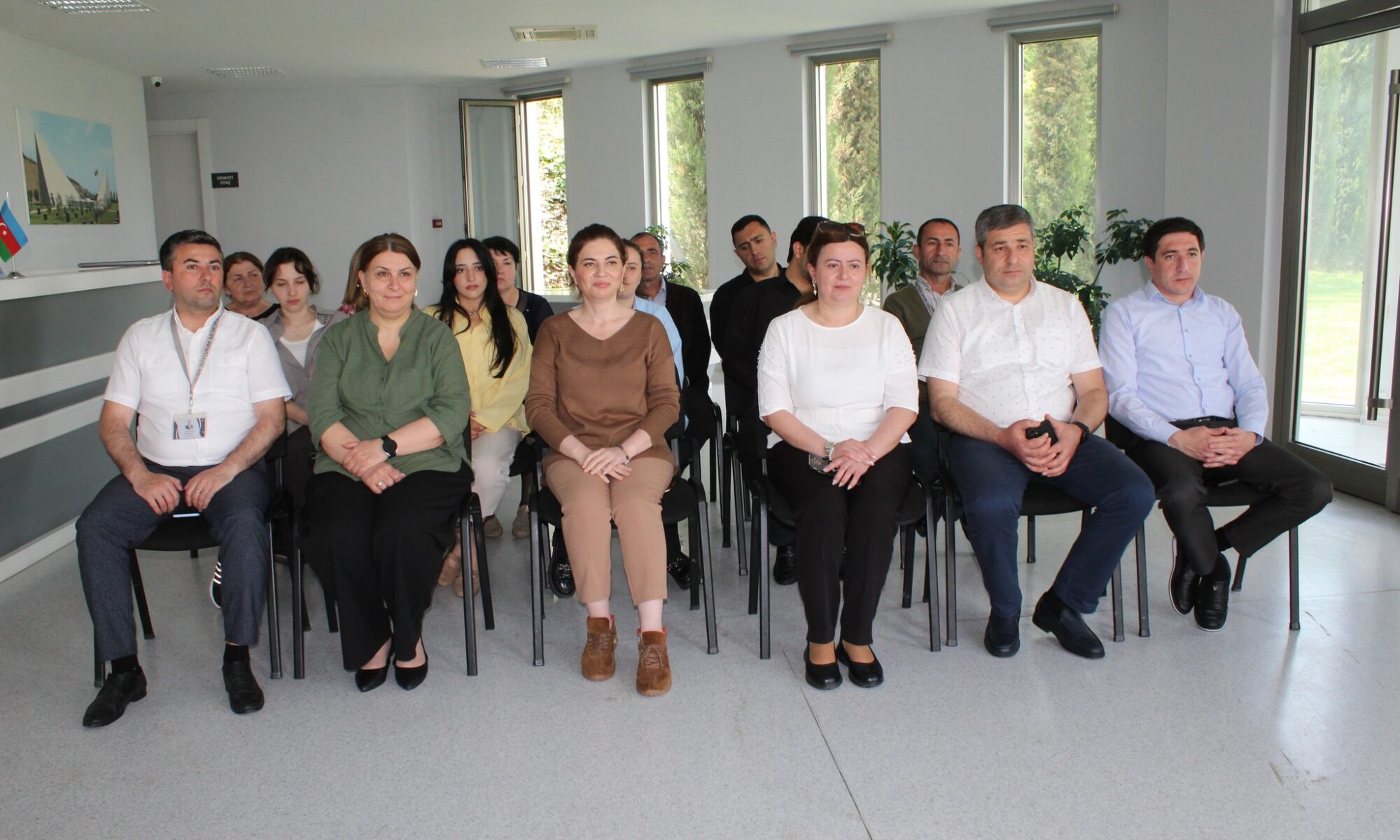
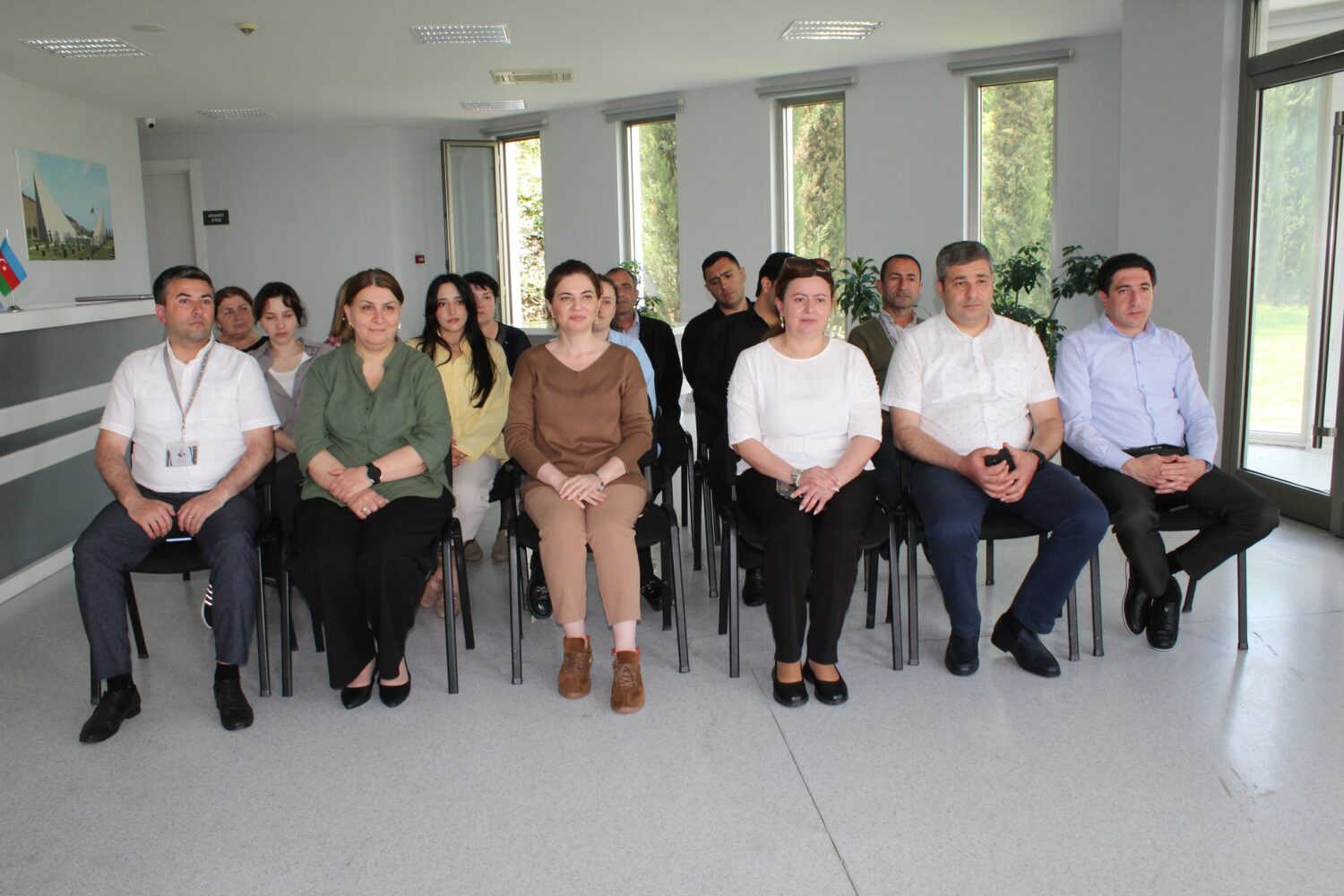
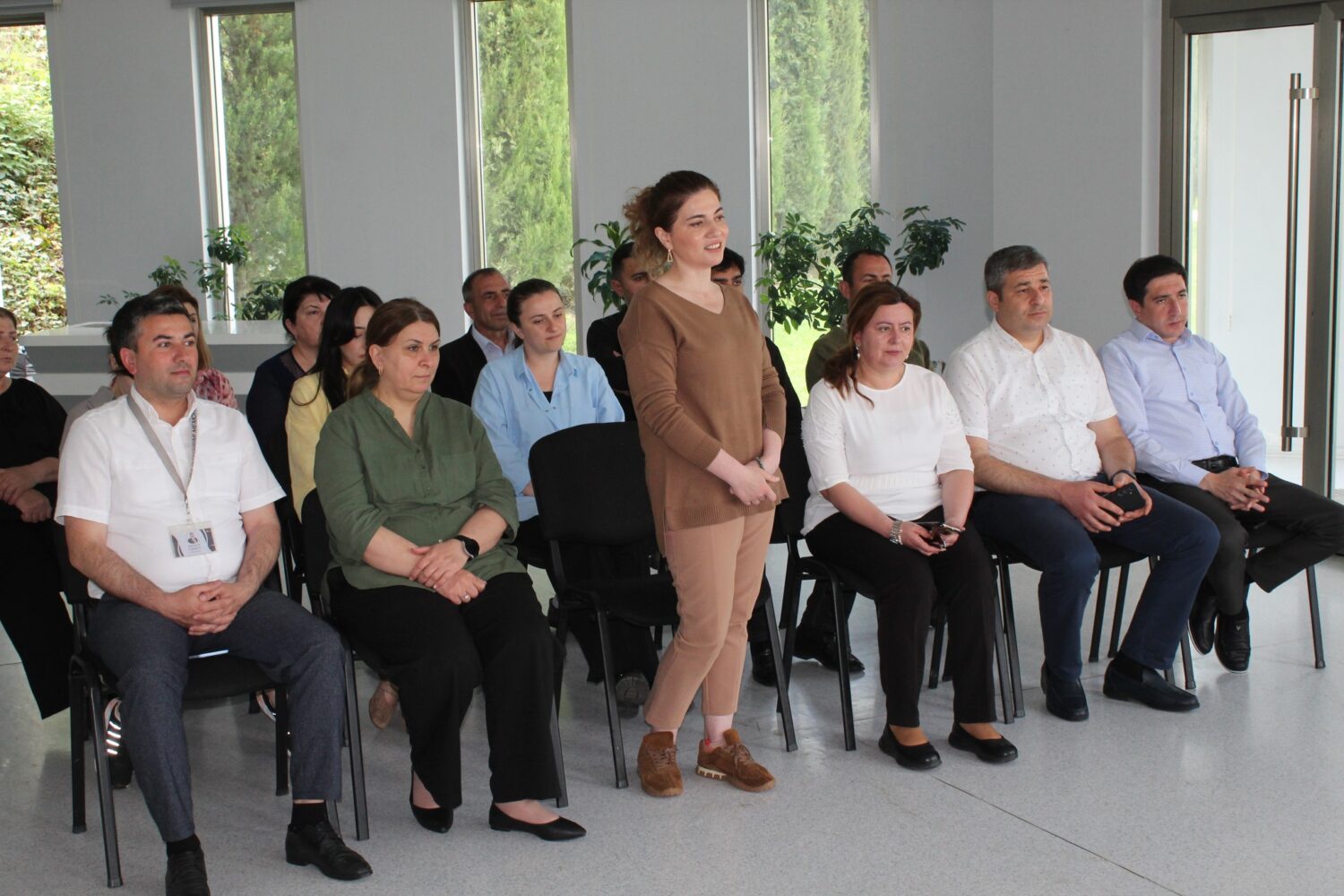
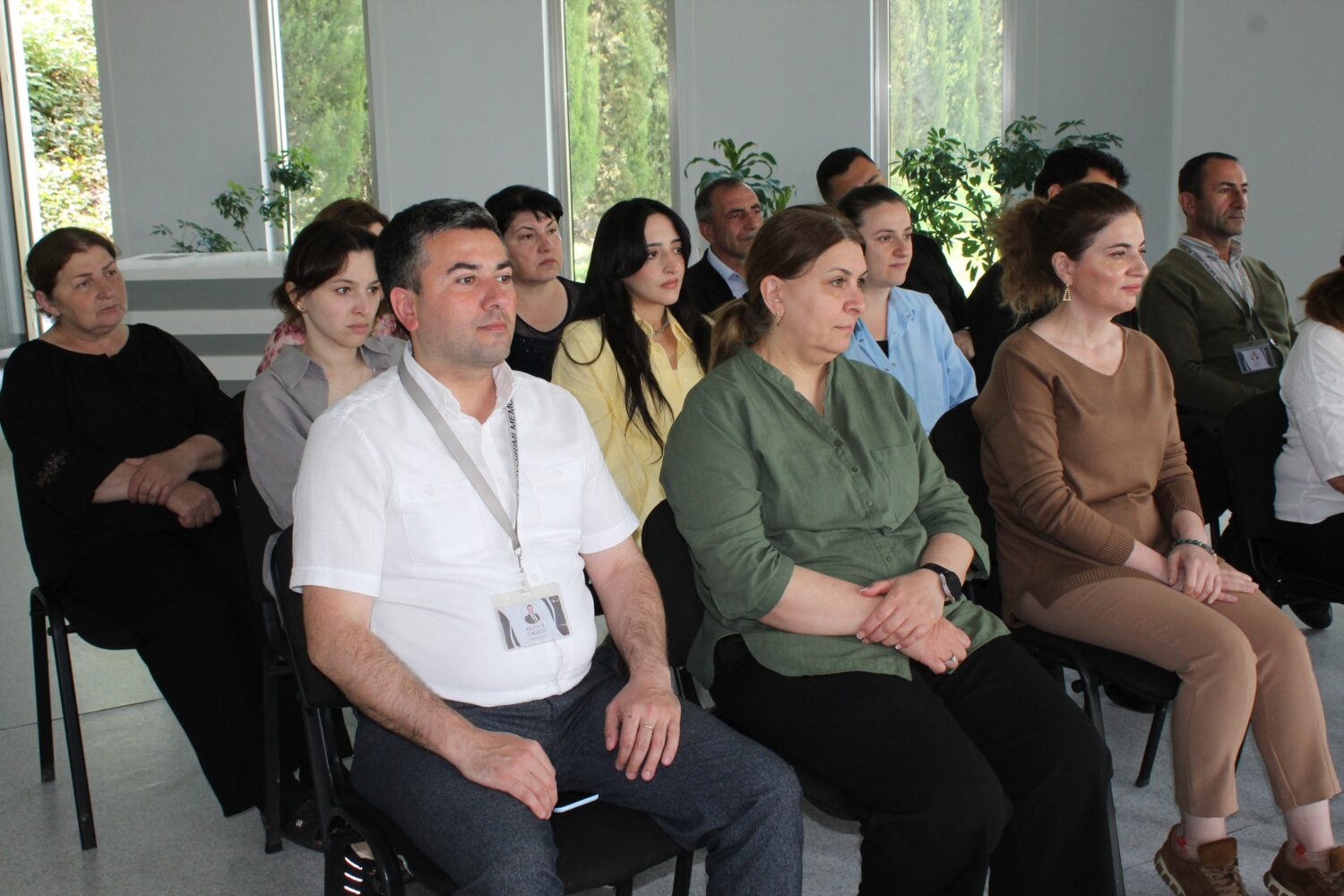
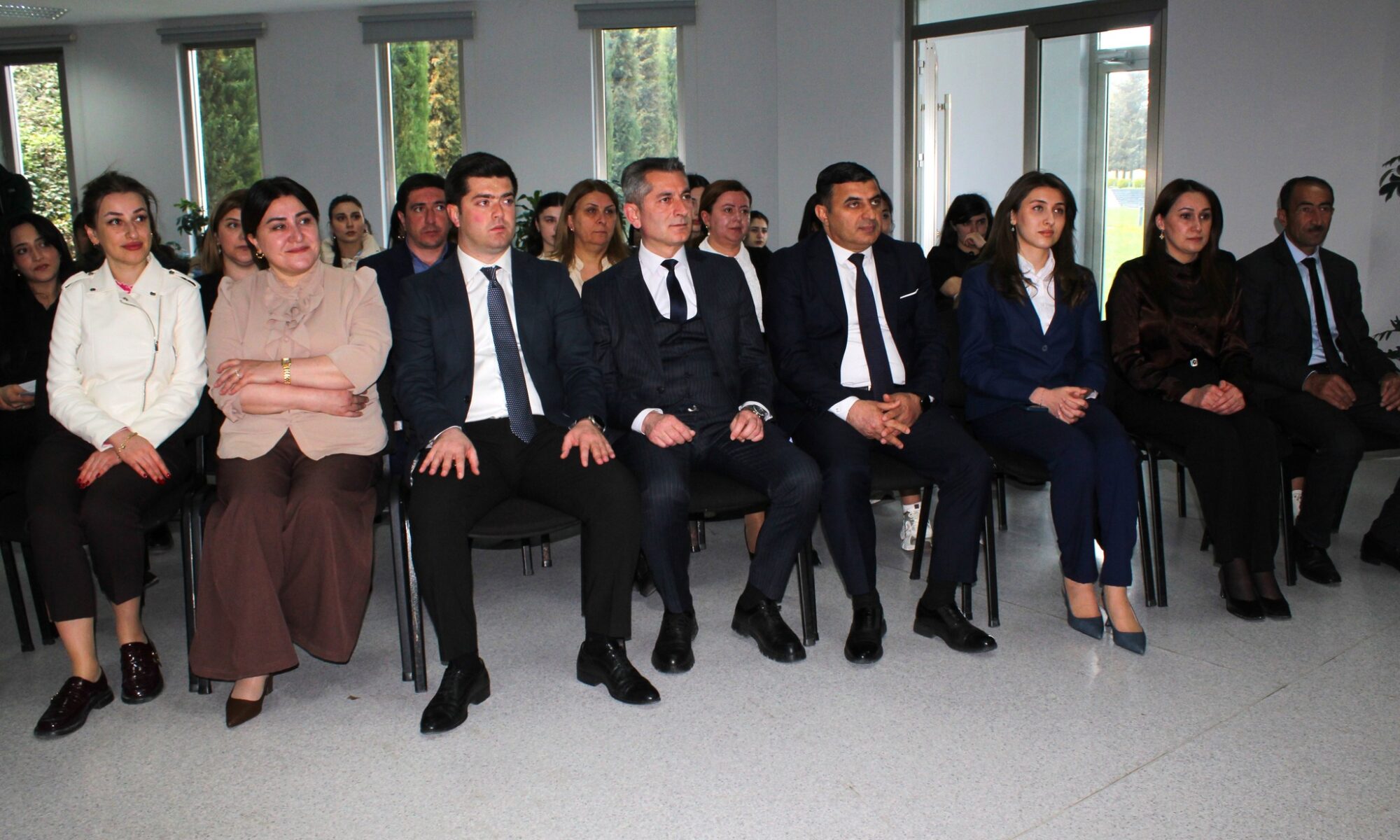
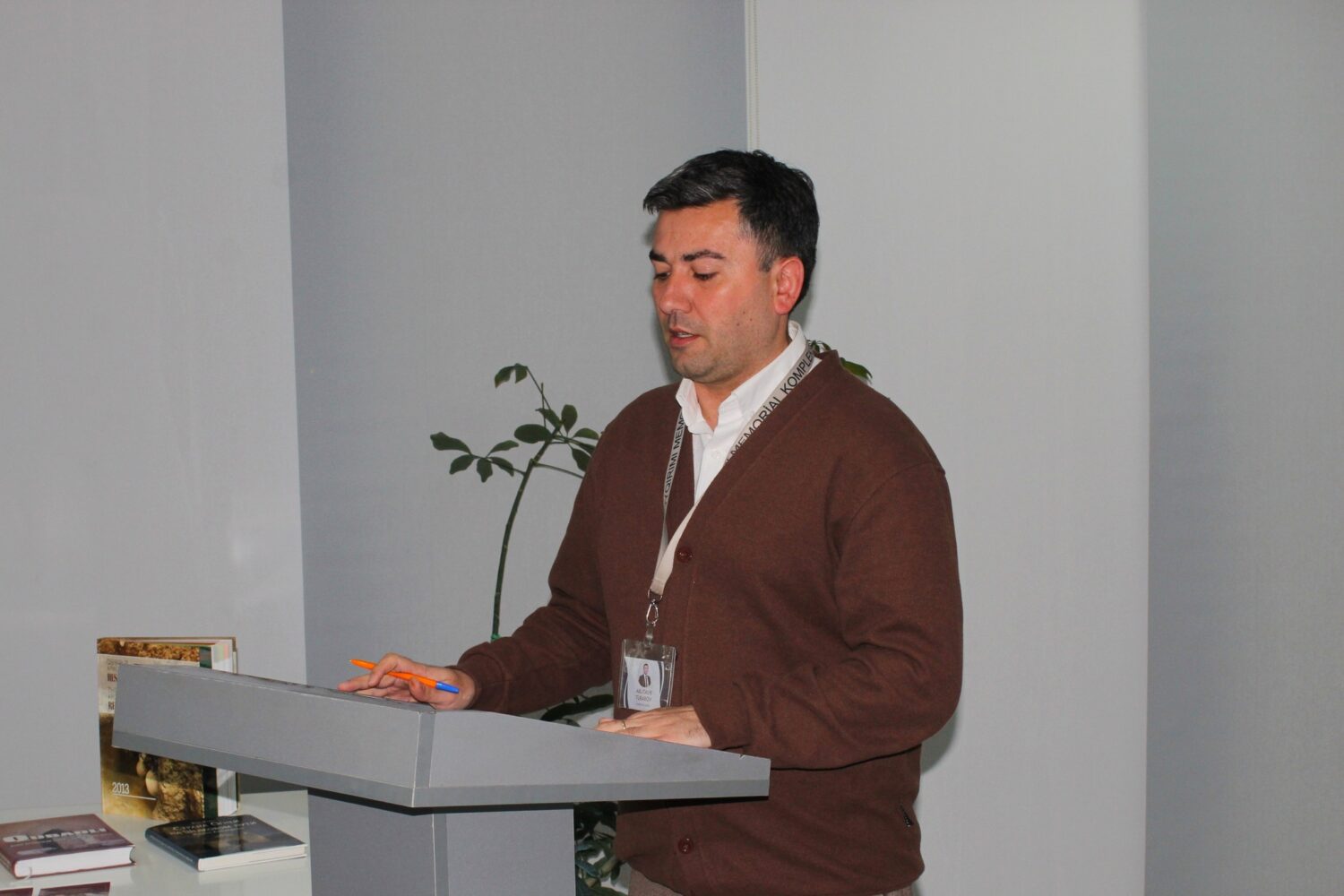
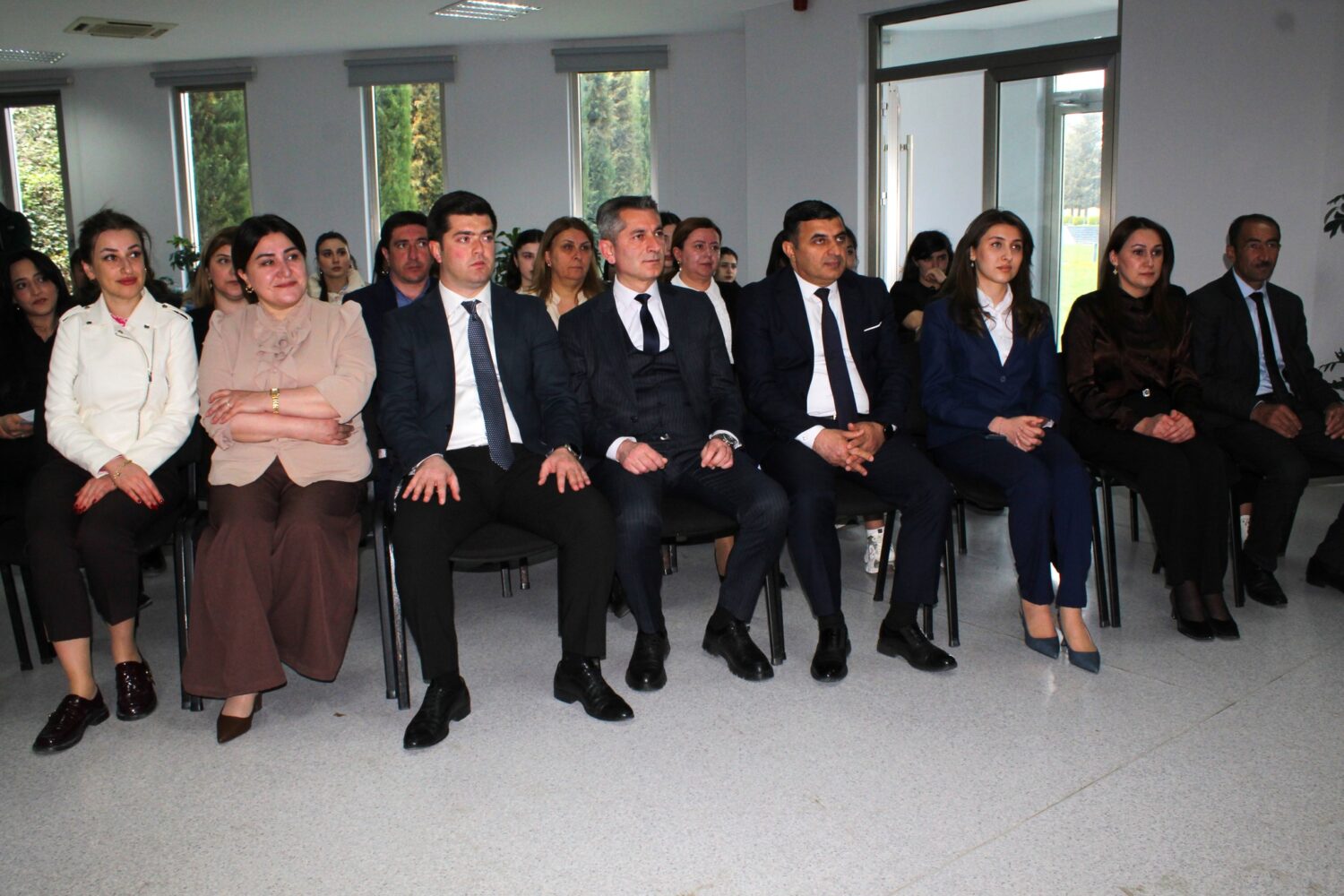
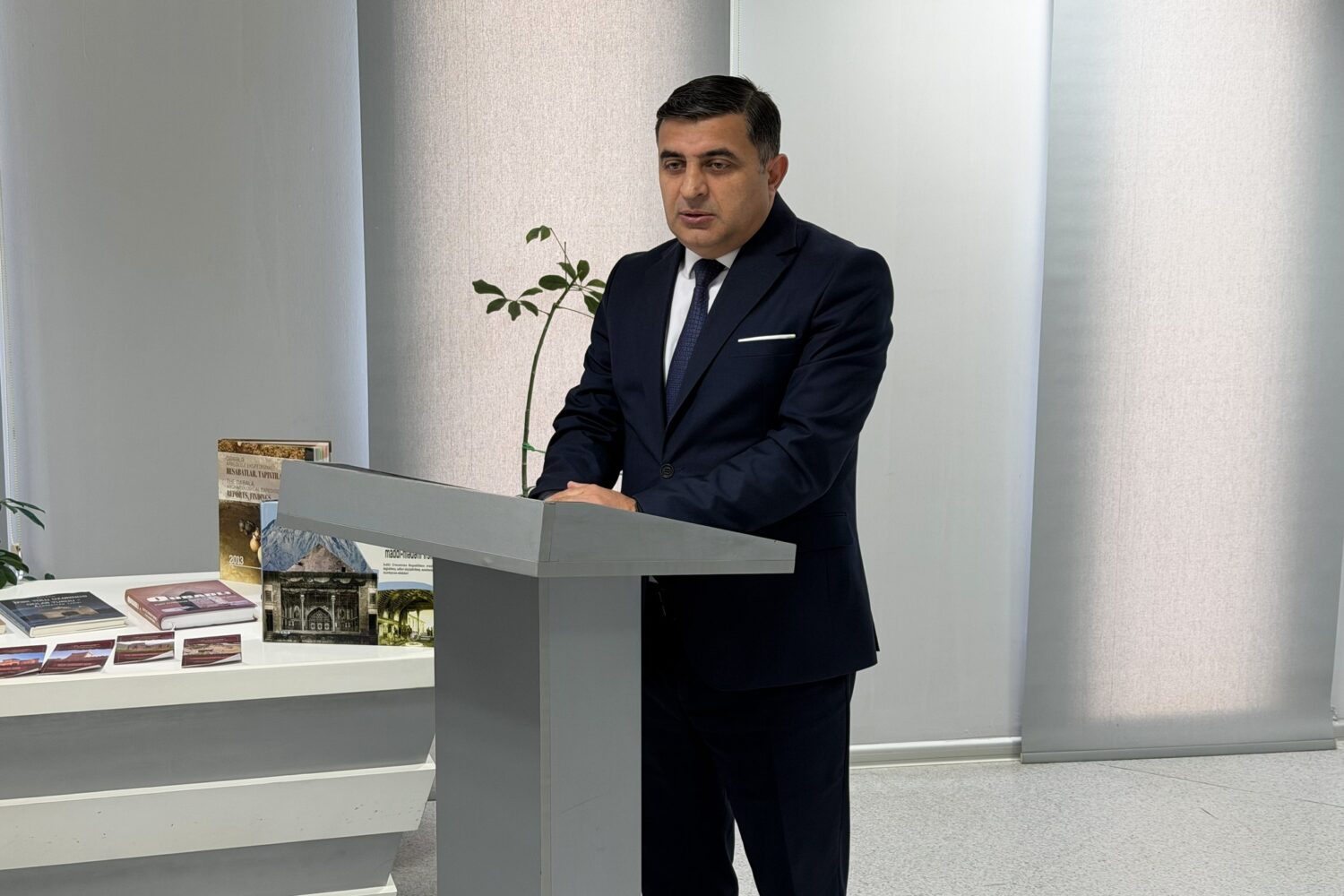
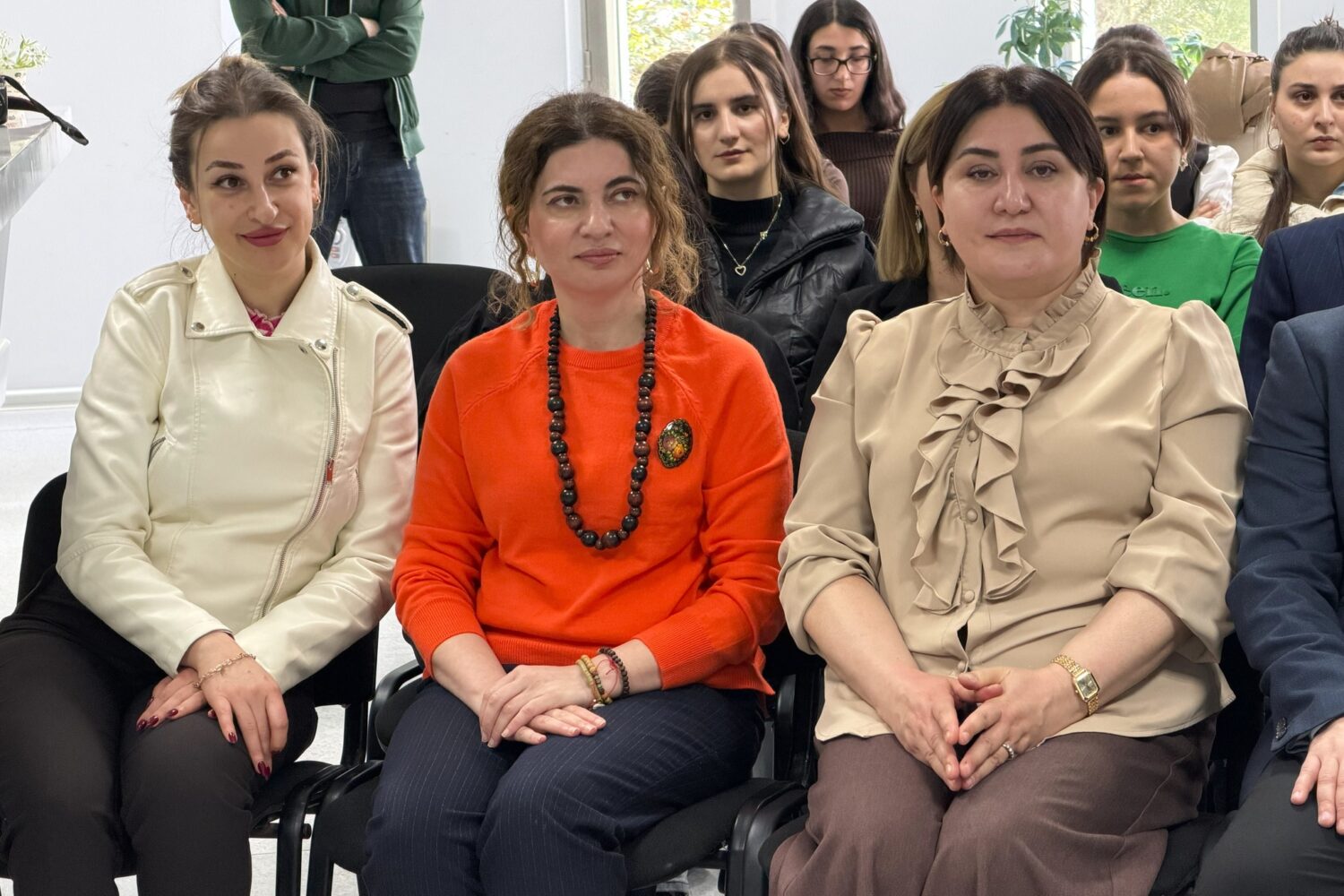
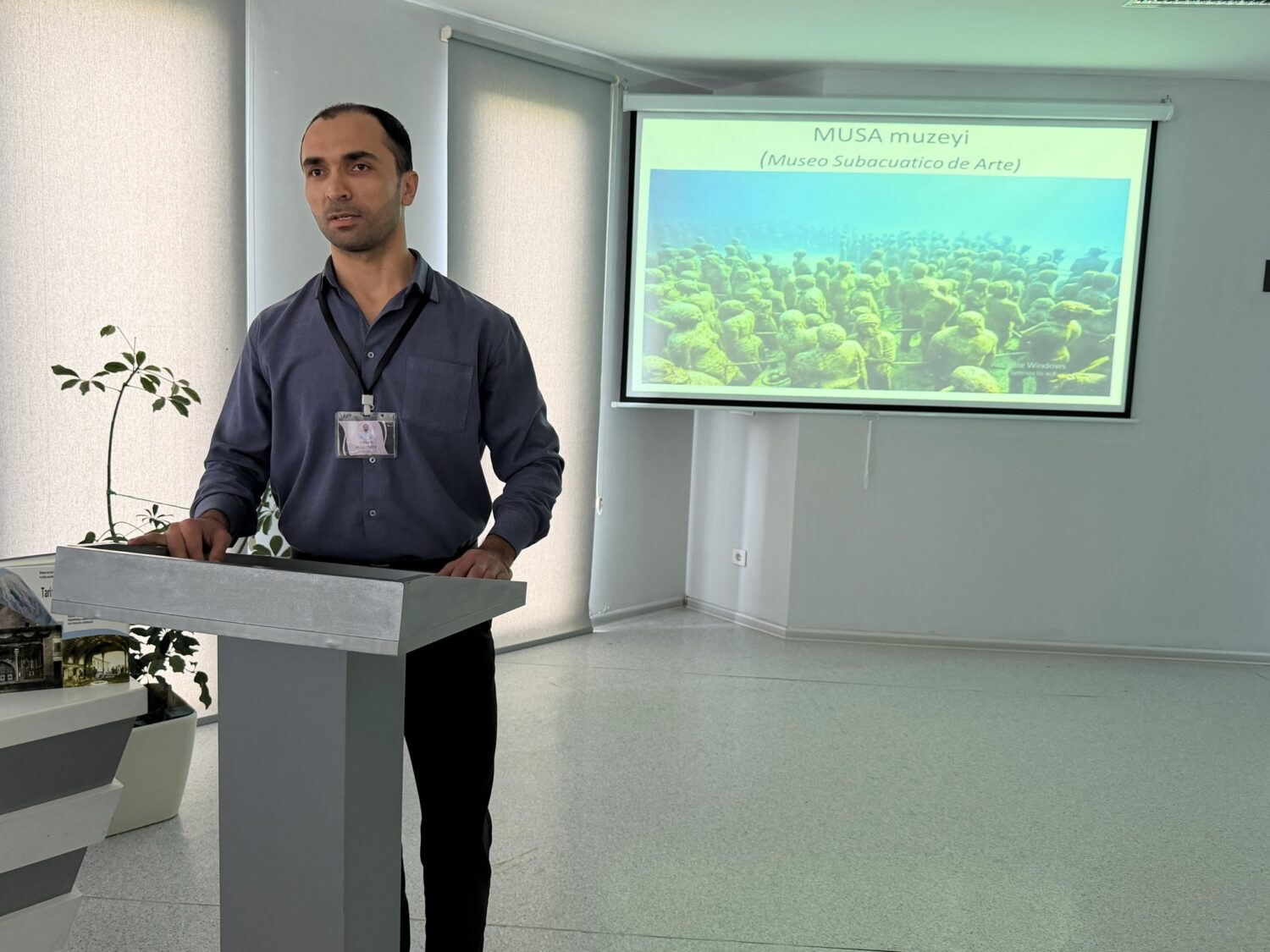
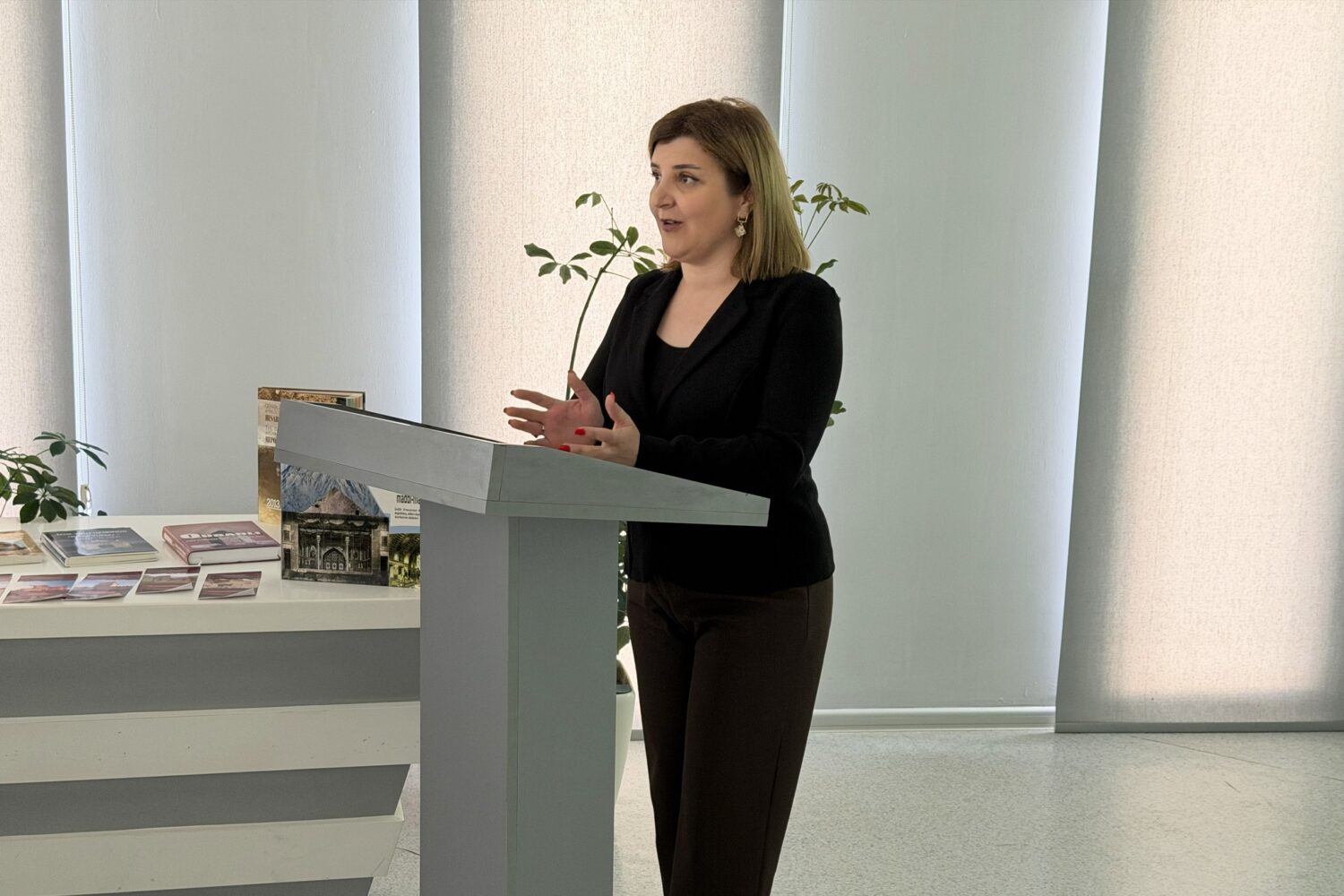
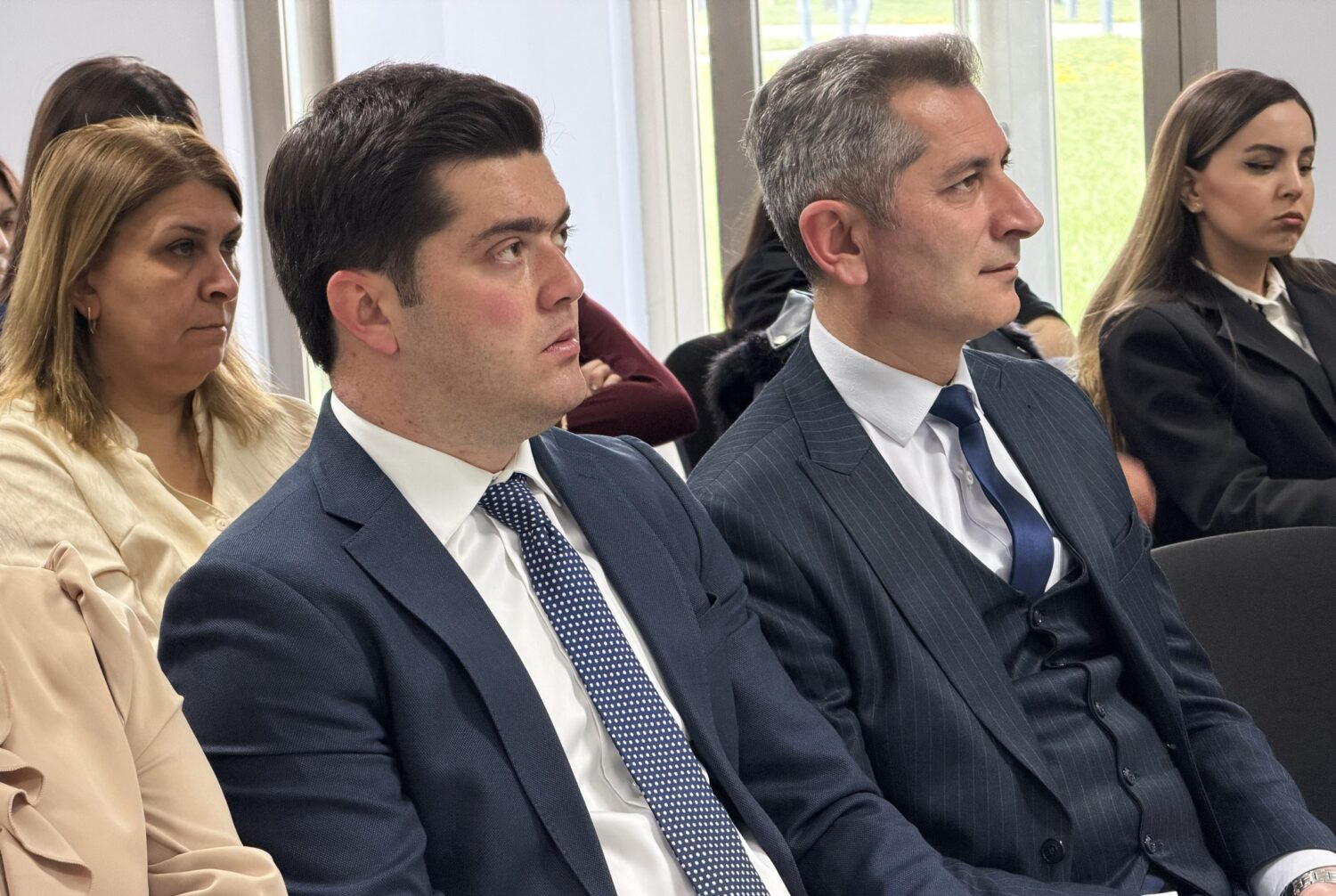
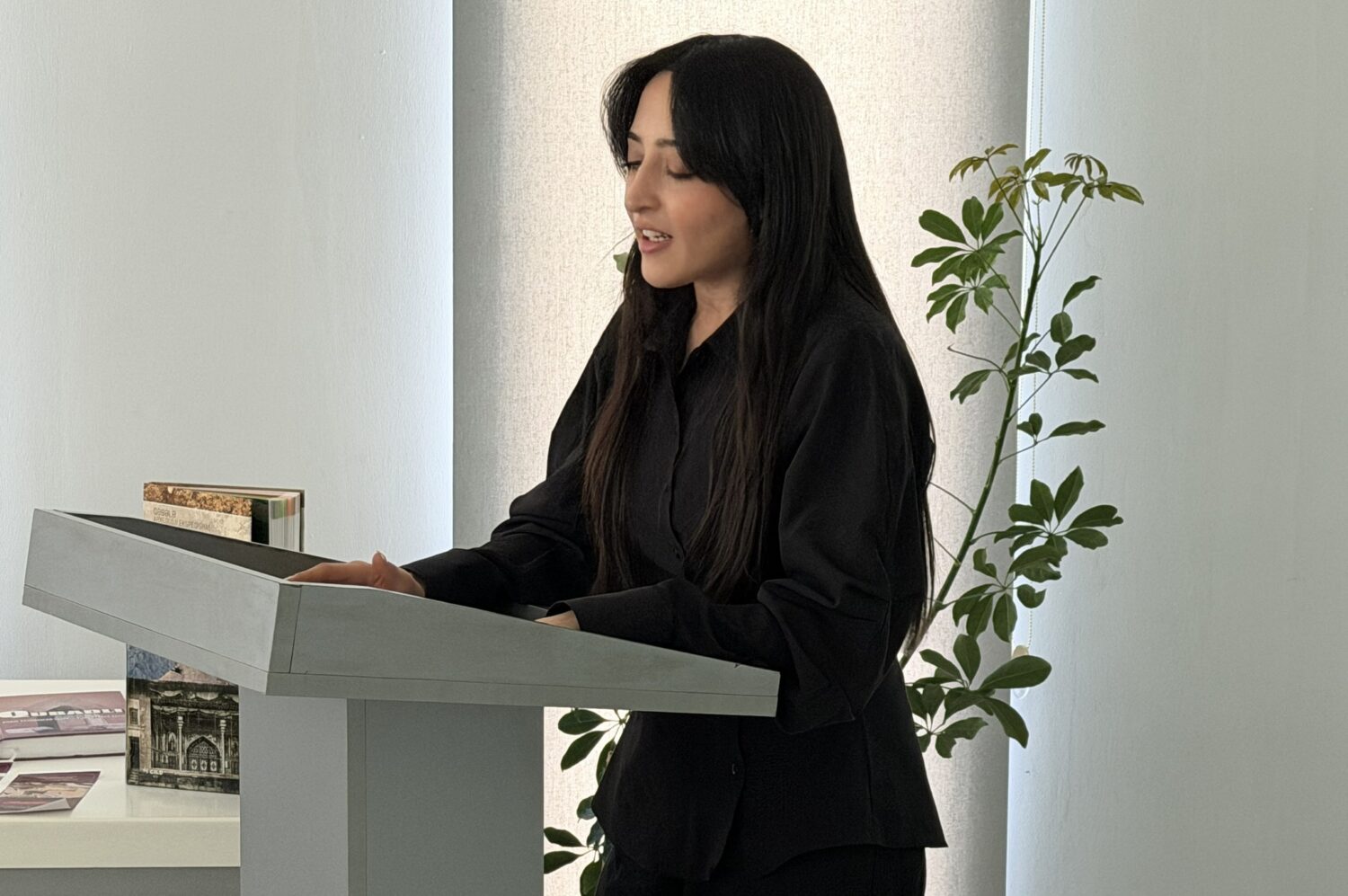
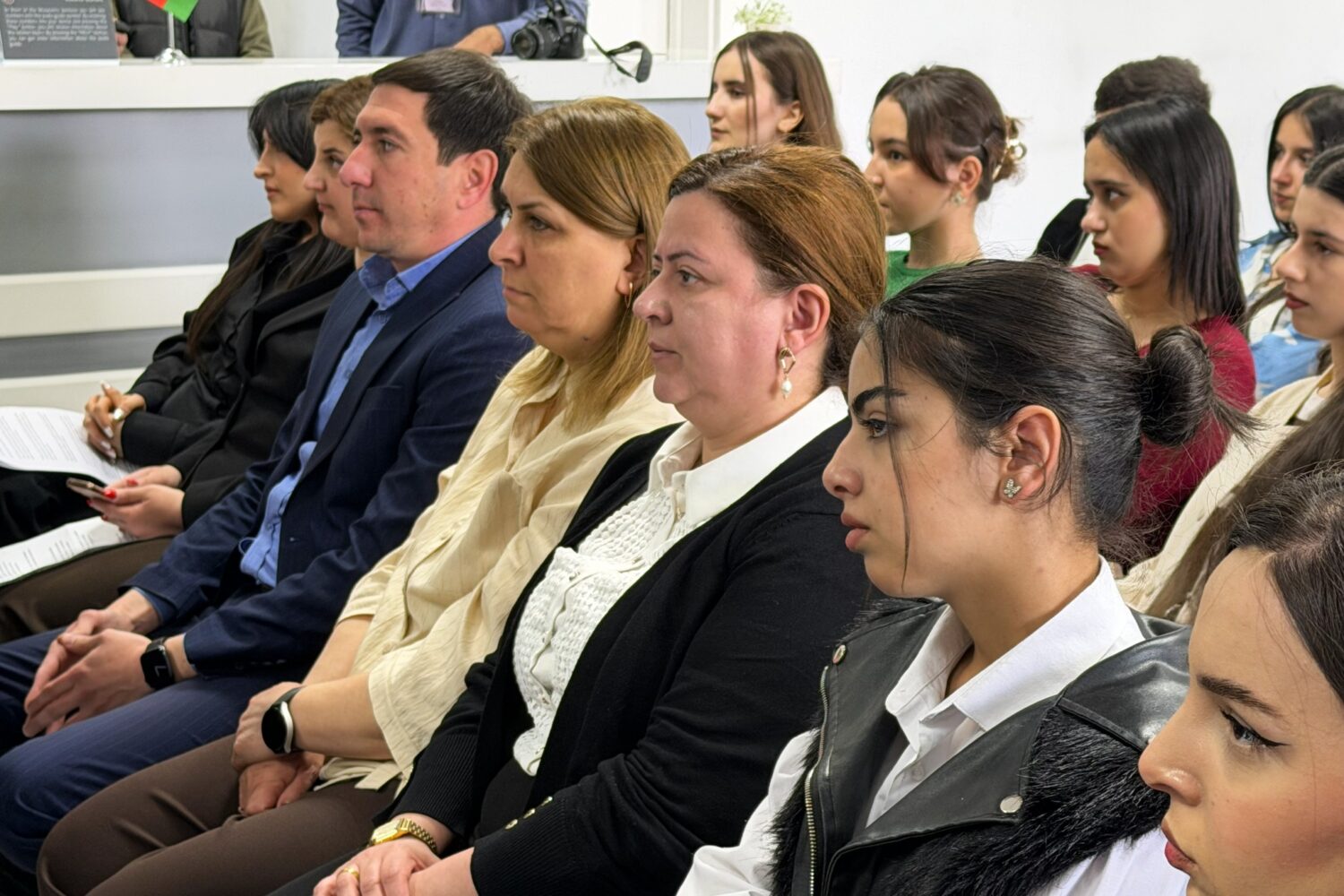
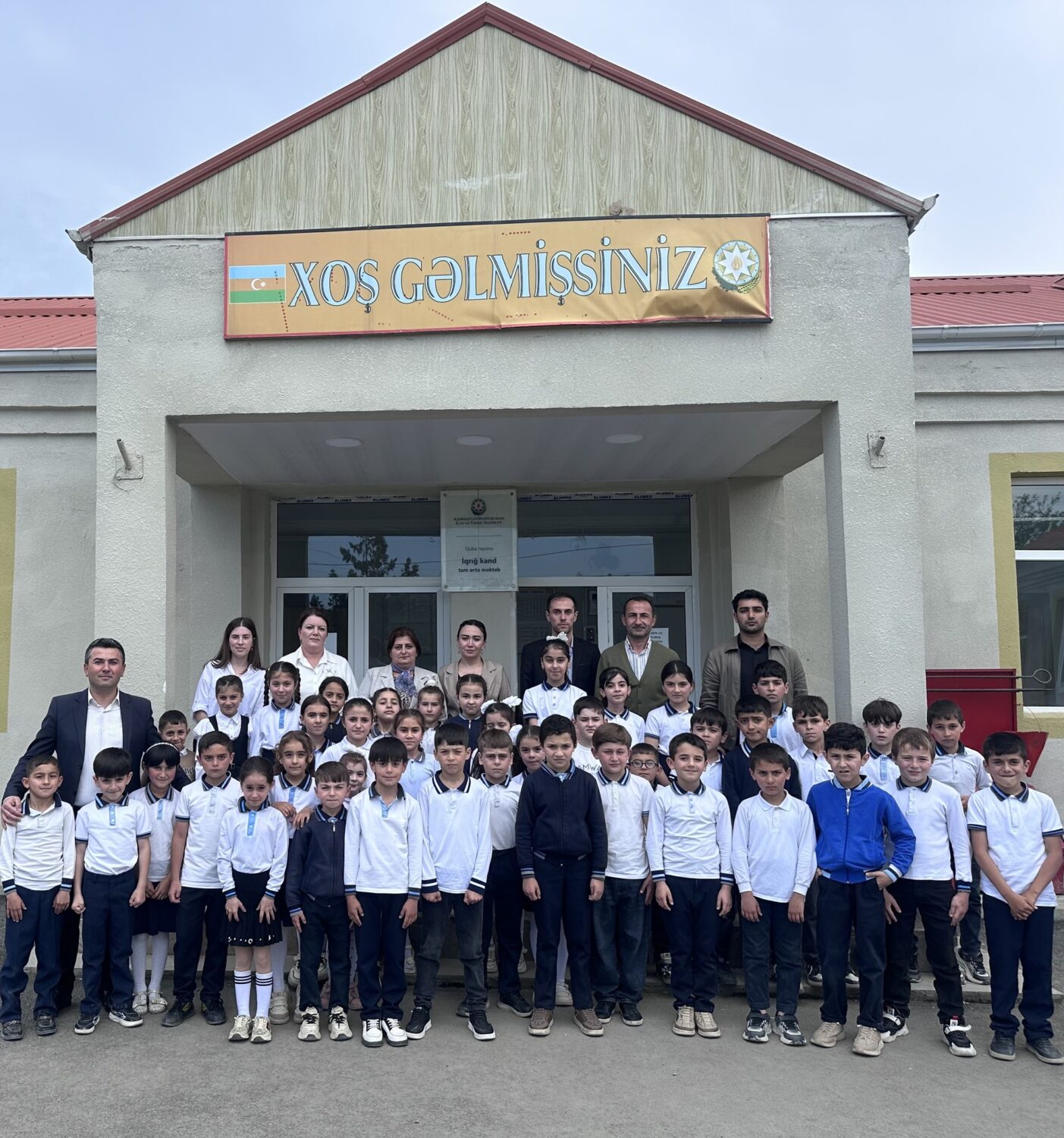
2026-cı ilin “Şəhərsalma və Memarlıq İli” çərçivəsində , Mədəniyyət Nazirliyi yanında Mədəni İrsin Qorunması, İnkişafı və Bərpası üzrə Dövlət Xidmətinin tabeliyində fəaliyyət göstərən Quba şəhərində “Soyqırımı Memorial Kompleksi”nin təşəbbüsü, Quba RİH-i və Quba-Xaçmaz Regional Təhsil İdarəsinin dəstəyi ilə Quba rayonunun I Nügədi, Zizik, İqriq, Alekseyevka kənd məktəbləri, Zərdabi qəsəbəsi, eləcə də Quba Peşə Liseyində “Mədəni irsimiz: dünən bu gün – Qarabağ abidələri” adlı sərgi təşkil olunub. Təşkil olunan sərgilərdə təhsil müəssisələrinin rəhbər heyəti, eləcə də müəllim və şagirdləri iştirak edib. Sərginin açılışında çıxış edən Kompleksin əməkdaşı Abutalib Turabov Kompleksin fəaliyyəti haqqında ətraflı danışaraq, təşkil olunan sərginin mədəni irsimizin bərpası və qorunması istiqamətində gənclərimizin maarifləndirilməsi üçün mühüm əhəmiyyət kəsb etdiyini bildirib.
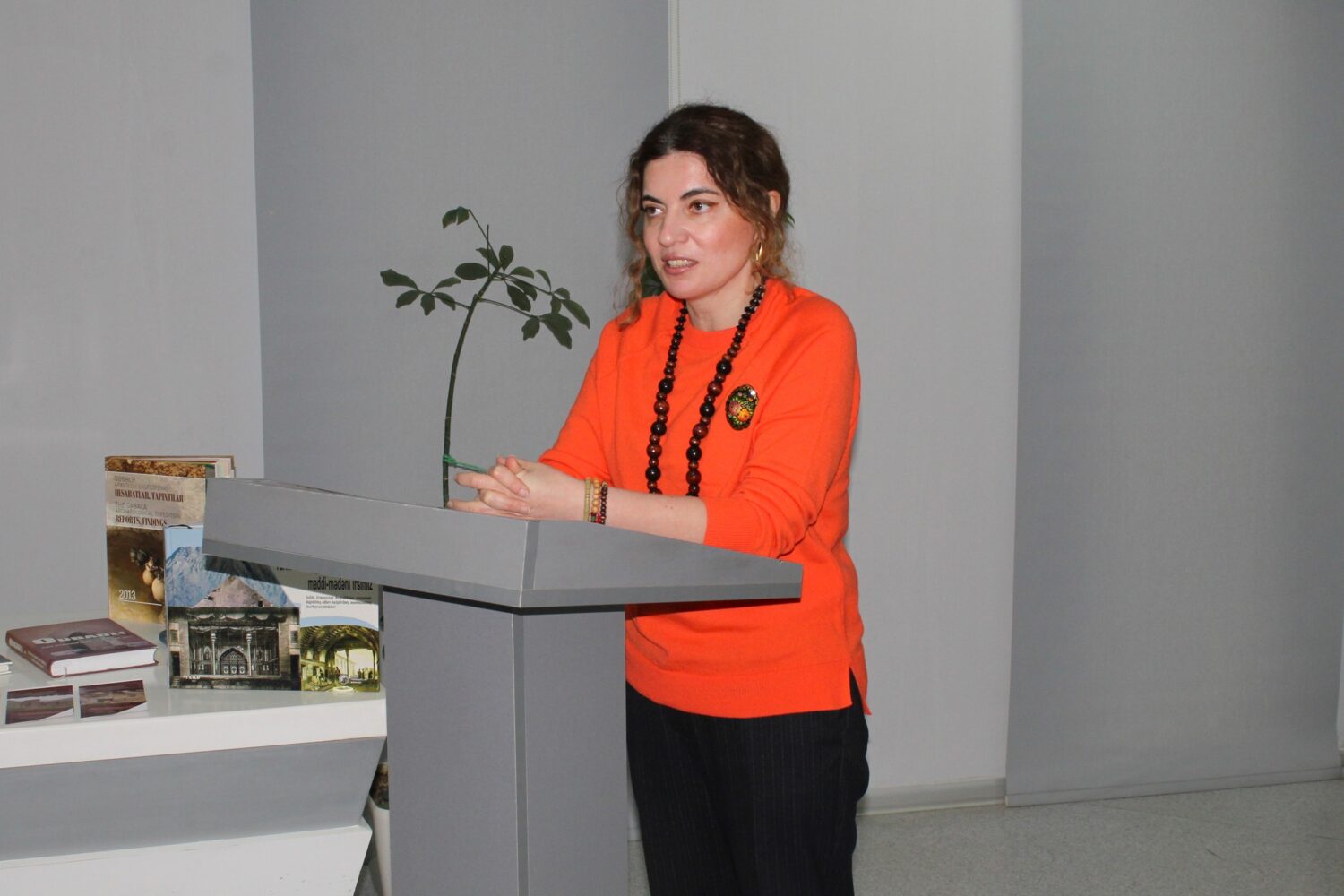
Daha sonra Kompleksin mütəxəssisləri Səriyyə Abidova, Zərifə Əlirzayeva, İslam Aslanov, Emin Ulubəyov, Orxan Hüseynov və Tərlan Məmmədov çıxış edərək vurğulayıblar ki, ölkəmizdə tarixi abidələrin tədqiqi, mühafizəsi və bərpasına dövlət tərəfindən diqqət və qayğı göstərilir. Bundan əlavə, Azərbaycanın zəngin mədəni irsinin qorunması məqsədilə ölkəmizdə yerləşən yüzlərlə tarix-mədəniyyət abidəsində bərpa-konservasiya və yenidənqurma sahəsində aparılan işlər durmadan artır. Buna misal olaraq Qarabağda, işğaldan azad edilən ərazilərdə bərpa və quruculuq işləri sistemli və layihələndirilmiş şəkildə həyata keçirilir. İşğal dövründəki dağıdılan abidələrin bərpası yalnız bir tikinti prosesindən ibarət deyil. Bu həm də xalqımızın kimliyini bərpa etməsi, itirilmiş dəyərləri yenidən əldə etməsi deməkdir. Hər bir abidə, hər bir daş bir xatirədir. Bu abidələrin bərpası keçmişimizi unutmamağı, gələcəyimizi isə daha möhkəm və güclü qurmağı öyrədir.
Sonda sərgi iştirakçılarını maraqlandıran suallar ətrafında fikir mübadiləsi aparılıb. Qeyd edək ki, təşkil olunmuş sərgilərdə 250-dən çox insan maarifləndirilmişdir.
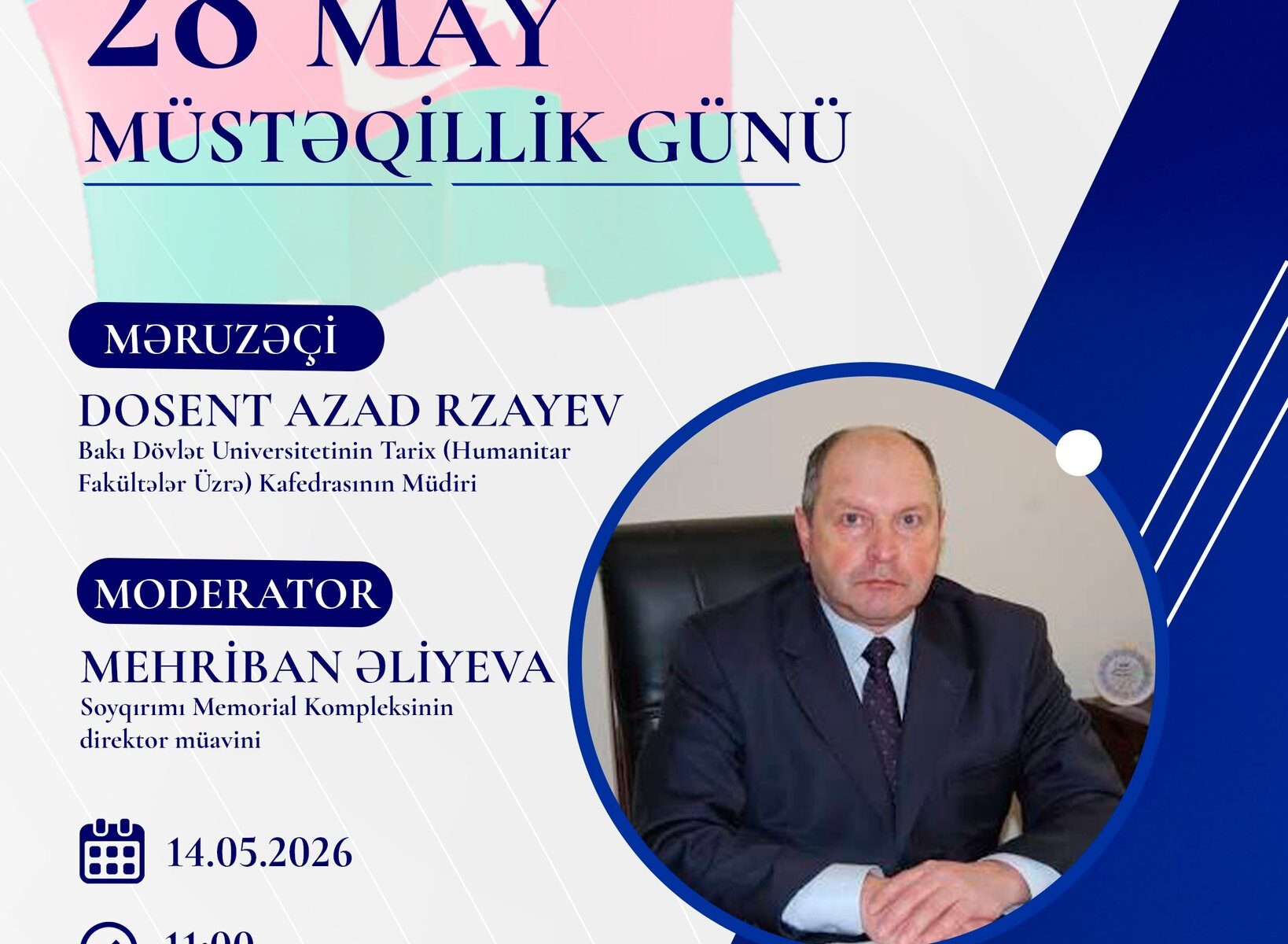
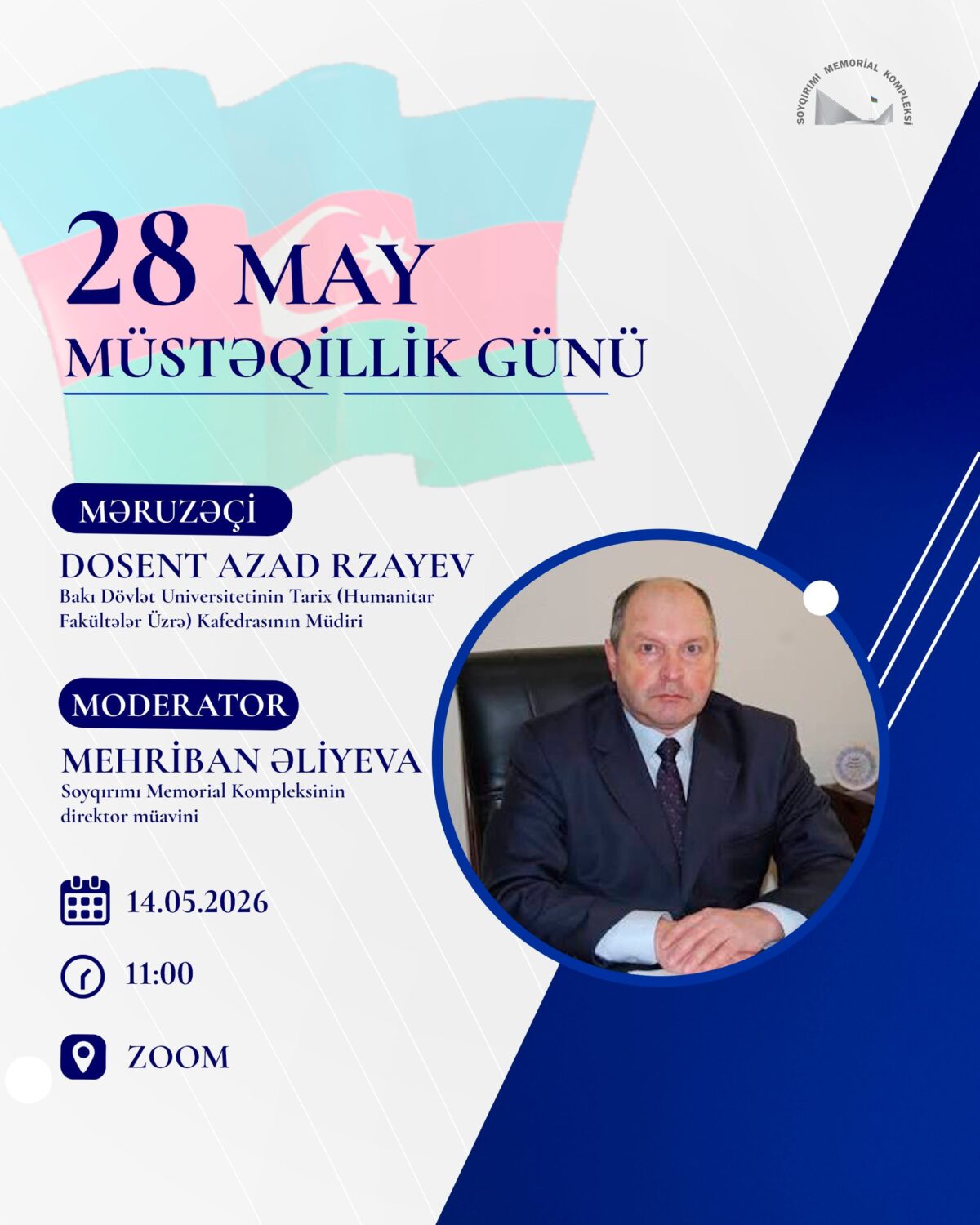
“28 May-Müstəqillik Günü” adlı vebinar keçirilib.

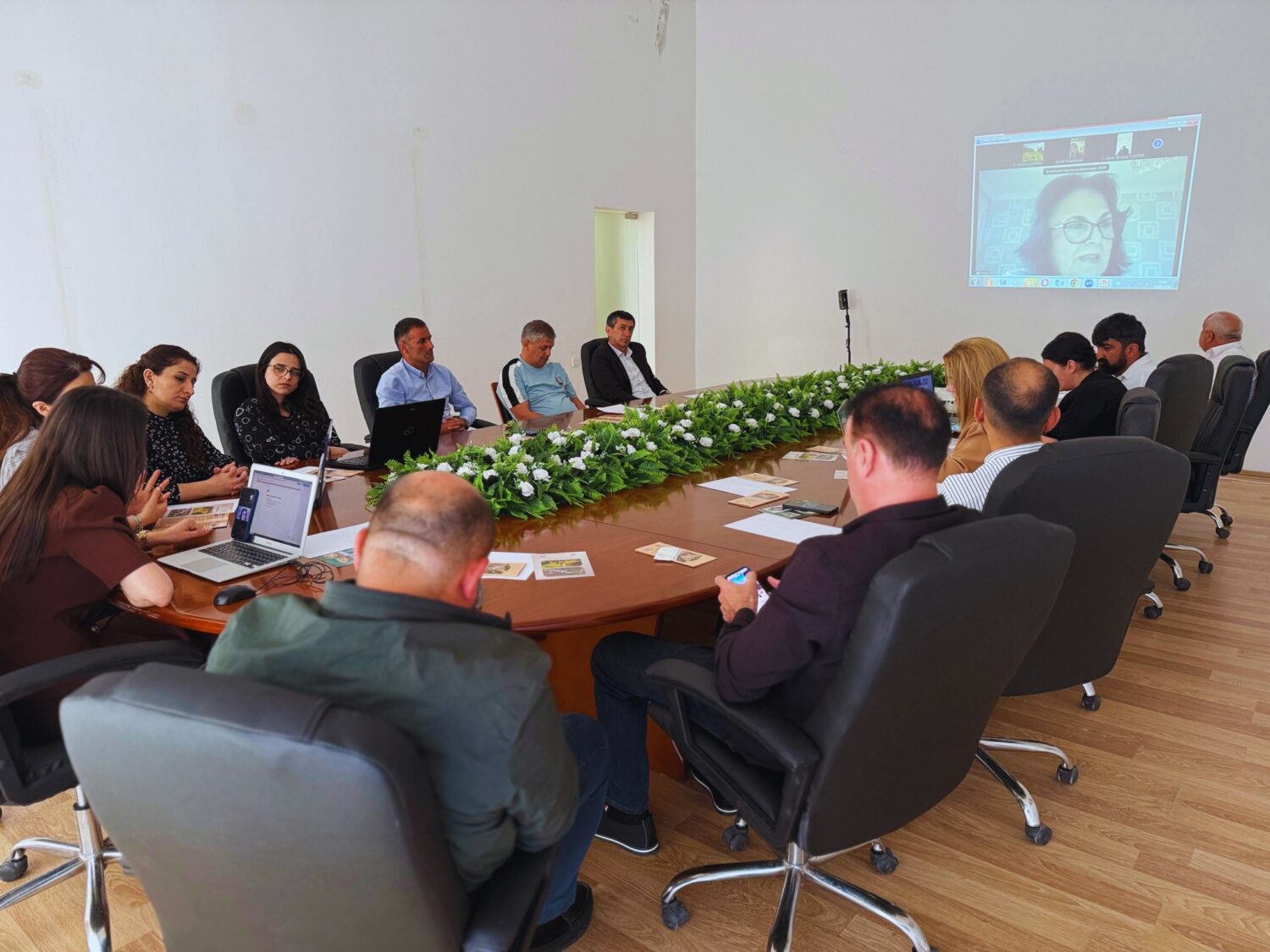
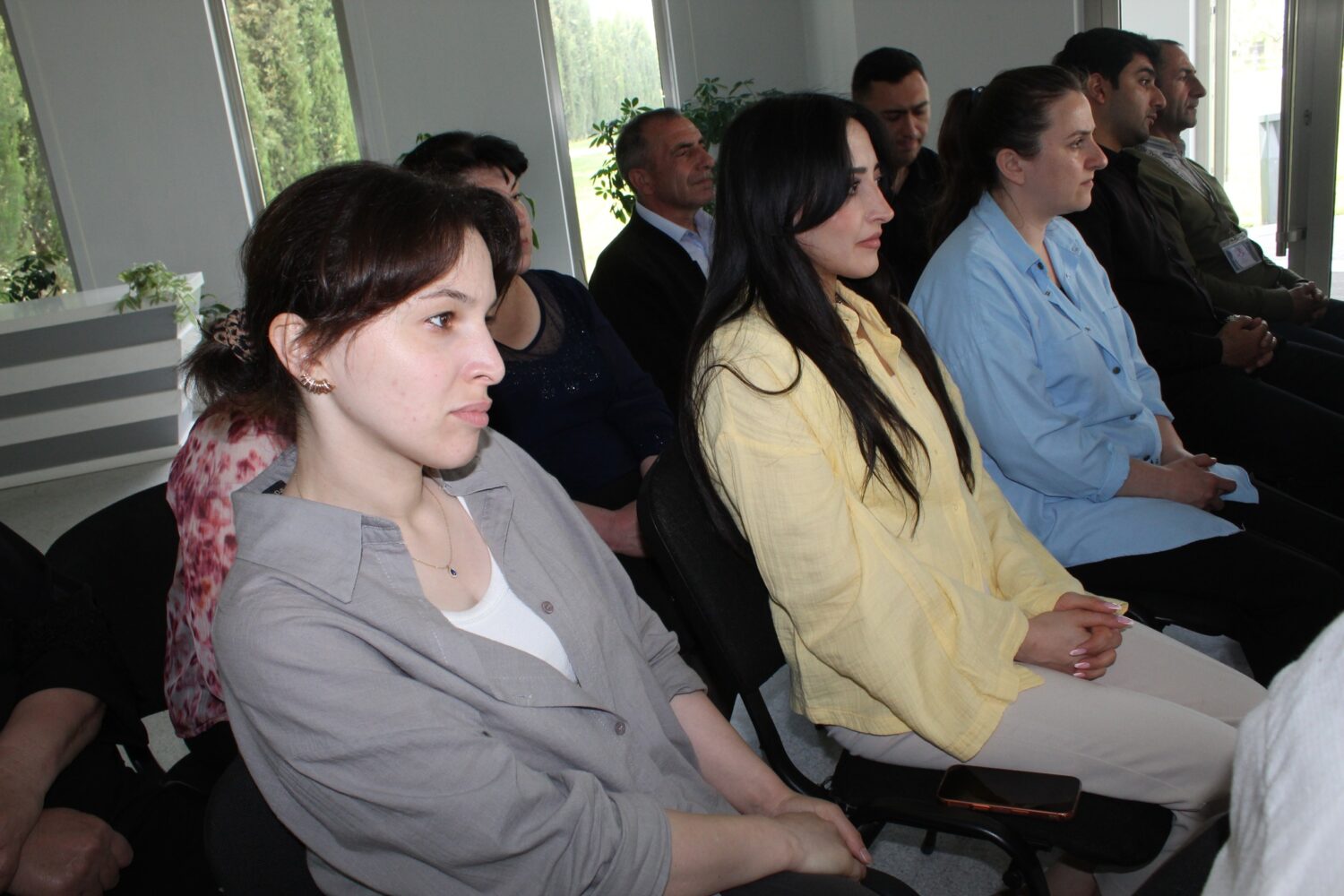
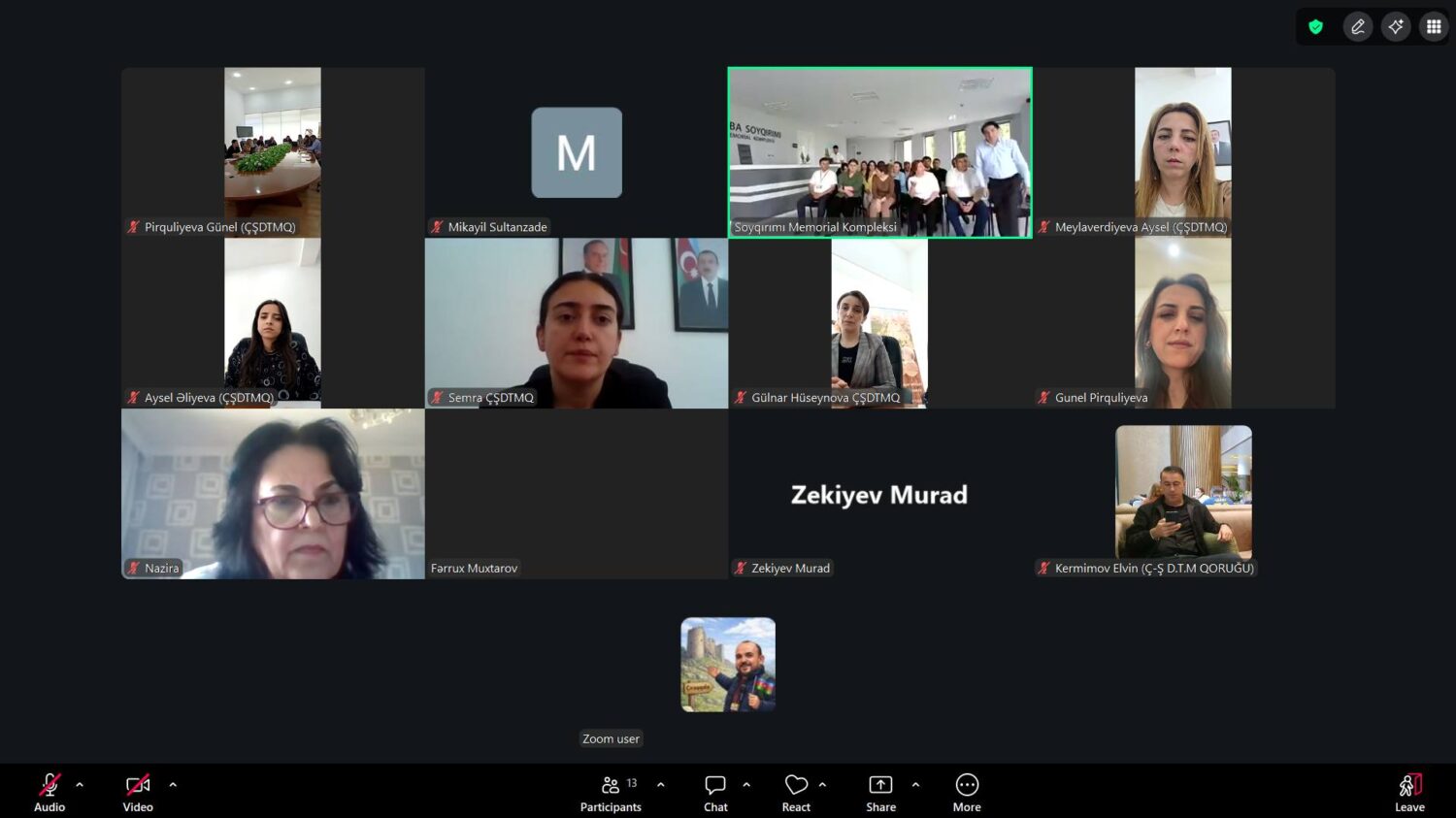
Mədəniyyət Nazirliyi yanında Mədəni İrsin Qorunması, İnkişafı və Bərpası üzrə Dövlət Xidmətinin nəzdində fəaliyyət göstərən Quba şəhərində “Soyqırımı Memorial Kompleksi”nin təşkilatçılığı ilə 2026-ci il Şəhərsalma və Memarlıq ili çərçivəsində “28 May-Müstəqillik Günü” adlı vebinar keçirilib. Kompleksin direktor müavini Mehriban Əliyevanın moderatorluğu ilə keçirilən tədbirdə Bakı Dövlət Universitetinin Tarix (Humanitar Fakültələr Üzrə) Kafedrasının müdiri dosent Azad Rzayev çıxış edərək bildirib ki, yüz səkkiz il bundan əvvəl – 1918-ci il mayın 28-də Azərbaycan Xalq Cümhuriyyətinin yaradılması ölkəmizin həyatına böyük tarixi hadisə kimi daxil oldu. Müstəqil, azad, demokratik respublika qurmaq məqsədini qarşıya qoyan Azərbaycan Xalq Cümhuriyyəti cəmi 23 aylıq fəaliyyəti dövründə xalqın milli mənlik şüurunu özünə qaytardı, onun öz müqəddəratını təyin etməyə qadir olduğunu nümayiş etdirdi. 1918-ci il mayın 28-də qəbul edilən İstiqlal Bəyannaməsindən – Əqdnamədən də göründüyü kimi, bu möhtəşəm tarix xalqımızın müstəqillik hisslərini daha da gücləndirdi. Daha sonra mövzu ilə bağlı vebinar iştirakçılarının sualları cavablandırılıb. Qeyd edək ki, vebinarda Azərbaycan Respublikası Mədəniyyət Nazirliyi yanında Mədəni İrsin Qorunması, İnkişafı və Bərpası üzrə Dövlət Xidmətinin tabeçiliyində fəaliyyət göstərən qoruqların ümumilikdə 35-a yaxın əməkdaşı iştirak edib.

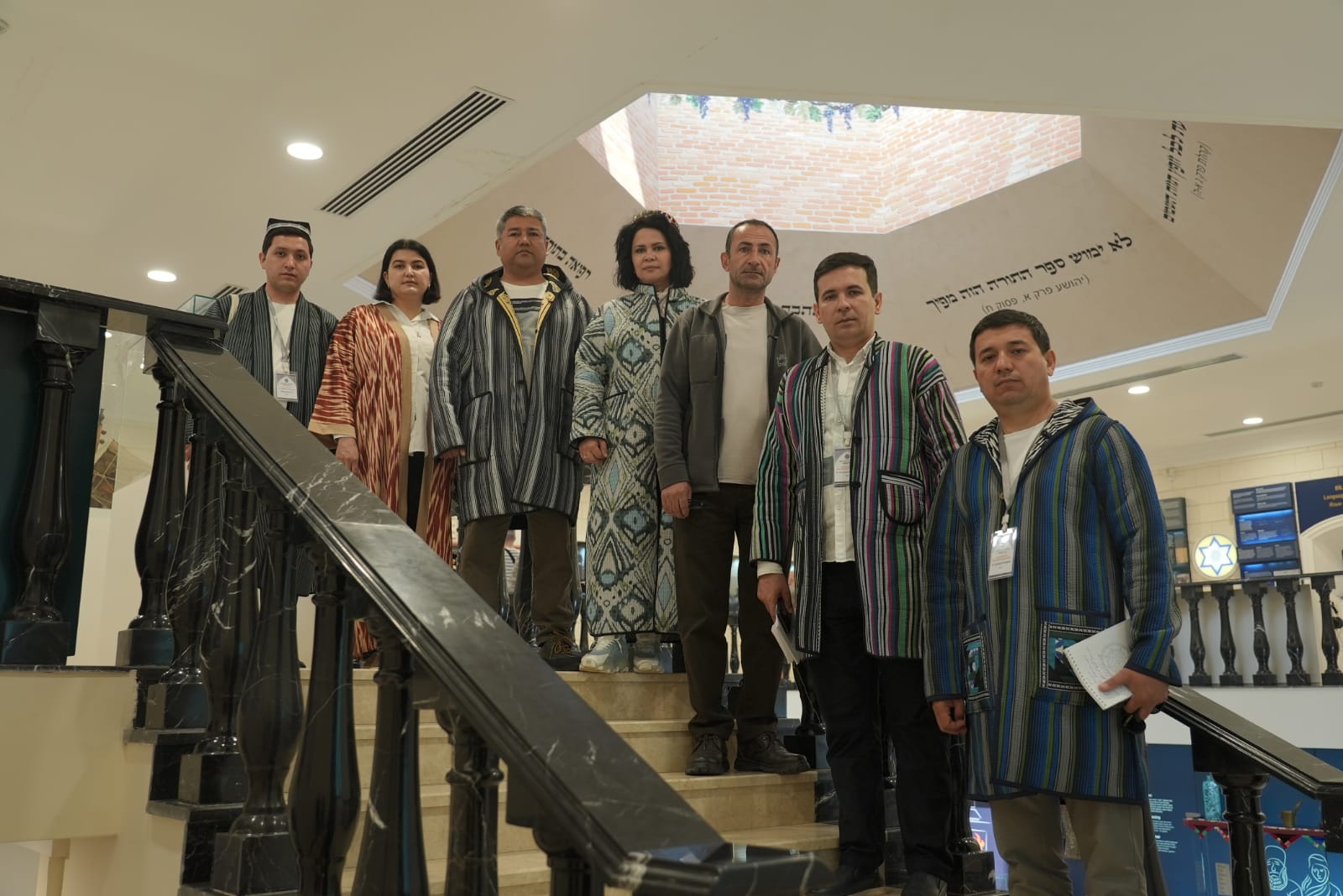
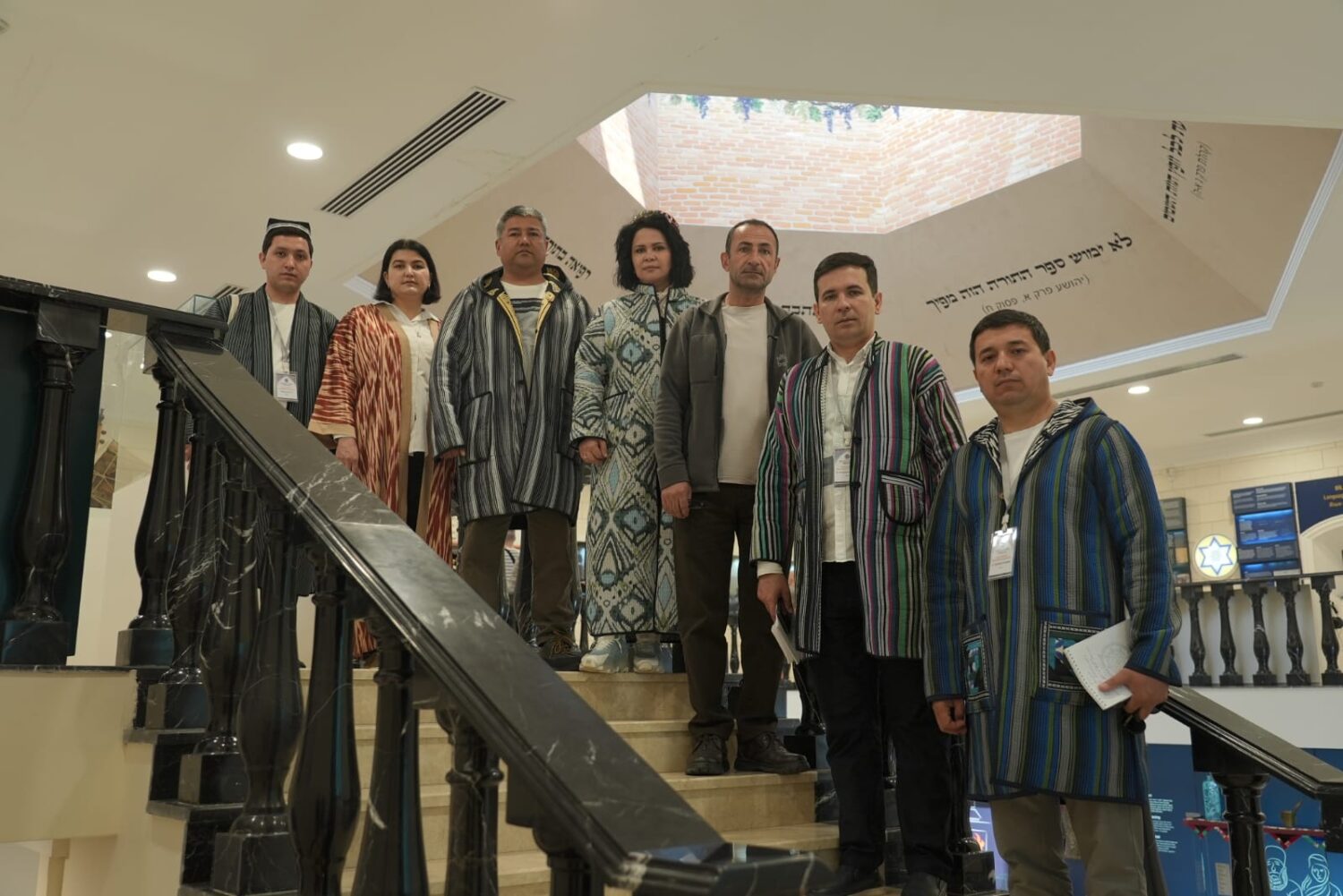
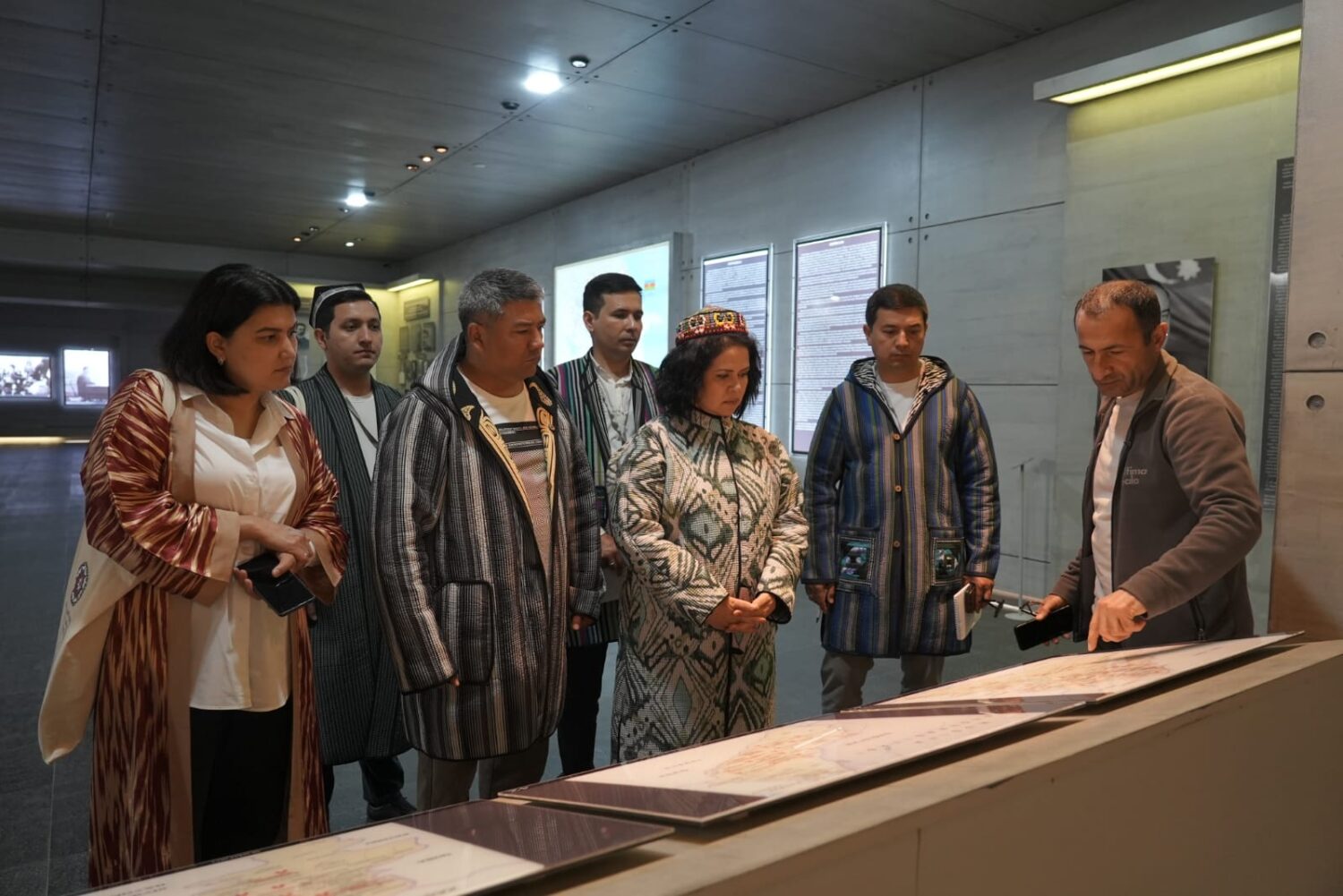
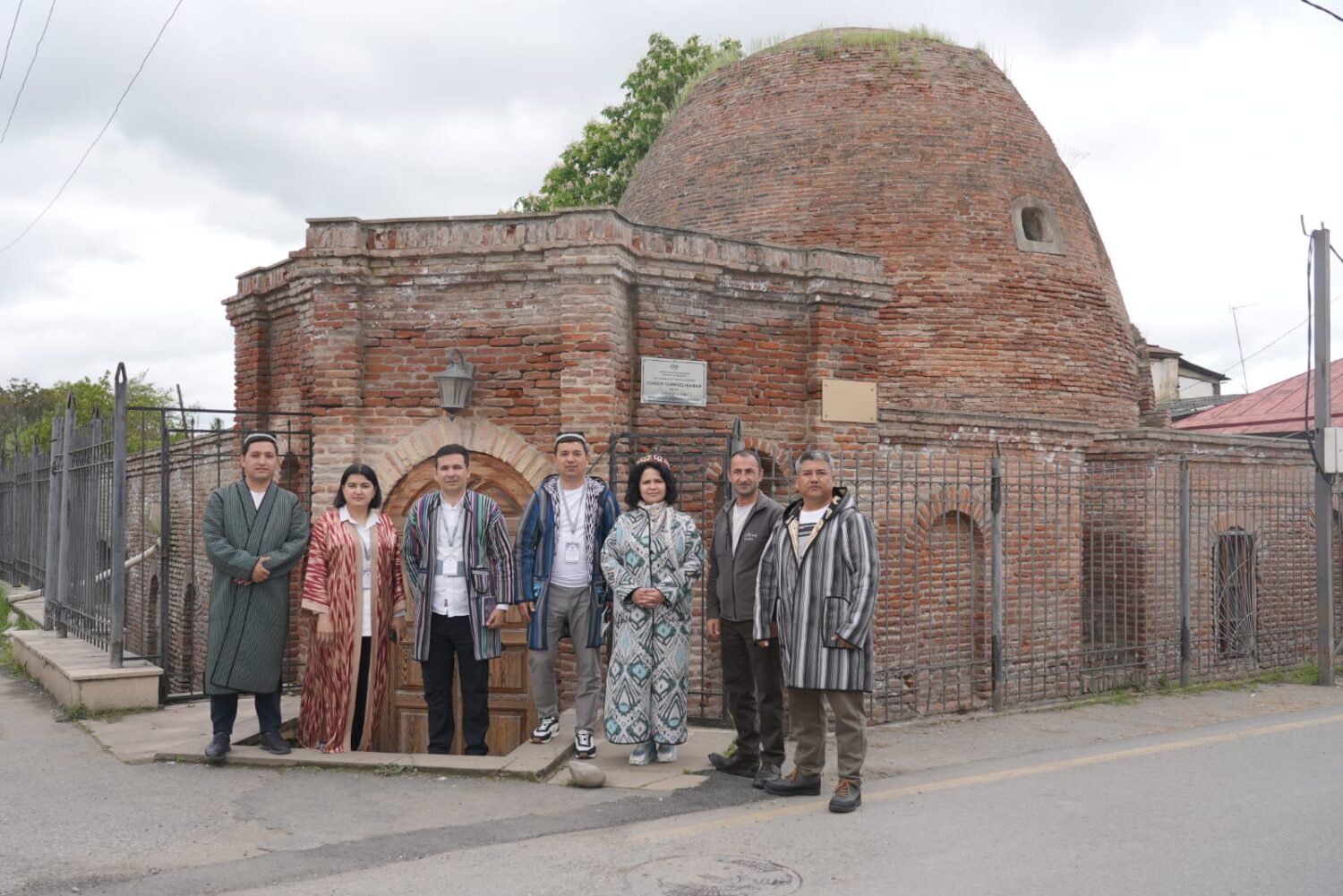
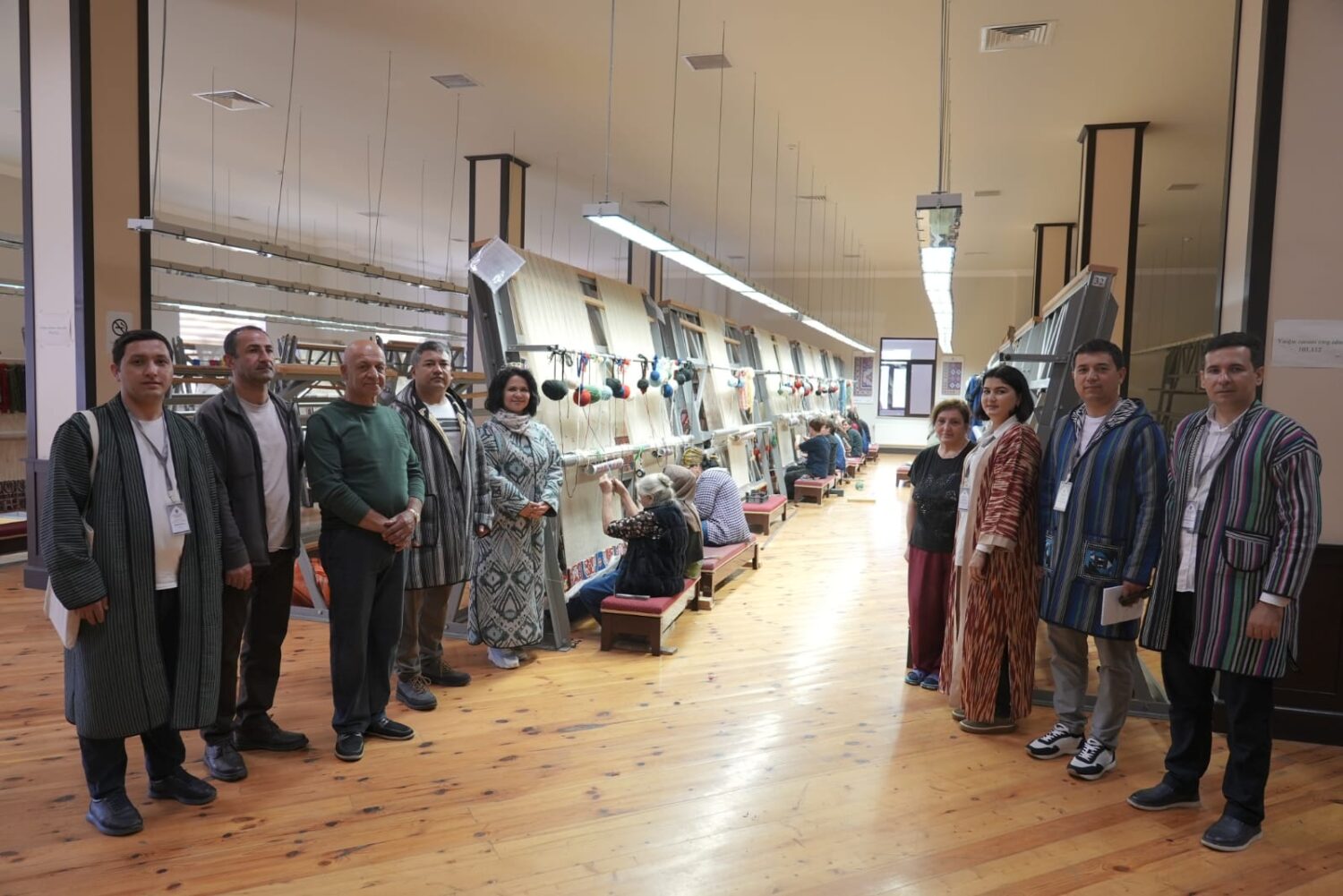
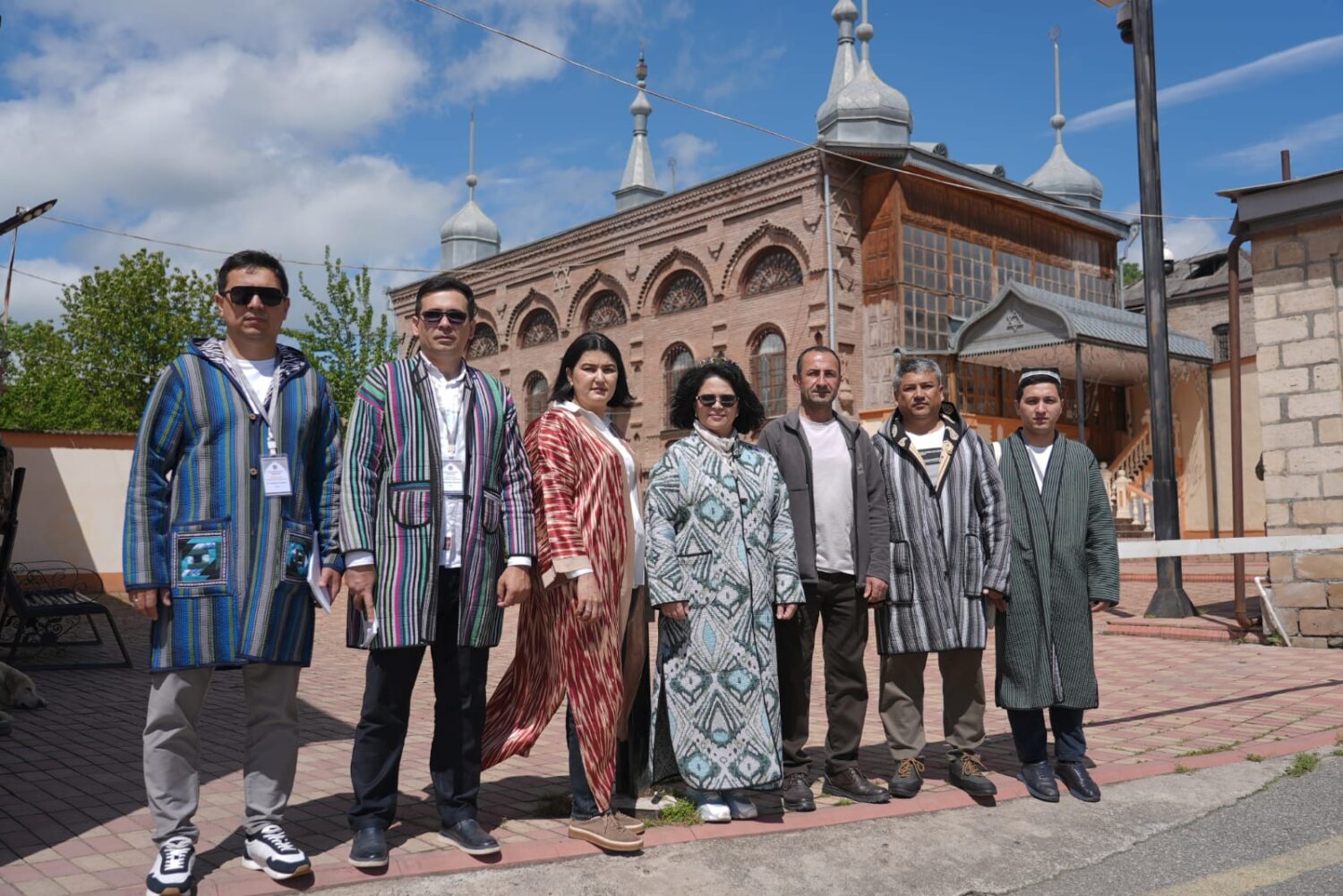
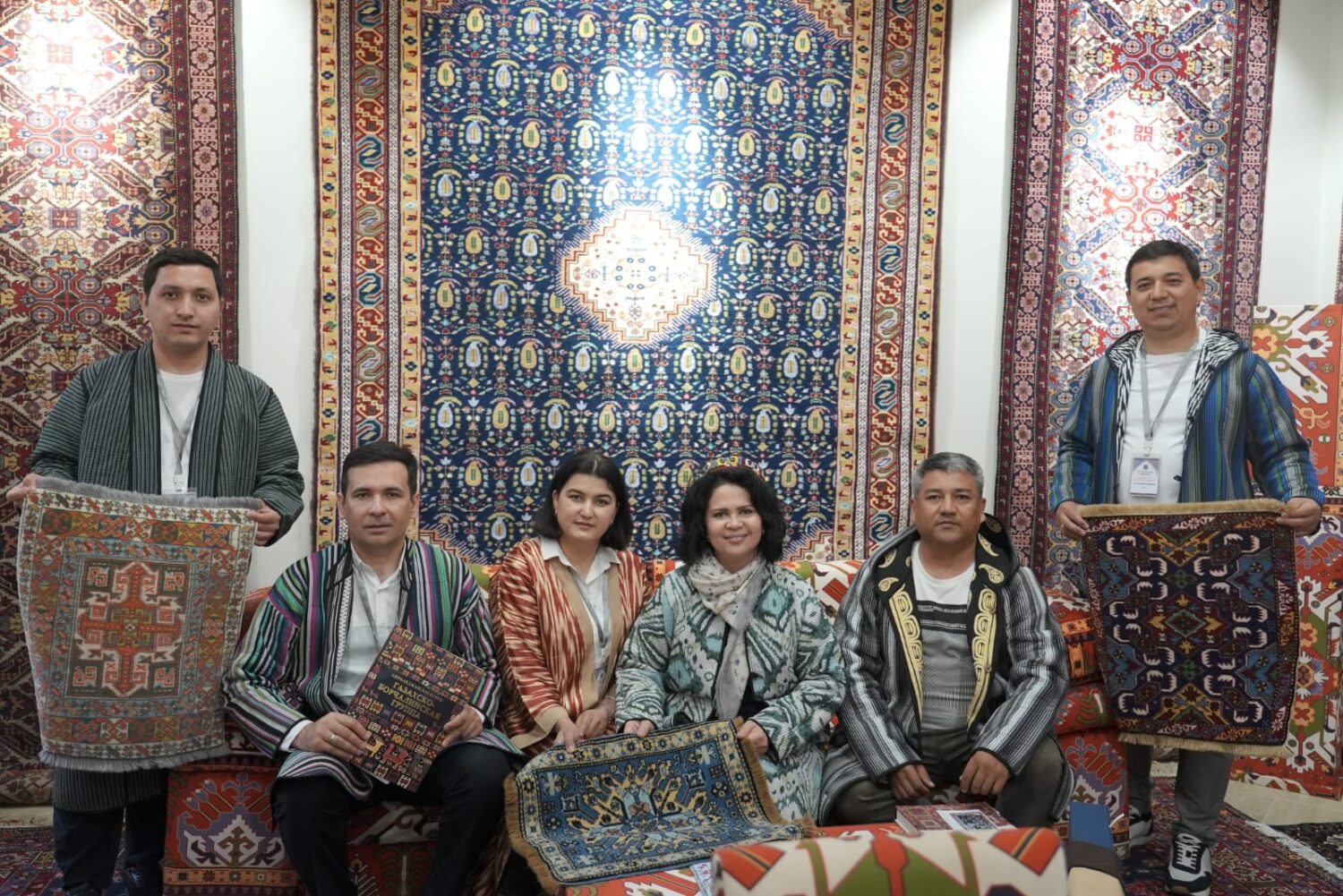
Employees of the Institute of Cultural Studies and Intangible Cultural Heritage under the Ministry of Culture of the Republic of Uzbekistan visited the Guba District. The delegation was headed by a leading expert and strategist in the field of cultural policy, media, and heritage of Uzbekistan, Deputy Director for Scientific and Innovative Activities of the Uzbekistan Institute of Cultural Studies and Intangible Cultural Heritage (ICRICH), Doctor of Philosophy (PhD) in Art Studies, Iroda Abdulazizovna Dadadjanova.

As part of the visit, the guests thoroughly ознакомились with the historical and cultural monuments of the district.
The экскурсия for the guests was conducted by Islam Aslanov, an employee of the Guba Genocide Memorial Complex. He provided the delegation with detailed information about the history of the district, its cultural heritage, and places of interest.

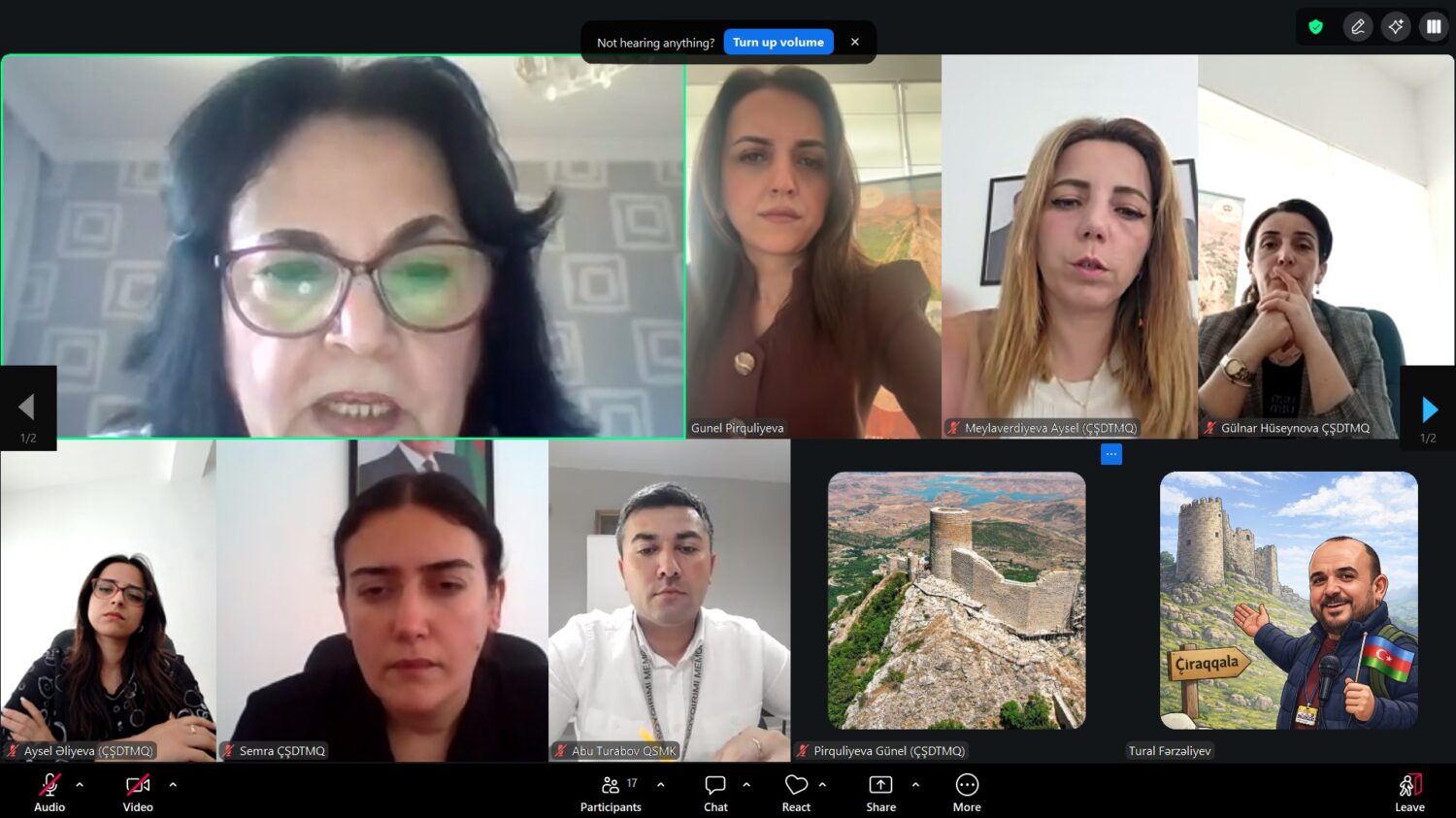
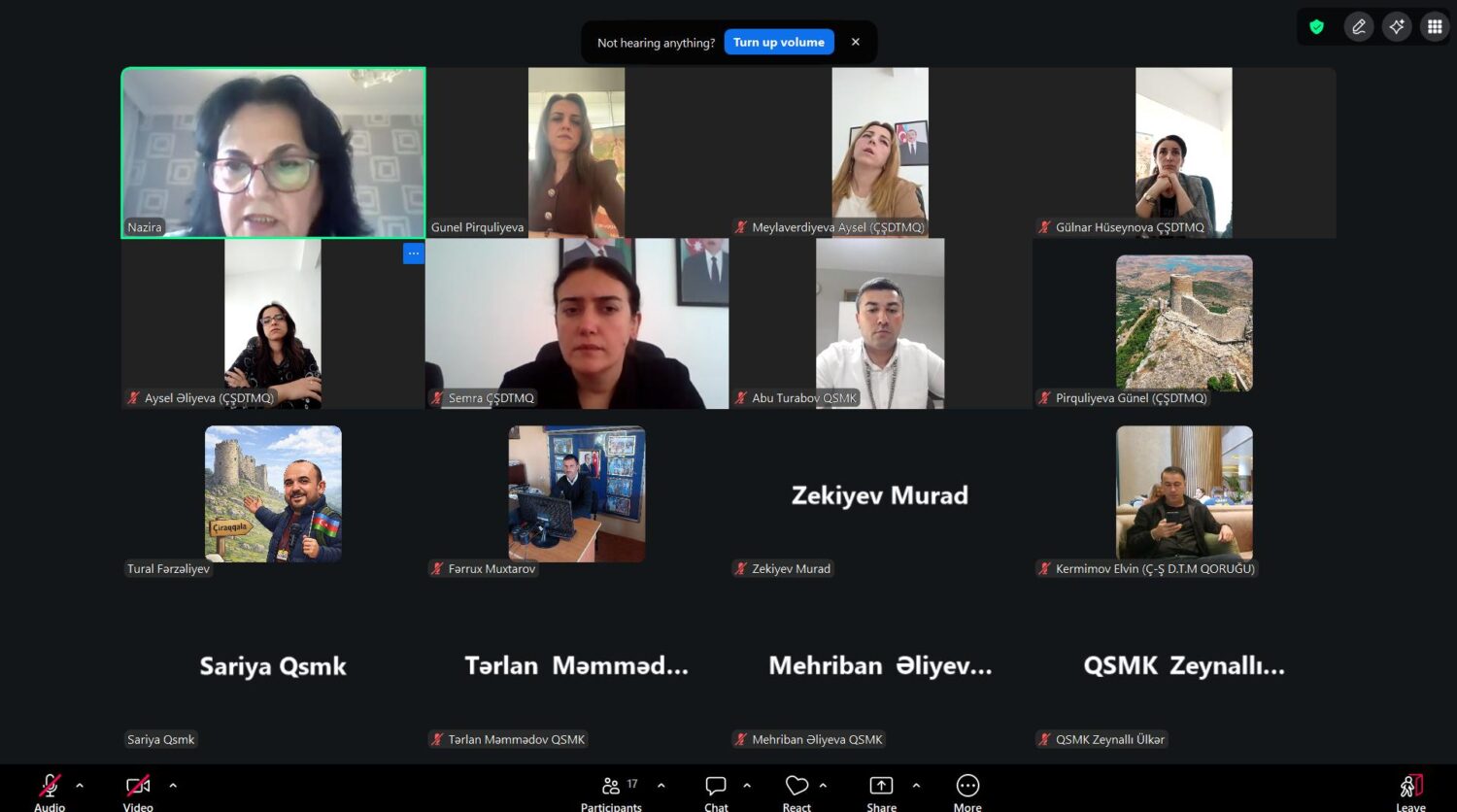
Mədəniyyət Nazirliyi yanında Mədəni İrsin Qorunması, İnkişafı və Bərpası üzrə Dövlət Xidmətinin tabeliyində fəaliyyət göstərən “Çıraqqala-Şabran” Dövlət Tarix-Mədəniyyət Qoruğu və Quba şəhərində "Soyqırımı Memorial Kompleksi"nin birgə əməkdaşlığı çərçivəsində 18 May – Beynəlxalq Muzeylər Günü münasibətilə “Virtual sərgilər və müasir təqdimat” adlı onlayn konfrans təşkil olunub.

Konfransda muzey və qoruqlarda müasir texnologiyaların tətbiqi, virtual sərgilərin təşkili və rəqəmsal təqdimat üsulları barədə fikir mübadiləsi aparılıb. Tədbirdə Əməkdar müəllim, Azərbaycan Dövlət Mədəniyyət və İncəsənət Universitetinin baş müəllimi Nəzirə Əliyeva, eləcə də Dövlət Xidmətinin tabeliyində fəaliyyət göstərən qoruqların əməkdaşları iştirak ediblər.
Çıxışlarda mədəni irsin qorunması və təbliğində rəqəmsal texnologiyaların rolu, virtual sərgilərin əhəmiyyəti və innovativ təqdimat üsulları xüsusi vurğulanıb. Tədbir qarşılıqlı müzakirələrlə davam edib.
 

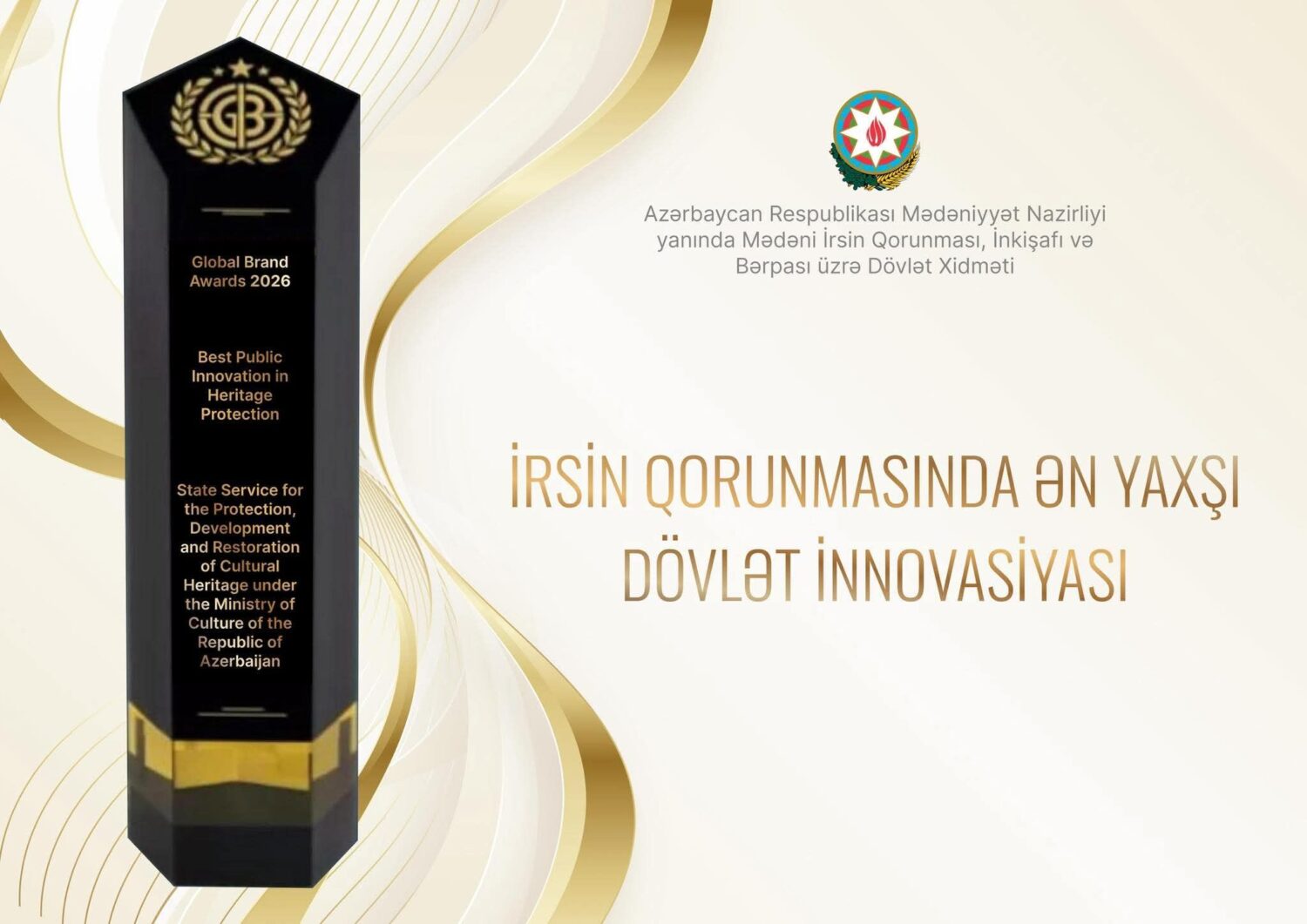
Azərbaycan mədəni irs sahəsində qlobal innovasiya liderləri sırasında yer aldı

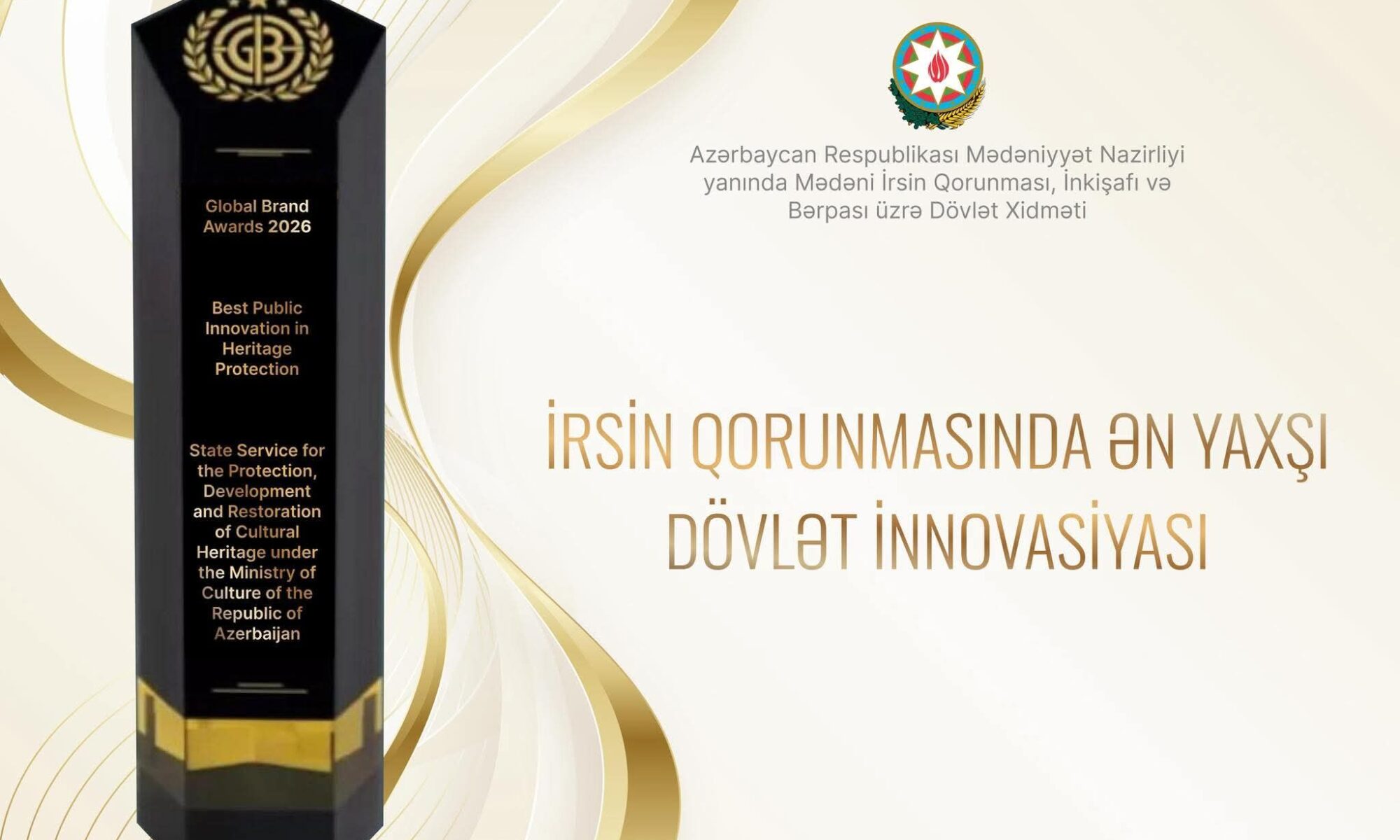
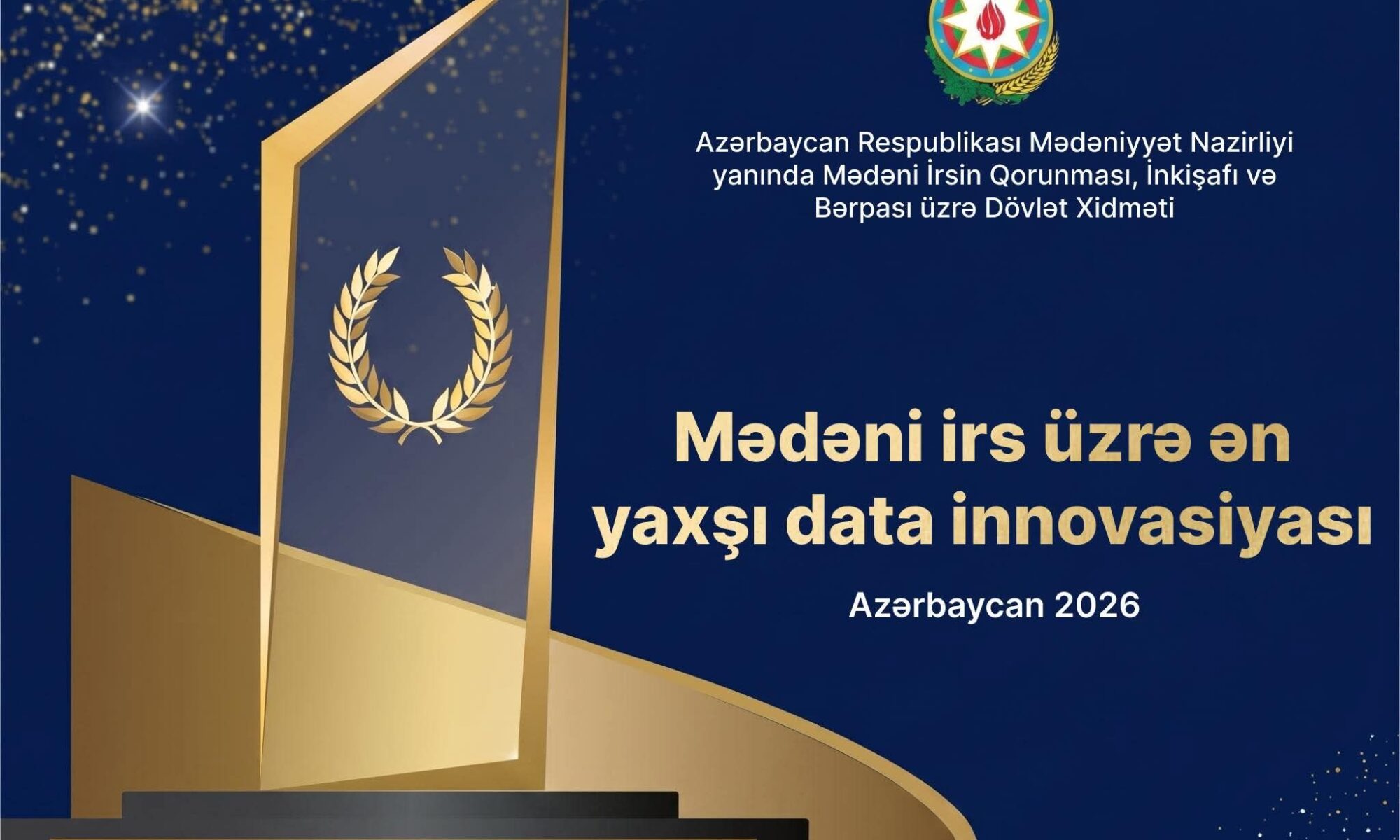
Azərbaycan Respublikası Mədəniyyət Nazirliyi yanında Mədəni İrsin Qorunması, İnkişafı və Bərpası üzrə Dövlət Xidməti (Dövlət Xidməti) Böyük Britaniyanın nüfuzlu nəşri “Global Brand Magazine” tərəfindən təşkil olunan beynəlxalq müsabiqədə “İrsin qorunmasında ən yaxşı dövlət innovasiyası” nominasiyası üzrə qalib elan olunub.

https://culture.gov.az/az/news/news-detail/azerbaycan-medeni-irs-sahesinde-qlobal-innovasiya-liderleri-sirasinda-yer-aldi/3041?fbclid=IwY2xjawRv6zNleHRuA2FlbQIxMABicmlkETF3bElzQjVUanVCZ1Nzc2lNc3J0YwZhcHBfaWQQMjIyMDM5MTc4ODIwMDg5MgABHgQGZU3Ni1mubtLv3PsyBNkS58m0_pMXMM73p82nWP-9_1MJ_BWKTnJDr7Xq_aem_f-6gQ2EkJiouBZZAdndn9w

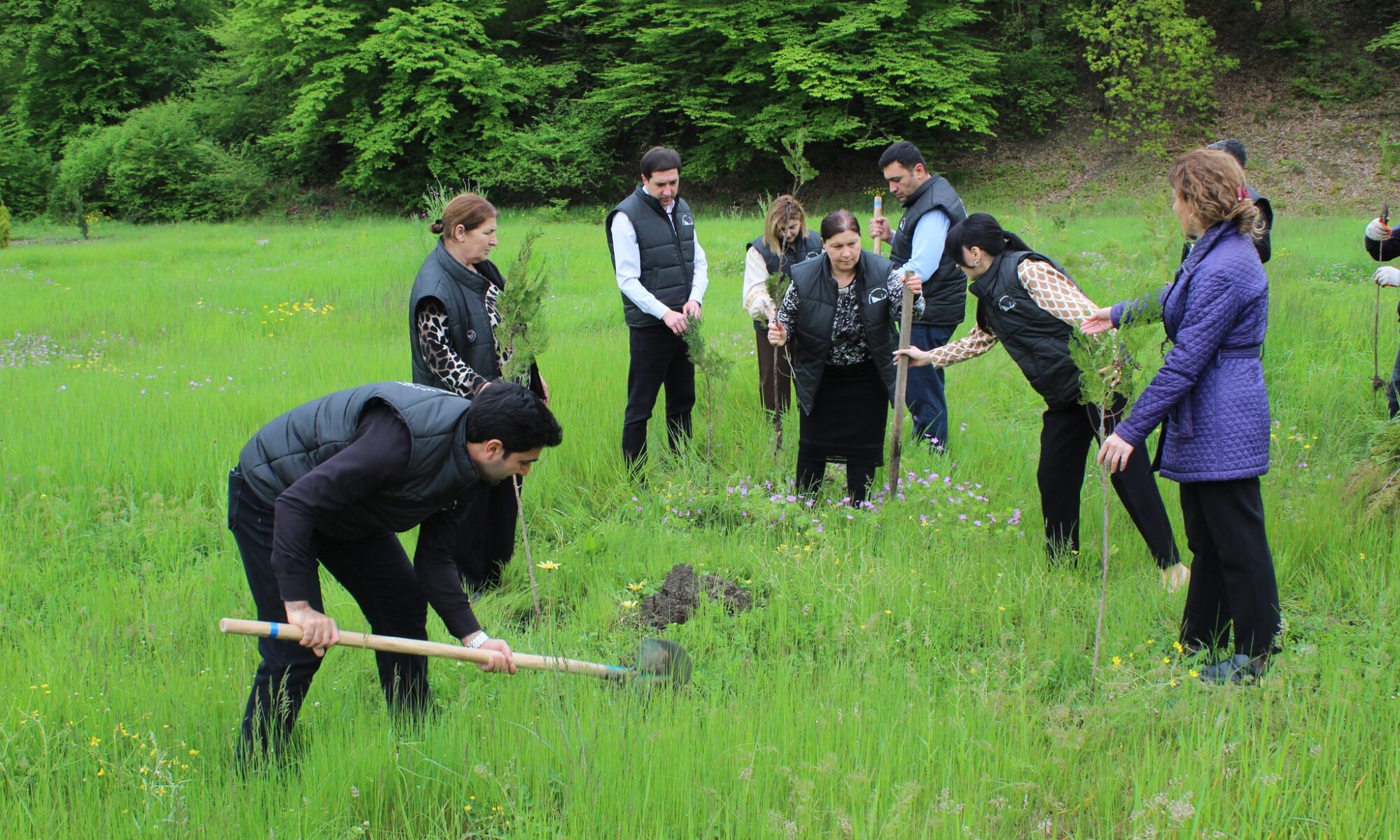
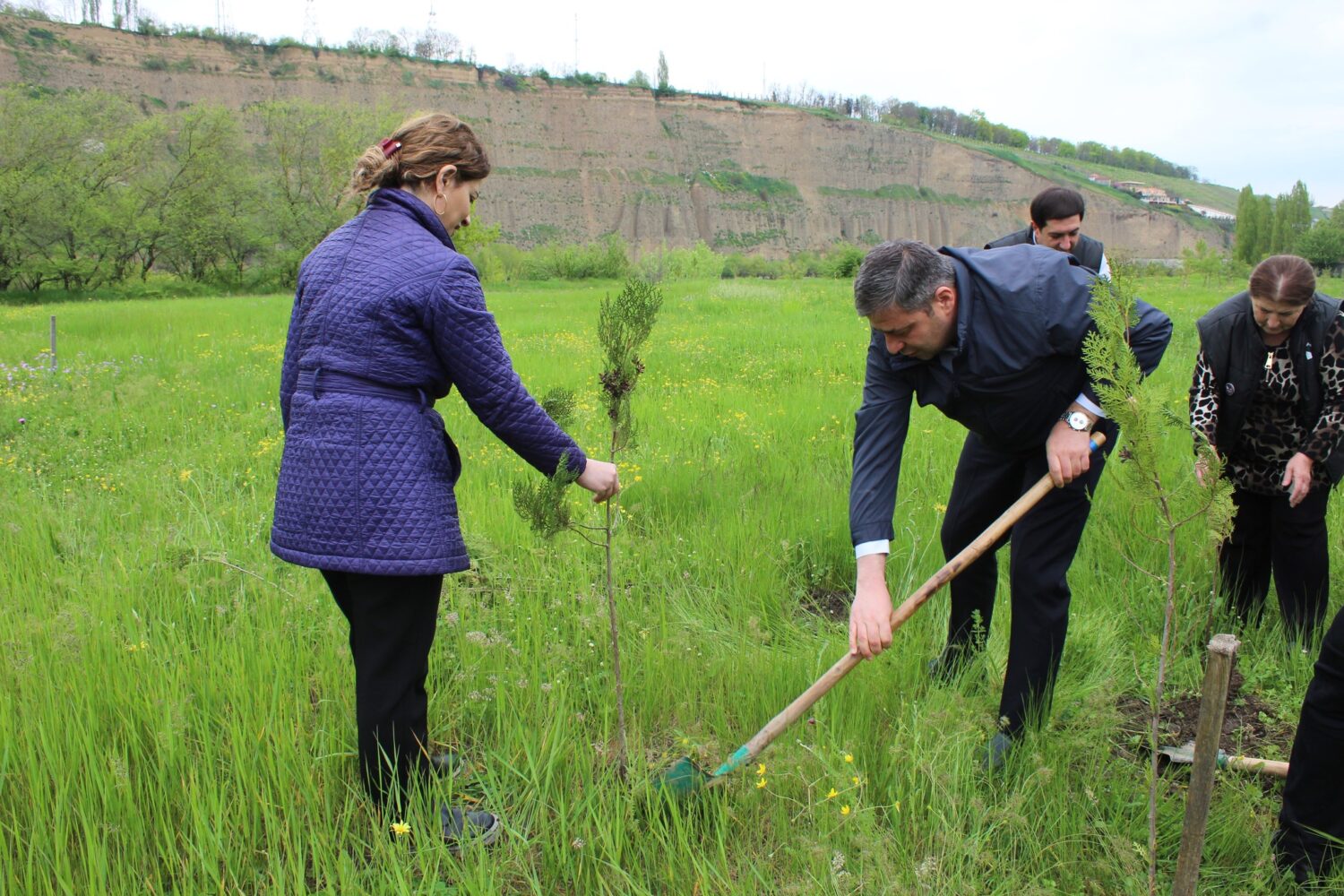
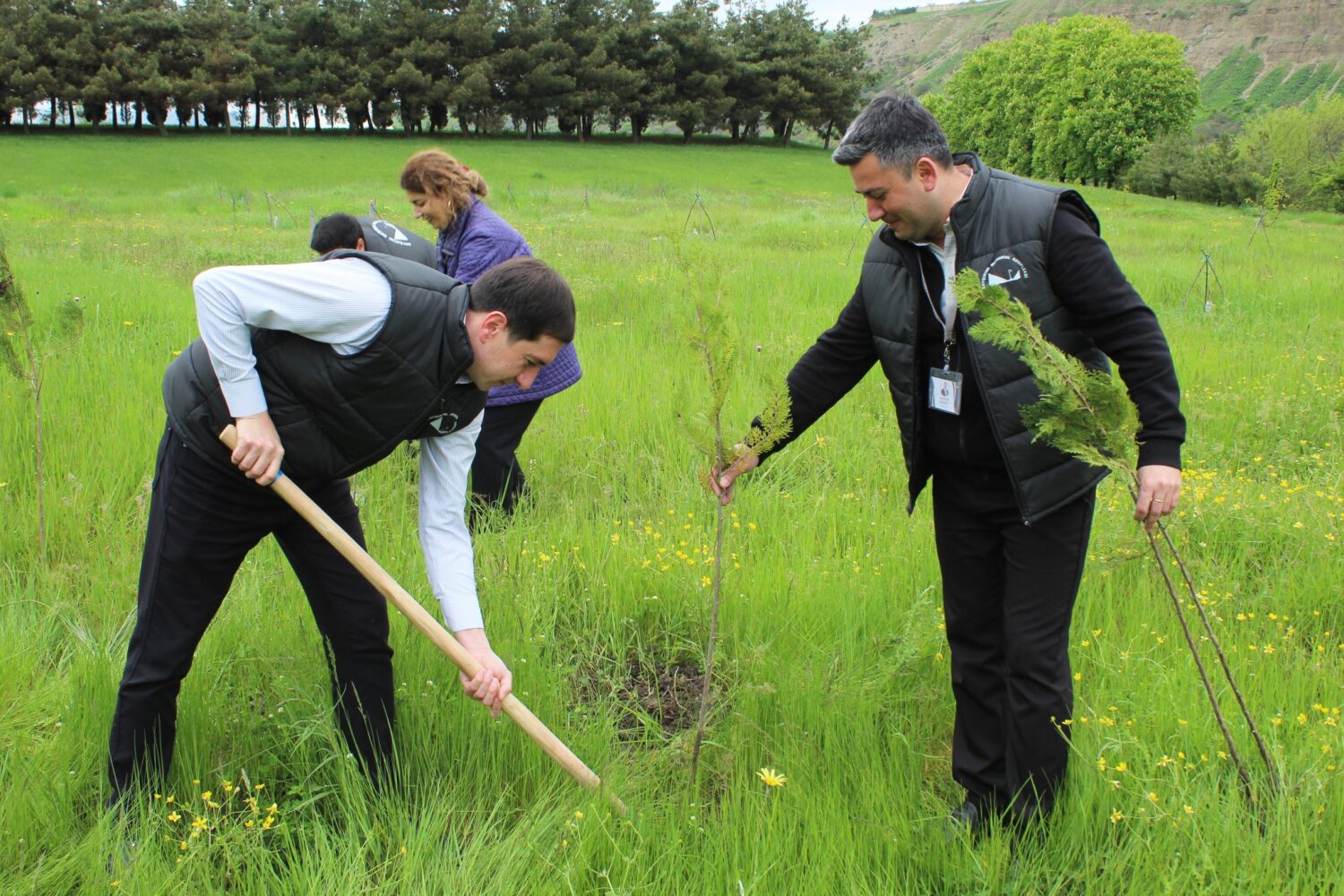
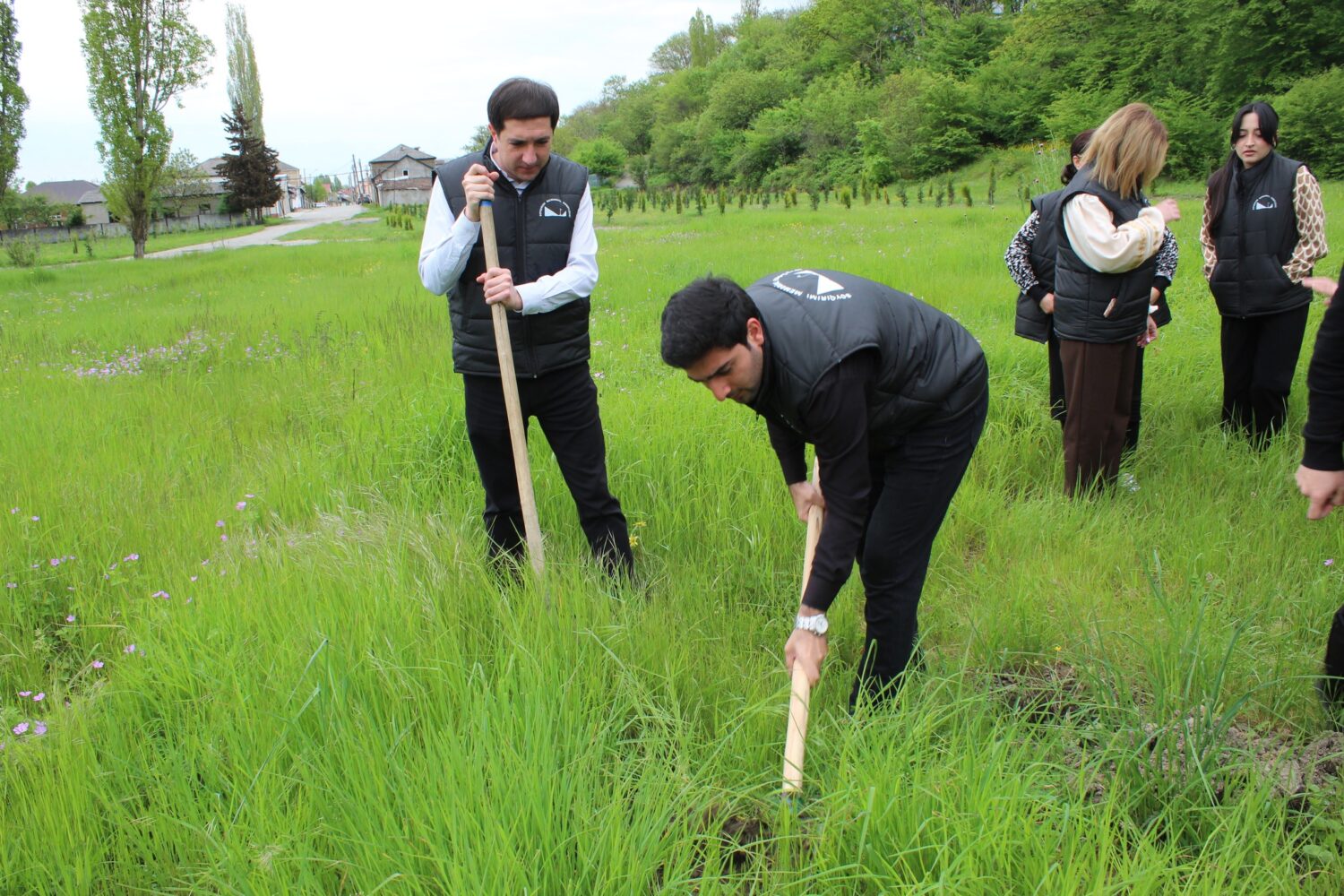
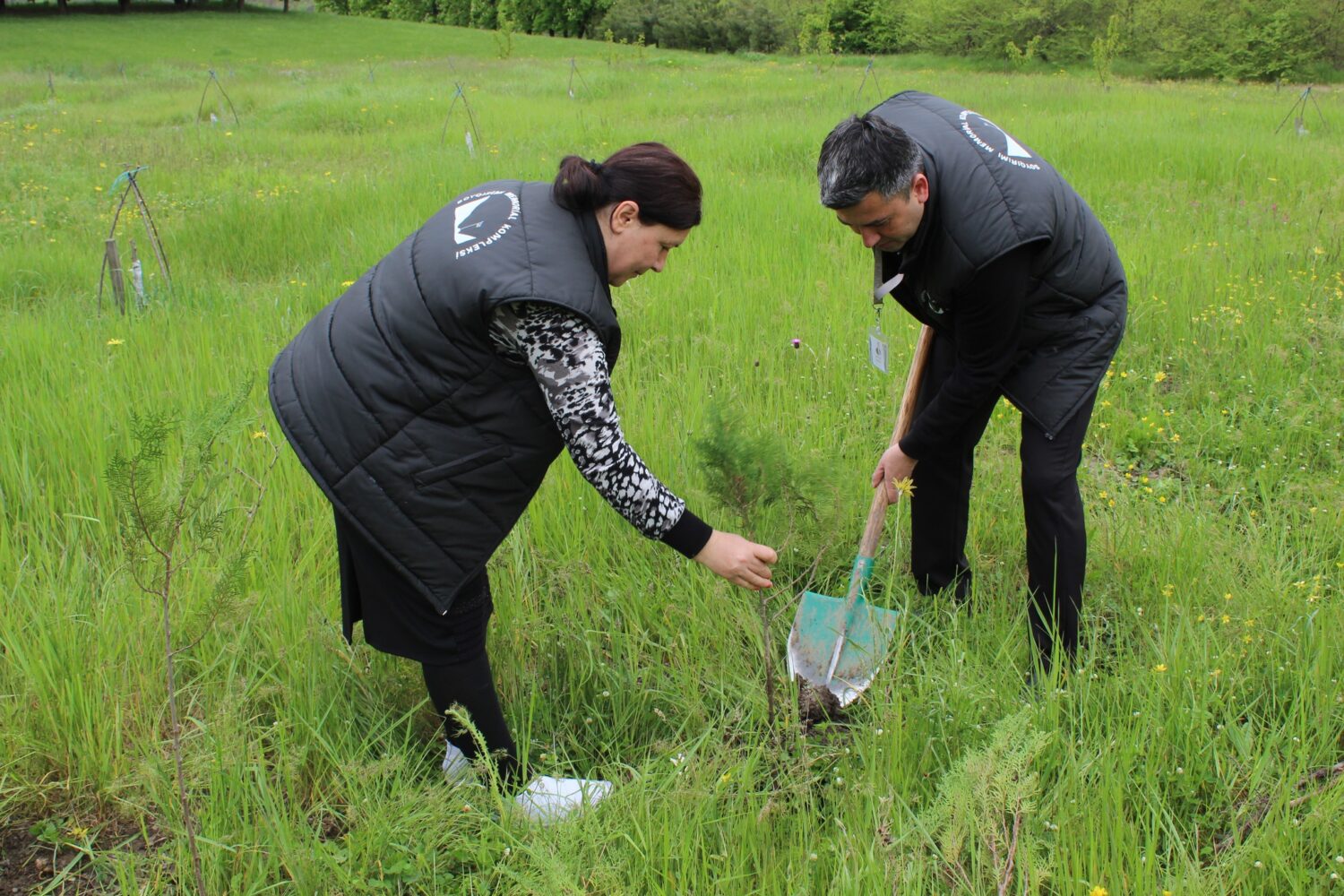
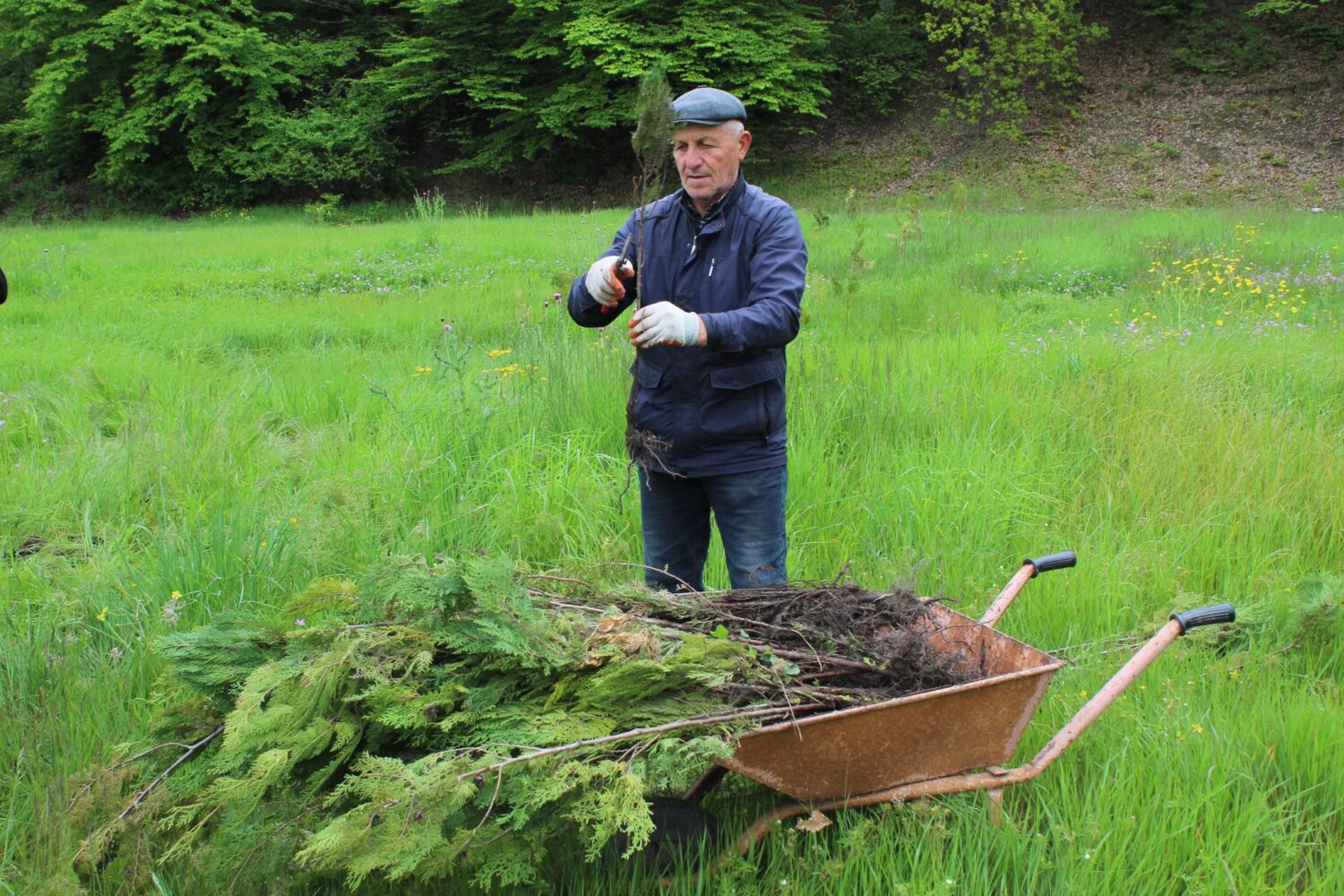
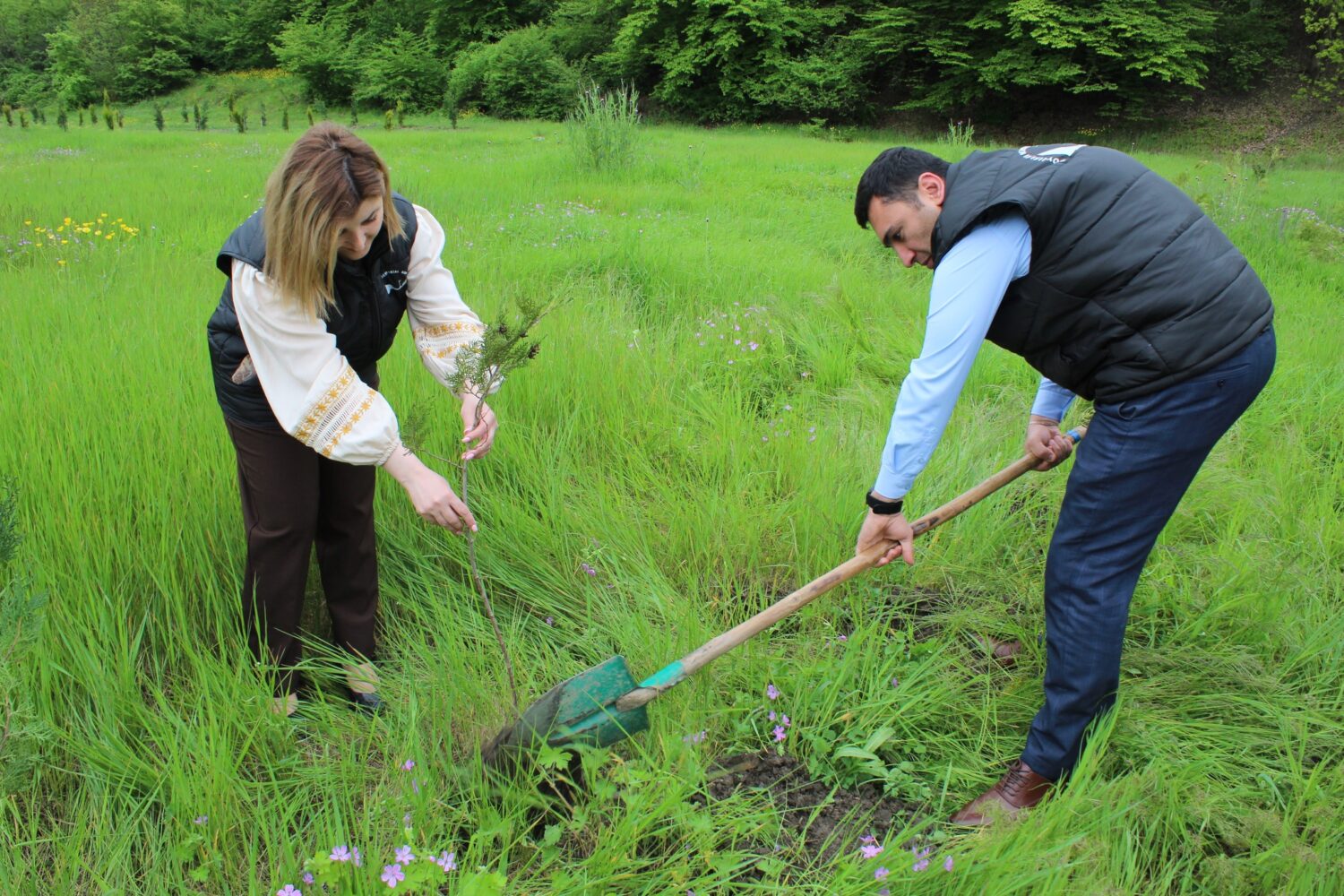
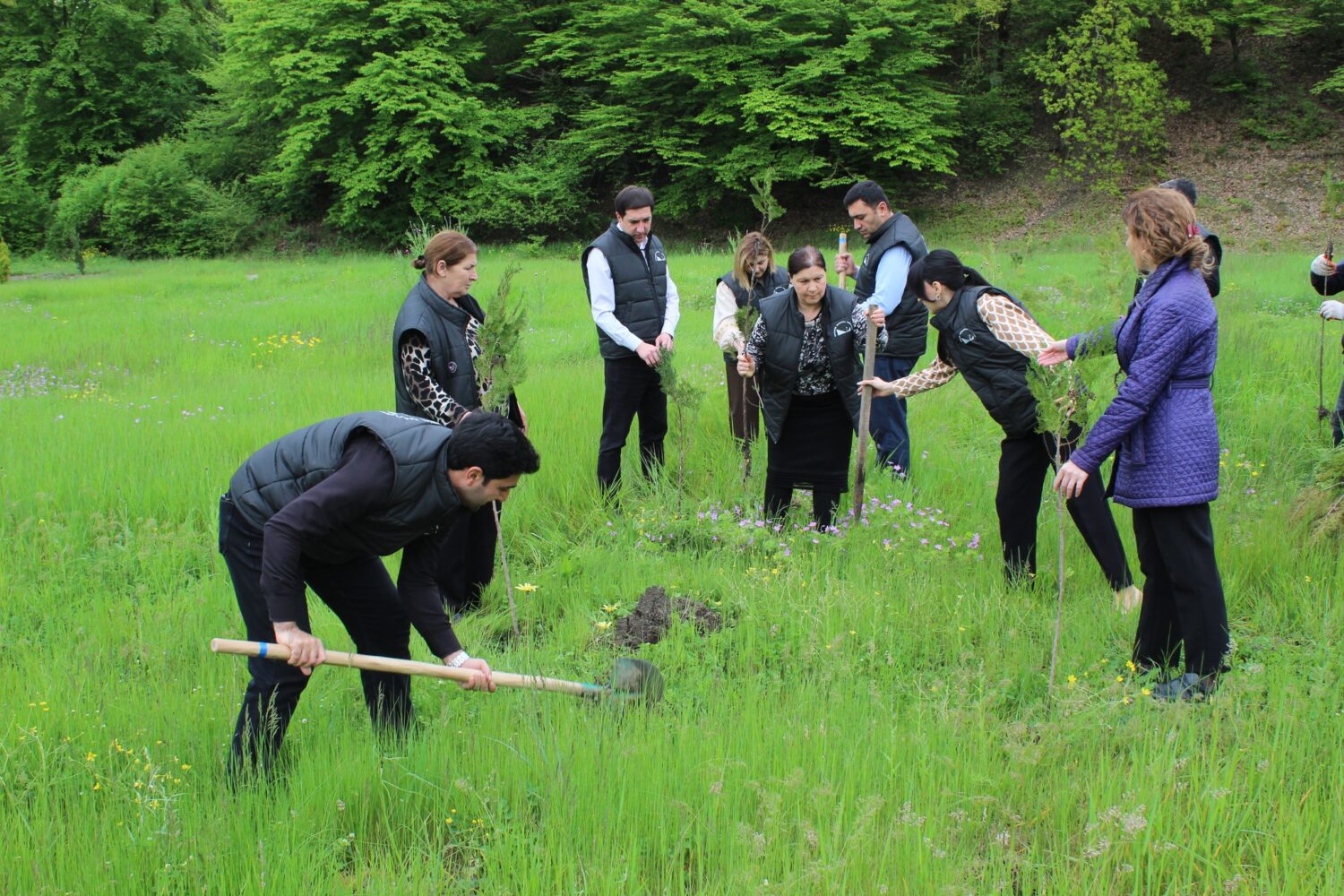
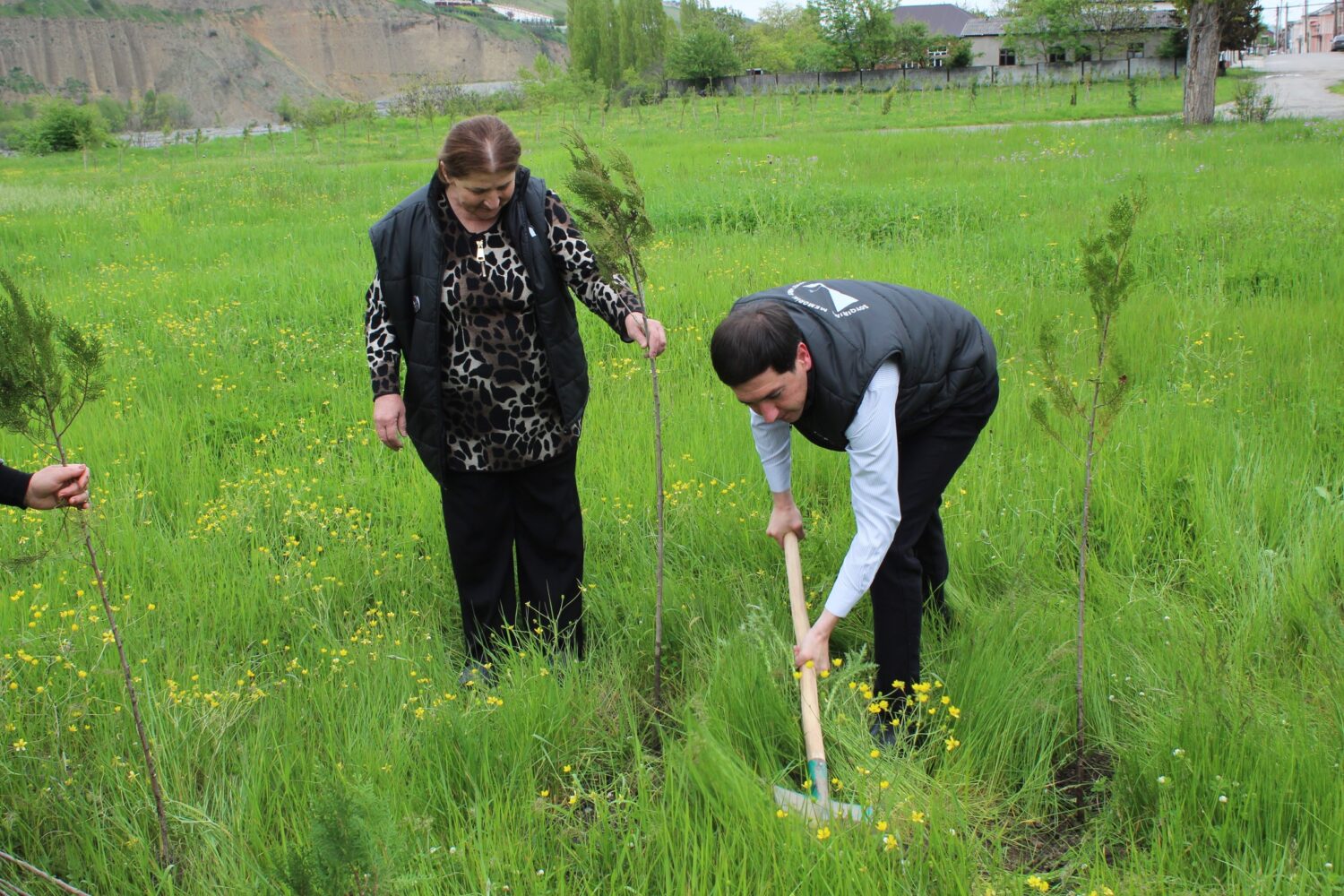
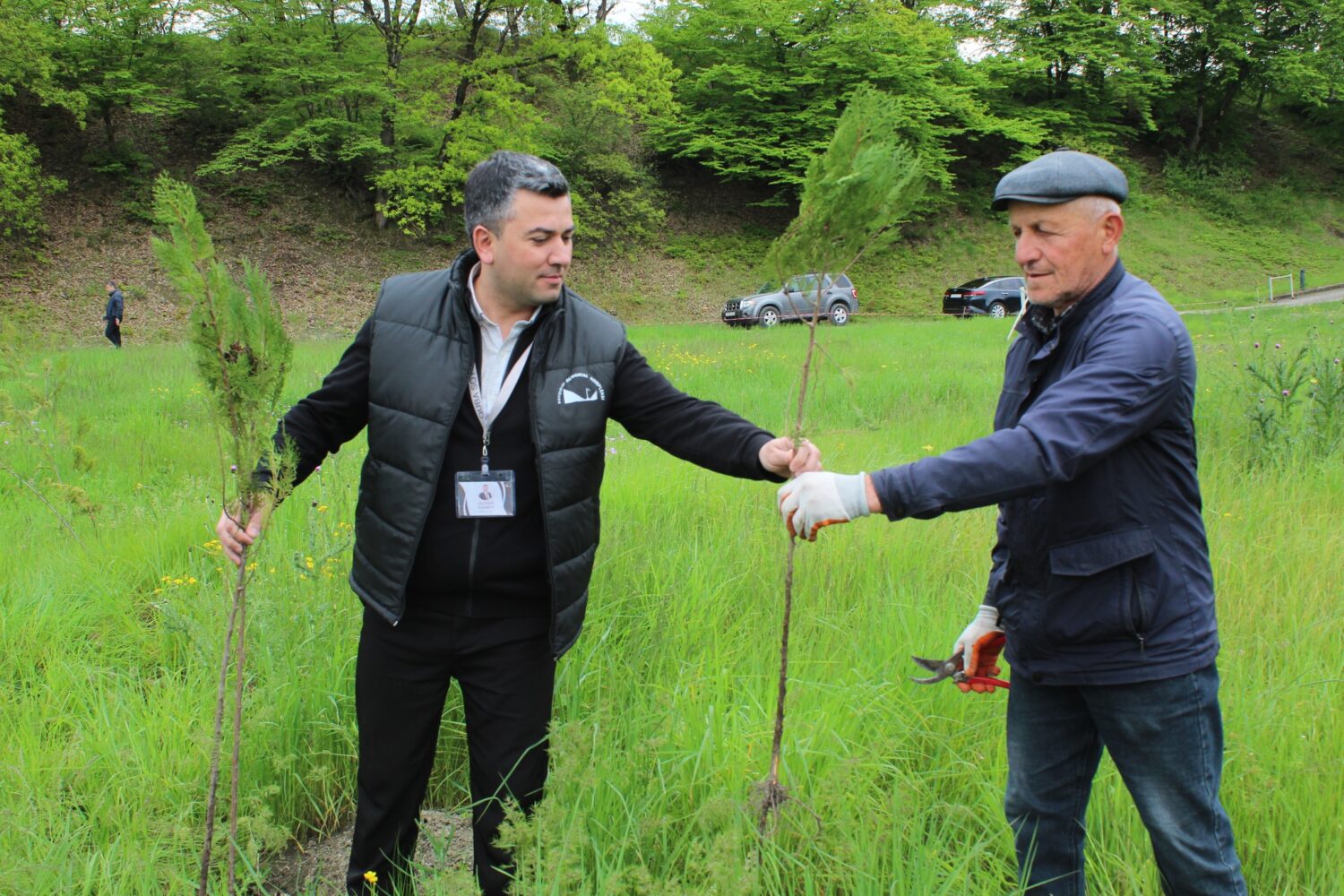
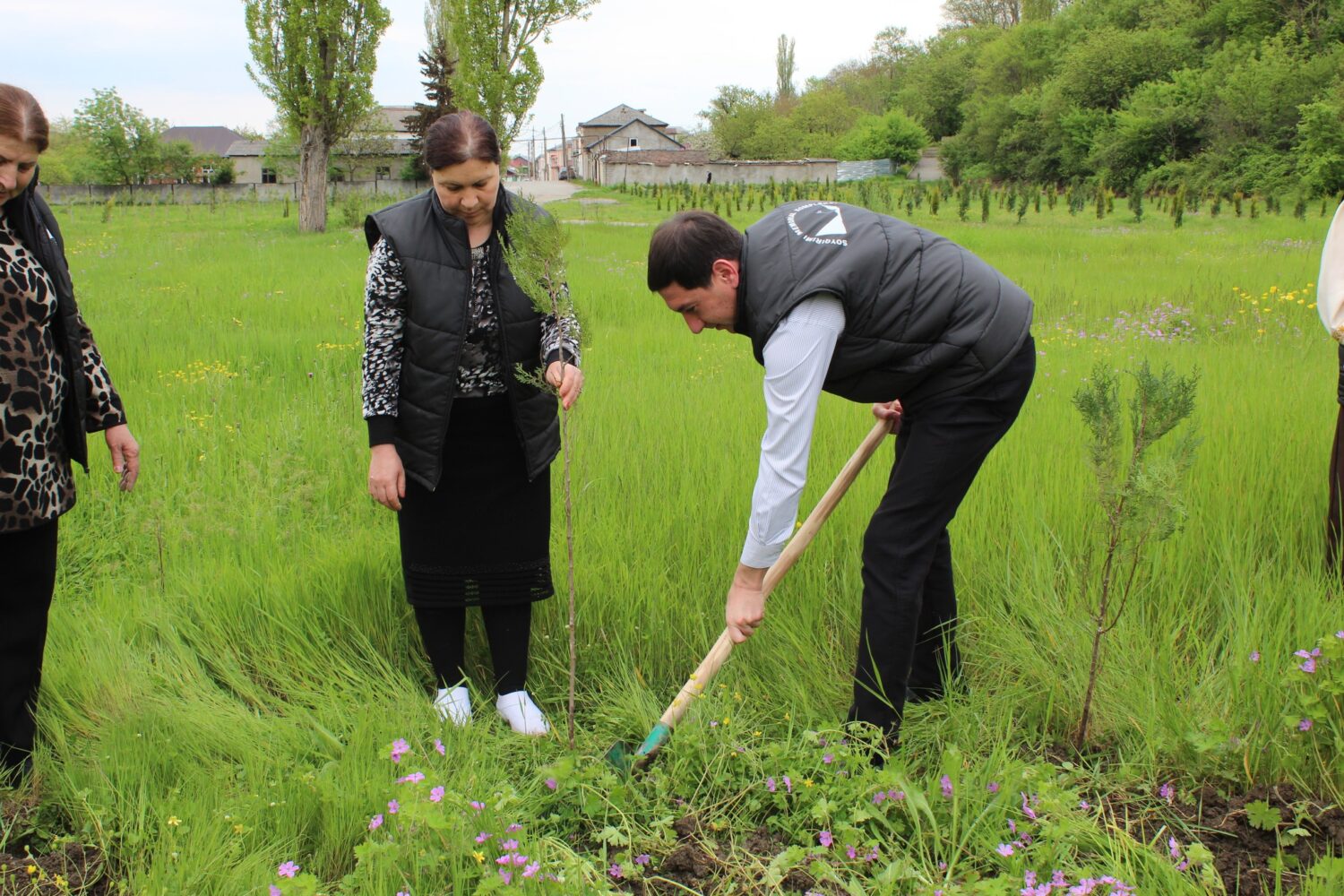
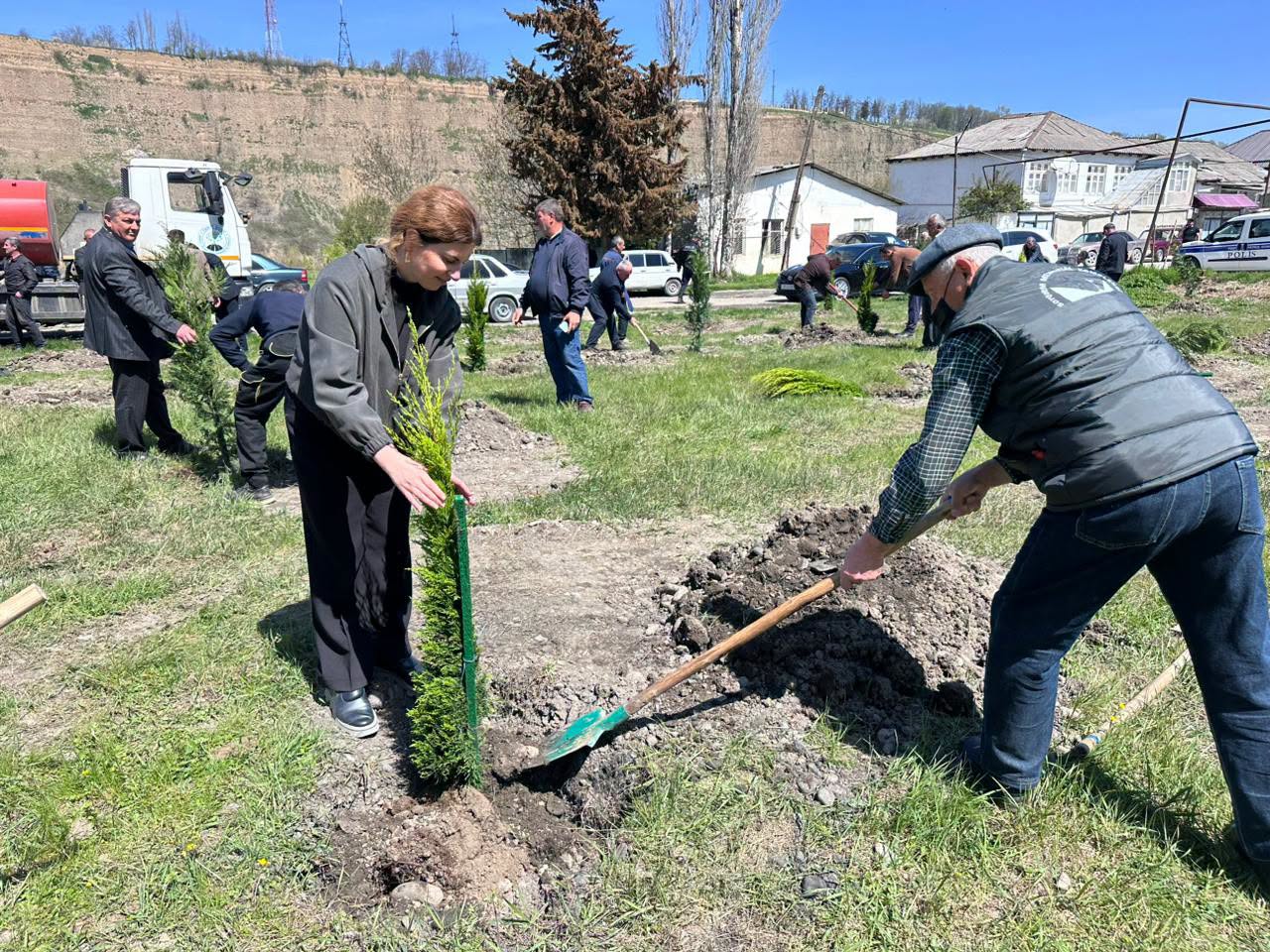
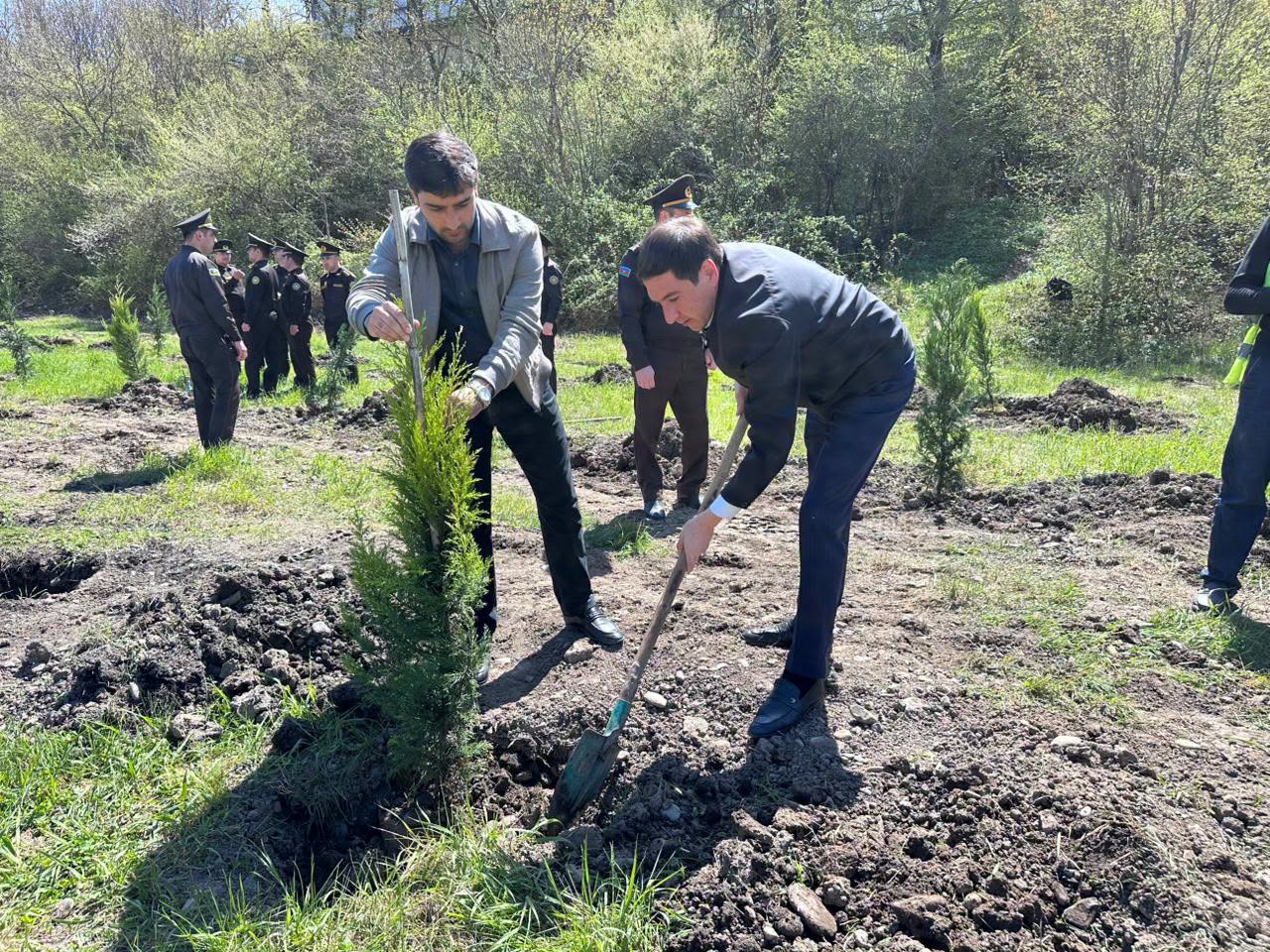
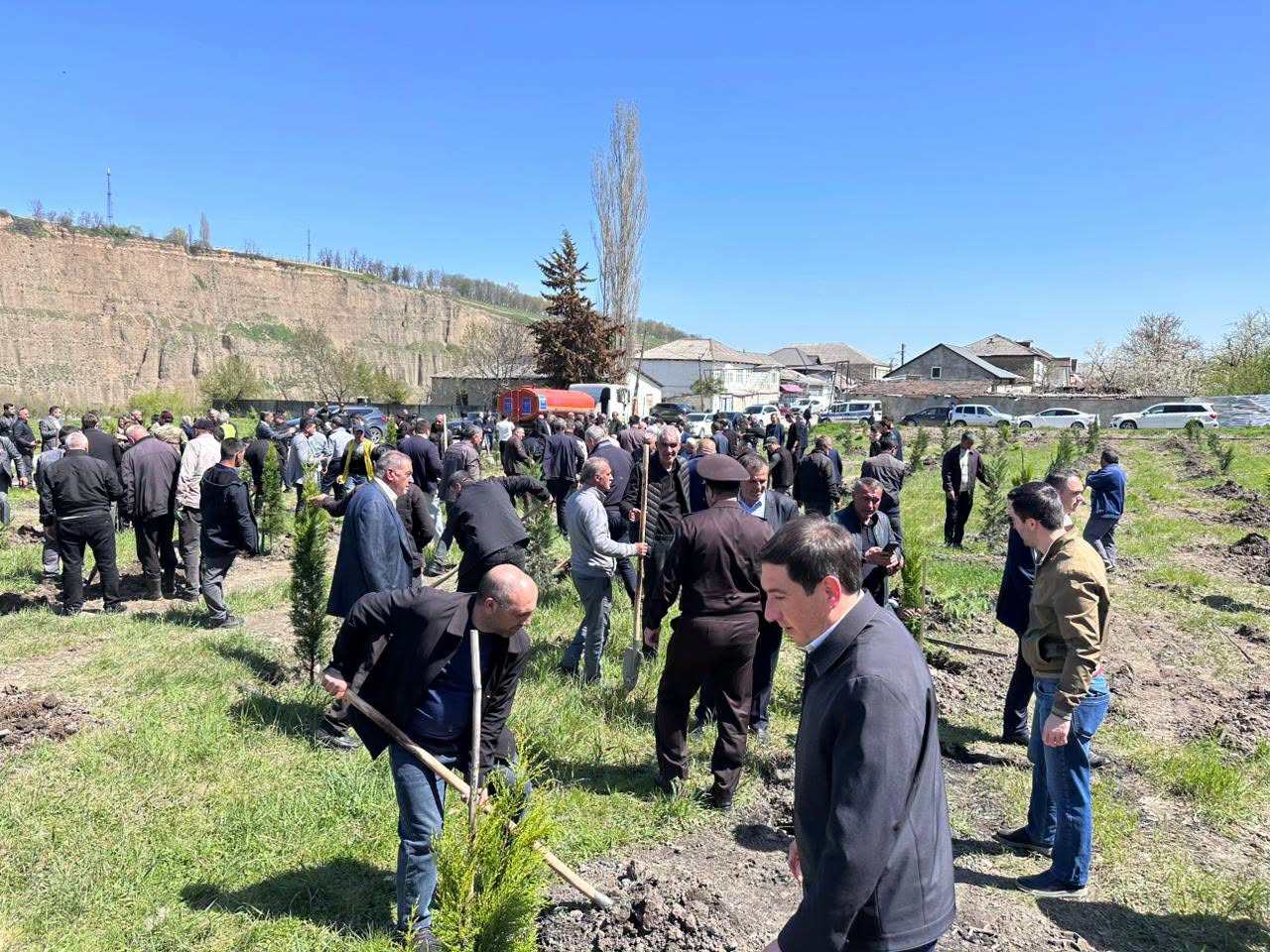
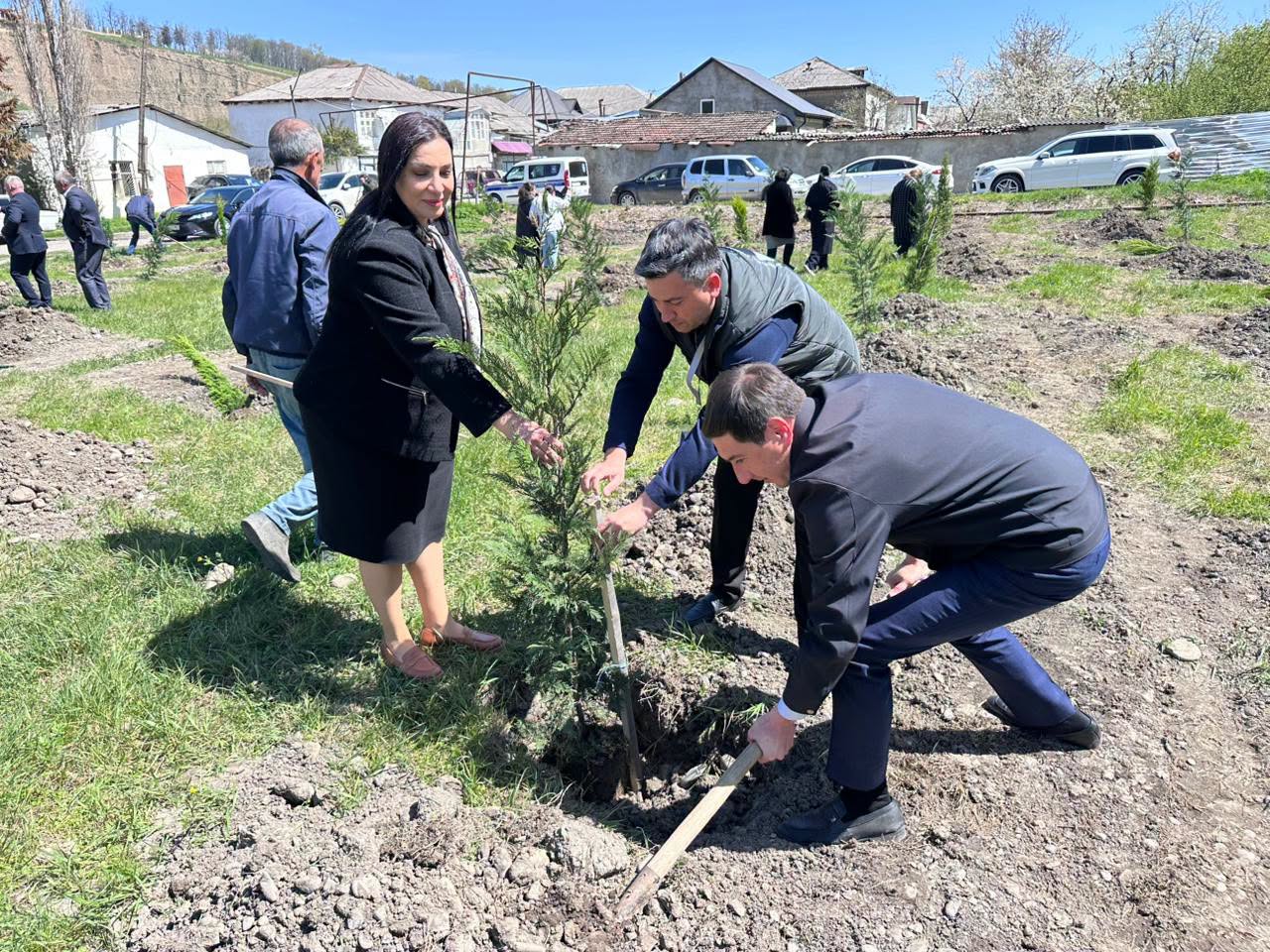
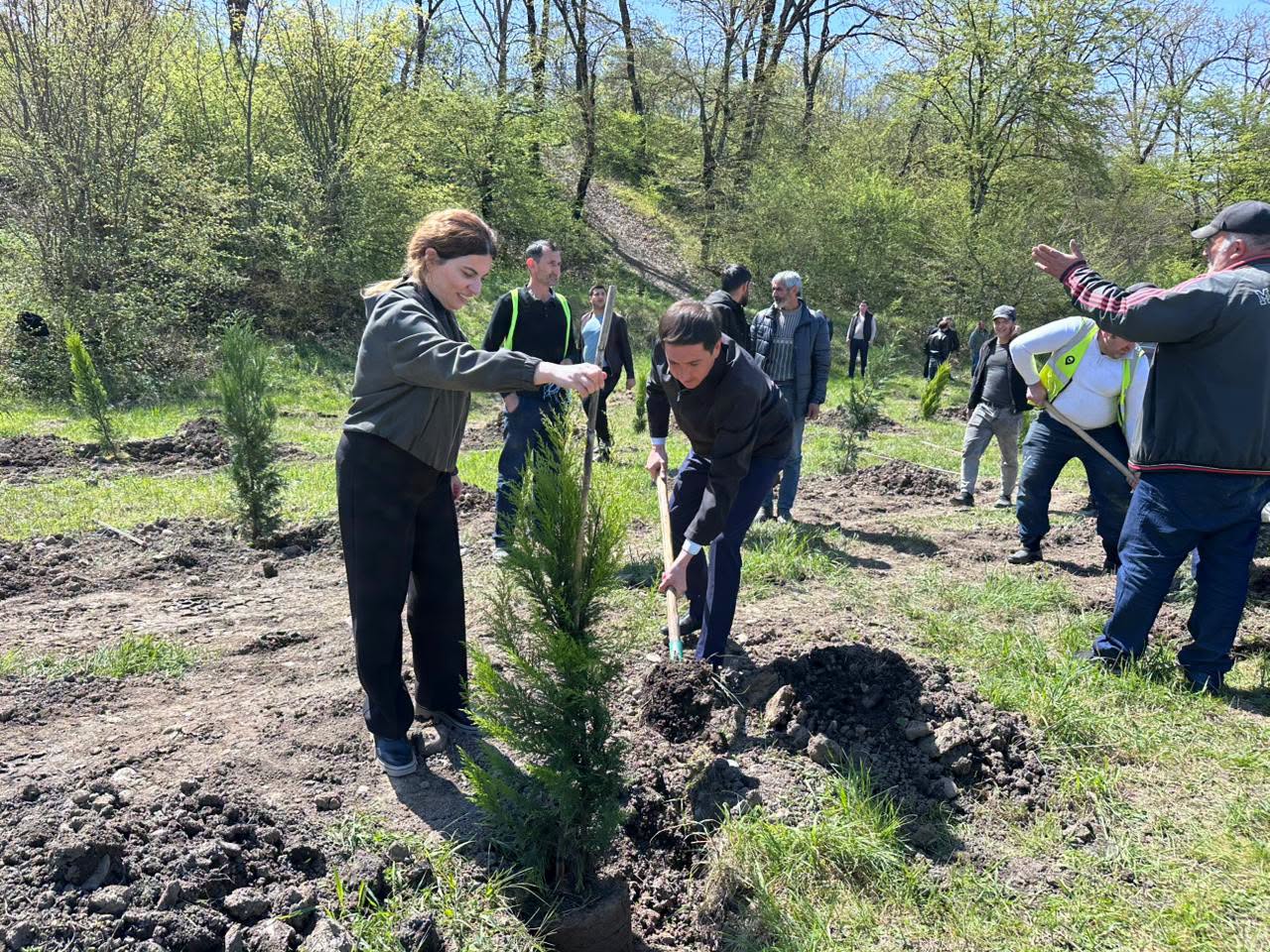
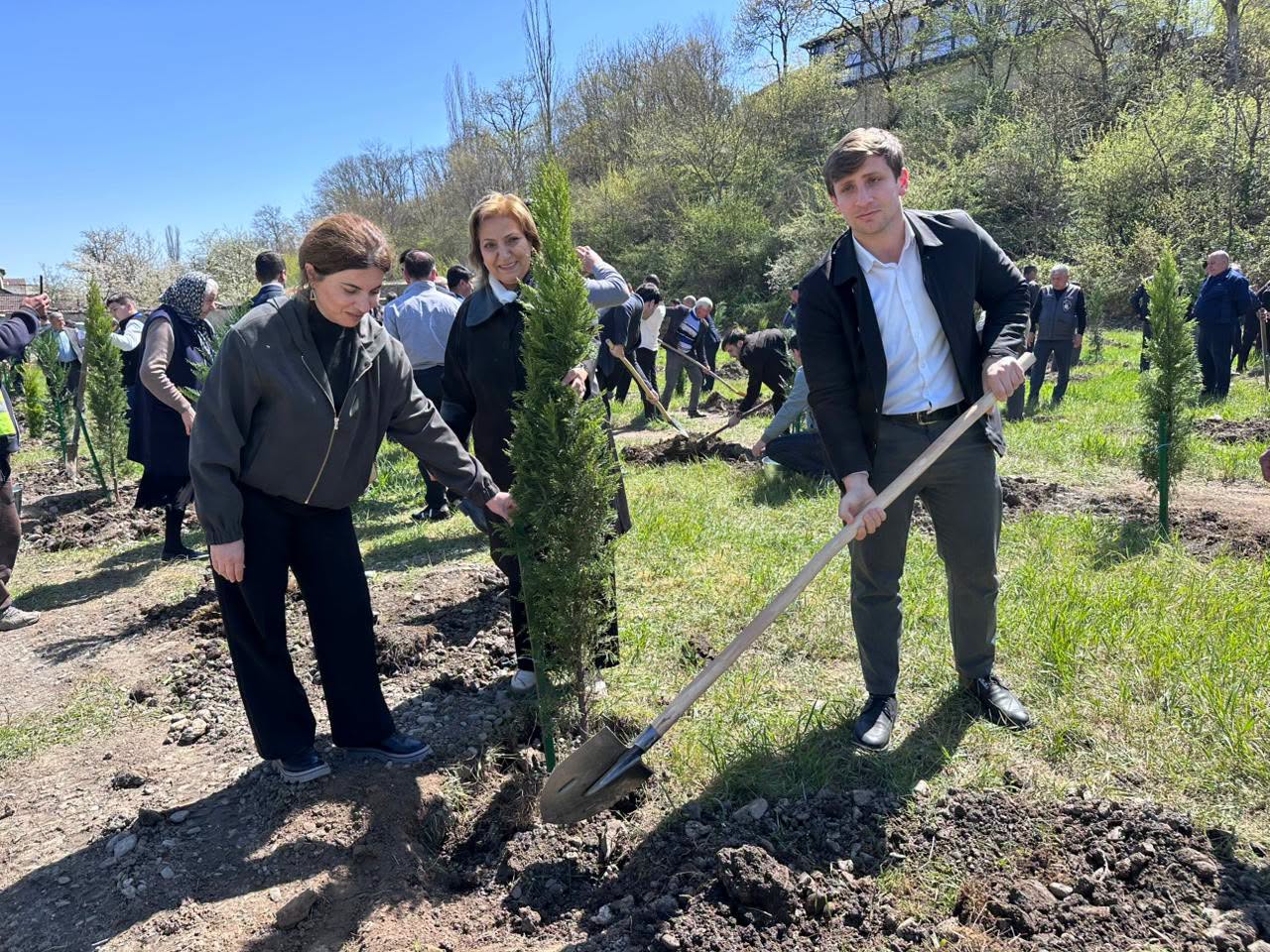
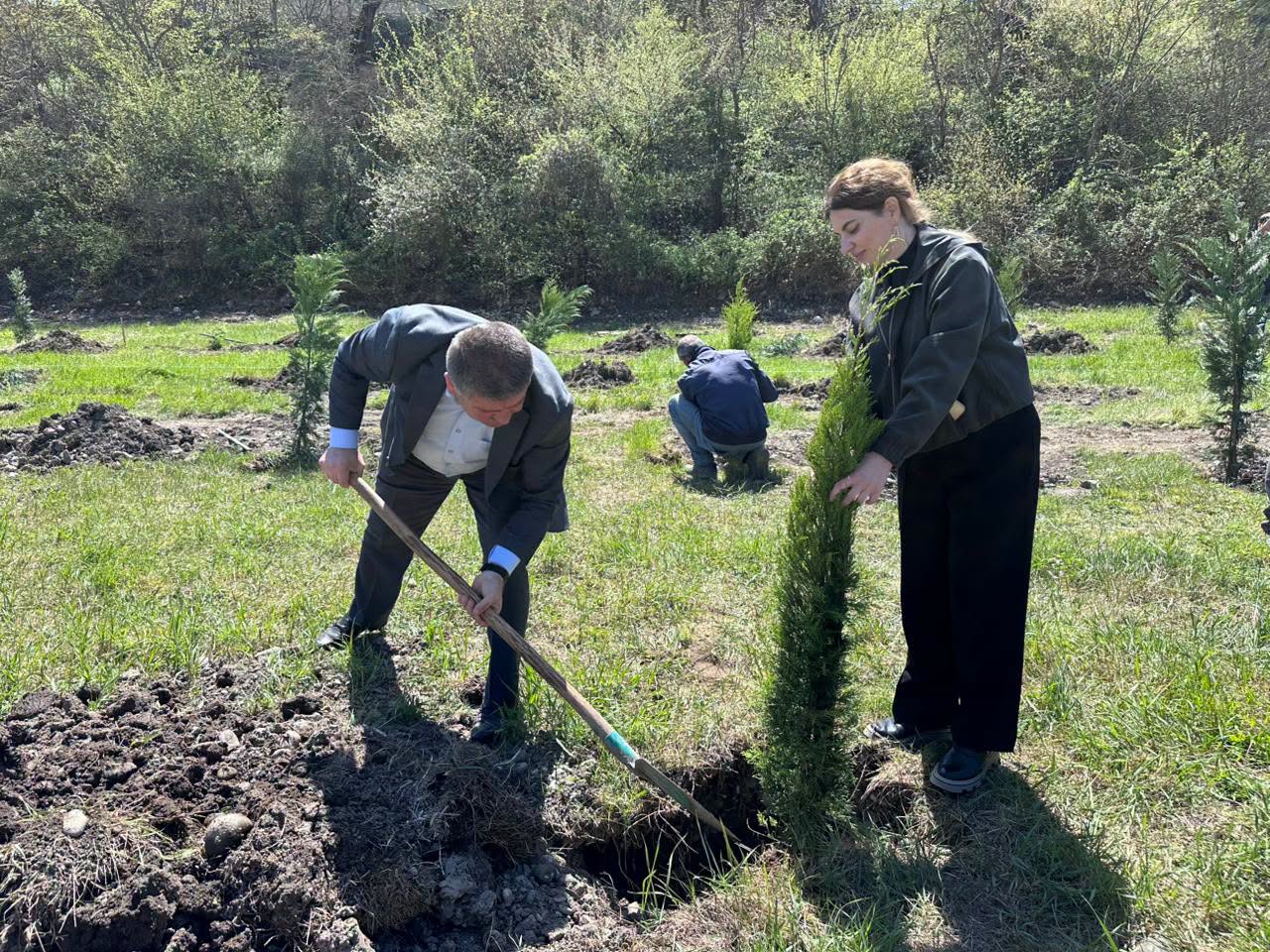
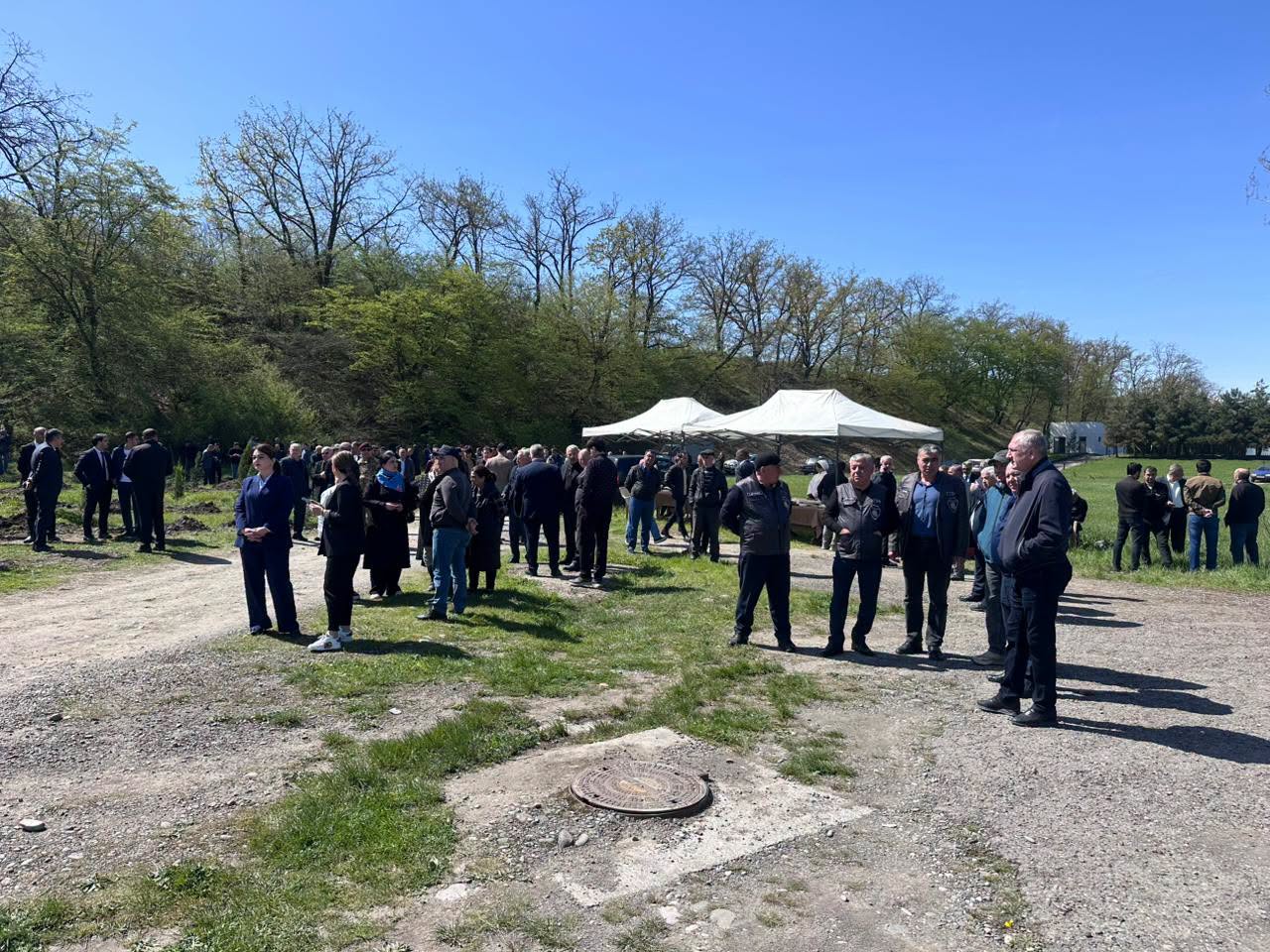
Soyqırımı Memorial Kompleksinin kollektivi ağacəkmə aksiyası keçirib.

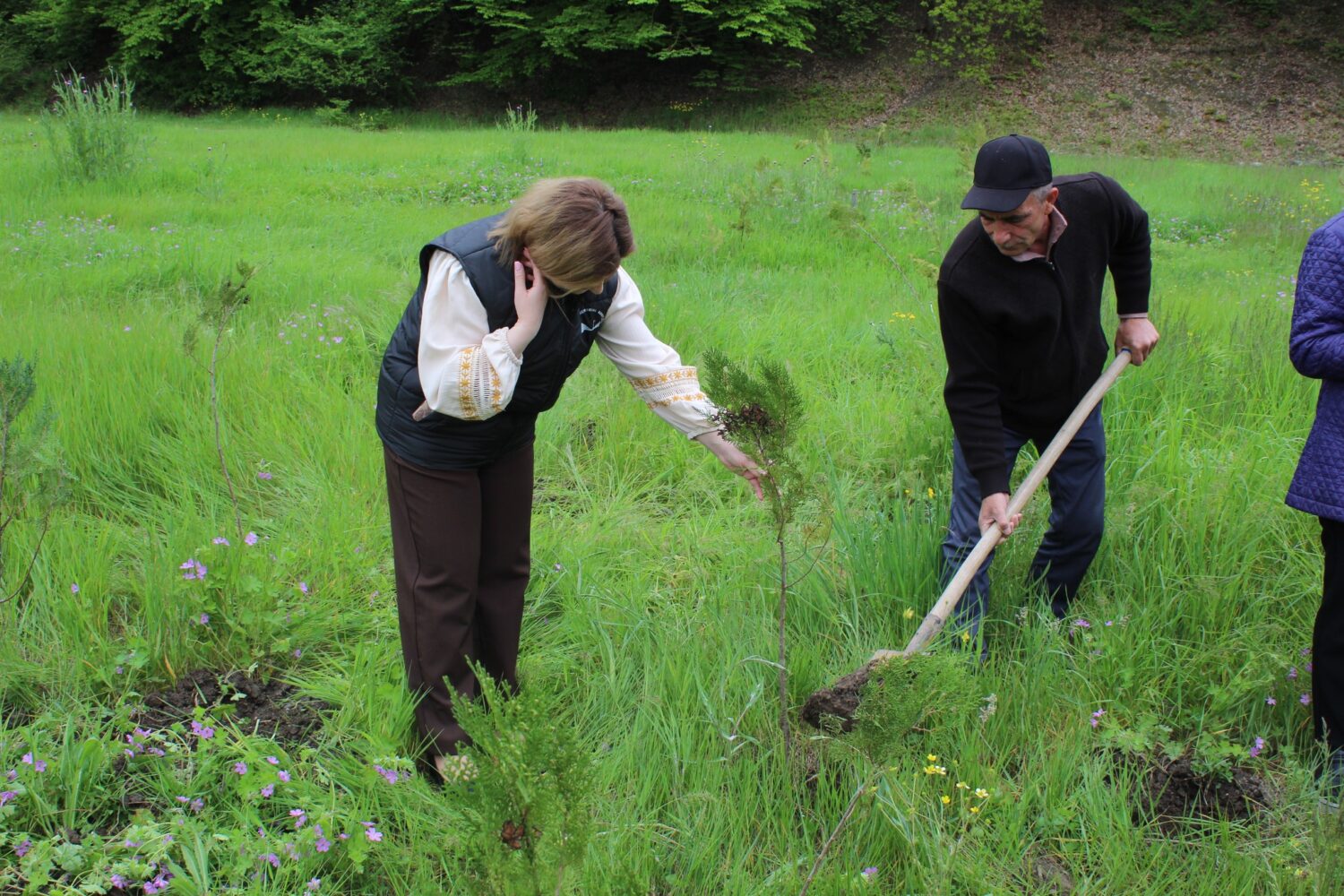
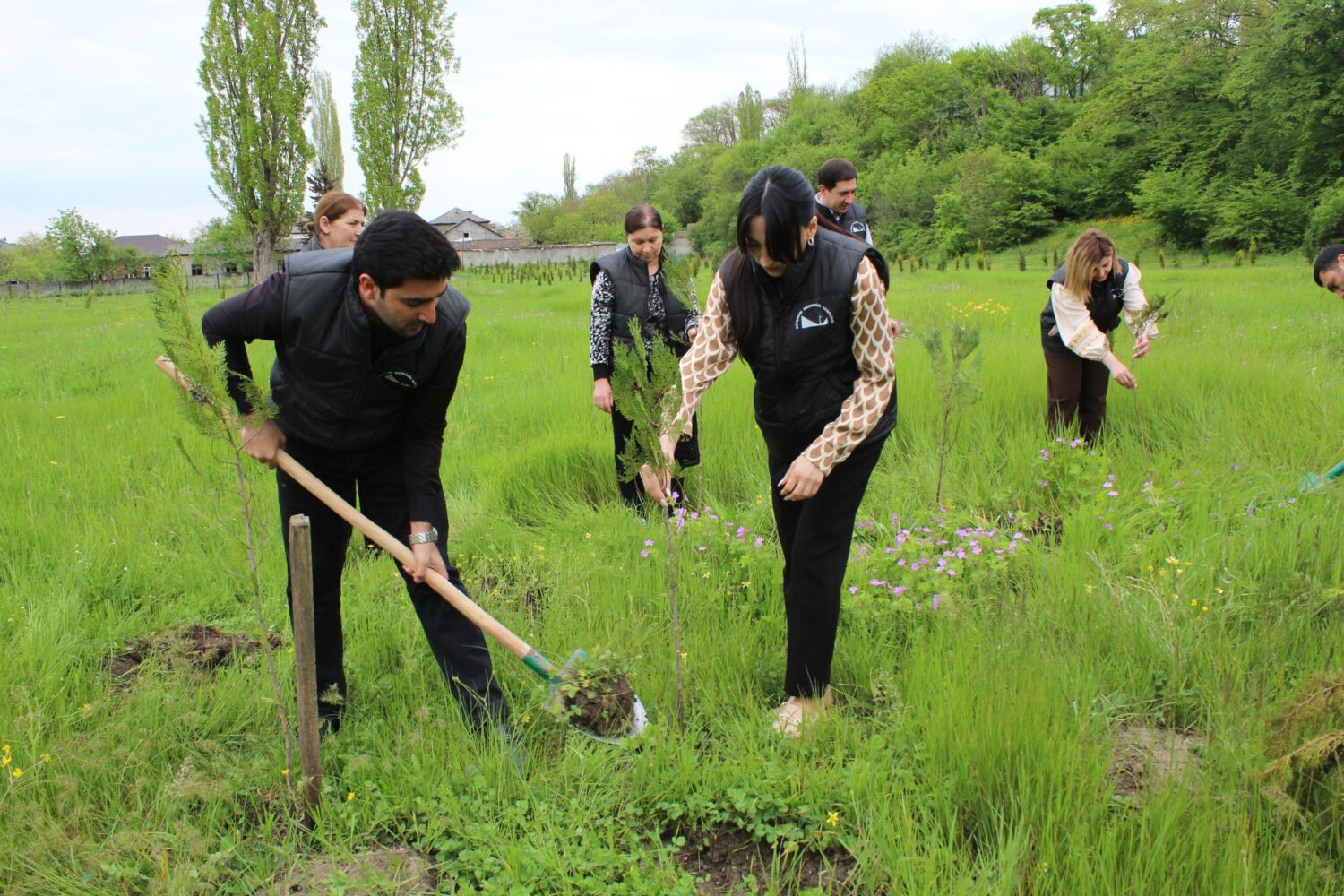
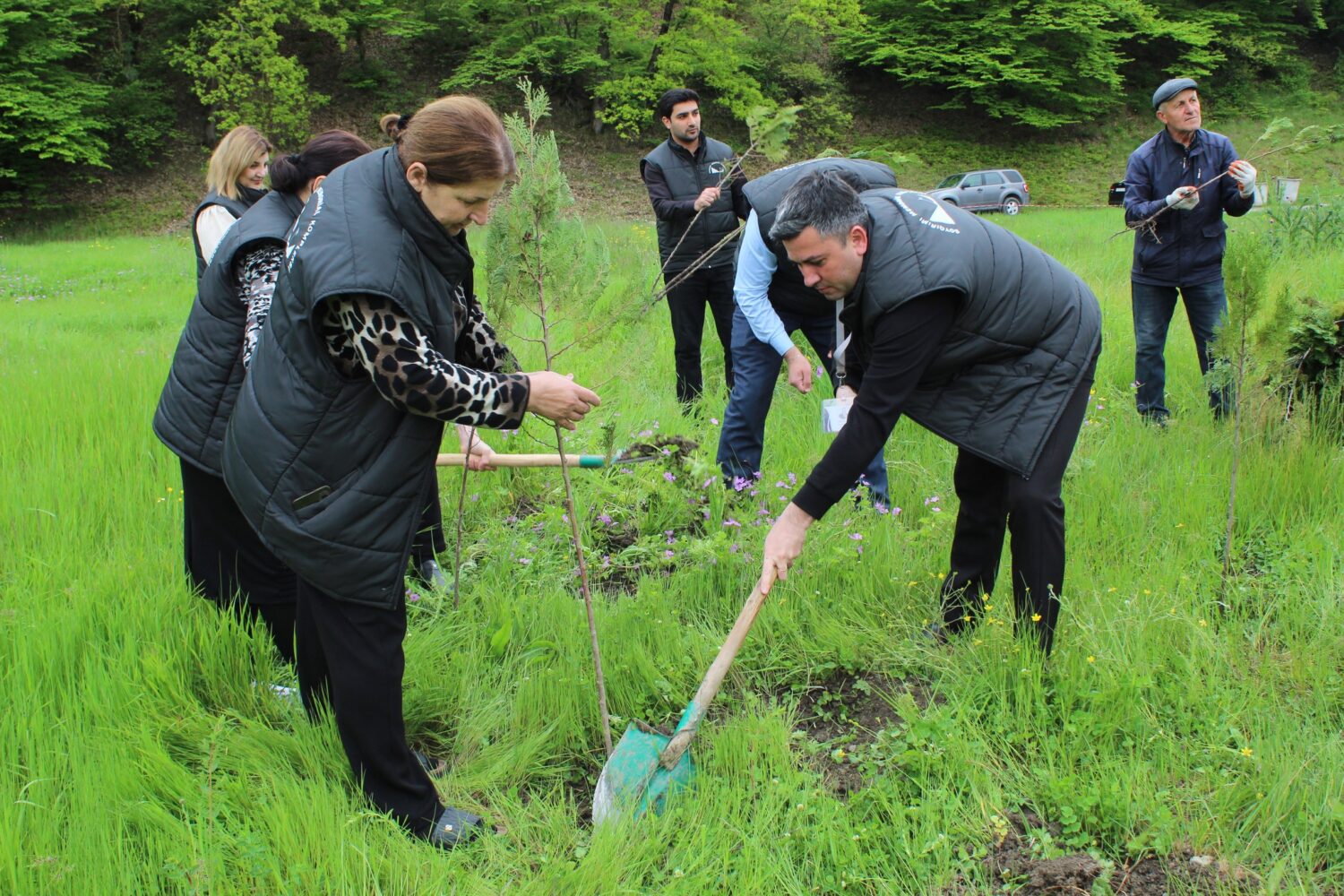
Mədəniyyət Nazirliyi yanında Mədəni İrsin Qorunması, İnkişafı və Bərpası üzrə Dövlət Xidmətinin nəzdində fəaliyyət göstərən Quba şəhərində “Soyqırımı Memorial Kompleksi”nin rəhbərliyi və kollektivi tərəfindən Ümummilli Lider Heydər Əliyevin anadan olmasının 103-cü ildönümü münasibətilə kompleks ərazisində ağacəkmə aksiyası keçirilib. Tədbir zamanı ərazinin torpaq-iqlim şəraitinə uyğun müxtəlif növ ağaclar əkilib, onların küləkdən qorunması və normal böyüməsi üçün mineral gübrələrdən və digər lazımi vasitələrdən istifadə edilib, suvarma işləri görülüb. Qeyd edək ki, “Soyqırımı Memorial Kompleksi”nin kollektivi də hər il könüllü şəkildə ağacəkmə kampaniyalarında fəal iştirak etməklə bu təşəbbüslərə öz töhfəsini verir, eyni zamanda Ulu Öndər Heydər Əliyevin təbiətə və ekologiyaya qayğı ənənələrini yaşadır.

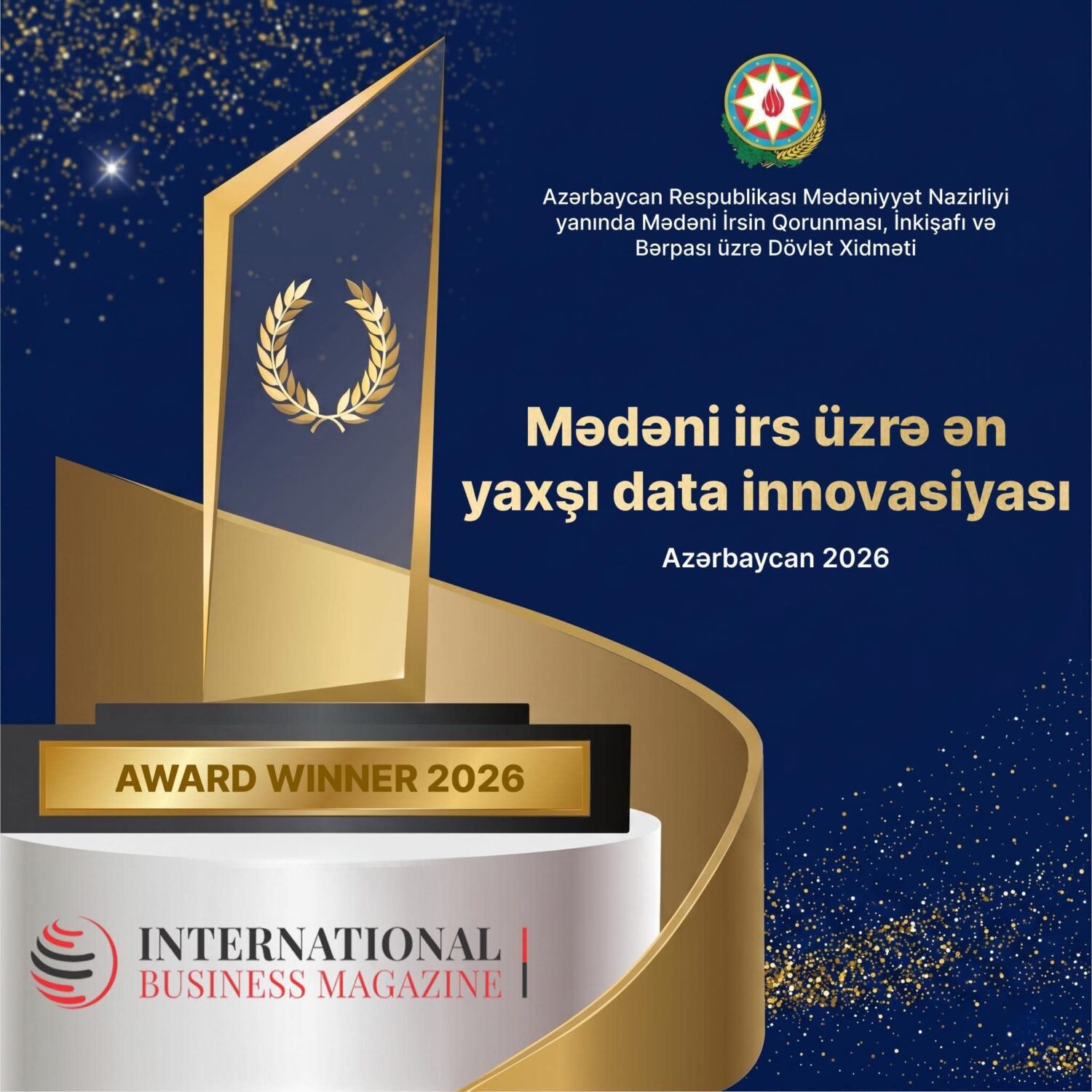
The State Service has been awarded the international prize for Best Cultural Heritage Data Innovation.

The State Service for the Protection, Development and Restoration of Cultural Heritage under the Ministry of Culture of the Republic of Azerbaijan has achieved a significant international success.
The Service was announced as the winner in the “Best Cultural Heritage Data Innovation Azerbaijan” nomination at the 2026 competition organized by the international media organization International Business Magazine.
Receiving this award on the anniversary of the establishment of the Ministry of Culture (April 20, 2018) gives this achievement special symbolic meaning and makes it a valuable contribution to this notable date.
The award is presented for innovative approaches in the field of cultural heritage protection and management, particularly for the application of modern technologies and the effective management of databases.
Projects implemented by the State Service—especially the digitization of cultural heritage sites, as well as the systematic collection and management of data—were highly appreciated by international experts. At the same time, efforts aimed at preserving, restoring, and promoting Azerbaijan’s rich cultural heritage, along with the innovative data solutions applied in this field, were also specifically recognized.
This achievement reflects both the strengthening of Azerbaijan’s international reputation in the field of cultural heritage and the global recognition of its efforts in digitalization.
It should be noted that competitions organized by International Business Magazine bring together government institutions, research institutes, and international organizations from various countries, and outstanding participants are awarded.

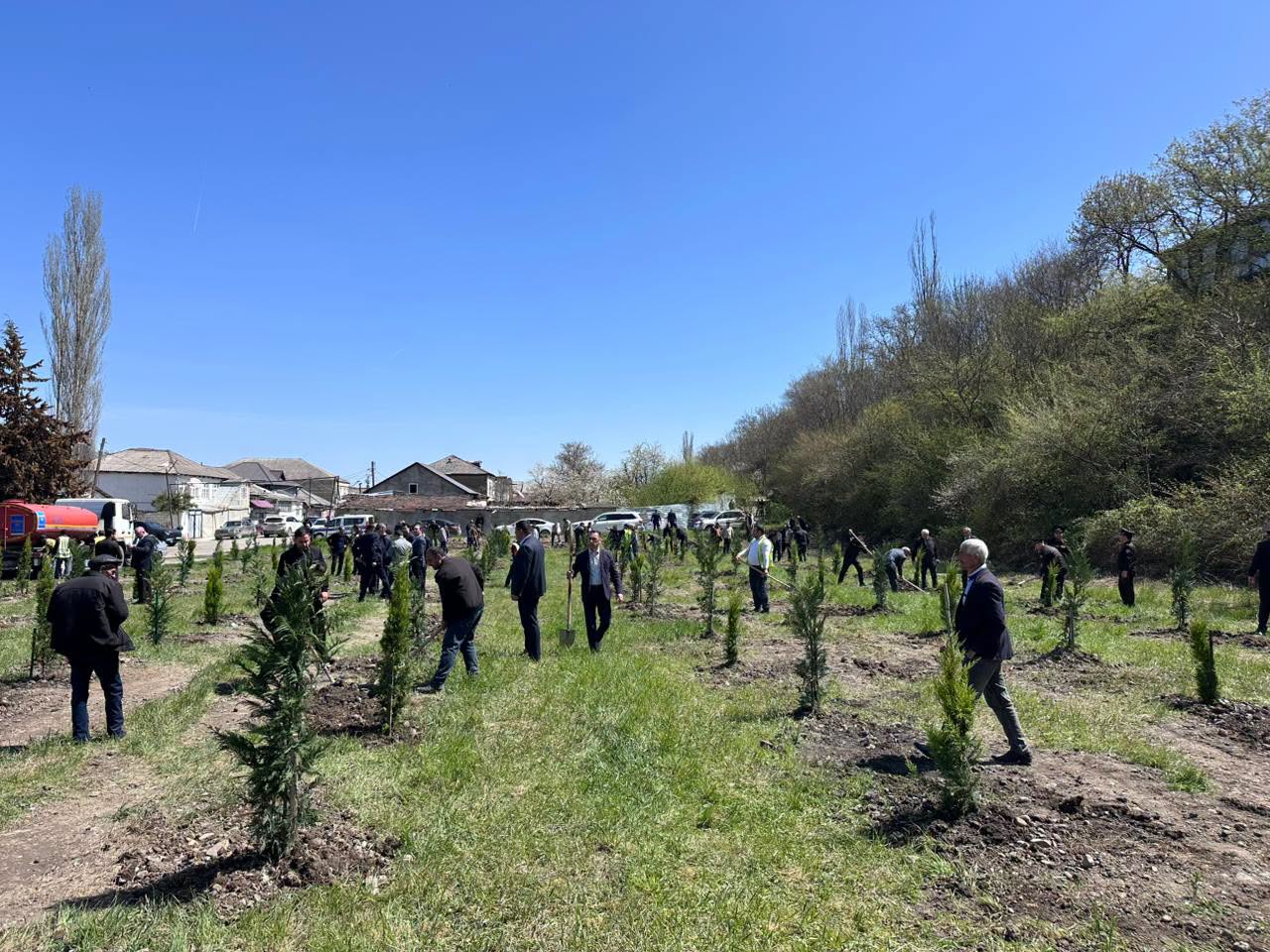
Employees of the “Genocide Memorial Complex” in the city of Quba, operating under the State Service for the Protection, Development and Restoration of Cultural Heritage under the Ministry of Culture of the Republic of Azerbaijan, participated in a tree-planting campaign dedicated to the “Year of Urban Planning and Architecture,” organized by the Quba District Executive Authority.

As part of the campaign, held in the area near the Genocide Memorial Complex, important steps were taken toward environmental protection, increasing green spaces, and ensuring ecological balance. Participants planted various types of tree saplings, contributing to the creation of a healthier and greener environment for future generations.

An event was held in connection with April 18 – International Day for Monuments and Sites.

Within the framework of the “Year of Urban Planning and Architecture” in 2026 and on the eve of April 18 – International Day for Monuments and Sites, an event titled “Protect Your Heritage, Preserve Your History!” was jointly organized by the “Genocide Memorial Complex” in the city of Quba, operating under the State Service for the Protection, Development and Restoration of Cultural Heritage under the Ministry of Culture of the Republic of Azerbaijan, the Quba District Executive Authority, the Quba-Khachmaz Regional Department of the State Committee for Work with Religious Organizations, and the Quba ASAN Service Center.

Opening the event, the director of the complex, Dr. Rakhshanda Bayramova, welcomed the participants and provided detailed information about the activities of the complex and the projects being implemented. She noted that April 18 is celebrated worldwide as the International Day for Monuments and Sites. This significant day was established by UNESCO in 1983 upon the proposal of the International Council on Monuments and Sites (ICOMOS), with the aim of drawing public attention to the protection of monuments and historical sites.

Other speakers included Anar Mammadov, Head of the Socio-Political and Humanitarian Affairs Sector of the Quba District Executive Authority; Aynur Yahyayeva, Chief Advisor of the sector; Elnur Agasiyev, Head of the Quba-Khachmaz Regional Department of the State Committee for Work with Religious Organizations; and Vafa Rustamova, an employee of the Quba ASAN Service Center. They emphasized that April 18 – International Day for Monuments and Sites is also widely celebrated in Azerbaijan. Each year, various events and exhibitions are organized in reserves and historical locations to promote the protection of monuments and historical sites.

It was noted that such events play an important role in strengthening the younger generation’s commitment to national values.

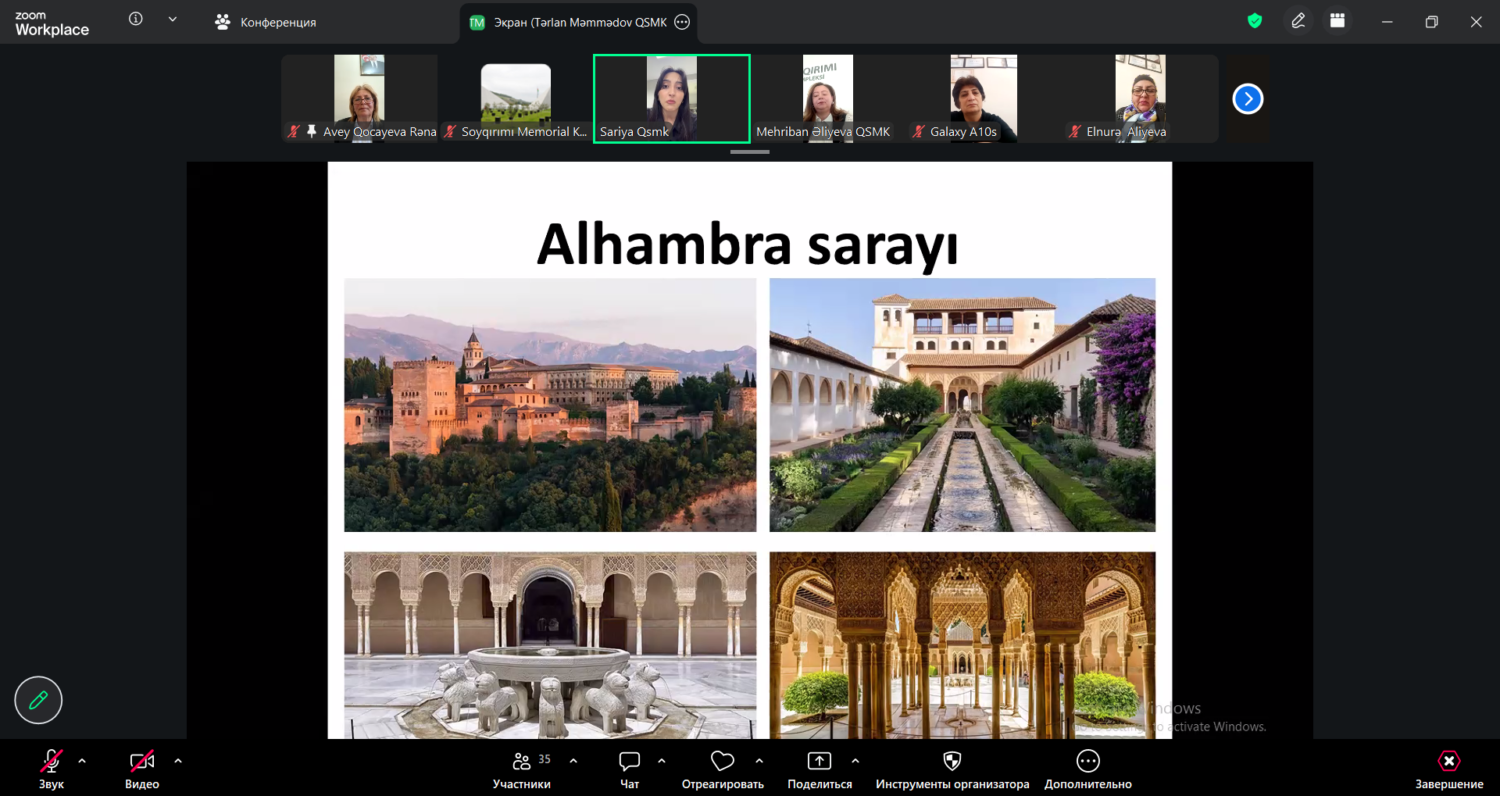
Following this, employees of the “Genocide Memorial Complex” in Quba—Orkhan Huseynov, Ulkar Zeynalova, Nurjan Allahverdiyeva, and Sariyya Abidova—delivered presentations providing detailed information about global and local historical monuments.

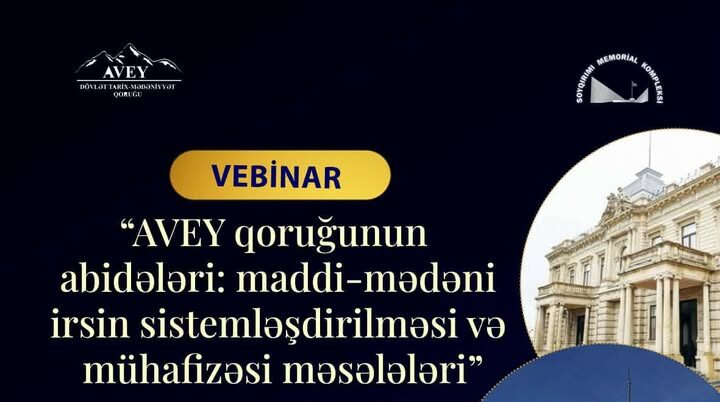
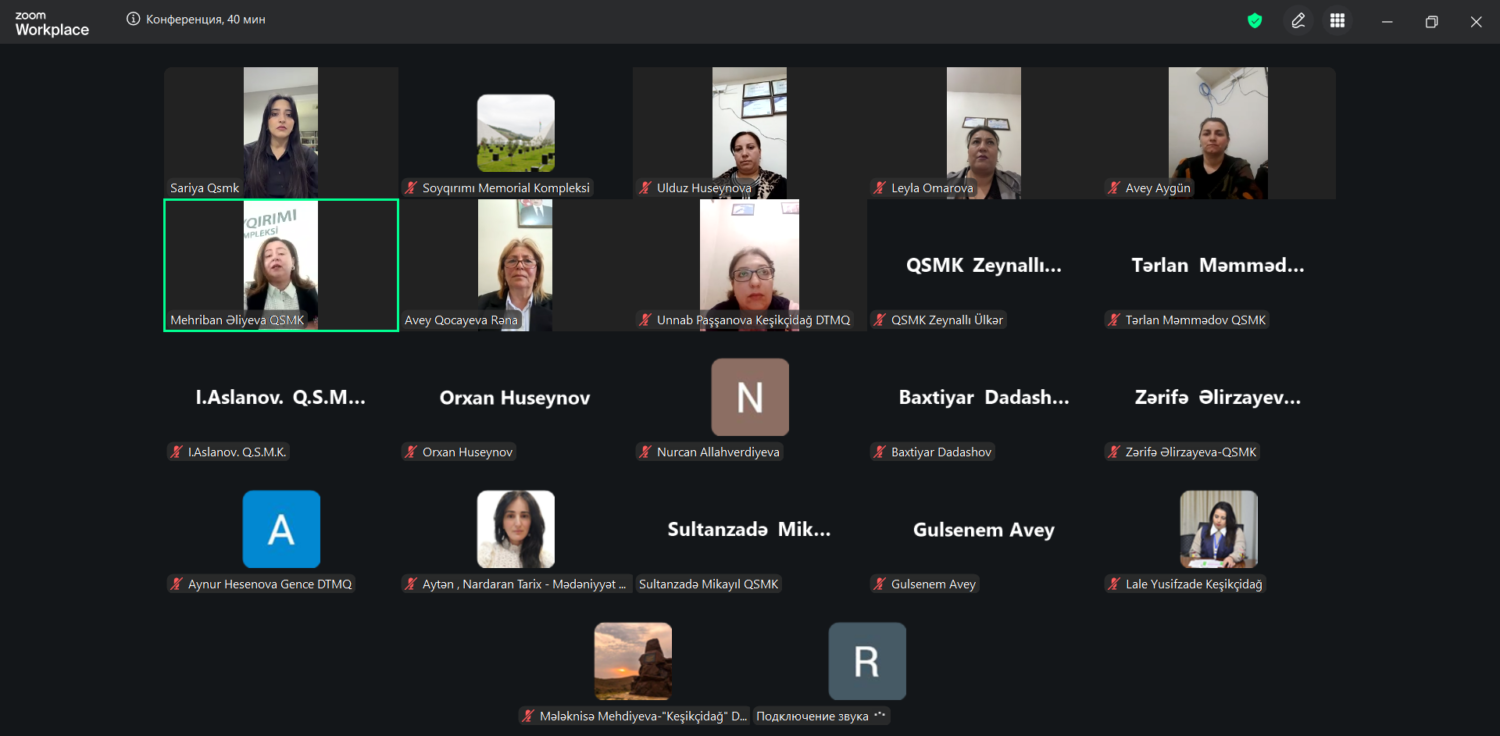
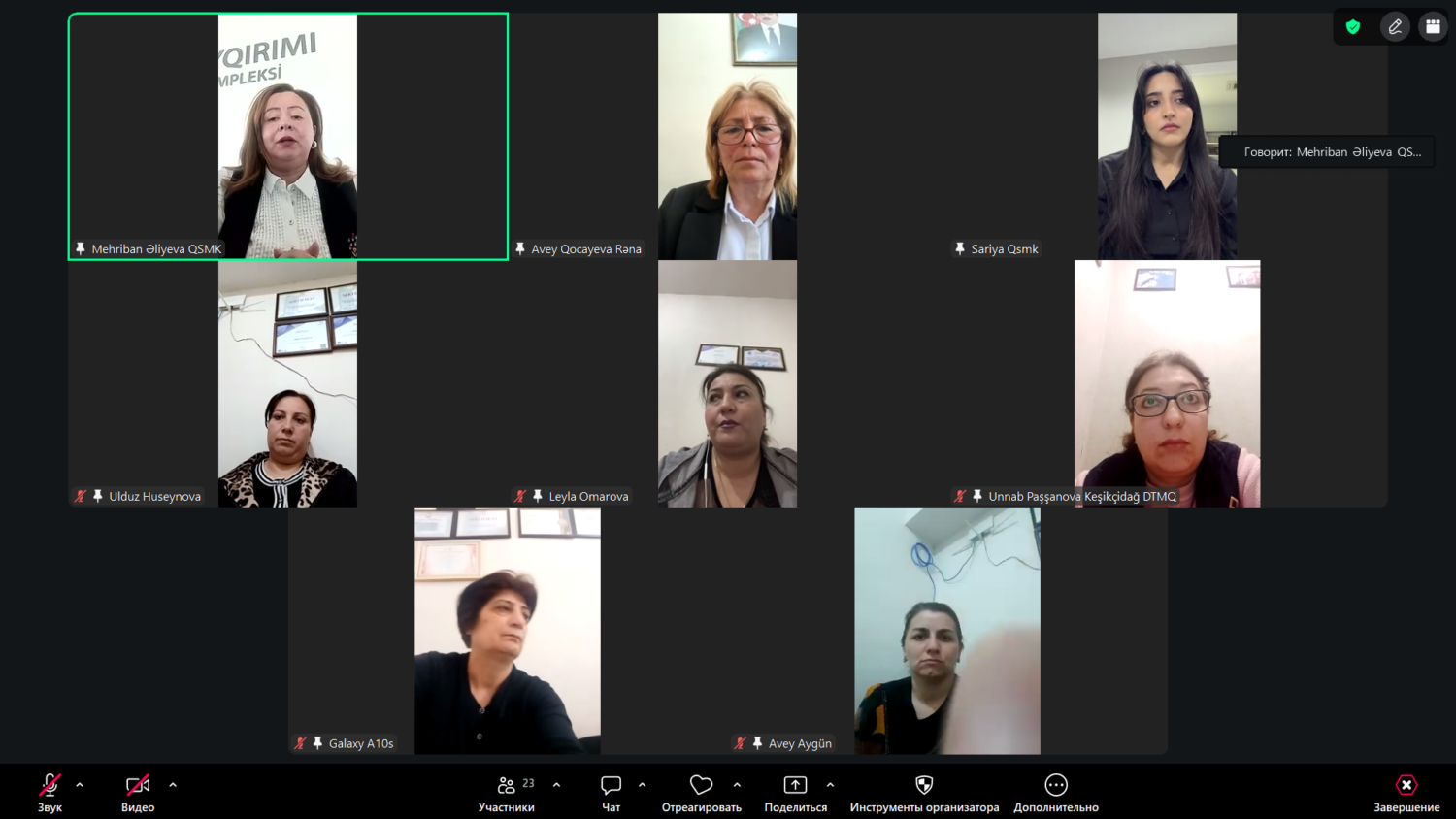
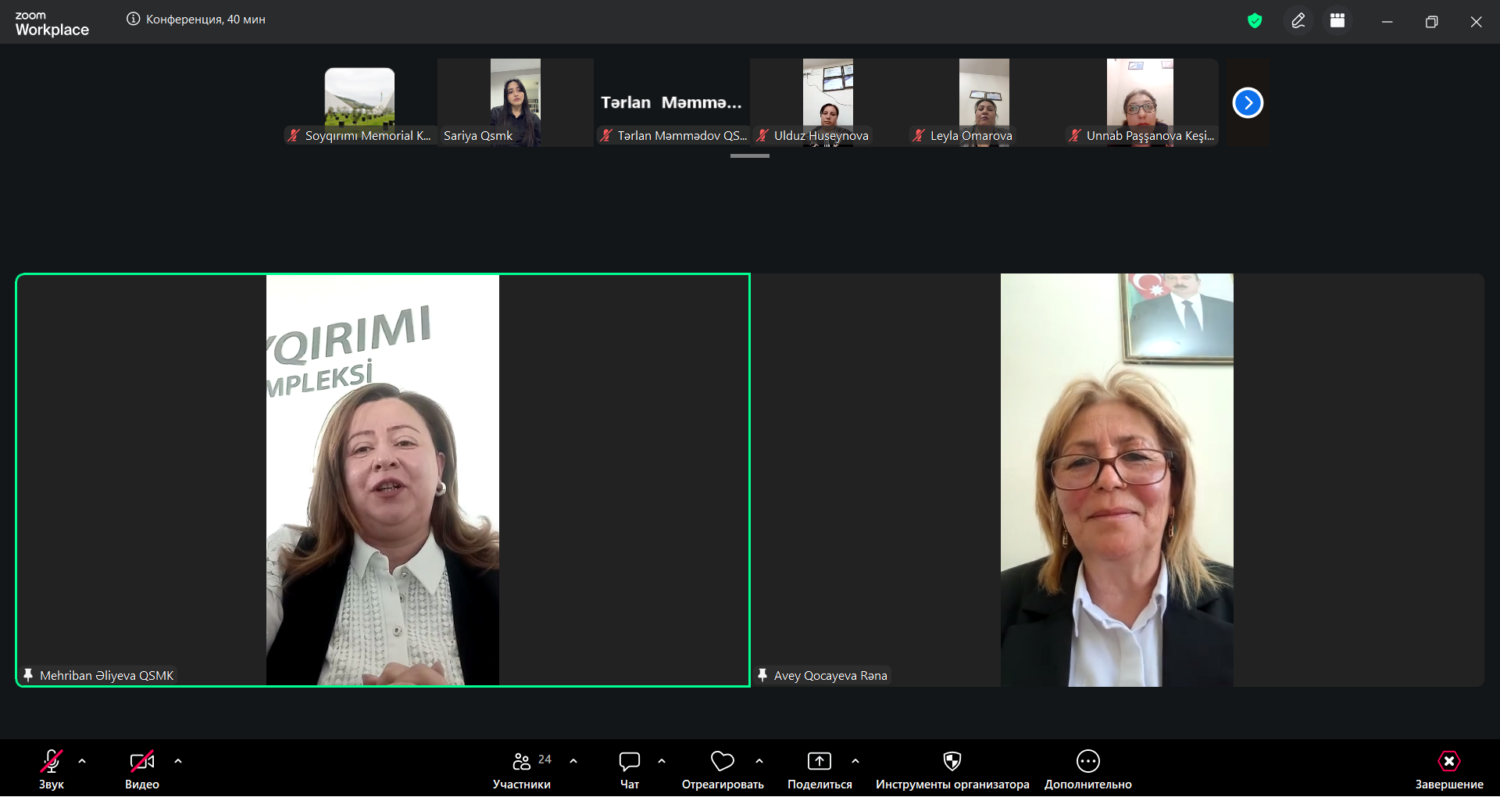
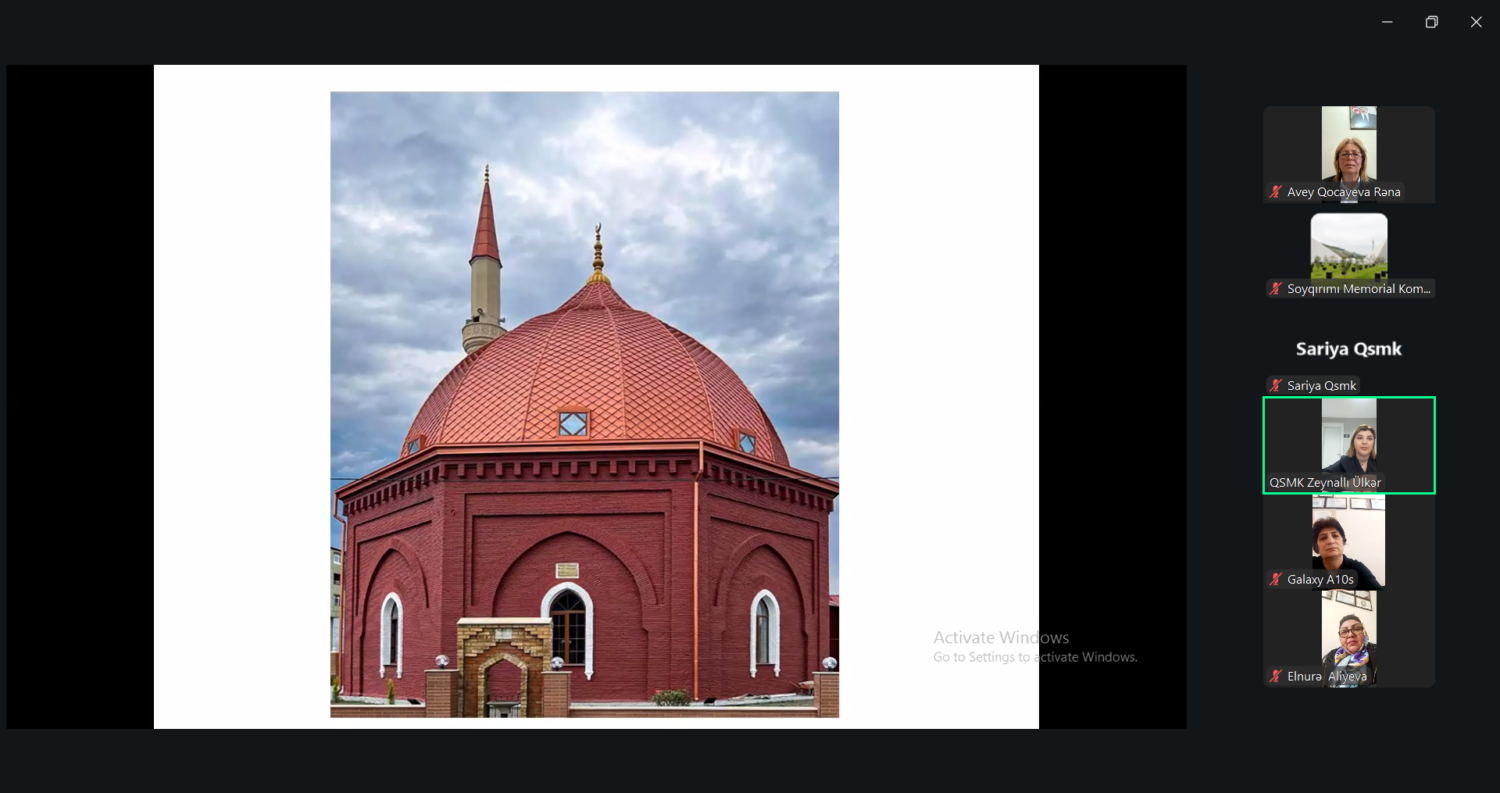
As part of the “Year of Urban Planning and Architecture” in 2026, a webinar titled “Monuments of the Avey Reserve: Issues of Systematization and Protection of Material and Cultural Heritage” was held. The event was jointly organized by the “Genocide Memorial Complex” in the city of Quba and the “Avey” State Historical and Cultural Reserve, both operating under the State Service for the Protection, Development and Restoration of Cultural Heritage under the Ministry of Culture of the Republic of Azerbaijan.

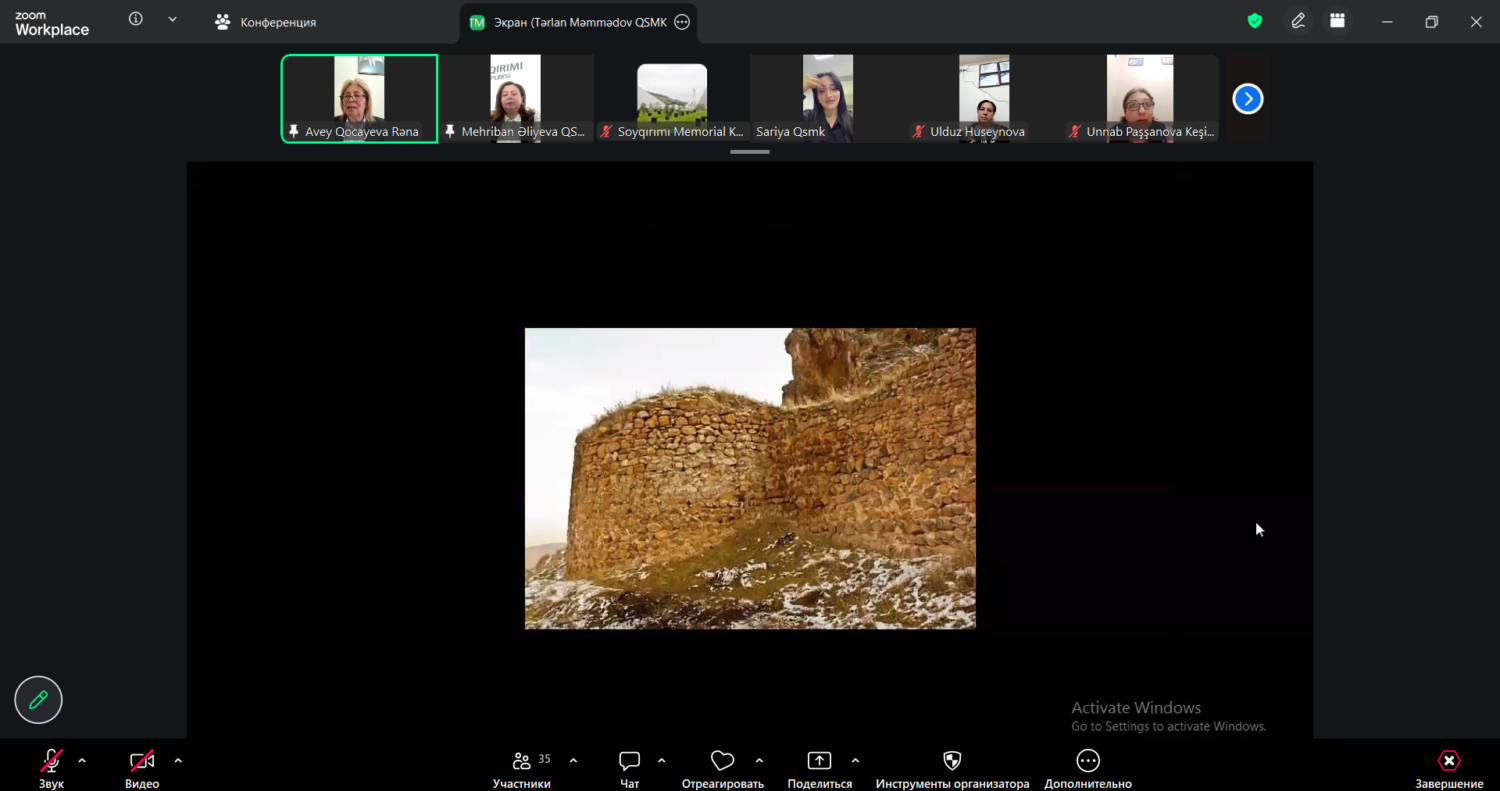
The event was moderated by Mehriban Aliyeva, Deputy Director of the Complex. Speaking at the webinar, Rana Gojayeva, a researcher at the “Avey” State Historical and Cultural Reserve, emphasized that the reserve—rich in historical, architectural, and archaeological monuments—was named after the “Avey” temple, a relic of the ancient Stone Age. She noted that the reserve primarily focuses on history, culture, architecture, art, ethnography, and folklore studies. The archaeological and architectural monuments, as well as movable and immovable historical and cultural artifacts located within the reserve, constitute its main assets. The area contains hundreds of cultural monuments dating back to the Paleolithic, Mesolithic, Eneolithic, Bronze, and Copper Ages, as well as the medieval and later historical periods.

Subsequently, Ulkar Zeynalova and Sariyya Abidova, staff members of the Scientific Research, Exhibition, and Collections Department of the “Genocide Memorial Complex” in Quba, stated that Azerbaijan is one of the regions where human civilization first emerged. Archaeological excavations show that the complex and honorable paths of people who lived in Azerbaijan are reflected in ancient settlements and numerous monuments. These monuments, which have survived to the present day, are preserved as highly valuable examples. Historical monuments spanning centuries and millennia exist throughout the country, serving as unbreakable links connecting the people to their land and ancestors.

They also highlighted that the lower jawbone of an ancient human—known as Azykhantrop—discovered in Azykh Cave proves that Azerbaijan is one of the oldest sites of early human habitation in the world. The settlements discovered in Gobustan confirm that people have lived in this area since ancient times. Thanks to the great attention and care of the Azerbaijani leadership, significant efforts are being made in the country to study, protect, and restore historical monuments, as well as to promote cultural heritage internationally. All of this ensures Azerbaijan’s integration into the global world together with its material and spiritual culture.

It should be noted that nearly 40 employees from various reserves operating under the State Service for the Protection, Development and Restoration of Cultural Heritage participated in the webinar.

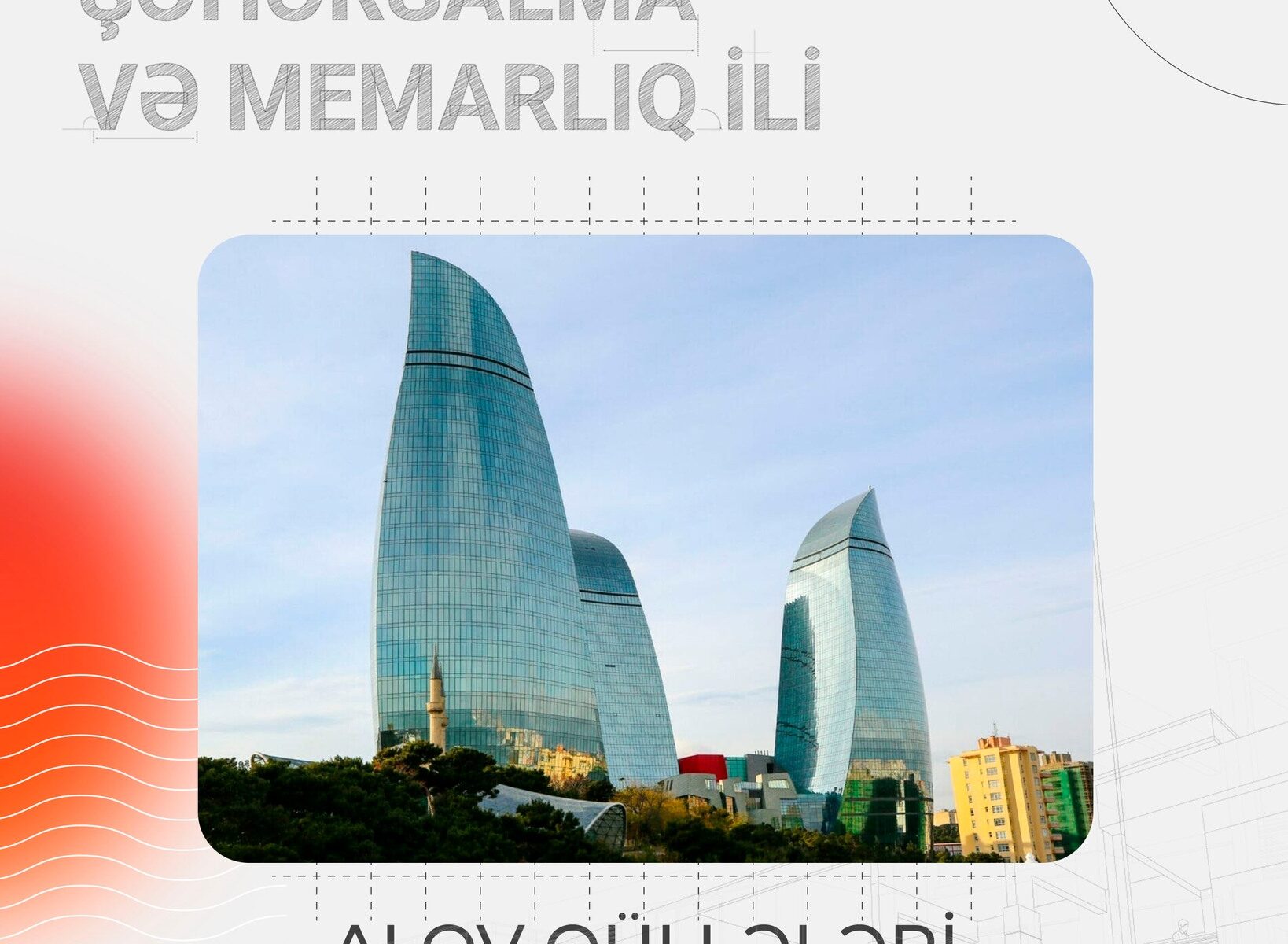
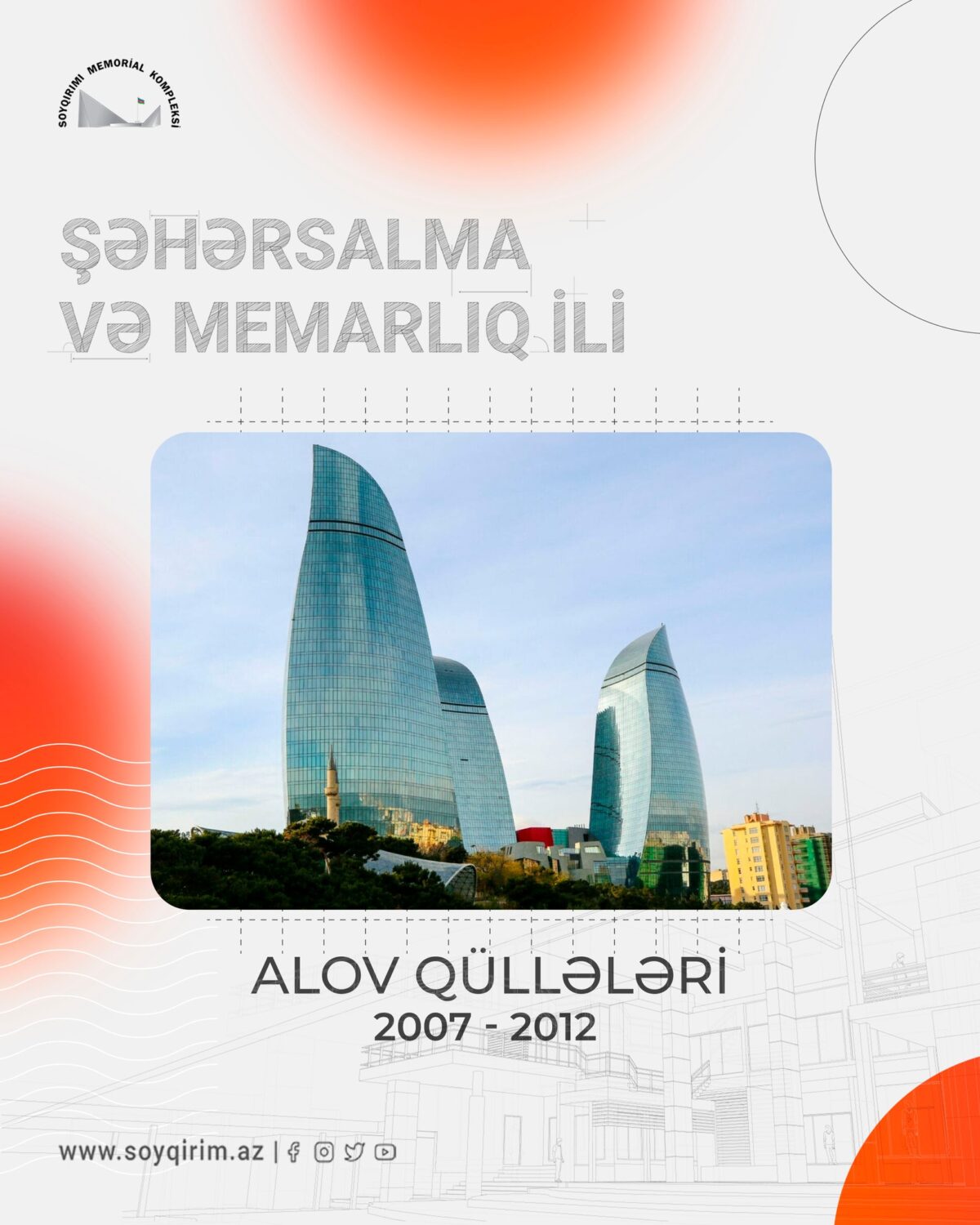
"Flame Towers"

In the modern era, urban planning is not only about constructing buildings but also about shaping the identity of a city. In this regard, the Flame Towers built in Baku, the capital of Azerbaijan, hold special significance both architecturally and aesthetically. These magnificent structures clearly showcase Baku’s modern development and its evolving urban appearance. Considered one of the symbols of Baku, these towers are among the places that attract the most attention from tourists.
The Flame Towers consist of three high-rise buildings and were constructed between 2007 and 2012. Their heights range from 140 to 190 meters. These buildings are used as a hotel, offices, and residential spaces. However, their main distinguishing feature is not their function, but their architectural style. The shape of the towers resembles flames, symbolizing Azerbaijan’s recognition as the “Land of Fire.”
The Flame Towers appear especially impressive at night. Through a modern LED lighting system installed on the buildings, the movement of flames is vividly animated. These light effects add a unique beauty to the city and make the capital’s night view more attractive. This feature transforms the Flame Towers not only into an architectural example but also into a work of visual art.
The Flame Towers demonstrate the country’s economic development, its openness to modern technologies, and the successful steps taken in the field of urban planning. At the same time, these buildings reflect national identity and serve as a bridge between the past and the future.
In conclusion, the Flame Towers are not just a complex of buildings, but also a symbol of Azerbaijan’s modern development. They are among the important architectural landmarks that contribute to Baku securing its place among the world’s cities.

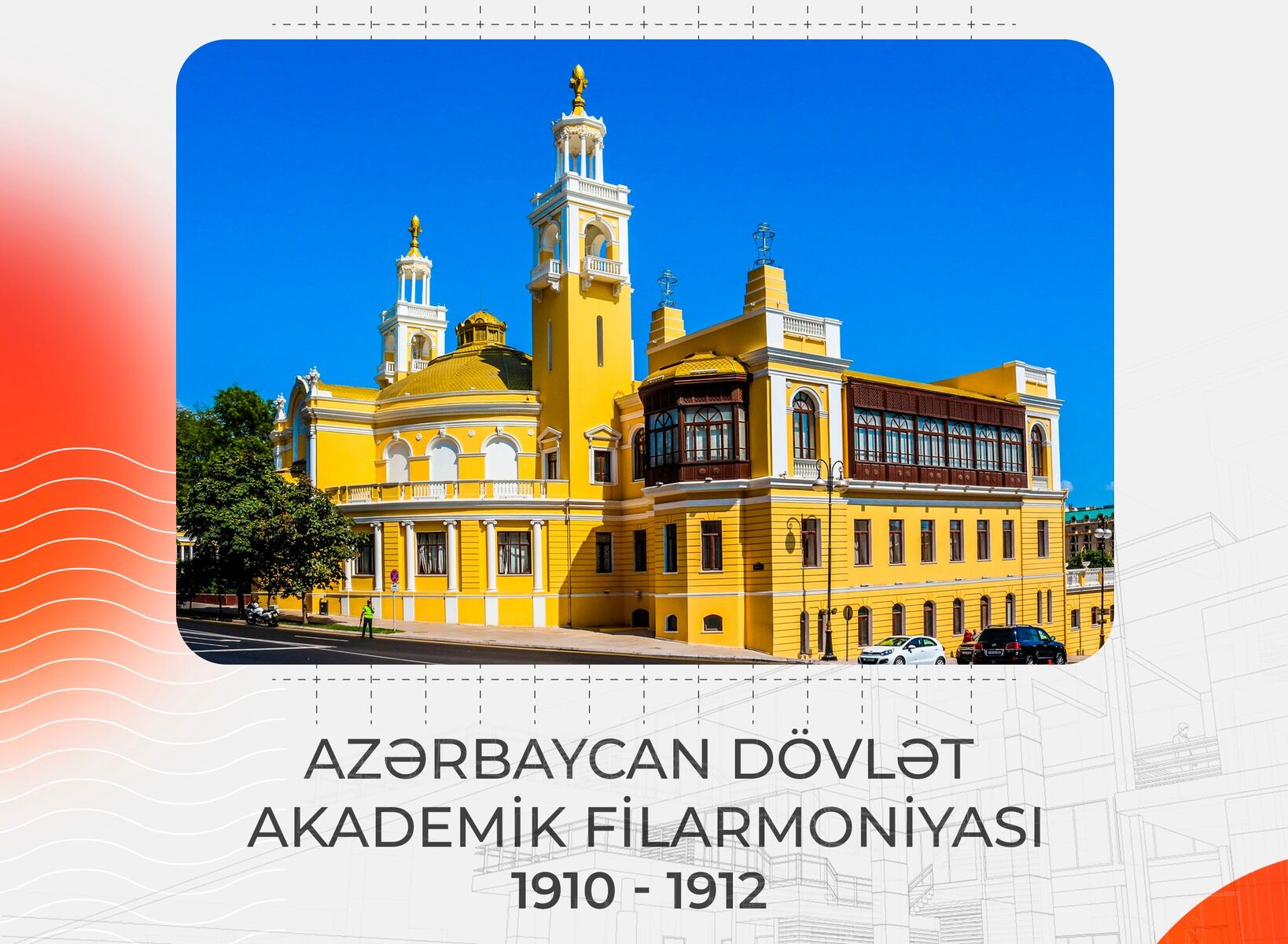
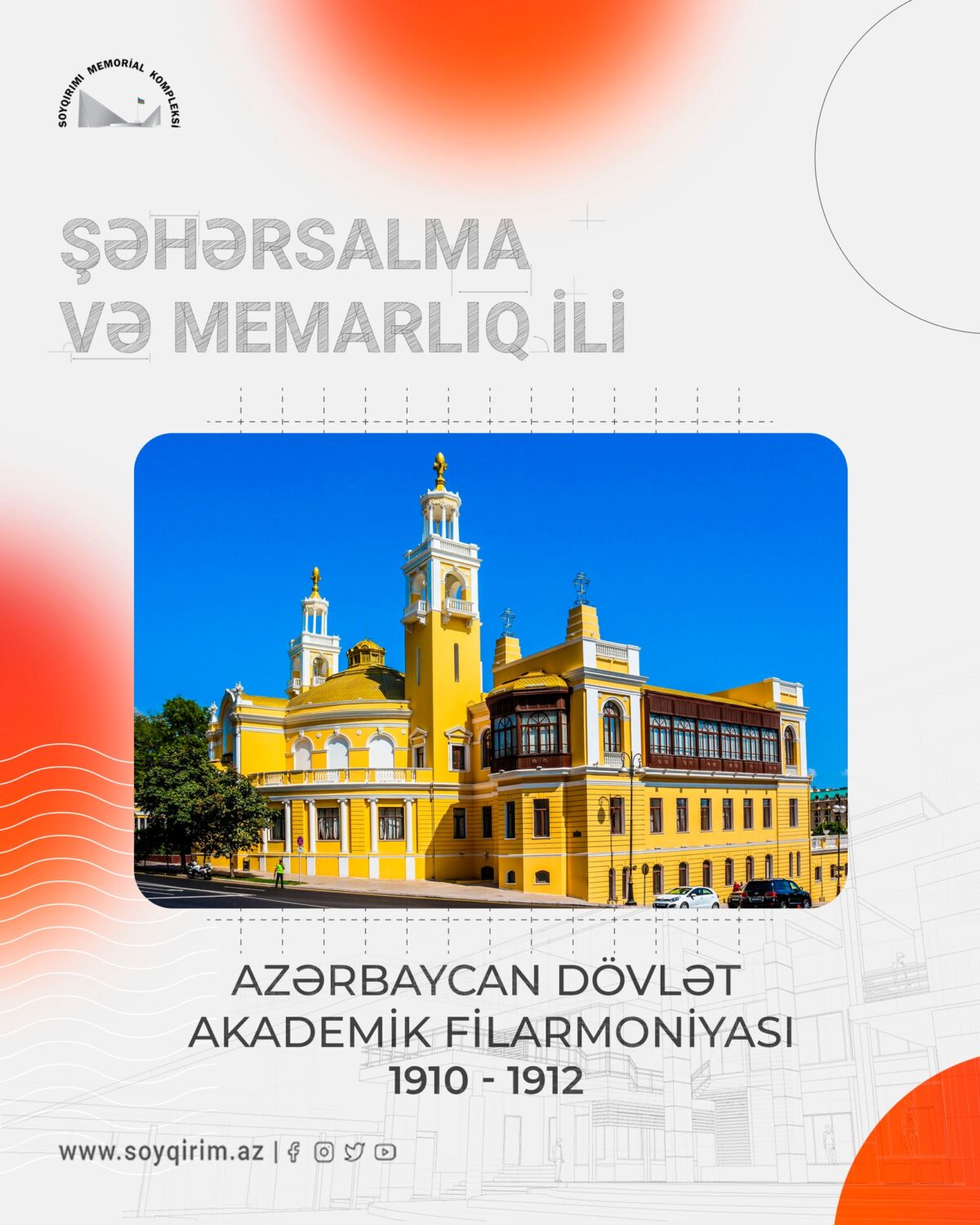
"The Azerbaijan State Philharmonic"

The Azerbaijan State Philharmonic is one of the most important cultural institutions in Azerbaijan and holds a special place in the country’s classical and professional music life. It was officially established in 1936 and, since its founding, has played a major role in the development of national musical art. The institution is named after the prominent Azerbaijani composer Muslim Magomayev, and it serves to preserve and promote his musical legacy. The building of the Philharmonic itself has an even older history. This magnificent structure was built in 1912 in the city of Baku. Its architect was the renowned Gabriel Ter-Mikelov. In its early years, the building functioned as a “Public Assembly Hall” and was one of the main gathering places for the city’s intellectual elite. In 1918, during the period of the Azerbaijan Democratic Republic, the building was also used for important social and cultural events. At that time, it played a particularly significant role in the socio-political life of Baku, hosting various meetings and assemblies. After the establishment of the Philharmonic, various musical ensembles began to perform there. Among them, the Uzeyir Hajibeyli Azerbaijan State Symphony Orchestra and other professional music groups held a special place. Over the years, these ensembles have made significant contributions to promoting Azerbaijani music both nationally and internationally. Today, the Philharmonic continues to function as one of the main centers of musical life in Azerbaijan. It regularly hosts classical music concerts, mugham evenings, chamber music programs, and international projects. Renowned musicians and conductors from different countries perform on its stage, further enhancing its international reputation. At the same time, the Philharmonic plays an important role in discovering and nurturing young talents. Today, the Azerbaijan State Philharmonic is not only a concert hall but also a strategic cultural center for preserving, developing, and passing on the national musical heritage to future generations. Thanks to its activities, Azerbaijani music is loved within the country and is also recognized and highly appreciated on the international stage.