




On May 7, 2020, within the framework of the project “Online Travel of Finnish Azerbaijanis to Museums of Azerbaijan”, the coordinator of the Council of Scandinavian Azerbaijanis in Finland, the chairman of the youth organization Azer Turk, Ulviya Jabbarova and the “Genocide Memorial Complex” in Guba city held a seminar “Azerbaijani Genocide in 1918″. The aim of the seminar was to show the true face of Armenian vandalism and to propagate the events of genocide by providing historical facts. The seminar was attended by Azerbaijanis living in the Scandinavian countries, including Finland, as well as our compatriots living in England, France, Germany, the Netherlands, the USA and Greece. The moderator was Ulviya Jabbarova, and the reports were presented by the director of the “Genocide Memorial Complex”, doctor of philosophical sciences in history Rakhshanda Bayramova and the specialist in the English language of the complex Aygun Aghamirzaeva
It should be noted that the project continues with sessions in other reserves and museums.


This genocide is one of the most horrific events in world history committed by members of the Red Khmer movement during the Pol Pot regime in 1975-1979. The Red Khmers, who considered Mao Zedong to be their ideal, killed 3 million educated and skilled citizens in order to carry out their plan to build a “Cambodian-style socialism.” The Red Khmers, which has turned the country into a large concentration camp, has committed unimaginable atrocities.
According to Paul Pot’s plan to “build socialism”, all cities were destroyed, industrial facilities and other infrastructure were destroyed. For him nothing, even human life has no value. In order to save the bullets, people were killed with machetes, pitchforks or other blunt instruments and subjected to all kinds of torture. Although the Red Khmer terror was essentially similar to the terrorist attacks in other communist countries, it was more horrific and more ruthless in form. Pol Pot and his communist gangs established a dictatorship in the country, and the kingdom was abolished in 1976 under a new constitution, and in April, N. Xianuk was dismissed by the House of Representatives.
This bloody genocide, which lasted for four years, destroyed a quarter of the Cambodian population. This bloody event ended with the entry of Vietnam into the country and the defeat of the Red Khmer Army. There are almost no elderly people in the country, and the survivors are witnesses of the genocide. The Red Khmer torture site was turned into a museum after the genocide, and the complex is visited by about 500 people a day.


Today is the holiday of professional carpet weavers in Azerbaijan. With this event, we congratulate all the people working in this sphere.
Azerbaijani richly decorated carpets are famous in the world. Thus, one of the four groups of carpets in the world is the Azerbaijani carpet group, which differs from others by its compositional richness.Especially, the carpets of the Guba-Shirvan carpet-weaving school, which belongs to the Azerbaijani carpet group, in various forms, including totems and symbols, reflects the the nature, history, culture, beliefs and convictions of the places where it was woven . For this reason, Azerbaijani carpets are evaluated not only as an example of art, but also as a historical value. In 2010, at the 5th session of the Intergovernmental Committee for the Intangible Cultural Heritage of UNESCO, the Azerbaijani carpet was included in the list of cultural heritage.
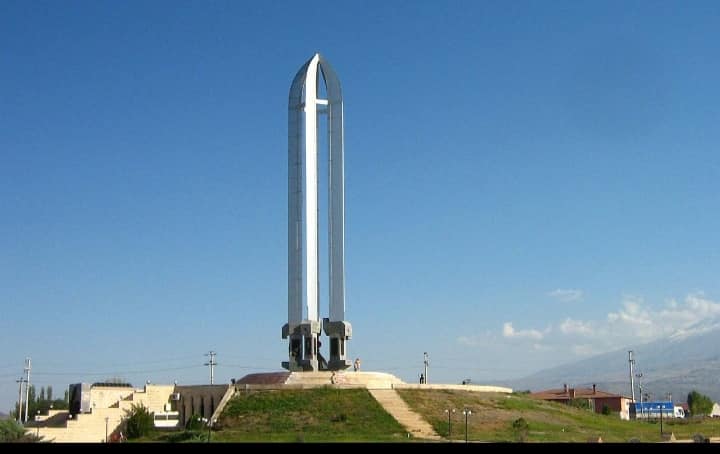
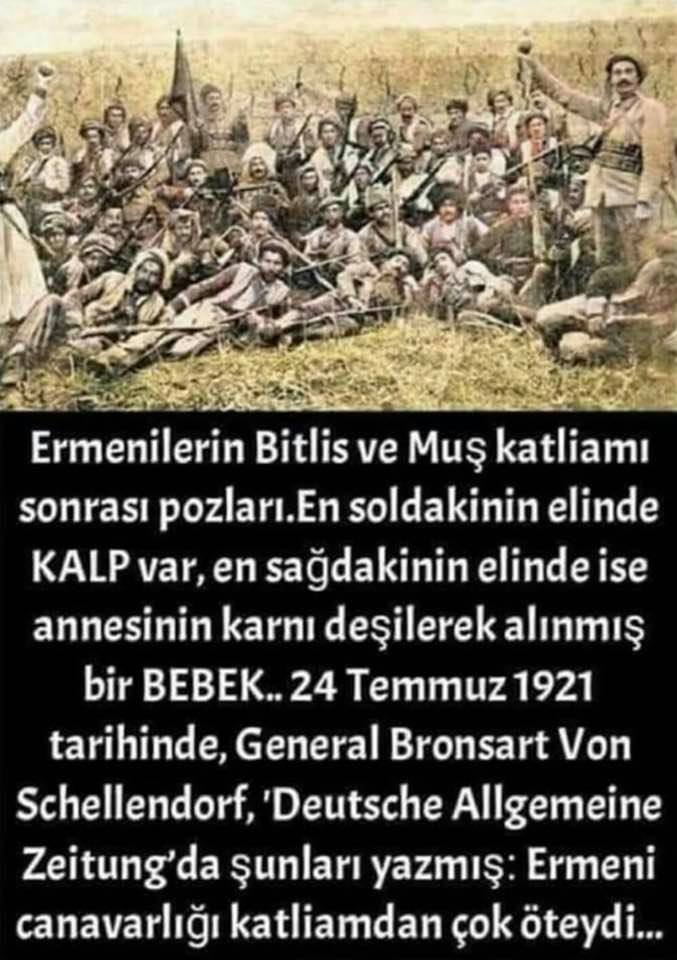
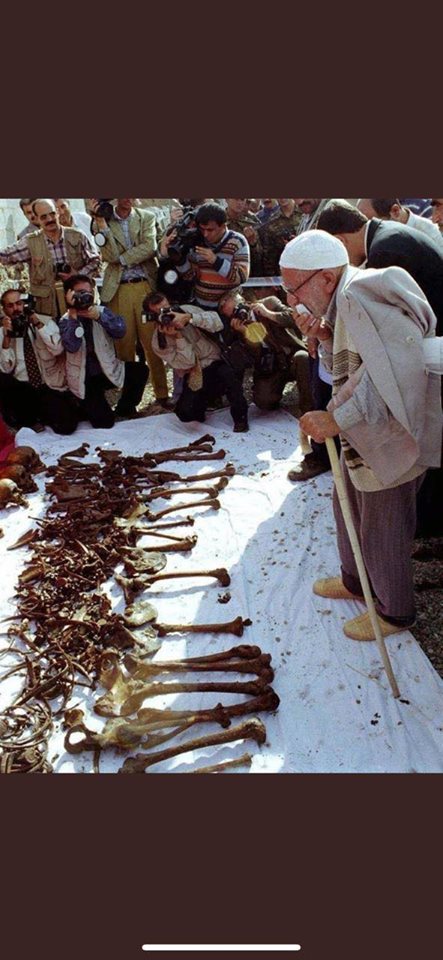
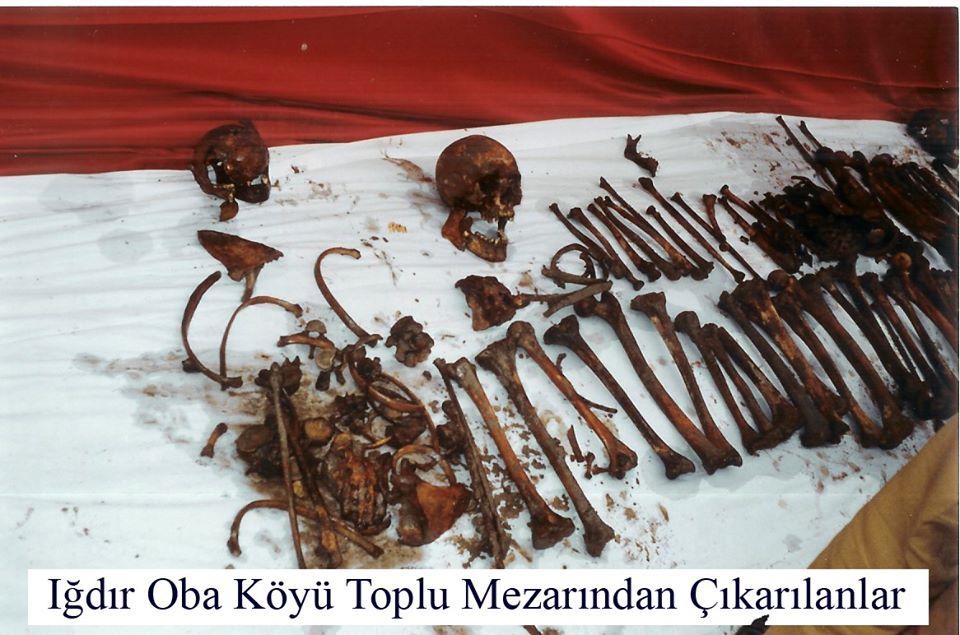
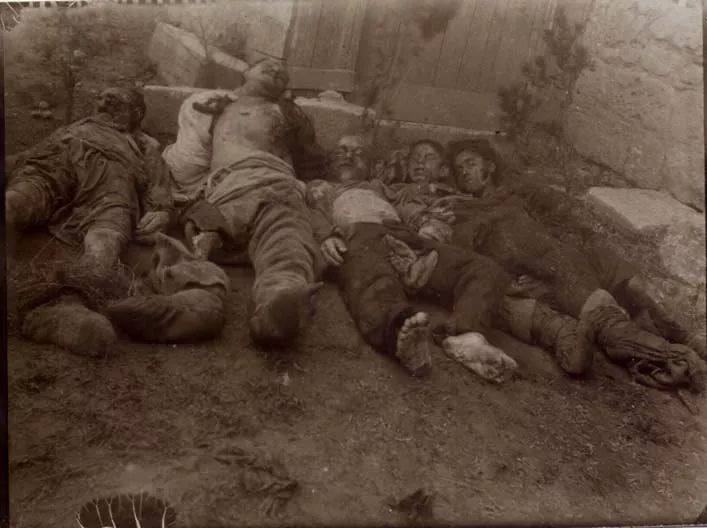
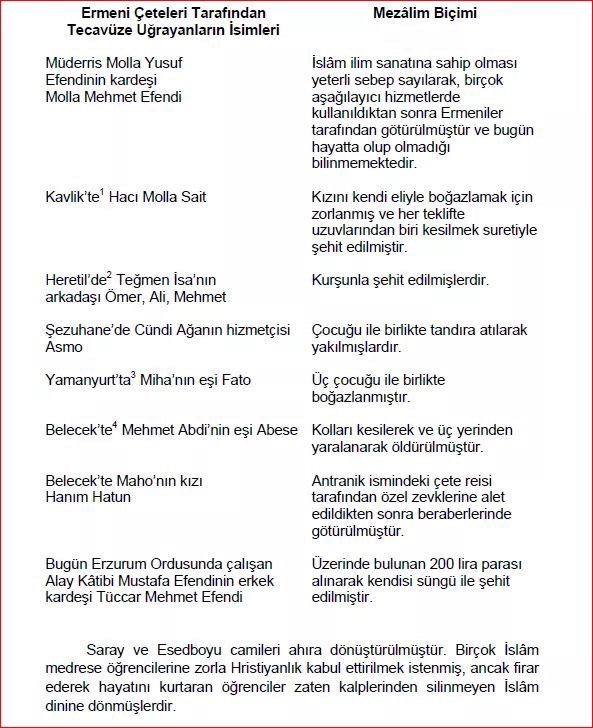
It should be noted that in 1915 in Idira, Musa, Bitlis, Van and other provinces of Turkey, Armenian Dashnaki made unimaginable cruelty genocide against thousands of peaceful Muslim residents. (We thank our dear historian Firdovsia Akhmadova for presenting the historical photograph to the Complex.)
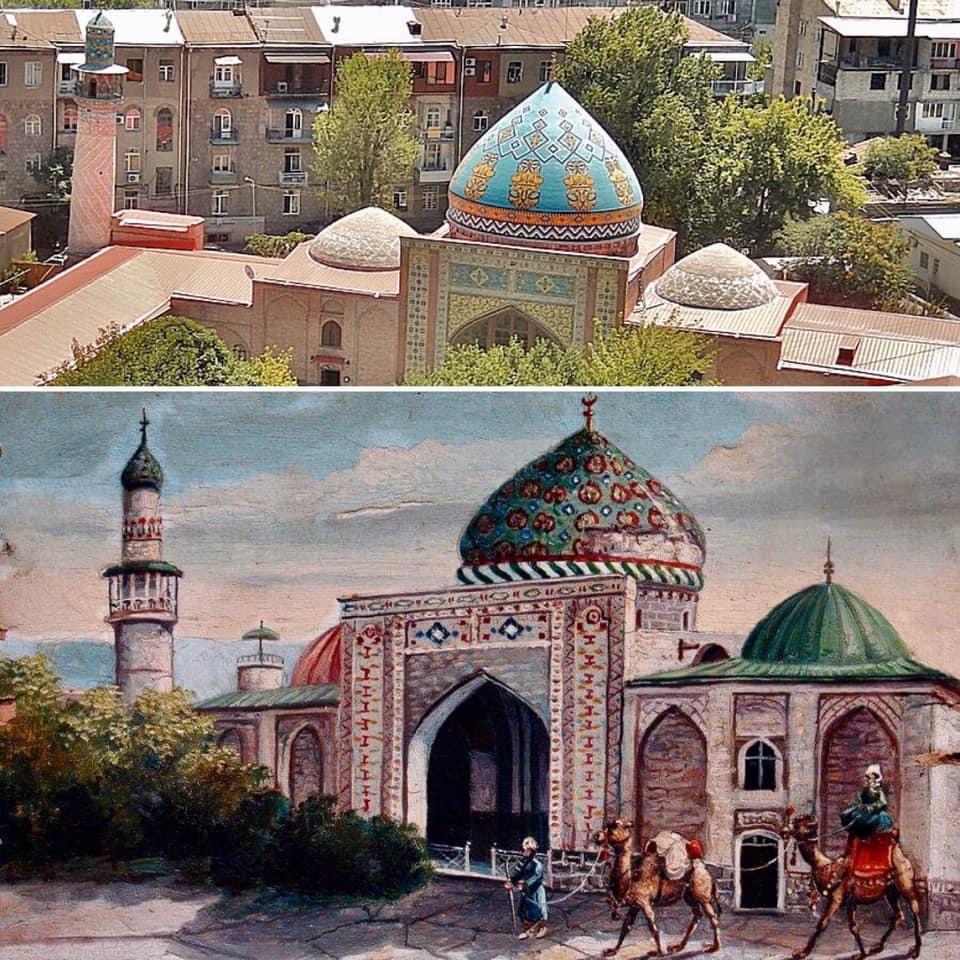
Elchin Garayev, researcher of the Irevan khanate, author of many articles in this field, doctor of philosophical sciences in history, spoke about the Irevan khanate, the heroic struggle of the Irevan khanate against foreign invaders, resettlement and genocide in the early 19th century. At our request, he presented a scientific report to the audience of the Genocide Memorial Complex. We thank the historian and wish him success in his work. We present you a link to a lecture and an article written by Elchin Garaev. The photographs used belong to the collection of Amir Ali Sardari Irawani, the only successor of the Irewan khanate. thanks http://www.science.gov.az/forms/doktora-filosofii-instituta-istorii/1262?fbclid=IwAR2tYN7_kCga6Km_4mb2QX6-9WlKhDj2-JMOzzwRawjkRg4I7pwjRyBS5kE


One of the most tragic genocides in terms of the scale of human casualties took place in 1994 in Rwanda. So, on April 6, 1994, a plane crash of President Juvenal Habyariman led to the mass genocide of the Tutsi people.
Representatives of the Hutu people armed themselves against the Tutsi people in Rwanda, killing their compatriots, neighbors, and even friends. Thousands of civilians were brutally killed, and 7,000 disabled Tutsis, were burned in Sovu Monastery. Оver the course of several months, Rwanda became hell on earth. In just one and a half months, an estimated 500,000 to 1 million people have been killed in Rwanda. The massacre took place before the eyes of various international organizations and the UN peacekeeping contingent. The genocide was later recognized by the UN. April 7th was established by the UN as the International Day of Remembrance of the Rwandan Genocide. Every year, April 7 is celebrated in Rwanda as a day of remembrance of the genocide and various mass events are held.The genocide memorial complex was built in Kigali, Rwanda, in memory of the 100,000 victims of the tragedy, and every year on April 7, this complex marks the day of genocide.


• 36 toms of documents collected by the Extraordinary Commission of Investigation established in 1918 (including lawyers from different nationalities);
• 102 photographs of the genocide, brought to Azerbaijan from French archives in 2011;
• Periodicals, witness testimony;
• Discovery of a mass grave in the city of Guba.

In Guba, as in other parts of the Baku province, the Bolshevik-Dashnak leadership of the Baku Soviet decided to send a second military force after Gelovani, this time a punitive force consisting only of Armenians, under the leadership of Hamazasp, to suppress the national movement. Hamazasp did not deny that his group was sent to Guba for punishment: “I am a hero of the Armenian people and its defender.” Before reaching the city of Guba, Armenian gangs began to burn and destroy civilian villages along the way, committing mass genocides. Merciless Armenians did not spare the old people, children and women and killed every muslim they met. According to eyewitnesses, at the end of April the Khamazasp group approached Khachmaz, but local forces resisted. However, due to inequality of forces, after two days of fighting, the punitive detachment was able to leave for Guba. Hamazasp was at the head of this group. His assistant was Nikolai, and his guide was Harutyun Hayrapetov, a local Armenian nicknamed “The Mill.” Hamazasp’s group consisted of about 3,000 men, 4 cannons and 8 machine guns. On May 1, the Armenian Dashnaks, who entered the city from three sides under the name of Bolsheviks, immediately began killing and looting. On the first day, 715 Muslims, mostly women and children, were killed in the lower part of the city, and the Boyuk Shosse and Bazar streets were destroyed and on the second day, 1,012 civilians were killed. A.Alibeyov, who came to Hamazasp as a representative of the city population, asked him to allow him to bury the dead, but his request was denied. Despite repeated appeals, Hamazasp did not allow the bodies of slain Muslims to be collected from the streets and buried. The aim was to intimidate and frighten the population. Violence, murder and robbery lasted for 9 days, and the property of the area population was looted. Examination of archival documents revealed that when Hamazasp arrived, an additional force was sent to Guba from Petrovsky. In general, the number of members of the Armenian Dashnak gang that committed genocide in Guba district was more than 5-6 thousand. The members of the criminal gang committed atrocities against Muslims that are beyond human comprehension. Witness testimonies confirm that Armenian vandals enjoyed the inhumane “experiments” they inflicted on wounded and killed people. Mashadi Hamdulla Aliyev, a 40-year-old resident of Guba, said he had seen many bodies in the city, about two-thirds of which belonged to children and women. Many women had their breasts cut off and their corpses disfigured with daggers. There are also archival materials that 300 people killed by Armenians were buried in 51 graves.
As a result of Hamazasp’s atrocities, more than 16,000 civilians were killed in Guba area. The documents submitted to the Emergency Commission in connection with the damage caused to individual rural communities in the area provided a general overview of the damage to families, and in some cases did not provide information on burned houses and other buildings. The Dashnaks annihilated thousands of valuable books on Islam, oriental history and literature. Armenians set on fire the Abdurrahim Efendi’s madrasa in the center of Guba and burnt about 1,300 books. According to reports, the Digah mosque had books written in the Albanian and Arabic alphabets about 600-700 years ago. In addition to destroying the books, the Armenians also blew up a shrine stone about a kilometer from the village mosque. It was a huge stone with Albanian inscriptions on it. In December 1918, Andrei Novatsky, a member of the Ganja District Court, arrived in Guba with his assistant and began an investigation. The investigation team, in connection with the genocide committed in the Guba district in April-May 1918, listened to dozens of witnesses for several months, inspected the scene of the incident and prepared a three-volume collection of documents consisted of 451 pages. Novatsky, the member of the EIC presented a report to the Chairman of the Commission on the destruction of the city of Guba, as well as in the villages of the Guba district, as well as violence against civilians. The direct organizers of the Guba massacres were Shaumyan, Korganov, the executors were Hamazasp, Volunts and other criminals of Armenian descent. The atrocities committed in Guba by the gangs of the Baku Soviet, headed by S. Shaumyan, consisting mainly of Armenians and under the command of the Dashnak Hamazasp, it was not a civil war or the establishment of Soviet power, but a massacre of an entire nation.
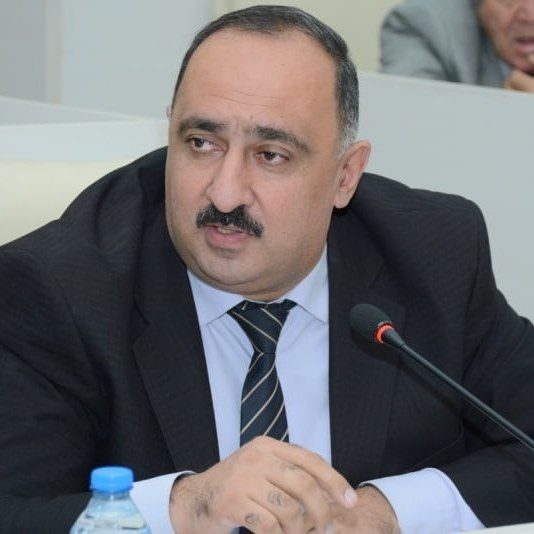
April 27-28, 1920 is the day of occupation and collapse of the Azerbaijan Democratic Republic in the history of Azerbaijan. Ilgar Niftaliyev, head of the “History of the Soviet period of Azerbaijan” department of the Institute of History named after AA Bakikhanov of ANAS, Doctor of Philosophy in History, presented an online video about the historical conditions at that time, reasons for the occupation and subsequent changes during those events. We share the youtube link of the video and the link with information about the scientist for you. We thank our valuable historian for participating in our online project and wish him success in his work.


One of the peoples that for centuries have preserved their ethnic characteristics, languages and traditions located in the north of the Republic of Azerbaijan, in the foothills of the mountains of the Greater Caucasus, at an altitude of 2000 meters above sea level, are Jecks. The village of Jeck is located 35 km south-west of the city of Guba, on the banks of the Gudyalchay River.
The customs and traditions of the Jecks, one of the aboriginal peoples of Azerbaijan and one of the ancient Albanian tribes, are closer to the traditions of the Oghuz Turks. They are associated with other peoples, especially with the national ethnic groups living in Azerbaijan, and especially with the peoples of the “Shahdag group” Buduglu, Alikli, Haputlu, Khinaligli, Kyrgyz, Yerguchlu and they have very broad kinship ties.
Historically, the main occupations of the nomads were animal husbandry agriculture, and weaving.Men were mainly engaged in sheep breeding, while women were engaged in weaving carpets, palazs, rugs, socks and shawls. “Jeck carpets” belong to the mountainous part of the Guba group of Azerbaijani carpets. As in other Shahdag settlements, the village of Jeck has a large number of more than 25 ancient shrines and places of worship.Thus, the mosque of Abu Muslim and Ateshgah still operates today. It should be noted that the mosque of Abu Muslim is found in both the villages of Khinalig and Gryz.
The policy of ethnic cleansing and genocide purposefully pursued by the Armenian Dashnaks in the lands of Azerbaijan also affected the Jecks. Thus, during the genocide committed by Armenians in April-May 1918, one of the villages damaged and looted in Guba district was Jeck . This fact, like other Shahdag people, had a serious impact on the demographic development of the Jecks.

1920-ci ilin yazında Qarabağda və Zəngəzurda ermənilərin yenidən fəallaşmasına görə şimal sərhədini müdafiə edən Azərbaycan ordu hissələri – Quba, Bakı piyada alayları, tatar süvari alayının bölmələri Qarabağa göndərilmiş, nəticədə şimal sərhədləri müdafiəsiz qalmışdı. Yaranmış yeni hərbi şərait Azərbaycan üçün başqa bir təhlükə – bolşevizm təhlükəsini yaratdı. Bolşevik qoşunlarının cənuba doğru irəliləməsi ilə bu təhlükə reallığa çevrildi. Azərbaycan ordu hissələri Qarabağda və Zəngəzurda hərbi əməliyyatlar apardığından, şimaldan XI Qırmızı ordunun Azərbaycana maneəsiz daxil olaraq qısa zamanda Bakının tutması üçün şərait təmin olunmuşdu. Bunu Qırmızı ordu komandanlığı da əla bilirdi. Bakıdakı siyasi şərait, hakimiyyət böhranı da təcavüz imkanlarını artırırdı. Rusiyanın bolşevik rəhbərliyi Azərbaycanın şimal sərhədlərinin mühafizəsi haqqında müfəssəl məlumatlara malik idi. Bunu Qırmızı ordunun tərkibində olan və sonralar bu hadisələri qələmə almış İ.Dudin də öz xatirələrində qeyd edir
1920-ci il martın 28-də Petrovsk şəhəri XI Qırmızı ordu tərəfindən ələ keçirildi. Bolşevik rejiminin Şimali Qafqazda denikinçi qüvvələrə qalib gəlməsindən sonra Bakıda və digər bölgələrdə olduğu kimi quba qəzasında da yerli bolşeviklər Rusiyadan, eləcə də Bakı bolşeviklərindən hərbi-siyasi, maliyyə dəstəyi alaraq Azərbaycan dövlətçiliyinə qarşı açıq-aşkar təxribat fəaliyyətinə keçdilər. Baş nazir N.B.Yusifbəylinin daxili işlər nazirinə göndərdiyi 8 mart 1920-ci il tarixli məktubda Dağıstan bolşeviklərinin Azərbaycan bolşeviklərindən insani və maddi yardım aldıqları bildirilir, ondan bolşeviklərin Azərbaycandan Dağıstana və əksinə maneəsiz keçməsinin qarşısını almaq üçün bütün tədbirlər görmək tələb olunurdu
Rusiyada vətəndaş müharibəsinin gedişində bolşeviklərin qələbəsindən ruhlanan yerli bolşeviklər də baş qaldırmışdı. Bolşeviklər hətta Quba qarnizonunun əsgərləri arasında belə açıq təbliğat aparırdılar. Bunu Quba qəza rəisi Talıbxanov Bakı qubernatoruna 11 mart 1920-ci il tarixli məktubunda təsdiq edirdi Qarnizonda hətta bolşeviklərin öz partiya özəyi belə mövcud idi. Bolşeviklərin əsgərlər arasında təbliğatının qarşısını almaq məqsədi ilə qarnizon rəisi Məmmədbəyov dvizyon komandiri ilə birgə təbliğatçıların müəyyənləşdirilib cəzalandırılması üçün fövqəladə tədbirlər görməyə başlamışdı. Qarnizon əsgərlərini bolşevik təbliğatının təsirindən qorumaq üçün onlar təcrid olunmuş, əsgərlərin müxtəlif pritonlara, çayxanalara getməsi, eləcə də kazarmalara kənar şəxslərin daxil olması qadağan edilmişdi.
Bolşeviklərin Azərbaycana daxil olmasının qarşısını almaq məqsədilə Quba qəza rəisi Ağabəyovun sərəncamı ilə qəzanın Dağıstanla sərhədboyu iki yerdə – Yalama və Xəzrə rayonlarında mühafizə təşkil olunmuşdu. Yalamada mühafizəni yerli sakinlərdən ibarət 20 nəfərlik dəstə Ləcət və Xudat kəndlərində həyata keçirirdi. Xəzrədə də sərhəd xalq milisi və post mühafizəçiləri tərəfindən qorunurdu. Qusar pristavına mühafizə üçün yerli sakinlərdən milisə kömək məqsədilə dəstə yaratmaq tapşırılmışdı. Qəza rəisi tərəfindən sahə rəislərinə sərhədin mühafizəsinə diqqəti artırmaq üçün müvafiq göstərişlər də verilmişdi. Qəzanın daxilində bolşeviklərlə mübarizə aparmaq, bolşevik təbliğatı aparan şəxslərin fəaliyyətinin qarşısını almaq üçün tədbirlər gücləndirilmişdi.
Azərbaycan işğalı ərəfəsində XI Qızıl ordu hissələri artıq Dərbənddə idi və zirehli qatarlarla Dərbəndlə Samur çayı üzərindəki körpü arasında manevr edərək dəmiryolu xəttini qoruyurdular. Qırmızı ordunun şəxsi heyəti 72472 nəfərdən ibarət idi. İşğal ərəfəsində Quba bolşevikləri də fəallaşmışdılar. AKP MK göstərişi ilə antidövlət ünsürlərdən ibarət silahlı dəstələr təşkil olunmuş, silahlı üsyan qərargahı yaradılmışdı. Mühafizəsiz qalmış sərhədin qorunmasında Qubadakı hərbi hissələrin və yerli könüllü dəstələrin köməyindən istifadə olunması qərara alınmışdı. 4-cü Quba piyada alayının komandiri vəzifəsini icra edən kn. N.Tumanovun Ə.A.Şıxlinskiyə verdiyi məlumata görə Xaçmazdakı hərbi hissələri gücləndirmək və düşmən haqqında məlumat almaq, kəşfiyyat işlərini təşkil etmək üçün buraya qubalılardan ibarət 4 rota, 3 №-li zirehli qatar, Yalamadan isə 70 nəfər göndərilmişdi.
1920-ci ilin aprelin 27-ə keçən gecə işğalçı qoşunlar 5 zirehli qatarla Azərbaycan sərhədini pozaraq müstəqil dövlətə qarşı hərbi təcavüzə başladılar. Yalamada, daha sonra Xudat və Xaçmaz stansiyalarında Azərbaycan ordusunun azsaylı bölmələri onlara müqavimət göstərsələr də qüvvələrin qeyri-bərabərliyi ücbatından işğalçı qoşunların qabağını almaq mümkün olmadı.
Şimal sərhədində yalnız 3 min qüvvə var idi və bu qüvvə sərhəd boyunca səpələnərək əsasən Qusar-Quba-Xudat rayonunda yerləşdirilmişdi. Praporşik Babayevin komandanlığı altında iki rota, pulemyot komandası və atlı divizyonu qeyri-bərabər döyüşlərdən sonra geri çəkilmək məcburiyyətində qalmışdı. Ləcət keçidində, Xudat stansiyasında da düşmənə müqavimət göstərilsə də onun qarşısını almaq mümkün olmadı. Zirehli qatarın ardınca aprelin 27-də səhər erkən Qırmızı ordunun 7-ci süvari və 31-ci piyada diviziyaları da sərhədi keçərək Quba qəzasının Qullar kəndinə daxil oldular. Qusar qarnizonu müqavimətsiz təslim oldu. Həmin gün 7-ci diviziyanın süvari polkları Quba şəhərini zəbt etdilər. Y.Tokarjevskinin yazdığına görə Qubada və Qusarda Azərbaycan ordusunun 31 zabiti və 500 əsgəri əsir götürülmüş, ümumiyyətlə isə müdaxilə zamanı 5 min əsgər əsir düşmüşdü.
Beləliklə, bir gün ərzində Quba qəzasının bütün ərazisini ələ keçirən işğalçı qoşunlar qısa müddətdə Azərbaycanın bütün ərazisini də tutaraq müstəqil dövlətin – Azərbaycan Cümhuriyyətinin varlığına son qoyurlar. Həmin dövrdə Quba qəzasında yerləşən Azərbaycan ordusunun bölmələri XI Qırmızı ordunun 20-ci diviziyasına tabe etdirildi. Bununla da Quba diyarı özünün yeni mərhələsinə – sovet dövrünə qədəm qoydu.
Cümhuriyyət dövrində yaradılmış bütün hakimiyyət strukturlrının ləğvinə qərar verildi. Qəza İnqilab komitəsinin 3 may 1920-ci il tarixli qərarı ilə bütün əksinqilabi partiya və təşkilatların fəaliyyəti qadağan edildi. Elə həmin gün F.abbasovun sədrliyi ilə AK(b)P Quba qəzası komitəsi yaradıldı.
Çevrilişdən sonra Azərbaycanda yaradılan və bütün dövlət hakimiyyətini öz əlində cəmləşdirən Azərbaycan Müvəqqəti İnqilab komitəsi və Azərbaycan SSR Xalq Komissarları Sovetinin tərkibi azərbaycanlılardan təşkil olunsa da bu, zahiri xarakter daşıyırdı, yeni yaradılmış sovet respublikası Moskvadan idarə olunurdu. Bolşeviklər xalqın adından çıxış edərək yaranmış dövləti proletar diktaturası adlandırırdılar. Bu isə hakim bolşevik partiyasının hökmranlığına bir növ siyasi pərdə idi. Gerçək hakimiyyət RK(b)P-nin yerli təşkilatı olan AK(b)P-yə məxsus idi. Əsas özəyi qeyri-millətlərdən, əsasən rus və ermənilərdən ibarət olan Azərbaycan K(b)P və Bakı partiya təşkilatı respublikanın ictimai-siyasi həyatında aparıcı rol oynayırdı. Azərbaycanda Kommunist Partiyası diktaturasını təmin edən amillərdən biri də buradakı rus ordu hissələri idi. Aprel işğalından sonra respublikanın müstəqilliyi tam formal xarakter daşıyırdı.
Milli hökumətin süqutundan sonra Azərbaycan xalqına qarşı qırmızı terror başladı. “Əksinqilabi sabotaj və möhtəkirliyə qarşı mübarizə” üzrə Fövqəladə Komissiya (FK) təşkil edildi, Ali inqilabi tribunal yaradıldı. Dövlət təşkilatlarının və ictimai təşkilatların fəaliyyətinə nəzarət etmək üçün 1920-ci il iyunun 9-da Fəhlə-Kəndli Müfəttişliyi təsis edildi. Bu işdə onlara xüsusi səlahiyyətlər verilmişdi. Belə ki, Fövqəladə Komissiya və Ali inqilabi tribunalın işi heç bir qanunvericilikdə məhdudlaşdırılmırdı, onların qərarı və hökmü qəti idi, dərhal həyata keçirilirdi. Bu təşkilatlar birbaşa ordu komandanlığına və mərkəzə – Moskvaya tabe idi. Ona görə həmin təşkilatların fəaliyyətinə Azərbaycan hökuməti demək olar ki, nəzarət edə bilmirdi. Azərbaycanda sovet hakimiyyətinin ilk günlərindən başlayaraq XI ordunun xüsusi şöbəsi kommunistlərdən başqa bütün mövcud siyasi qüvvələrə, hətta liberal əhval-ruhiyyəli adamlara, ziyalılara belə amansız divan tutmağa başladı. Bəzi məlumatlara görə Azərbaycanda 1920-ci ilin aprelindən -1921-ci ilin avqustuna qədər 48 min insan güllələnmişdi.
Bütün bu acı tarixi həqiqətlər xalqımızın mübarizə əzmini, müstəqillik ideyalarını boğa bilmədi. 1991-cı ildə xalqımız yenidən müstəqilliyinə qovuşdu və Azərbaycan Xalq Cümhuriyyətinin varisi olan günü-gündən çiçəklənən bugün hər birimizin fəxr etdiyimiz dövlətimizi-Azərbaycan Respublikasını qurdu.
İSTİFADƏ EDİLMİŞ ƏDƏBİYYAT