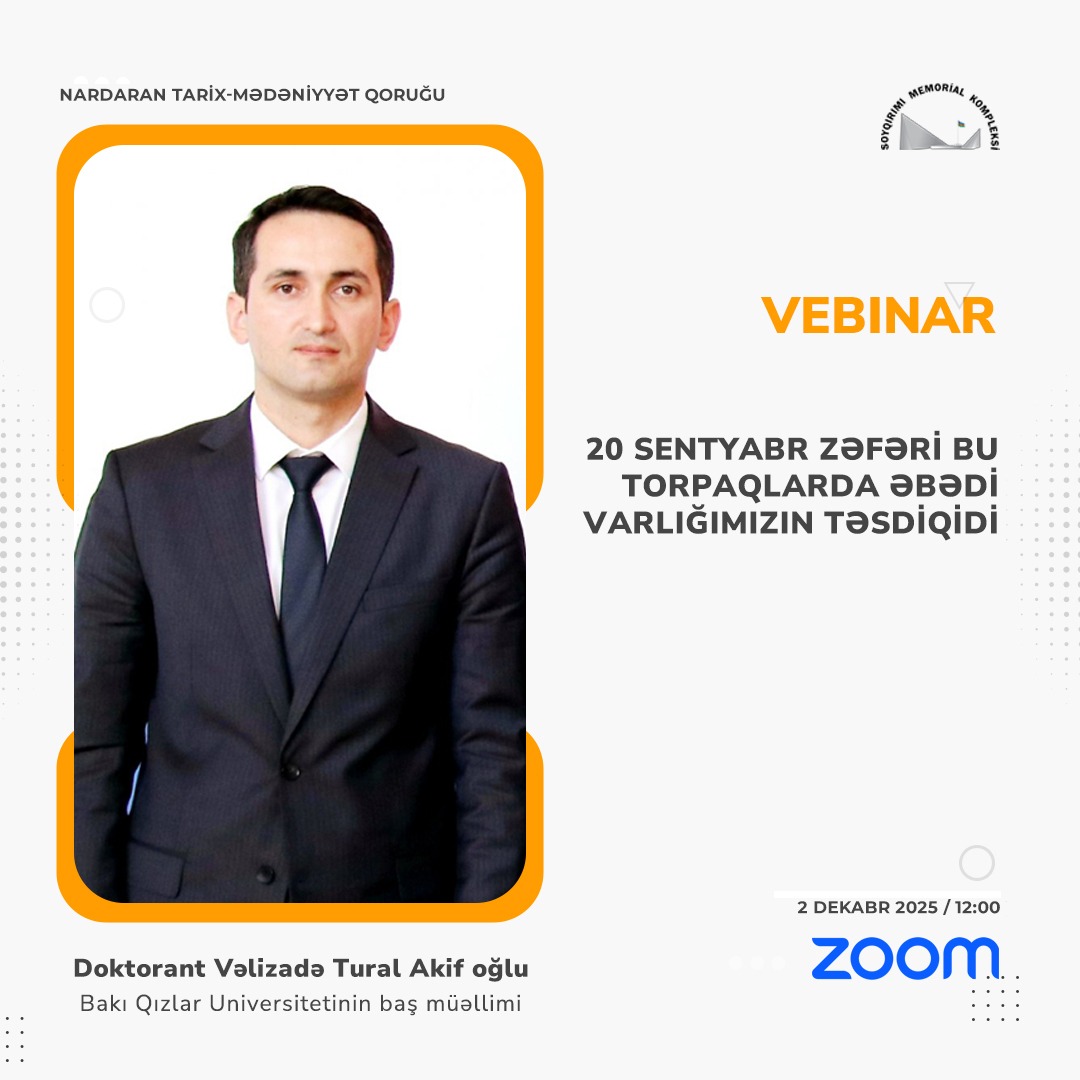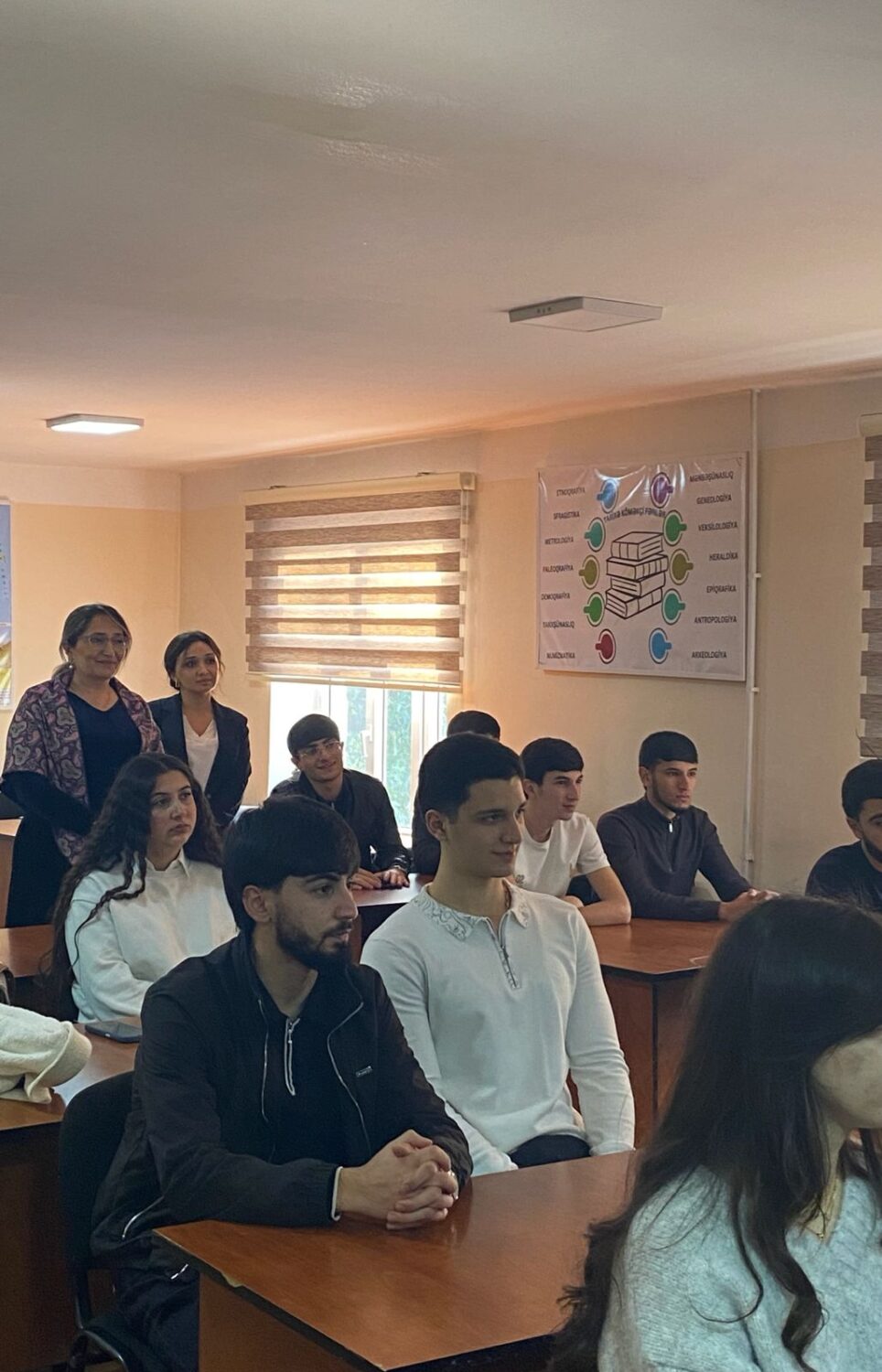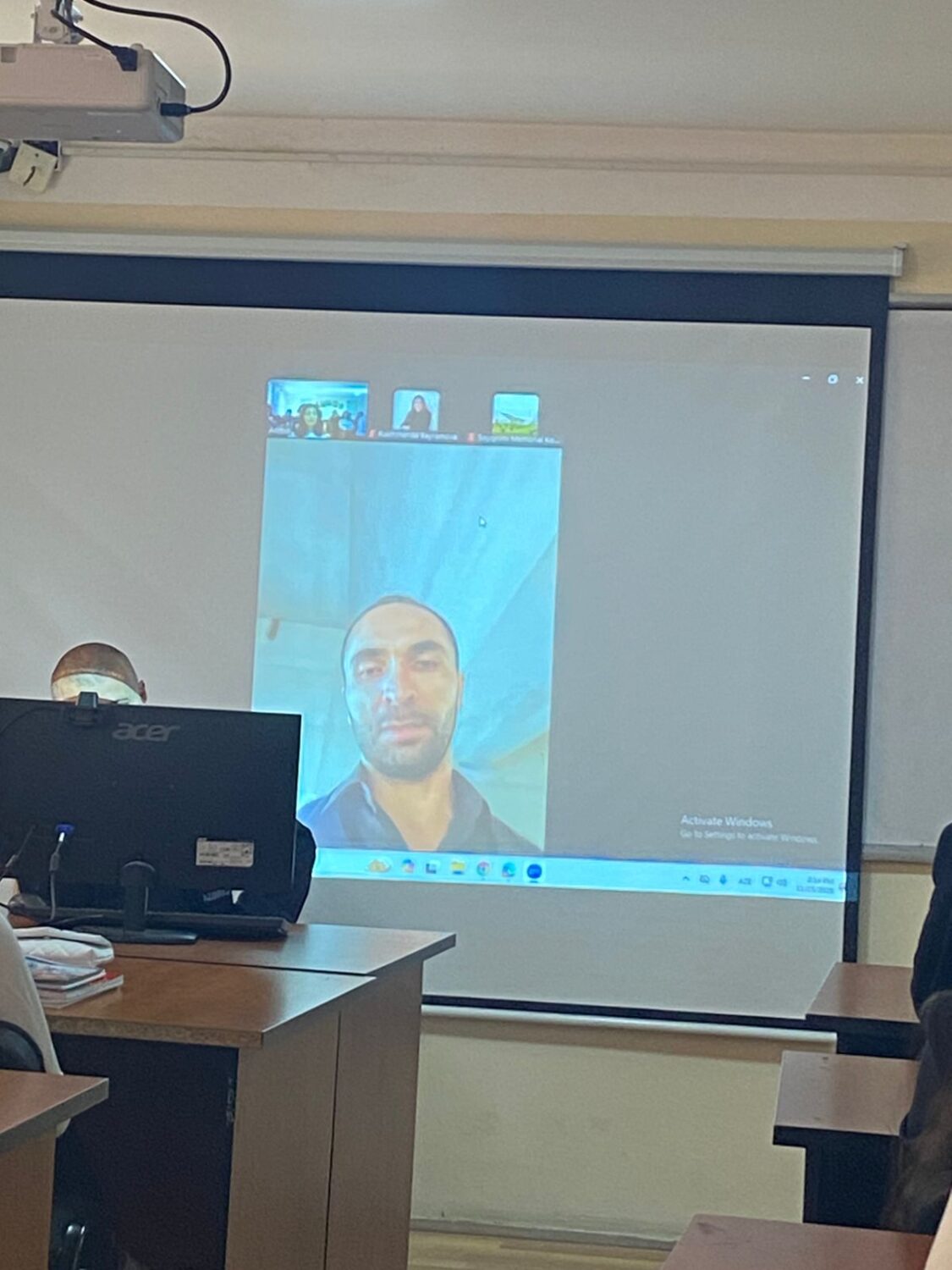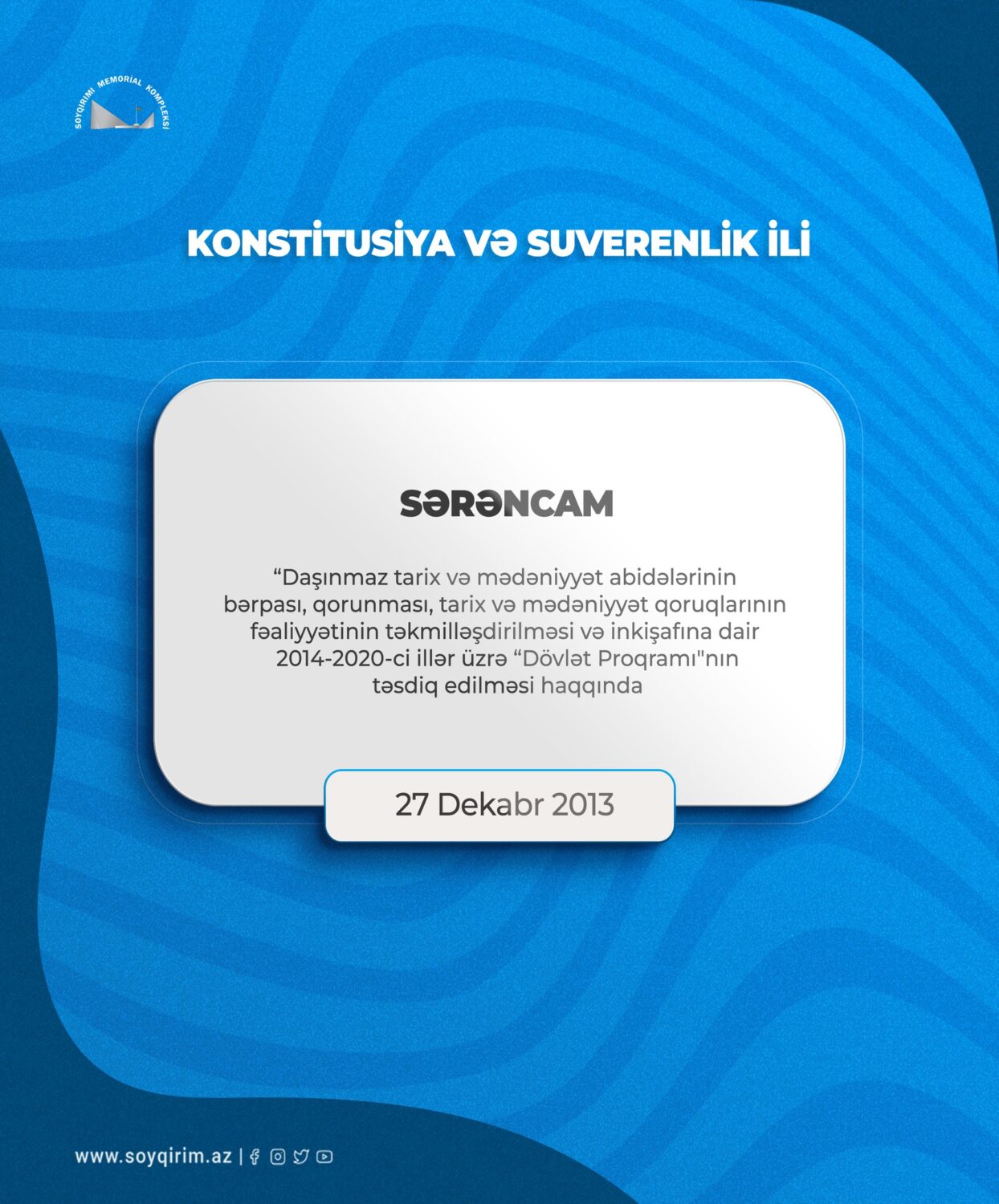
Mədəni irsin qorunması üzrə Dövlət Proqramının təsdiq edilməsi 27 dekabr 2013-cü il tarixində təsdiq edilmiş Mədəni irsin qorunması üzrə Dövlət Proqramın qəbul edilməsi Azərbaycan mədəniyyətinin inkişafında yeni mərhələnin başlanğıcı oldu. Bu sənəd ölkənin müxtəlif bölgələrində yerləşən tarixi abidələrin bərpasını, qorunmasını və gələcək nəsillərə bütöv şəkildə çatdırılmasını strateji məqsəd kimi müəyyənləşdirdir.

Customer Feedback and Review Instagram Post Template
Dövlət Proqramı yalnız maddi irsin deyil, həm də qeyri-maddi mədəniyyət nümunələrinin muğamın, aşıq sənətinin, xalçaçılığın və folklor ənənələrinin yaşadılmasını prioritet kimi qarşıya qoydu. Beləliklə, Azərbaycan mədəniyyəti həm fiziki, həm də mənəvi aspektdən qorunmaq üçün geniş dövlət dəstəyinə sahib oldu.
Proqram çərçivəsində abidələrin inventarlaşdırılması, bərpası, konservasiyası, onların elektron bazada sənədləşdirilməsi, eləcə də mədəniyyət müəssisələrinin maddi-texniki bazasının möhkəmləndirilməsi kimi mühüm işlər həyata keçirildi. Bu tədbirlər yalnız mədəni dəyərlərin qorunmasına deyil, həm də turizmin inkişafına, xalqın tarixi yaddaşının güclənməsinə və milli kimliyimizin daha aydın şəkildə təbliğinə şərait yaratdı.


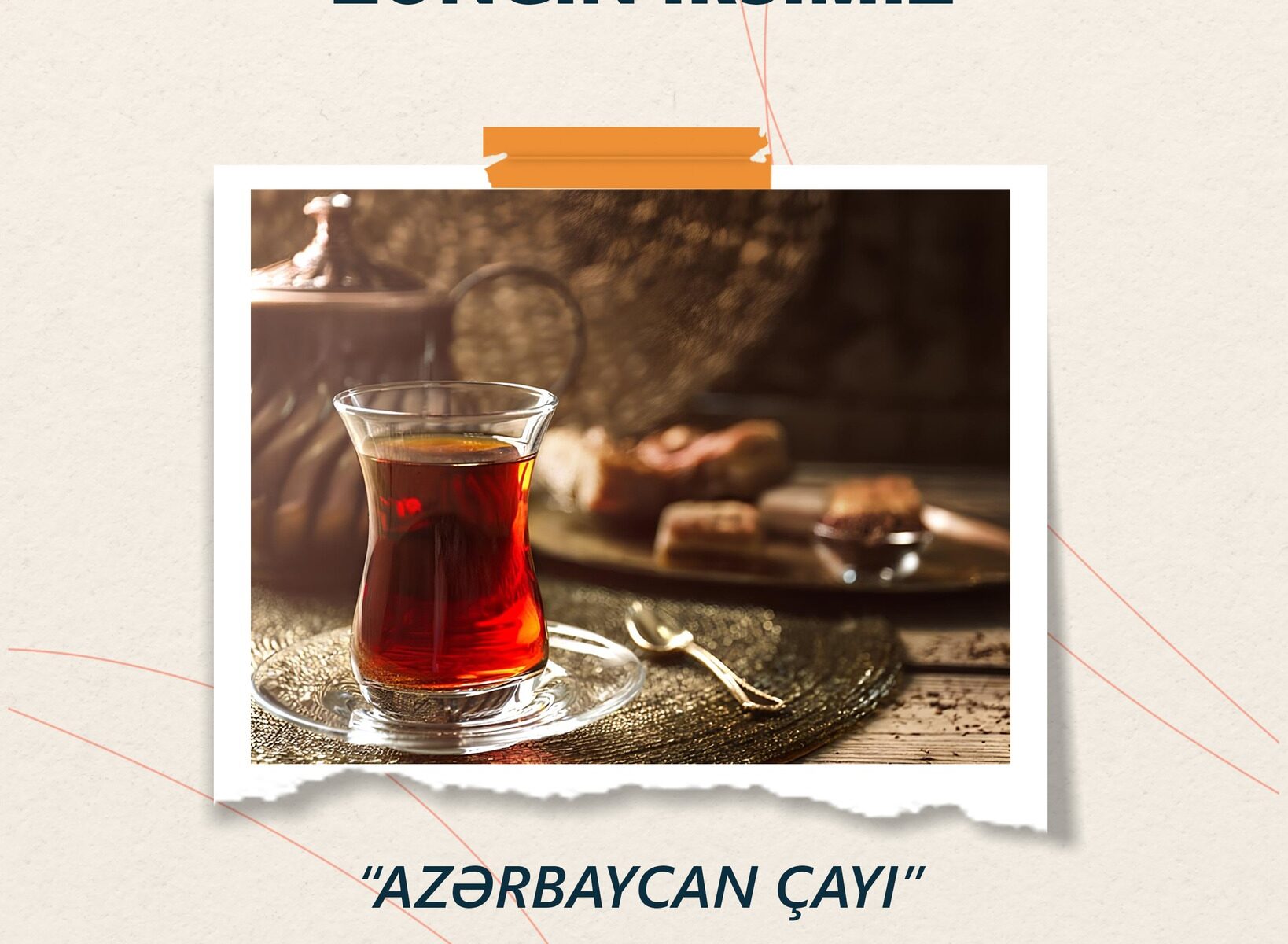
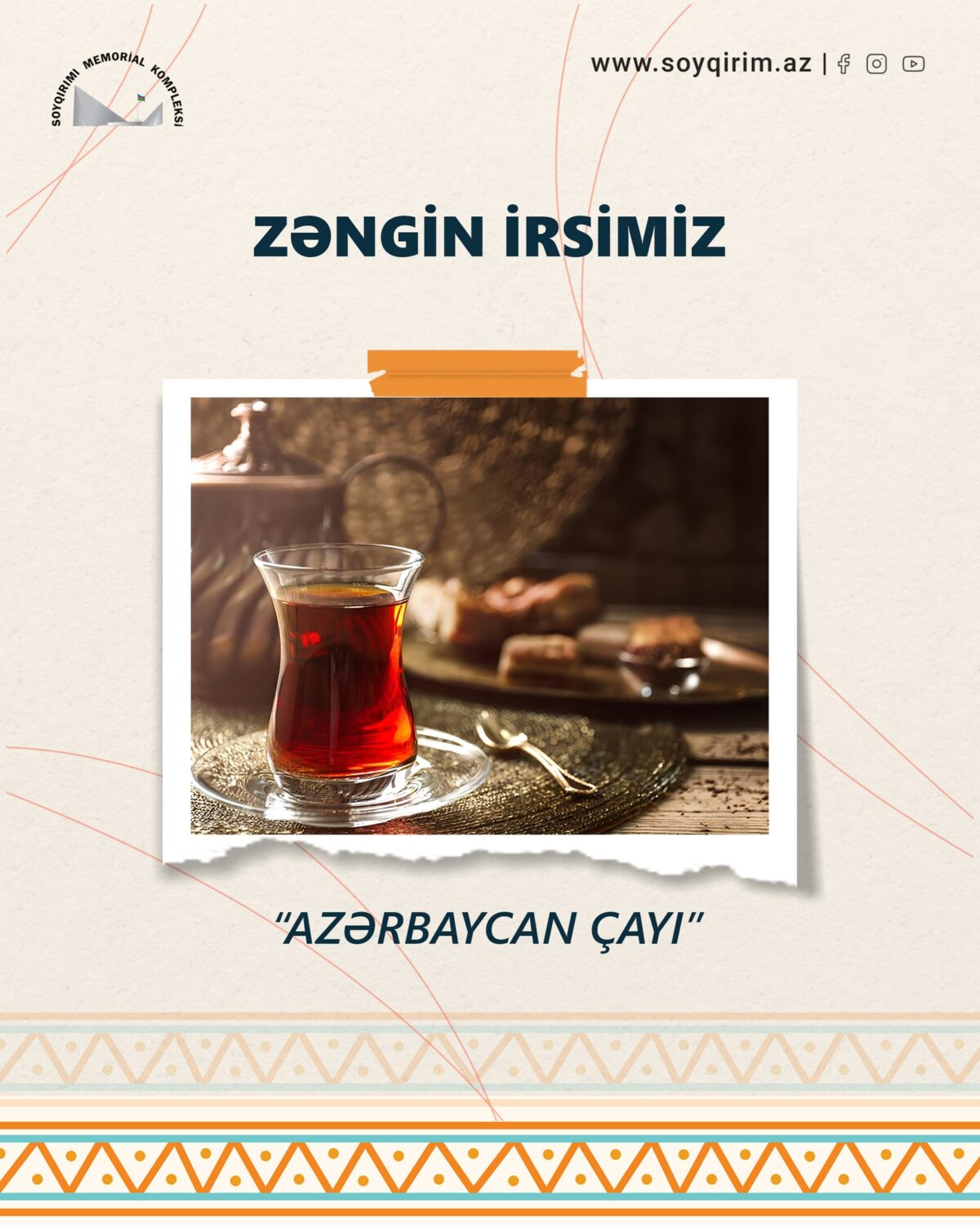
"Azerbaijani tea"

Azerbaijani tea is a unique gift that has emerged from the union of our country’s natural-geographical conditions and ancient tea-growing traditions. The humid subtropical climate of the Lankaran-Astara region creates a favorable environment for the development of tea plantations. The tea leaves grown in this area are distinguished by their special taste and delicate aroma. Azerbaijani tea, with its deep color, rich flavor, and pleasant fragrance, attracts the attention of both local consumers and foreign guests.
When brewed, the natural characteristics of the leaves are preserved, resulting in a beverage that is rich in both taste and quality. Historically, tea has been an inseparable part of family tables, friendly gatherings, and hospitality traditions, holding a special place in Azerbaijani culture. The saying “No home without tea” reflects the high value our people place on this drink.
In recent years, the application of modern technologies in the tea industry has increased productivity and created conditions for the formation of local brands. At the same time, the expansion of eco-friendly cultivation methods has contributed to the further improvement of the tea’s quality. Today, Azerbaijani tea is both a part of our cultural heritage and an important agricultural product that reflects the economic potential of our country.

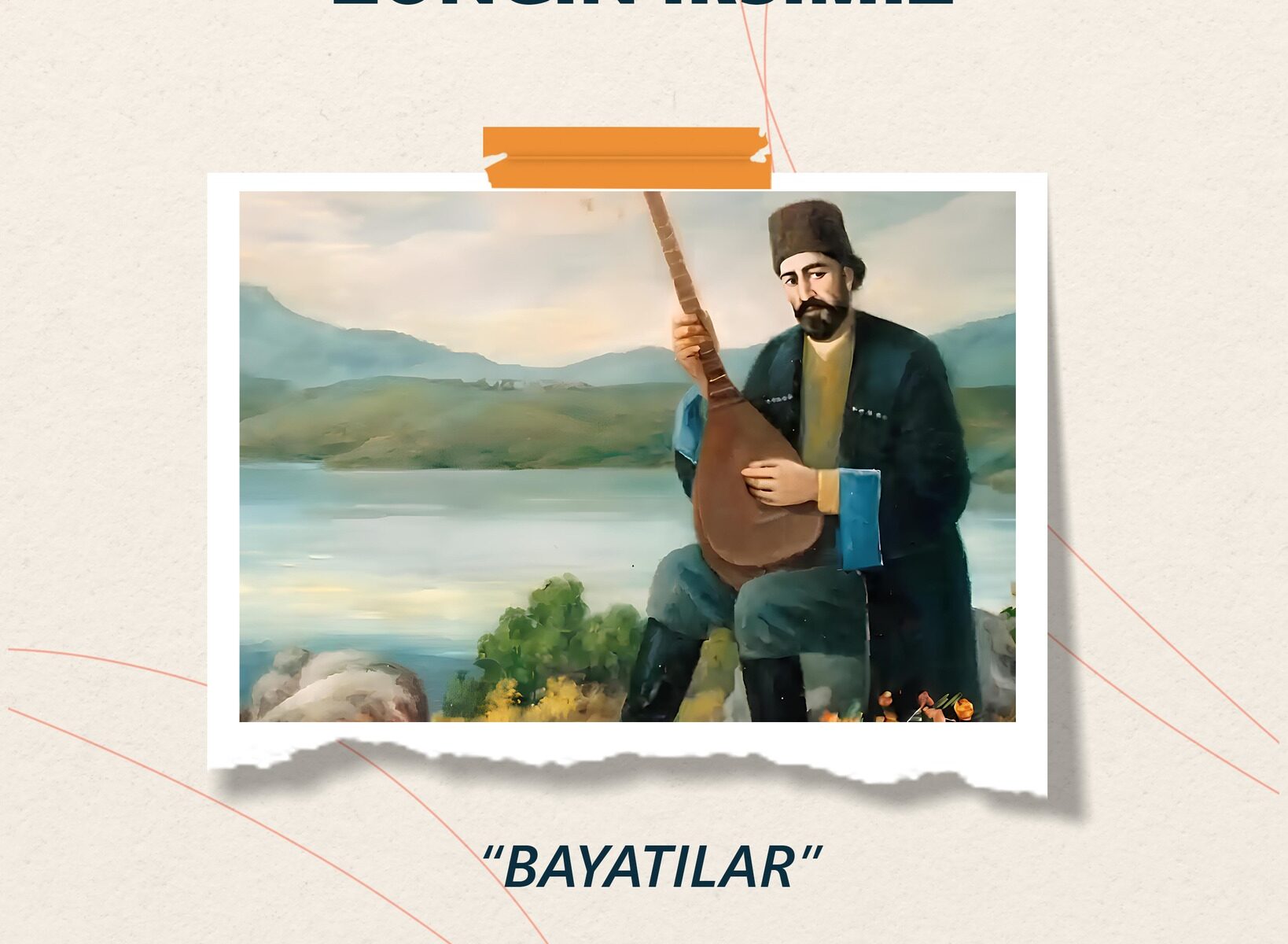
"Bayati"

Bayati is one of the most widely spread genres of oral folk poetry. It has been an inexhaustible treasure of folk literature, with each example expressing thoughts and feelings through its artistic-aesthetic and philosophical richness, which is distinguished for its variety of content. Bayatis reflect the spiritual heritage of our people and provide profound insights into its history, traditions, and emotions.
Bayatis are primarily songs used by the people, most often expressing different aspects of life and emotions. They convey a person’s inner world, joy, sorrow, as well as their connection to nature. Each bayati has a certain repetitive melodic and rhythmic structure, which gives it a unique dynamic and repeated beauty. Bayatis can cover different themes depending on life circumstances and social conditions. For example, love, separation, patriotism, and love for nature are widely addressed in bayatis. These musical pieces not only provide aesthetic pleasure to listeners but also offer a spiritual experience.
Bayatis are also a part of the social environment, as they are performed at traditional gatherings, weddings, and other folk celebrations. As a result, bayatis are a valuable part of Azerbaijani culture, which must be passed on to future generations.
 
My dear, the homeland is best,
Linen to wear, a fine request,
A foreign land, to roam and see,
But to die for homeland — that’s the key.

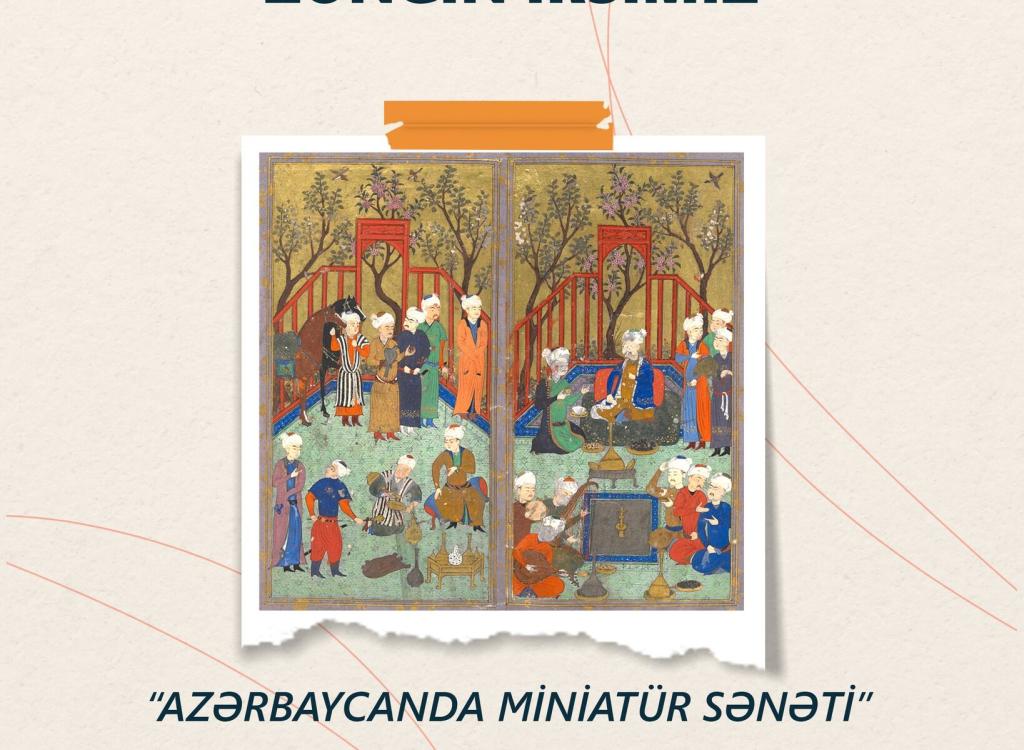
"Azerbaijani miniature art"

Azerbaijani miniature art is a vibrant part of our rich cultural heritage. This art form has developed over centuries as an adornment for books, epics, and religious texts. In particular, the Tabriz miniature school is one of the most renowned art centers in the world.
In miniatures, every detail — clothing, facial expressions, depictions of nature — tells a story. The colors are not random: red symbolizes heroism, blue represents peace, and green is the symbol of life.
In the 16th century, masters like Sultan Muhammad and Mir Seyid Ali brought works such as the “Shahnameh” and “Khamsa” to life with color. Miniatures lack perspective, but every detail speaks — the wall of the palace, the bird’s gaze, even the shape of the clouds carry a message. This delicate art was included in UNESCO’s Intangible Cultural Heritage list in 2020.
Azerbaijani miniature art is not merely a depiction; it is a bridge between the past and the present, a form in which the soul speaks through the brush.

Another Training Held for Uzbek Teachers

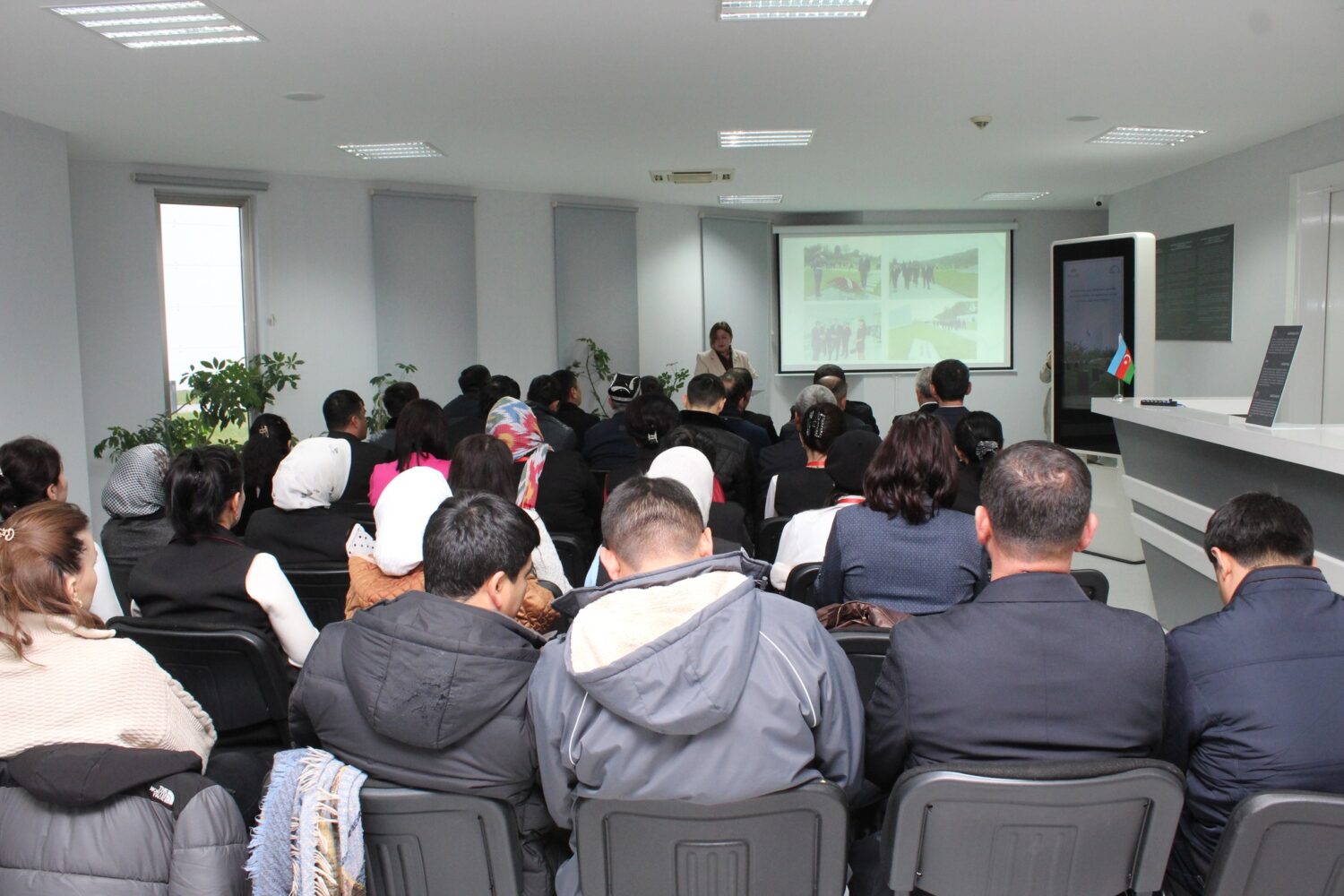
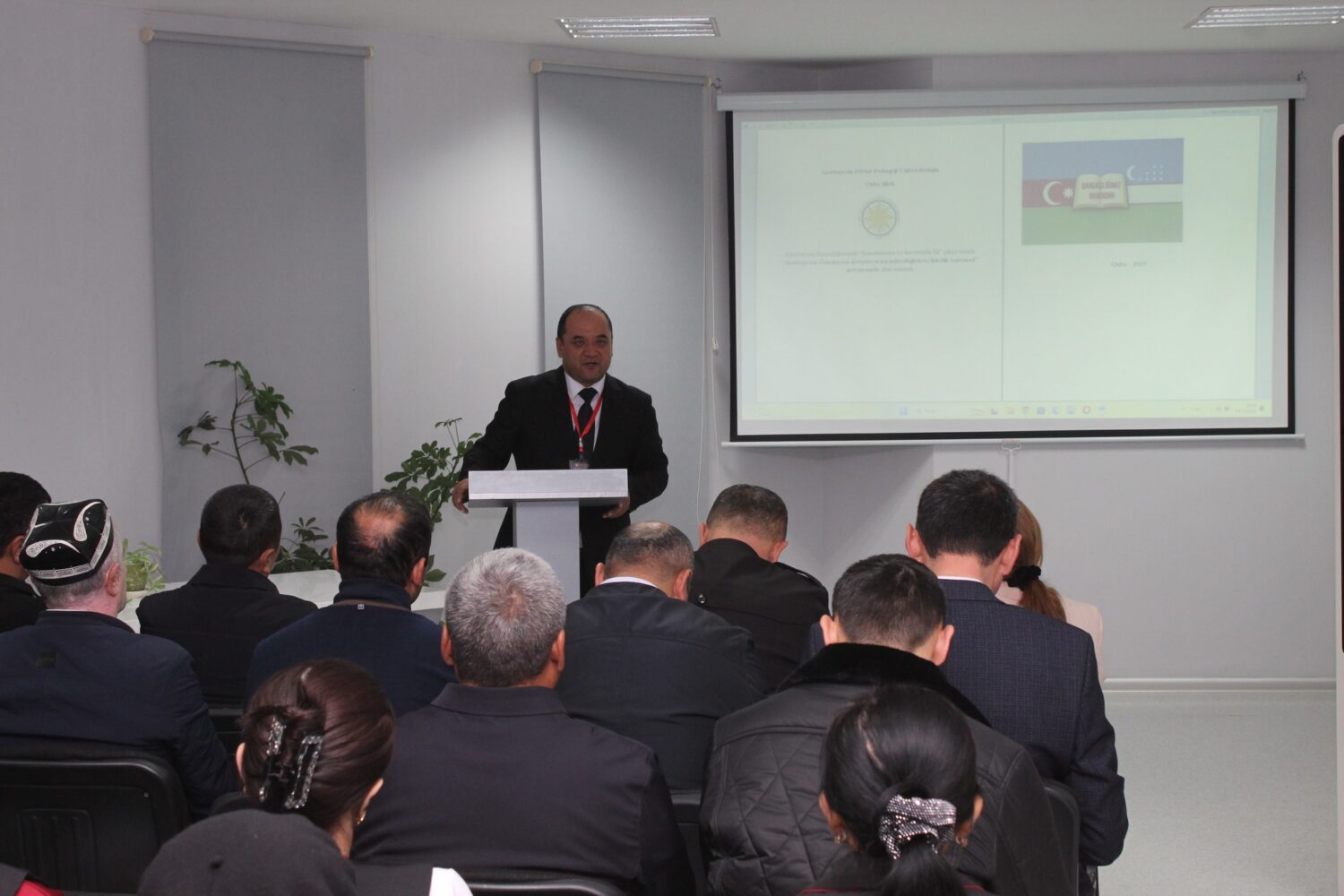
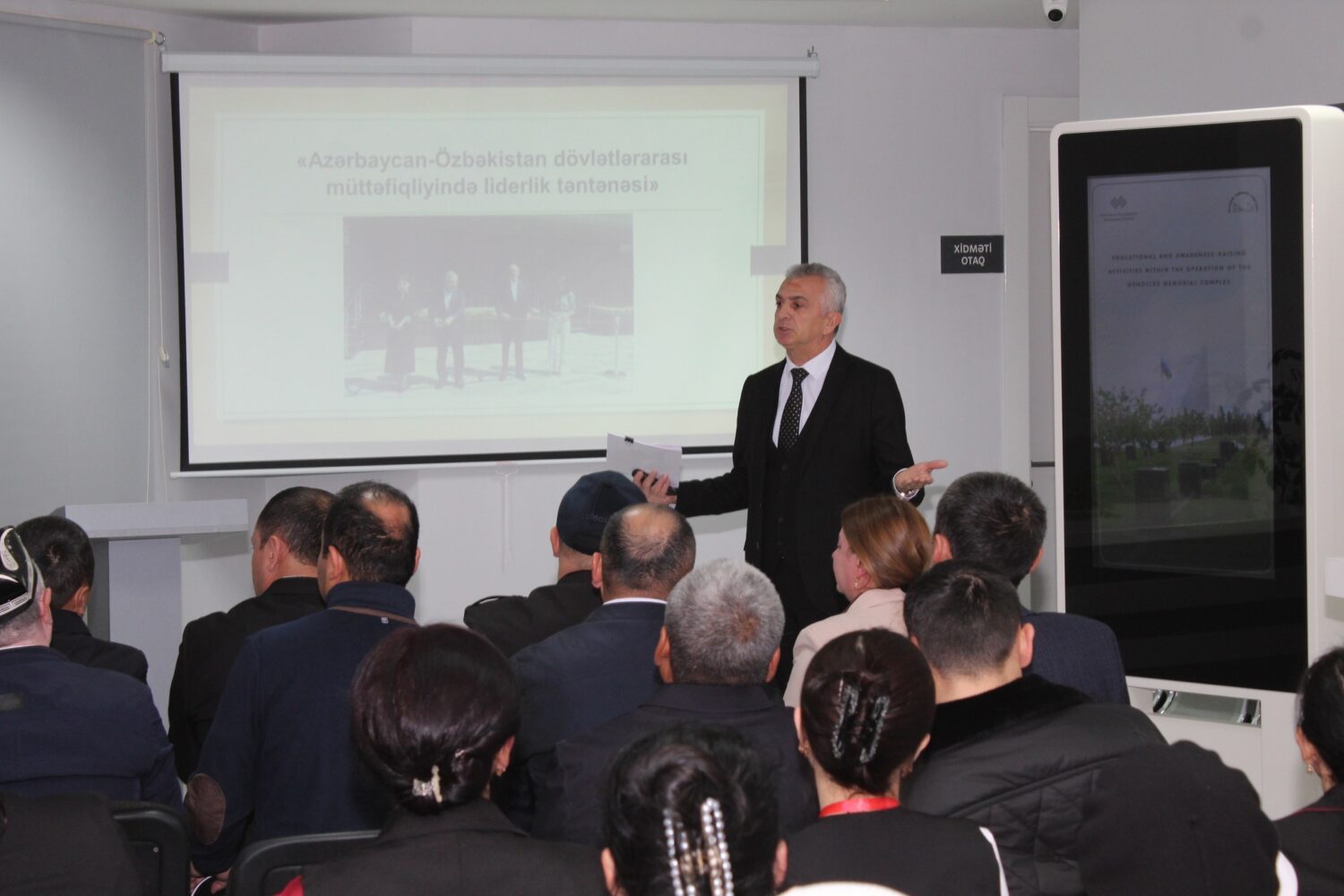
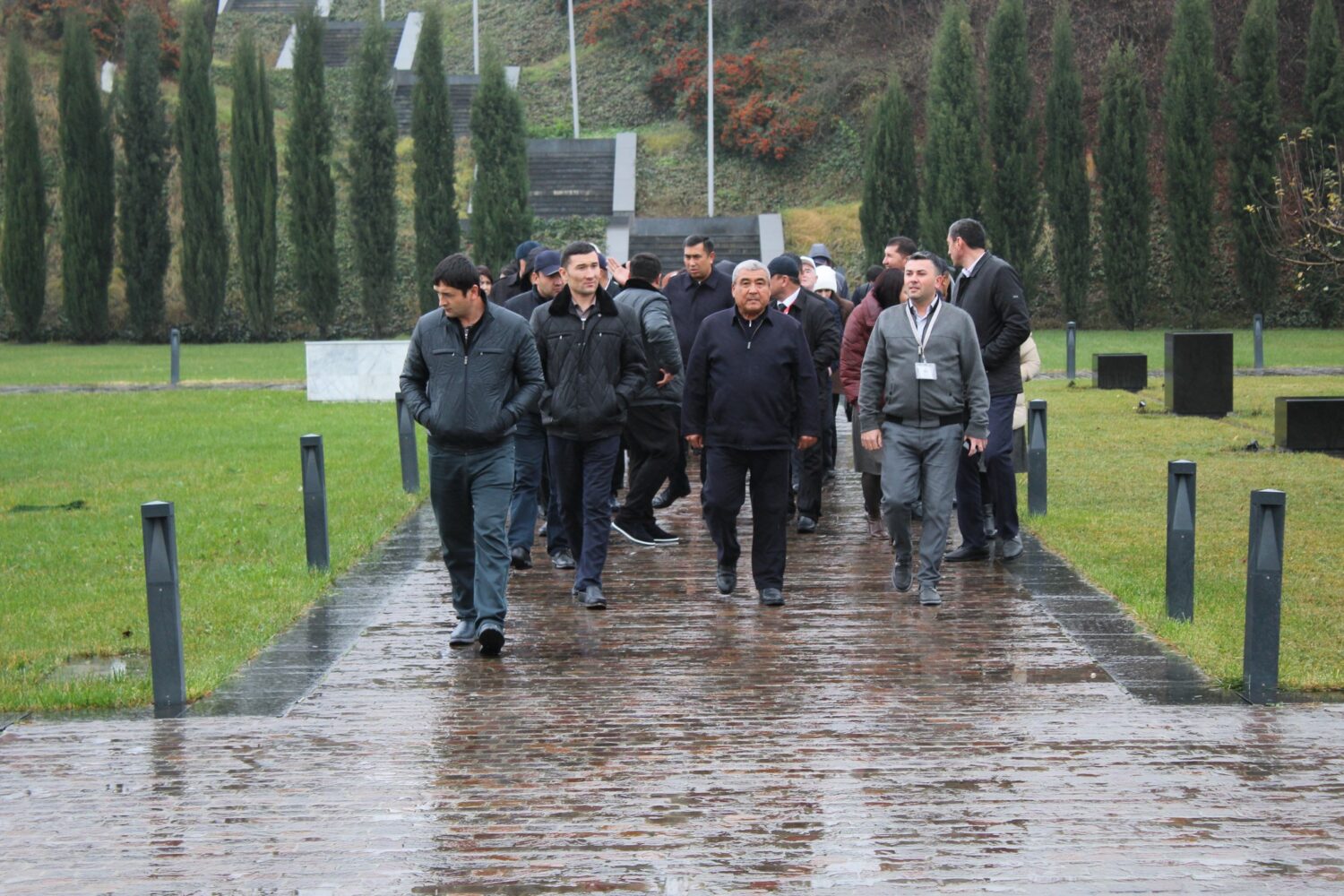
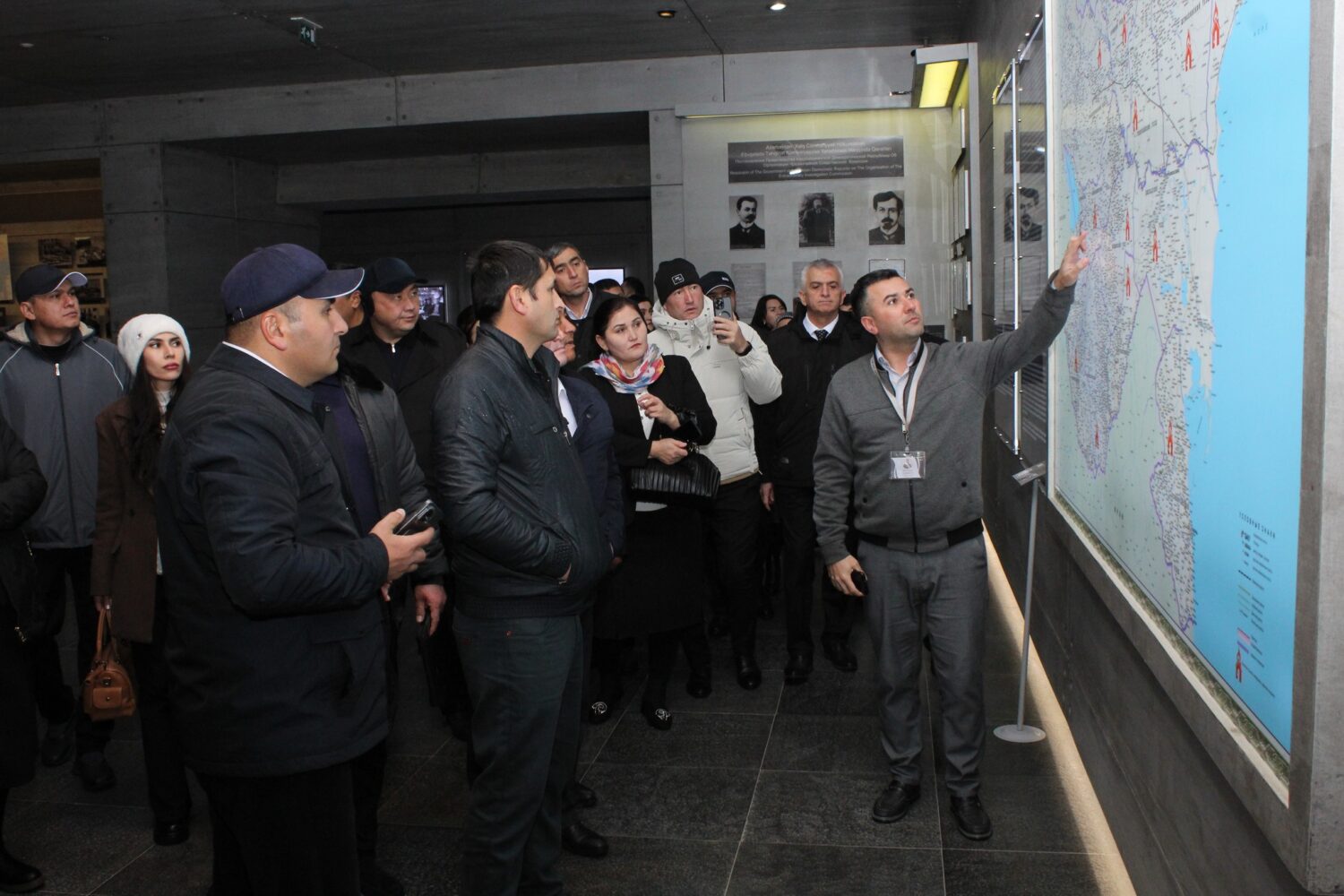
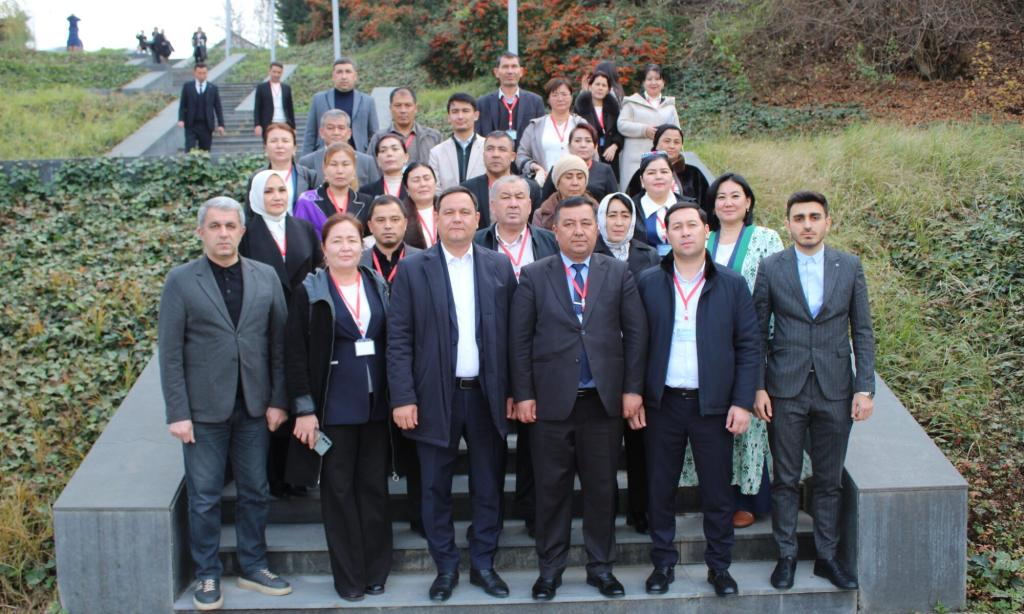
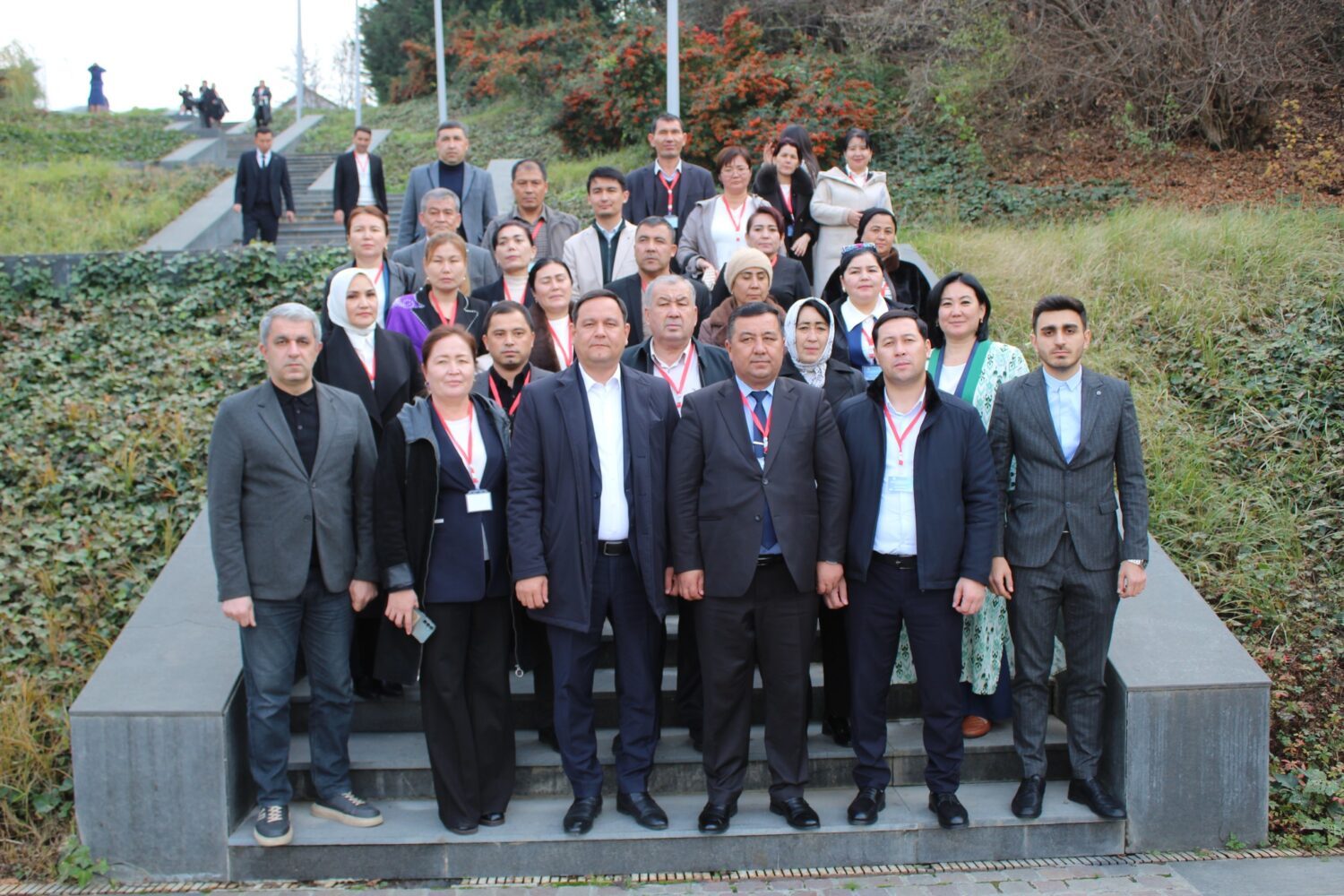
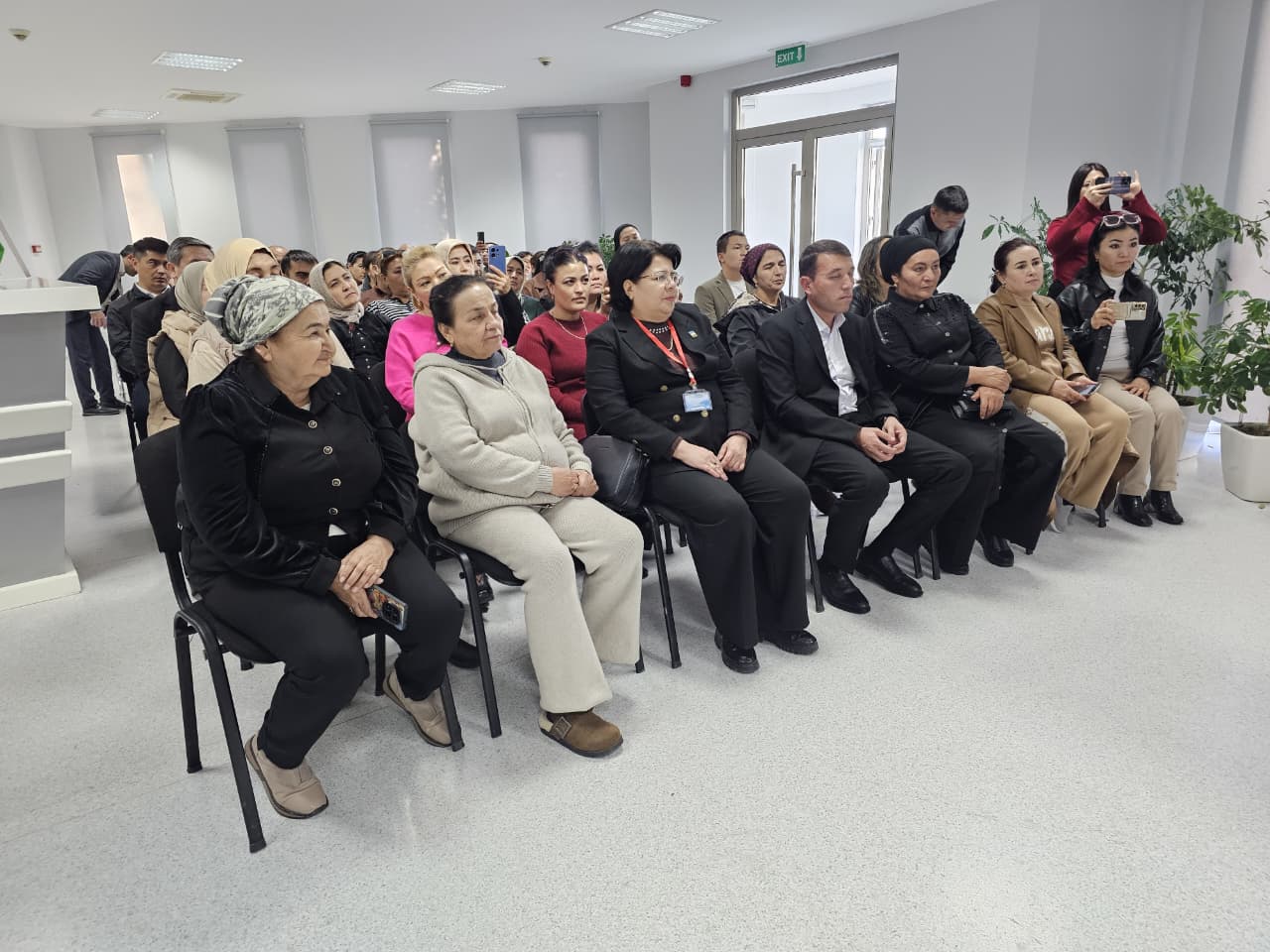
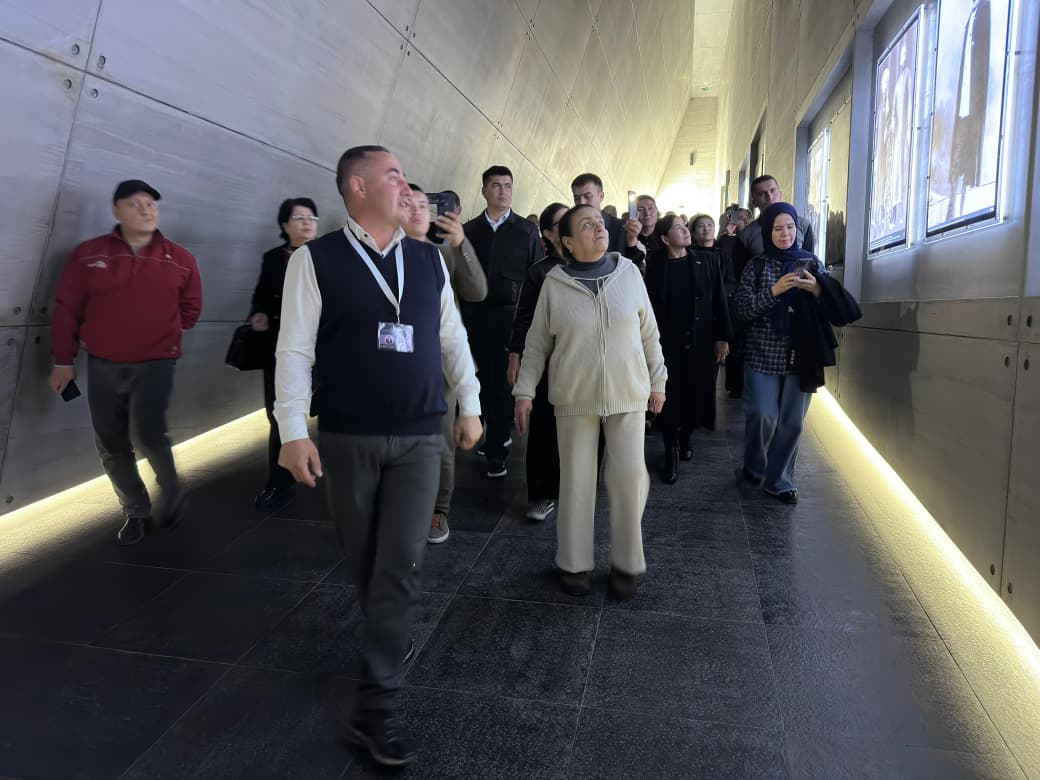
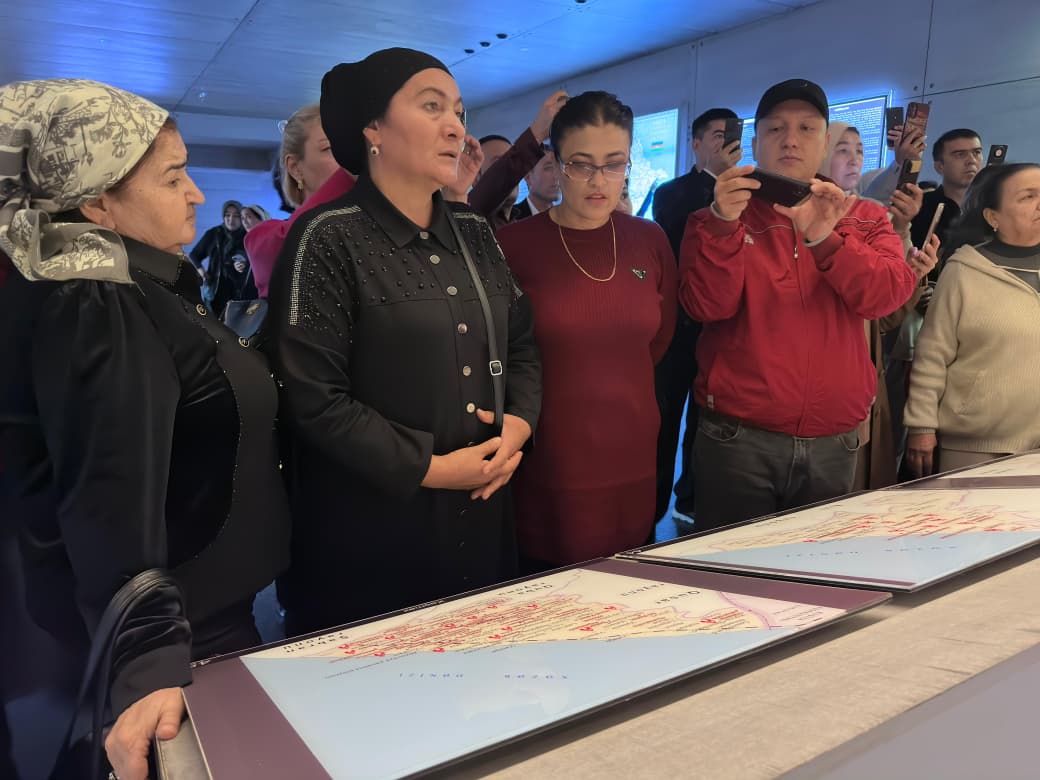
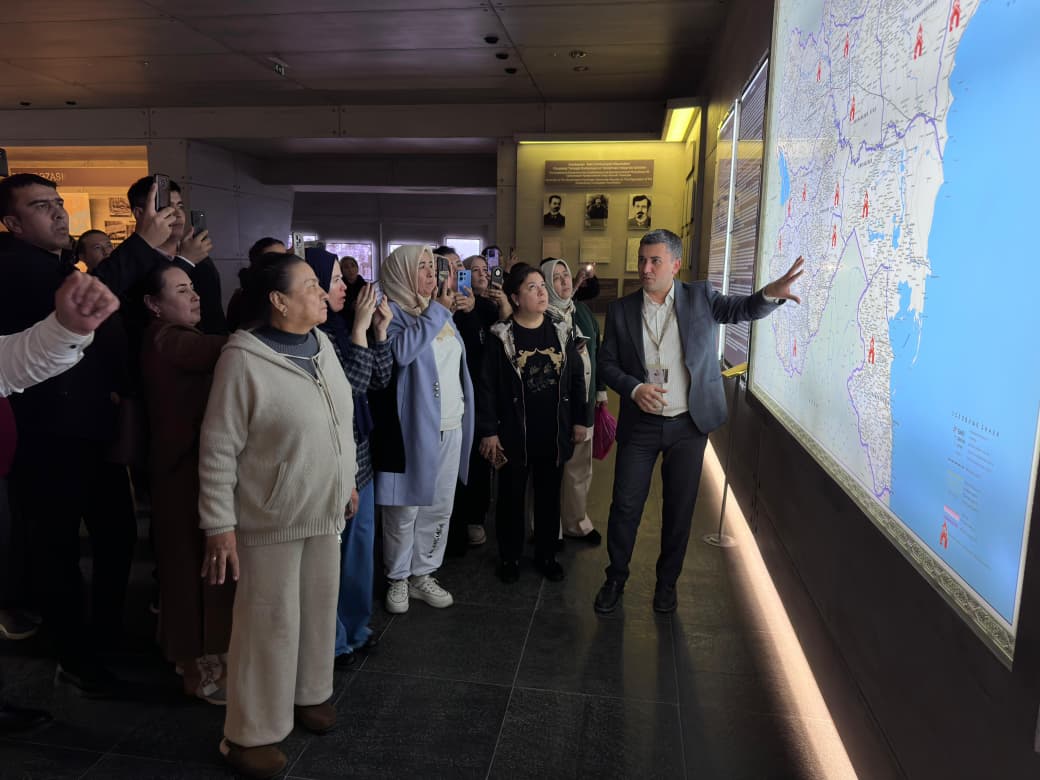
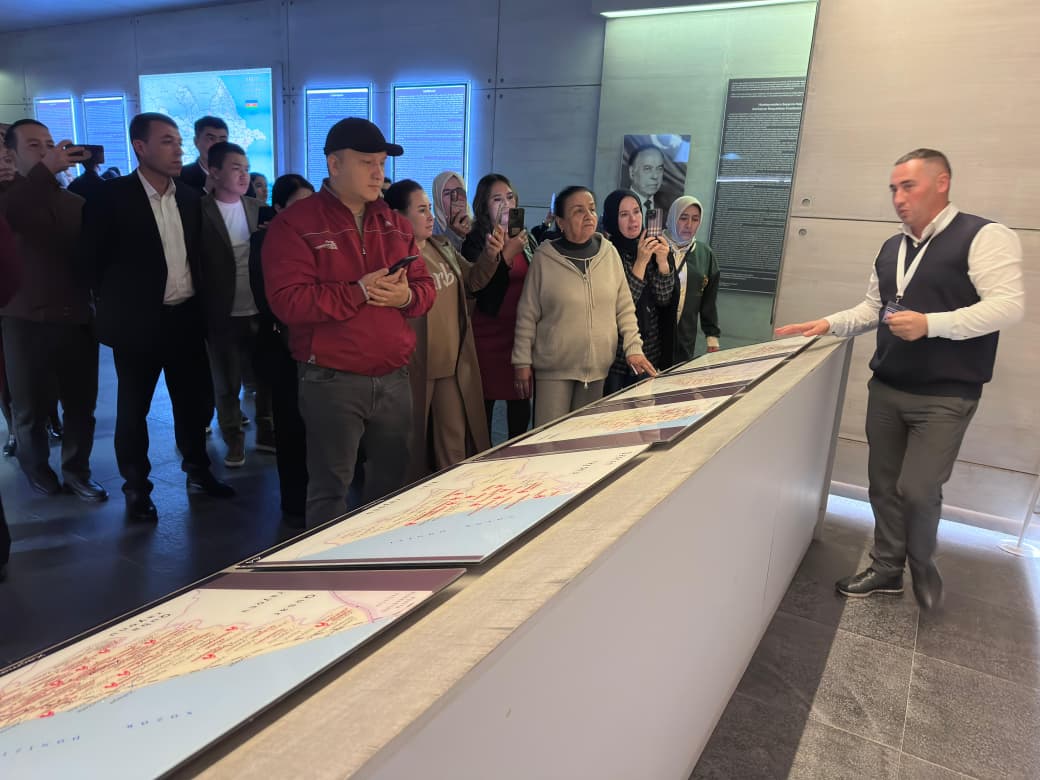
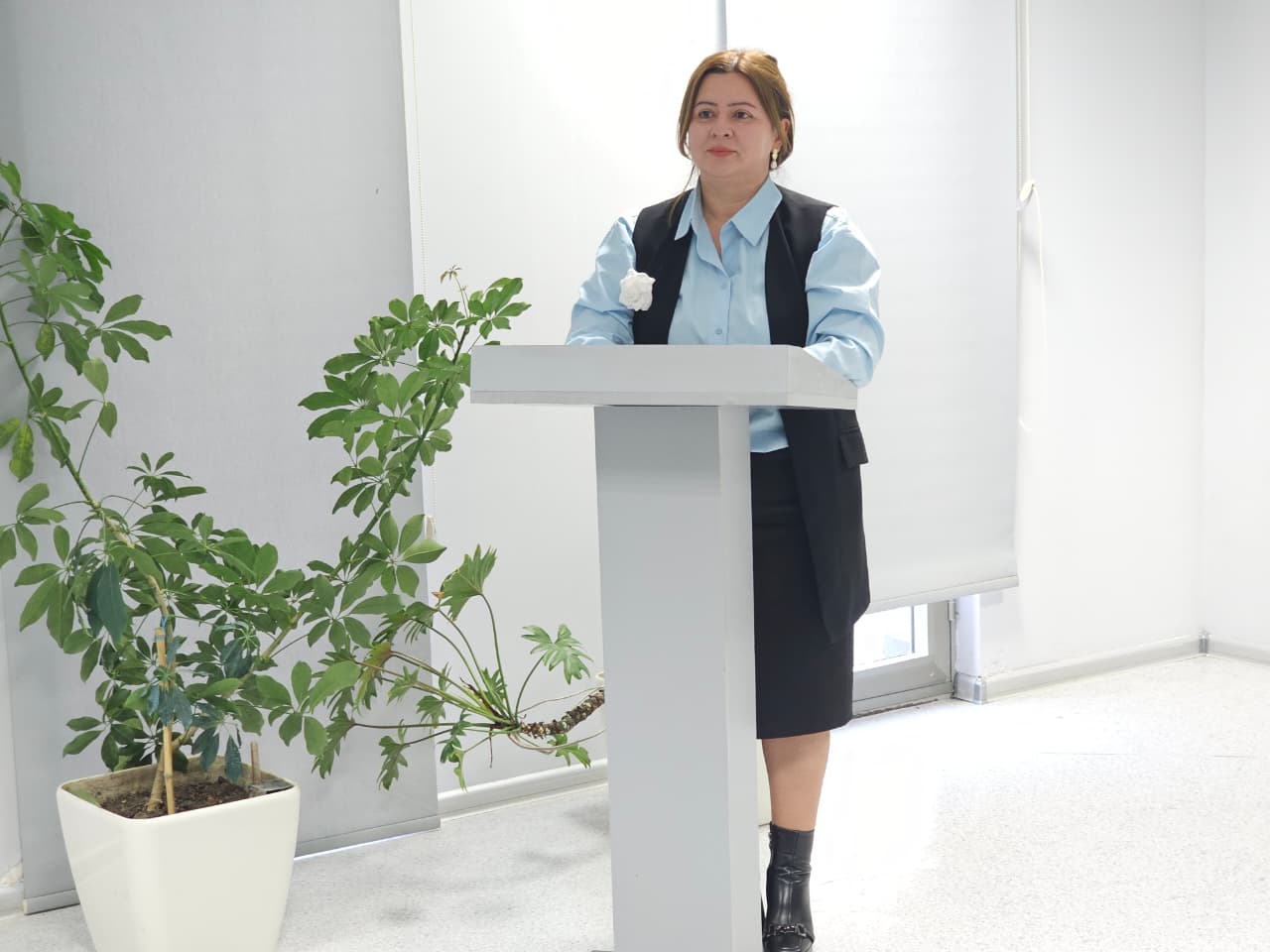
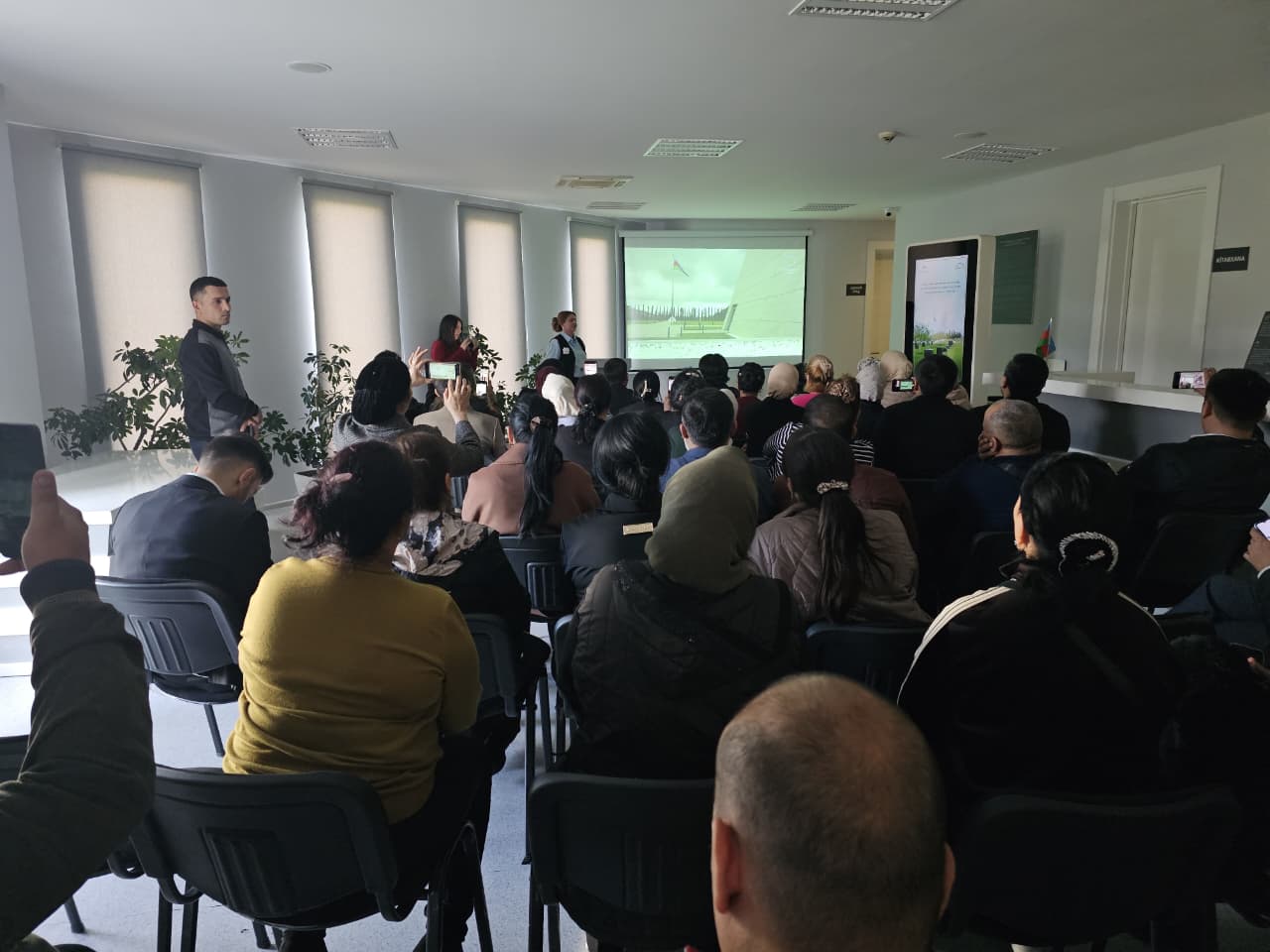
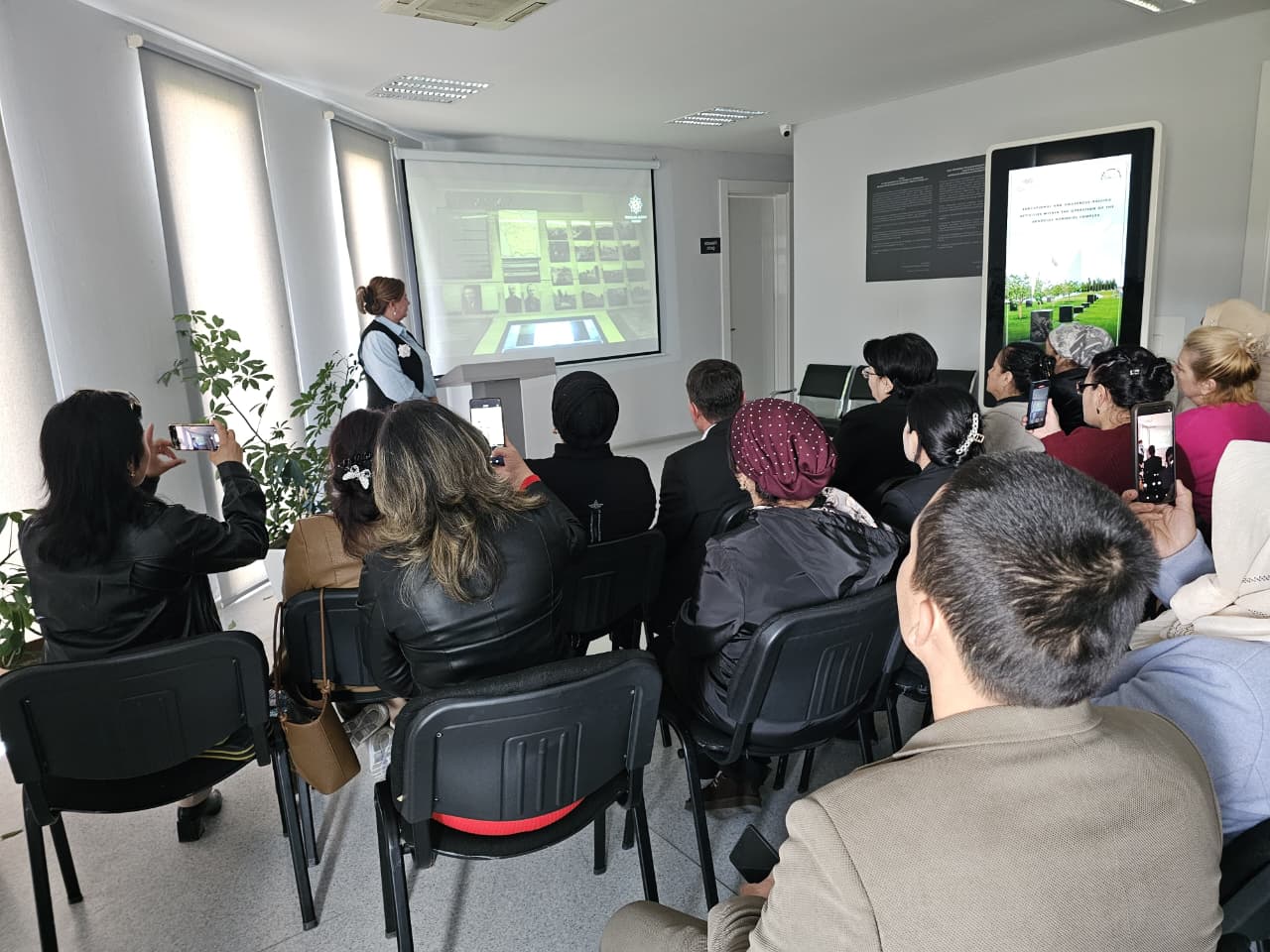
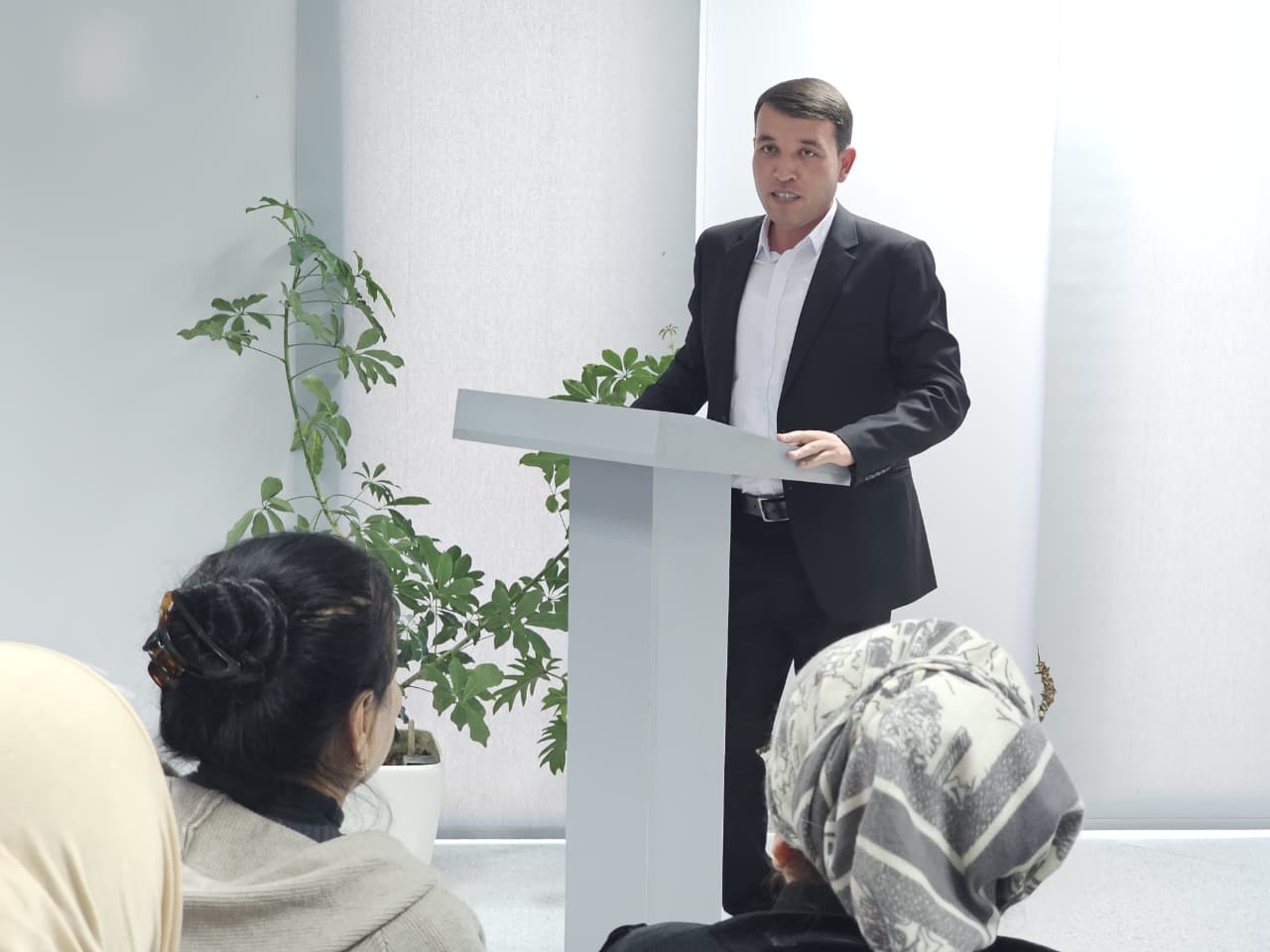
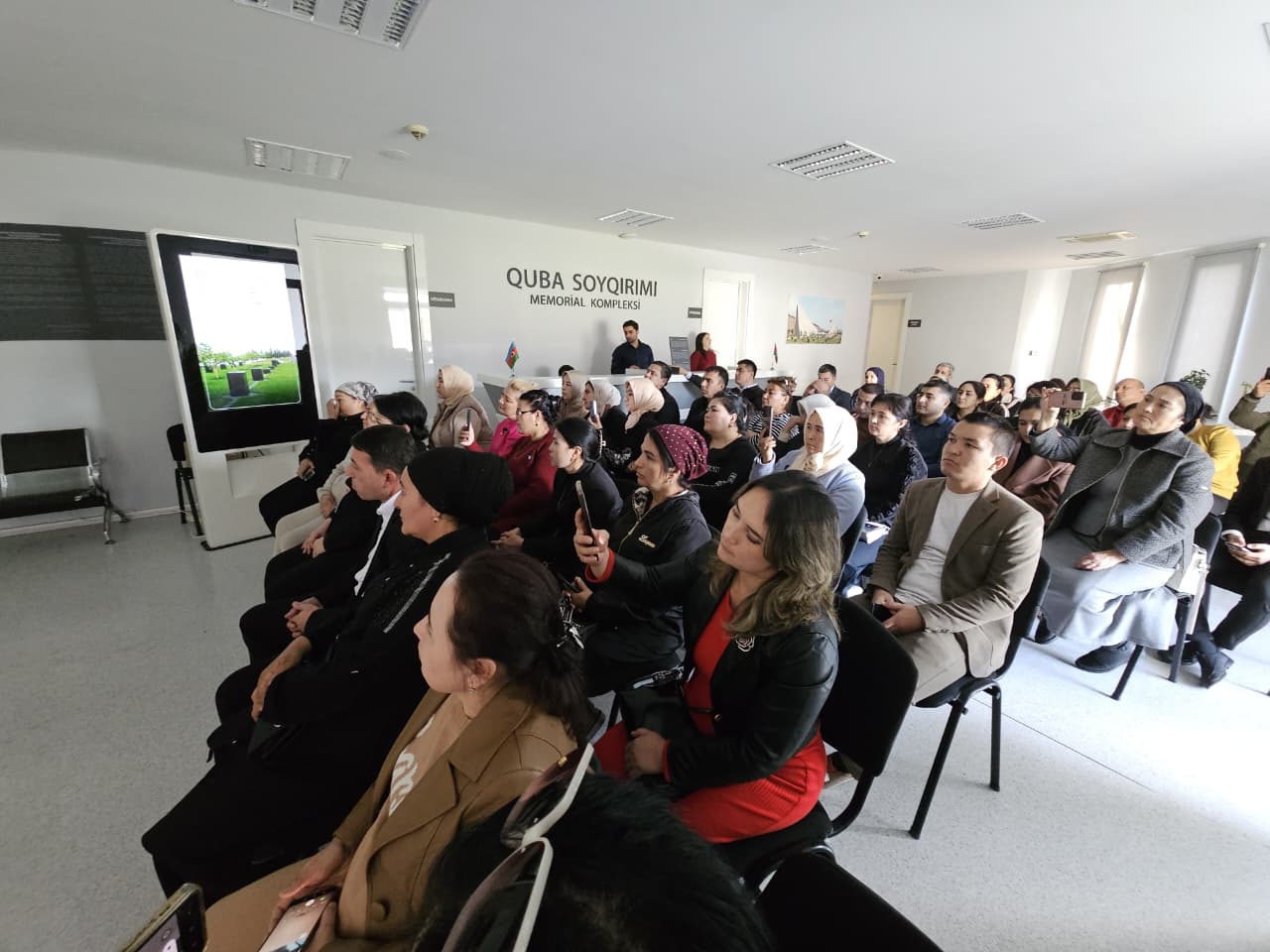
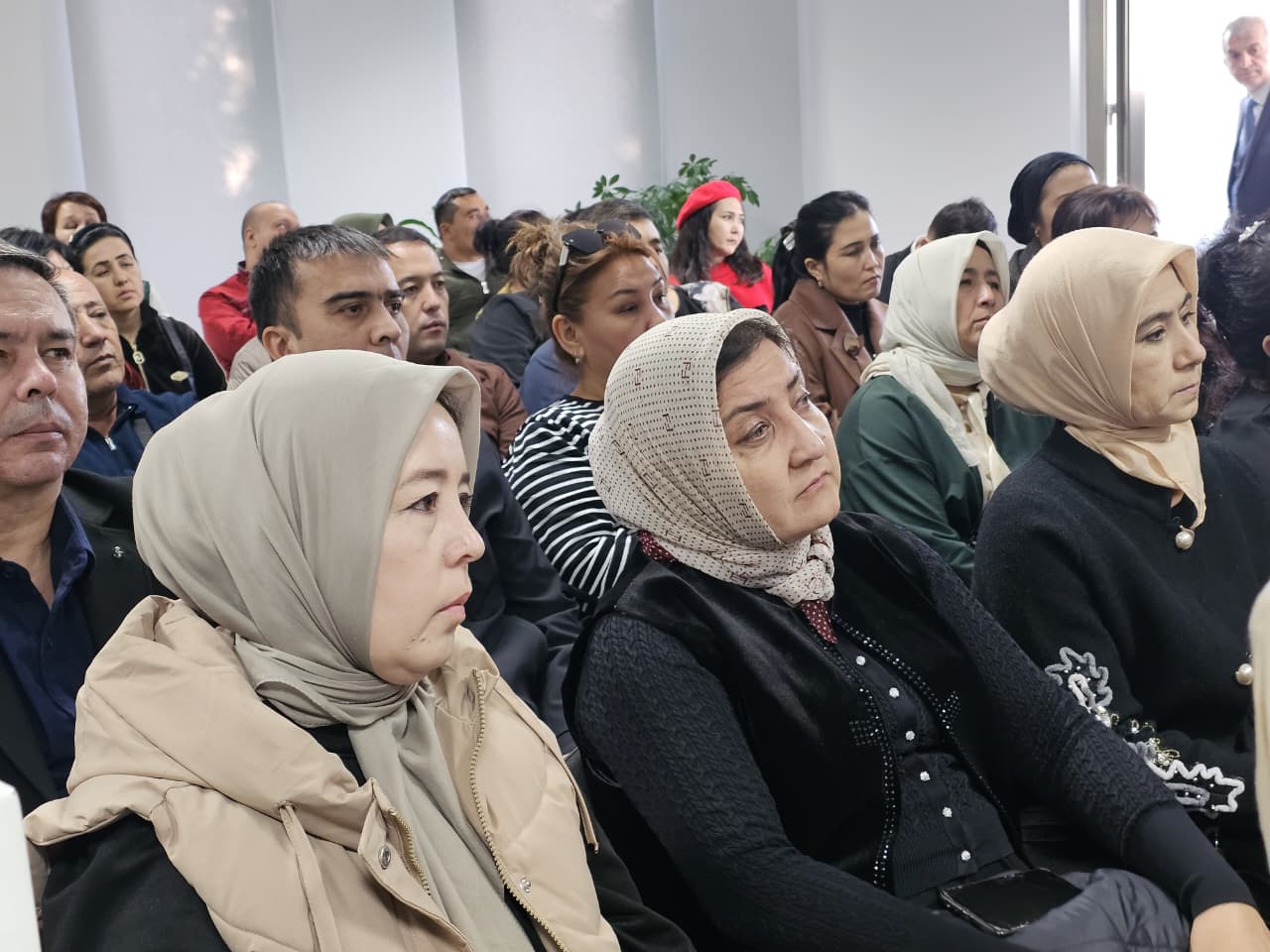
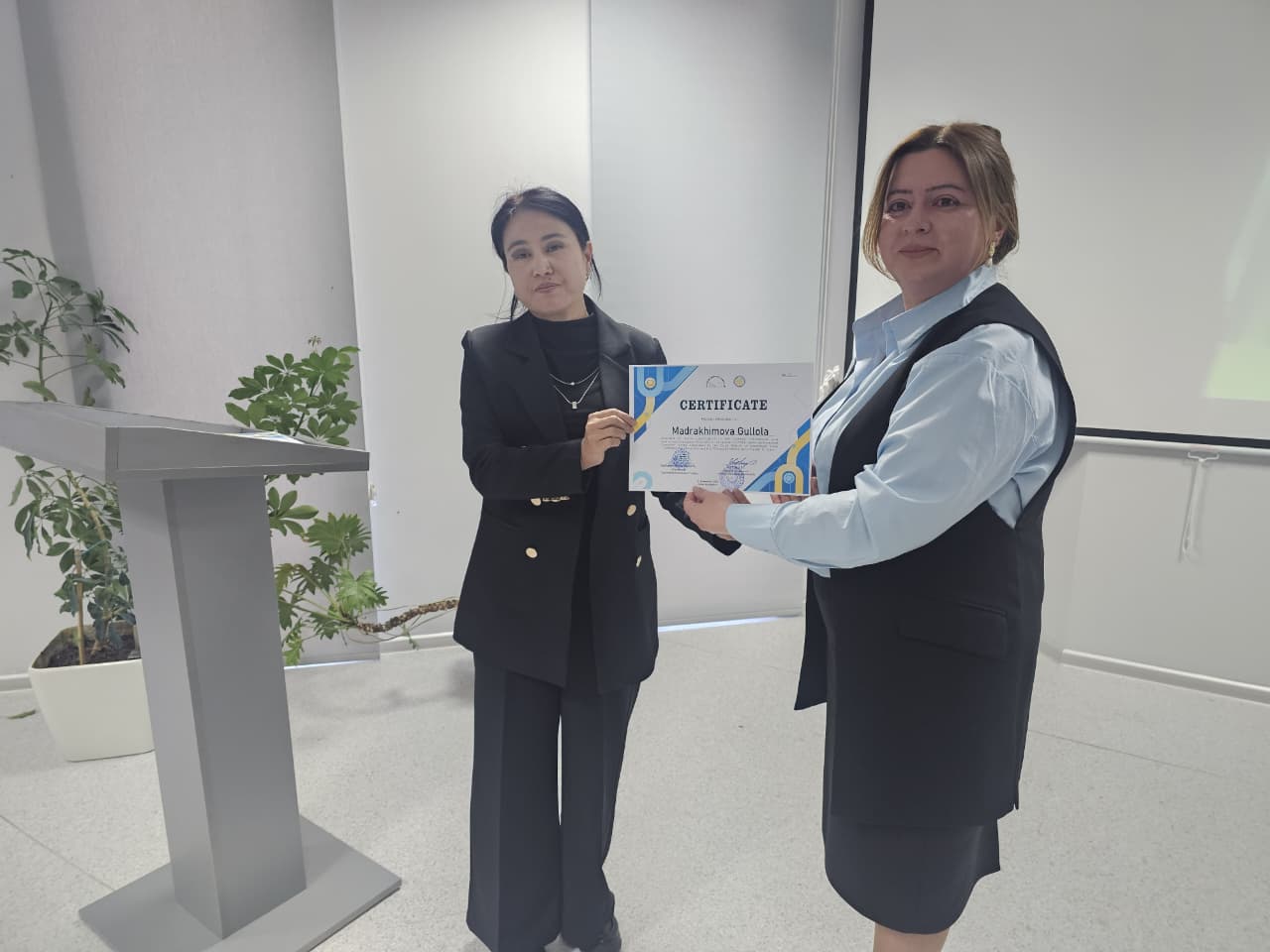
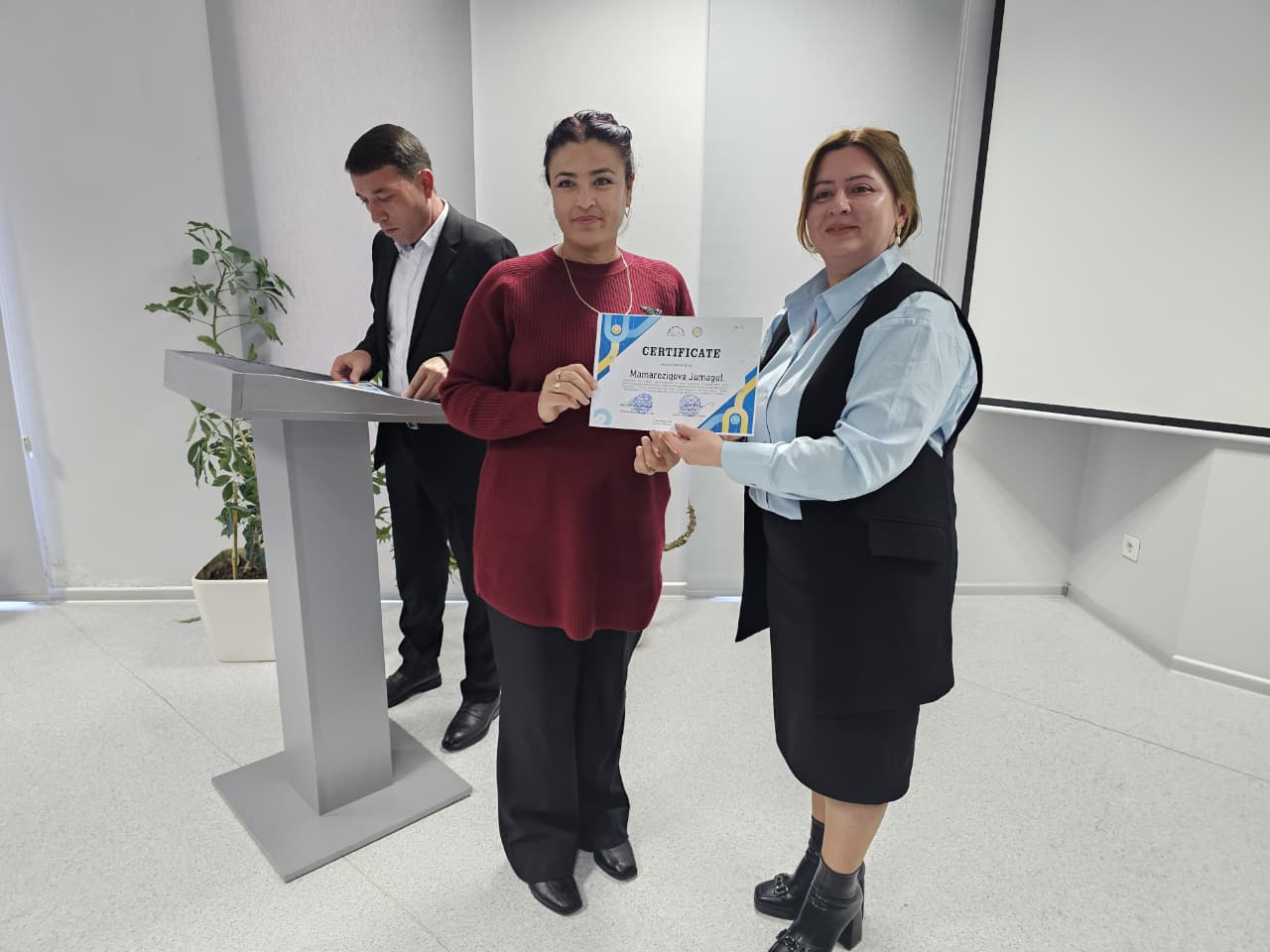
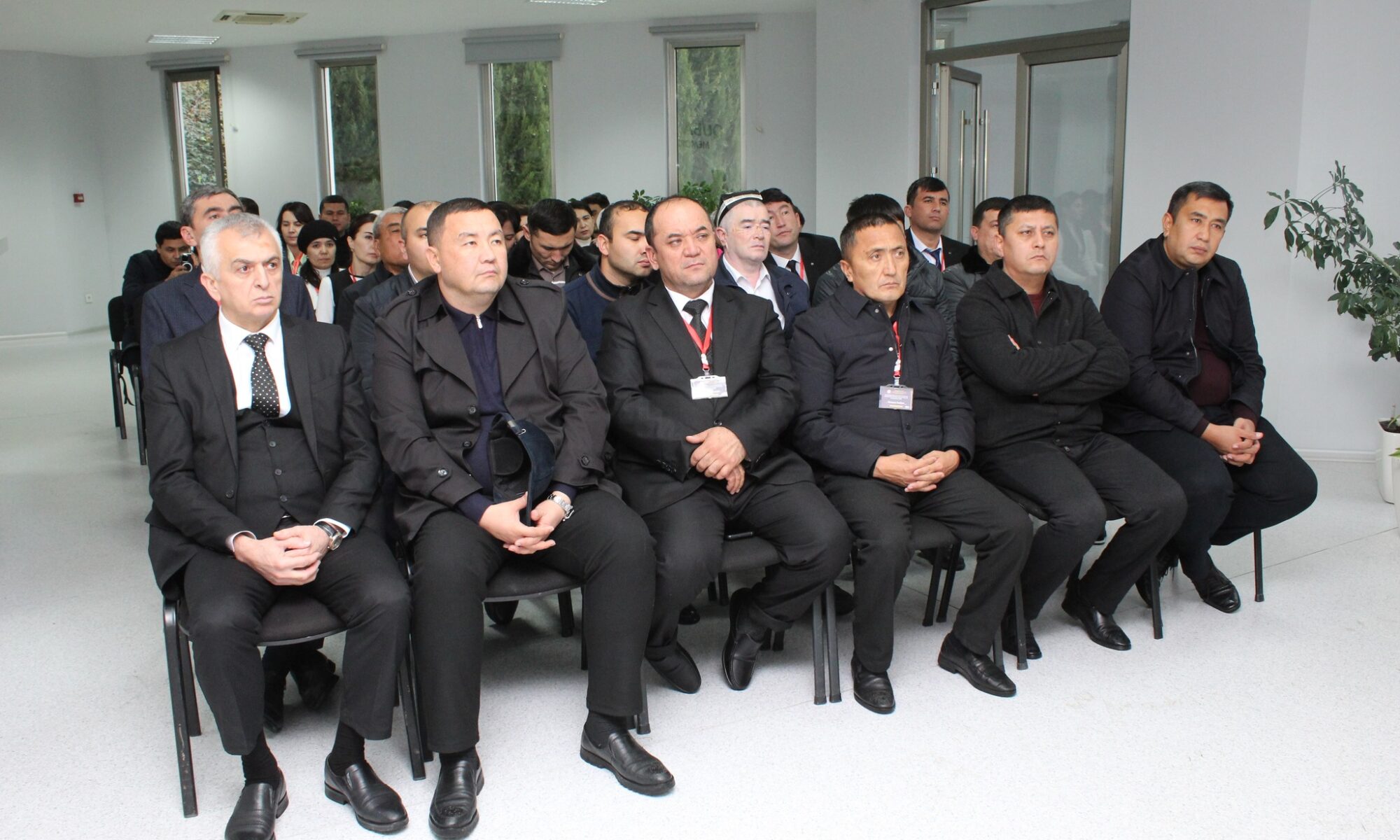
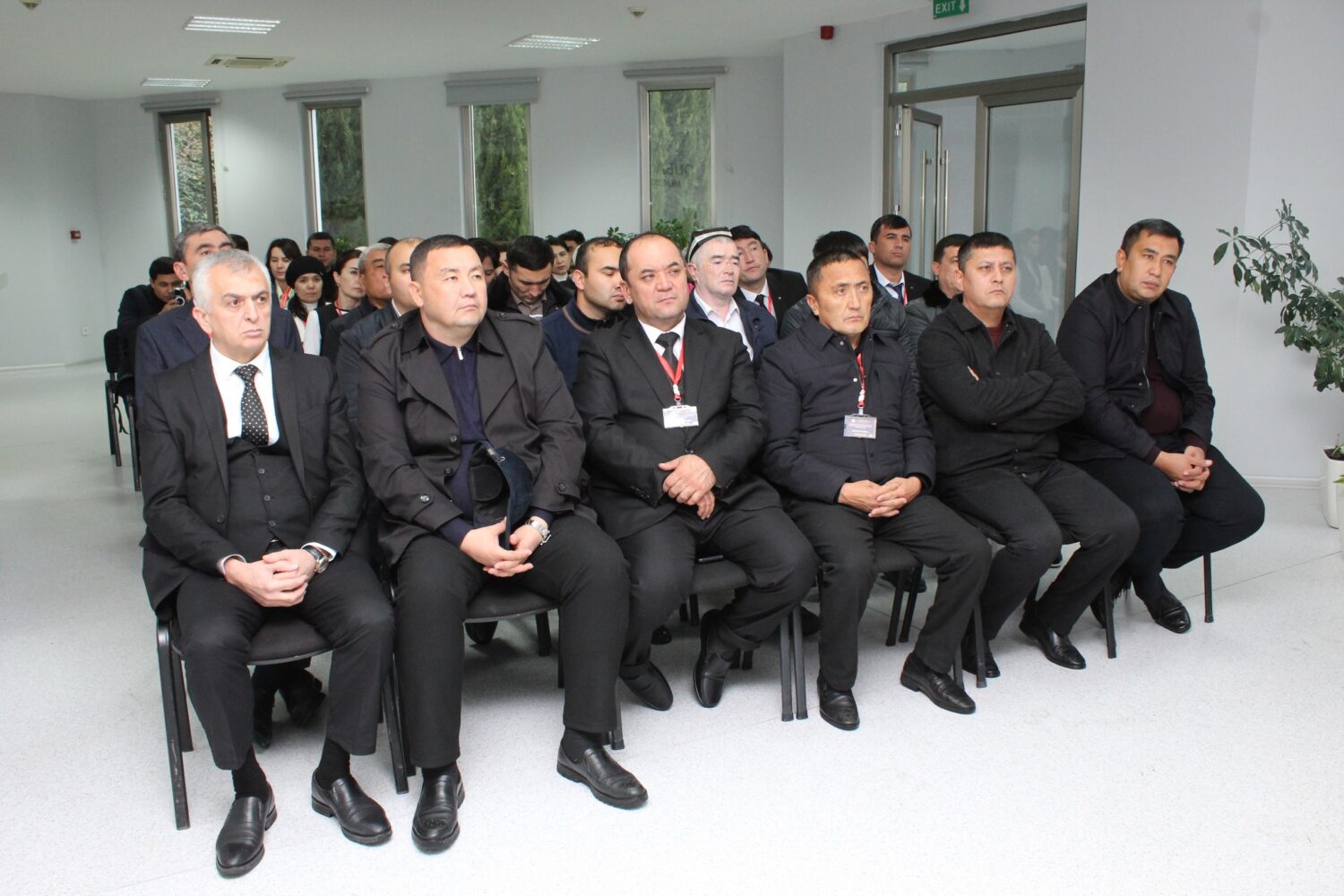
Another training session for Uzbek teachers has been held as part of the collaboration between the Guba branch of Azerbaijan State Pedagogical University and the “Genocide Memorial Complex” in Guba city. The heads and staff members of the Pedagogical Skills Centers under the Ministry of Preschool and School Education of the Republic of Uzbekistan participated in a training at the “Genocide Memorial Complex” in Guba, titled “The Role of Museums and Reserves in the Education of the Young Generation.”
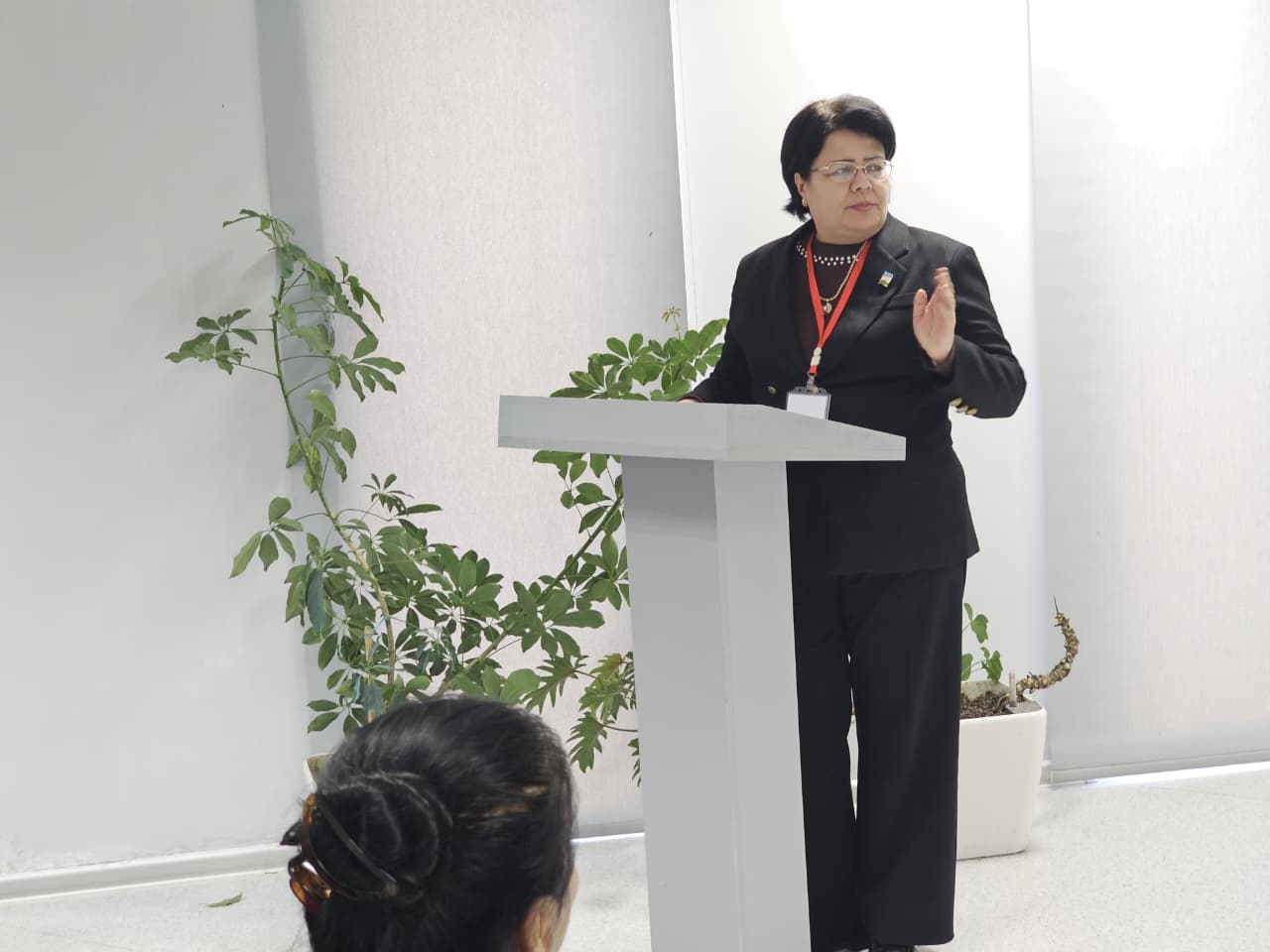
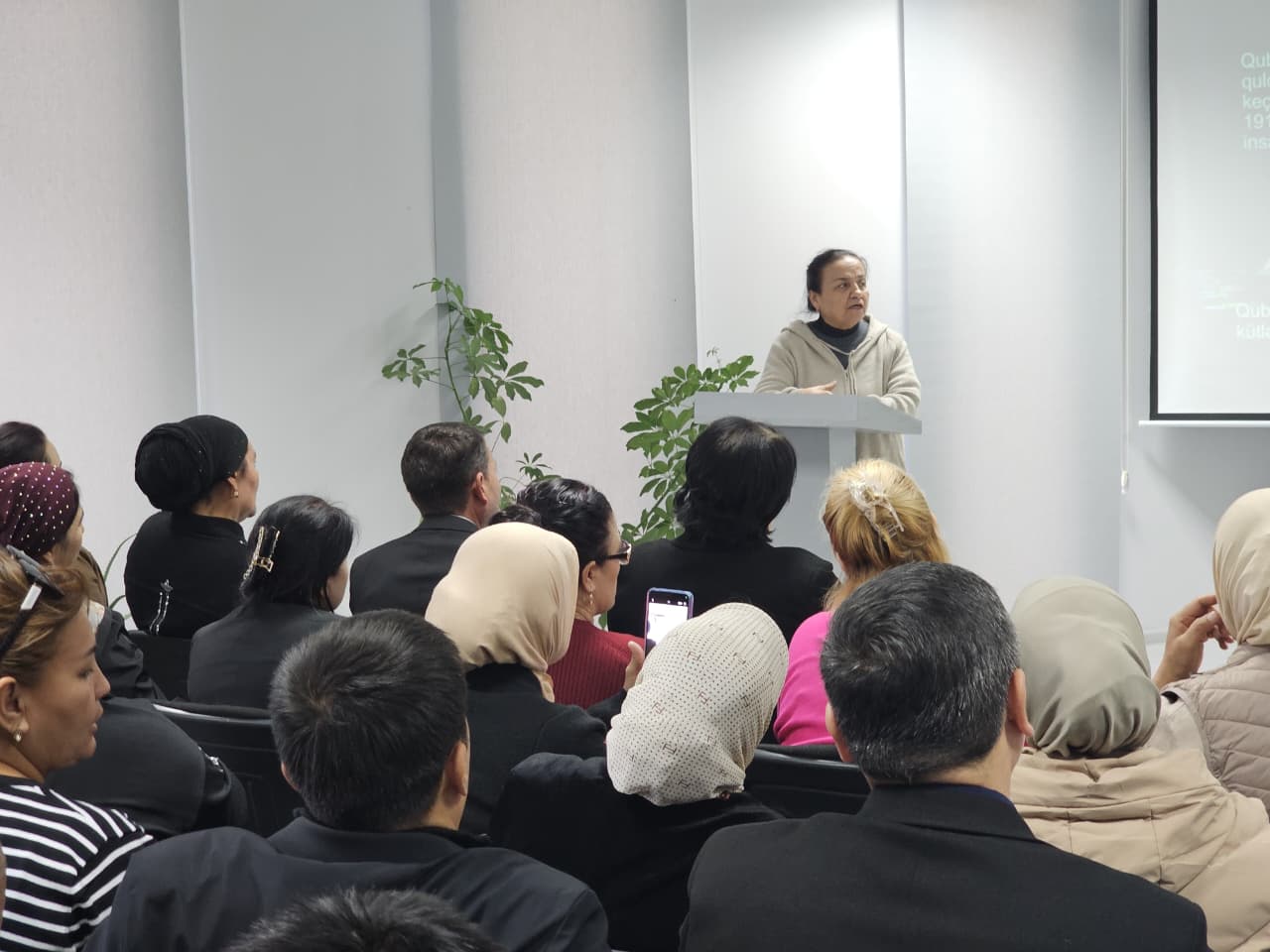
The participants first visited the museum of the Genocide Memorial Complex. The staff of the complex provided detailed information about the documents and photographs exhibited in the museum. In her opening speech, the Deputy Director of the Complex, Mehriban Aliyeva, greeted the guests and gave an overview of the history of friendly relations between Uzbekistan and Azerbaijan. She noted that in recent years, the relations between Azerbaijan and Central Asian countries, including Uzbekistan, have entered a new phase of development. Today, the Azerbaijan–Uzbekistan relationship is rapidly advancing as a result of the visionary policies of the two countries’ leaders, mutual visits, and regular communication.
Next, the Deputy Director of the Andijan Pedagogical Skills Center, Gurbanov Utkirbek, and the Head of the “Language Teaching Methodology” Department at the Tashkent Pedagogical Skills Center, Dushayeva Nazokat, expressed their gratitude for the training program, discussing innovations in education and collaboration opportunities. The speakers highlighted that the relations between Azerbaijan and Uzbekistan have an ancient history, and both nations are united by close national traditions, a common language group, culture, and religion.
At the end of the event, certificates were presented to the participants.

"Lahıc Copper Craftsmanship"

Lahıc is one of the oldest and most unique villages in Azerbaijan. It is located at the foothills of the Greater Caucasus, in the Ismayilli region. This place has been known for its craftsmen, especially for copper craftsmanship, since ancient times. The copper craftsmanship of Lahıc is one of the brightest examples of Azerbaijani folk art and preserves a rich tradition passed down from generation to generation.
Copper craftsmanship in Lahıc has a centuries-old history. Archaeological discoveries and historical sources indicate that even in the Middle Ages, household and decorative items—such as dishes, trays, teapots, cups, lamps, and weapon decorations—were produced here. Lahıc’s location along caravan routes facilitated the spread of these artistic products beyond the Caucasus, reaching Iran, Central Asia, and even the Middle East.
The copper craftsmanship of Lahıc is an inseparable part of Azerbaijan’s cultural identity. It reflects the people’s aesthetic taste, industriousness, and pursuit of perfection. Thanks to the efforts of the masters and the support of the state, this tradition has been preserved to this day. Currently, dozens of workshops operate in Lahıc, where visitors can witness the copper crafting process and acquire true masterpieces.
Lahıc’s copper craftsmanship is not just an ancient profession, but also a symbol of the creative spirit of the Azerbaijani people. The scent of copper, the sound of hammers, and the sparkle of engraved patterns are vivid memories of the skill, patience, and love for the craft that have been passed down through centuries.
In 2015, Lahıc’s copper craftsmanship was included in UNESCO’s Representative List of the Intangible Cultural Heritage of Humanity. This recognition signifies the international acknowledgment of its unique role in world culture.
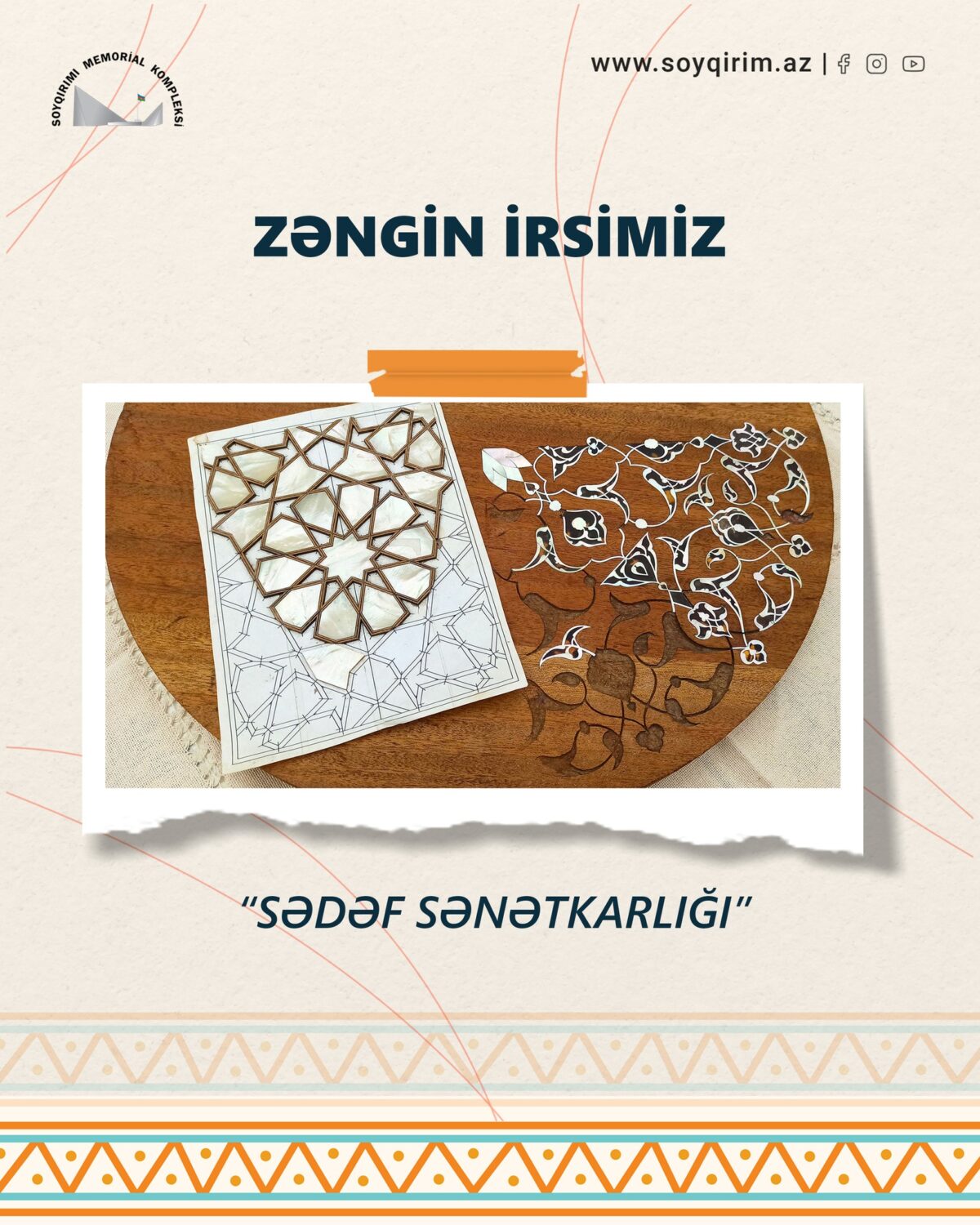
"Tandoor"

Tandoor –It is the traditional baking oven used for centuries in various regions of Azerbaijan. This cylindrical-shaped oven, dug into the ground, is made from clay, straw, and river stones. Wood is burned inside to create high temperatures. The bread, known as tandoor bread, is baked by being stuck to the inner wall of the tandoor. It is not only a staple food but also a symbol of the people’s livelihood and prosperity. The tandoor is sometimes used to cook meat and poultry as well, making it a traditional clay oven.
In modern times, craftsmen primarily prepare two types of tandoors: above-ground and underground. The bread baked in the tandoor is considered a symbol of longevity and is an inseparable part of the daily diet of the Azerbaijani people. Such bread stays fresh for a long time without spoiling and can be consumed for several days.
In Azerbaijan, bread is a symbol of hospitality, family unity, and abundance. The process of tandoor baking and bread making strengthens unity and solidarity among people and contributes to the preservation of traditions and beliefs. Knowledge about tandoor craftsmanship is passed down from generation to generation, mainly through observation and experience. The secrets of bread making are shared orally within the family, through teaching and hands-on experience, to the younger generations. Young women and men follow the process, helping each other, thereby gaining experience.
At the 19th session of UNESCO’s Intergovernmental Committee for the Safeguarding of the Intangible Cultural Heritage held in the capital of Paraguay, Asunción, the national nomination titled “Tandoor Craftsmanship and Bread Making in Azerbaijan” was successfully included in UNESCO’s Representative List of the Intangible Cultural Heritage of Humanity.
 

November 12 – Constitution Day of the Republic of Azerbaijan

November 12th is one of the most significant and value-rich days in the history of Azerbaijan’s statehood. On this day in 1995, the Constitution was adopted through a nationwide referendum, laying the foundation for the political, economic, and social development of independent Azerbaijan. This document embodies the sovereign will of the people and the principles of freedom, justice, and the rule of law, driving the establishment of a modern, democratic, and legal state.

The Constitution clearly defines the rights and duties of both the state and citizens, contributing to stability and transparency in the governance system. It establishes a balanced mechanism for state administration by accurately delineating the division of powers among the legislative, executive, and judicial branches. This document plays a crucial role as the foundation for protecting human rights and freedoms, ensuring social justice, and promoting the development of civil society.

The Constitution of Azerbaijan is not only a legal document but also a moral and political symbol that reflects our national values, the spirit of independence, and our determination for statehood. Its adoption has played a vital role in Azerbaijan’s recognition as a democratic and legal state in the international community.
Every year, November 12 is proudly celebrated nationwide. This day holds special significance in enhancing the legal culture of citizens, strengthening respect for the law, and fostering a sense of responsibility. Constitution Day reaffirms the commitment of our people to the principles of freedom, equality, and justice. This landmark date serves as a reminder of the importance of building statehood on solid foundations and upholding the rule of law.
The Constitution of the Republic of Azerbaijan remains a key legal guide that directs the country’s comprehensive development, ensures human rights, and strengthens democratic values. It also carries the mission of guiding future generations in the establishment of a free, just, and law-based society.
State Flag Day of the Republic of Azerbaijan

By the Decree signed by the President of the Republic of Azerbaijan, Ilham Aliyev, on November 17, 2009, November 9th is celebrated as State Flag Day in the country every year.
The observance of State Flag Day is linked to the history of the Azerbaijan People’s Republic. On November 9, 1918, the Azerbaijan People’s Republic adopted the three-colored state flag. This decision was a historic event that embodied the national identity, the ideal of freedom, and the modern statehood mindset of the people. The three colors on the state flag represent the three fundamental principles of the national independence ideology in the early 20th century: blue symbolizes Turkism, red represents modernity, and green signifies Islam.
After the years of independence, this flag once again began to wave over the country and became an inseparable symbol of Azerbaijan’s statehood.
Today, every year, the three-colored flag is proudly hoisted in all regions of Azerbaijan, reminding us of the state’s sovereignty, the unity of the people, and the will for freedom.
State Flag Day is not only a commemoration of a historical moment but also a symbol of the nation’s loyalty to its identity and statehood. The three colors simultaneously carry the past, present, and future of a nation.

Tree Planting Campaign Held on November 8th – Victory Day, Organized by the Guba District Executive Authority

A tree planting campaign was held on November 8, 2025, in honor of Victory Day, organized by the Guba District Executive Authority. The event saw the participation of the leadership and staff of the “Genocide Memorial Complex” in Guba city. The campaign aimed to promote environmental sustainability and commemorate the significant national holiday by planting trees in the region
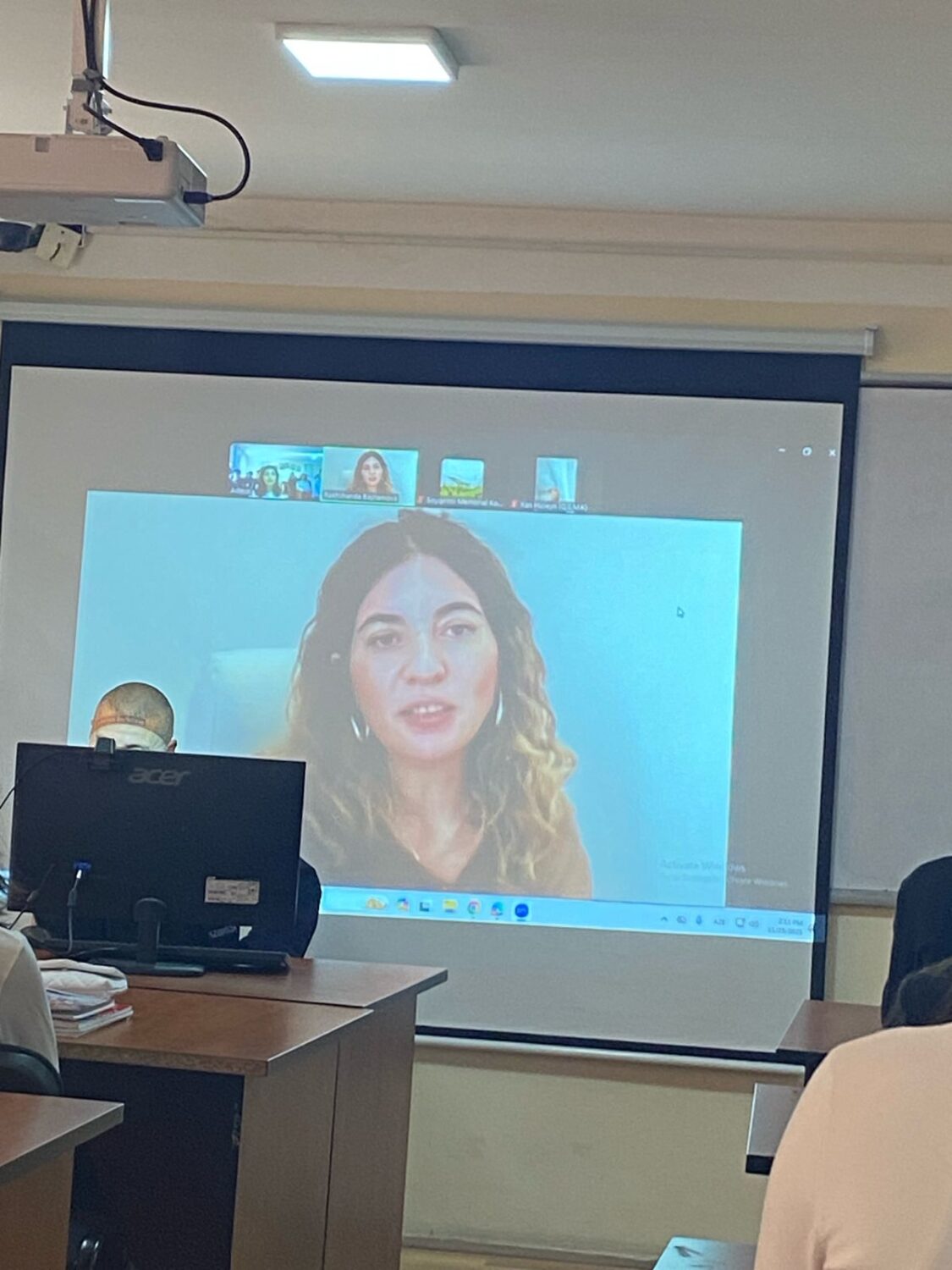
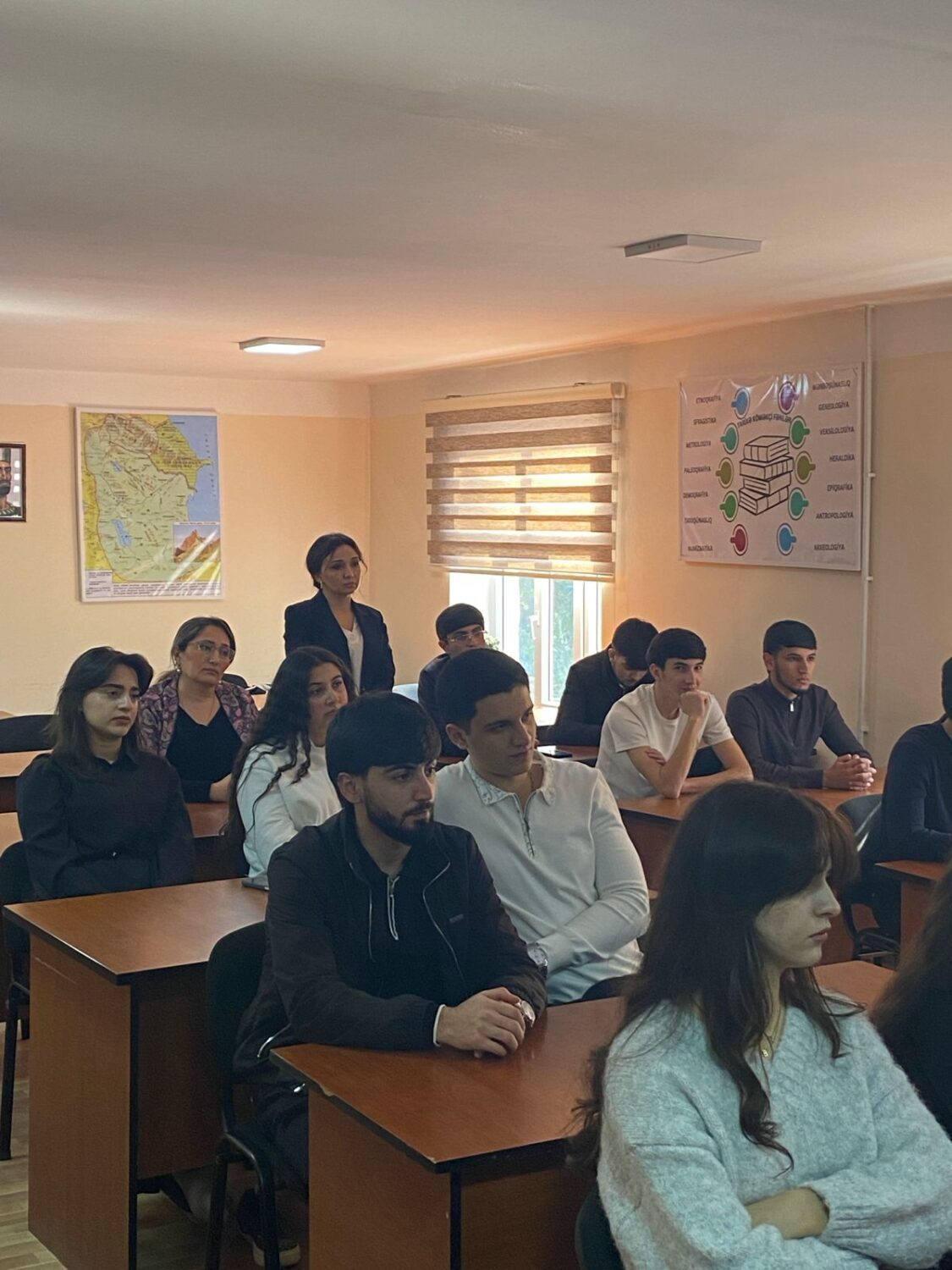
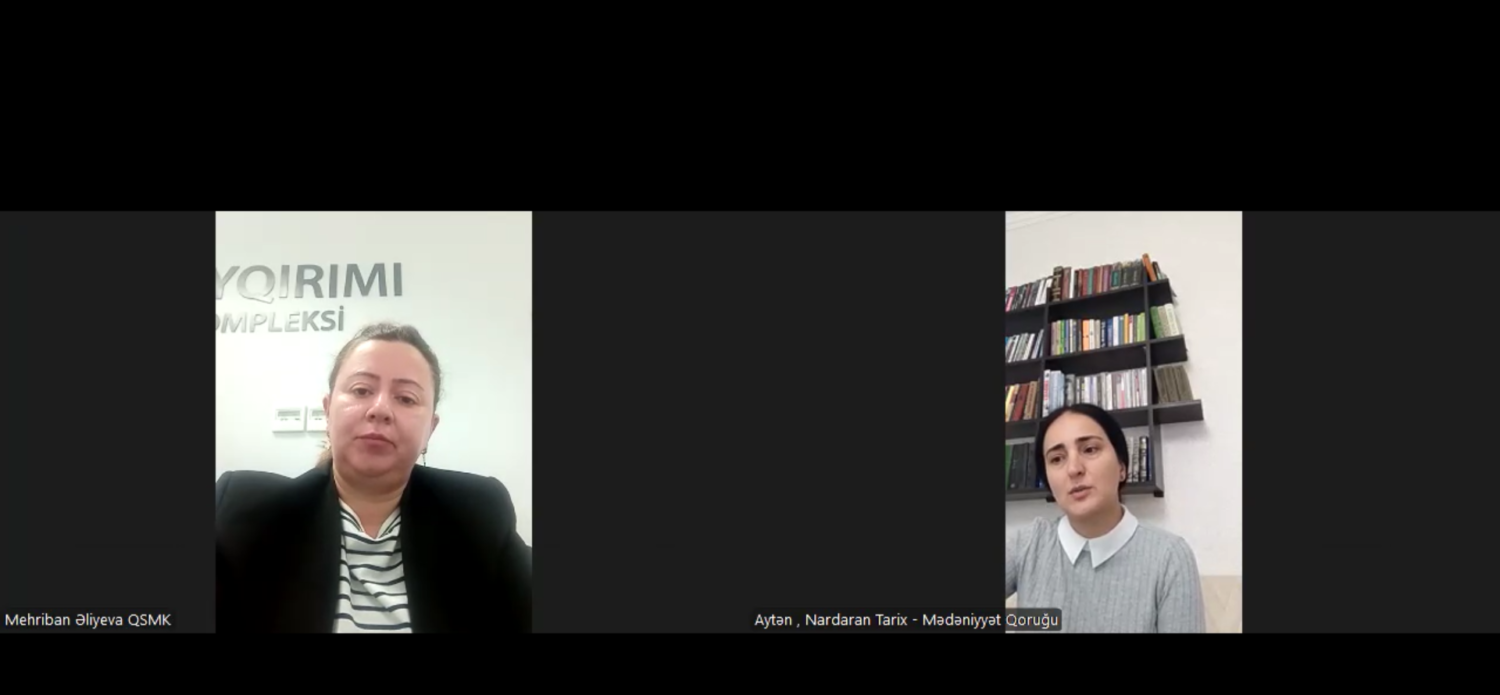
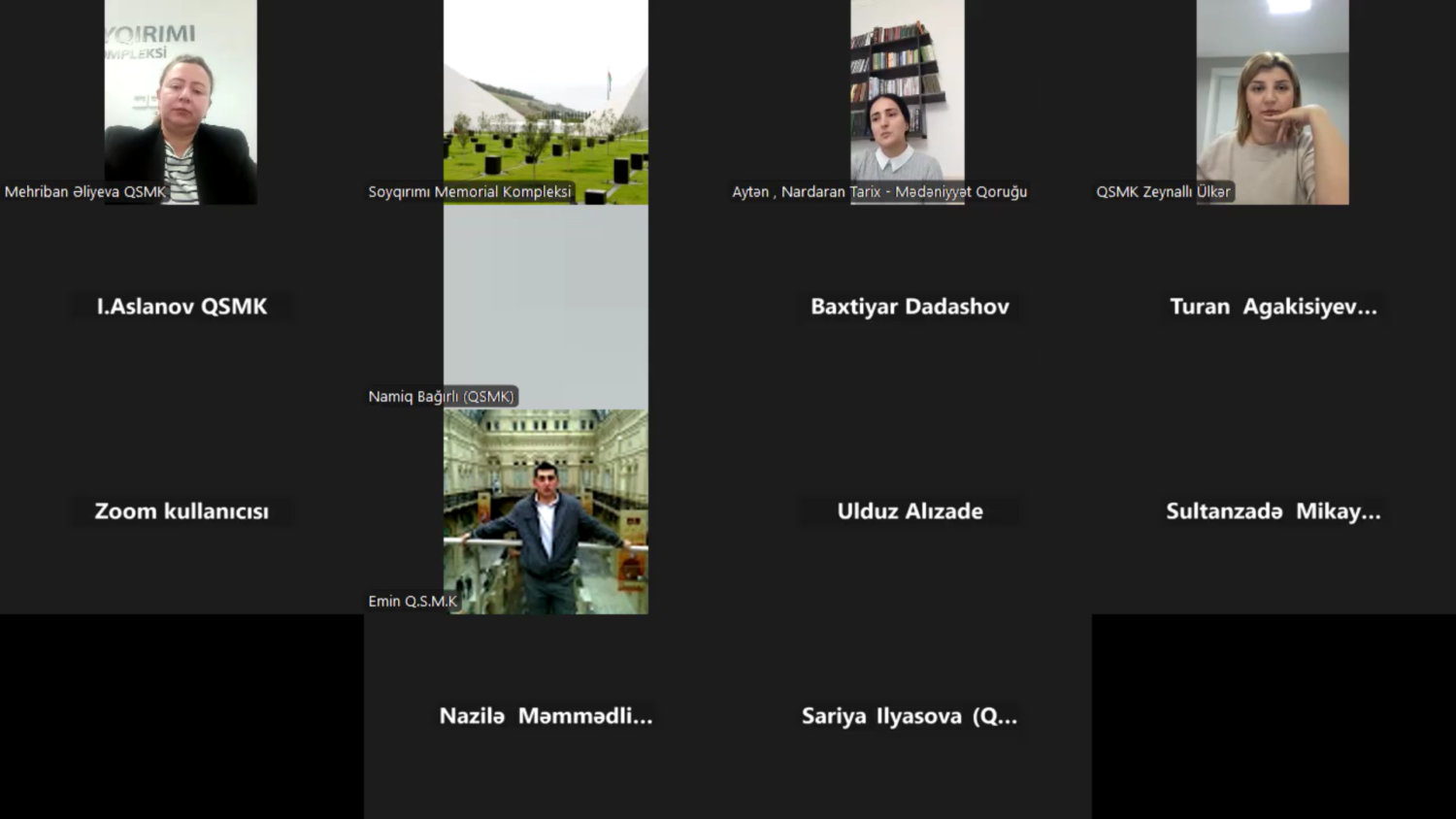
A webinar dedicated to November 9 – State Flag Day was held.

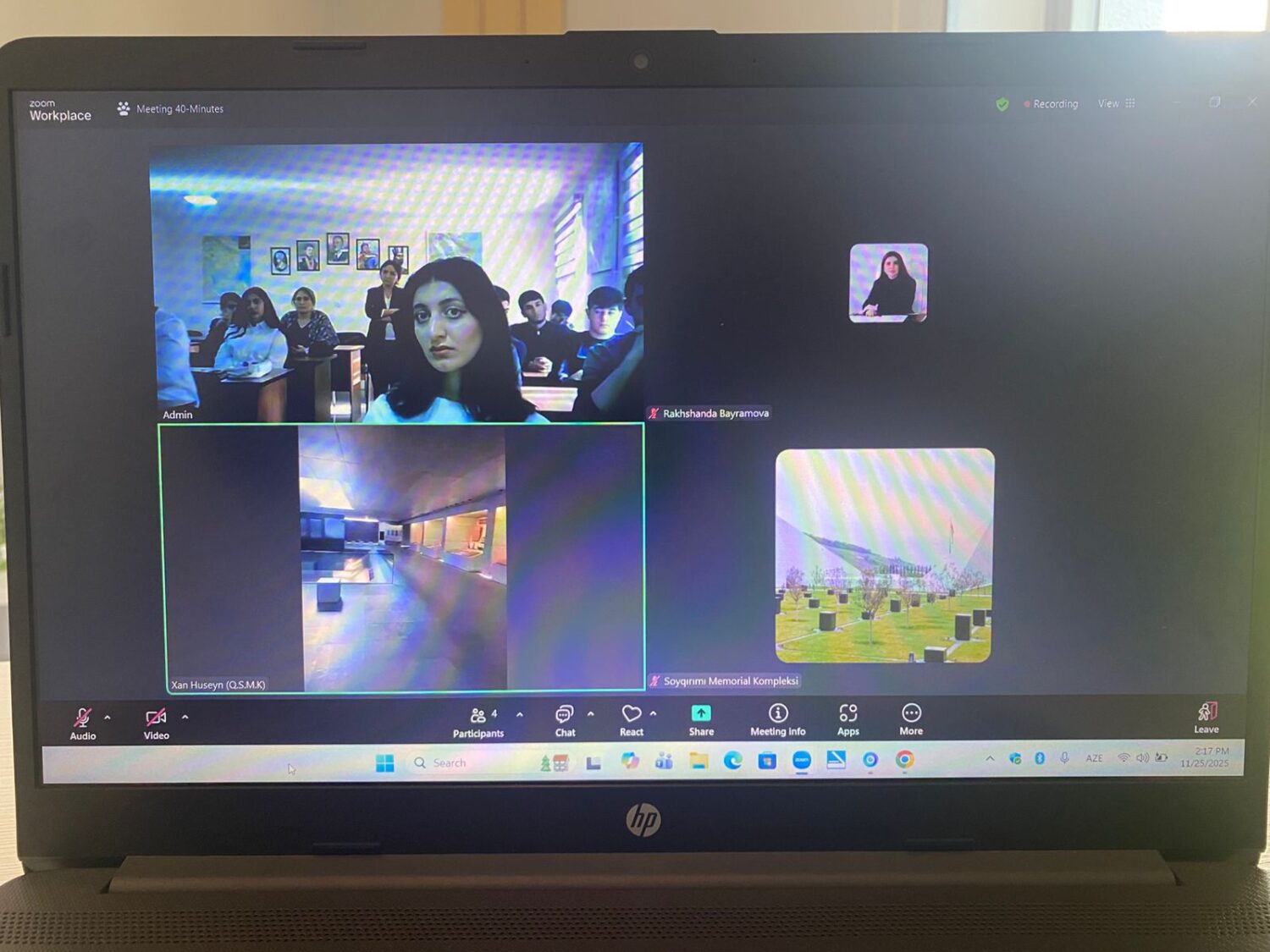
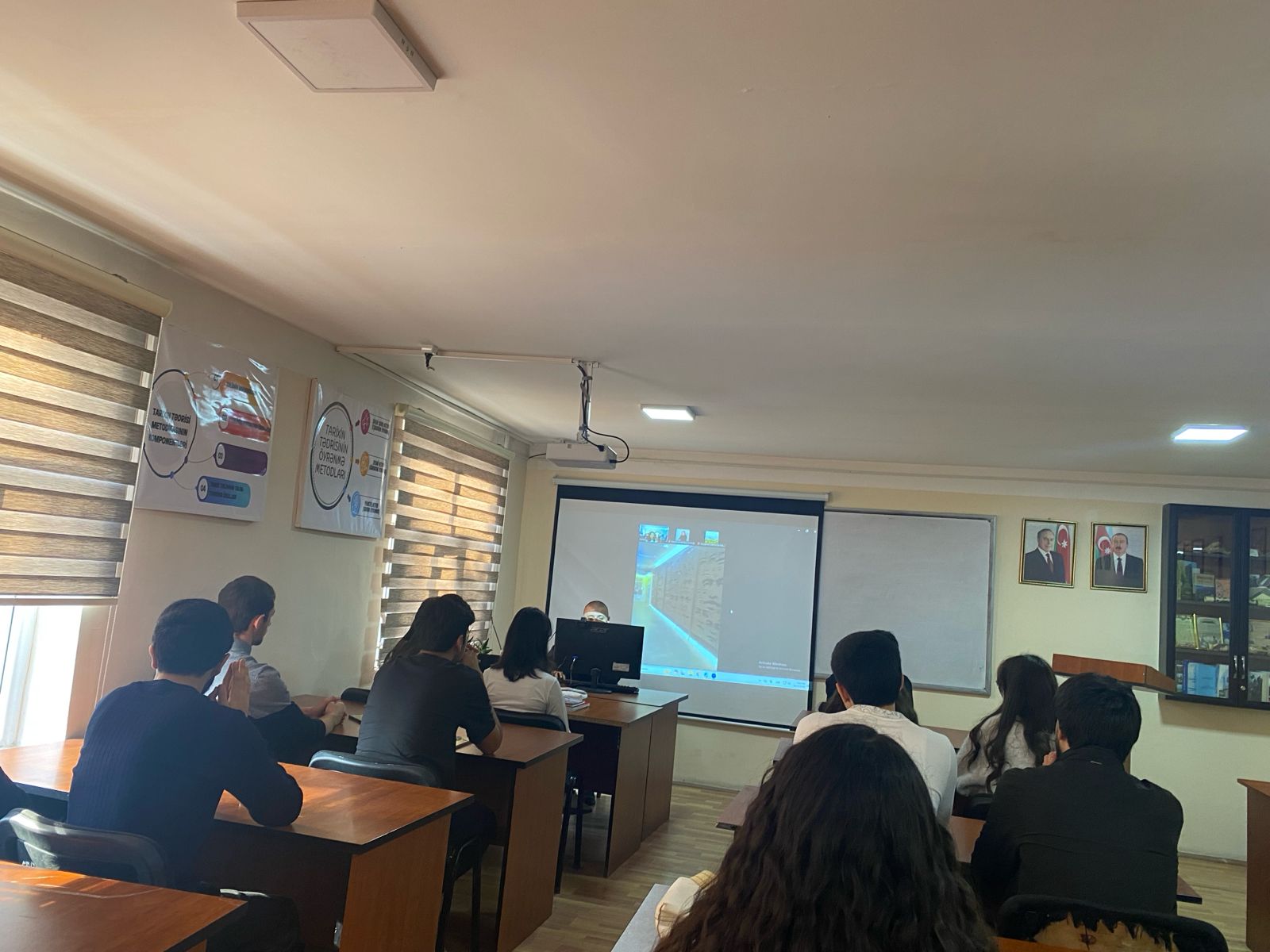
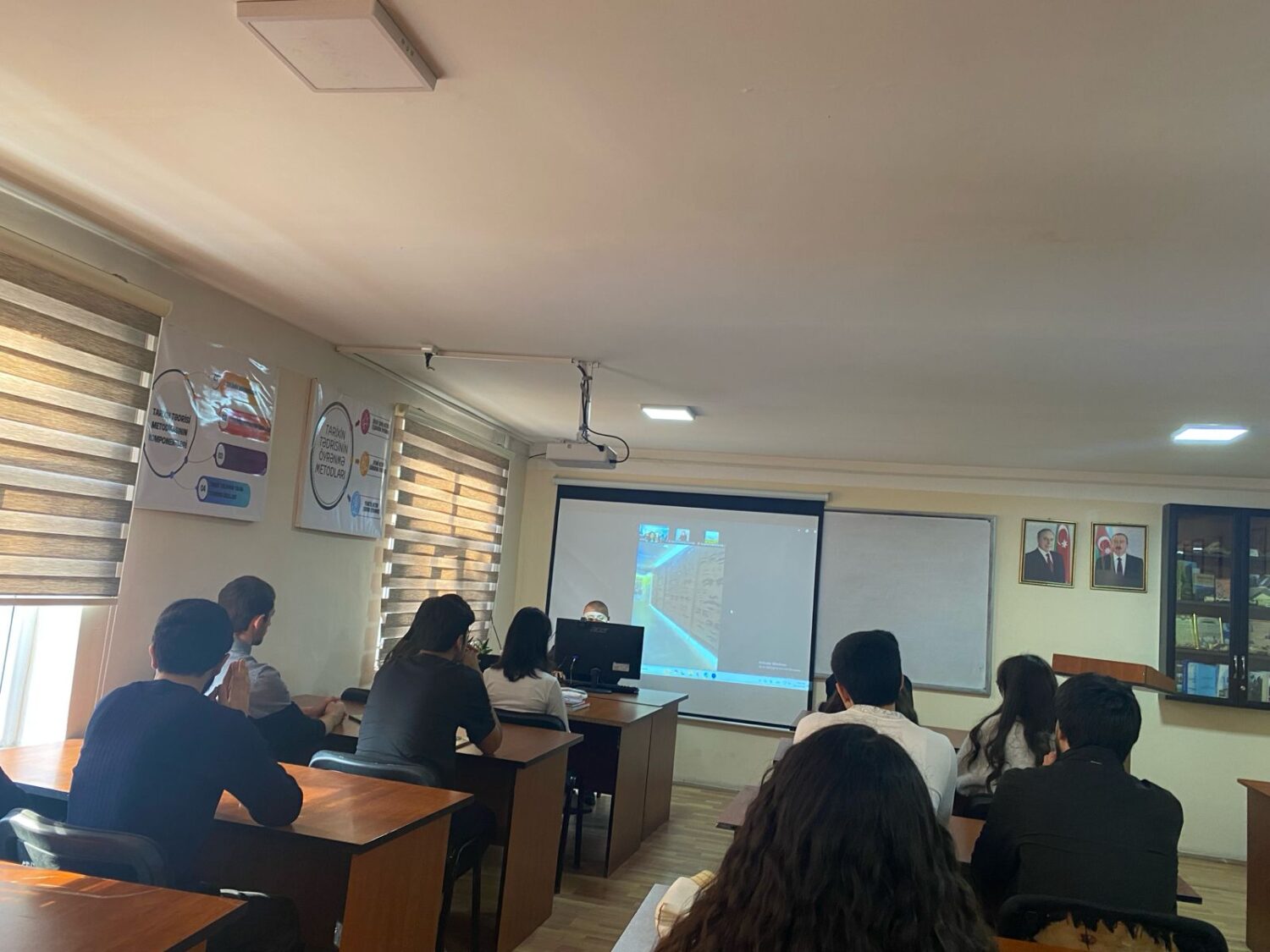
A webinar dedicated to November 9 – State Flag Day was held within the framework of the “Year of the Constitution and Sovereignty,” organized by the Genocide Memorial Complex. The webinar was moderated by Mehriban Aliyeva, Deputy Director of the Complex, and brought together more than 30 staff members from various reserves operating under the State Service for the Protection, Development, and Restoration of Cultural Heritage. Speaking at the event, Perinaz Sadiqli, Associate Professor of the Department of Social and Political Sciences at Baku Eurasian University and PhD in History, noted that under the leadership of Commander-in-Chief Ilham Aliyev, Azerbaijan’s heroic army liberated the occupied territories and achieved a victory that has been etched in world history in golden letters. She emphasized that November 9, State Flag Day, is celebrated with great pride and joy across our historical lands. Subsequently, Subhan Talibli, Leading Researcher at the Institute of Oriental Studies named after Z. Bunyadov of ANAS, PhD in History and Associate Professor, stated that after the restoration of independence, Azerbaijan’s state flag became one of the sacred symbols of statehood for all citizens of the country, serving as a symbol of national sovereignty.

At the end of the webinar, an exchange of views was held on the topic.


A Series of Events Titled "The Road to Victory" Held in the Framework of the "Constitution and Sovereignty Year," Dedicated to November 8th – Victory Day and the 1918 Genocides Against Azerbaijanis

In the framework of the 2025 “Constitution and Sovereignty Year,” a series of events dedicated to November 8th – Victory Day and the 1918 genocides against Azerbaijanis took place in the cities of Guba, Gusar, and Khachmaz. The events were held at the Heydar Aliyev Centers in each of these cities, as well as at the Khachmaz History and Local History Museum.

During the events held under the title “The Road to Victory,” the heads of the centers, including Könül Əskərova, Head of the Khachmaz Heydar Aliyev Center, Fatime Zulfugarova, Head of the Gusar Heydar Aliyev Center, Pakizə Mehdiyeva, Director of the Khachmaz History and Local History Museum, and Şövqiyyə Seyidzadə, Junior Researcher at the Guba Heydar Aliyev Center, emphasized the significance of these events in organizing efforts in this area and stressed the importance of ensuring that our historical truths are never forgotten and are passed on to future generations.

Abutalib Turabov, an employee of the Scientific Research, Exhibition, and Fund Department of the Genocide Memorial Complex, spoke about the importance of educating the public, especially the youth, on the 1918 genocide of Azerbaijanis. He emphasized the need for our youth to be knowledgeable in order to respond to Armenian lies at international events and reveal the true historical facts.

Experts from the complex, including Nurcan Allahverdiyeva, Emin Ulubeyov, Orkhan Huseynov, Islam Aslanov, and Terlan Məmmədov, provided information about the mass graves discovered in Guba in 2007. They also discussed the construction and opening of the complex in 2009, following a decree by President Ilham Aliyev and the initiative of the Heydar Aliyev Foundation, and provided details about official visitors to the memorial complex.

It was also noted that during the Second Karabakh War, under the leadership of our victorious Supreme Commander-in-Chief, the Invincible Azerbaijani Army liberated our lands, which had been under enemy occupation for 30 years, during the 44-day war. The importance of this war in embodying national consciousness, and the unity of the people and the army, was emphasized.

In total, more than 100 people participated in the events. At the end of the event, employees of the Genocide Memorial Complex presented books and brochures reflecting the events of the genocide to the leadership of the mentioned centers.