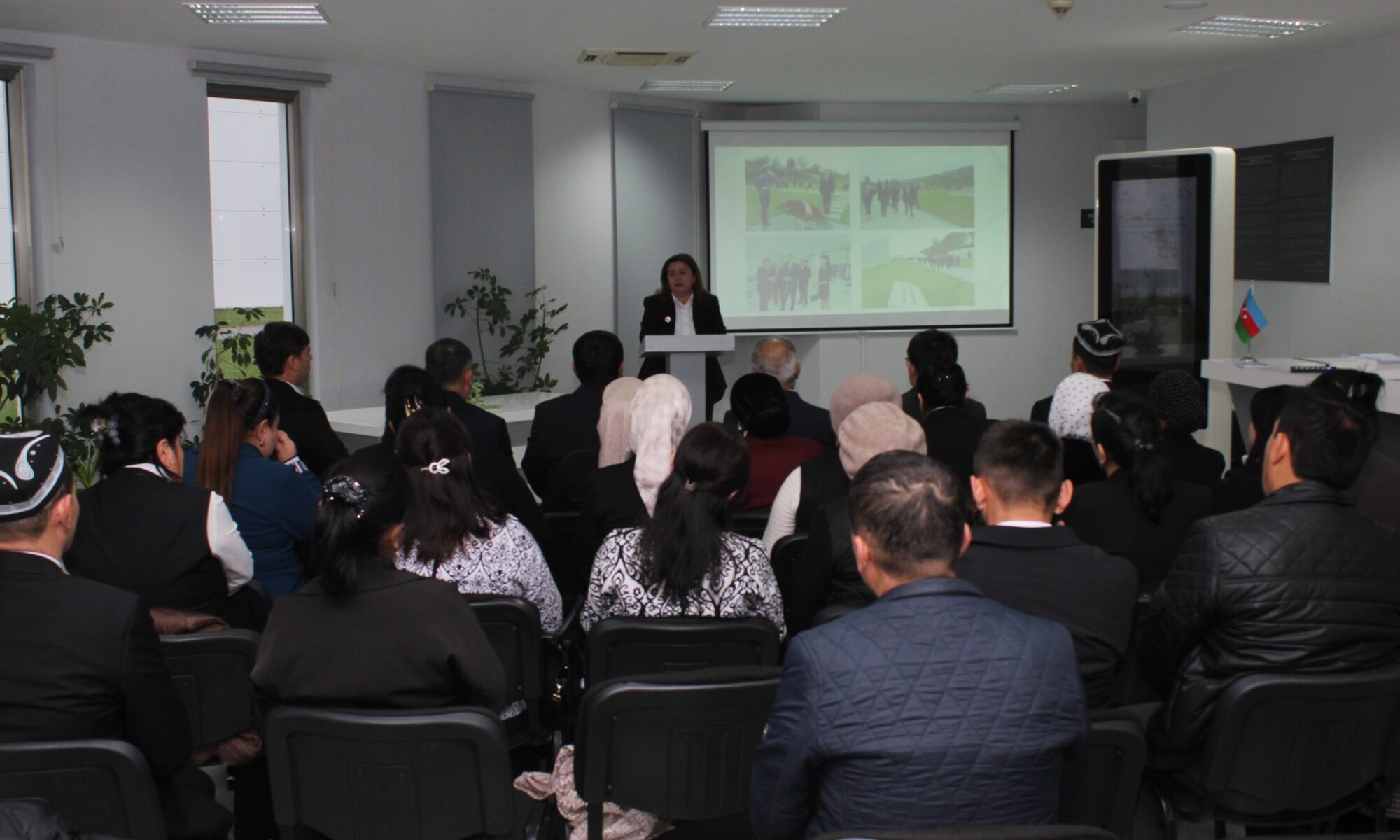
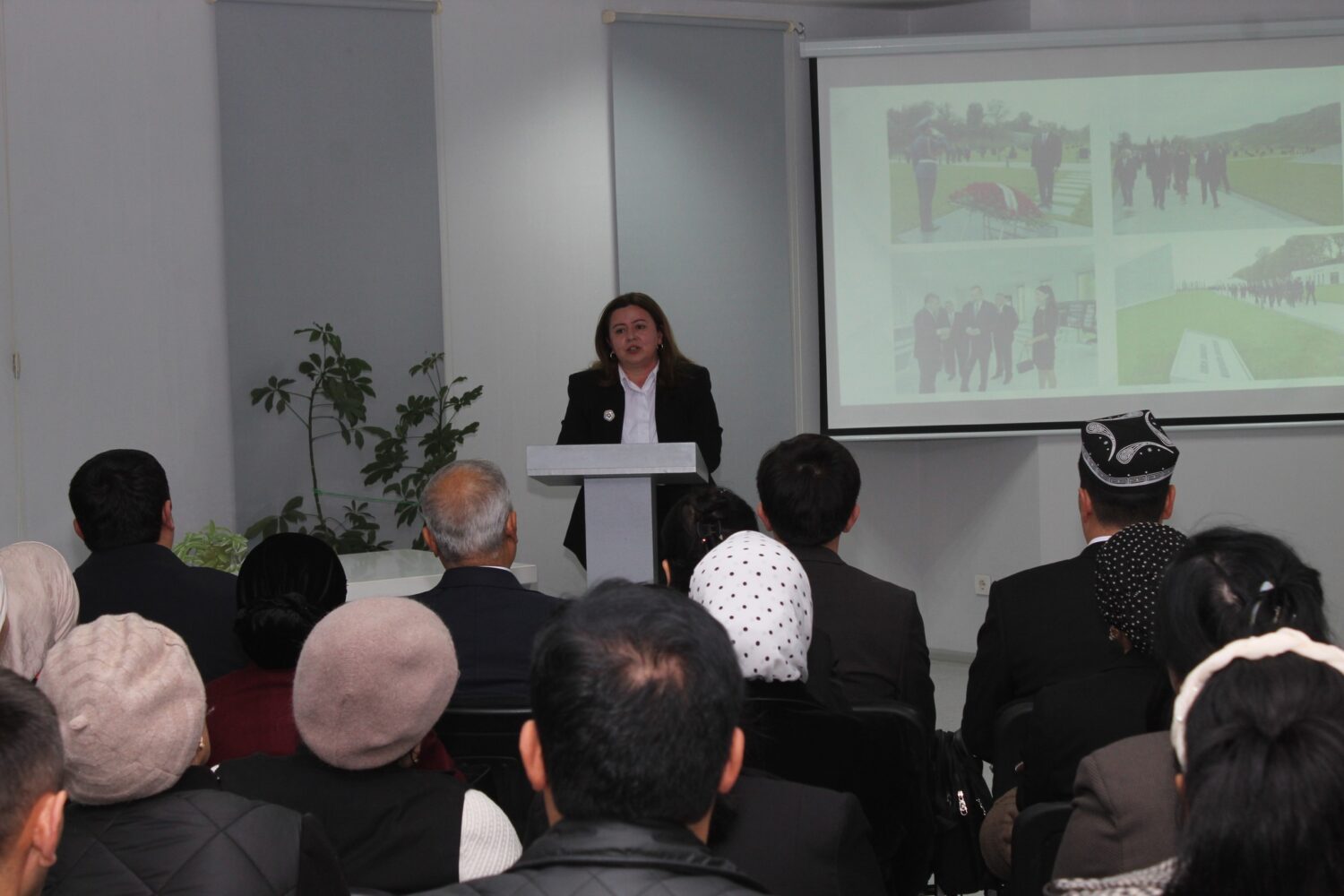
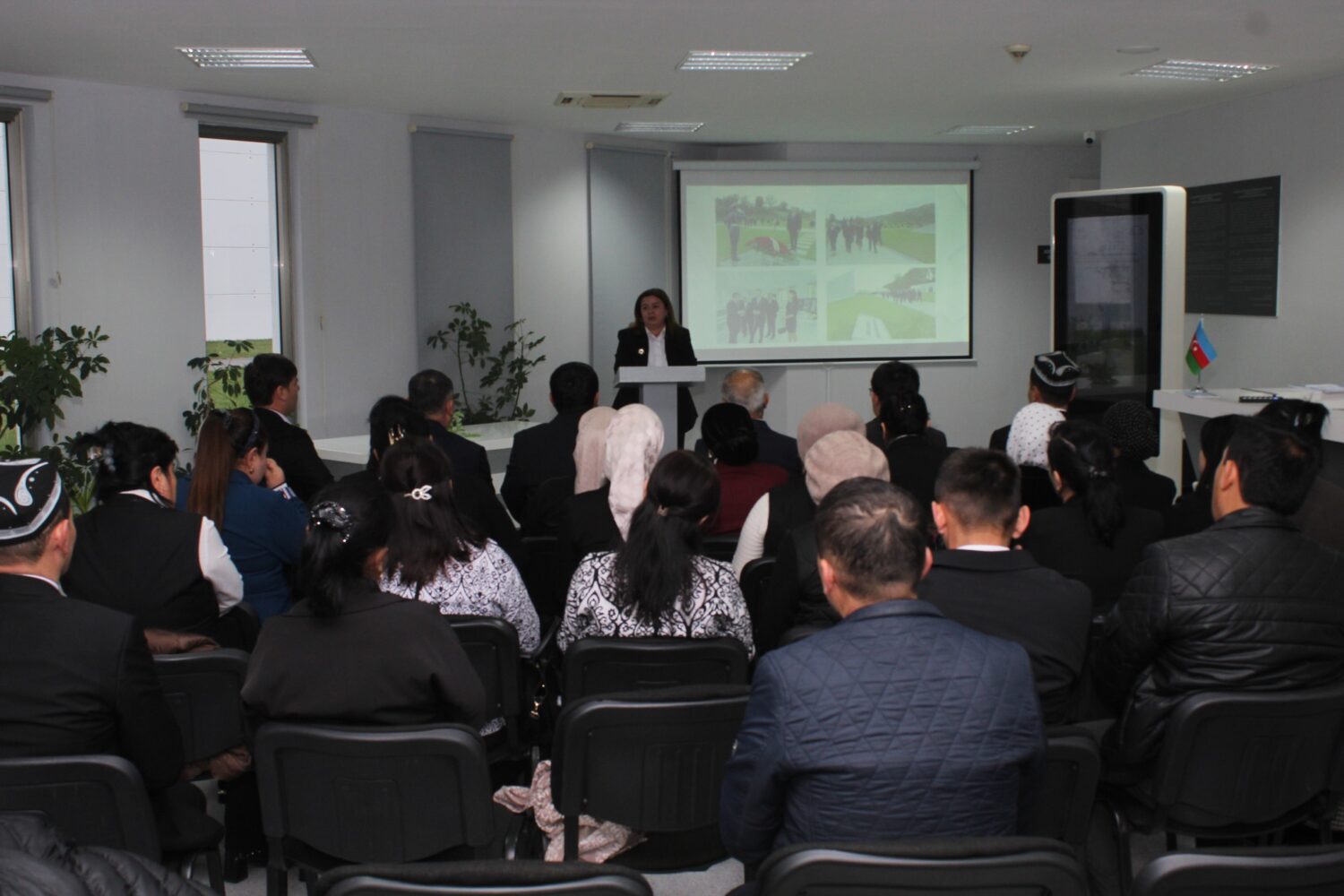
INTERNATIONAL SYMPOSIUM THE SILK ROAD AND THE HISTORY, CULTURE, AND FINE ARTS OF THE TURKIC PEOPLES ALONG THIS ROUTE April 16 – 17, 2026 Gobustan National Historical and Cultural Reserve THE 1ST INTERNATIONAL SYMPOSIUM ON “THE SILK ROAD: HISTORY, CULTURE, AND ART OF TURKIC PEOPLES ALONG THIS ROUTE”
According to the Decree of the President of the Republic of Azerbaijan, Mr. Ilham Aliyev, on the celebration of the 100th anniversary of the First Turkological Congress, a series of international academic events will be organized as part of the anniversary. Among these events, the 1st International Symposium titled “The Silk Road: History, Culture, and Art of Turkic Peoples Along This Route” will be held in Baku on April 16–17, 2026. The Silk Road has historically served as a central hub of trade and cultural exchange between East and West for centuries, becoming one of the oldest and most significant trade routes in the world. Along with goods, ideas, knowledge, and cultures also traveled this road. The Silk Road has significantly influenced the development of the history, culture, and art of various peoples over time, including the Turkic peoples. This symposium aims to explore the heritage, history, art, and culture of the Turkic peoples along the Silk Road, as well as the challenges they faced – such as genocide, deportation, and repression.
Objectives of the Symposium:
To introduce the history and culture of the Turkic peoples living along the Silk Road; To study the historical, socio-economic, and political factors that influenced the culture of Turkic peoples via the Silk Road; To discuss the identification, preservation, and promotion of historical monuments and sites of Turkic peoples; To examine the genocide, deportations, and repressive policies faced by Turkic peoples in the territories along the Silk Road and contribute to the international recognition of these issues; To establish experience-sharing and cooperation among scholars and researchers. Date and Venue: Date: April 16–17, 2026 Venue: Baku, Azerbaijan Deadline for article submission: March 1, 2026
Email for article submission:
simpozium2026@gmail.com
Who Can Participate? Scholars and researchers in the fields of archaeology, history, culture, and art, as well as employees of museums and heritage institutions. Symposium Topics: 1. Archaeological heritage, rock art, and their study in ethnographic context 2. The Silk Road and the history of Turkic peoples 3. The Silk Road: Historical and cultural relations in the formation of Turkic civilization 4. The cultural heritage of Turkic peoples, its study and development in the modern era, and its influence on global culture 5. Preservation, study, and promotion of historical monuments of Turkic peoples 6. Genocide, deportation, and repressive policies in the territories inhabited by Turkic peoples: historical and legal aspects 7. Cultural integration policies among Turkic-speaking states in the modern era and the Great Silk Road 8. The Heritage of the Great Silk Road: Internationalization of global cultural values Formatting Requirements for Symposium Materials: Paper size A4 Font Times New Roman, size 12 pt Languages Azerbaijani, Russian, or English Line spacing 1.15 Indentation 1.25 cm Margins 2 cm on all sides Title Centered, uppercase, bold Author’s full name Centered, bold Institution, city, country: Centered, italic Email address: Centered, italic ORCID code Centered, italic Keywords 5–7 keywords in Azerbaijani, English, and Russian Abstract 80–100 words in Azerbaijani, English, and Russian Structure References Abstract, Introduction, Main Body, Discussion, Conclusion Cited in square brackets (e.g., [1, p. 56]); listed alphabetically Only one article will be accepted per author (individual or co-author). Authors without academic degrees must include a review from a scientific supervisor, expert (e.g., their institution’s head), or a field-relevant academic. The review should be presented on a separate page and include contact details and institutional affiliation. Submitted articles will be checked through an anti-plagiarism system before being published in the symposium proceedings. Articles that do not meet the specified requirements will not be accepted. Authors bear full responsibility for their submissions.
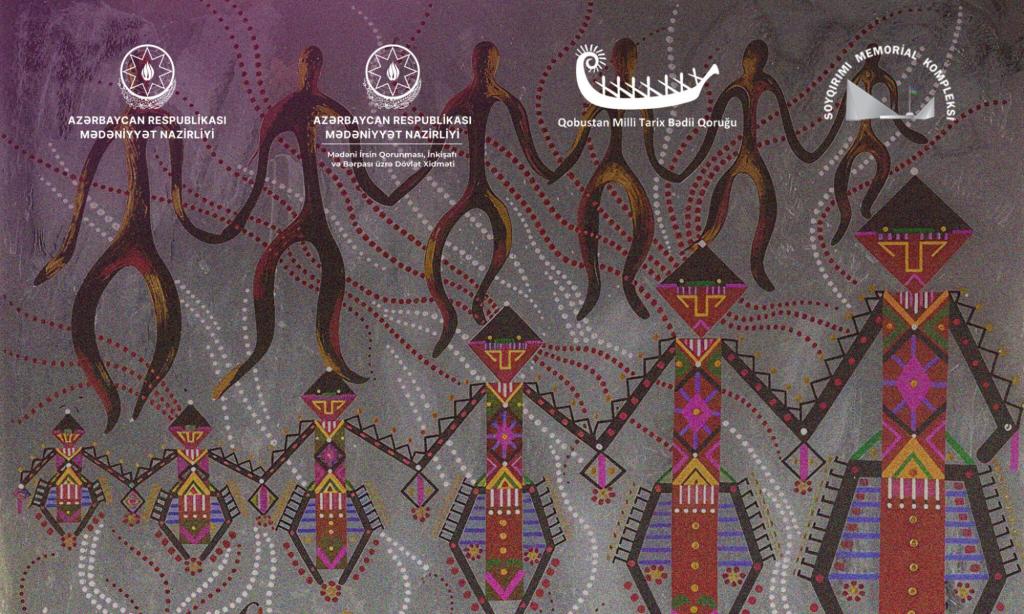
Organizational Support: Ministry of Culture of the Republic of Azerbaijan State Service for the Protection, Development, and Restoration of Cultural Heritage under the Ministry of Culture Gobustan State Historical-Artistic Reserve “Genocide Memorial Complex” in Guba
Contact Information: For organizational issues:
Ali Bayramov – Deputy Director, Gobustan National Historical-Artistic Reserve (+994777077770)
Khayal Nuhbalayev – Staff Member, “Genocide Memorial Complex” in Guba (+994558850036)
For academic matters:
Nazila Mammadova – Staff Member, “Genocide Memorial Complex” in Guba (+994556797911)
Namig Bagirli – Staff Member, “Genocide Memorial Complex” in Guba (+994506097097)
Sevinc Shirinli – Senior Researcher, Gobustan National Historical-Artistic Reserve (+994518583388)
Project Leaders: Vugar Isayev, Rakhshanda Bayramova
Concept Authors: Vugar Isayev, Rakhshanda Bayramova
Chief Scientific Advisor: Anar Isgandarov
Scientific Secretary: Irada Aliyeva
Literary Editor and Proofreader: Namig Bagirli
Chief Coordinator: Nazila Mammadova
Design and Technical Layout: Mikayil Sultanzade
Scientific Committee of the Symposium
1. Academician Nargiz Akhundova – Full Member of the Azerbaijan National Academy of Sciences
2. Professor, Doctor of Historical Sciences Anar Isgandarov – Chair of the Science and Education Committee of the National Assembly of Azerbaijan
3. Professor, Doctor of Historical Sciences Maryam Seyidbeyli
4. Professor, PhD in History Haji Hasanov
5. Professor, Doctor of Art History Maryam Ali-zade
6. Professor, People’s Artist Mammadsefa Gasimov
7. Professor, Doctor of Historical Sciences Sevinc Aliyeva, Baku Engineering University
8. Prof. Dr. İbrahim Erdem Atnur, Vice-Rector of the Azerbaijan National Defense
University
9. Professor Melahat Farajova – Lecturer, Department of History and Theory of Fine
Arts, Azerbaijan State University of Culture and Arts
10. Professor Vafa Gurban – Ege University, Institute of Turkish World Studies,
Department of Social, Economic, and Political Relations of the Turkish World
11. Professor Selma Unlu Yel – Gazi University, Gazi Faculty of Education, Department
of Elementary Education
12. Professor Danuta Chmielowska (Danuta Khmelovska) – Political Scientist, Specialist
in Turkish Studies
13. Professor Lindita Xhanari –University of Tirana, Teacher of Faculty of History and
Philology
14. Professor Melike Cummarutova – Tashkent State University
15. Professor Shohistohon Uljayeva – Head of the Department of Humanities, Tashkent
Institute of Irrigation and Agricultural Mechanization Engineers
16. Professor Igor Viktorovich Turisin – President of the Research Institute of Economics
and Law; Editor-in-Chief of the academic journal “Modern Scientific Thought”
17. Professor, Doctor of Economic Sciences Antella Muço – Chair of the Albania–
Azerbaijan Friendship, Science, and Culture Society
18. Professor, PhD in History Aydar Yurevich Khabutdinov – Kazan University
19. Doctor of Historical Sciences Irada Bagirova
20. Doctor of Historical Sciences Vagif Abishov
21. Doctor of Historical Sciences Shirinbey Aliyev – Azerbaijan State University of
Culture and Arts
22. Doctor of Historical Sciences Marina Imasheva – Sh. Marjani Institute of History,
Academy of Sciences of the Republic of Tatarstan
23. Associate Professor, PhD in Art History Sadaqat Aliyeva.
24. Associate Professor, PhD in Pedagogy Yegana Eyvazova
25. Associate Professor, PhD in History Sona Maharramova – Head of the Department of
History and Methods of Teaching History, Sumgait State University
26. PhD in History Rakhshanda Bayramova – Director of the Genocide Memorial
Complex in Guba
27. Associate Professor, PhD in History Irada Aliyeva – Leading Researcher, Institute of
History and Ethnology named after A.A. Bakikhanov, Azerbaijan National Academy of
Sciences
28. Associate Professor, PhD in History Subhan Talibli – Leading Researcher, Institute of
Oriental Studies named after Academician Z. Bunyadov, Azerbaijan National
Academy of Sciences; Specialist at the Genocide Memorial Complex in Guba
29. PhD in History Sevinc Nasirova – Academic Secretary of the National Museum of
Azerbaijani History; Senior Lecturer at Azerbaijan Cooperation University
30. PhD in History Nurana Asadullayeva – Academic Secretary, National Museum of
Azerbaijani Literature named after Nizami Ganjavi
31. PhD in Art History Pike Akhundova-Talibli – Member of the Union of Composers of
Azerbaijan
32. PhD in Art History Gunay Gafarova – Head of the Department of Social Sciences,
Azerbaijan Tourism and Management University
33. PhD in History Elnur Najiyev – Senior Lecturer at Baku Engineering University
34. PhD in History Aida Ismayilova – Senior Researcher at the National Museum of
Azerbaijani History; Lecturer at Azerbaijan State University of Culture and Arts
35. PhD in Philology Aysel Sheydayeva – Lecturer at the Guba Branch of Azerbaijan
State Pedagogical University
36. PhD in Philosophy Kamala Nuriyeva – Deputy Director for Museology and Collection
Management, National Museum of Azerbaijani Literature named after Nizami Ganjavi
37. PhD in History Gunay Hasanova – Lecturer at Western Caspian University
38. PhD in History Lachin Mustafayev – Senior Researcher, Archaeological Scientific
фонд Department of the National Museum of Azerbaijani History; Senior Lecturer,
Department of General History and History Teaching Technologies, Guba Branch of
Azerbaijan State Pedagogical University
39. PhD in Cultural Studies Naile Aliyeva – Head of the Department of International
Relations and World Museums, National Museum of Azerbaijani Literature named
after Nizami Ganjavi
40. PhD in History Tahmina Aliyeva – Senior Lecturer, Department of Humanities, Guba
Branch of Azerbaijan State Pedagogical University
41. PhD in Philology Maleyka Mammadova – Leading Researcher at the Folklore
Institute of the Azerbaijan National Academy of Sciences
42. PhD in Art History Gulseba Hasanova – Head of the Literary Chronicle and
Documentary Film Archives Department, National Museum of Azerbaijani Literature
named after Nizami Ganjavi
43. PhD in History Ayten Asadova – Lecturer at Sumgait State University
44. Ahmed Tarabek – Researcher at the Turkish Studies Center based in Egypt PhD in
History, Associate Professor Safar Ashurov, Head of the “Early Bronze Age
Archaeology” Department at the Institute of Archaeology and Anthropology,
Azerbaijan National Academy of Sciences (ANAS)
45. PhD in History, Associate Professor Kamala Najafova, Deputy Dean for Research at
the Faculty of History, Baku State University
46. PhD in History, Associate Professor Safar Ashurov, Head of the “Early Bronze Age
Archaeology” Department at the Institute of Archaeology and Anthropology,
Azerbaijan National Academy of Sciences (ANAS)