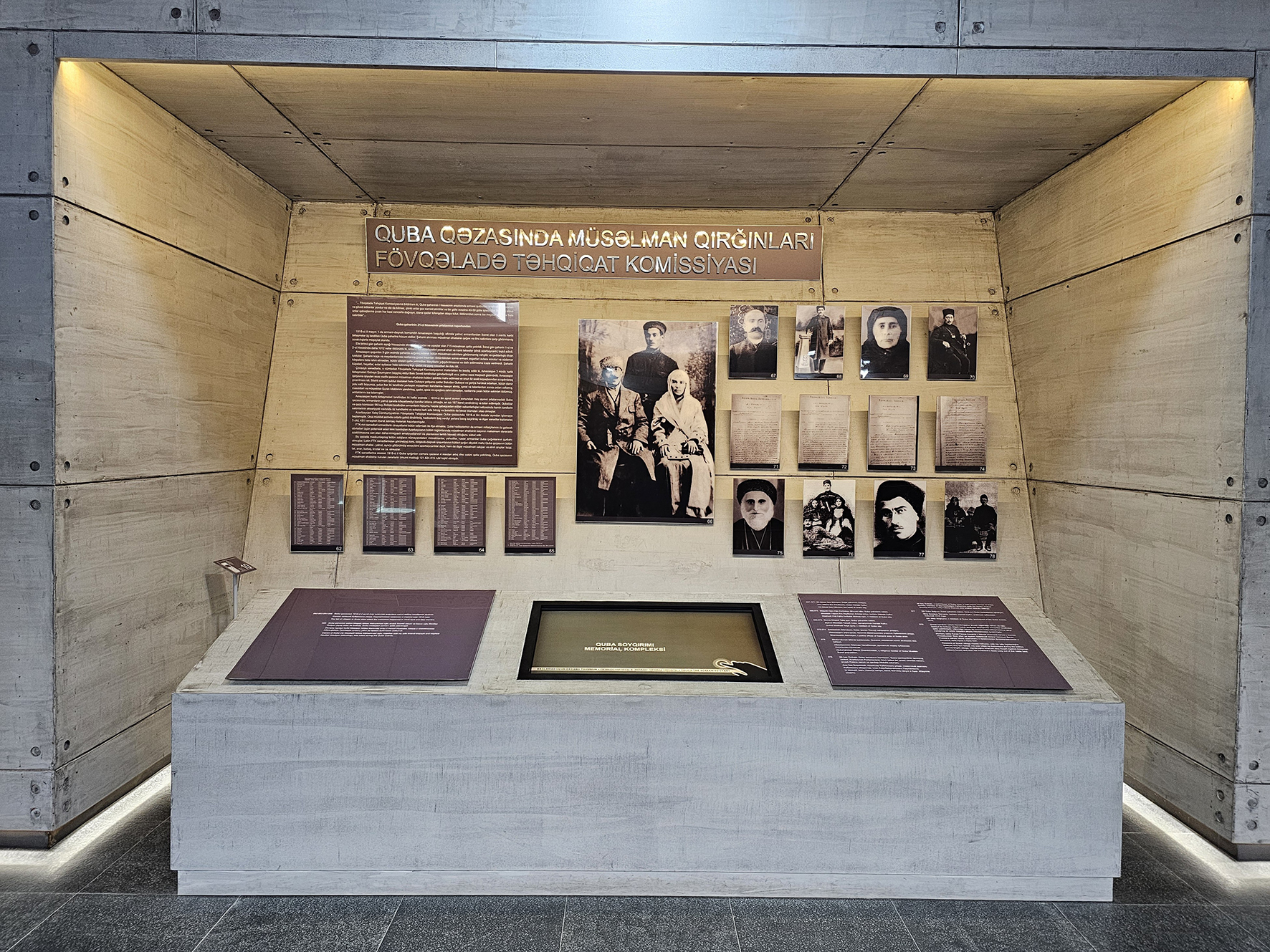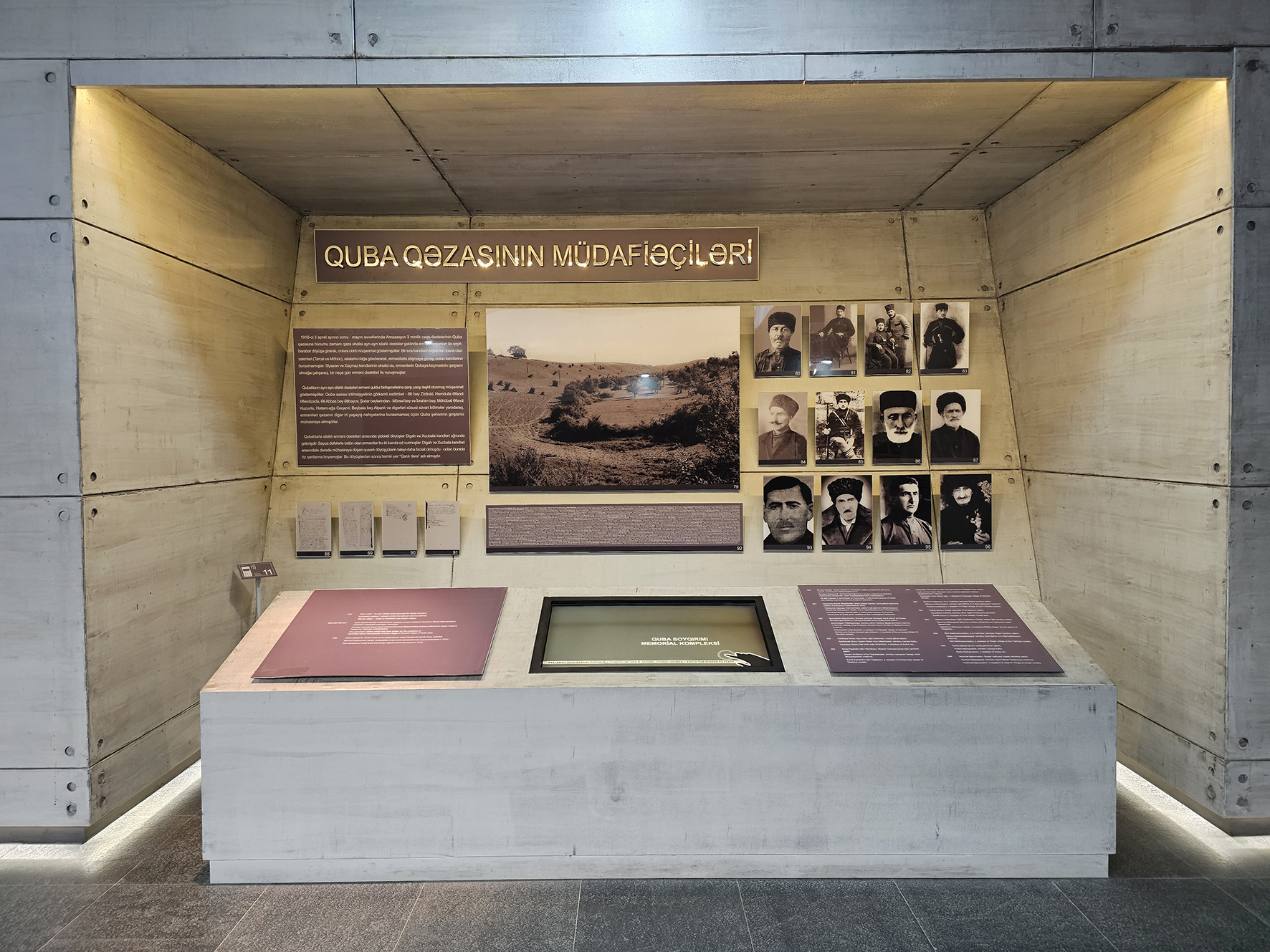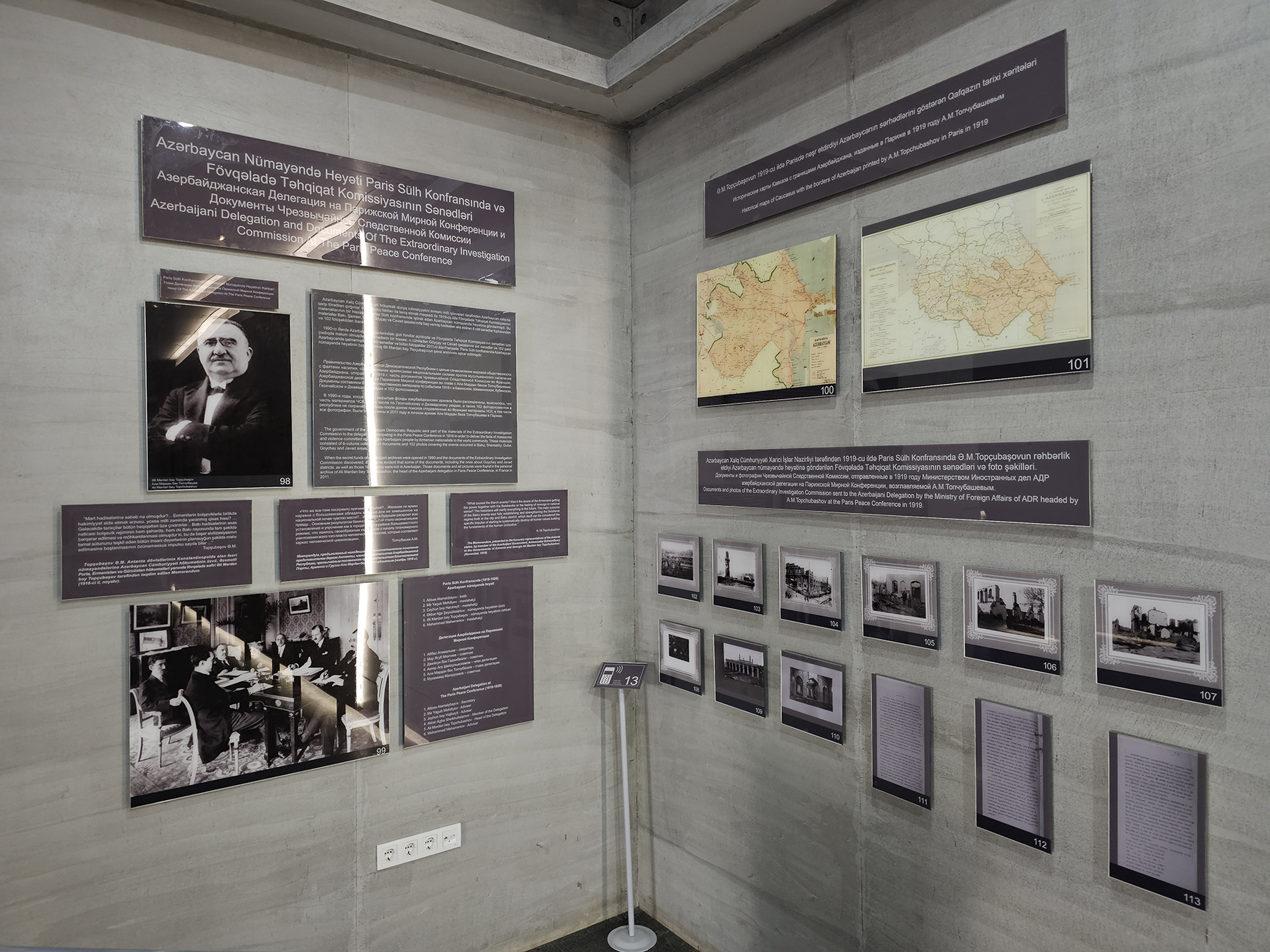
Extraordinary Investigation Commission
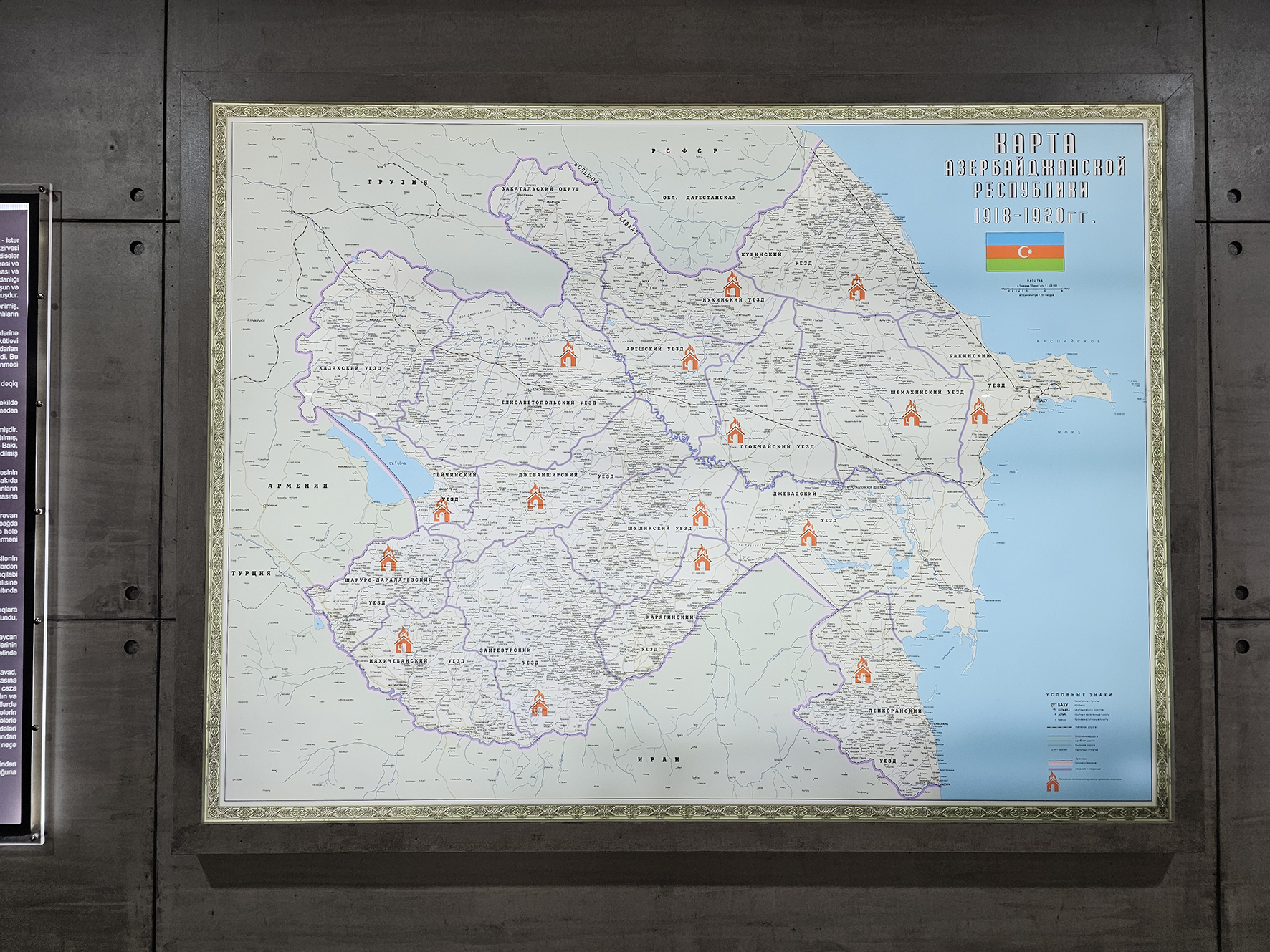
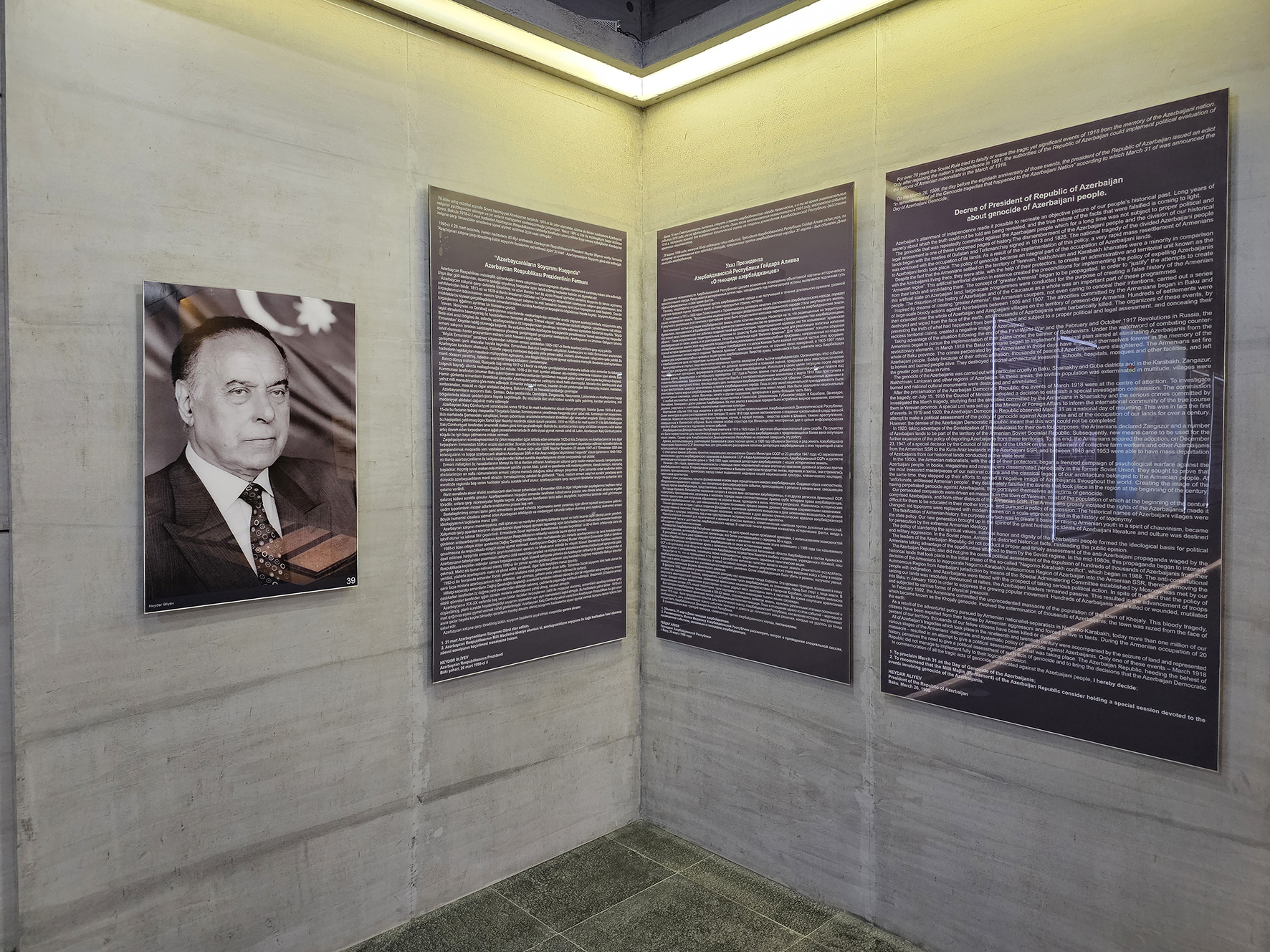
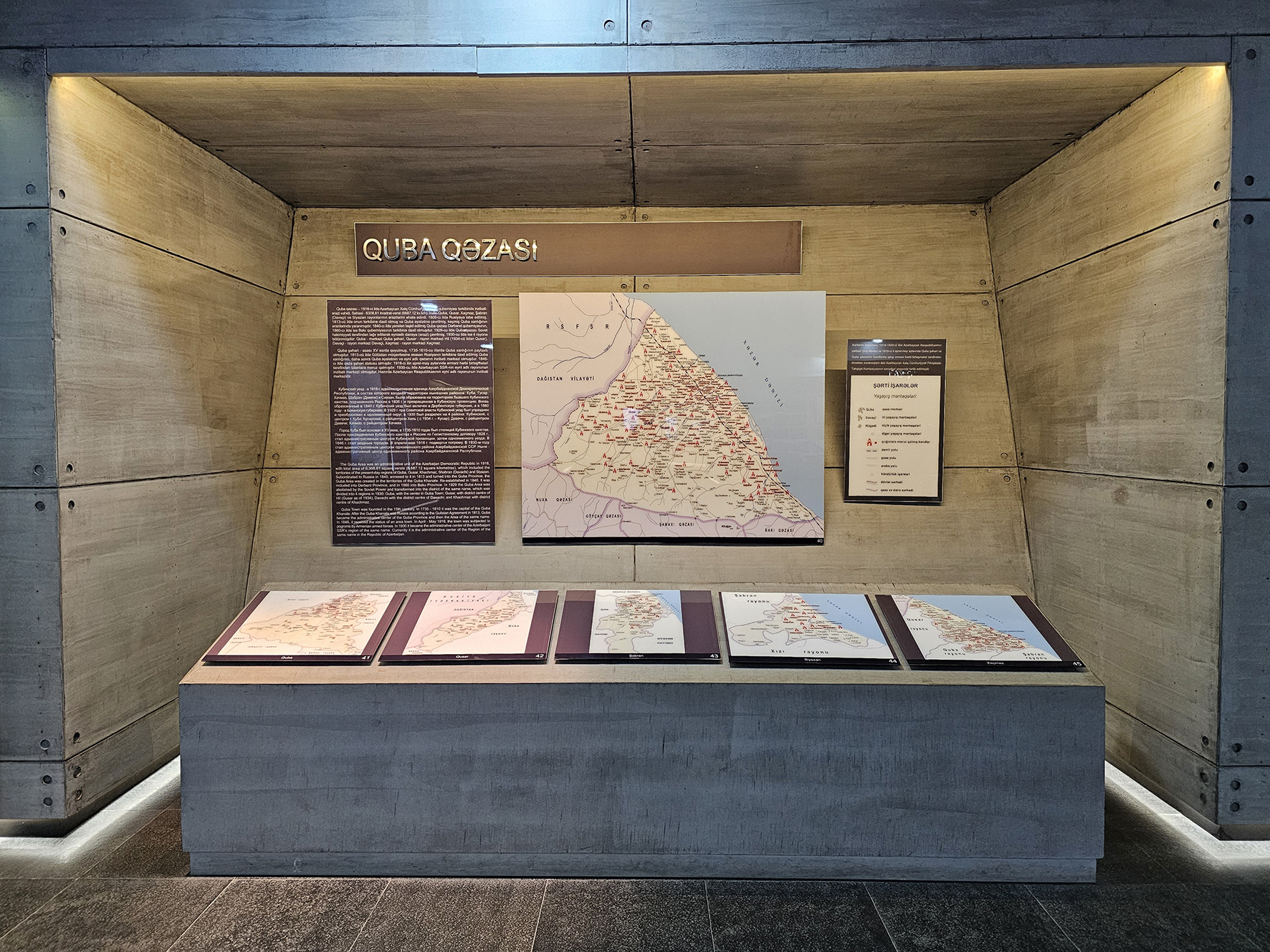
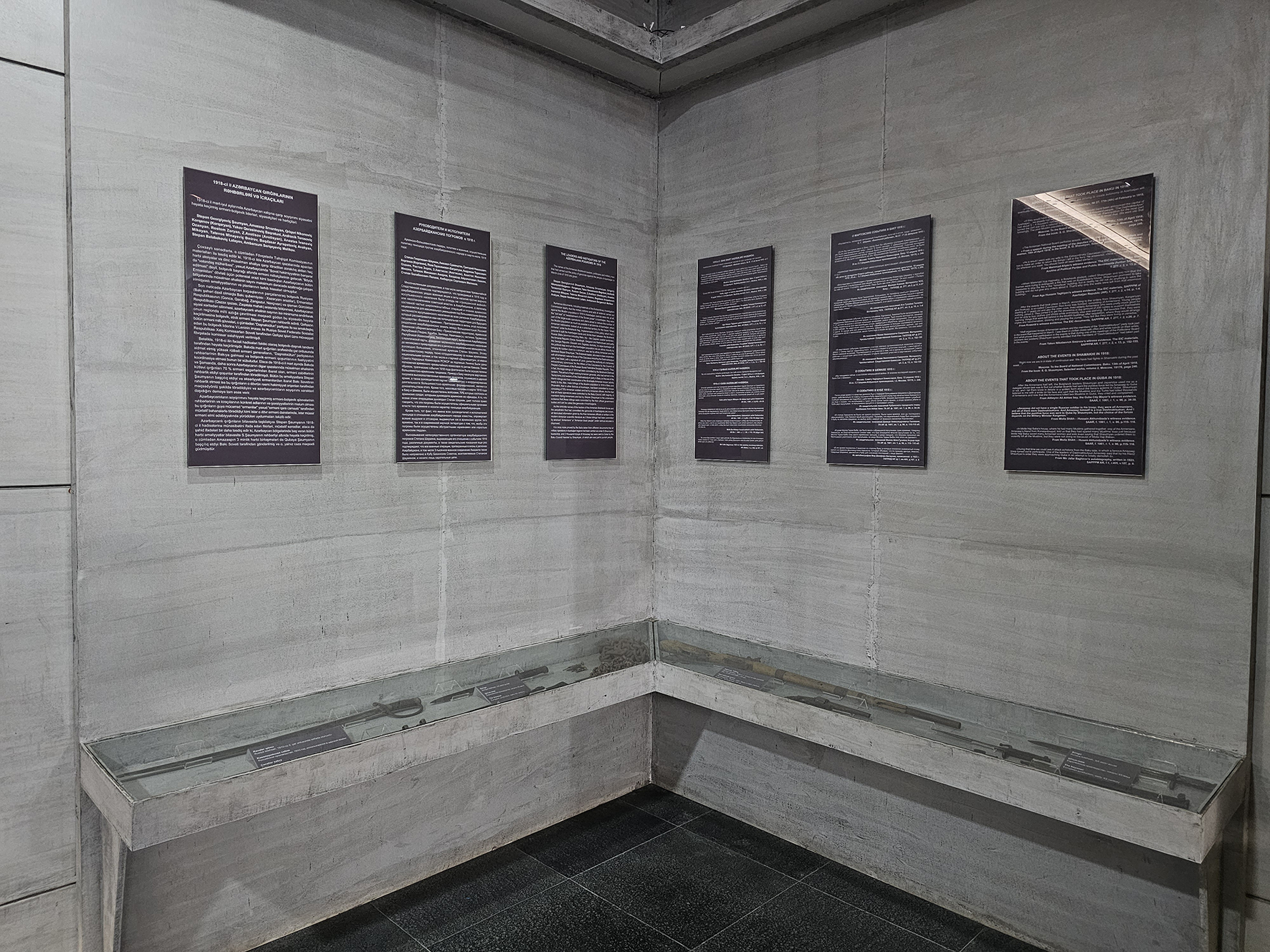
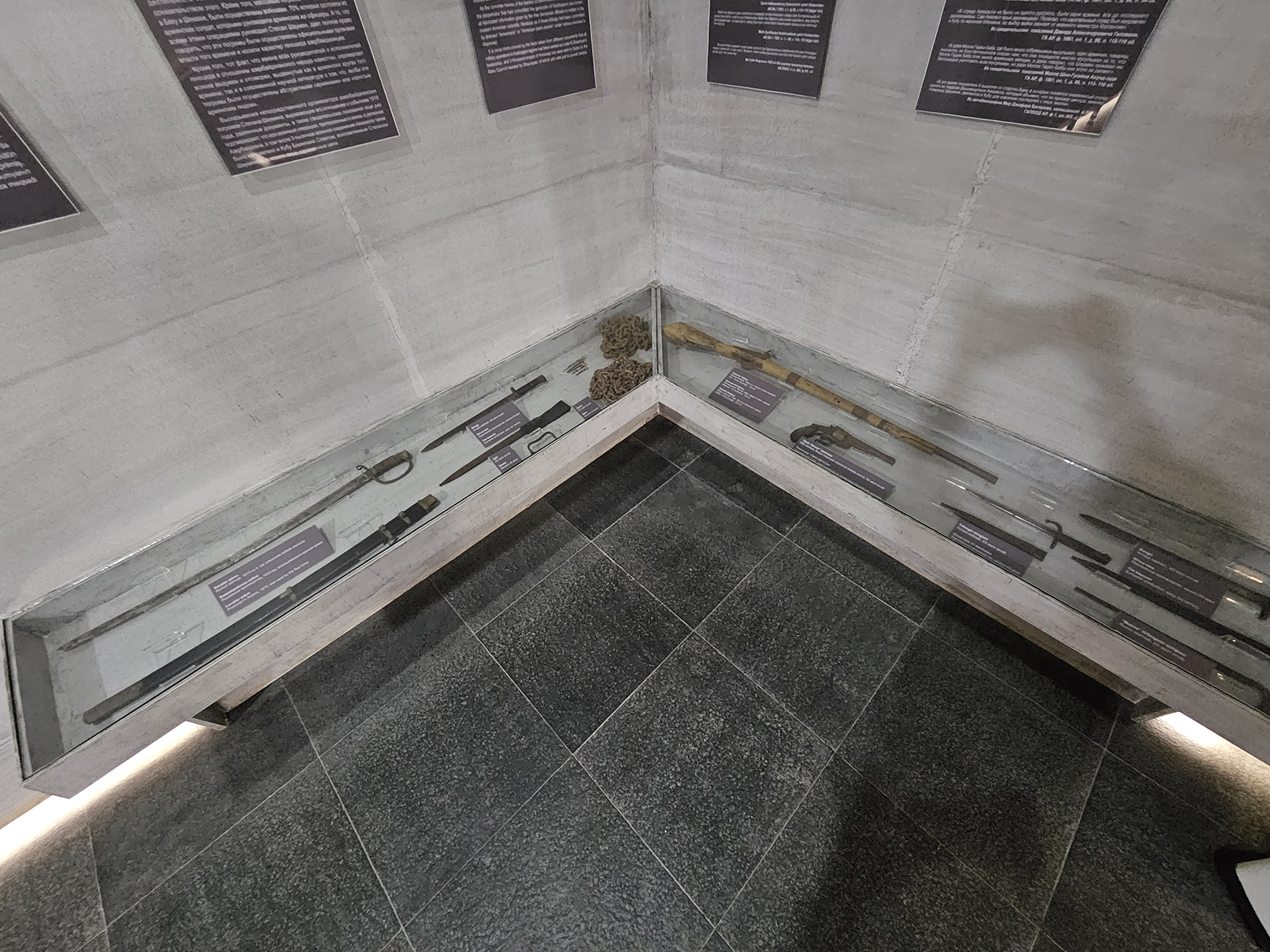
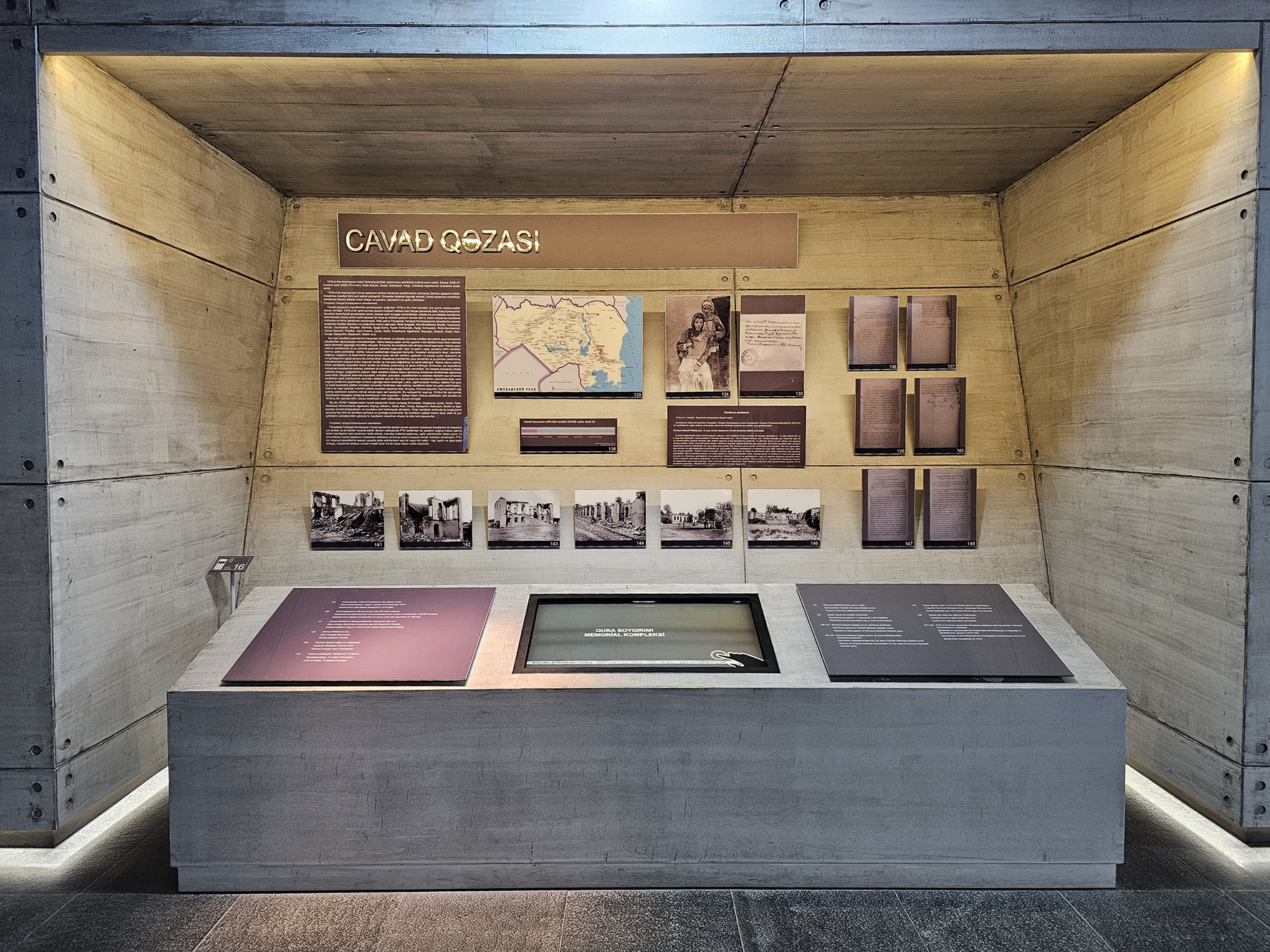
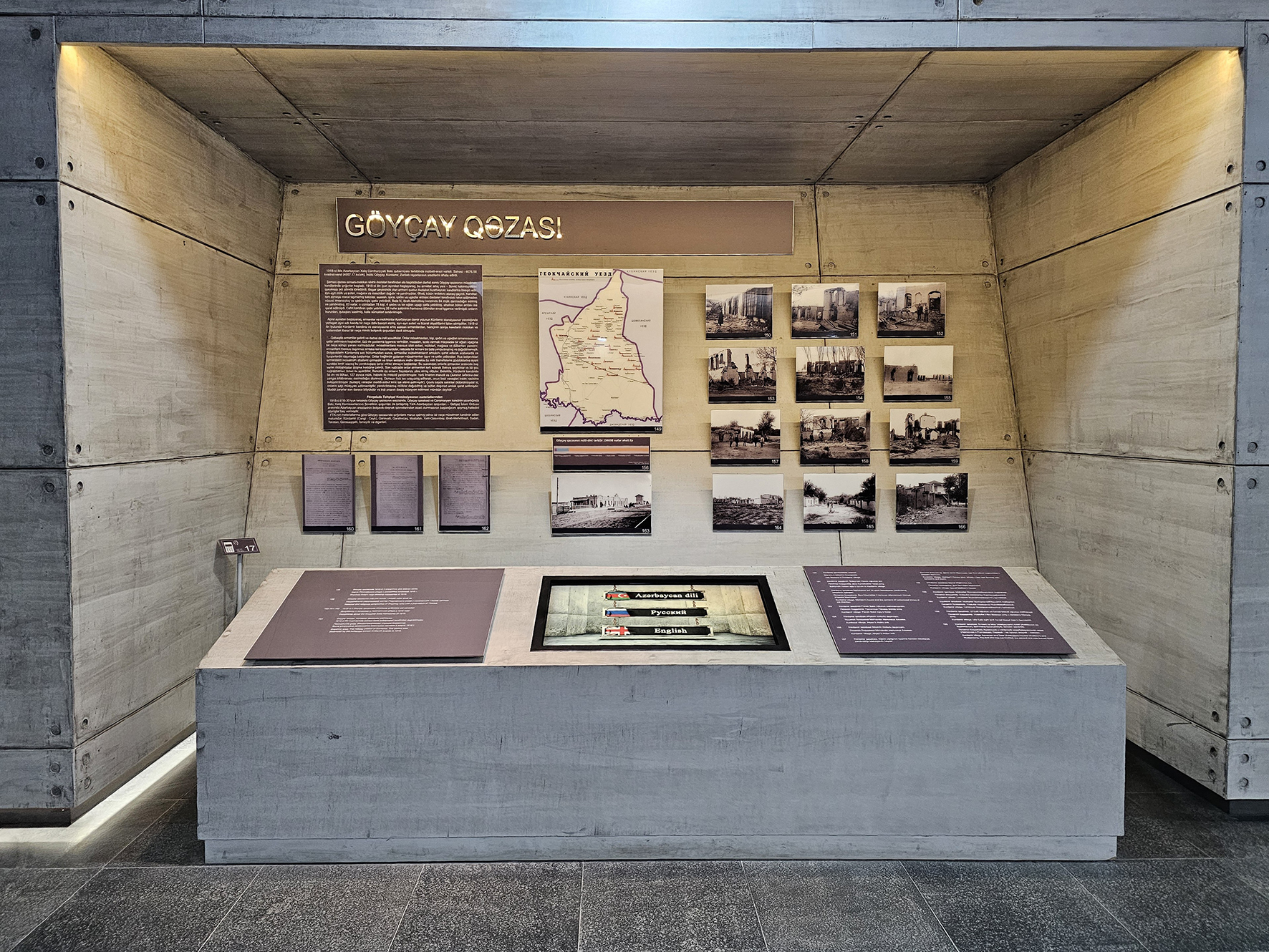
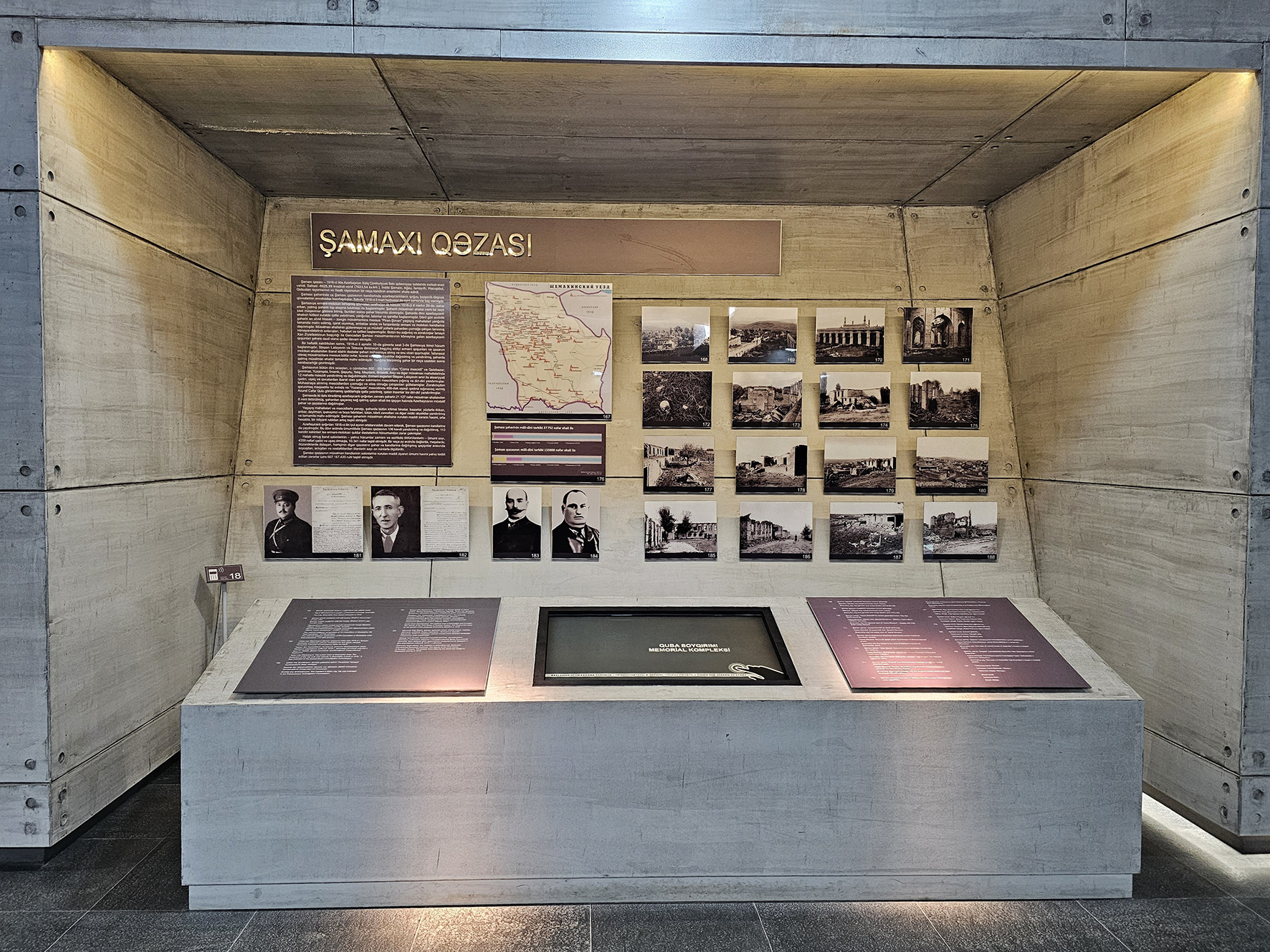
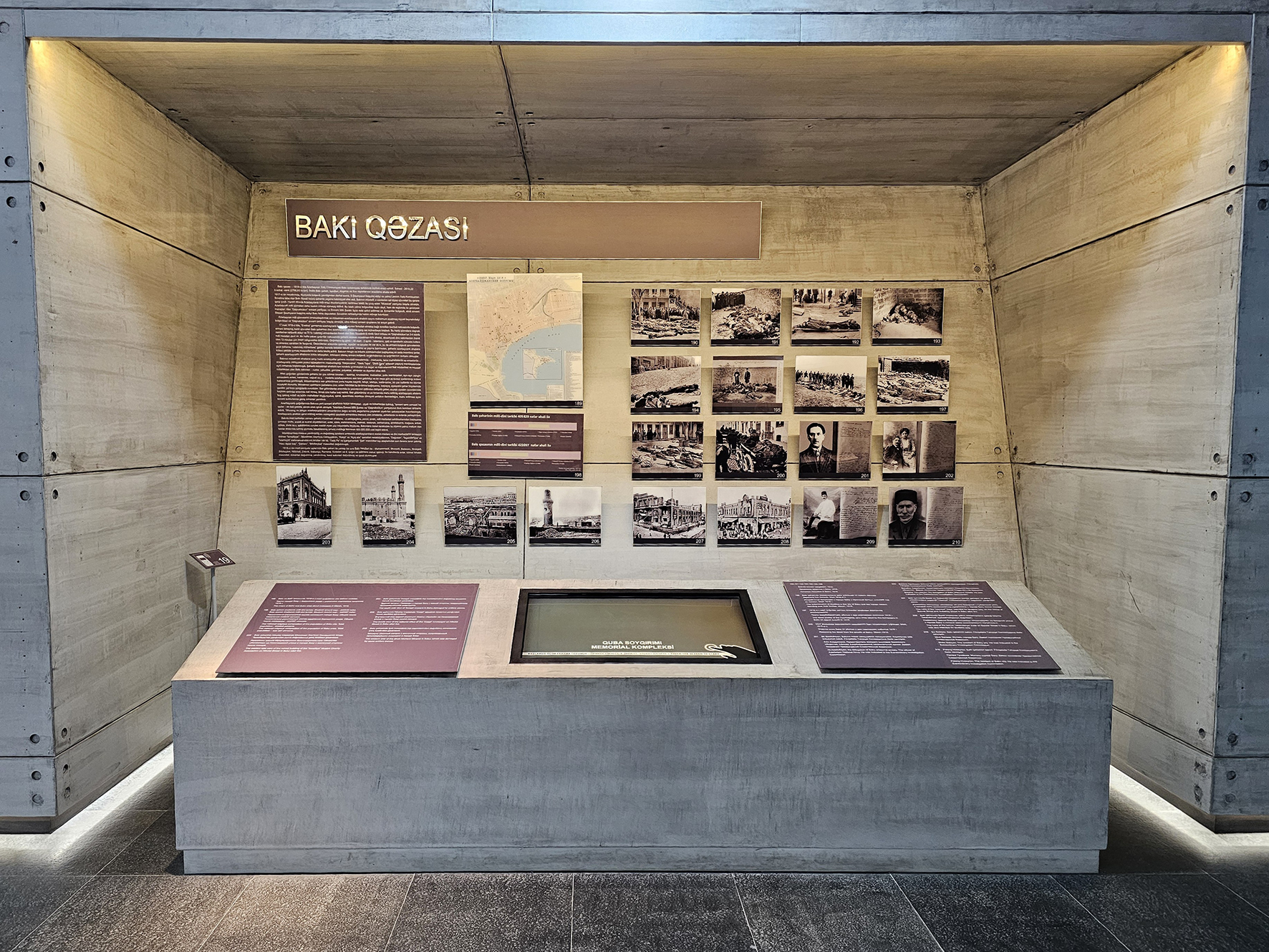
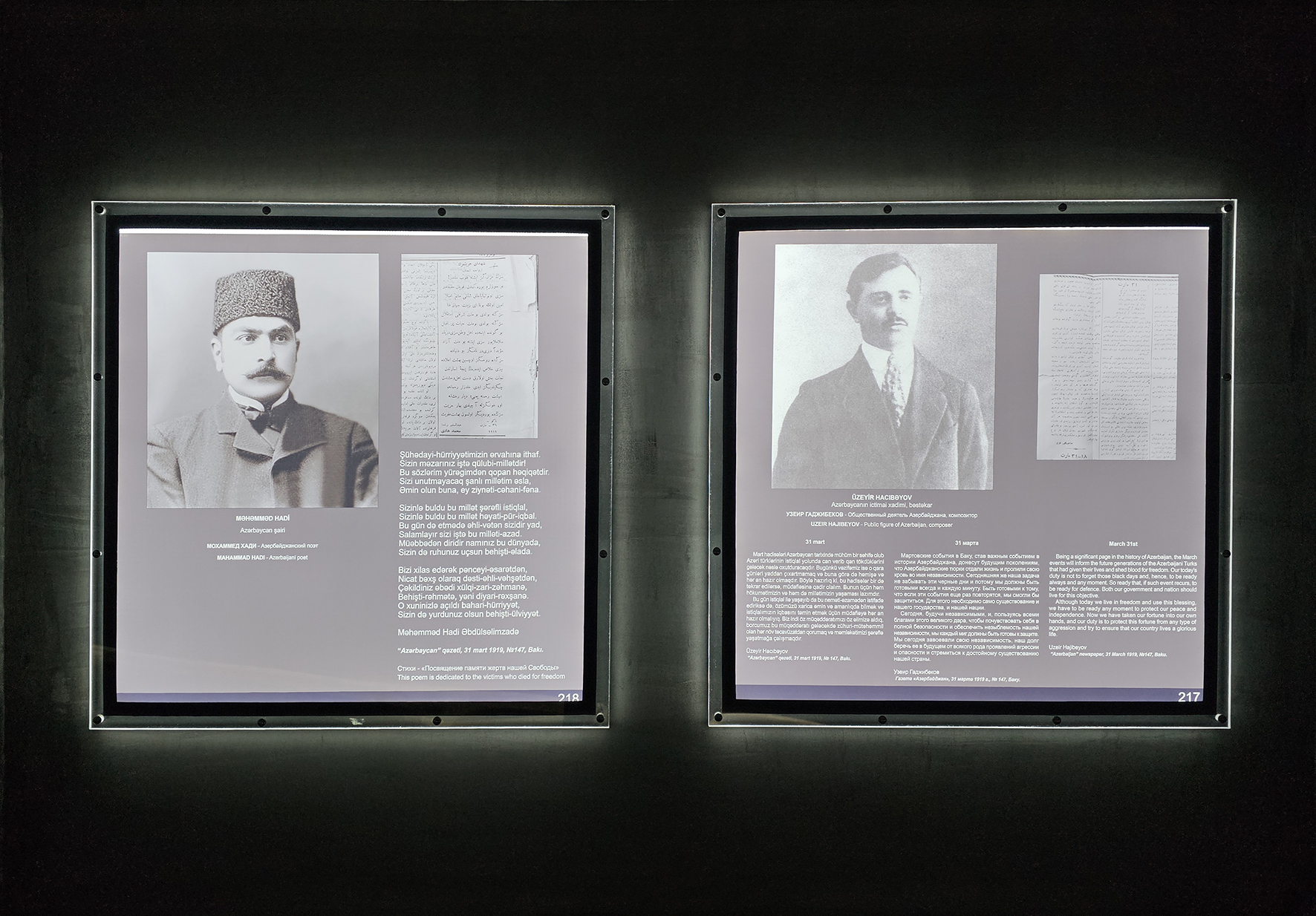
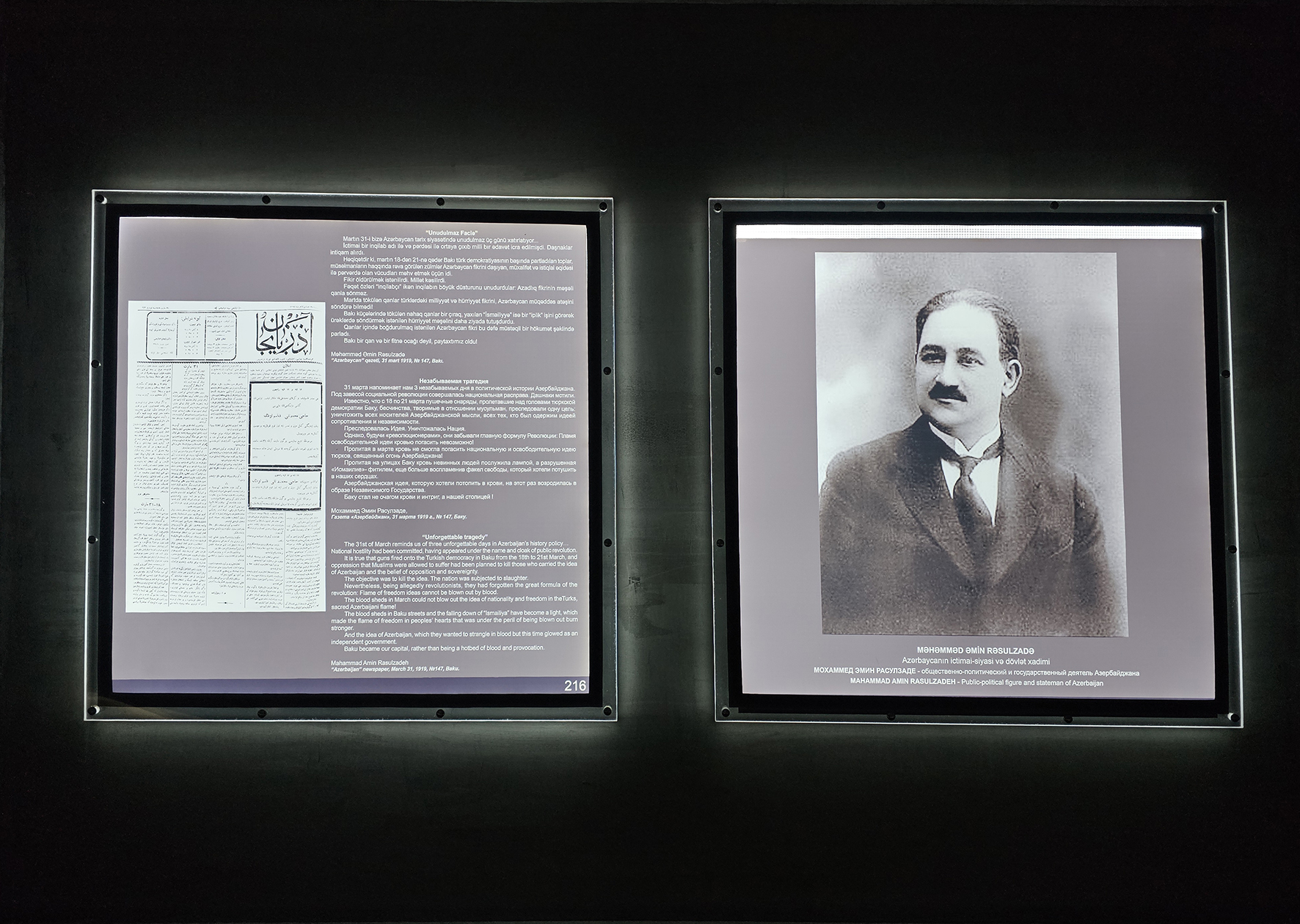
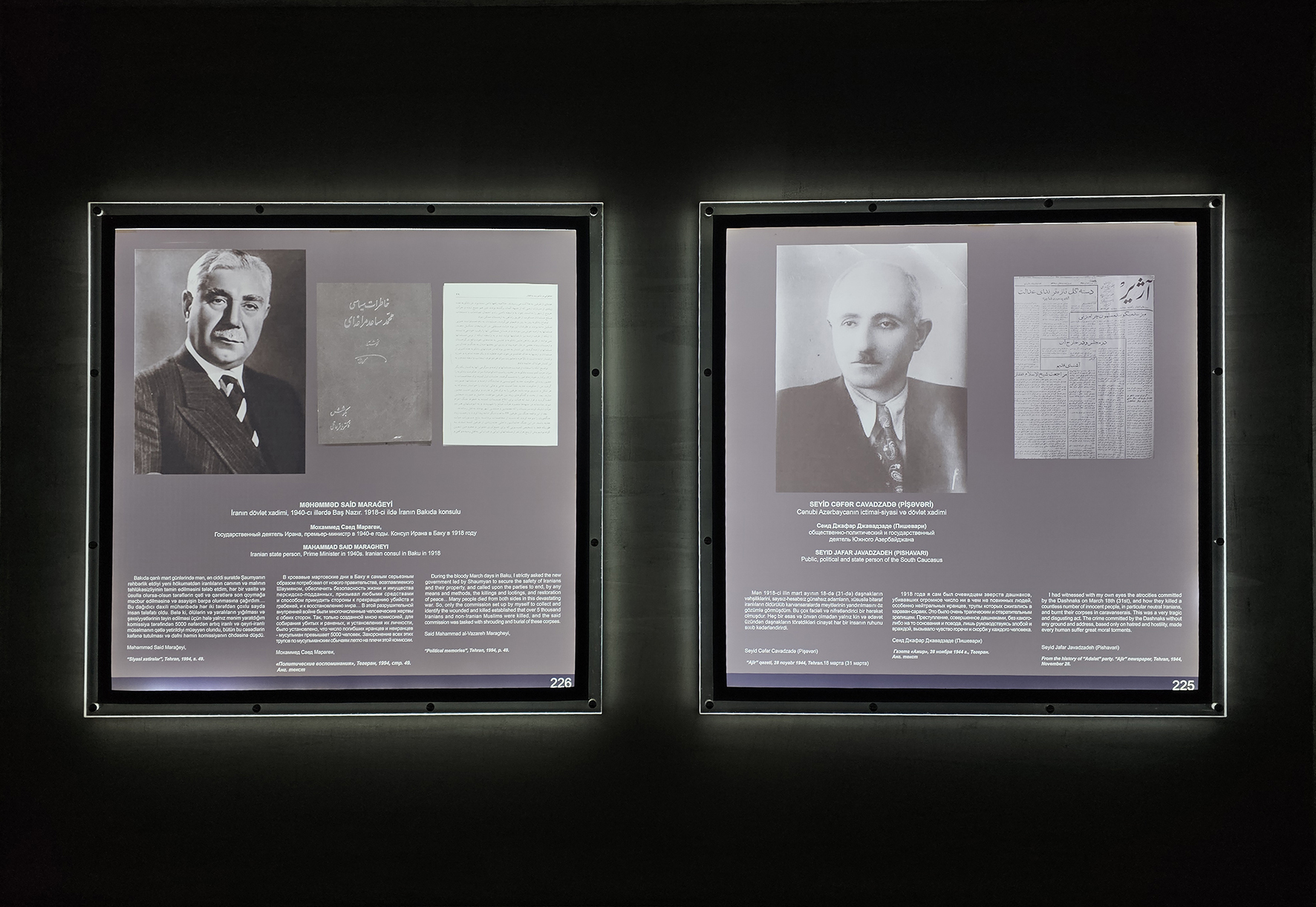
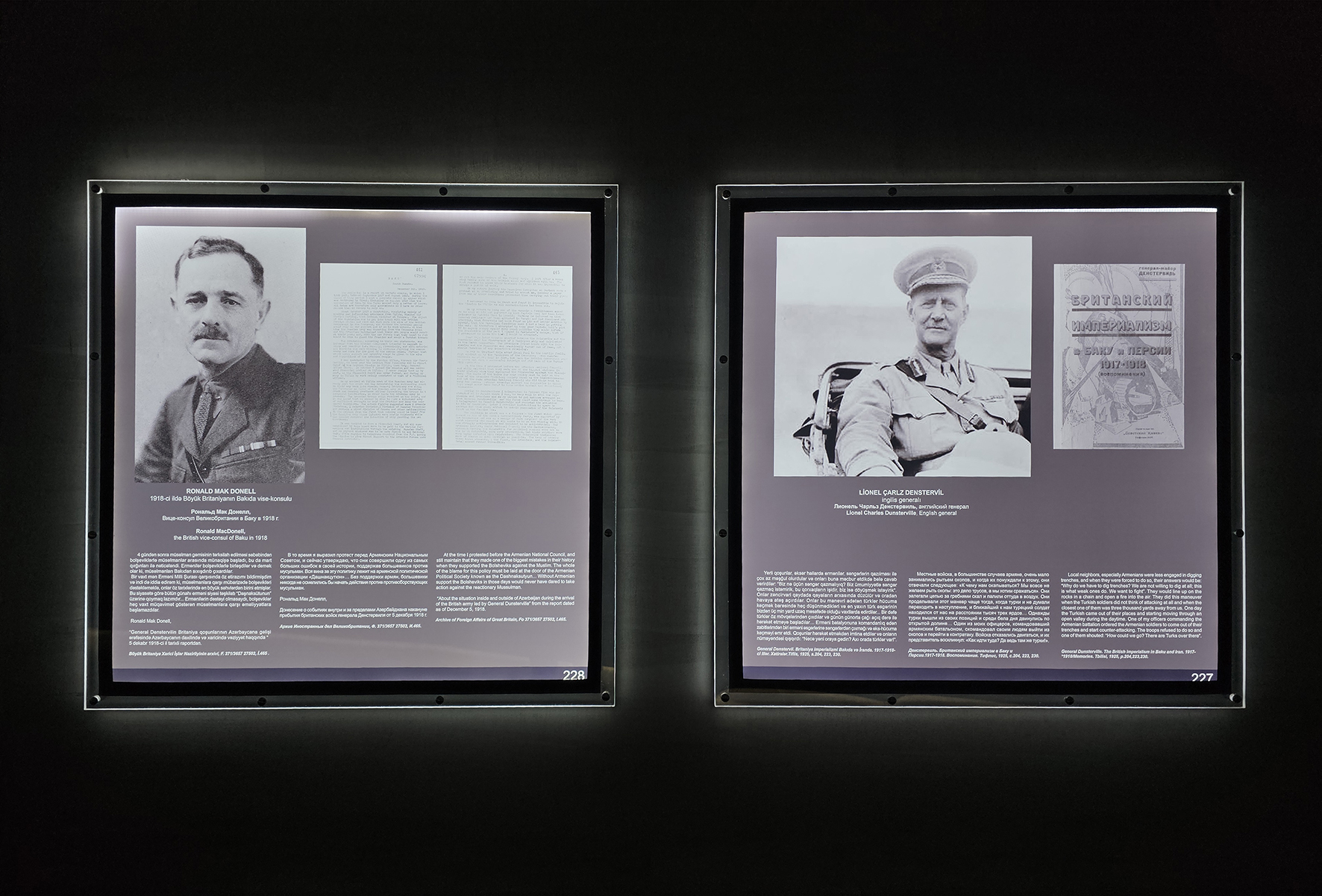
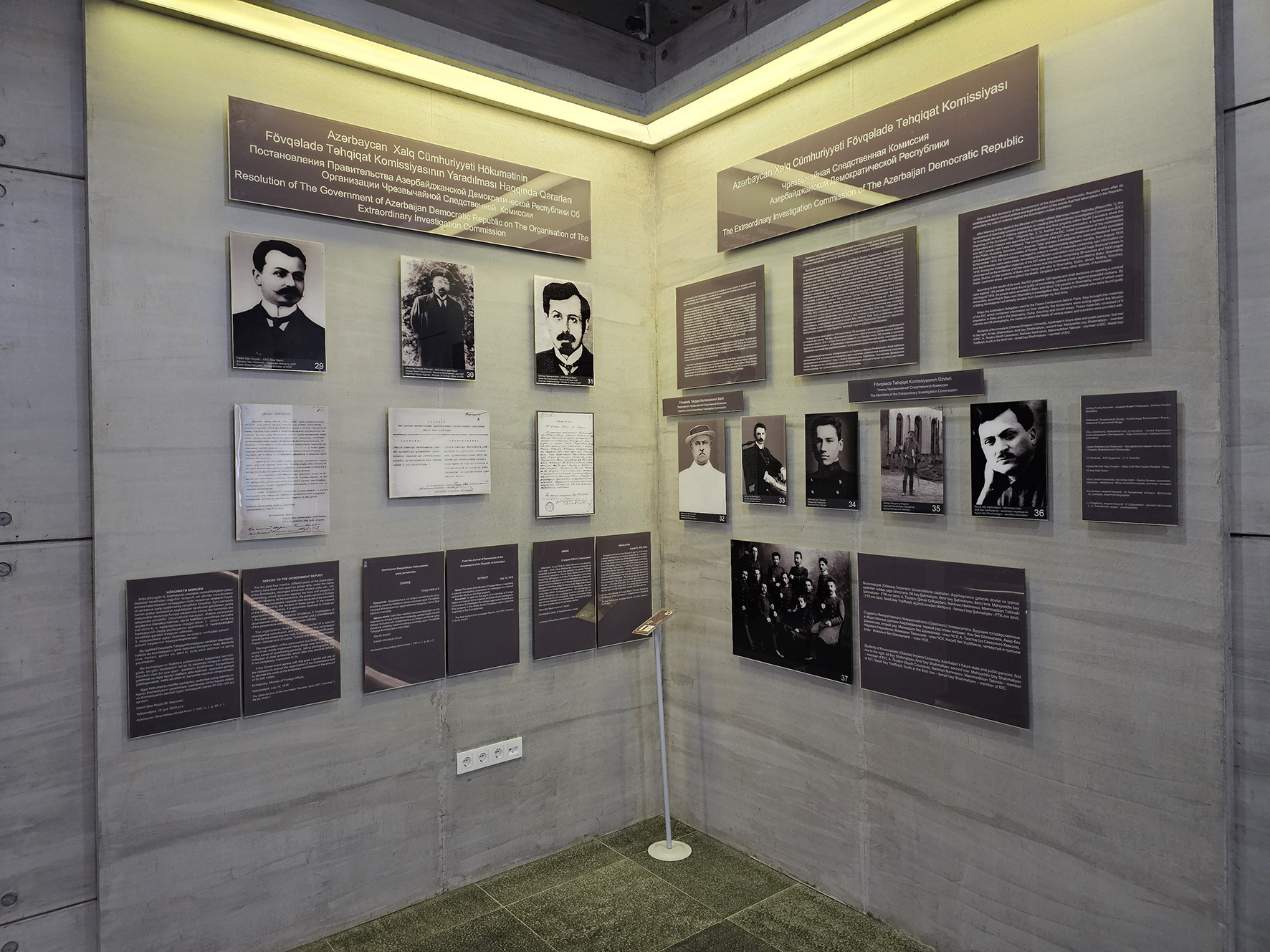
At the entrance of the hall, photographs of the members of the Extraordinary Investigation Commission (EIC) (F. Khoyski, M. Hajinski, Kh. Khasmammadov, A. Khasmammadov, I. Shahmaliyev, M. Tekinski, N. Mikhaylov, A. Khanbudaqov) and documents are displayed. The government of the Azerbaijan Democratic Republic (ADR) considered it necessary to respond to the bloody events taking place in the country and, on July 15, 1918, adopted a decision to establish the Extraordinary Investigation Commission in order to investigate acts of violence committed against the Muslim population and their property by Armenian bandit groups acting under the Bolshevik name since the outbreak of the First World War. The chairman of the EIC was the well-known lawyer Alakbar bey Khasmammadov. Although the commission was established with 7 members, later other representatives of the investigative, prosecutorial, and judicial bodies of the cities of Baku and Ganja were involved in the work. The EIC had a multinational composition, consisting mainly of Poles, Russians, Germans, Lithuanian Tatars, and Azerbaijani lawyers educated in Russia. During its period of activity, from July 15, 1918 to November 1, 1919, the EIC collected 36 volumes of investigative materials. Brutal crimes committed by Armenians in Baku, Shamakhi, Quba, Goychay, Javad, Nukha, Lankaran, Ganja, Karabakh, and Zangezur were investigated. As a result of the EIC’s work, 128 reports and draft decisions were prepared, and on their basis criminal cases were brought against 194 individuals found guilty of various crimes.