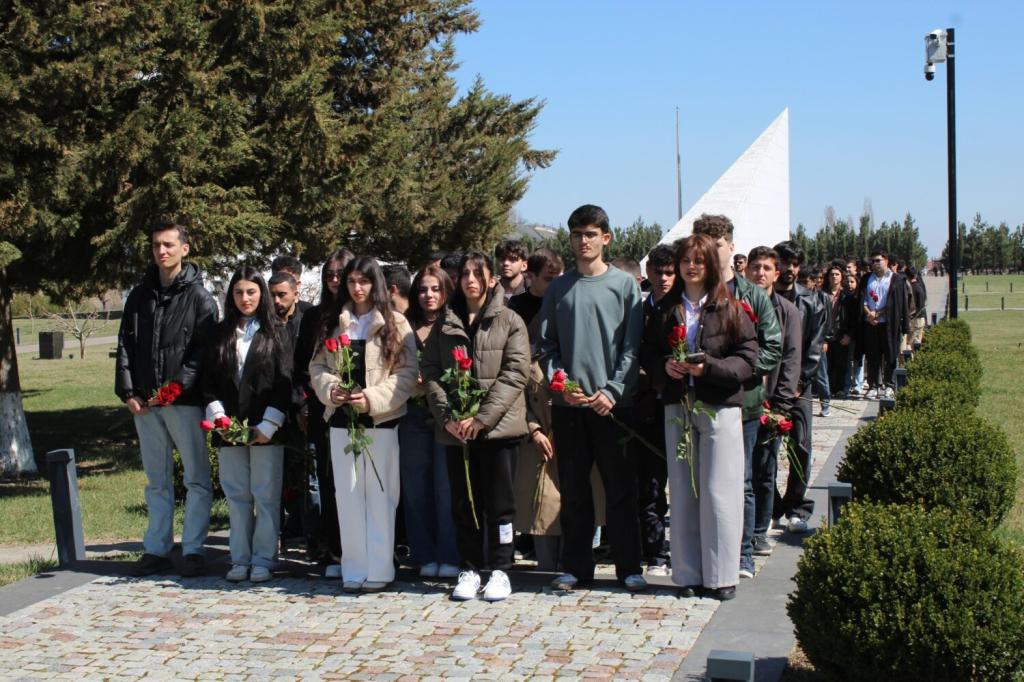



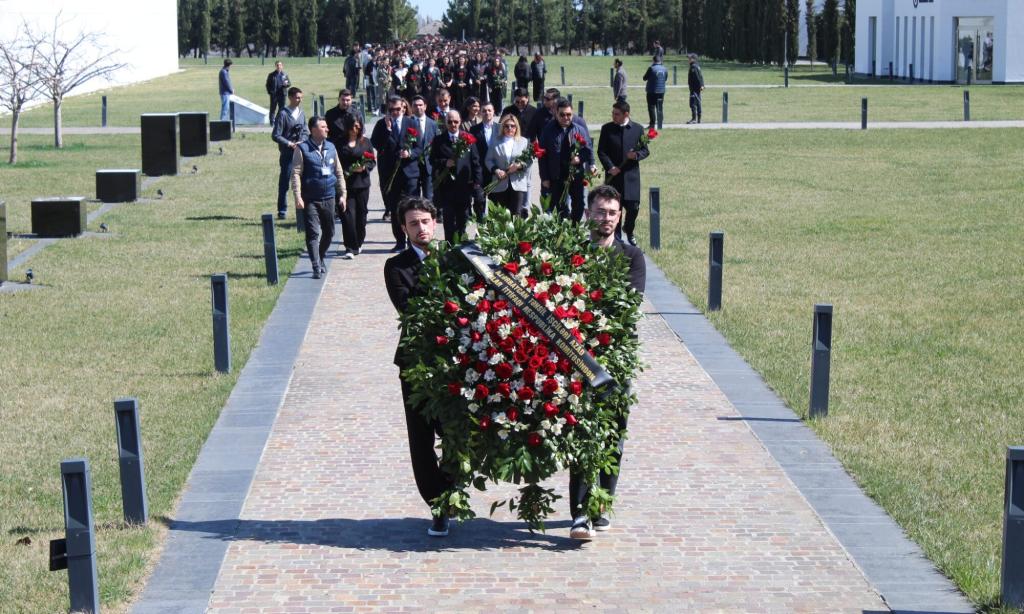
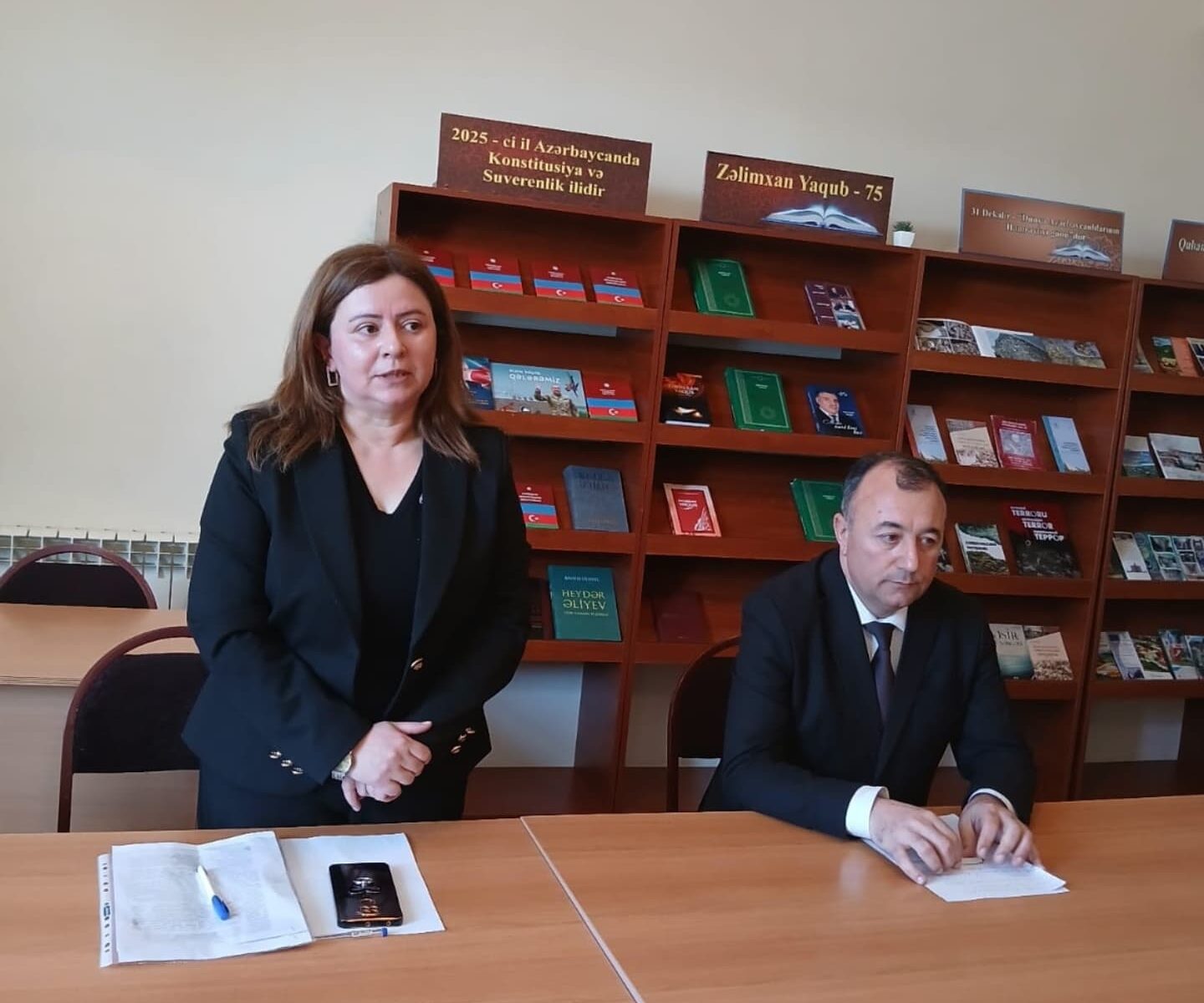
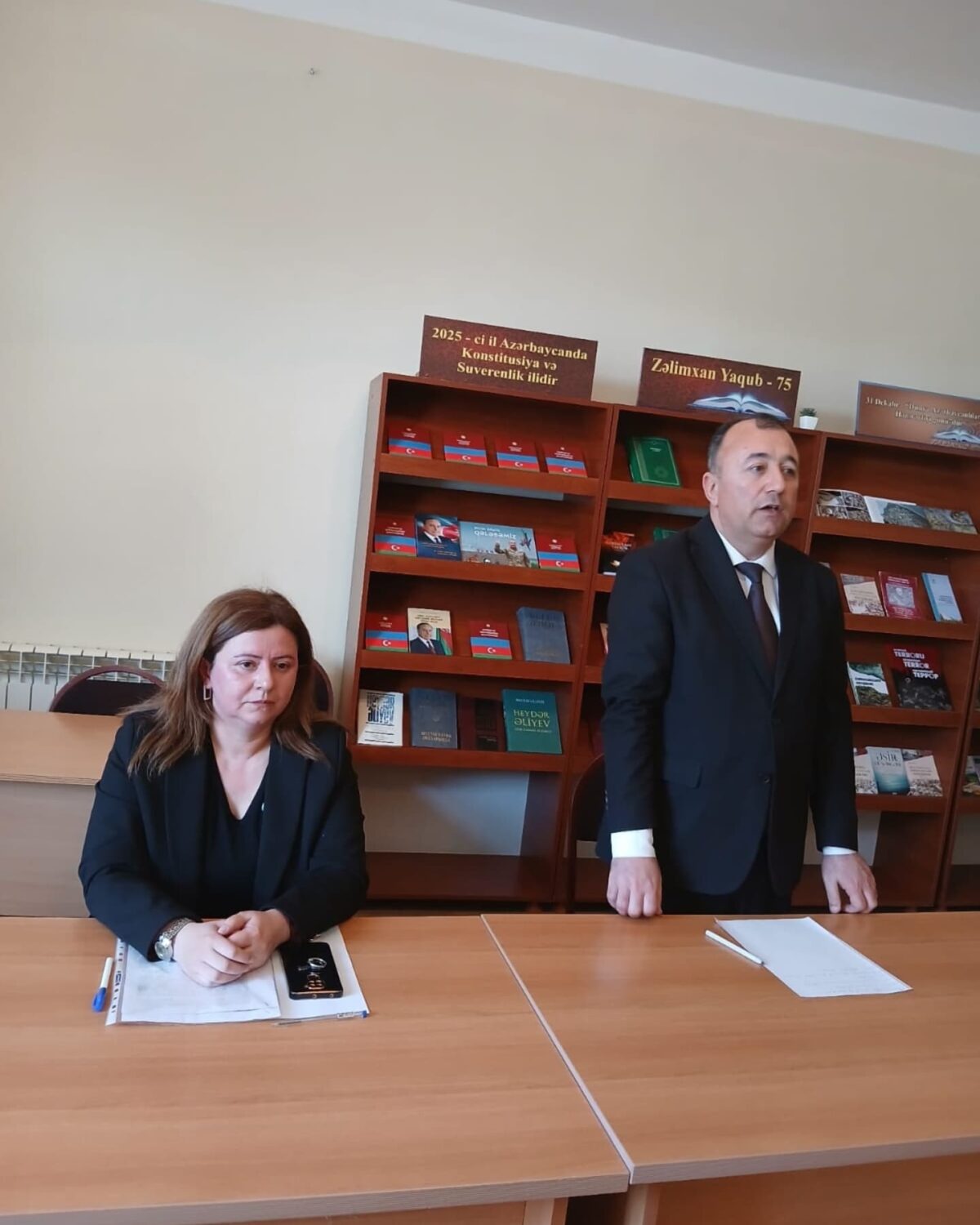
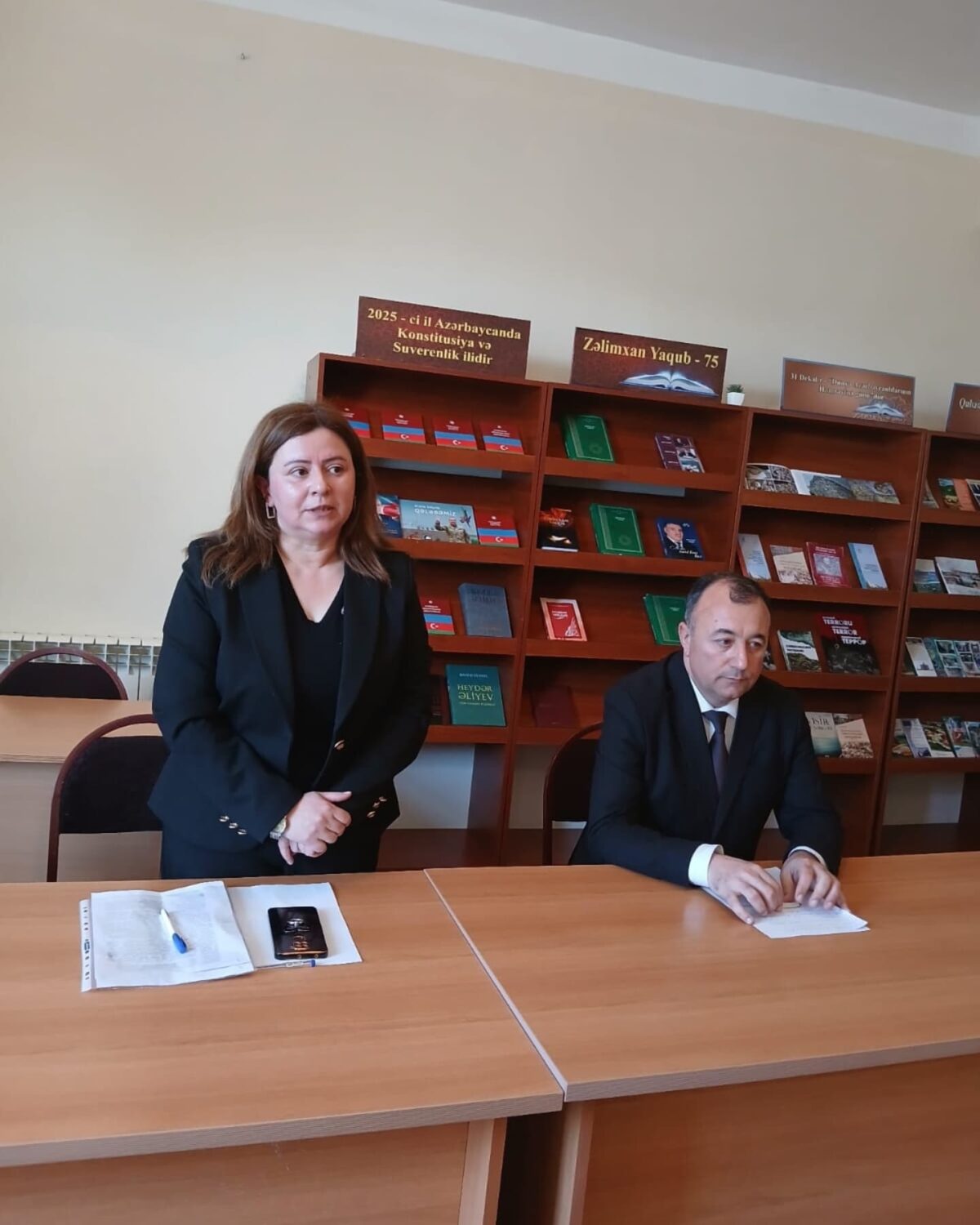


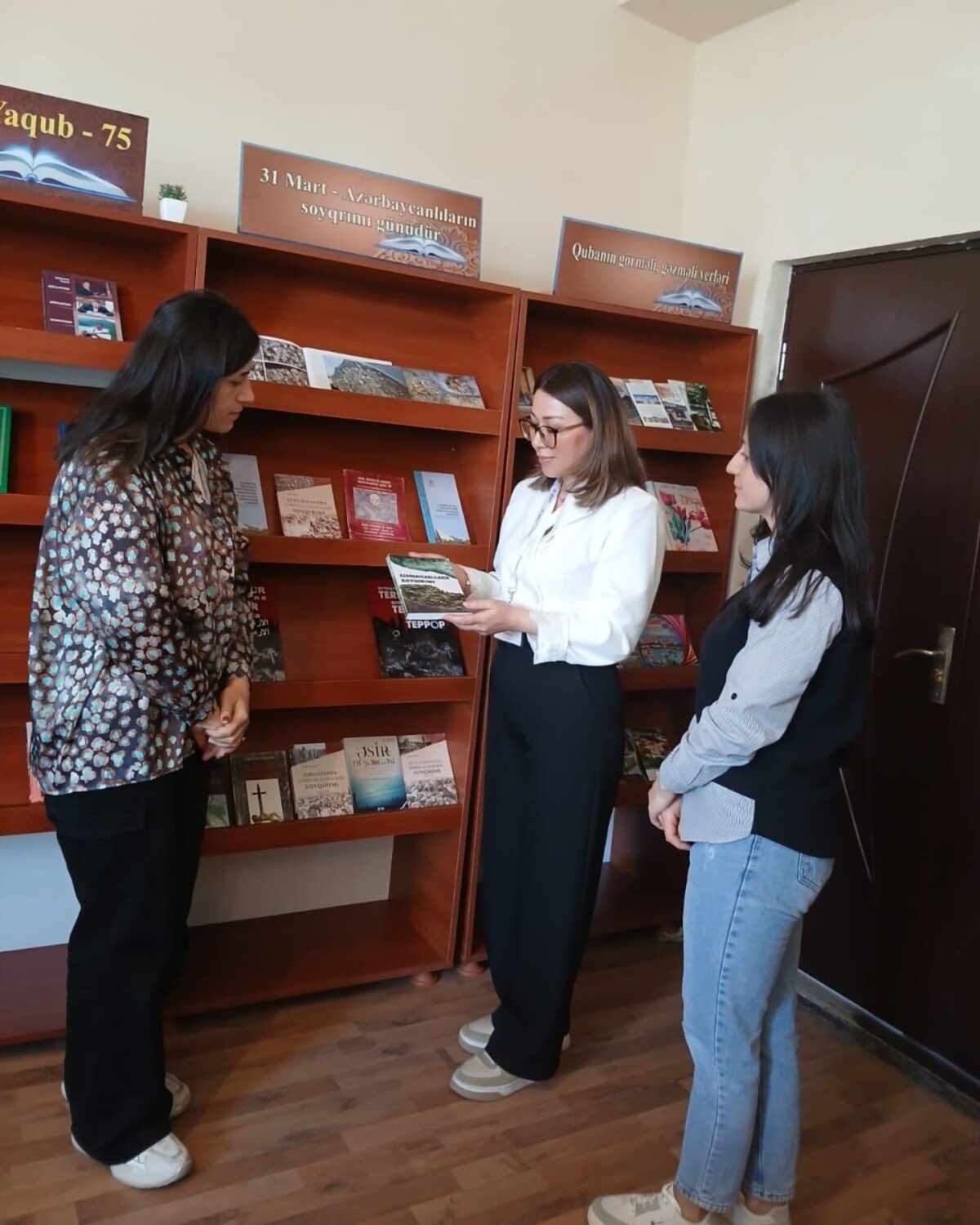
Opening the event with an introductory speech, Director of the Centralized Library System Sameddin Nasirov noted that the massacres committed by Armenian Dashnak groups against Azerbaijanis in Guba and other districts in 1918 left an indelible mark on the memory of our people. Noting the importance of not forgetting historical truths, the speaker said that such events are of great importance in terms of conveying the truths of the genocide to future generations.Then, Deputy Director of the “Genocide Memorial Complex” Mehriban Aliyeva gave a speech and provided detailed information about the mass grave discovered during archaeological excavations in the Guba cemetery. She noted that the human remains found here once again prove the tragedy of innocent people who were killed with particular cruelty by Armenian armed groups in 1918. Mehriban Aliyeva emphasized that conveying such acts of genocide to the world community and promoting historical truths is one of the important tasks for Azerbaijan.A total of about 40 people attended the memorial event, including students from institutions under the Guba-Khachmaz Regional Department of Culture, Guba State Socio-Economic College, and active readers.
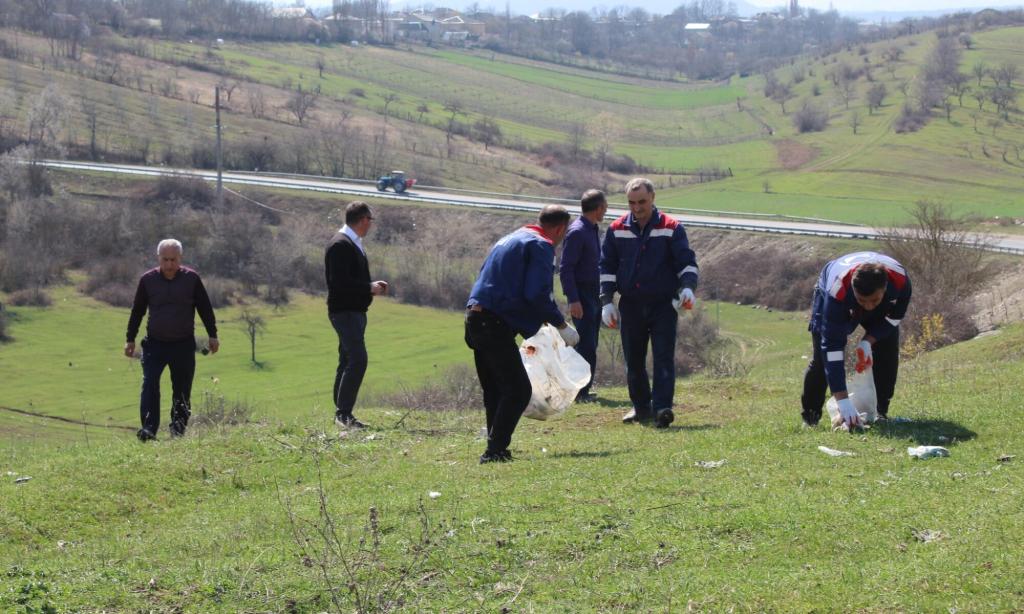


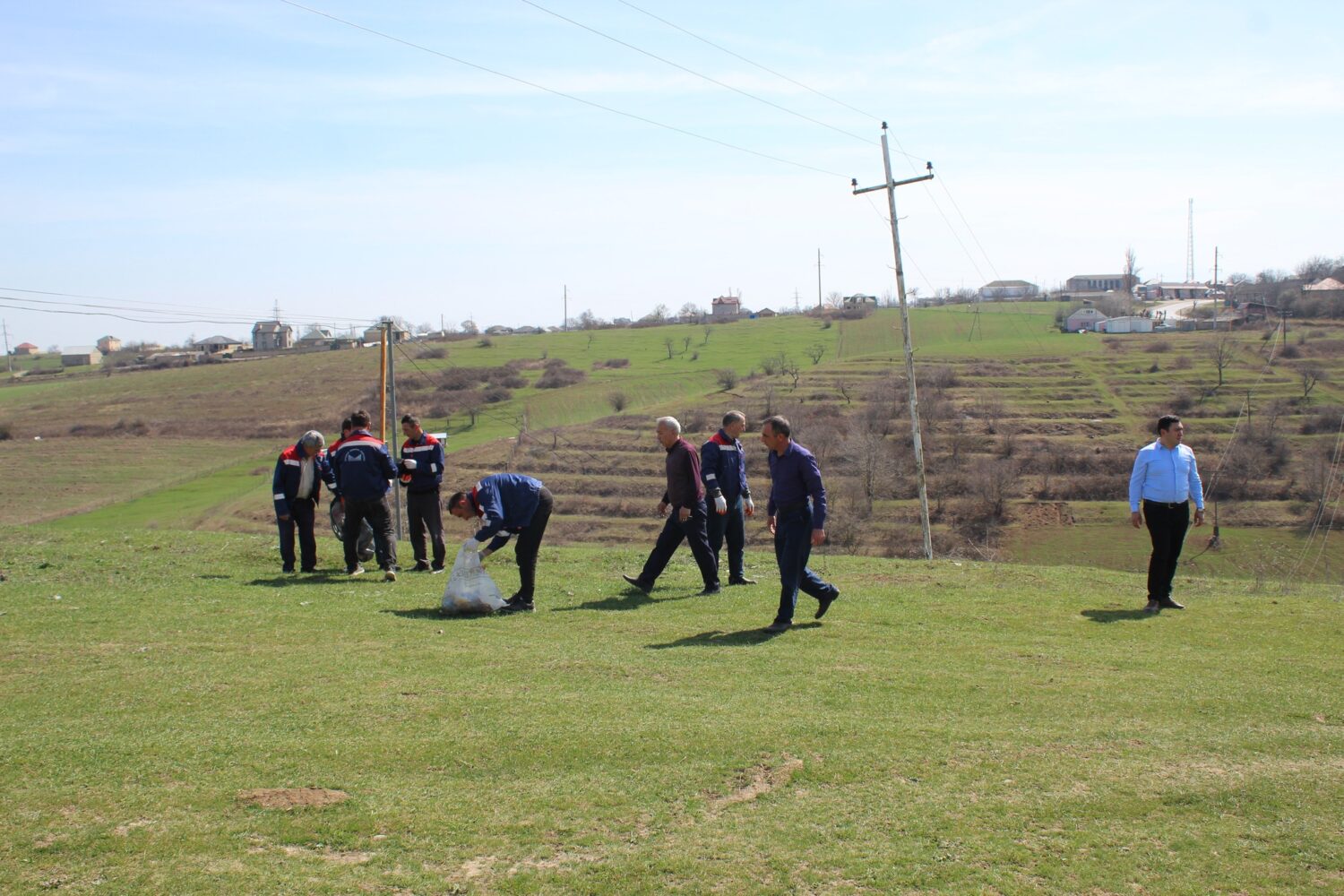

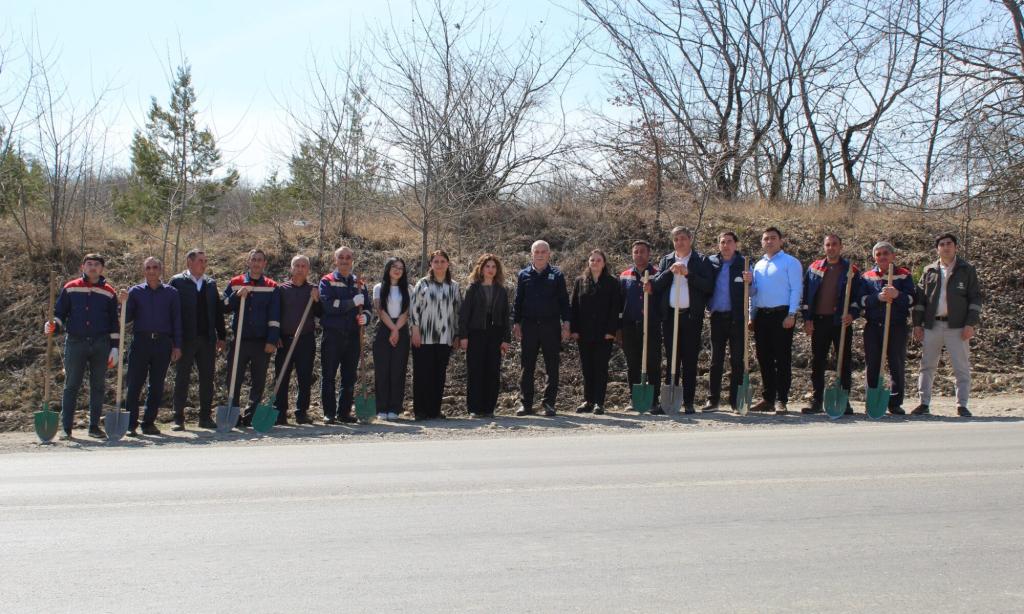


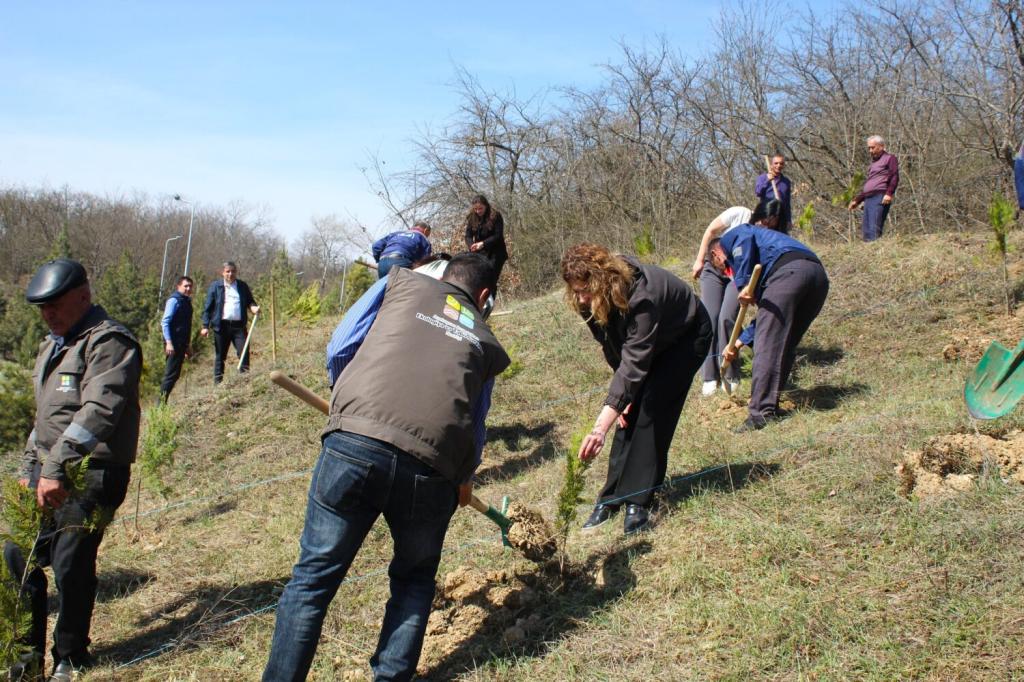

The event was organized on March 17, 2025 in the village of Khujbala, Guba region.As part of the campaign, 200 pine trees suitable for the climate were planted by the Complex employees.It should be noted that the Genocide Memorial Complex is also conducting an online tree planting campaign. To join the campaign, you can visit the following link:


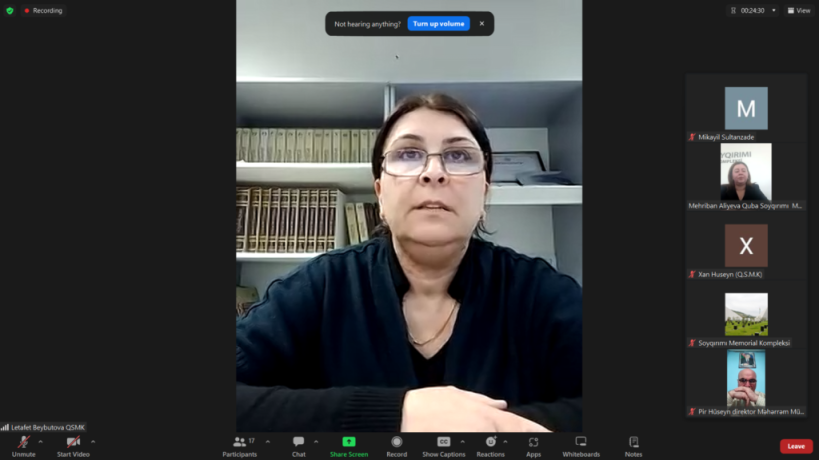
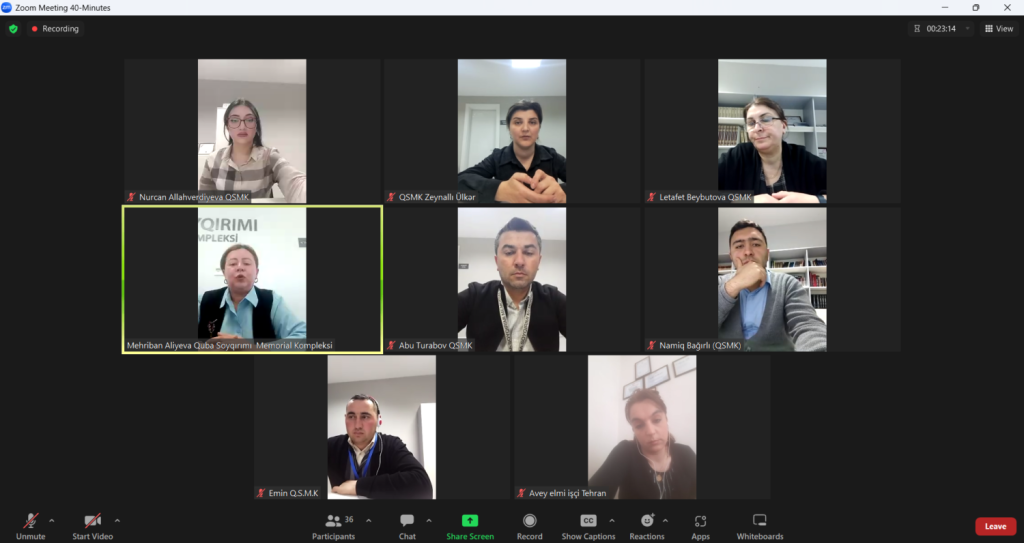


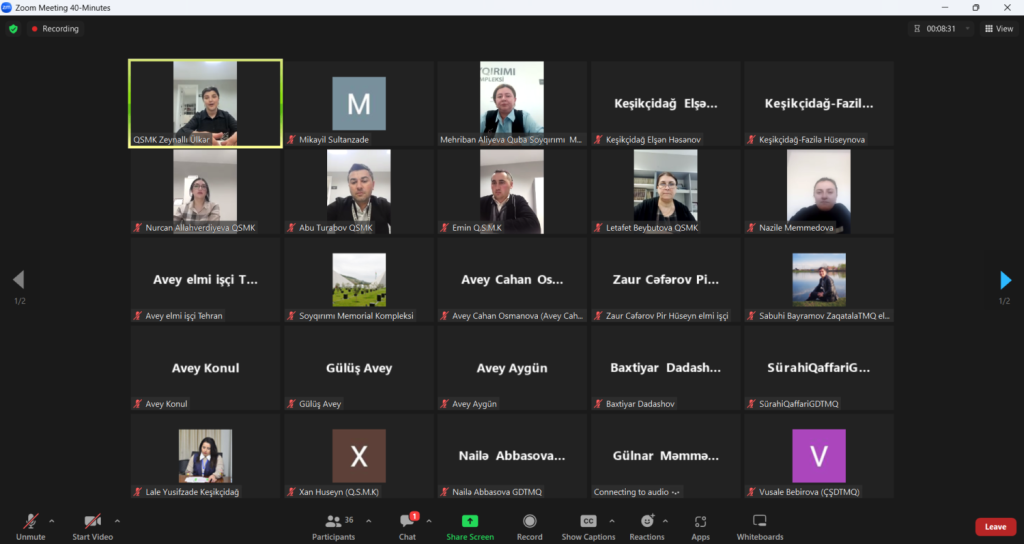
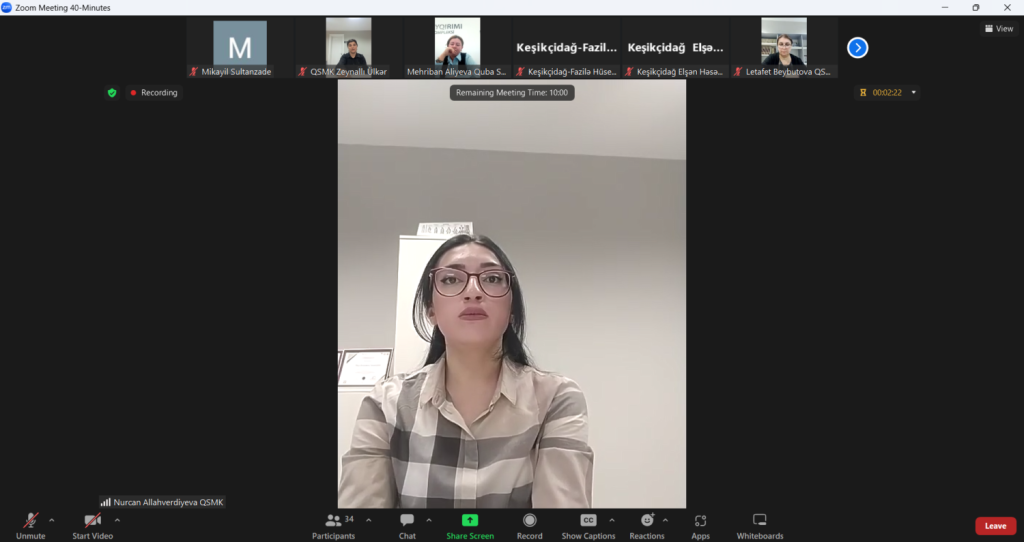
Each of the three-part webinars discussed the genocides that occurred in the Guba, Shamakhi, Baku, Karabakh, Javad, Lankaran and Zangezur regions. Scientific analyses based on the notes of British journalists and documents of the Extraordinary Commission of Inquiry were presented.
About 100 employees of the reserves under the jurisdiction of the State Service for the Protection, Development and Restoration of Cultural Heritage participated in the series of webinars.
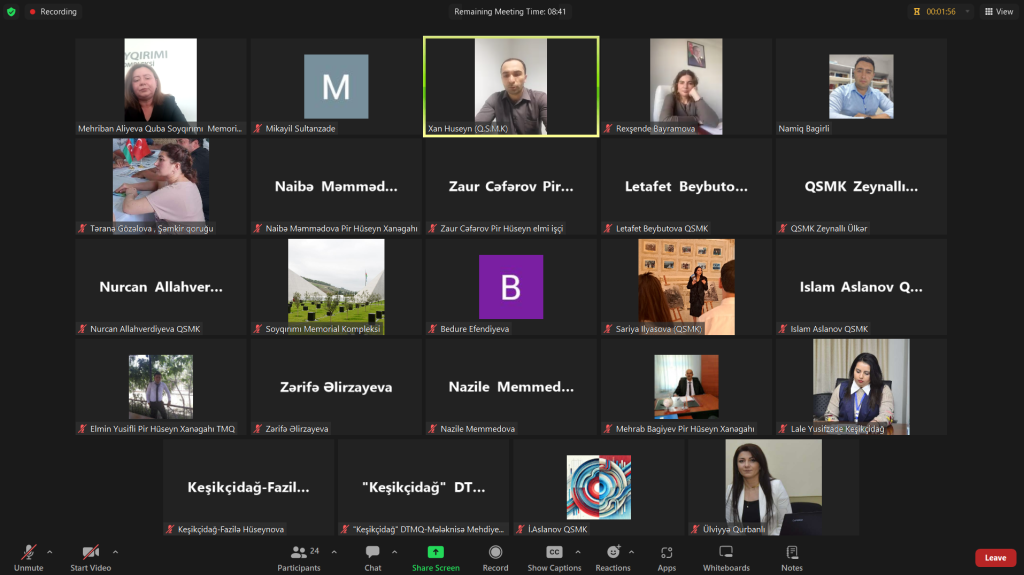


Speakers Latafat Beybutova spoke on the topics of “The events of the 1918 genocide in the eyewitness testimonies of the Baku region – based on the documents of the Extraordinary Investigation Commission”, Naiba Mammadova on “Damage to the Pir-Huseyn Khanate during the 1918 genocide”, Sariyya Abidova on “Testimonies of ethnic groups who witnessed the 1918 genocide in Guba”, and Orkhan Huseynov on “The struggle of patriotic groups of Baku herders against Armenian armed formations during the 1918 genocide”.
The webinar discussed the massacres committed by Armenian armed groups in various regions of Azerbaijan, the facts of these events confirmed by eyewitness accounts and historical documents. The speakers scientifically analyzed the facts based on the documents of the Extraordinary Investigative Commission, eyewitness accounts and archival materials, and put forward new approaches for a deeper study of this painful page of Azerbaijani history.
About 30 employees of the reserves subordinate to the State Service for the Protection, Development and Restoration of Cultural Heritage participated in the webinar.
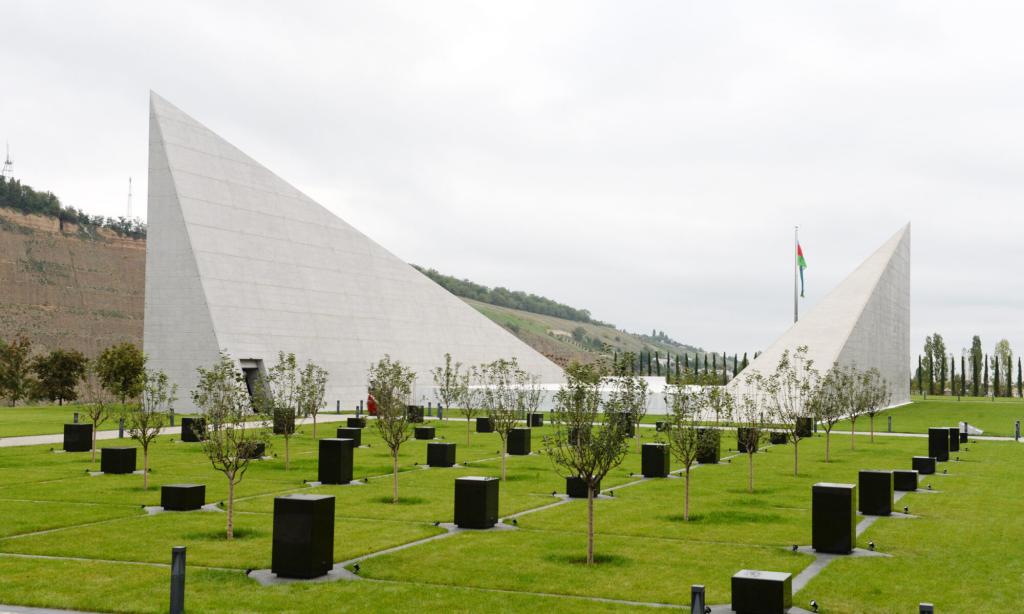


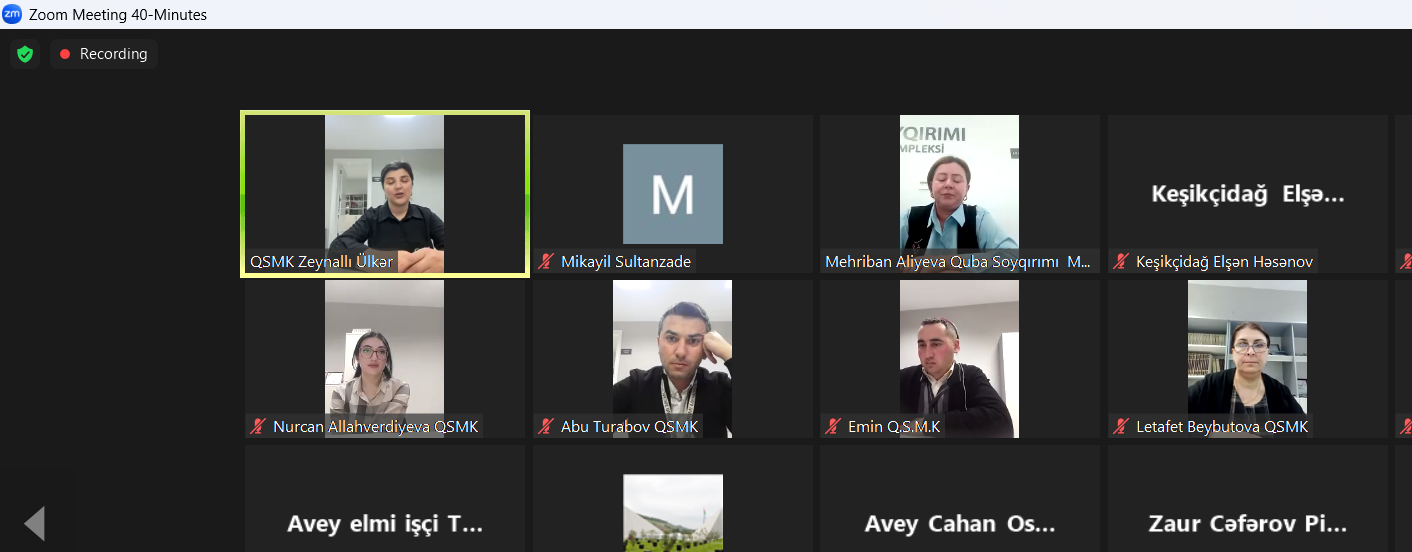
The main goal of the project is to investigate the events of the genocide committed against Azerbaijanis based on eyewitness testimonies, study historical facts and communicate them to the public. During the speeches based on scientific research, the employees of the Complex analyzed the events that took place in 1918 in the Guba, Shamakhi, Baku and Karabakh regions based on eyewitness testimonies and presented new historical information.
The first part of the series of webinars took place on March 7, 2025. In the first webinar, moderated by Mehriban Aliyeva, Deputy Director of the Genocide Memorial Complex, speakers Mehriban Aliyeva (“The events of the 1918 genocide in Guba region in eyewitness testimonies”, Ulker Zeynalova “The events of the 1918 genocide in Shamakhi region in eyewitness testimonies”, and Nurjan Allahverdiyeva “The 1918 genocide in eyewitness testimonies of residents of Baku city and Baku villages” made speeches. The speeches provided information about the massacres committed by Armenian armed forces in Guba, Shamakhi and Baku regions, the testimonies of people who witnessed the events that occurred during that period, and the historical significance of these testimonies.
The webinar was attended by about 40 employees of reserves under the jurisdiction of the State Service for the Protection, Development and Restoration of Cultural Heritage.
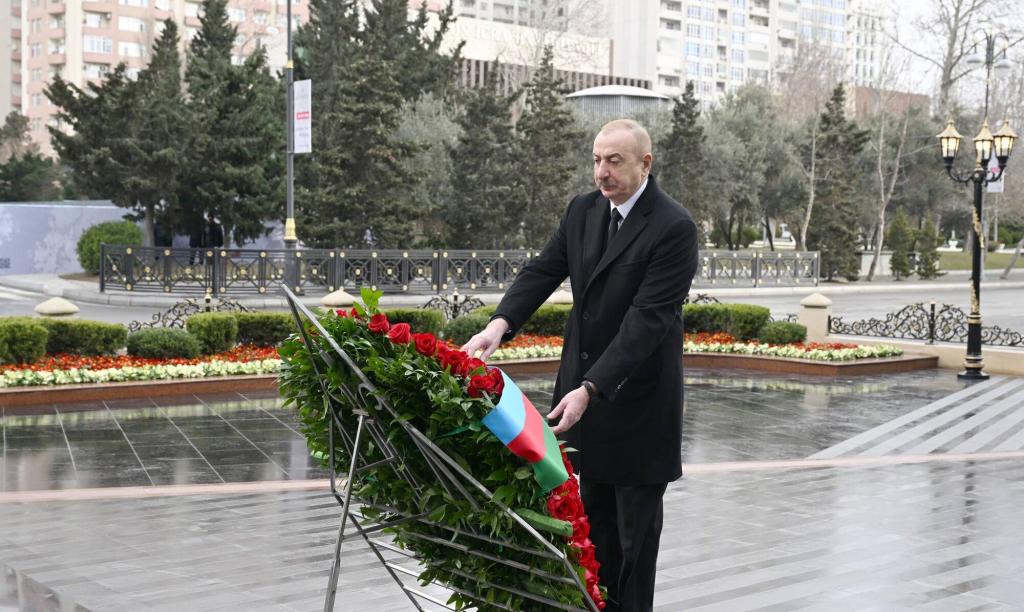


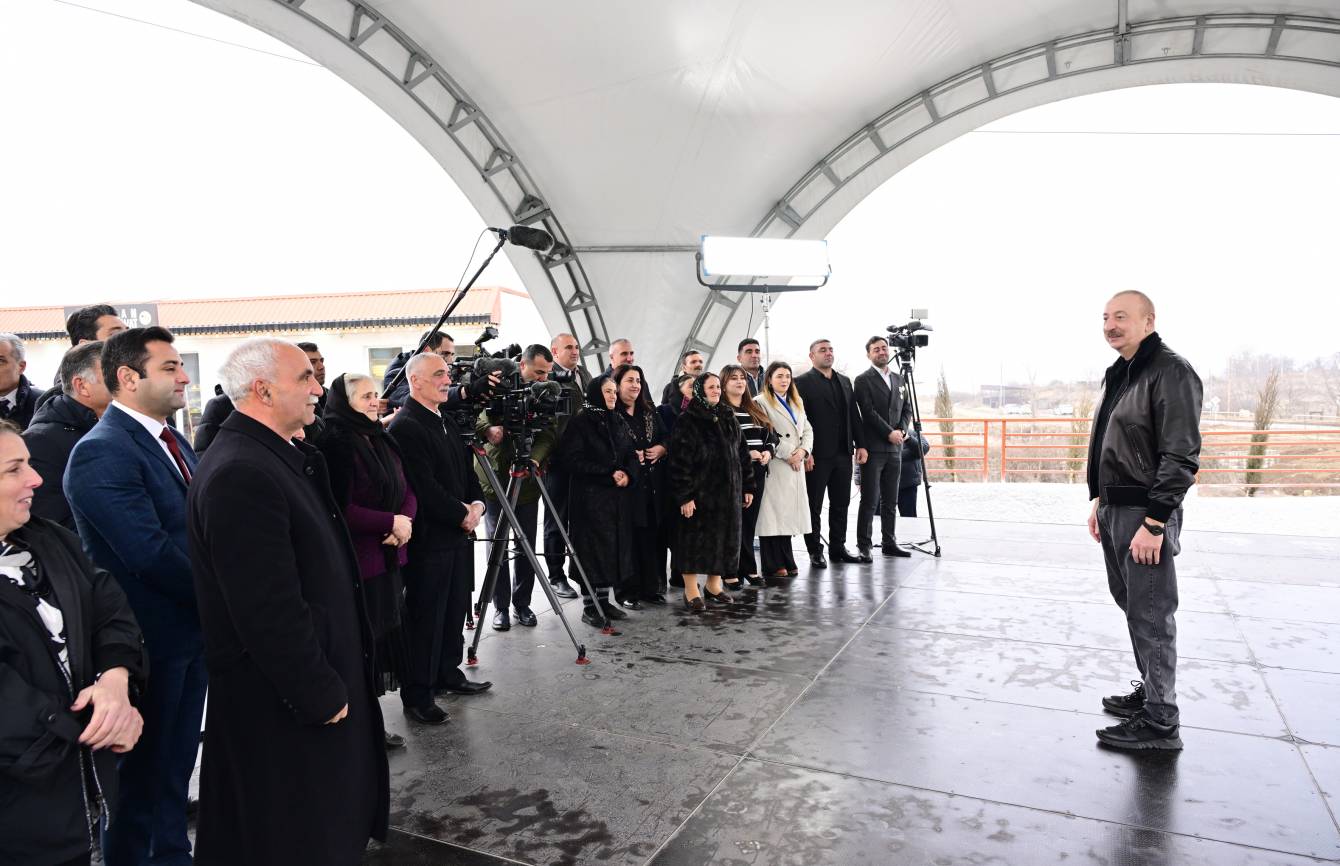
On February 26, President of the Republic of Azerbaijan Ilham Aliyev and First Lady Mehriban Aliyeva visited the Khojaly Genocide Memorial in Baku’s Khatai district to commemorate the 33rd anniversary of the genocide, which remains a dark chapter in human history of the XX century.
President Ilham Aliyev laid a wreath at the memorial, paying tribute to the victims of the genocide with deep respect.
First Lady Mehriban Aliyeva placed flowers at the monument, honoring the memory of those who perished in the genocide.
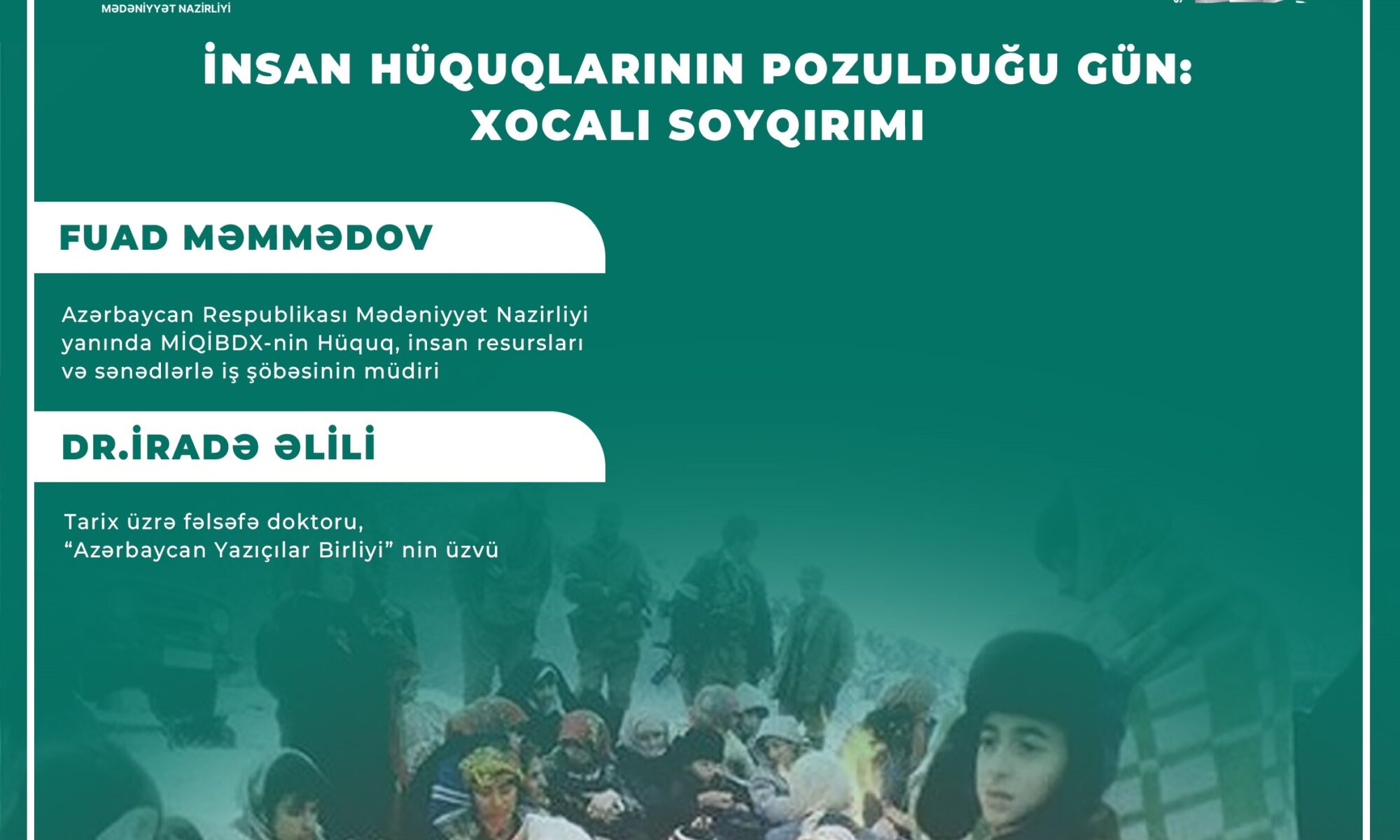
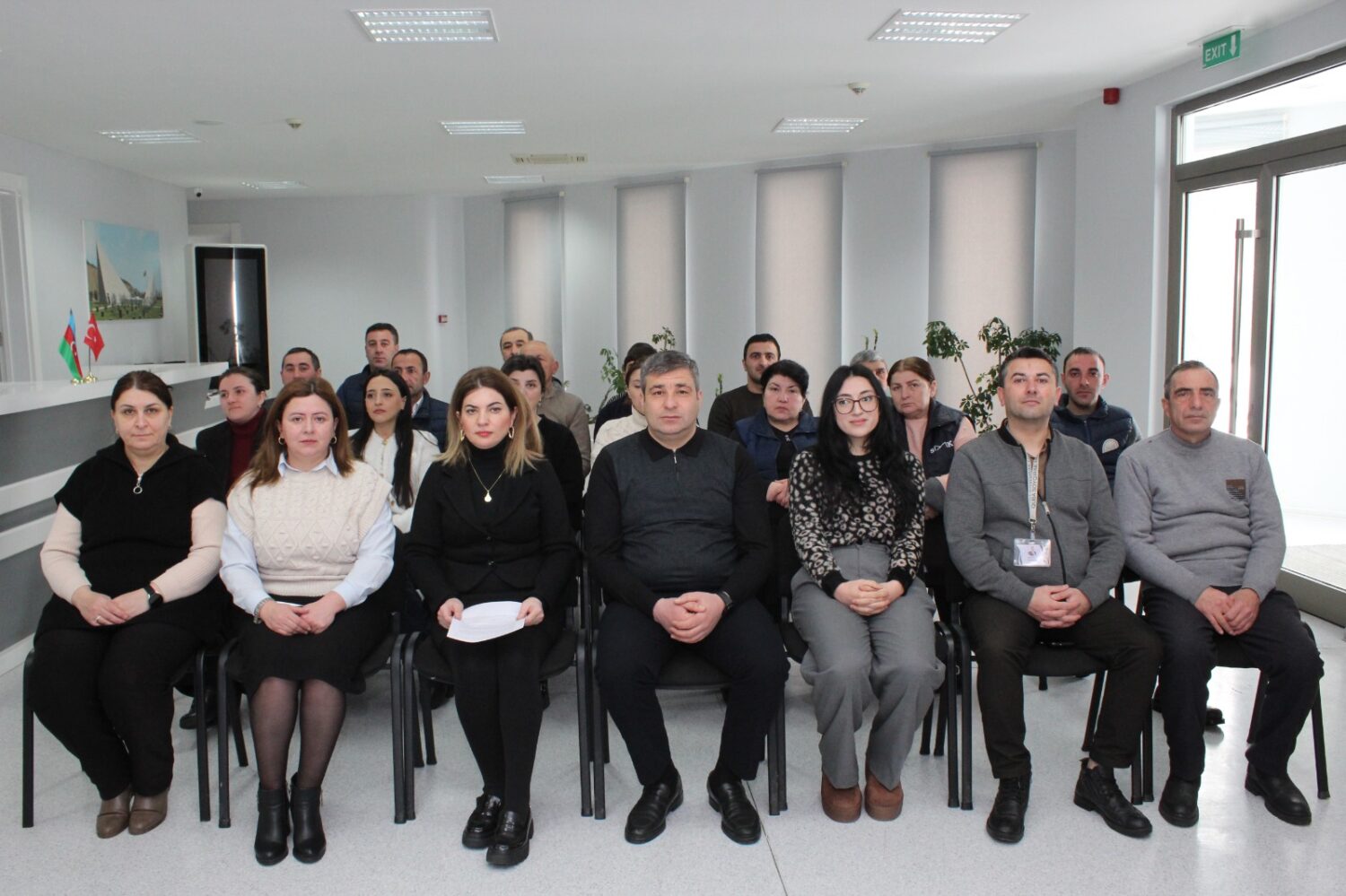
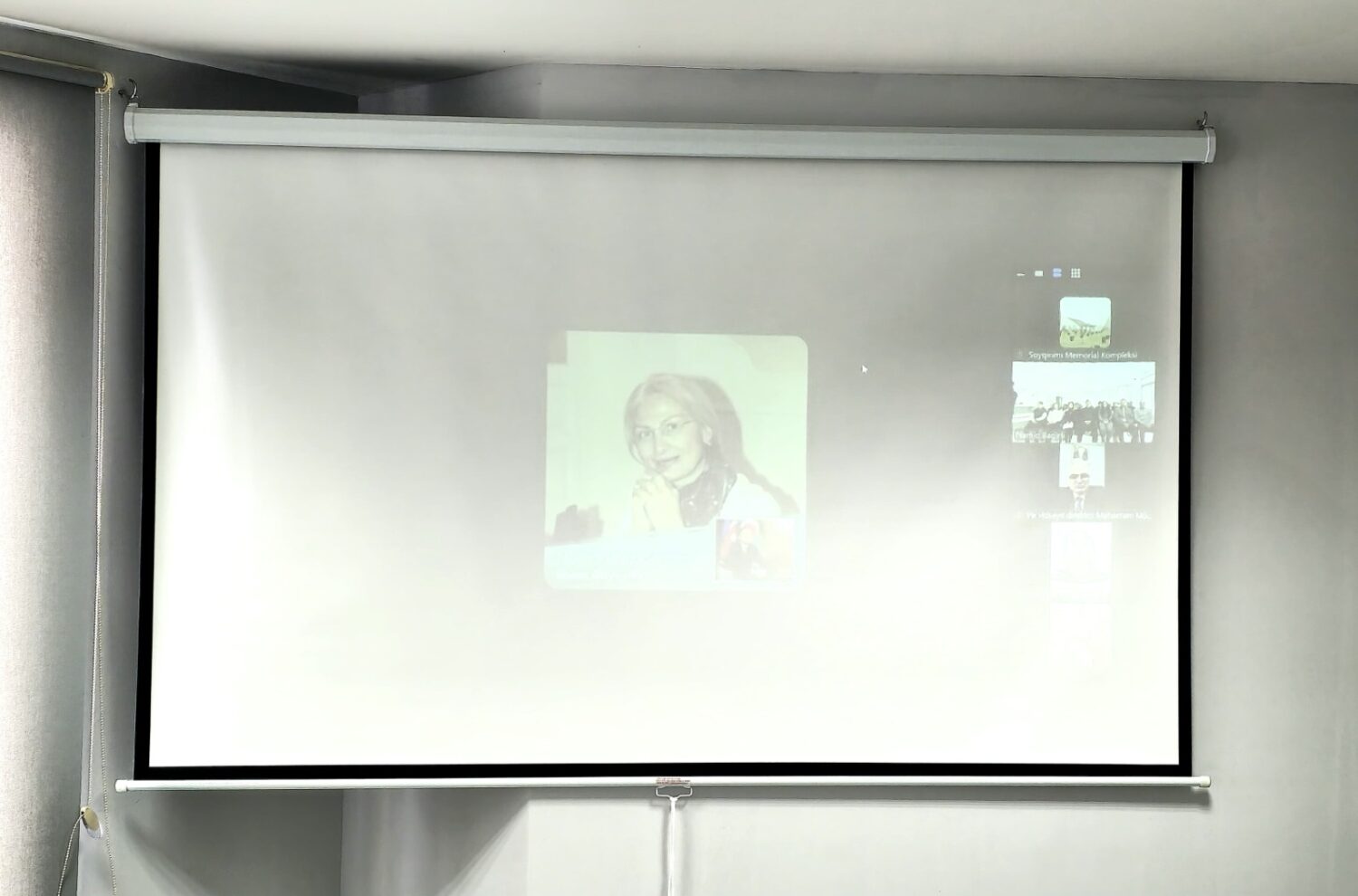

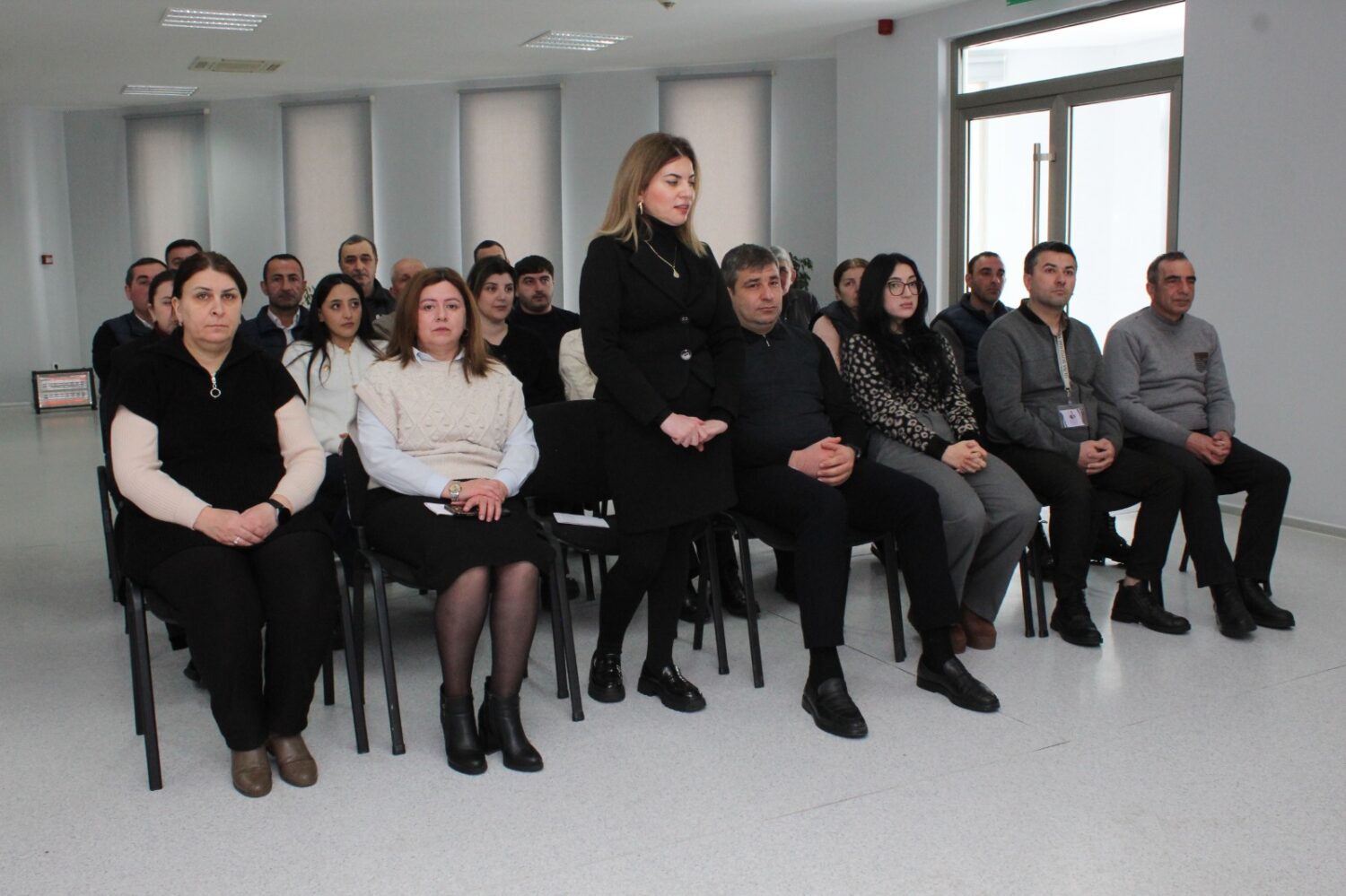


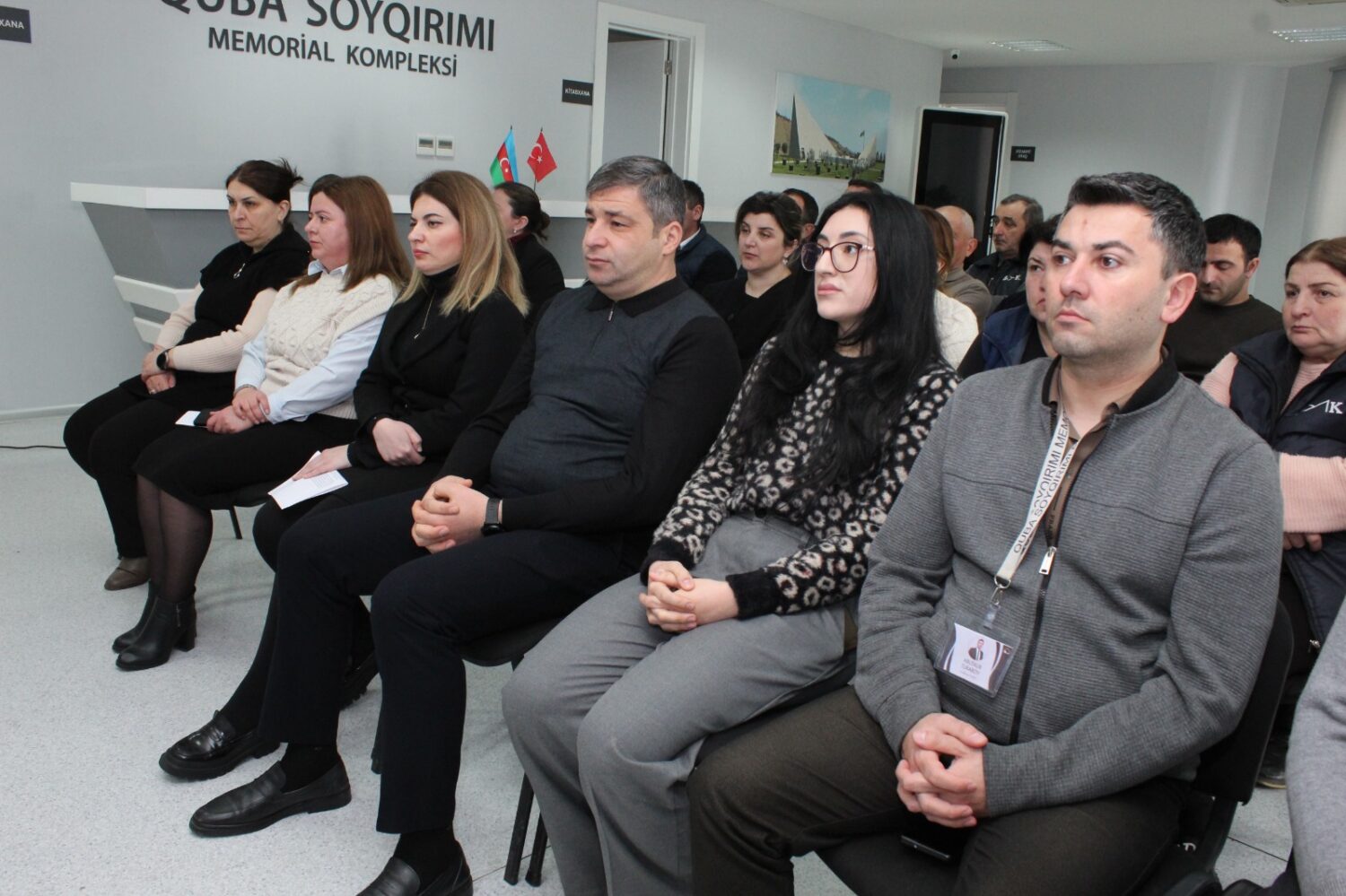
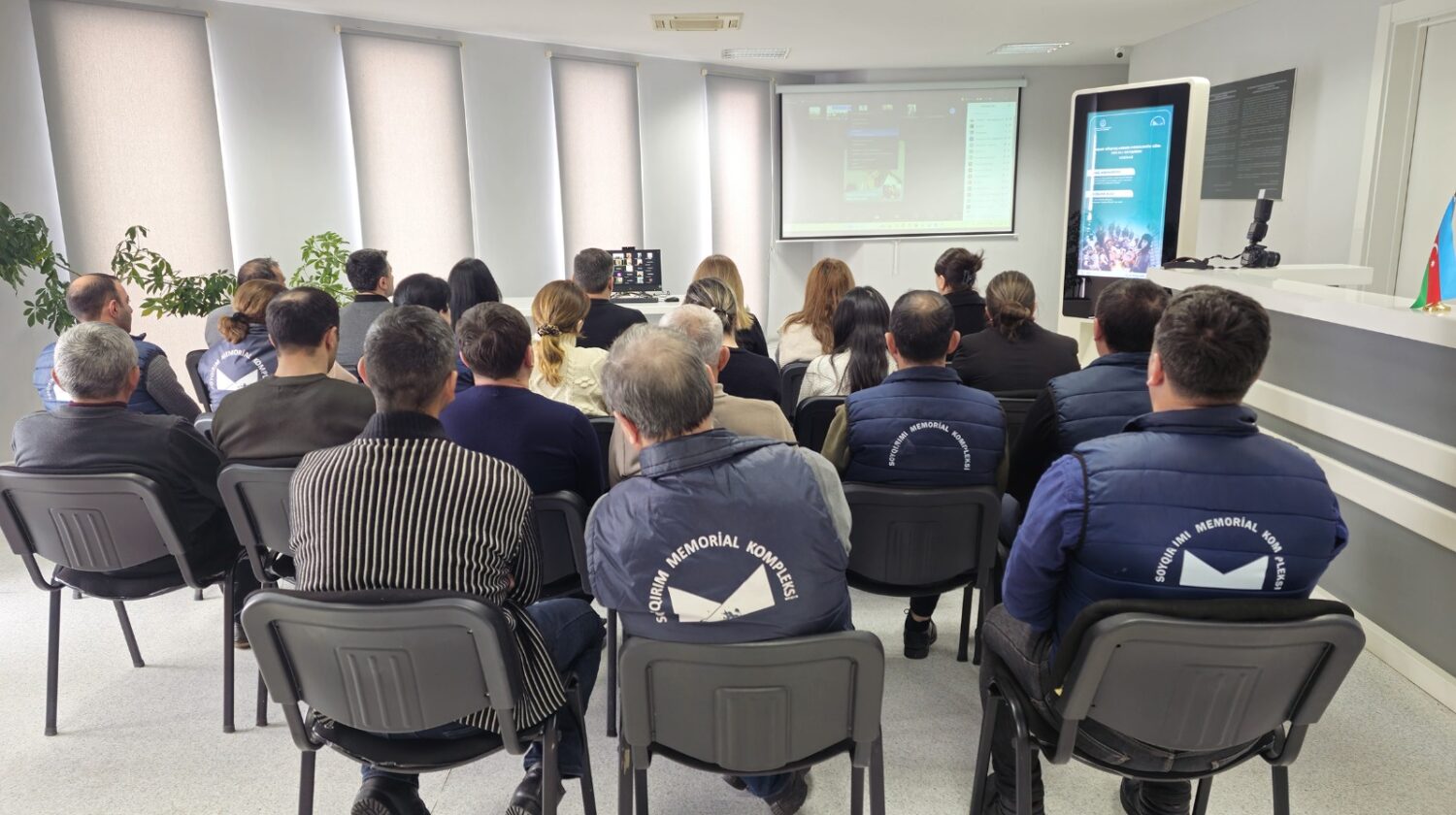


On February 26, 2025, a hybrid format event entitled “Human Rights Violation Day: Khojaly Genocide” was organized on the occasion of the 33rd anniversary of the Khojaly Genocide. First, the memory of the martyrs who sacrificed their lives for the sovereignty of Azerbaijan was commemorated with a minute of silence. Opening the event with an introductory speech, the Director of the Genocide Memorial Complex, Rakhshenda Bayramova, spoke about the historical significance of the Khojaly genocide and the importance of evaluating it in terms of human rights violations at the international legal level. She said that the Khojaly incident is a tragedy not only for Azerbaijan, but for humanity in general, and those who committed this crime must be held accountable before justice. Rakhshenda Bayramova also provided information about the educational activities carried out by the Complex and emphasized the importance of strengthening propaganda work on an international scale so that this tragedy is not forgotten. Later, Irada Alili, a doctor of philosophy in history and a member of the Azerbaijan Writers’ Union, noted that the Khojaly tragedy was not just an overnight event, but was part of a long-term political and military aggression. Explaining the terrible massacres that occurred during the tragedy with historical facts, she said that this was not just a military operation, but a planned act of genocide against the civilian population. Irada Alili also noted that literary and scientific works written about the genocides that occurred in the historical territories of Azerbaijan played an important role in conveying these tragedies to future generations. Speaking at the event, Fuad Mammadov, Head of the Department of Law, Human Resources and Documentation of the State Service for the Protection, Development and Restoration of Cultural Heritage under the Ministry of Culture of the Republic of Azerbaijan, analyzed the legal aspects of the Khojaly genocide and noted the importance of assessing this event as an act of genocide from the point of view of international law. He spoke about the work done by the Azerbaijani state to promote the Khojaly tragedy at the international level and noted that the recognition of the Khojaly genocide by the parliaments of various countries is an important step in this direction. It should be noted that the event was attended by about 85 heads and employees of reserves subordinate to the State Service for the Protection, Development and Restoration of Cultural Heritage under the Ministry of Culture of the Republic of Azerbaijan.
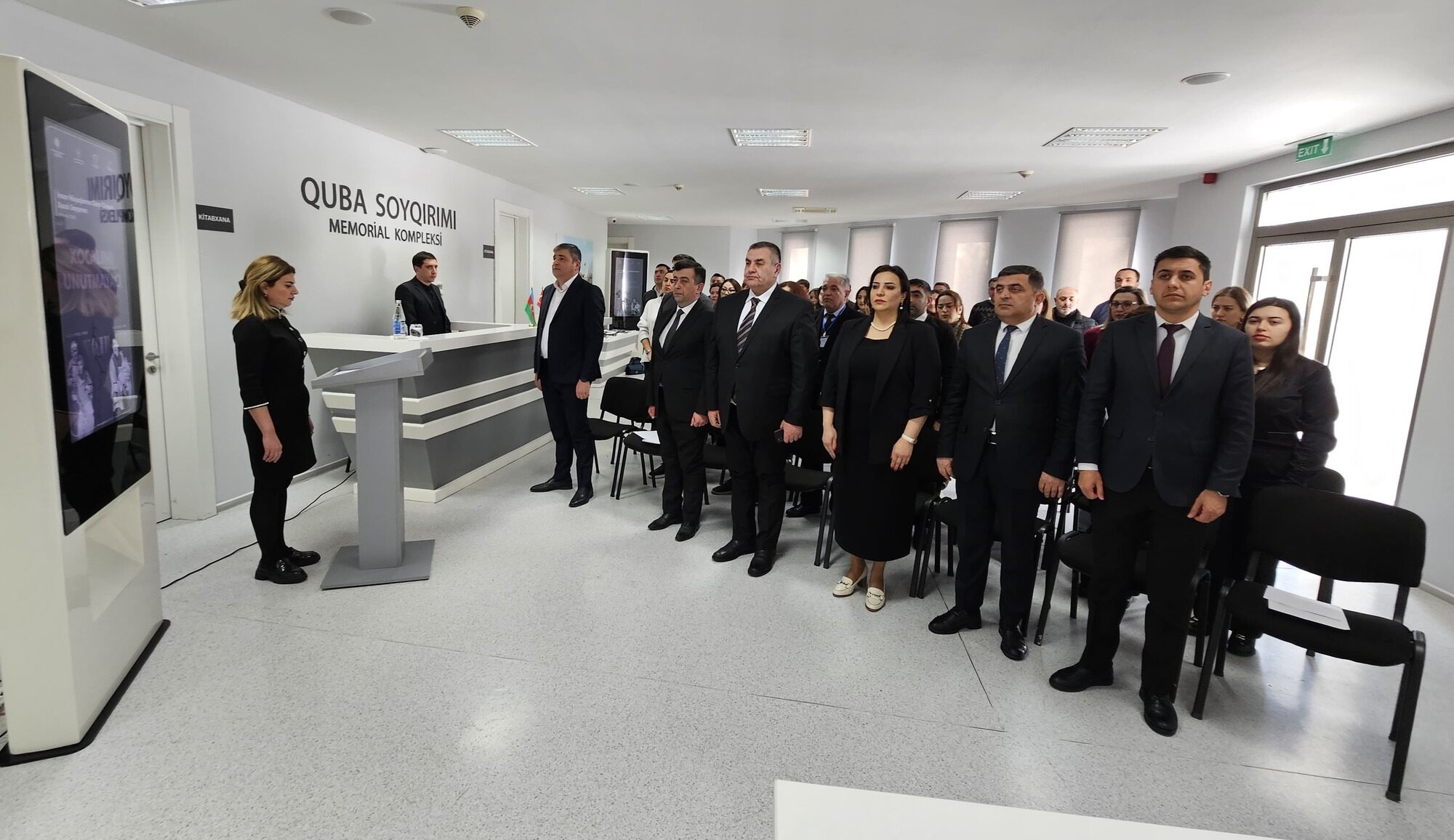

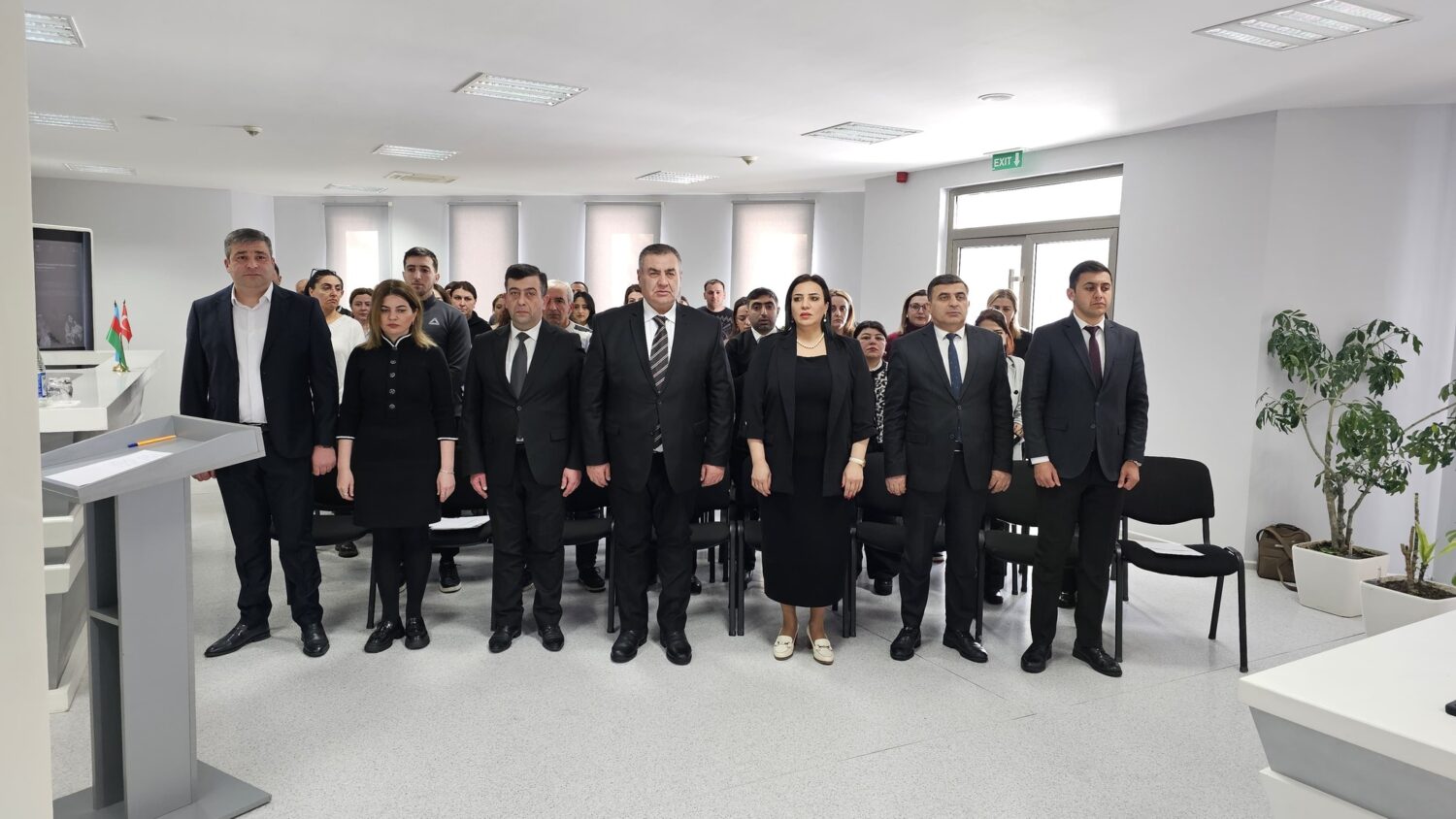


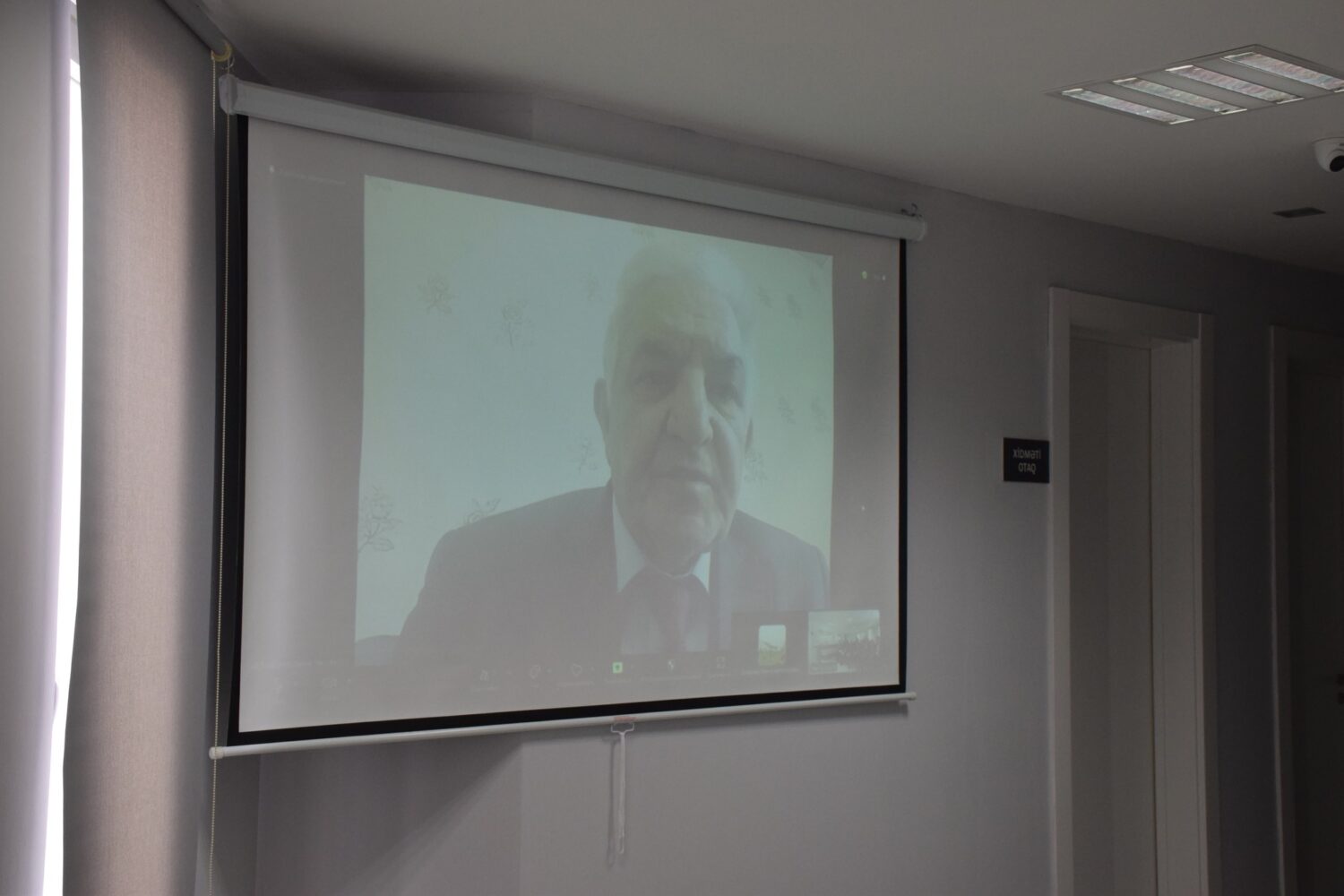
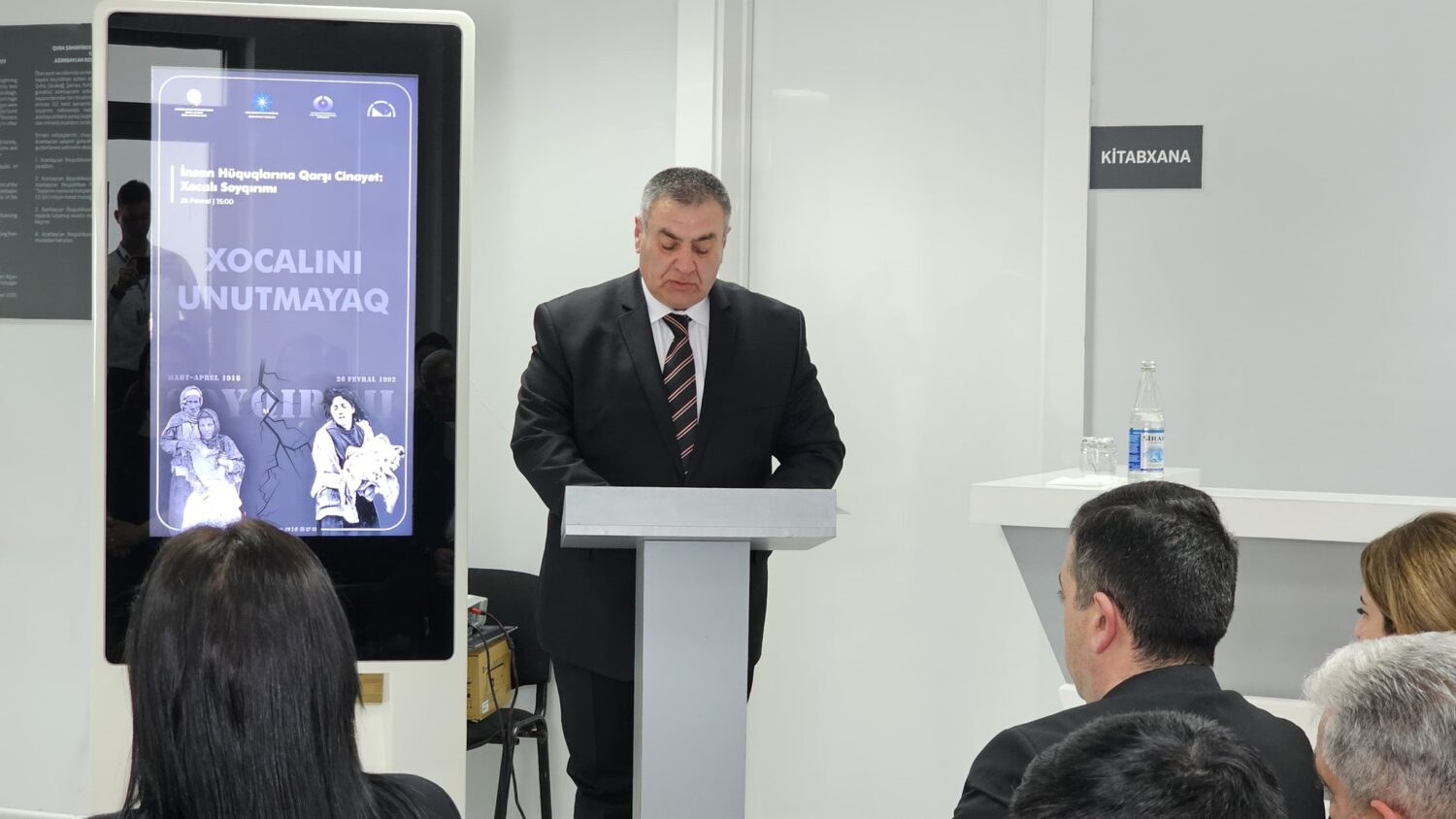


On February 25, 2025, a hybrid format commemorative event titled “Khojaly Genocide: Crime Against Humanity” was held in connection with the “Year of Constitution and Sovereignty, the 107th anniversary of the Genocide against Azerbaijanis and the 33rd anniversary of the Khojaly Genocide.” The event, jointly organized by the Guba District Executive Power, the Guba District Organization of the New Azerbaijan Party, the Northern Regional Center of the Commissioner for Human Rights of the Republic of Azerbaijan – Ombudsman, and the “Genocide Memorial Complex” in Guba city, extensively discussed the history of Azerbaijan’s struggle for sovereignty, the international recognition of the genocides committed against our people, including the Khojaly Genocide, and the impact of these events on our national identity.
After the National Anthem of the Republic of Azerbaijan was played, the souls of our heroic sons and daughters who died for the freedom of our lands – the victims of the Khojaly genocide – were commemorated with a minute of silence. Opening the event with an introductory speech, the Director of the Genocide Memorial Complex, Dr. Rakhshenda Bayramova, emphasized that the Khojaly events were an act of genocide carried out with the aim of completely destroying the civilian population. She recalled that during the event, 613 people, including 106 women, 63 children and a 70-year-old man, were killed with particular cruelty, 1275 people were taken hostage and their fate remained unknown for many years.
Speaking, the Head of the Caucasian History Department of the Institute of History and Ethnology named after A. A. Bakikhanov of ANAS, Doctor of Historical Sciences, Prof. Gasim Hajiyev stated that the Khojaly Genocide is proven by historical facts and is one of the most terrible examples of the purposeful ethnic cleansing policy carried out by Armenian nationalists against Azerbaijanis. He also noted that this incident was a crime committed not only against the Azerbaijani people, but also against humanity in general, and stressed the importance of its recognition at the international legal level and ensuring legal responsibility.
Speaking later, the Deputy Head of the Guba Executive Power, Ms. Saida Abasova, emphasized that the terrible Khojaly tragedy that the Azerbaijani people faced in the 20th century can only be compared with the bloody events that have gone down in human history, such as the Holocaust, Khatyn, Lidisa, Oradur, Songmi genocides. By committing the Khojaly tragedy, the Armenians wanted to frighten our people, break their determination to fight, and force them to come to terms with the loss of part of our historical lands. However, the cunning enemy could not achieve its goal. Our people became even more determined in the struggle for the sovereignty and territorial integrity of their state, demonstrating heroism and perseverance.
In his speech, Elkhan Maharramov, Deputy Chairman of the Guba District Organization of the New Azerbaijan Party, brought to the attention of the event participants the diplomatic and legal work carried out by the President of the Republic of Azerbaijan, Mr. Ilham Aliyev, in order to promote the Khojaly Genocide in the international arena. He particularly emphasized the importance of the “Justice for Khojaly” campaign and stated that Azerbaijan has achieved recognition of this event as genocide in a number of countries.
Speaking at the event, Bahruz Efendiyev, Head of the Northern Regional Center of the Ombudsman, noted that the Khojaly Genocide is recognized as a crime against humanity under international law. He also emphasized the importance of strengthening the role of human rights institutions and civil society in communicating this event to the world community.