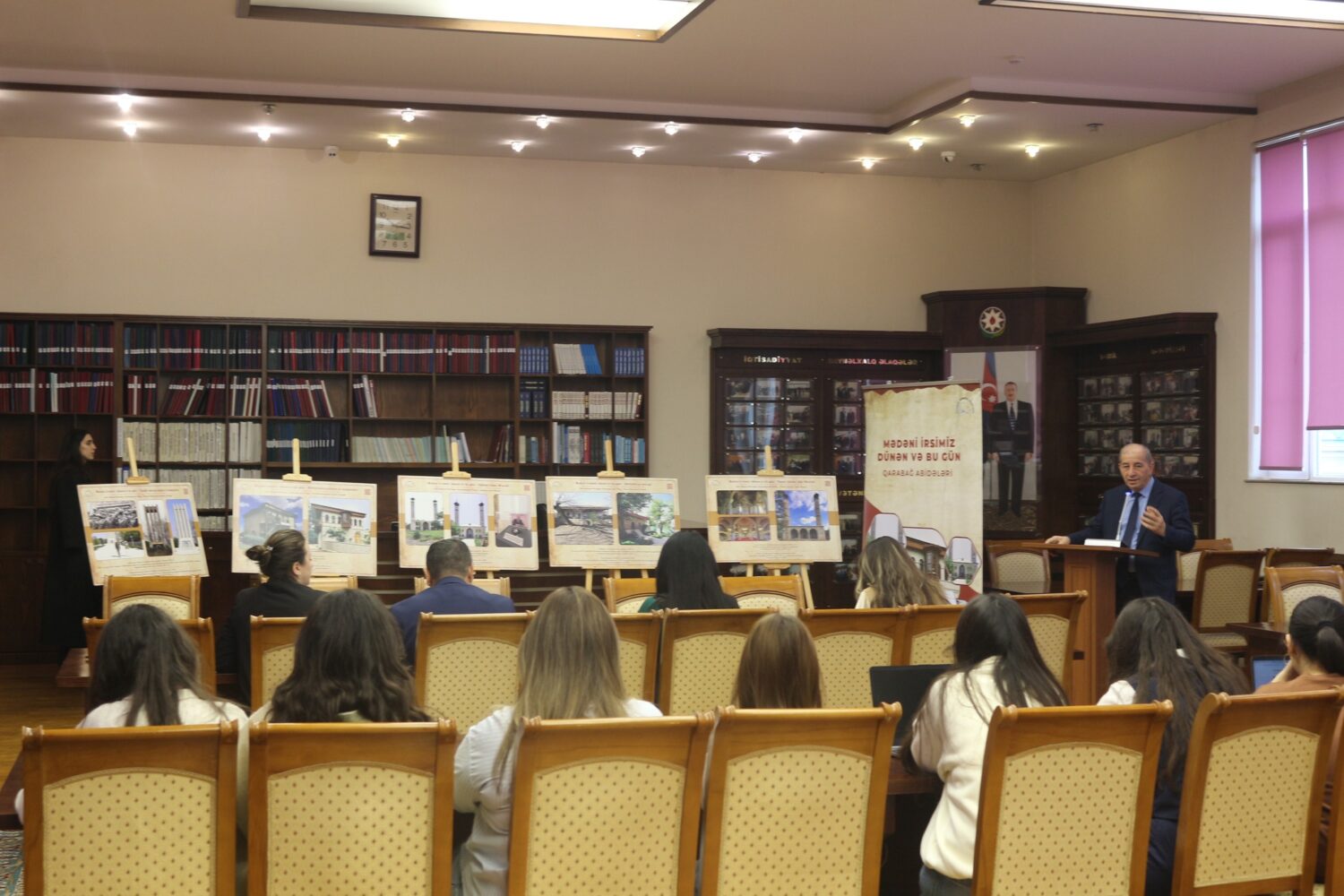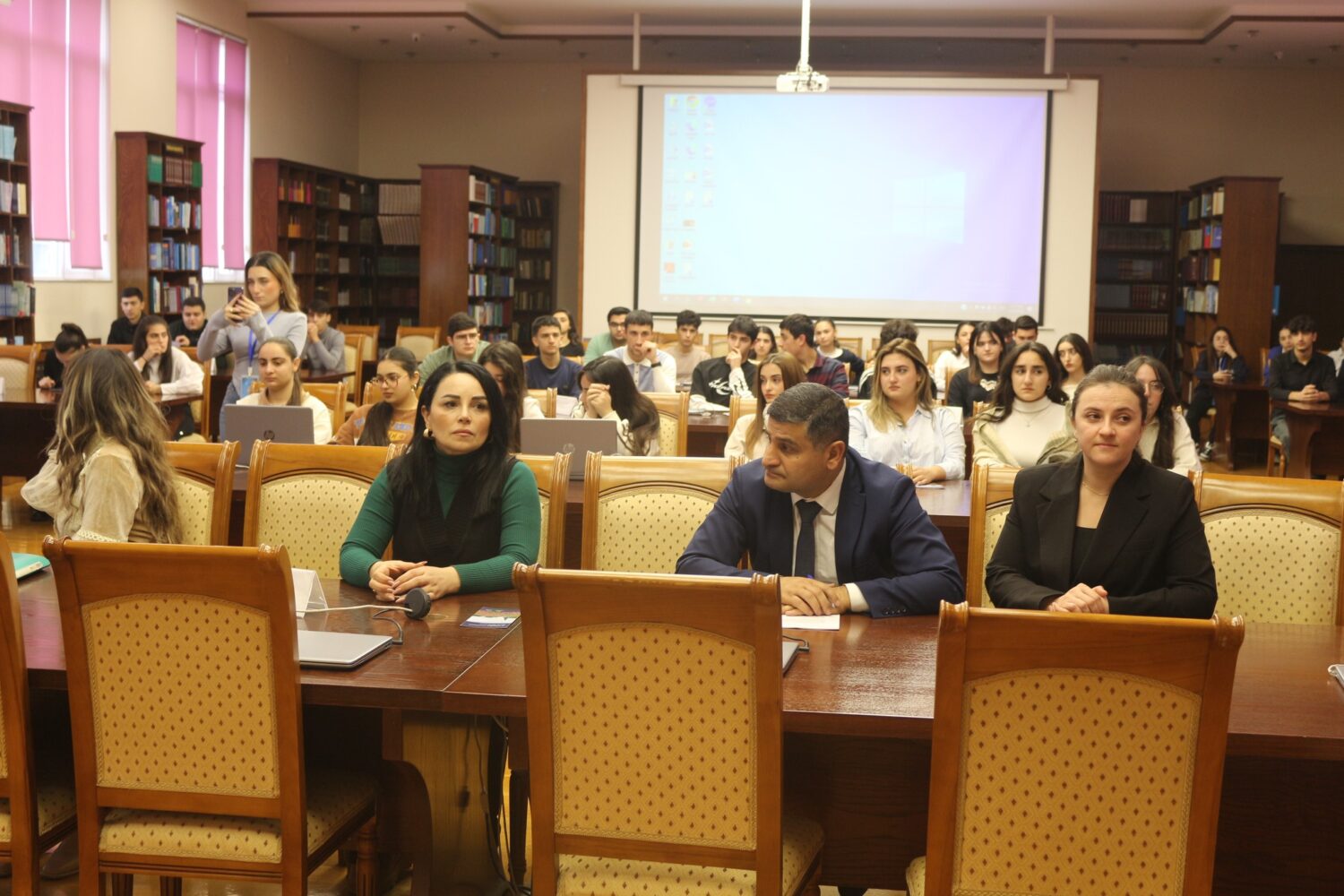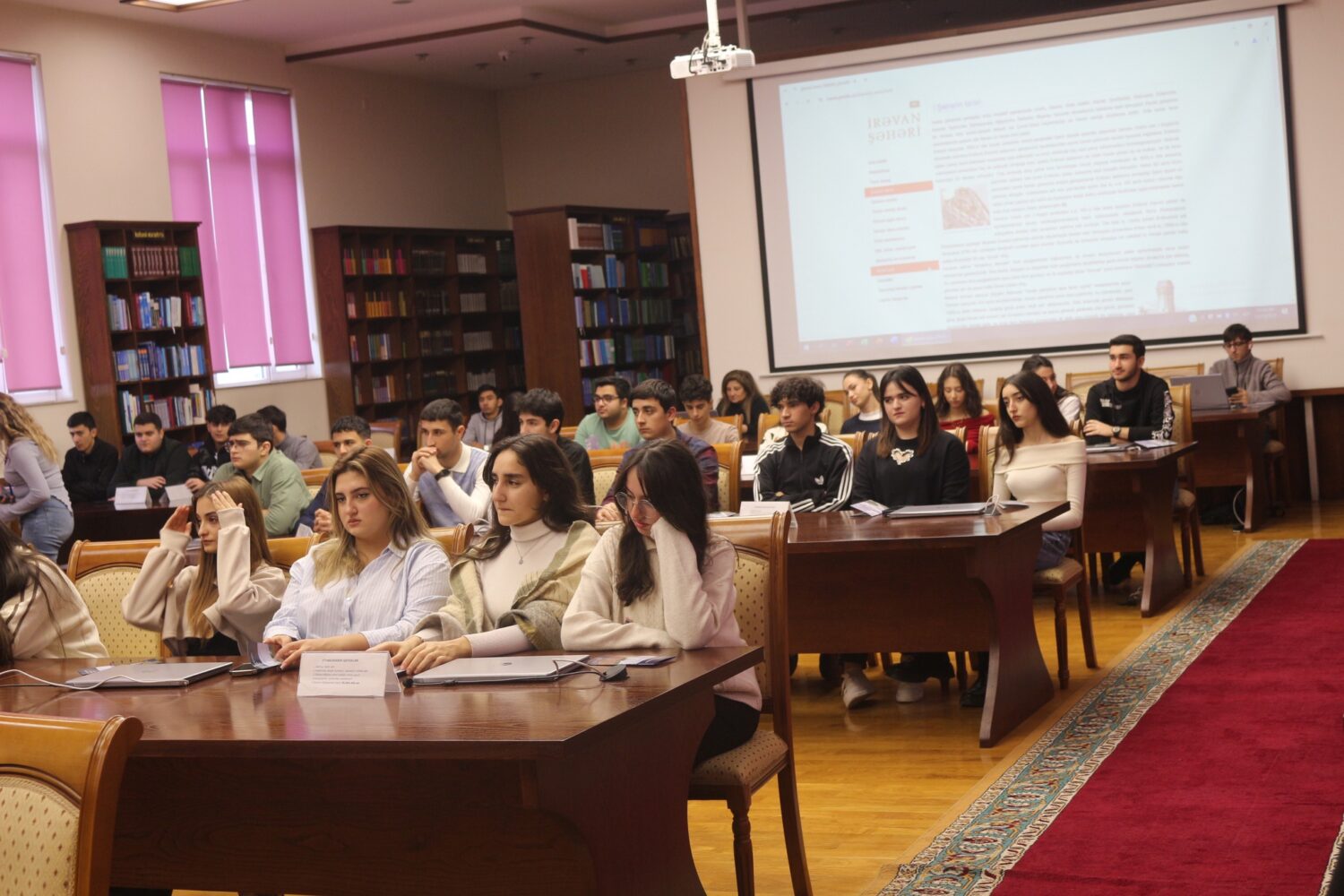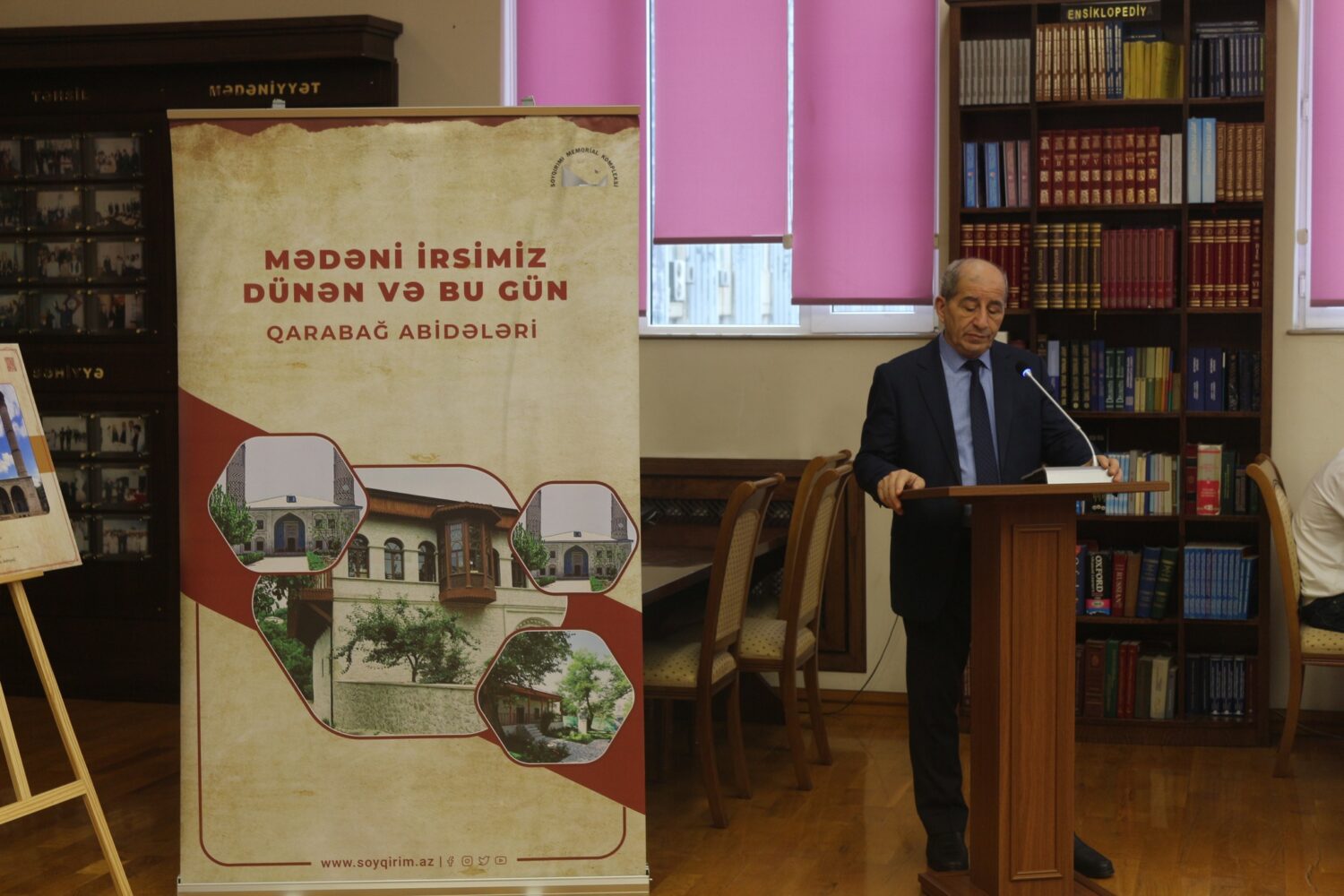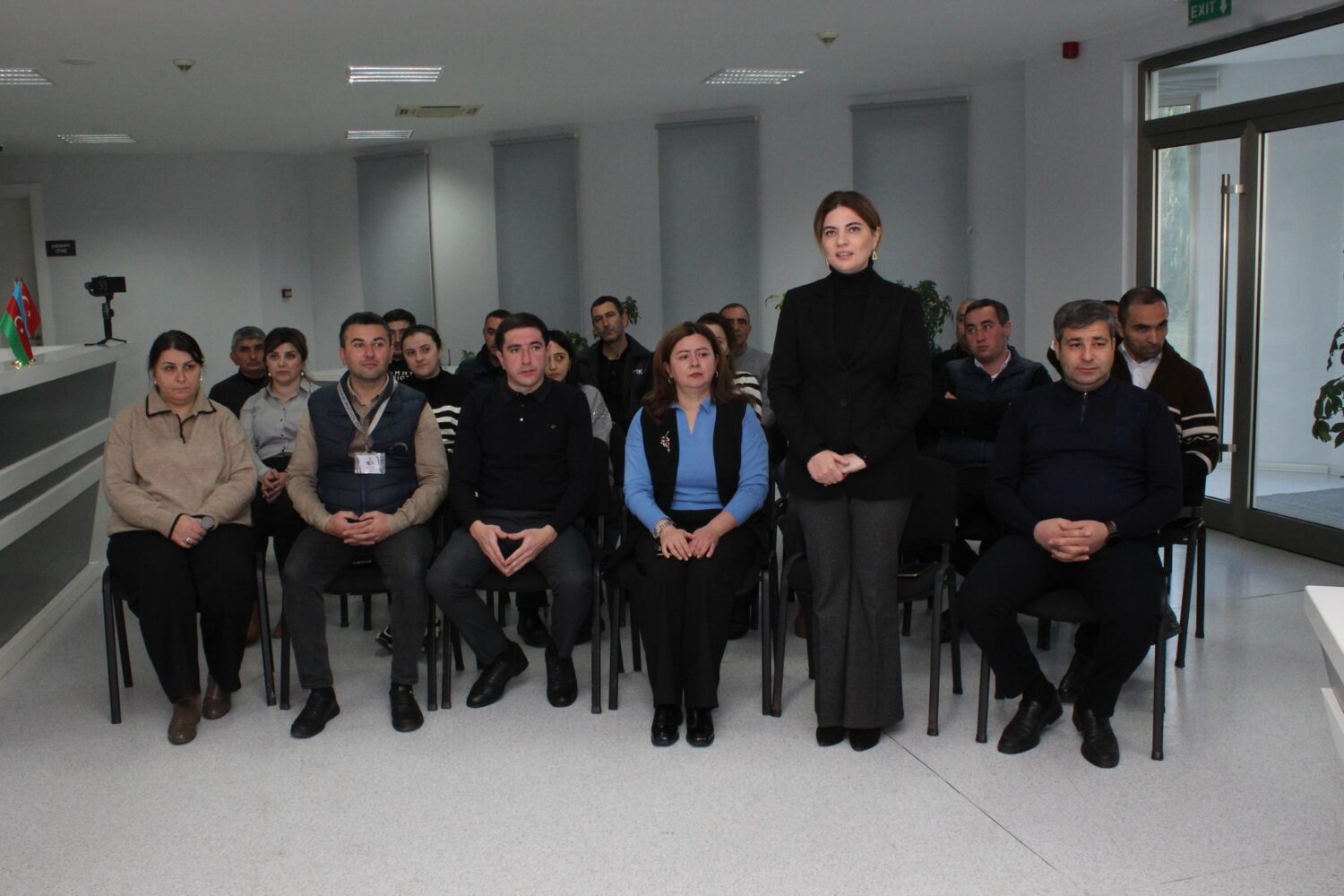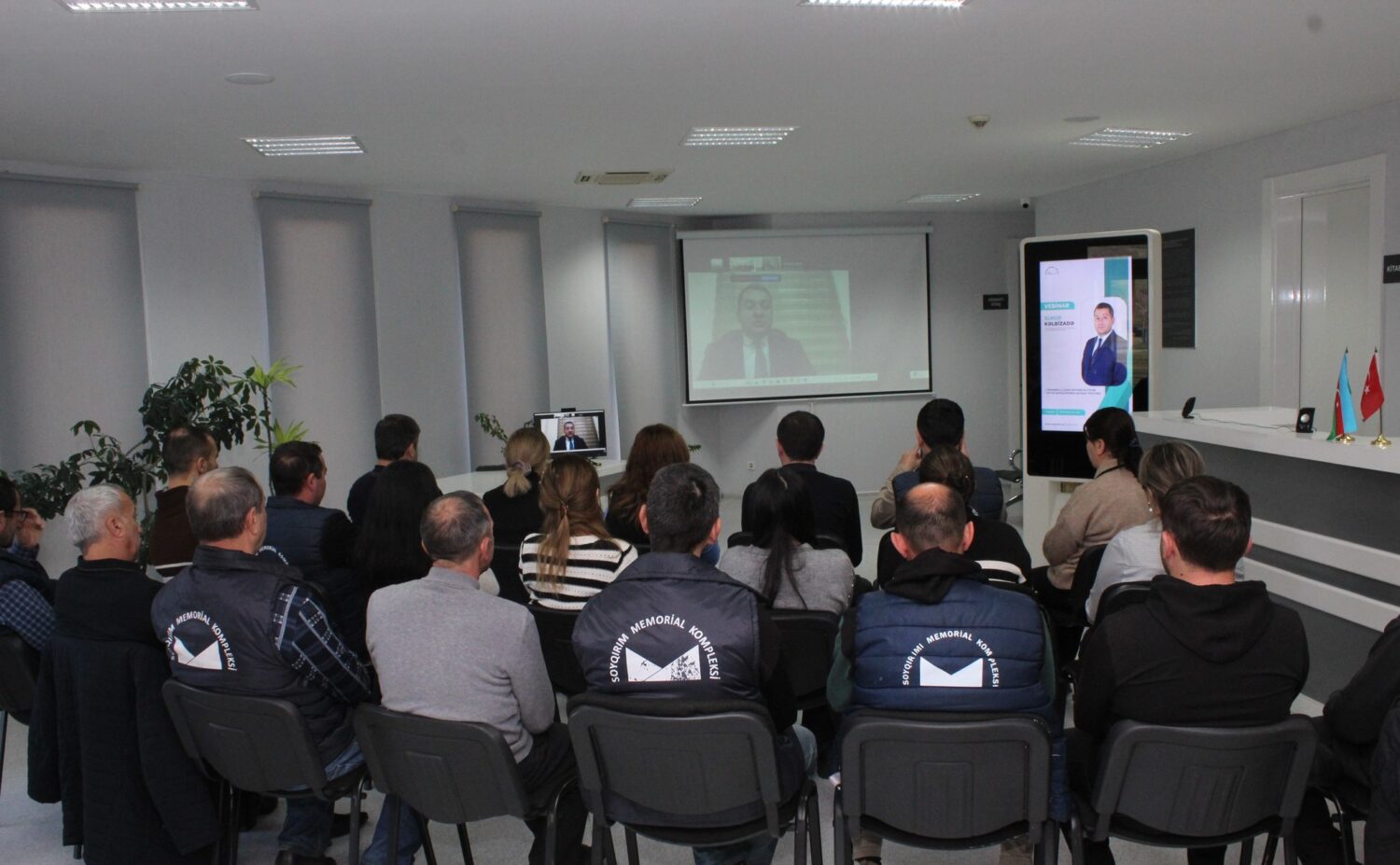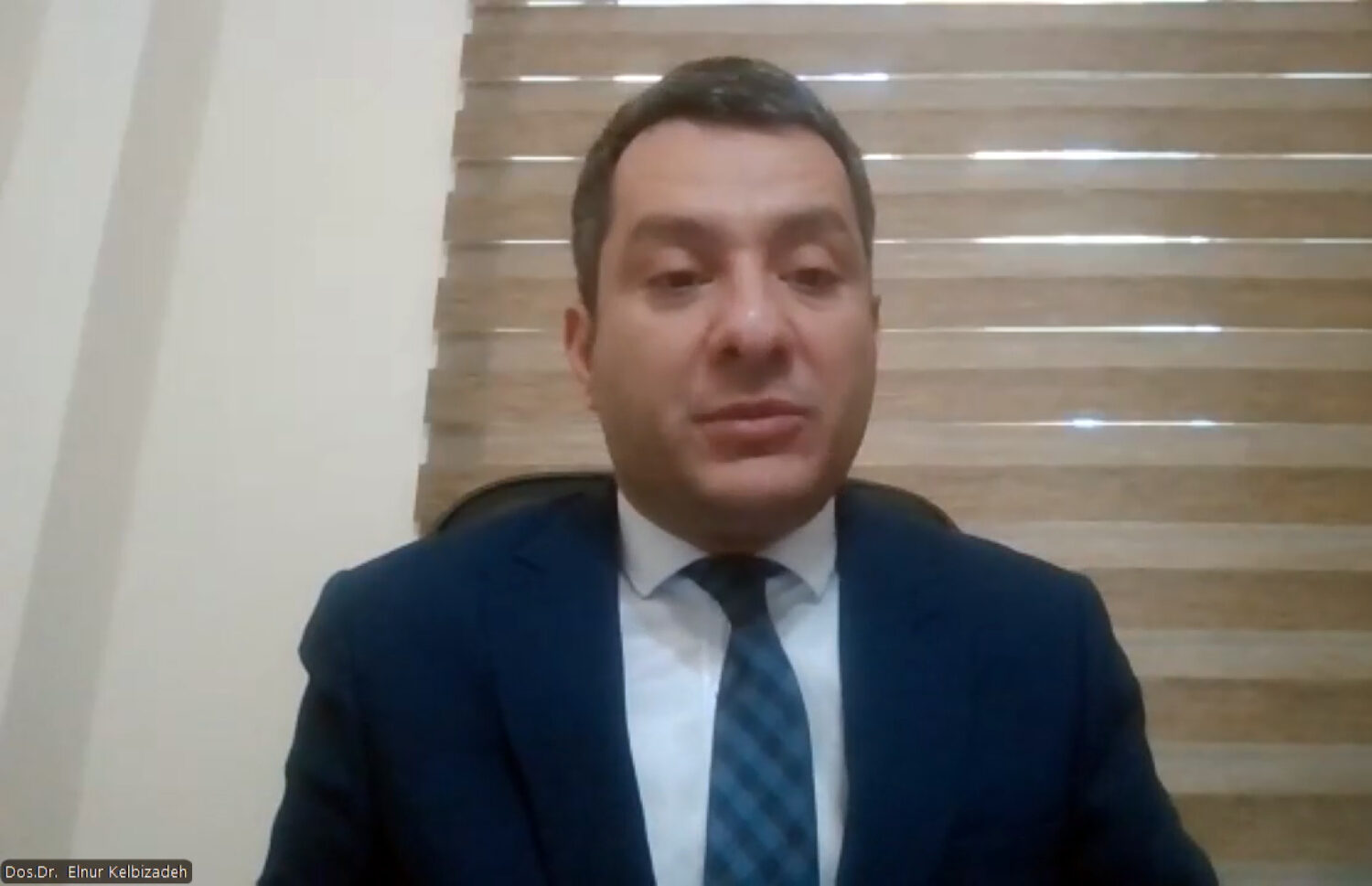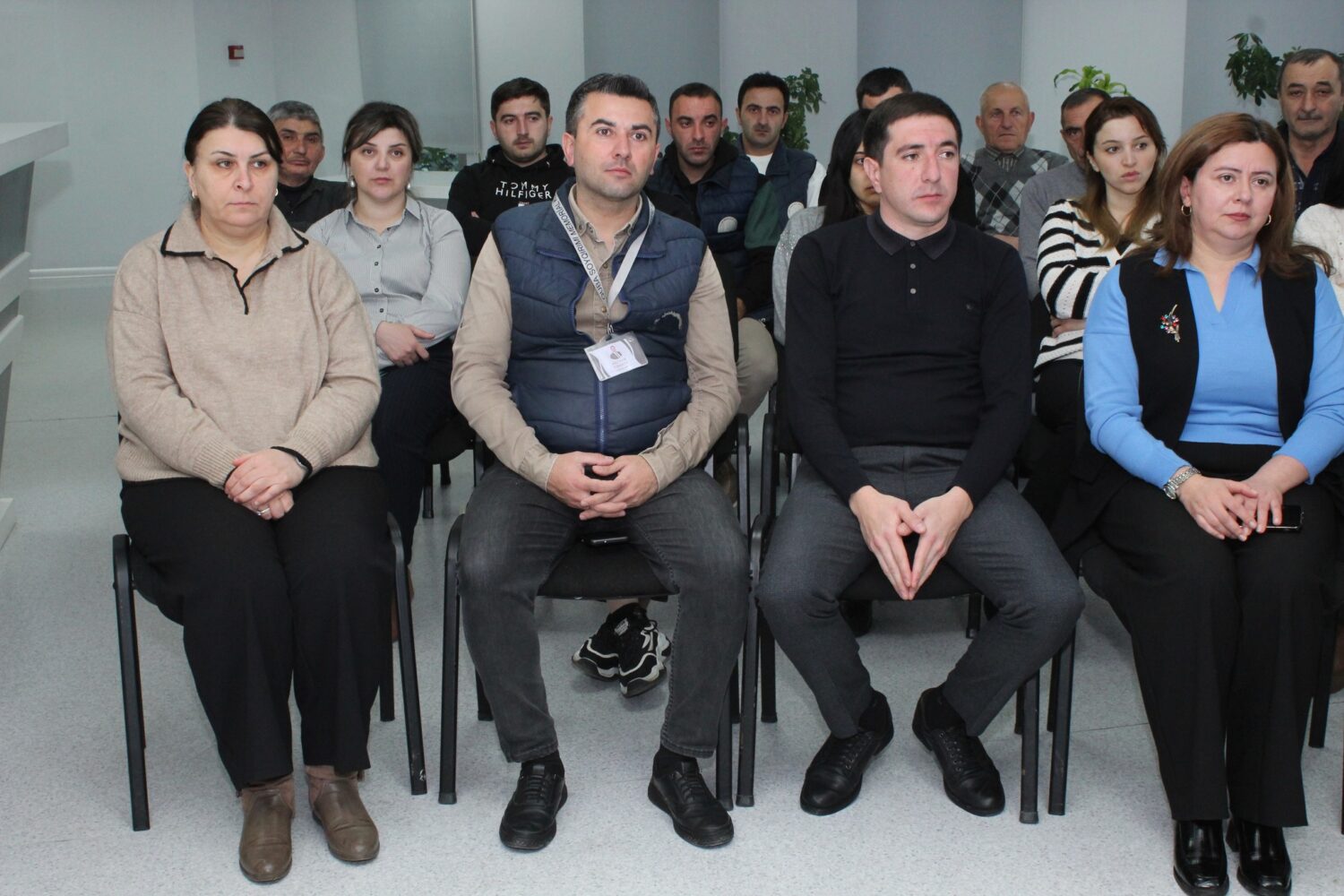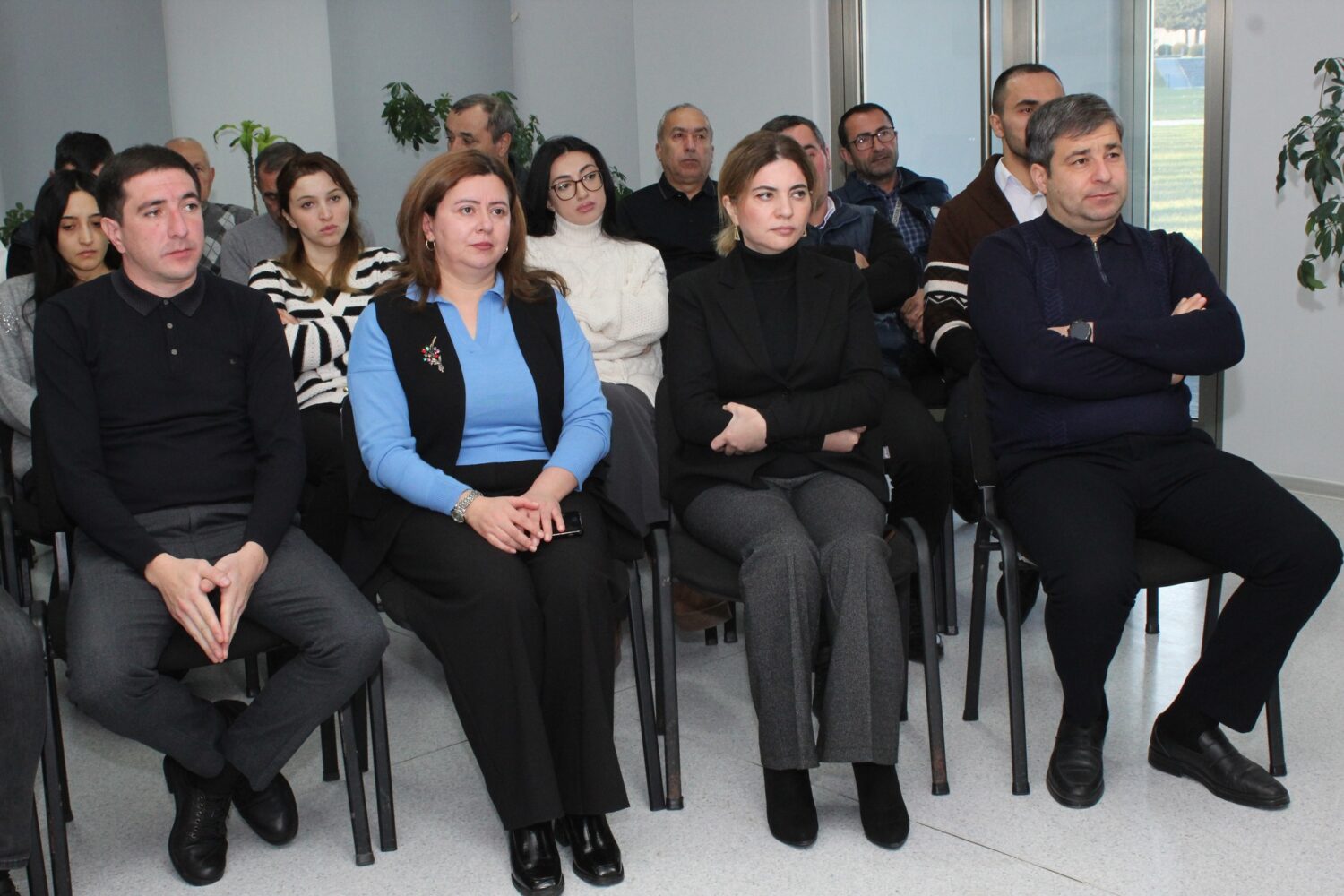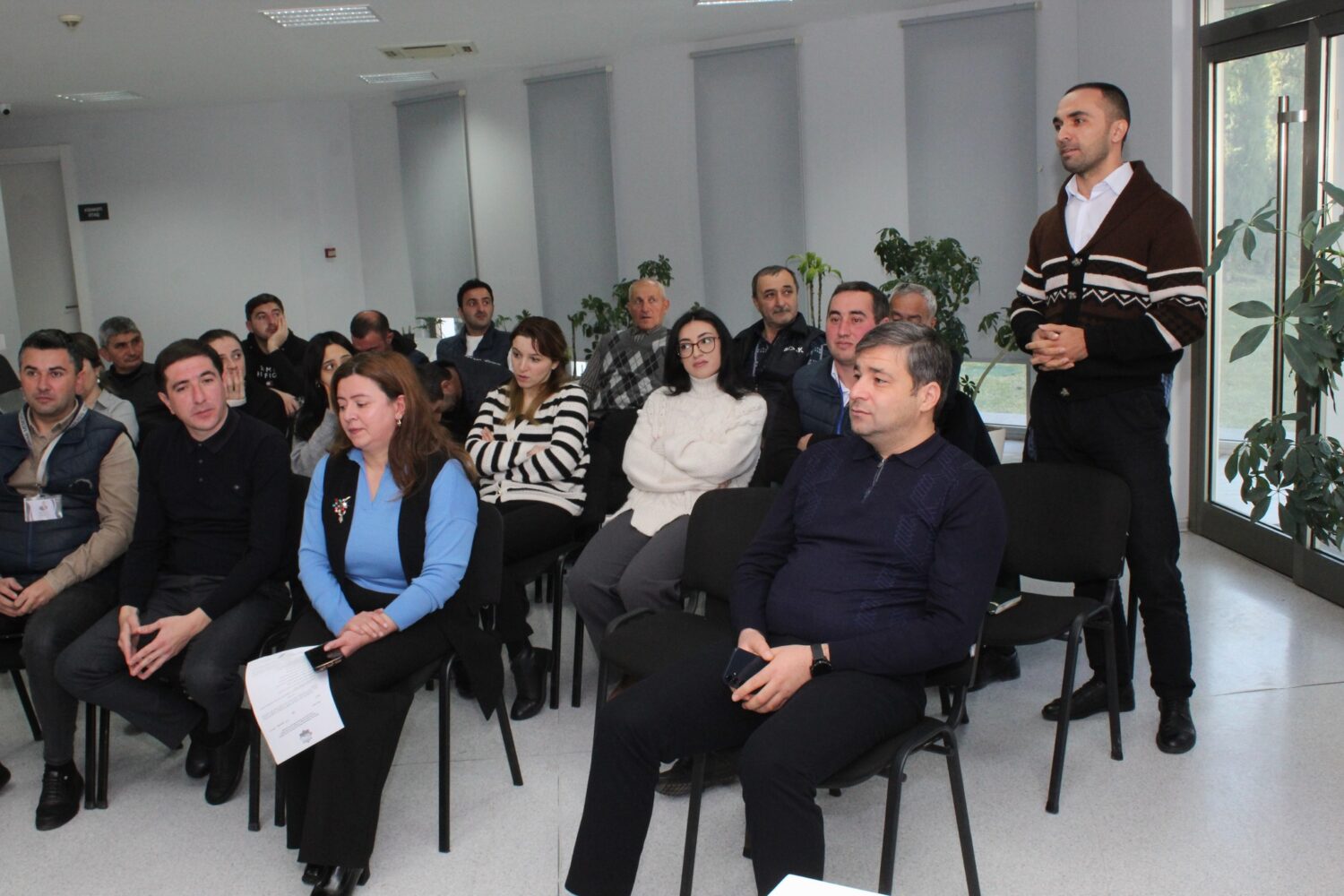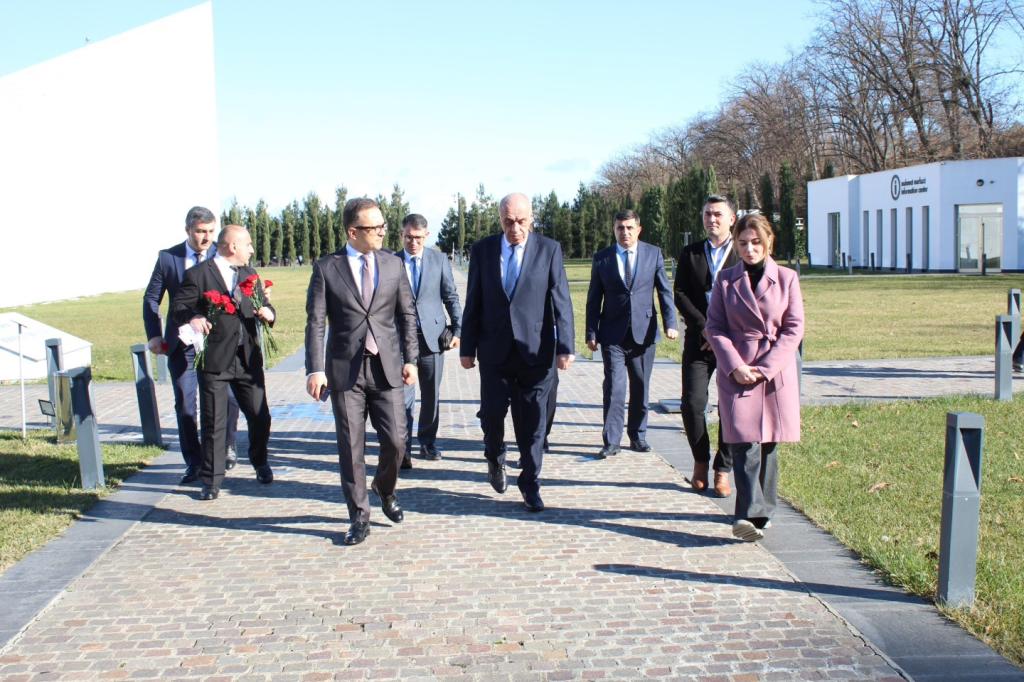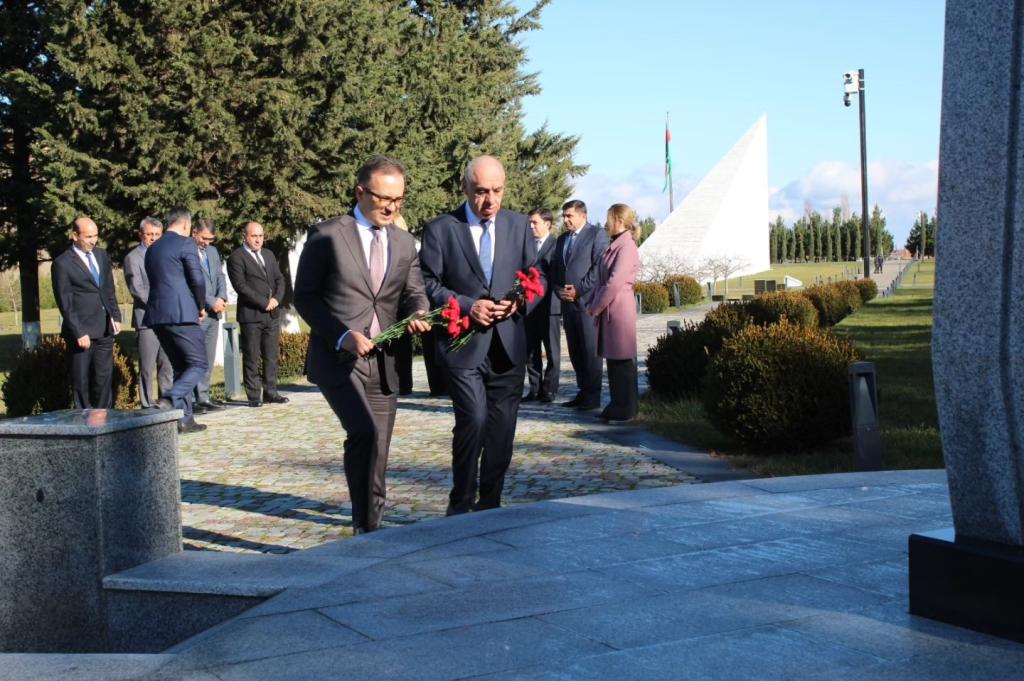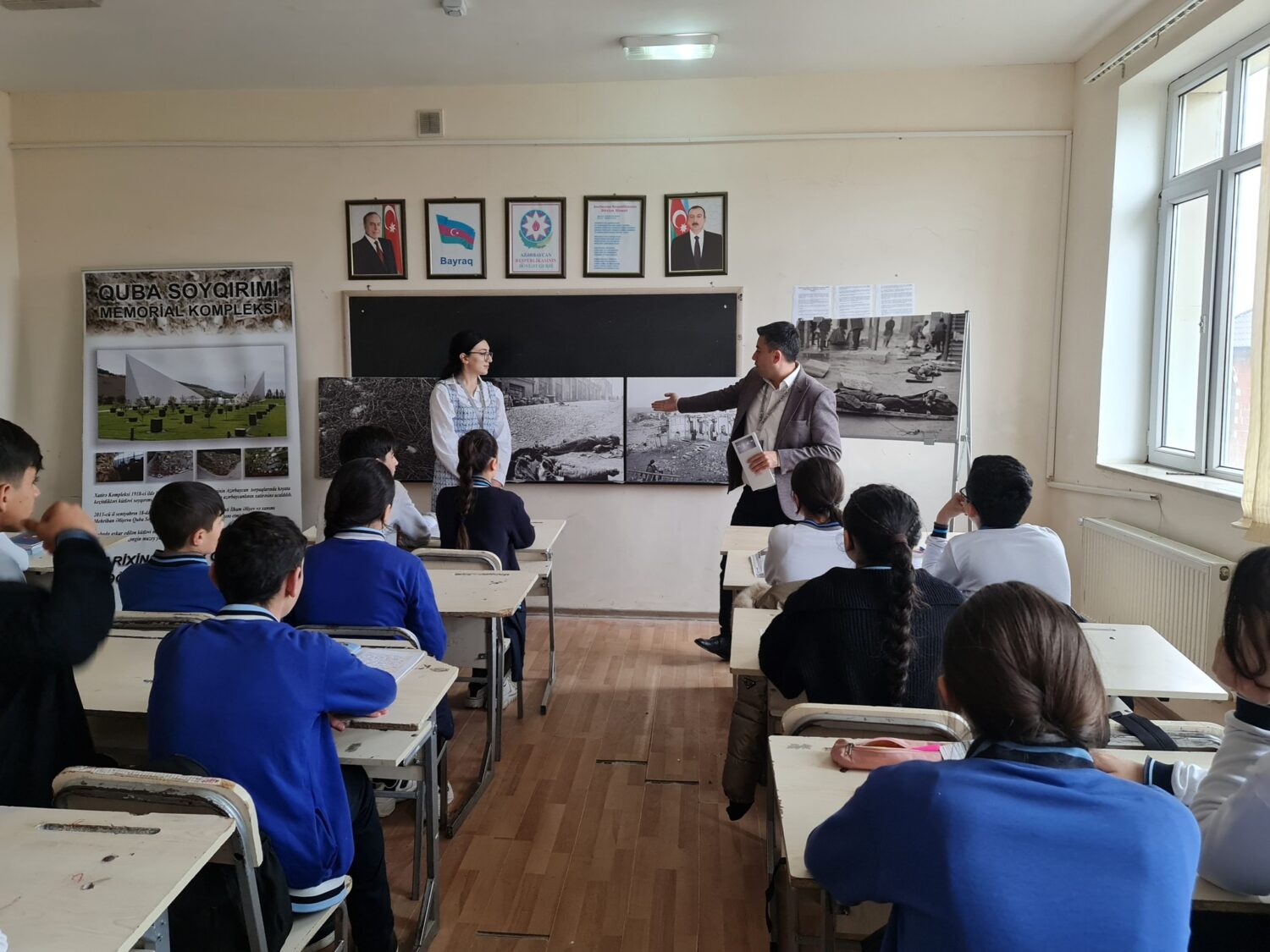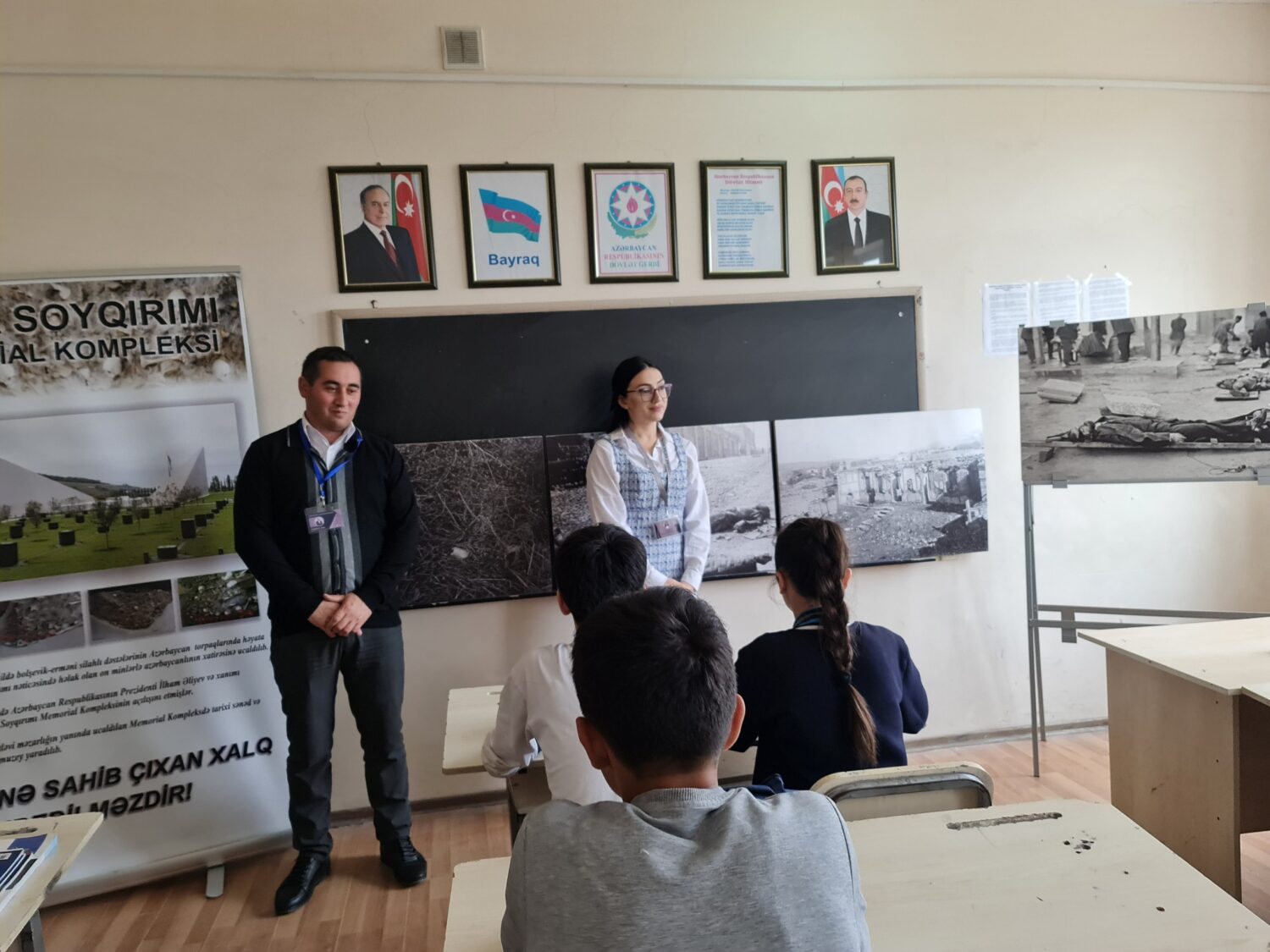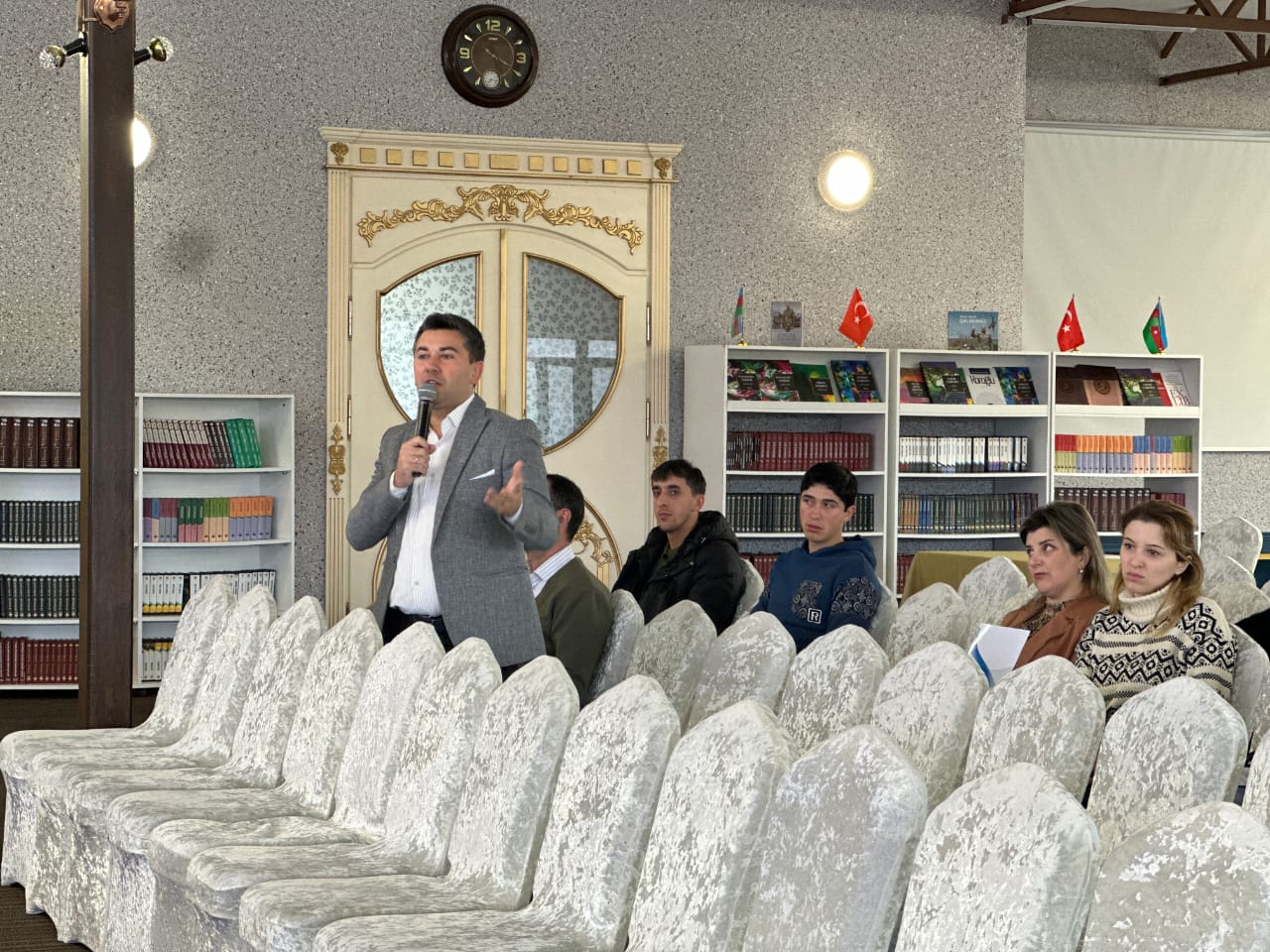

“İCMA, MƏDƏNİYYƏT VƏ ELMİ ƏMƏKDAŞLIQ”
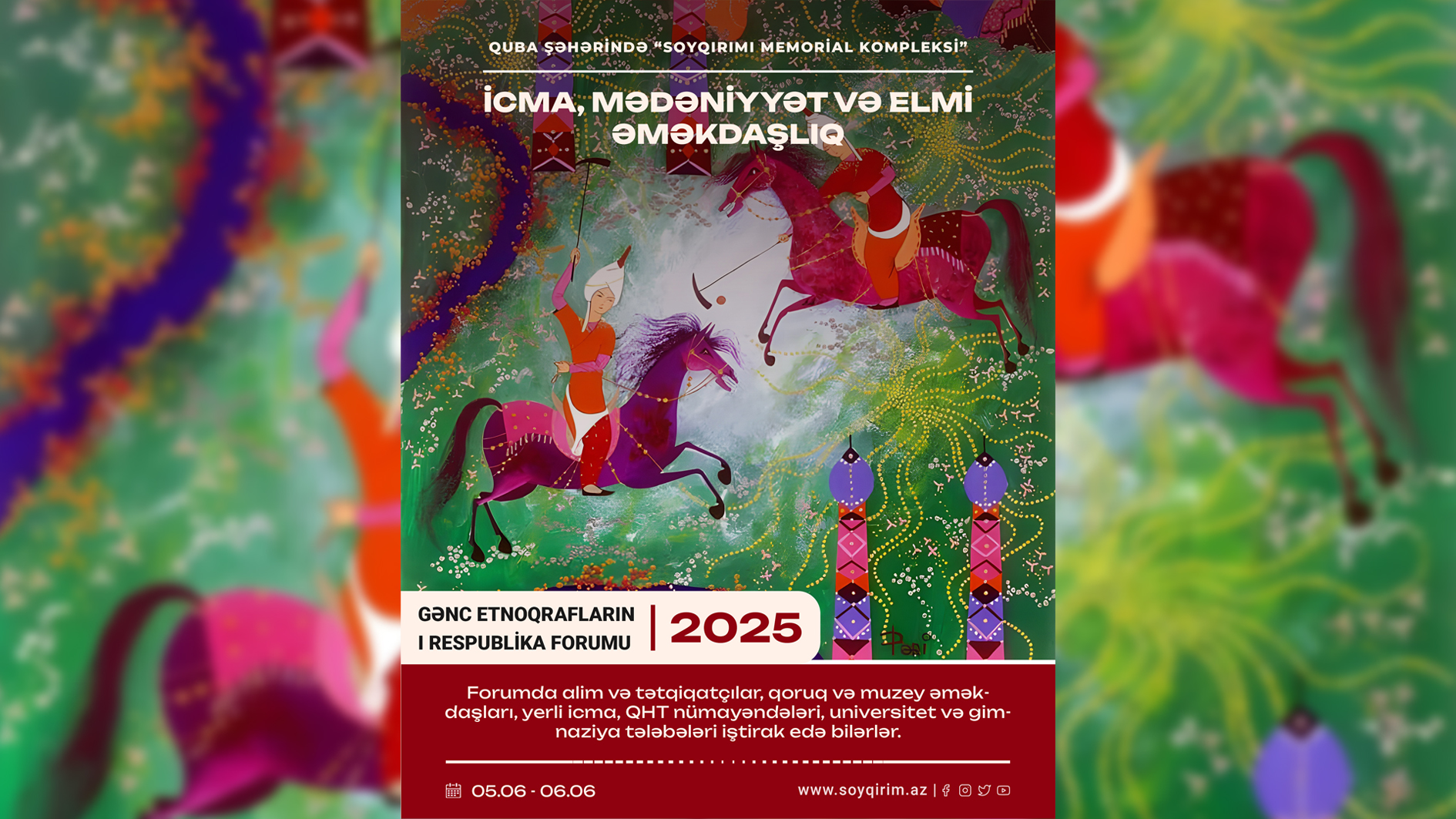
GƏNC ETNOQRAFLARIN I RESPUBLİKA FORUMU
Elmi məqalələr və İncəsənət əsərləri bir arada!
5-6 iyun 2025-ci il tarixlərində Quba şəhərində “İcma, Mədəniyyət və Elmi Əməkdaşlıq” mövzusunda Gənc Etnoqrafların I Respublika Forumu keçiriləcək.
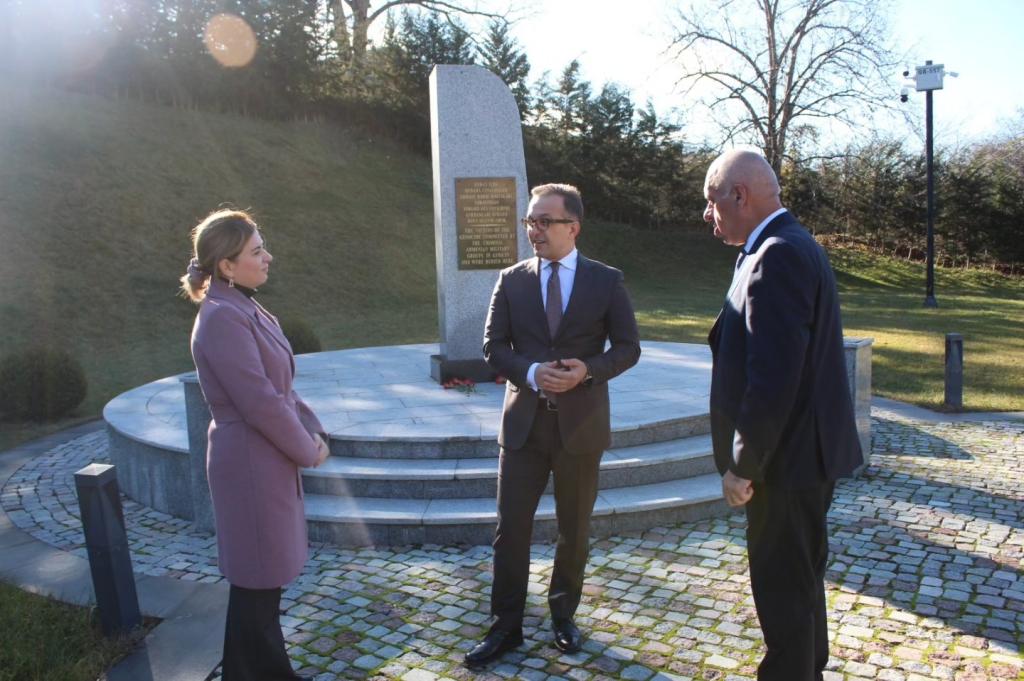
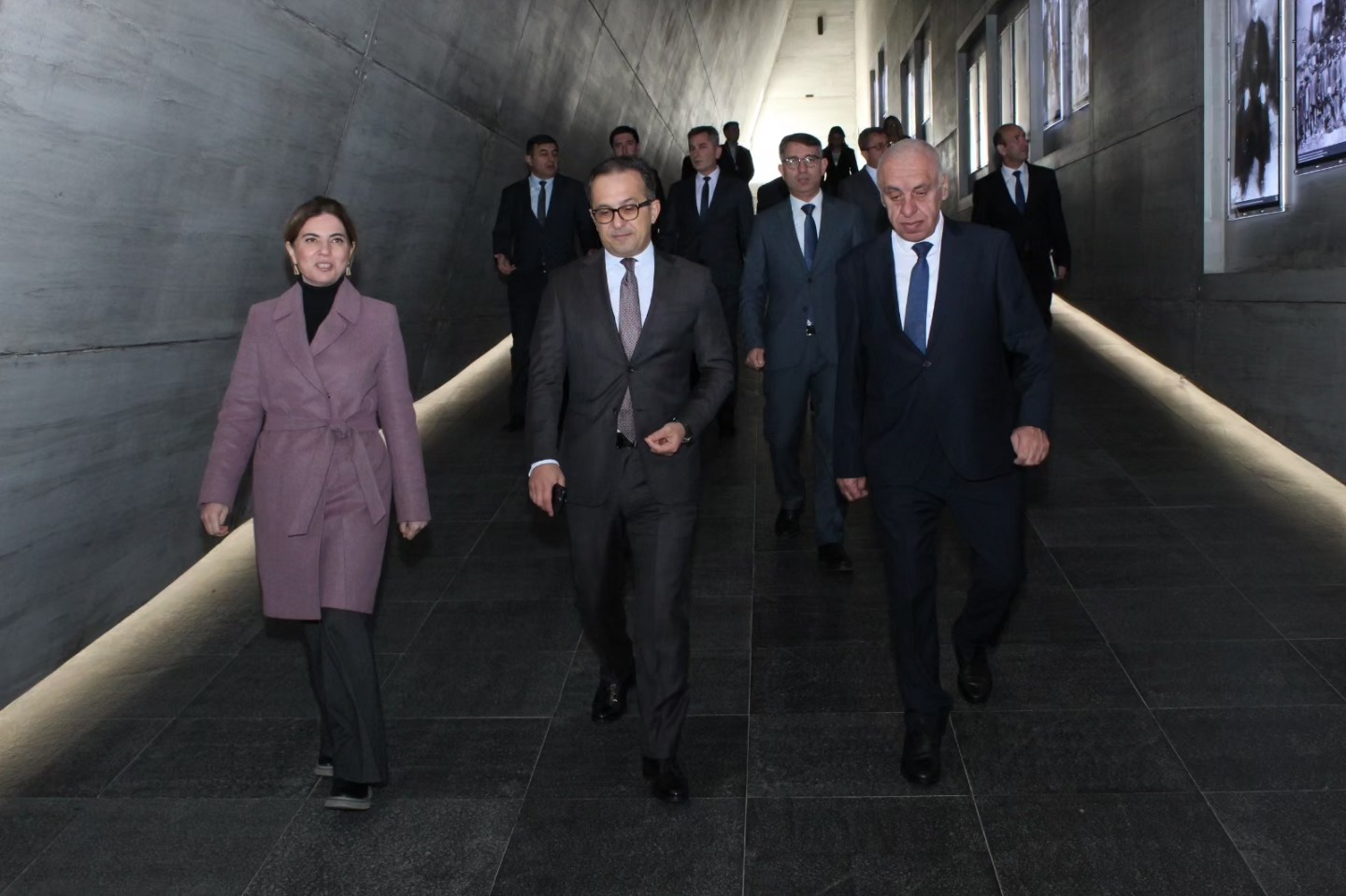
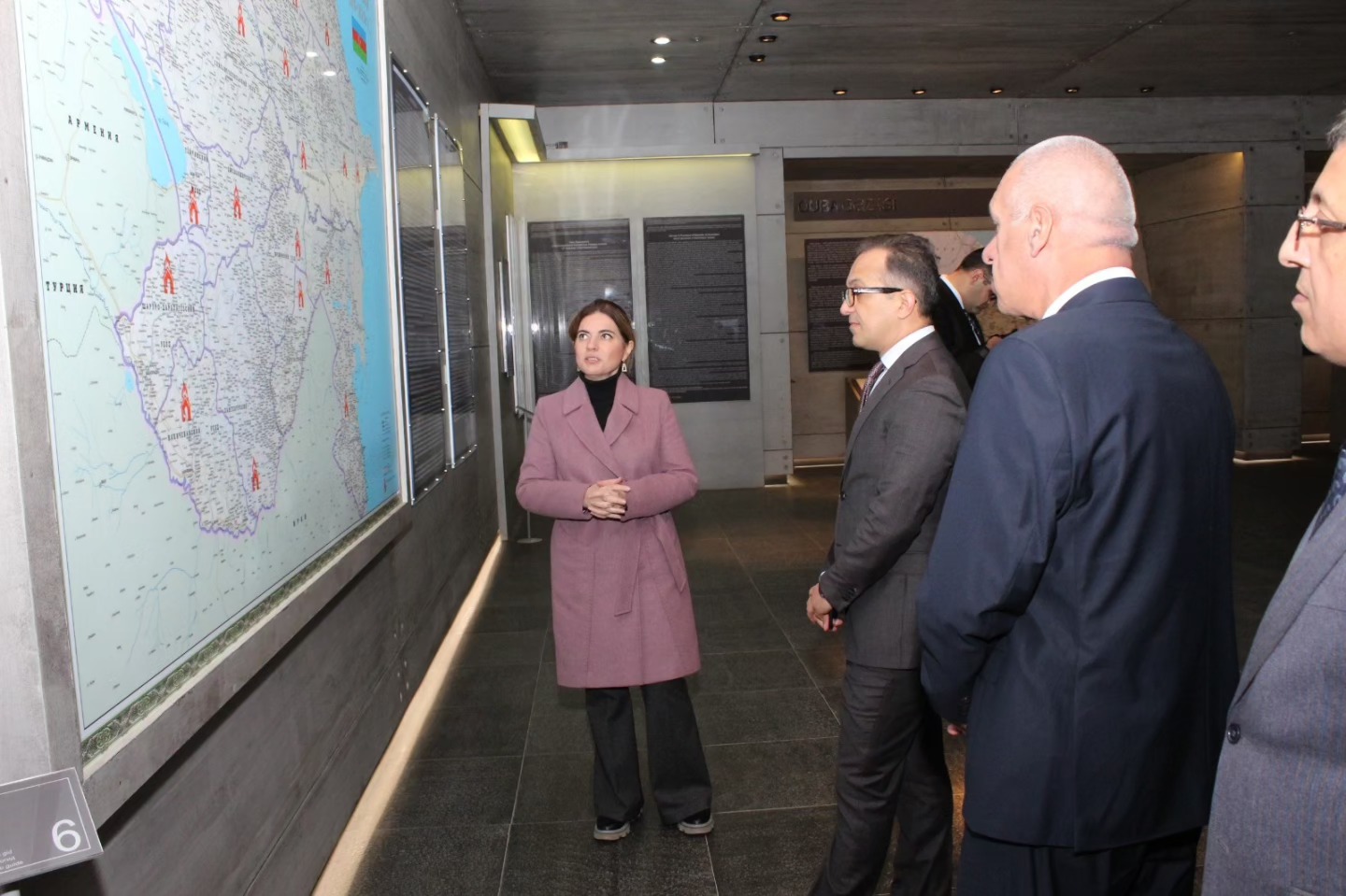
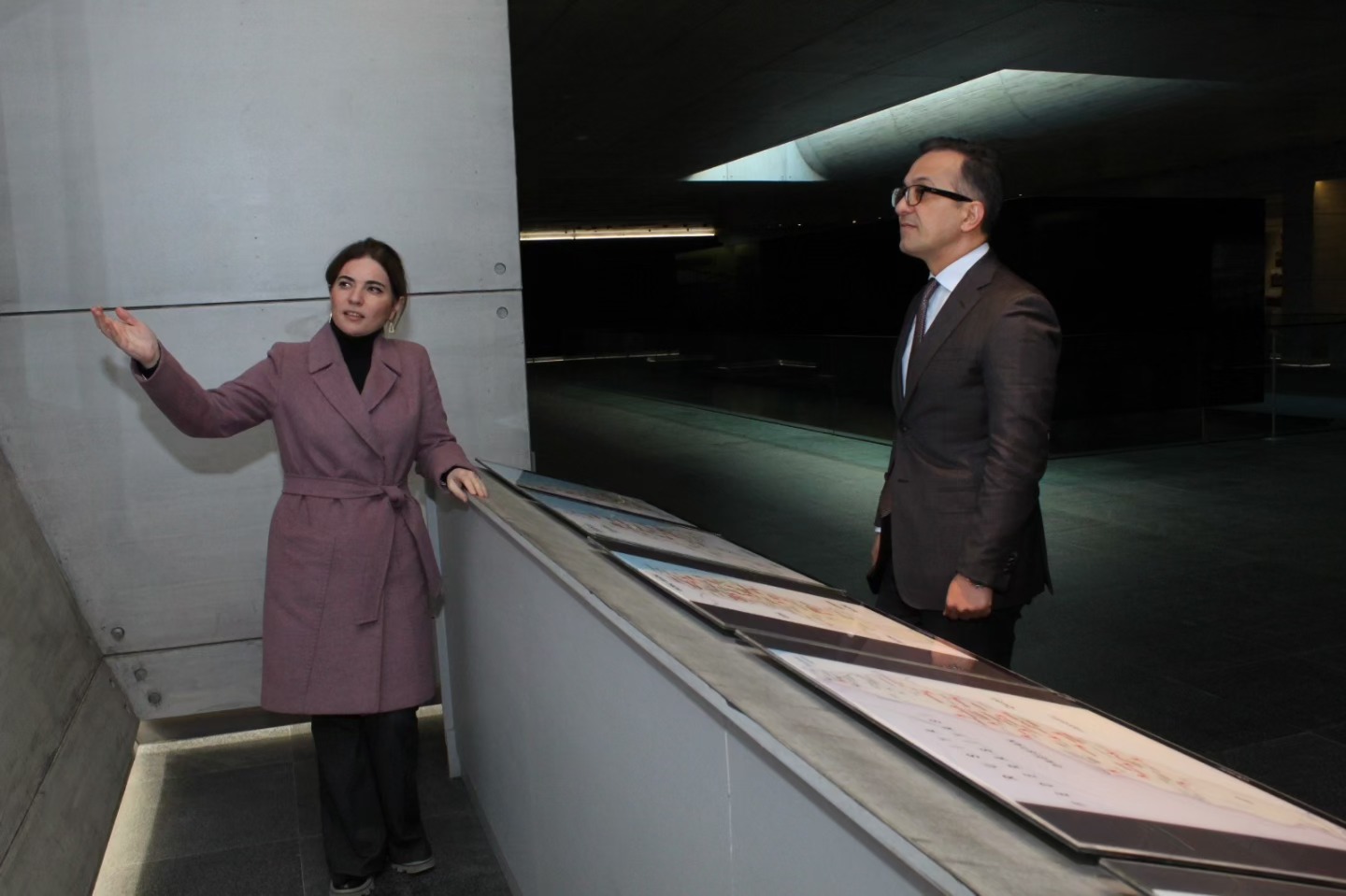
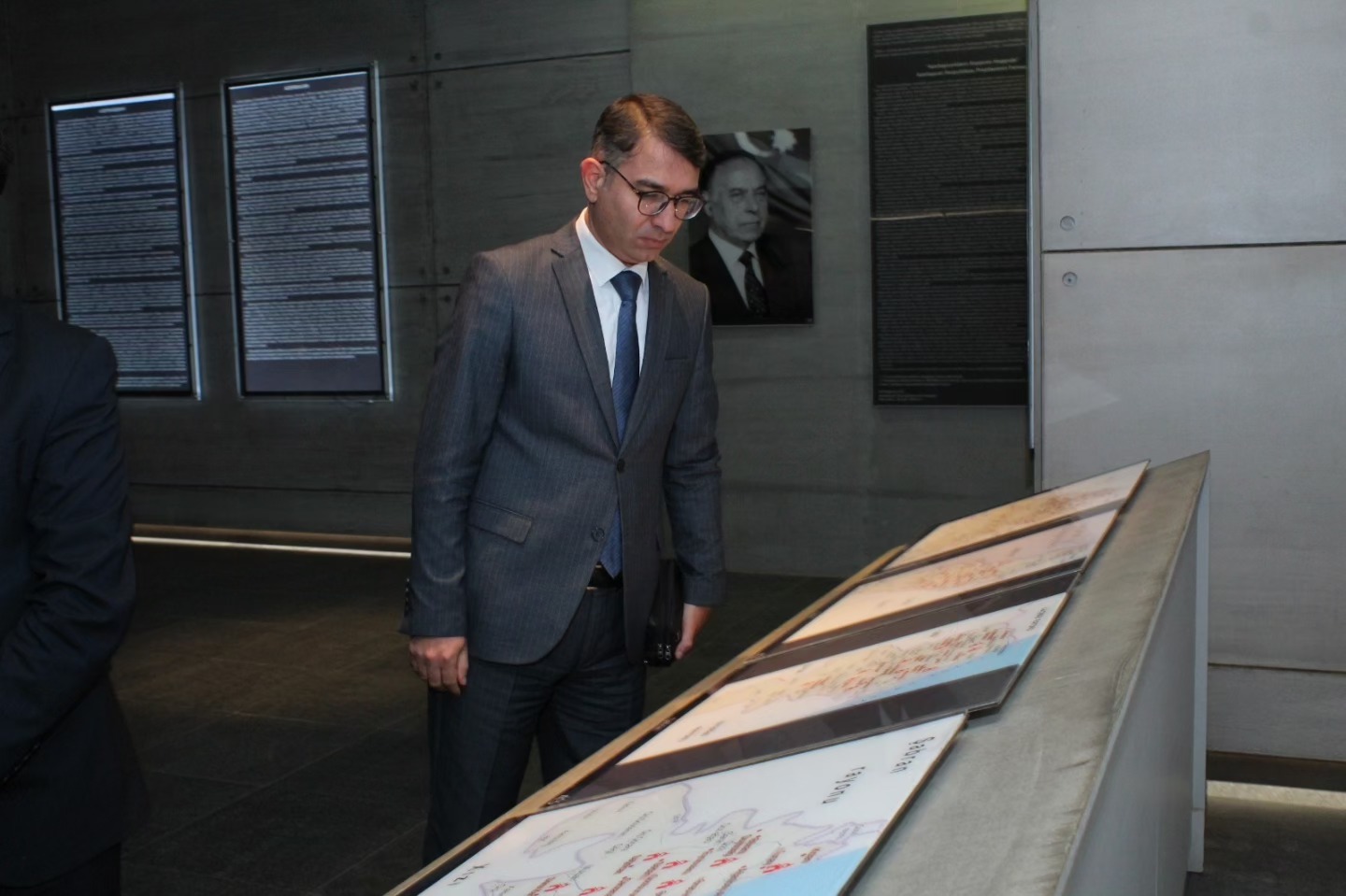
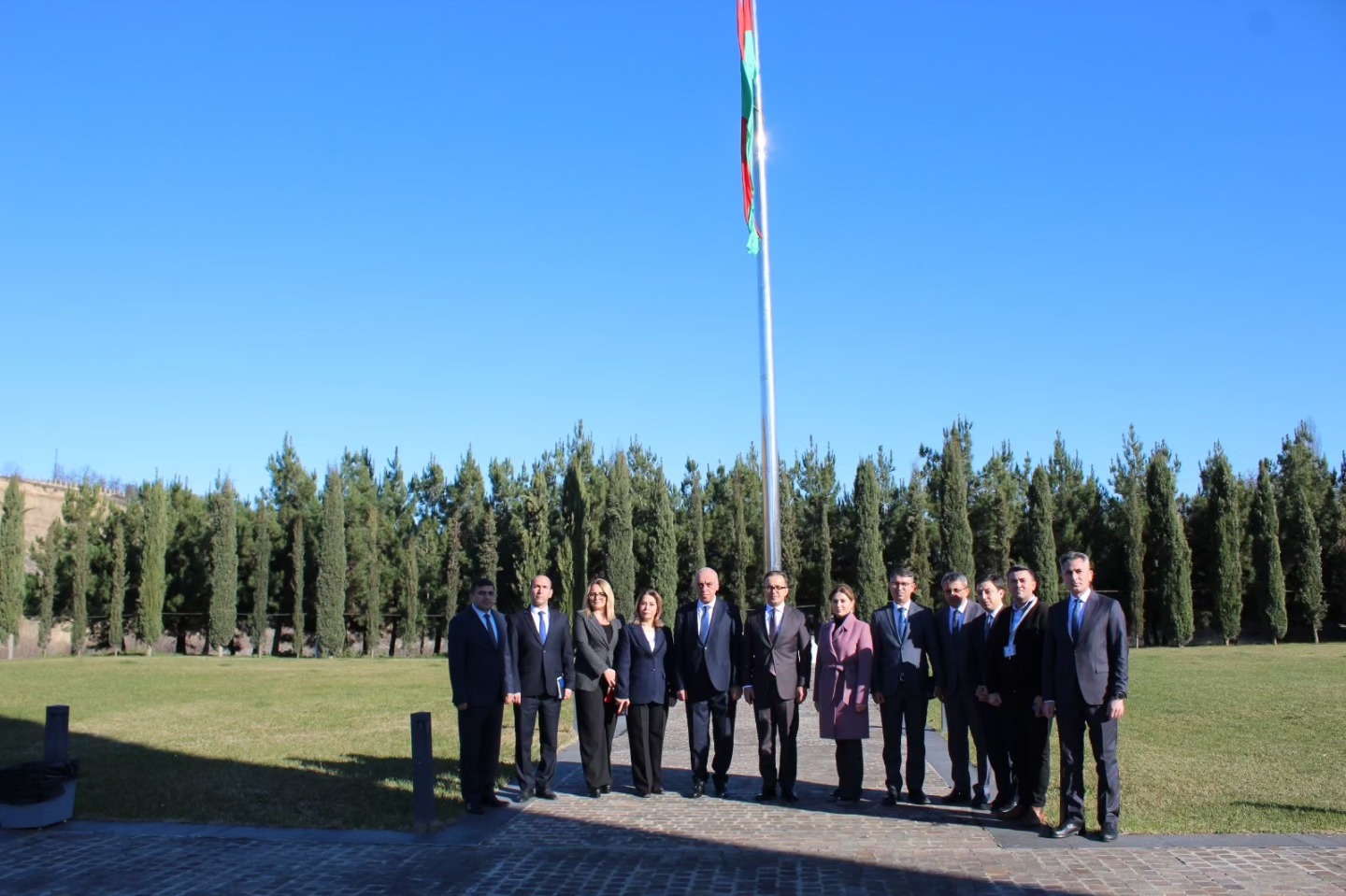
Etnoqraf, tarix üzrə fəlsəfə doktoru Günay Çapay qızı Həsənovanın təşəbbüsü və Quba şəhərində “Soyqırımı Memorial Kompleksi”nin təşkilatçılığı ilə baş tutacaq forumun əsas məqsədi yerli icmaların milli-mədəni və mənəvi irsini tanıtmaq, mədəniyyətlərarası dialoqu inkişaf etdirmək, gənc etnoqrafların elmi-tədqiqat yaradıcılıqlarında stimullaşdırıcı imkanlar yaratmaqdır.
Forum çərçivəsində incəsənət nümayəndələrinin (peşəkar və həvəskar rəssam, qrafik dizayner, heykəltəraş və s.) yerli icmaların mədəni və mənəvi irsinə həsr olunmuş incəsənət nümunələri (rəsm əsəri, poster, heykəltəraşlıq və s.) də nümayiş olunacaq.
Formun istiqamətləri:
- Tarix
- Etnoqrafiya
- Arxeologiya
- Mədəniyyət
- Tarixi abidələr
- Toponomika
- Mifologiya
- Coğrafiya
- Etnoturizm
Azərbaycanın şimal-şərq bölgəsinə aid məqalələrə üstünlük verilir.
Əlaqəli tarixlər:
İştirakçılar üçün qeydiyyat linkinin açılması: 01.02.2025
Məqalələrin və incəsənət nümunələrinin qəbulu üçün son tarix: 01.05.2025
Qəbul olunmuş məqalələrin, incəsənət nümunələrinin elanı üçün son tarix: 11.05.2025
Konfransın proqramının elan olunması: 21.05.2025
Forumda kimlər iştirak edə bilər?
- Konfransın mövzularına uyğun tədqiqat sahəsində araşdırma aparan və ya çalışan gənc tədqiqatçılar
- Muzey və qoruq əməkdaşları
- Ali təhsil müəssisələrinin tələbələri
- İncəsənət sahəsi üzrə mütəxəsisslər
- Rəssamlar
- Qrafik dizaynerlər
- Milli geyim mütəxəssisləri
Konfransda iştirak etməyən şəxslərə sertifikat verilməyəcək və onların məqaləsi çap olunmayacaq.Konfransın formatı-əyani və onlayn
Konfransın işçi dilləri-Azərbaycan, ingilis, rus
Konfransda elmi məqalələr üçün qoyulan tələblər
Kağız ölçüsü – A4
Şrift – Times New Roman
Şrift ölşüsü – 12 pt
Sətirlərarası interval – 1,15 sm
Abzas – 1,25 sm
Hər tərəfdən boş sahə – 2sm
Mövzunun adı – ortadan, böyük hərflərlə, qalın şriftlə
Müəllifin adı, soyadı, ata adı – ortadan, qalın şriftlə
İş yeri (təhsil müəssisəsi), şəhər, ölkə – ortadan, kursivlə
E-poçt ünvanı – ortadan, kursivlə
Orcid kodu – ortadan, kursivlə
Açar sözlər (5-7 söz) – Azərbaycan, ingilis və rus dillərində
Xülasə (80-100 söz) – məqalənin yazıldığı dildən başqa iki dildə
Həcmi – 3-7 səhifə
Mətn bölünməlidir – giriş, əsas hissə, müzakirə, nəticə
Ədəbiyyata istinadlar – kvadrat mötərizədə Məs: [1. s.56]
Ədəbiyyat siyahısı – əlifba sırası ilə
Ədəbiyyat siyahısında son 5-10 ilin elmi məqalələrinə, monoqrafiyalarına üstünlük verilməlidır.
Hər müəllifdən yalnız bir məqalə qəbul ediləcək (tək vəya həmmüəllif olmaqla)
Elmi dərəcəsi olmayan müəlliflərin məqalələrinə elmi rəhbərin və ya aidiyyəti sahə üzrə müəllimin rəyi əlavə edilməlidir. Bu rəy ayrı bir səhifədə təqdim olunmalı, elmi rəhbərin və ya müəllimin əlaqə vasitələri və iş yeri haqqında məlumatlar qeyd edilməlidir.
Göndərilən məqalələr antiplagiat sistemində yoxlanıldıqdan sonra Konfrans materialları toplusunda dərc olunacaq.
Göstərilən tələblərə cavab verməyən məqalələr, eləcə də incəsənət nümunələri qəbul olunmayaraq çap edilməyəcək.
Məqaləyə və incəsənət nümunələrinə görə müəlliflər məsuliyyət daşıyır.
Məqalə və incəsənət nümunələrinizi ethno.studies24@gmail.com ünvanına göndərə bilərsiniz.
Konfransda incəsənət əsərləri ilə bağlı tələblər:
İncəsənət əsərləri elektron formatda göndərilməlidir. Seçilmiş əsərlərin müəllifləri onları forumda şəxsən təqdim etməlidirlər.
Rəsm əsərləri üçün tələb olunan ölçü: Albom format, 90×60; 65×45.
İştirakçılar üçün qeydiyyat keçidi: https://forms.gle/XprinuBdLAVLVQGL7
Gənc tədqiqatçılar və incəsənət nümayəndələri, bu möhtəşəm fürsəti qaçırmayın! Gələcəyin elmi və mədəni əməkdaşlıq platformasında siz də iştirak edin! ✨
Təşkilat Komitəsi:
- Dr. Rəxşəndə Bayramova
Quba şəhərində “Soyqırımı Memorial Kompleksi”, direktor
- Dr. Günay Həsənova
Qərbi Kaspi Universiteti, müəllim
- Dr. Aysel Şeydayeva
Azərbaycan Dövlət Pedaqoji Universitetinin Quba filialının direktor müavini
- Həsən Əliyev
“Xınalıq və Köç Yolu” Dövlət Tarix-Mədəniyyət və Etnoqrafiya Qoruğu, direktor
- Xəyal Nuhbalayev
Quba şəhərində “Soyqırımı Memorial Kompleksi”
- Namiq Bağırlı
Quba şəhərində “Soyqırımı Memorial Kompleksi”
- Abutalib Turabov
Quba şəhərində “Soyqırımı Memorial Kompleksi”
Mütəxəssislər:
Prof., Fəzail Vəliyev, AMEA Arxeologiya, Etnoqrafiya və Antropologiya İnstitutunu, baş elmi işçi
Prof., Vəfa Mahmudova, Qərbi Kaspi Universiteti, Siyasi və İctimai Elmlər Məktəbi, dekan
T.ü.f.d., İradə Əliyeva AMEA A.A.Bakıxanov adına Tarix və Etnologiya İnstitutu, aparıcı elmi işçi
Dos., Gülzadə Abdulova (Axundova), Milli Azərbaycan Tarixi Muzeyinin Etnoqrafiya Fondu, müdir
P.ü.f.d., Yeganə Eyvazova, Azərbaycan Dövlət Mədəniyyət və İncəsənət İnstitutu, Muzeyşünaslıq kafedrası, müdir
T.ü.fd., Məleykə Əlizadə, Qərbi Kaspi Universitetinin Tarix kafedrası, müdir
Dos., Sübhan Talıblı, AMEA-nın akademik Ziya Bünyadov adına Şərqşünaslıq İnstitutu, aparıcı elmi işçi
T.ü.f.d. dos. Elnur Kəlbizadə, Bakı Slavyan Universiteti – Magistratura və Doktorantura şöbəsinin müdiri
T.ü.f.d., Aygün Qədirova, Mingəçevir Dövlət Universiteti, baş müəllim,
T.ü.f.d. Qəhrəman Ağayev, Arxeologiya və Etnoqrafiya İnstitutu, aparıcı elmi işçi
T.ü.f.d, Sevil Bəhramova, Azərbaycan Dövlət Pedaqoji Universiteti, baş müəllim
Səba Hüseynova, Azərbaycan Dövlət Pedaqoji Universiteti, müəllim
Aytən Əsədova, Sumqayıt Dövlət Universiteti, baş müəllim
T.ü.f.d, Təhminə Əliyeva, Azərbaycan Dövlət Pedaqoji Universiteti, Quba filialı, müəllim
Dos., Sevinc Nəsirova, Milli Azərbaycan Tarixi Muzeyi, elmi katib
T.ü.f.d., Salman İbişov, Qərbi Kaspi Universiteti, müəllim
T.ü.f.d., Laçın Mustafayev, Milli Azərbaycan Tarixi Muzeyi, böyük elmi işçi
T.ü.f.d., Arif Əlizadə, Qərbi Kaspi Universiteti, müəllim
Doktorant, Zümrüd Nuriyeva, Qərbi Kaspi Universiteti, müəllim
Redaksiya heyəti:
T.ü.f.d., Günay Həsənova
T.ü.f.d., Aygün Qədirova
Doktorant, Zümrüd Nuriyeva
Səma Əliyeva
Əlavə suallarla bağlı aşağıdakı əlaqə vasitələrdən istifadə oluna bilər:
Koordinatorlar:
Dos., Sübhan Talıblı (+994 50) 256-04-86
Zümrüd Nuriyeva (+994 50) 583-23-58;
Elmi məsləhət şöbəsi: (+994 70) 355-01-82
Tədbirlə bağlı təşkilati məsələlər üzrə əlaqələndirici şəxs:
Xəyal Nuhbalayev (+994 55) 885-00-36