Starting from now on, Azerbaijan embracing the area of the South-Western Transcaucasia shall exist as an independent state enjoying all rights and realizing the right of the people of Azerbaijan to have a government.

1. Starting from now on, Azerbaijan embracing the area of the South-Western Transcaucasia shall exist as an independent state enjoying all rights and realizing the right of the people of Azerbaijan to have a government.
2. Democratic Republic should constitute the form of government in independent Azerbaijan.
3. Democratic Republic of Azerbaijan intends to establish friendly relationships with all nations, particularly the neighbouring nations and states.
4. Democratic Republic of Azerbaijan guarantees the civil rights to all the citizens residing within its borders irrespective of nationality, religious confession,
5. Democratic Republic of Azerbaijan creates broad possibilities for independent development to all ethnic groups residing within its territory.
6. Unless the Constituent Assembly is convened, Azerbaijan shall be governed by the National Council elected by the people and the Provisional Government answerable to the National Council.

May 28 - Republic Day

May 28, 1918, engraved in golden letters in the history of the struggle of the Azerbaijani people for freedom and independence, is a date of national pride. On this date, our people were liberated from the colonial slavery of Tsarist Russia, which lasted more than a century, and laid the foundation of the first democratic republic in the East. The Azerbaijan Democratic Republic emerged as a logical result of the centuries-old socio-economic, socio-political and cultural development of our country, the processes of national awakening and revival of our people. The people who led our national government during the declaration of independence of Azerbaijan, the formation and functioning of the Democratic Republic – M. Rasulzade, A. Topchubashov, F.Khoyski, H.Agayev, N.Yusifbeyli, S.Mehmandarov, A.Shikhlinsky and others had great merits. Establishment of democratic rights and freedoms, recognition of equal rights of all citizens regardless of ethnic and religious affiliation, giving women the right to vote even before many European countries, declaring the Azerbaijani language the state language, paying special attention to education and culture, creating a regular national army and other works clearly characterized the scale and essence of the policy pursued by the government of the Azerbaijan Democratic Republic. However, on April 28, 1920, as a result of the intervention of Soviet Russia, after 23 months of activity, the first independent state of the Turkic world collapsed and Soviet power was established in Azerbaijan.
Our people declared its independence again in 1991. During these years, covering more than thirty years of Azerbaijan, there has been a revival in all spheres of life of our people. The modern Azerbaijani state is the successor of the Azerbaijan Democratic Republic.

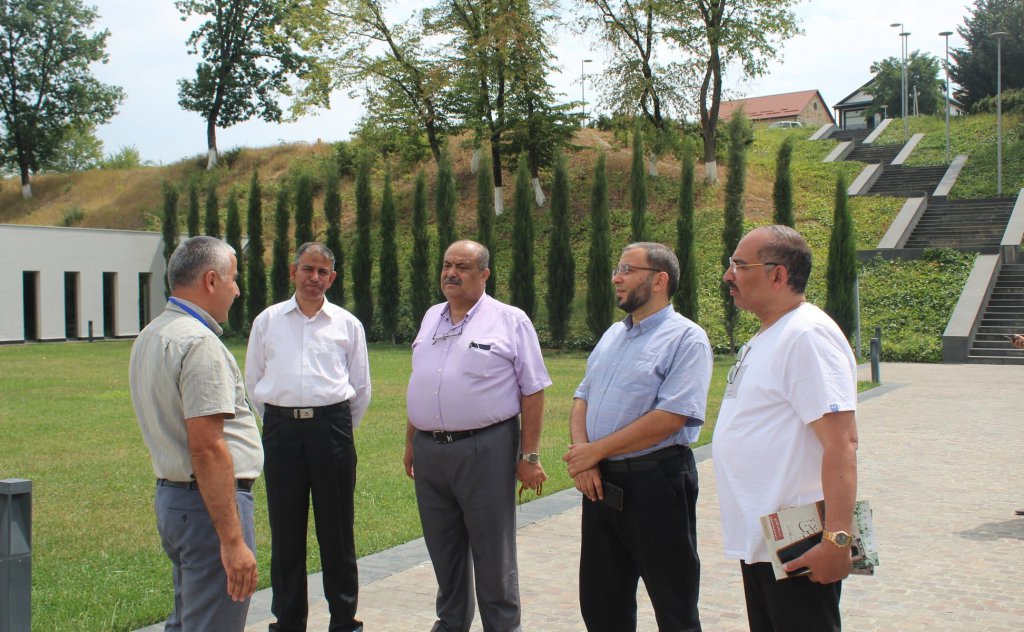
Minister of Education of Azerbaijan Emin Amrullayev, Minister of Education of Turkey Ziya Selcuk, newly appointed Ambassador Extraordinary and Plenipotentiary of Turkey to Azerbaijan Jahit Bagchi and other officials visited the Guba region


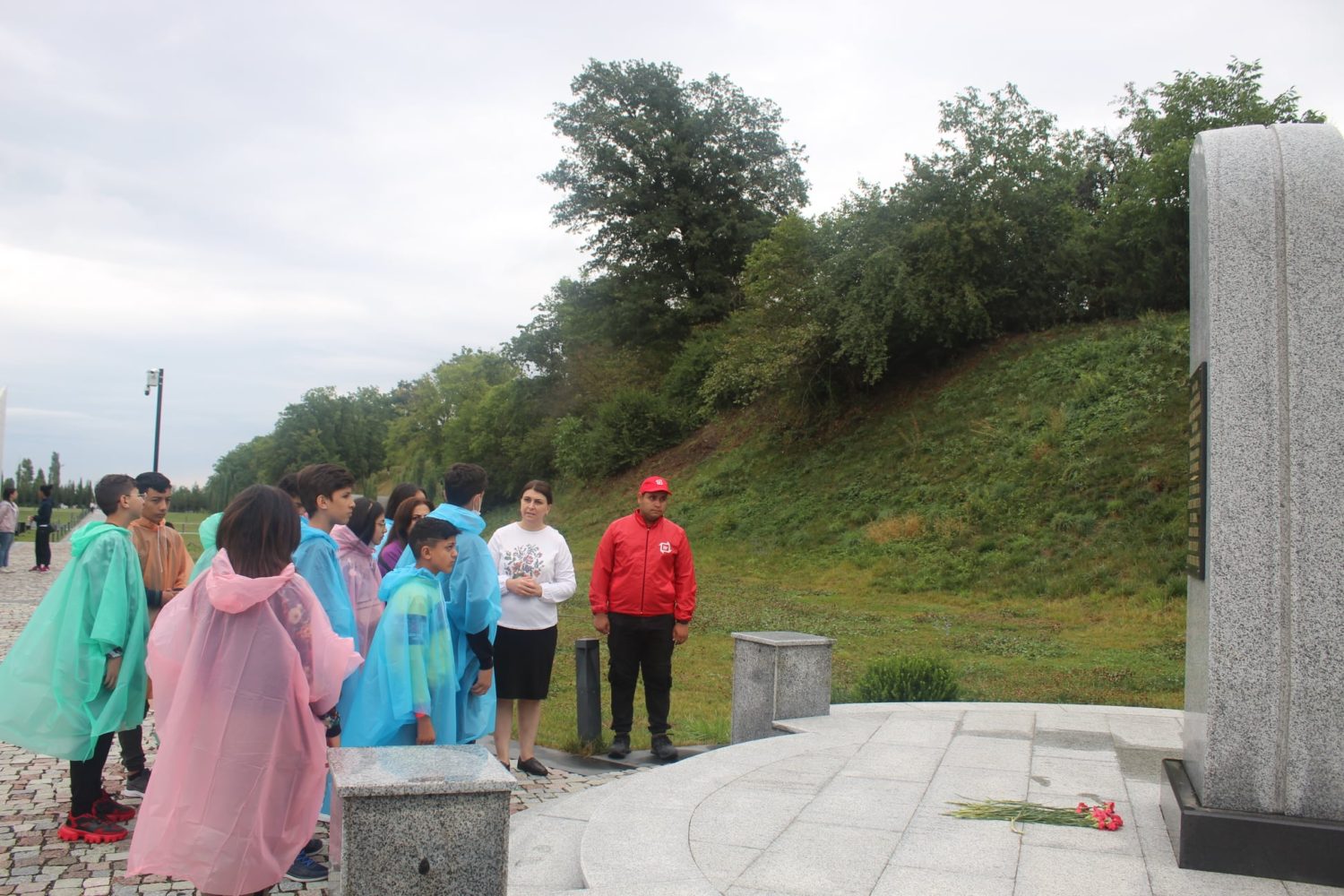
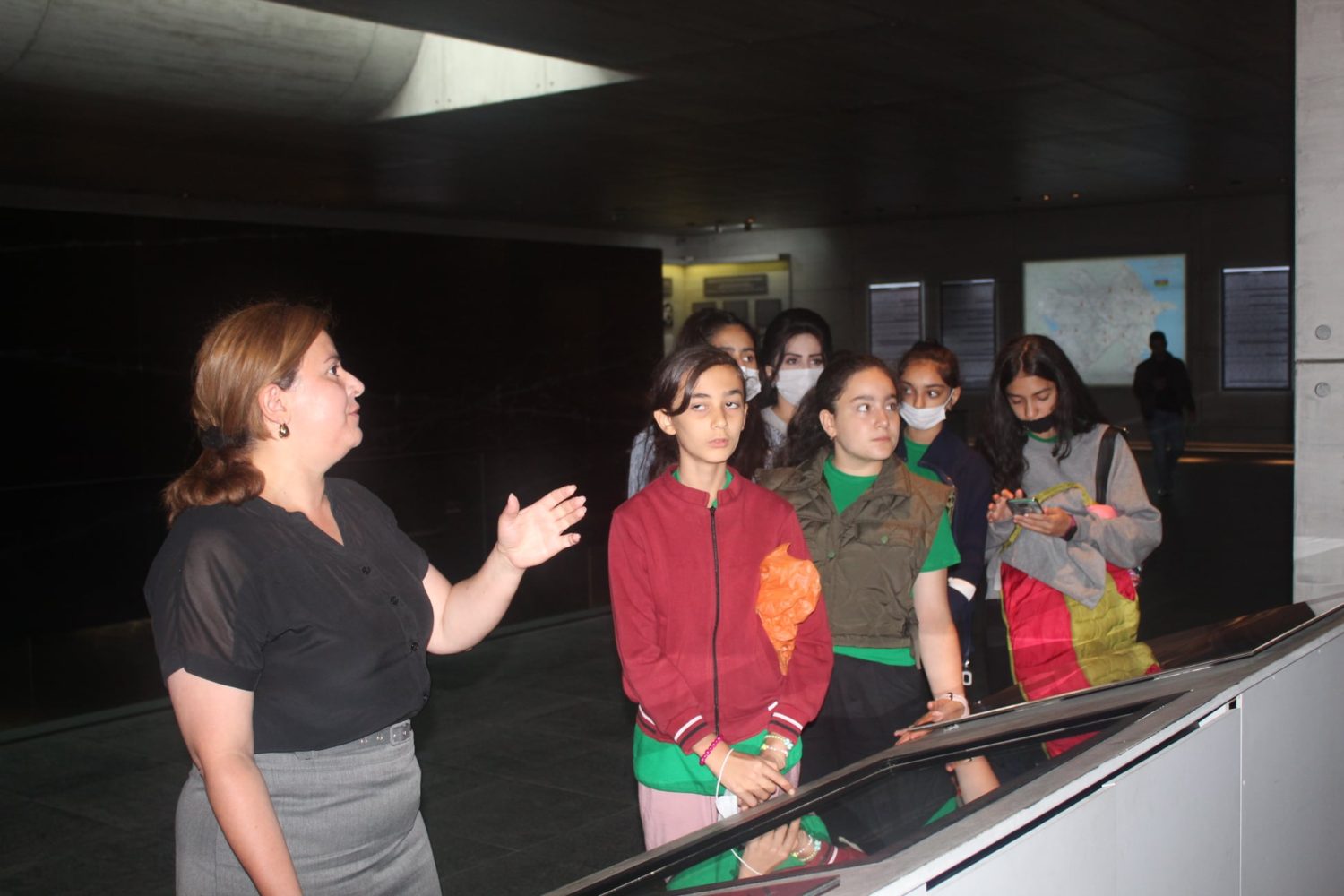
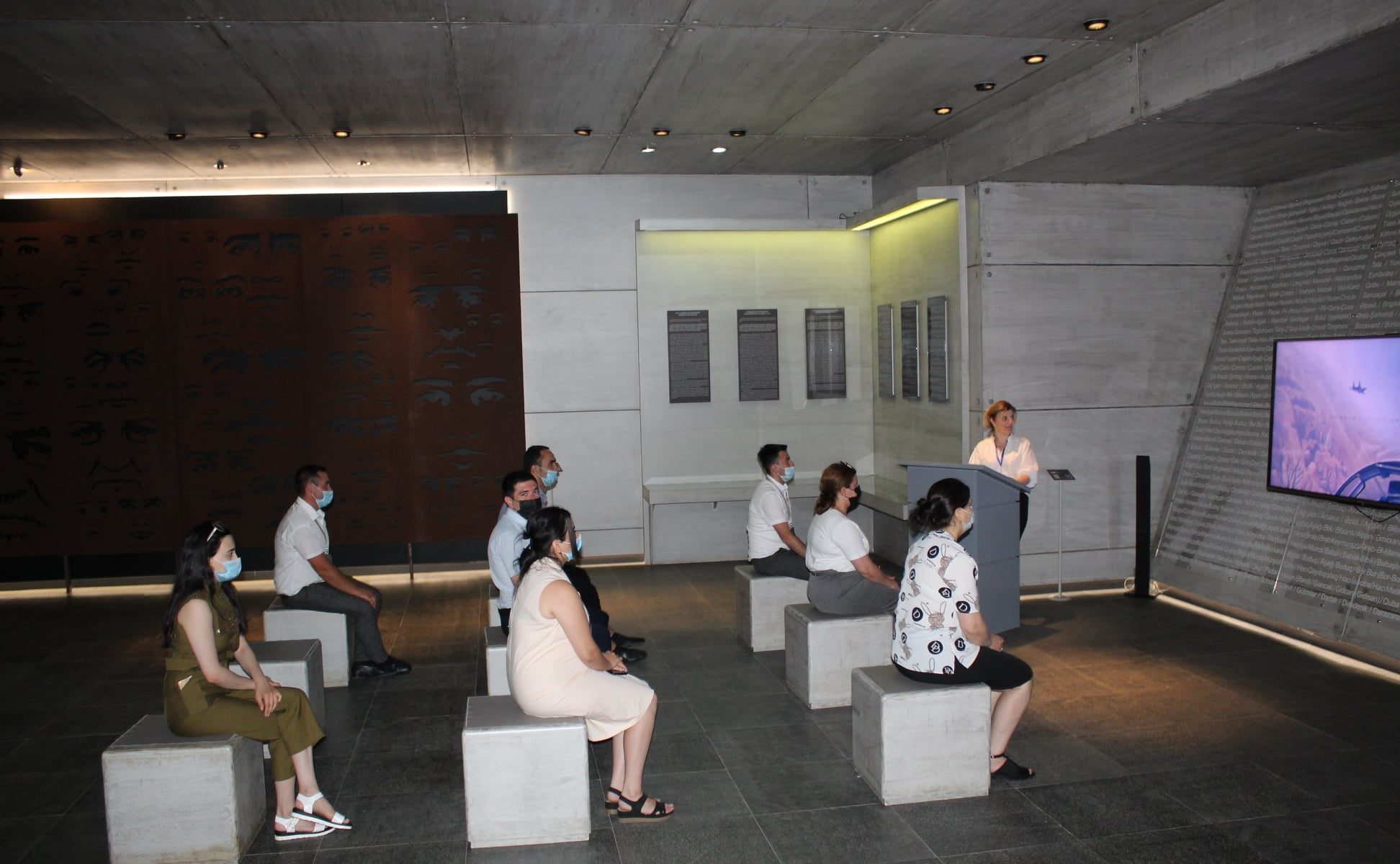
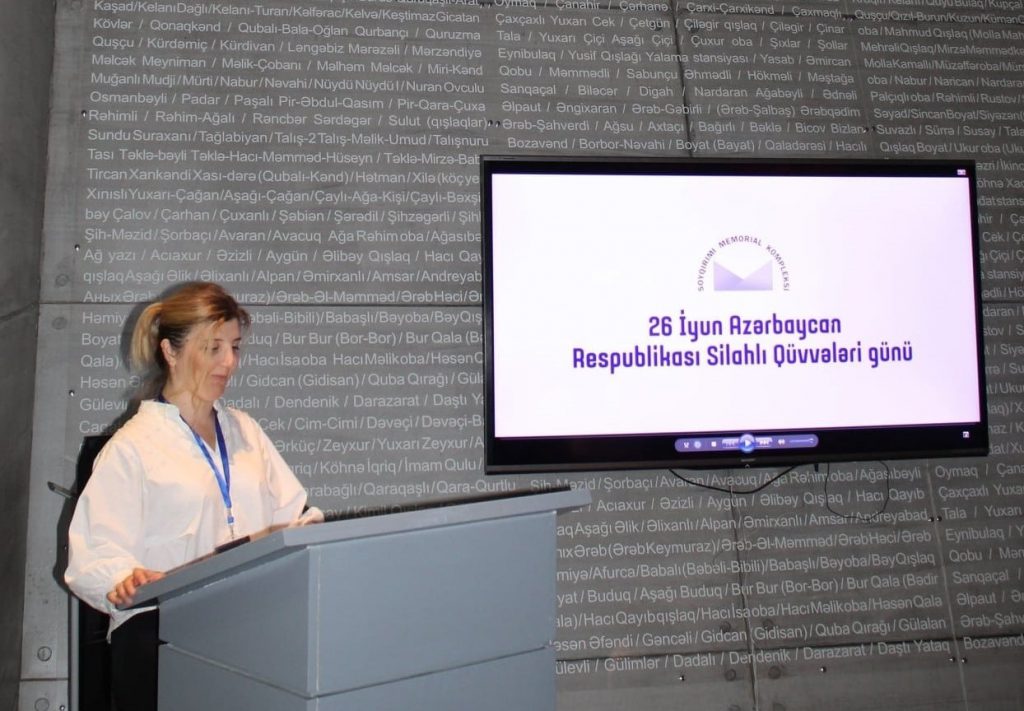
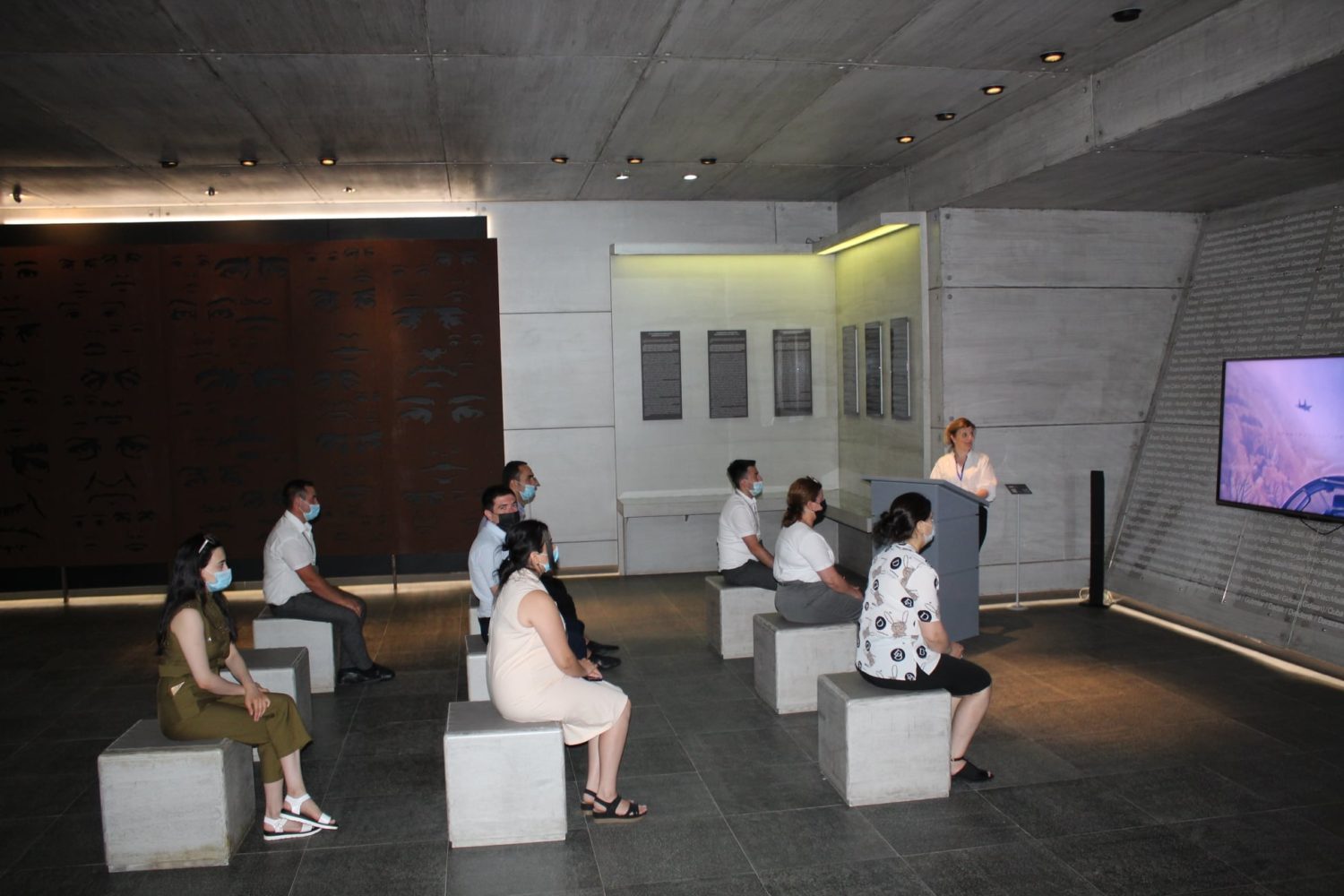
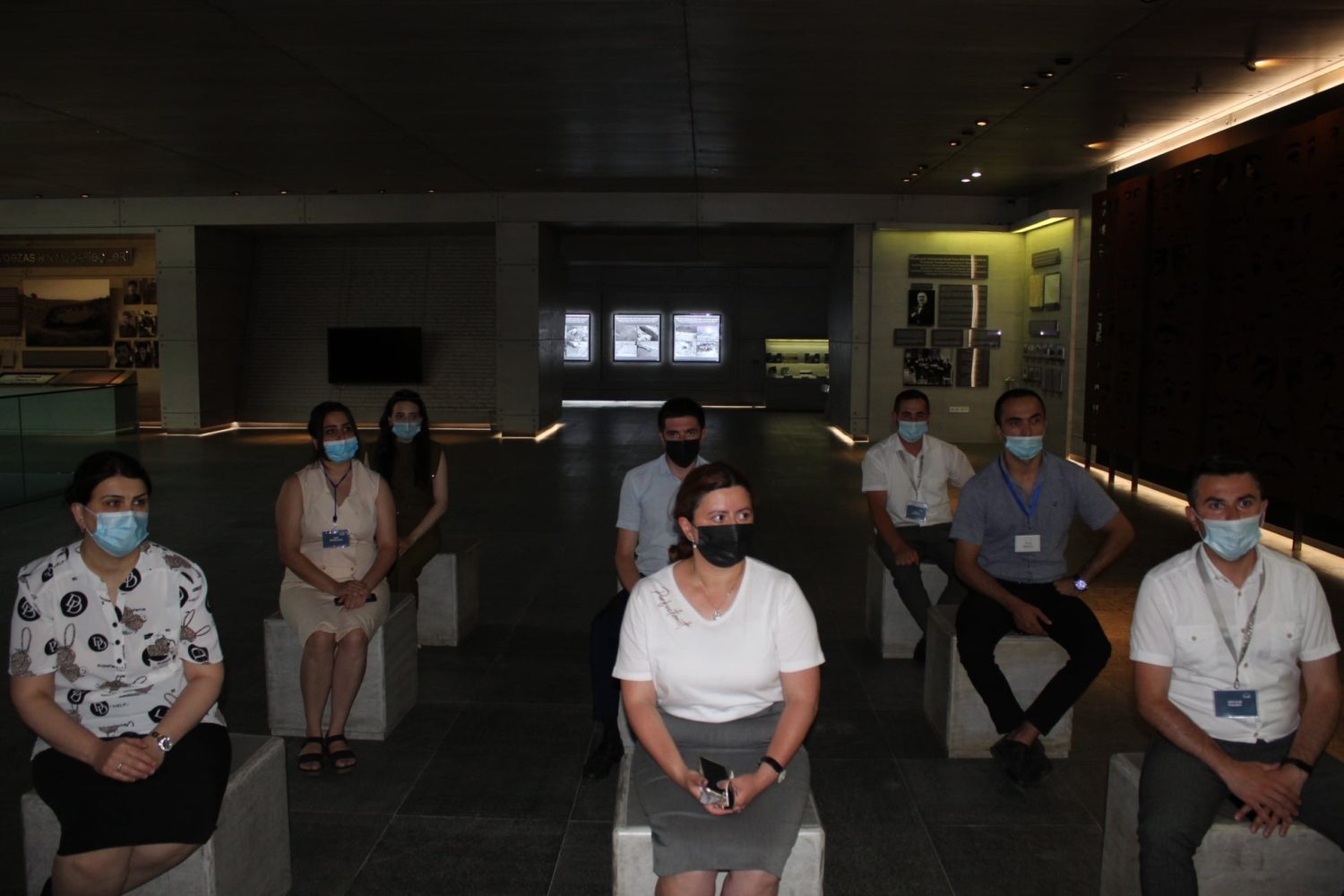
During the visit, the guests visited the “Genocide Memorial Complex” in Guba. Visitors first laid flowers at the monument to the victims of the 1918 genocide, and then got acquainted with the Museum of the Complex. The official guests were provided with detailed information about the inhuman crimes committed by Armenian vandals in Azerbaijan in 1918.

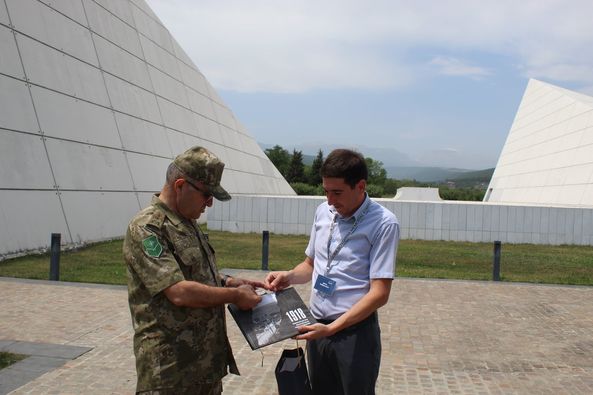
In conclusion, the visitors were presented with books and booklets reflecting the events of the genocide.

360 GÖRÜNTÜ

<iframe src=”https://www.google.com/maps/embed?pb=!4v1623736134726!6m8!1m7!1sCAoSLEFGMVFpcE5odGdXVWNSRFpqQ0dlZlV1dFhYVU1UTEFMQ3M5cTRjU0dFNEM0!2m2!1d41.3623894!2d48.4933775!3f36.38909875114426!4f0.4359903043787483!5f0.7820865974627469″ width=”600″ height=”450″ style=”border:0;” allowfullscreen=”” loading=”lazy”></iframe>

Confessions of Stepan Shaumyan, the leader of the Baku Soviet at that time, who was the initiator and leader of the genocide against Azerbaijanis in 1918

Shaumyan himself openly confessed to the genocide of Azerbaijanis in March-April 1918. In his report to the Soviet Russian government after the tragic events of March 1918, he stated: “We took the opportunity … and launched an attack along the entire front … we already had an armed force – about 6,000 people. Dashnaktsutyun also had about 3-4 thousand national military units. They were under our subordination. The participation of the last one, in part, gave the civil war the character of a national massacre, which was not possible to avoid. We went to this consciously…. “
Source: Shaumyan S.G. Selected works. – M., 1978, v.2, p. 246

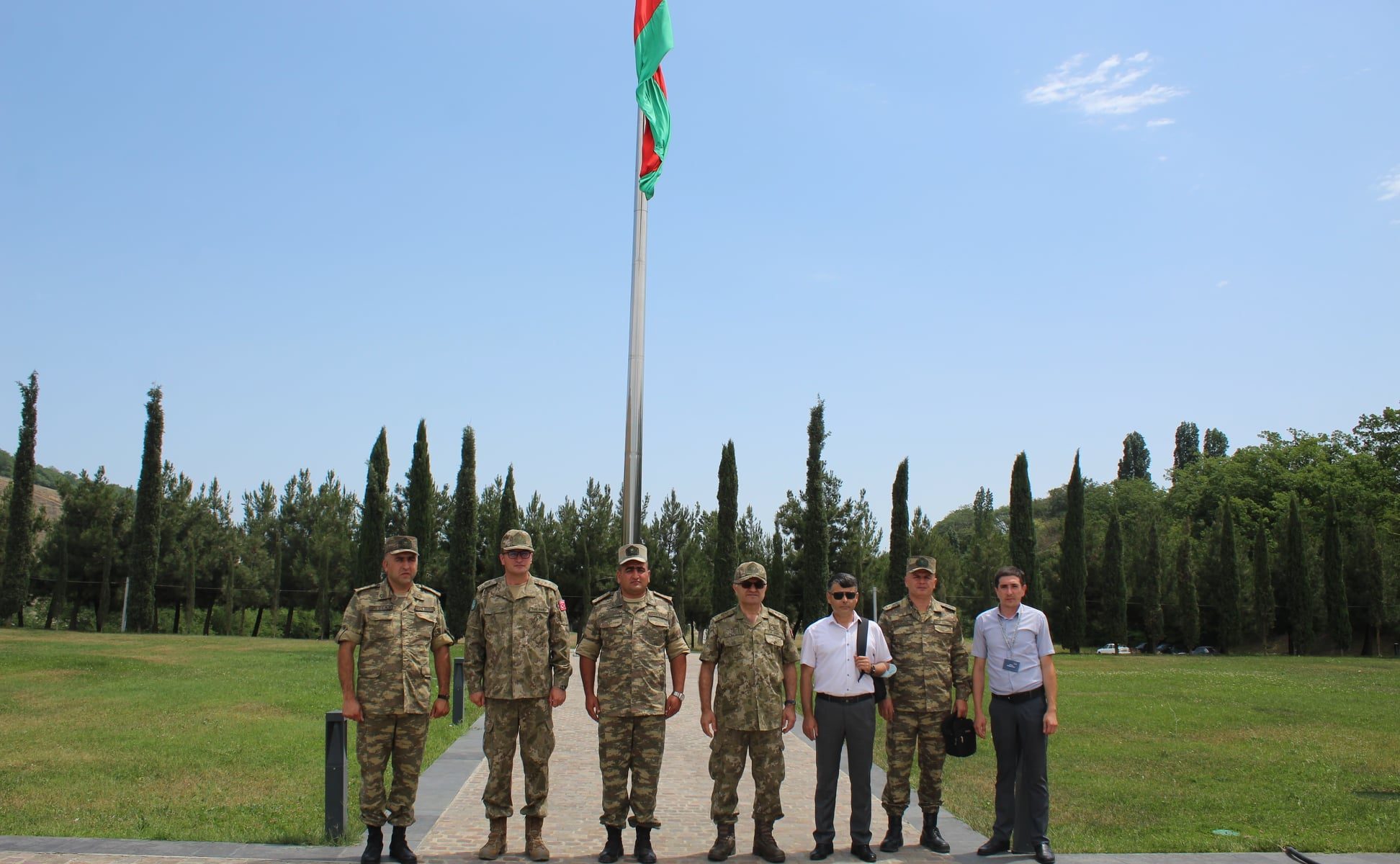
Colonels of the General Command of the Gendarmerie of Turkey Mr. Nuradeddin Altintash, Mr. Ekrem Mengi and Mr. Onur Bakakhan visited the "Genocide Memorial Complex" in Guba.

First, the guests laid flowers at the monument to the victims of the 1918 genocide, and then got acquainted with the museum of the complex. The guests were also introduced to documents and photographs reflecting Armenian vandalism, and historical facts were brought to their attention. Mr. Ekrem Mengi, who made notes in the Book of Remembrance, said that he was very impressed by what he saw and asked Allah for mercy on the victims of the genocide. In conclusion, the military specialists were presented with books and booklets reflecting the events of the genocide.

On May 18, the Guba branch of the Azerbaijan State Pedagogical University hosted an event entitled "Azerbaijan's Museums Yesterday and Today - Places of Storage of Our Cultural Values" on the occasion of the International Museum Day

Within the framework of the event, the opening of the Heydar Aliyev Center took place in the branch. Director of the “Genocide Memorial Complex” in Guba Rakhshenda Bayramova presented various books and albums reflecting the events of the genocide to the newly created Center .

During the organization of the Genocide Memorial Complex, a scientific seminar dedicated to "May 18 International Museum Day" was held.

Aigun Guliyeva, a researcher of the Ethnography Department of the National Museum of History of Azerbaijan, spoke at the seminar with the topic “materials about Guba stored in the Ethnographic Fund of the National Museum of History of Azerbaijan”. During the lecture, A. Guliyeva, on the basis of documents preserved in the fund, as well as photographs, presented to the audience the collected materials on the history of Guba.

May 18 - International Museum Day

Every year, May 18 is widely celebrated around the world as International Museum Day.
The celebration, founded by the International Council of Museums (ICOM) to promote cultural exchange and cooperation between peoples, is held annually under different mottos. This year’s International Museum Day is dedicated to Museums for Equality, Diversity and Inclusion.
International Day of Museums was established in 1977 at the initiative of ICOM. The goal is to show how important museums are in the life of society.
This holiday is widely celebrated in Azerbaijan, which has an ancient history and rich culture.
The stormy processes in the socio-political and cultural life of Azerbaijan from the second half of the 19th century gave impetus to the organization of museum work. One of the first such museums was organized at the end of the 19th century in the school of the village of Nehram in Nakhchivan on the initiative and with the active participation of the famous writer Jalil Mammadguluzade.
At the beginning of the last century, closed museums were established in Baku at public schools, as well as at the Baku branch of the All-Russian Technical Society. However, with the exception of the museum in the village of Nehram, the named places acted in the interests of tsarism. It is no coincidence that valuable archaeological artifacts found in Azerbaijan were sent to museums in Tbilisi, Moscow and St. Petersburg. The first national museum in Azerbaijan, founded in 1919 during the time of the Democratic Republic, has been functioning as the Azerbaijan State Museum since 1920.
The exhibits of this museum were valuable works of art confiscated from Baku millionaires such as Haji Zeynalabdin Tagiyev, Murtuza Mukhtarov, Musa Nagiyev in the early years of Soviet power.
Since the 30s of the last century, one after another, state, memorial, traveling, literary, art, historical, musical, conservation, and theater museums have been created. In subsequent years, new museums began to operate in Azerbaijan.
In his native Shusha, liberated from the Armenian occupation, eight museums operated .. The State Museum of the History of Karabakh, the house of the genius composer Uzeyir Hajibeyli, the founder of our vocal art Bulbul, the famous musician and artist Mir Mohsun Navvab, the Shusha branch of the Azerbaijan Carpet Museum, are distinguished by a rich number of exhibits. Today, restoration work is underway there. Like the city of Agdam itself, the Aghdam Bread Museum, the only one in the USSR, was completely destroyed by Armenian vandals.
Azerbaijan has always taken care of national and moral values, including museum work. The Law of the Republic of Azerbaijan “On Museums”, which entered into force on March 24, 2000, regulates the organizational and legal framework for the activities of museums in our country.

ANNOUNCEMENT: Dear subscribers,

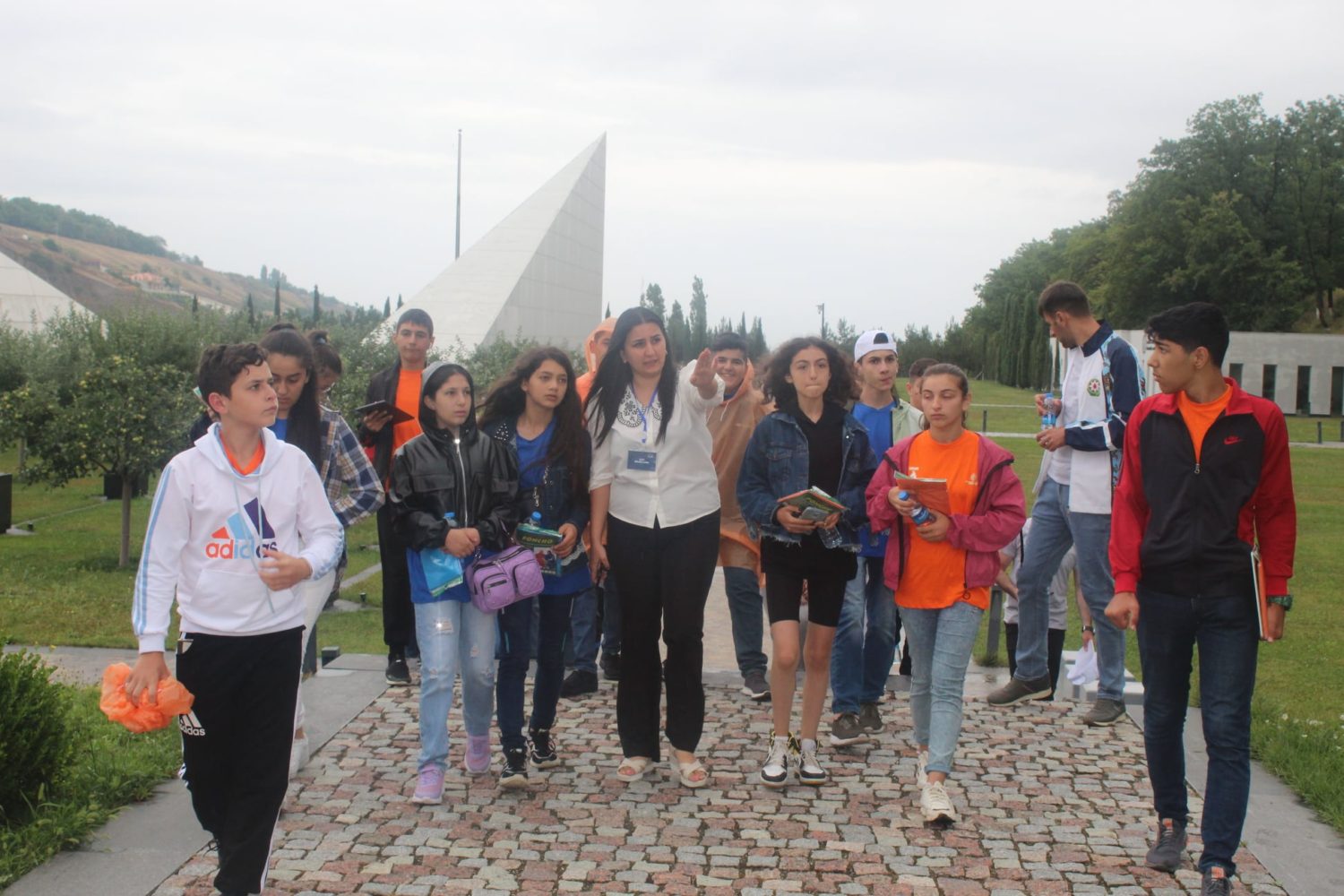
Despite the fact that during the week from May 11 to May 16 there will be days off, the Genocide Memorial Complex can be visited from 10.00 to 17.00. In the complex, you will learn historical facts, get to know the museum reflecting Armenian vandalism, and enjoy the beauty of nature.
The people with their own history are invincible!