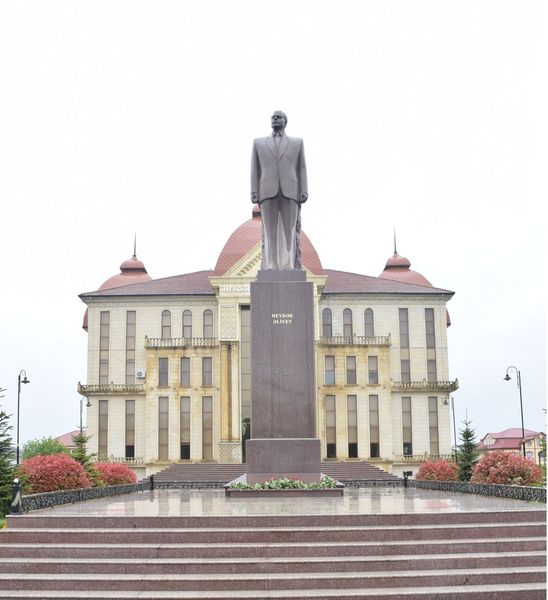
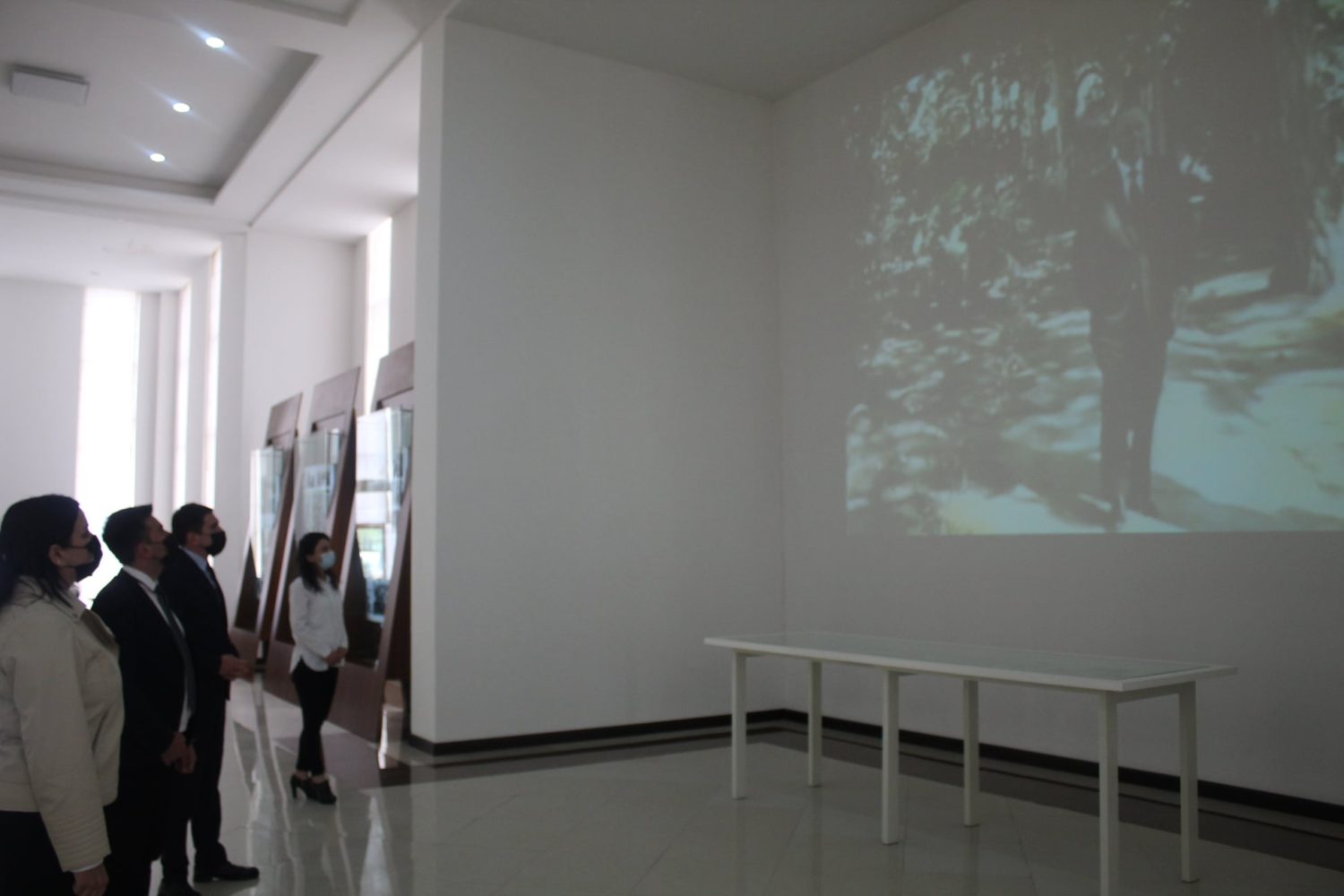
Every year, May 18 is widely celebrated around the world as International Museum Day.
The celebration, founded by the International Council of Museums (ICOM) to promote cultural exchange and cooperation between peoples, is held annually under different mottos. This year’s International Museum Day is dedicated to Museums for Equality, Diversity and Inclusion.
International Day of Museums was established in 1977 at the initiative of ICOM. The goal is to show how important museums are in the life of society.
This holiday is widely celebrated in Azerbaijan, which has an ancient history and rich culture.
The stormy processes in the socio-political and cultural life of Azerbaijan from the second half of the 19th century gave impetus to the organization of museum work. One of the first such museums was organized at the end of the 19th century in the school of the village of Nehram in Nakhchivan on the initiative and with the active participation of the famous writer Jalil Mammadguluzade.
At the beginning of the last century, closed museums were established in Baku at public schools, as well as at the Baku branch of the All-Russian Technical Society. However, with the exception of the museum in the village of Nehram, the named places acted in the interests of tsarism. It is no coincidence that valuable archaeological artifacts found in Azerbaijan were sent to museums in Tbilisi, Moscow and St. Petersburg. The first national museum in Azerbaijan, founded in 1919 during the time of the Democratic Republic, has been functioning as the Azerbaijan State Museum since 1920.
The exhibits of this museum were valuable works of art confiscated from Baku millionaires such as Haji Zeynalabdin Tagiyev, Murtuza Mukhtarov, Musa Nagiyev in the early years of Soviet power.
Since the 30s of the last century, one after another, state, memorial, traveling, literary, art, historical, musical, conservation, and theater museums have been created. In subsequent years, new museums began to operate in Azerbaijan.
In his native Shusha, liberated from the Armenian occupation, eight museums operated .. The State Museum of the History of Karabakh, the house of the genius composer Uzeyir Hajibeyli, the founder of our vocal art Bulbul, the famous musician and artist Mir Mohsun Navvab, the Shusha branch of the Azerbaijan Carpet Museum, are distinguished by a rich number of exhibits. Today, restoration work is underway there. Like the city of Agdam itself, the Aghdam Bread Museum, the only one in the USSR, was completely destroyed by Armenian vandals.
Azerbaijan has always taken care of national and moral values, including museum work. The Law of the Republic of Azerbaijan “On Museums”, which entered into force on March 24, 2000, regulates the organizational and legal framework for the activities of museums in our country.