"Gavurgala"

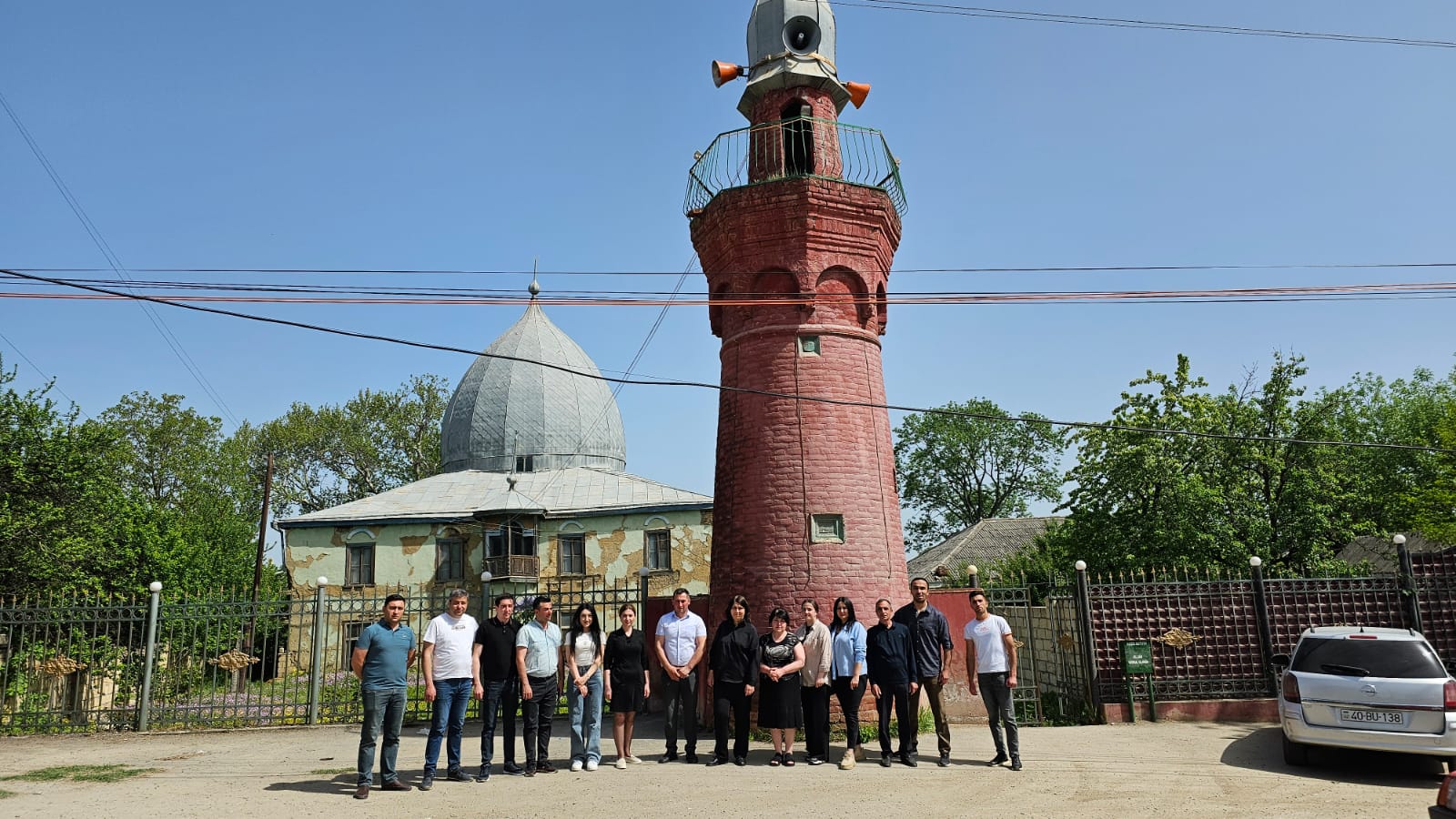
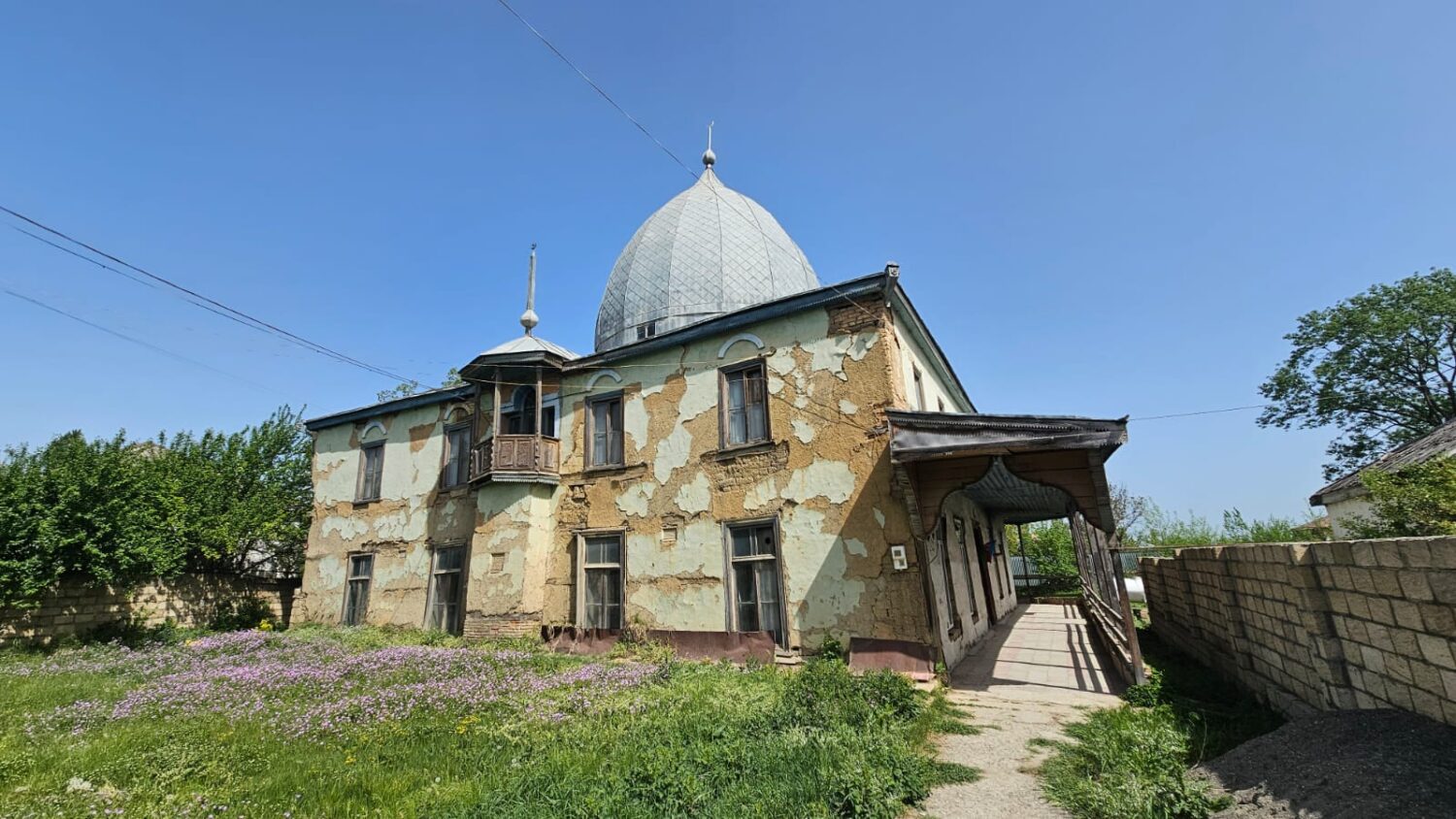
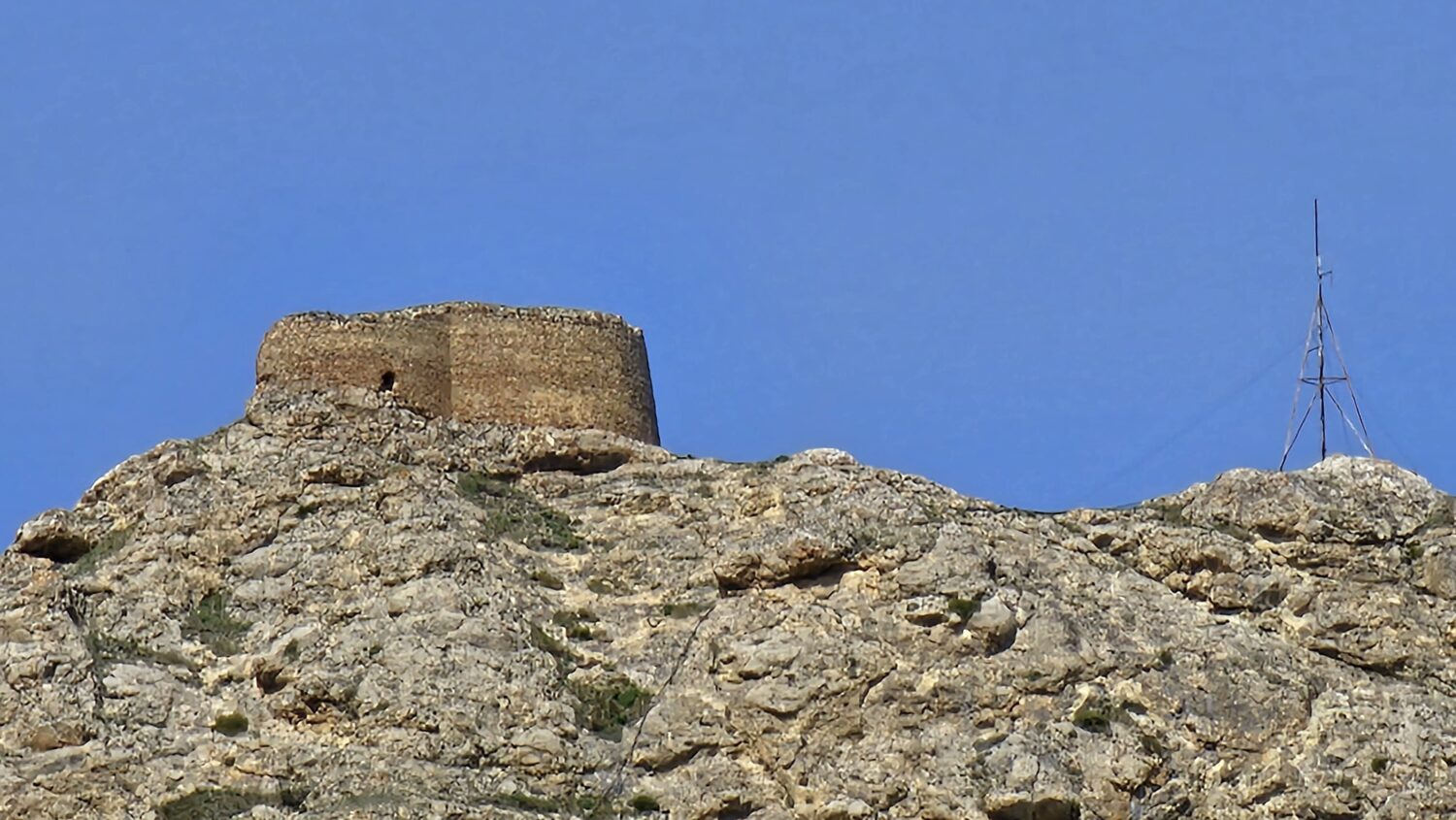
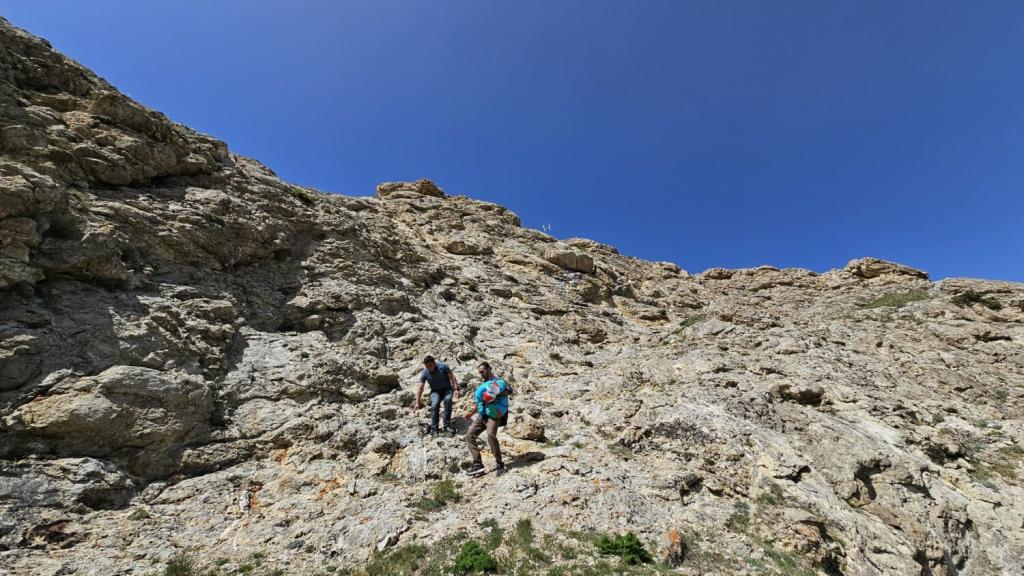
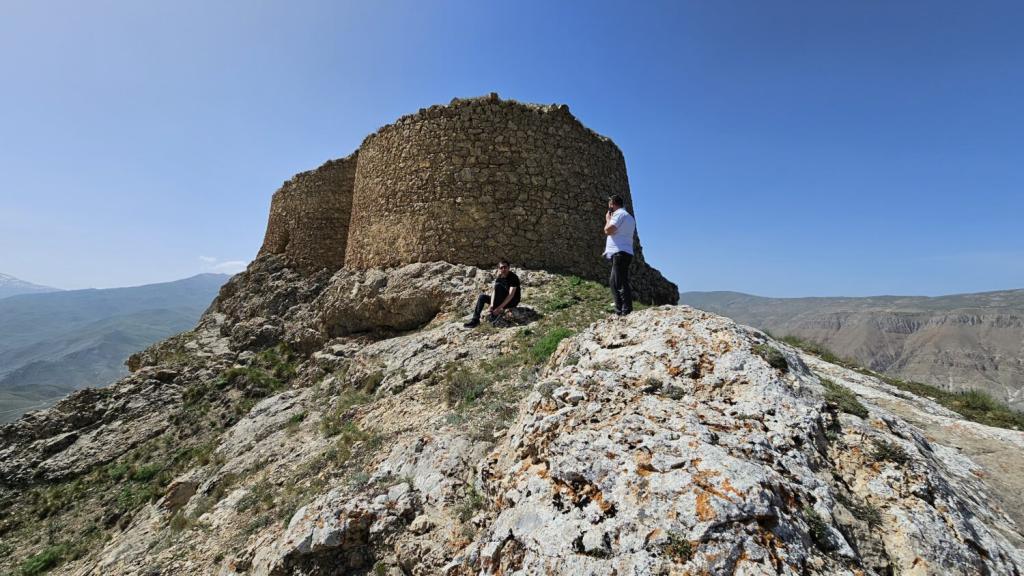
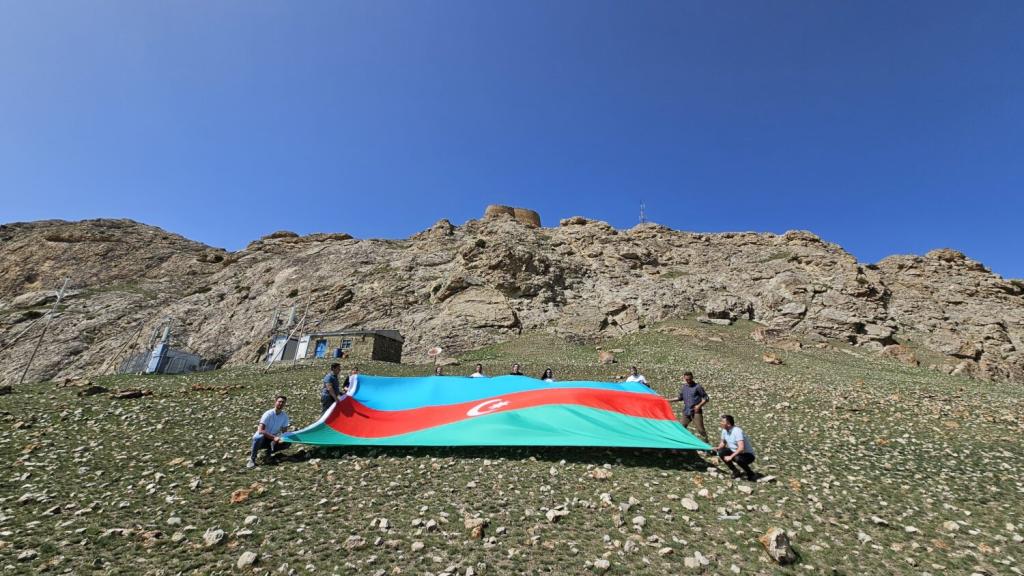
Gavurgala stands as a testament to the rich historical tapestry of Azerbaijan, nestled in the southern expanse of Boyahmadli village within the Agdam district. Its significance reverberates through time, bearing witness to the flourishing civilizations that once thrived within its bounds.
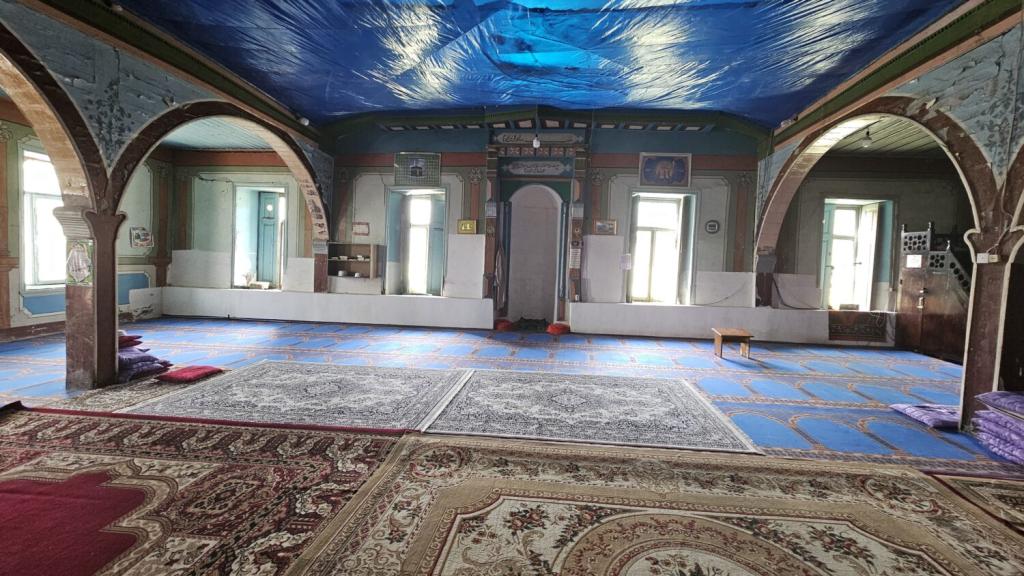
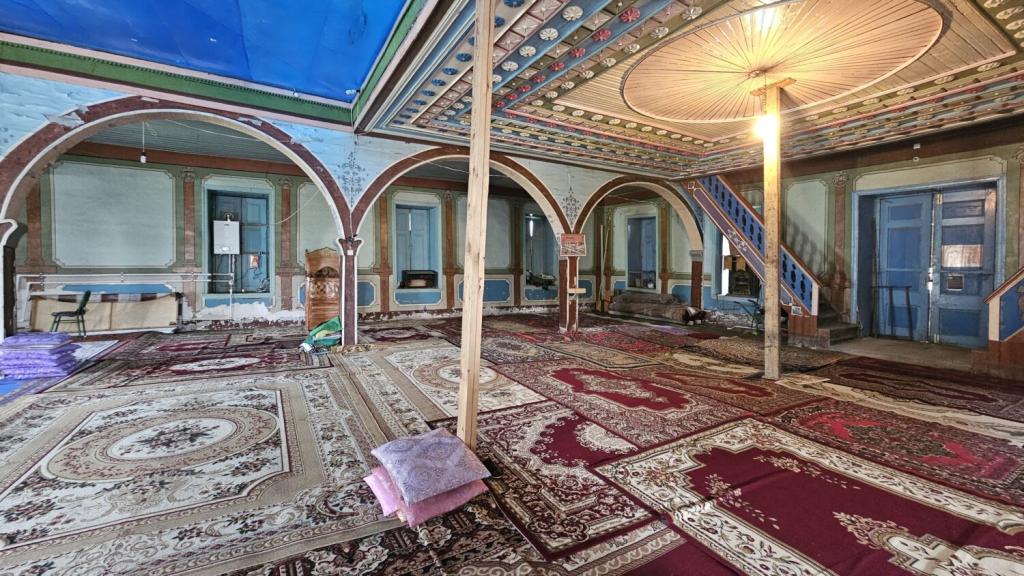
Archaeological excavations in 1958 unveiled a profound archaeological treasure trove, revealing a remarkable cultural stratum spanning from the III to XI centuries. At the heart of this ancient settlement lies the resplendent Gavurgala church, a masterpiece of architectural prowess crafted from pristine white stone. Adorned with four majestic doors and a meticulously crafted stone floor, the church exudes a timeless elegance that epitomizes the evolution of architectural ingenuity within the city.
Within the temple precincts lie stone chest graves, one of which bears an inscription alluding to the final resting place of none other than the brother of Albanian ruler Grigor Hammam. This poignant detail offers a glimpse into the illustrious lineage that once graced the hallowed grounds of Gavurgala.
Scholars have embarked on a quest to unravel the enigma surrounding Gavurgala’s true appellation. Some conjecture that its proximity to a cemetery affiliated with the ruling lineage suggests a correlation with Aluen, renowned as the esteemed summer retreat of Albanian sovereigns. The presence of the Albanian ruler’s kin further strengthens this hypothesis, as Aluen served as the epicenter of religious and societal gatherings for Caucasian Albanians.
Situated along the bustling trade artery from Barda to Dabil (Dvina), Gavurgala occupied a strategic position along the medieval thoroughfare. Its significance transcends mere trade, as evidenced by the wealth of archaeological findings ranging from intricate weaving patterns to exquisite jewelry and fine pottery. This multifaceted repository of material culture underscores Gavurgala’s pivotal role as a hub of artisanal craftsmanship and cultural exchange.
In his assessment, Rashid Goyushov extols Gavurgala’s stature as one of the foremost bastions of religious and cultural vibrancy within Caucasian Albania. Its legacy endures as a beacon of heritage, beckoning forth the curious minds of historians and archaeologists alike, eager to unravel the mysteries veiled within its ancient stones.

In Catalonia, Spain, April 23rd is celebrated as Sant Jordi, or Saint George's Day. This day has been linked with the exchange of roses and books since the 15th century. It's a tradition where men give women roses, and women give men books as a symbol of love and appreciation. This tradition has influenced the celebration of Book Day worldwide.

In 1995, UNESCO (United Nations Educational, Scientific and Cultural Organization) declared April 23rd as World Book and Copyright Day. This decision was made to honor authors and books worldwide, as well as to promote reading, publishing, and copyright.

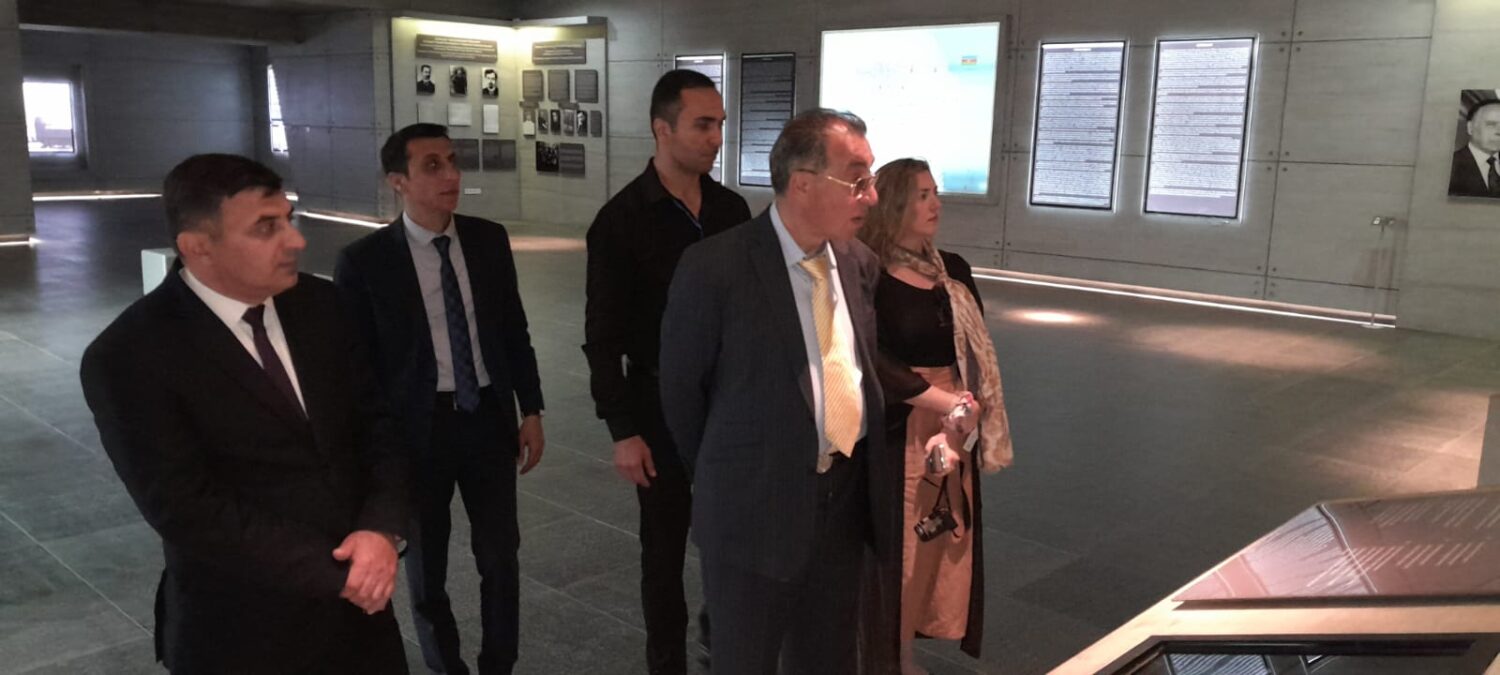
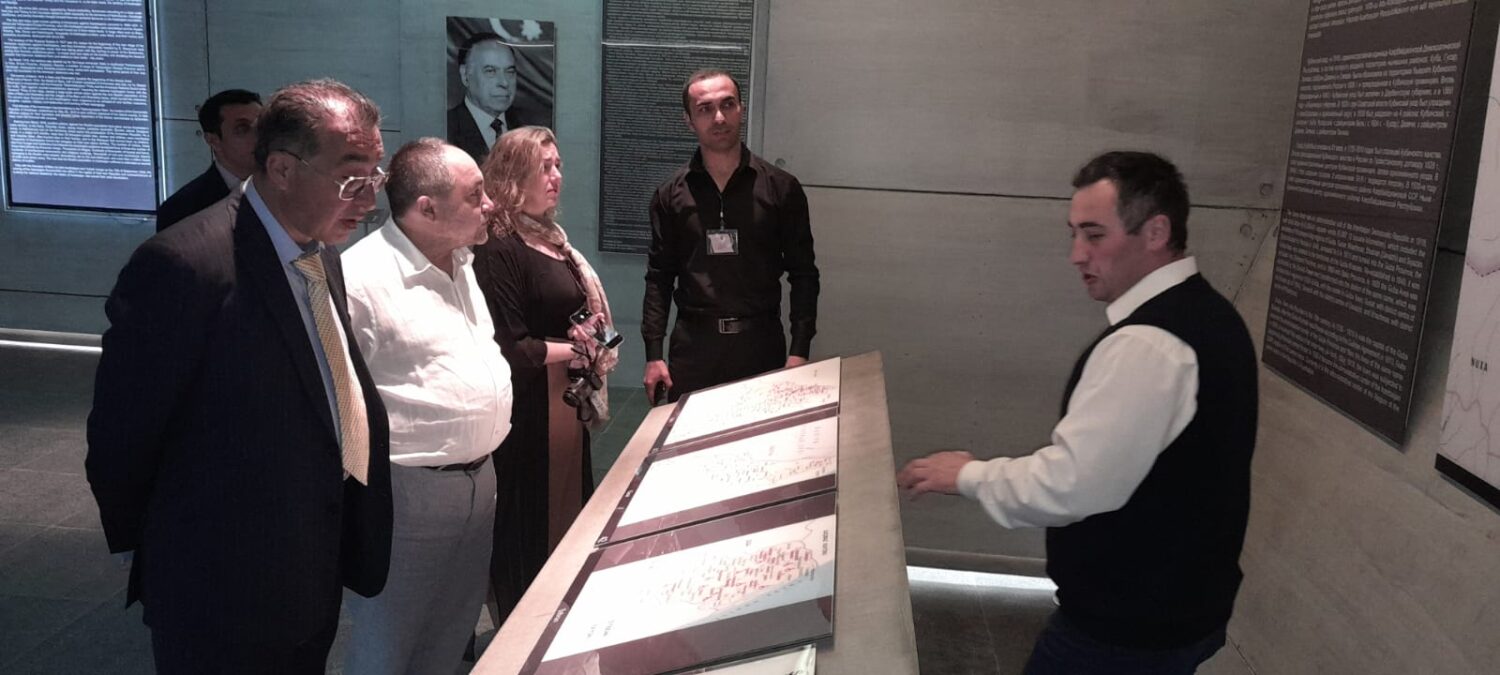
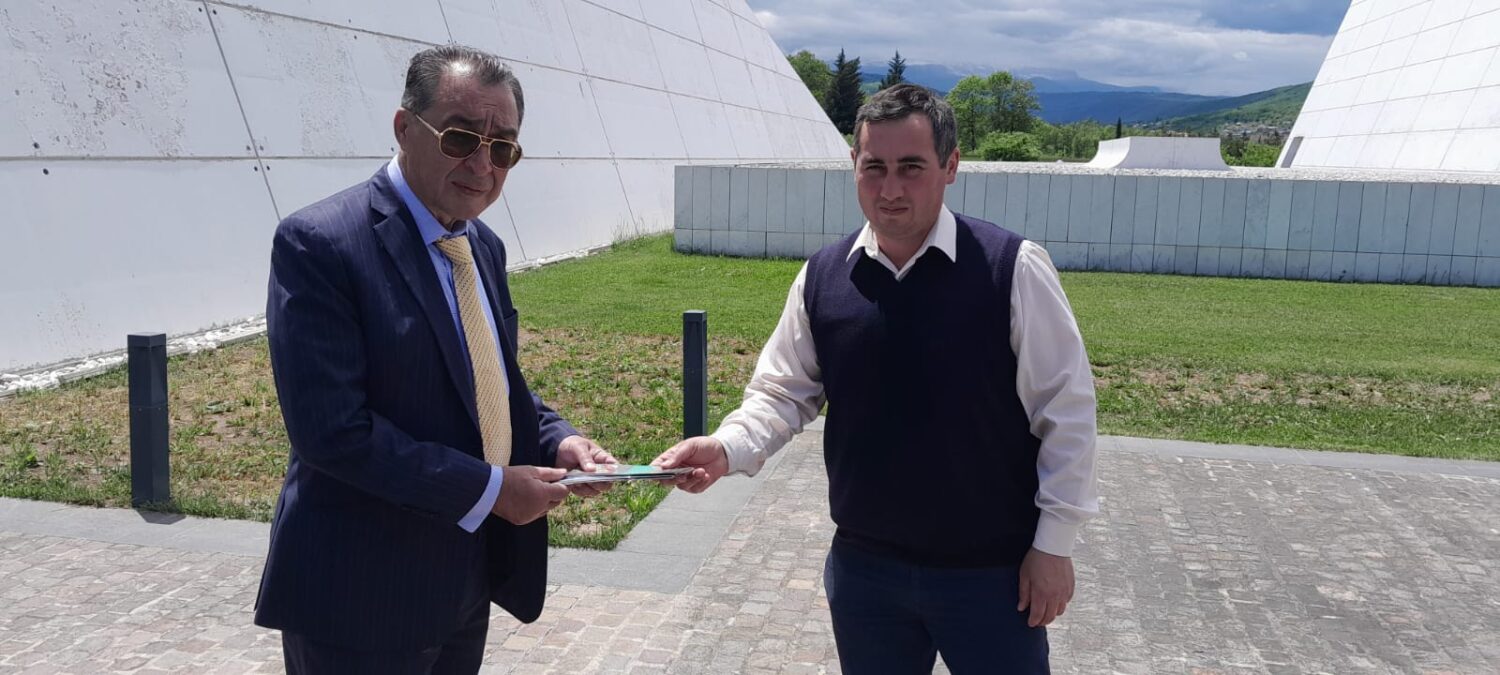
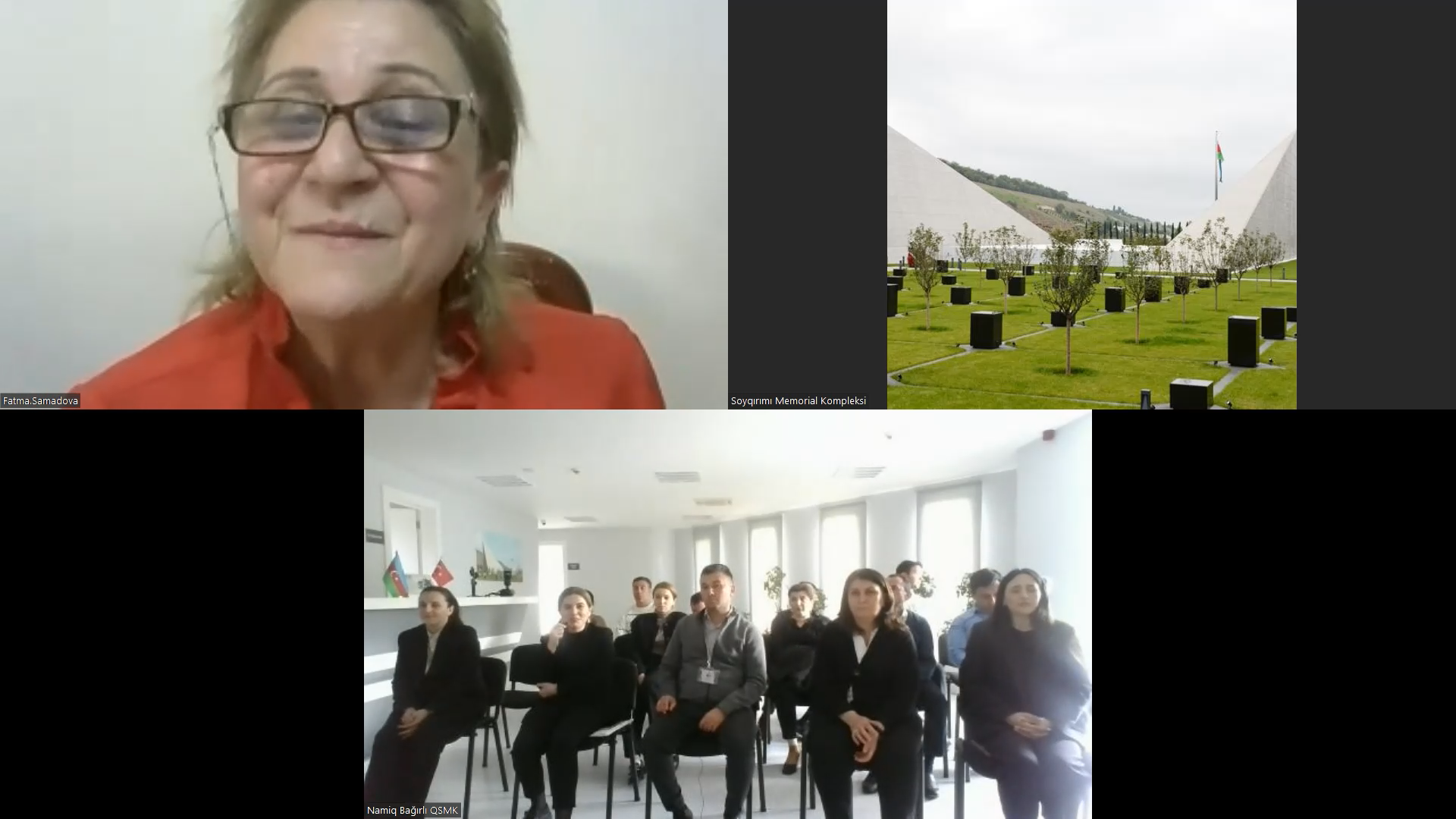
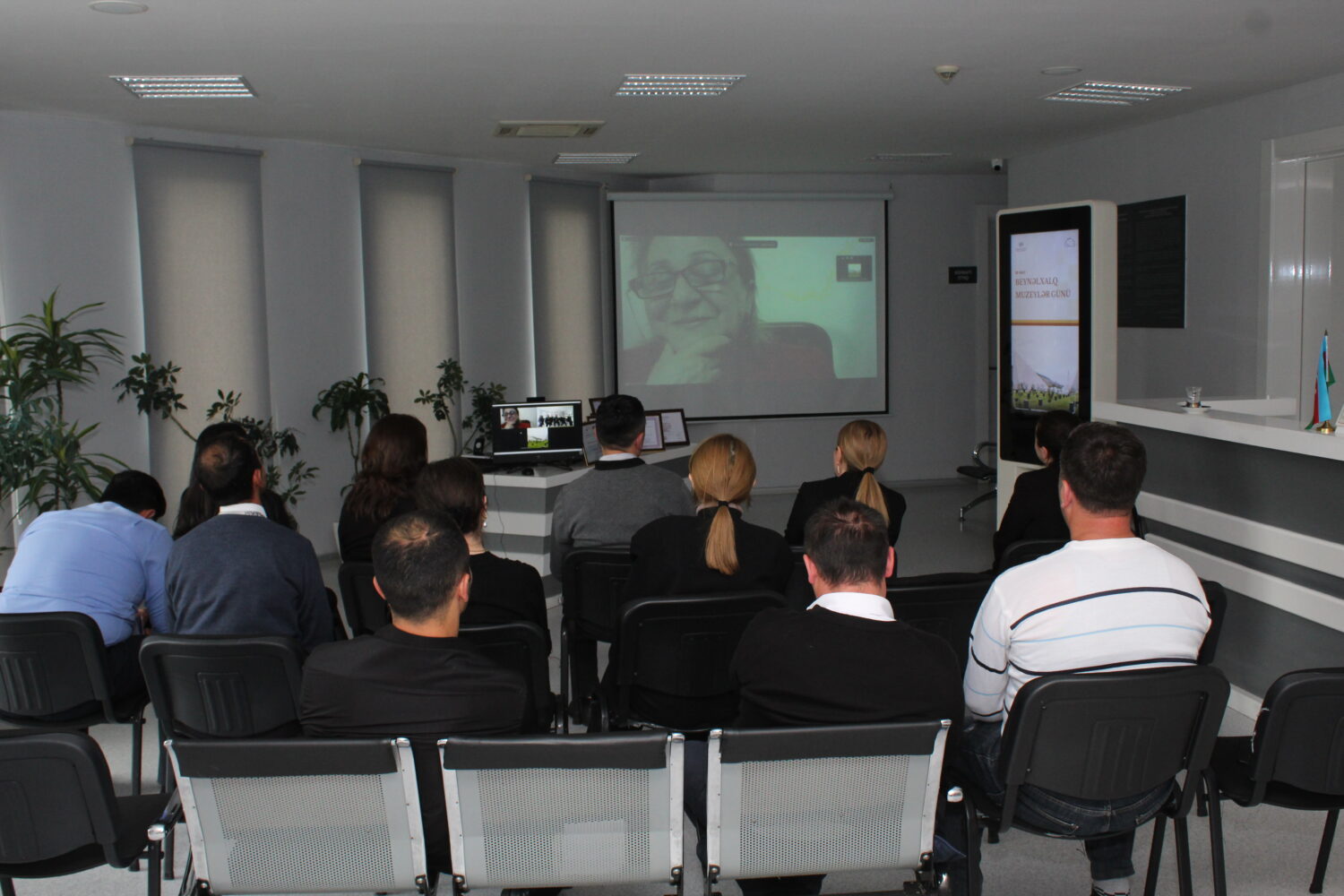
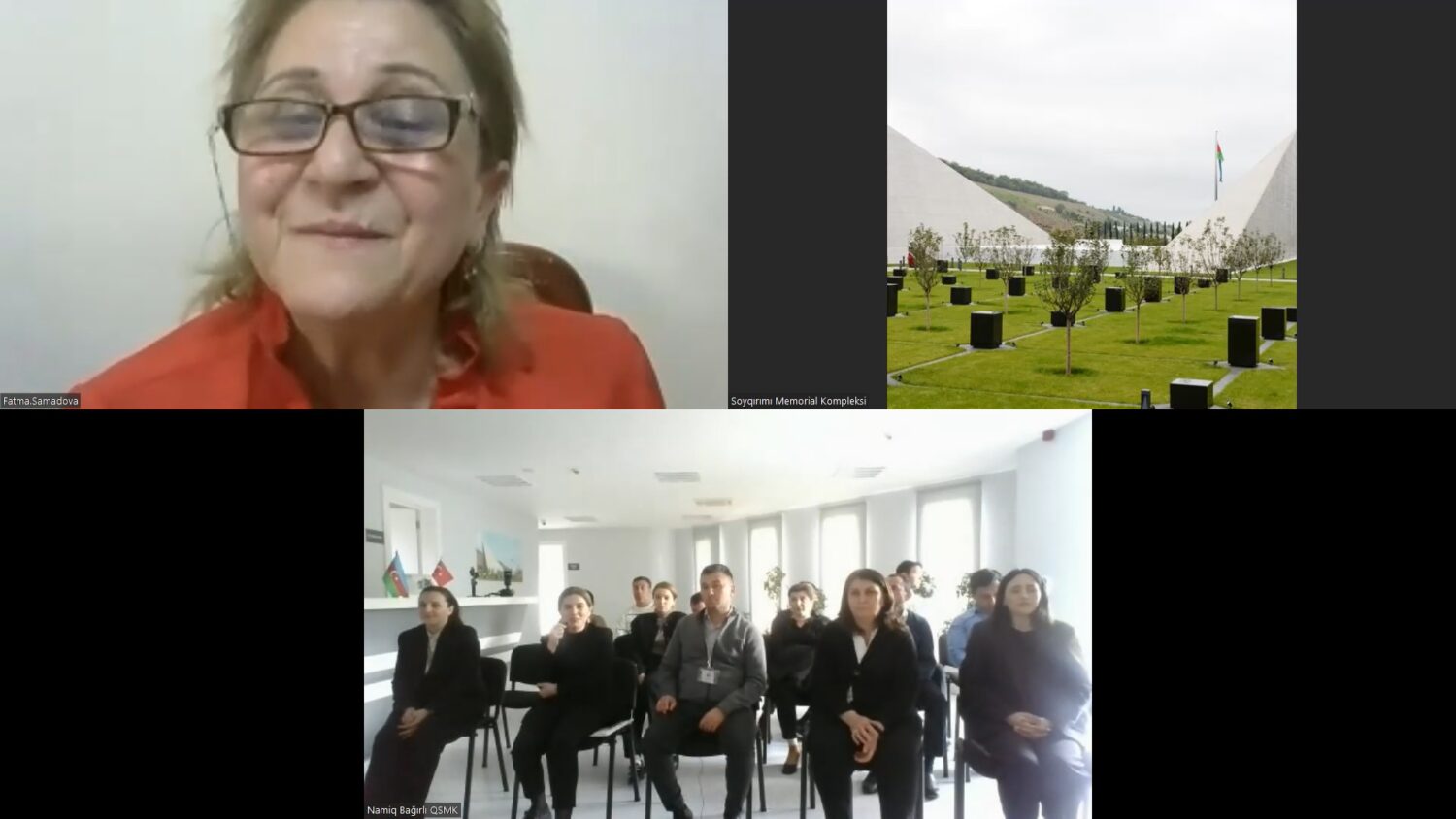
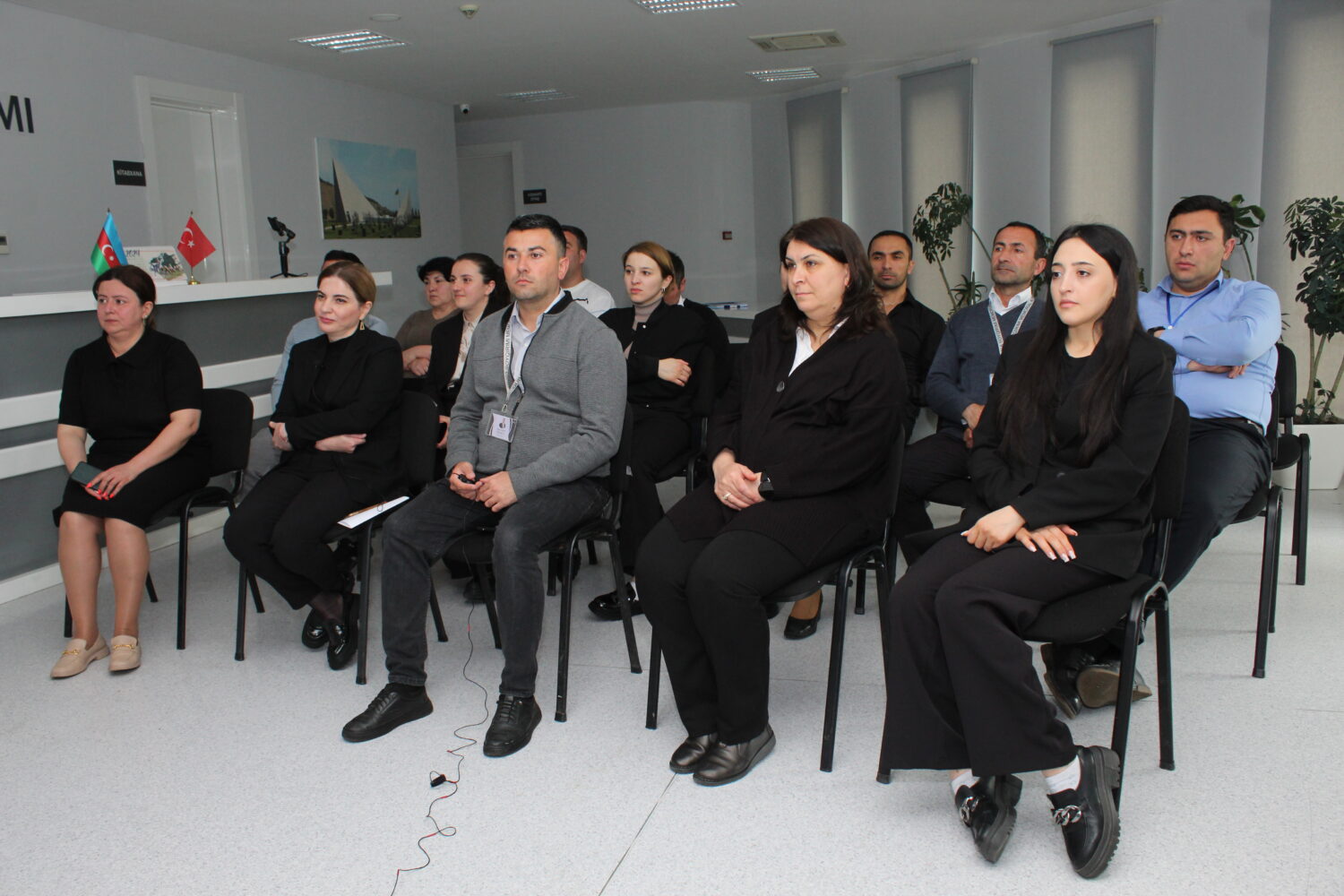
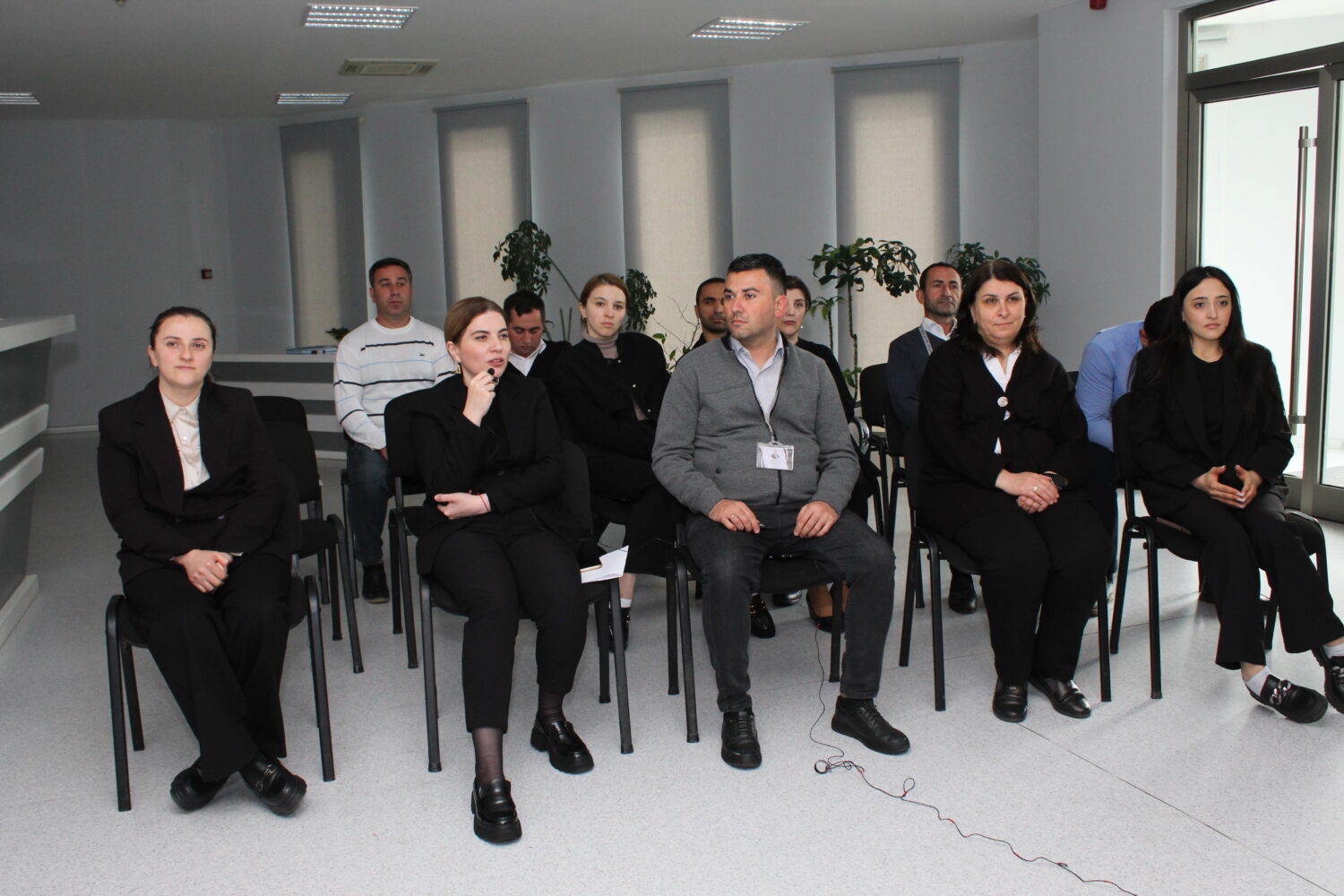
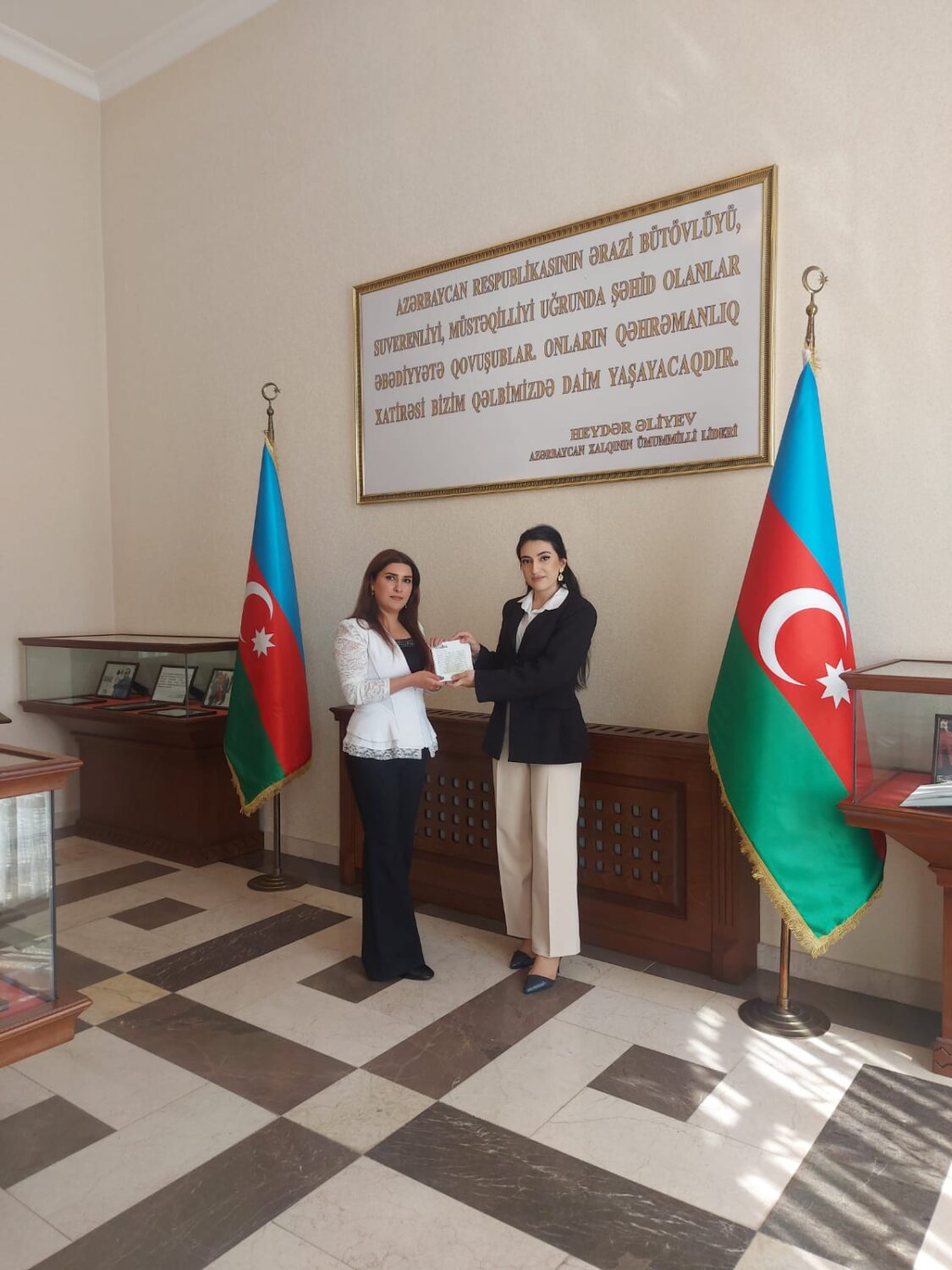
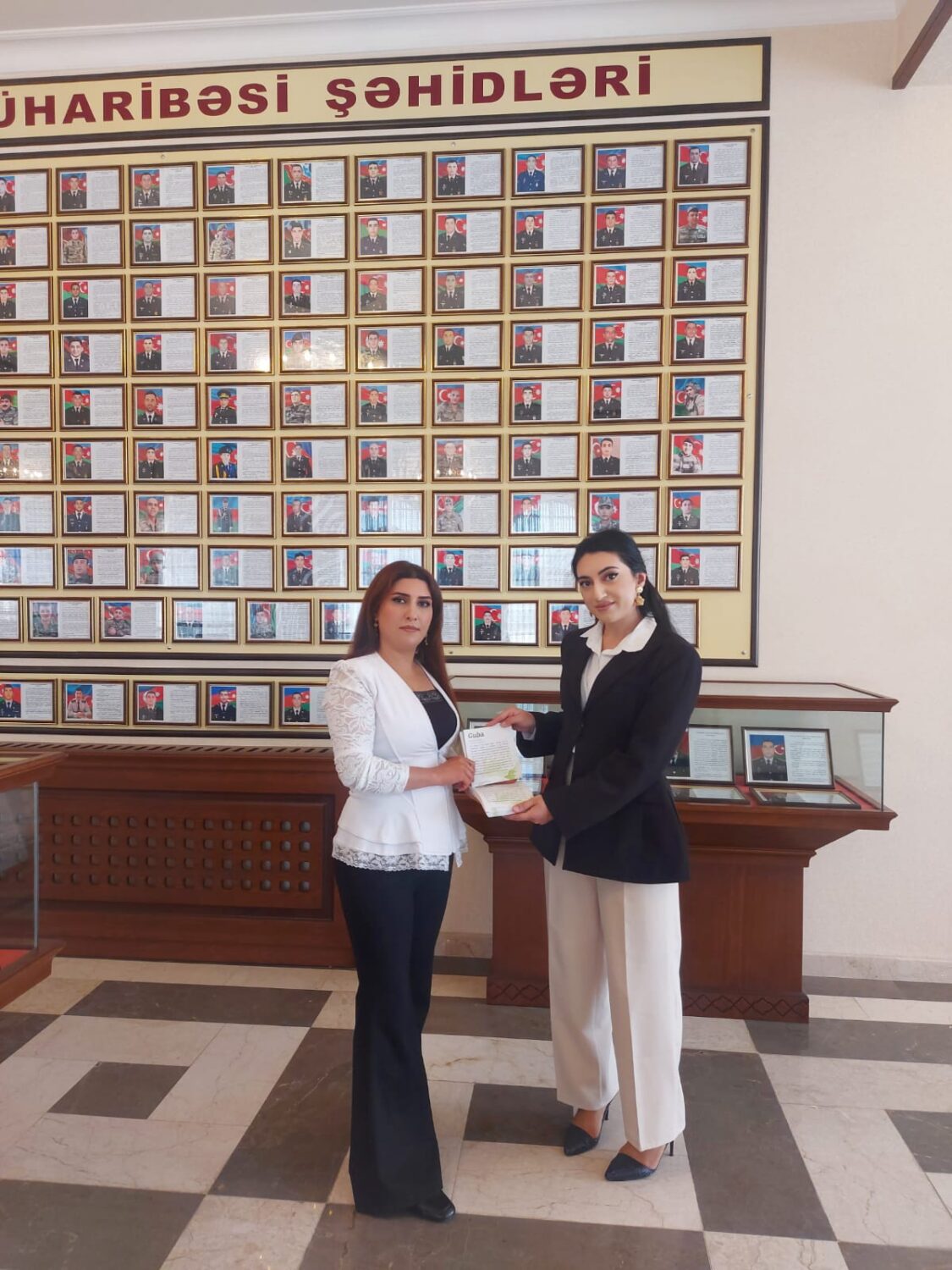
Aysu Bulbulzadeh, an employee of the Complex, shared insights into the activities of the Complex and showcased the Genocide Museum to participants during a webinar co-hosted by the Eskişehir Association of Azerbaijanis in Turkey and the "Genocide Memorial Complex" in Guba. Javid Aydın, the head of the Eskişehir Association of Azerbaijanis, personally visited the Genocide Memorial Complex during his trip to Guba and honored Aysu Bulbulzade with a letter of appreciation for her contributions.

On April 18, the International Day for Monuments and Historical Sites, as well as in conjunction with the Fraternity Year for the Green World, a joint event titled "Let's Preserve and Promote Our Monuments" was organized by the Çıraqqala-Shabran State Historical-Cultural Reserve and the "Genocide Memorial Complex" in Quba city. The event involved the participation of representatives from the Shabran Regional Executive Power, the Heydar Aliyev Center, the Shabran District Centralized Library System, and the Xəqani Poetry House.

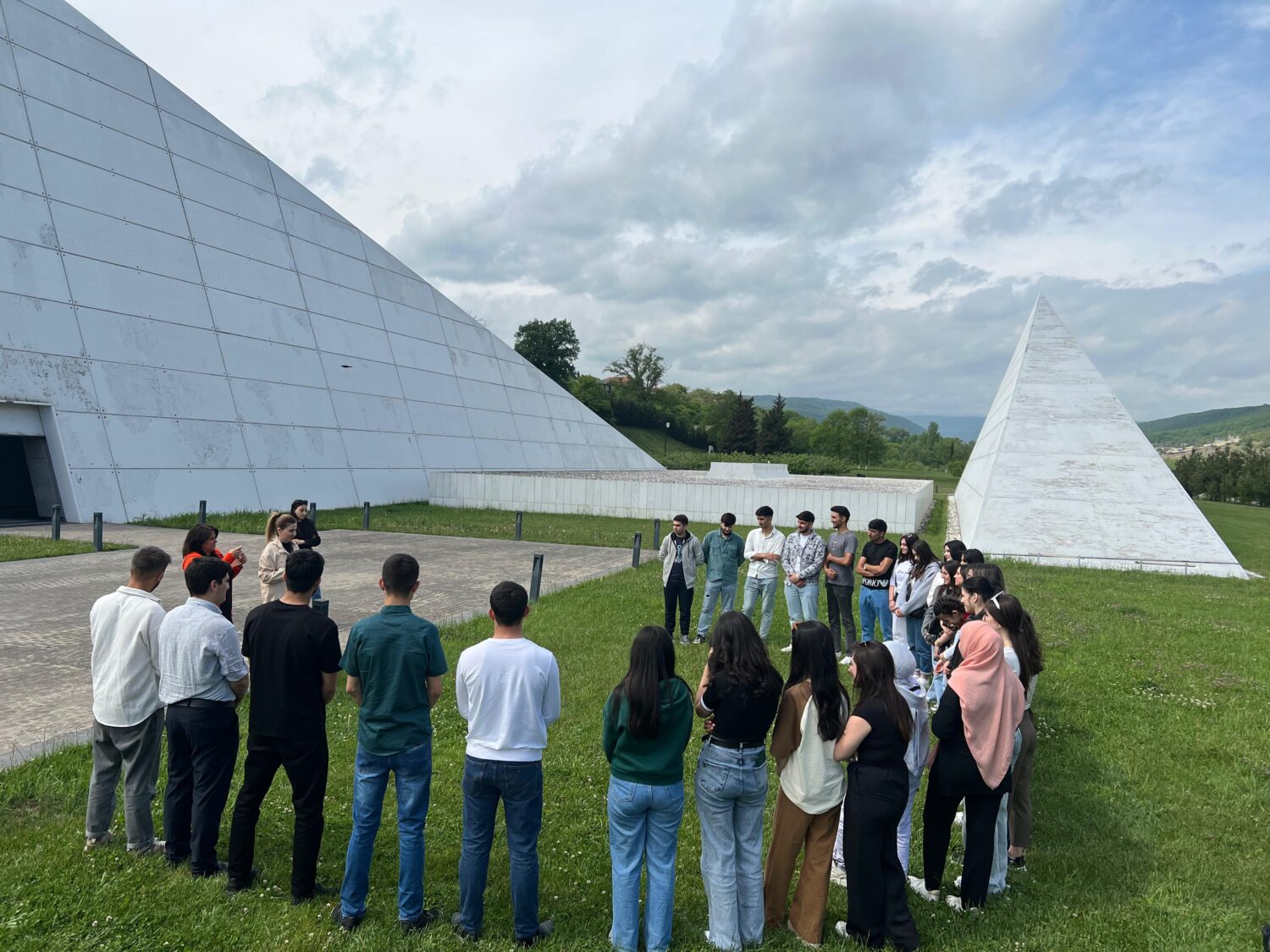
On April 18, 2024, visitor traffic continues at the Complex in connection with the International Day for Monuments and Historical Sites.


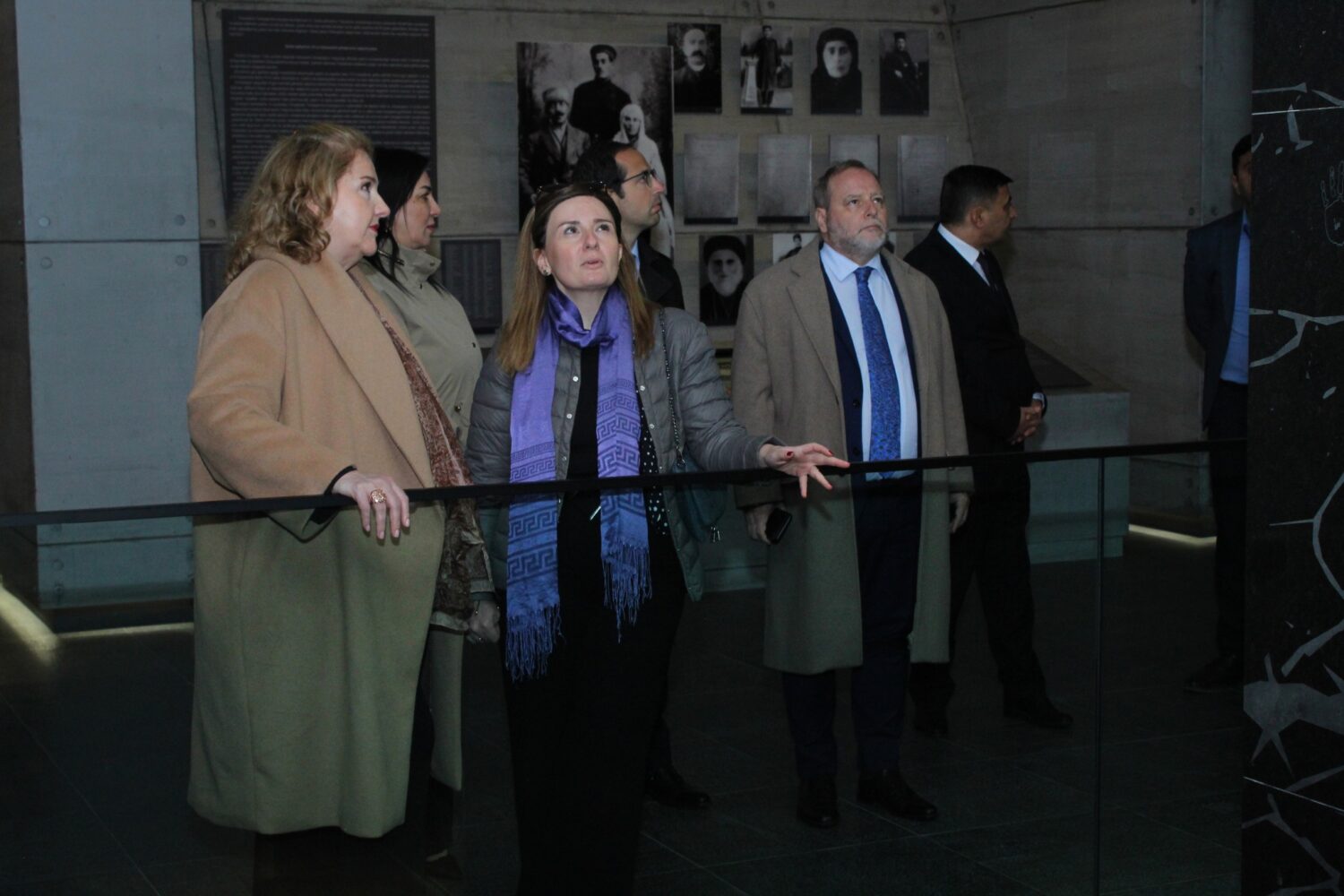
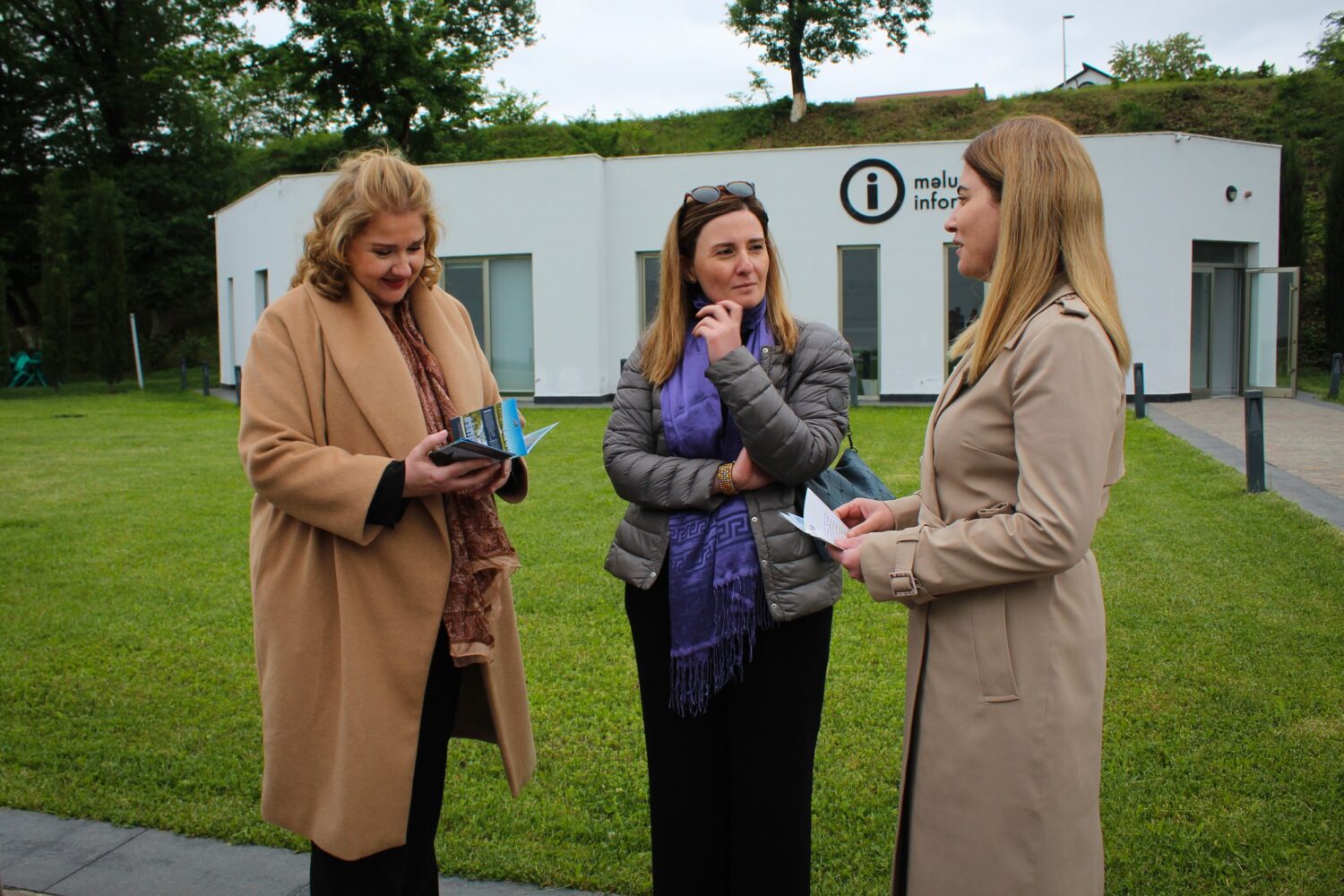
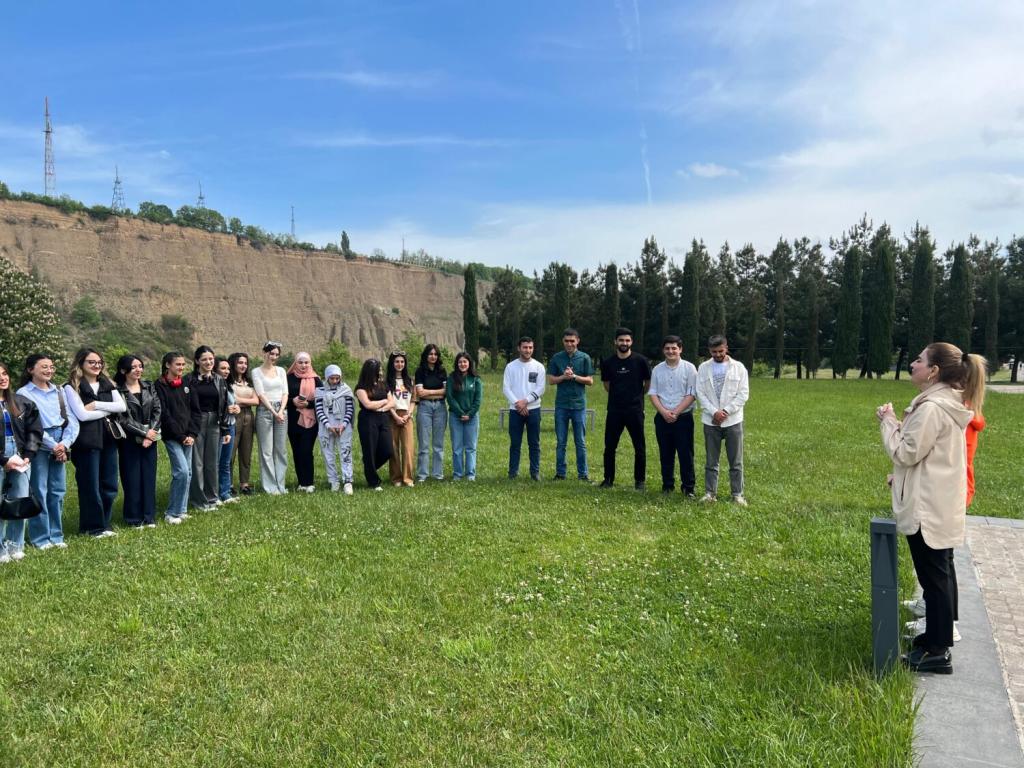
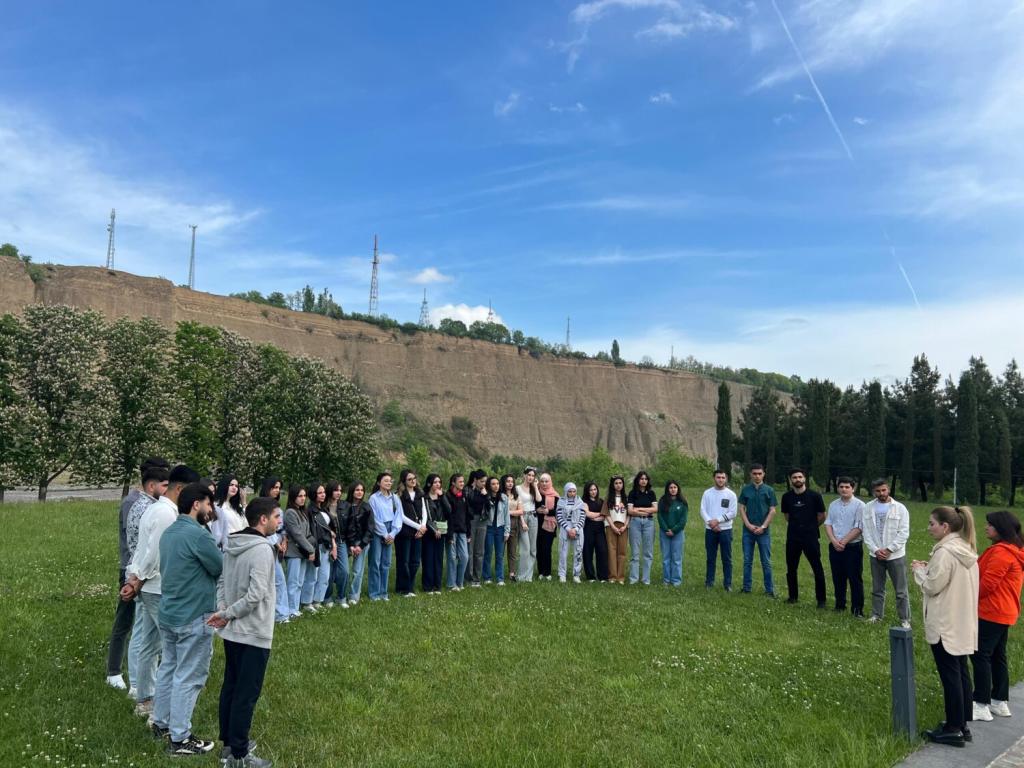
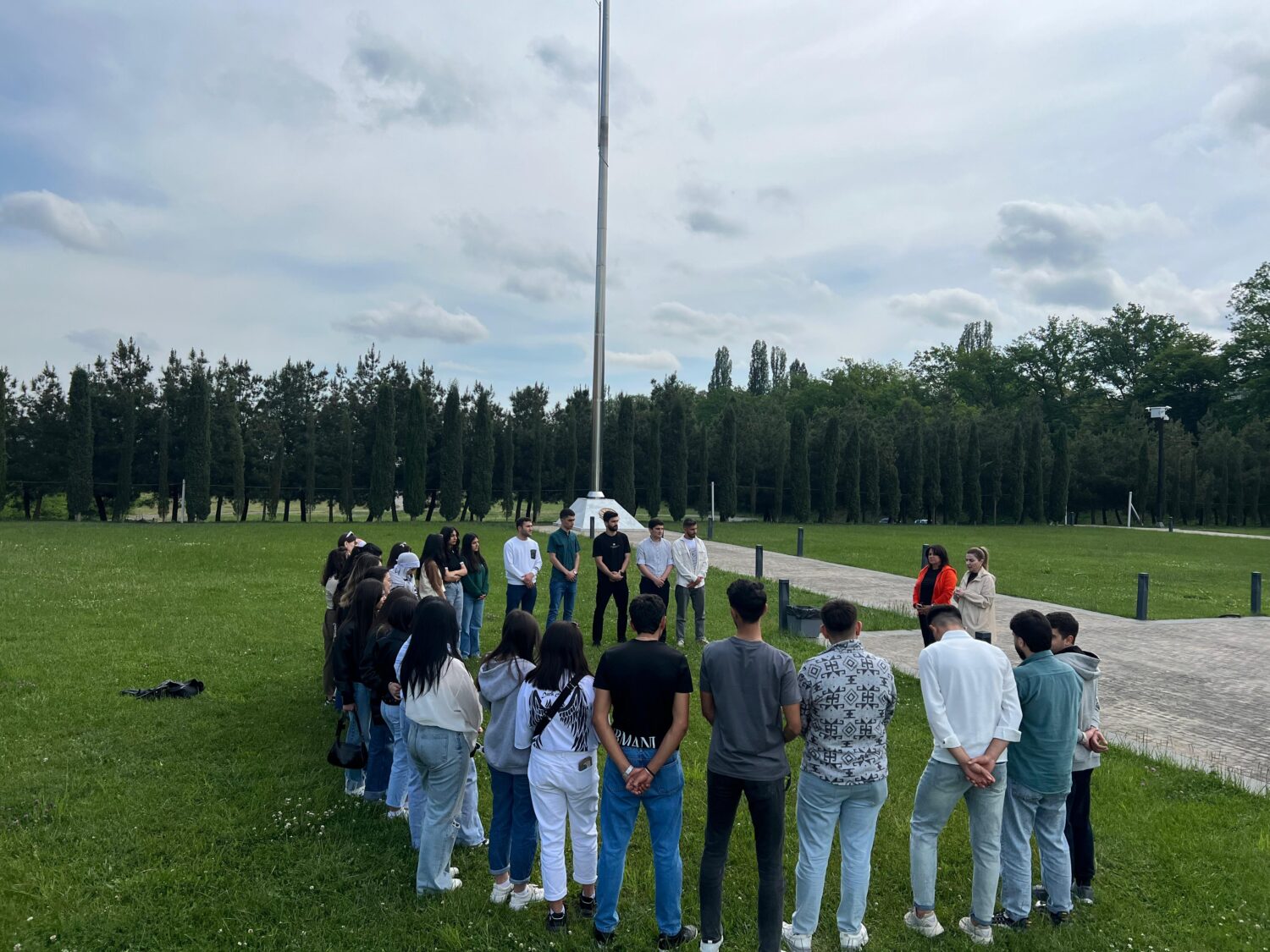
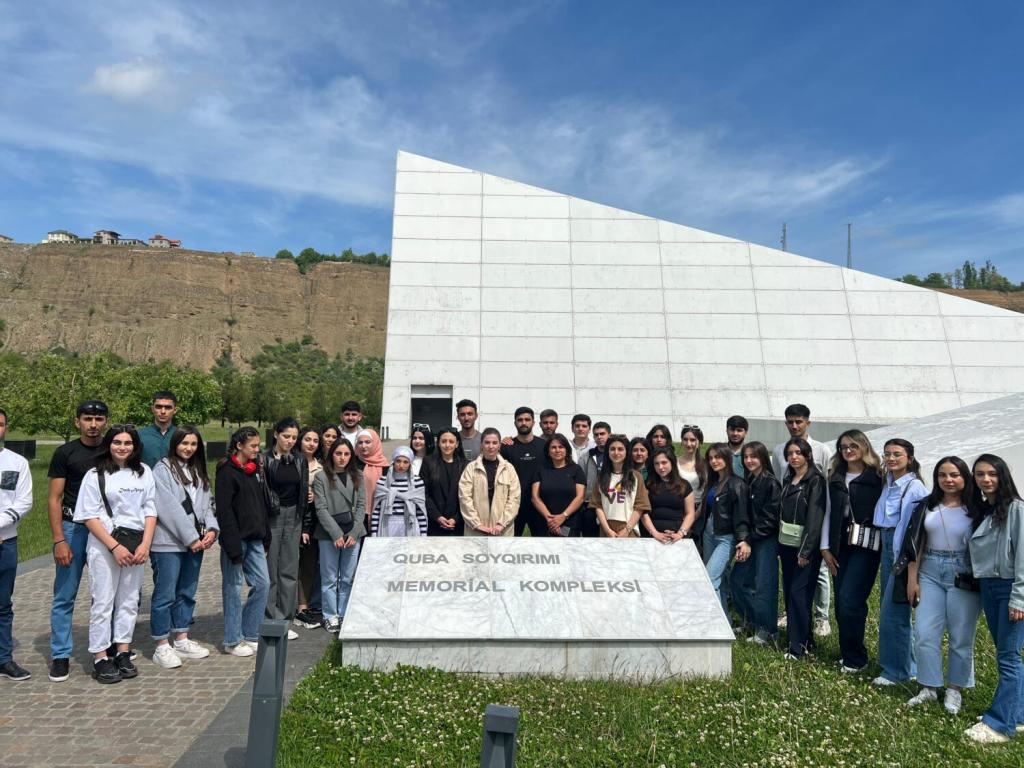
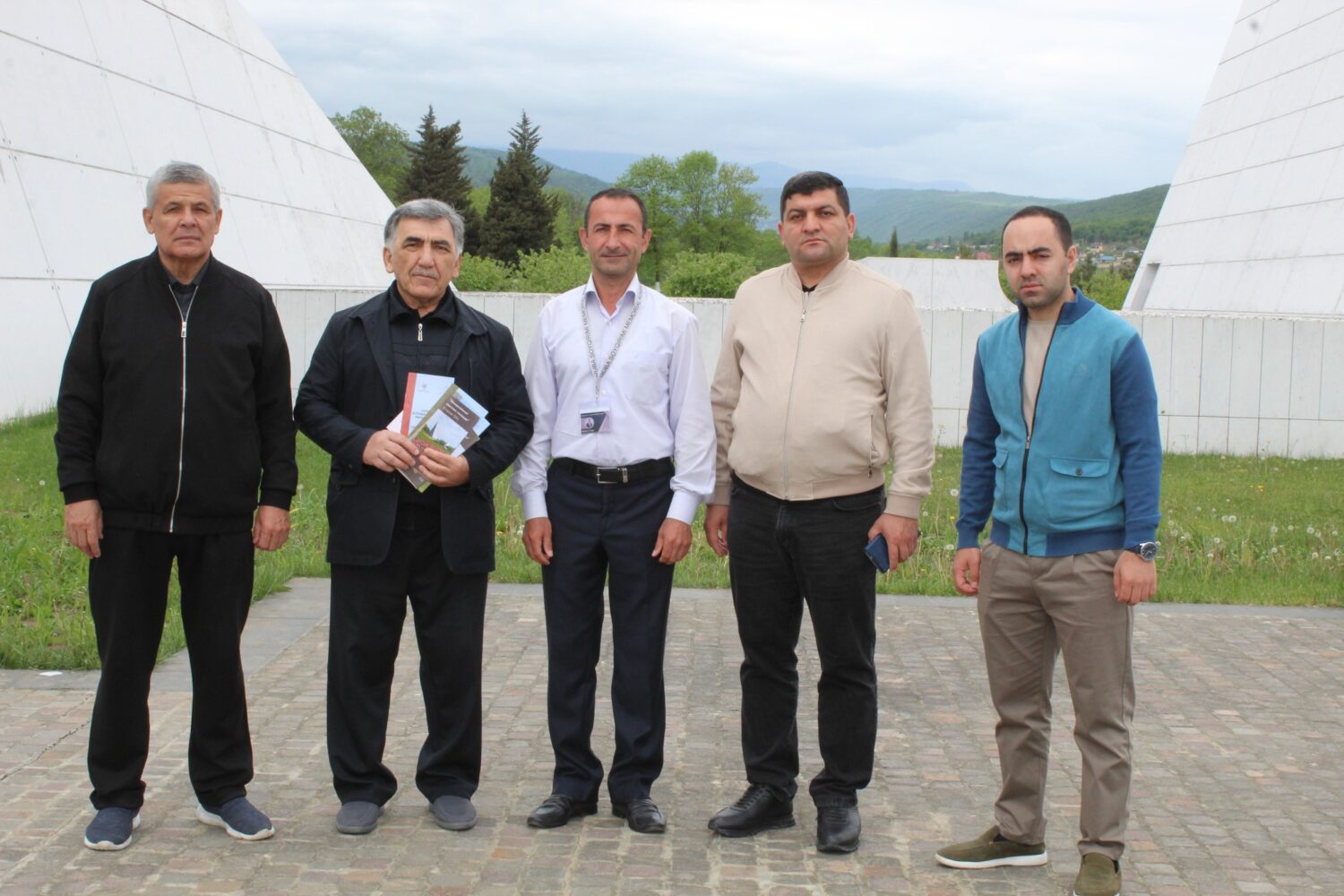
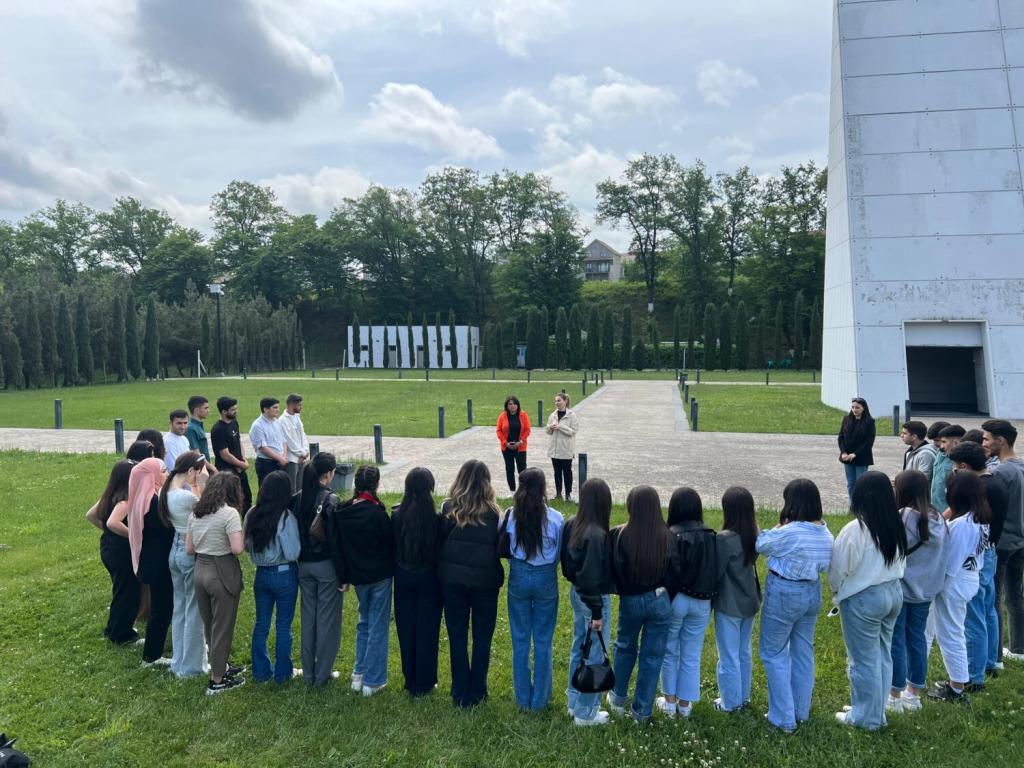
A group of teachers and students from the Azerbaijan National Aviation Academy also visited the Genocide Memorial Complex. They were provided with information about the 1918 massacres, as well as maps and information booklets prepared by the Complex regarding the historical sites and monuments in the Guba region where the massacres occurred, in connection with the International Day for Monuments and Historical Sites on April 18. Additionally, books and brochures related to the massacres were presented to them
On April 18, in commemoration of the International Day of Monuments and Historical Sites, a presentation ceremony was organized at the Guba branch of Azerbaijan State Pedagogical University, unveiling a map-information booklet highlighting significant historical landmarks.

Prepared by the “Genocide Memorial Complex” in Guba, the booklet sheds light on sites associated with the 1918 genocides, including the Arched Bridge, Dome Bath, Juma Mosque, Bloody Valley, Subaba Tomb, and Tomb of the Unknown Turkish Soldier. This informative publication is available in both Azerbaijani and English languages.
The event saw the participation of University Rector, Yusif Aliyev, and his team, underscoring the importance of preserving and promoting awareness of our historical heritage.

"Darkand Dome"

The Darkand Dome, situated in Darkand village of Ordubad region, stands out for its composition and decorative elements. Constructed primarily of bricks, the middle portion takes the form of constellation tombs, while the upper section is capped with a dome. Dark purple ceramics and plain baked brick patterns adorn the tomb, serving as its sole decorative elements. Lacking any inscription, determining the exact date of the tomb proves challenging. However, the composition’s structure and the color of the ceramic embellishments suggest that the monument was likely built later than the Karabakh and Barda tombs. Based on this assessment, it is plausible to conclude that the Darkand tomb was erected at the end of the 14th century or the beginning of the 15th century.

At Ege University in Izmir, discussions on "The Armenian Issue and the Genocides and Deportations Against Azerbaijanis in the 20th Century" were organized jointly by the Embassy of the Republic of Azerbaijan in the Republic of Turkey, Ege University, the Genocide Memorial Complex in Guba, the "Zafar" Public Union for Support of Martyrs' Families, and the Izmir Azerbaijan Association. Dr. Rakhshenda Bayramova, Director of the Genocide Memorial Complex, Dr. Sübhan Talibli, a Specialist at the Complex, and Sevinc Orujova, Chairman of the "Zafar" Martyrs' Families Support Public Union, attended the meeting along with Rector of Ege University, Prof. Dr. Necdet Budak, and Yavuz Alphan, head of the Izmir Martyrs' Families Support Association. Both sessions centered on the genocides and deportations targeting Azerbaijanis in the 20th century, with agreements made to collaborate on raising public awareness about these historical events.