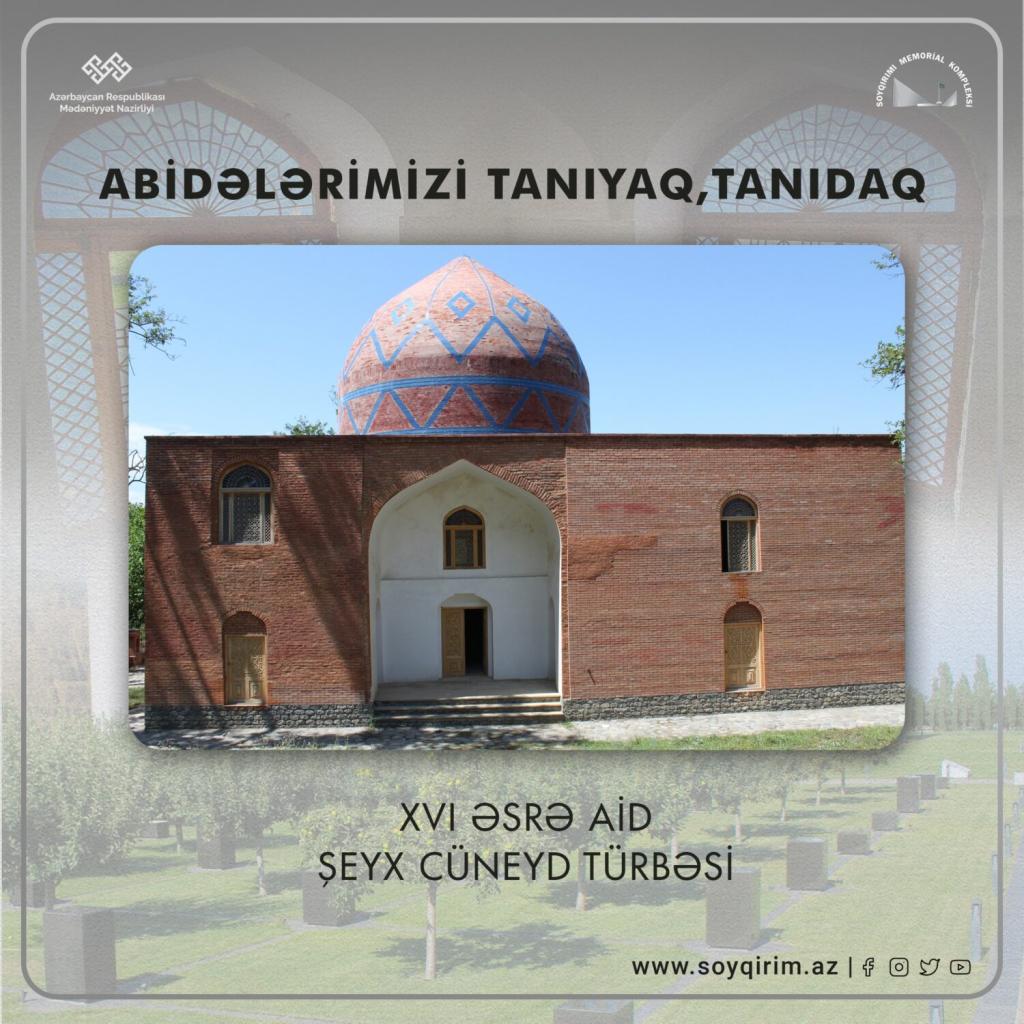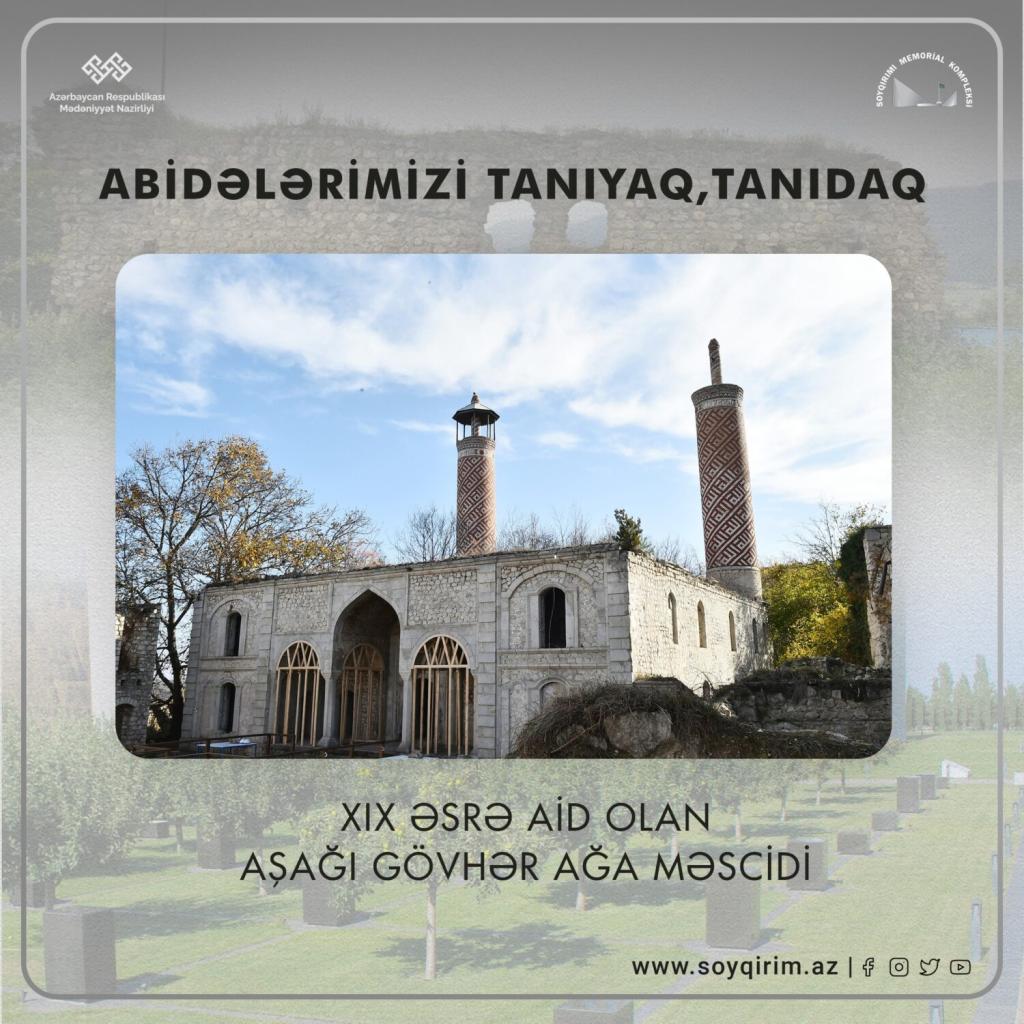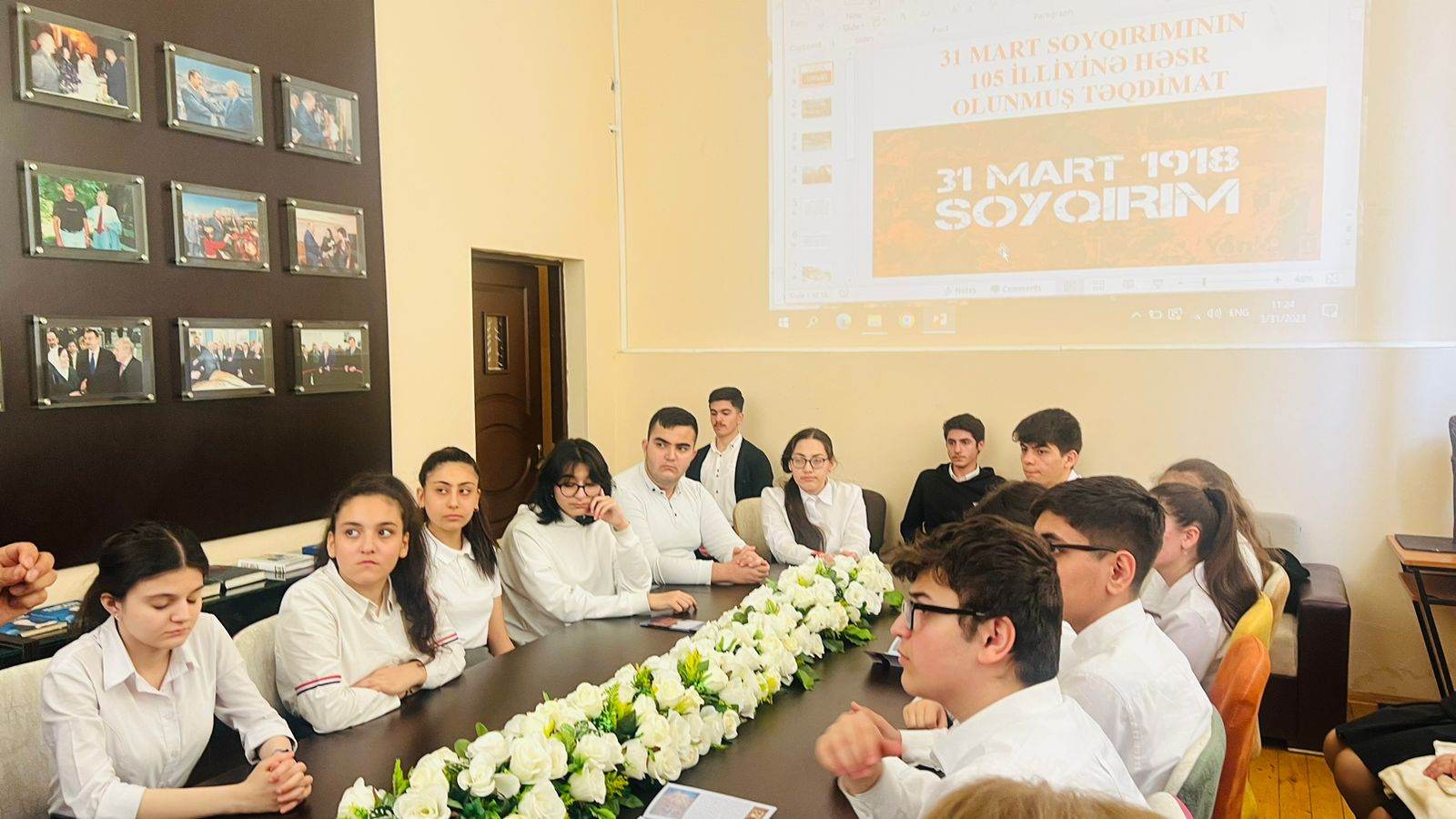
Aghdam district, created in 1930, is located in the center of Karabakh, which is the ancient and fascinating land of Azerbaijan, in the northeastern foothills of the Karabakh mountain range, in the west of the Kura-Araz plain.

On July 23, 1993, among the areas occupied by Armenian gangs, which is considered a major area in terms of population, the Aghdam district was seized. As a result of the occupation of the Aghdam district 38 collective farms, 12 industrial facilities, 74 schools, 271 houses of culture, the world’s only museum of bread, 67 institutions and 99 clubs fell into enemy hands. During the fighting for Aghdam, more than 6000 people were killed, thousands were wounded, the population was expelled from their homes and settled as internally displaced persons in 875 settlements in 59 regions of Azerbaijan. As a result of this occupation, 13 billion 135 million dollars worth of damage was caused to the Aghdam region.
On September 27, 2020, having prevented diversions by Armenian armed formations on the front, the Azerbaijani army liberated several districts, hundreds of villages and settlements, as well as strategic heights from the enemy by counterattack. The liberation of towns, villages and settlements from occupation was the result of the raising of our tricolor flag and ended with the victory of the Azerbaijani army in the 44-day patriotic war. The invading Armenian armed formations could not withstand the irresistible blow of our army and retreated with significant losses. In addition, thousands of enemy manpower and military equipment were destroyed. The military and political leadership of Armenia, realizing that it was futile to resist the Azerbaijani army, was forced to sign a document of surrender.
On November 10, 2020, shelling and all military activities in the Nagorno-Karabakh conflict zone ceased completely. According to the second paragraph of the statement, the Aghdam district was returned to Azerbaijan until November 20, 2020. Thus the city of Aghdam was liberated from usurpers who had been under occupation for 27 years, on the same day, units of the Azerbaijani Army entered the area and raised our flag there.

Today in history: November 17 is National Revival Day in Azerbaijan.

As a result of the Soviet empire’s anti-Azerbaijan policy, more than 200,000 Azerbaijanis living in Armenia were expelled from their ancestral lands beginning in 1988, and riots erupted in Azerbaijan’s Nagorno-Karabakh region.
Protest rallies in Baku continued for 18 days in November and December in response. On November 17, 1988, the people’s national liberation movement reached its apex in Baku’s Freedom Square. On that day, the Azerbaijani tricolor flag was raised once more, and the question of leaving the Soviet Union was raised. The people’s movement that began in Baku’s Azadlig Square quickly spread throughout the USSR, culminating in the Soviet Union’s demise in December 1991.


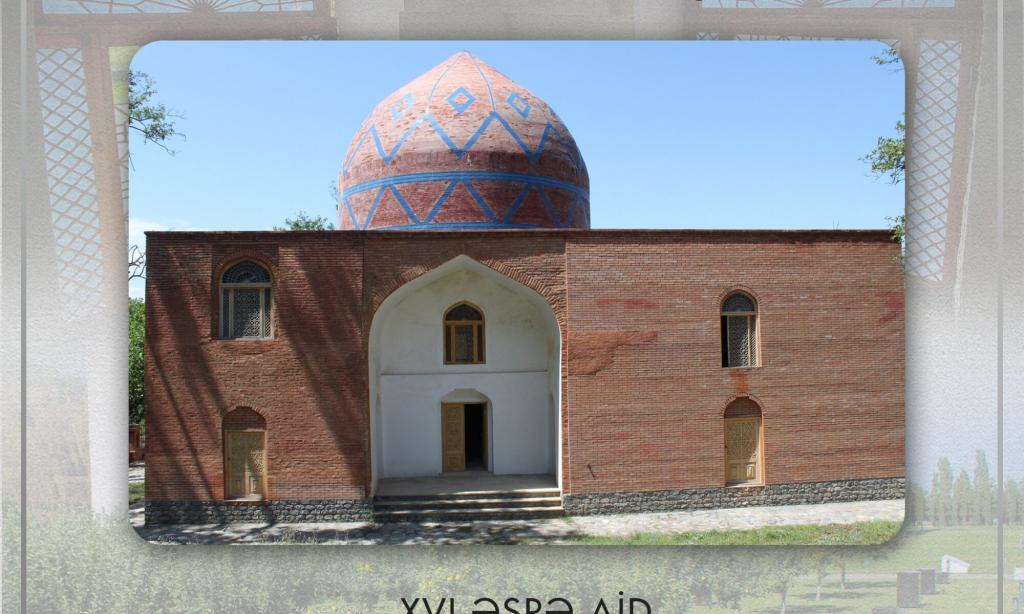
Tomb of Gutlu Musa

Located in Khachindarbetli village of Aghdam region, this monument is a tomb with rare characteristics. The tomb is covered with an octagonal pyramid-shaped dome rising on a relatively low pedestal. The inscription on the entrance door of the Khachindarbetli monument shows that it was built on July 15, 1314 by master Shahbanzar over the grave of Musa oglu Kutlu. The existence of the underground part of the Gutlu Musa tomb is the main reason for including it in the group of tower-shaped tombs. The richest part of Gutlu Musa tomb is the architecture of the entrance surface and the stalactite structure of its inner dome. The outer surfaces are decorated with not very deep recesses, and the upper part of these recesses is connected to the arches.
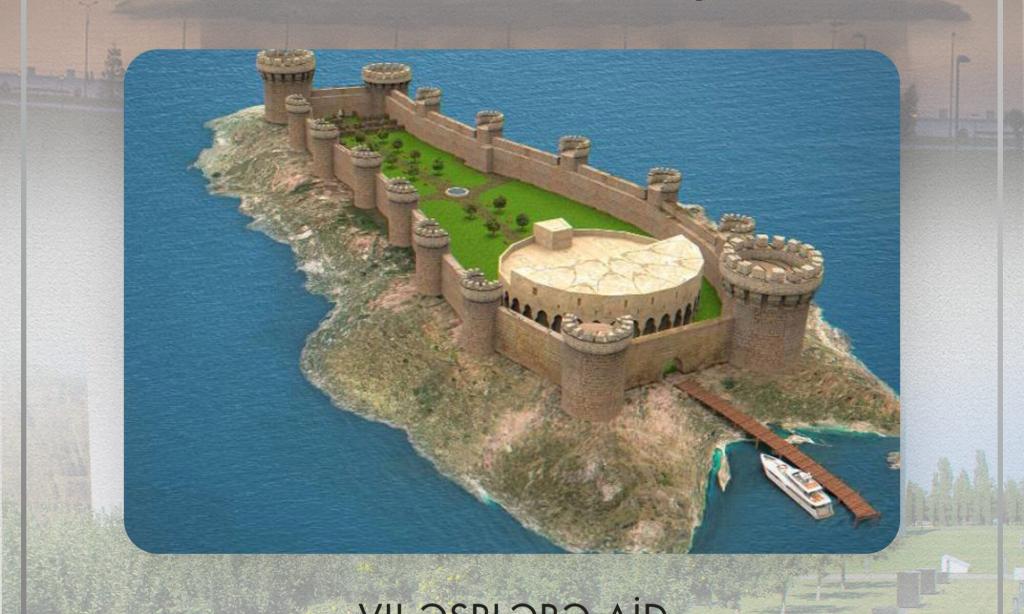
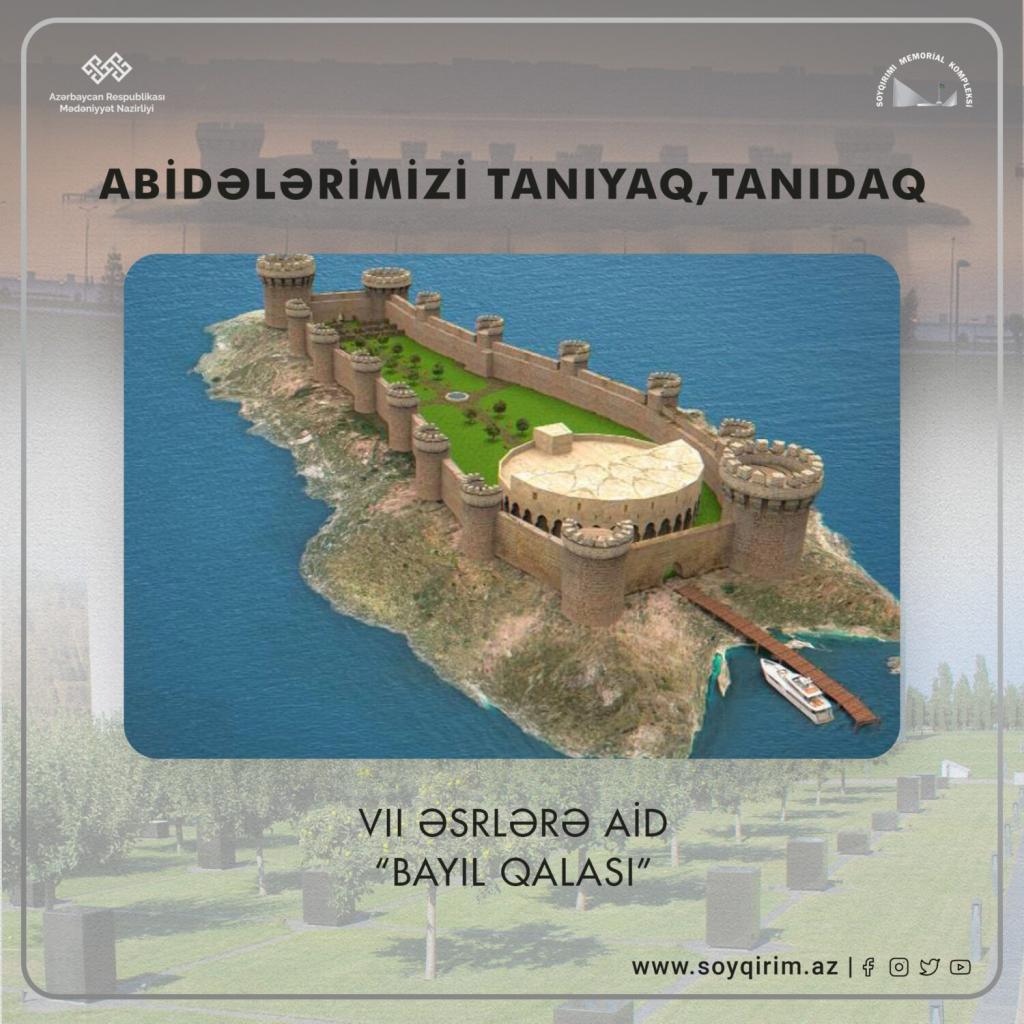
The animal images on the entrance surface and inside of the Gutlu Musa tomb are also very interesting. Among them, the images of wild animals should be especially noted. Among the architectural monuments of Azerbaijan, examples reminiscent of these images can be found in Baku, on the Bayil fortress (XIII century).
It should be noted that the tomb of Gutlu Khace Musa oglu was built in the village of Khachin Turbatli of Aghdam region during the Elkhanid era.

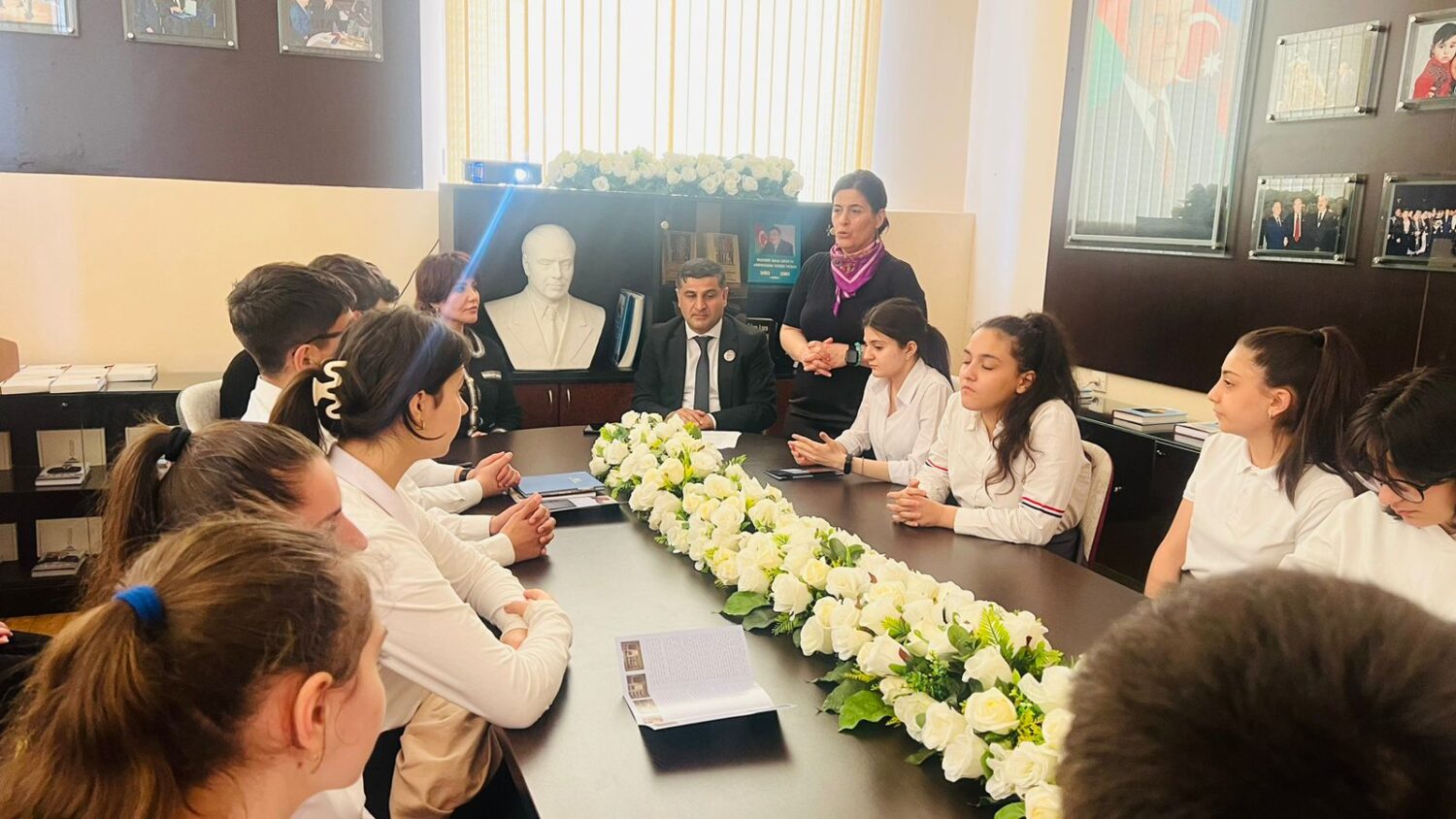
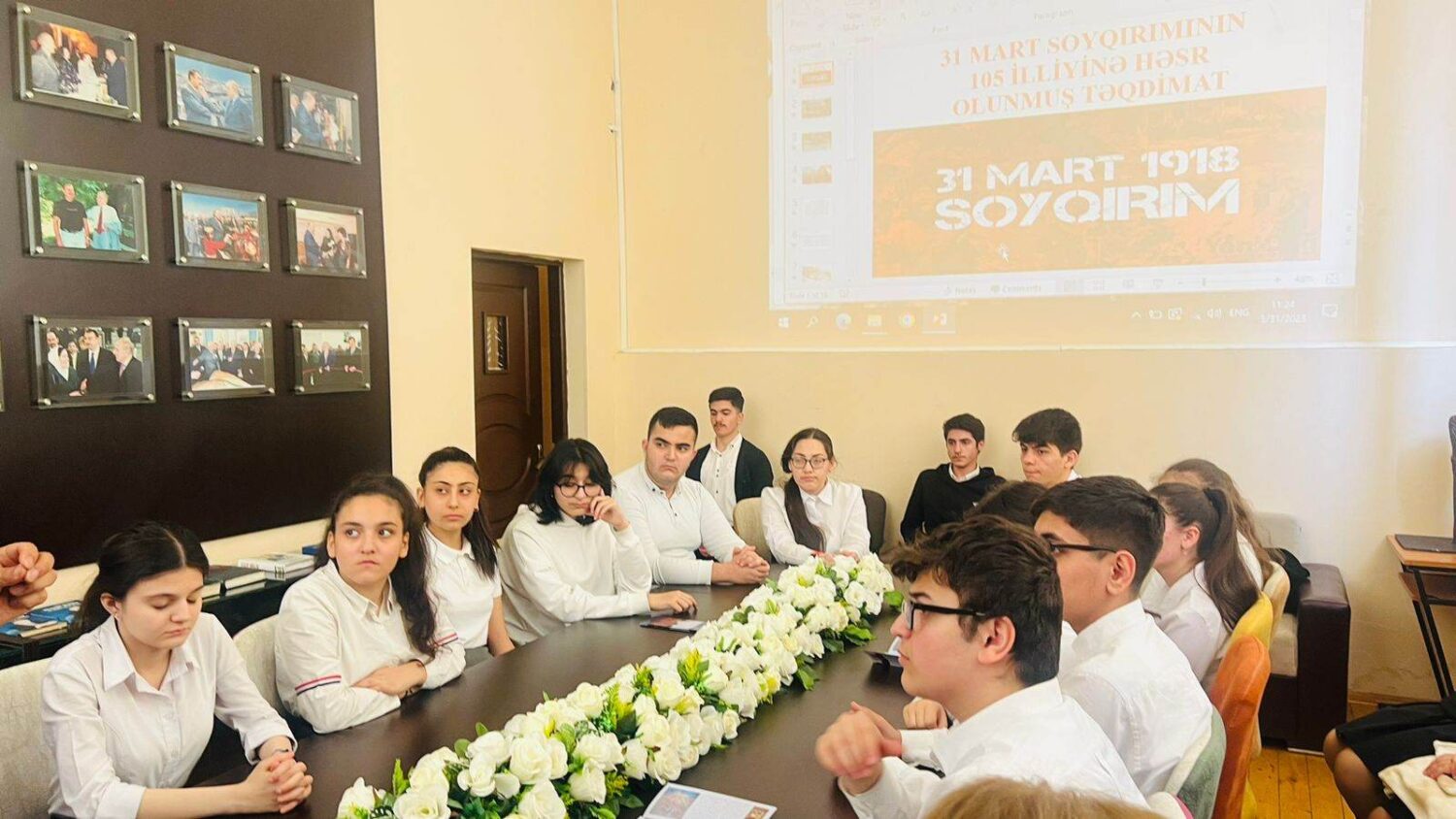
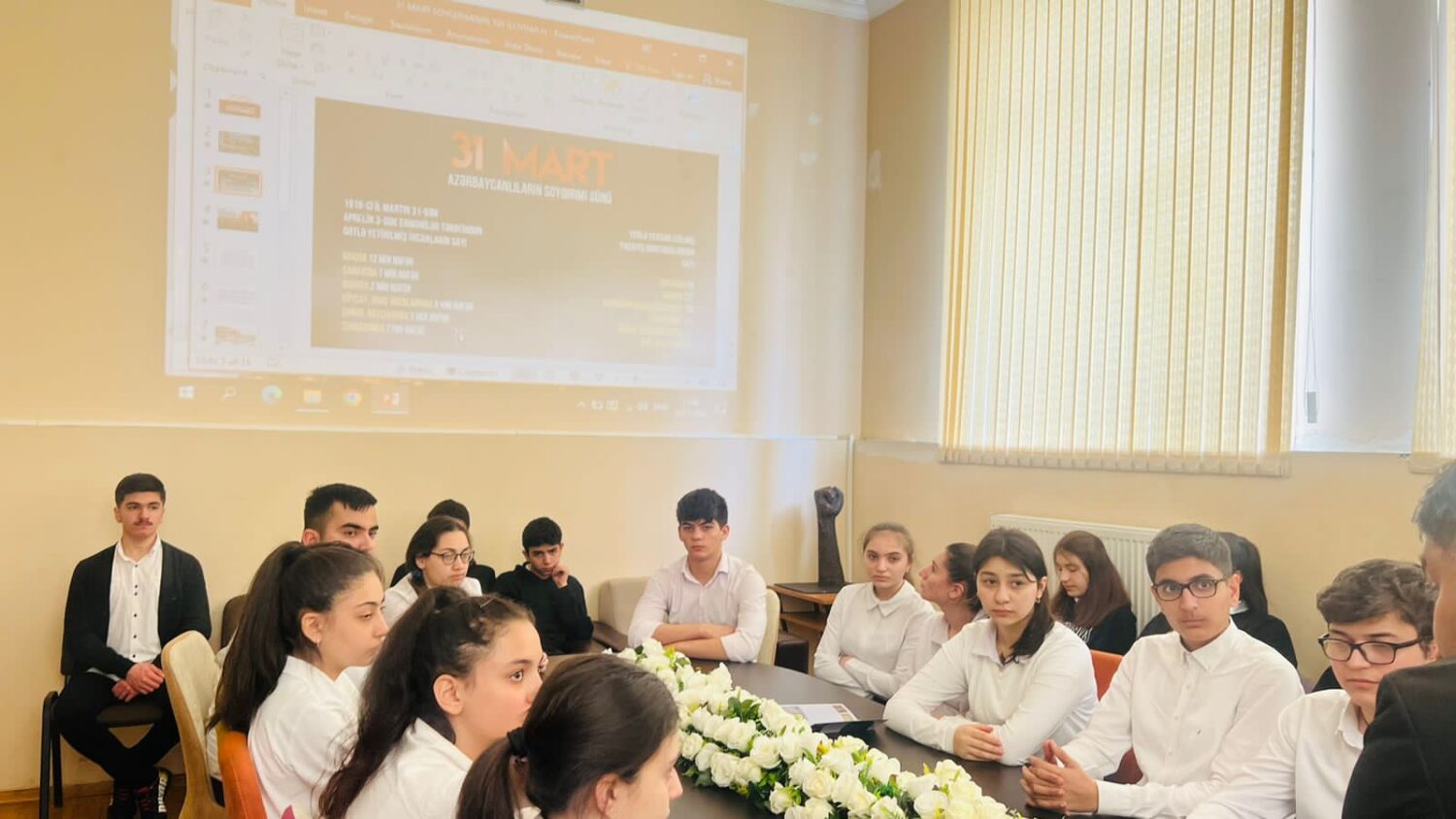
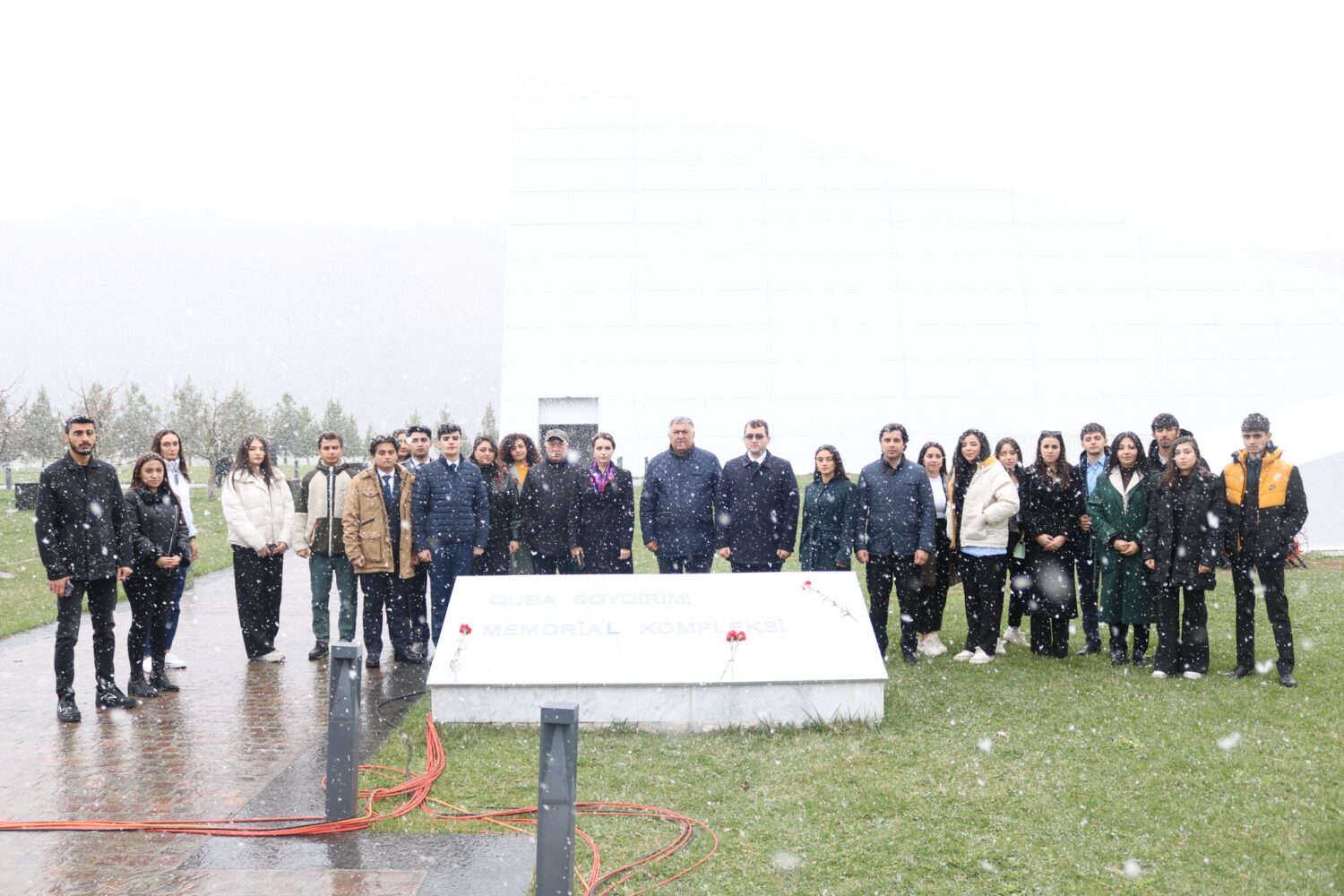
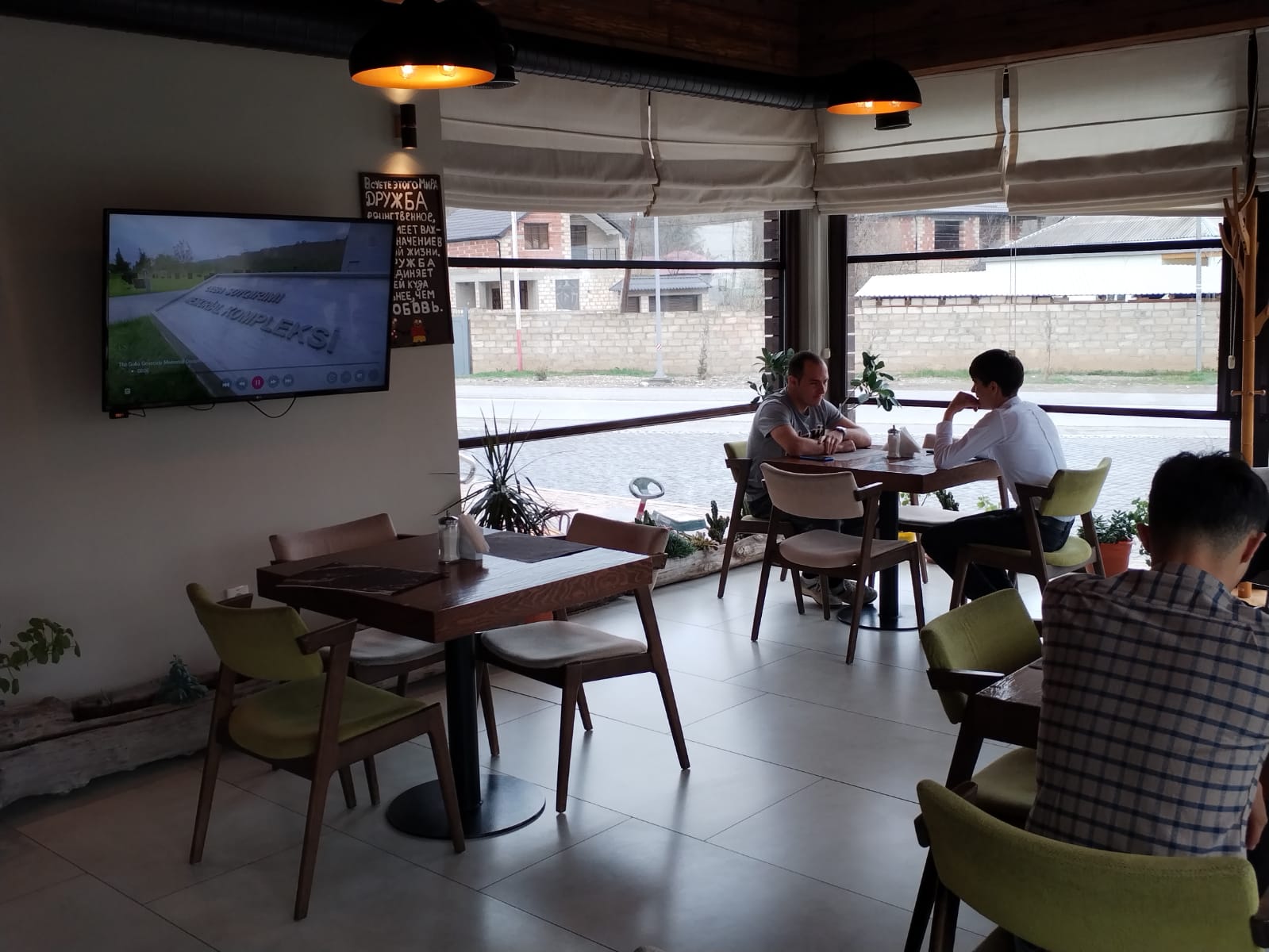
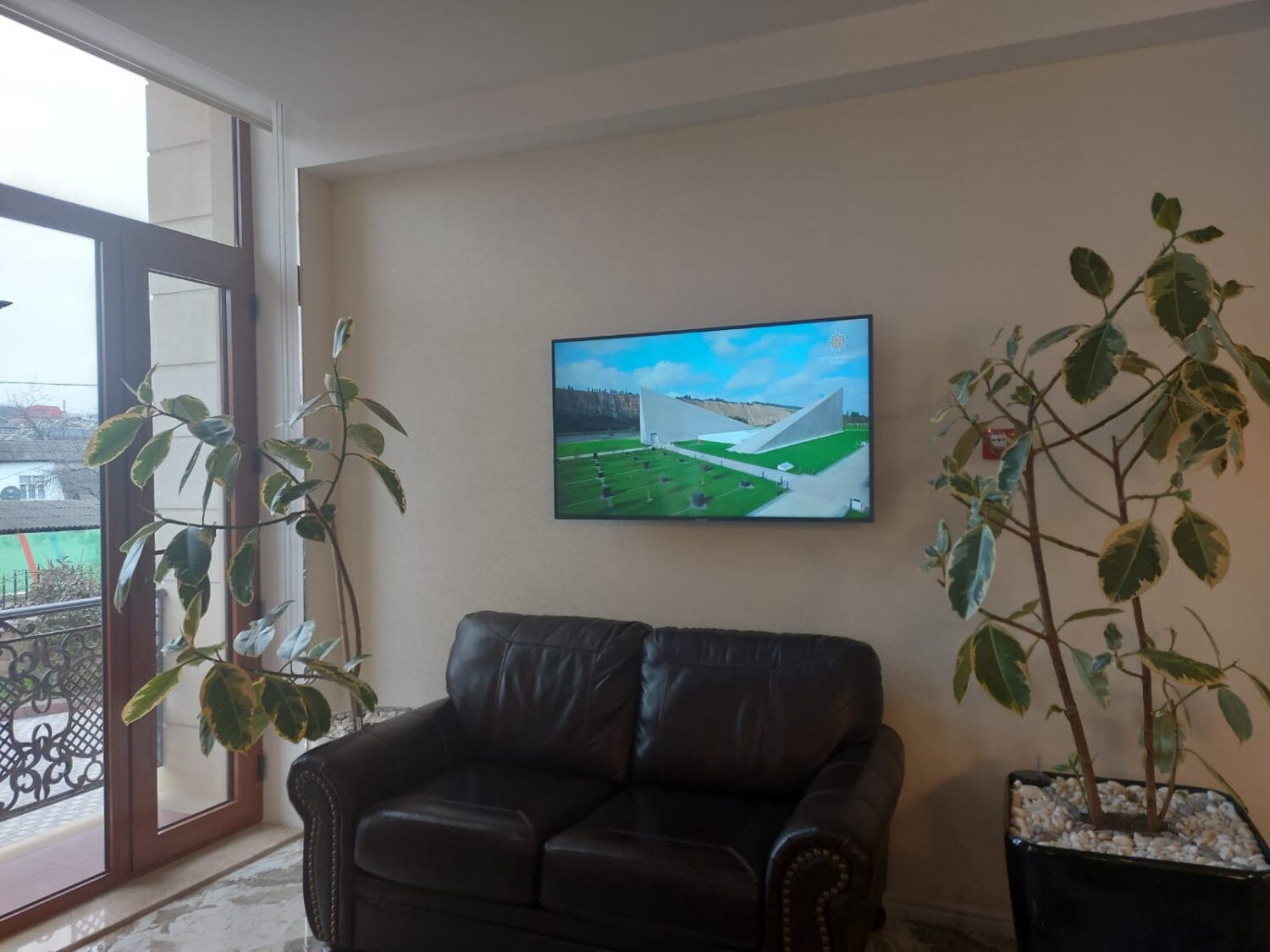
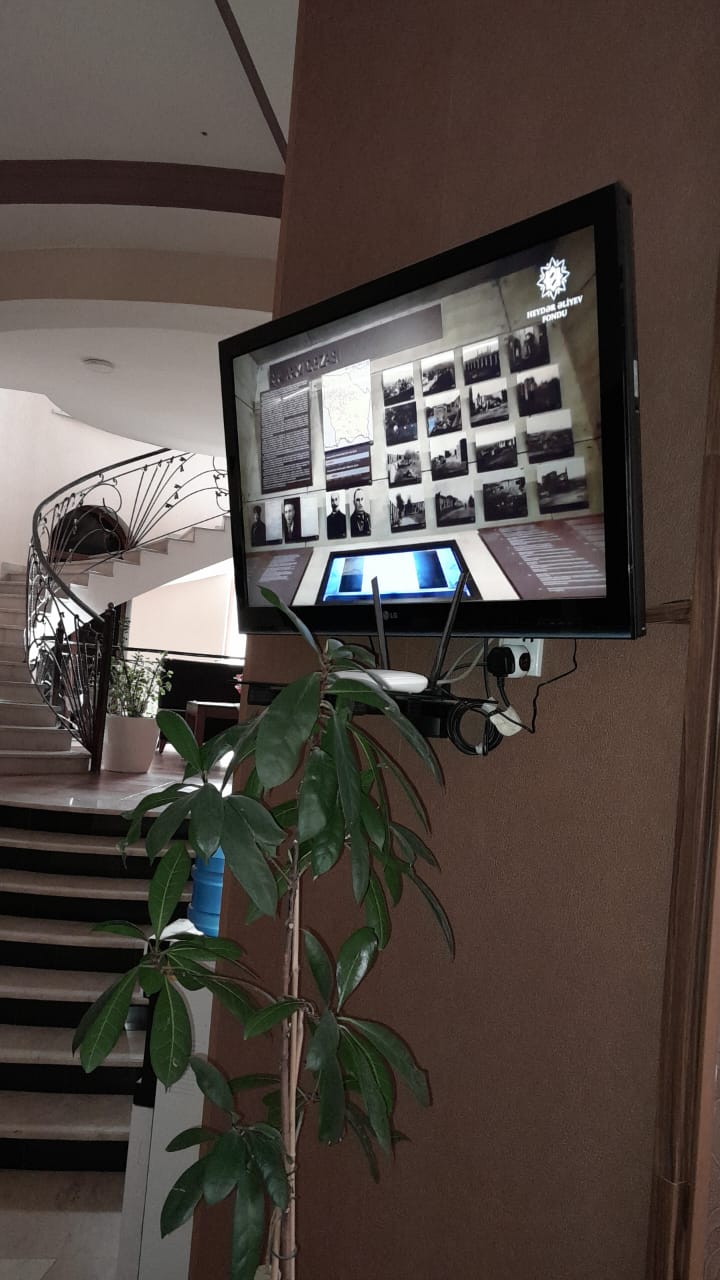
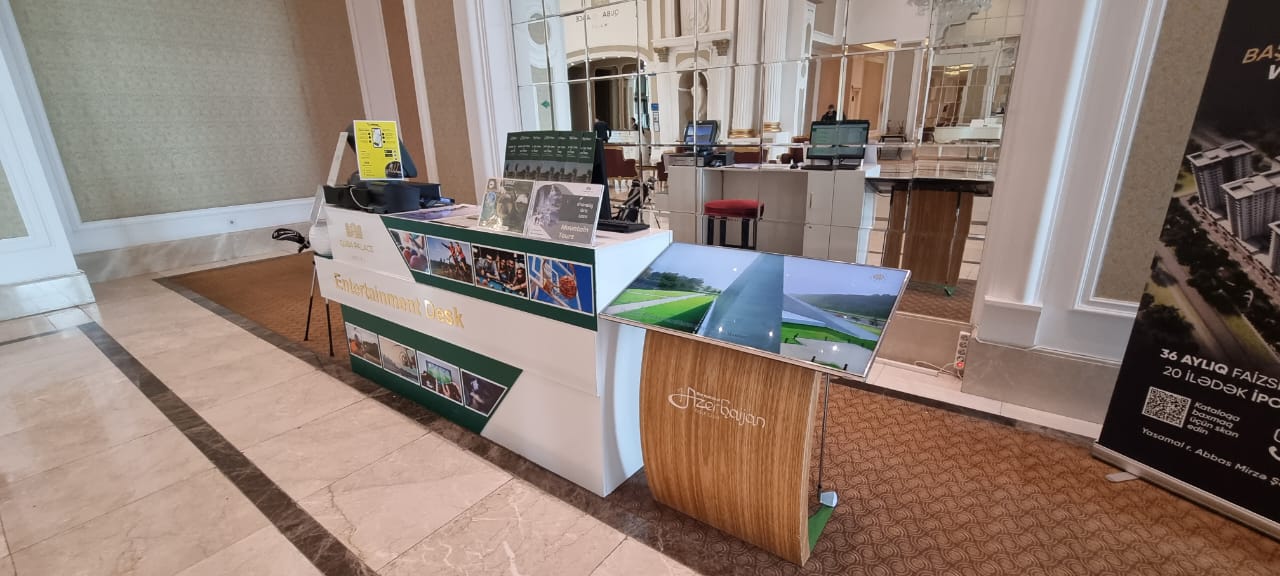
Within the framework of the year of Shusha, scientific seminars are being held at the "Genocide Memorial Complex" on the historical lands of Azerbaijan, the history of Karabakh, and the role of Shusha in the history of Azerbaijan.


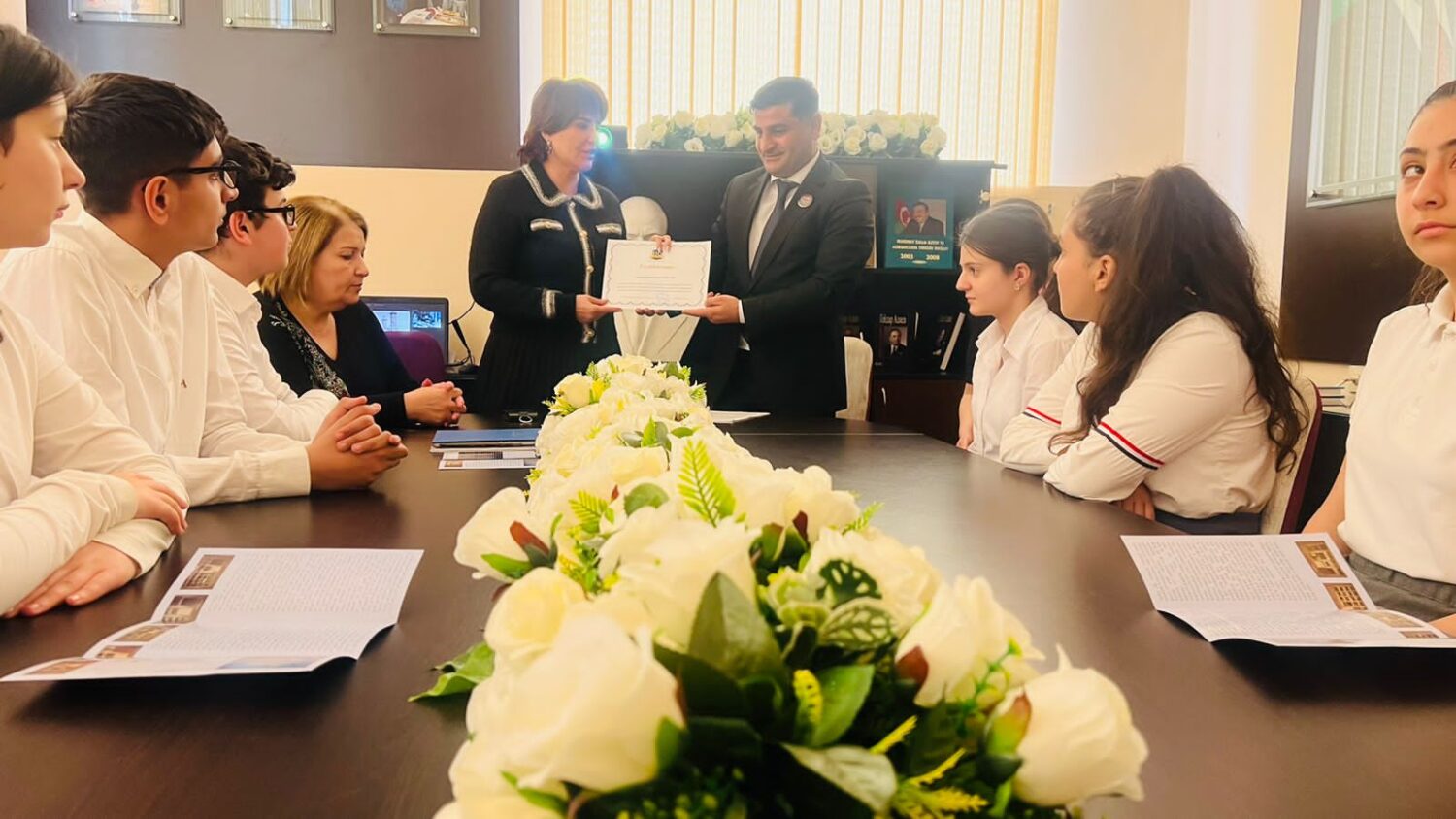
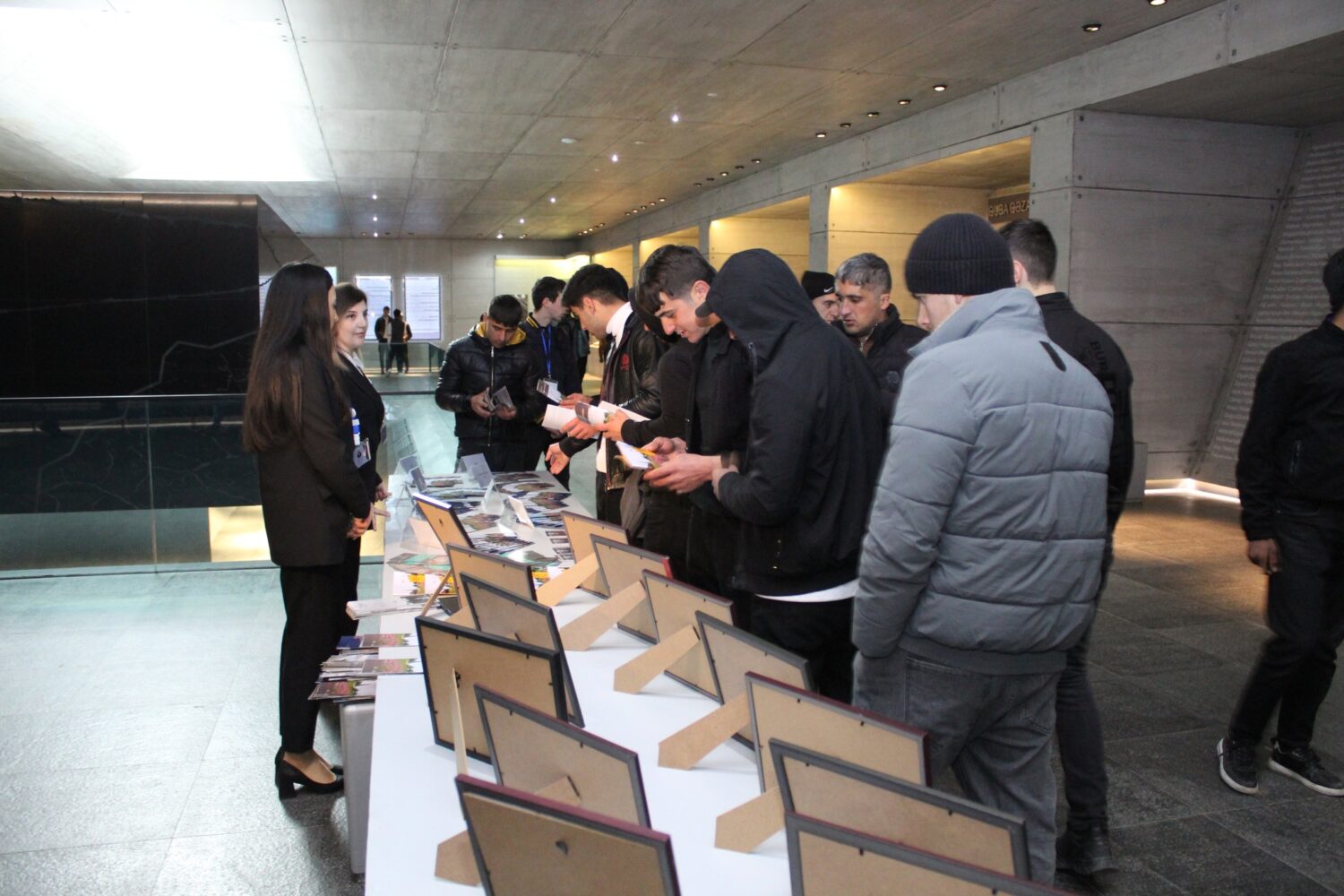
One of these seminars was held on the eve of Victory Day. Head of the “History of International Relations” department of A.A. Bakikhanov Institute of History of ANAS, doctor of sciences in history, State prize laureate Professor Tofig Mustafazade gave a speech on “History of Karabagh and Iravan Khanate” at the “Genocide Memorial Complex” in Guba. It should be noted that more than 220 scientific works of Professor T. Mustafazadeh (more than 50 of them are published) and methodical materials have been published so far. His scientific-research activity is multifaceted. The professor is engaged in research and translation of sources related to the history of Azerbaijani khanates, fight against Armenian forgery, general history. During the seminar held in the complex, the historian professor brought to the attention of the participants of the seminar the historical facts of the establishment, development and relations between the khanates of Karabakh and Iravan, as well as the periods of Armenians’ resettlement in these lands. In the end, the historian scientist donated some of the books he authored to the complex’s rare fund library.

In accordance with the "Year of Shusha 2022," an online scientific seminar on "ancient historical and cultural heritage" was held on October 20, 2022 at 14:00 with the organization of the State Service for the Protection, Development, and Restoration of Cultural Heritage under the Ministry of Culture of the Republic of Azerbaijan and the "Genocide Memorial Complex" in Guba.

In accordance with the “Year of Shusha 2022,” an online scientific seminar on “ancient historical and cultural heritage” was held on October 20, 2022 at 14:00 with the organization of the State Service for the Protection, Development, and Restoration of Cultural Heritage under the Ministry of Culture of the Republic of Azerbaijan and the “Genocide Memorial Complex” in Guba. Dr. Rakhshanda Bayramova, the Complex’s Director, moderated the seminar. Reports were presented by the Head of the Department of Armenian Studies, ANAS Institute of Caucasus Studies, Professor Gasim Hajiyev of Azerbaijan University, Baku State University “Material and Spiritual Culture of Karabakh,” Senior Researcher of ANAS Institute of Oriental Studies named after Z.M. Bunyadov, Ph.D. “Research of Inscriptions on Monuments,” The seminar was attended by approximately 60 scientific employees from the State Service reserves. The event was also streamed live on the social network Facebook.

From 1988 to November 1993, Zangilan was the last region to be invaded

From 1988 to November 1993, Zangilan was the last region to be invaded; it refused to surrender, resisted Yagi’s attacks, and gave hundreds of martyrs. The district’s people, who were besieged as a result of the occupation of neighboring Gubadli and Jabrayil, saw a way out by crossing the Araz River into Iranian territory. Otherwise, a repeat of the Khojaly incident would be unavoidable. On October 30, 1993, Armenian armed forces occupied the Zangilan region. During the 44-day Patriotic War, one of our victorious army’s greatest successes was crushing enemy forces in Jabrayil district and liberating more than 30 settlements from occupation, allowing them to reach the administrative borders of Zangilan district. On October 18, 2020, our army began the operation to liberate Zangila.
Mr. Ilham Aliyev, Commander-in-Chief and President of the Republic of Azerbaijan, stated in his address to the people on October 20, 2020, that 52 villages were liberated from Armenian occupation, in addition to the city of Zangilan, the villages of Havali, Zarnali, Mammadbeyli, Hekari, Sharifan, Mughanli, Minjivan, Aghband, Bartaz settlements, Bartaz Our valiant army not only liberated this area quickly, but also restored the 132-kilometer Azerbaijan-Iran border.

Announcement:

Dear viewers, as part of the “Year of Shusha 2022,” on October 20, 2022 at 2:00 p.m., the State Service for the Protection, Development, and Restoration of Cultural Heritage under the Ministry of Culture of the Republic of Azerbaijan and the “Genocide Memorial Complex” in Guba will hold a ceremony. There will be an online scientific seminar titled “Ancient history and cultural heritage of Karabakh.” The seminar can be viewed via Facebook. To participate in the event, visit the link

https://us02web.zoom.us/j/85746132244?pwd=UkZLZm05MzJKSUtPQmRYV0hqTy9PZz09