
On the Eve of November 8th – Victory Day, a Webinar Titled "Historical Realities of the 20th Century – The 1918 Genocides" Was Held with the Initiative of the Nardaran Historical and Cultural Reserve and the "Genocide Memorial Complex" in Guba.

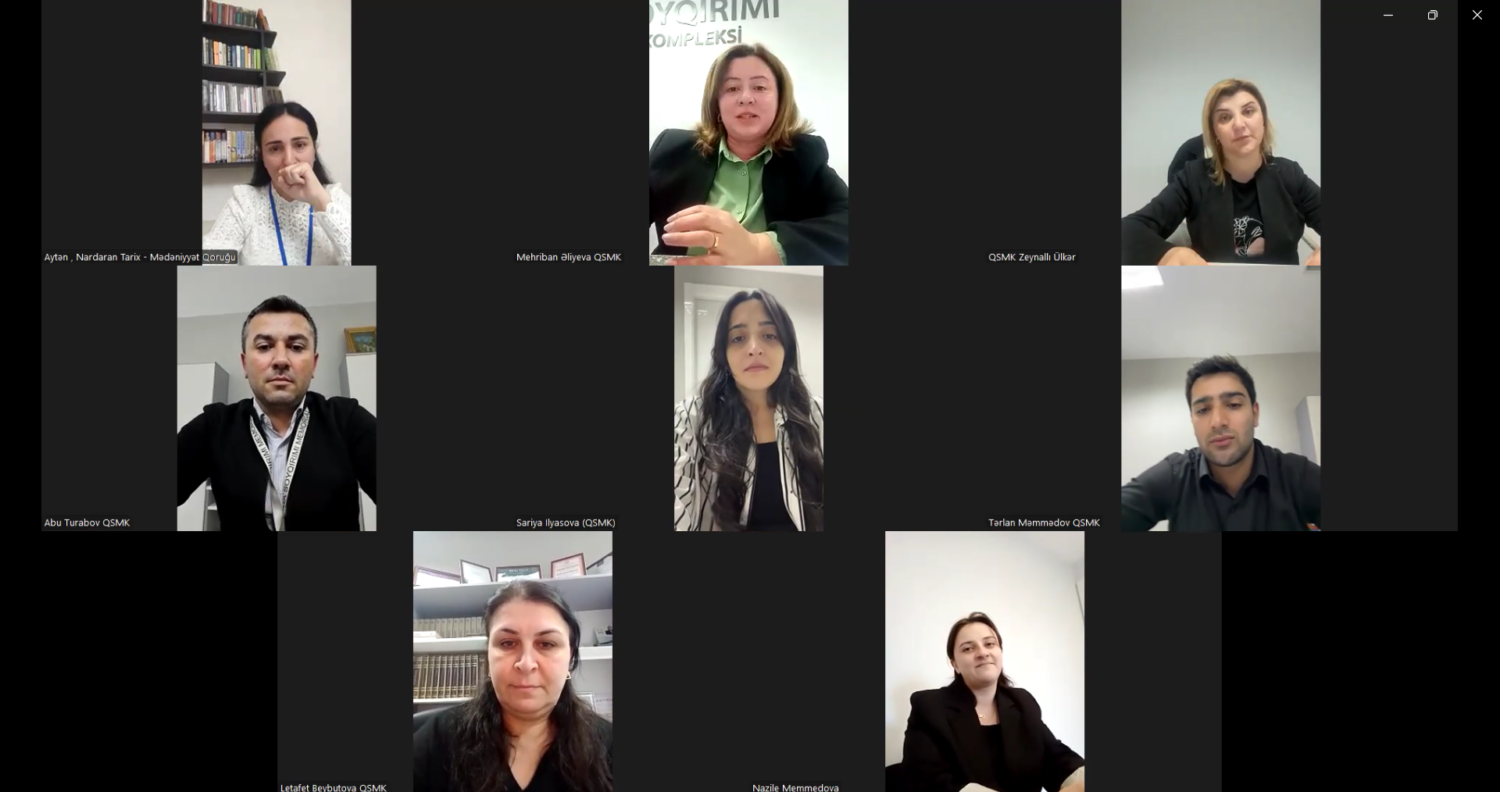
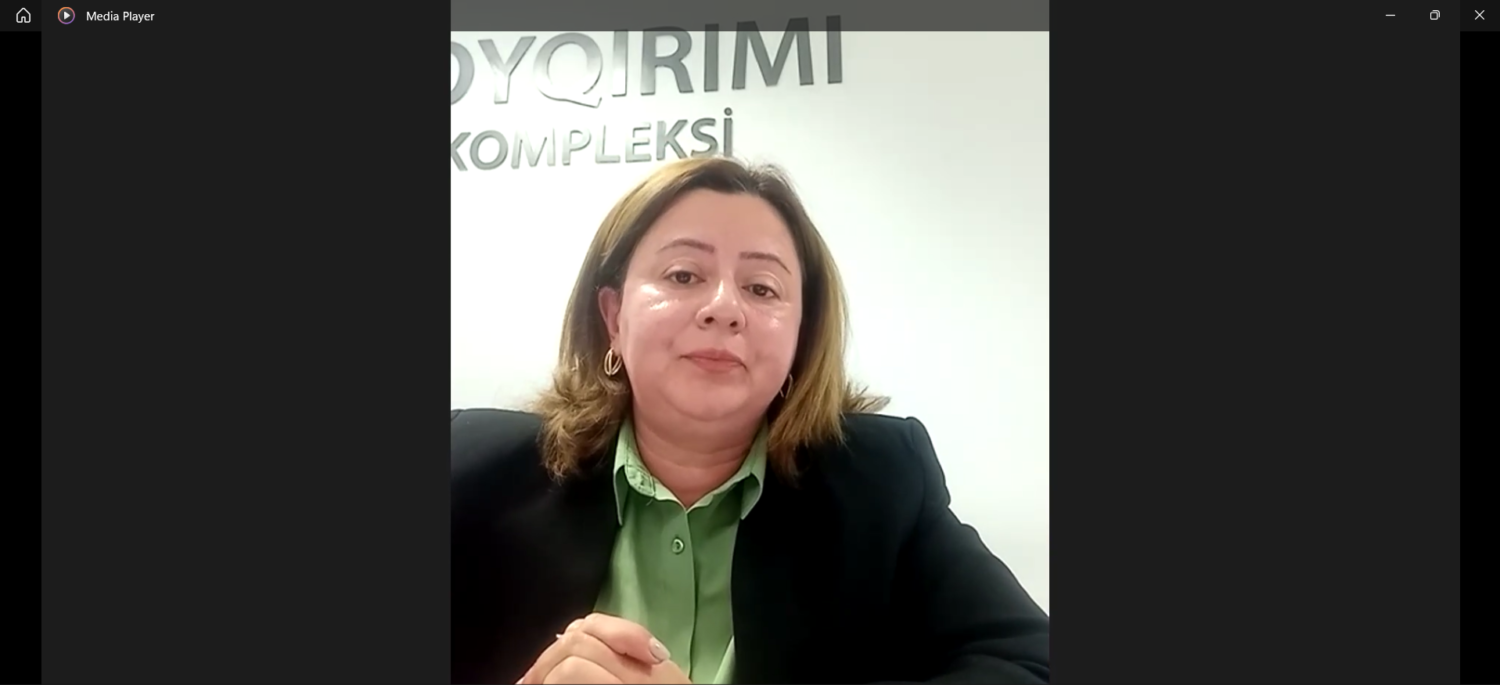
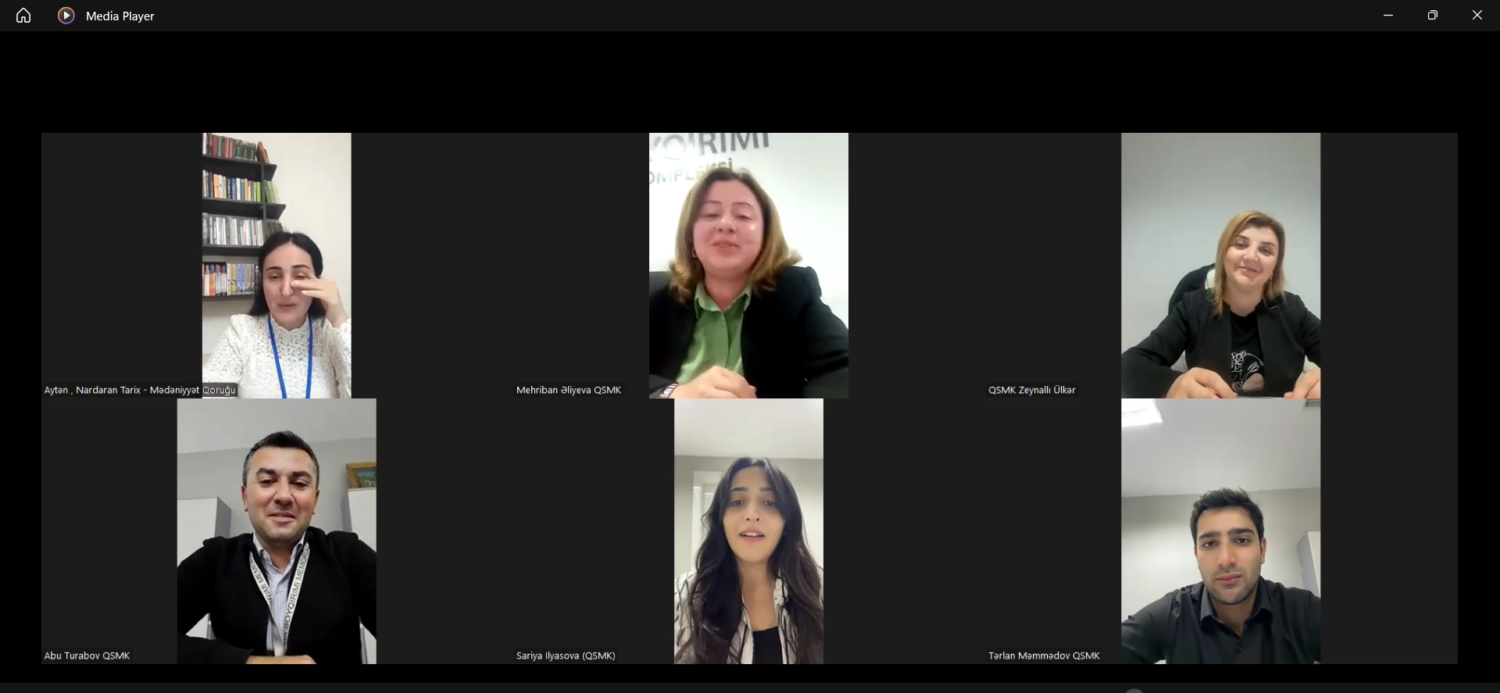
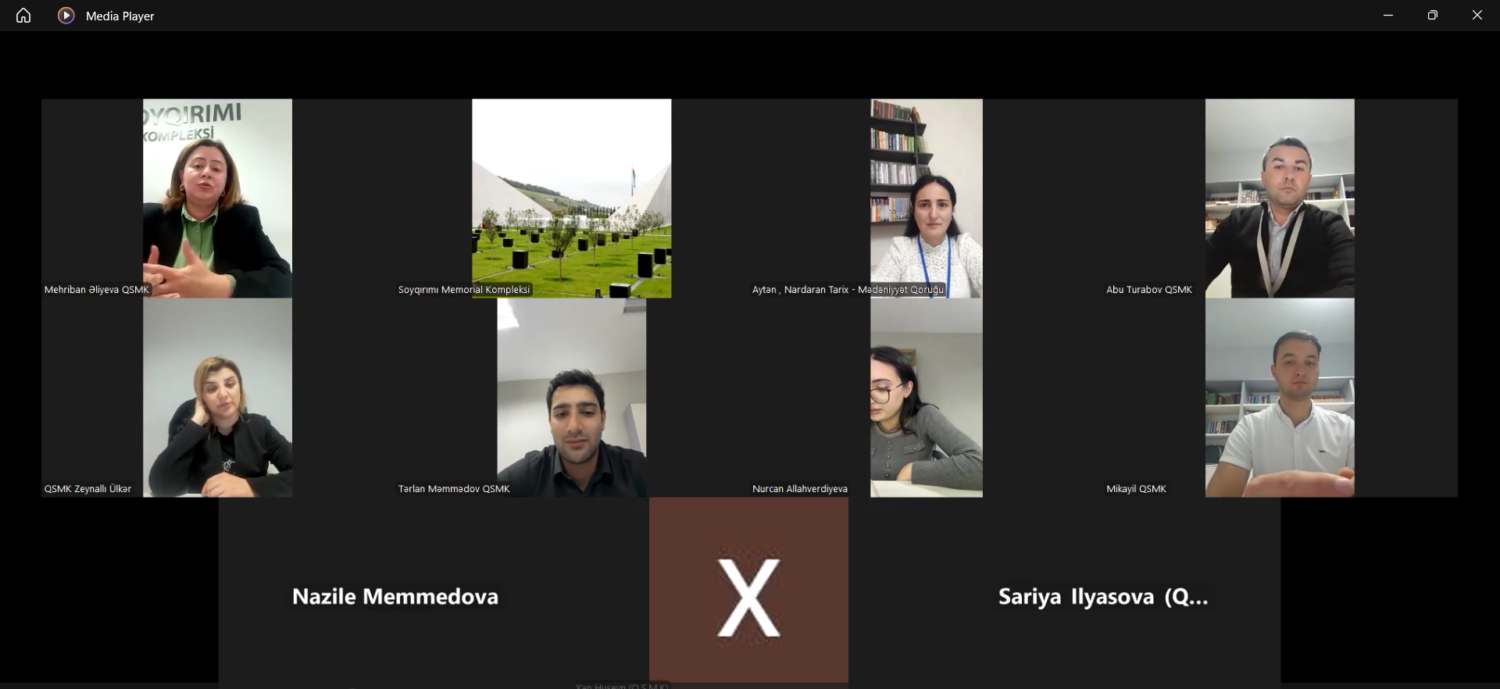
The webinar was moderated by Mehriban Aliyeva, Deputy Director of the “Genocide Memorial Complex,” who provided a comprehensive overview of the 1918 genocides.
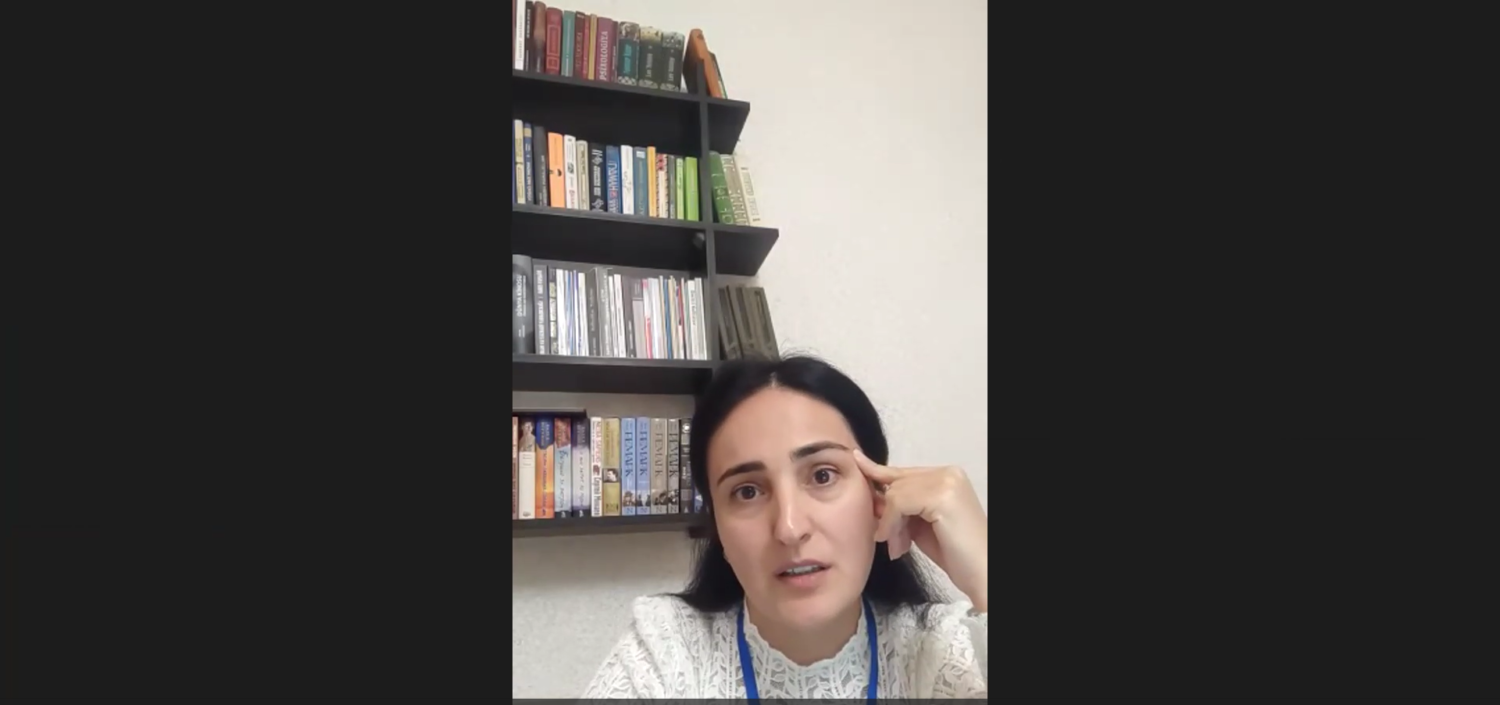
Aytən Aliyeva, the Chief Archivist of the Nardaran Historical and Cultural Reserve, spoke about the history and activities of the reserve, emphasizing that the genocides of that period left painful marks on the collective memory of the Azerbaijani people.
Next, Ulkar Zeynalova, a staff member of the “Genocide Memorial Complex” in Guba, delivered a presentation on the “1918 Shamakhi Genocide,” highlighting that among the criminal acts committed by Armenian nationalists in their attempt to create a “Greater Armenia” on Azerbaijani land, the Shamakhi massacre holds a special place due to its scale, the number of victims, and the extent of the material and spiritual damage it caused.
At the end of the webinar, a discussion took place around the questions posed by the participants.
A training session for Uzbek teachers was held as part of the collaboration between the Guba branch of the Azerbaijan State Pedagogical University and the "Genocide Memorial Complex" in Guba.

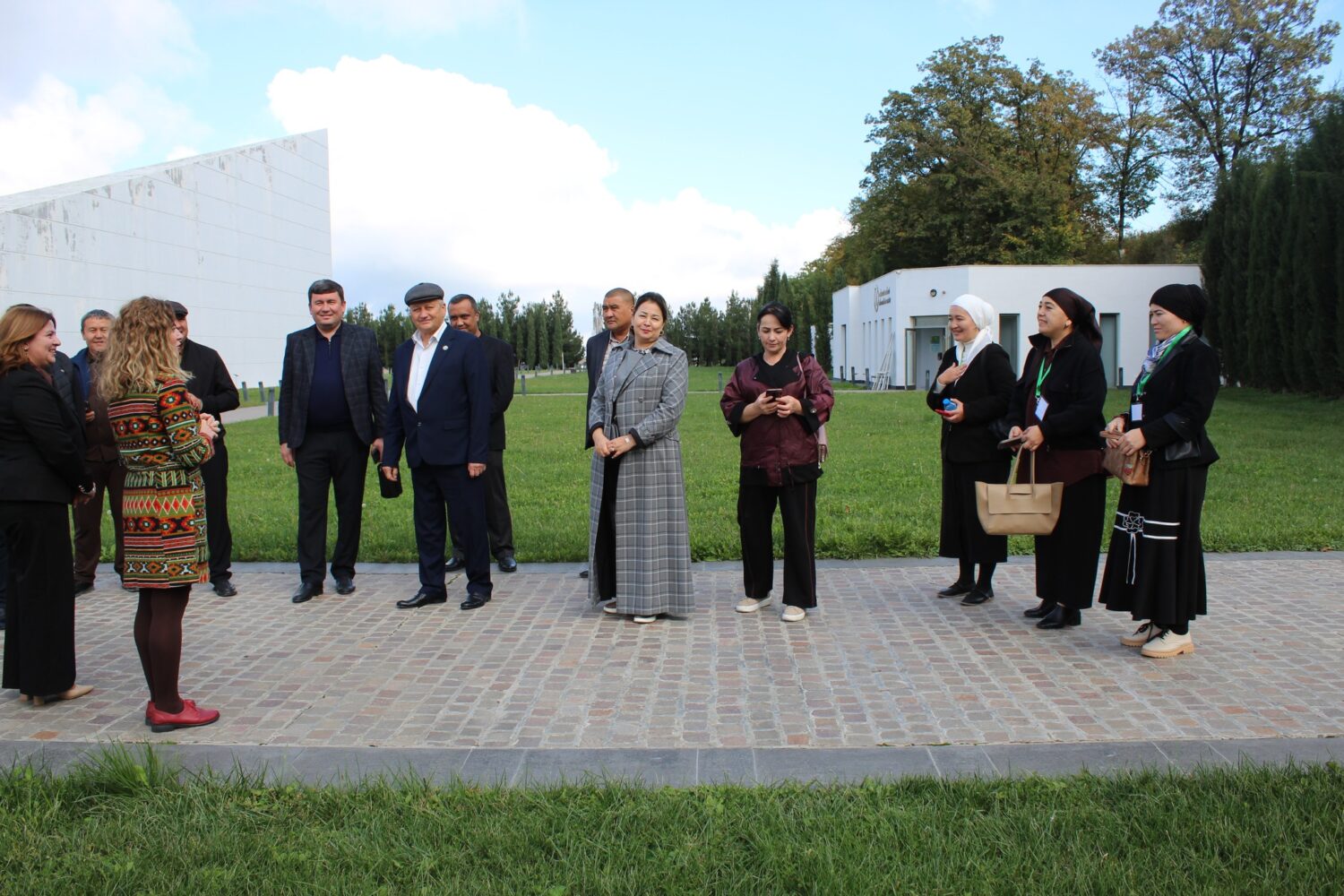
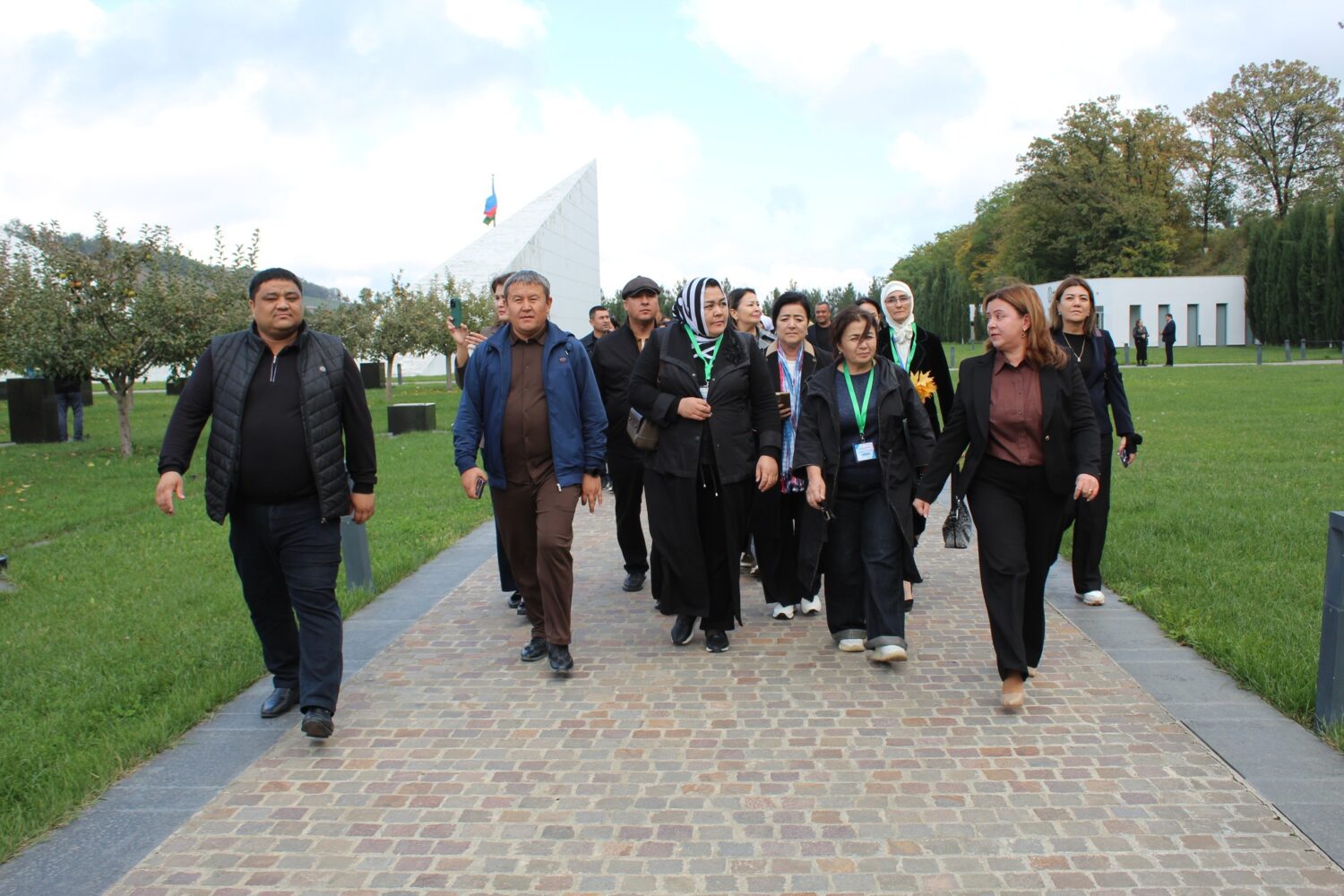
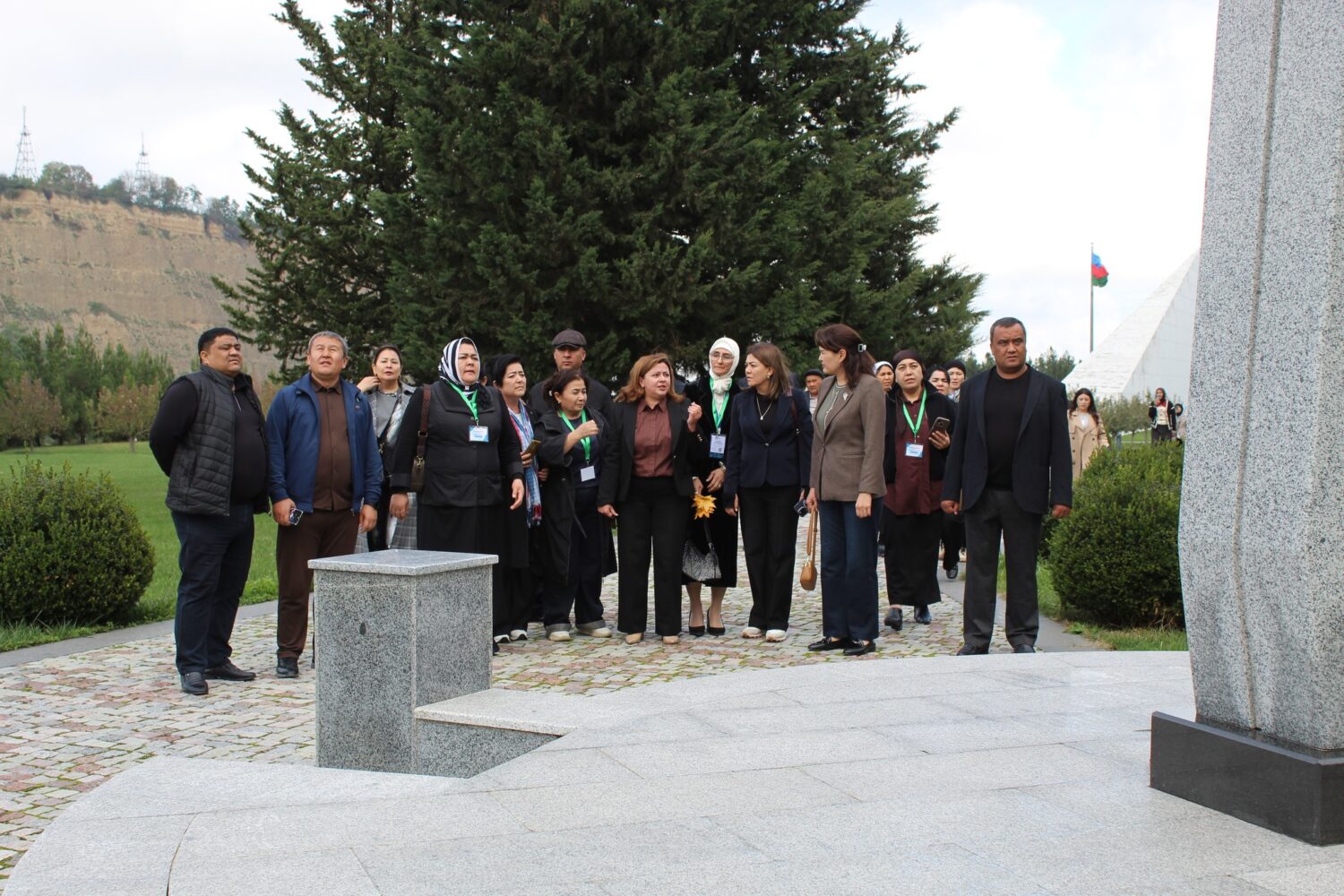
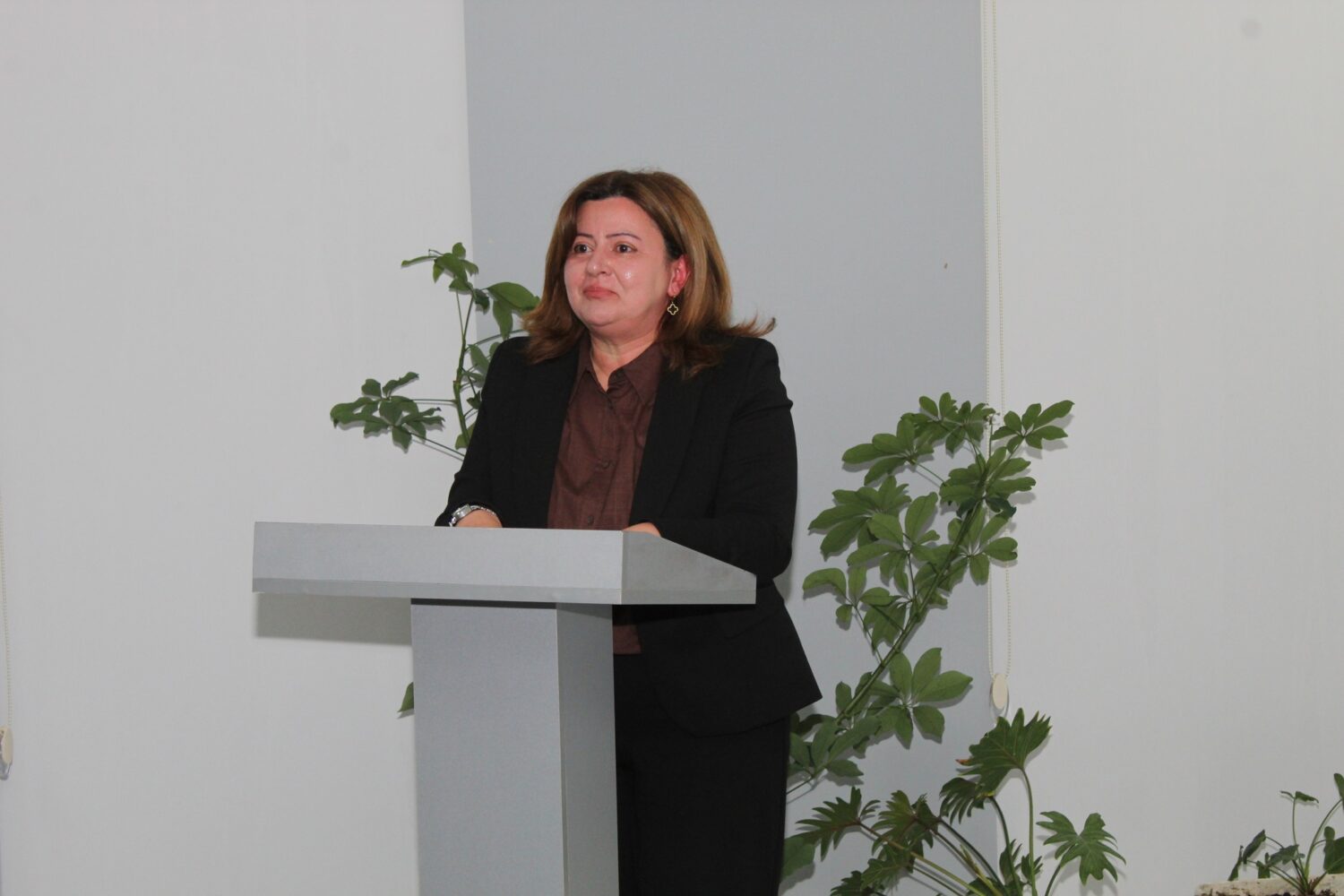
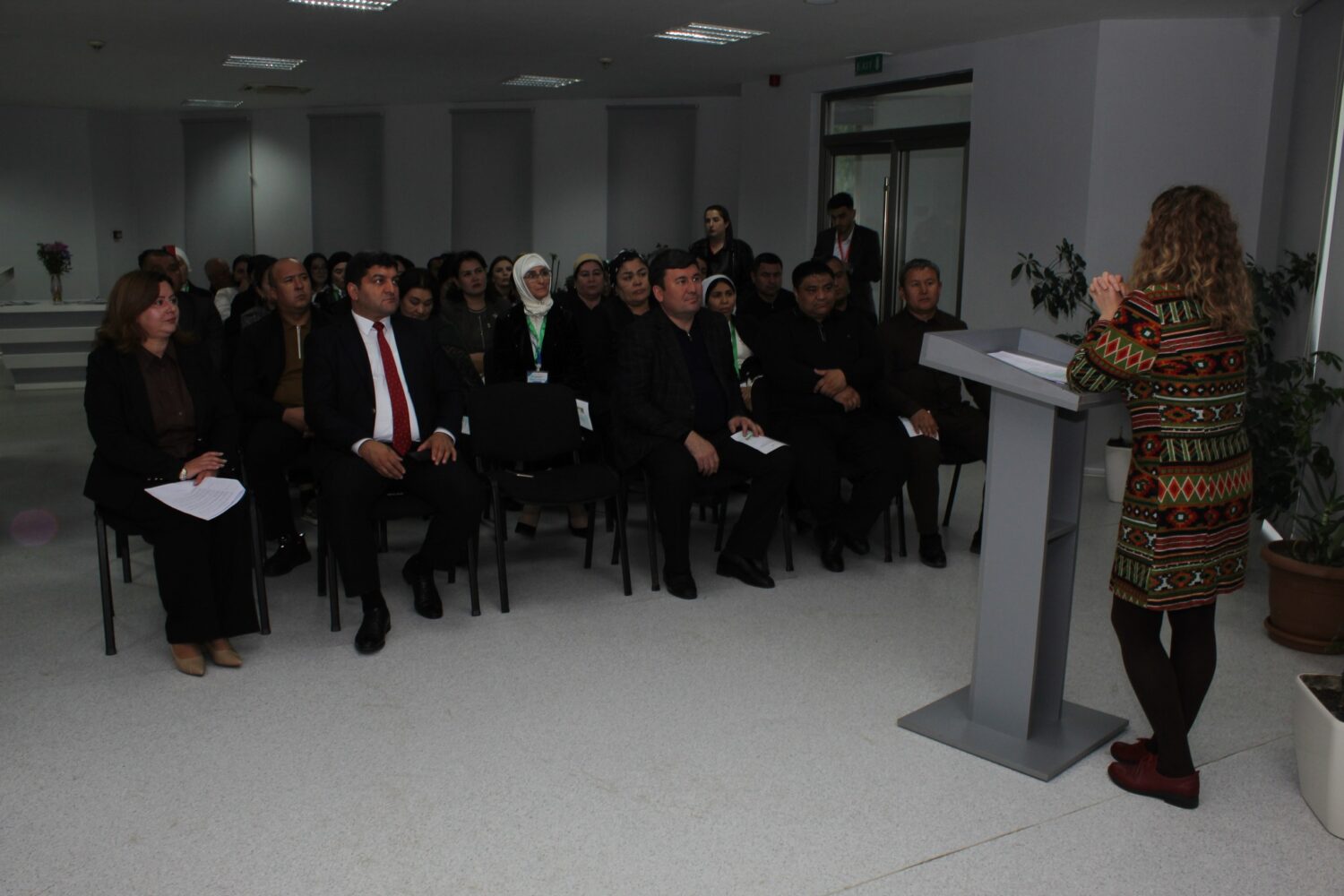
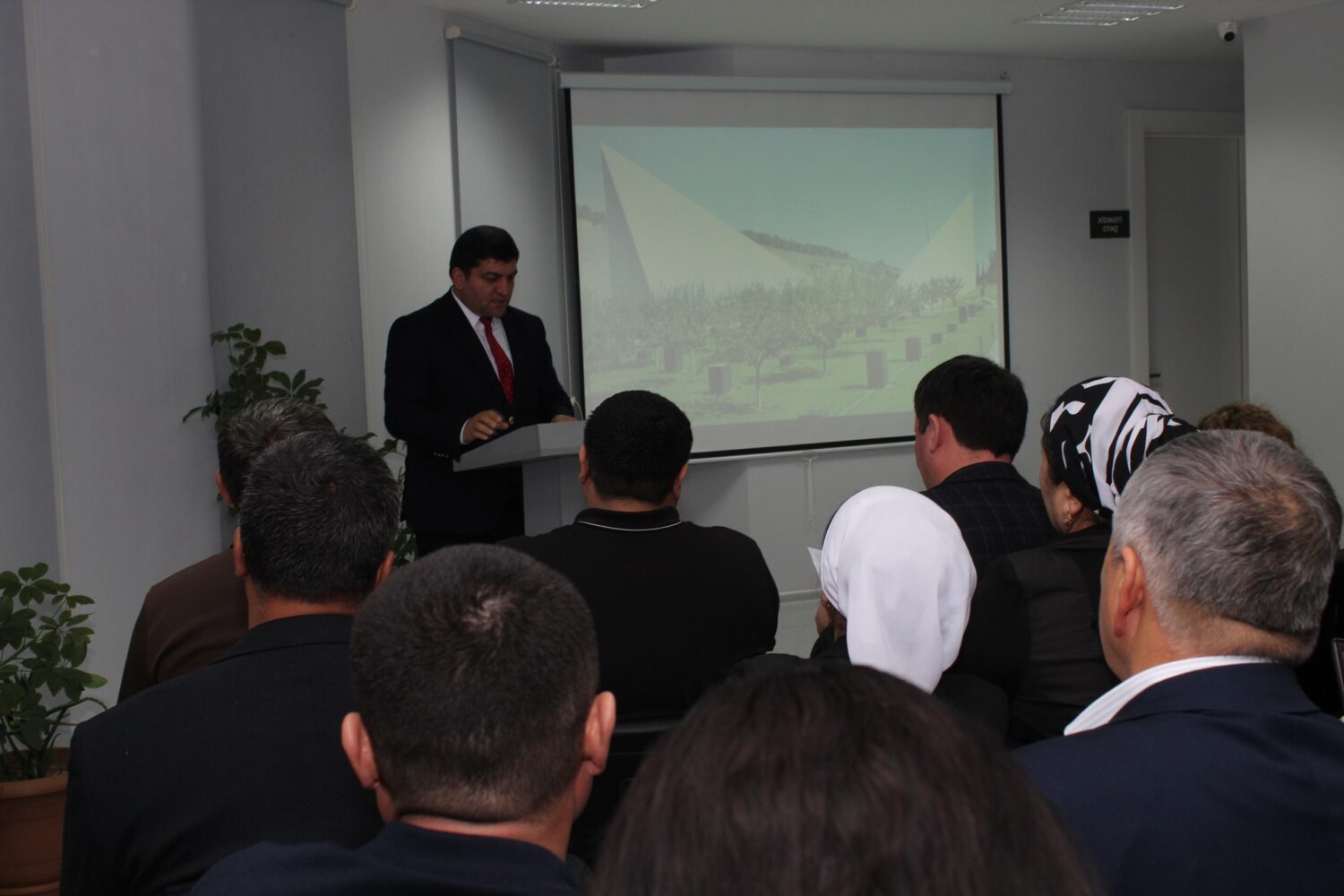
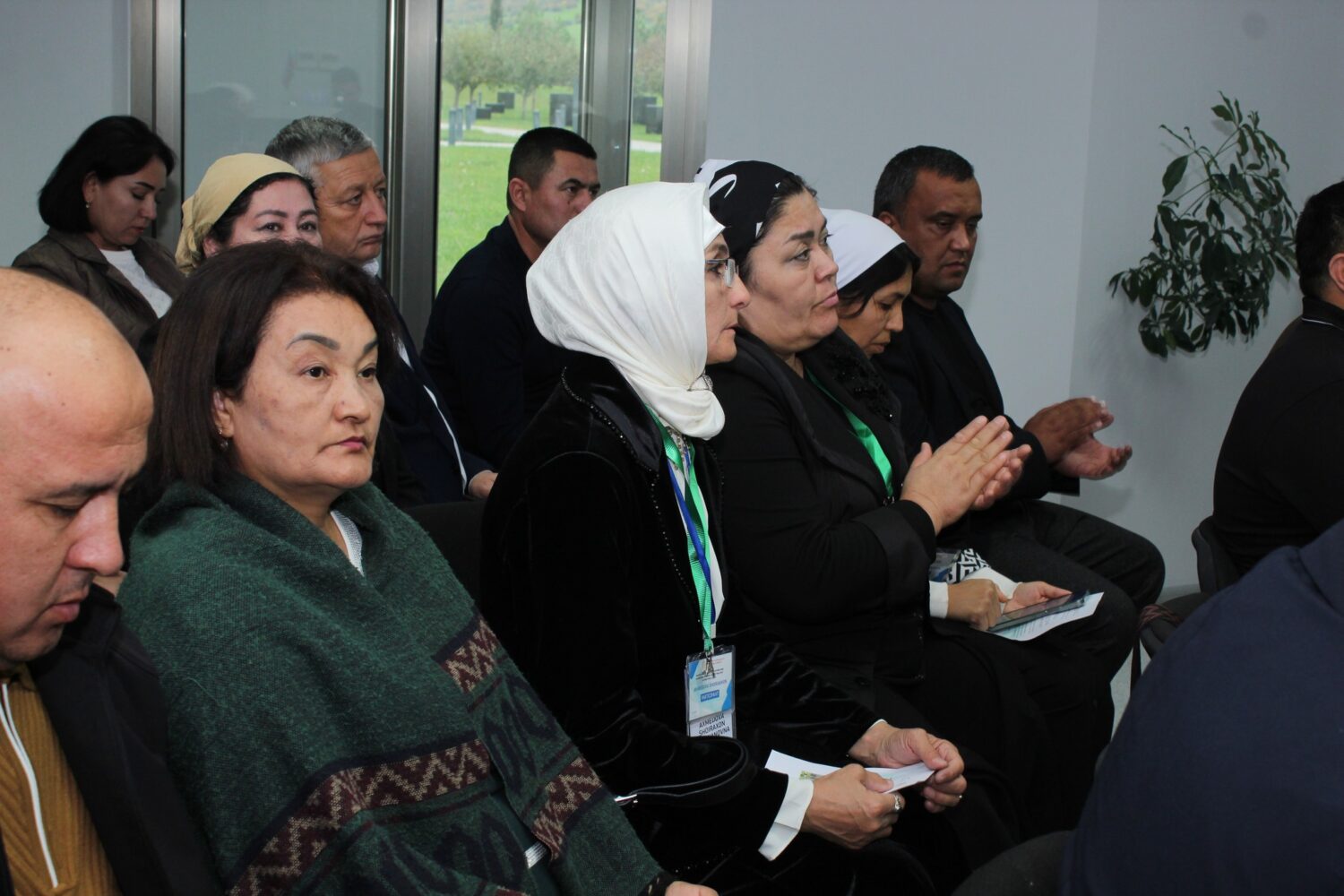
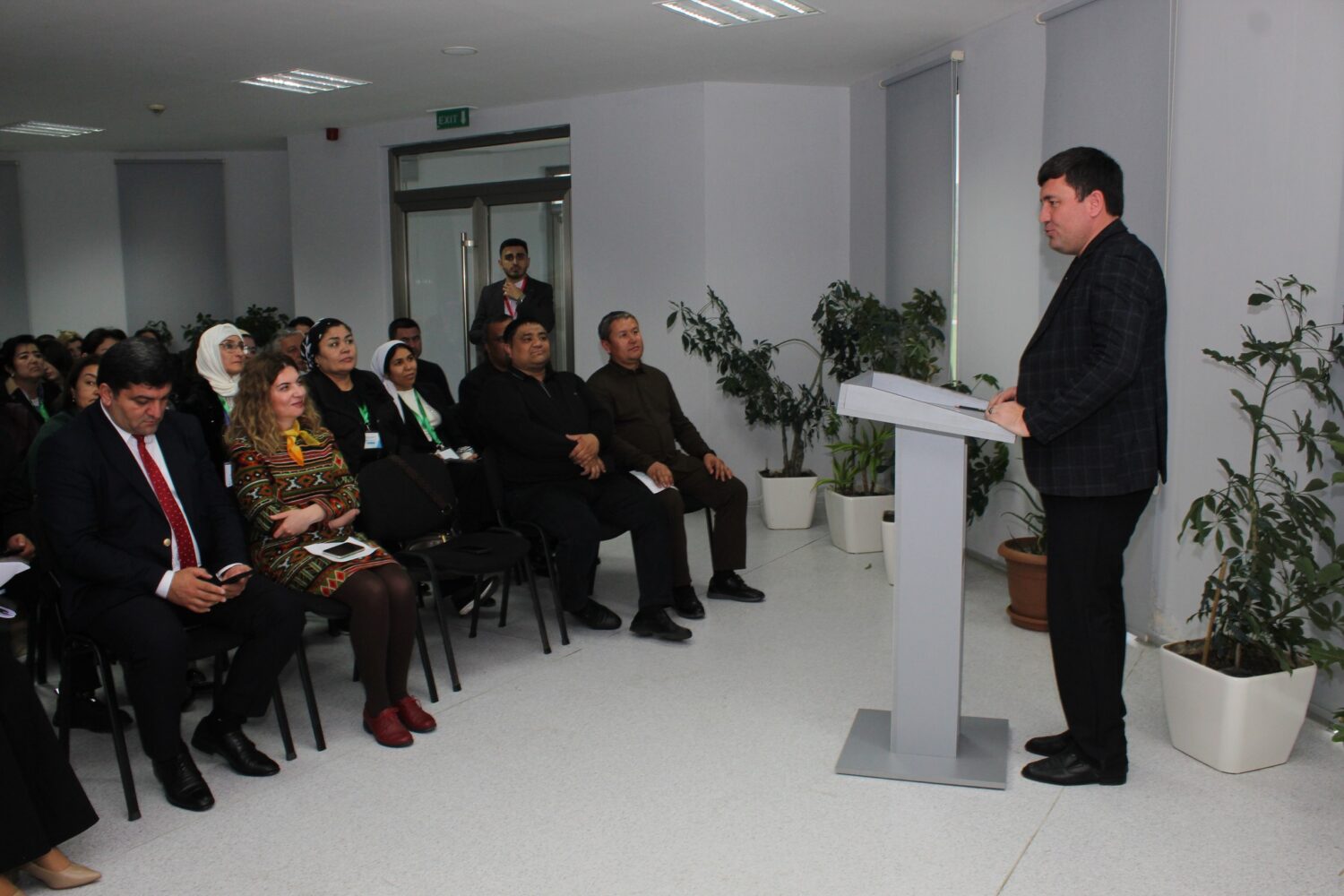
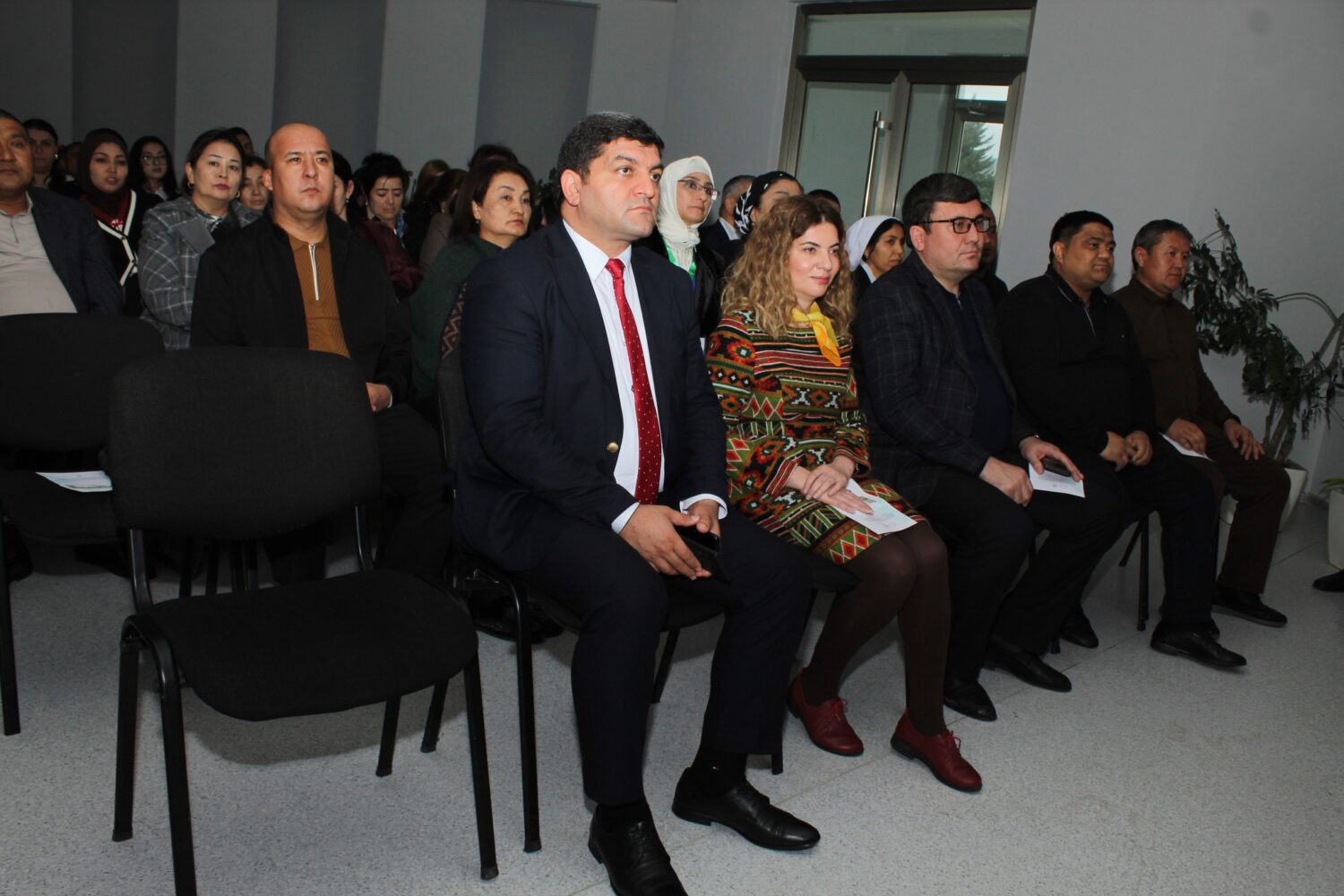
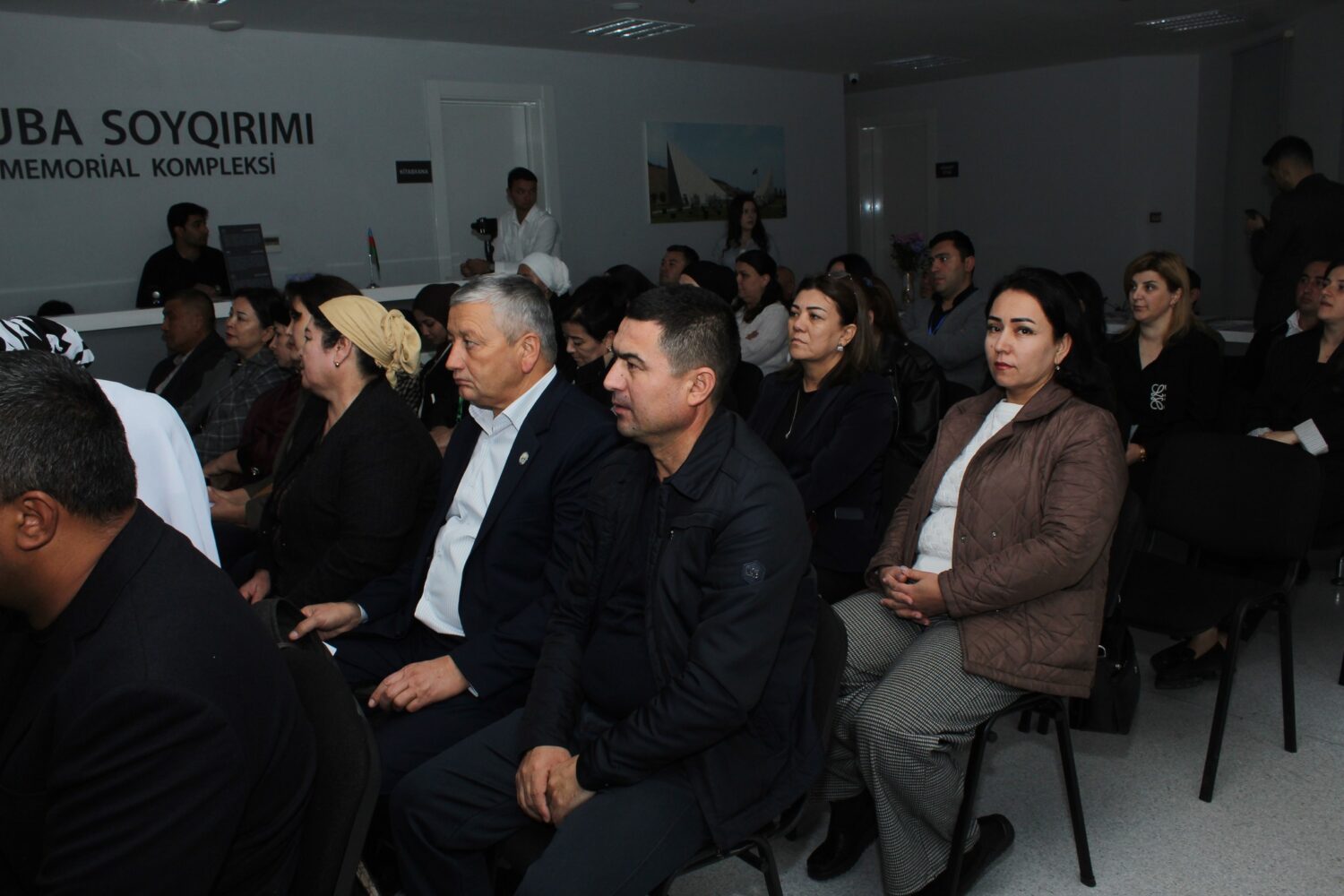
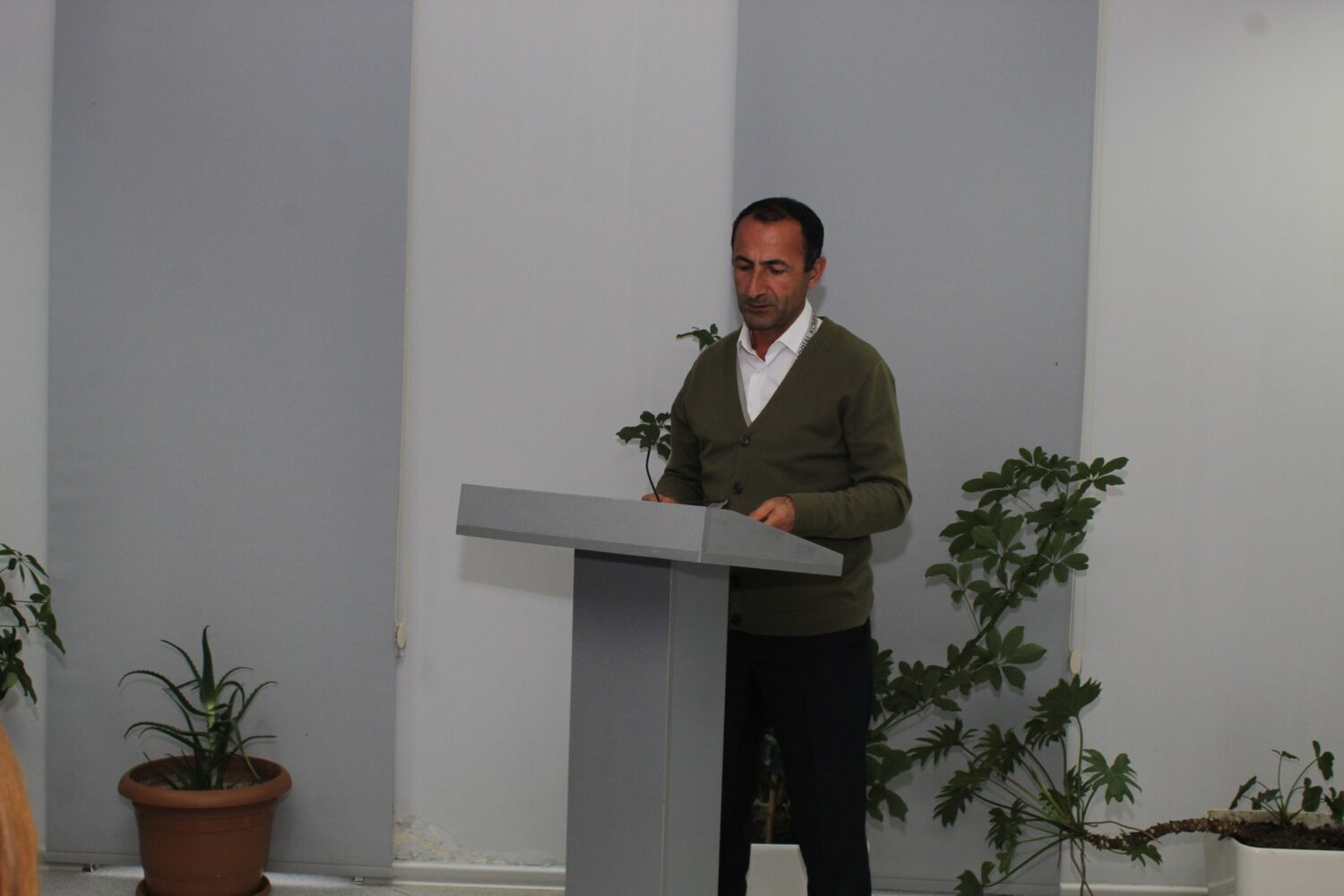
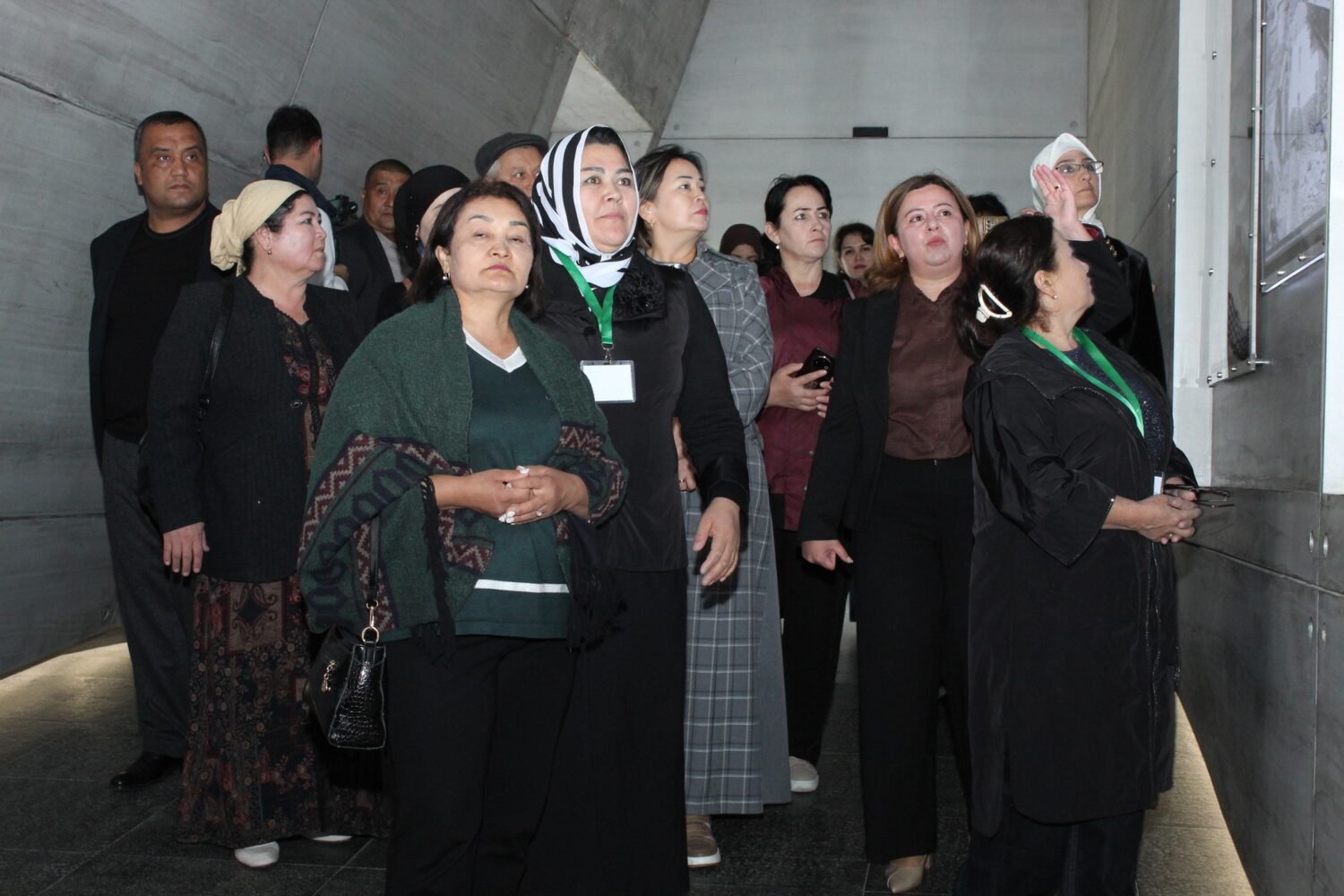
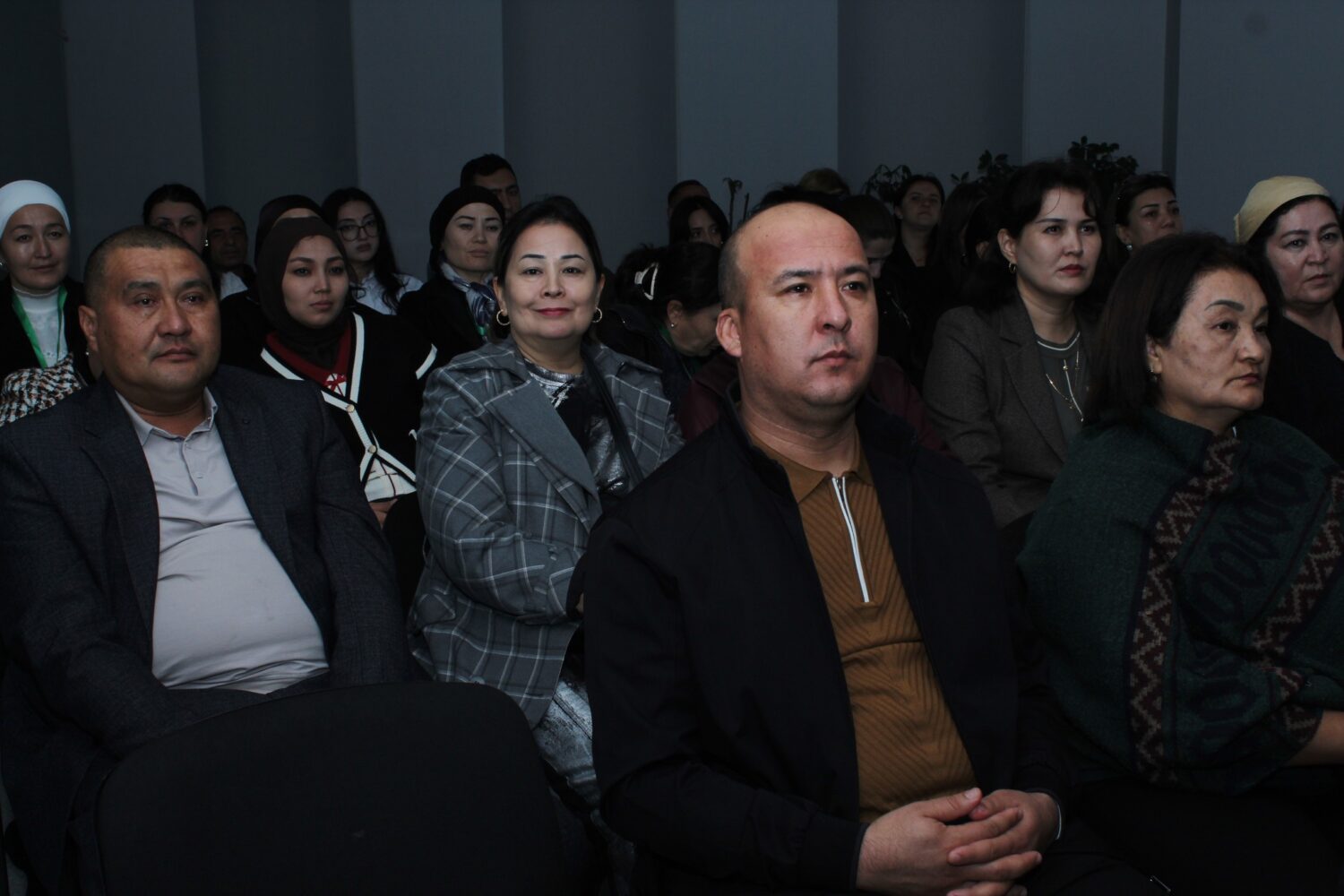
Under the initiative of the Guba branch of the Azerbaijan State Pedagogical University and organized by the “Genocide Memorial Complex” in Guba, the leaders and staff of the Pedagogical Skills Centers under the Ministry of Preschool and School Education of the Republic of Uzbekistan participated in a training session titled “The Role of Museums and Reserves in Educating the Young Generation” at the “Genocide Memorial Complex” in Guba.
After getting acquainted with the museum of the Genocide Memorial Complex, the participants visited a photo exhibition titled “Our Cultural Heritage: Yesterday and Today – The Monuments of Karabakh.
In her opening speech, Dr. Rakhshanda Bayramova, the Director of the “Genocide Memorial Complex,” welcomed the guests and reflected on the historical friendship between Uzbekistan and Azerbaijan. Following that, Prof. Yusif Aliyev, the Director of the Guba branch of the Azerbaijan State Pedagogical University, emphasized the significance of the training program. Murot Isogov, the Director of the Surkhandarya Regional Pedagogical Skills Center, expressed gratitude for the organized training program and discussed innovations in the field of education and opportunities for cooperation.
Subsequently, Mehriban Aliyeva, Deputy Director of the Guba Genocide Memorial Complex, along with the staff members Islam Aslanov and Emin Ulubeyov, gave presentations on the activities of reserves and museums and their role in public education.
At the end of the event, certificates were presented to the participants.
In 2025, within the framework of the "Constitution and Sovereignty Year," a large-scale tree planting campaign was held under the initiative of the Genocide Memorial Complex and with the support of the Guba Regional Forestry Center.
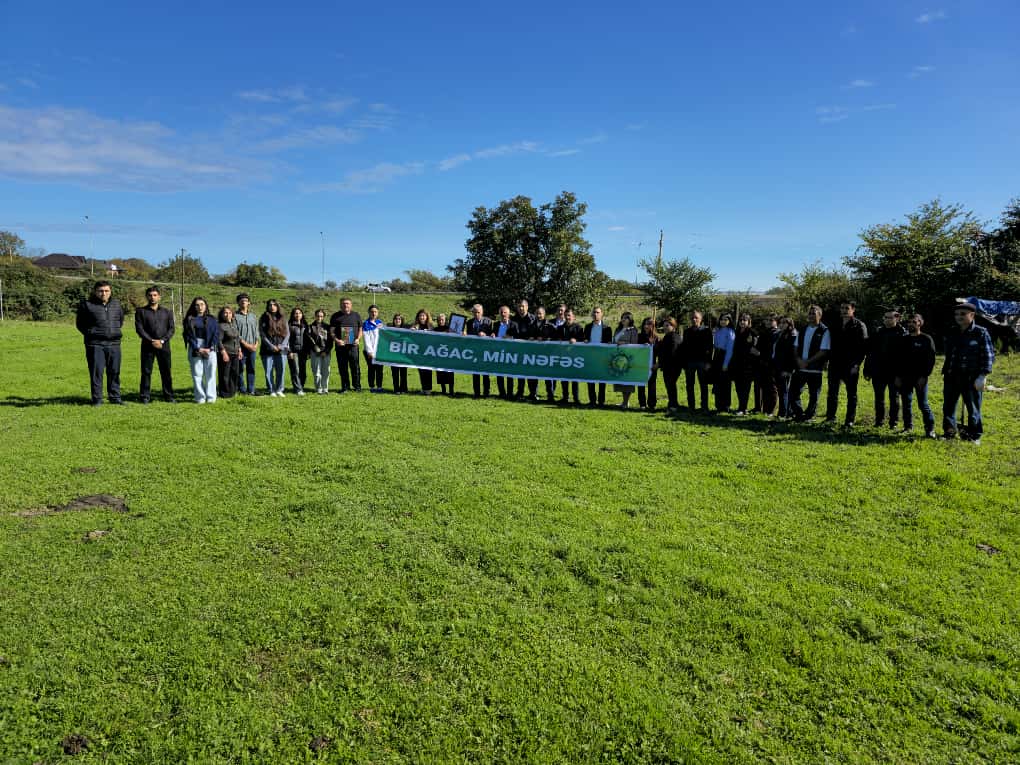
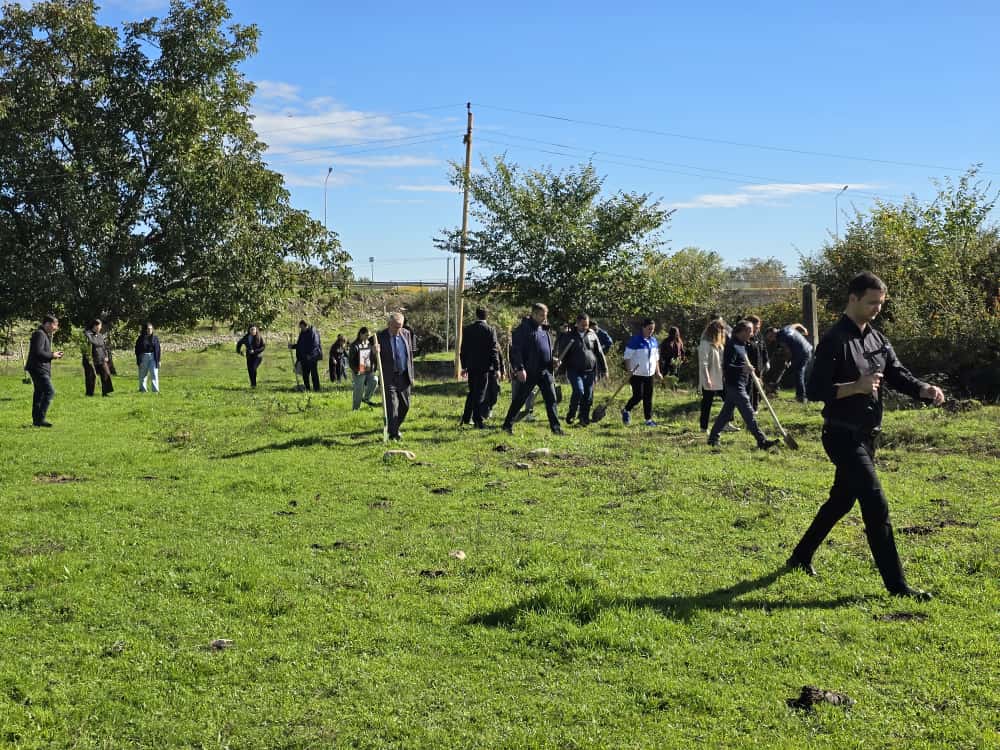
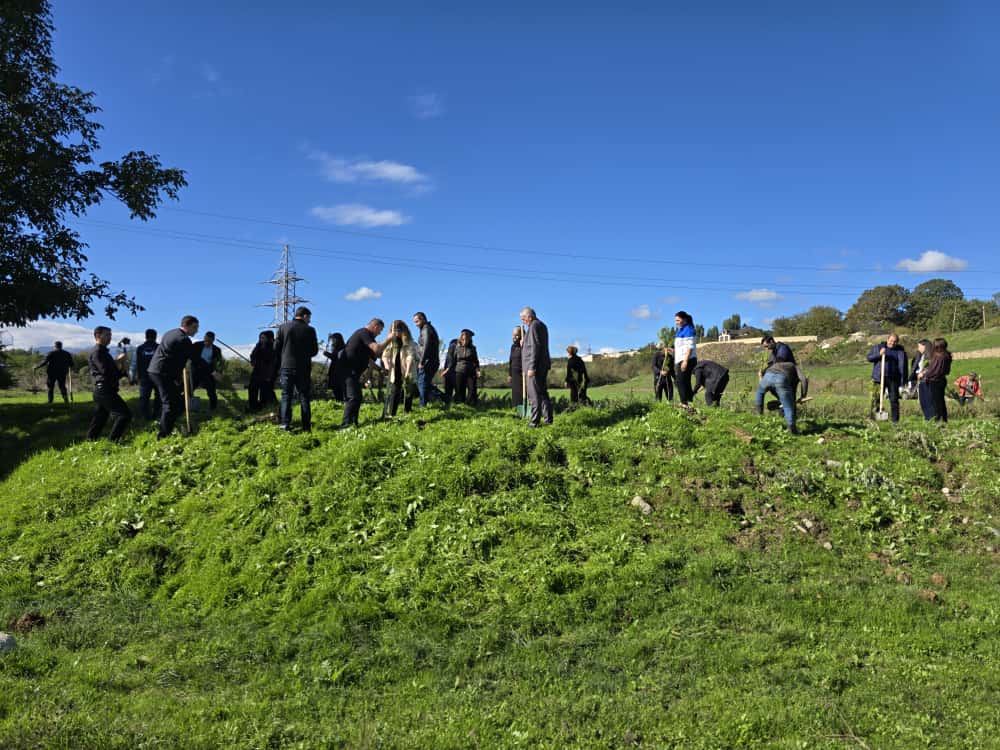
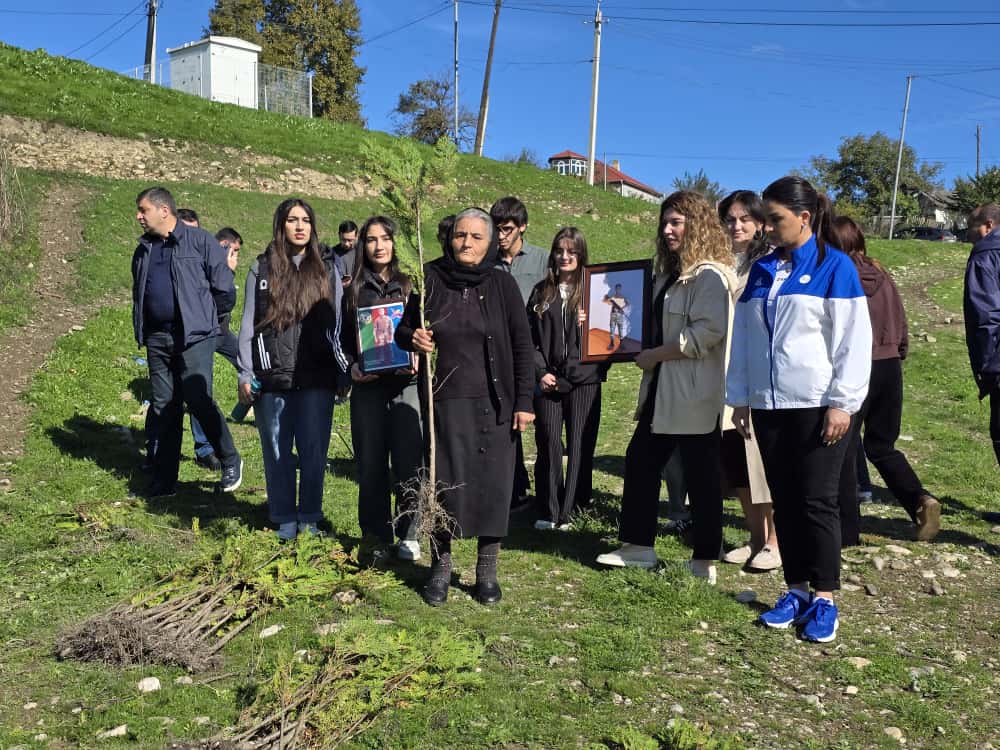
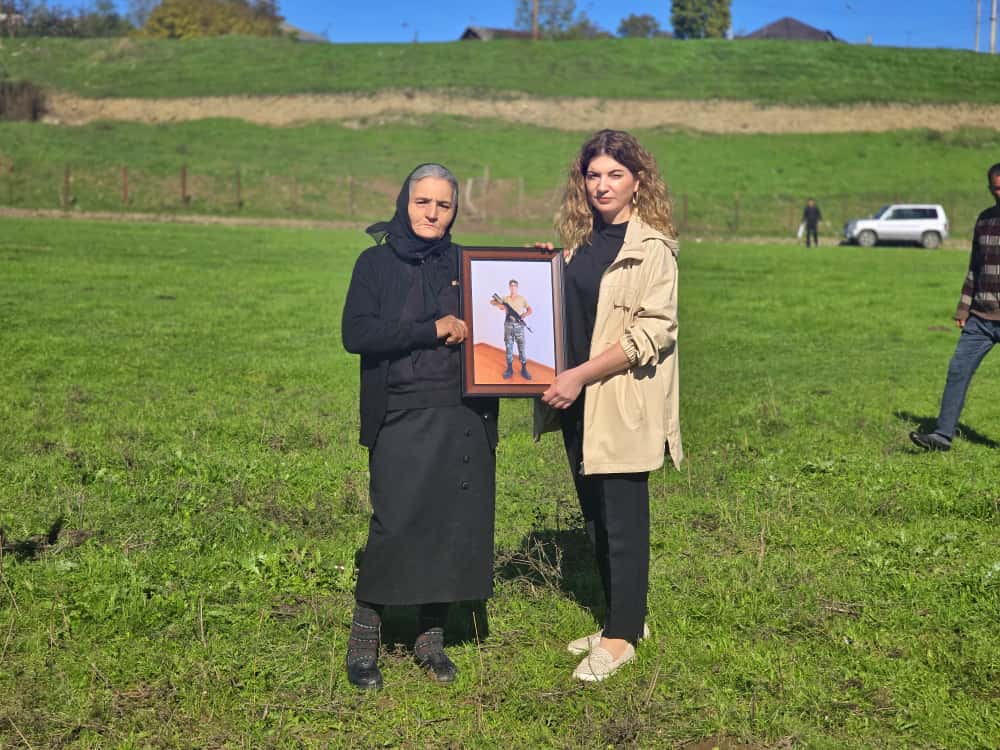
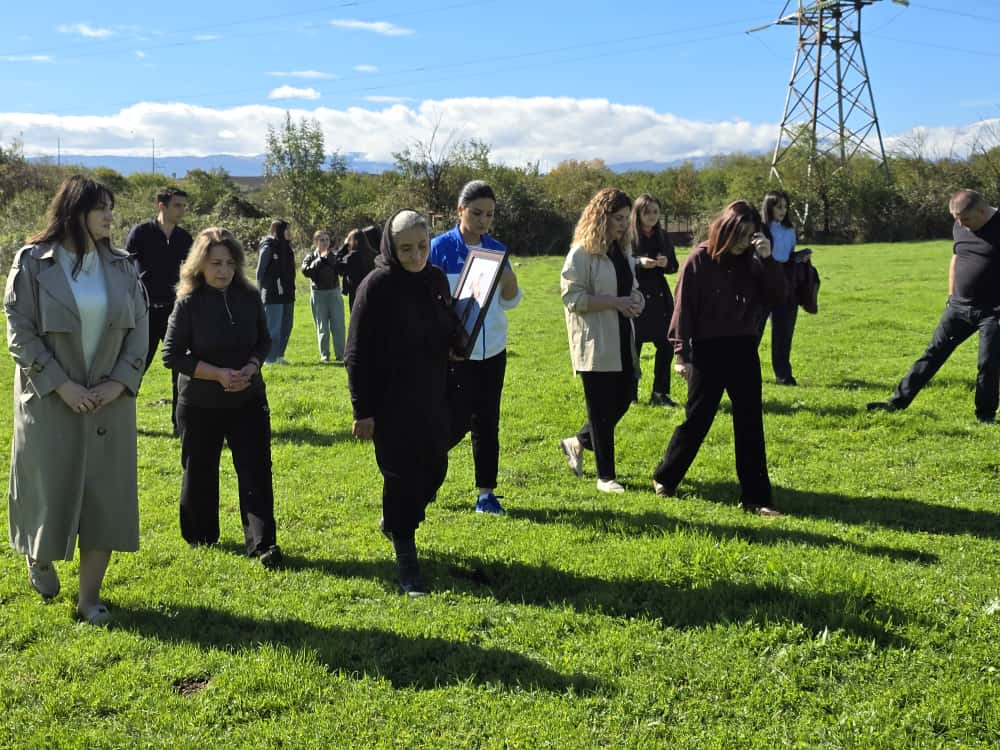
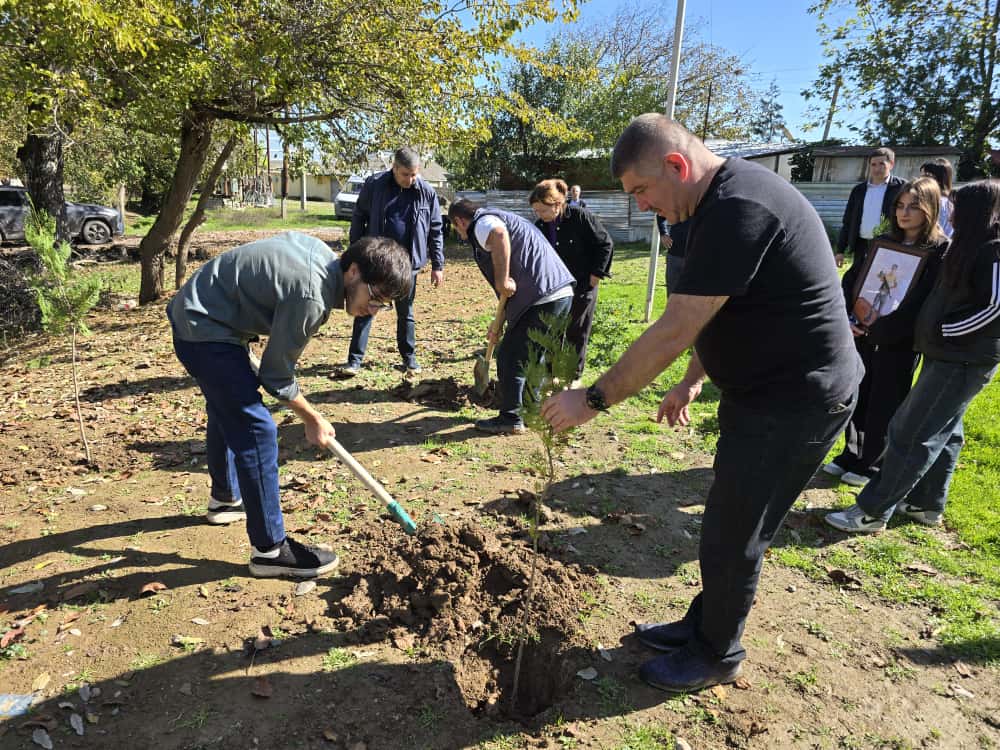
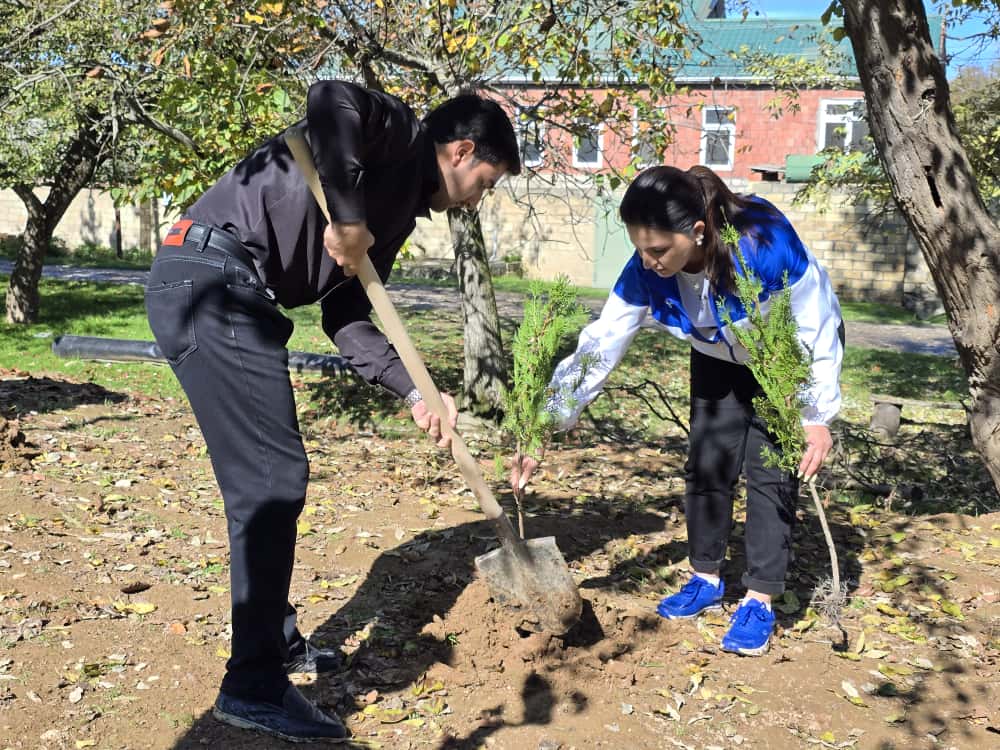
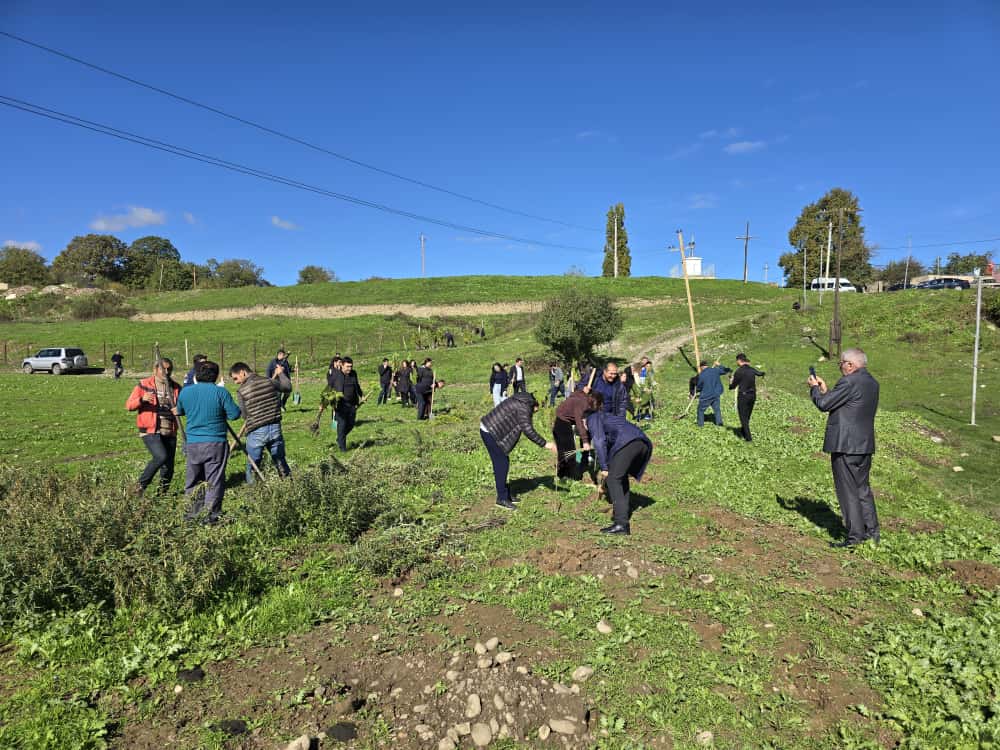
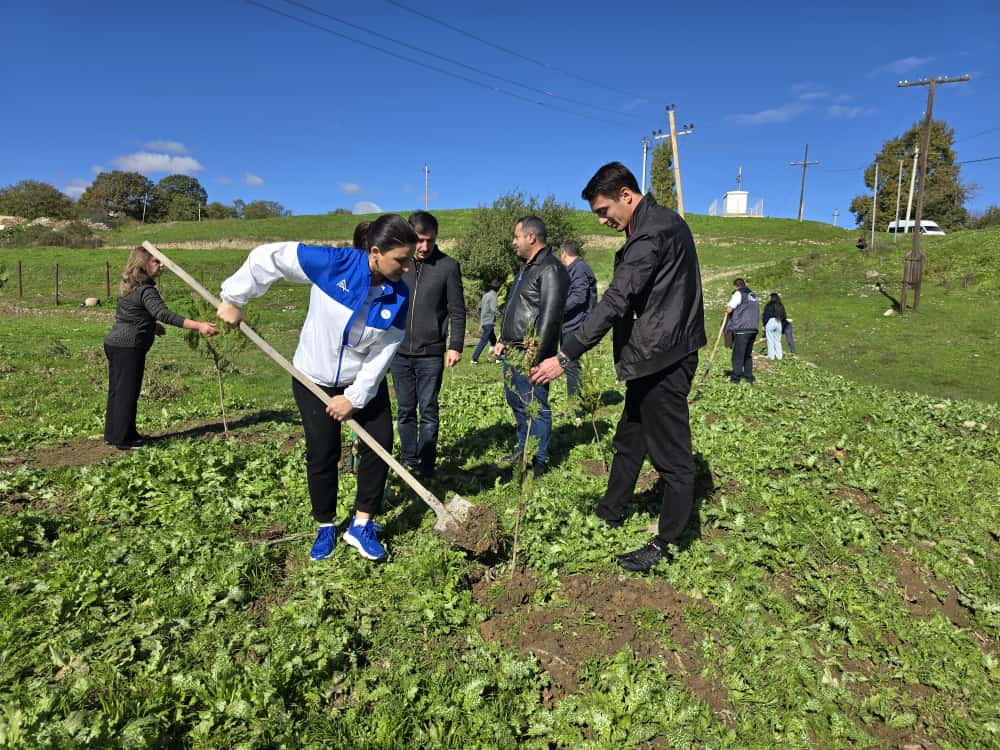
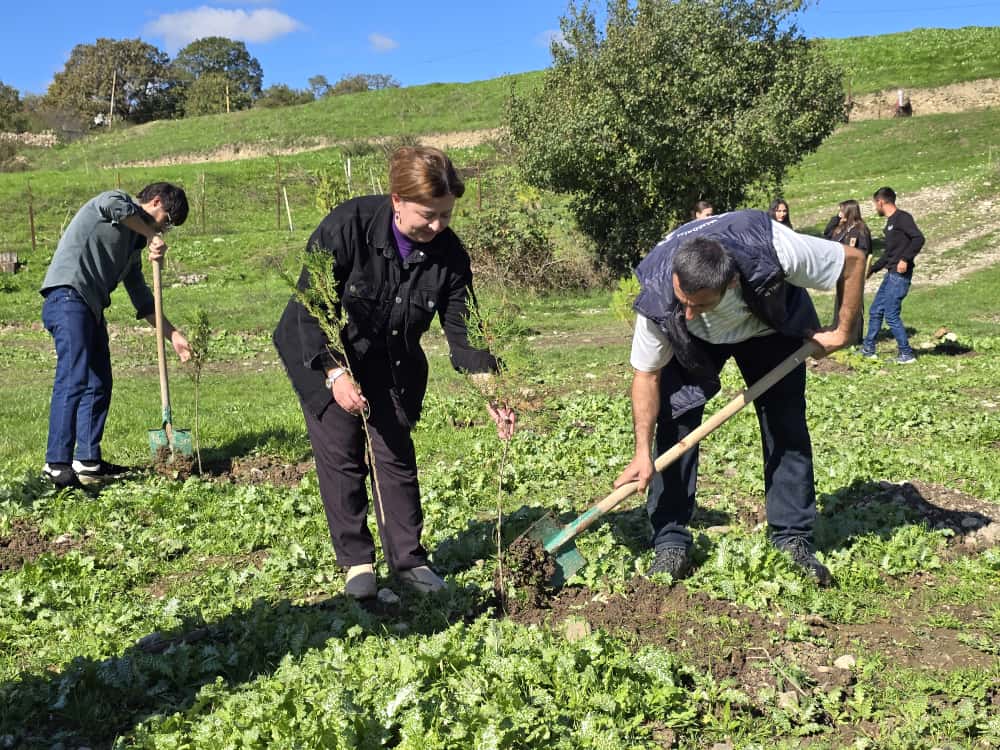
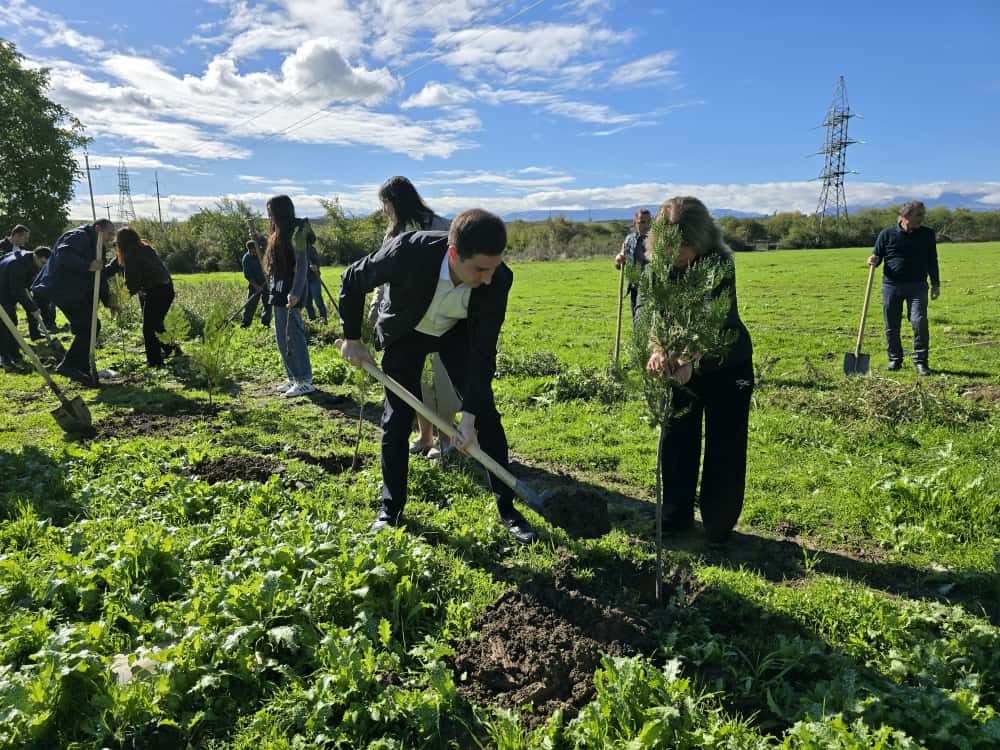
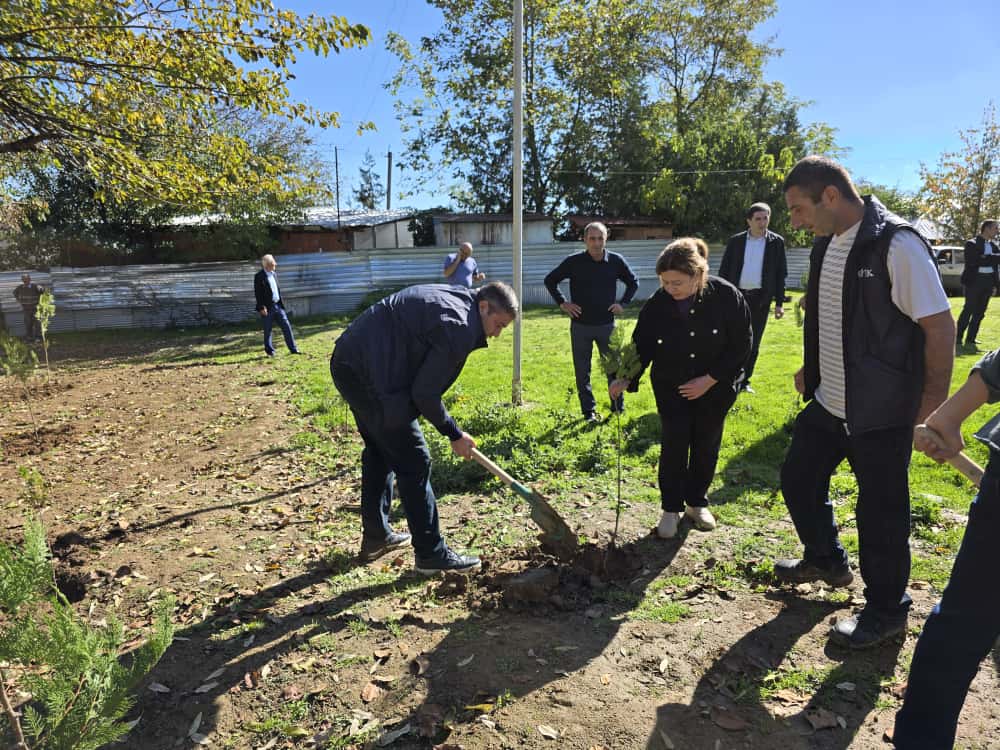
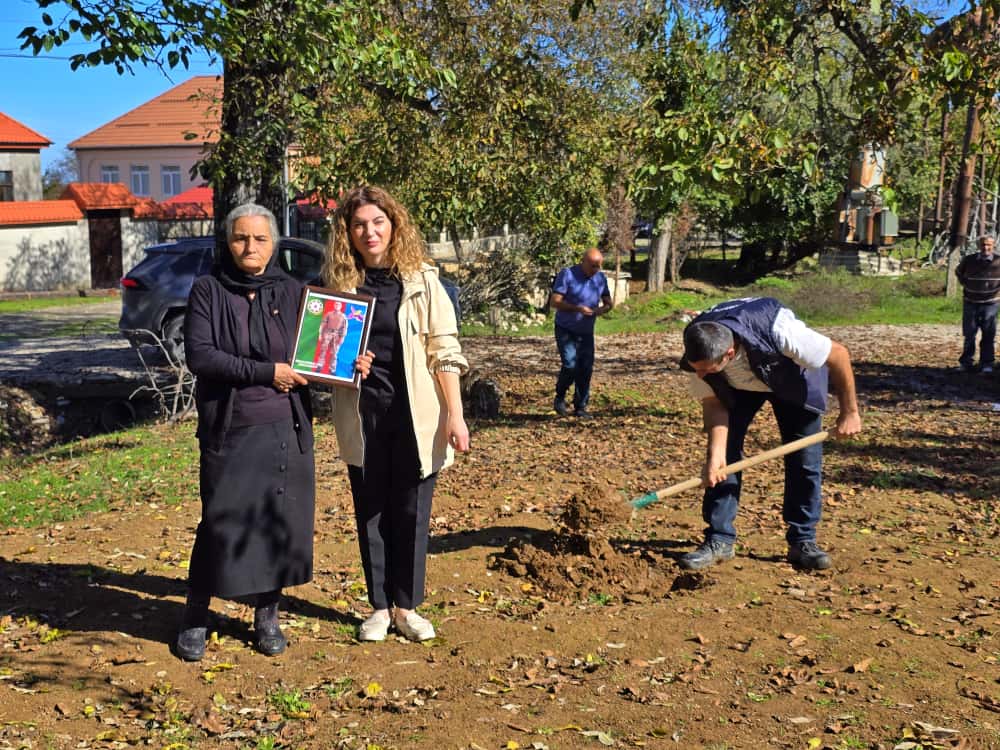
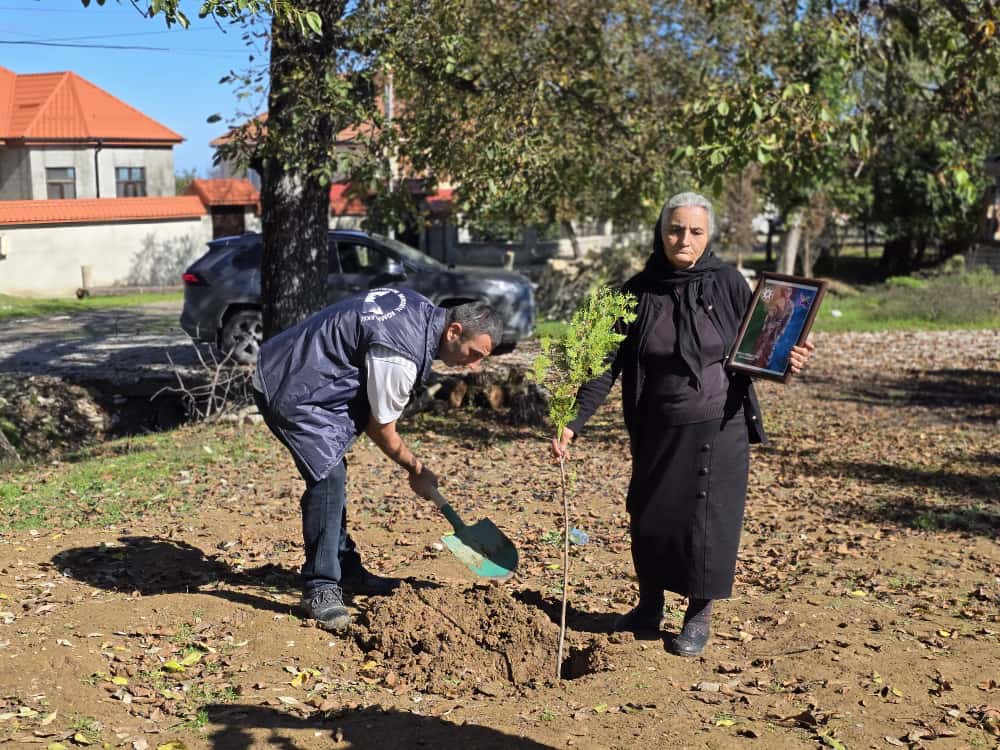
The campaign, organized under the slogan “One Tree – A Thousand Breaths,” took place on October 14 in the village of Khujbala at the stadium named after the martyr Hero Sanan Nəsimi oglu. The event was attended by the “Genocide Memorial Complex,” the Guba-Khachmaz Regional Department of Youth and Sports, the Guba Entrepreneurs Support Association (GESA), the Khujbala Executive Power, and the Khujbala Municipality. Over 300 trees were planted during the campaign. The family of the martyr Sanan Gahramanov also participated in the tree planting campaign.
3rd guba Symposium | Reserves and Museums: A Bridge from the Past to the Future
As part of the 3rd Guba Symposium on "Reserves and Museums: A Bridge from the Past to the Future," the authors of the accepted scientific papers continue their presentations in the sectional meetings. The authors are discussing topics related to the activities of reserves and museums, the organization of work within these institutions, how reserves and museums are keeping up with modern times, the application of artificial intelligence in this field, and other related subjects.
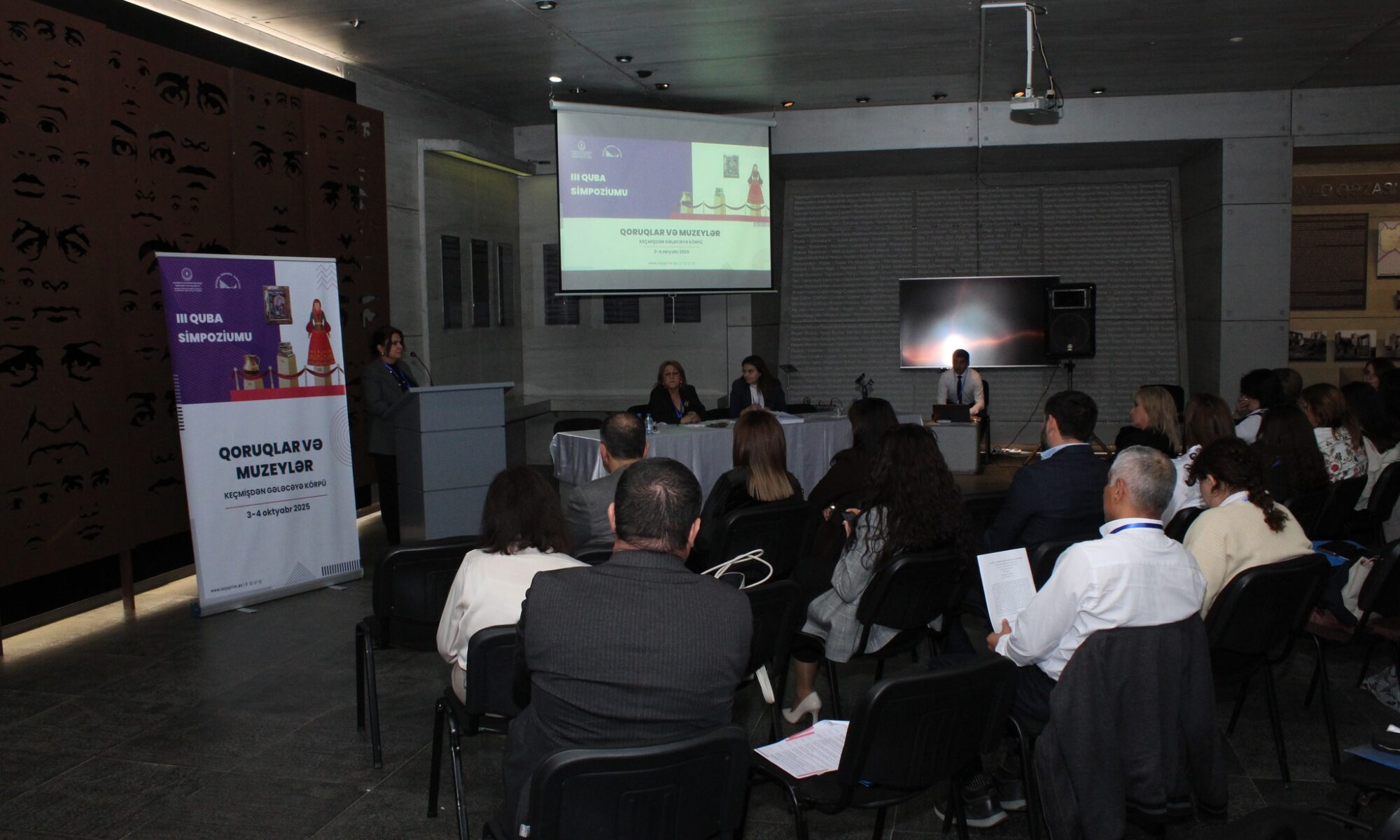
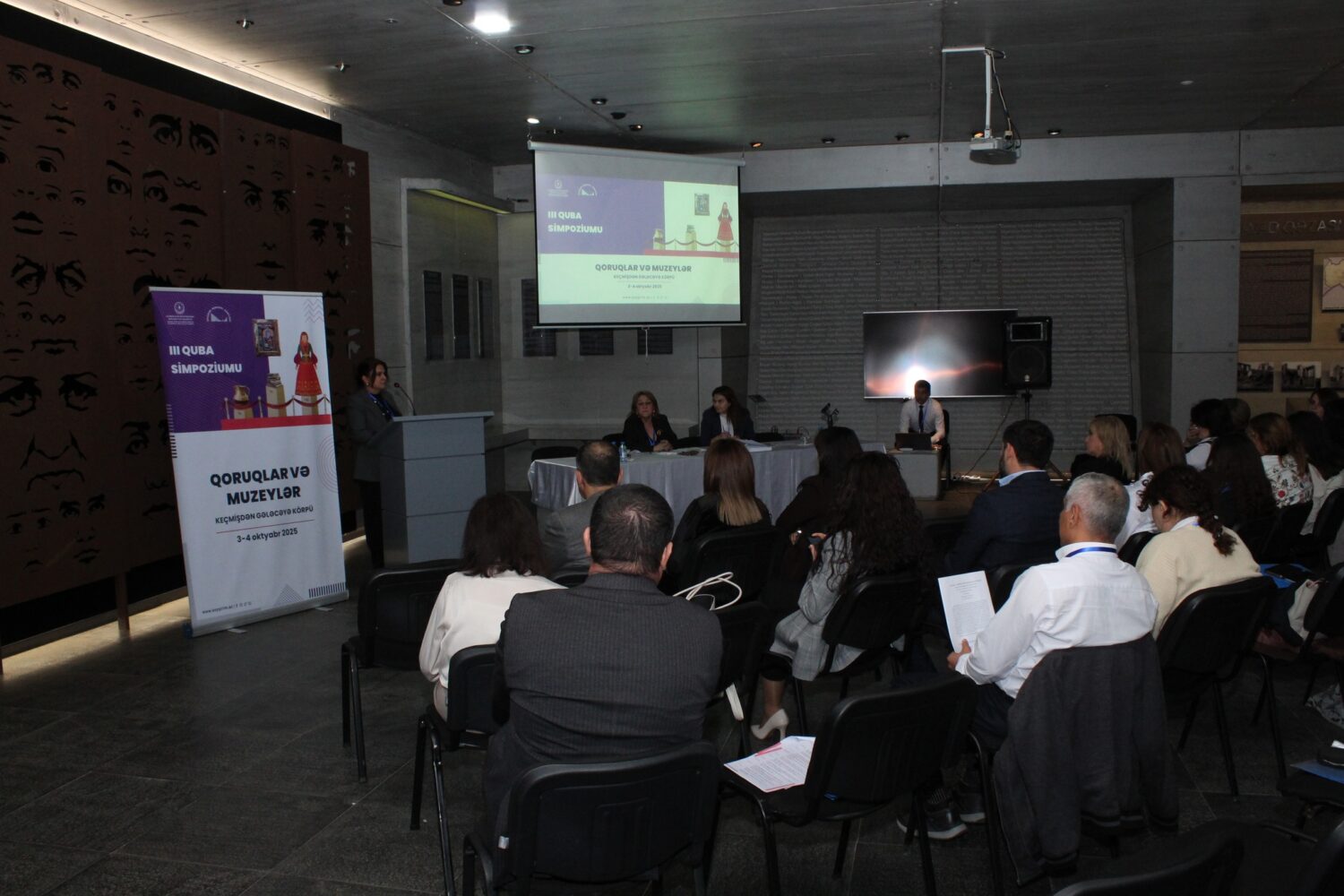
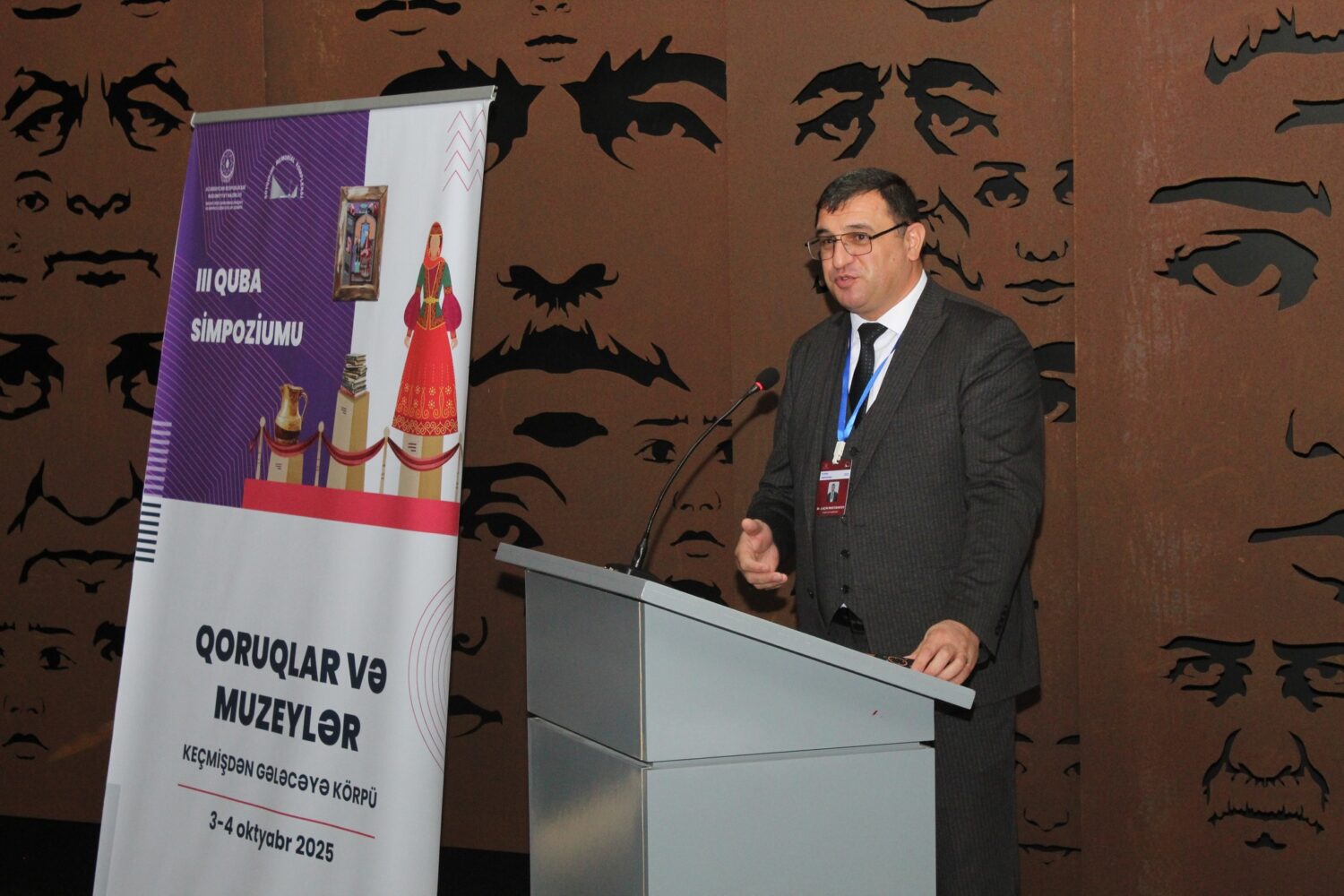
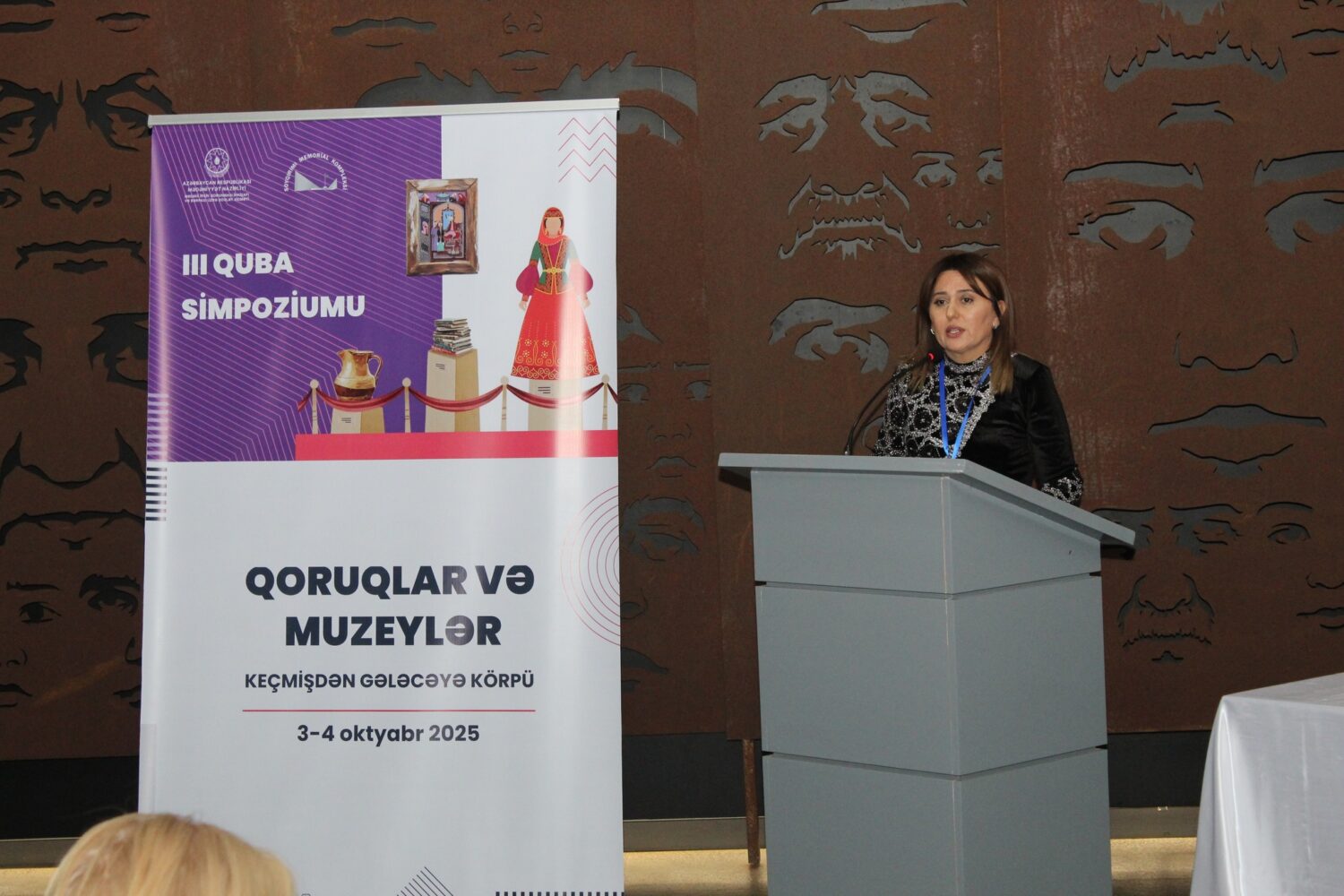
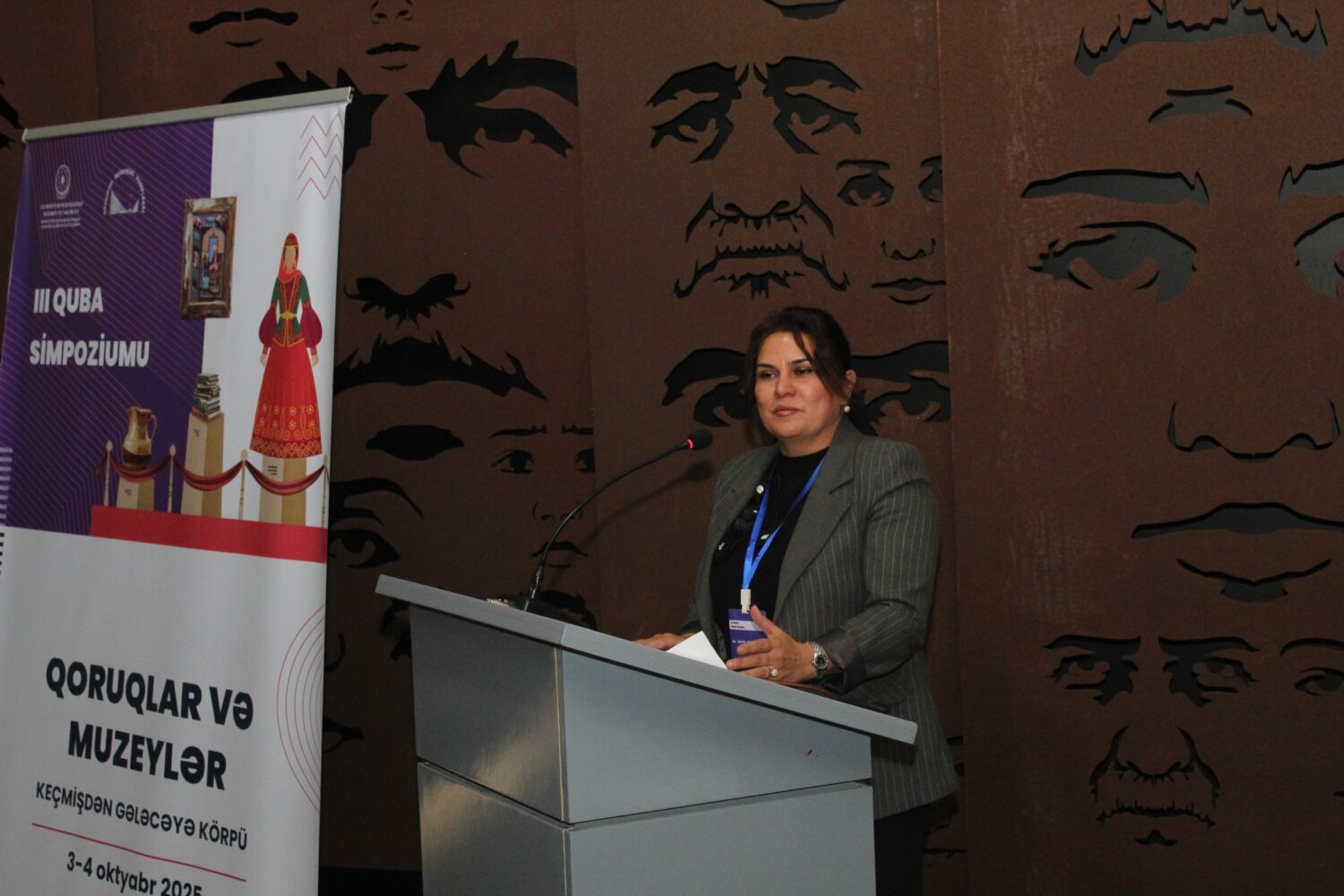
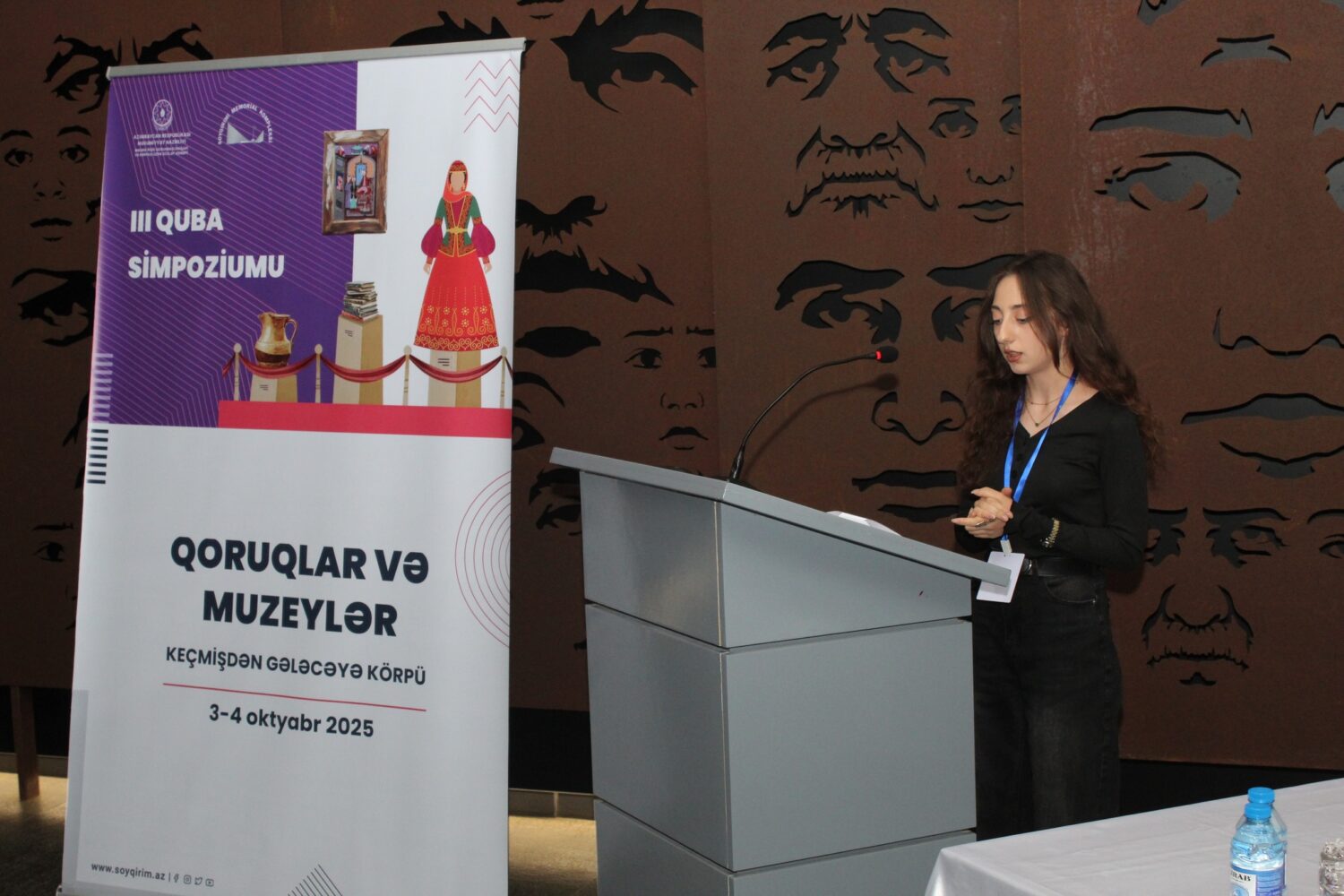
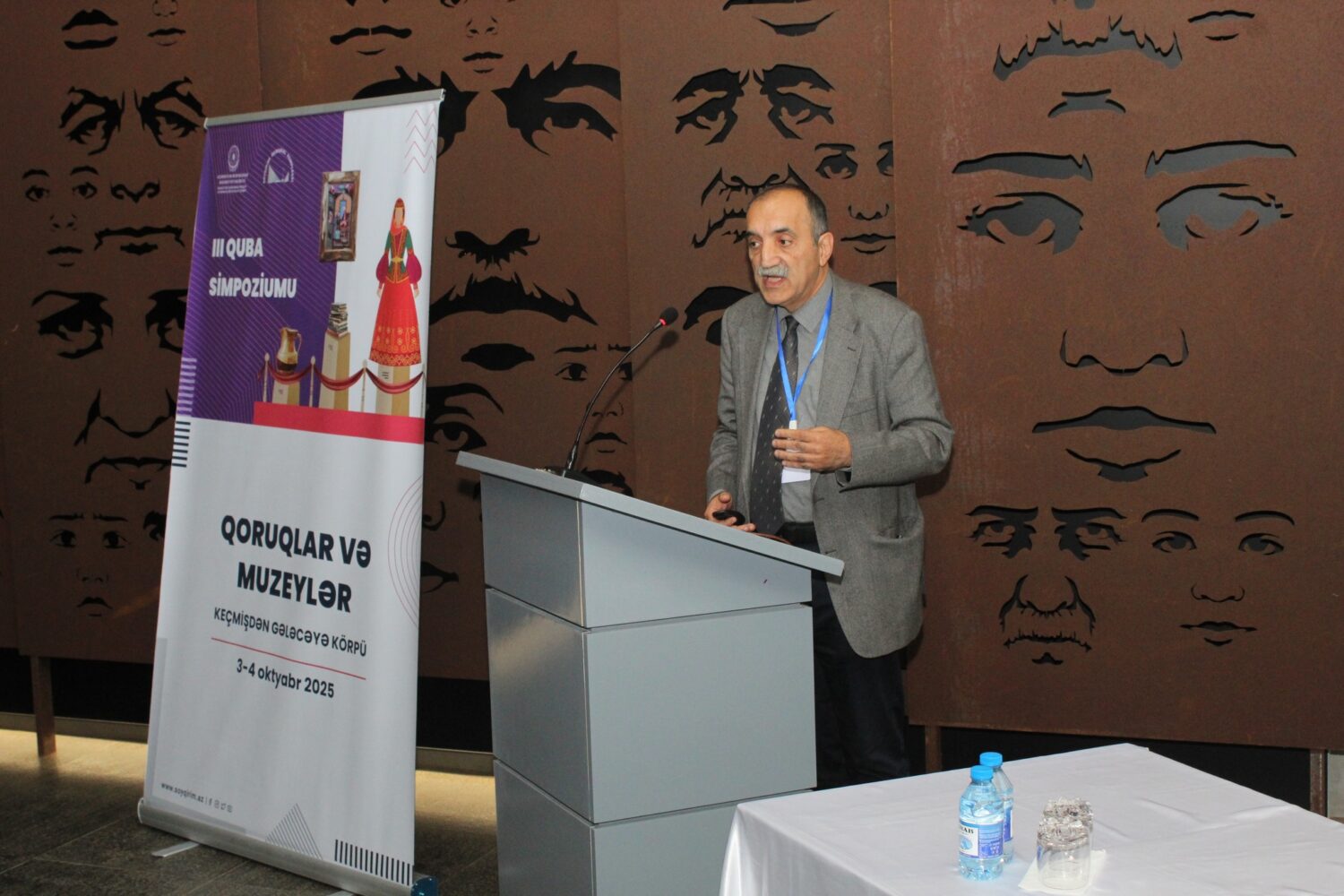
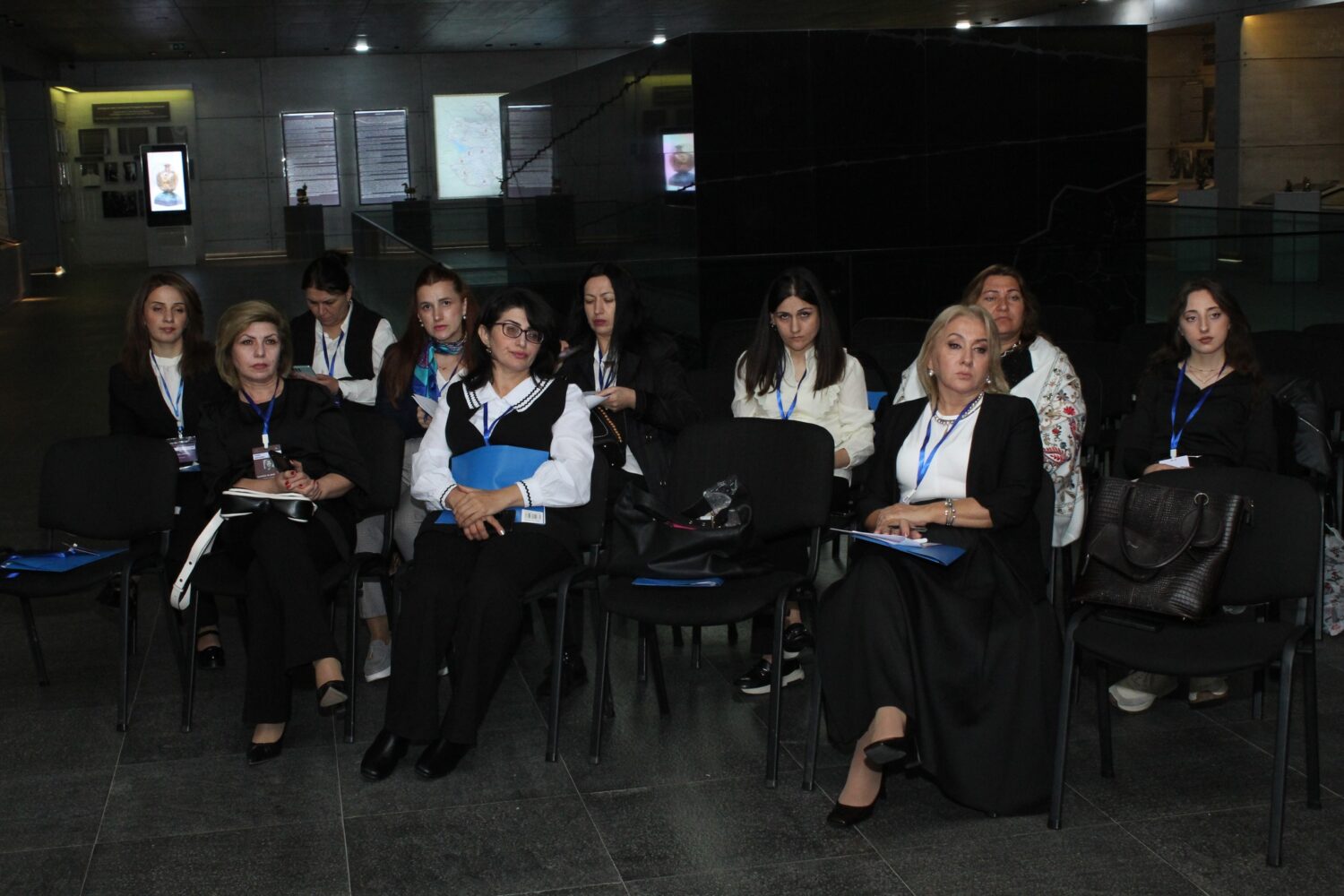
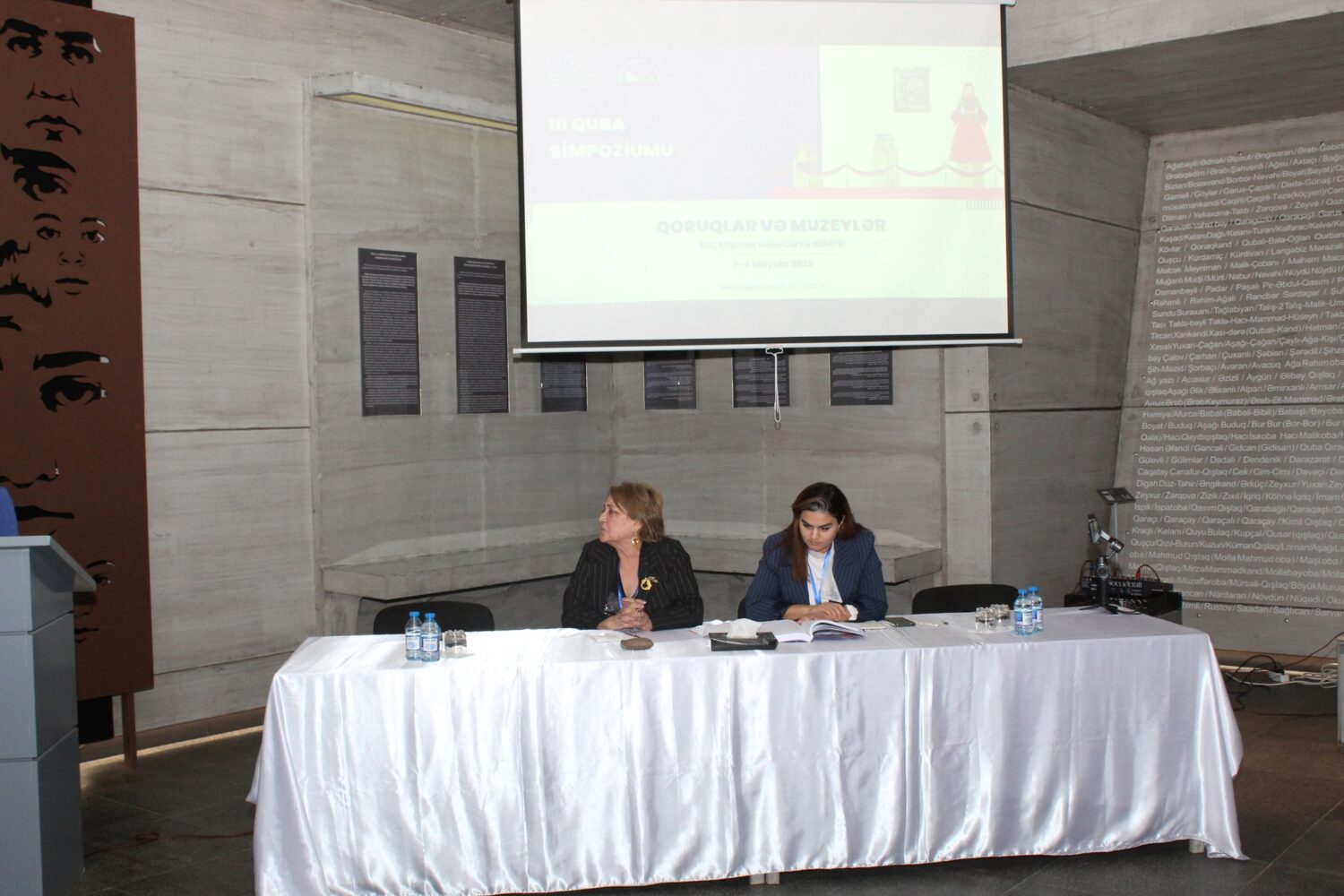
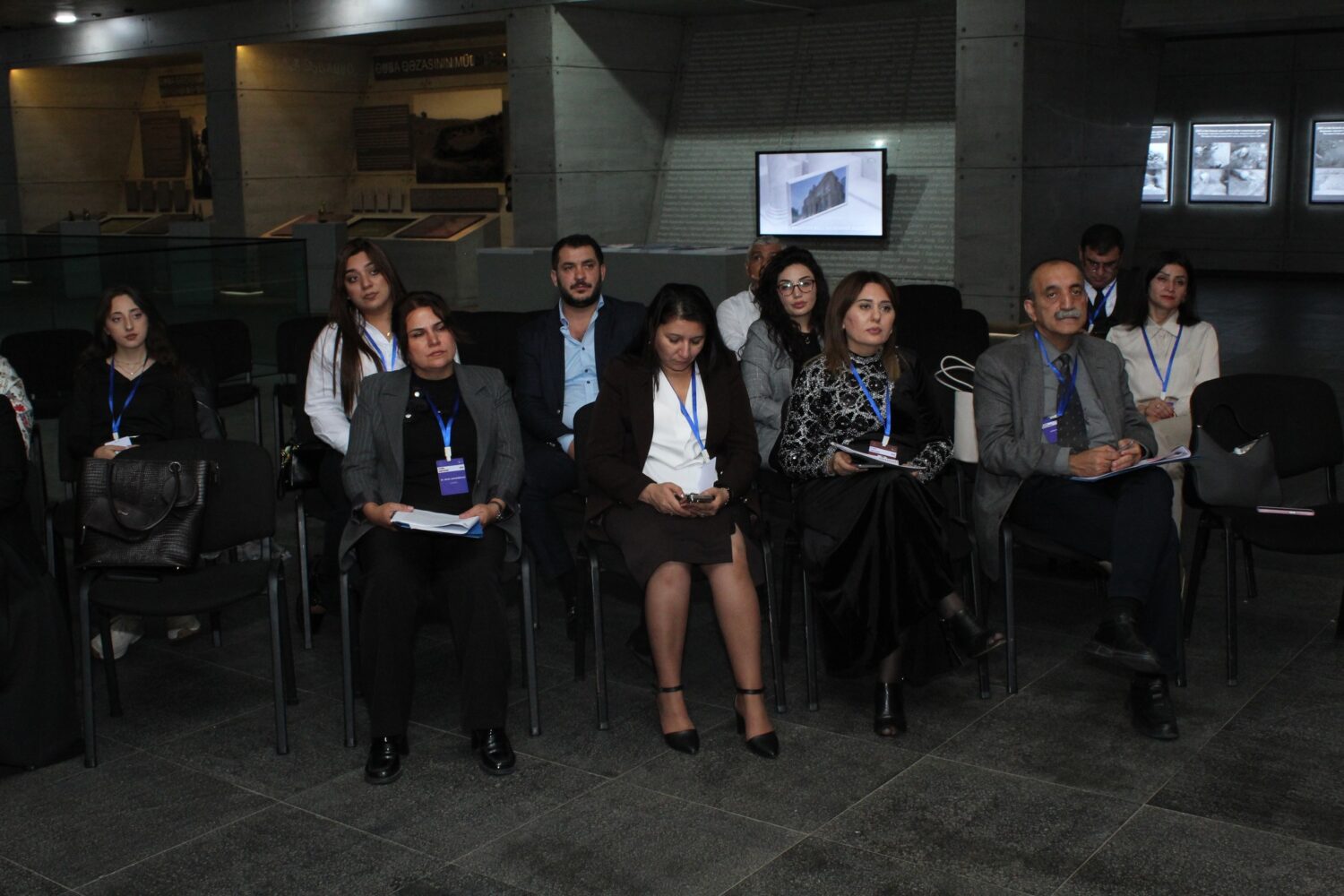
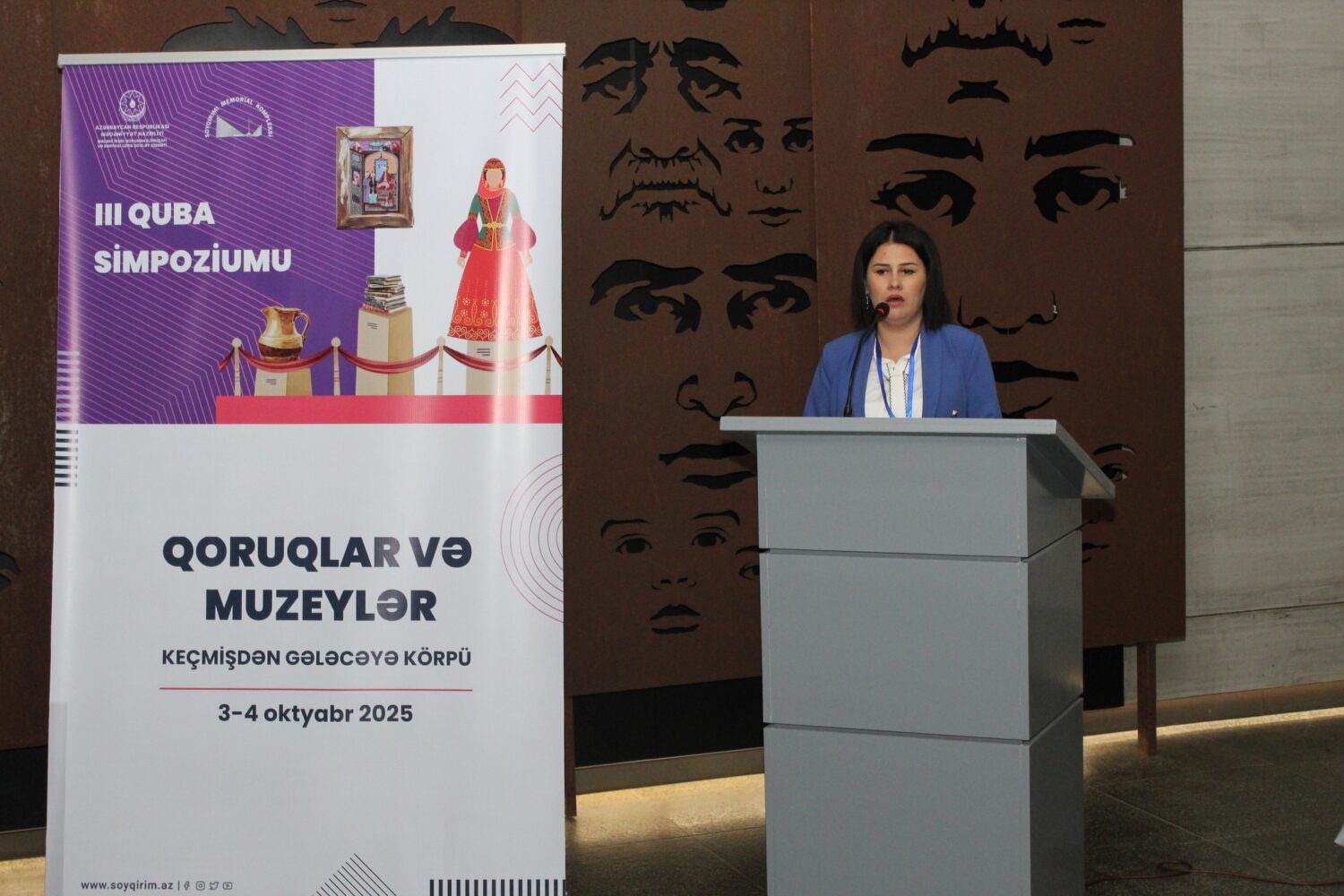
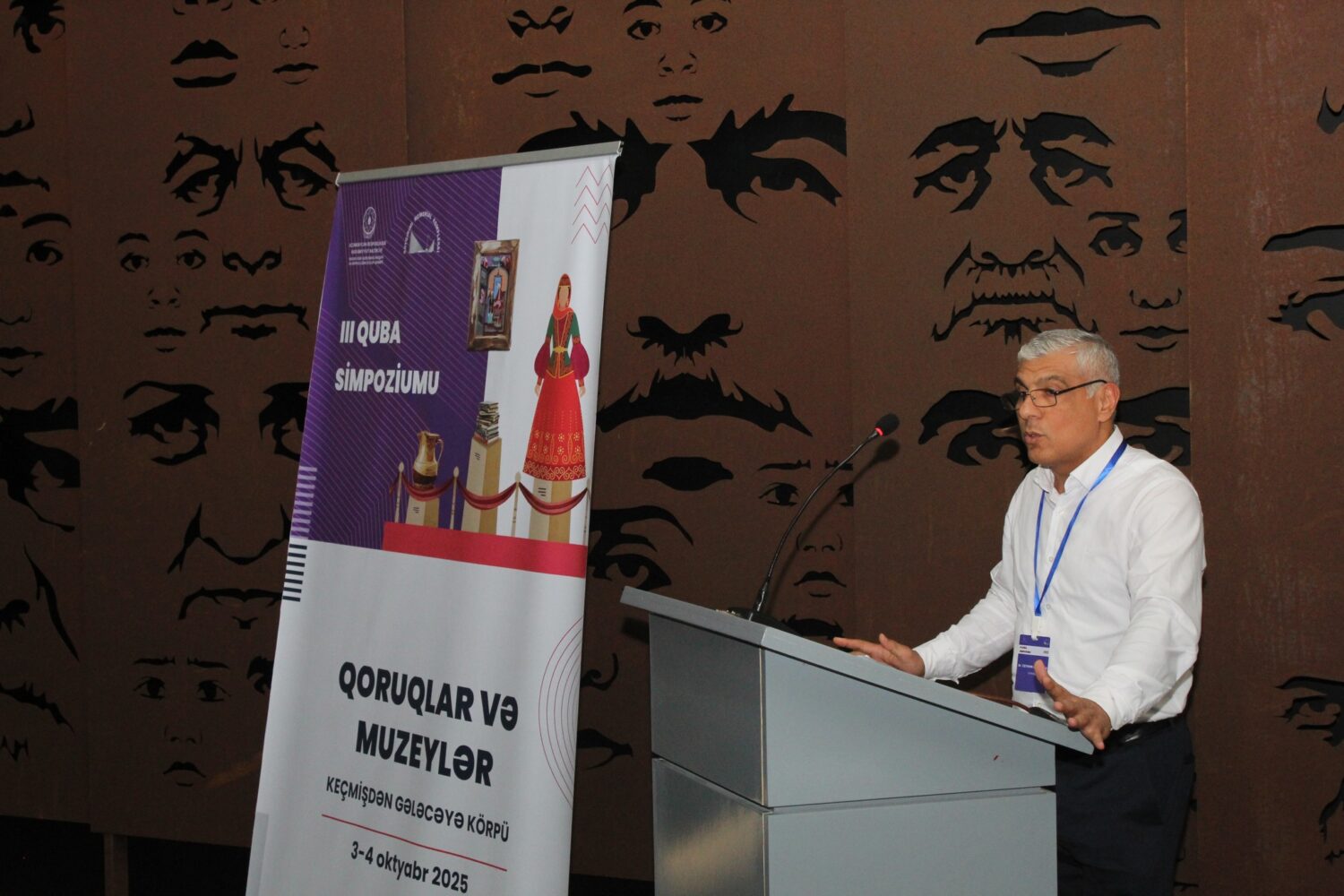
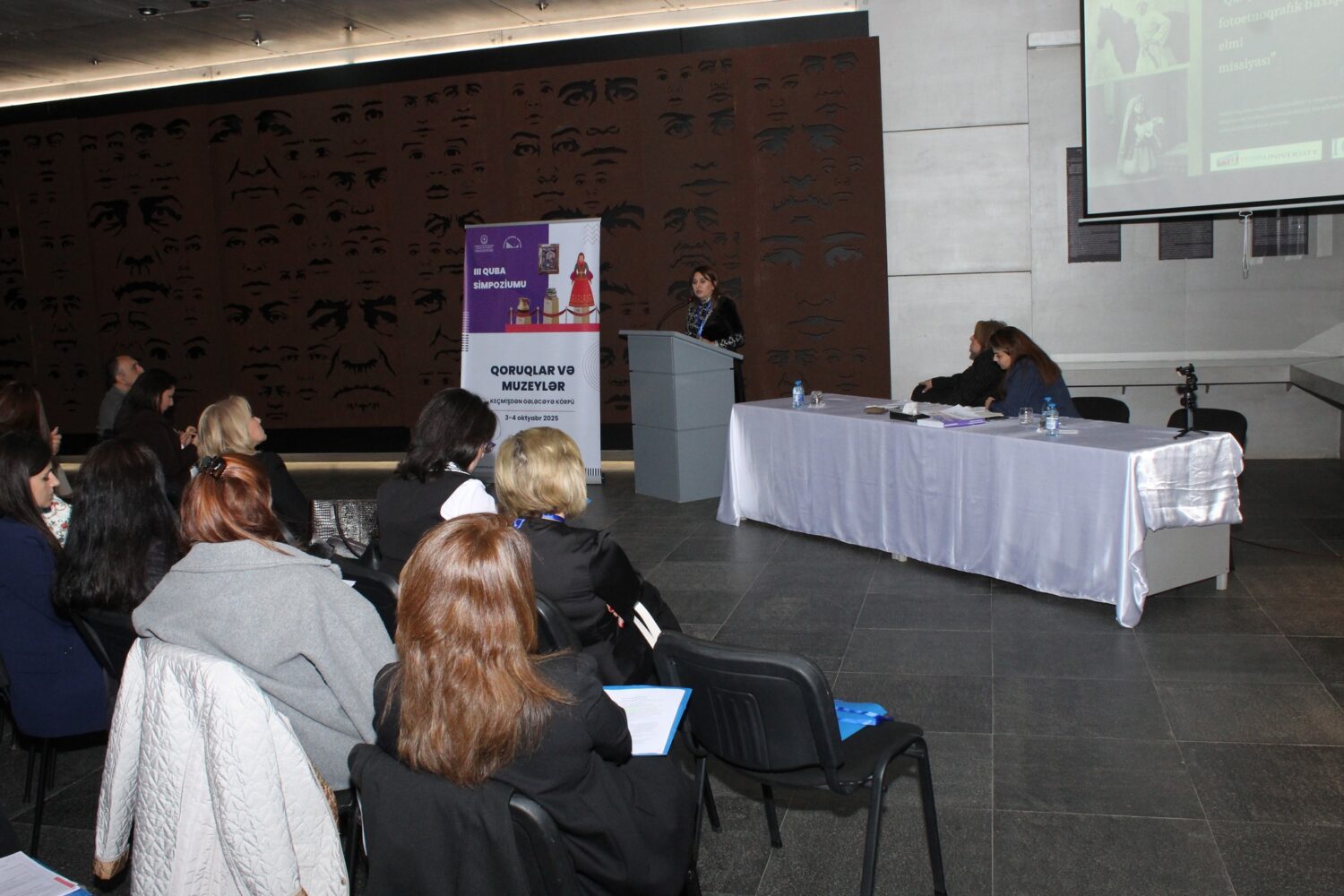
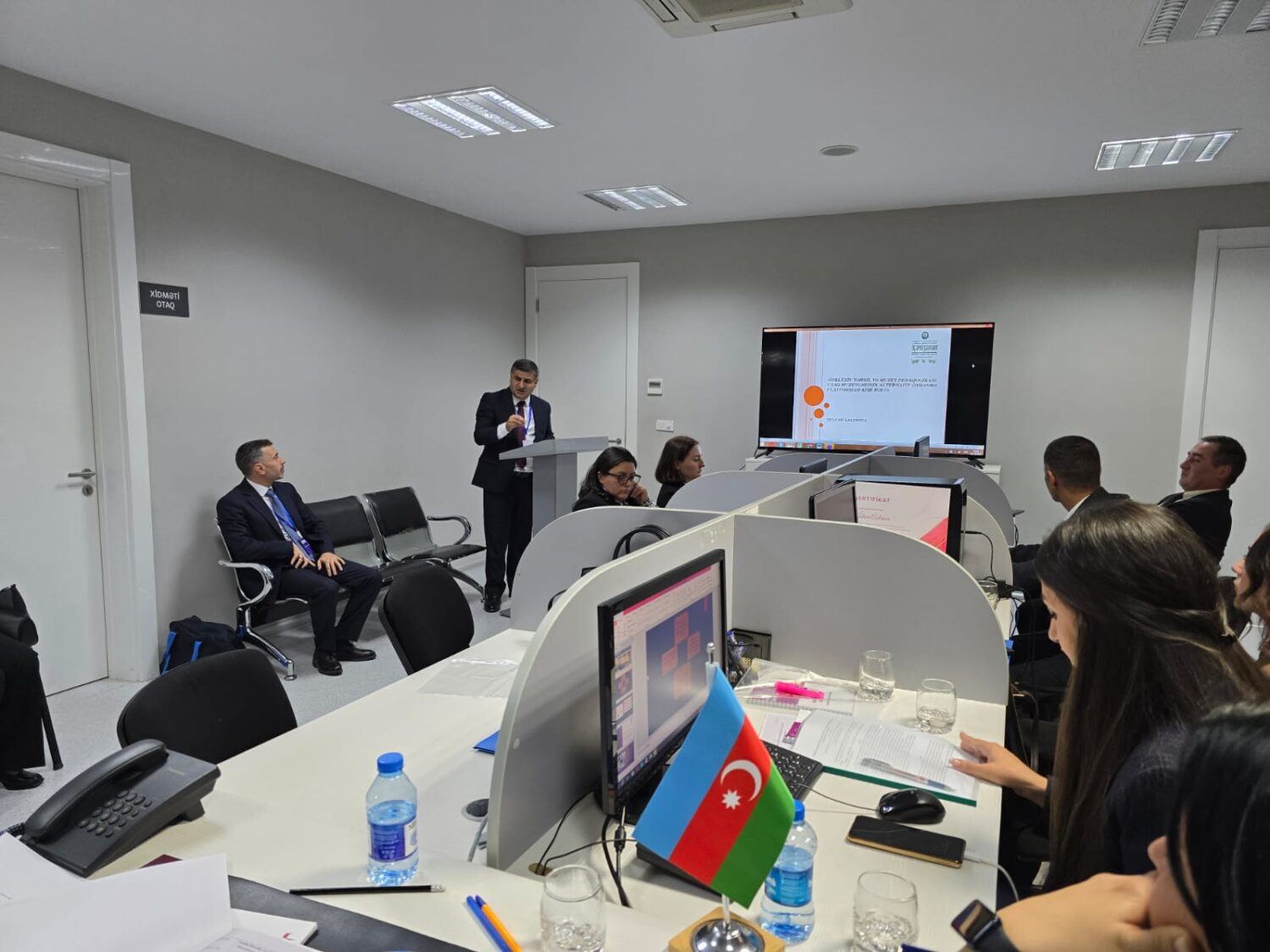
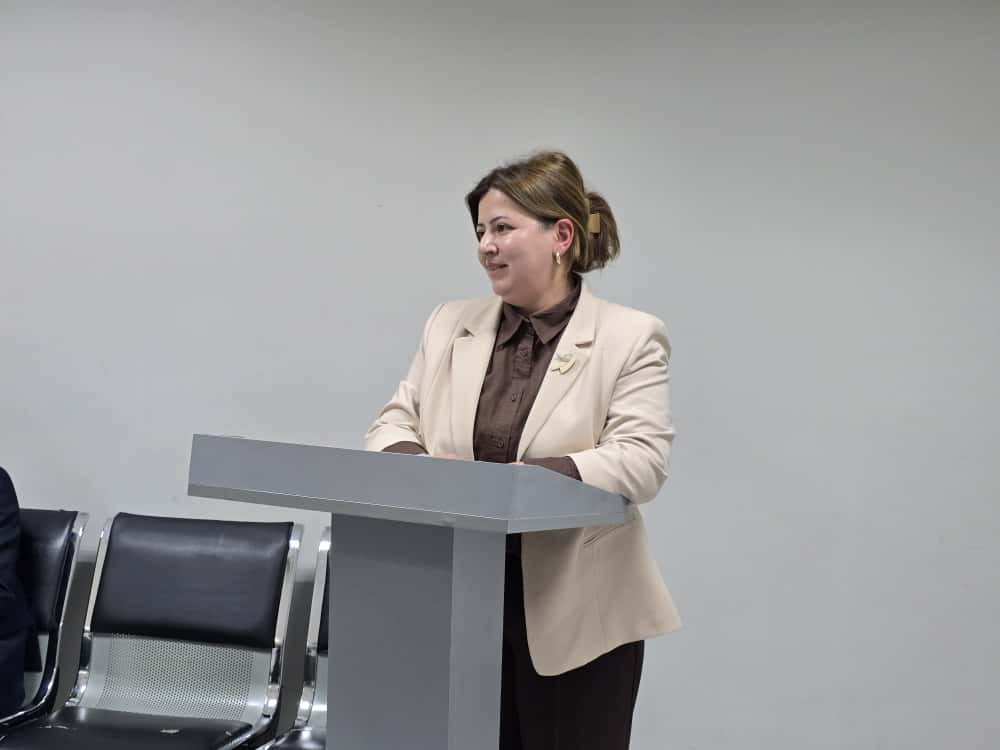
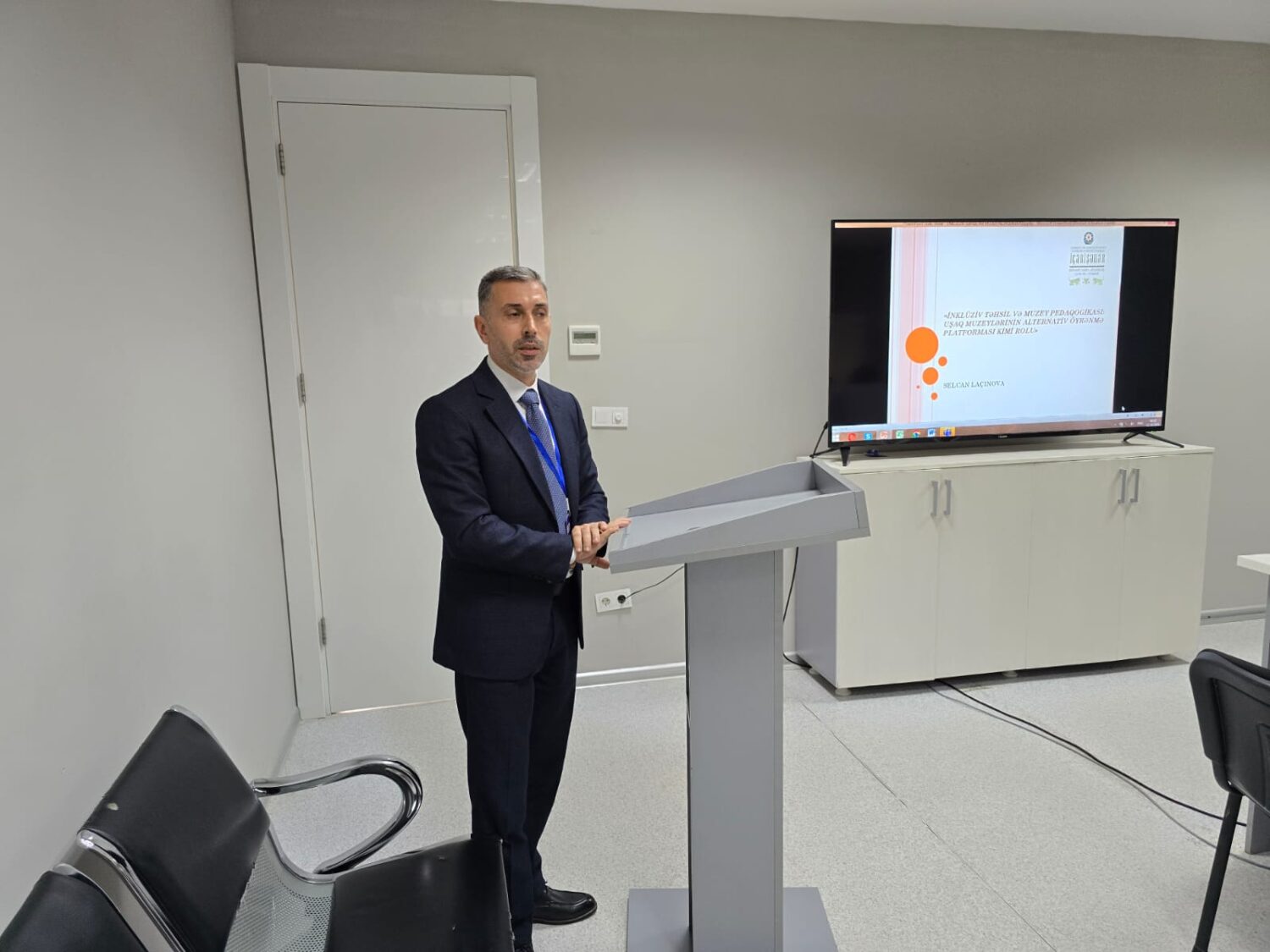
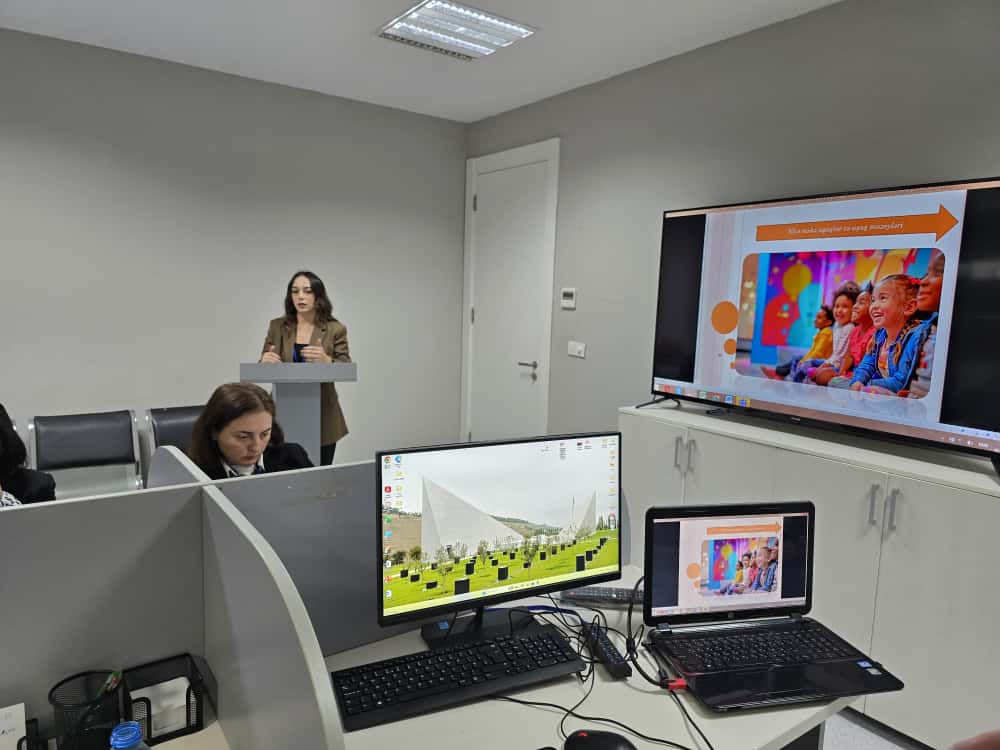
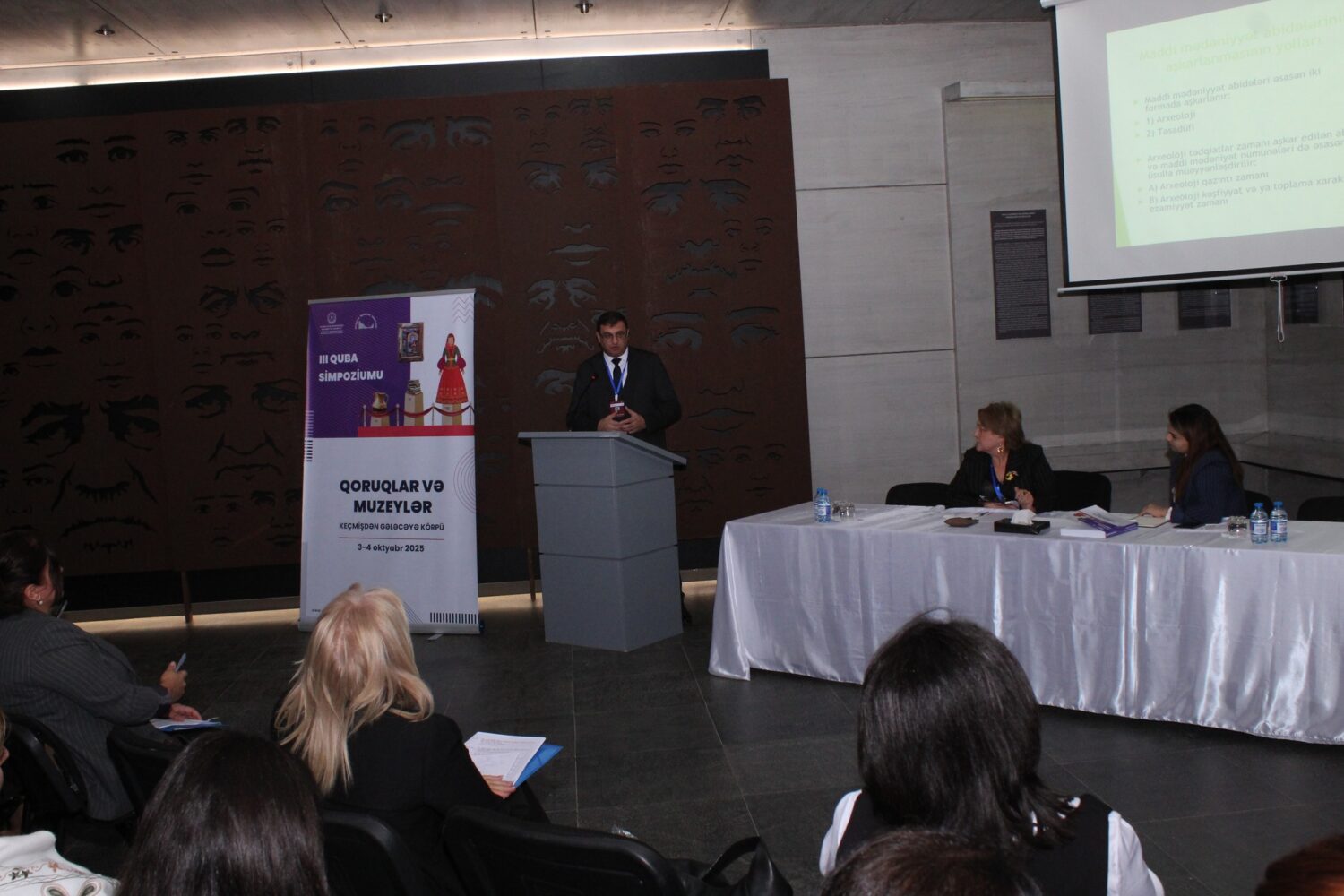
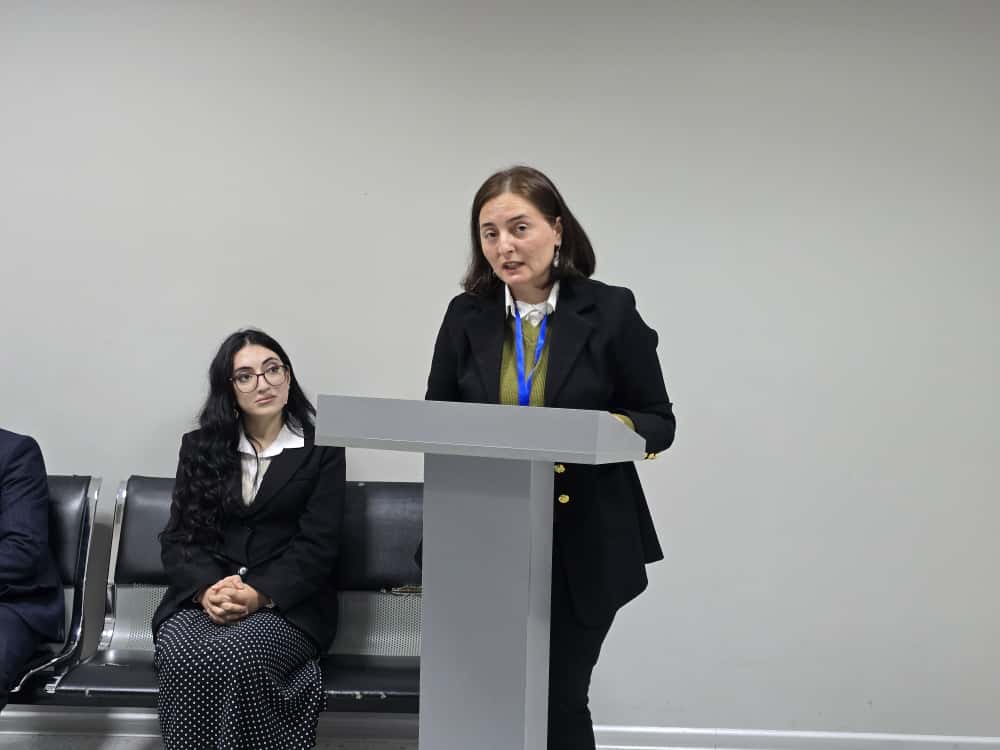
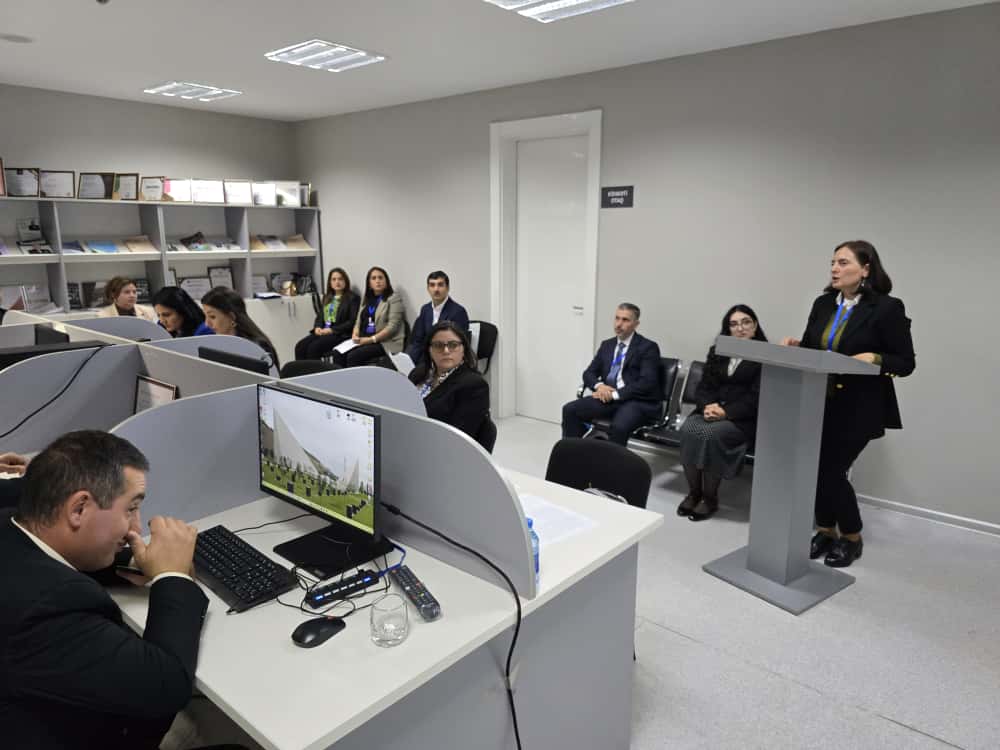
The 3rd Guba Symposium titled "Reserves and Museums – A Bridge from the Past to the Future"
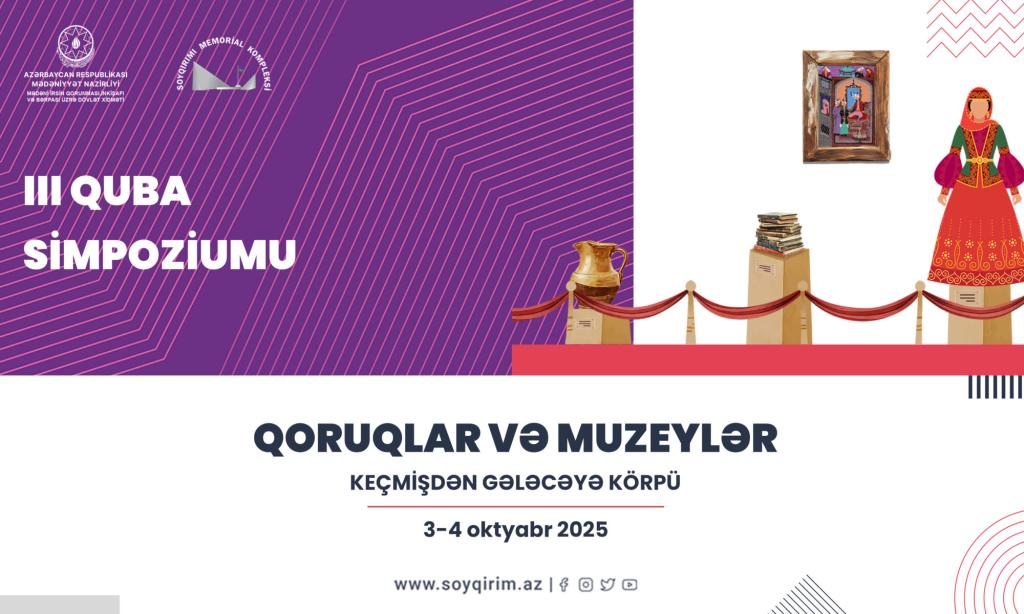
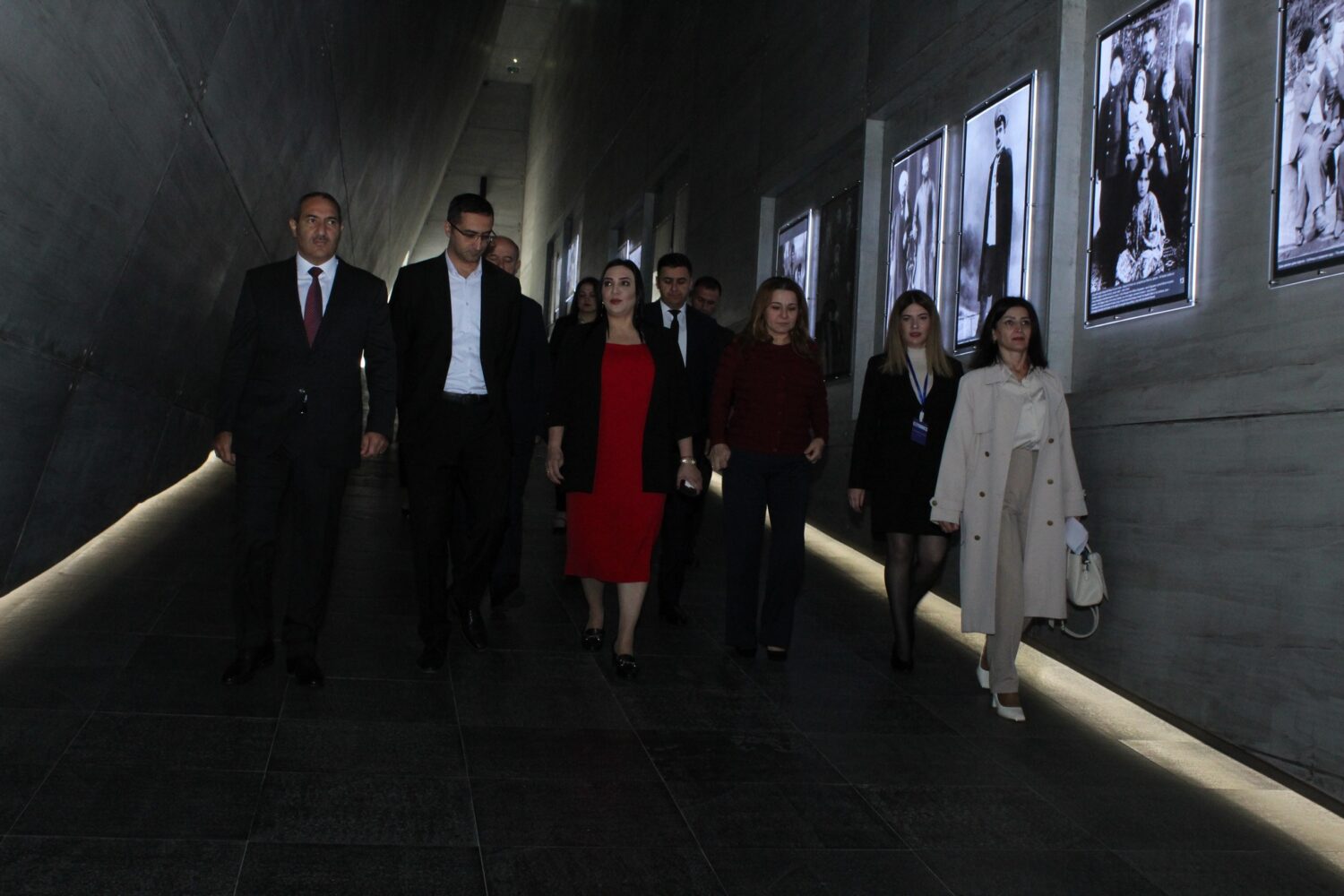
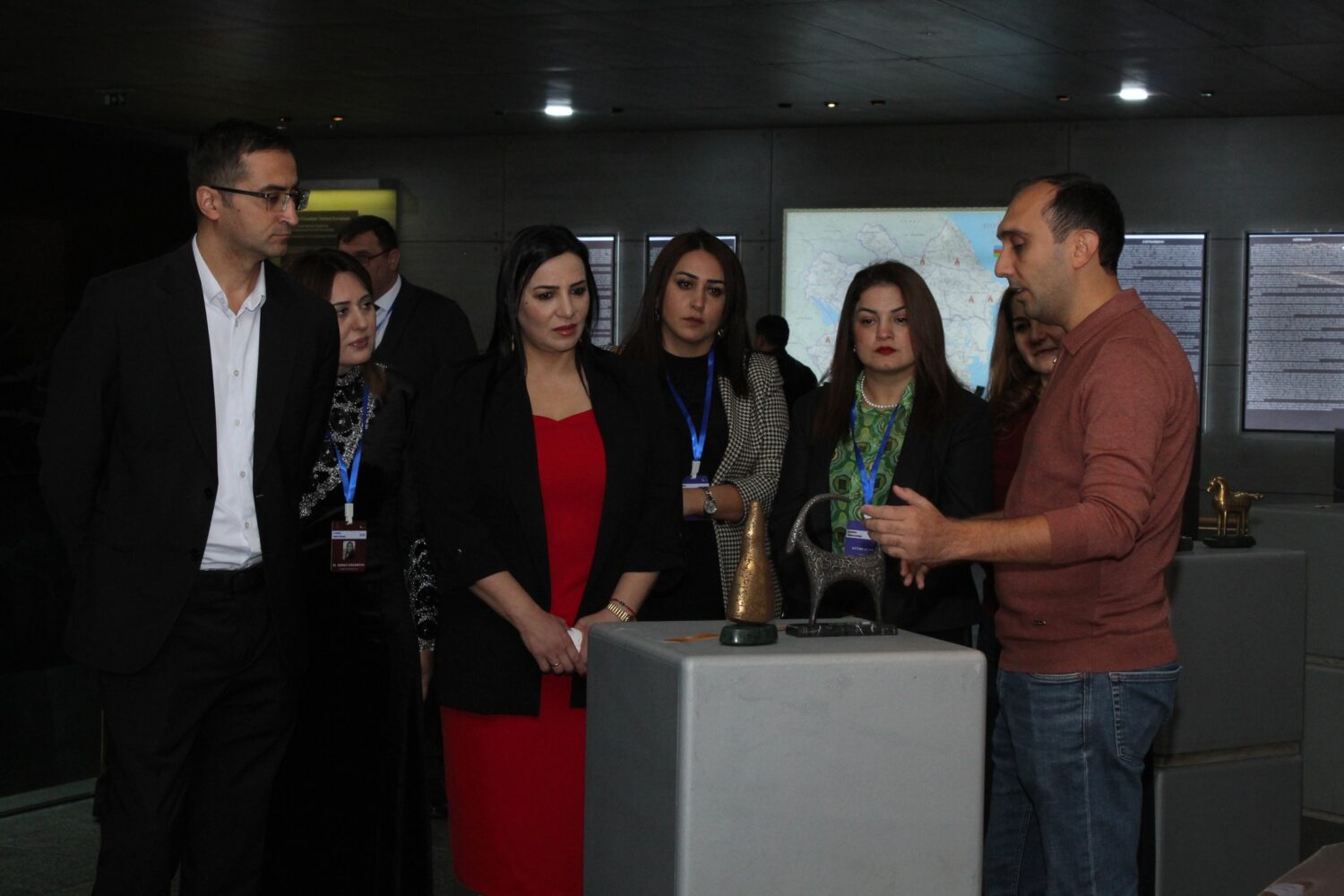
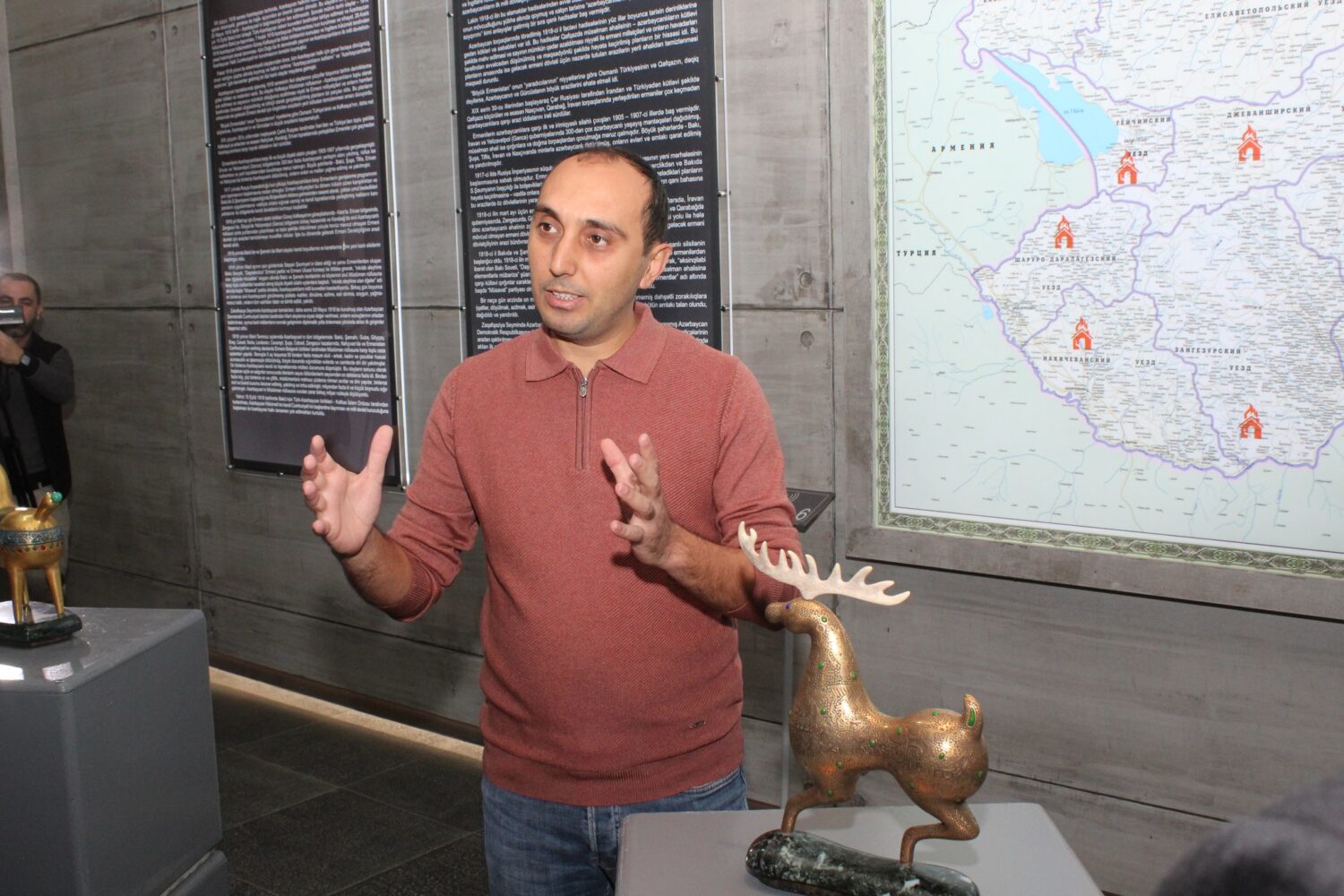
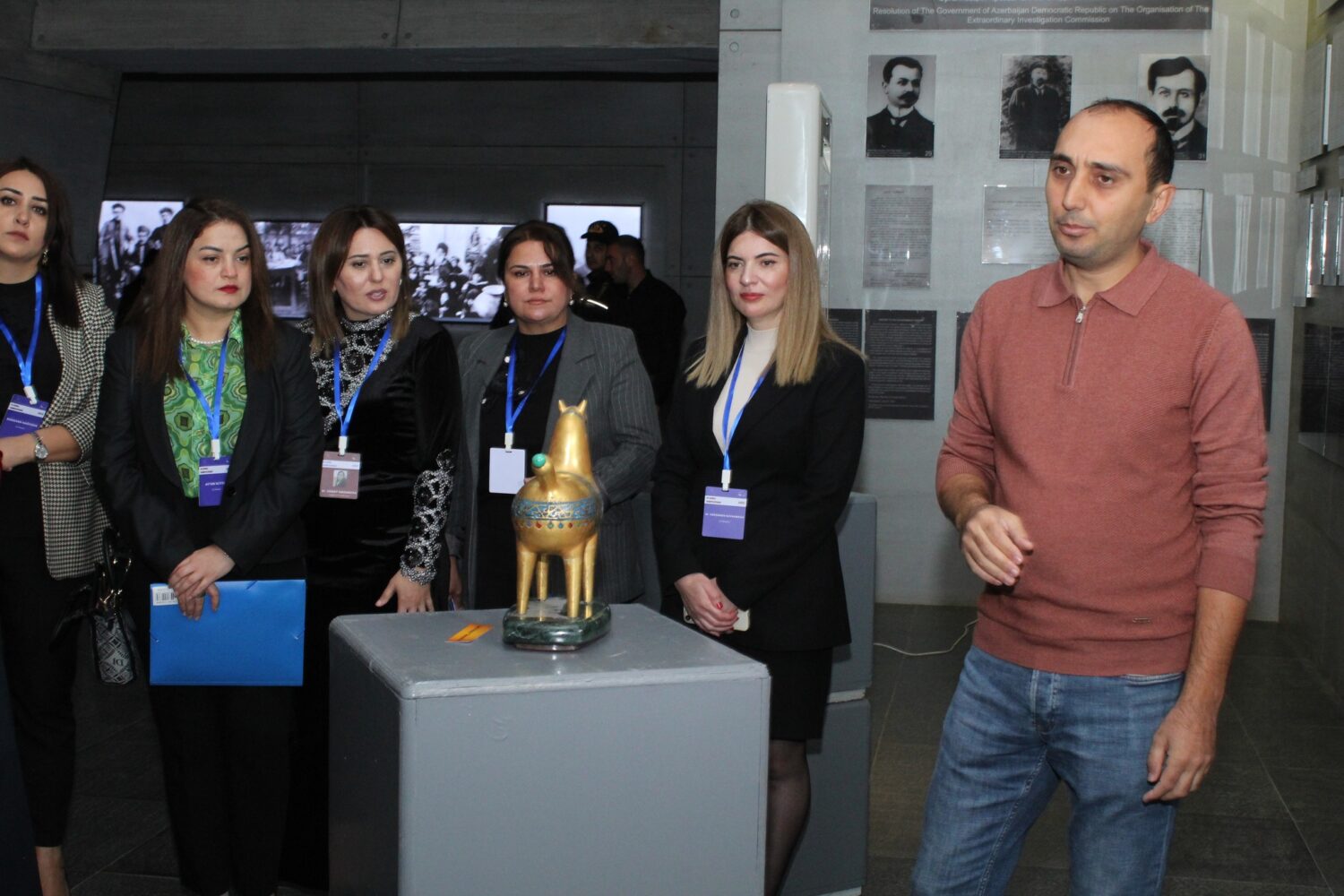
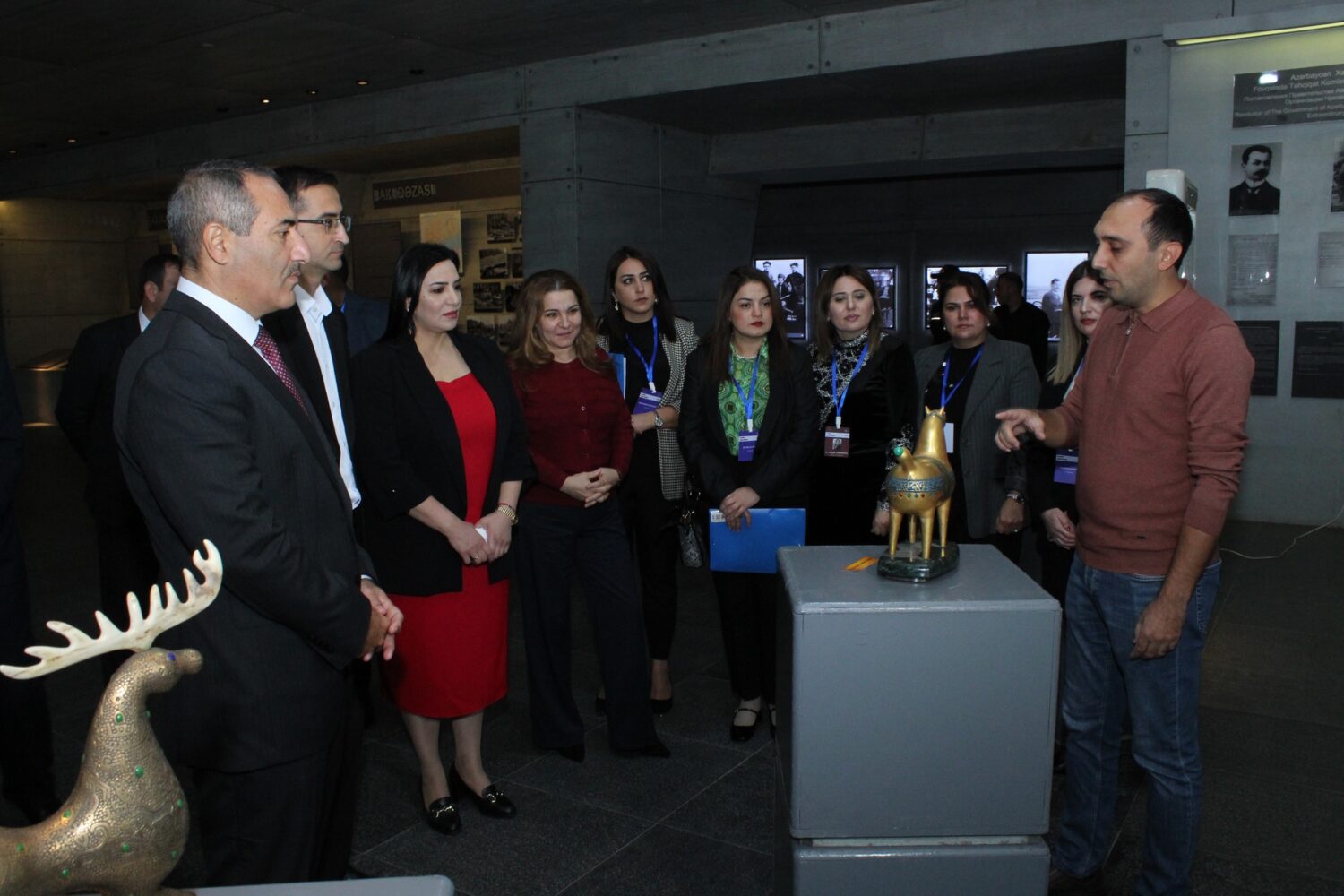
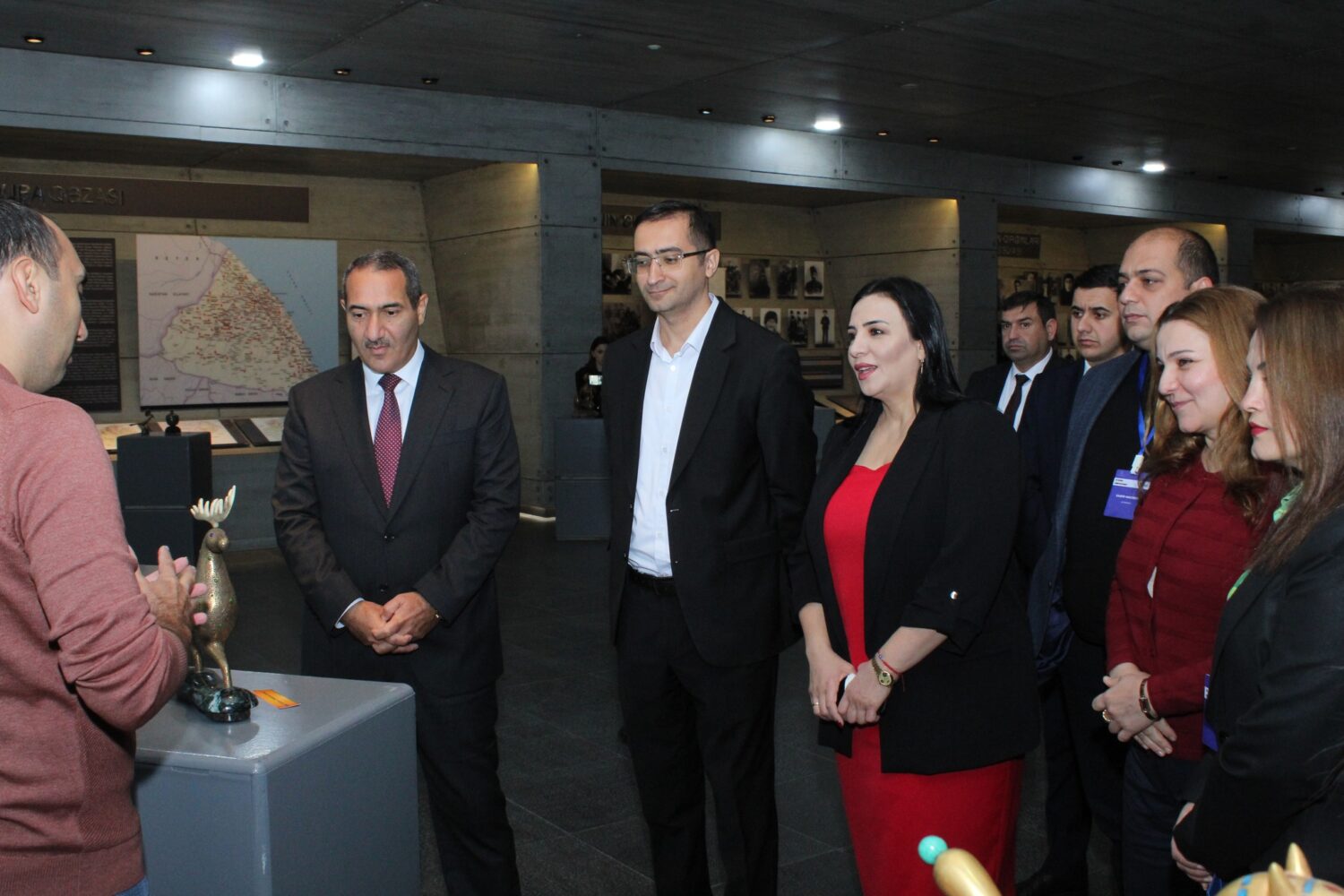
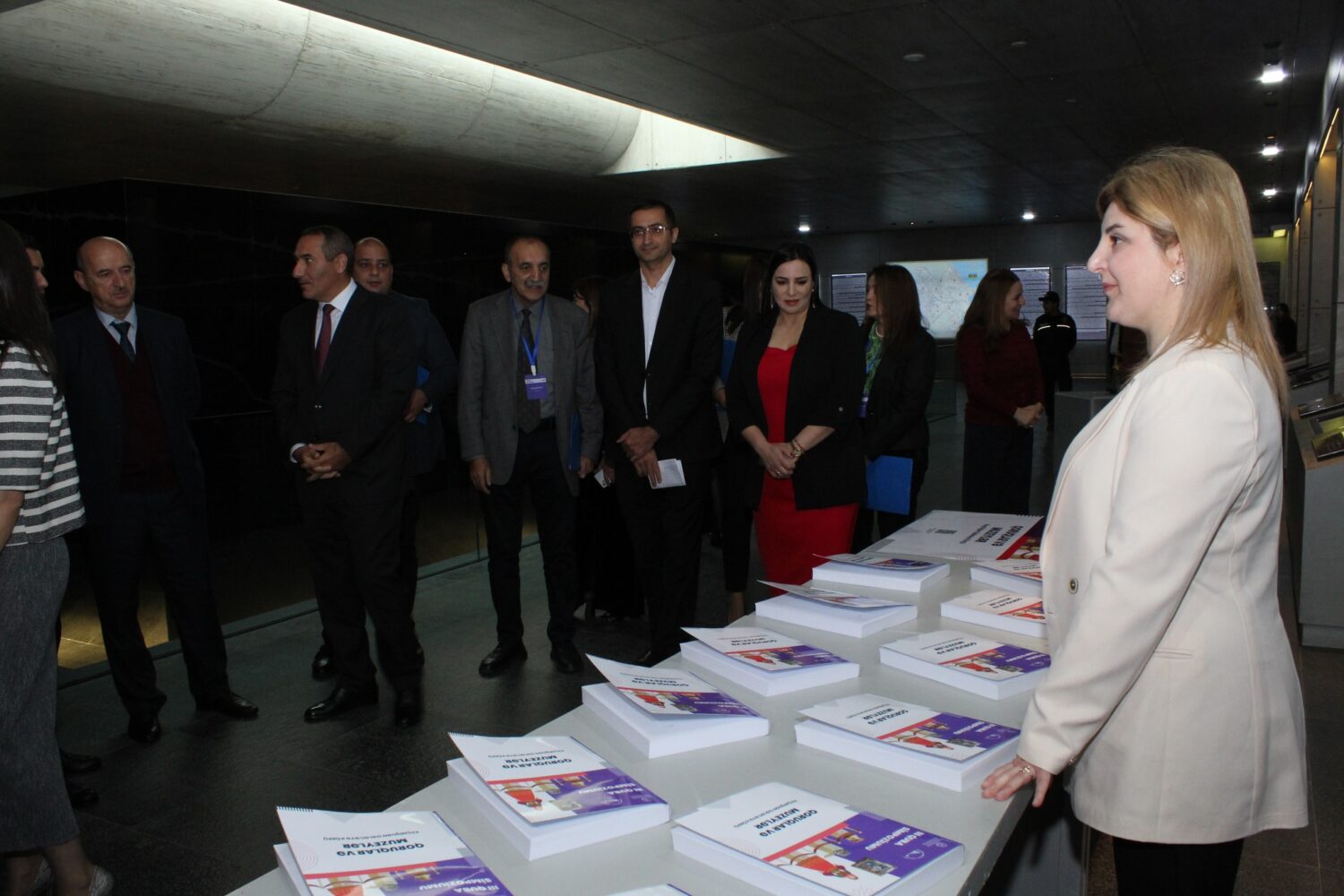
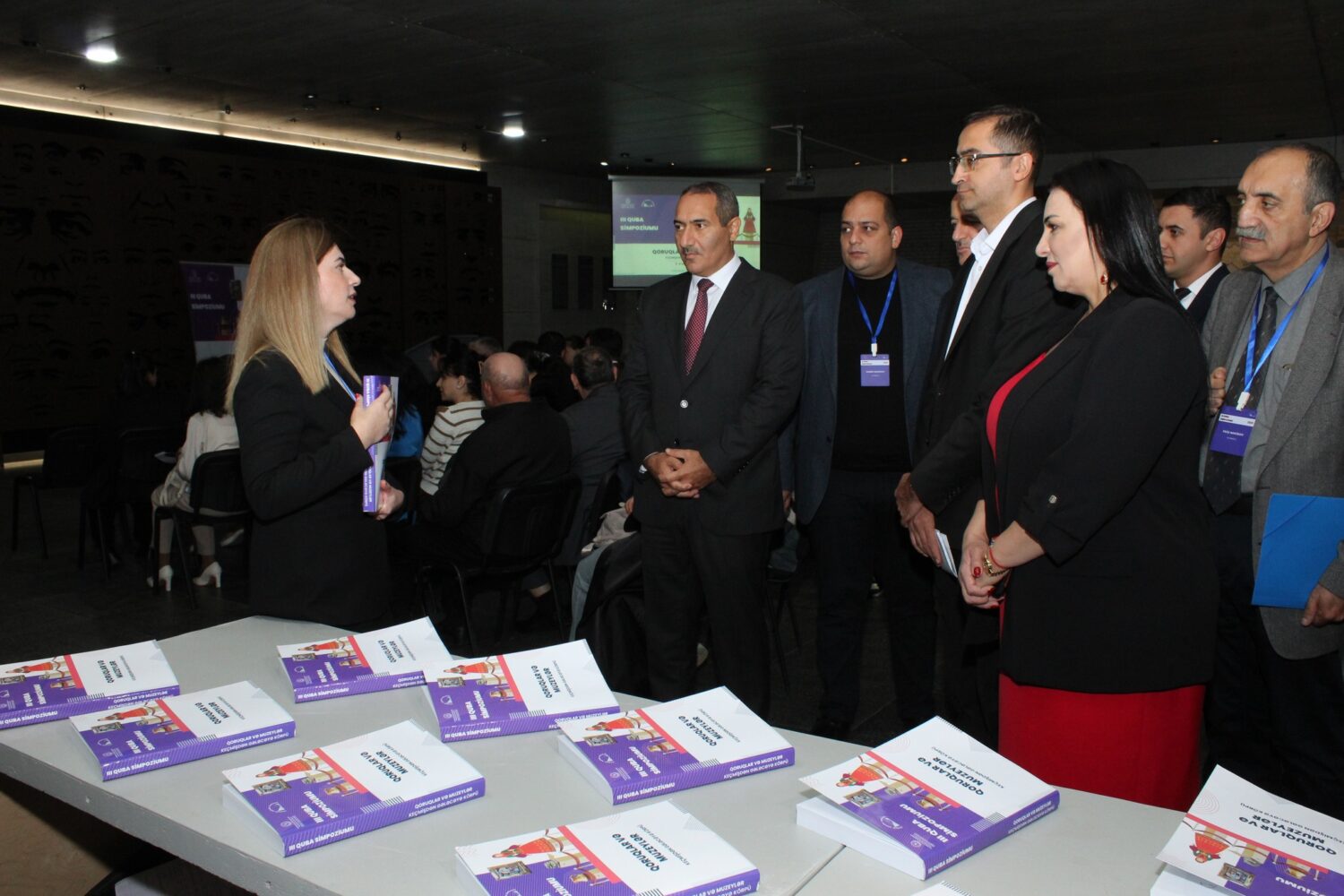
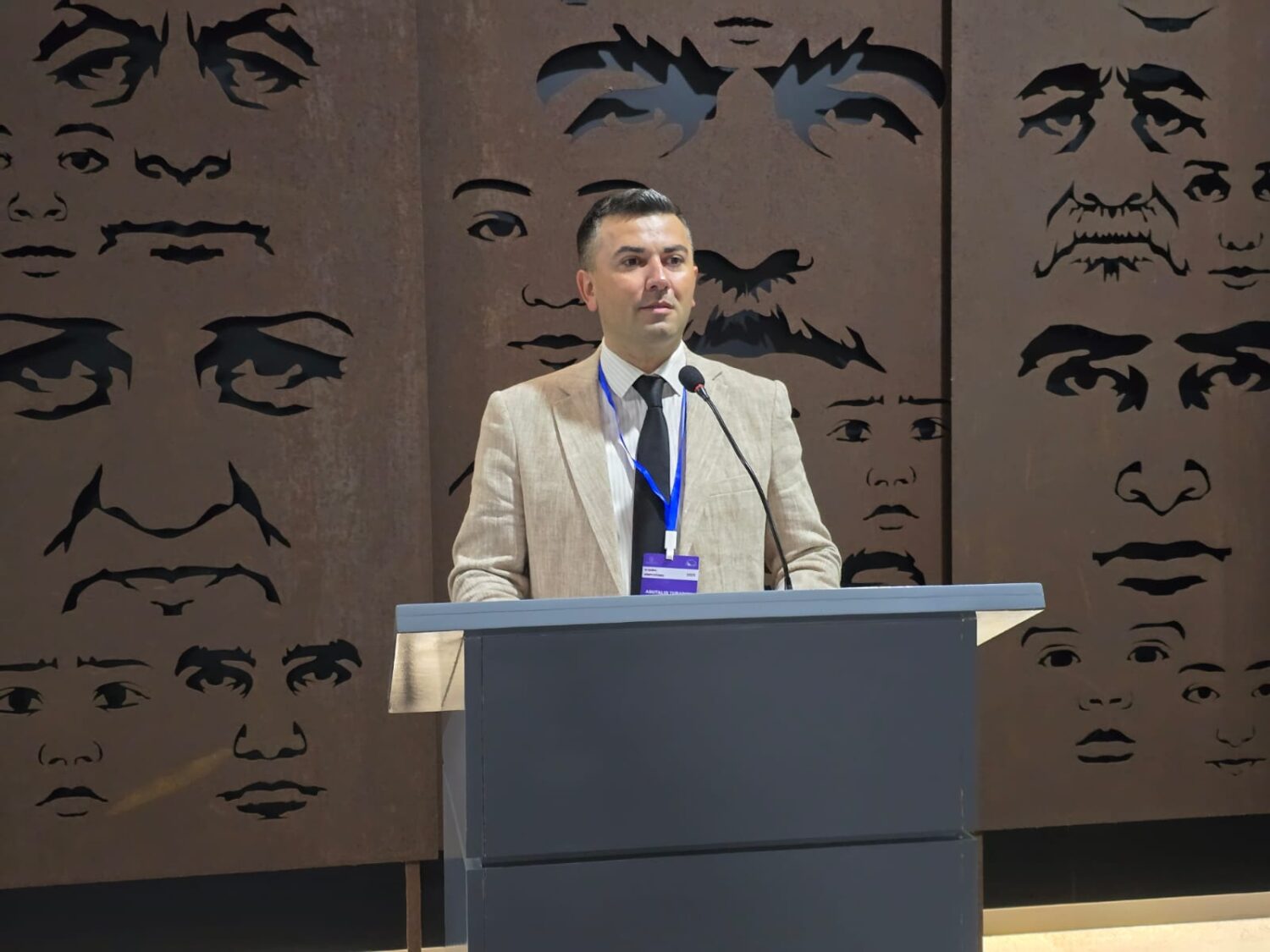
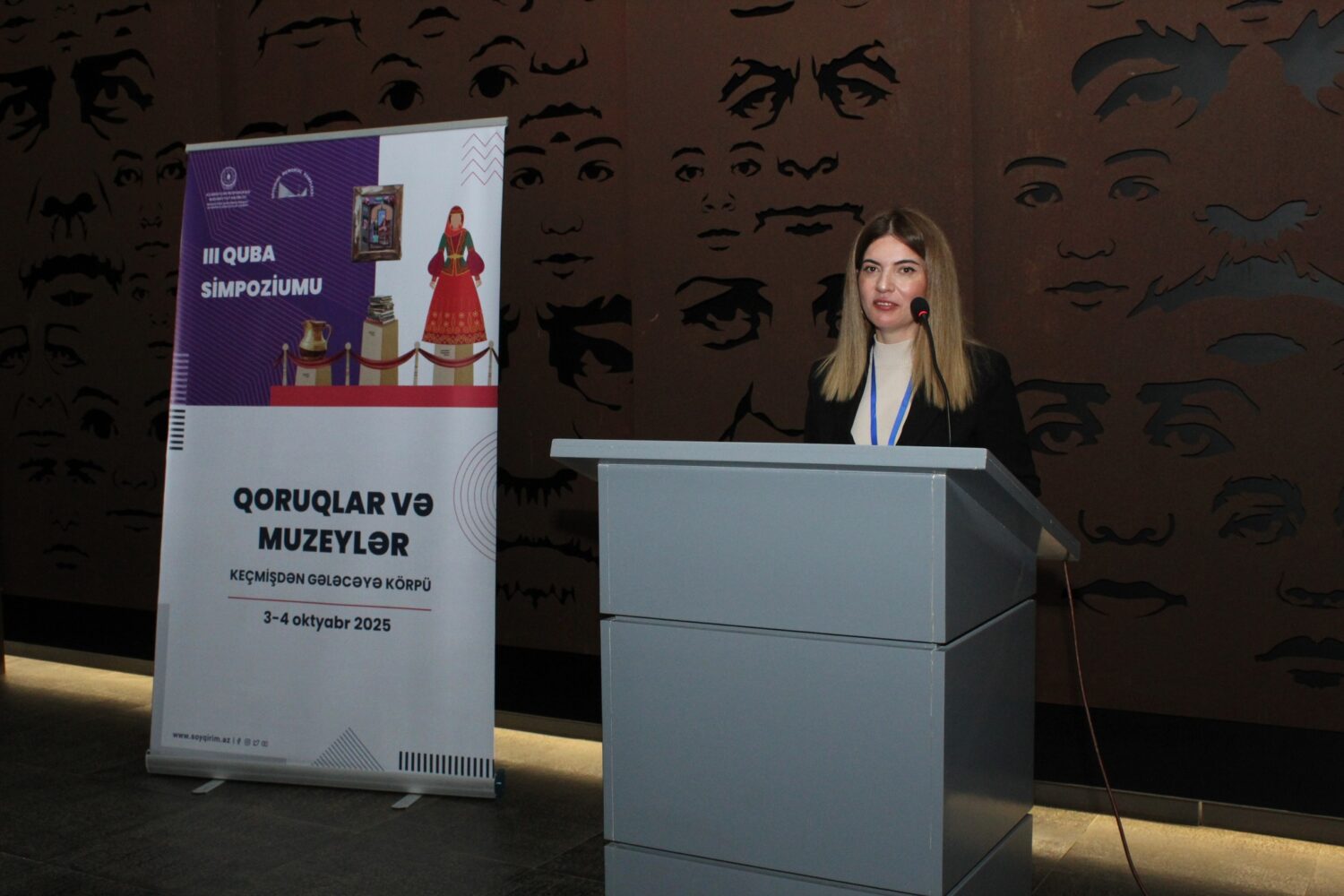
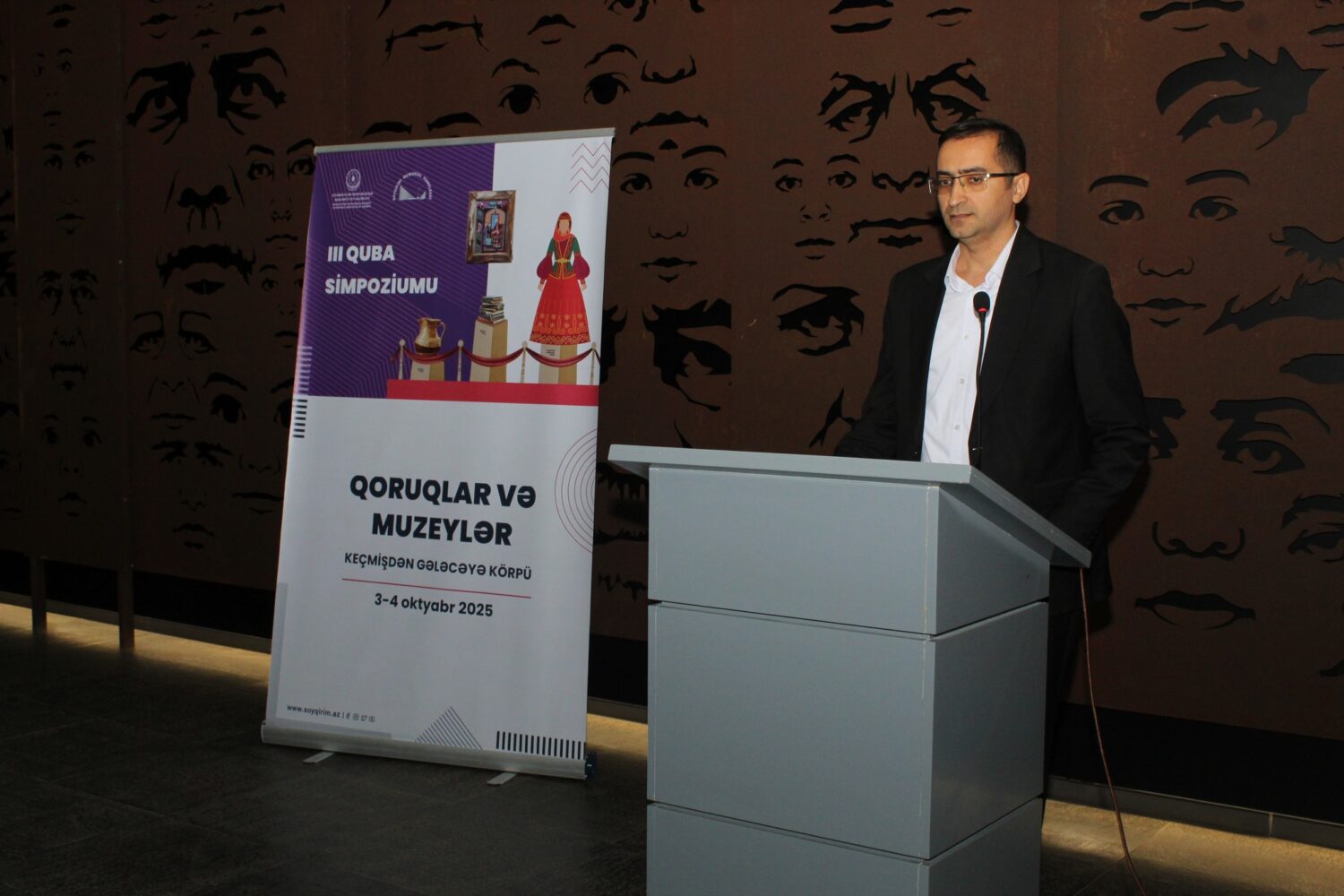
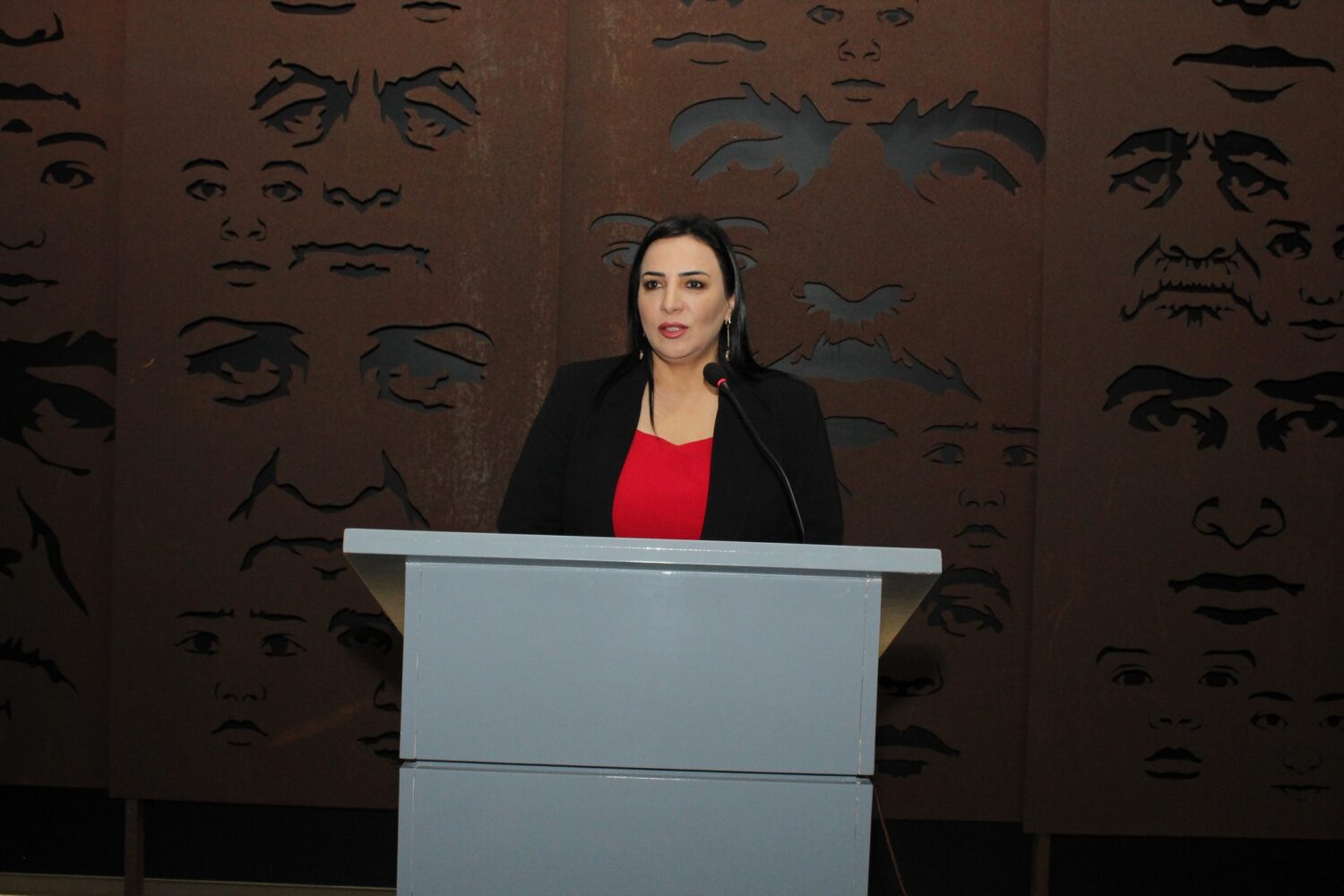
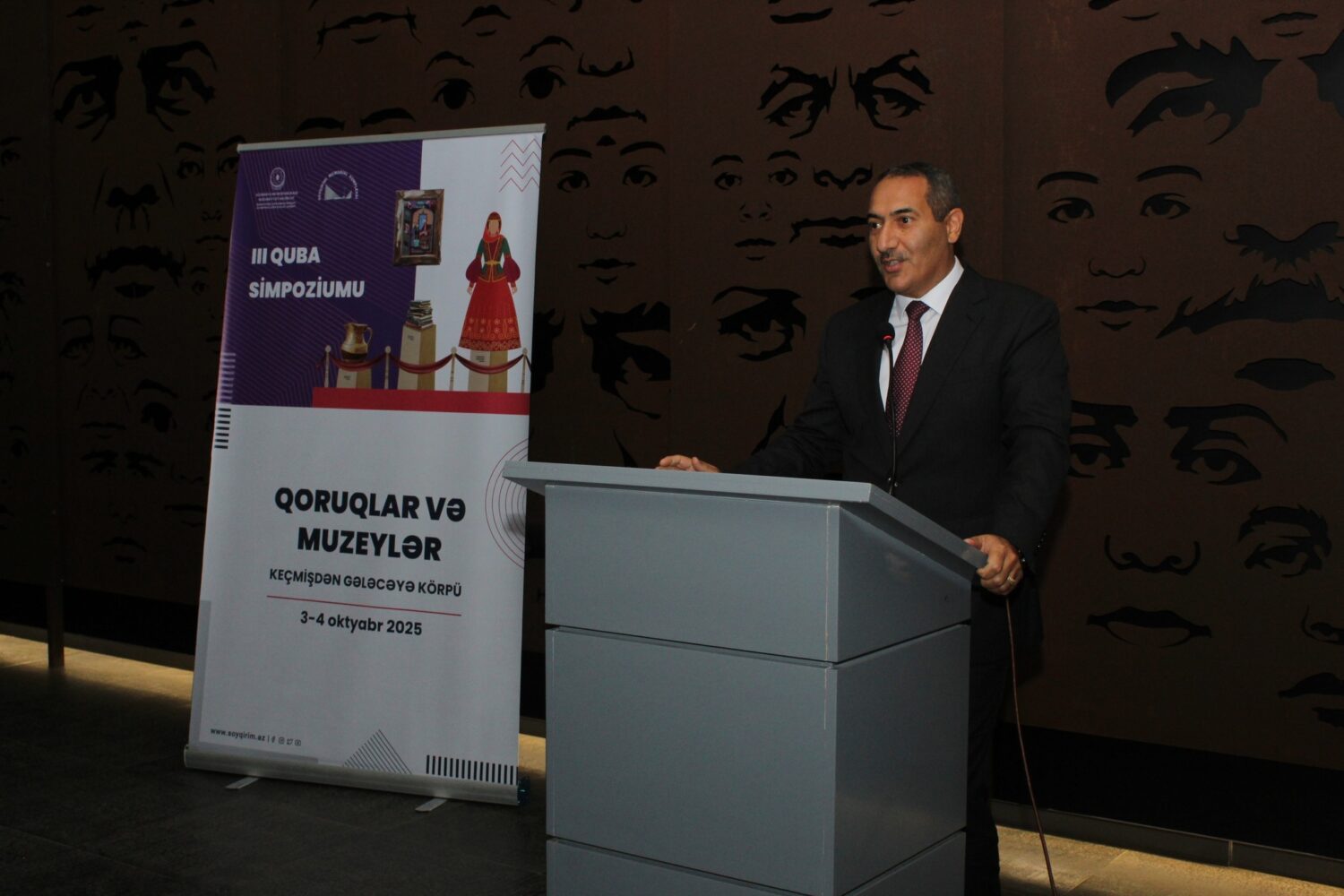
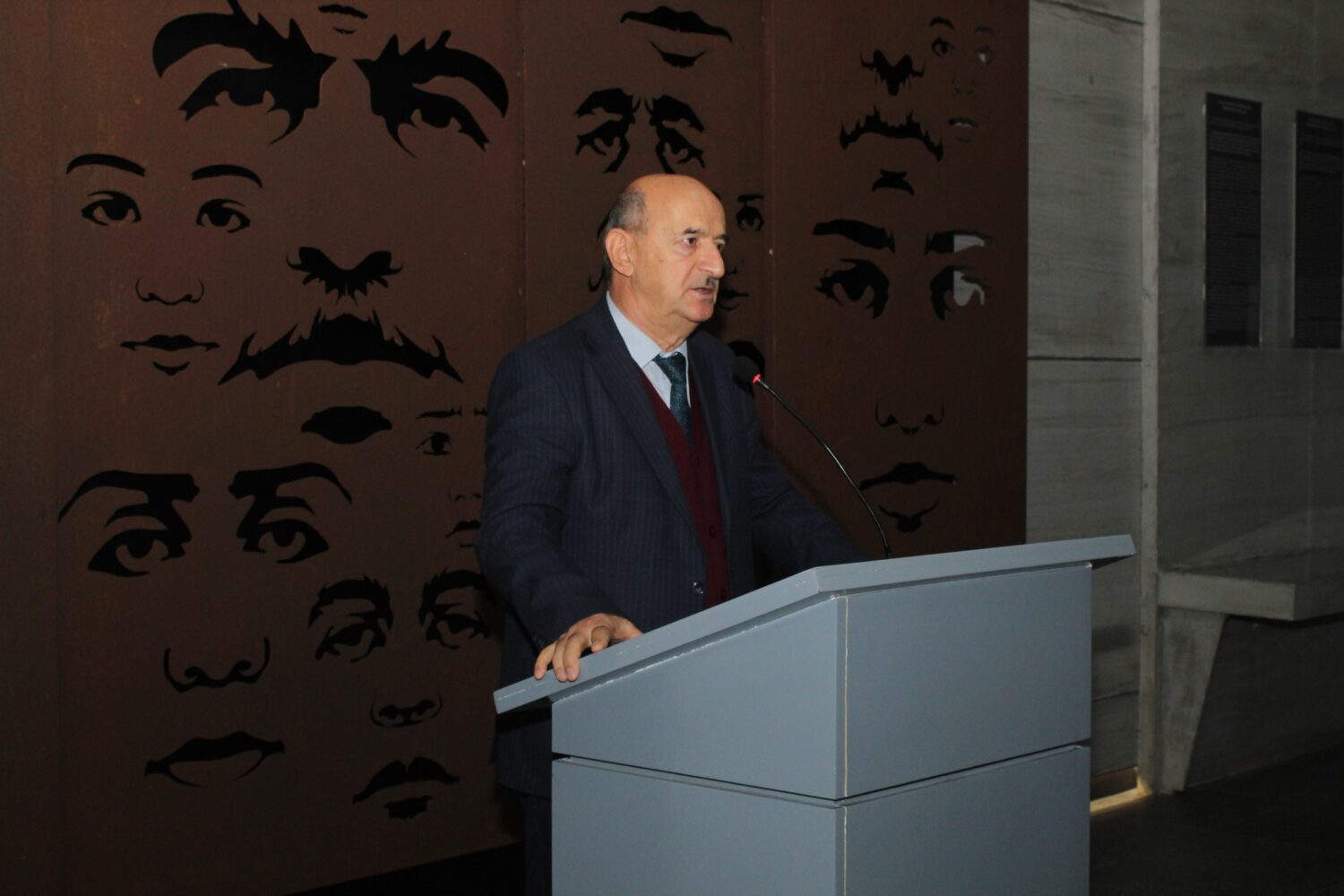
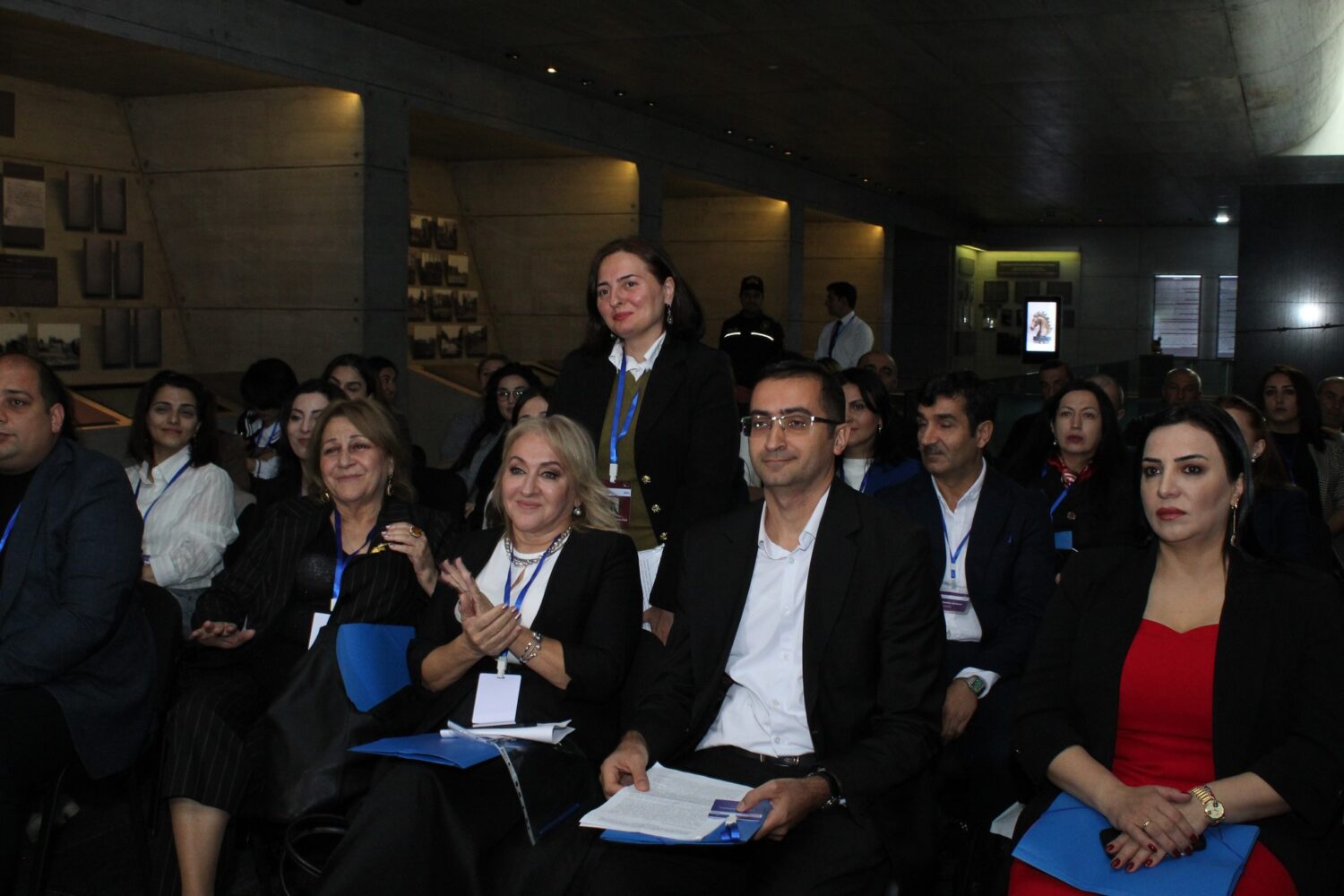
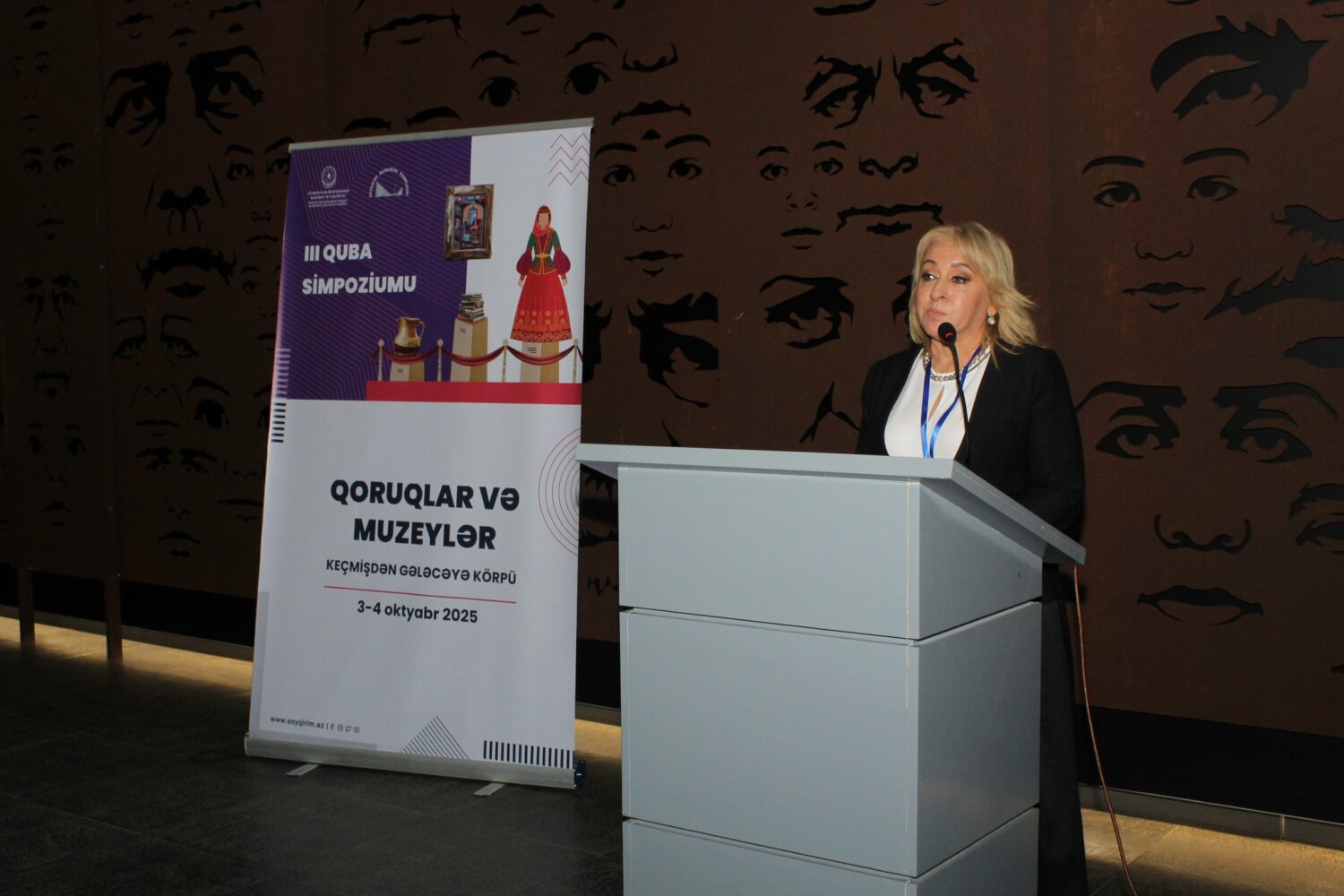
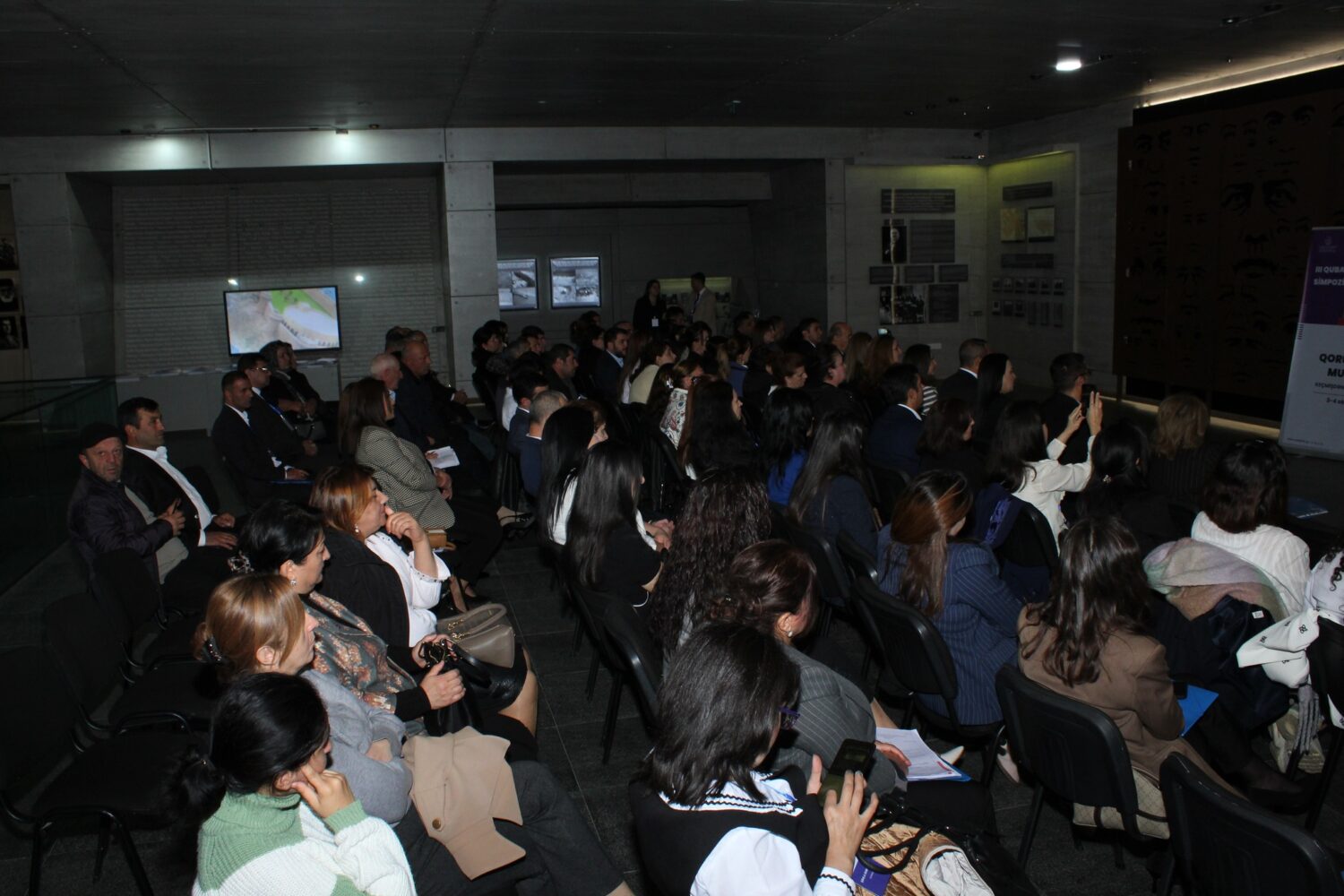
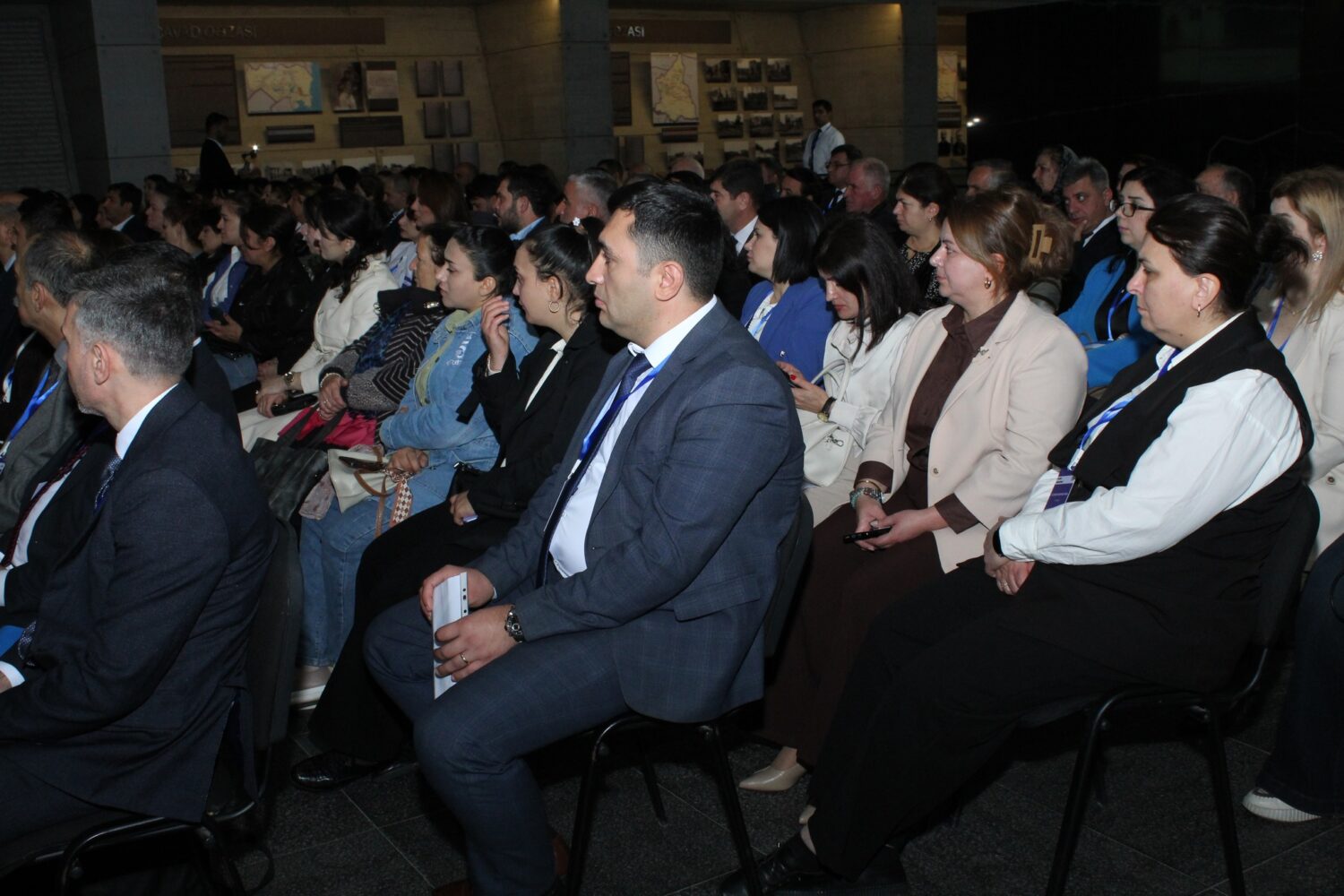
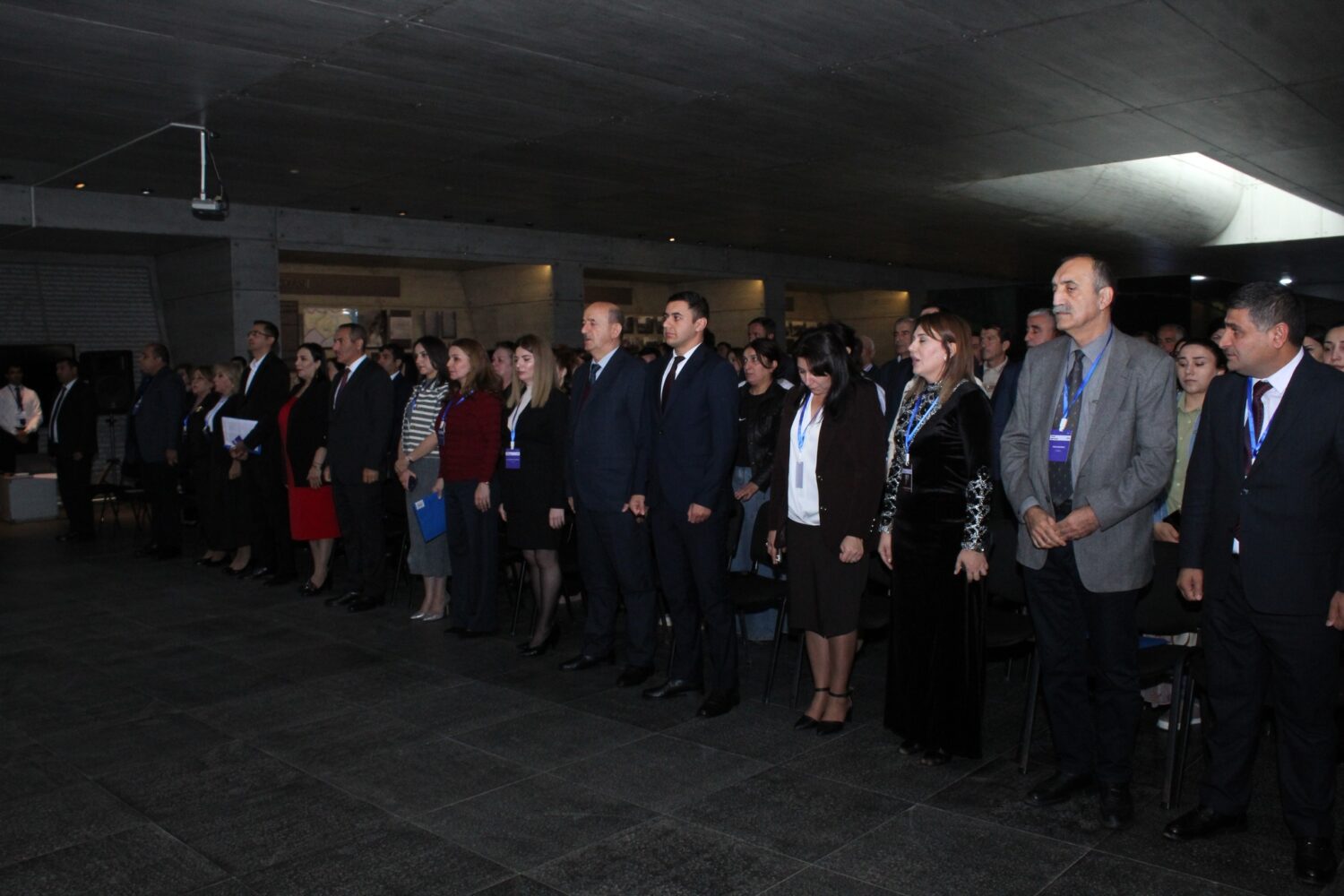
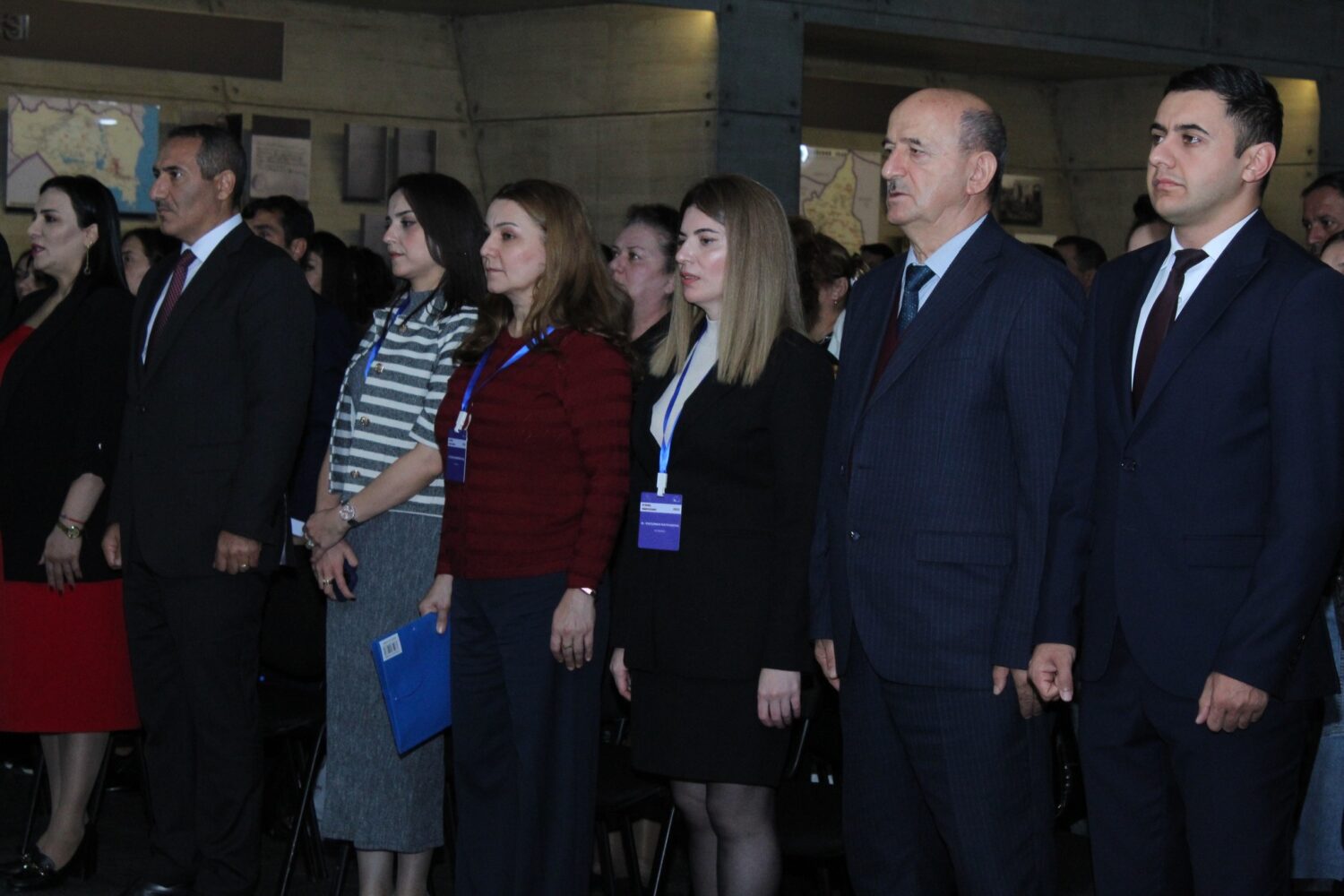
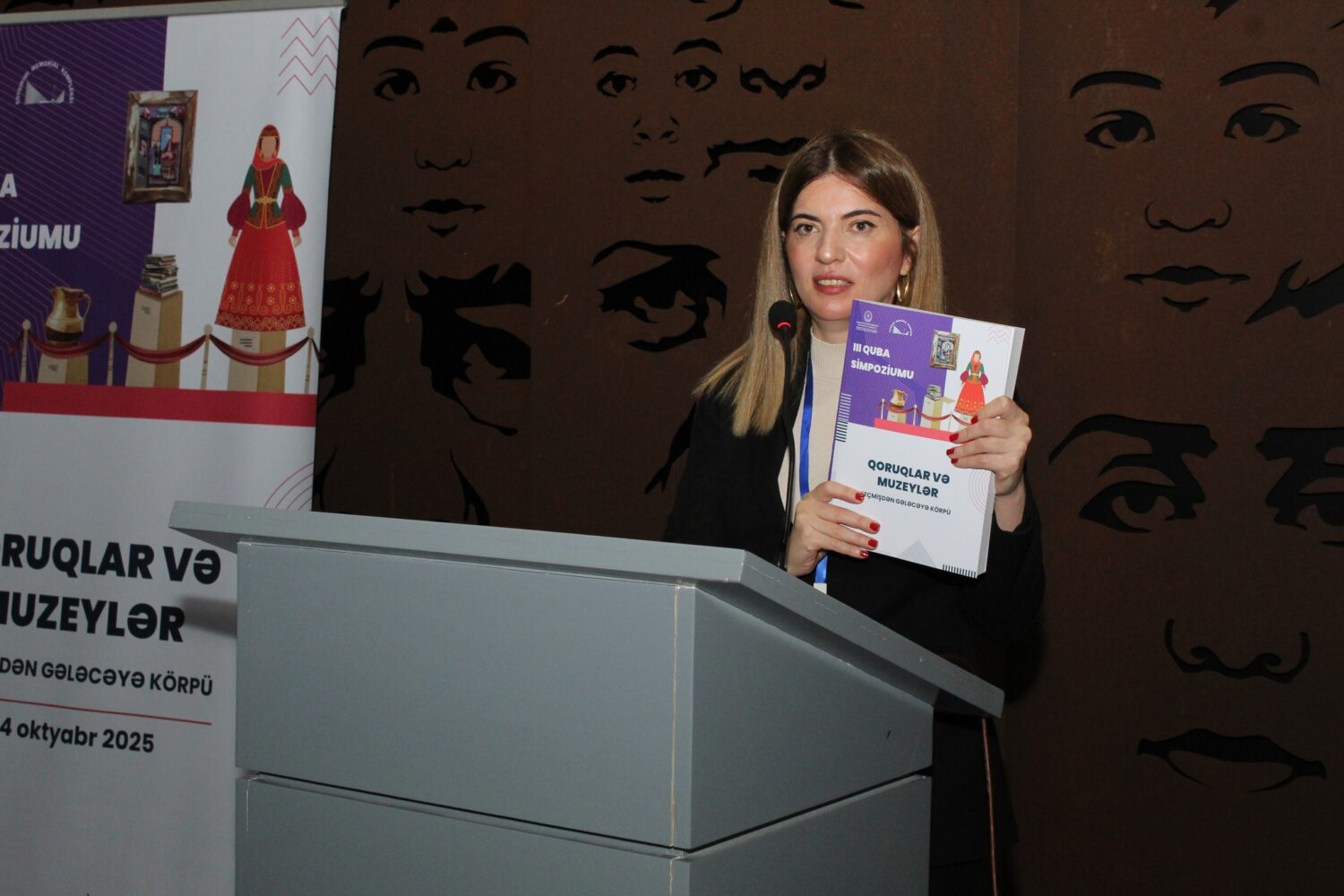
For several years now, symposia, conferences, forums, and exhibitions have been regularly held in Guba city at the “Genocide Memorial Complex” with the broad participation of the public. Today, the 3rd Guba Symposium titled “Reserves and Museums – A Bridge from the Past to the Future” has started its work at the complex.
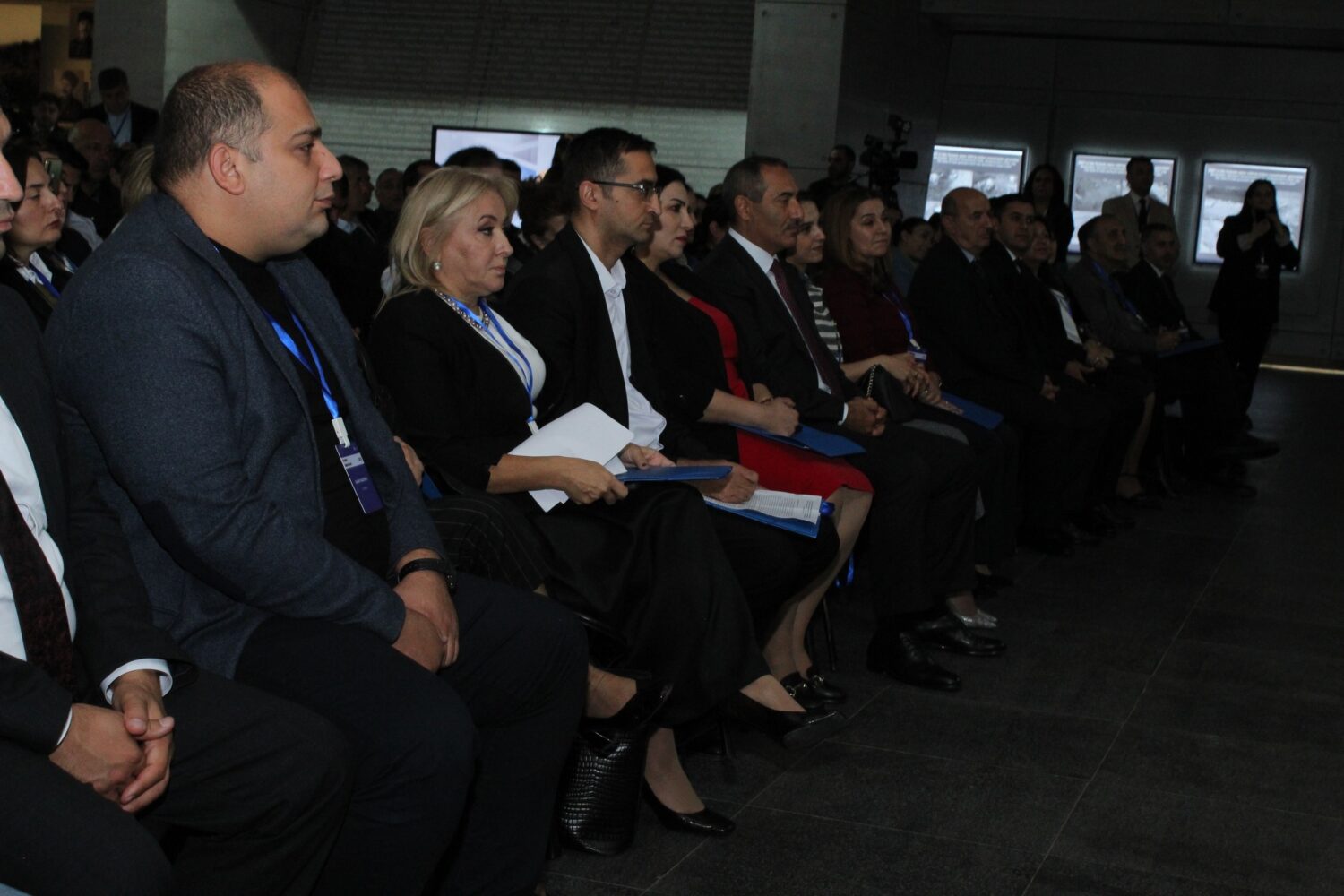
The symposium is organized by the State Service for the Protection, Development, and Restoration of Cultural Heritage under the Ministry of Culture of the Republic of Azerbaijan, in cooperation with the “Genocide Memorial Complex” in Guba. The event was attended by Saida Abasova, the Deputy Head of the Guba District Executive Authority, Sabuhi Bashirov, Head of the Department of Cultural Heritage Protection at the State Service for the Protection, Development, and Restoration of Cultural Heritage, Sadagat Aliyeva, Vice Rector for Science and Creative Affairs, Honored Cultural Worker, and Associate Professor of the Azerbaijan State University of Culture and Arts, local administrators, leaders of cultural institutions operating in the country, museum staff, historical monument custodians, intellectuals, and young activists.
After an exhibition featuring works by Azerbaijani Artists’ Union members – Sahib Guliyev and Vugar Guliyev, the symposium officially began.
The Director of the complex, Dr. Rakhshanda Bayramova, greeting the participants, shared that the “Genocide Memorial Complex” has been operating in Guba since 2013. Over the course of 12 years, the complex has hosted more than 1 million visitors, including over 200,000 foreigners. Regular symposia, conferences, and forums have been organized at the complex. Dr. Bayramova noted that the symposium plays a crucial role in the development of reserve and museum work, the protection of monuments, guidance services, and increasing public interest in reserves and museums.
In her speech, Saida Abasova, Deputy Head of the Guba District Executive Authority, emphasized that the knowledge and experience gained through the symposium would contribute to enhancing the quality of reserve and museum work in the region and the country, and further successes in the preservation of historical and cultural heritage.
Sabuhi Beshirov, Head of the Department of Cultural Heritage Protection at the Ministry of Culture of the Republic of Azerbaijan, also addressed the audience, discussing various projects implemented by the Ministry related to the protection, restoration, and promotion of historical and cultural monuments, and the use of these monuments at both national and international levels.
Subsequent speakers highlighted the significance of the symposium and emphasized that museums and reserves play a crucial role in preserving our cultural heritage and passing it on to future generations.
After the official part, during the sectional meetings that continued throughout the day, scientific discussions were held on topics such as “The Historical and Contemporary Role of Reserves and Museums,” “Cultural Heritage Preservation and Digitization,” “Monument Restoration and Conservation,” “Museology and Education,” “Exhibit Presentation and Innovative Approaches in Reserves and Museums,” “Guidance and Visitor Experience Enhancement,” “Increasing Public Interest in Reserves and Museums and Reserve-Museum Marketing,” “Reserve and Museum Management and Strategic Leadership,” “Inclusivity and Accessibility in Reserves and Museums,” “Artificial Intelligence and New Technologies in Reserves and Museums,” “Opportunities for Global and Local Cooperation between Reserves and Museums,” “Promoting Reserves and Museums on Social Media,” “The Relationship Between Literature and Reserves/Museums: Interactive Presentation of Historical and Cultural Heritage,” and “Musical Presentations in Reserves and Museums.”
It is worth mentioning that around 80 scientific papers were presented within the framework of the symposium, with more than 100 participants attending, and a collection of materials from the symposium has been prepared.
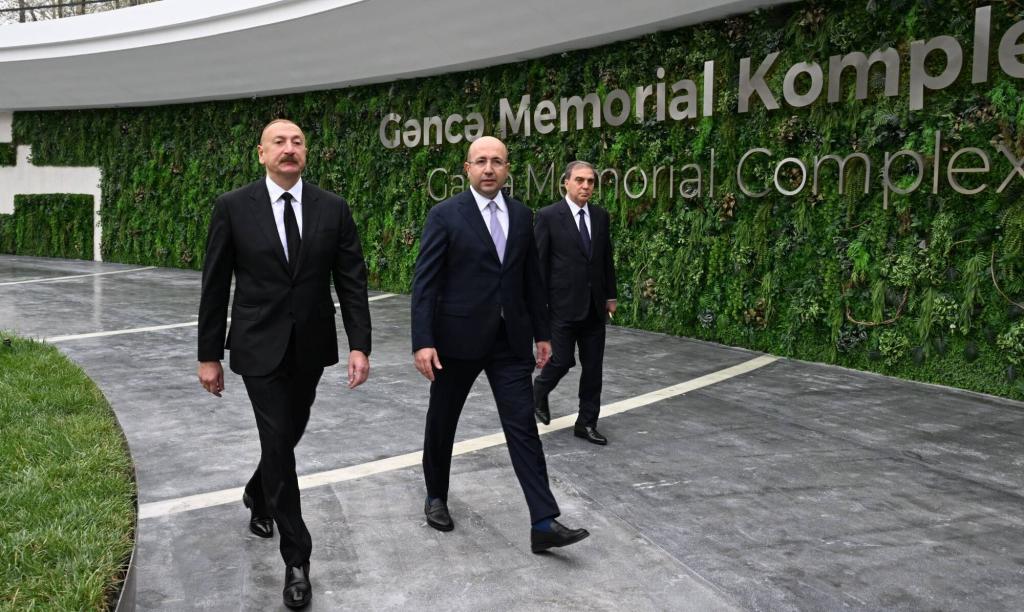
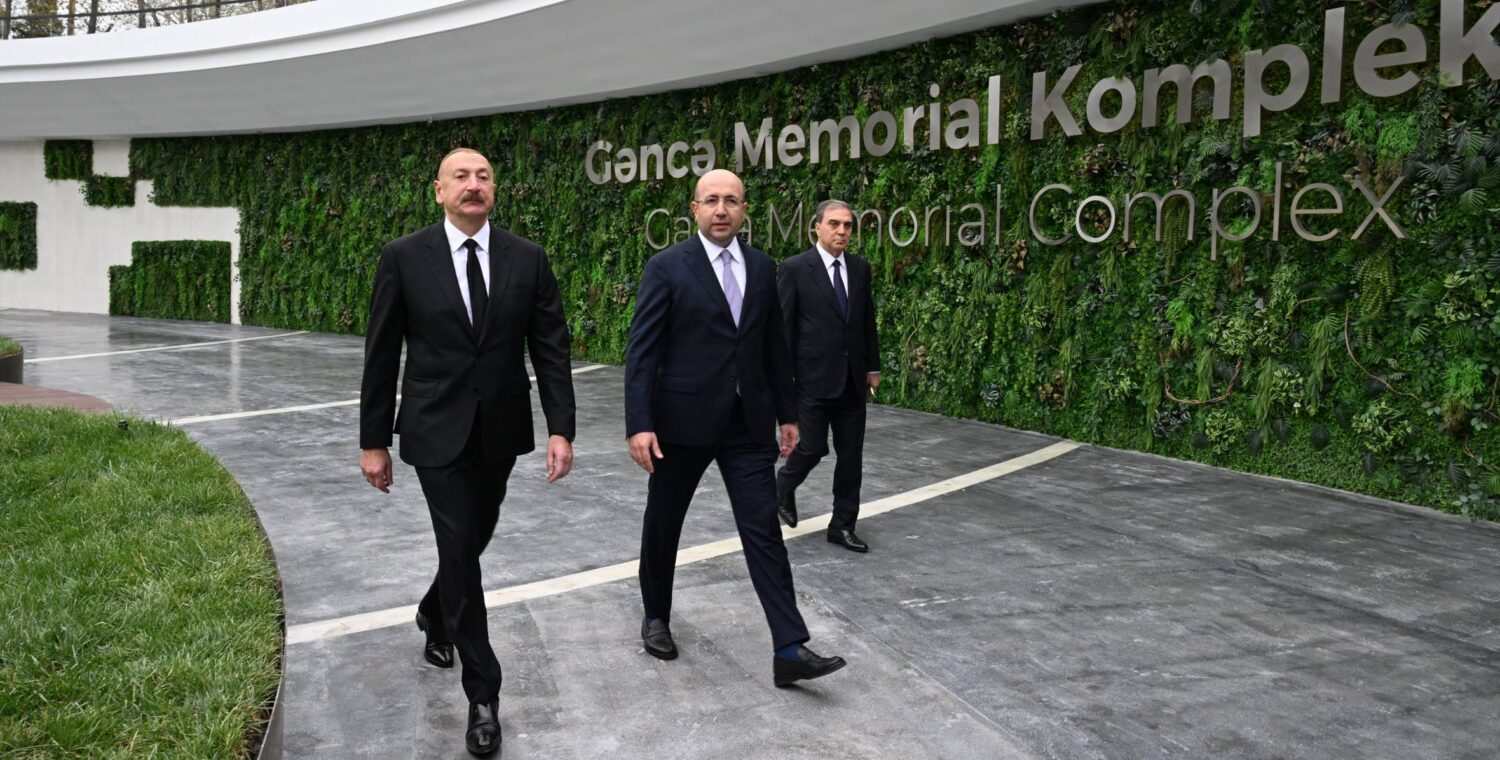
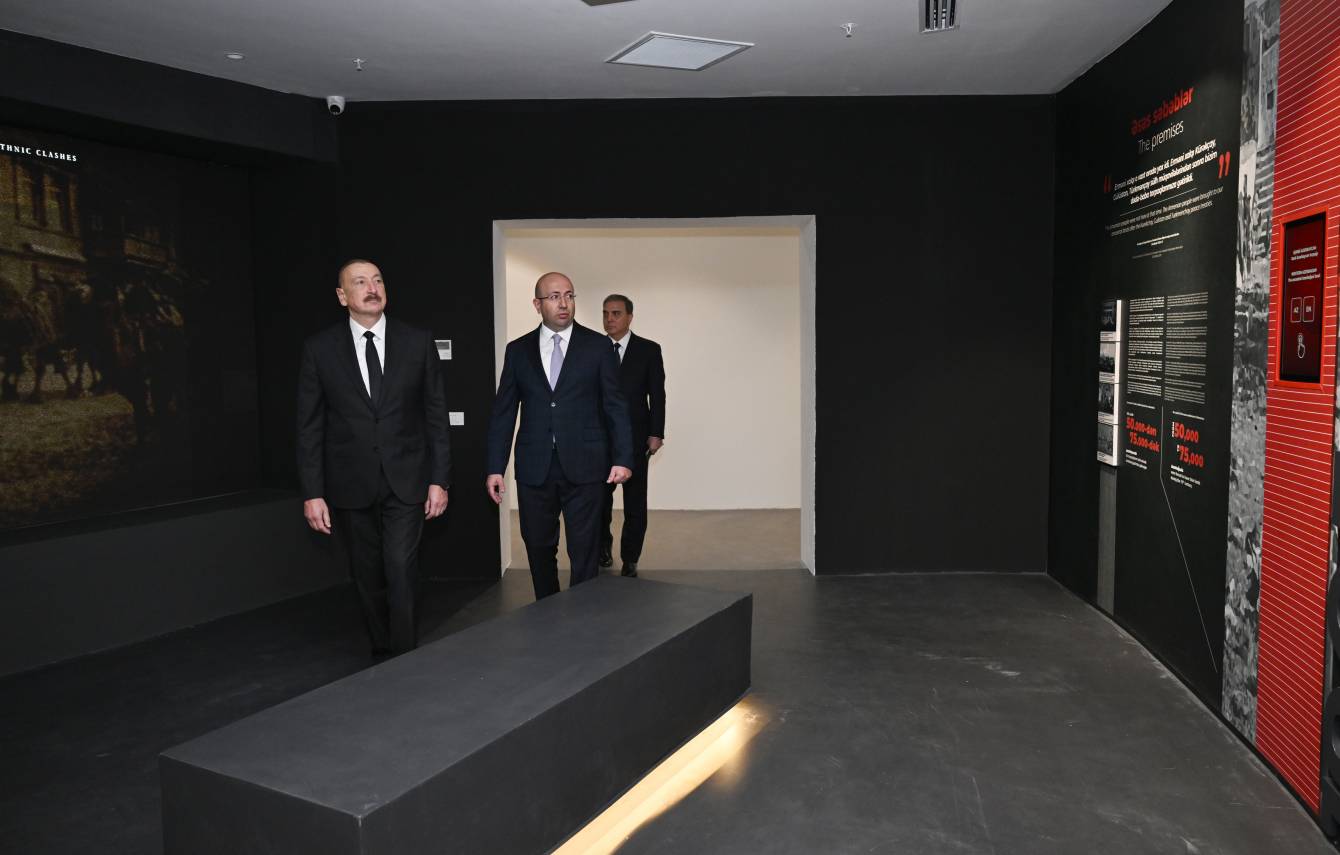
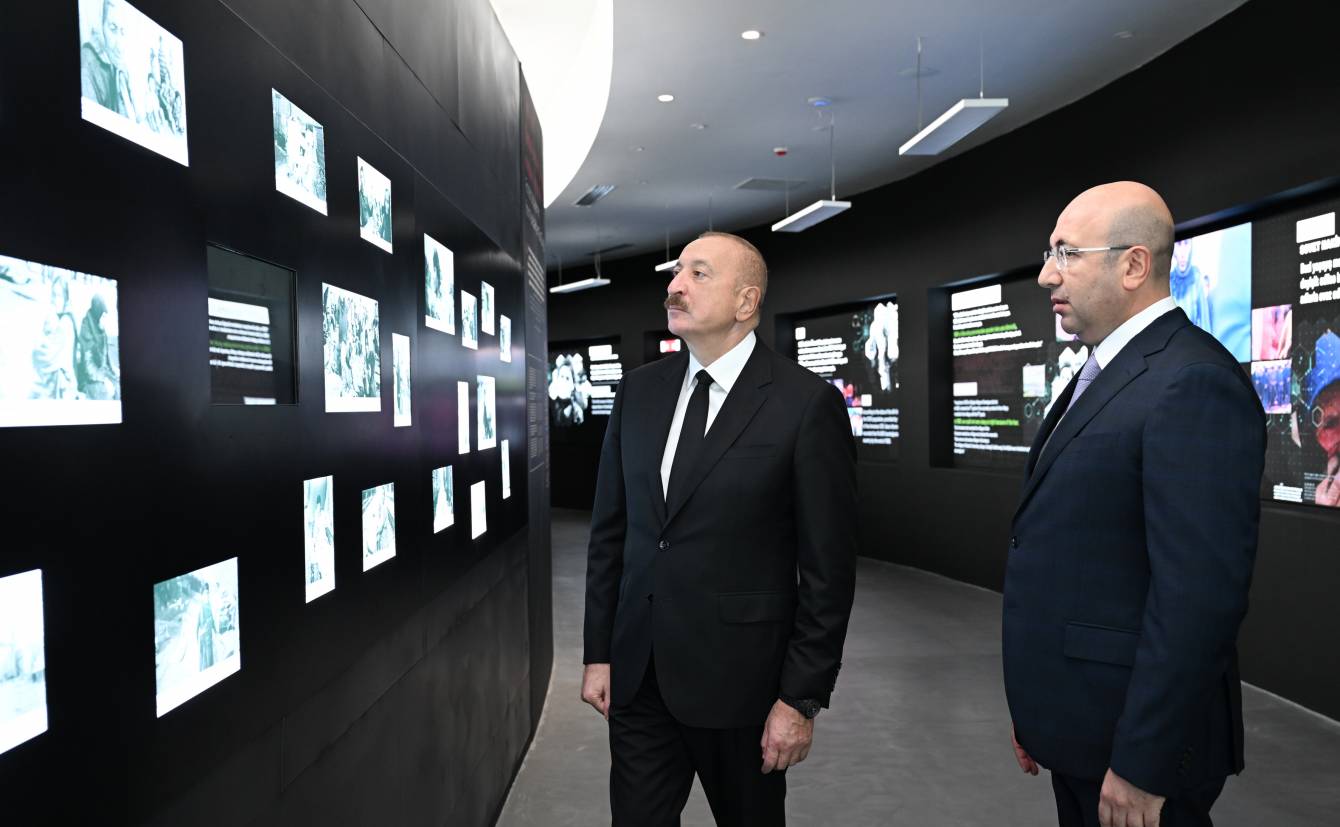
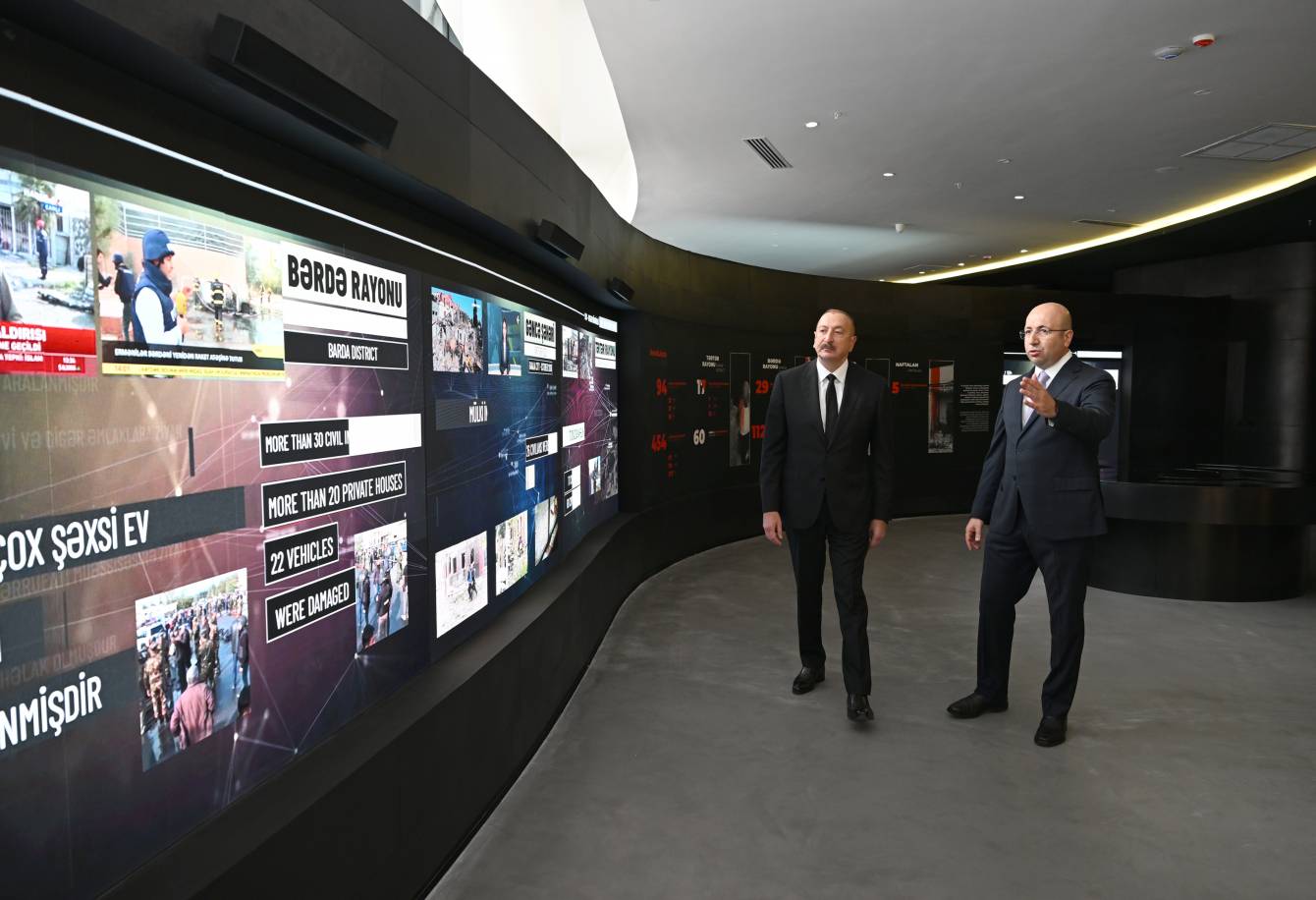
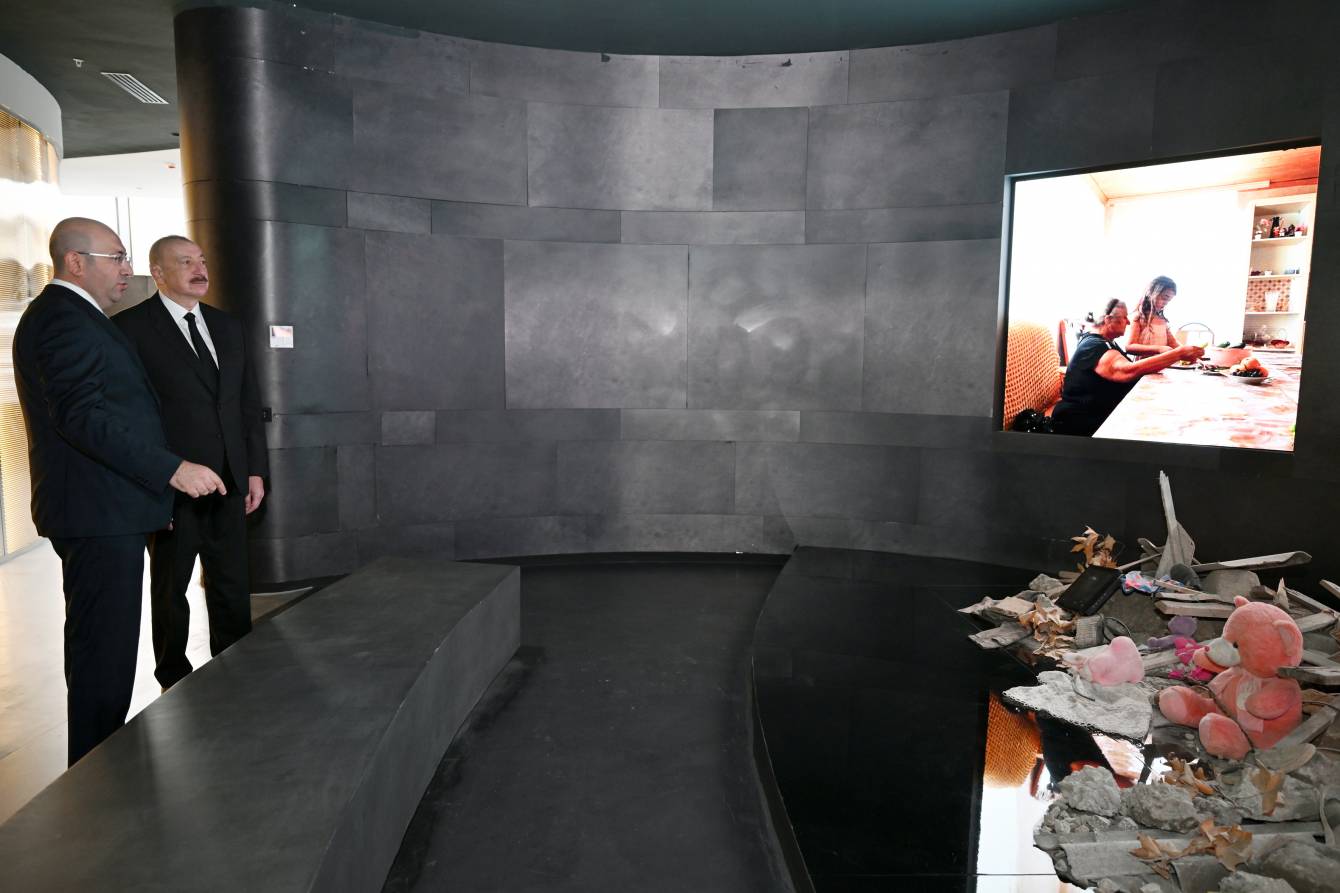
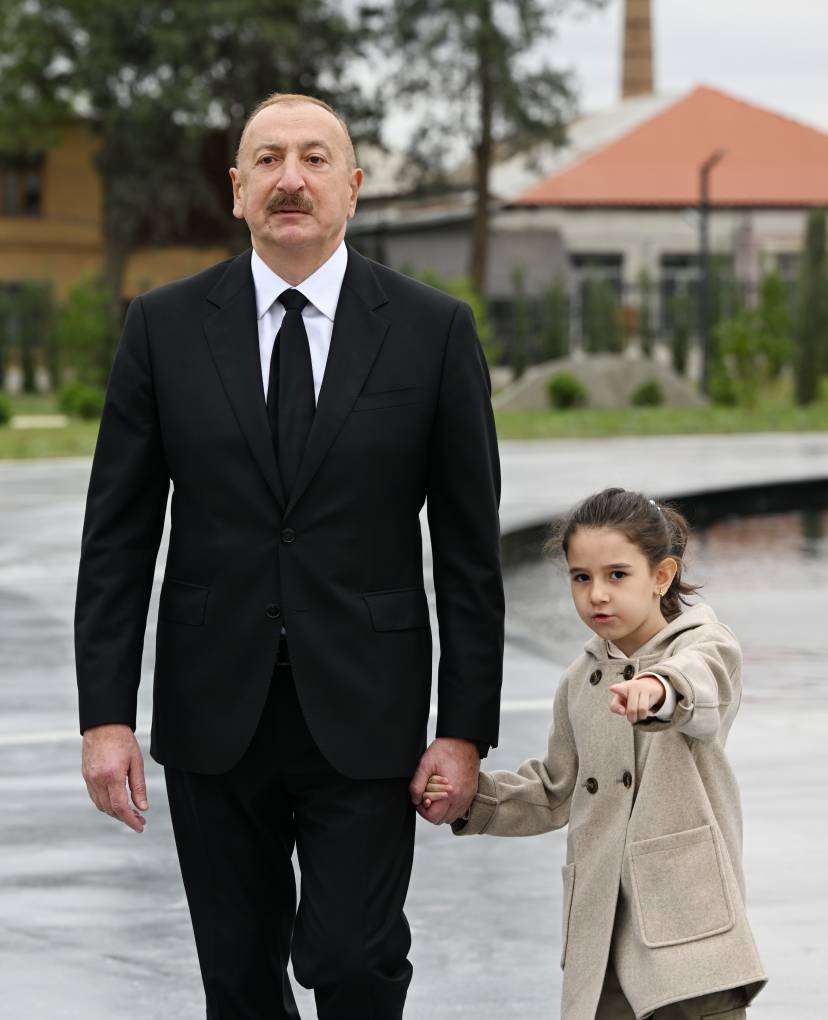
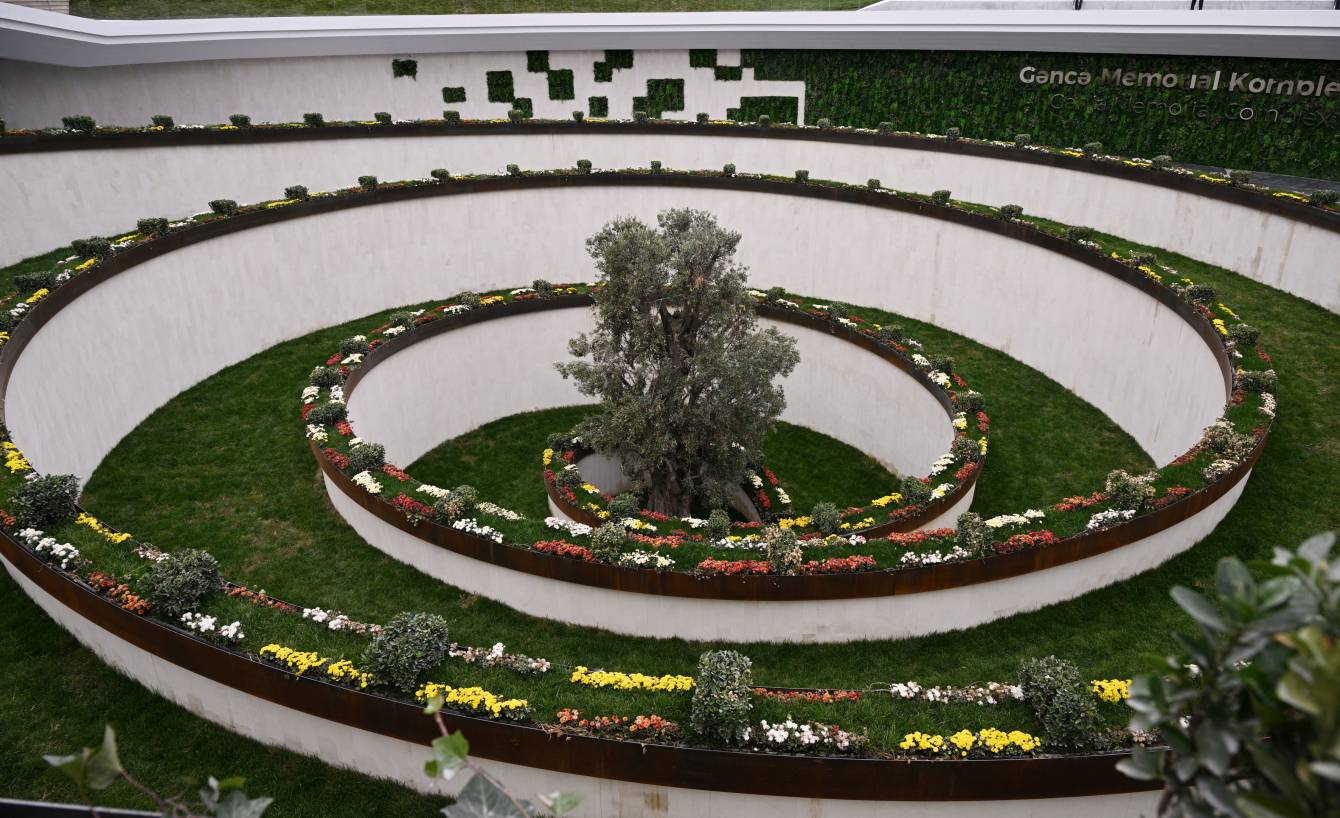
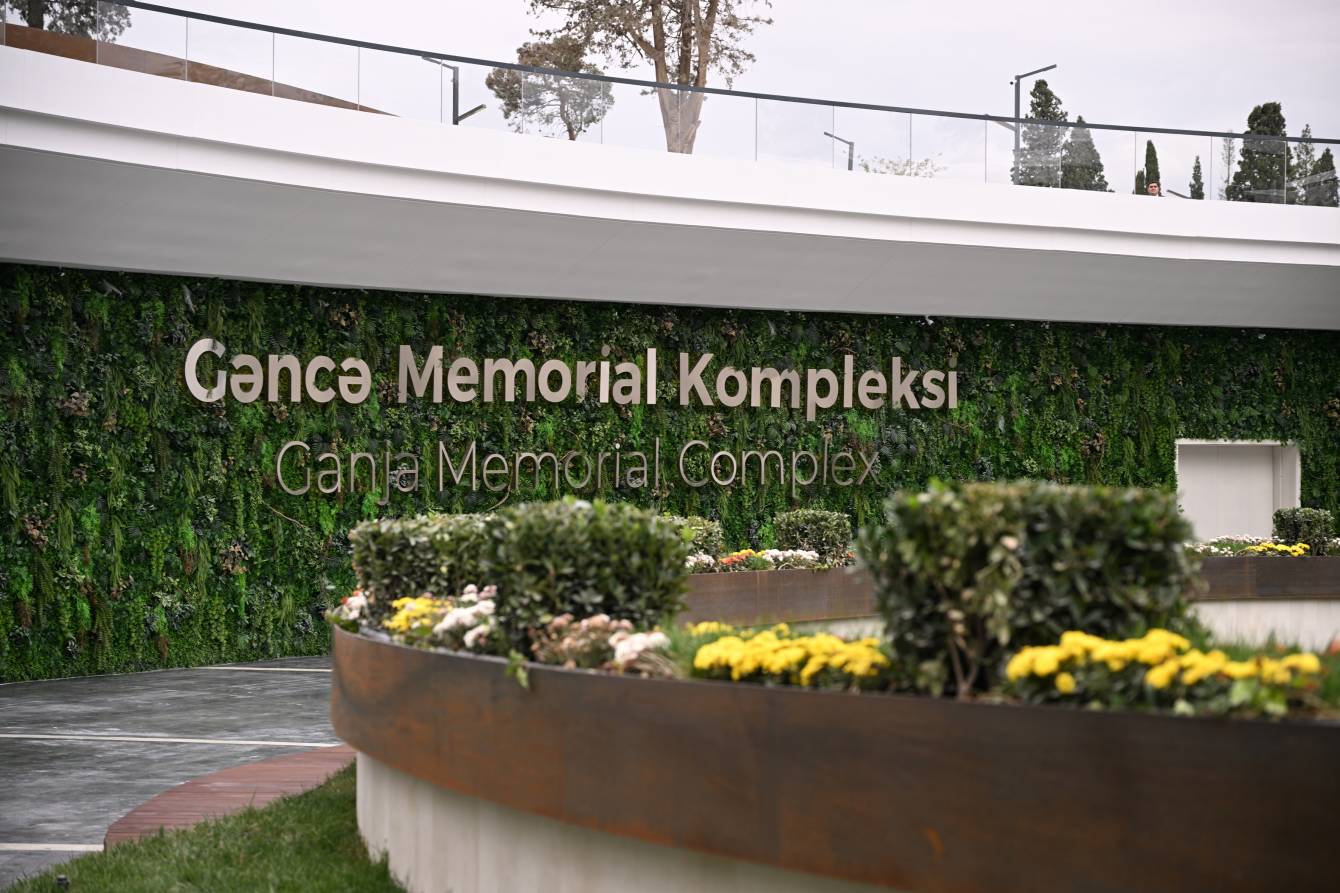
Ilham Aliyev attended inauguration of Ganja Memorial Complex
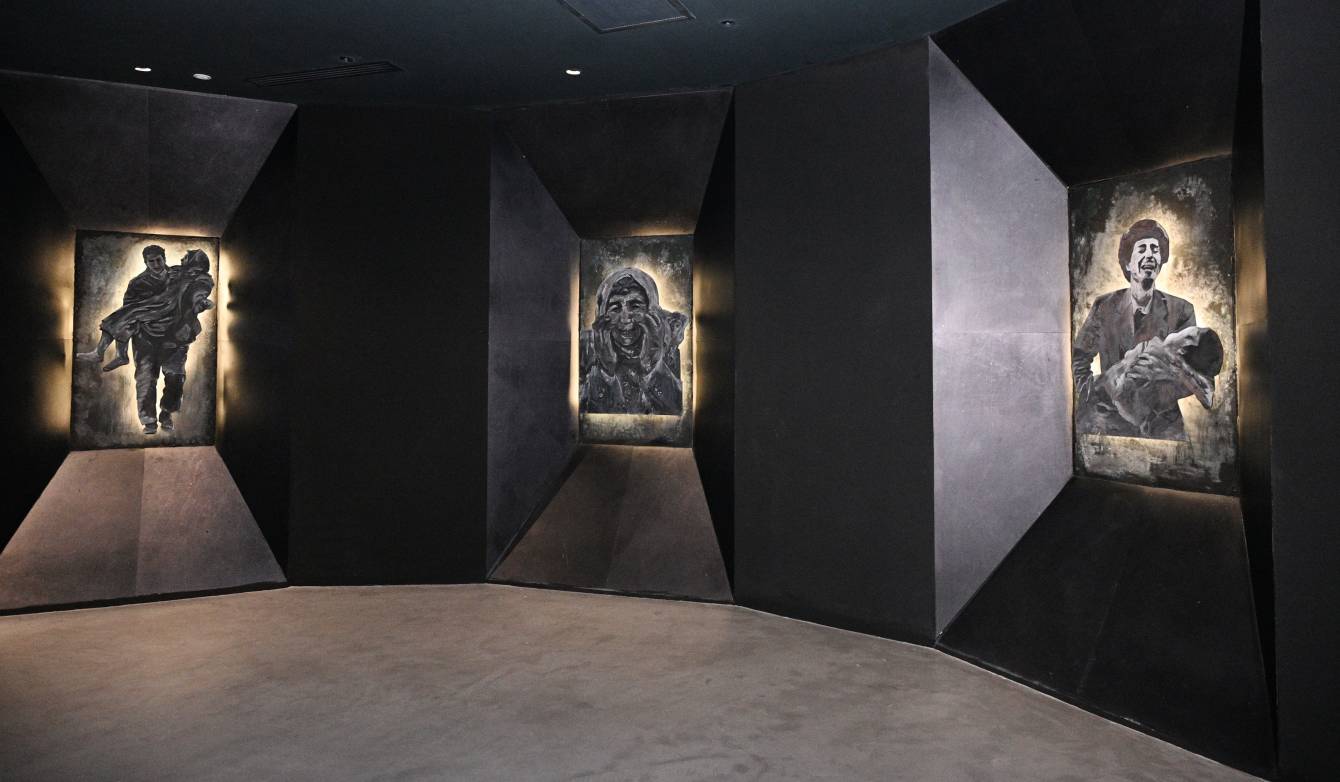
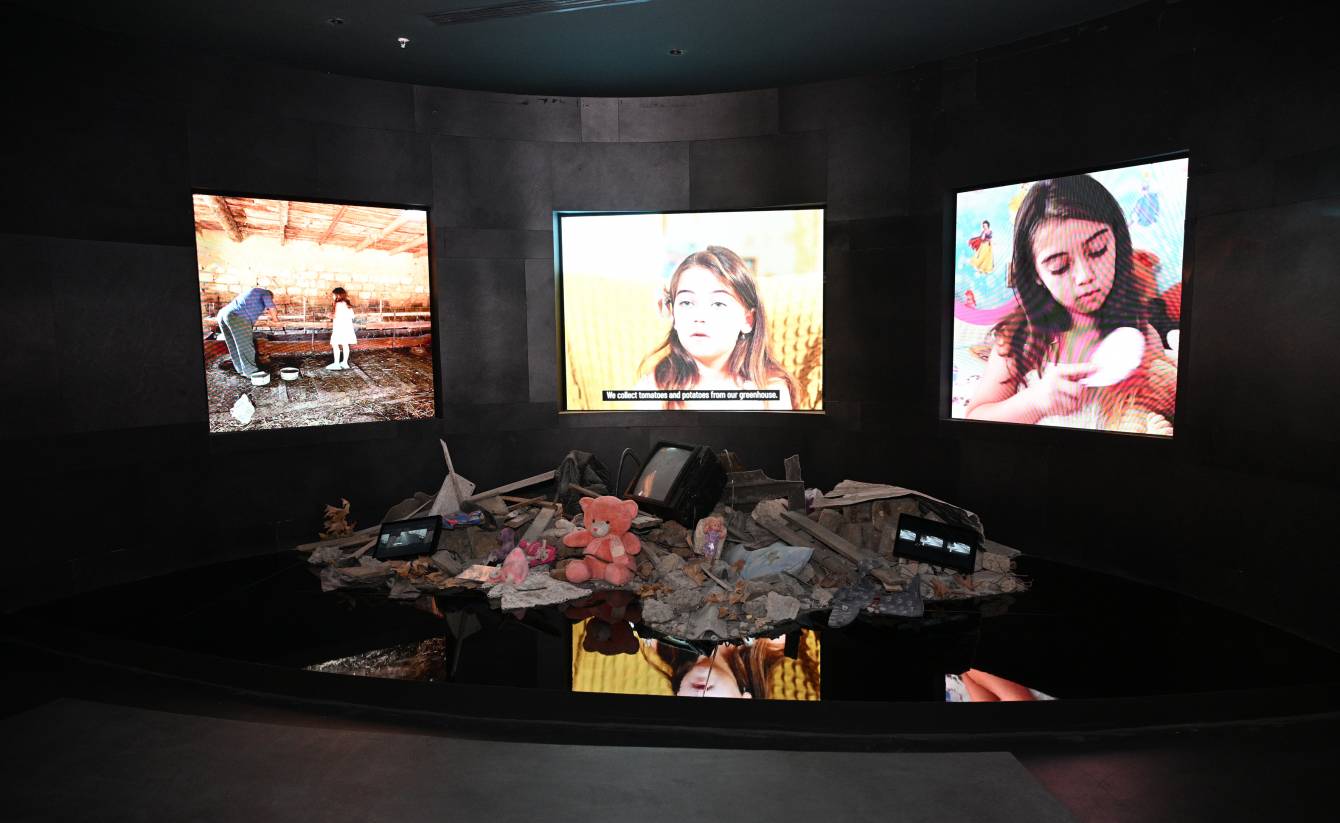
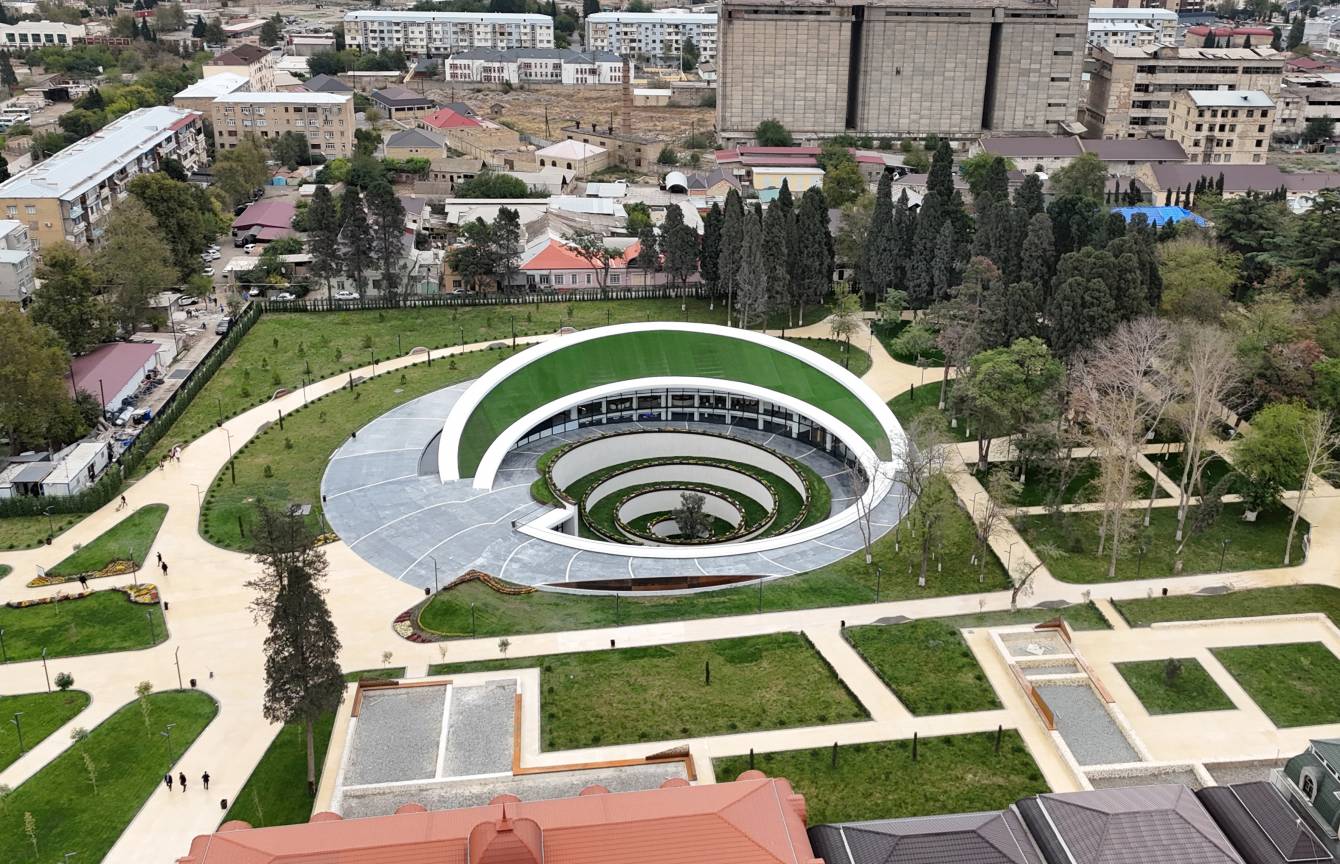
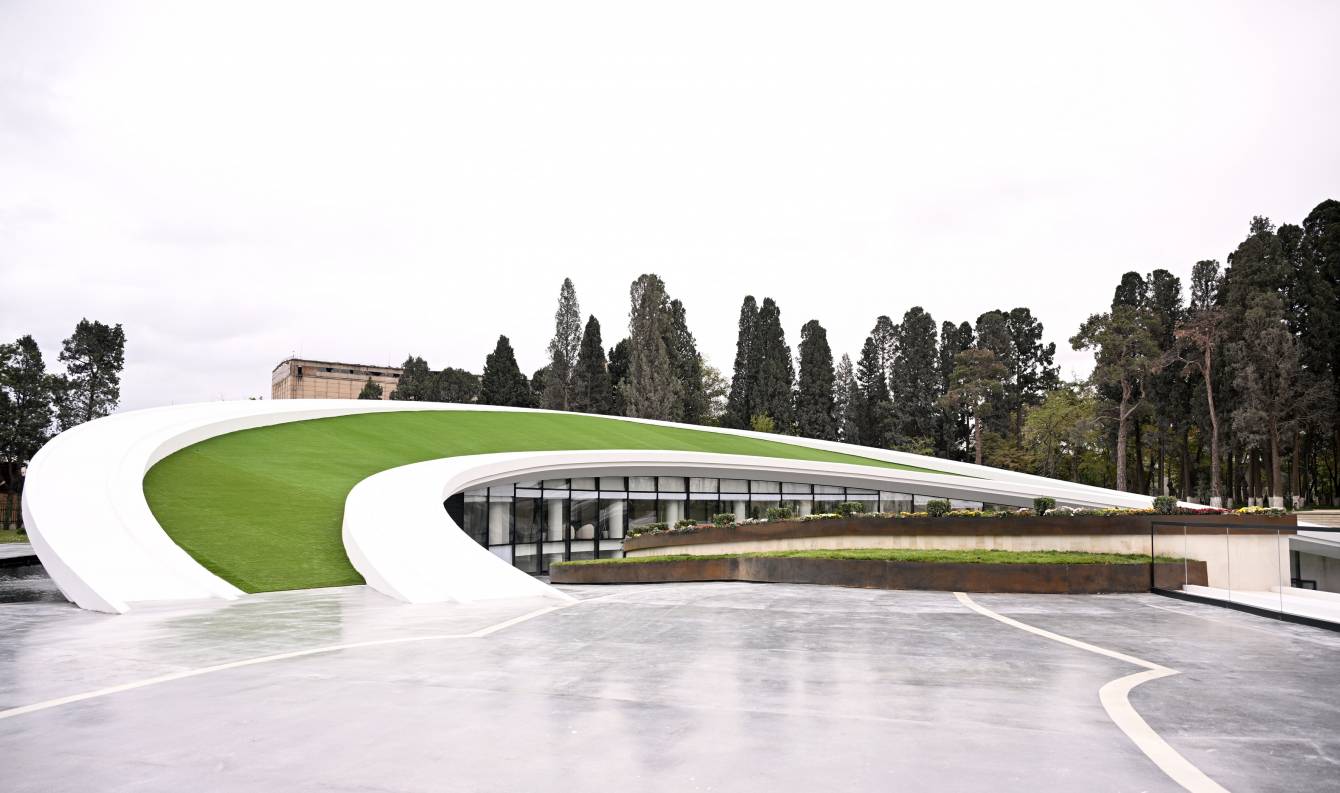
An exhibition titled “Our Cultural Heritage Yesterday and Today – Karabakh Monuments” has been organized in Quba, Qusar, and Khachmaz.
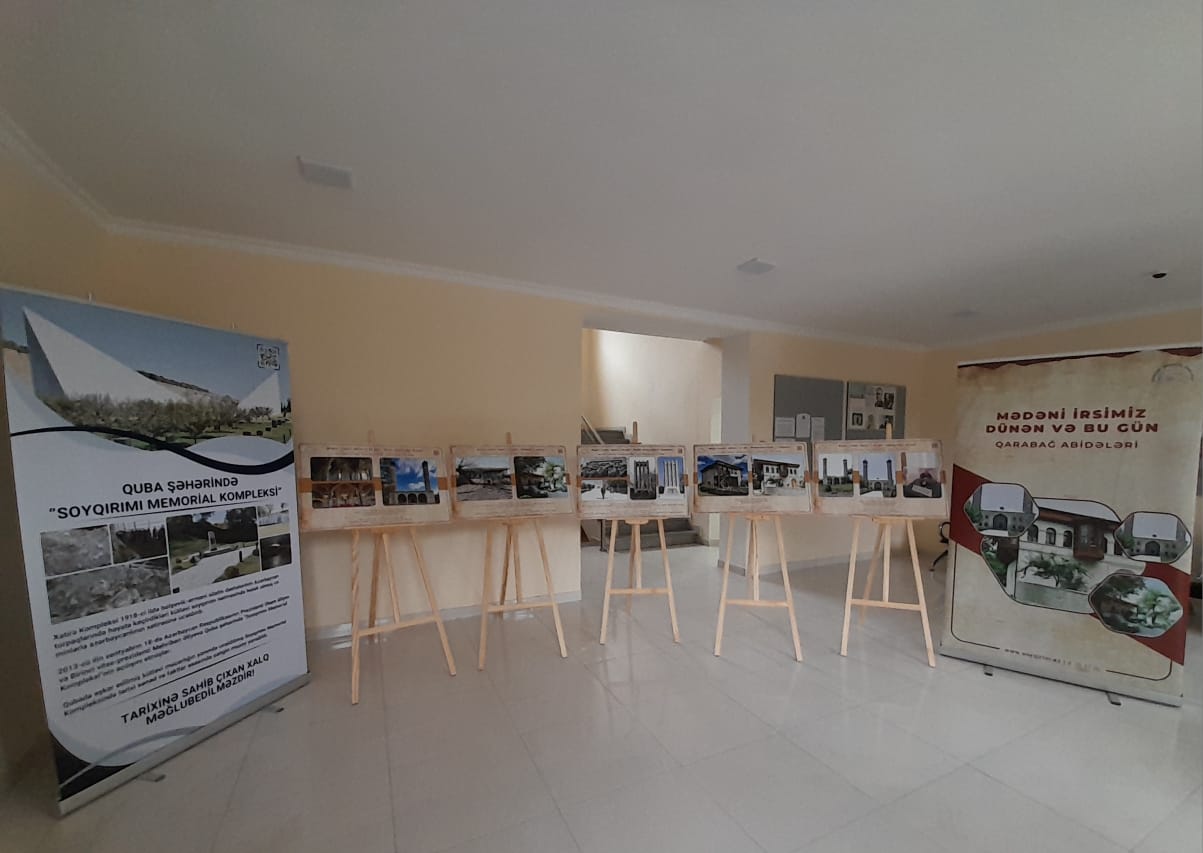
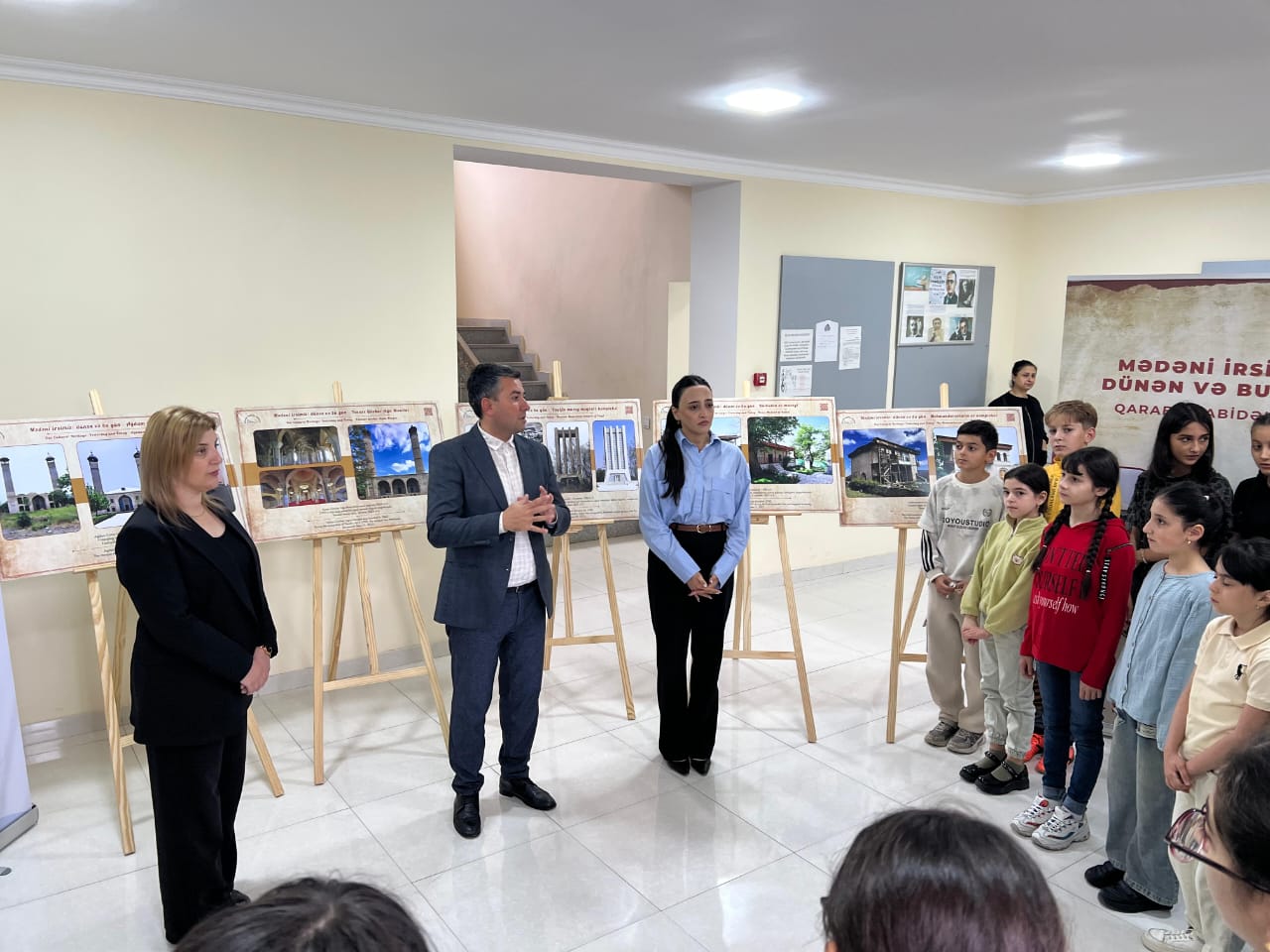
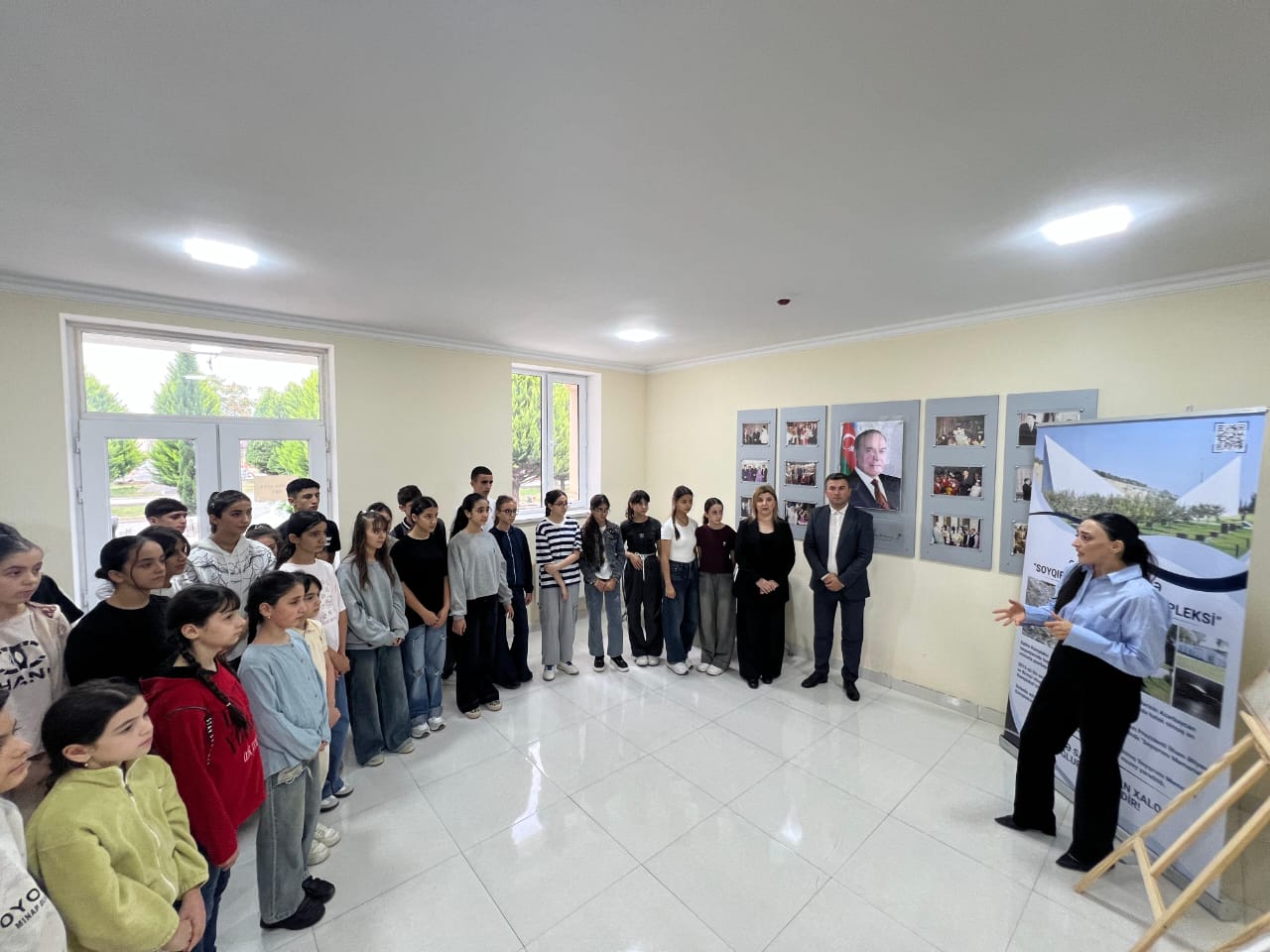
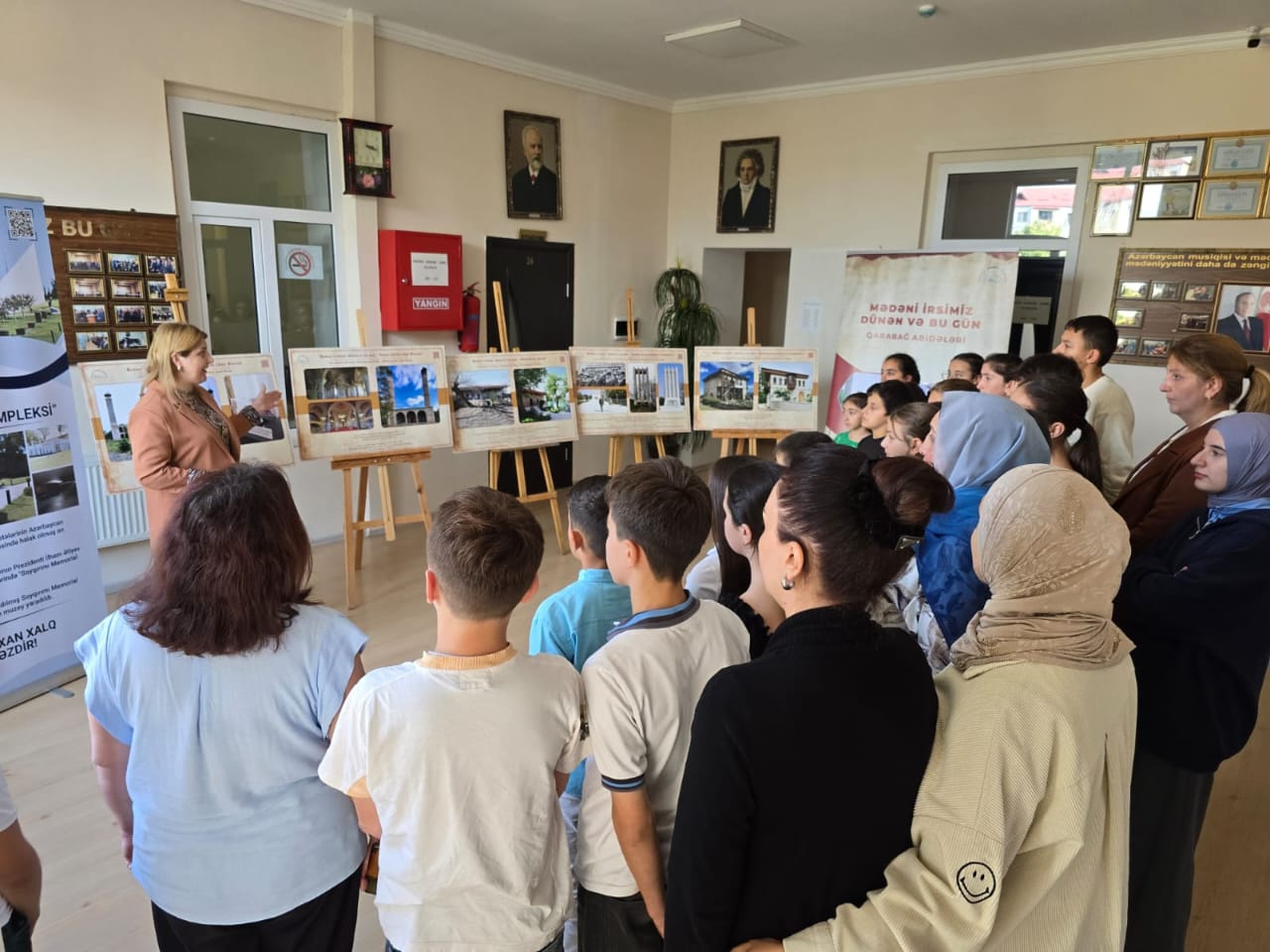
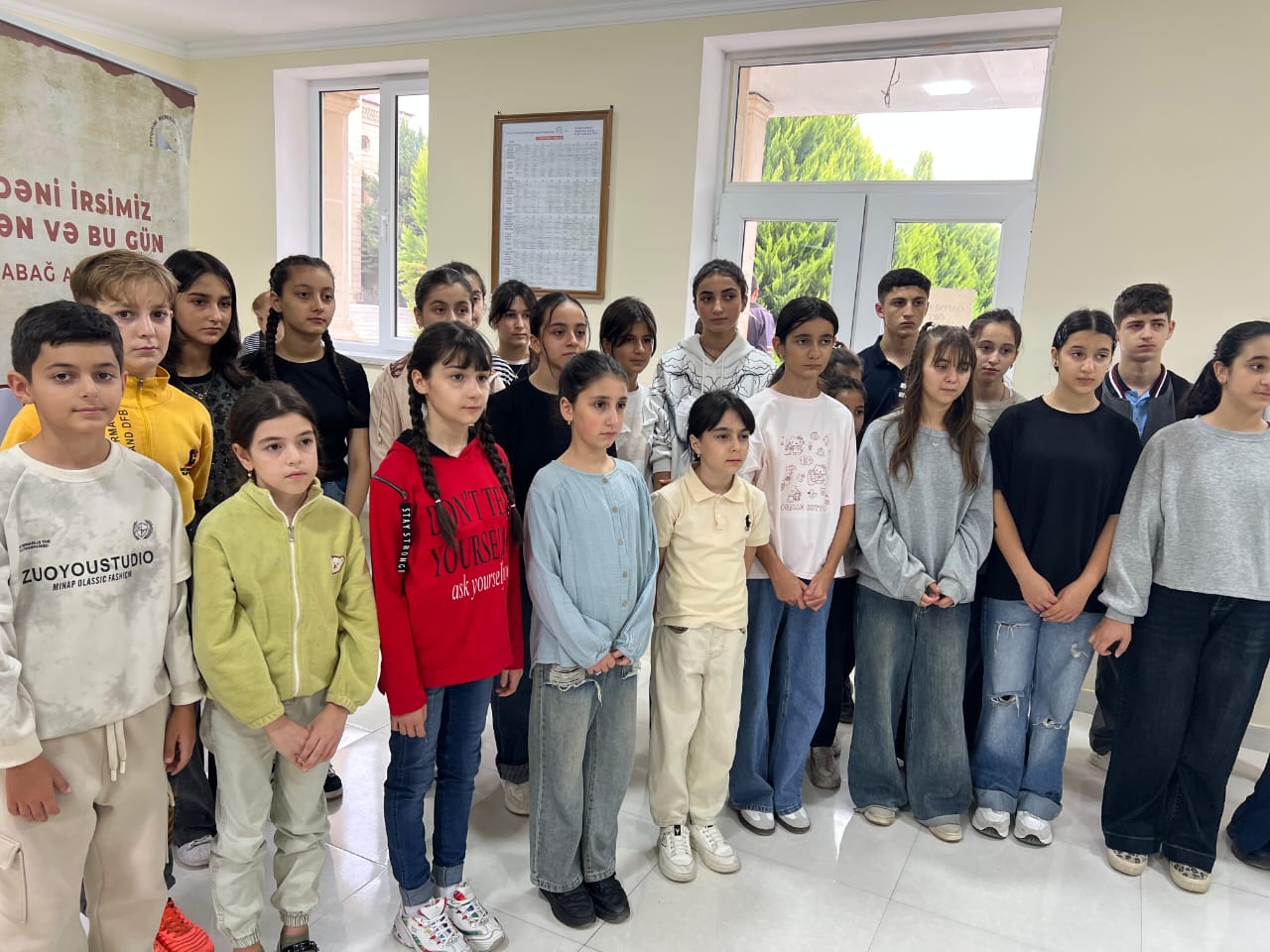
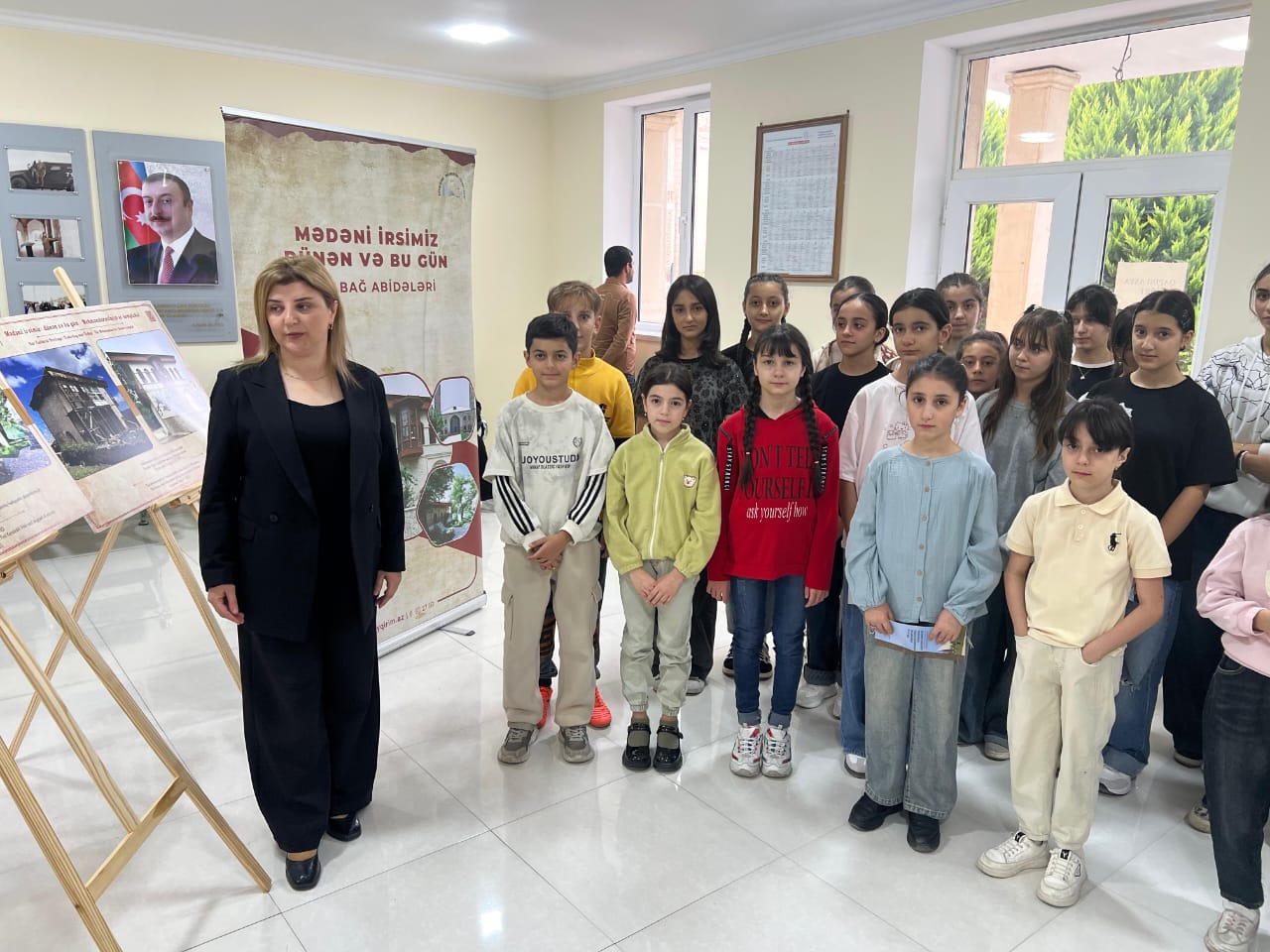
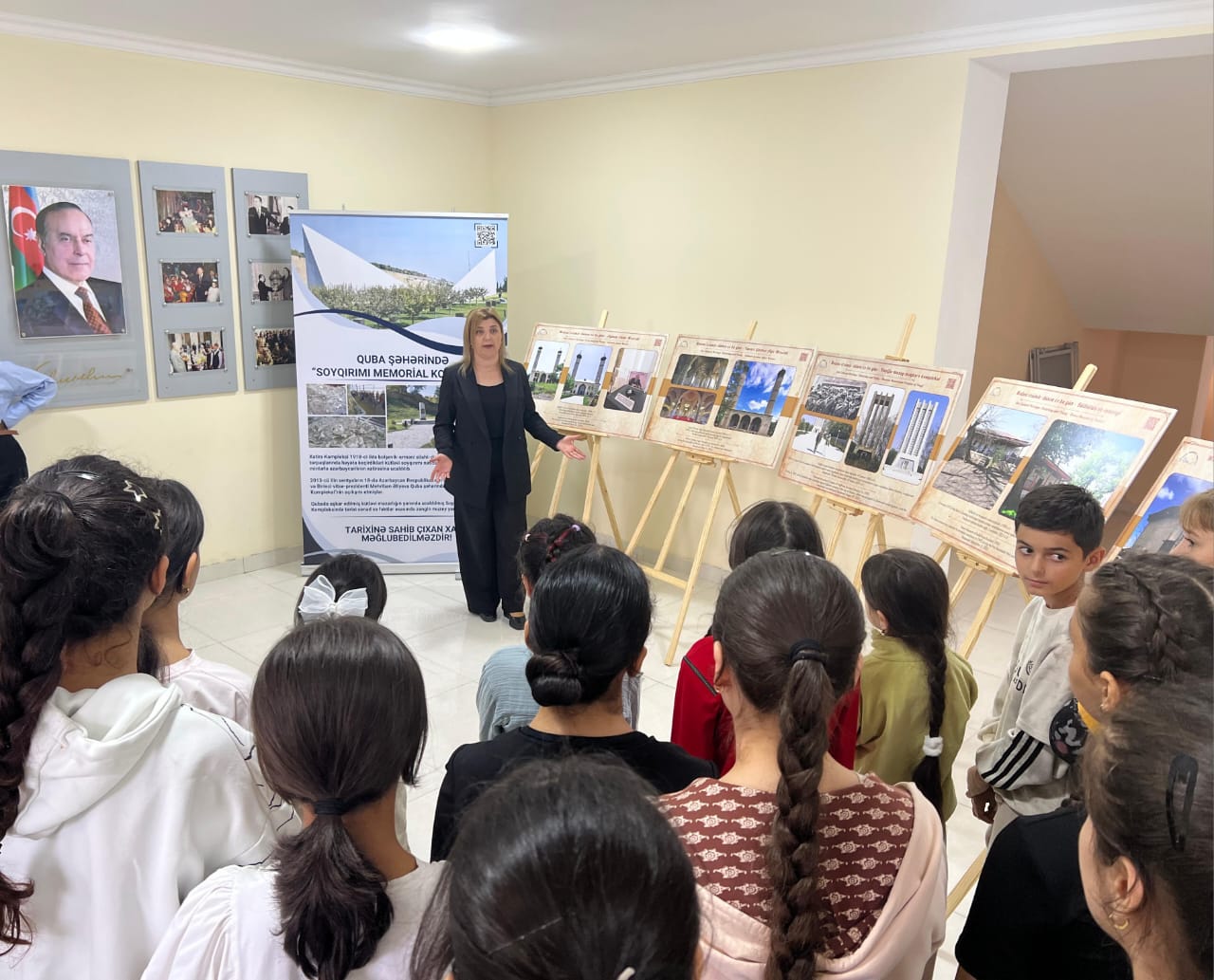
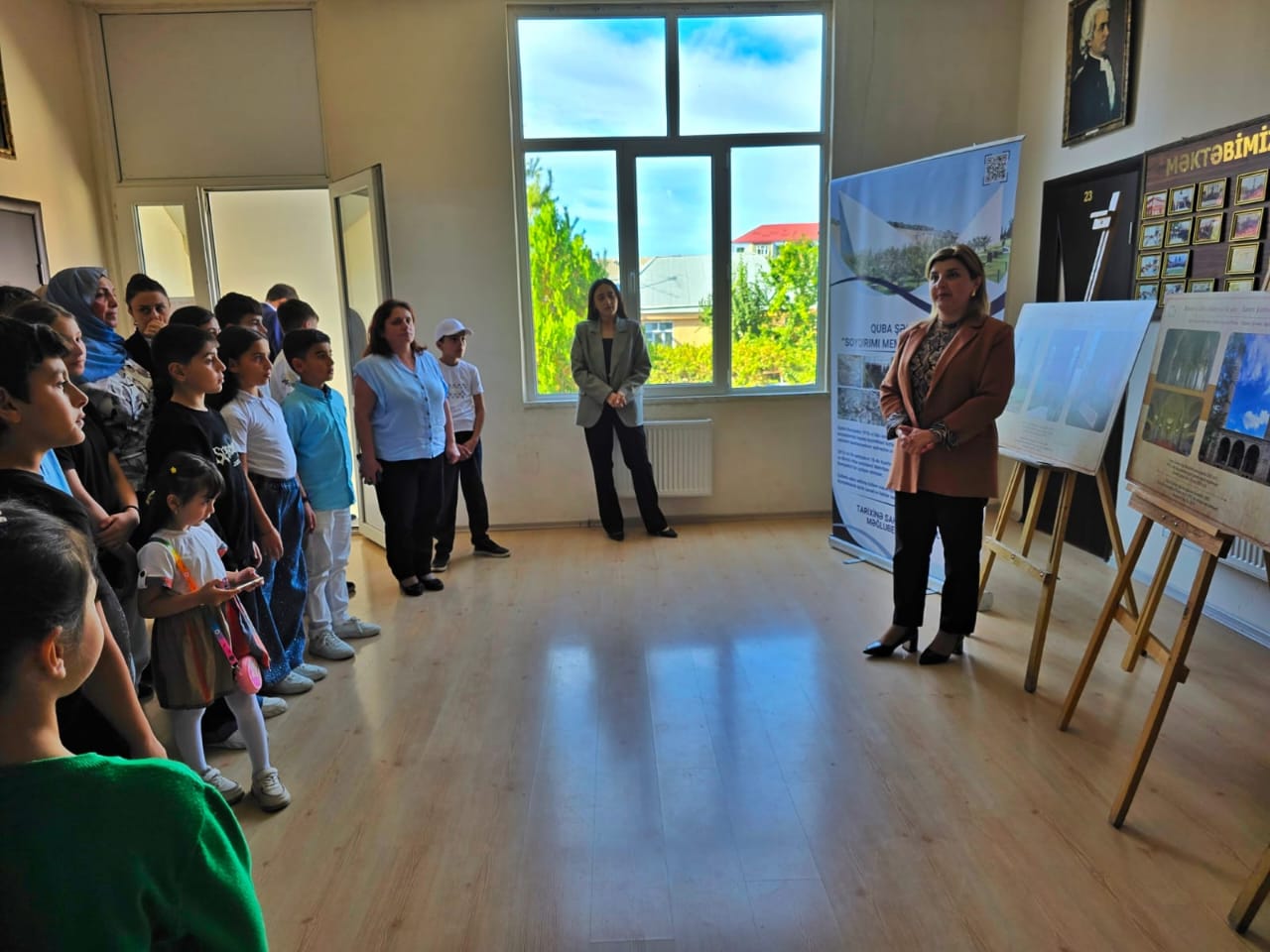
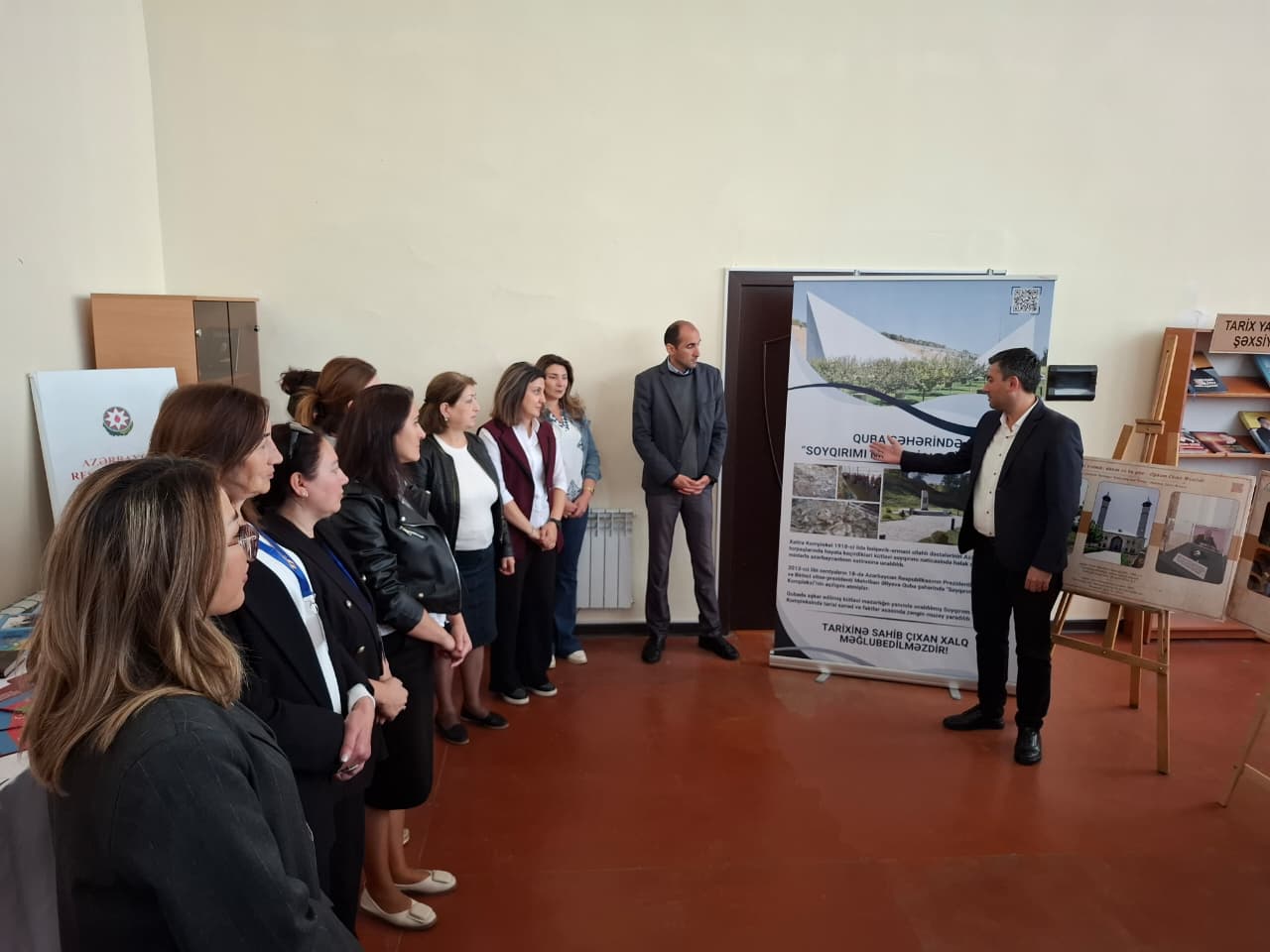
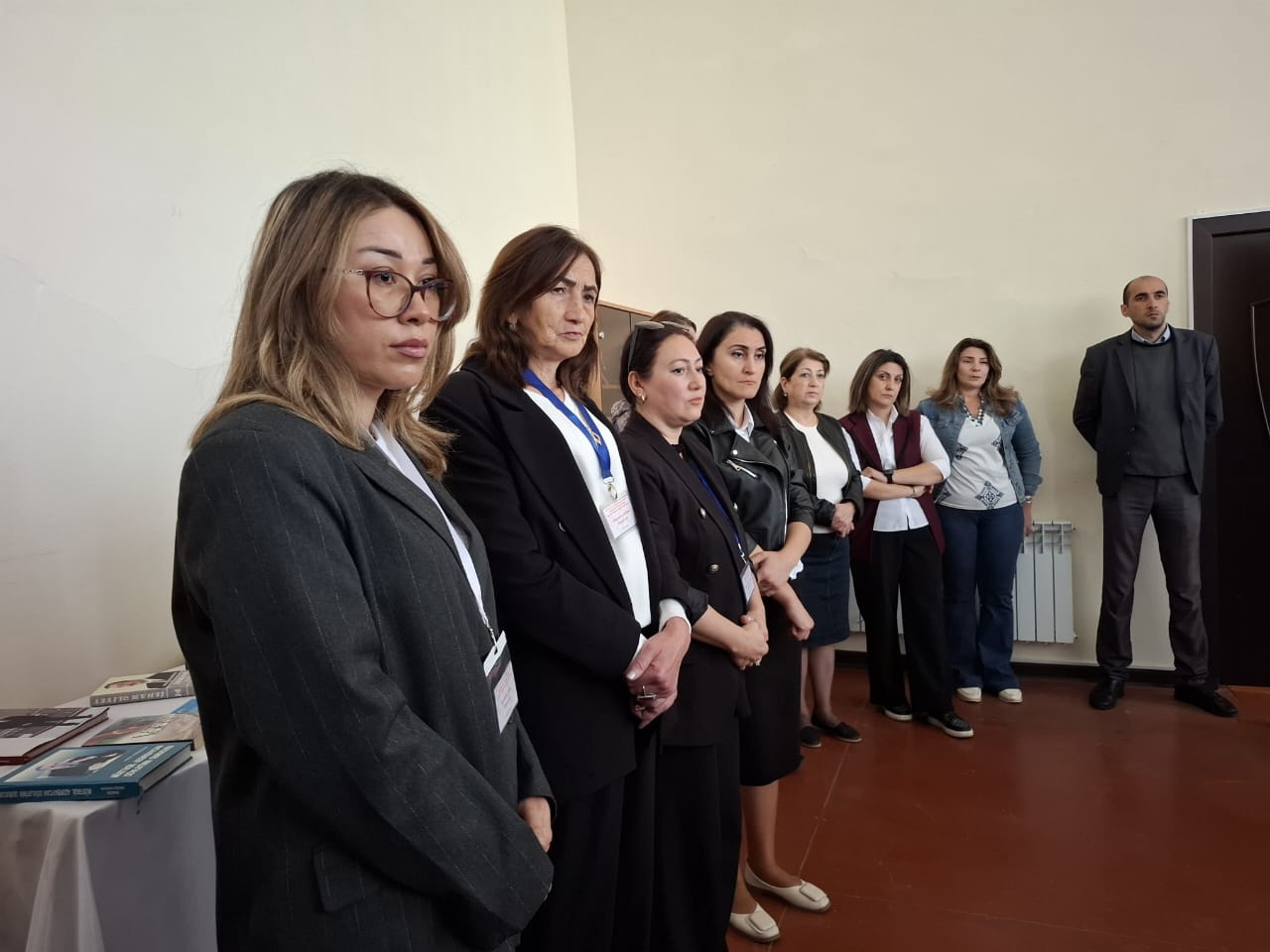
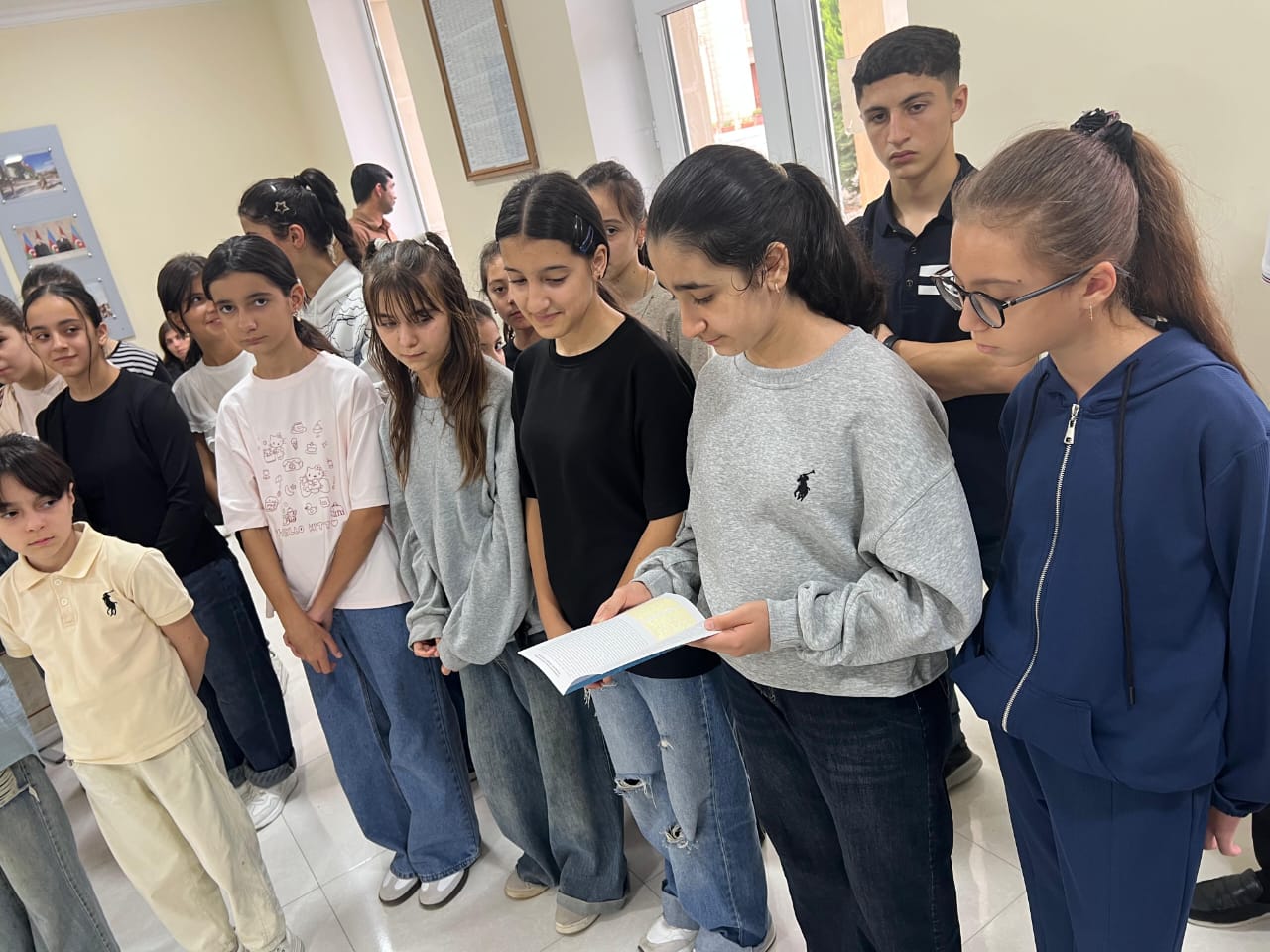
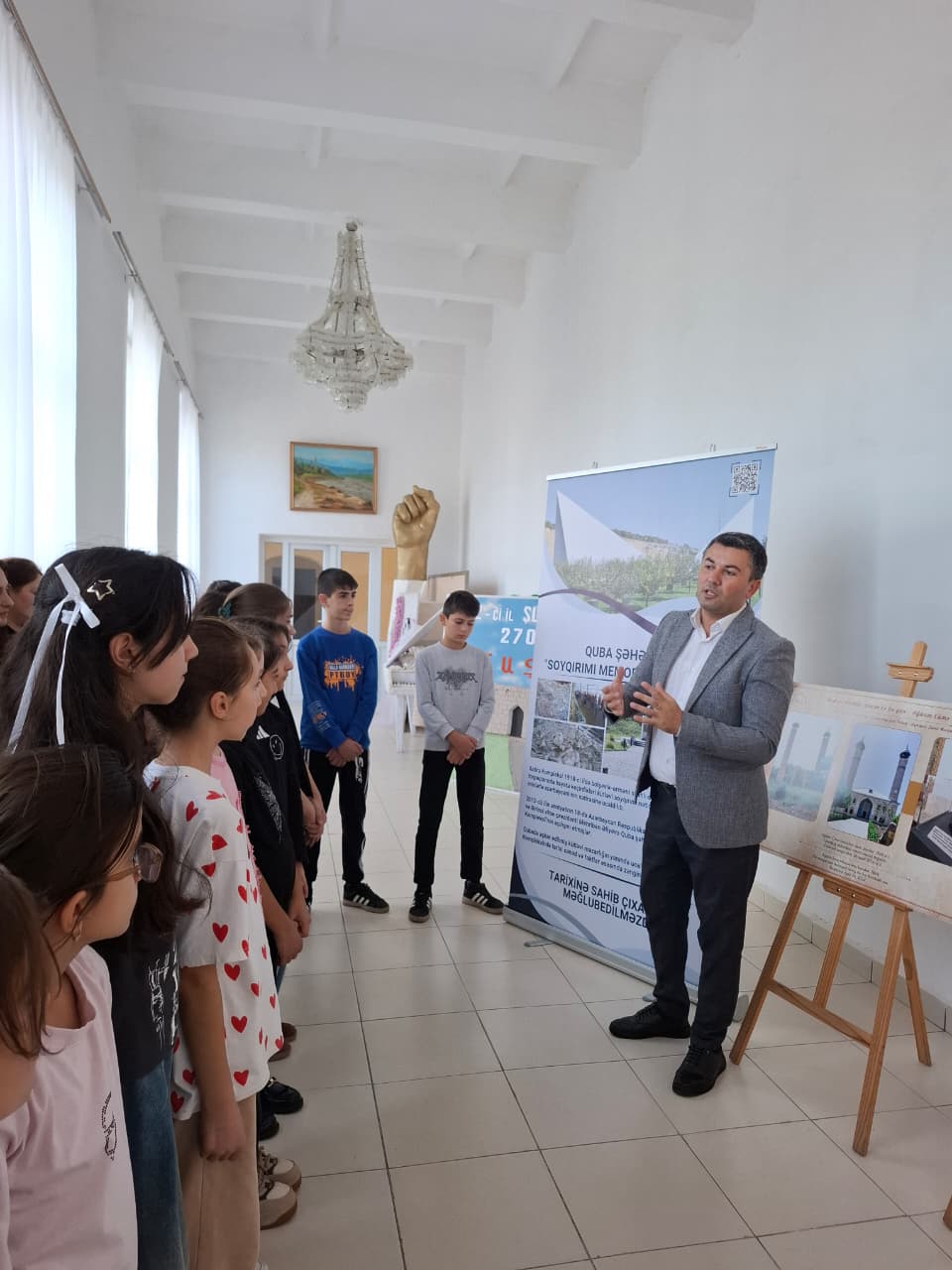
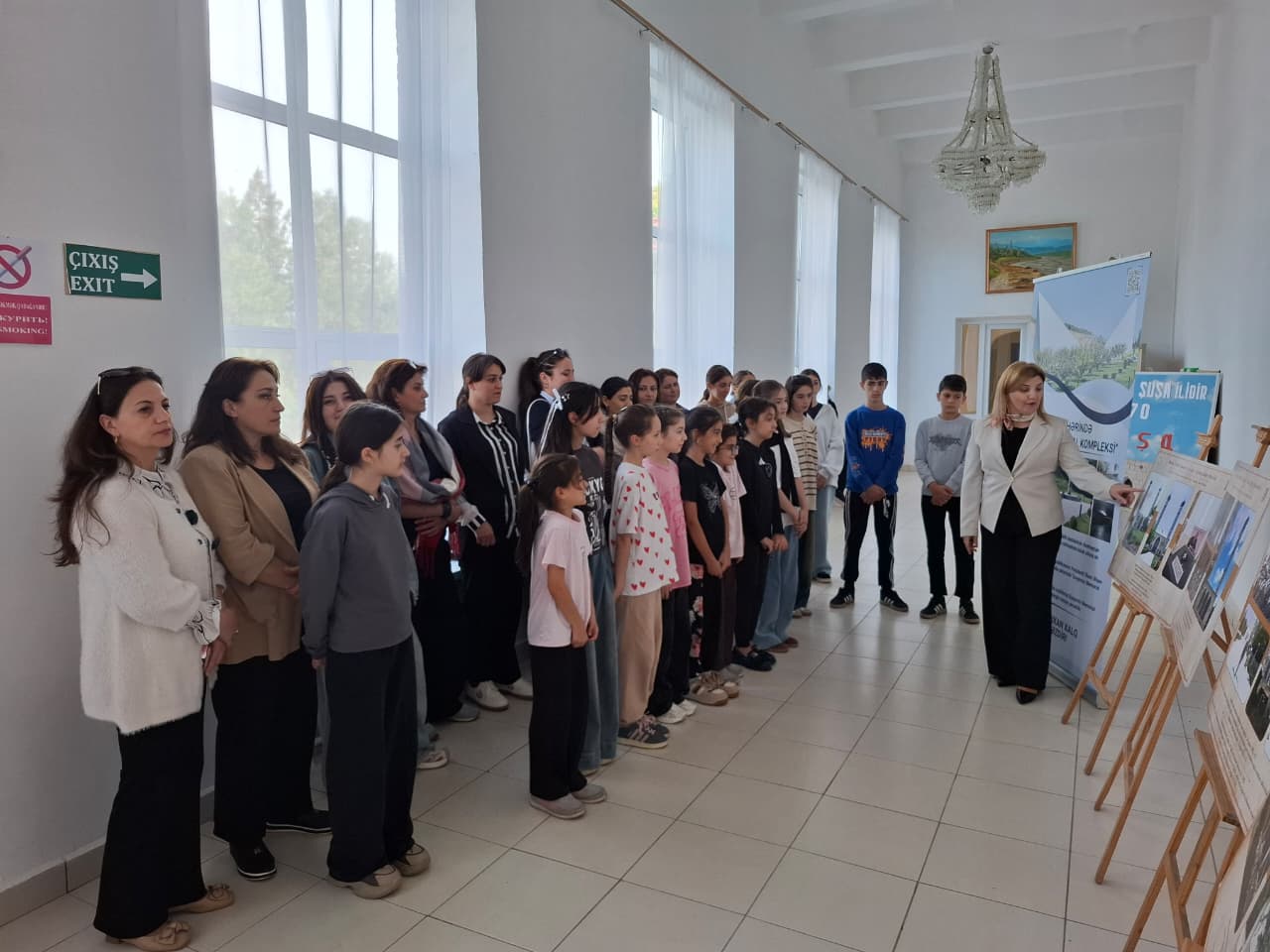
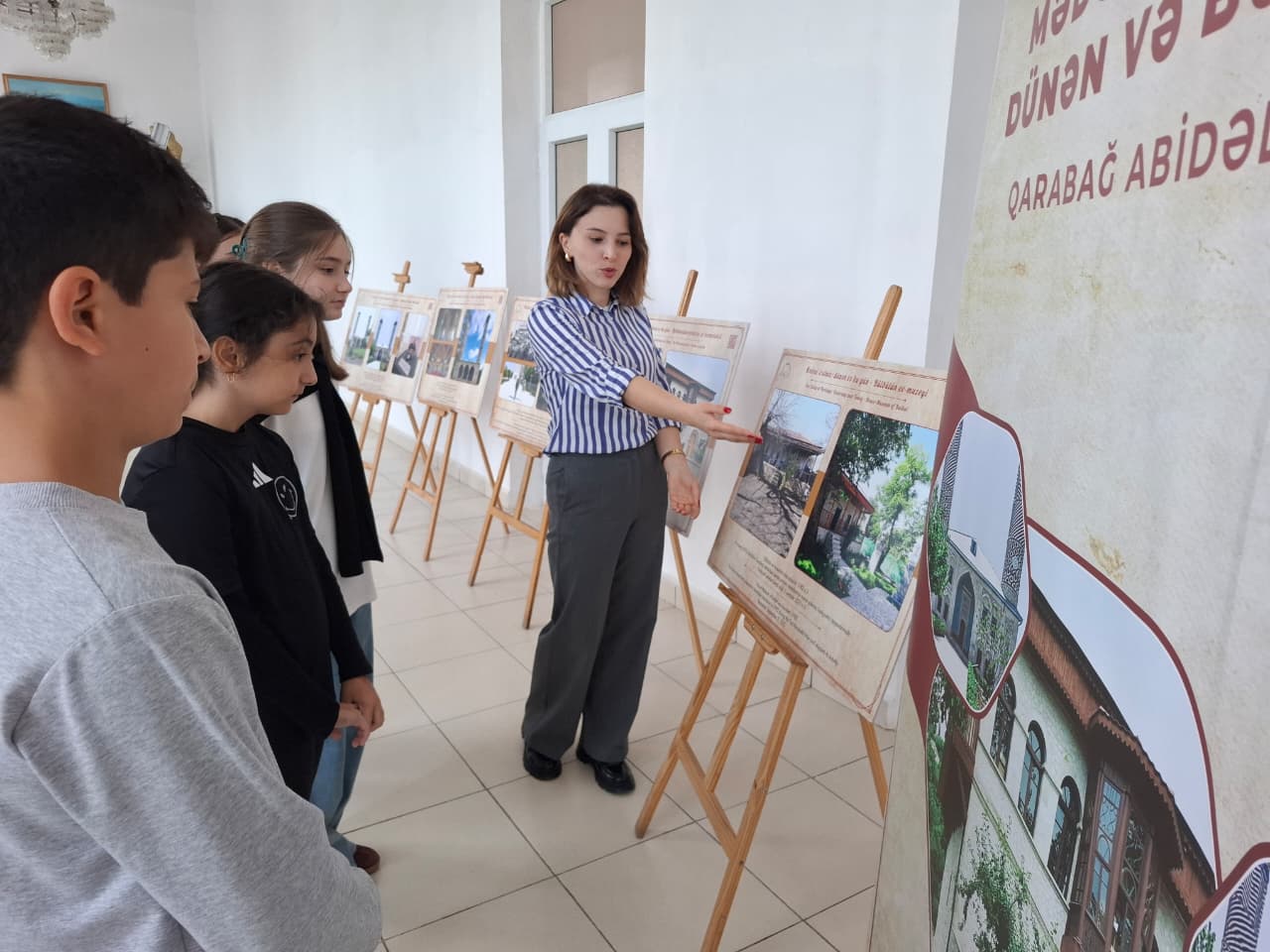
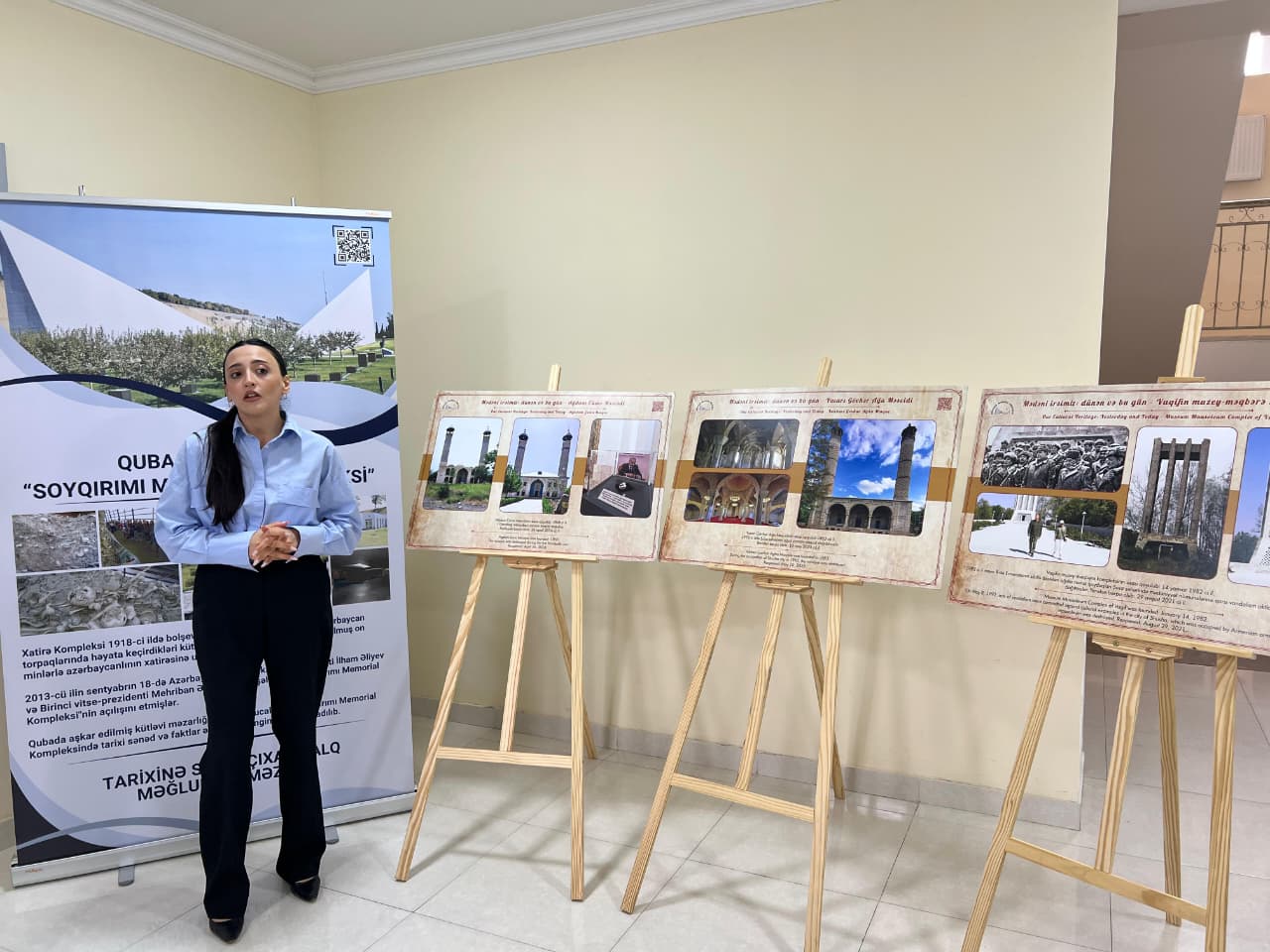
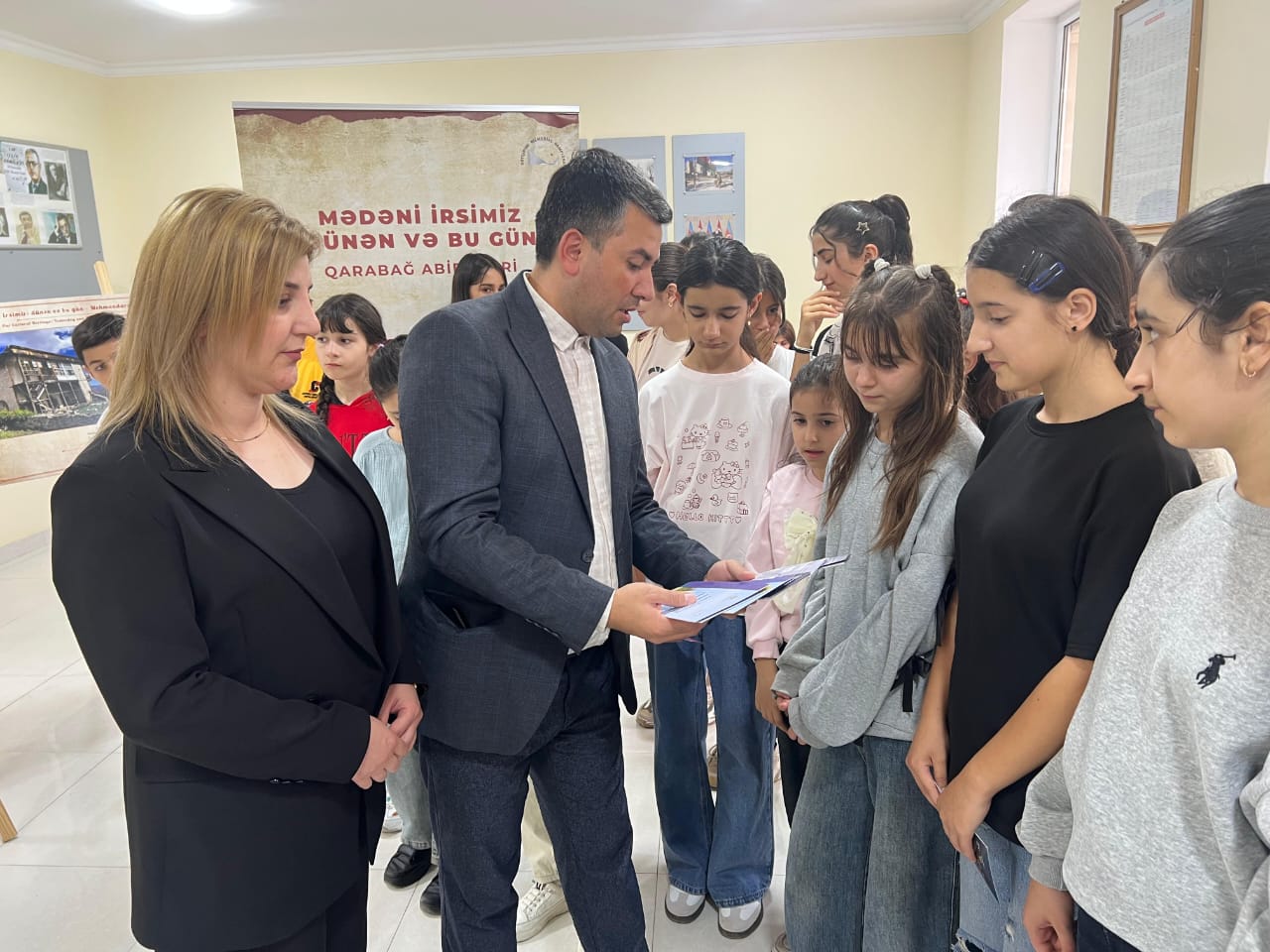
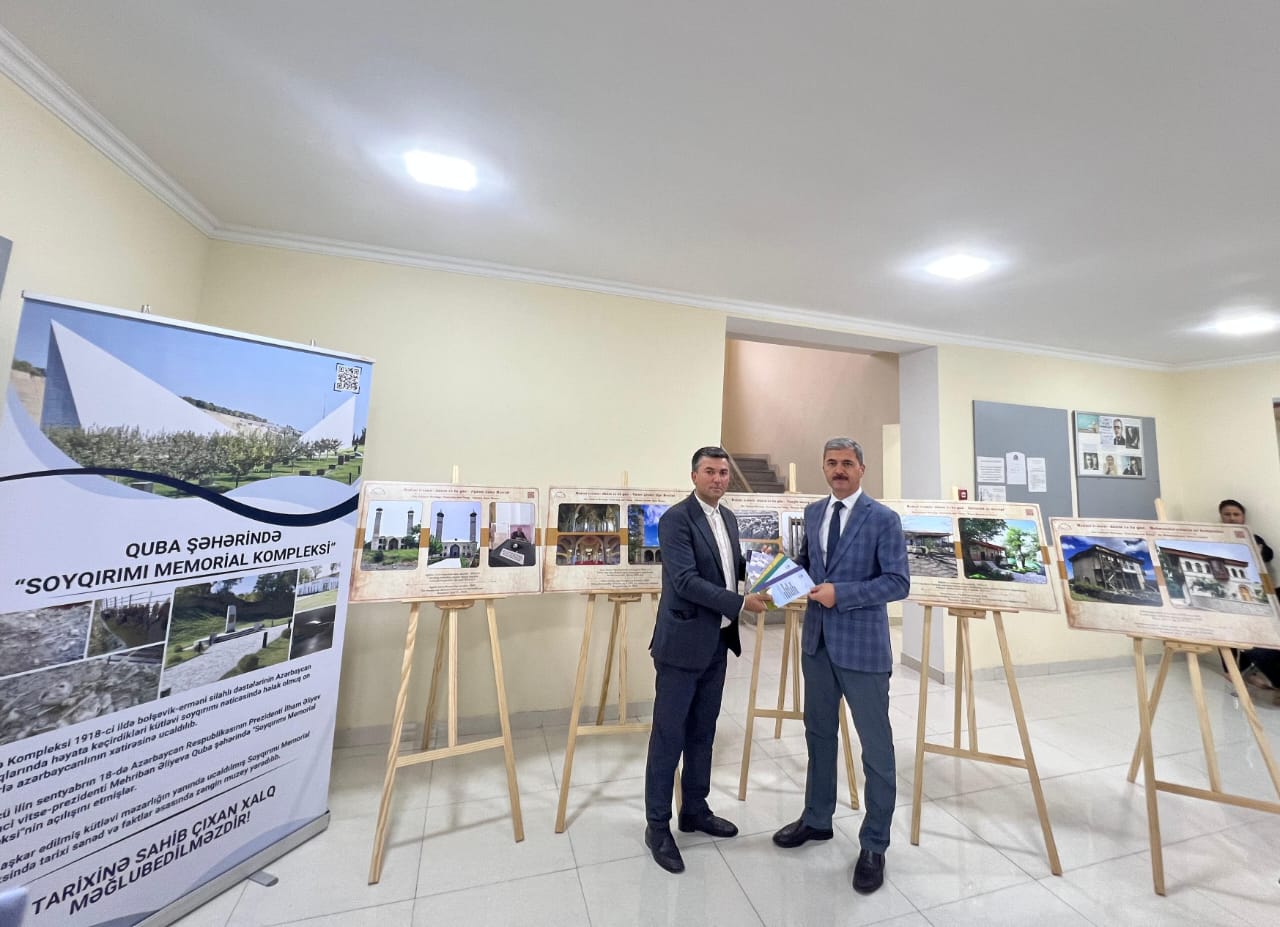
The organized exhibitions were attended by directors, teachers, and students from the Quba, Qusar, and Khachmaz Children’s Art and Music Schools, as well as employees of the Quba District Centralized Library System. The participants familiarized themselves with the photo exhibition titled “Our Cultural Heritage: Yesterday and Today – Karabakh Monuments,” prepared by the Genocide Memorial Complex. At the opening of the exhibition, Abutalib Turabov, an employee of the Complex, spoke about its activities and emphasized that the exhibition plays an important role in educating the youth on the restoration and preservation of our cultural heritage. Experts from the Complex — Ülkər Zeynalova, Zərifə Ağarzayeva, and Səriyyə Abidova — spoke about the study, protection, and restoration of historical monuments in our country, the promotion of cultural samples internationally, and the conservation and reconstruction work being carried out at hundreds of historical and cultural monuments throughout the country, thanks to the attention and care of President Ilham Aliyev. They noted that restoration and construction works in Karabakh and the liberated territories are carried out systematically and with planned projects. The restoration of monuments damaged during the occupation is not merely a construction process. It also represents the restoration of our nation’s identity and the reacquisition of lost values. Every monument, every stone, is a memory. Restoring these monuments teaches us not to forget our past and helps us build a stronger and more resilient future.
At the end, a discussion was held addressing questions from the exhibition participants. It should be noted that more than 100 people were educated at the exhibition held in Quba city, organized by the initiative of the Genocide Memorial Complex and supported by the Quba-Khachmaz Regional Culture Department.
On September 26, 2025, an event dedicated to September 27 – Remembrance Day was held.
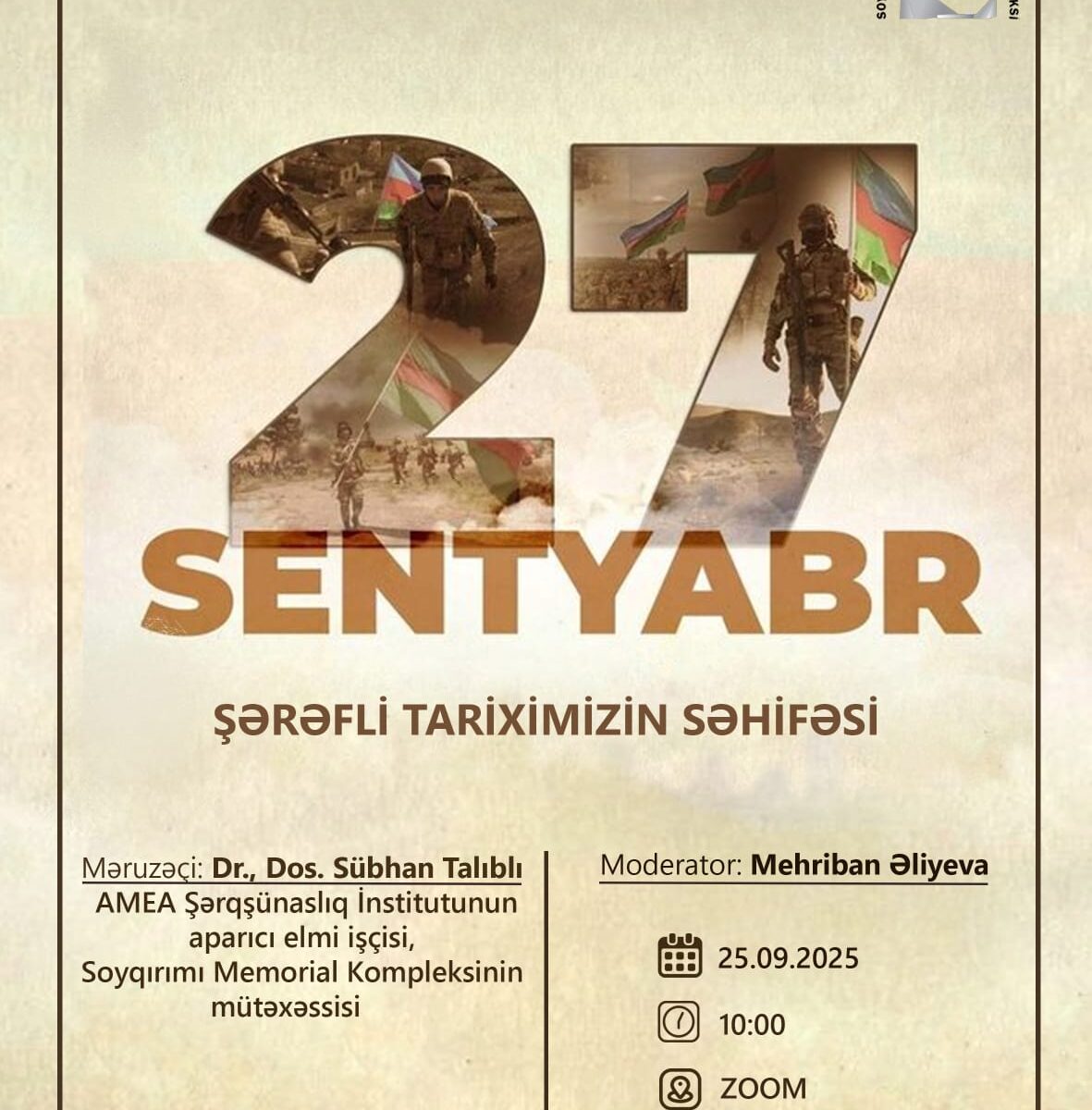
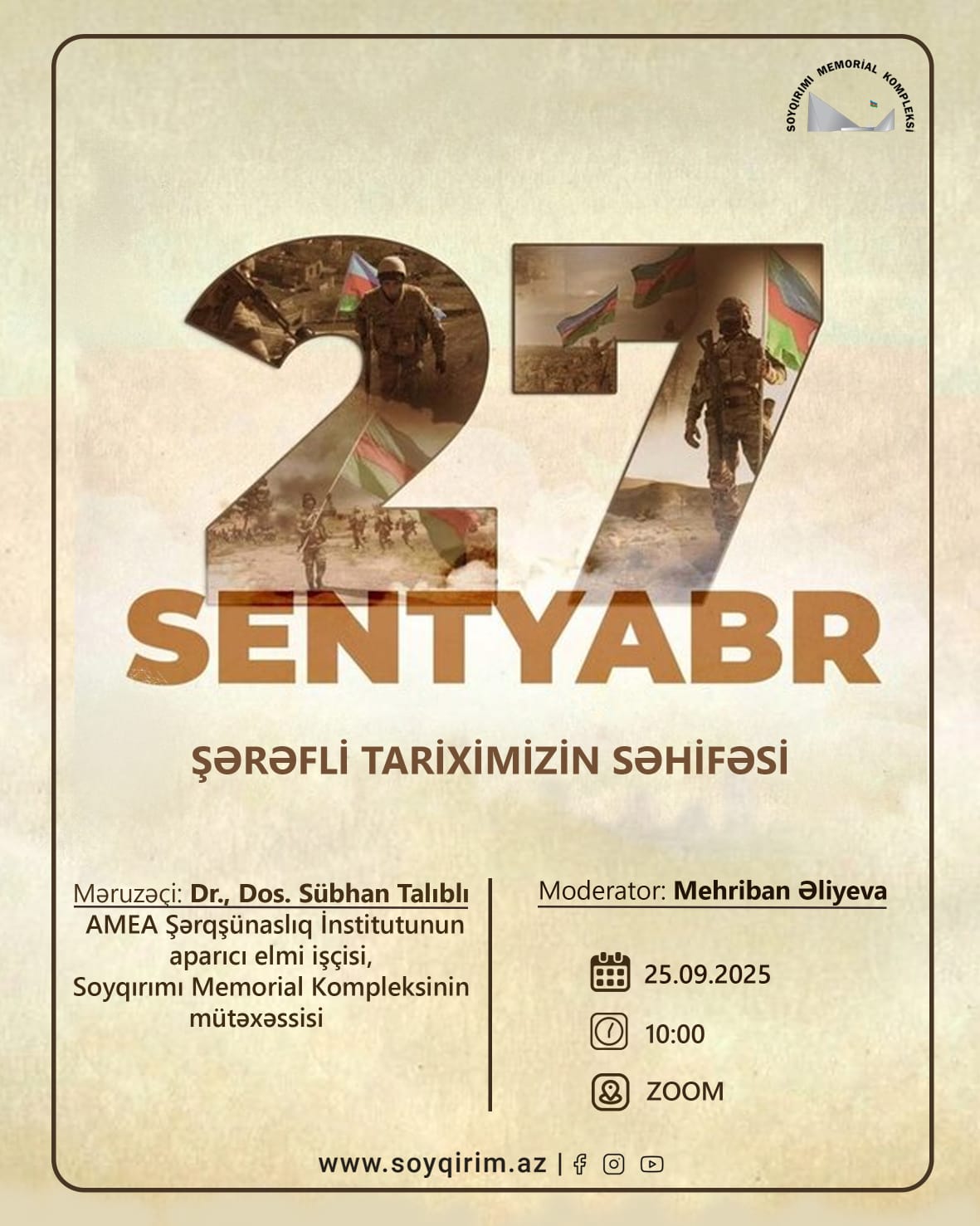
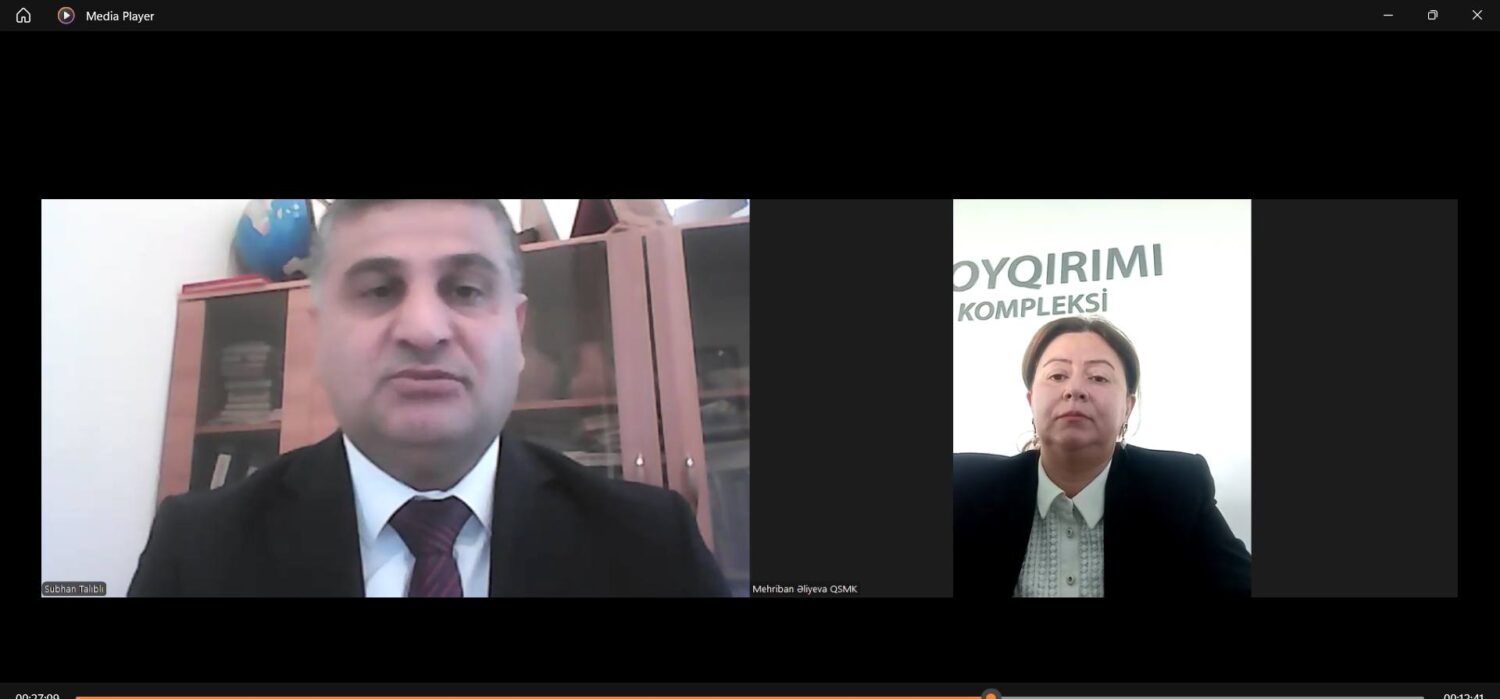
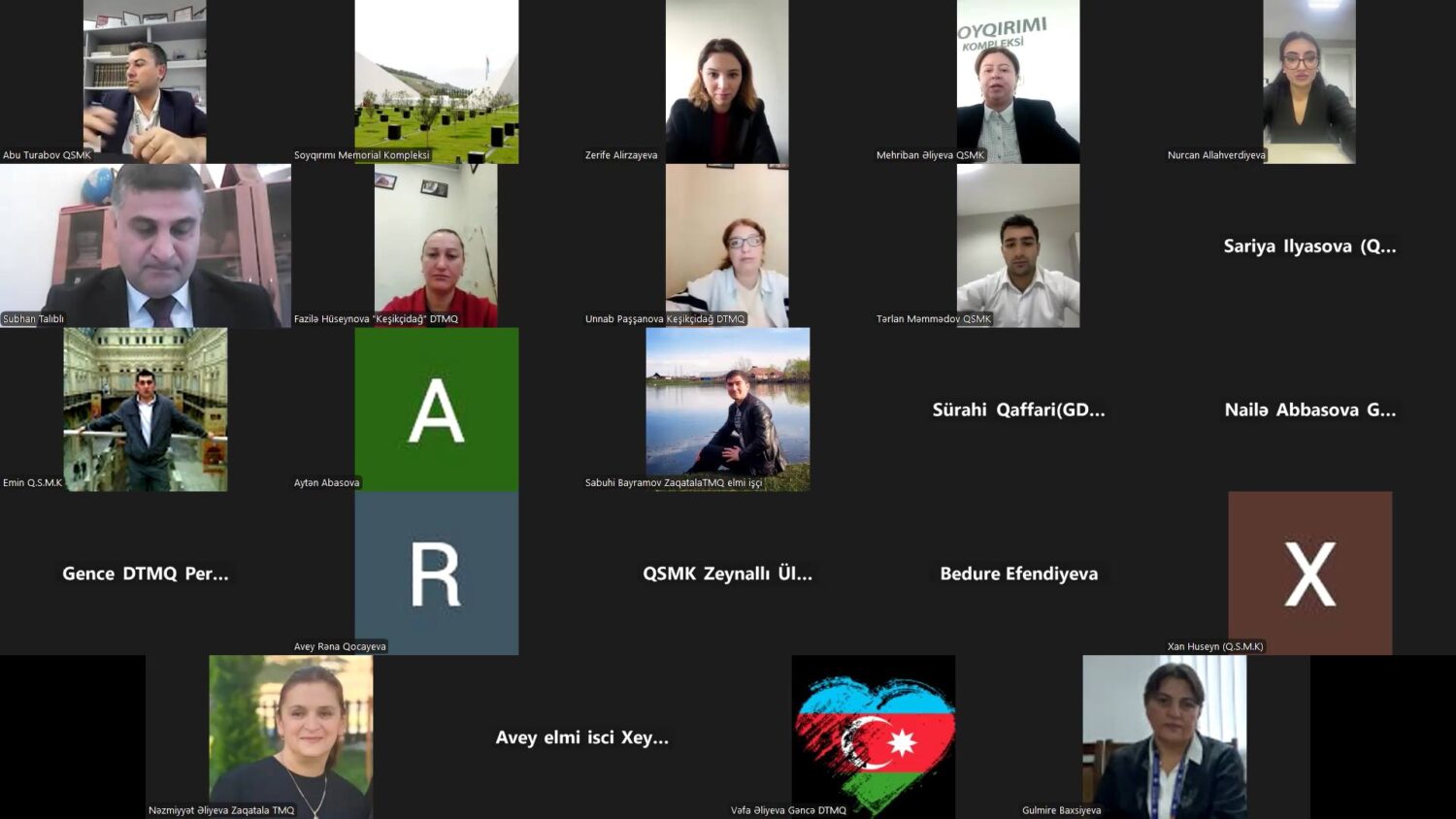
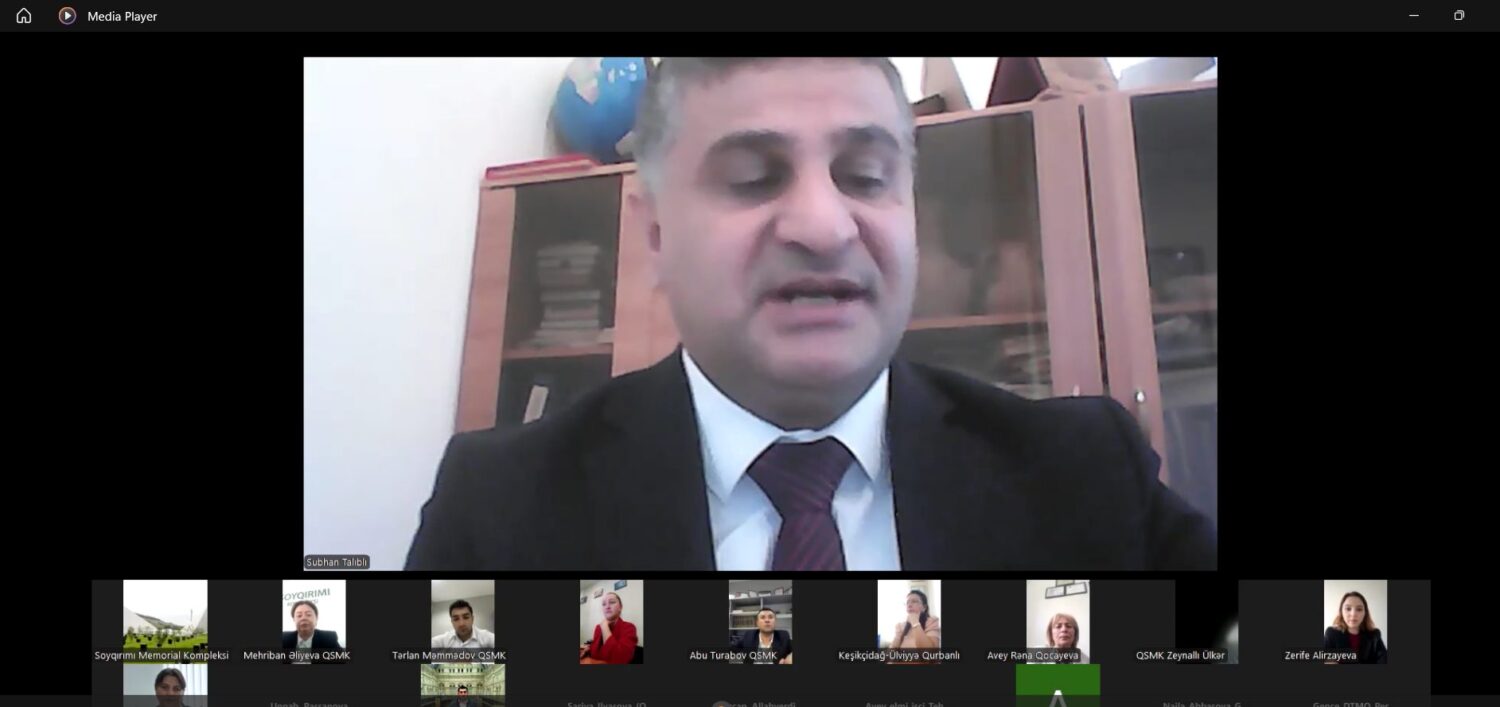
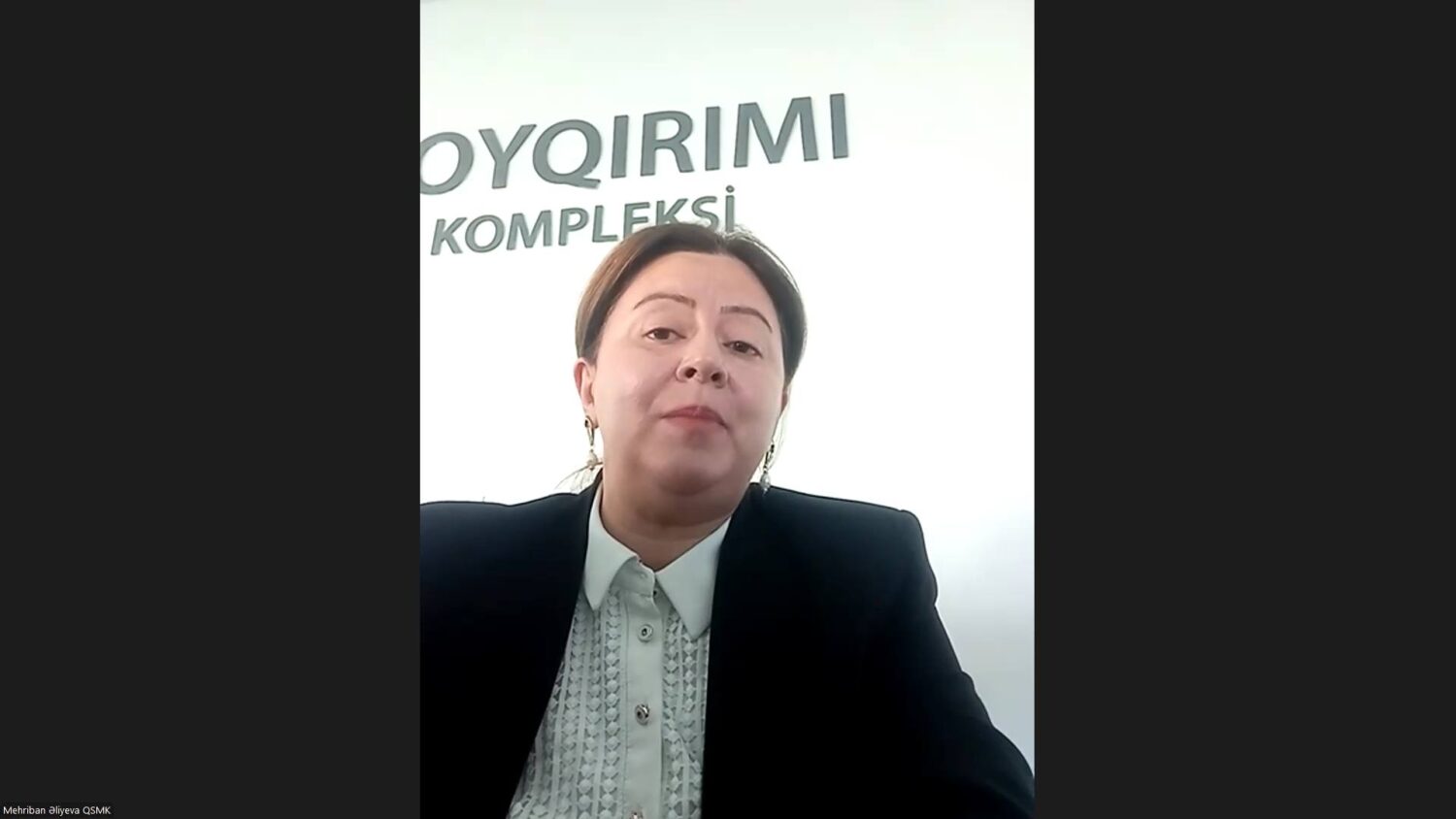
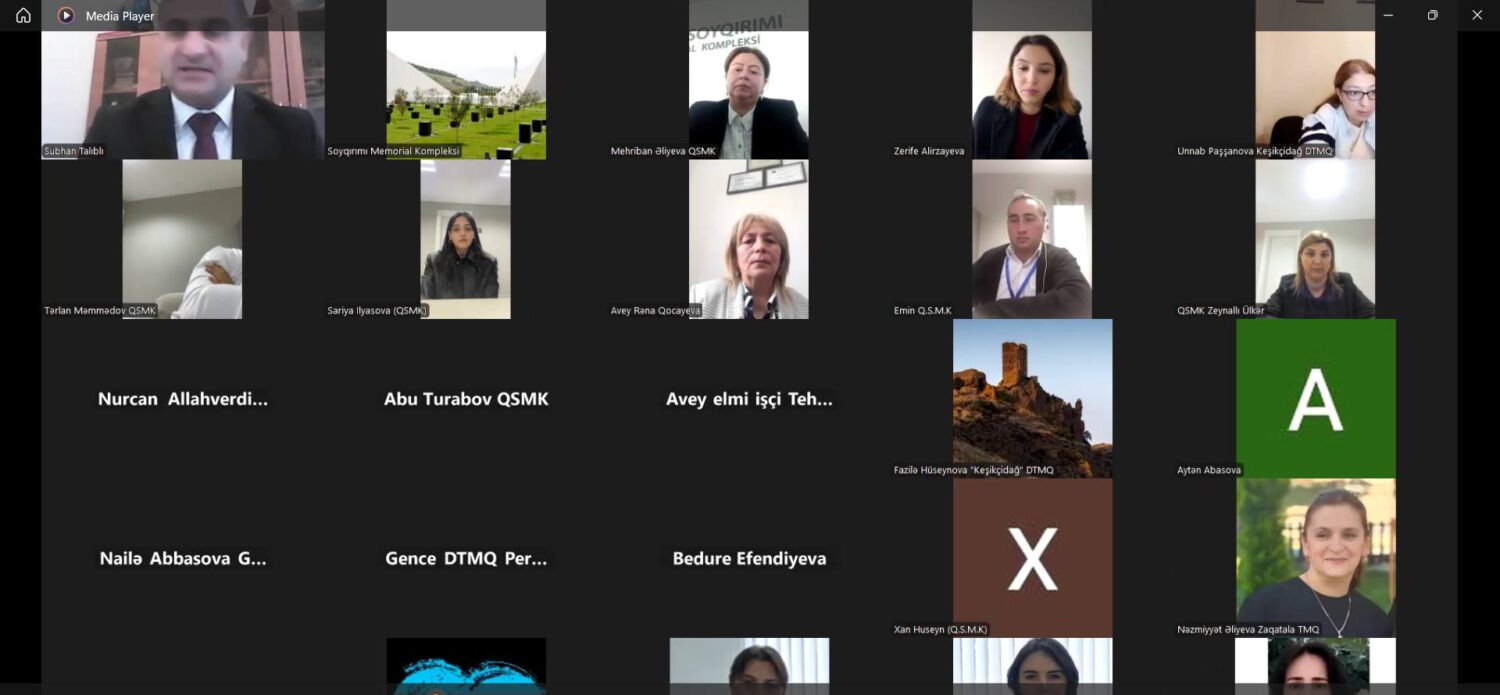
A webinar dedicated to September 27 – Remembrance Day was held, organized by the Genocide Memorial Complex and moderated by Mehriban Aliyeva, the Deputy Director of the Complex. More than 45 employees from various reserves under the State Service for the Protection, Development, and Restoration of Cultural Heritage participated in the event.
The webinar discussed Azerbaijan’s historical heritage, patriotism, the immortalization of the memory of martyrs, and educational activities carried out in this direction. At the event, Subhan Talibli, a leading researcher at the Institute of Oriental Studies named after Ziya Bunyadov of the Azerbaijan National Academy of Sciences, candidate of historical sciences, and associate professor, gave a detailed report on the 44-day Patriotic War that began on September 27, 2020. He touched upon the causes and course of the war, as well as Azerbaijan’s process of restoring historical justice, stating that the cherished memory of the martyrs will always live on in the nation’s memory.
Finally, a discussion was held on the topic.
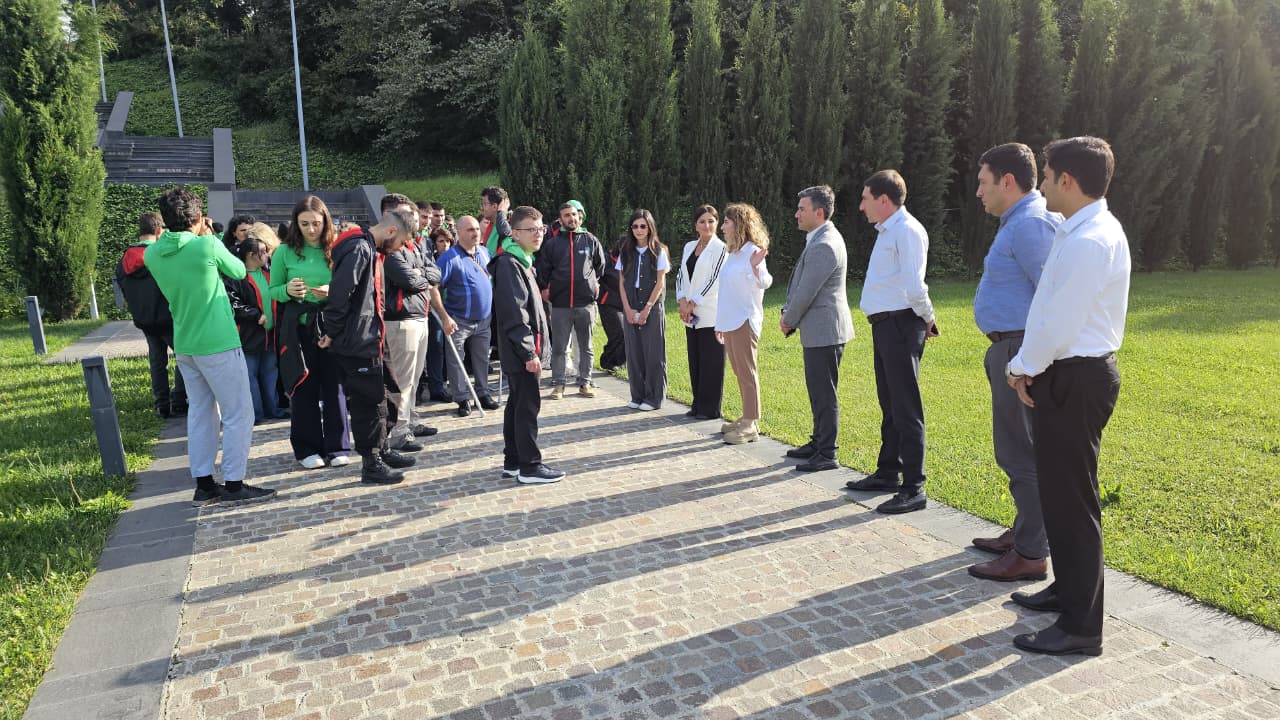
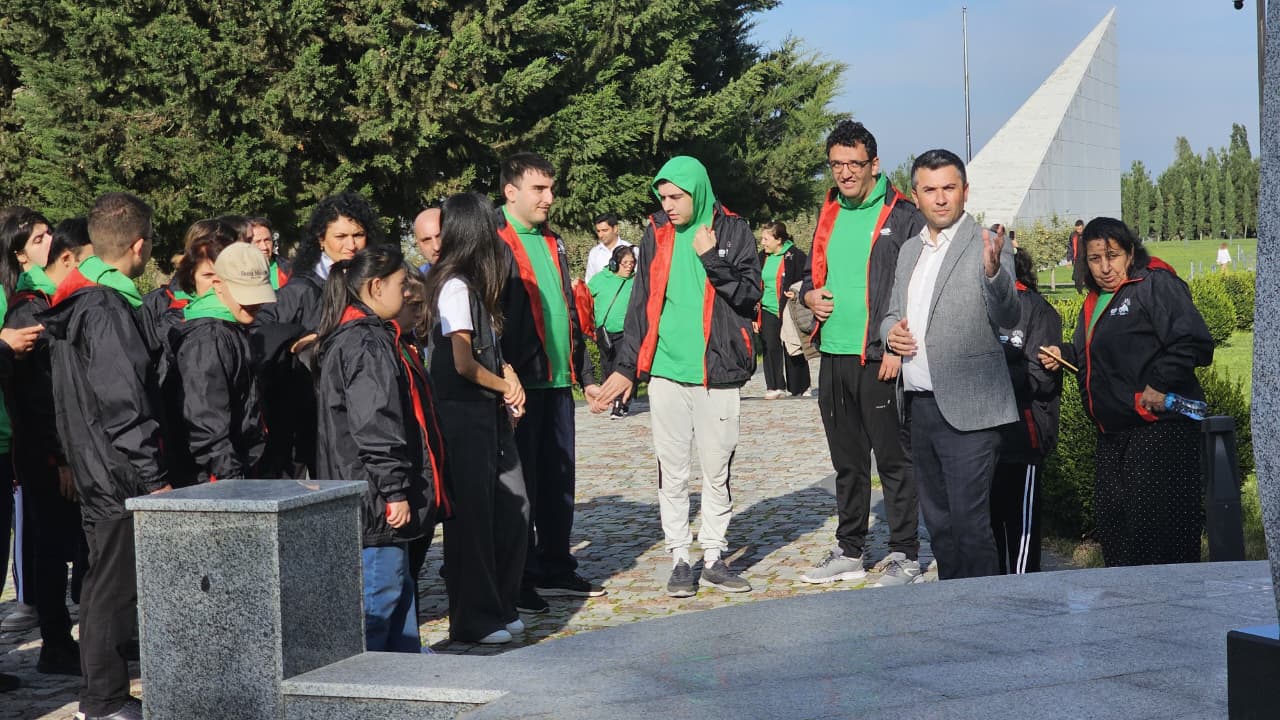
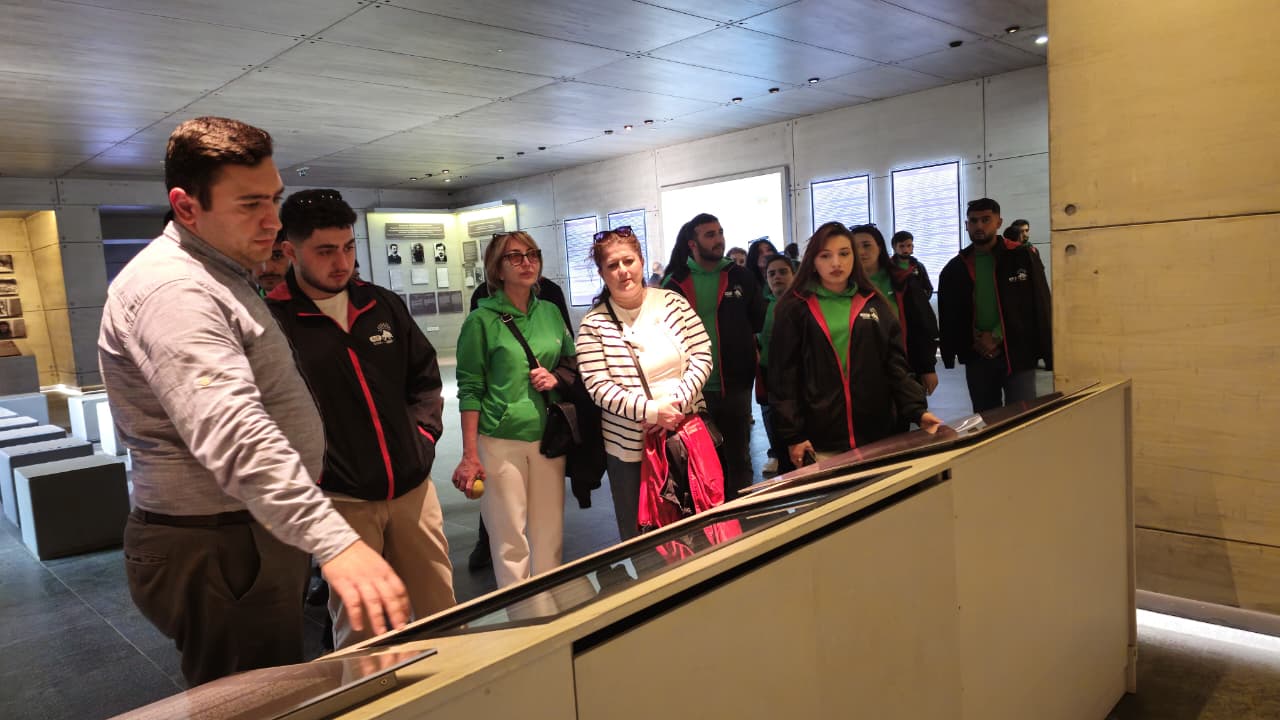
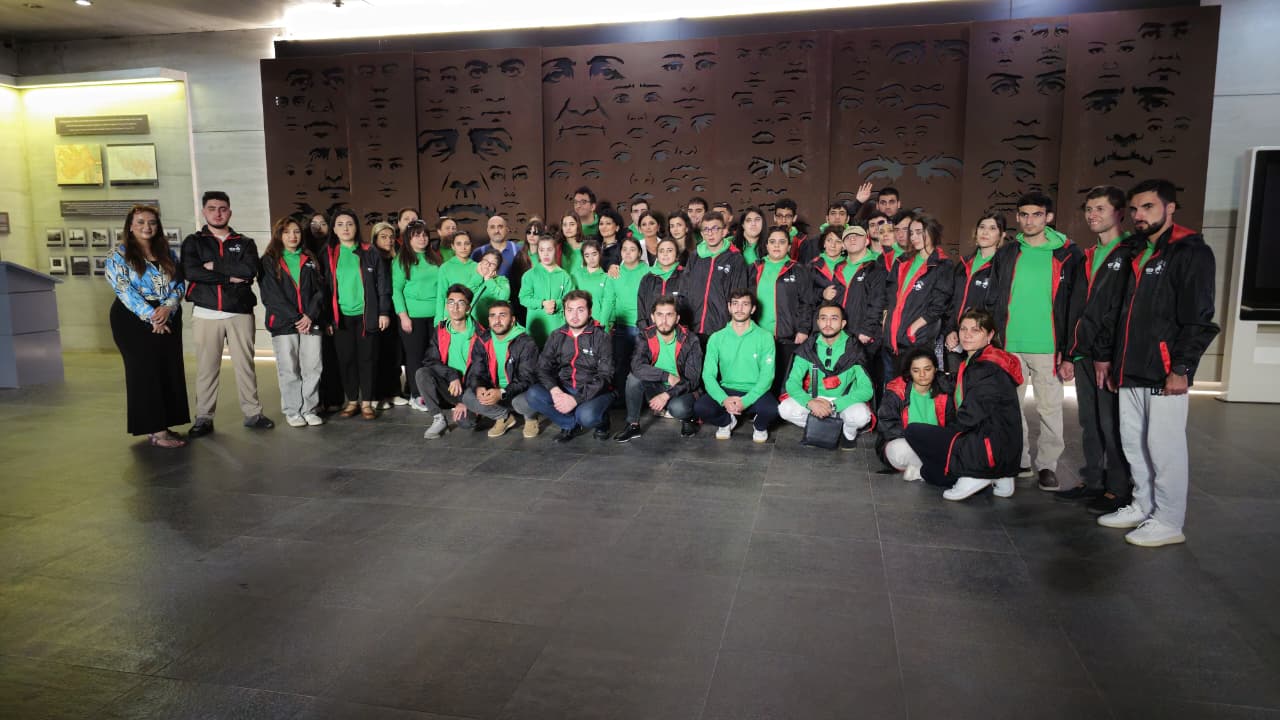
On September 26, 2025, a camp for youth with physical disabilities was organized in the Quba district under the auspices of the Ministry of Youth and Sports of Azerbaijan.As part of their visit, the participants toured the Genocide Memorial Complex in Quba city. During the visit, they were provided with detailed information about the events of 1918, including the tragic genocide committed against the Azerbaijani people.The visit aimed to raise awareness among the youth about the importance of remembering national history and honoring the memory of those who lost their lives.
The Contract of the Century - September 20, 1994

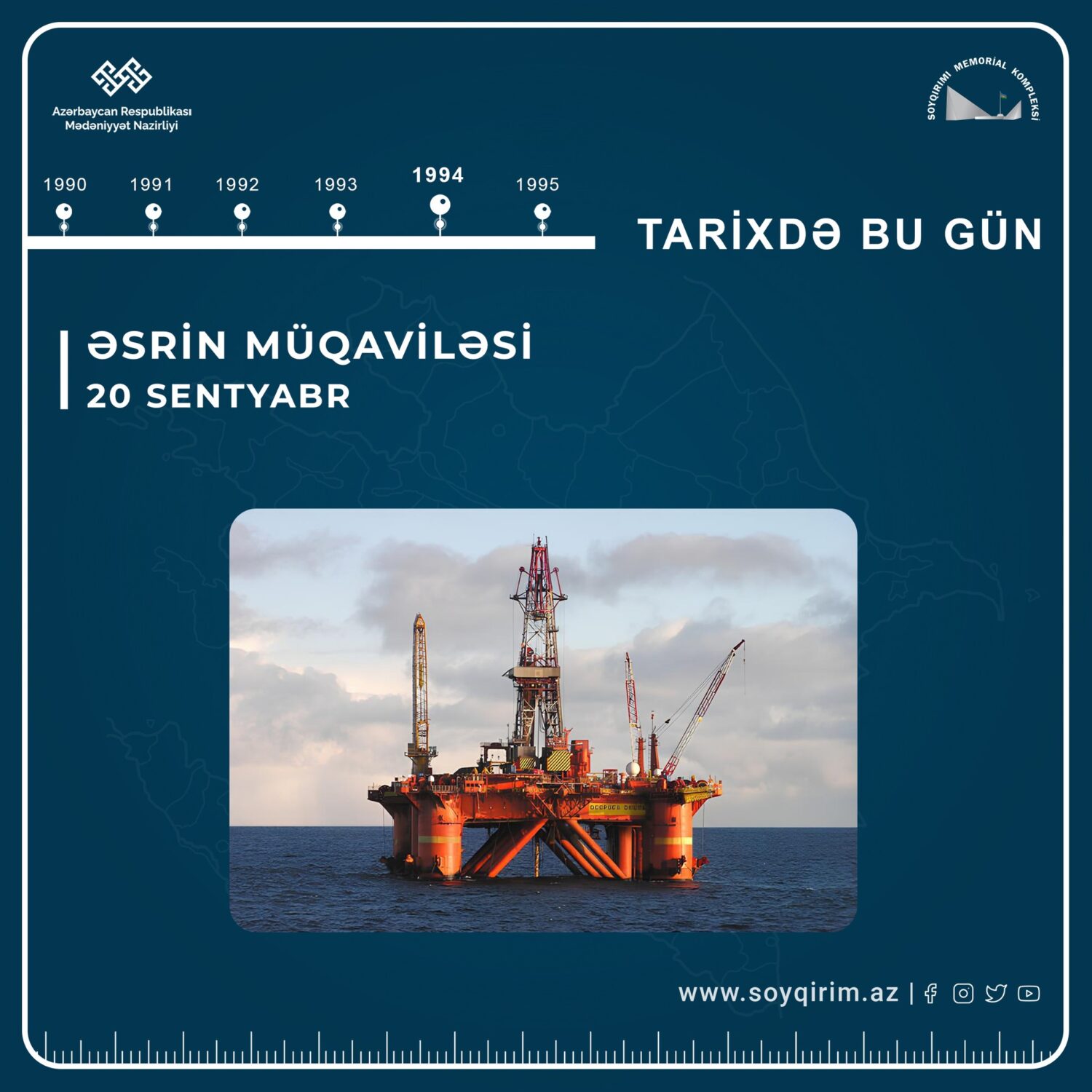
After Azerbaijan restored its independence in 1991, it embarked on the path of development in various sectors. However, the efficient exploitation of the country’s greatest natural resource, oil, and its export to foreign markets required serious attention. At that time, Azerbaijan’s economy was still in a difficult situation after the collapse of the Soviet Union, and it was impossible to overcome this situation without foreign investments.
Thanks to the political foresight and diplomatic skills of the National Leader Heydar Aliyev, on September 20, 1994, a contract was signed in Baku, the capital of the Republic of Azerbaijan, involving eight countries and 13 of the most prominent oil companies for the joint development of the rich Azeri, Chirag, and Gunashli oil fields in the Azerbaijani sector of the Caspian Sea. He described this document, called the “Contract of the Century,” as “a historical agreement that strengthens Azerbaijan’s independence and is aimed at the future.”
The “Contract of the Century” not only brought wealth and development to Azerbaijan but also secured long-term stability and a strategic position, defining the role the country would play in global energy politics in the 21st century.