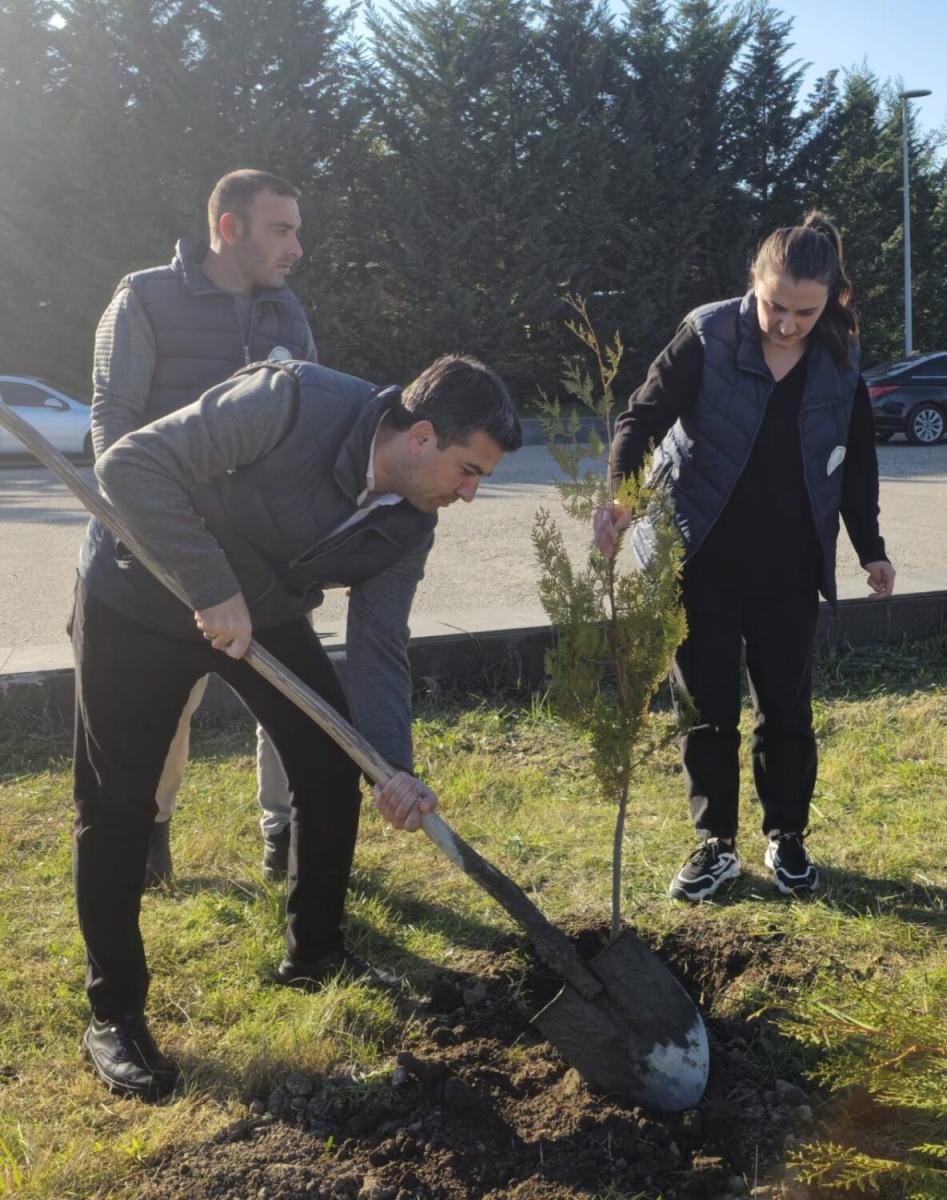
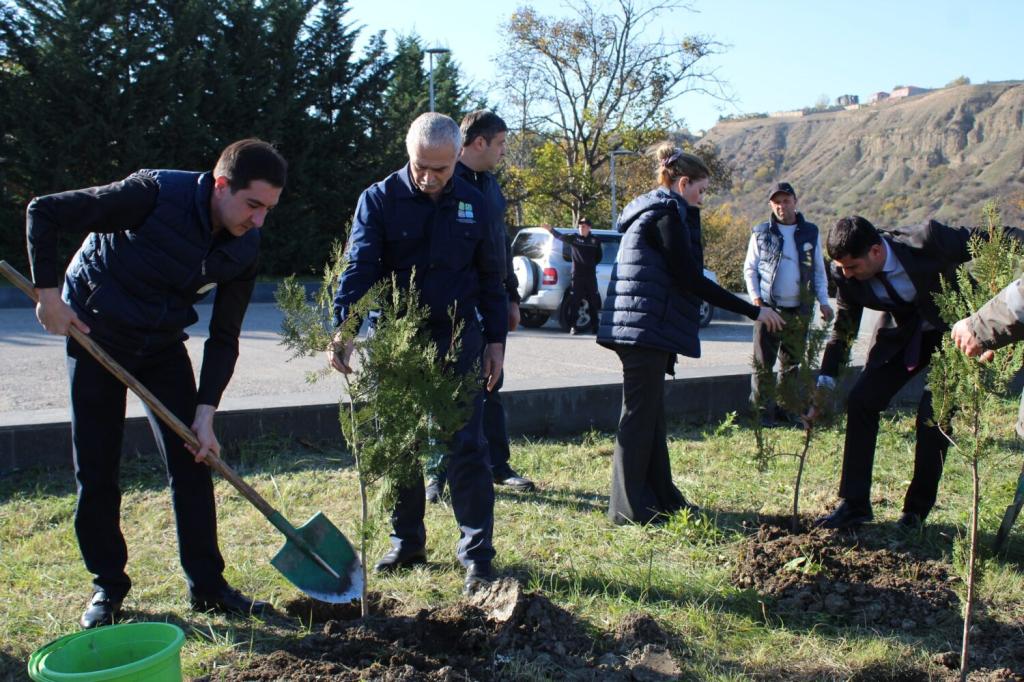
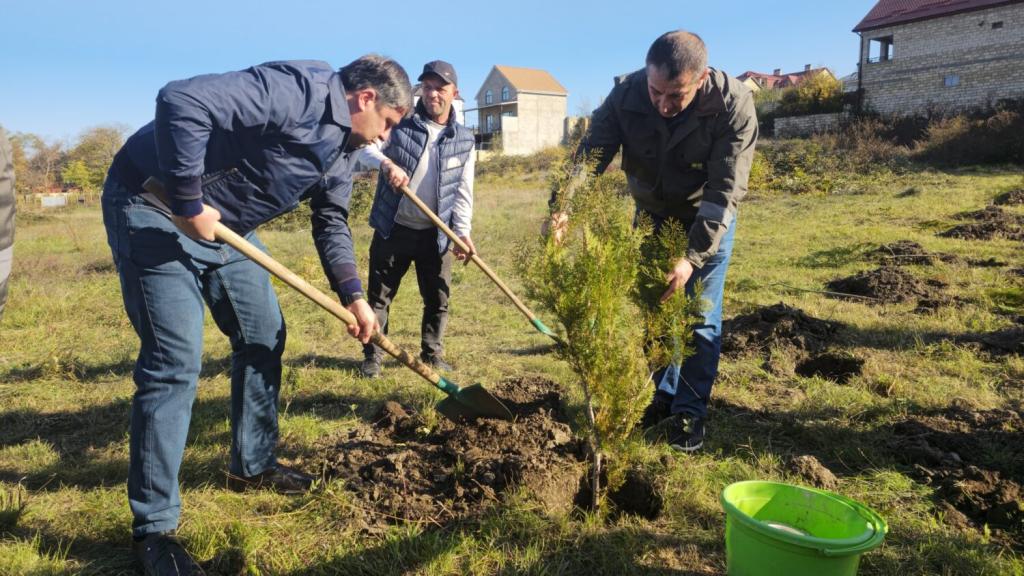
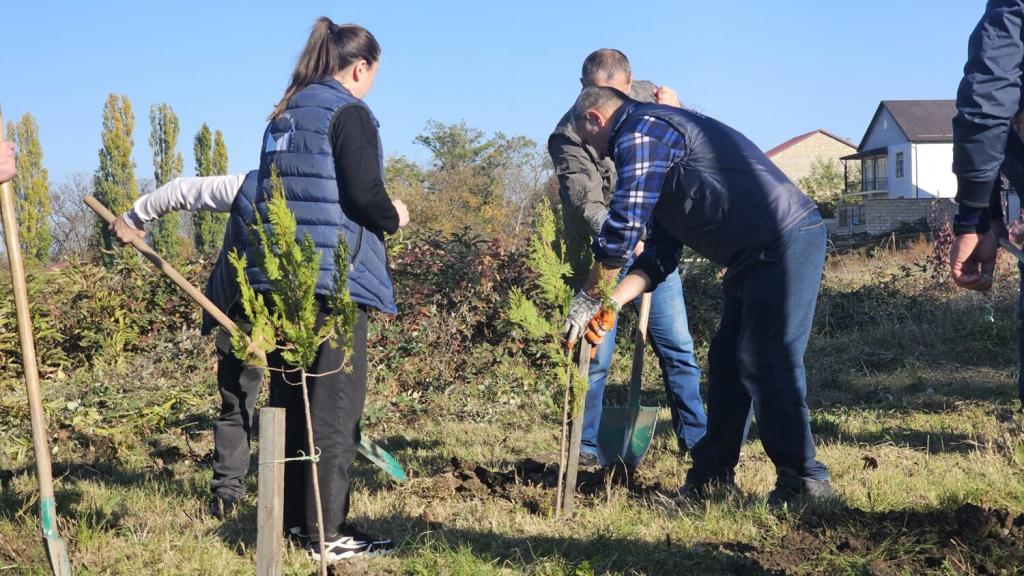
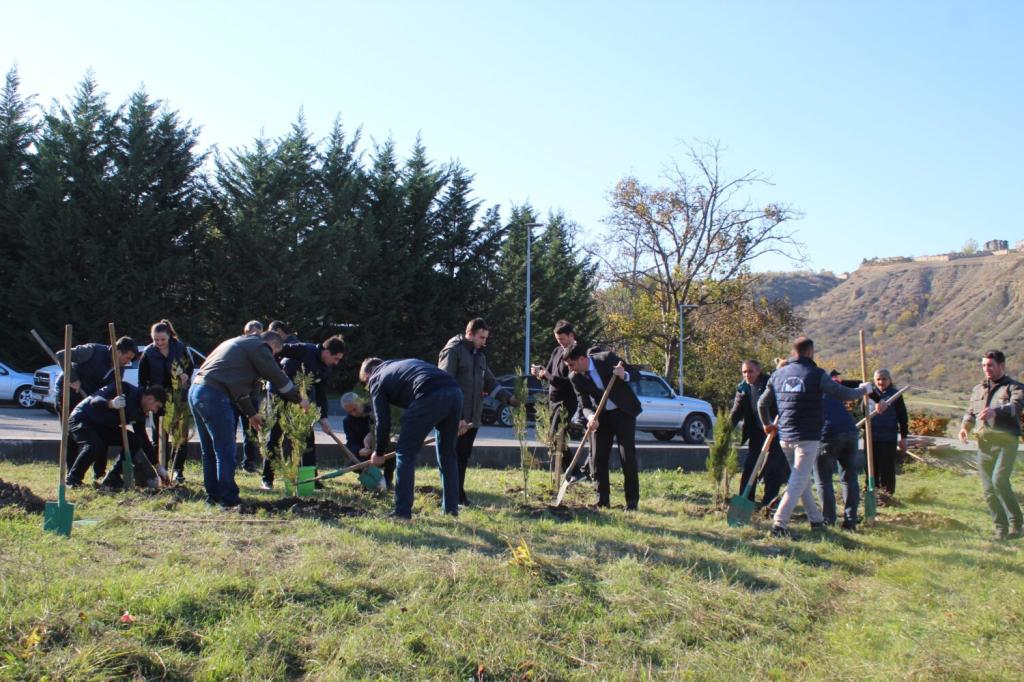
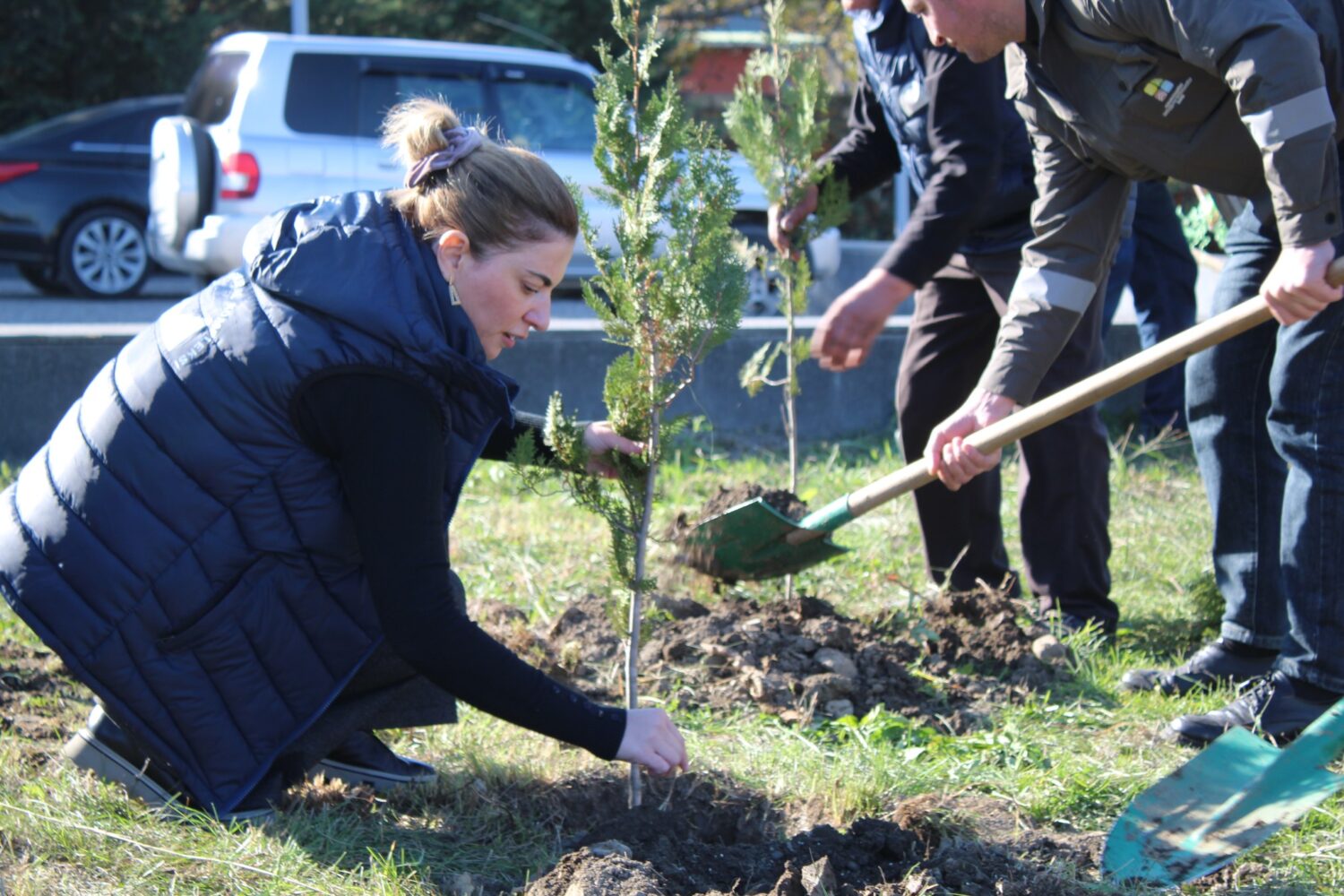
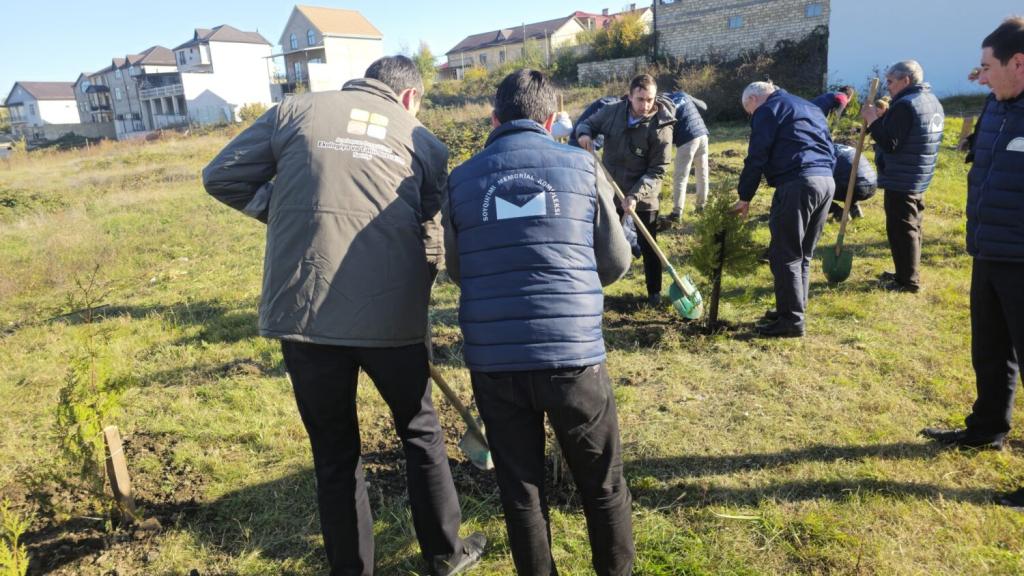
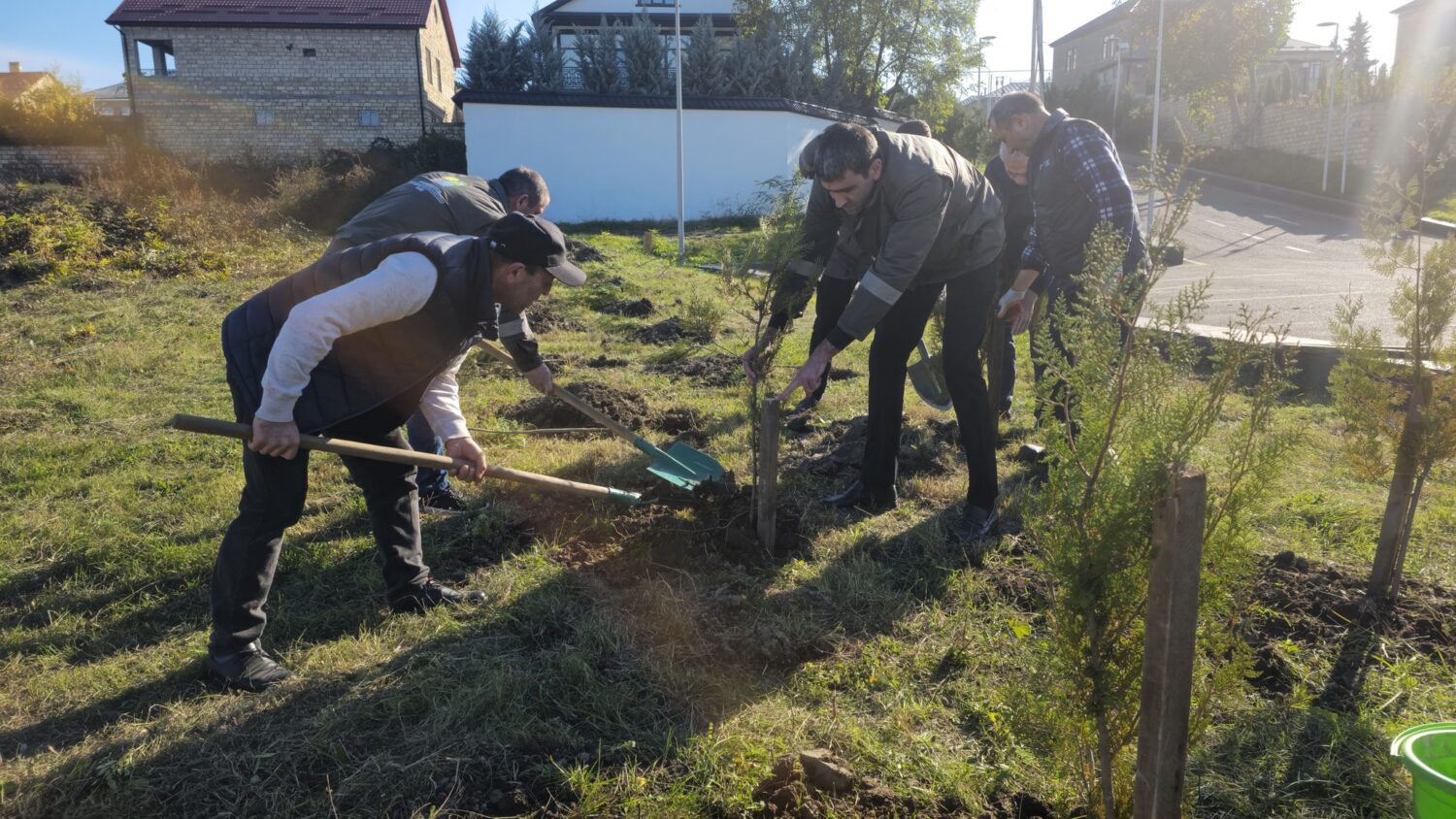
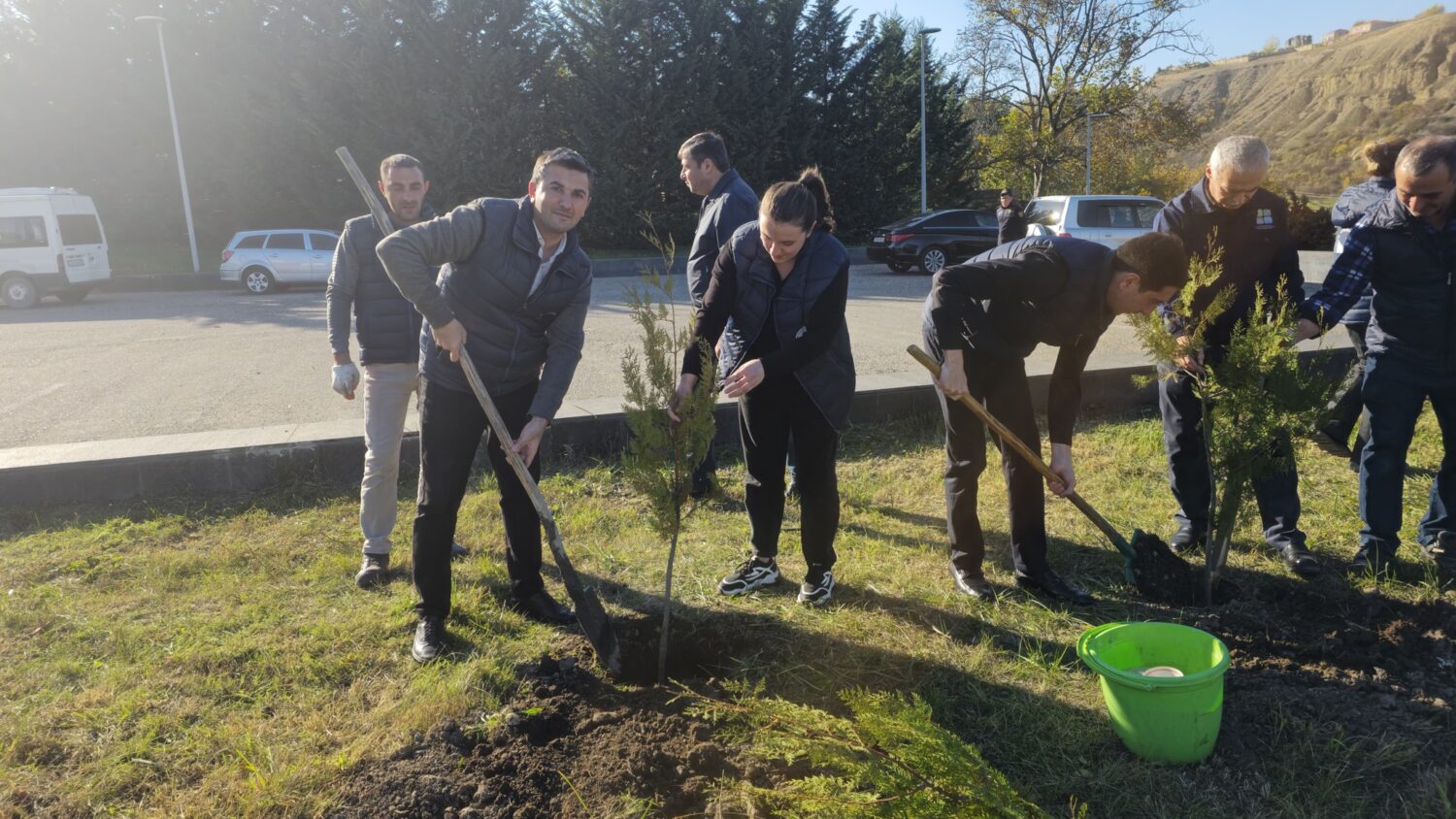
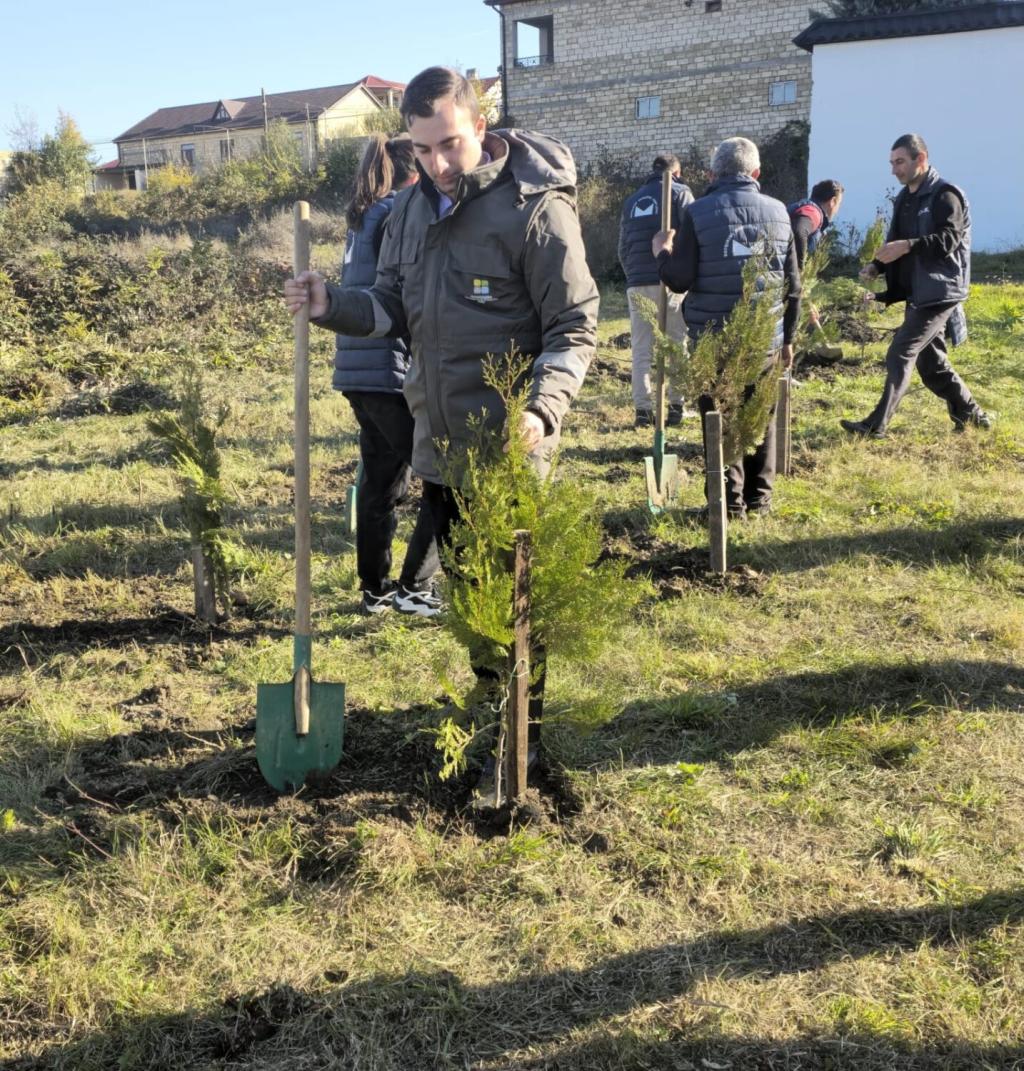
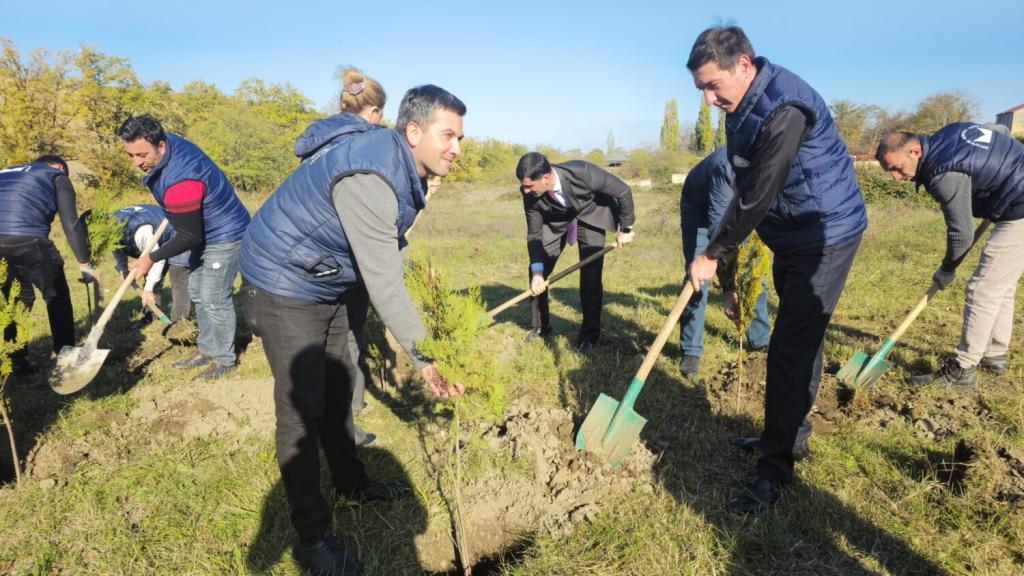
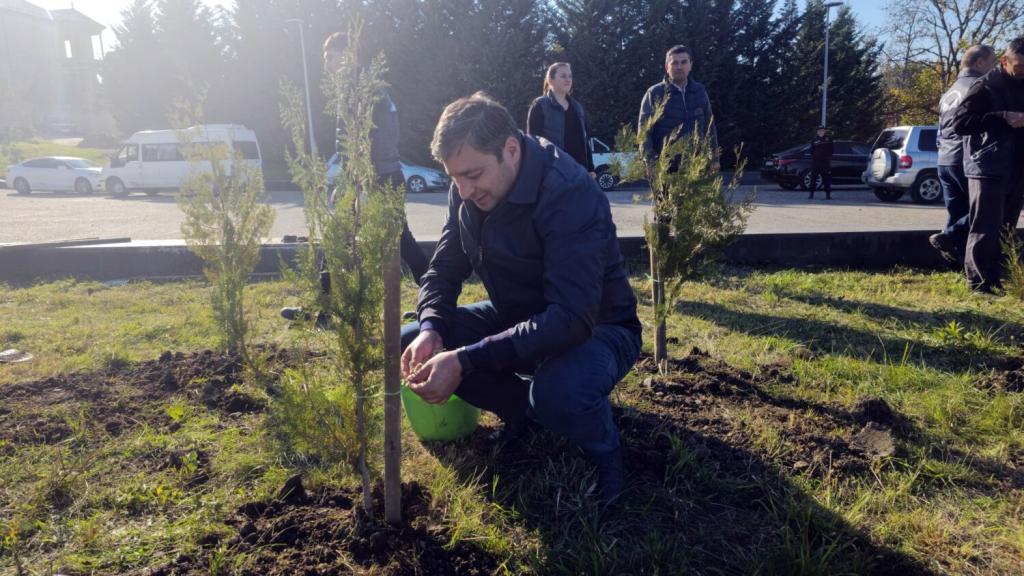
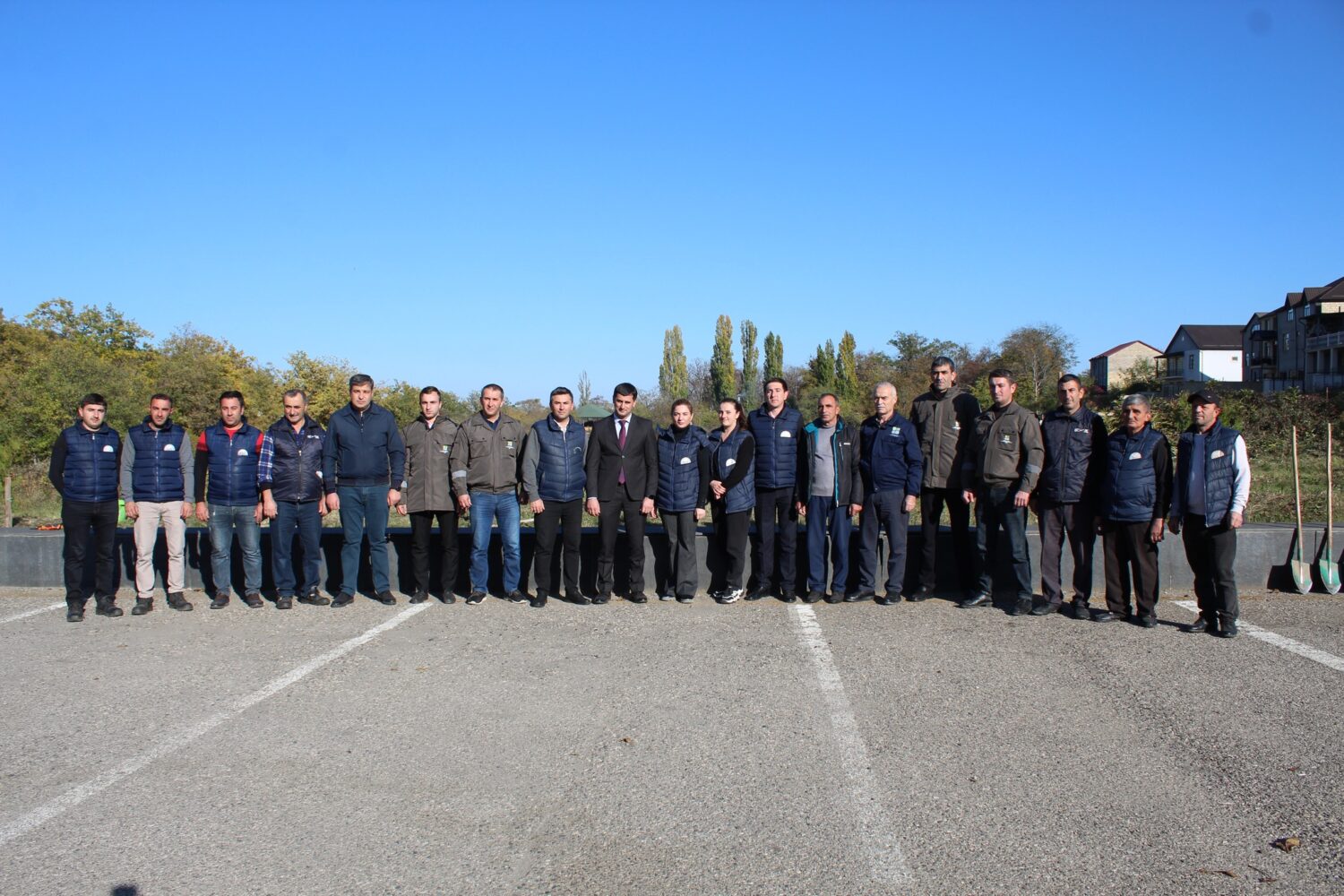
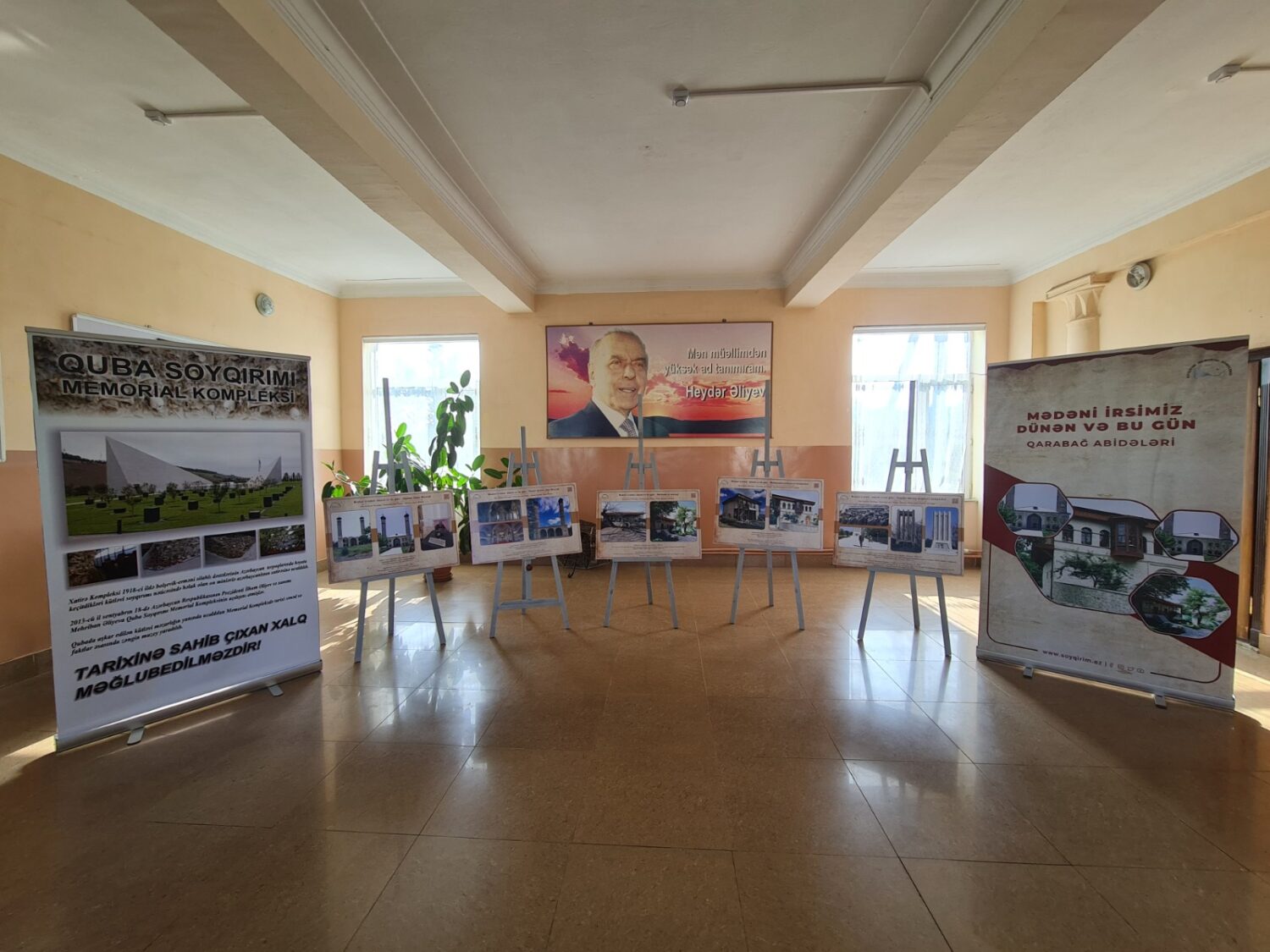
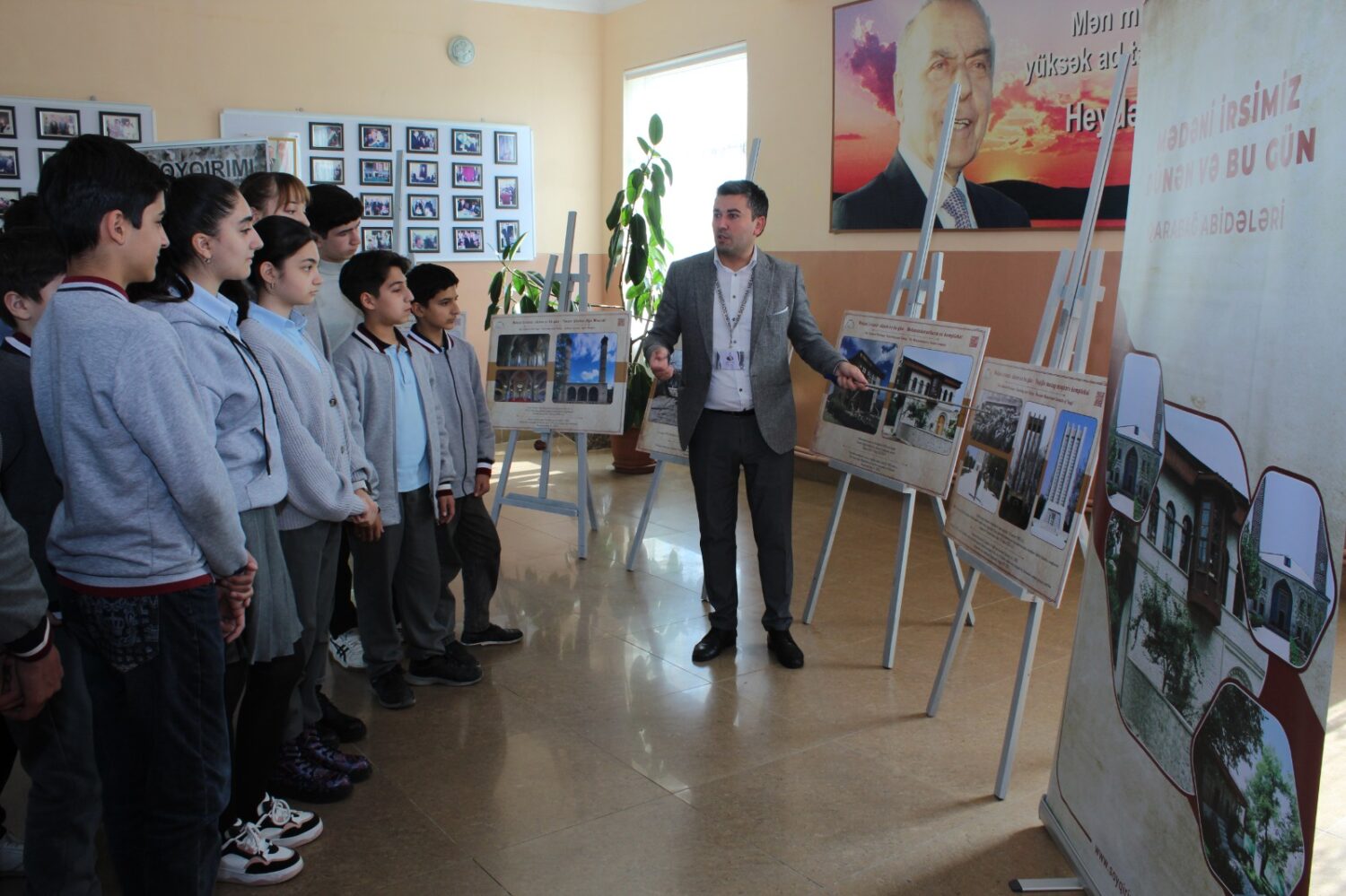
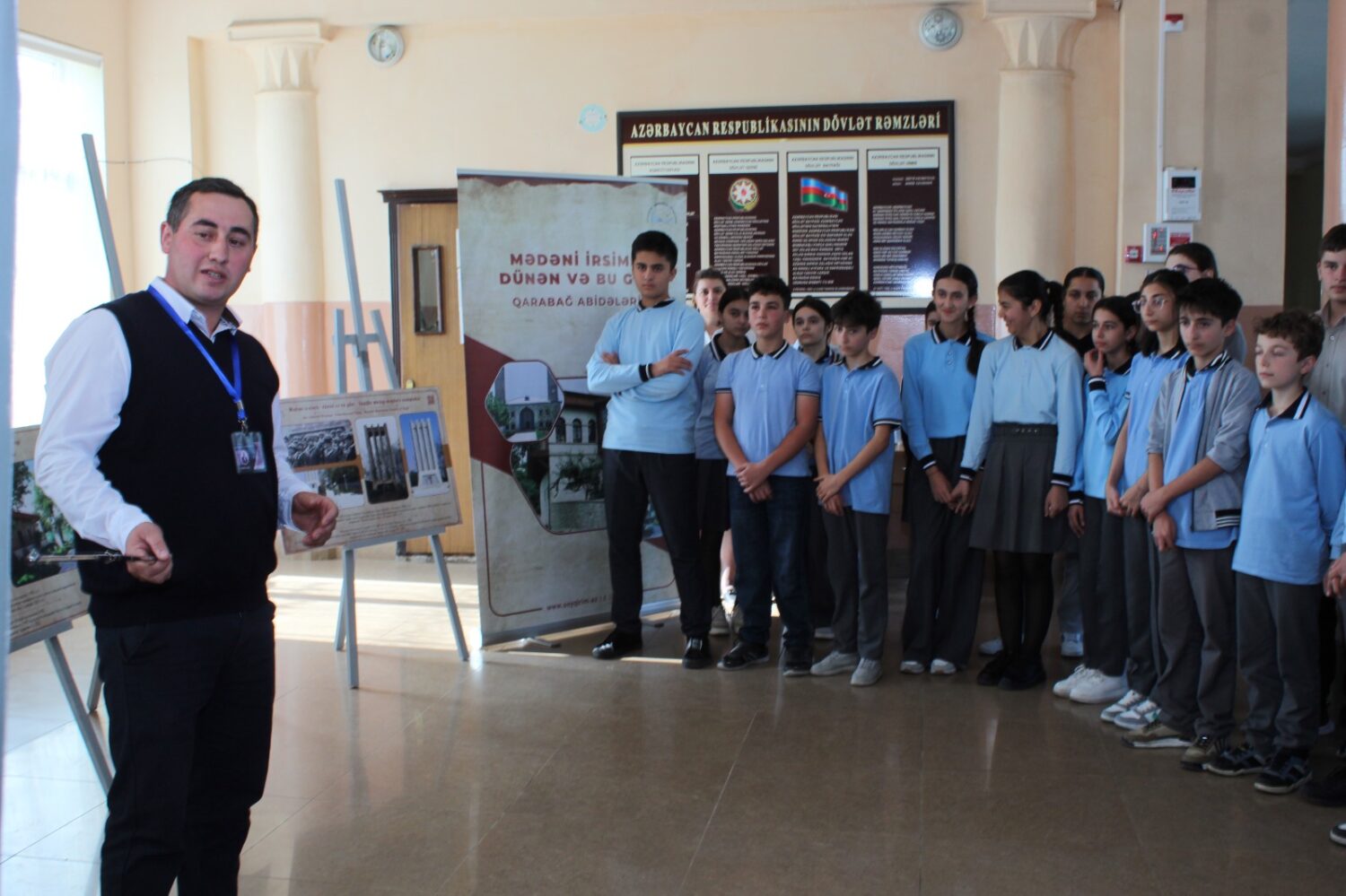
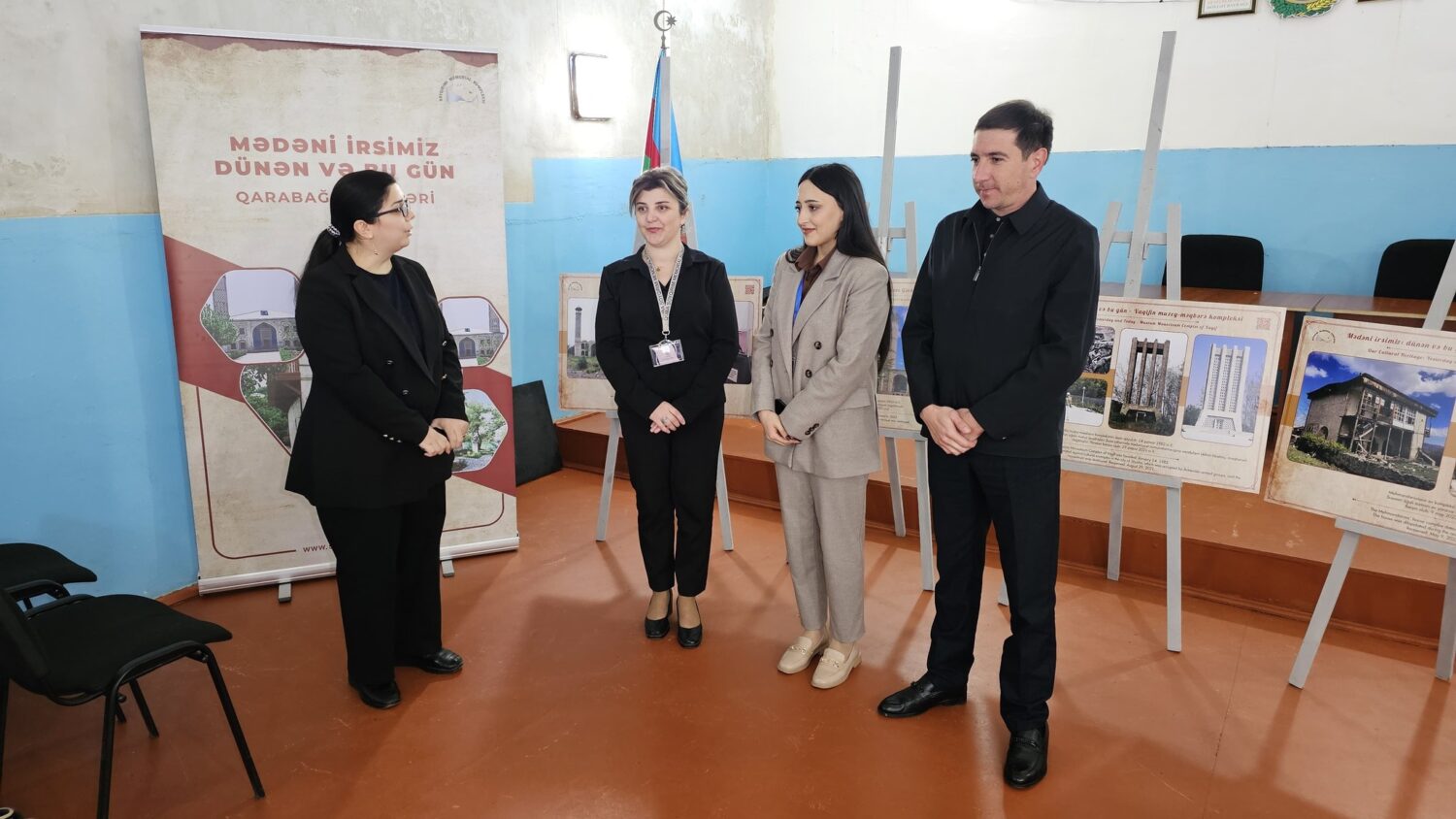
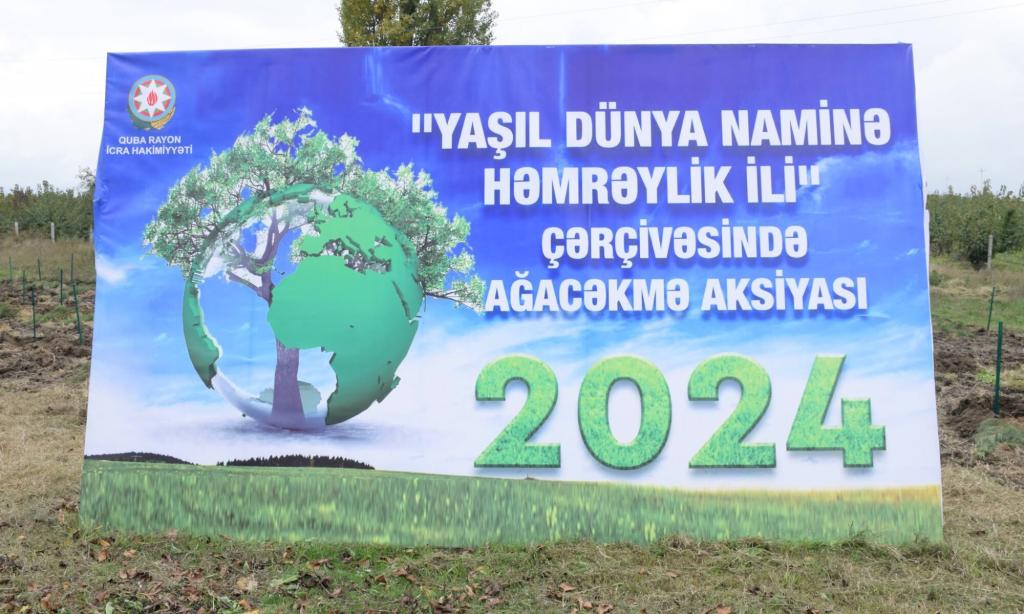
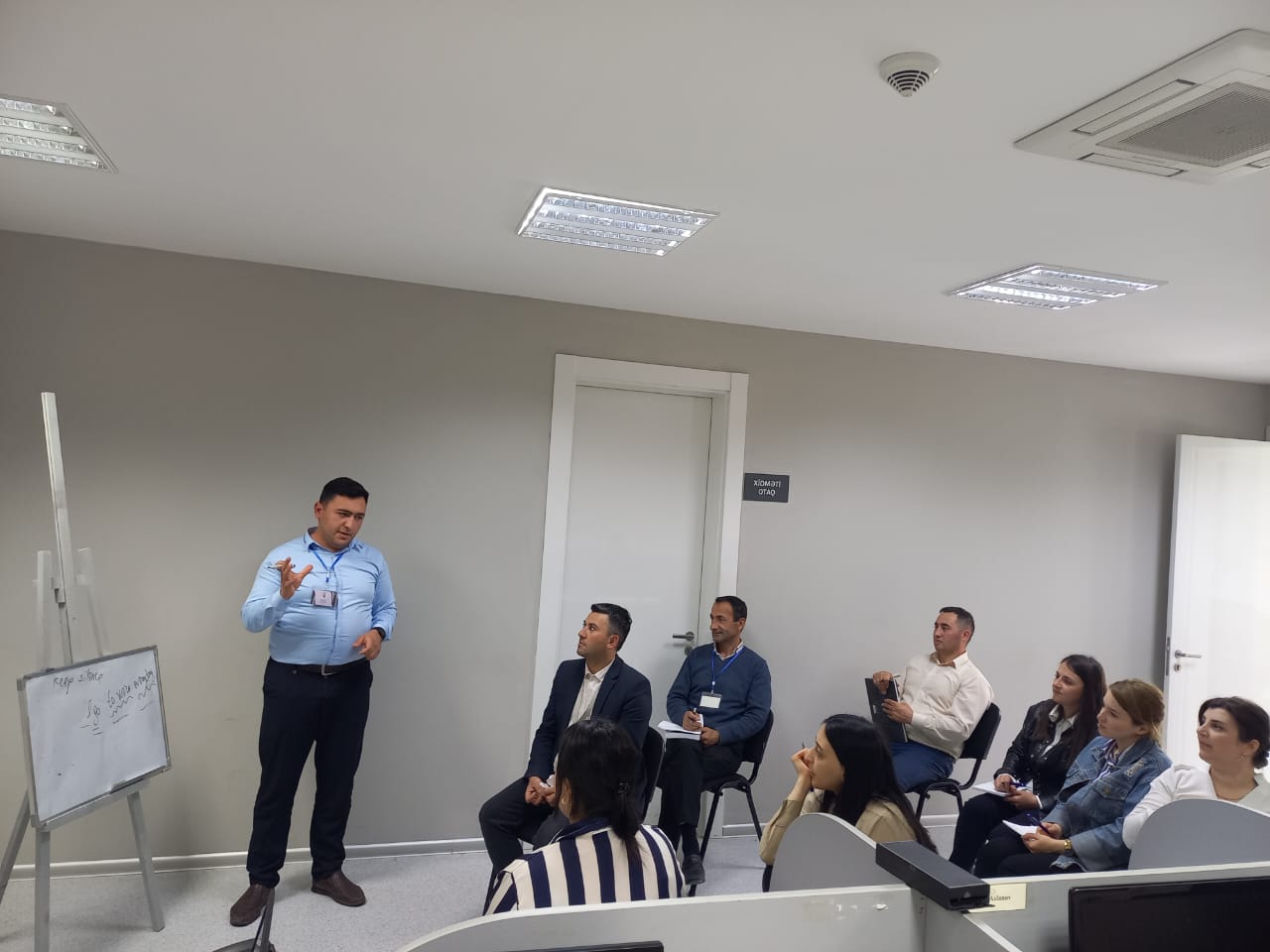
A tree-planting event was held in the Guba district as part of the "Year of Solidarity for a Green World" initiative.

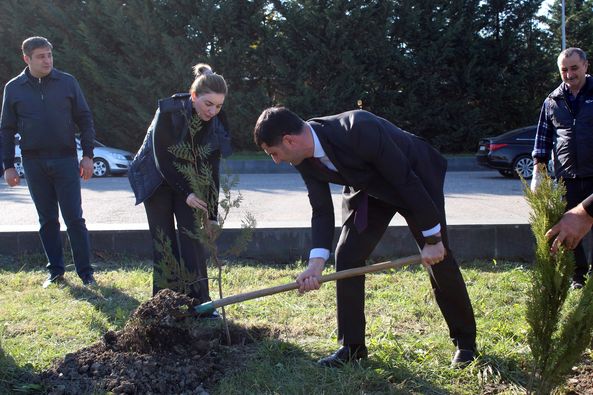
In line with the decree by the President of the Republic of Azerbaijan, Mr. Ilham Aliyev, declaring 2024 as the “Year of Solidarity for a Green World” in the country, and following the Action Plan approved by the Guba District Executive Authority, this event took place on October 18, 2024. Organized by the Guba District Executive Authority, the tree-planting event was held along the section of the Guba-Khachmaz highway that runs through the Guba district.

Participants in the event included the head of the District Executive Authority, Ilgar Mahmudov; a representative from the Presidential Administration of the Republic of Azerbaijan; the District Executive Authority’s staff; members of the Guba district organization of the New Azerbaijan Party (YAP); leaders of law enforcement agencies within the district; heads and staff of regional and other administrative, institutional, and organizational bodies; as well as families of martyrs, veterans, war participants, members of the community, volunteers, youth, and students.
During the event, more than 8,000 saplings suited to the local climate were planted. In addition to planting trees, participants also engaged in area cleaning and beautification efforts, removing weeds and stones from the roadside and providing agricultural care to previously planted saplings.
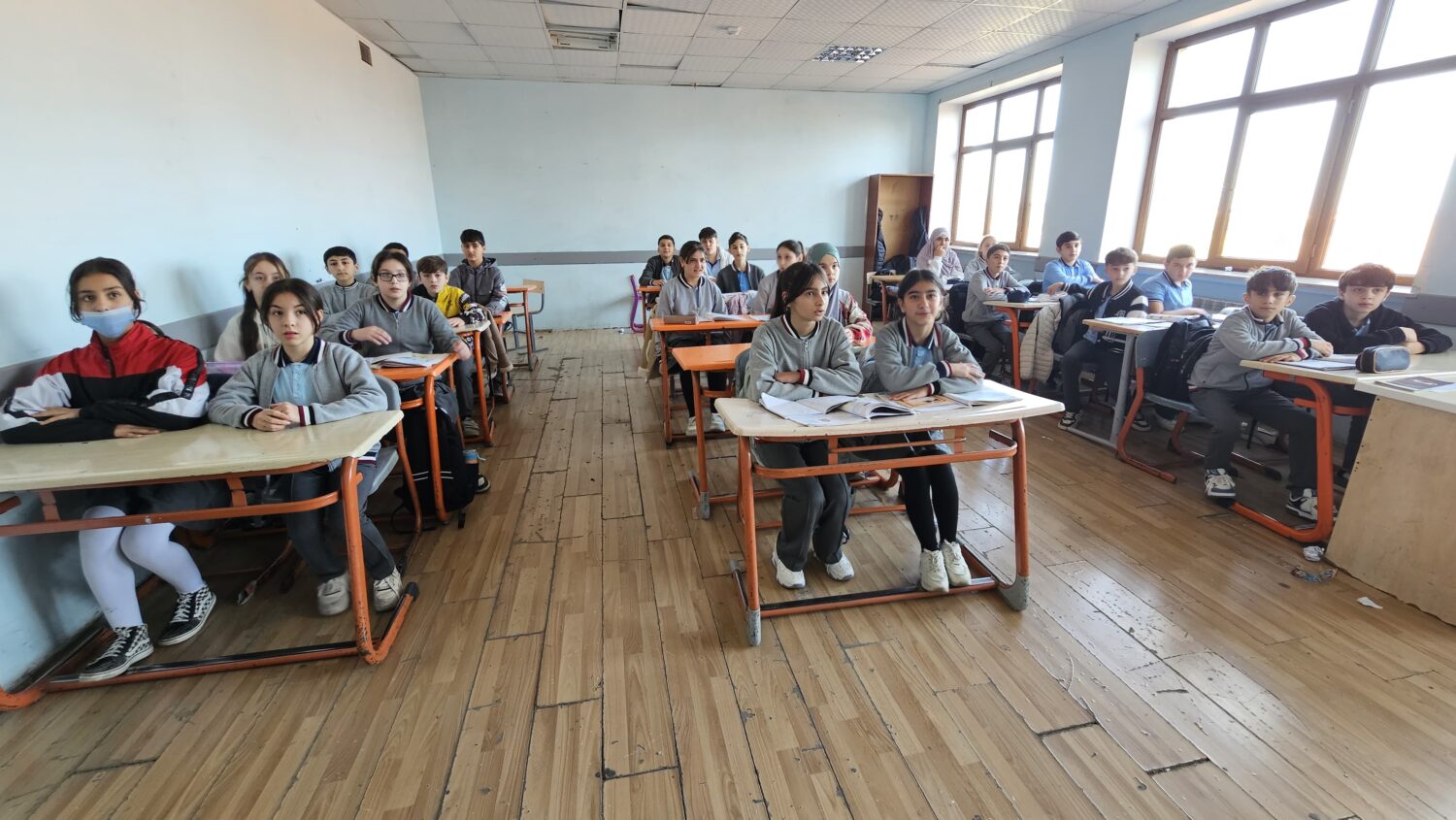
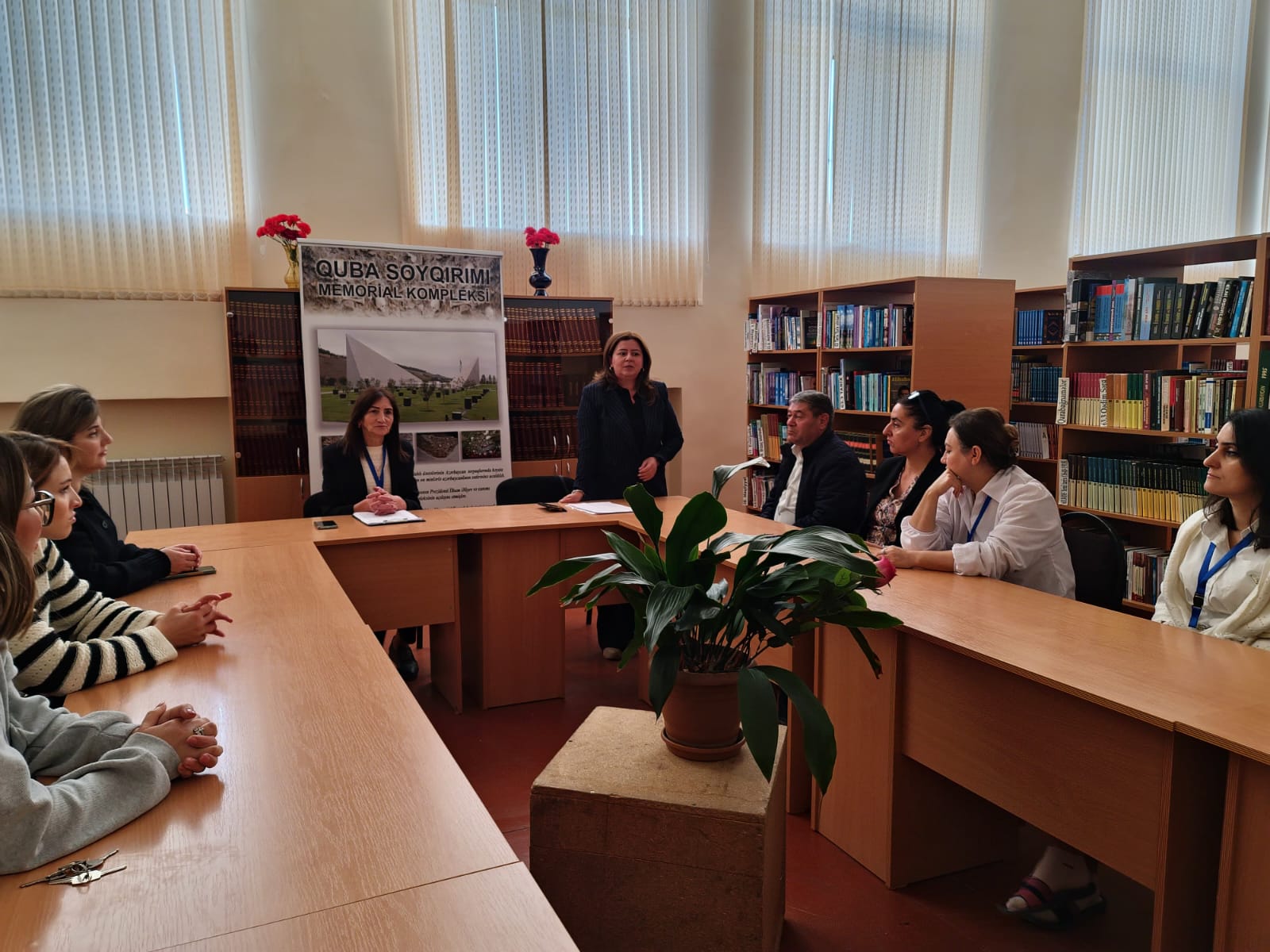
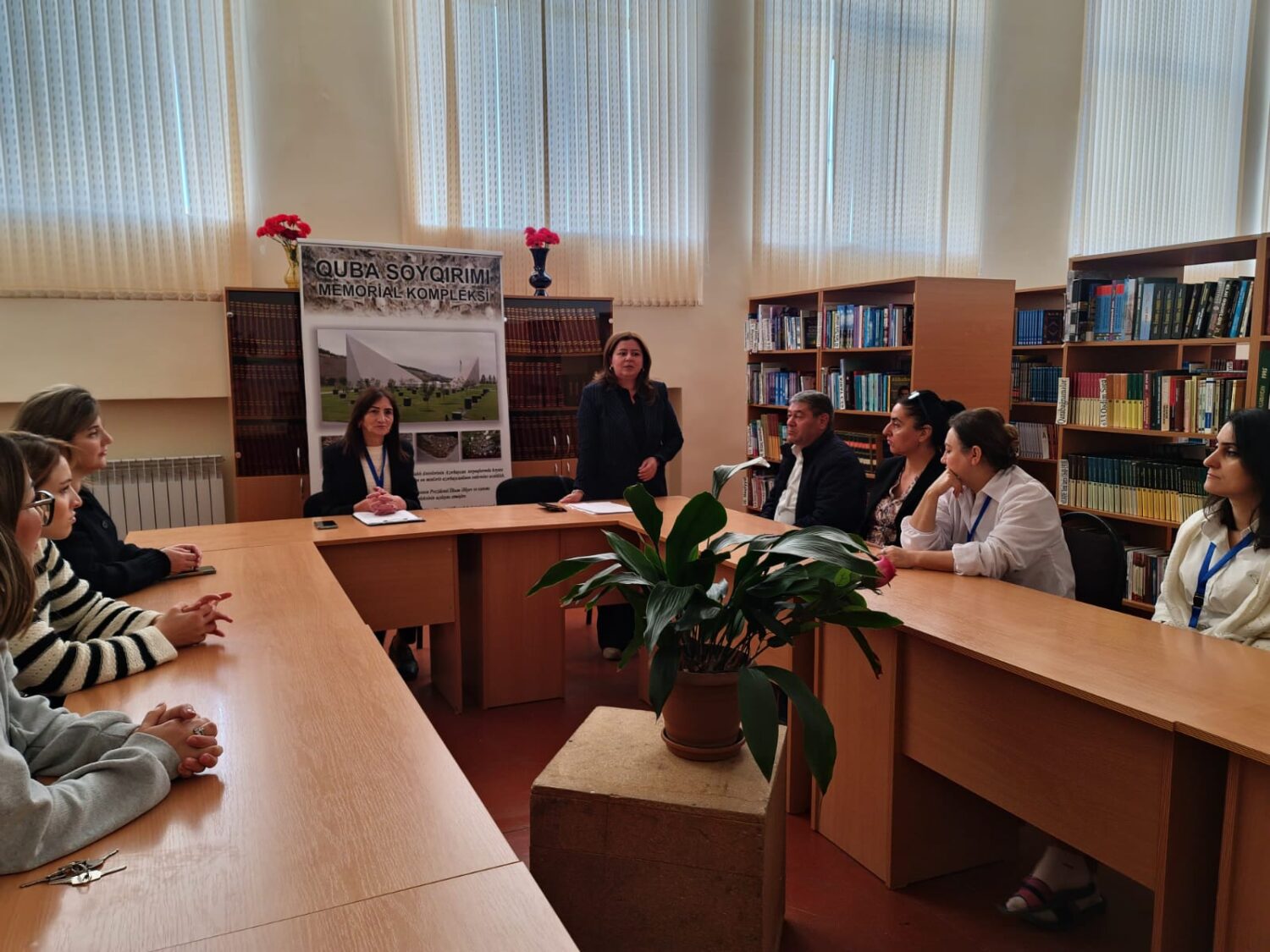
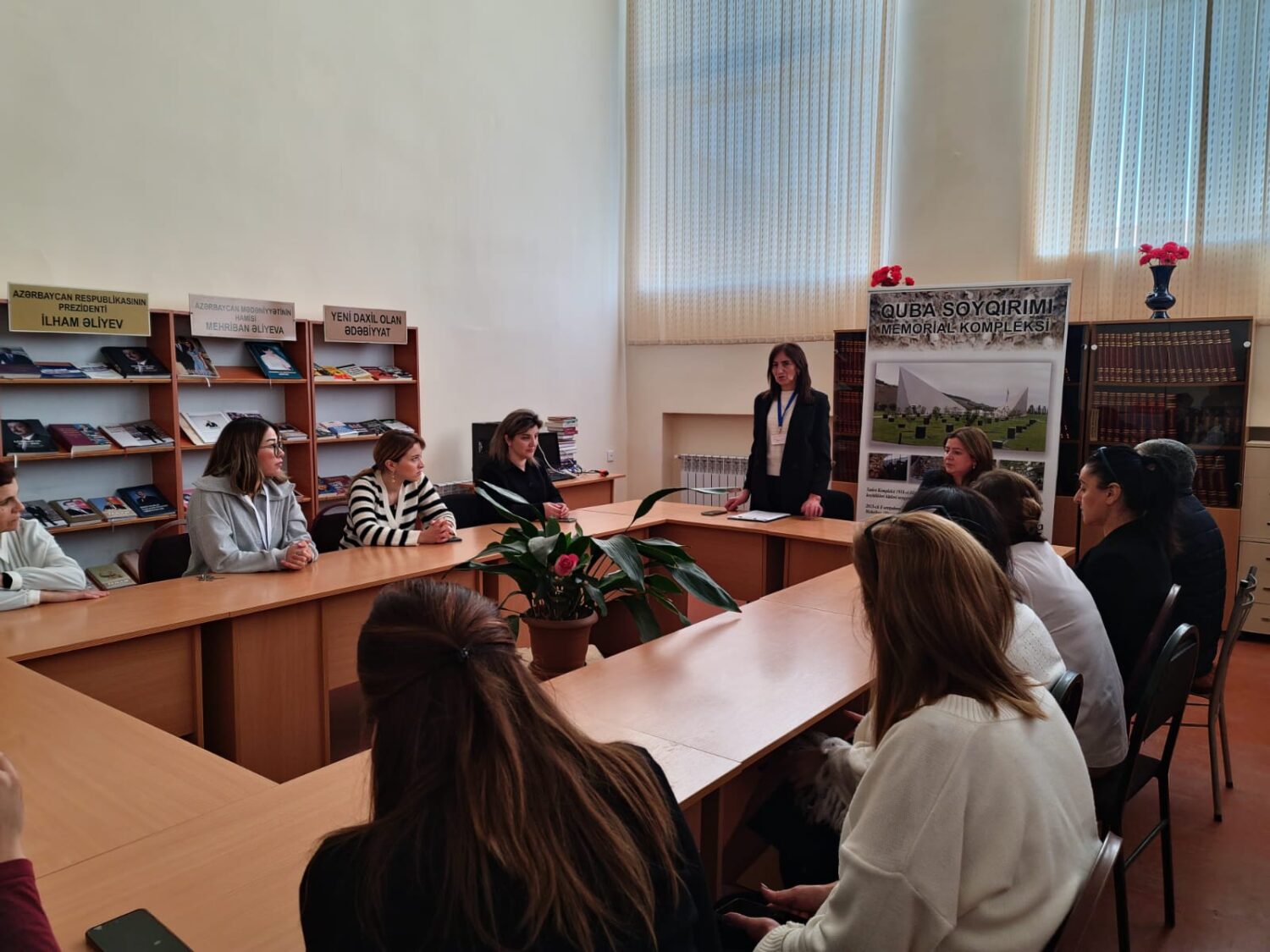
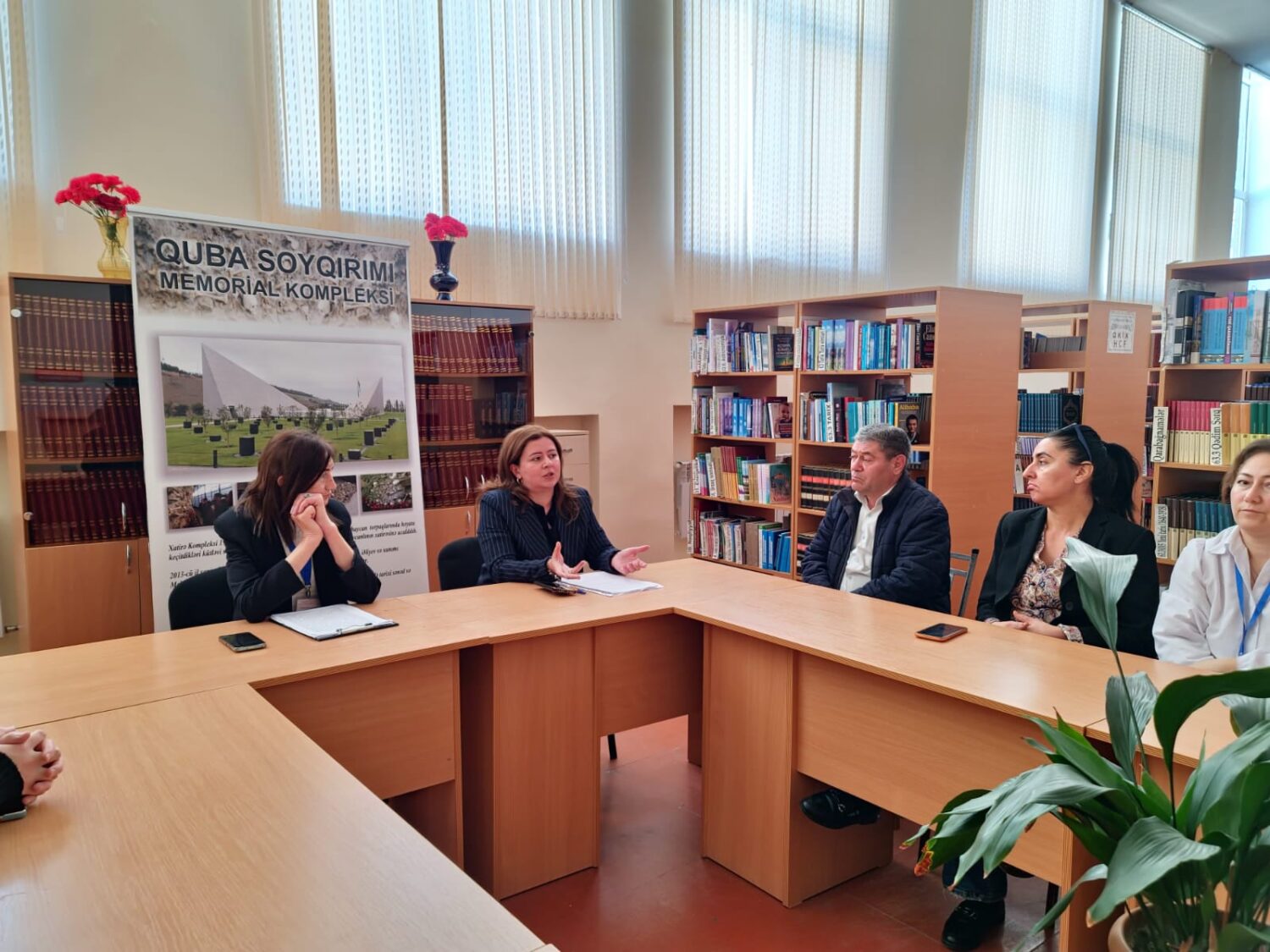
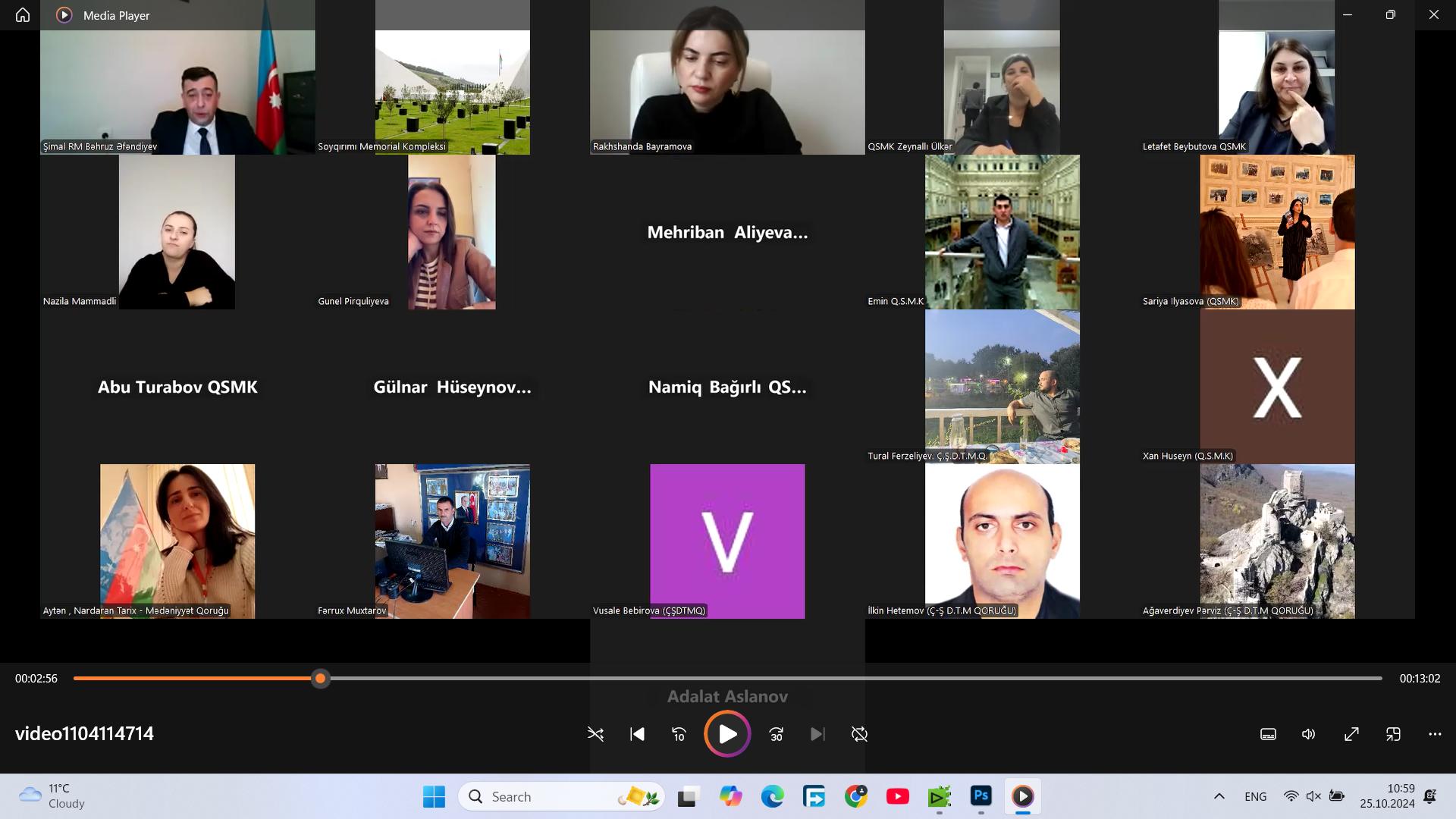
On October 17, the International Turkey-Russia Relations Symposium began with joint organization by Ege University, the “Genocide Memorial Complex” in Guba, the Gobustan National Historical and Artistic Reserve, the Lankaran Regional Scientific Center, the Ege University Institute of Turkish World Studies, the Azerbaijan University of Tourism and Management, Azerbaijan University, the Shamakhi Branch of the Azerbaijan State Pedagogical University, and the Azerbaijan Customs Academy.
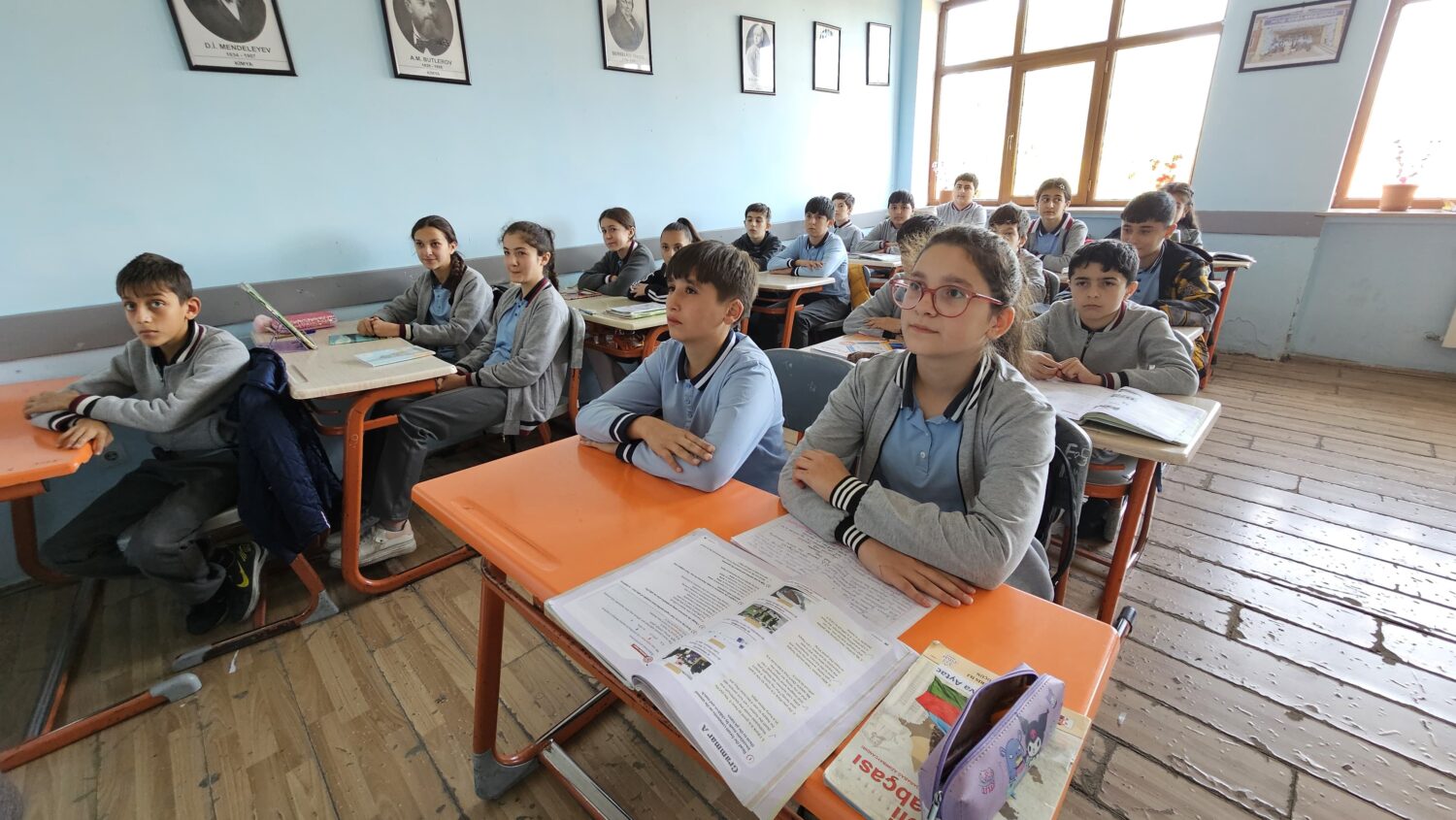
This scientific event aims to further strengthen the strategic partnership and friendship between the two countries and to promote the development of scientific and cultural relations. Notably, the symposium will continue for three days.

Renowned scholars and researchers from the academic circles of Turkey and Azerbaijan participated in the symposium, presenting on current topics related to historical, political, economic, and cultural relations.

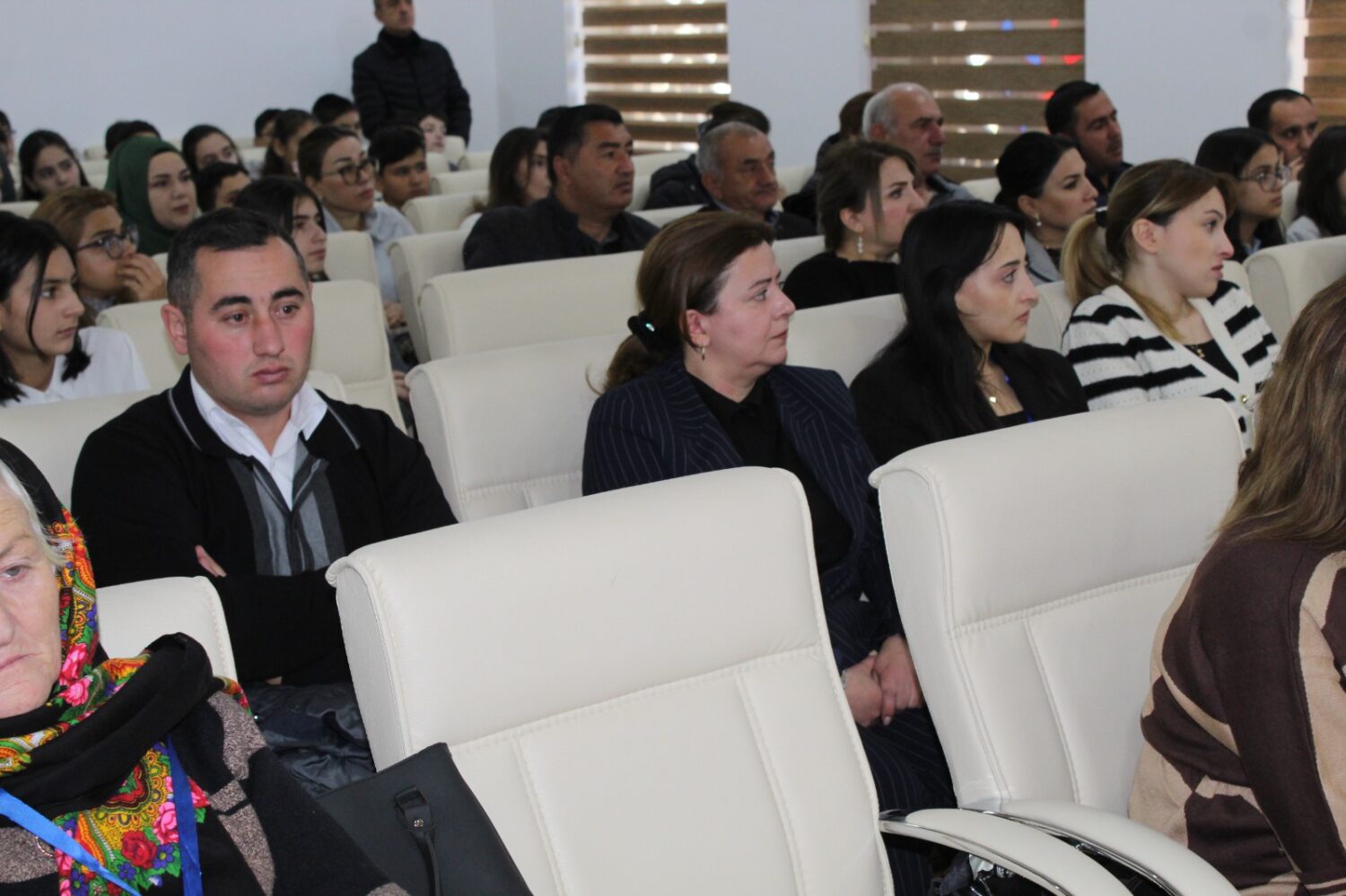
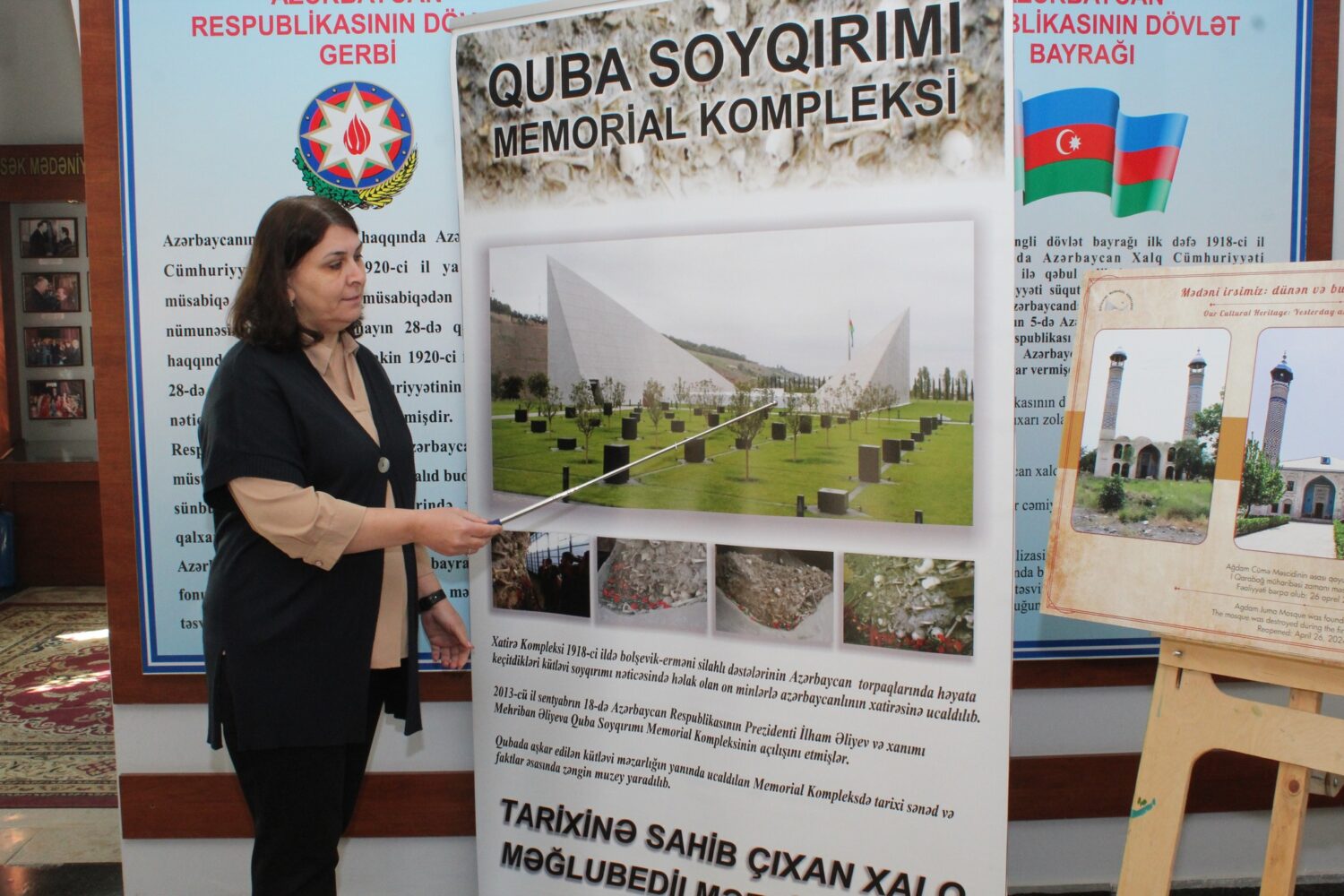
In her opening remarks at the symposium, Dr. Rakhshande Bayramova, director of the “Genocide Memorial Complex” in Guba, greeted the participants and highlighted the significance of the event. She discussed topics such as regional security, energy cooperation, and economic development in the historical context of Turkey-Russia relations. The historian emphasized the deep-rooted friendship and brotherly ties between Azerbaijan and Turkey, noting that these relations play a vital role in restoring historical justice and preserving the shared past of both nations. Dr. Bayramova also remarked that historical monuments like the “Genocide Memorial Complex” in Guba hold a special place in the collective memory of both peoples, and that symposiums like this one are crucial for disseminating historical facts to the public.

Additionally, the symposium highlighted the strategic partnership between the two countries, cultural exchanges, and future prospects for joint scientific research.

Dr. Rakhshande Bayramova, the director of the “Genocide Memorial Complex” in Guba, participated in the IX YOCOCU (Youth in Conservation of Cultural Heritage) conference held in Istanbul, Turkey.

The historian presented a paper titled “Azerbaijan’s First Memorial Site – The ‘Genocide Memorial Complex’ in guba,” discussing the activities of the Genocide Memorial Complex as well as the importance of preserving the memory of genocides in Azerbaijan’s history. She also spoke about the reasons behind establishing the complex and the need to convey its message to the global community.

Notably, the “Genocide Memorial Complex” in Guba is the first memorial site dedicated to commemorating the genocides committed against Azerbaijanis in 1918, marking an important historical step for Azerbaijan.

The conference, which began on October 15, continued for three days.

Subhan Talybli, an employee of the Genocide Memorial Complex in Guba and an expert in Oriental studies, has written an article on Armenian vandalism that was published in an international magazine.

His article, titled “The Historical and Cultural Heritage of Azerbaijan Destroyed as a Result of Armenian Aggression”, was published in Turkey in English in the Vakanüvis – International Journal of History. Subhan Talybli holds a PhD in history, is an associate professor, and serves as a leading researcher at the Institute of Oriental Studies, named after Academician Ziya Bunyadov of the Azerbaijan National Academy of Sciences (ANAS).

The article examines the destruction of Azerbaijan’s historical, material, and cultural monuments as a result of aggression by the Republic of Armenia and its allies. It explores the history of Karabakh and the Karabakh Khanate, along with the socio-political, socio-economic, and cultural conditions of the region. The article also delves into Armenia’s acts of terrorism against Azerbaijan’s historical, cultural, and spiritual monuments, Armenian vandalism in Yerevan, and the destruction of Turkish-Muslim and Albanian monuments in Karabakh during the occupation. Furthermore, it analyzes the stance of international and regional organizations regarding the destruction of these material and cultural monuments, as well as the steps taken by the Republic of Azerbaijan in response.

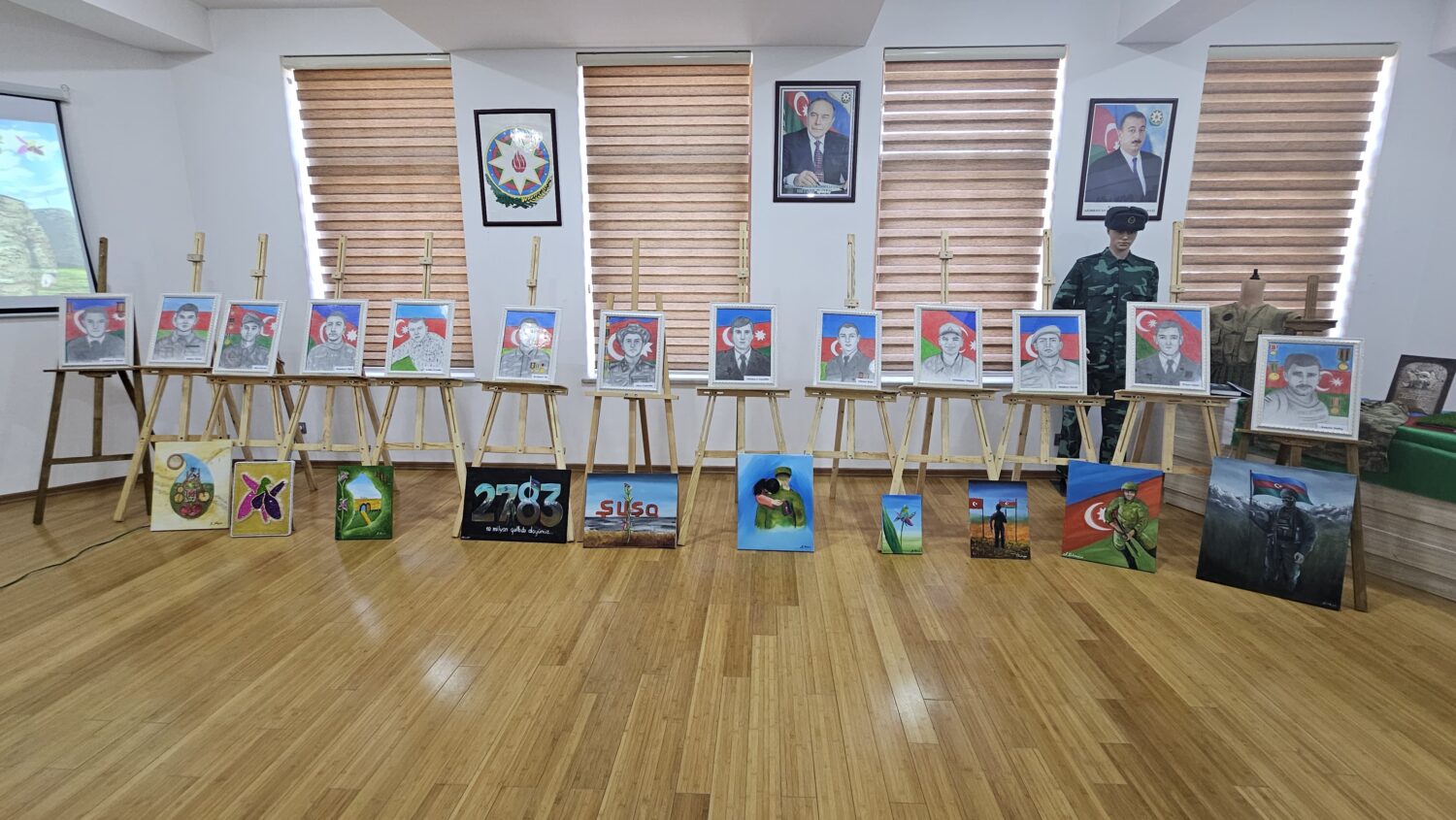
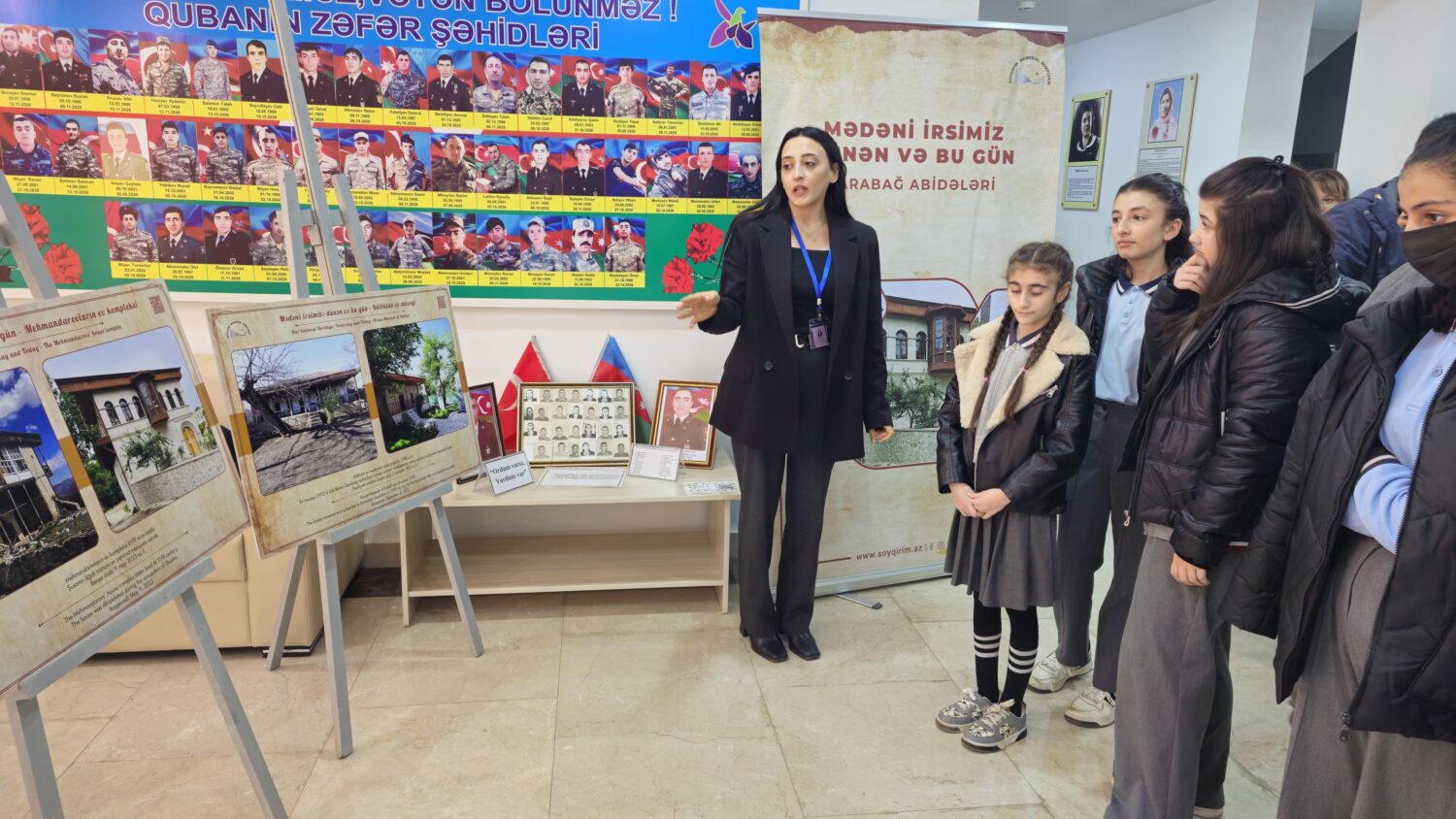
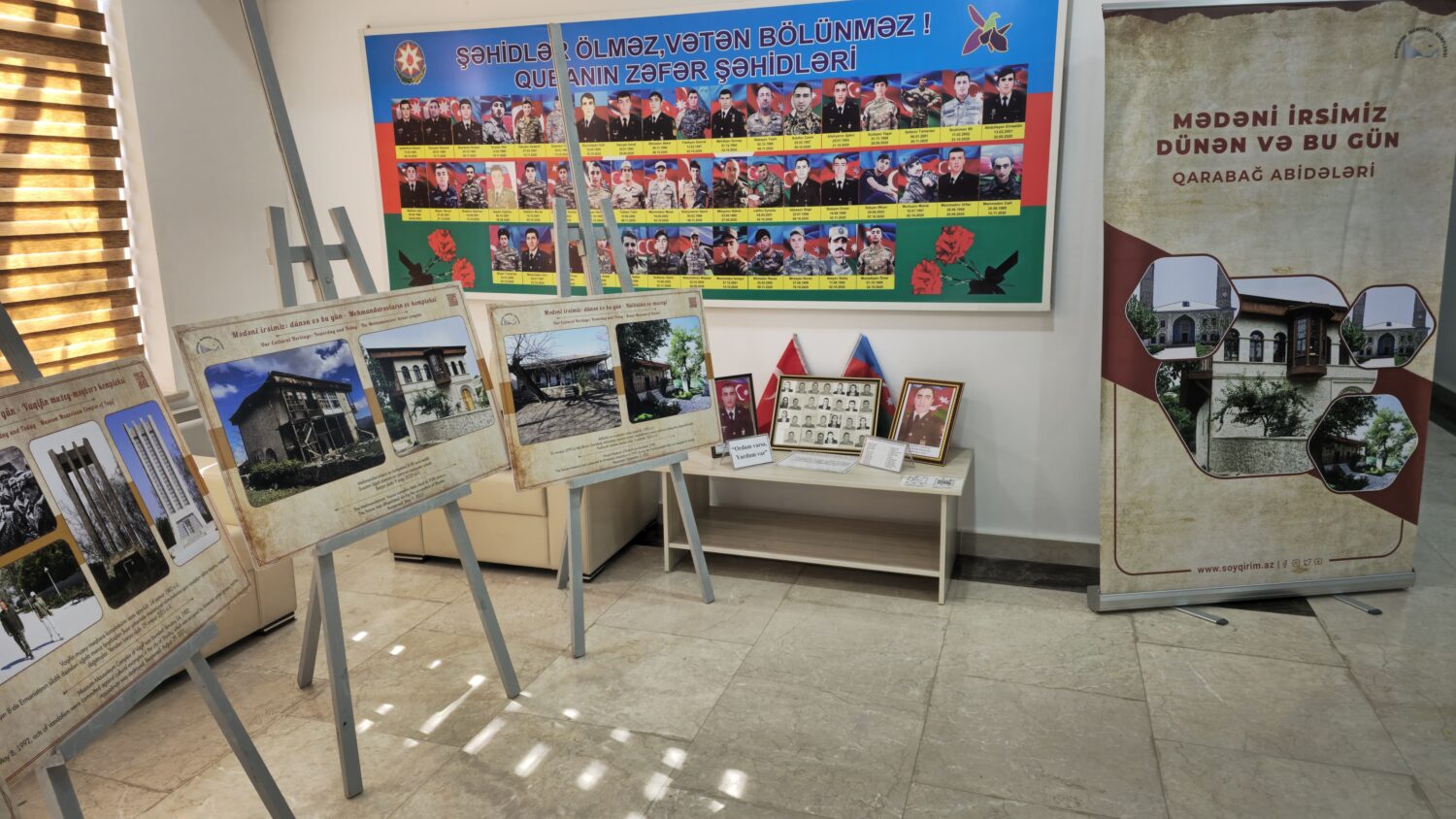
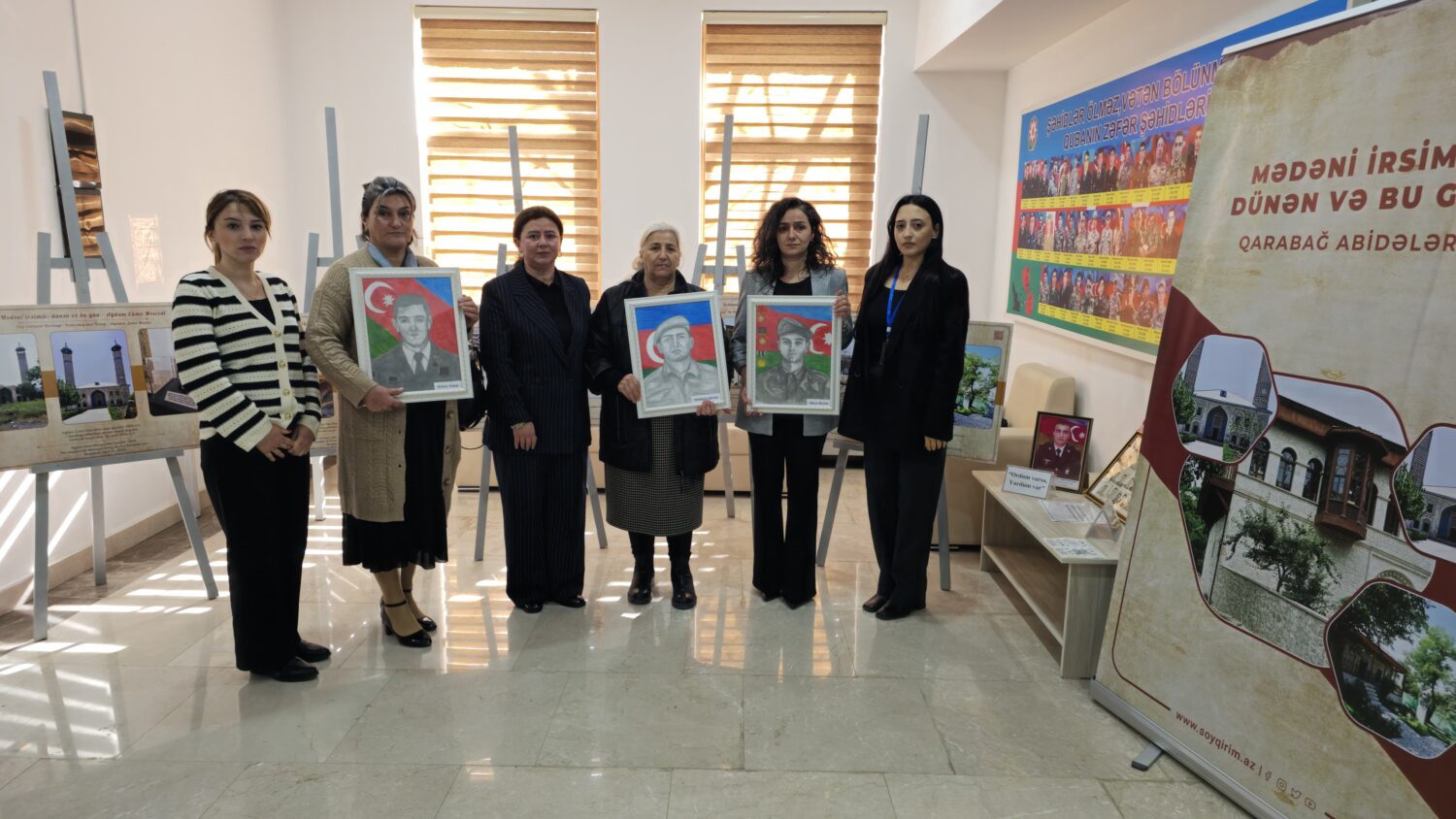
September 27 - In connection with the Memorial Day, the employees of the complex organized a painting and tree planting campaign in Guba.

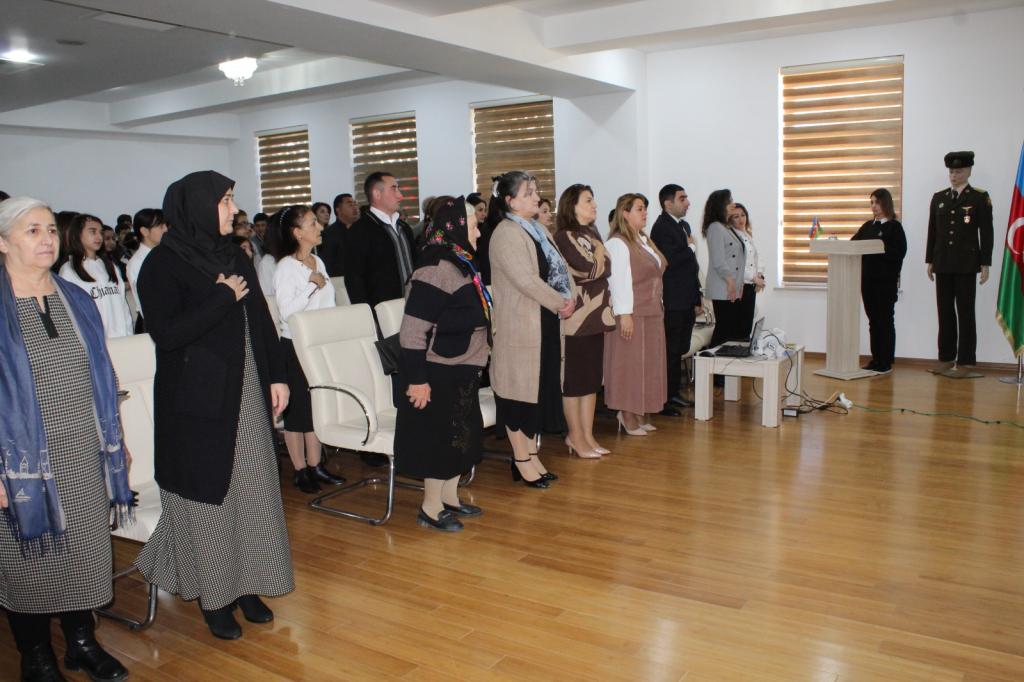
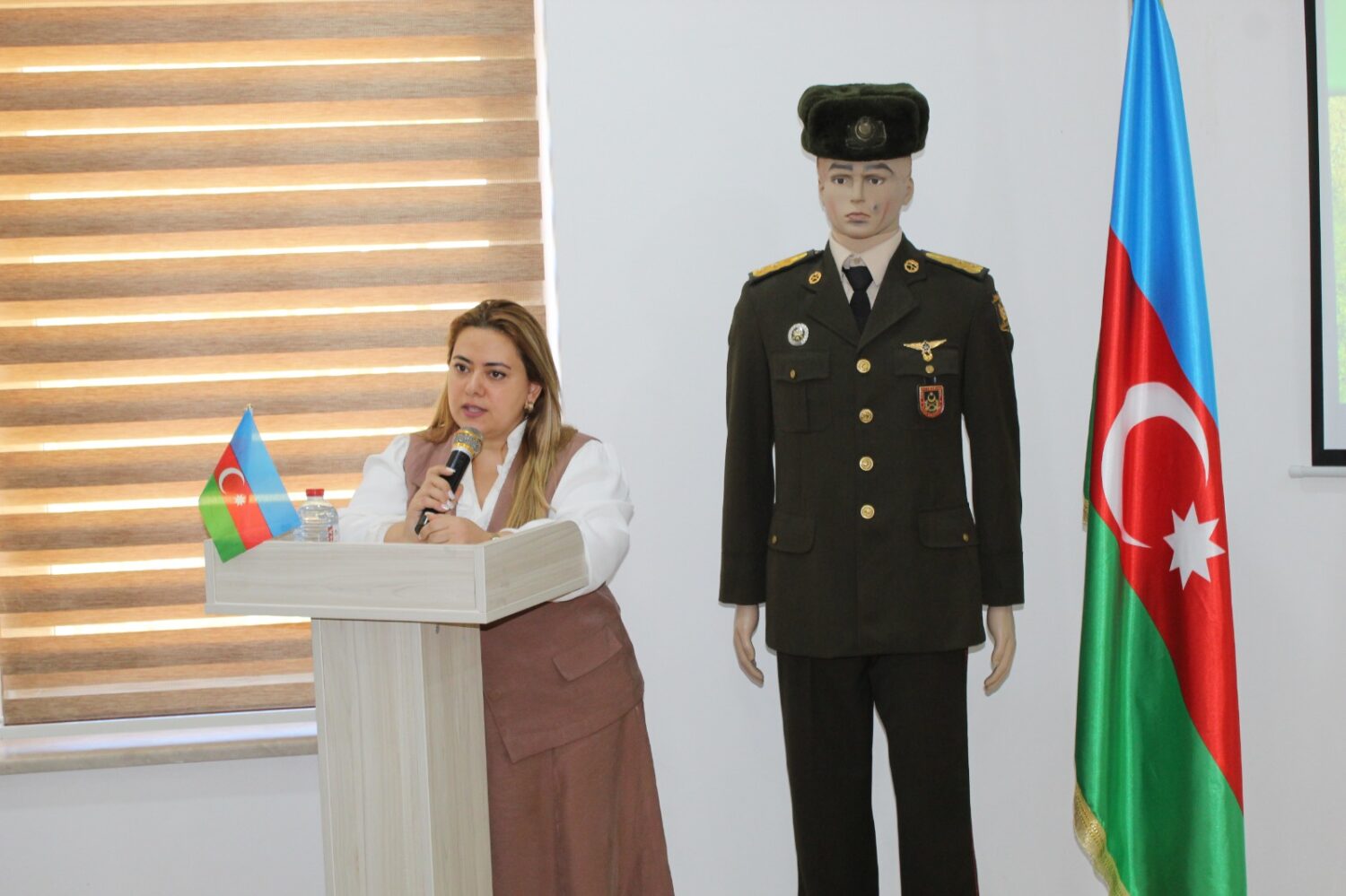
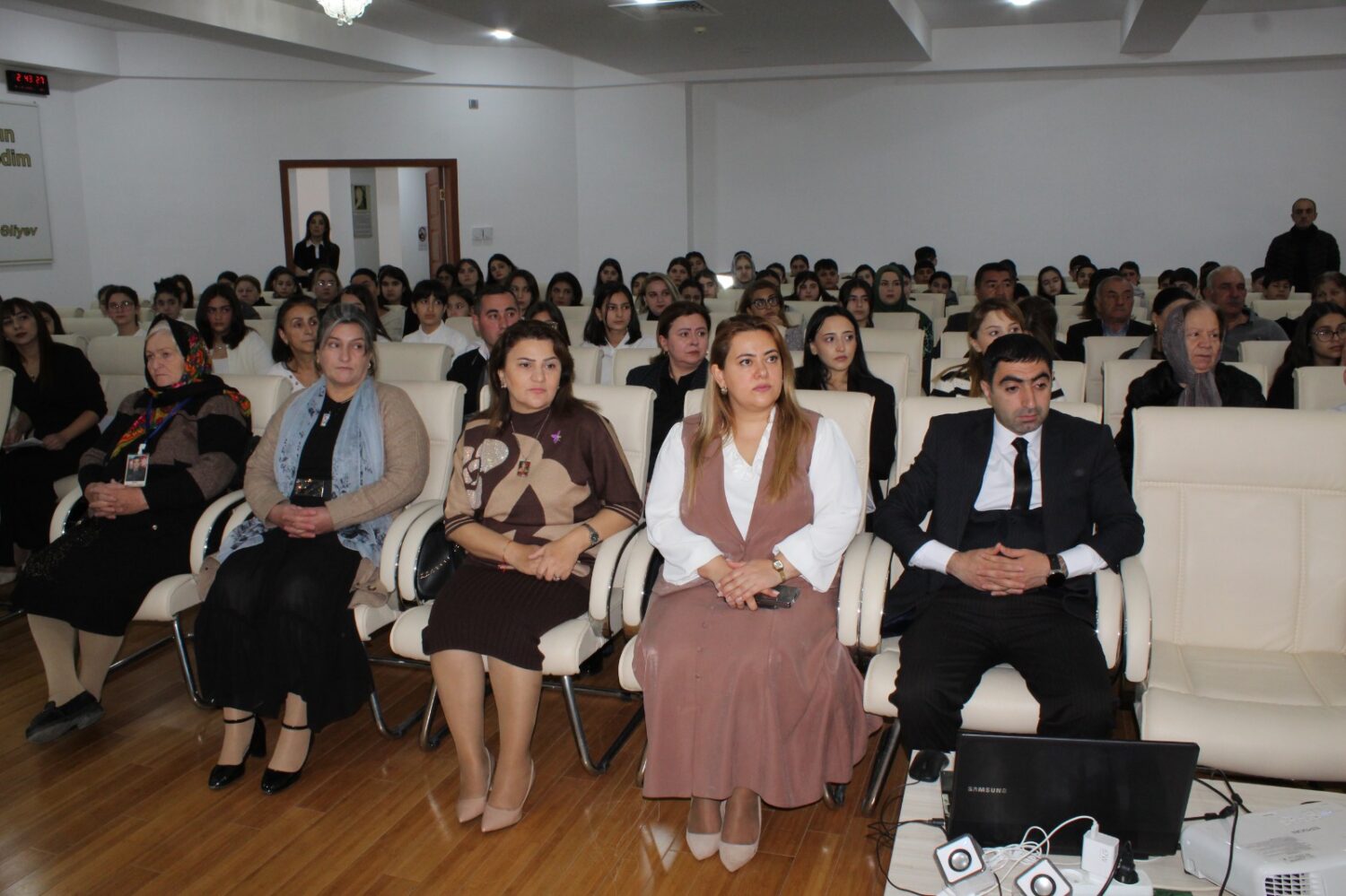
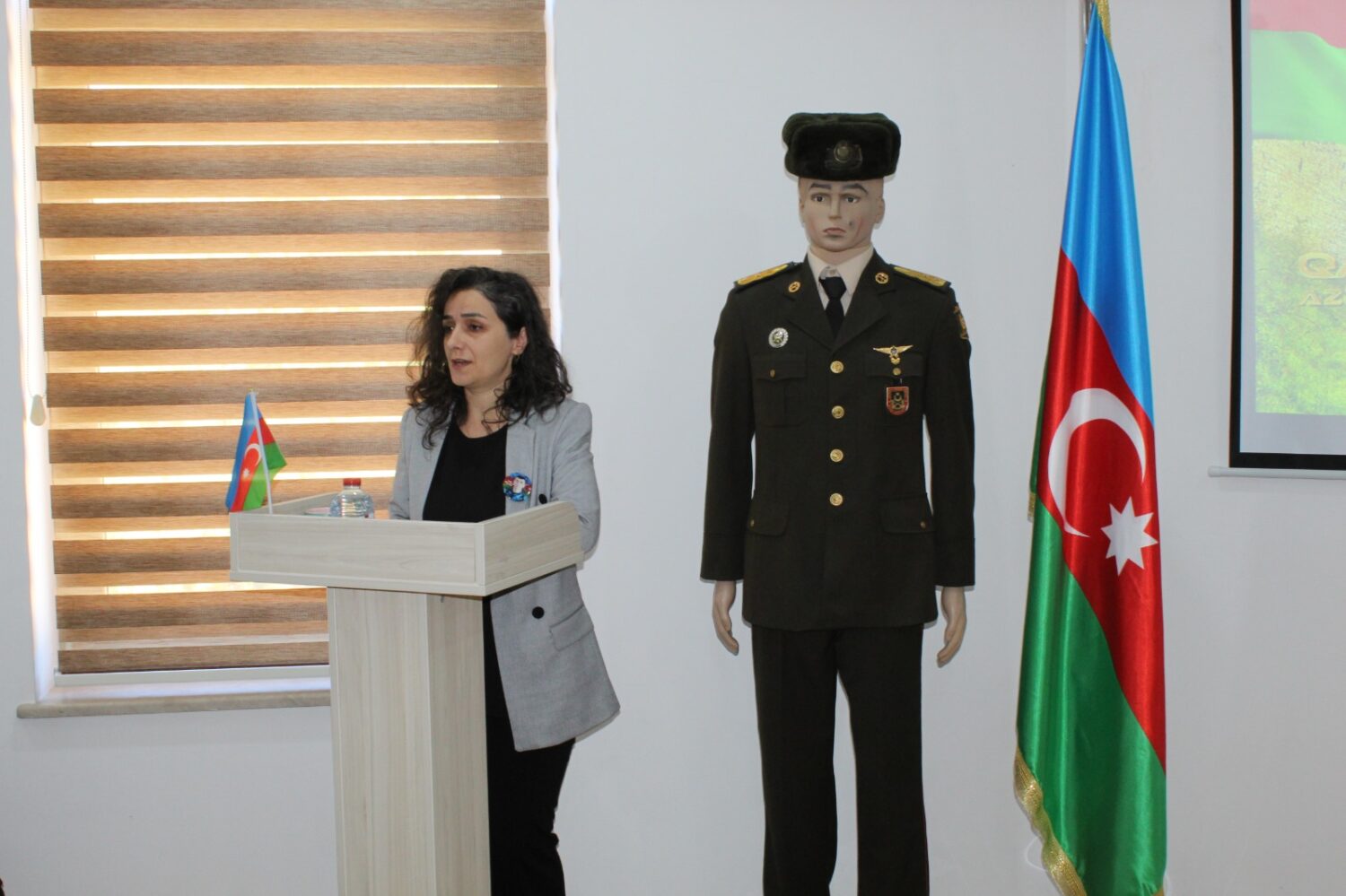
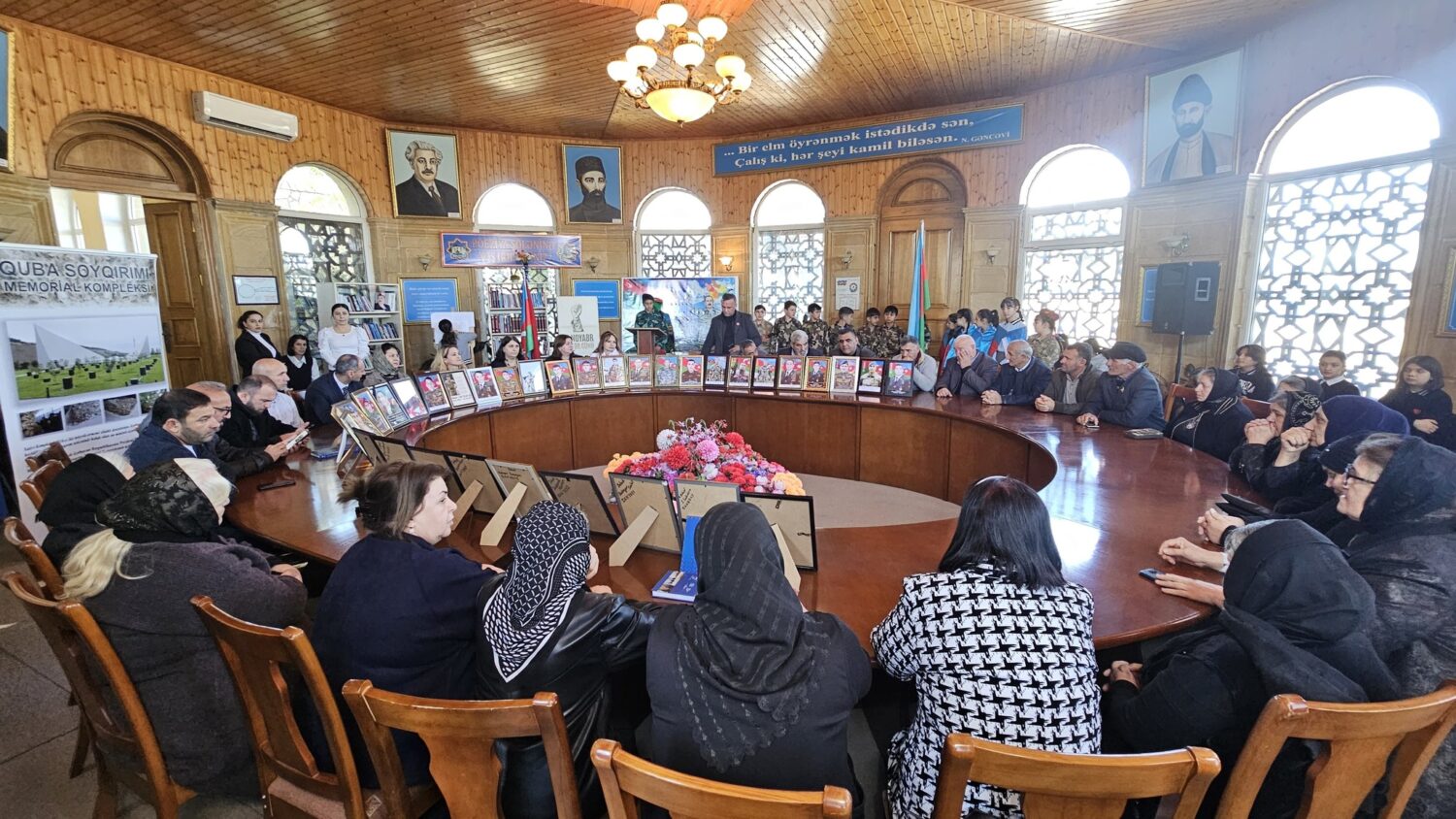
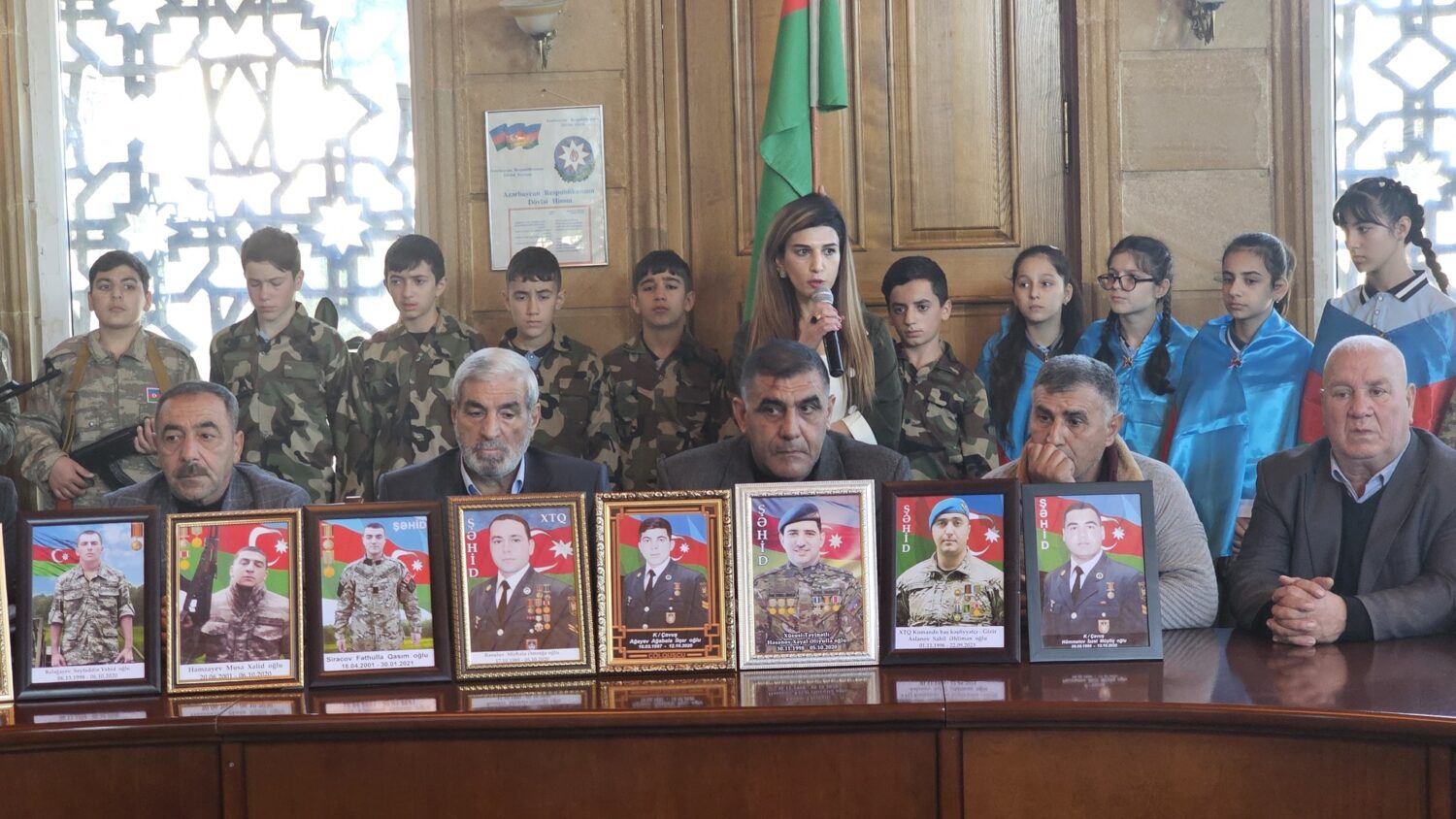
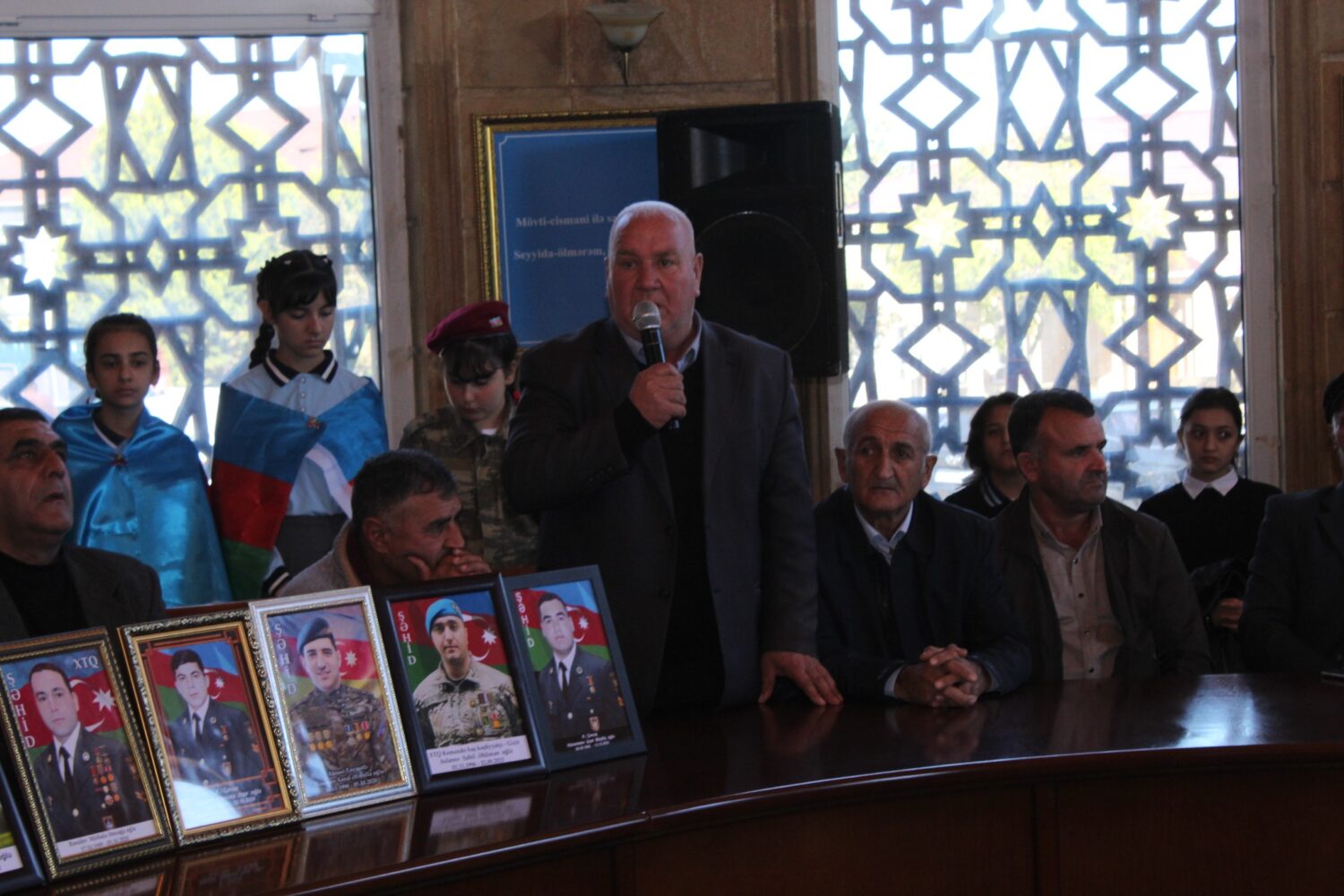
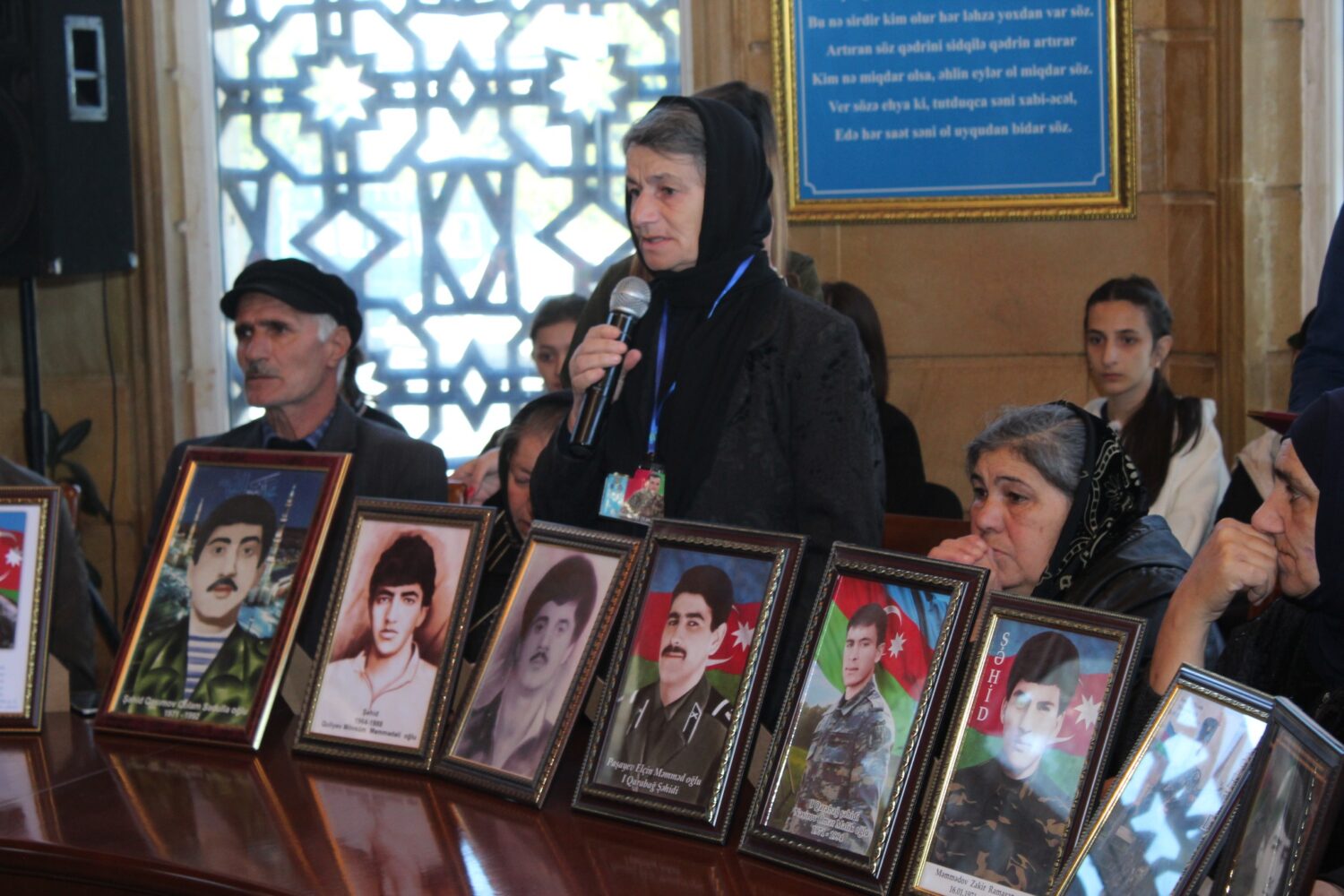
On September 27, Remembrance Day, an event was held at the Genocide Memorial Complex in Guba. The event was attended by our veteran, Taryel Agasiyev, who was wounded in the Second Karabakh War, along with approximately 20 staff members of the Genocide Memorial Complex. The event began with a minute of silence in honor of our martyrs. The director of the complex welcomed the guest and participants, providing information about the significance of Memorial Day. Mehriban Aliyeva, the deputy director of the complex, delivered a speech, explaining that Memorial Day, established by the Decree of President Ilham Aliyev on December 2, 2020, is a profound tribute to the soldiers and officers who fought heroically in the Patriotic War and gave their lives for the territorial integrity of our country, as well as to all our martyrs. She emphasized that our nation proudly honors the memory of those who sacrificed their lives for the Motherland. Veteran Taryel Agasiyev, in his remarks, noted that the bravery displayed by our soldiers and officers during the war for the sovereignty and territorial integrity of our Republic, as well as the dedication of civilians working on the home front and the unity of our people, symbolized the strength and resilience of the nation, delivering a crushing blow to the enemy. The event concluded with a commemorative photograph taken with veteran Taryel Agasiyev.

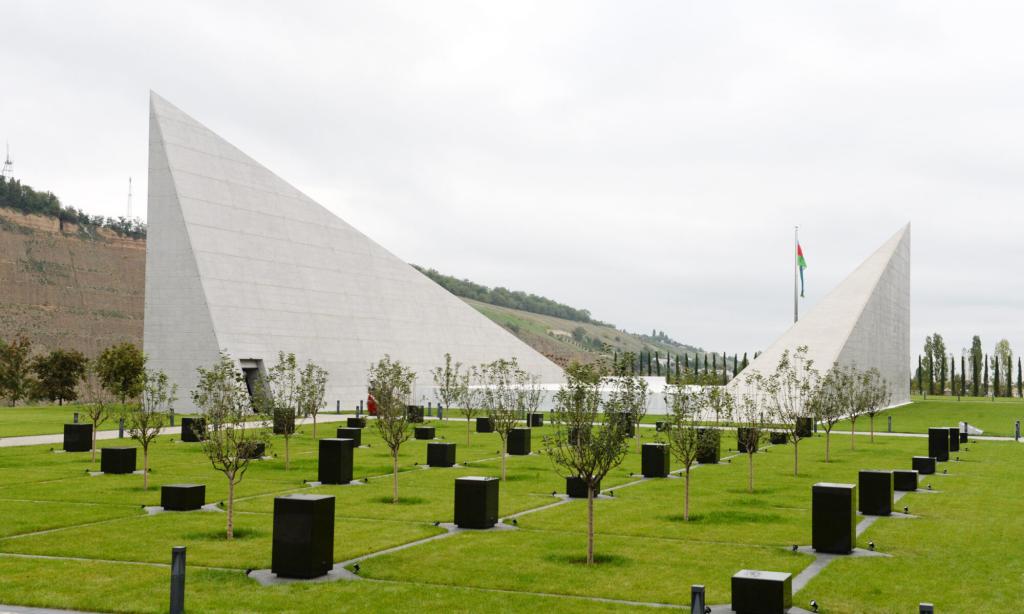
Eleven years have passed since the establishment of the Genocide Memorial Complex in the city of Guba.

In 2007, during excavation work for the construction of the Guba city stadium, a mass grave was accidentally discovered. Subsequent research by experts from the Institute of Archaeology and Ethnography of the National Academy of Sciences revealed that the human remains belonged to local residents, victims of the 1918 massacre carried out by Armenians. In an effort to share these historical truths with the global community, preserve the national memory for future generations of Azerbaijanis, and honor the victims of the genocide, President of the Republic of Azerbaijan, Mr. Ilham Aliyev, issued a decree on December 30, 2009, to establish the Genocide Memorial Complex in Guba.

The complex was built under the initiative of the Heydar Aliyev Foundation in 2012-2013, located on the left bank of the Gudyalchay River, on the site of the former stadium, and officially opened on September 18, 2013. President Ilham Aliyev and First Lady Mehriban Aliyeva attended the opening ceremony.

It is worth noting that the complex spans an area of 3.5 hectares and consists of five sections. The architect of the complex is the Turkish architect Vahid Kasımoğlu.

"Local Resistance Movement and Their Leading Members'

Mahmud Efendiyev, famously known as “Shtug Mahmud,” was born in 1875 in the village of Shtug, in what is now Dagestan’s Gurah region. His pseudonym, “Shtug,” was derived from the name of his birthplace. Mahmud’s father, Haji Gasim, was a well-known cleric and scholar who had made several pilgrimages to Mecca. His mother, who studied at the Isli Ali Madrasa, was also well-educated and had made several translations from Arabic. She was known as a “scientist’s pillar” in her own right. The strong support of Haji Gasim and Isli, who encouraged their children in both religious and secular sciences, played a significant role in shaping Mahmud’s future.
Mahmud, who became well-known for his knowledge and abilities, served as a judge in the Southern Court of Southern Dagestan. In 1924, when the Sharia courts were replaced by People’s Courts, Mahmud briefly served as the chairman of the district court.
In 1918, Mahmud went to Guba with the renowned Lezgi leader Haji Efendi and participated in battles in Bloody Valley against the Armenian Dashnaks. He commanded a group of 200 fighters, and some of the combatants remembered him as “Lezgi Mahmud.”

One of the heroes of the local resistance movement that actively fought against the Armenian Dashnaks during the genocides of 1918 was Hacıbaba Babayev, born in 1880 in the village of Hil in the Qusar district of the Quba region.

In his memoirs about the events of that year, he says: “When Amazasp attacked Quba, a man on a bay horse came to our village. He gathered the people and introduced himself as Alibey, requesting that everyone capable of holding a weapon prepare for battle. The Armenians coming to Quba to massacre the Muslims must be stopped. Afterward, he went to other villages.”

Following this call, Hacıbaba Babayev joined a group of over 200 armed men from Hil village, led by Məhəmməd Hacıyev and Gülməhəmməd Mürşüdov, to fight against the Armenian Dashnaks. Together with Kuzunlu Möübəli Efendi, Colonel Hatəm Ağa of Cağar, and Alibey Zizikski, as well as Abdurrahim Efendi’s forces from Dagestan, they crushed the Armenian Dashnak military forces in fierce battles near the village of Digah, in the area known as “Bloody Valley.”