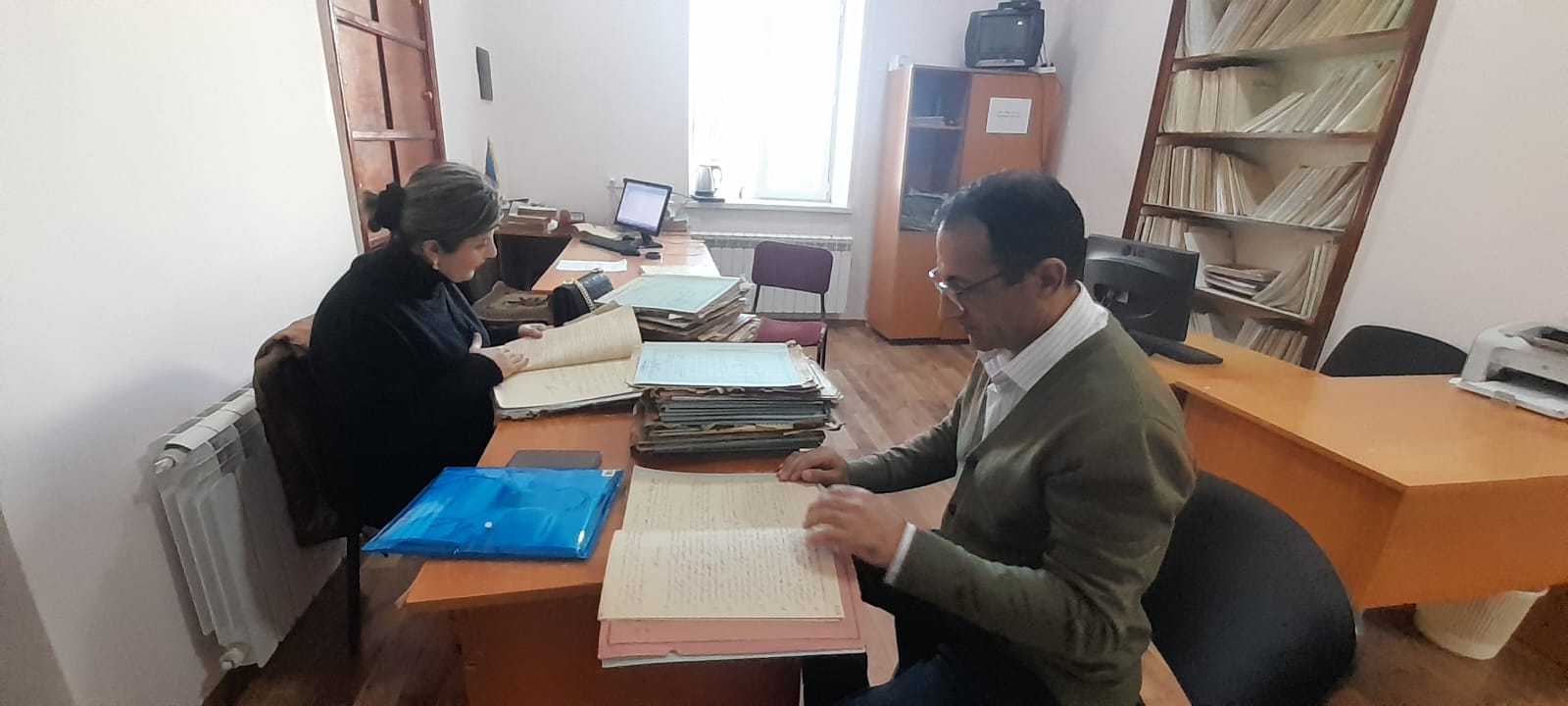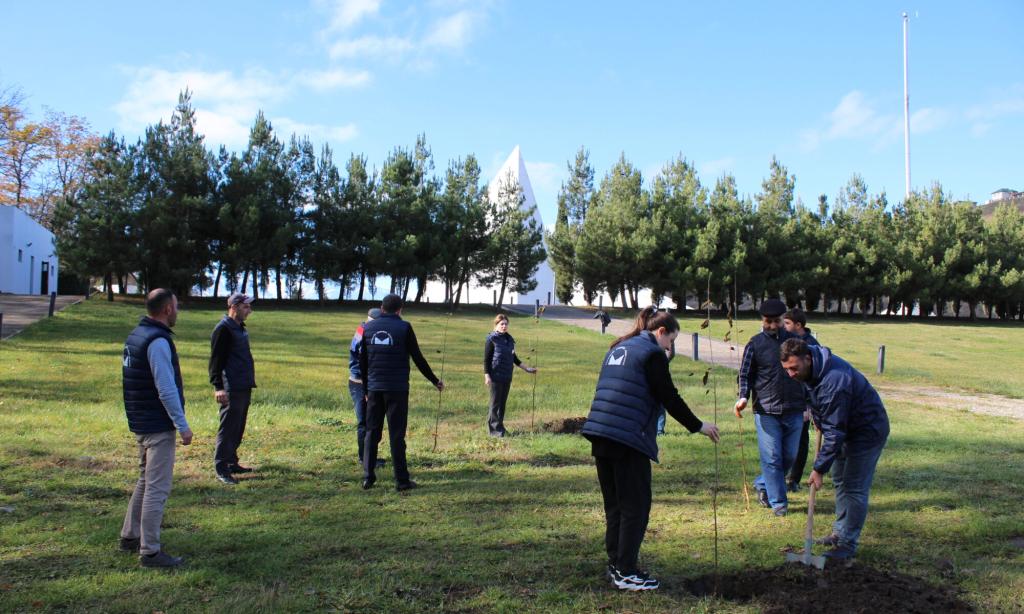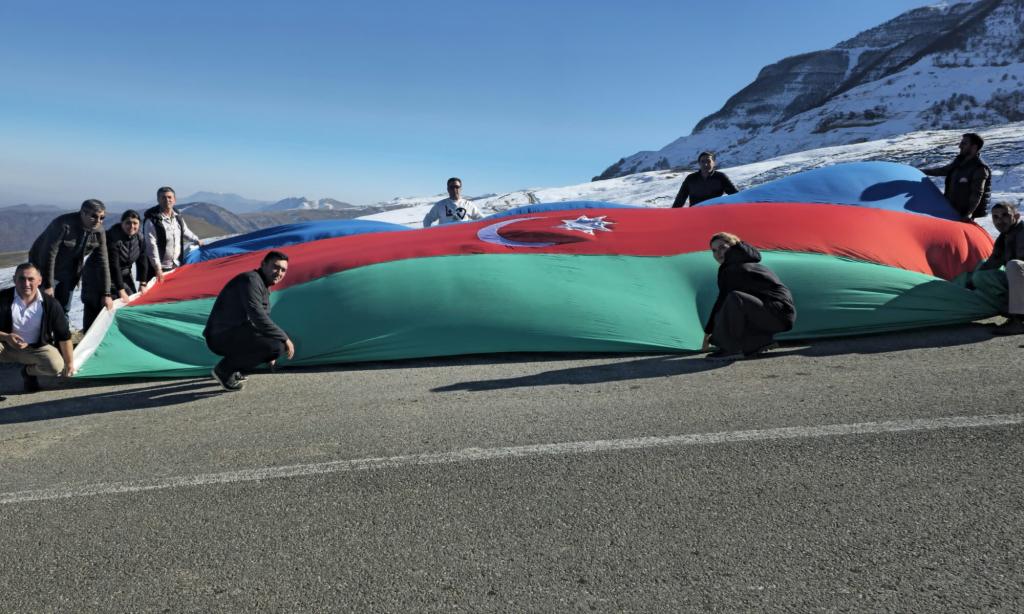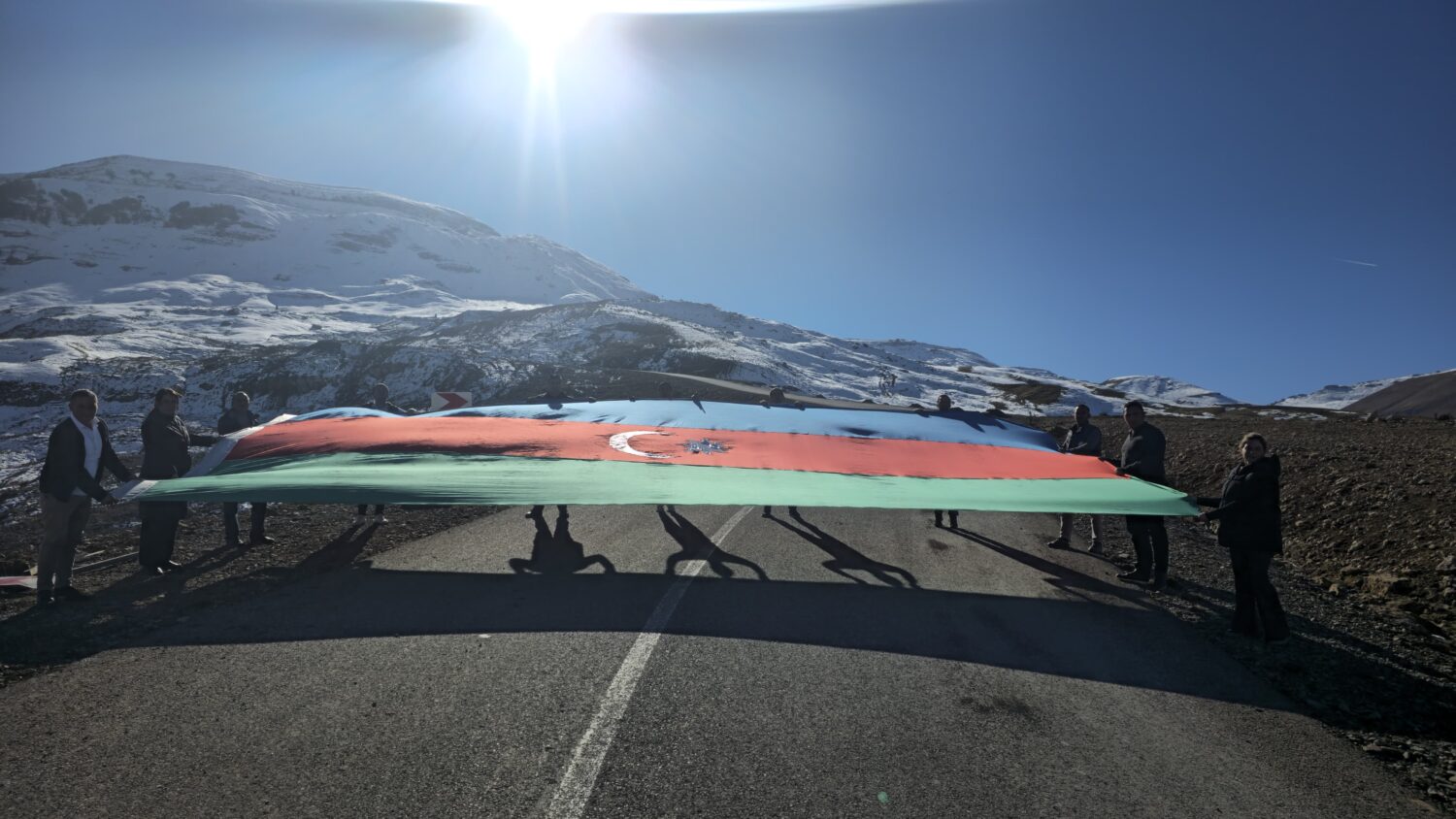

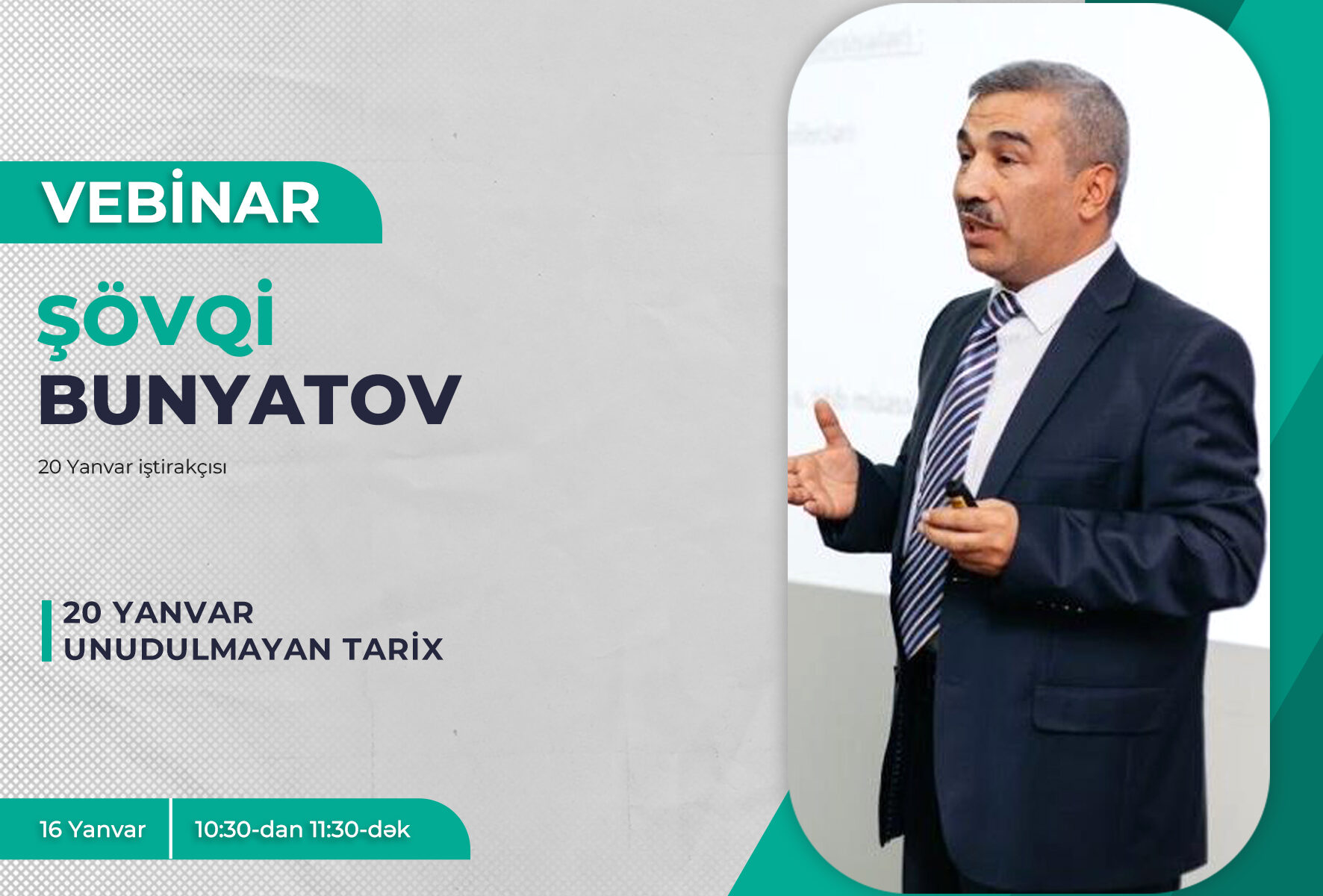


The event began with a one-minute silence to honor the memory of the martyrs who sacrificed their lives for the independence and freedom of Azerbaijan, followed by the performance of the National Anthem of the Republic of Azerbaijan.
The event began with an opening speech by the director of the Complex, Dr. Rəxəndə Bayramova, who spoke about the significance of the January 20th events in our history and the heroic struggle of our people. She noted that this tragedy was given a political and legal evaluation at the state level through the initiative of the National Leader Heydər Əliyev. In the decree of the President of the Republic of Azerbaijan on January 5, 1994, titled “On the Commemoration of the 4th Anniversary of the January 20th Tragedy,” the National Assembly of Azerbaijan was recommended to hold a special session regarding the Bloody January events. In the resolution adopted by the National Assembly on March 29, 1994, the perpetrators of the January 20th tragedy were specifically mentioned, and this bloody action was evaluated as a military aggression and crime committed by the totalitarian communist regime to suppress the national liberation movement in Azerbaijan and crush the people’s faith and will.
Then, a participant of that period and a witness to the tragedy, Şovgi Bünyatov, took the floor and shared his impressions. Speaking about the horrors of that night, Şovgi Bünyatov emphasized the strength of the people’s unity and the spirit of freedom. He also highlighted that the January 20th tragedy is not only remembered as a tragic day in Azerbaijan’s history but also as a proof of our people’s determination for freedom, their unwavering will, and as a day that marked the path leading to the restoration of state independence, becoming a source of national pride
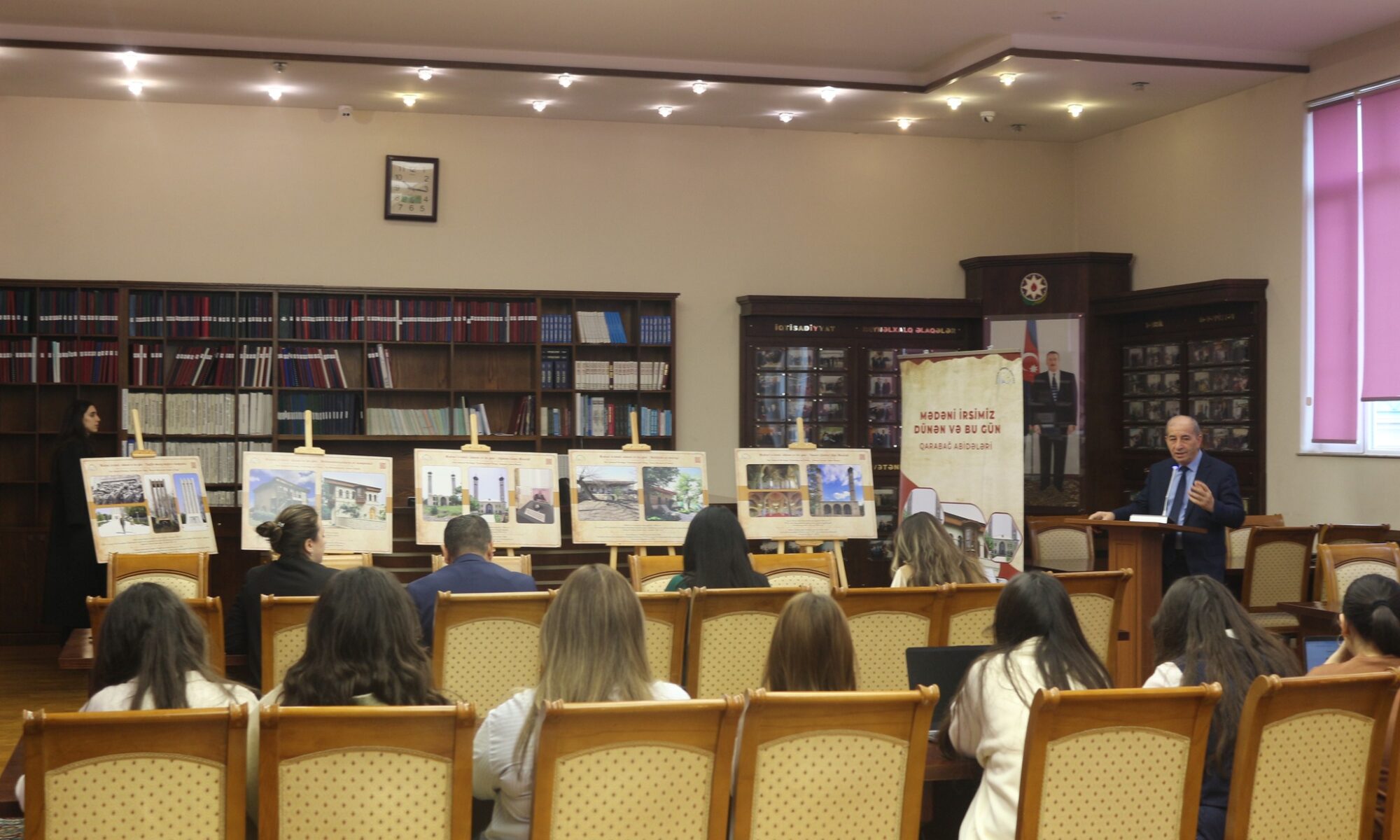
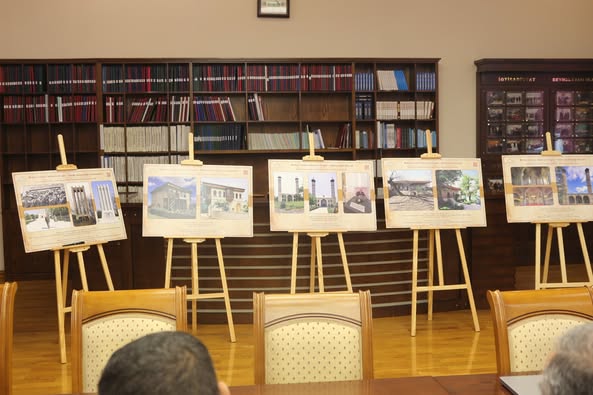
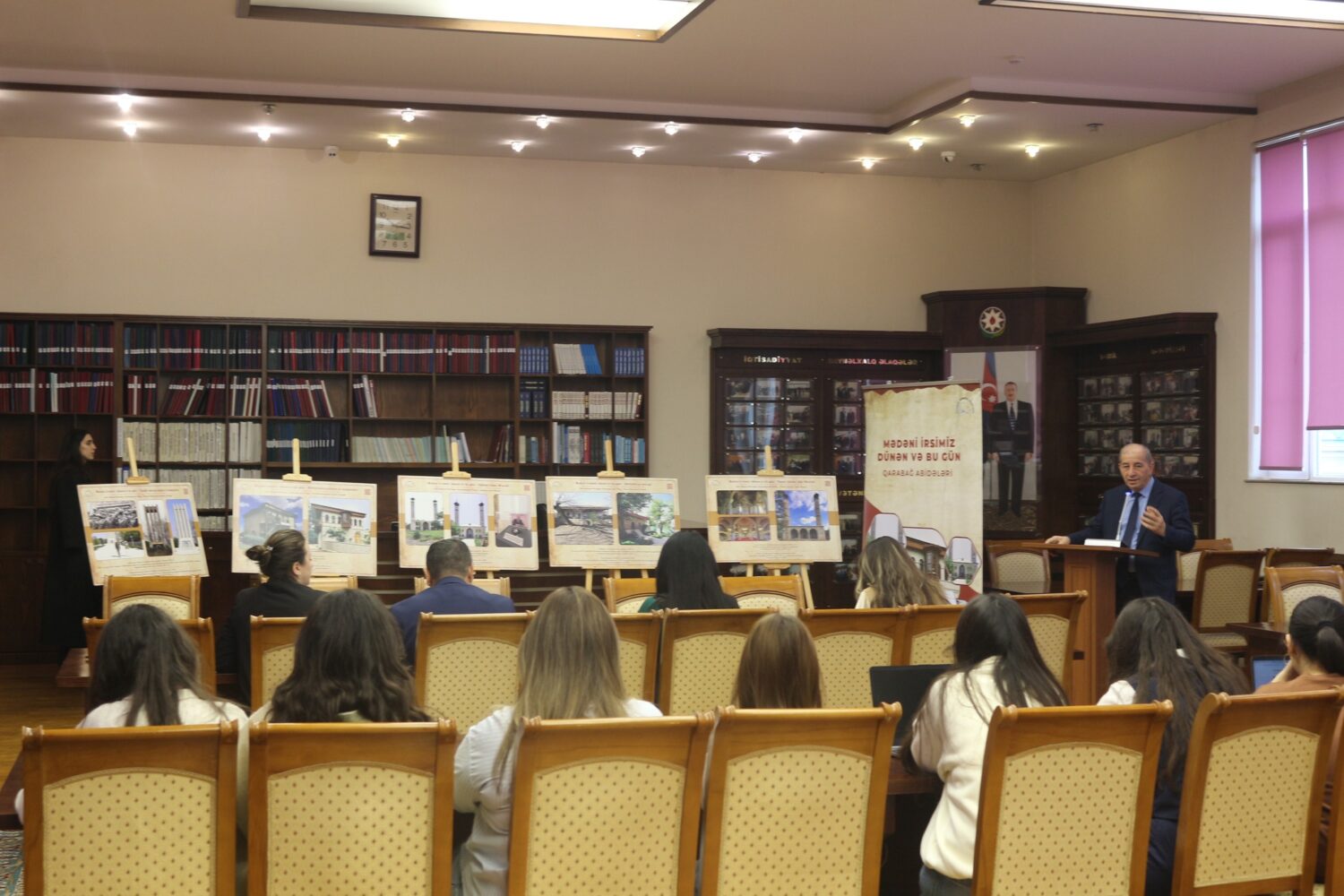
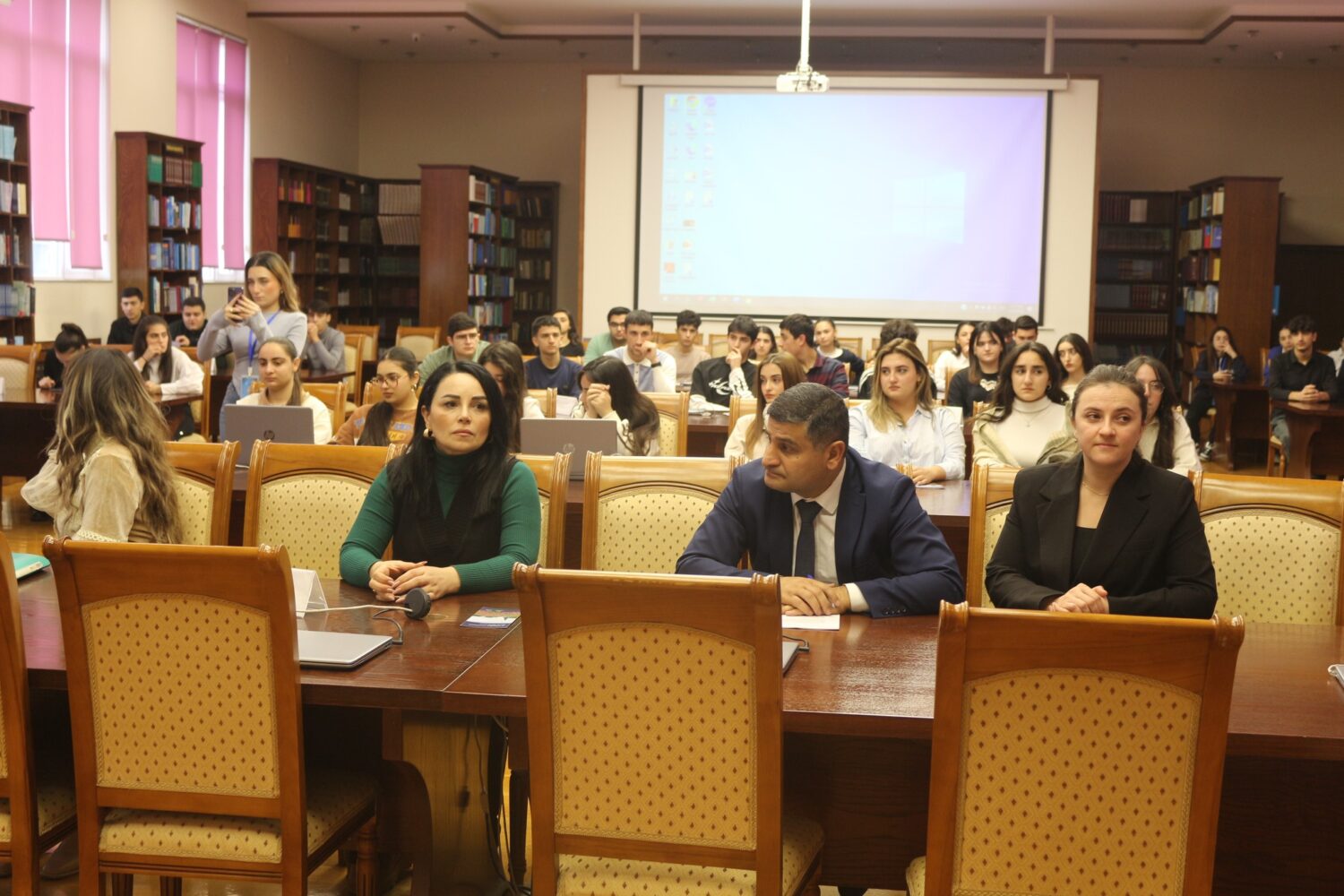
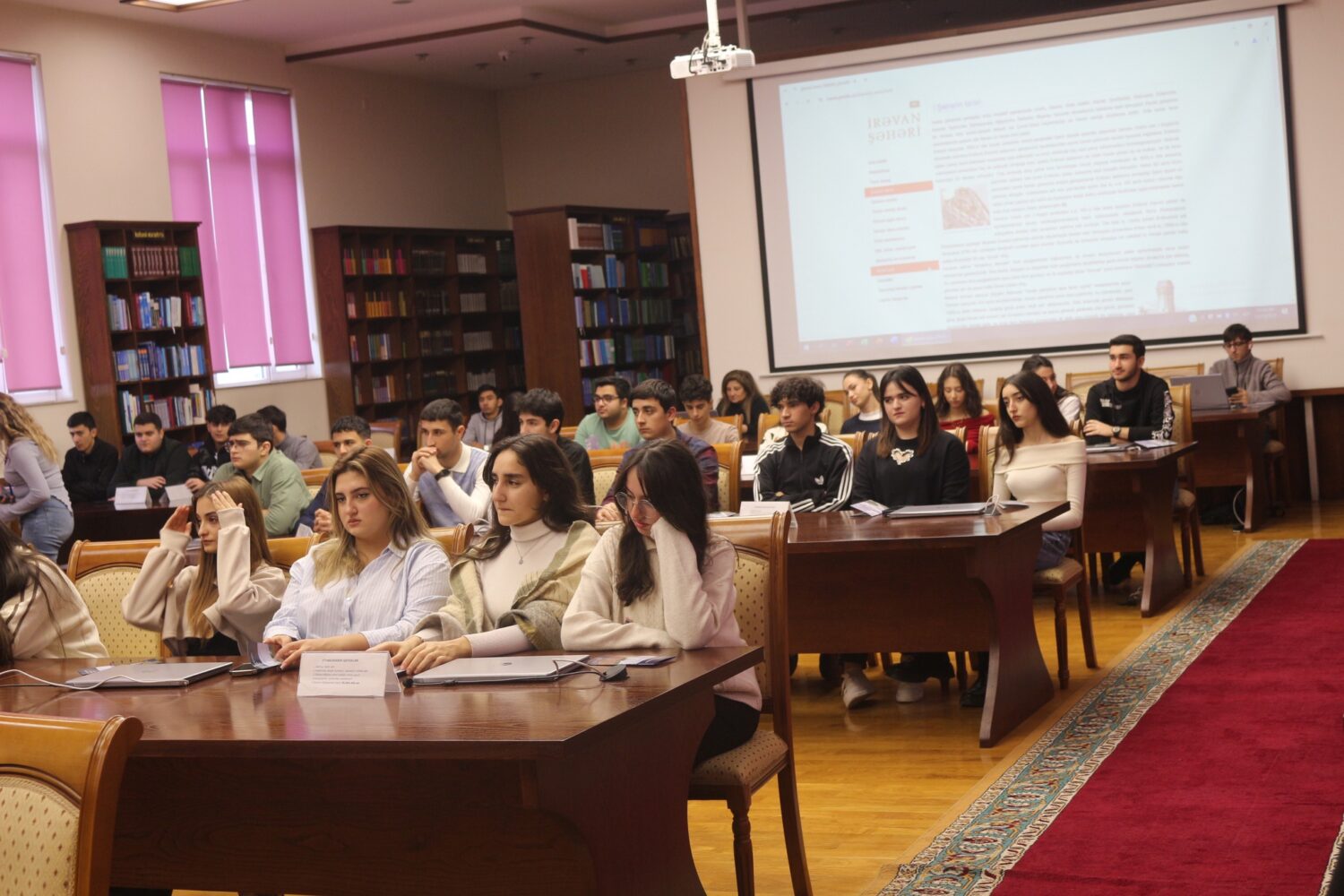
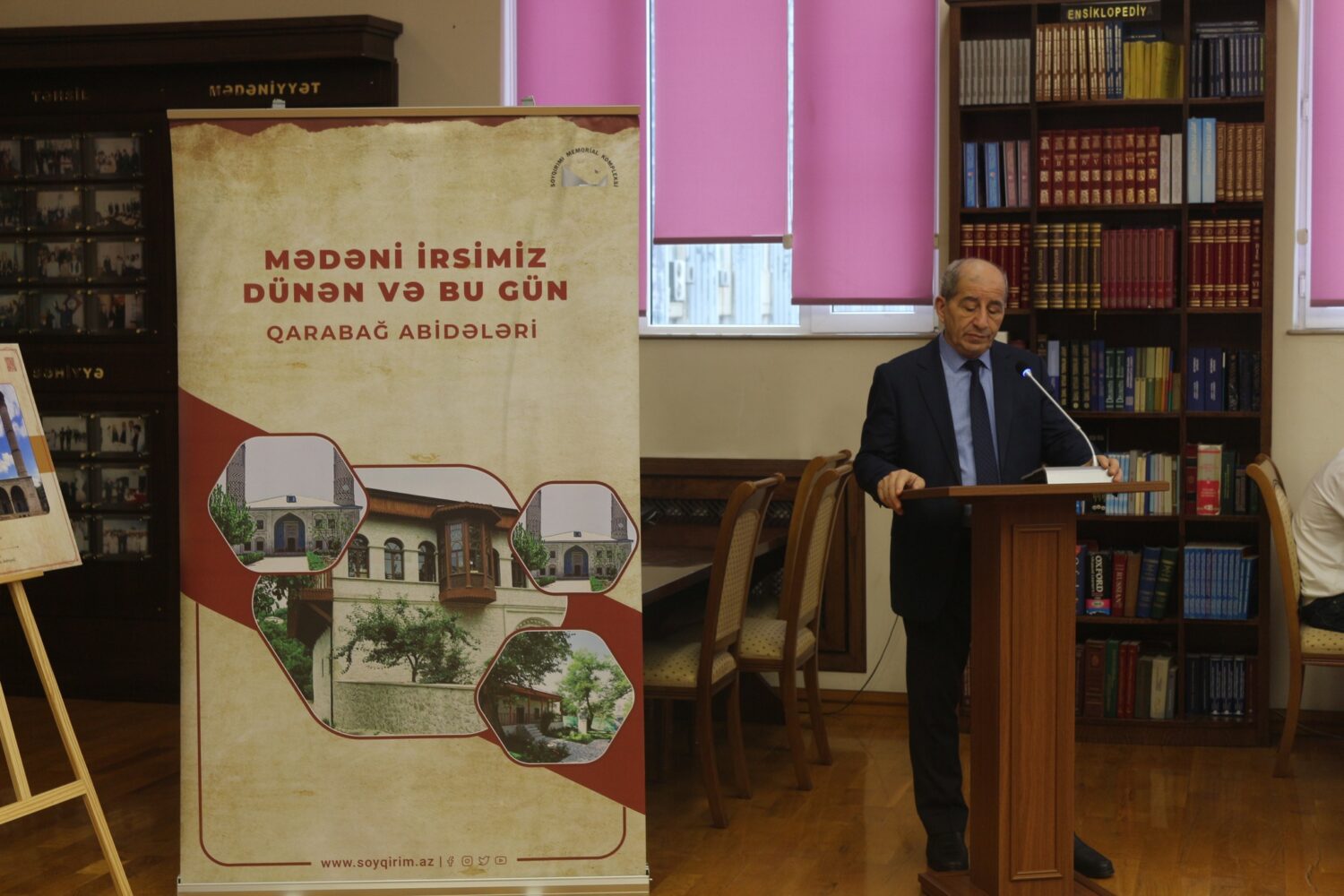
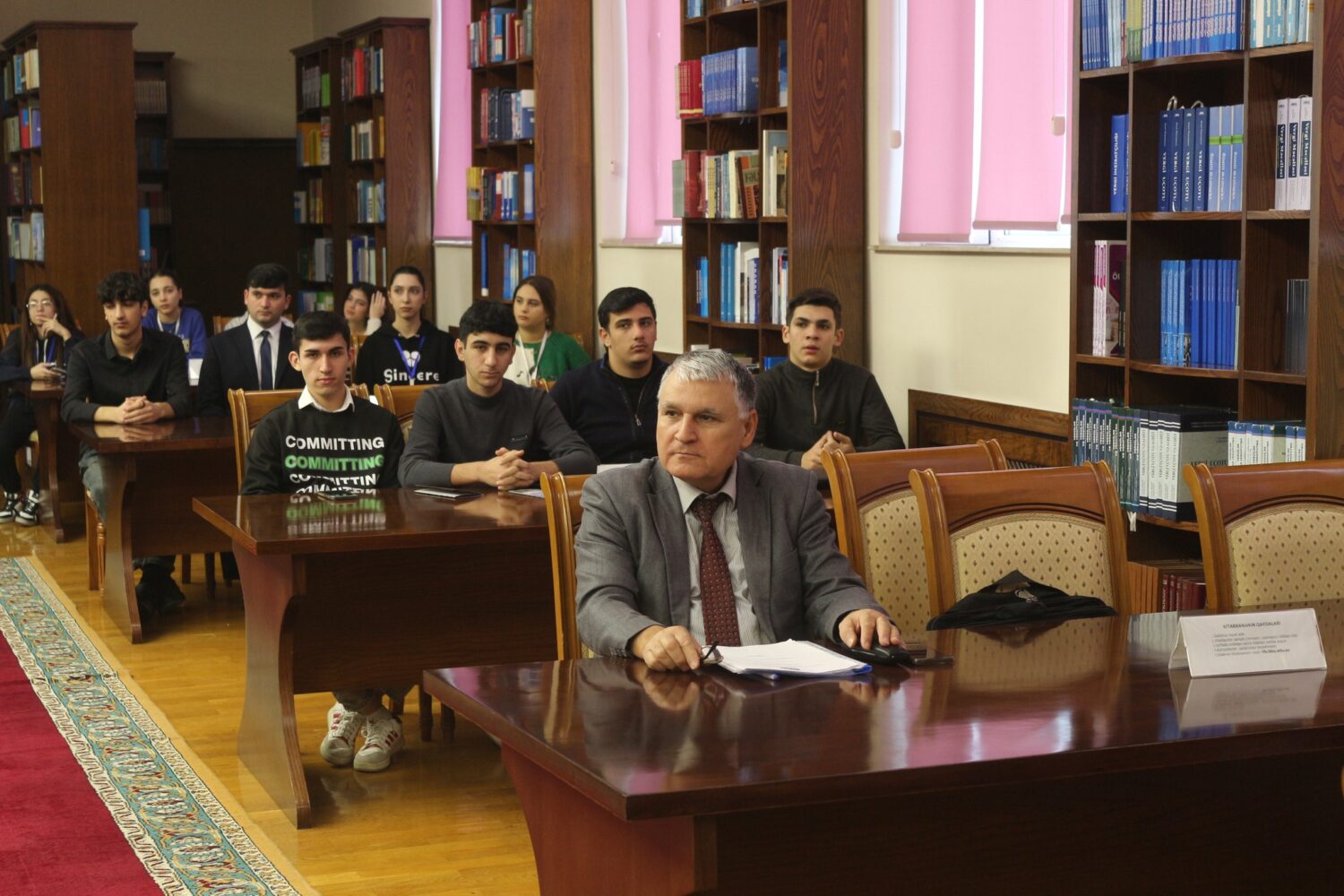

The conference was organized jointly by the Department of Humanities of Baku Business University (BBU) and the “Genocide Memorial Complex” in Guba city. The event aimed to highlight the acts of vandalism committed against historical, cultural, and religious monuments in the Azerbaijani territories occupied during the First Nagorno-Karabakh War and the subsequent periods, particularly focusing on the monuments in the liberated territories of the Karabakh region, showcasing their past and current condition.
The event was opened with introductory remarks by Professor Sabir Amirkhanov, Head of the Department of Humanities at BBU, who emphasized the importance of preserving cultural heritage and wished success for the conference proceedings.
Following that, Nazila Mammadova, an employee of the Genocide Memorial Complex, provided the participants with information about the Complex’s activities, goals, and functions. She pointed out that the Complex not only preserves historical facts but also focuses on how this information is maintained in the modern era and how it will be presented to future generations.
The event also featured contributions from historians, students, and cultural figures. Dr. Subhan Talıblı, a leading researcher at the Institute of Oriental Studies of the Azerbaijan National Academy of Sciences (AMEA) and an expert at the Genocide Memorial Complex, delivered a presentation on “The Historical and Material-Spiritual Heritage of Azerbaijan Destroyed During Armenian Aggression.” He discussed how Azerbaijan’s rich cultural heritage was destroyed as a result of Armenian occupation and highlighted the steps taken to restore this heritage.
Dr. Mahsati Jafarova, a Candidate of Philosophy, presented on “The Contemporary Era and Our National Spiritual Values,” emphasizing the importance of preserving national spiritual values in the modern world.
Professor İlgar Huseynov, a Candidate of Historical Sciences, delivered a report on “Armenian Vandalism Against the Historical and Cultural Monuments of Karabakh,” where he presented detailed information about the cultural and historical genocide committed by Armenians in Karabakh.
Dr. Aygun Kamandari gave a talk on “The Rich Material and Spiritual Cultural History of the Irevan Khanate,” explaining the historical significance of Irevan and the importance of preserving its cultural heritage.
Later, students discussed how the genocide events of 1918 affected the cultural heritage of the Azerbaijani people and emphasized the historical importance of these events. Around 100 students participated in the conference.
The event concluded with a discussion on the topic.
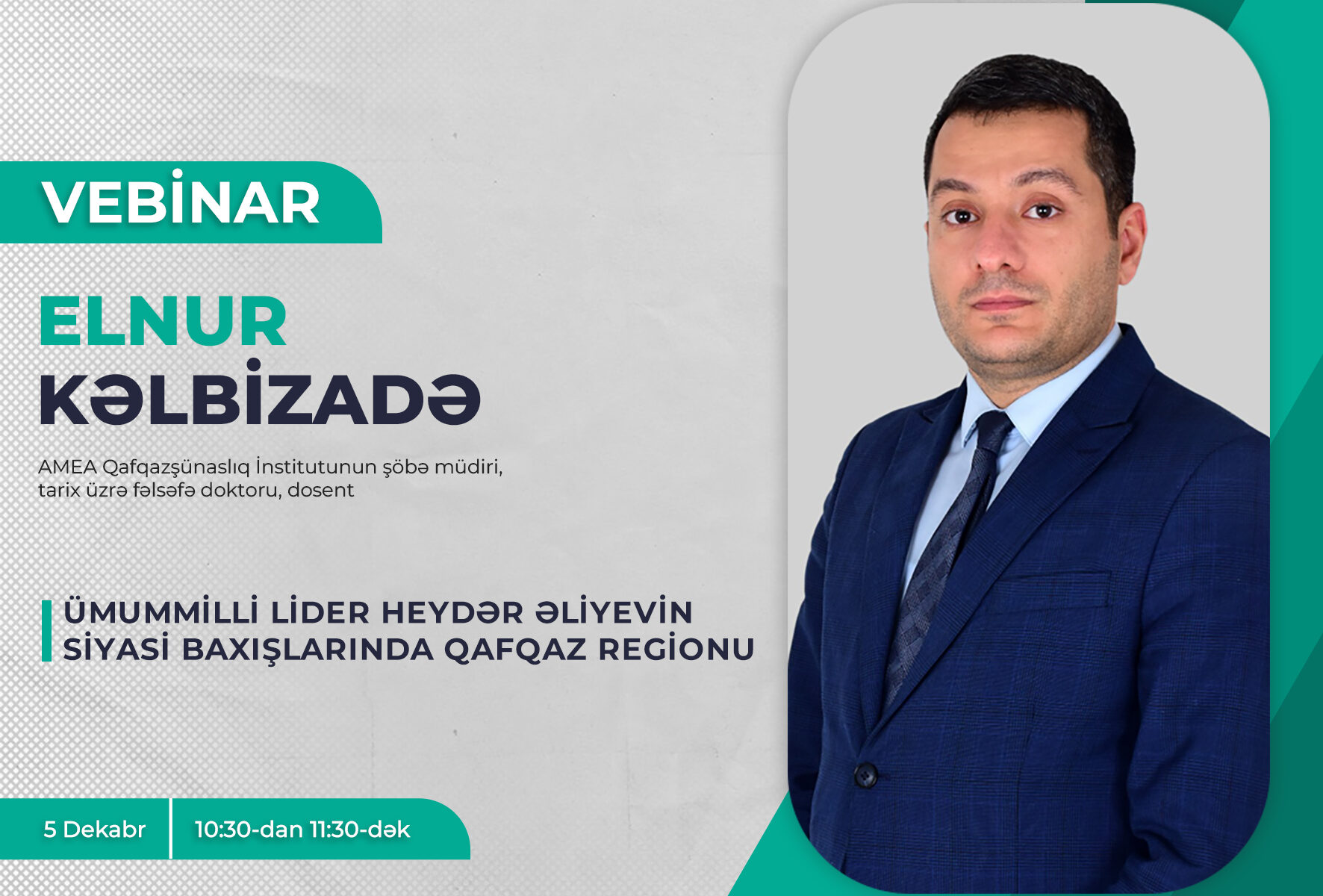
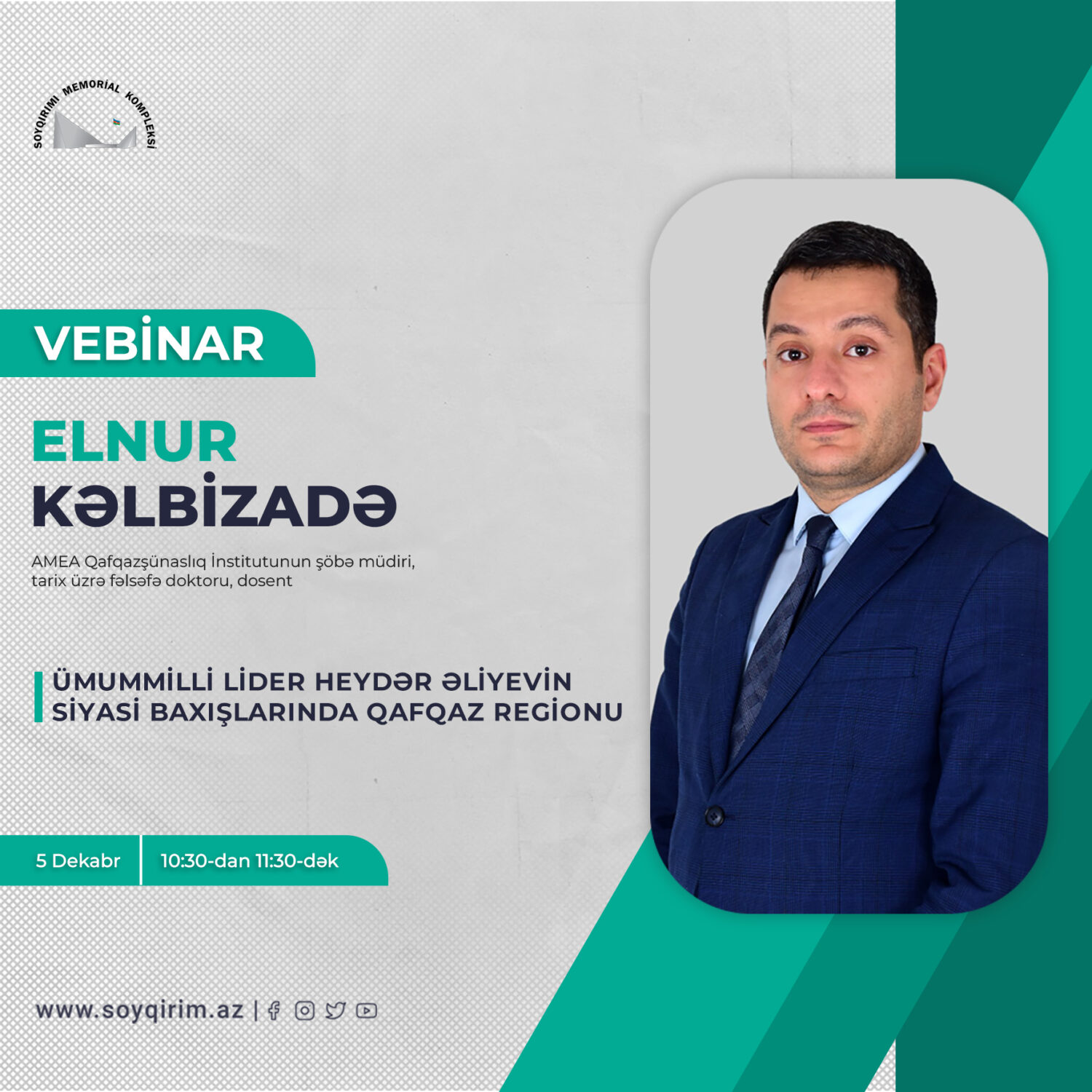
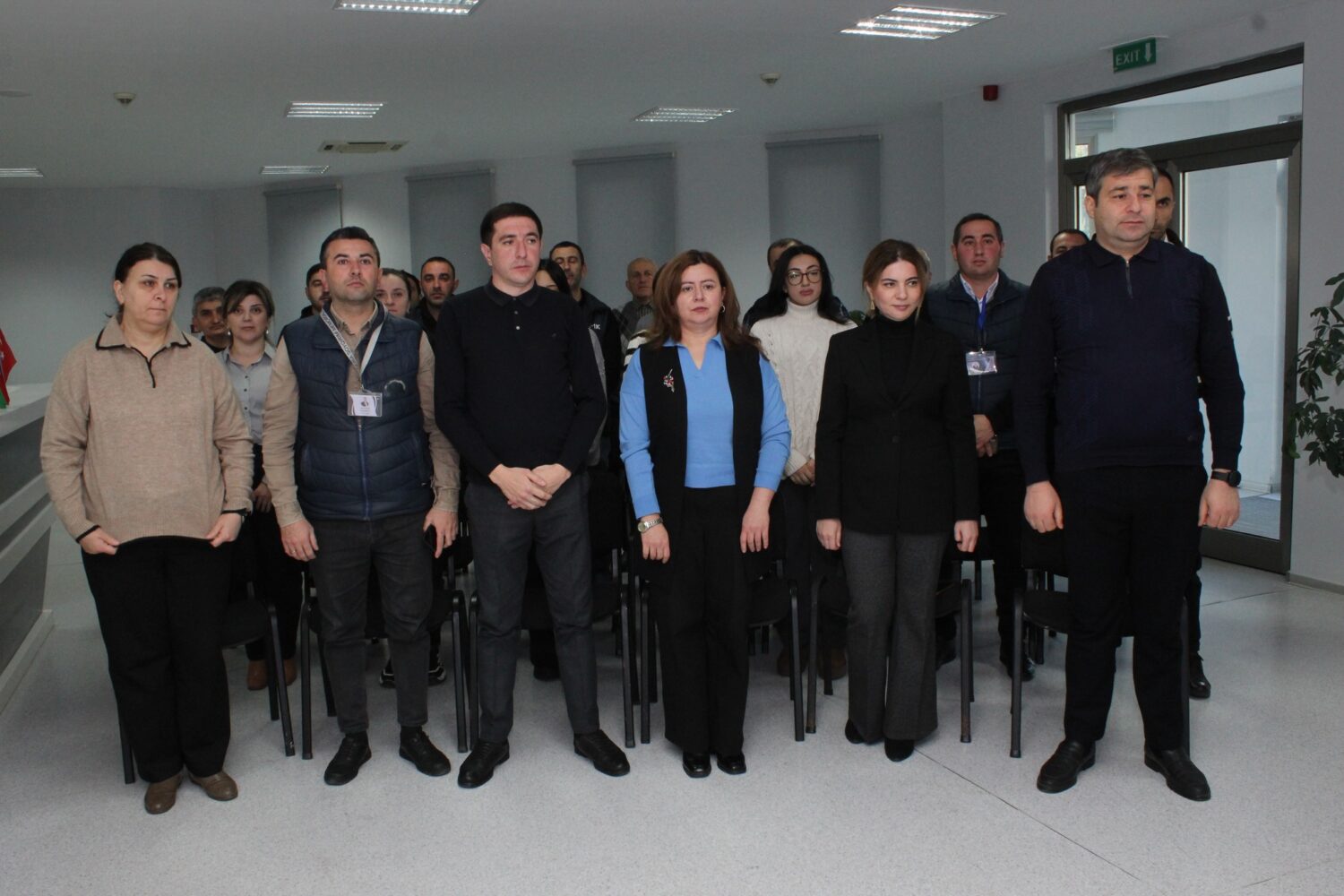
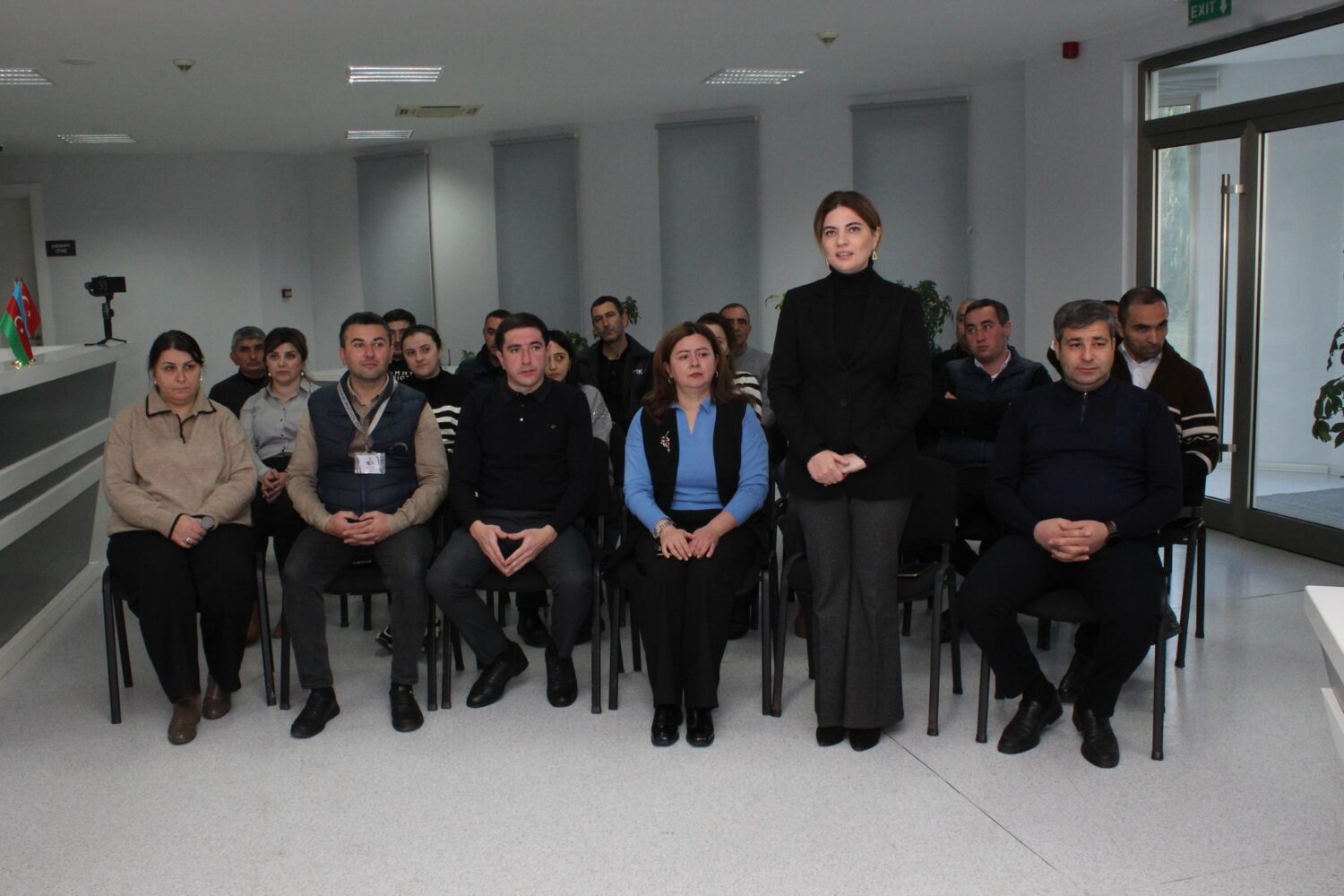
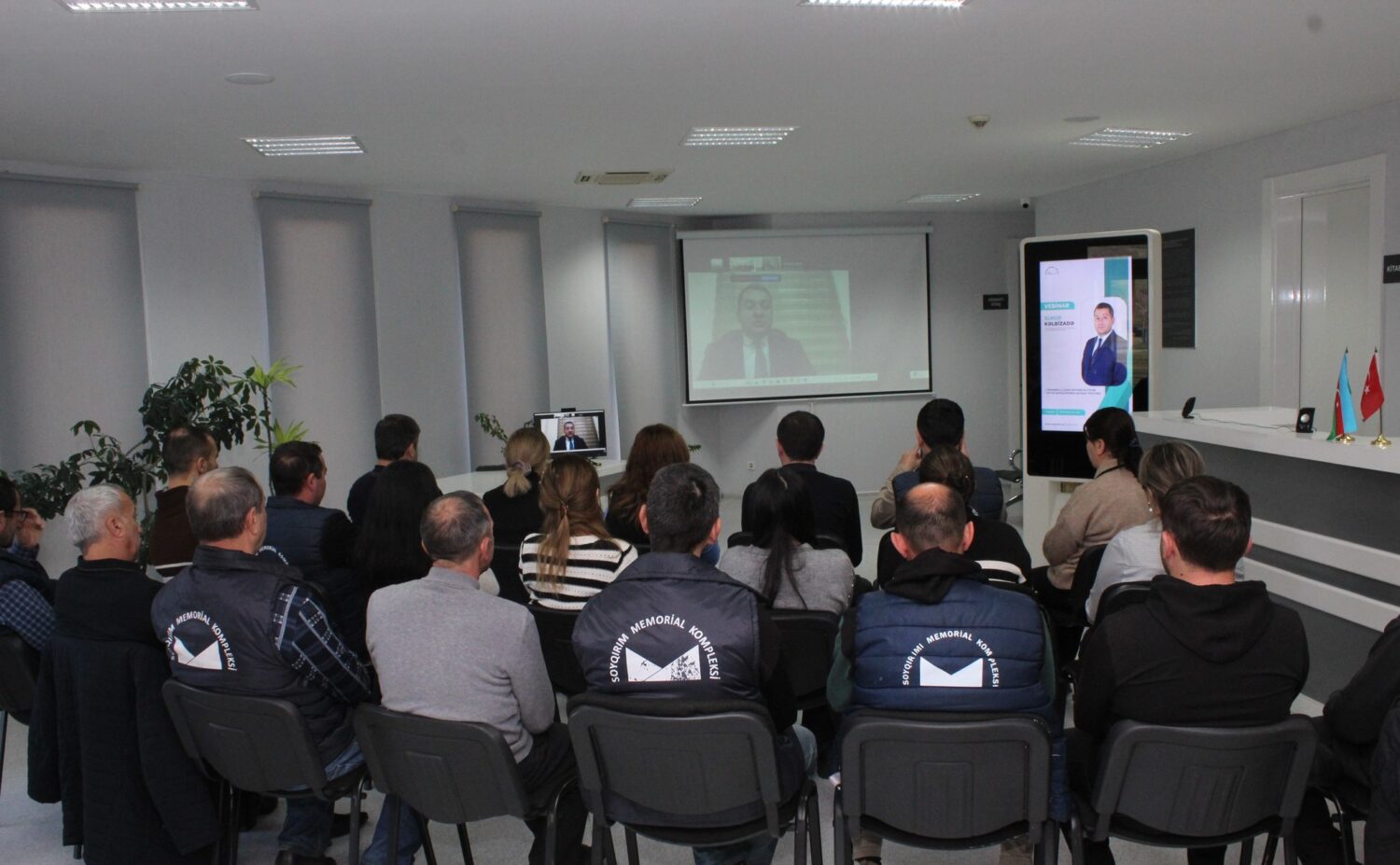
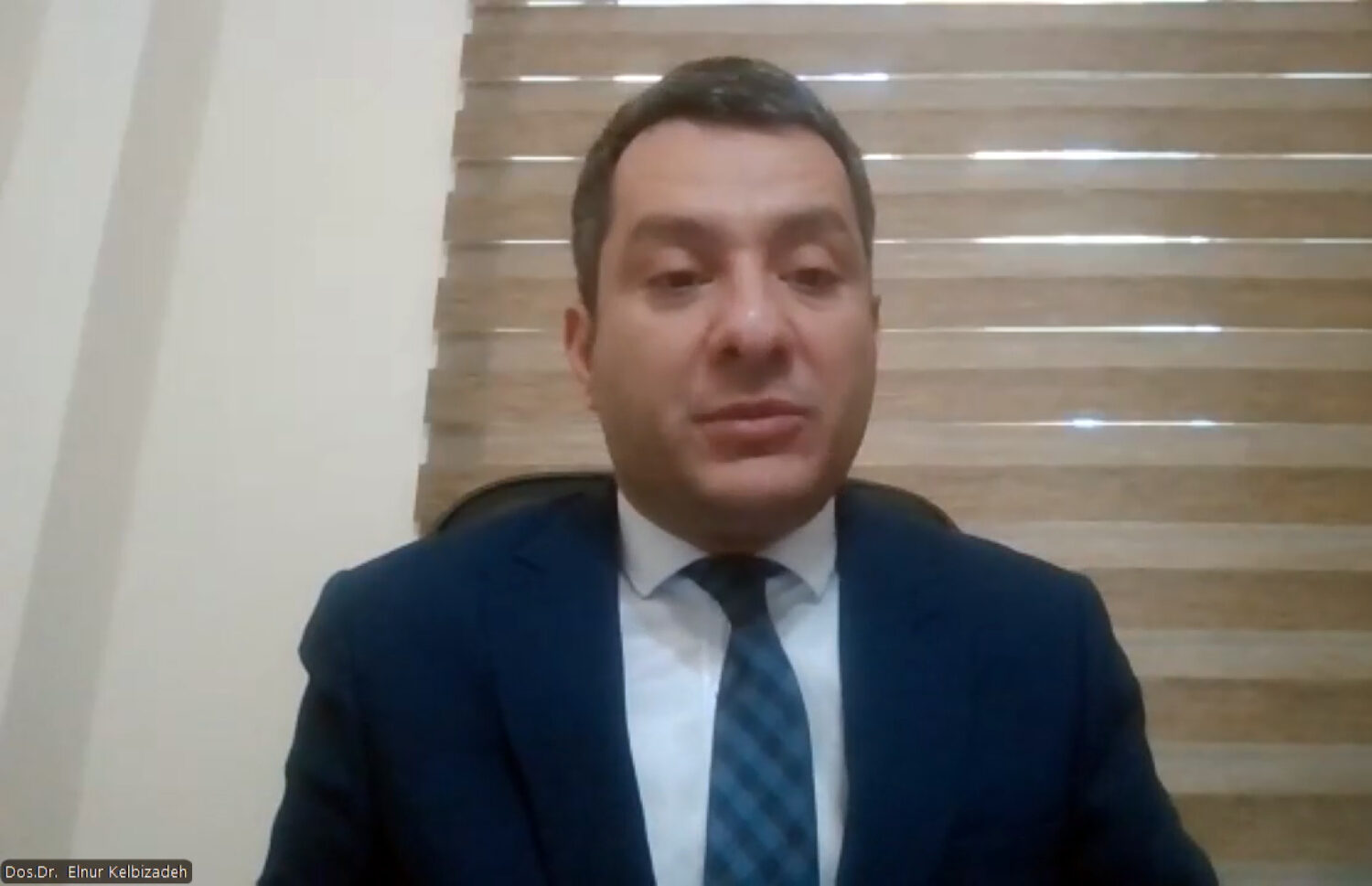
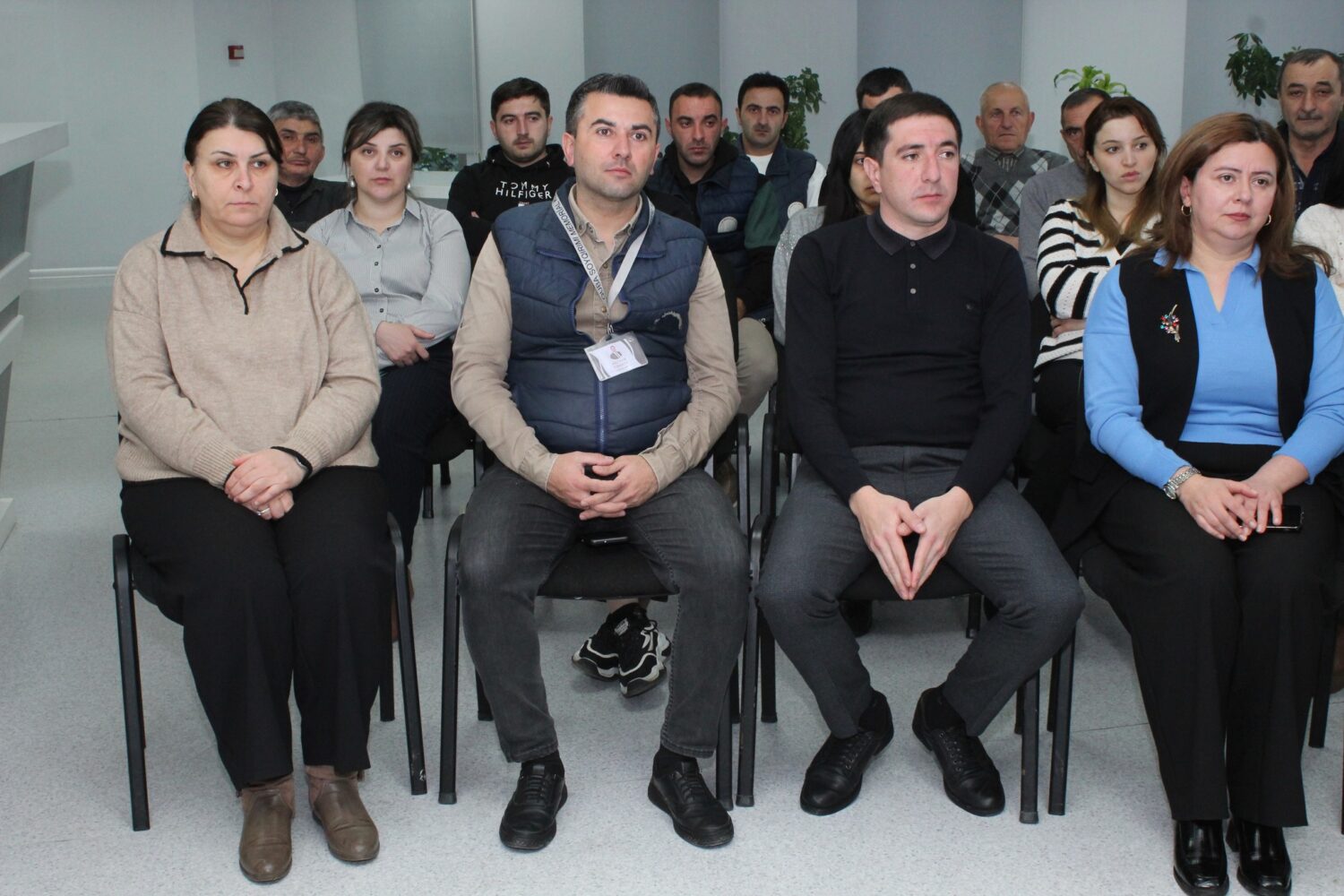
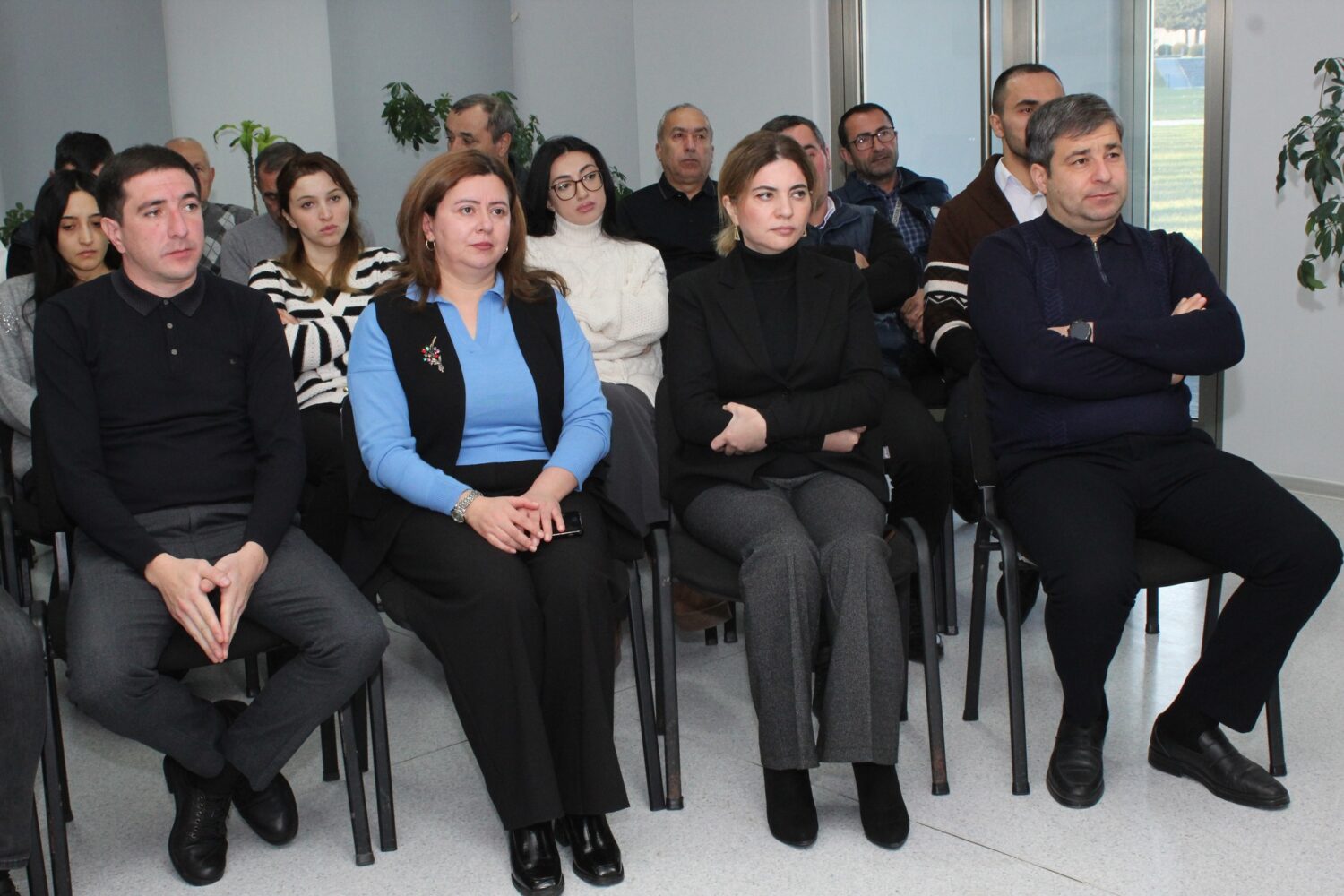
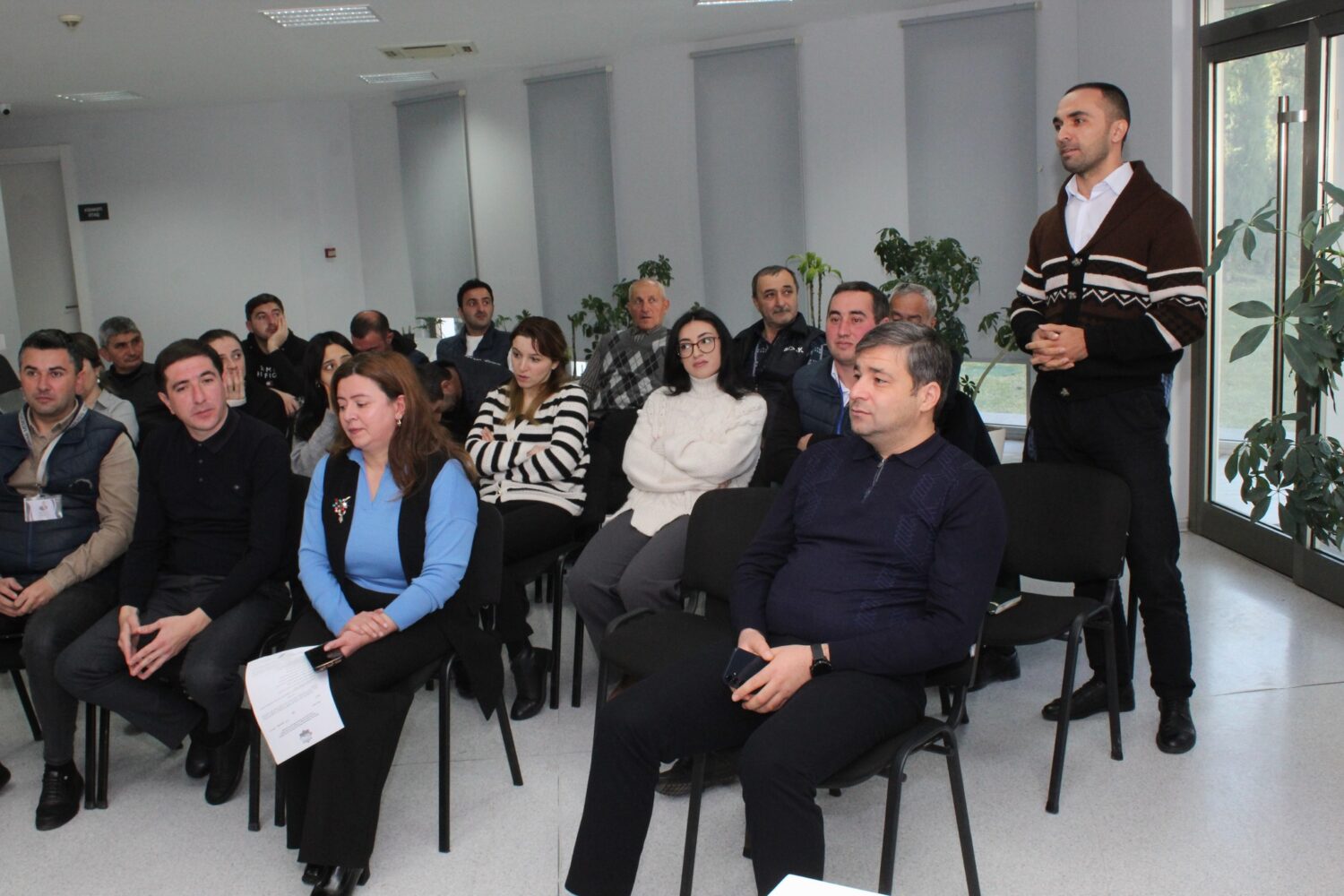
In the webinar, which was attended by nearly 30 employees, the director of the Complex, Dr. Rəxşəndə Bayramova, stated that Heydar Aliyev, the National Leader of the Azerbaijani people and the founder of the independent Azerbaijani state, is one of the greatest figures in Azerbaijan’s history. She emphasized that his life and political activity hold a unique place in the history of our country, particularly in the establishment and development of our national statehood traditions.
In his speech, Dr. Elnur Kəlbizadə, Head of the Department at the Institute of Caucasian Studies of the Azerbaijan National Academy of Sciences (AMEA), Doctor of Philosophy in History, and Associate Professor, highlighted the significant role the Caucasus region occupies in Heydar Aliyev’s political views. He noted the strategic importance of the Caucasus and its relevance to Azerbaijan’s national interests. He also mentioned that during the years when Heydar Aliyev led our country, his activities were focused on Azerbaijan’s economic, social, and cultural development, the well-being and happiness of our people, and the struggle for our country’s rightful place in the world community.
At the end of the webinar, a discussion was held on questions of interest to the participants.
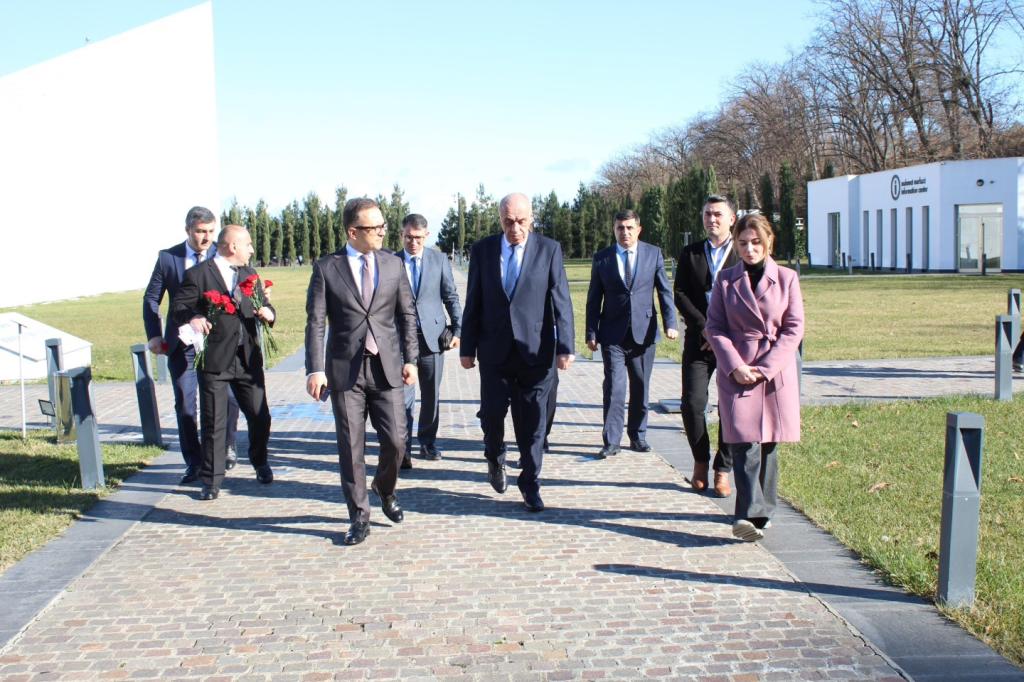
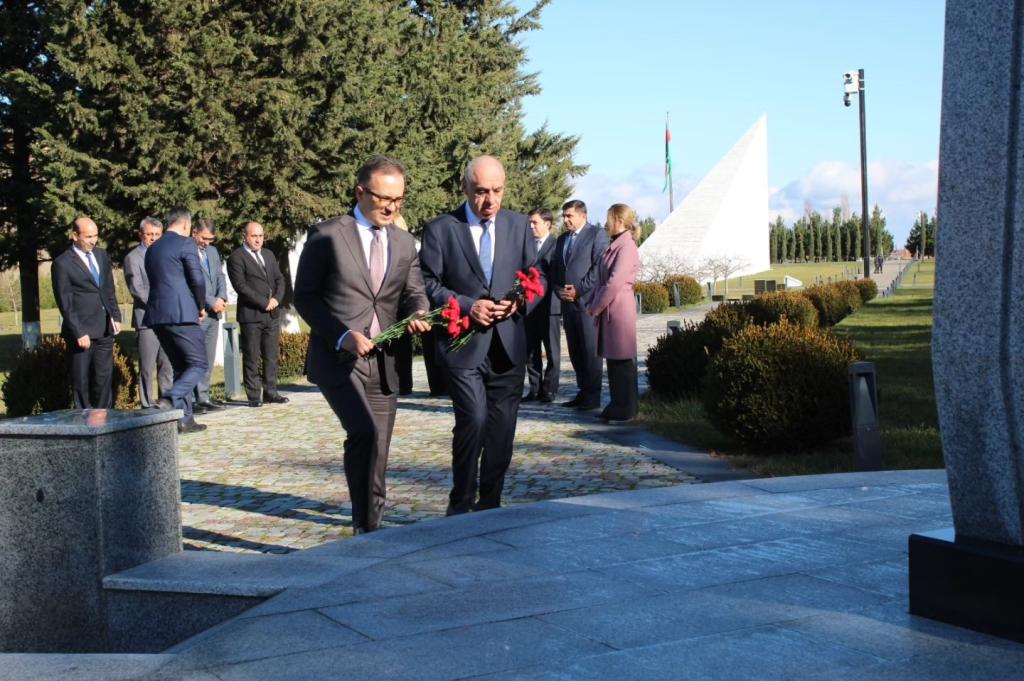
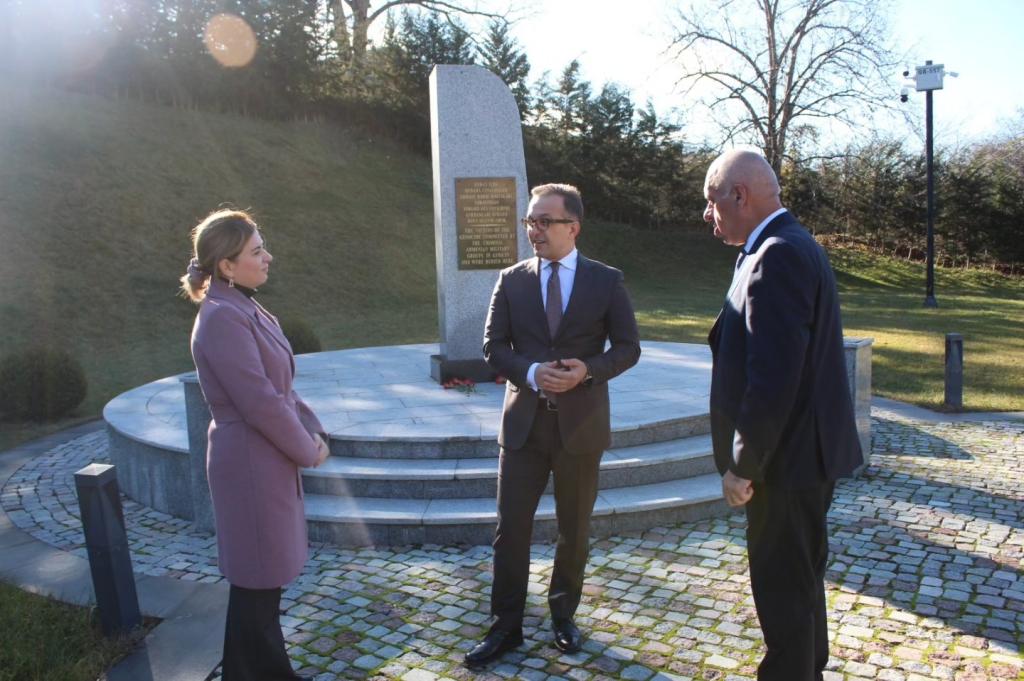
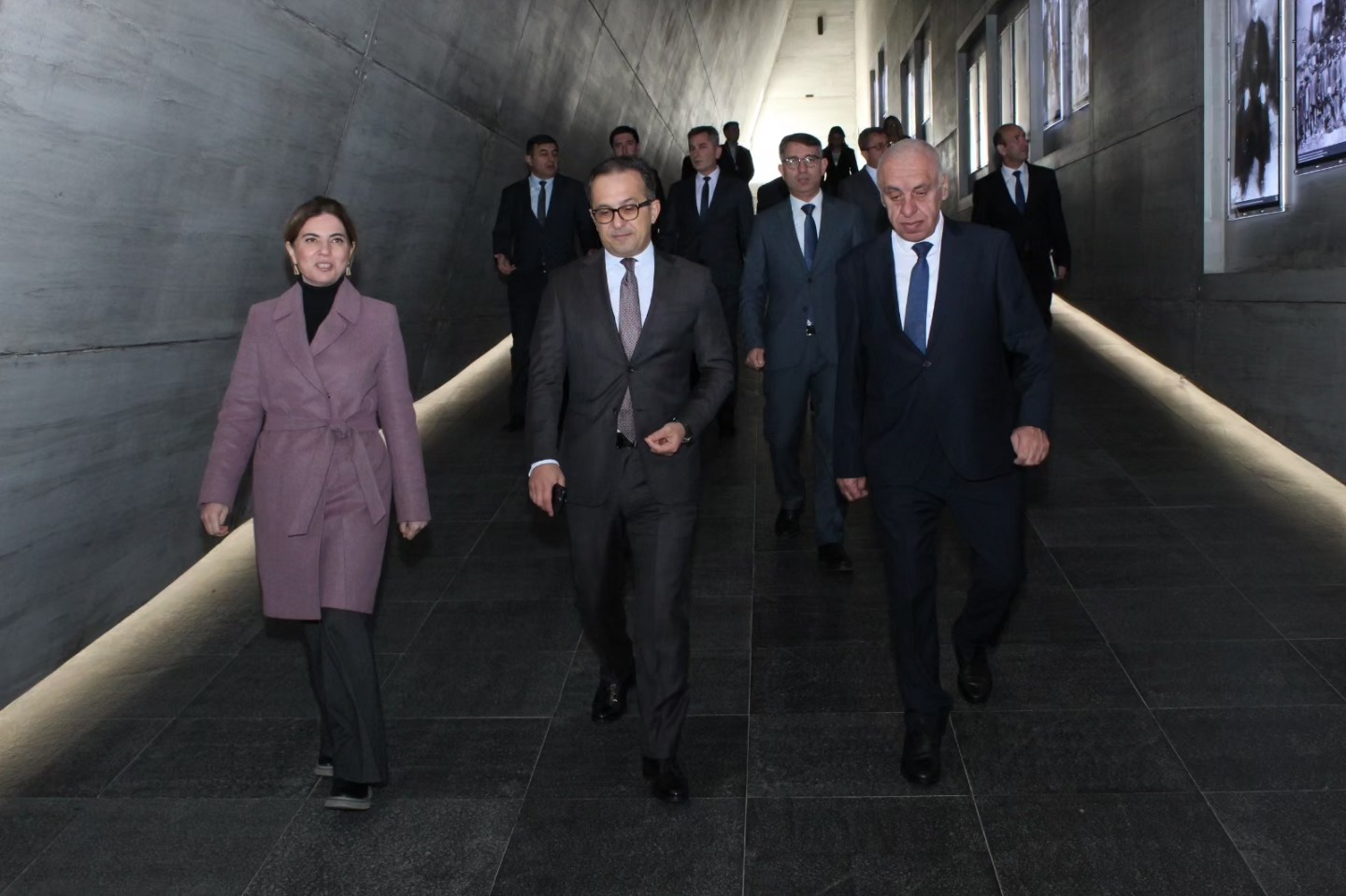
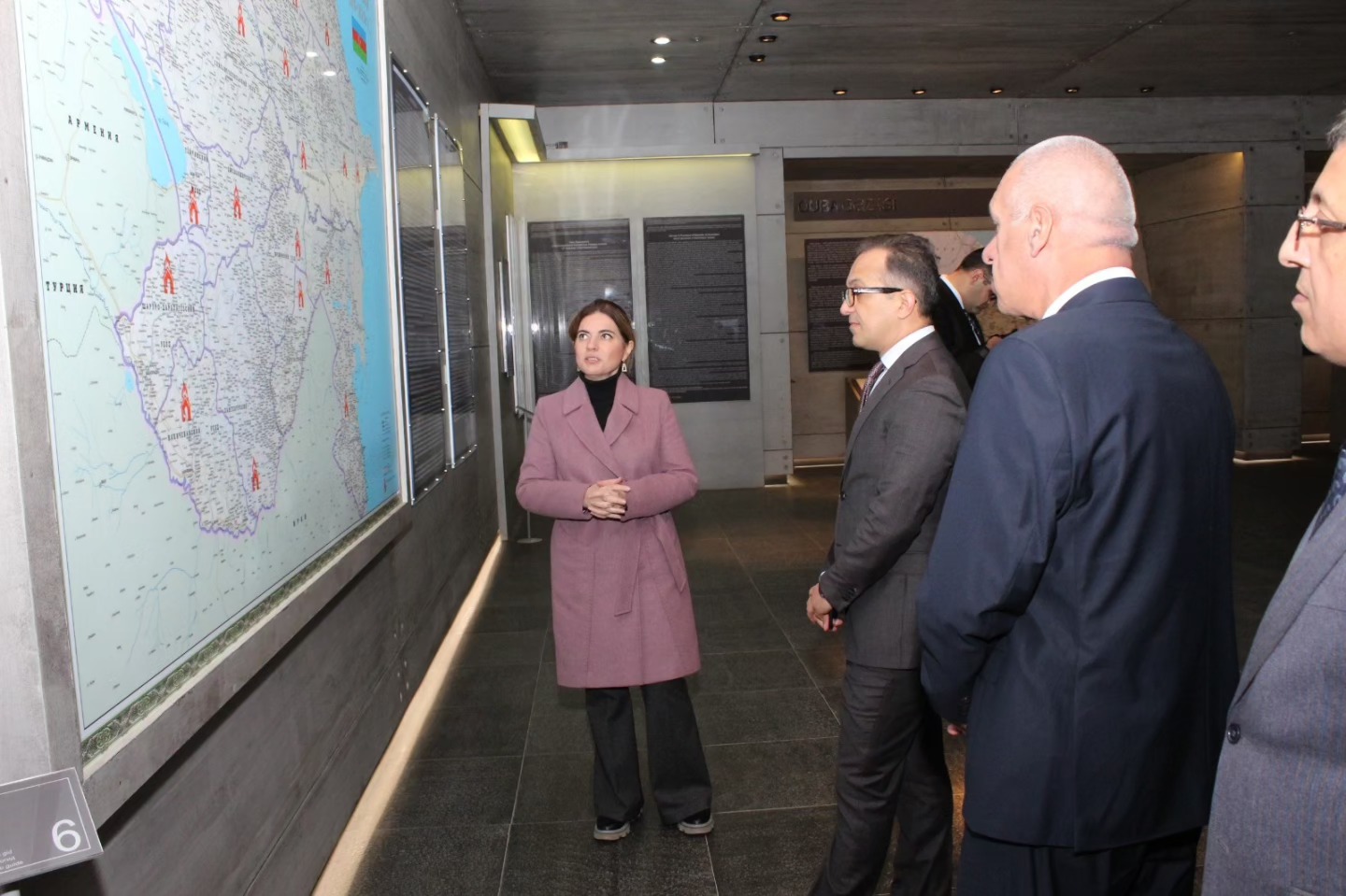
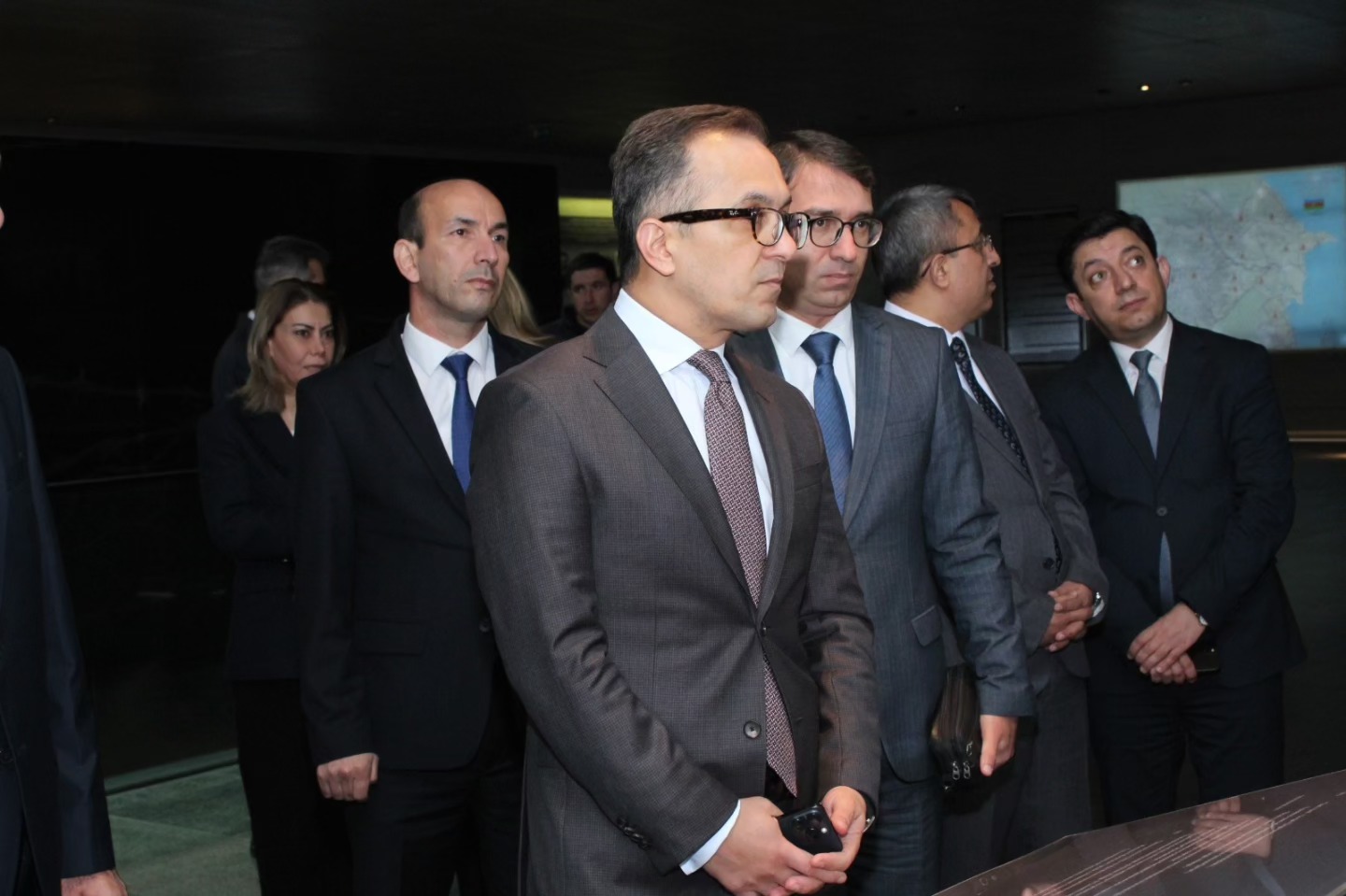
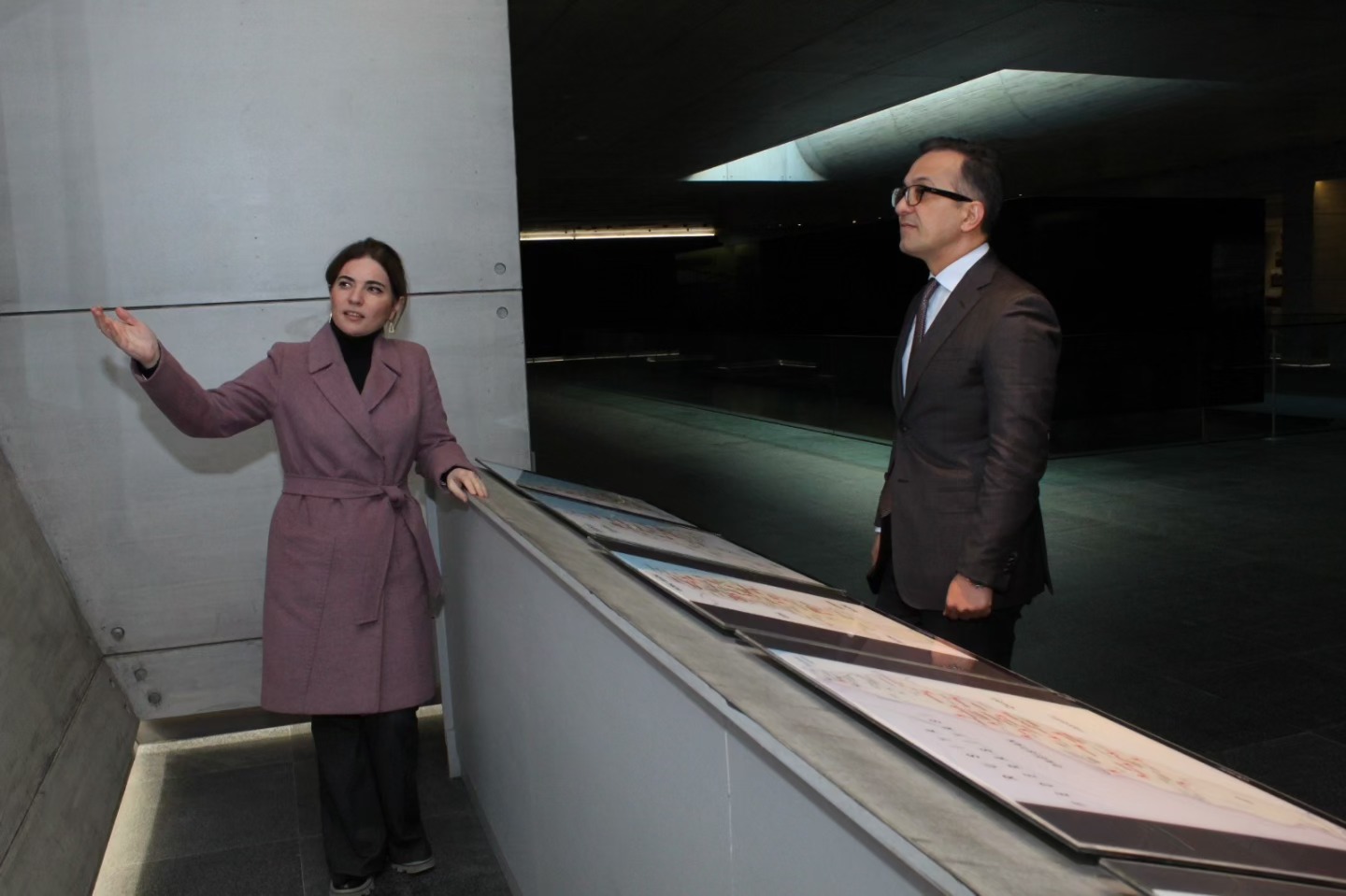
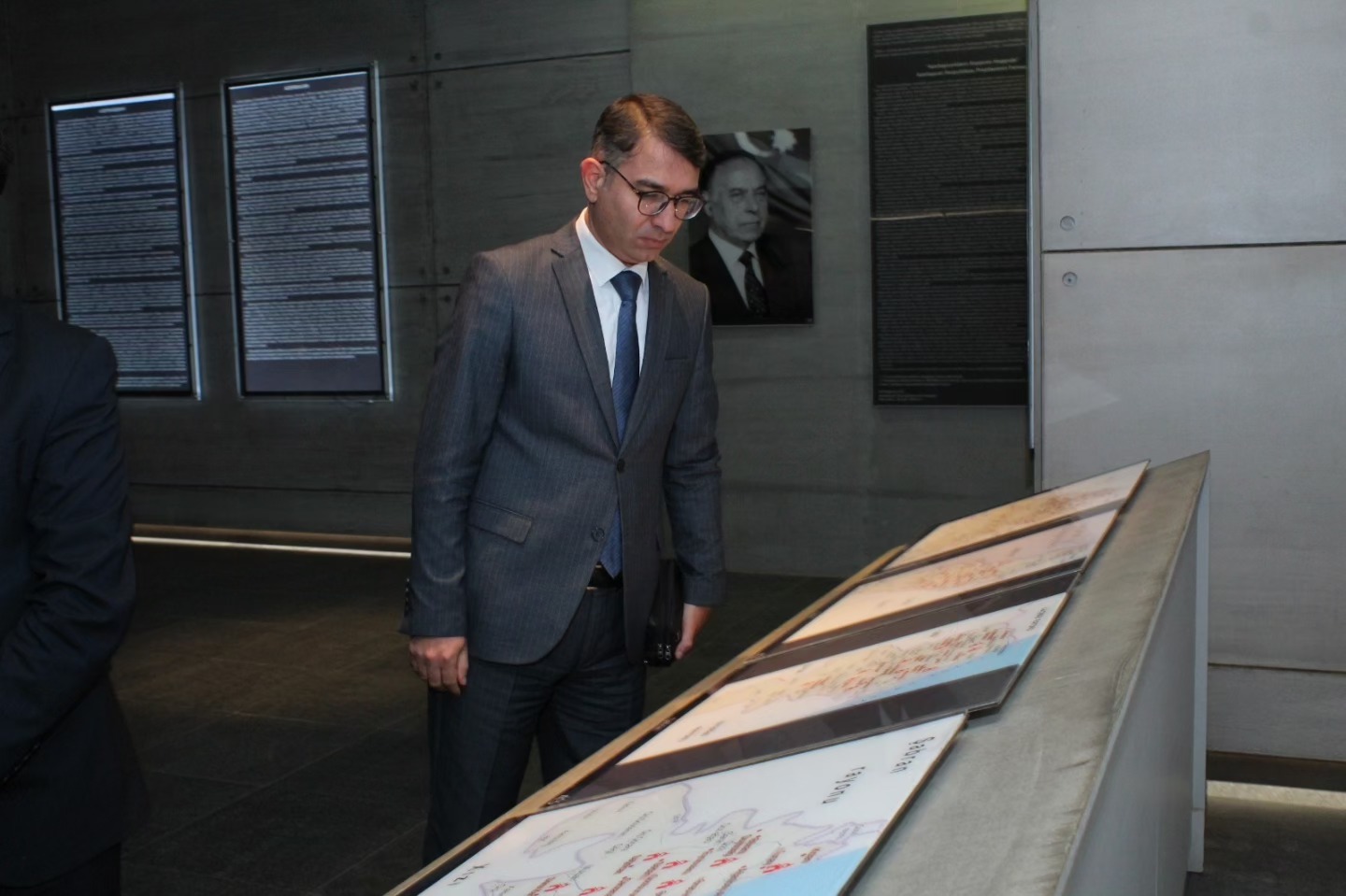
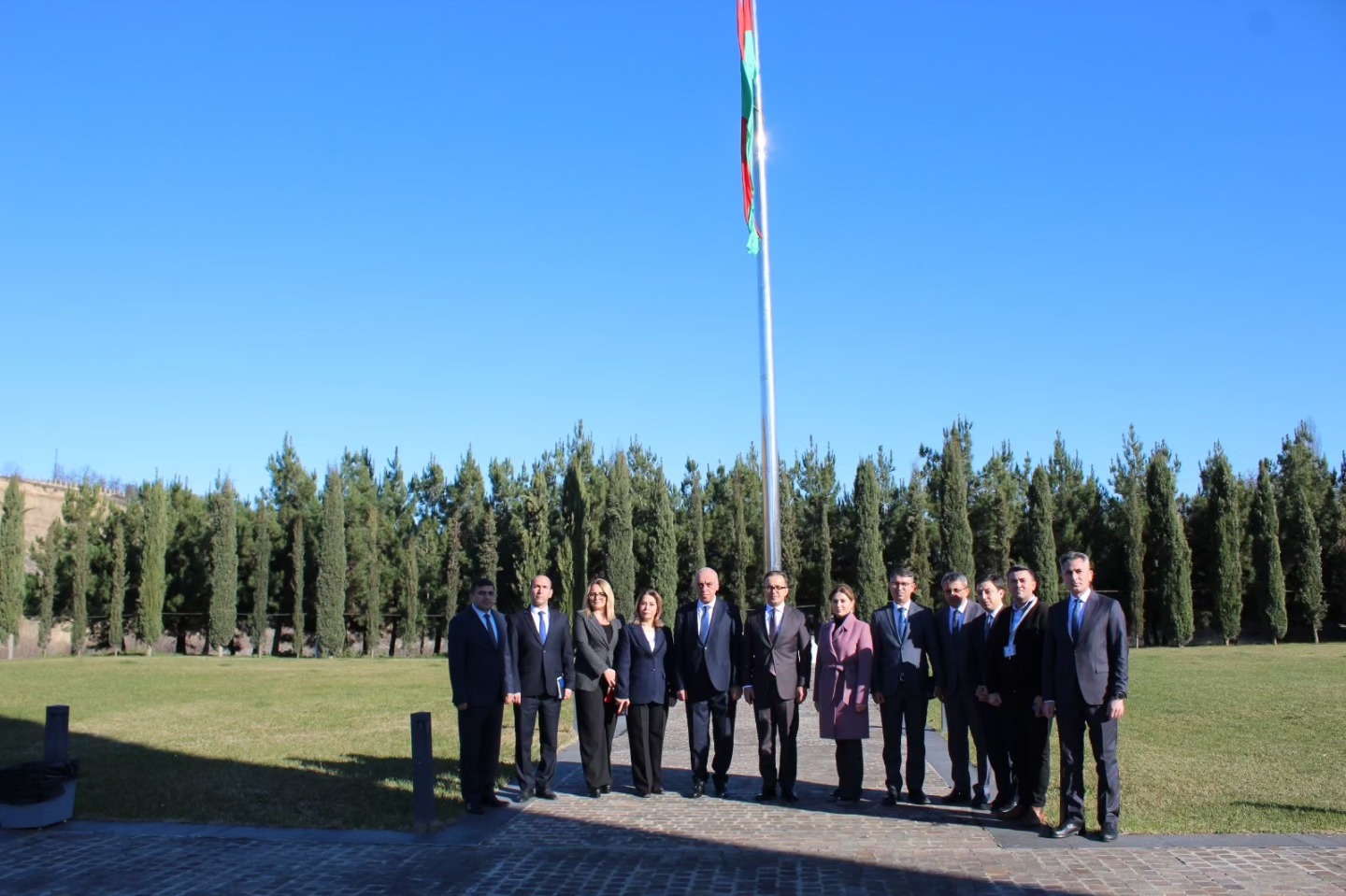
Ramin Məmmədov was briefed on the activities of the Complex, and it was pointed out that the genocide against Azerbaijanis was carried out not only in Baku but also in Shamakhi, Guba, Yerevan, Zangazur, Karabakh, and Nakhchivan. As a result of this genocide, more than 16,000 people were brutally killed in the Guba district alone, and 167 villages were destroyed.
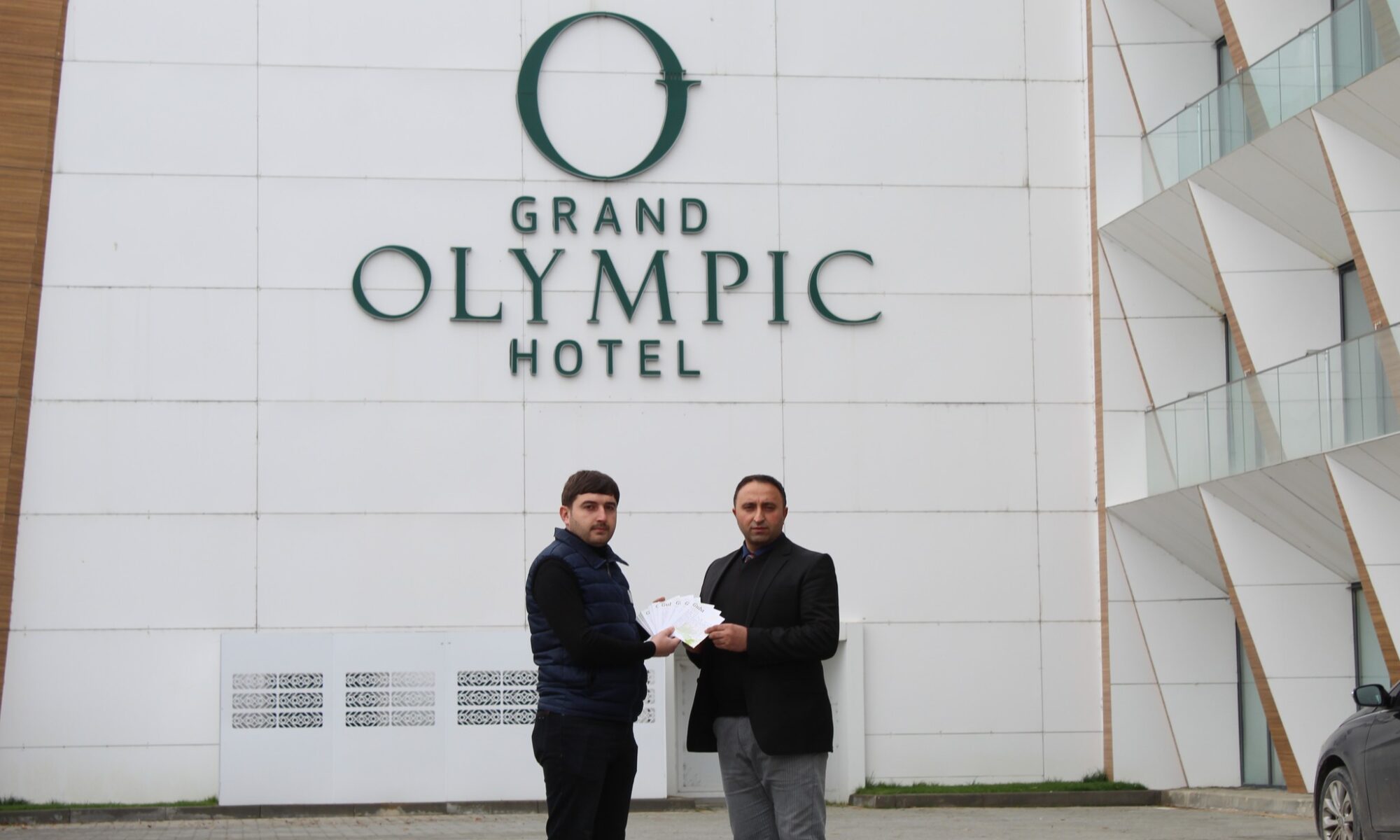
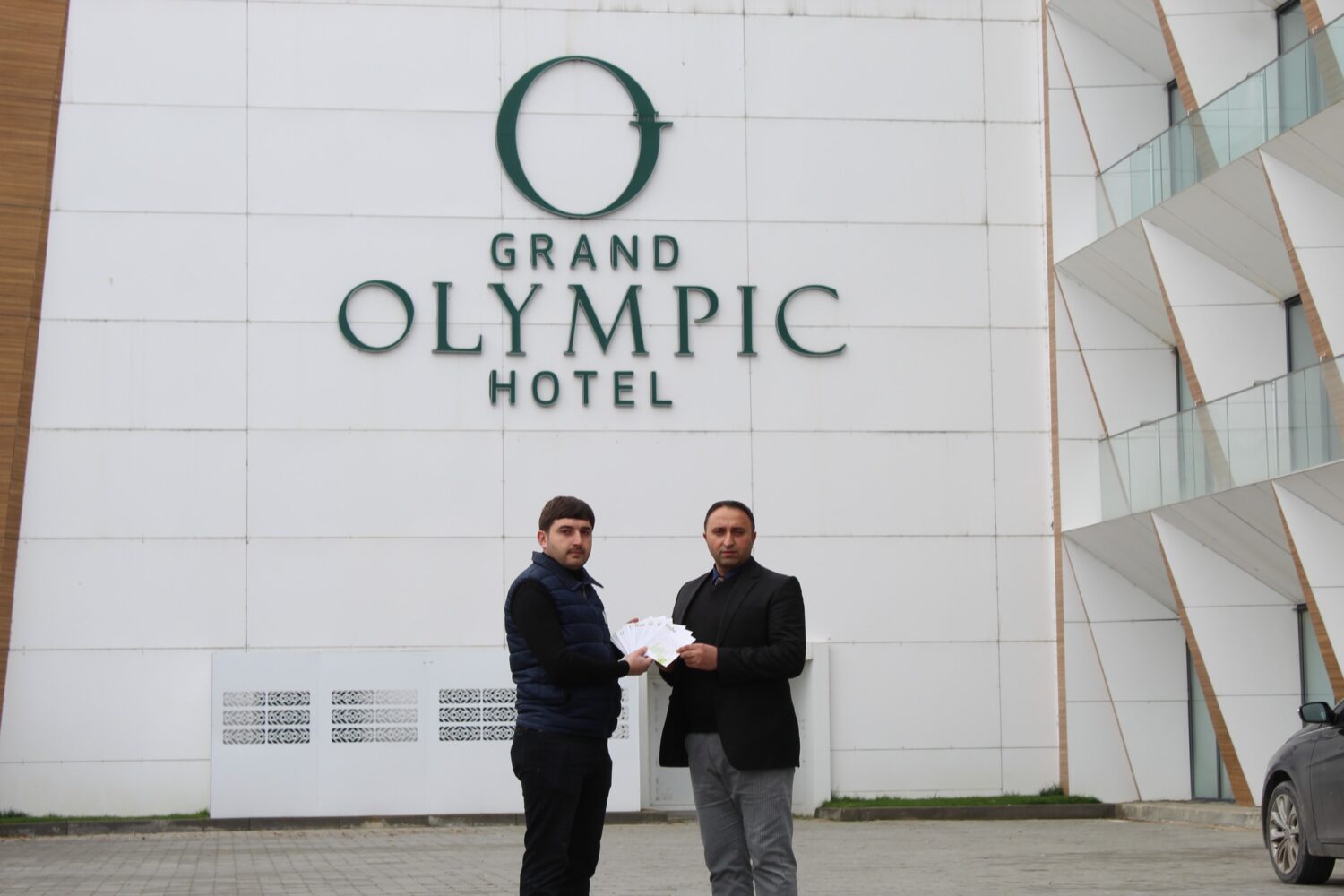
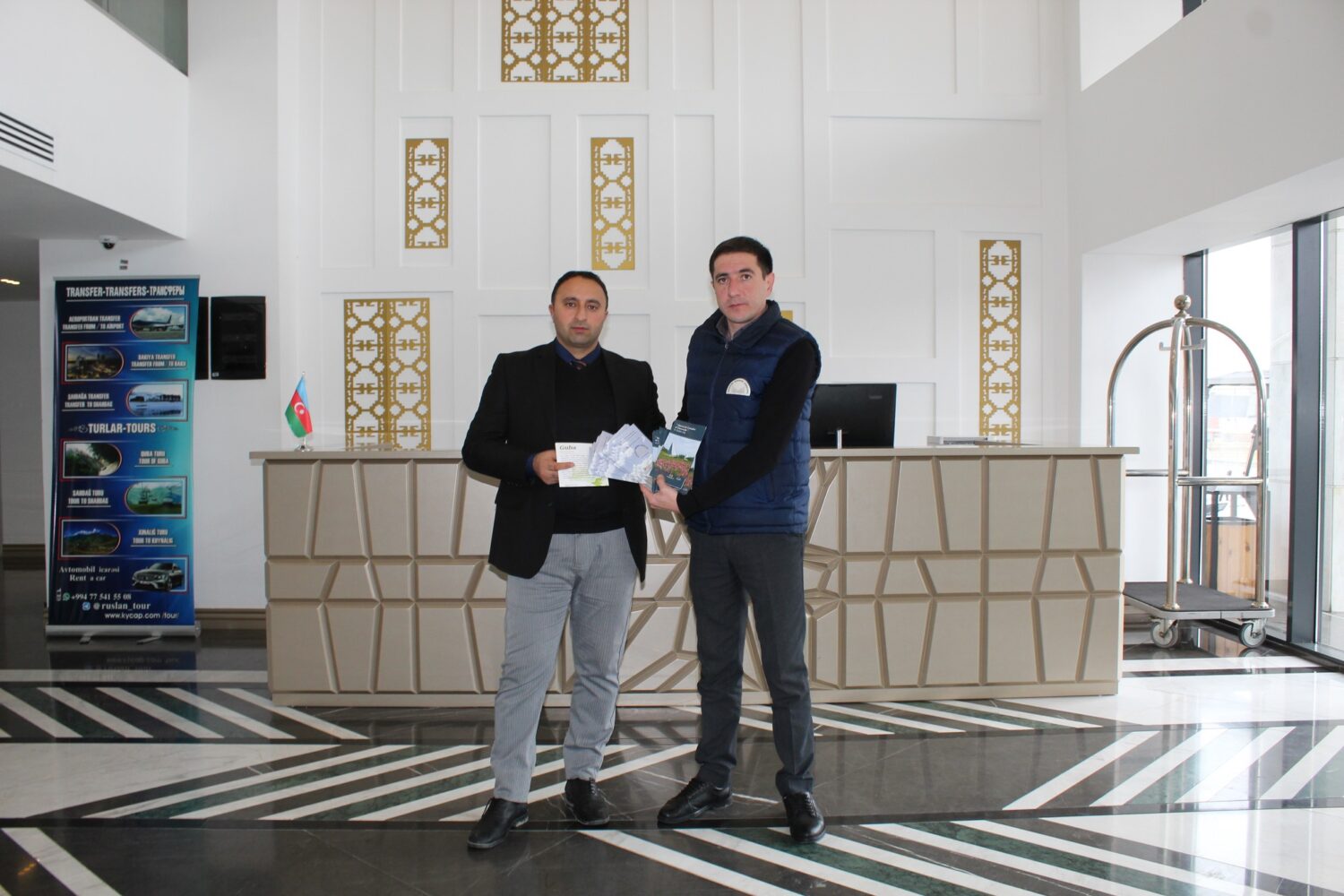
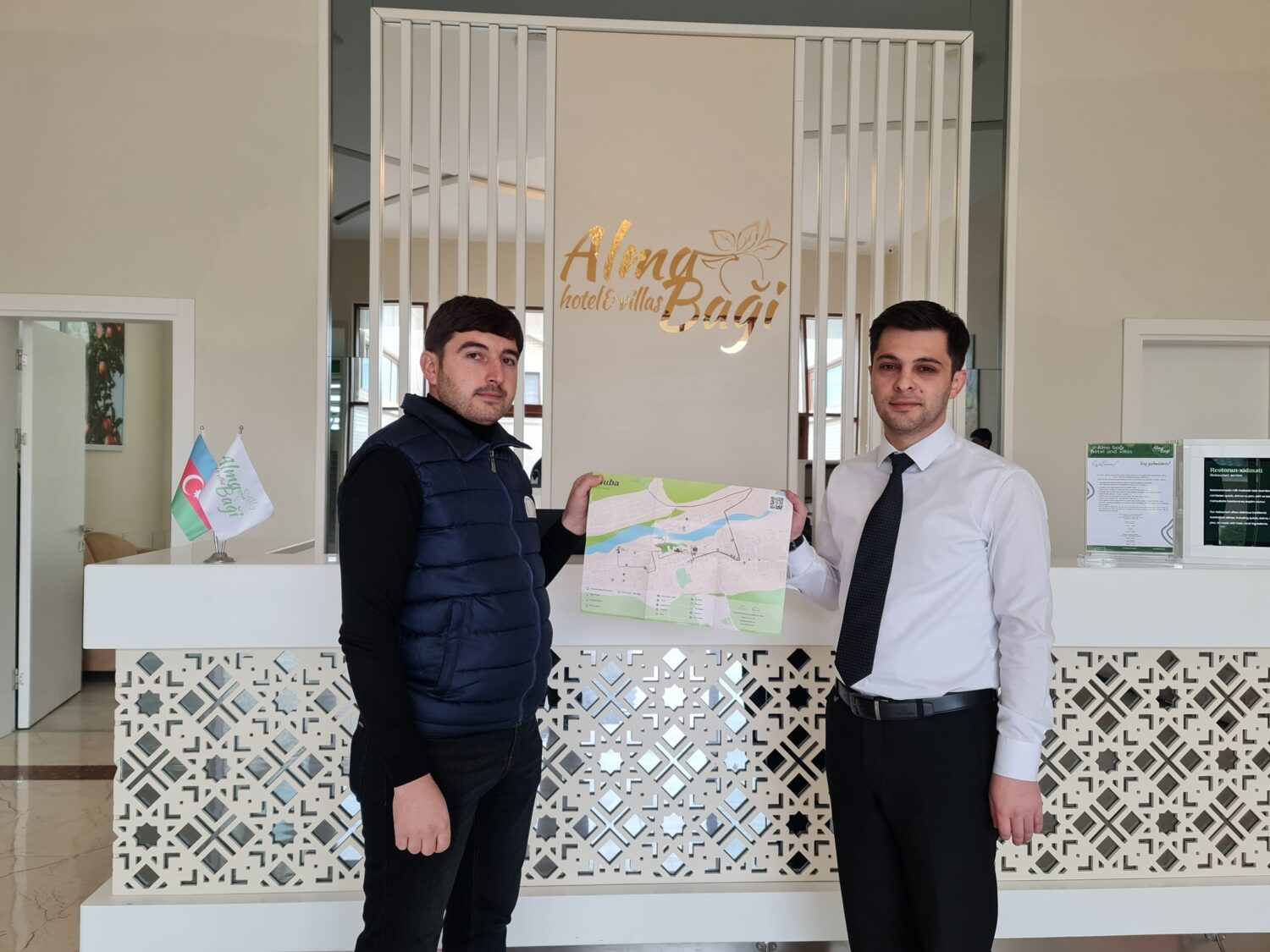
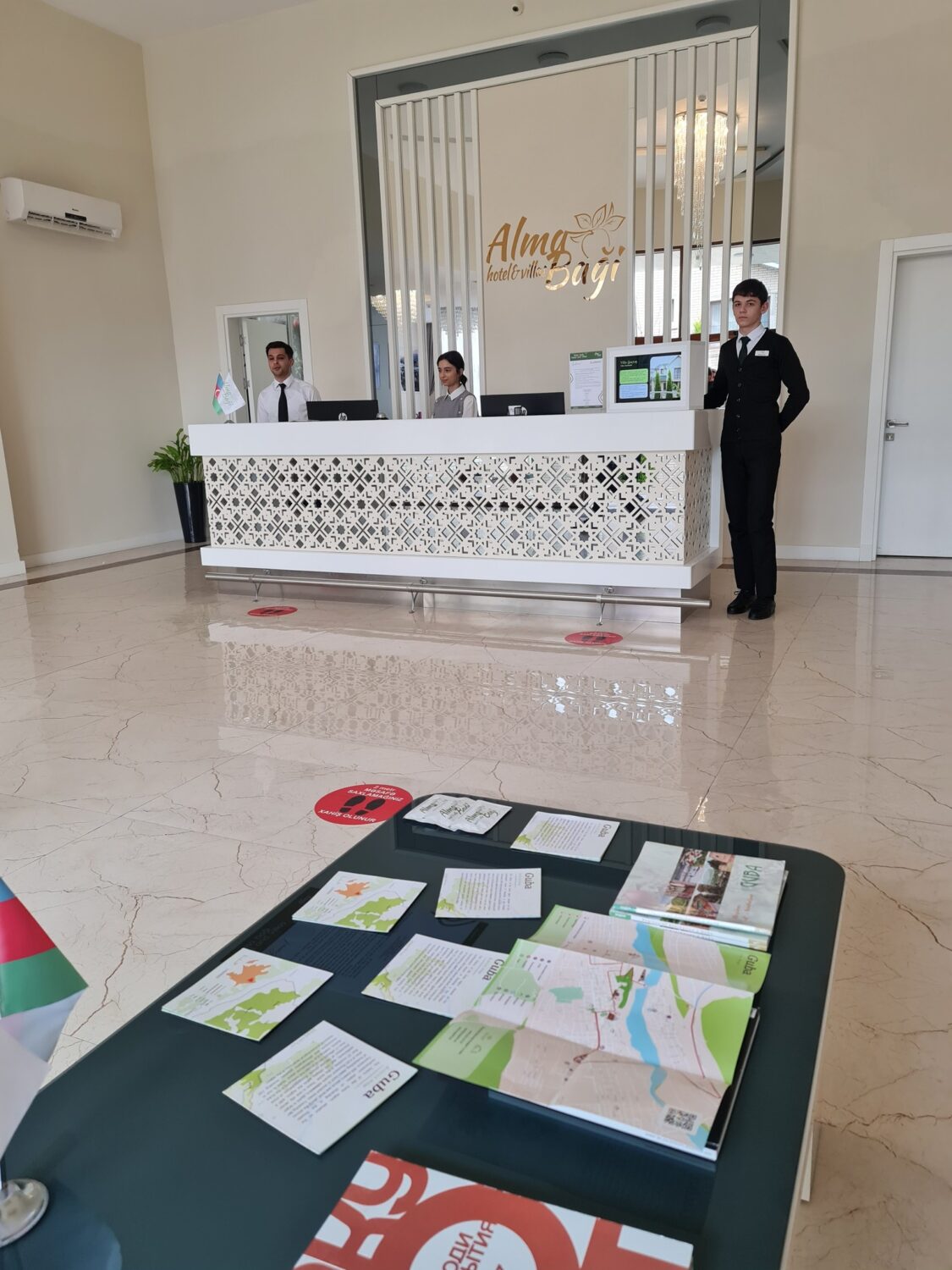
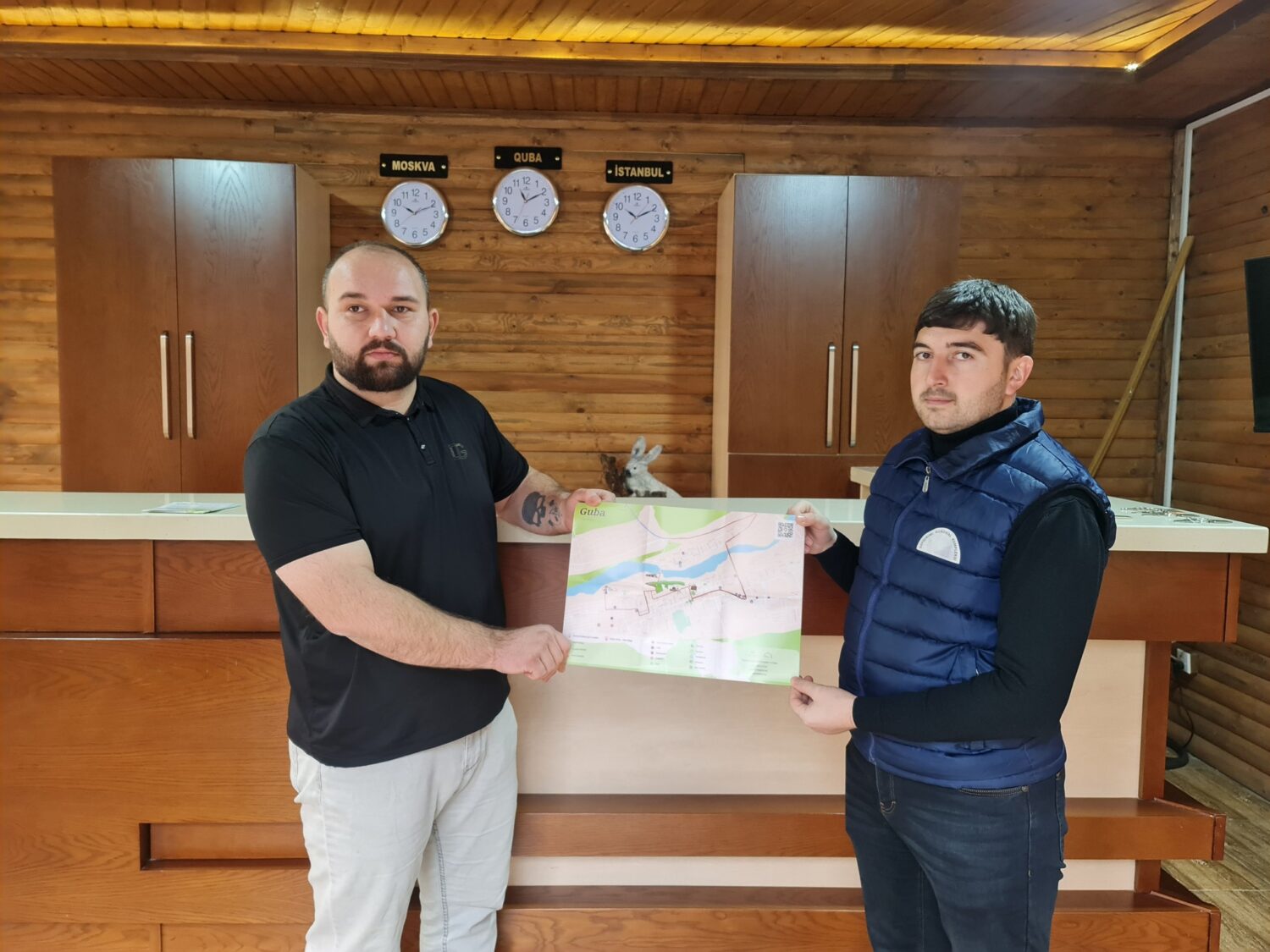
Starting today, the brochure is being distributed to hotels operating in the region. The aim of the project is to provide local and foreign tourists visiting Guba and surrounding areas with information about the Genocide Memorial Complex and the historical sites located in the areas where the 1918 genocides took place.
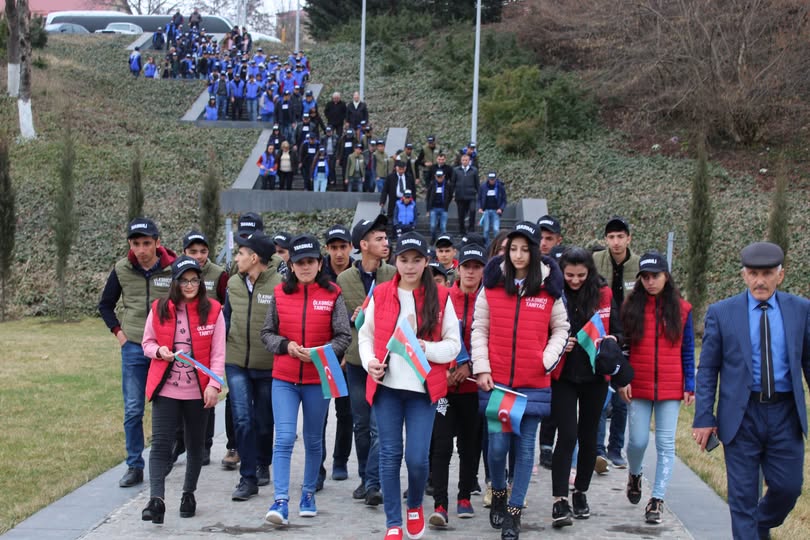
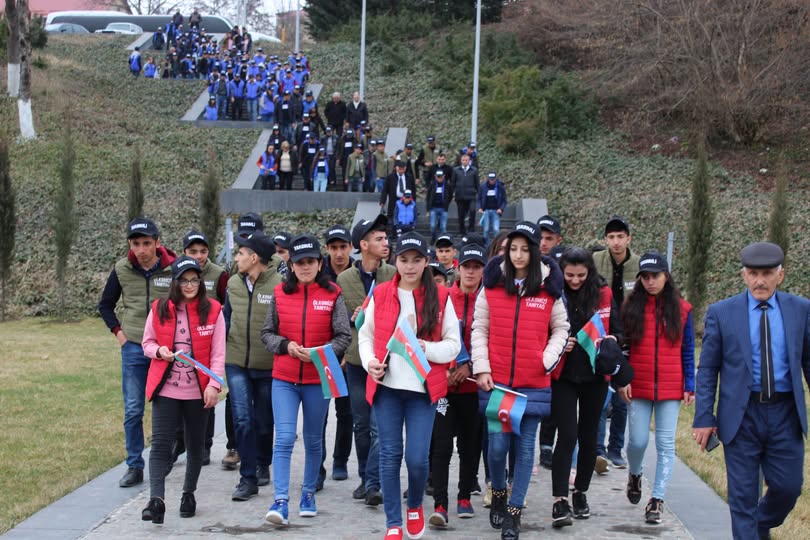
A special training program has been developed at the “Genocide Memorial Complex” in Guba for schoolchildren and university students, with the aim of deeply studying the history of Azerbaijan in 1918 and introducing the basics of the guiding profession. This program is designed to not only explain the historical context of the genocide events, the significance of this period, and the importance of preserving historical memory, but also to develop the necessary skills for guiding. The training is enriched with theoretical lessons, interactive presentations, and practical tasks. Students will not only increase their historical knowledge but also acquire professional service skills in the field of guiding. The program aims to strengthen future generations’ historical knowledge and leadership skills.
It is worth noting that the training will be organized between April and September of 2025.
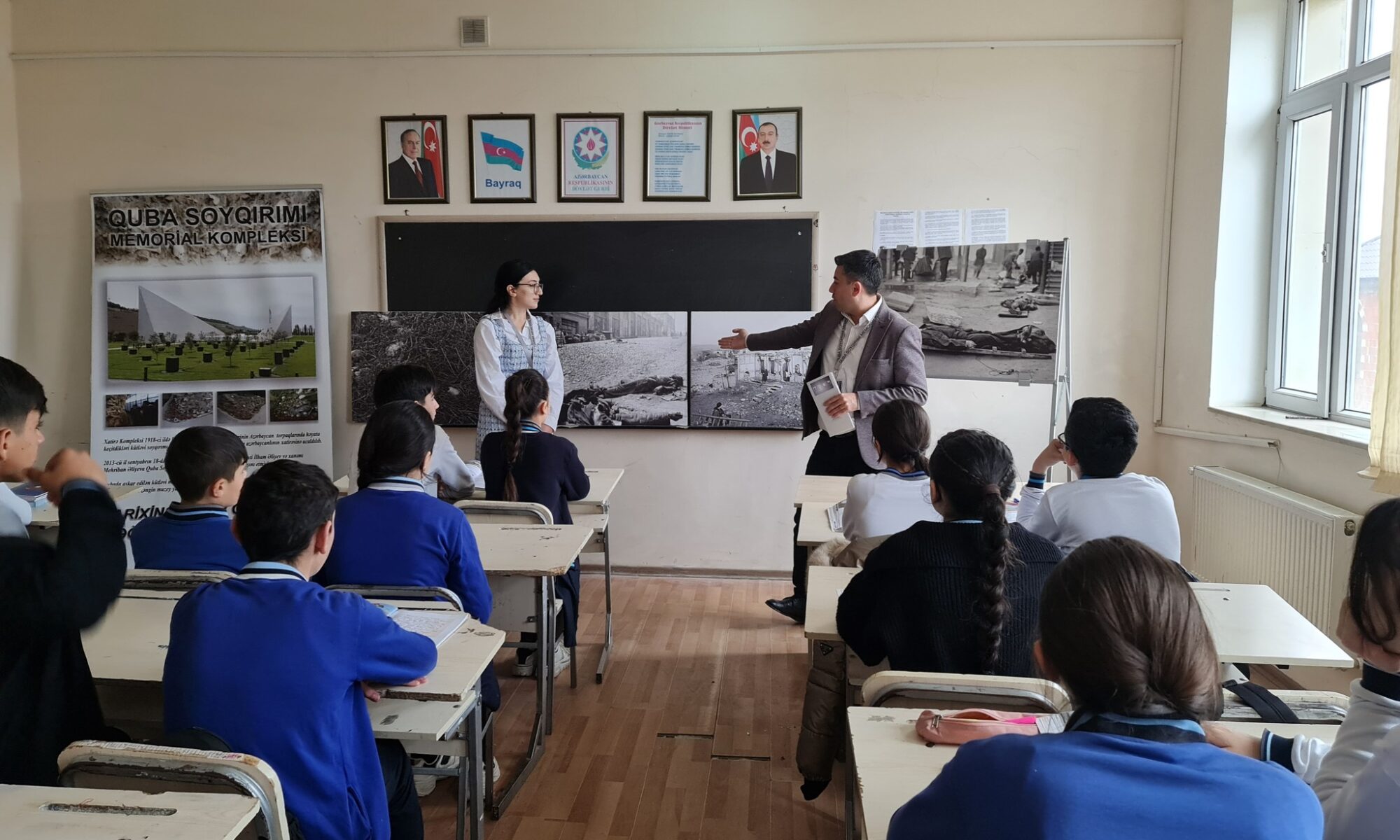
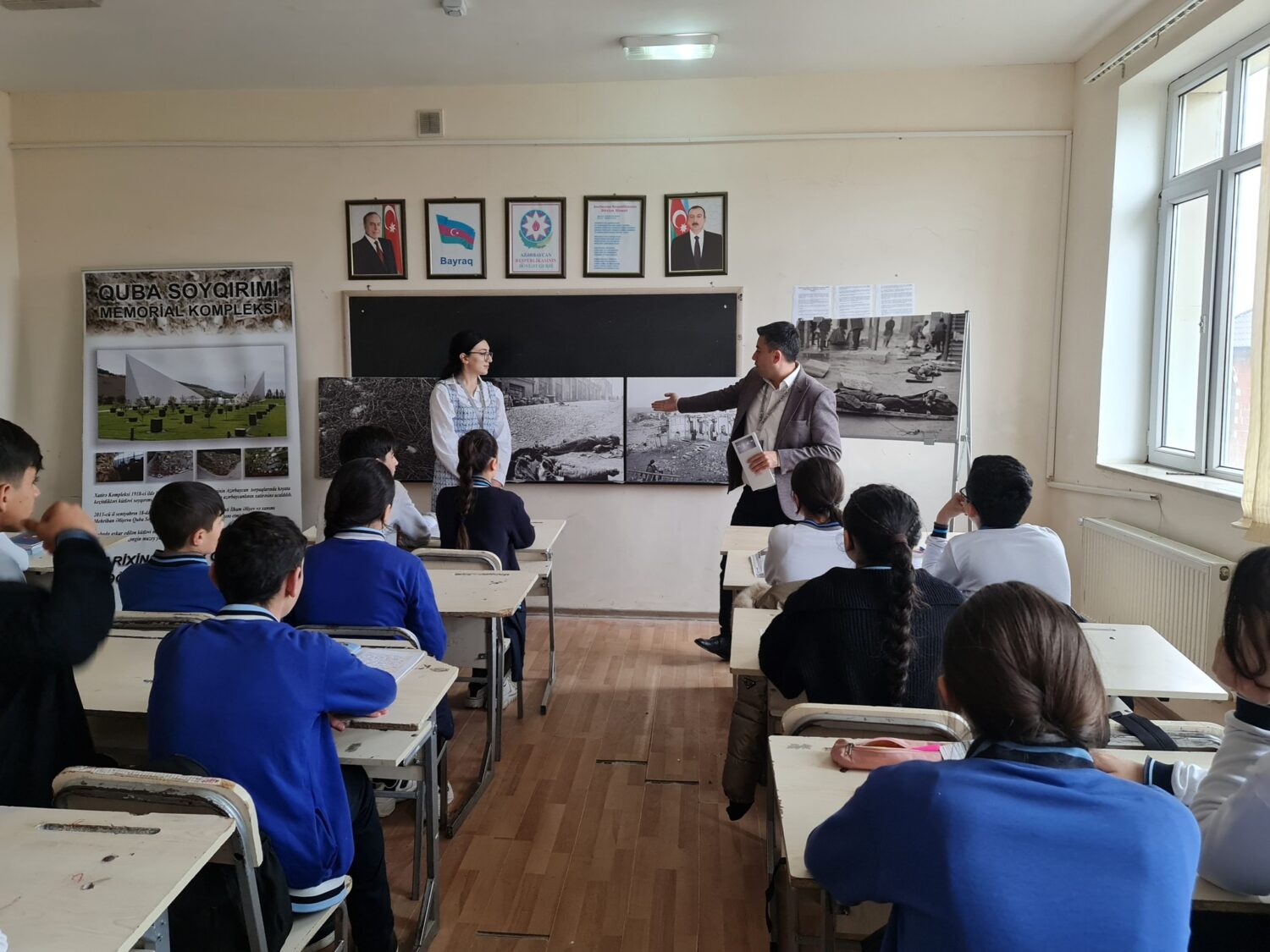
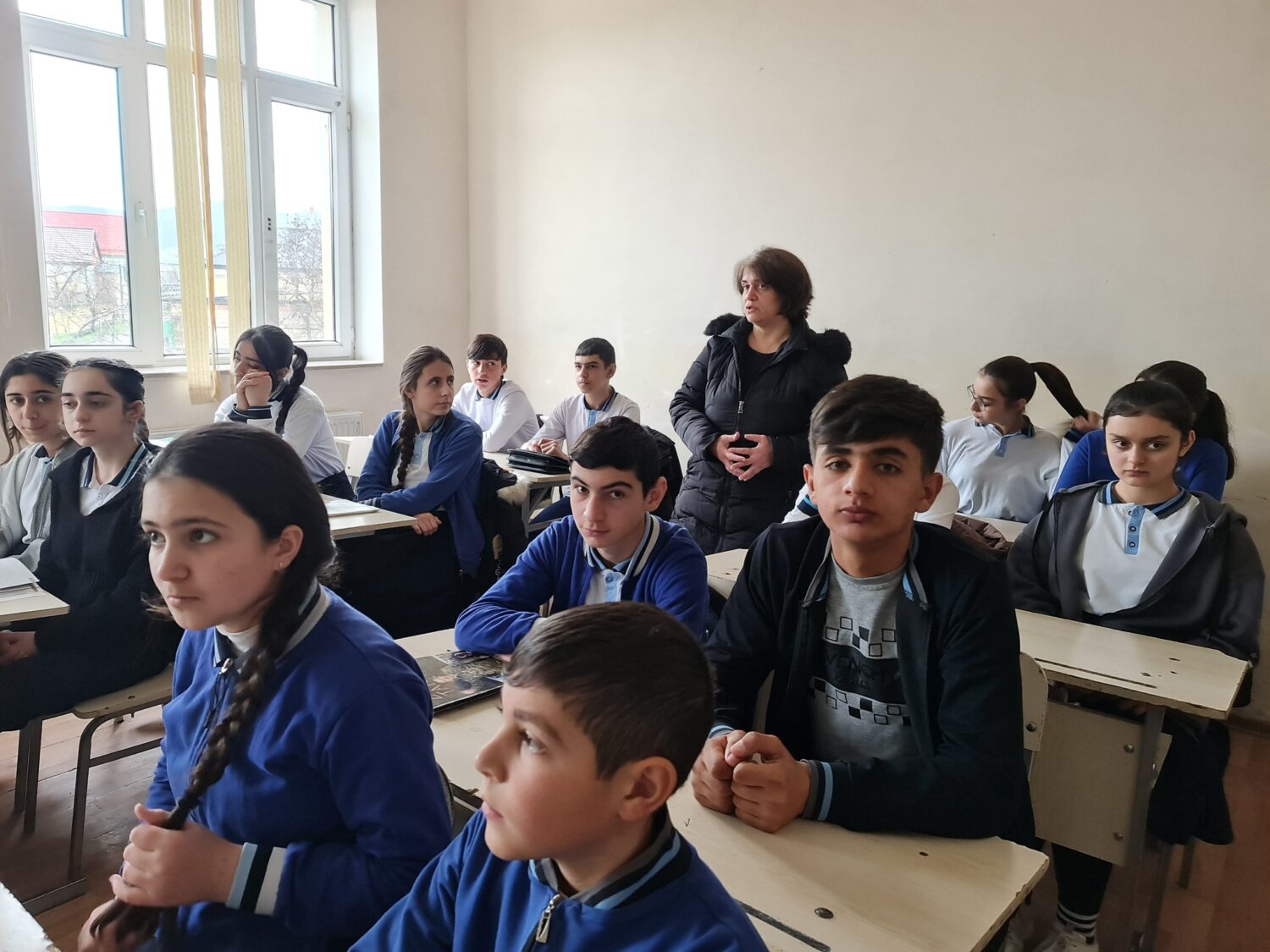
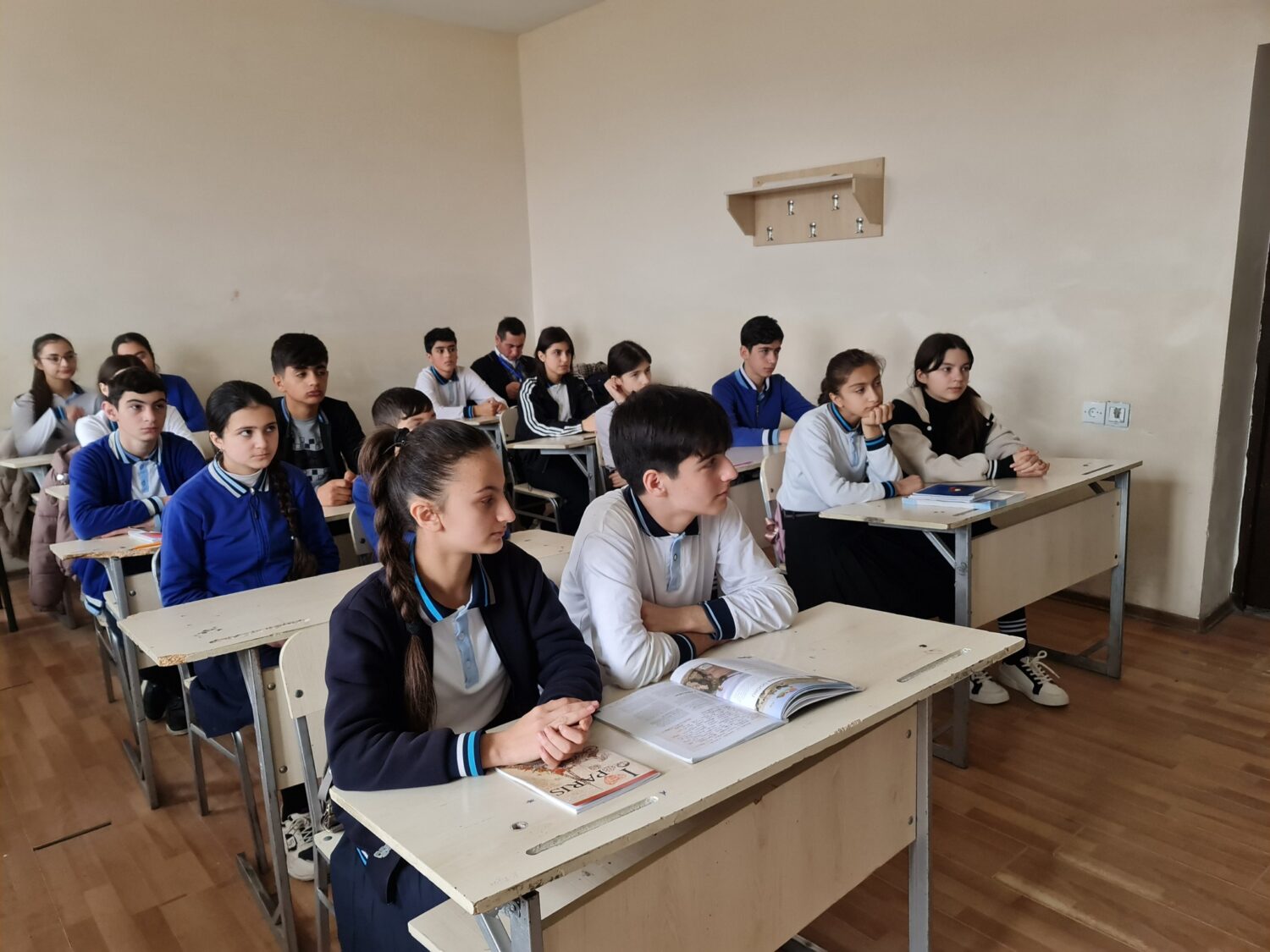
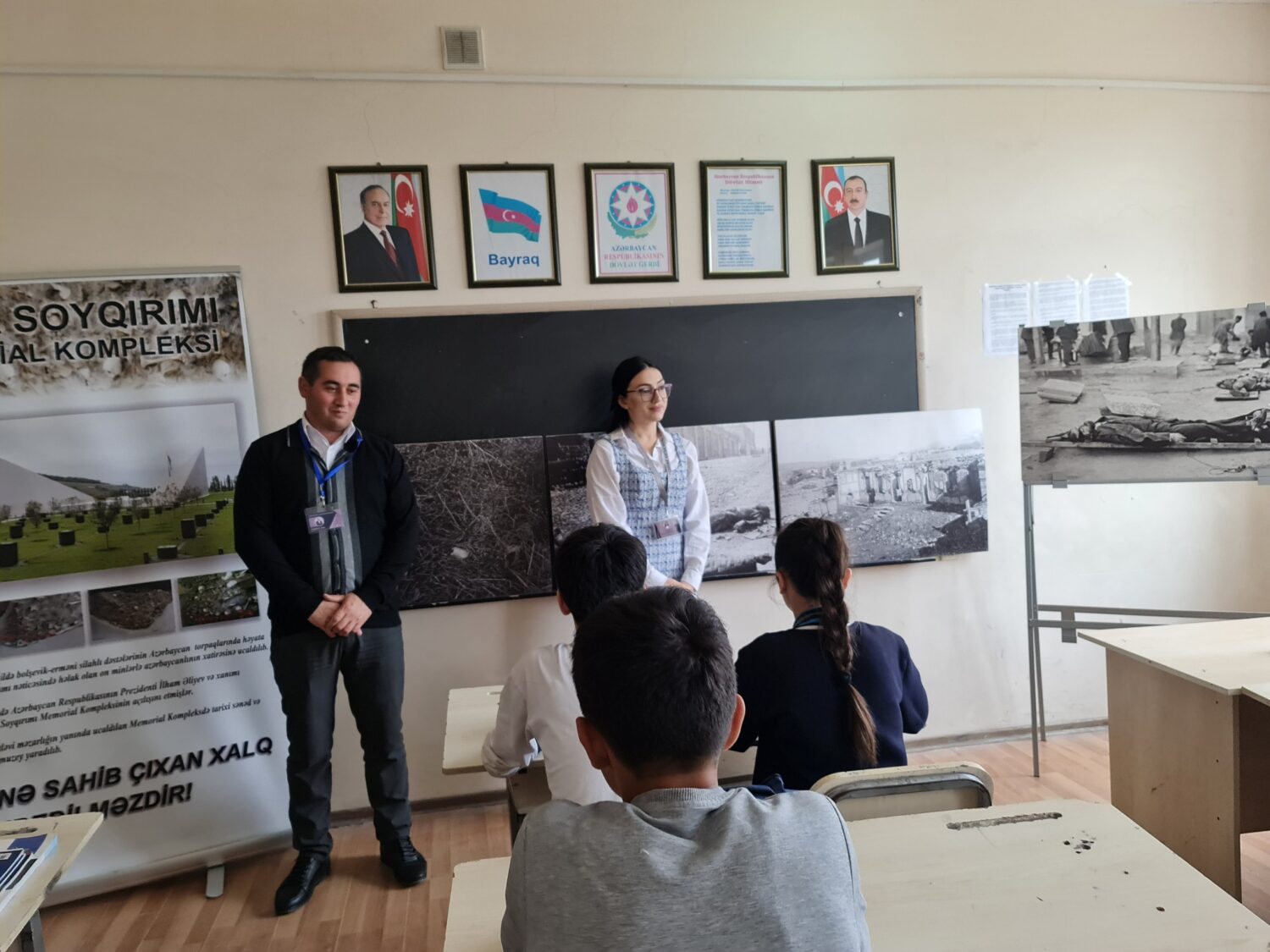
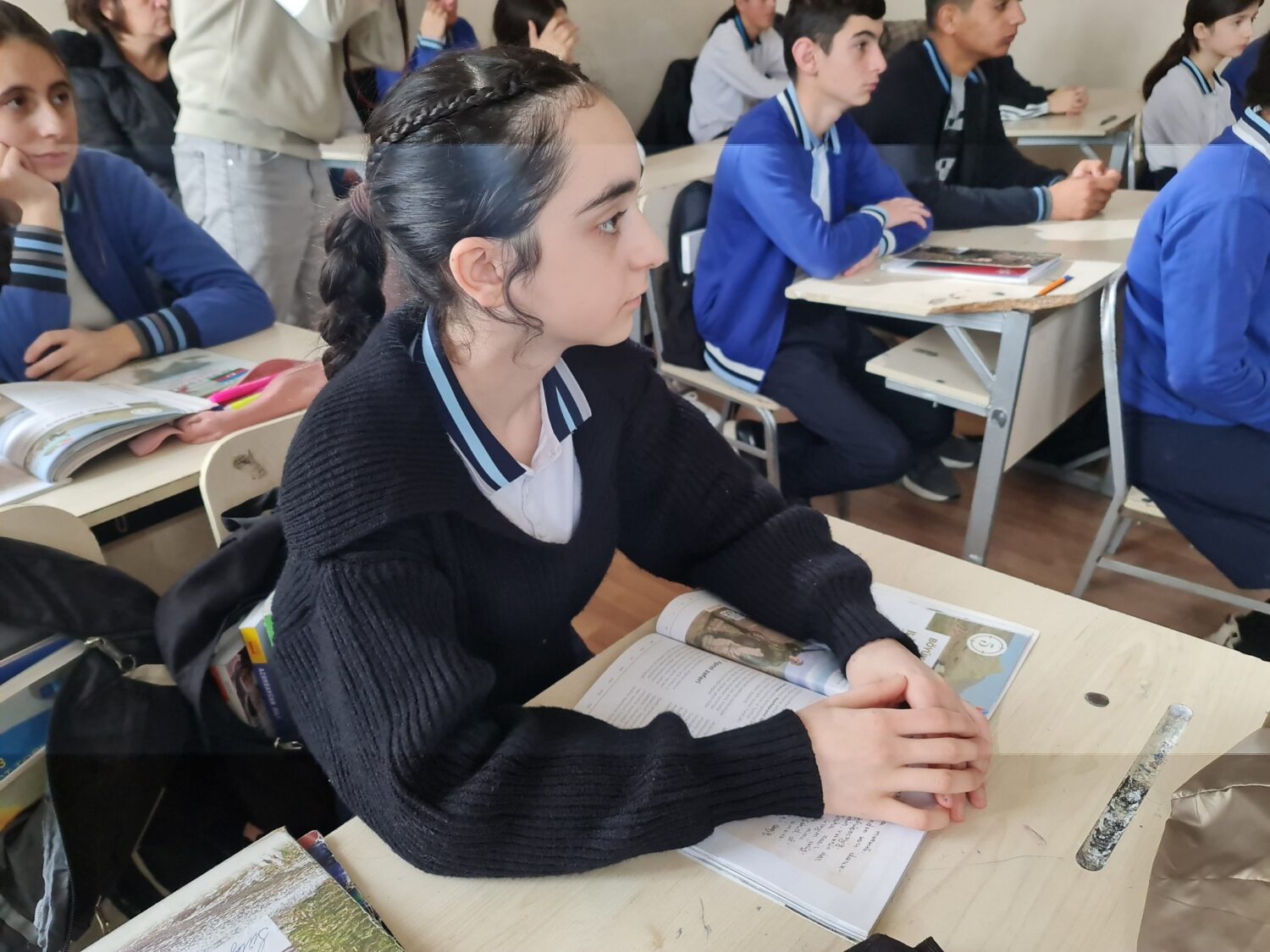
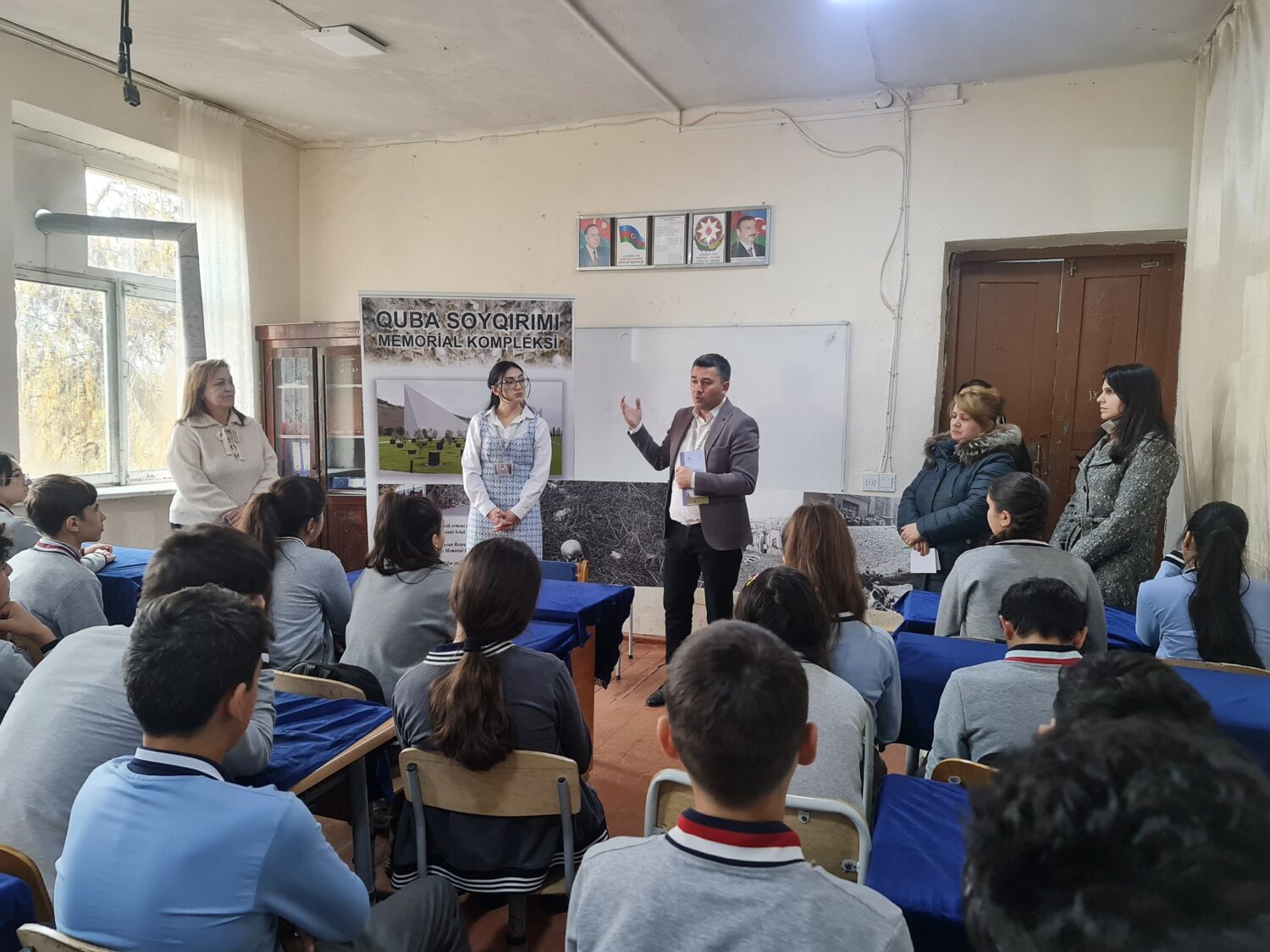
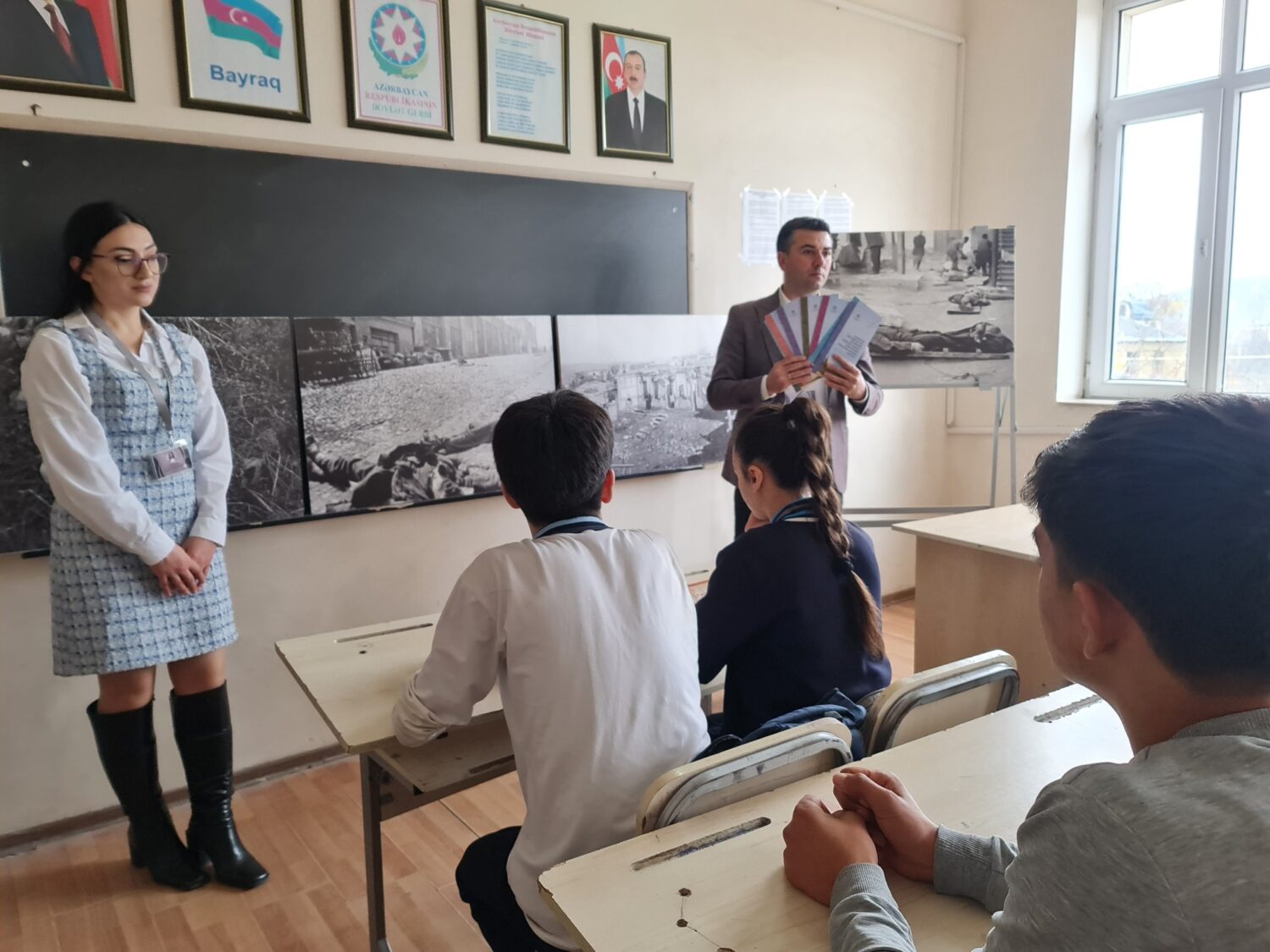
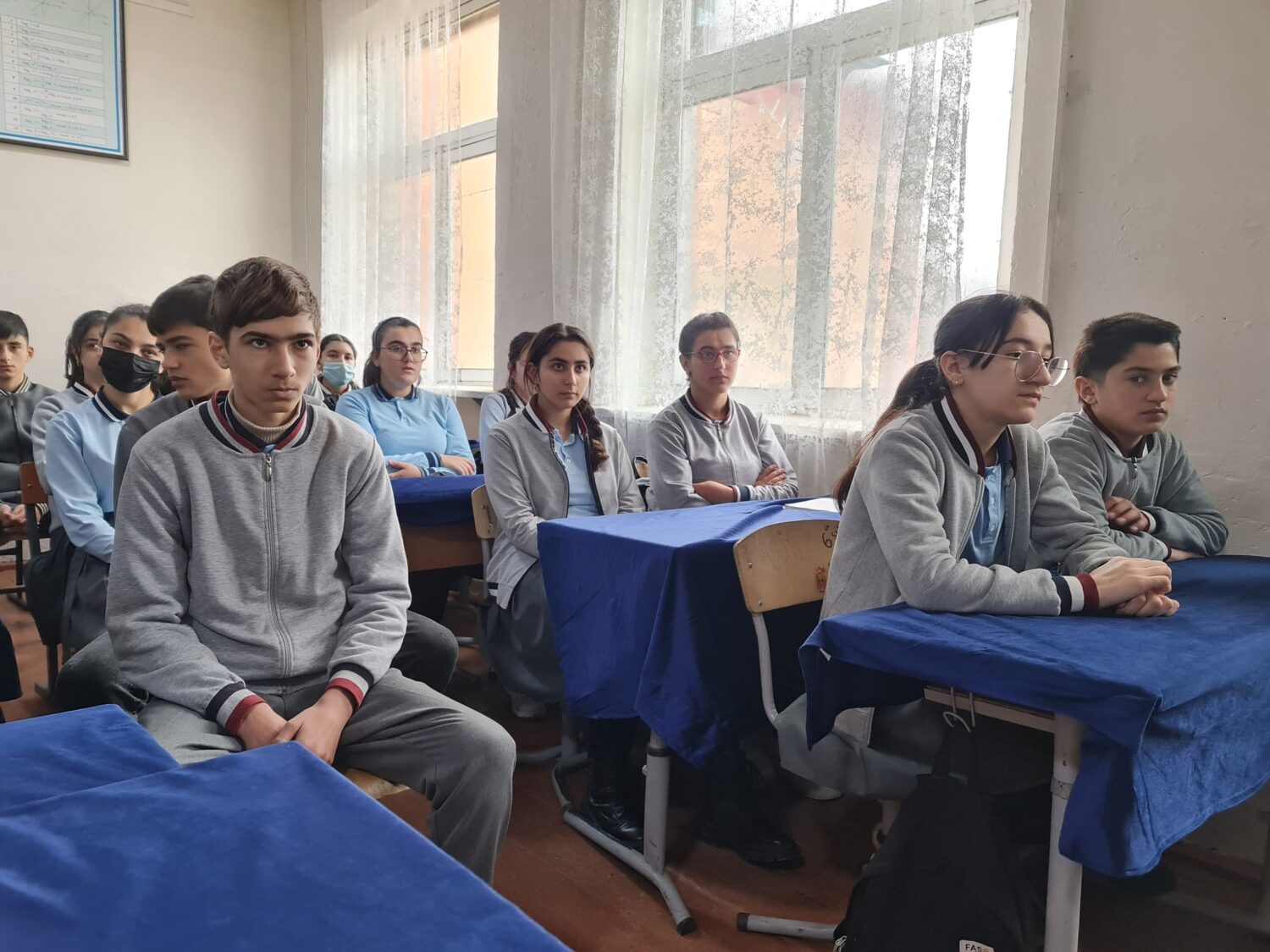
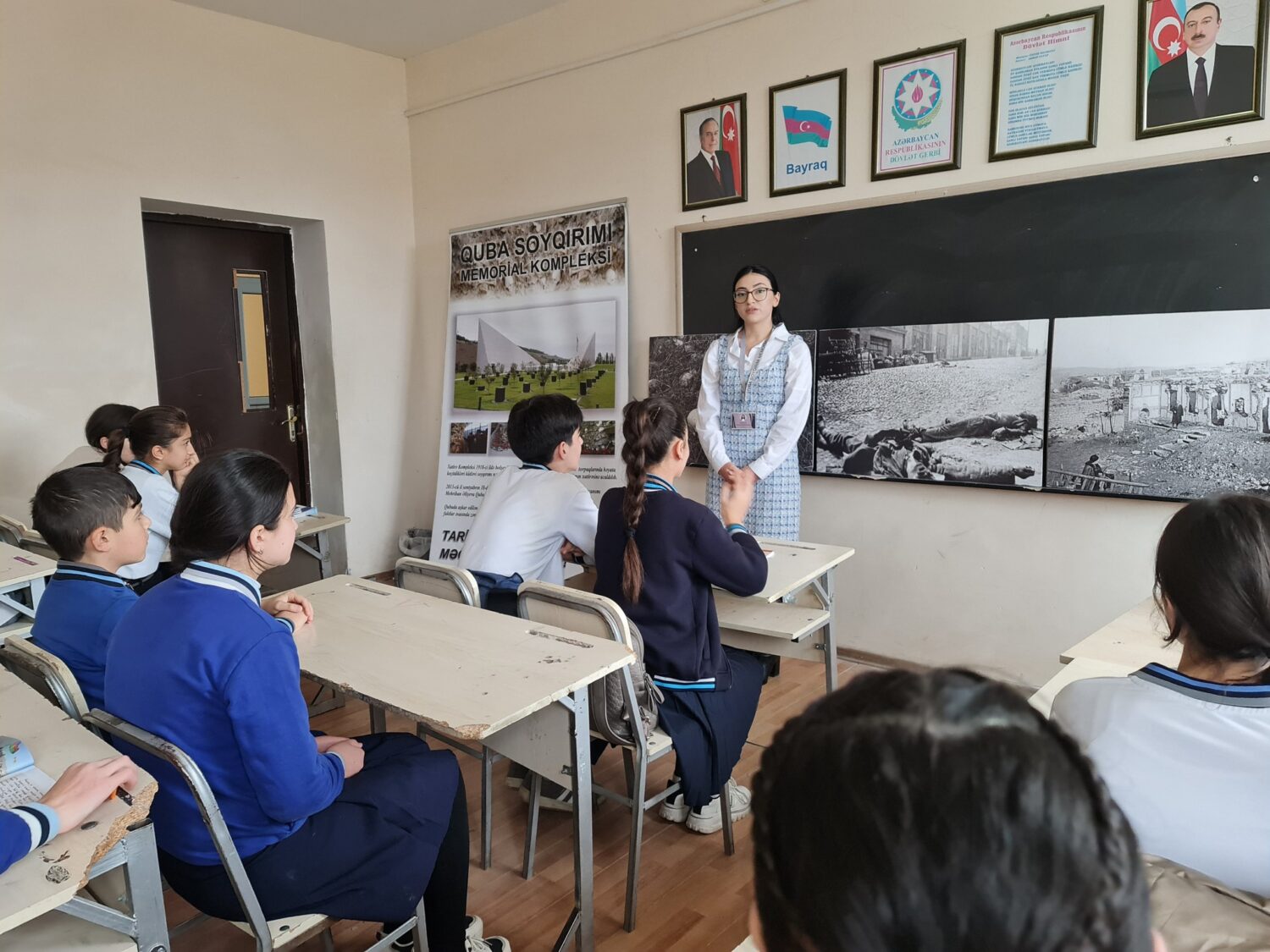
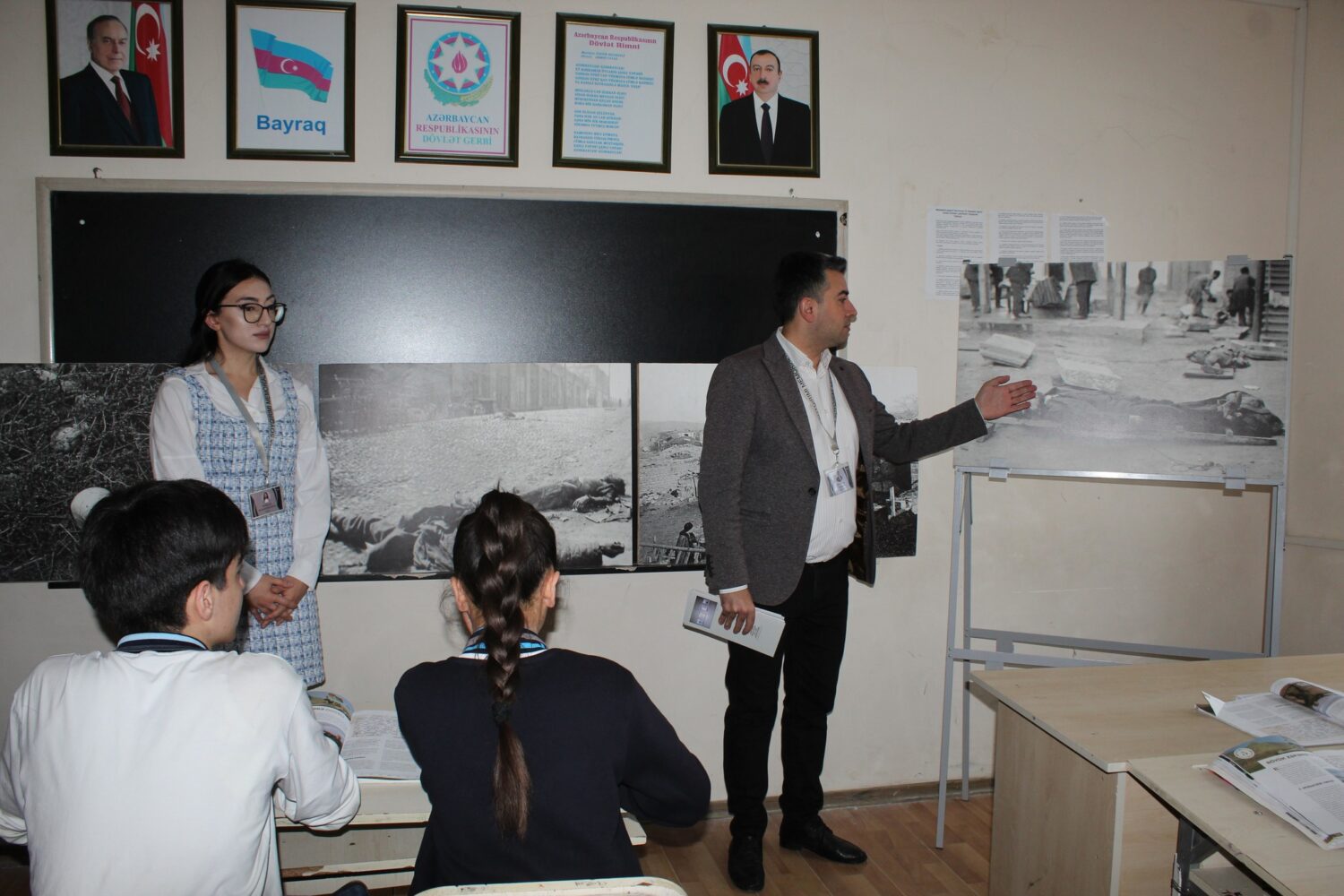
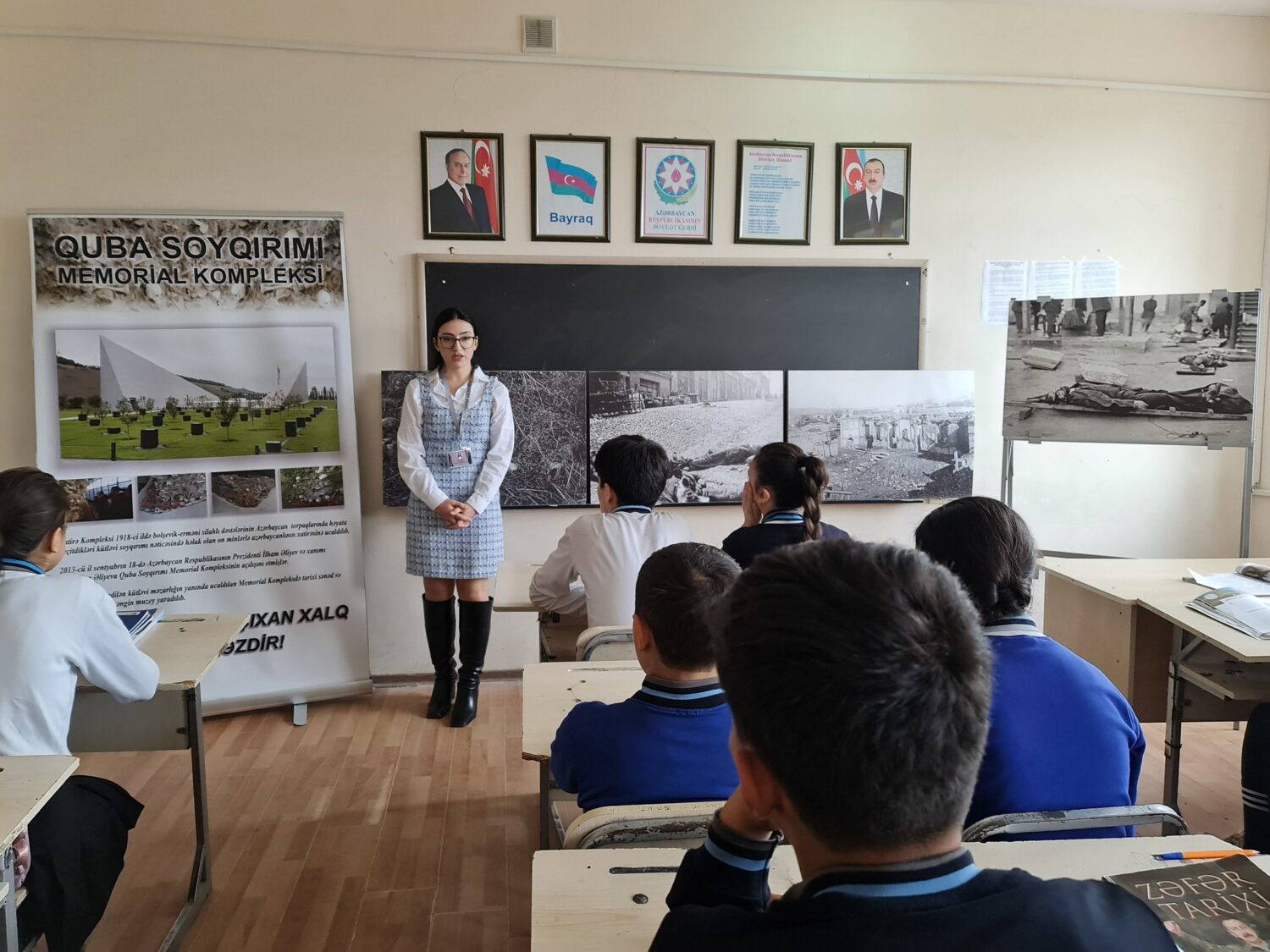
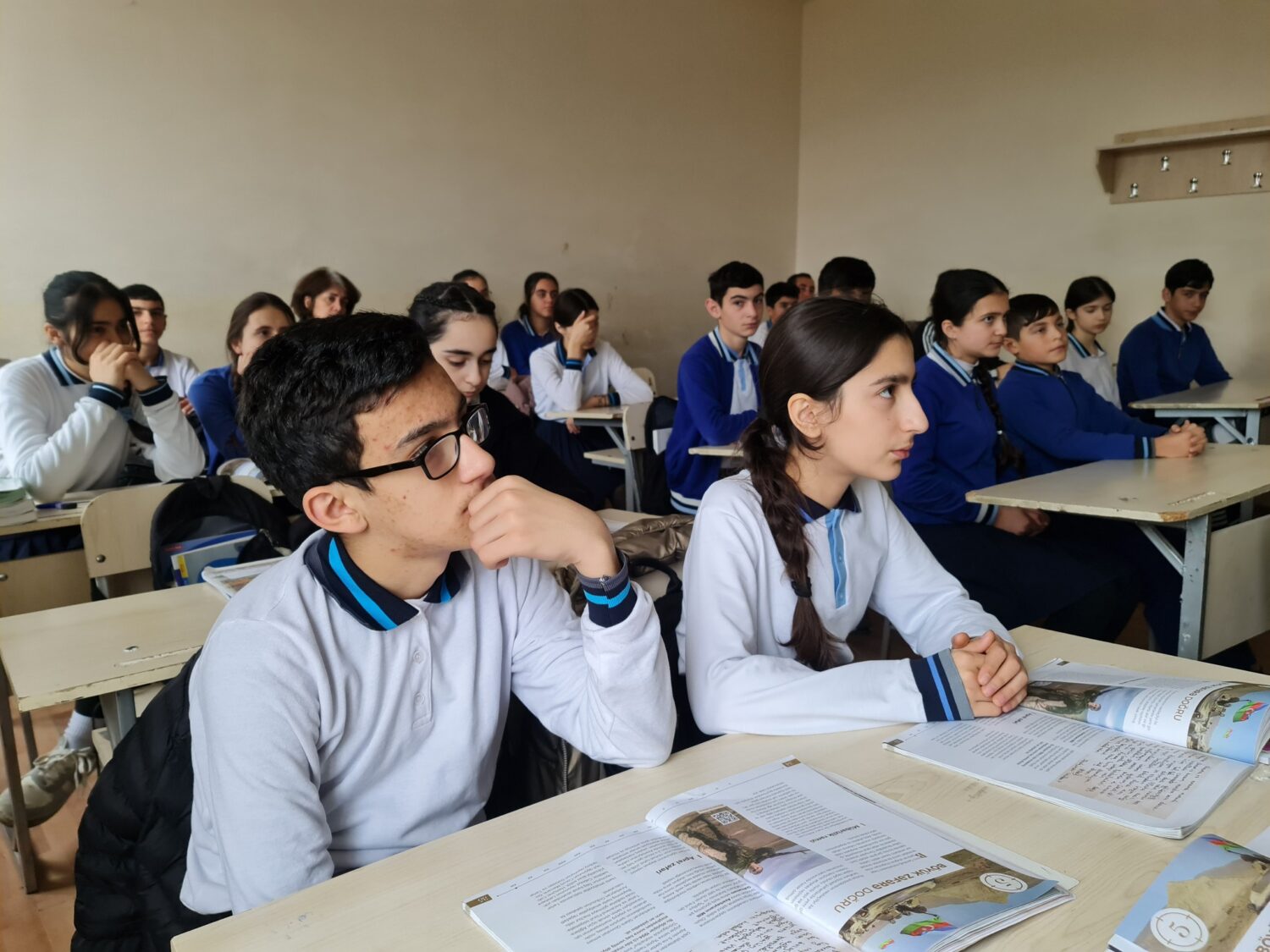
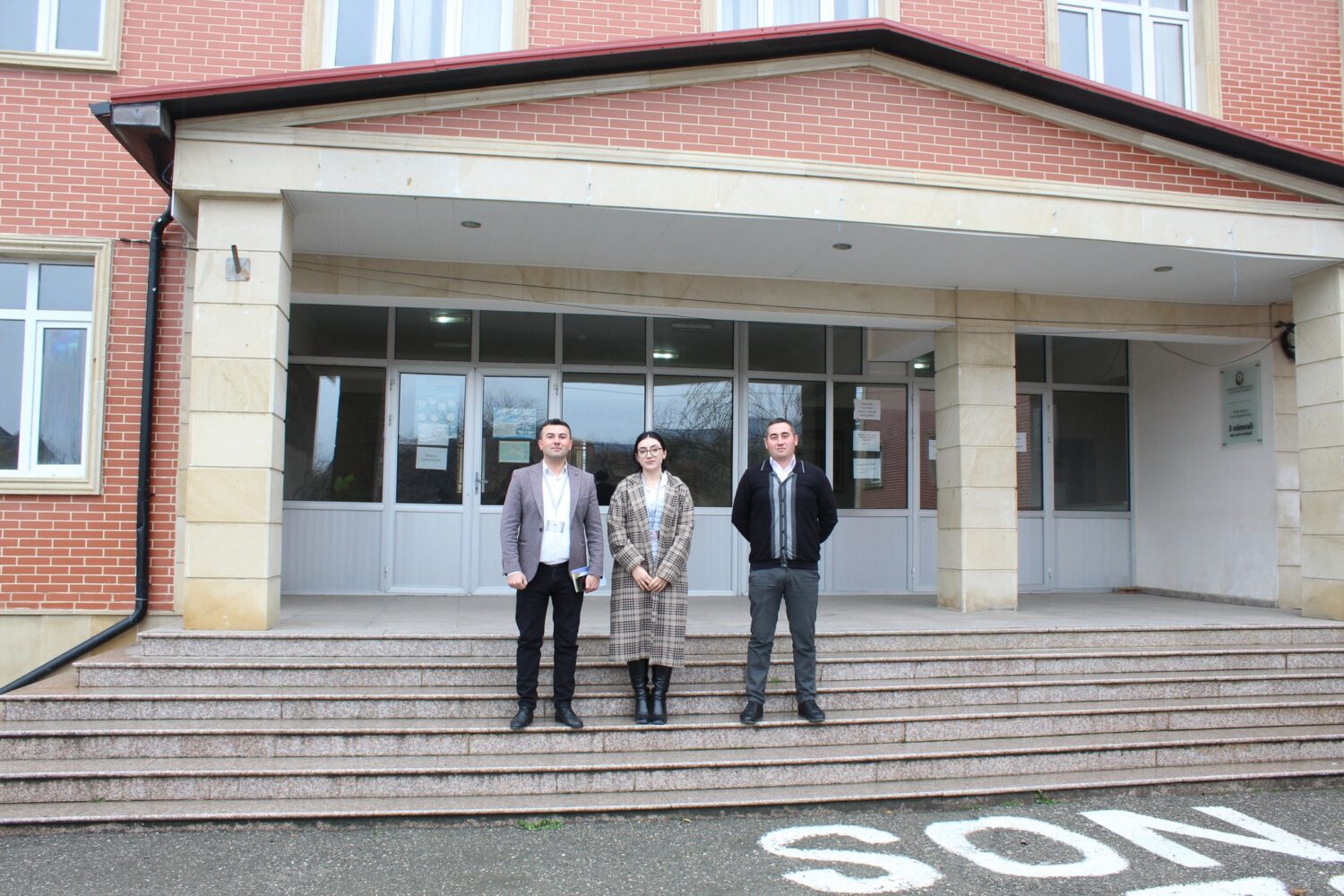
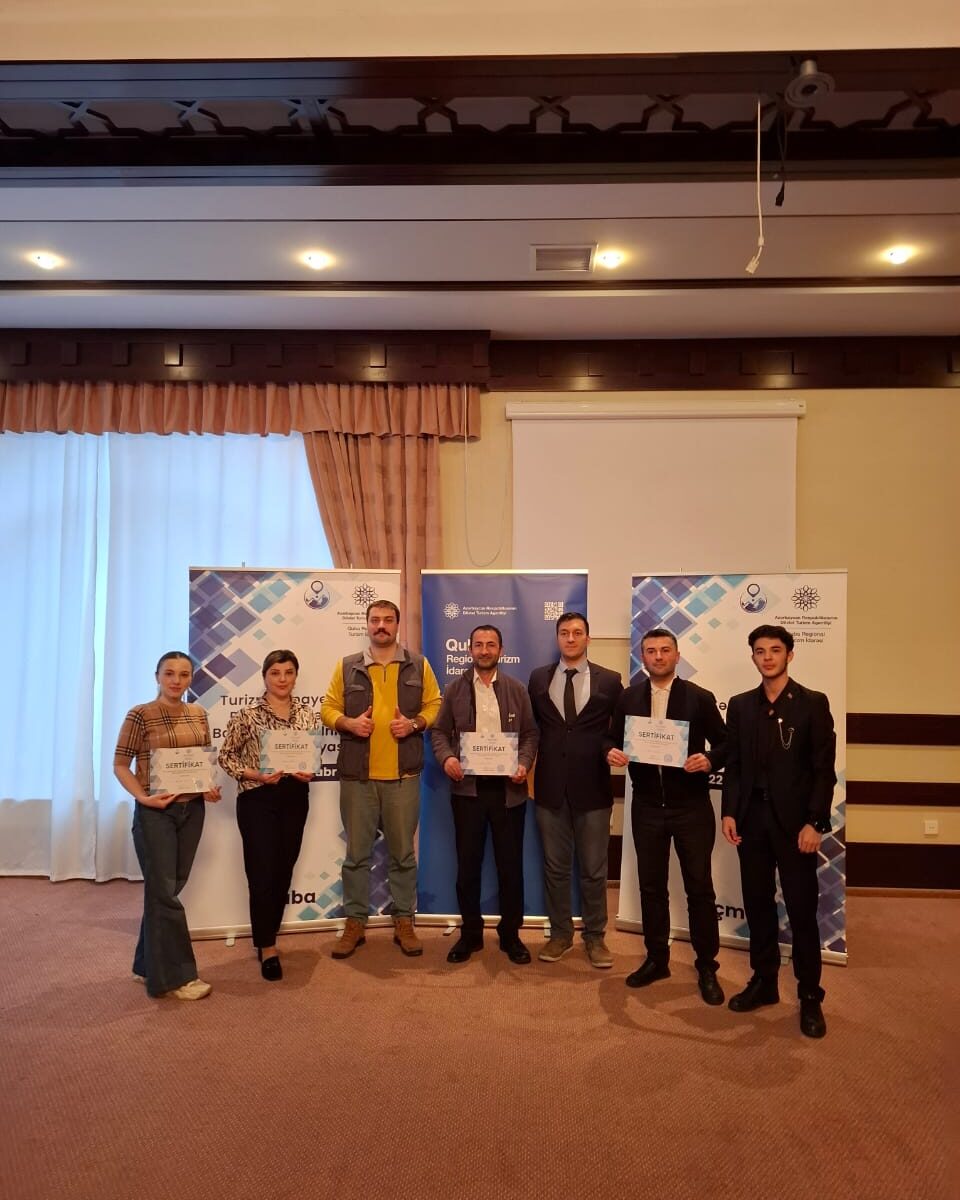
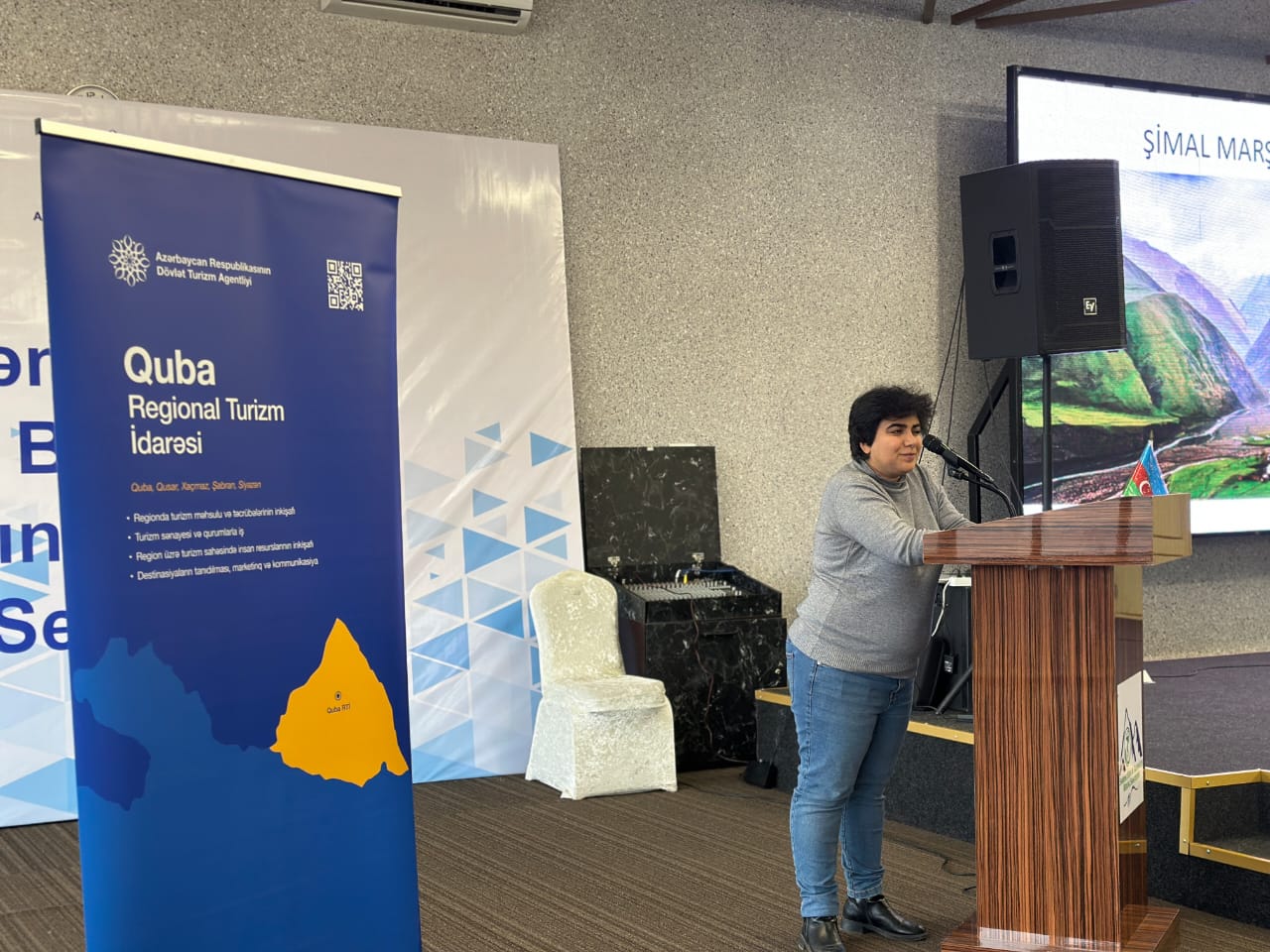
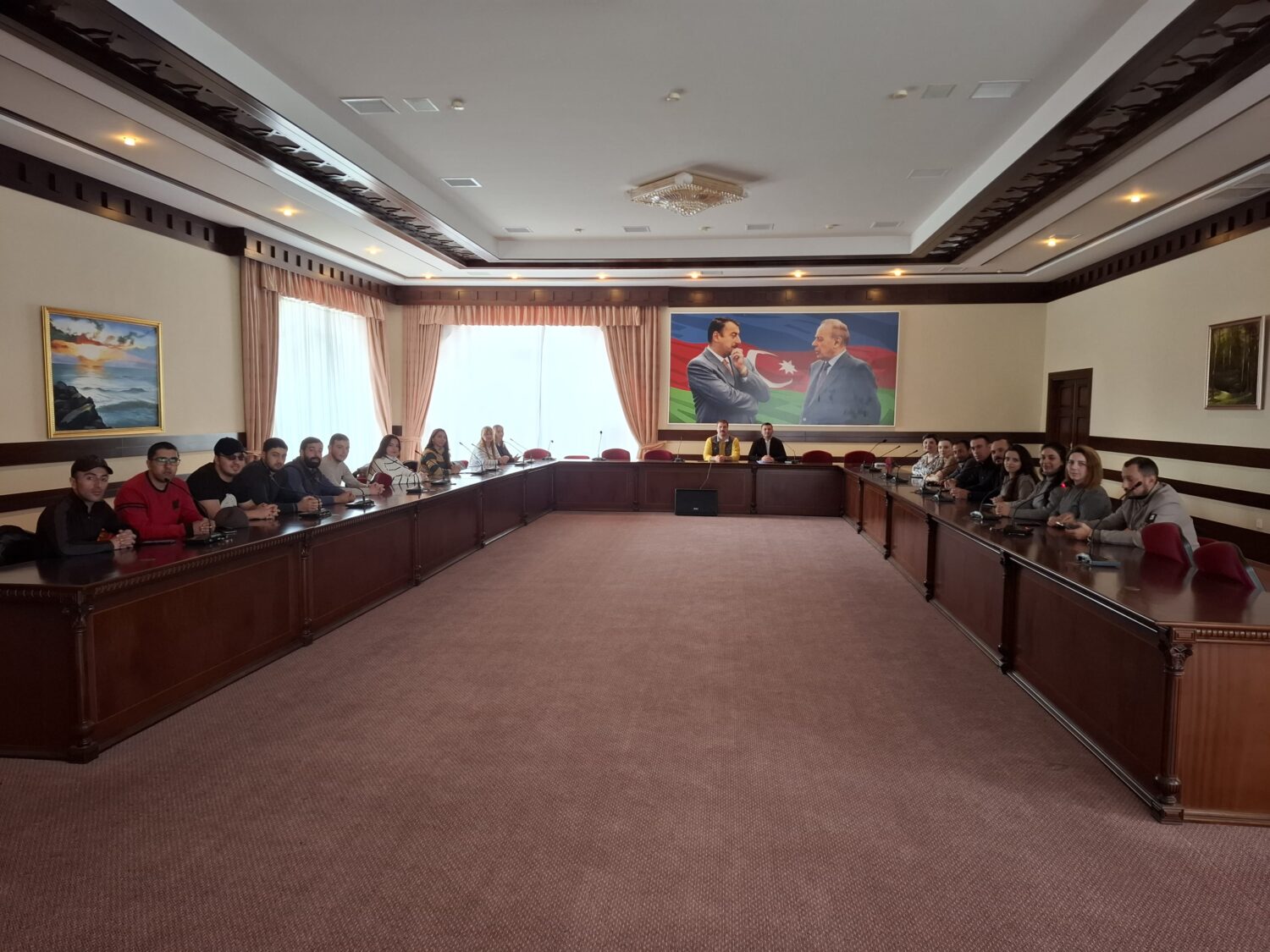
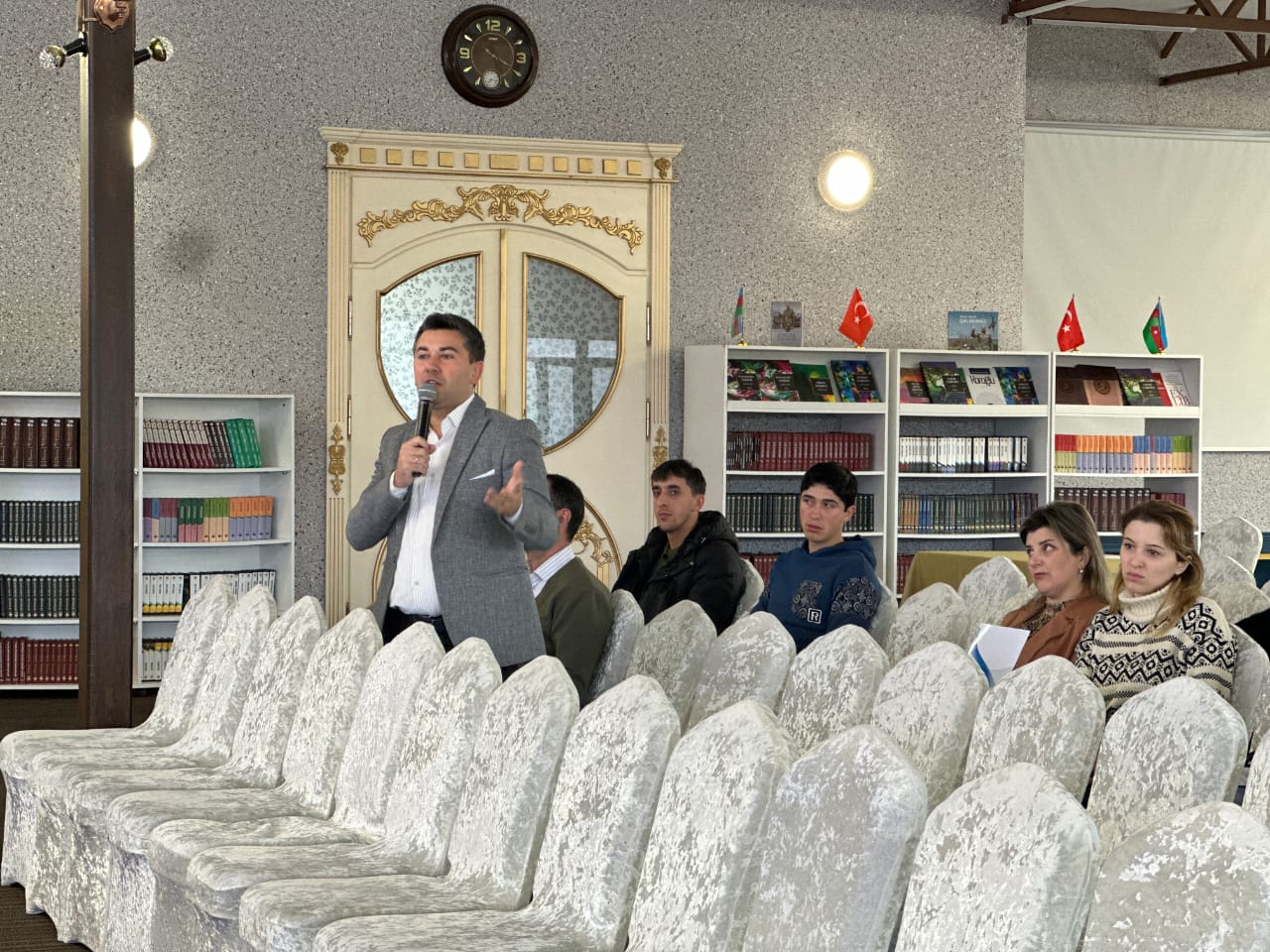
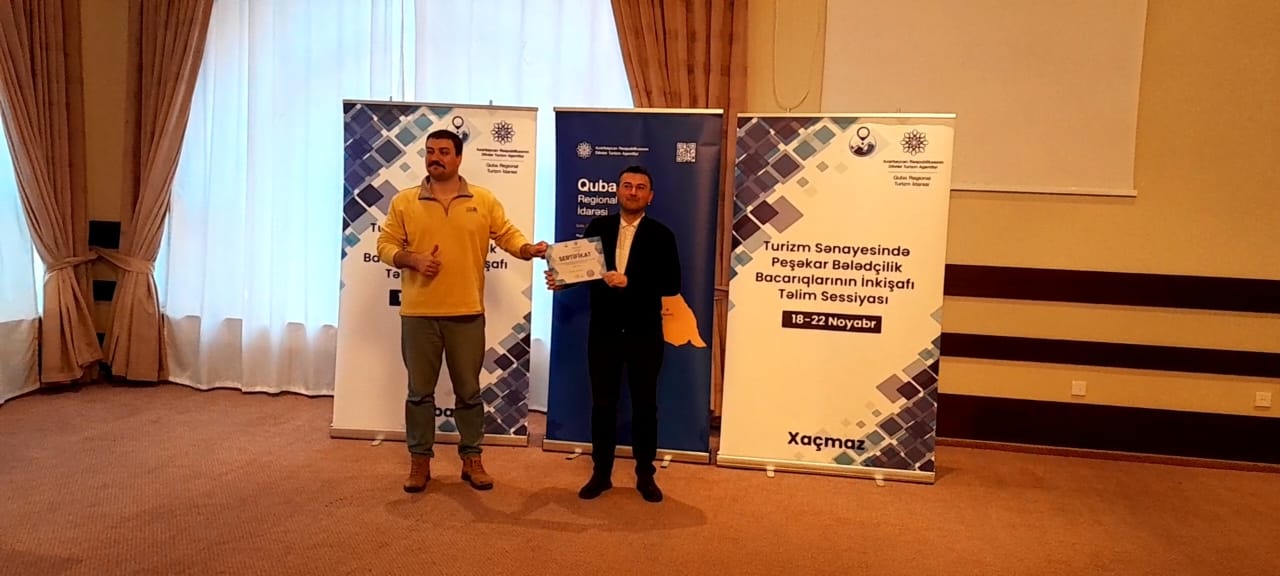
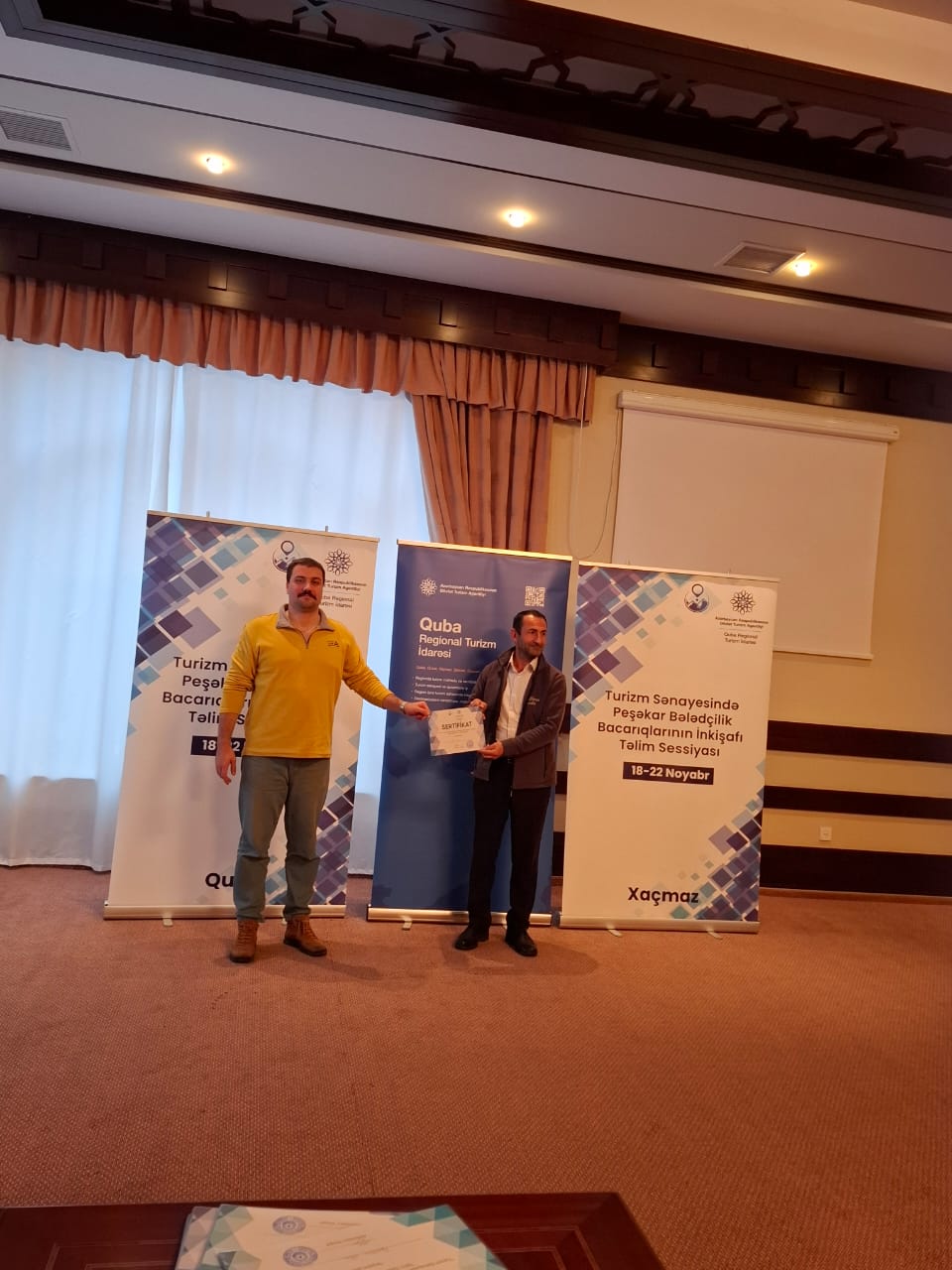
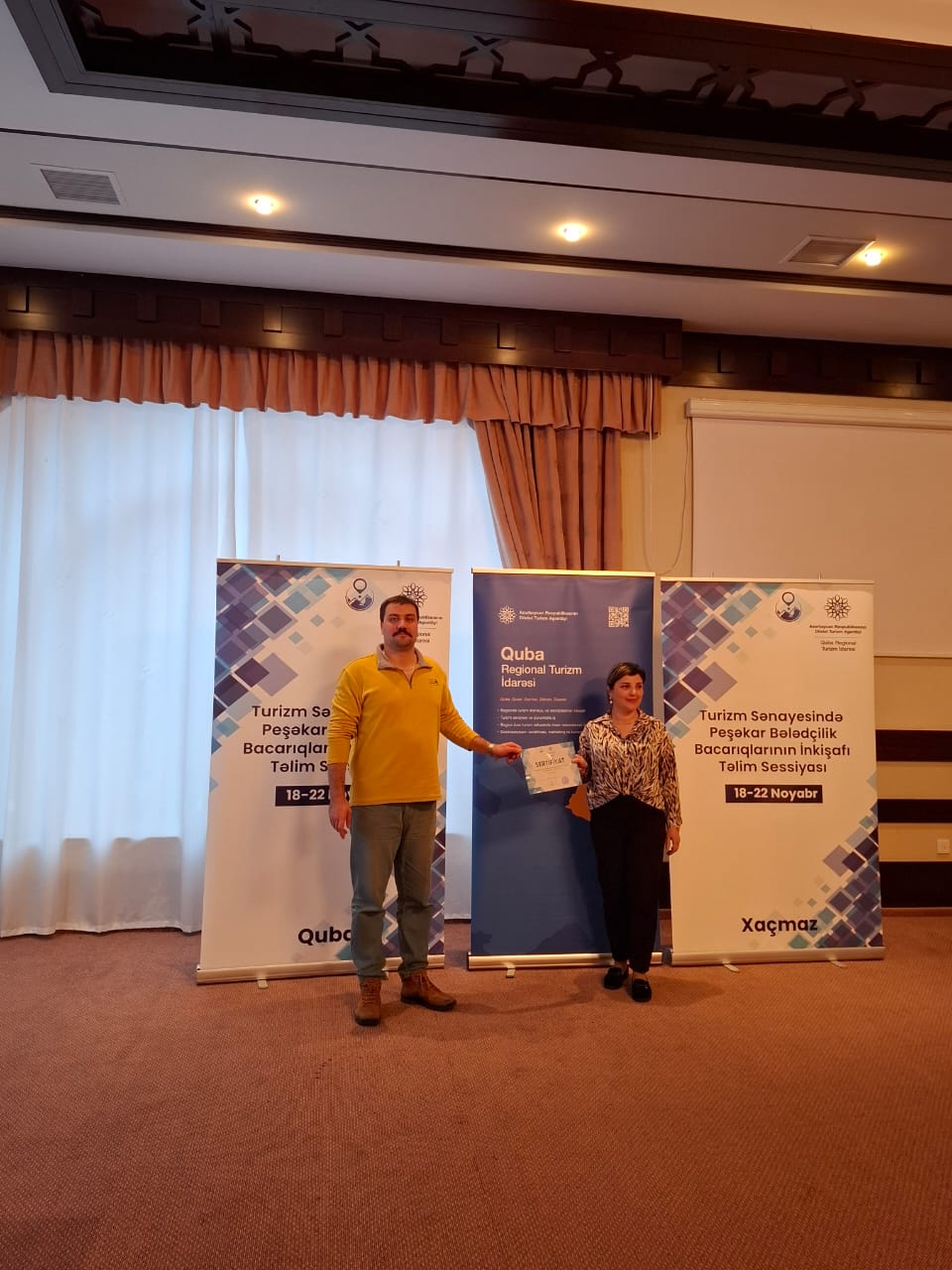
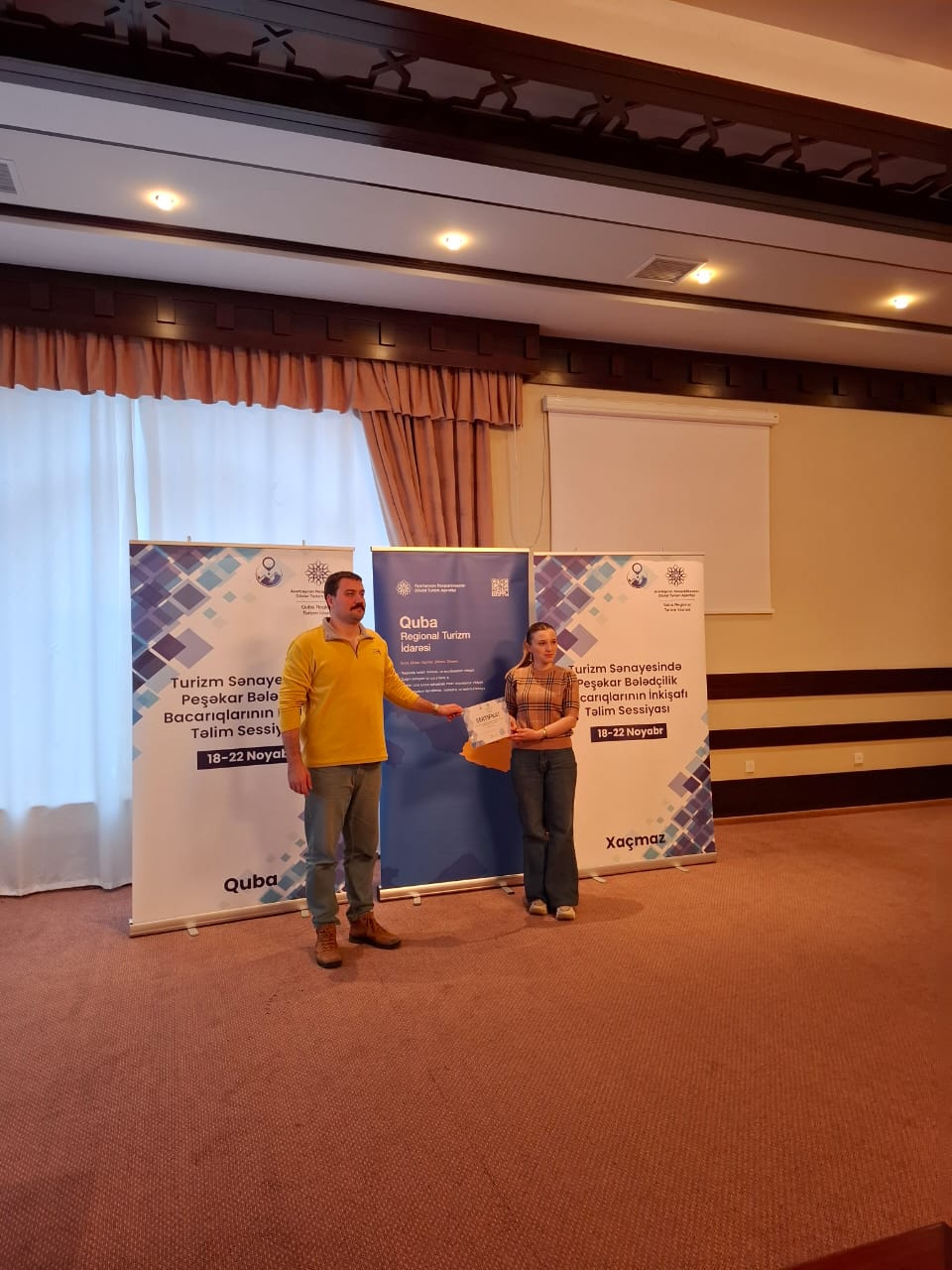
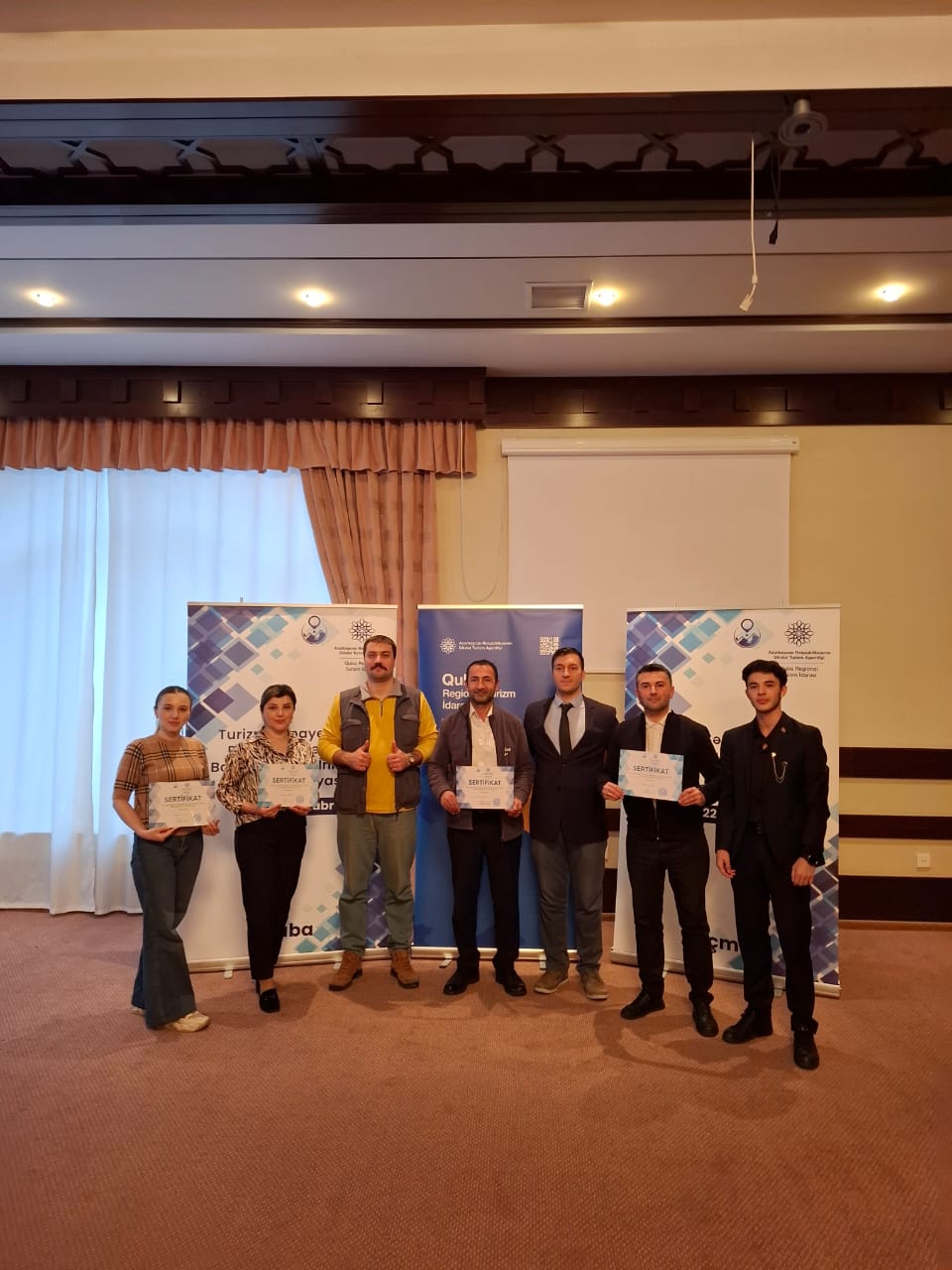
The 5-day training took place in the city of Guba, where employees of the “Genocide Memorial Complex”—Abutalib Turabov, Islam Aslanov, Ulker Zeynalova, and Zarifa Alirzayeva—also participated. During the training, participants visited various reserves and museums in the region and became familiar with historical landmarks. The participants acquired essential knowledge and practical skills in the field of guiding, and at the end of the training, they were awarded certificates.