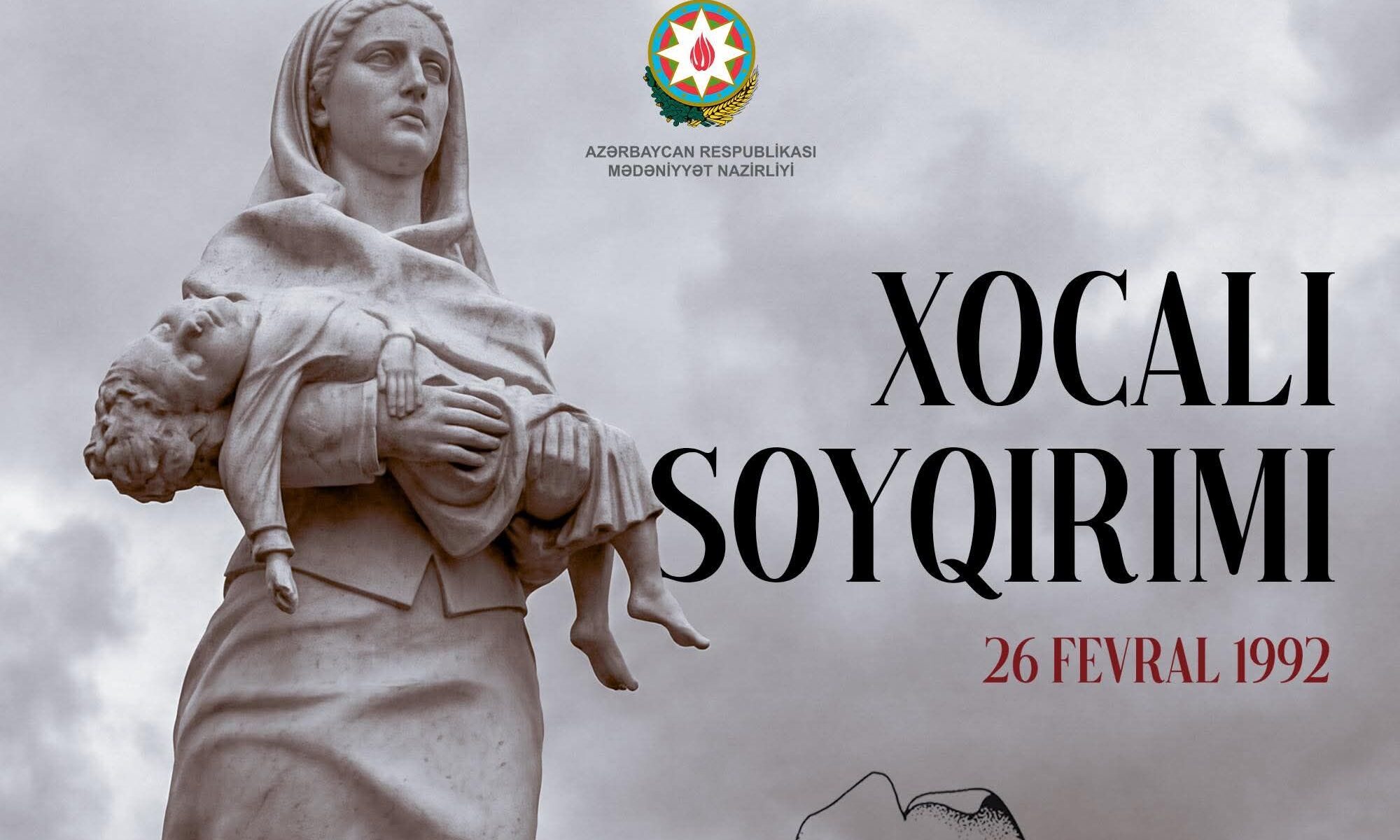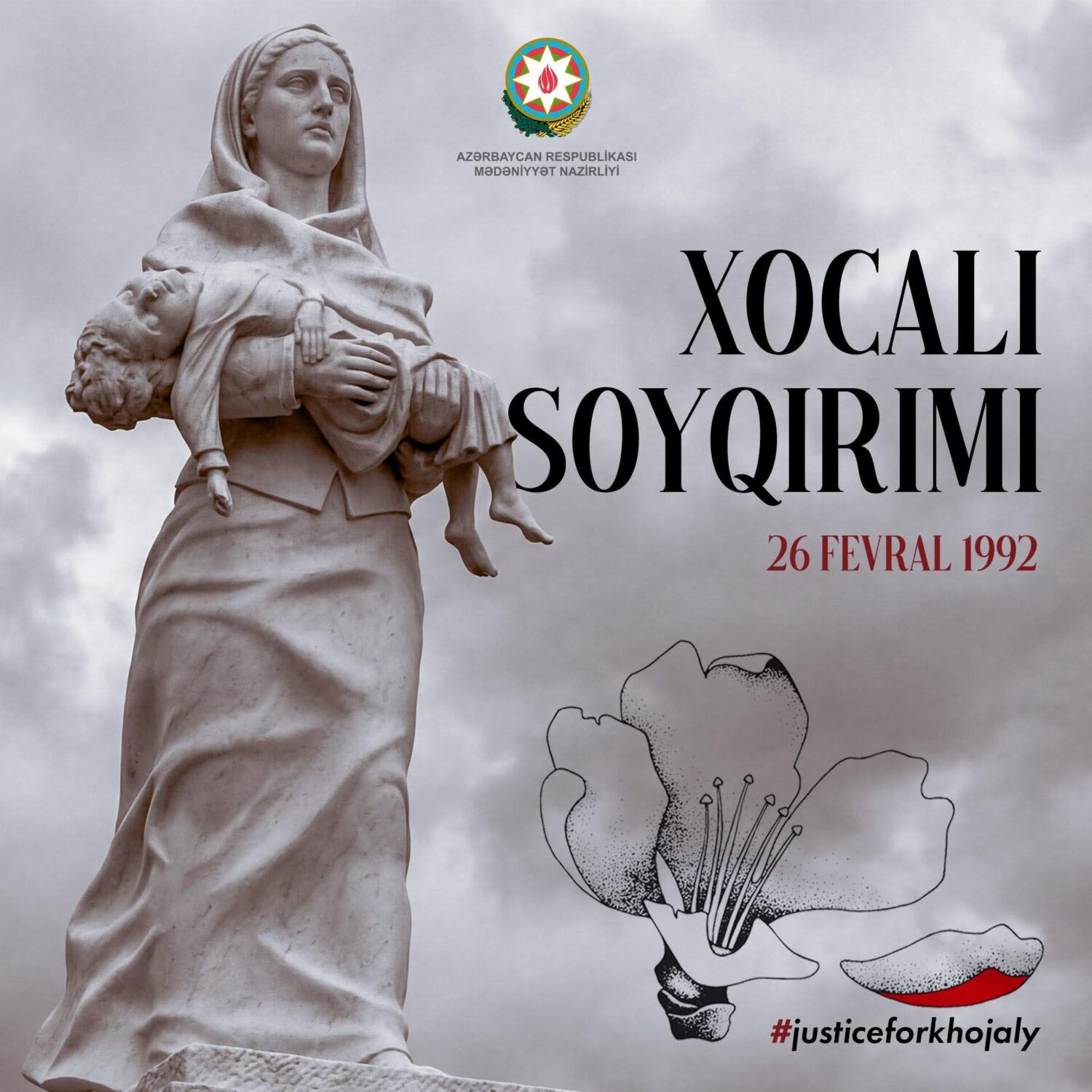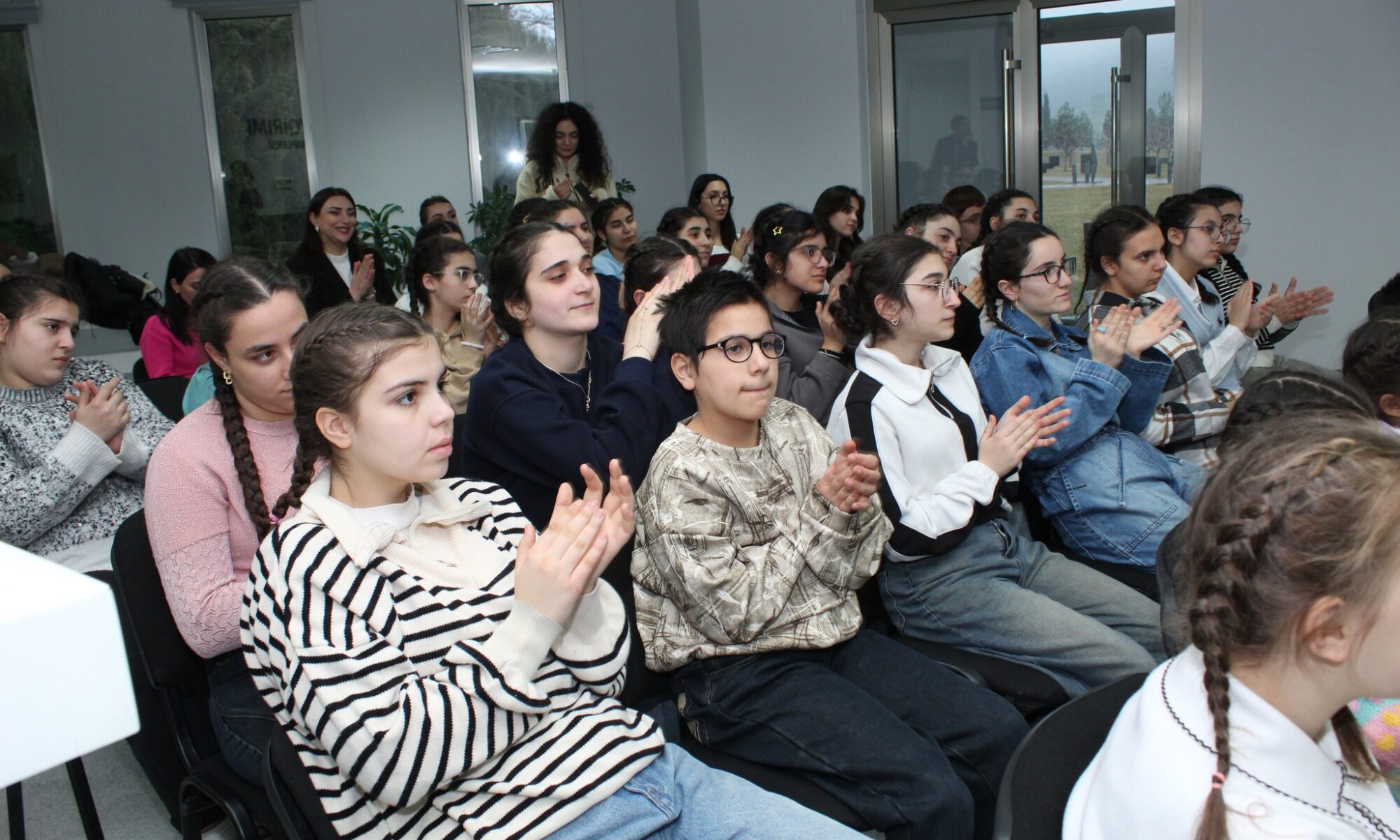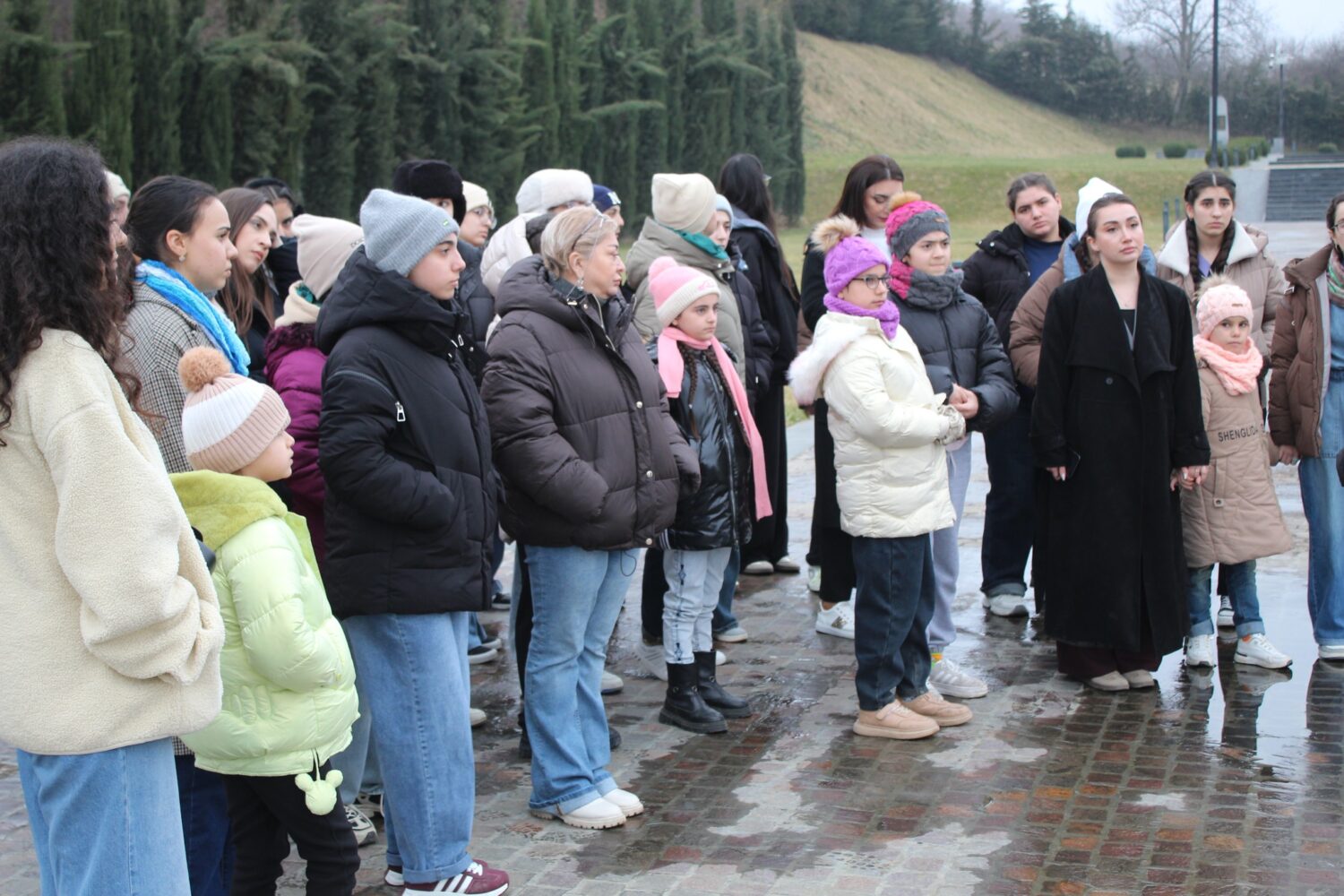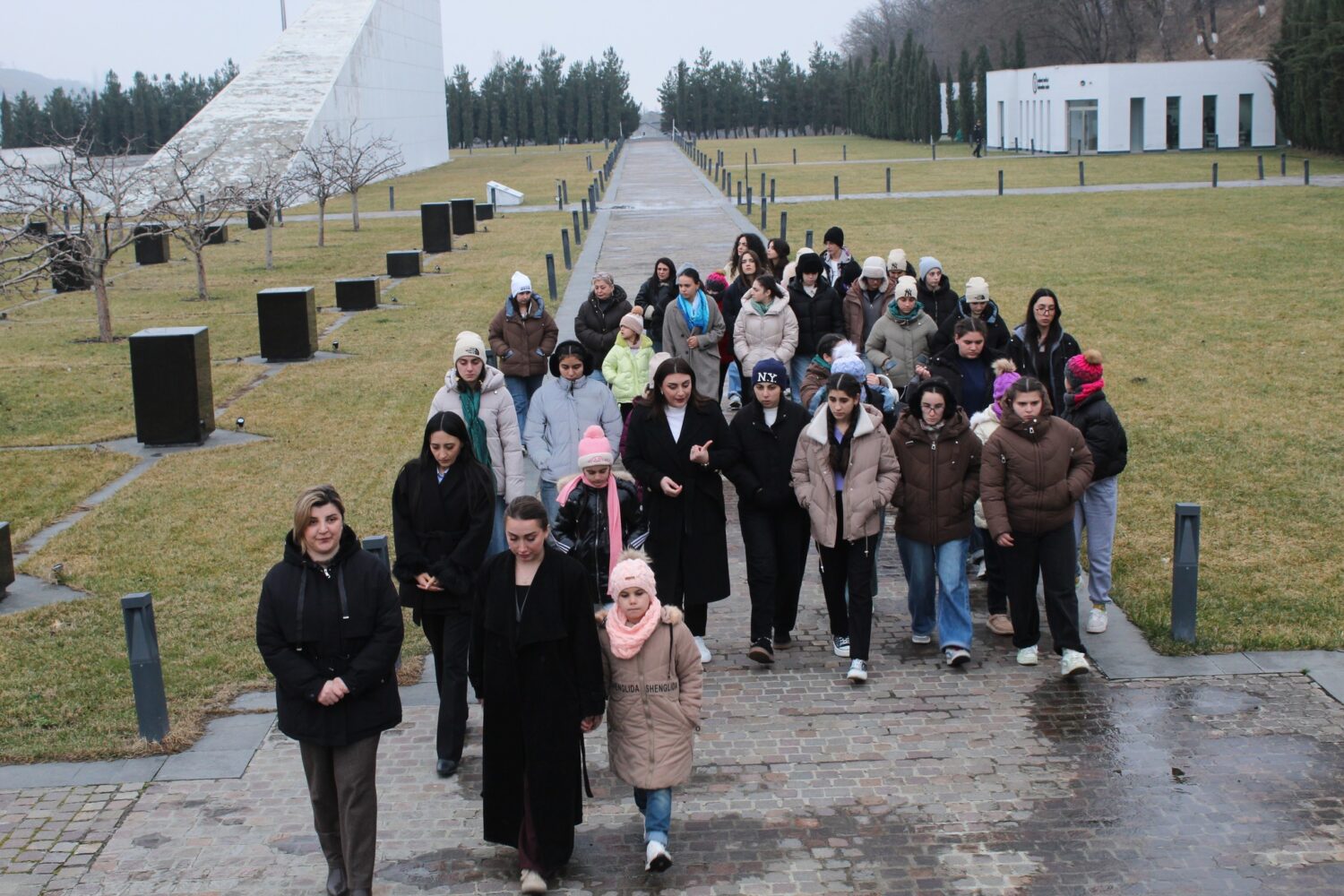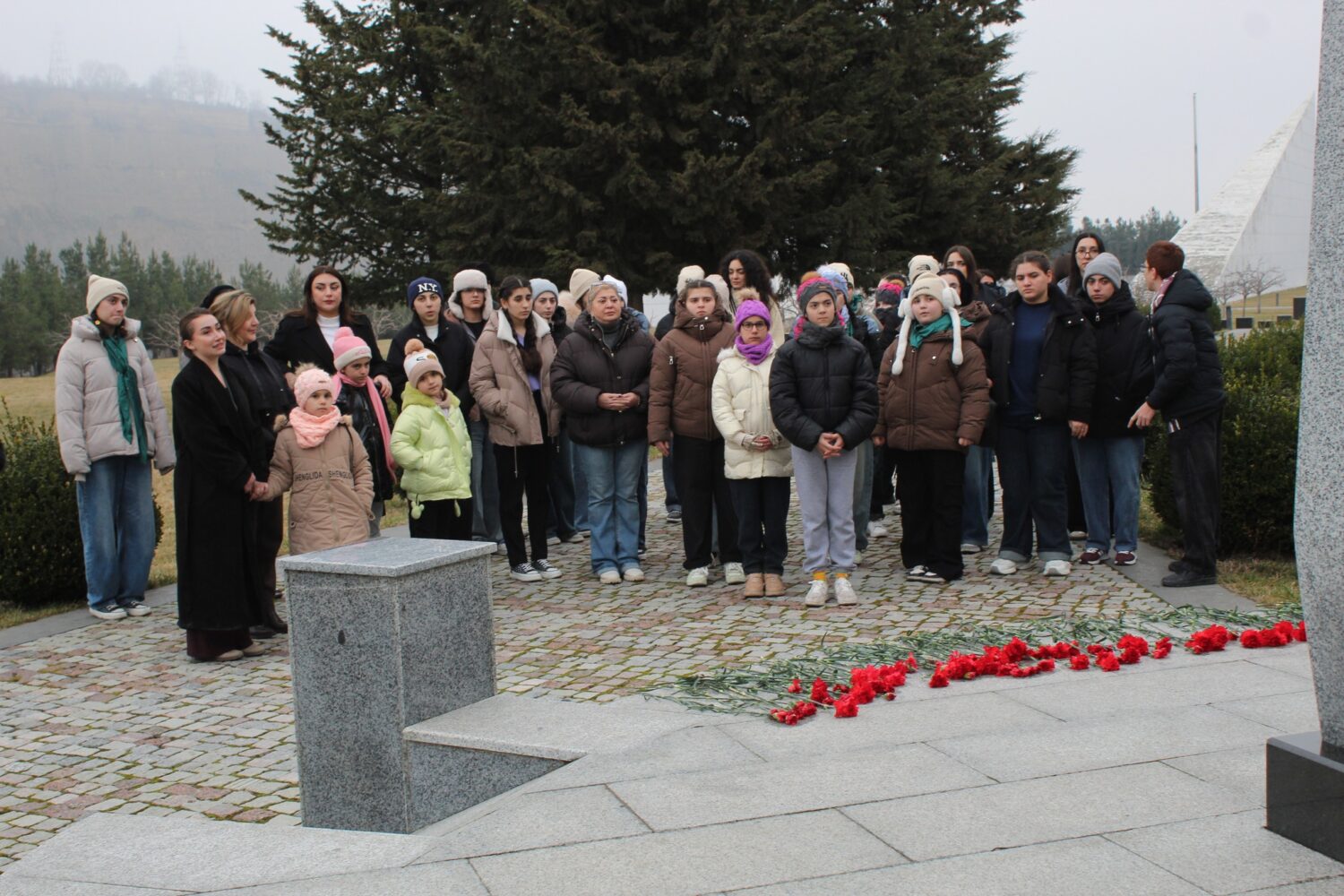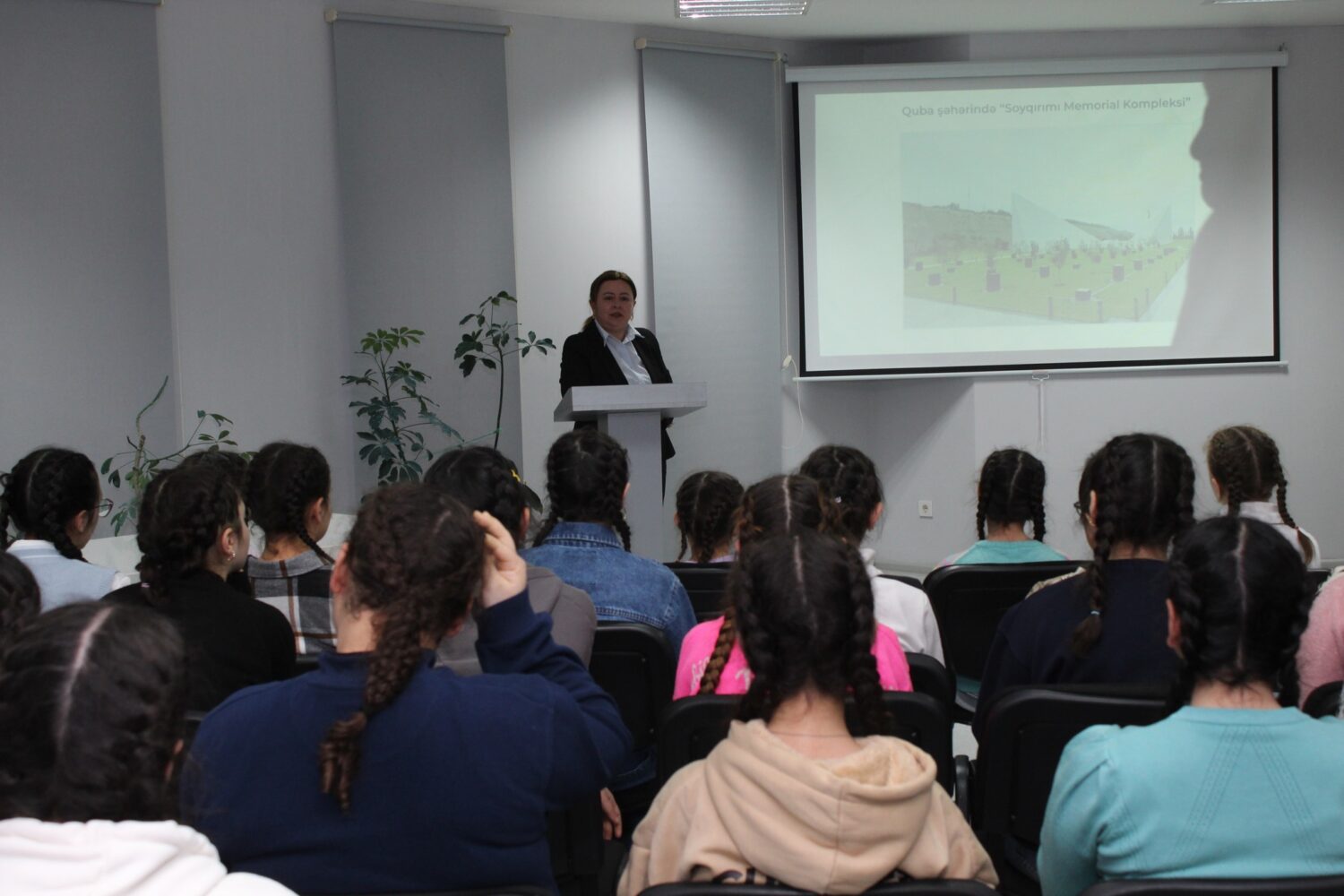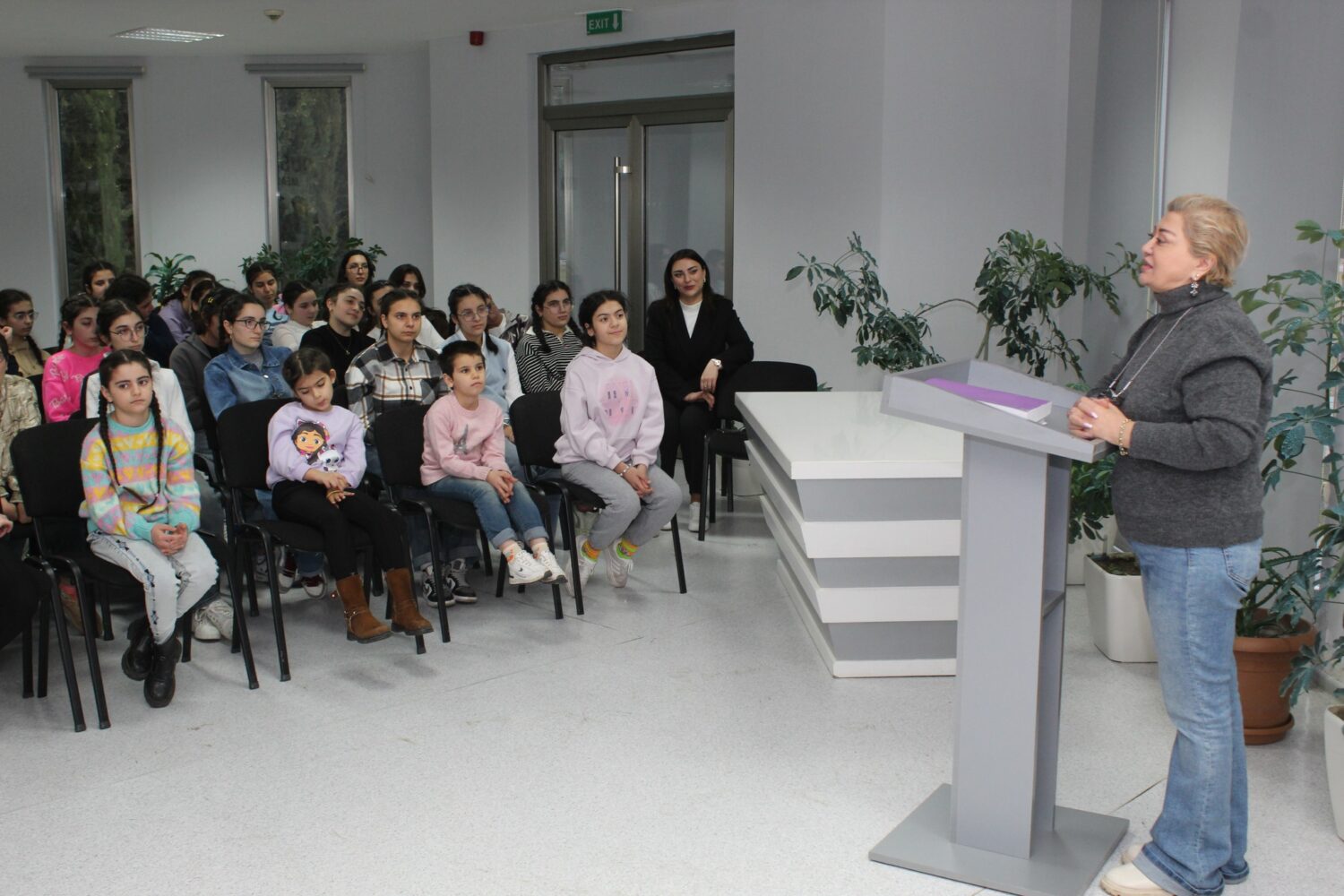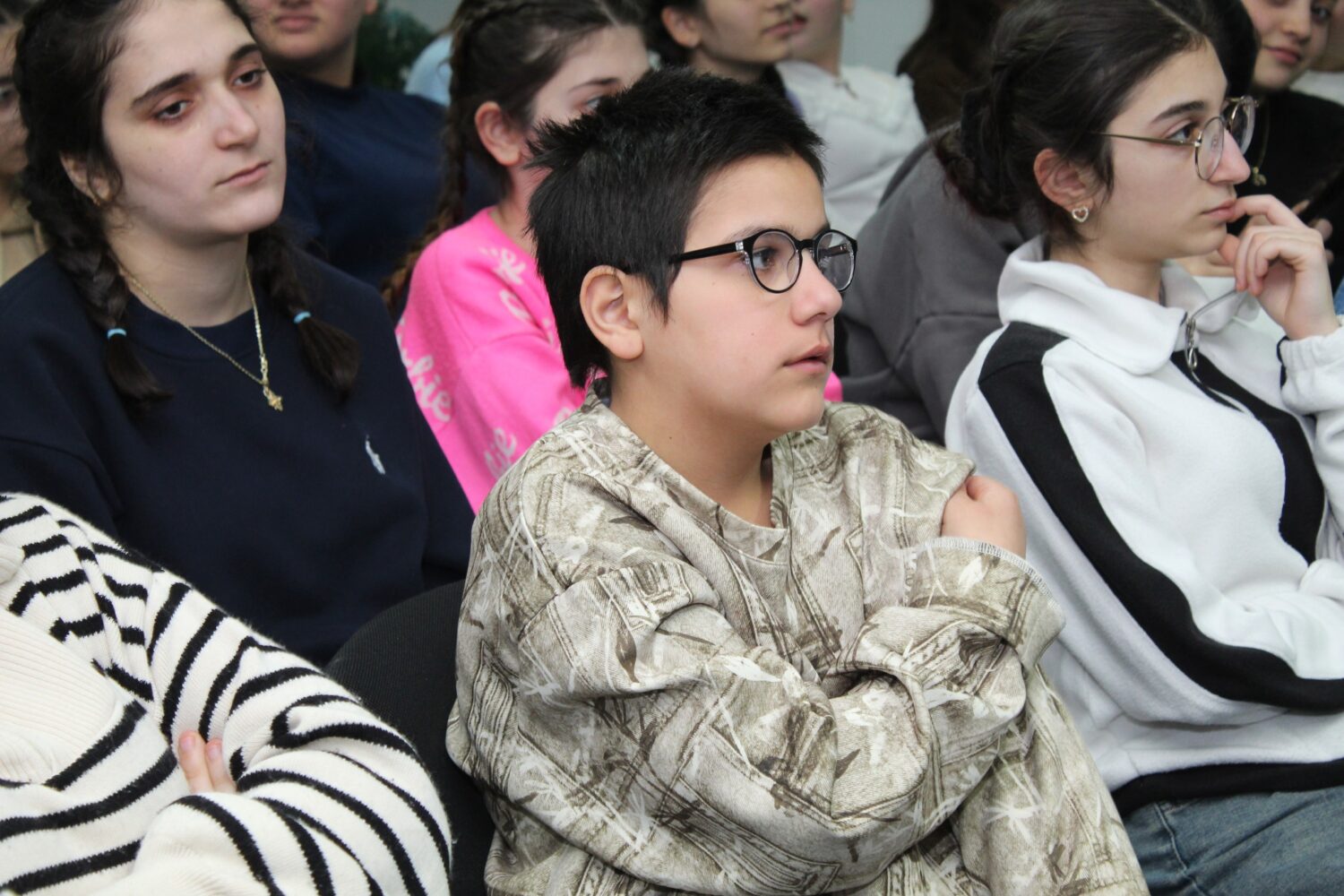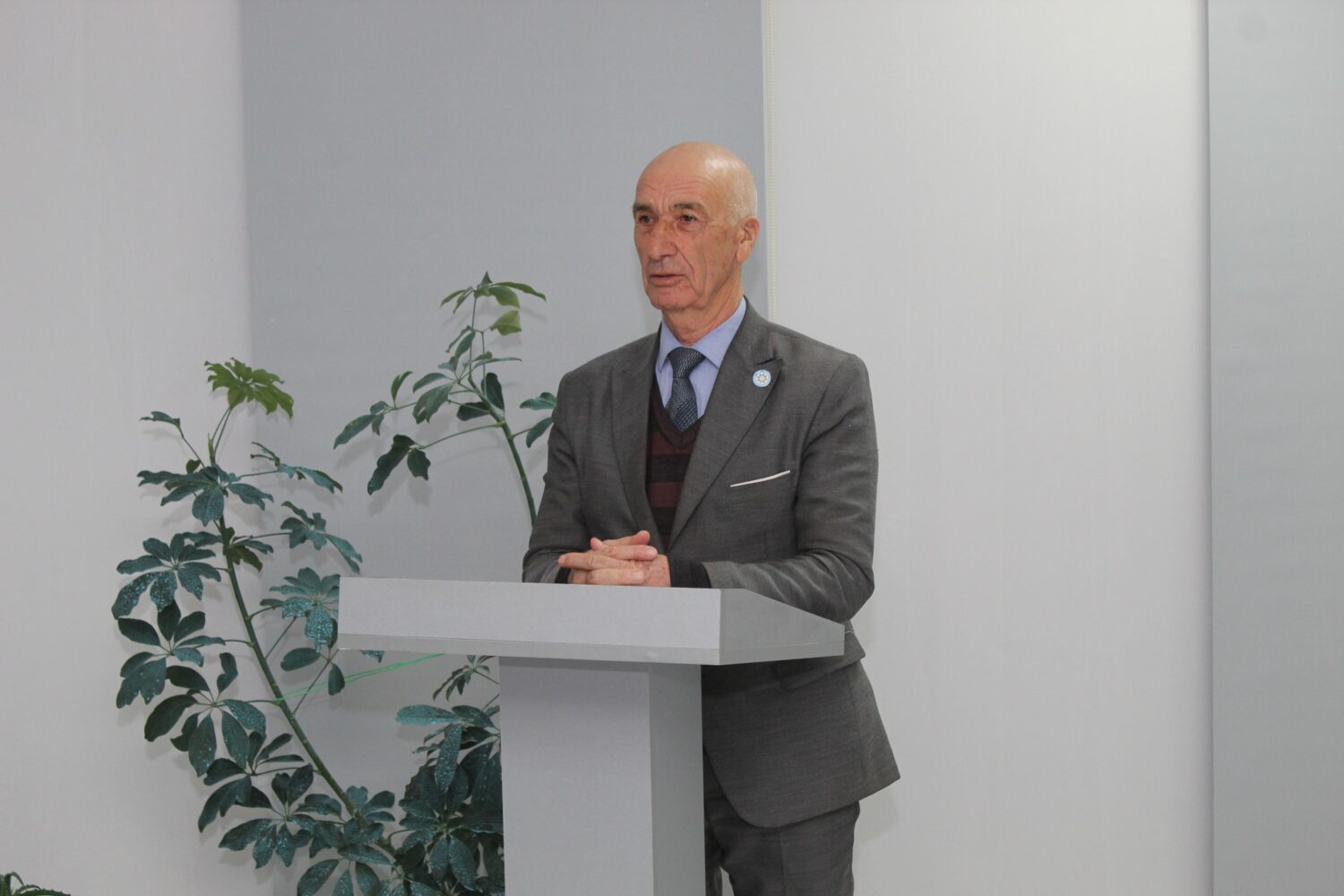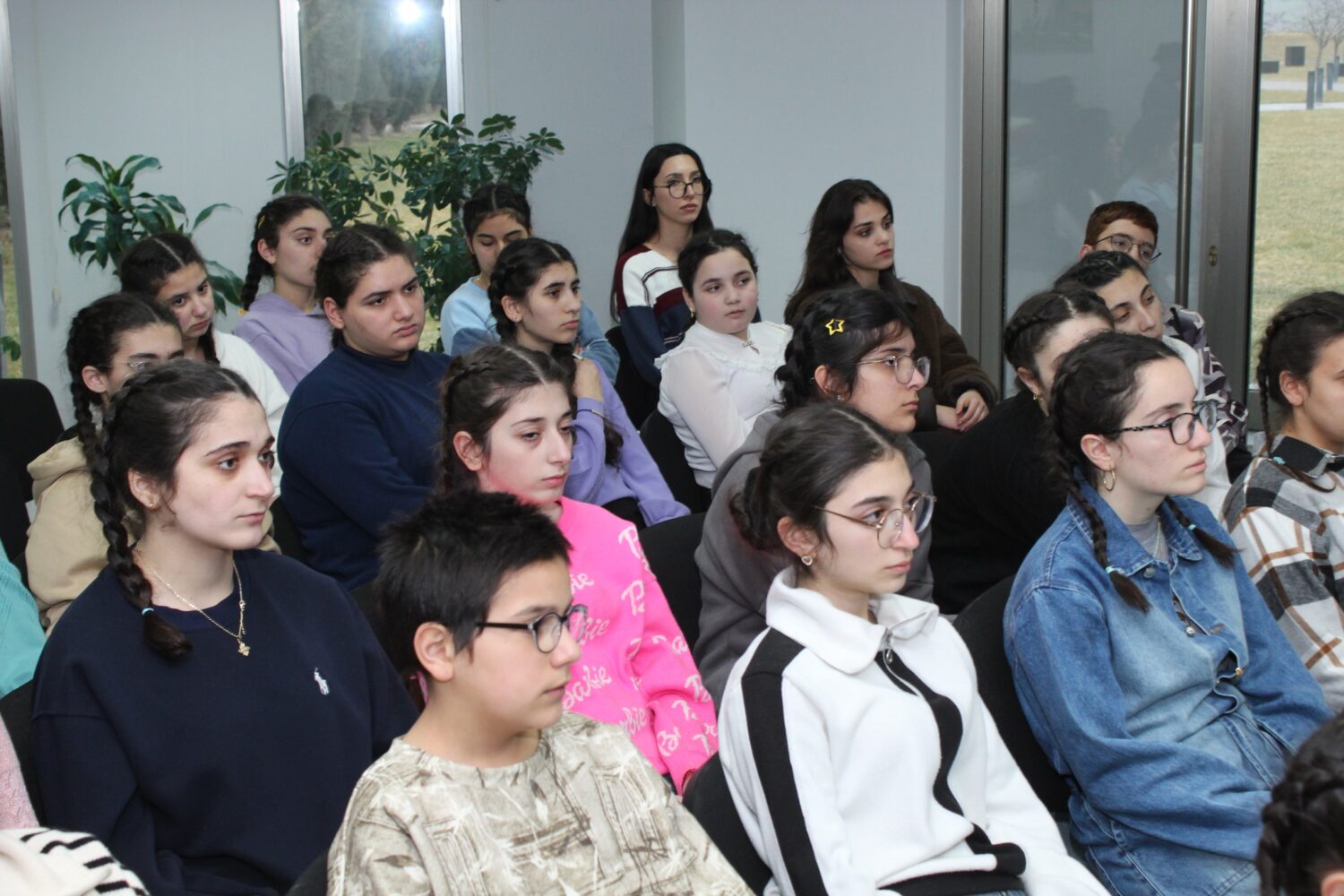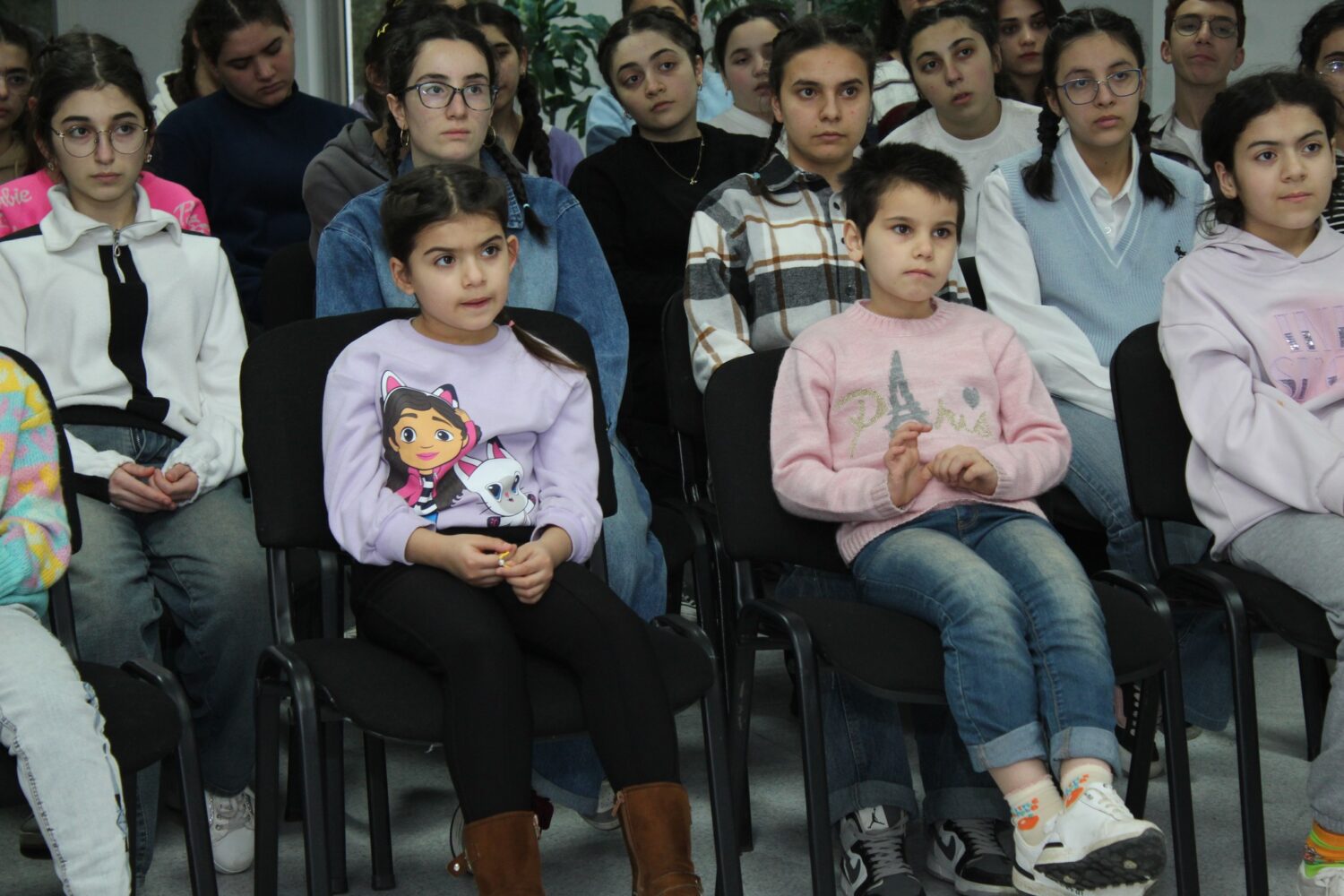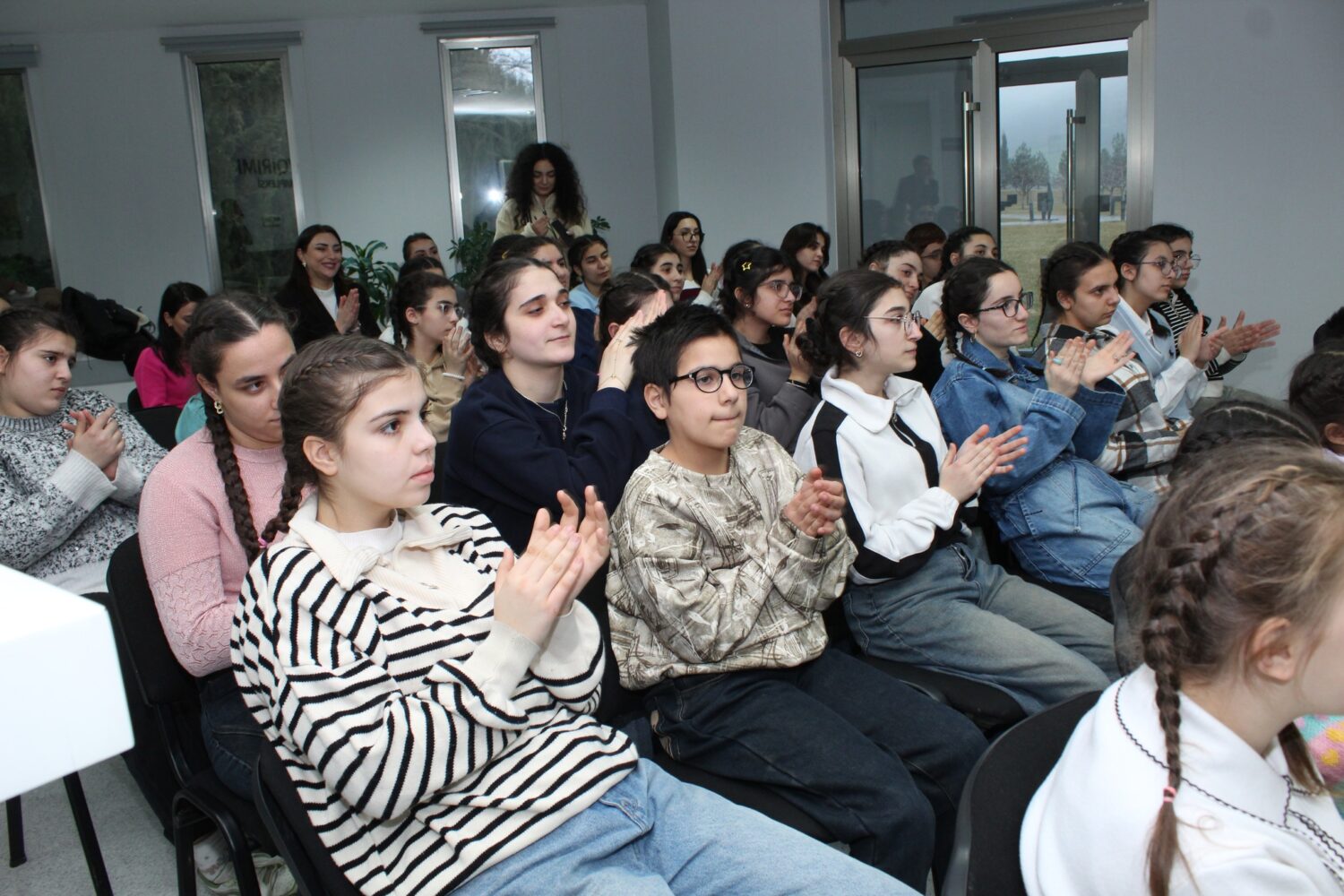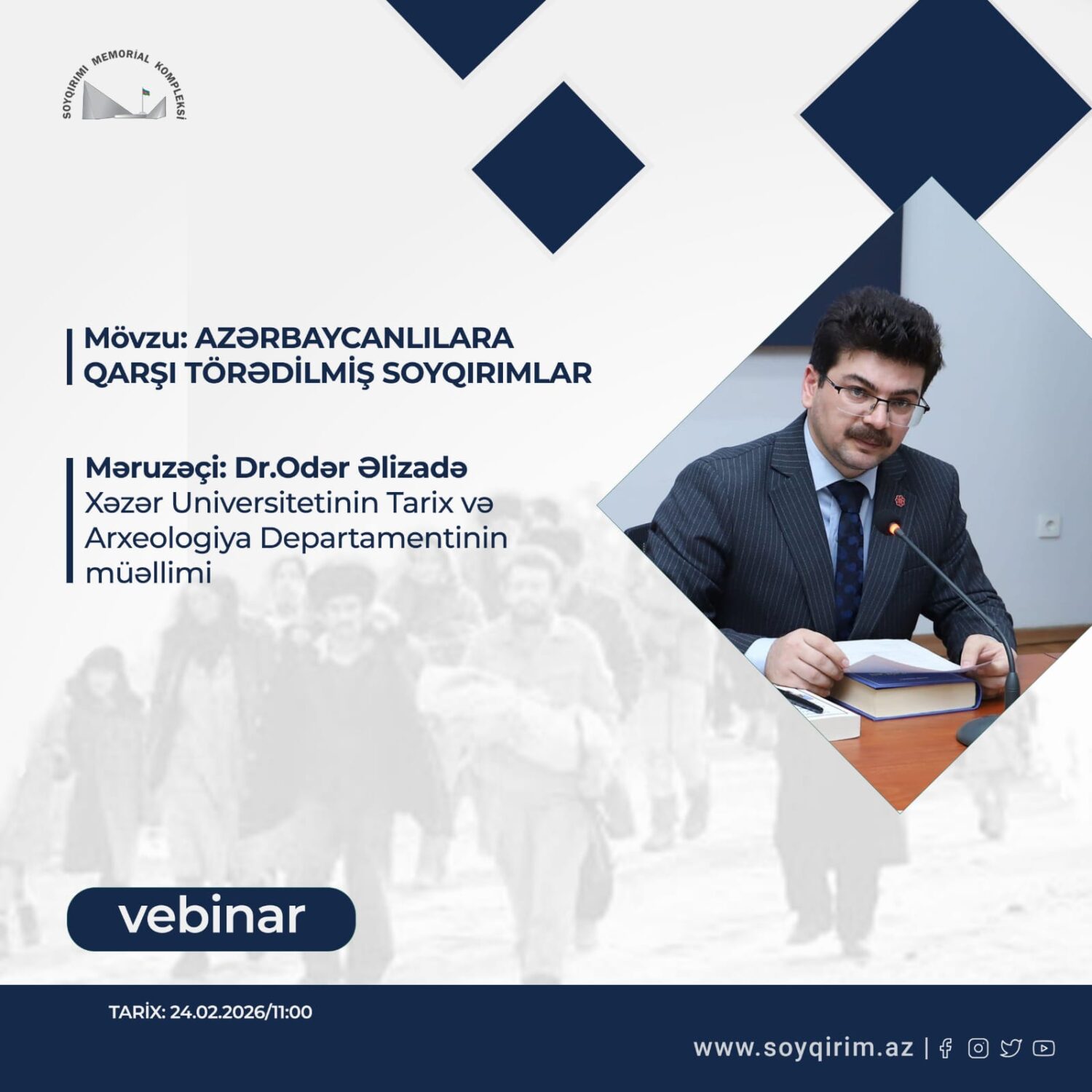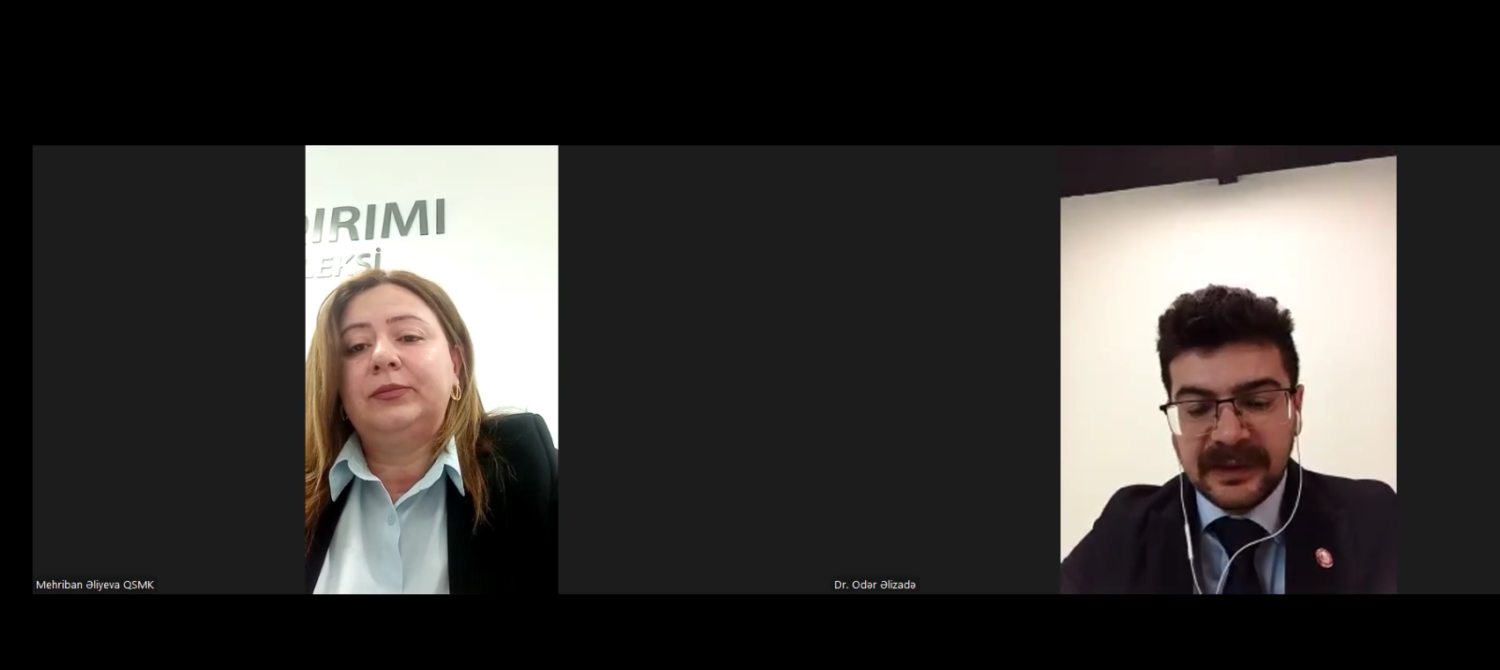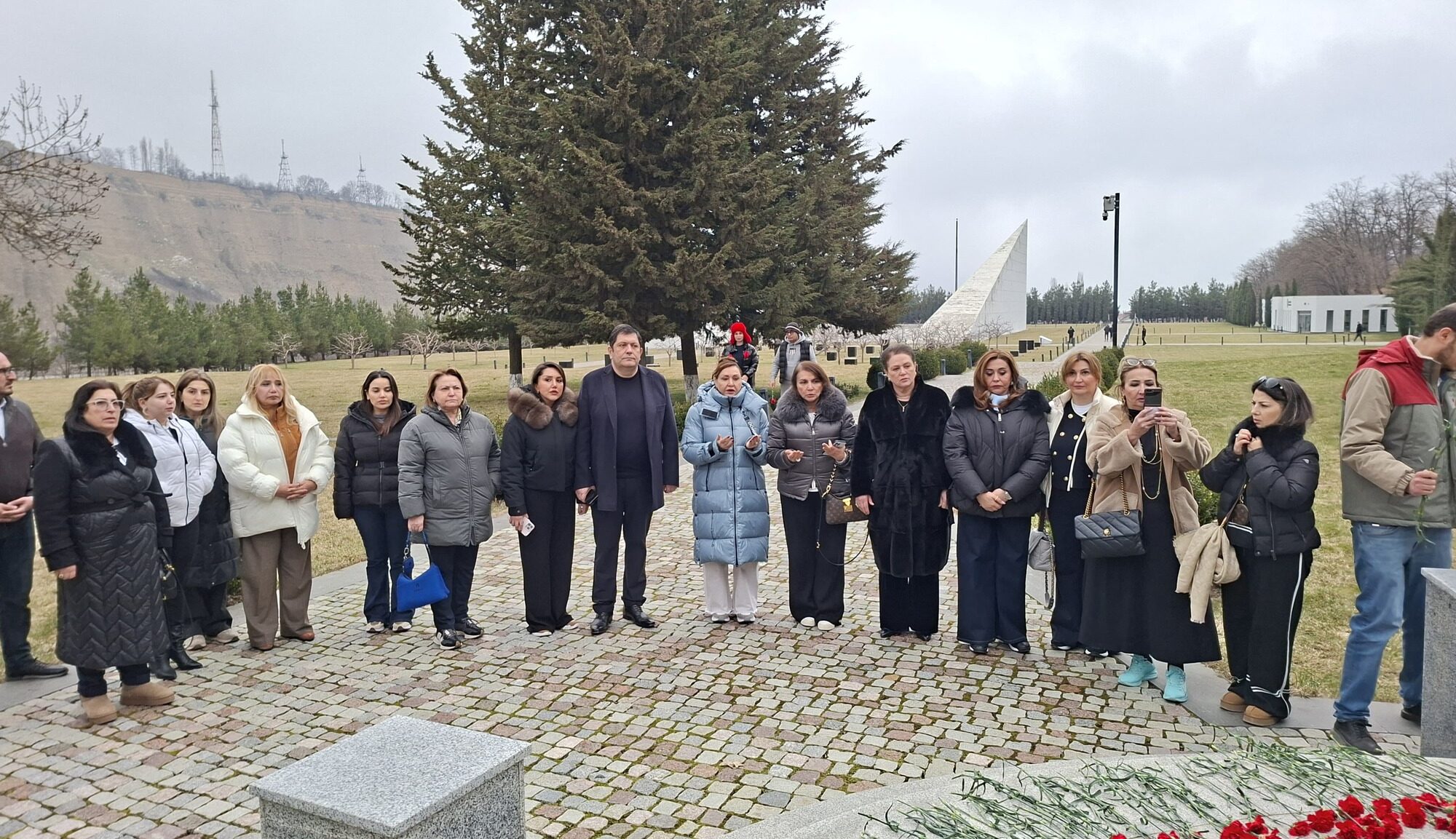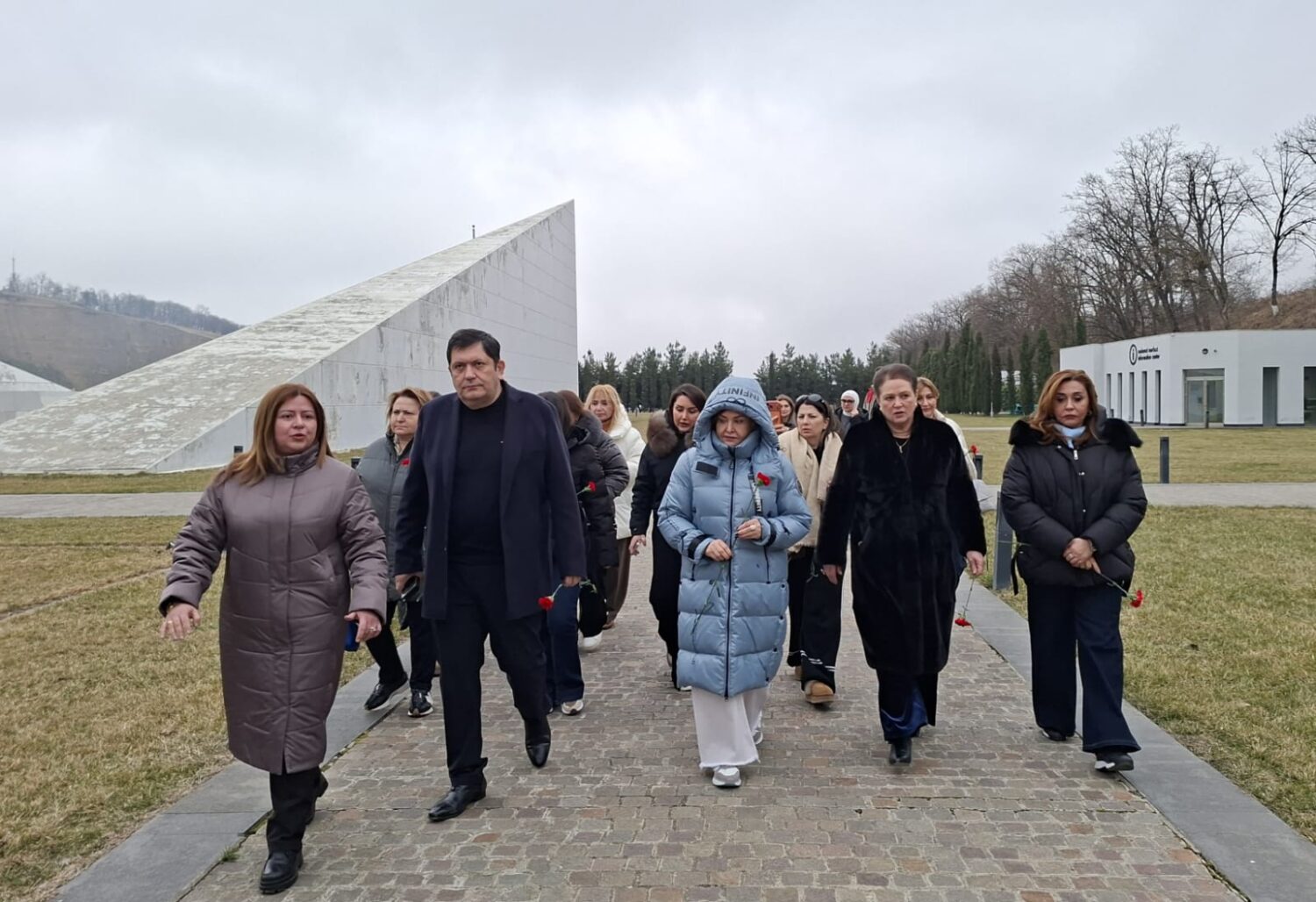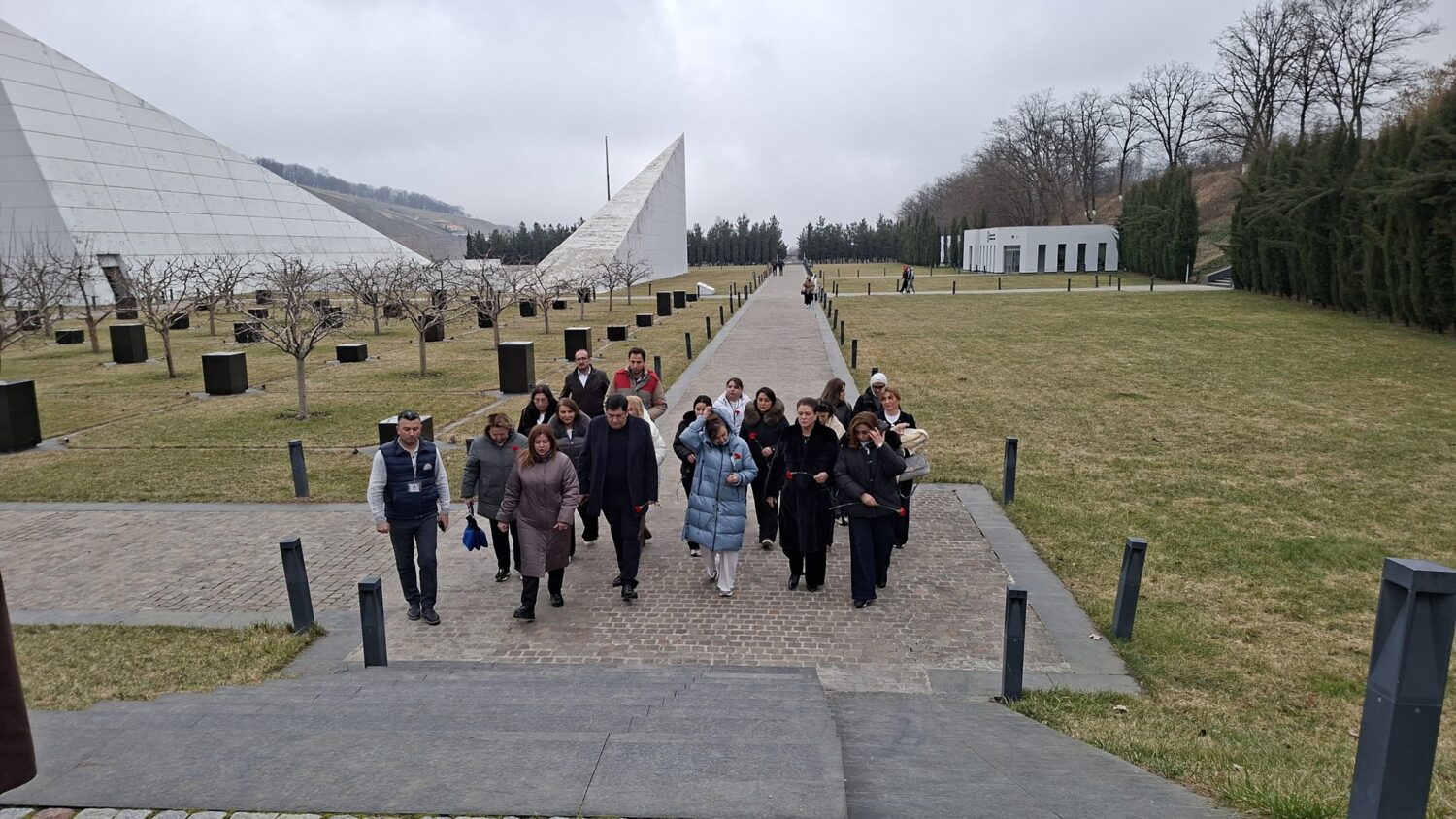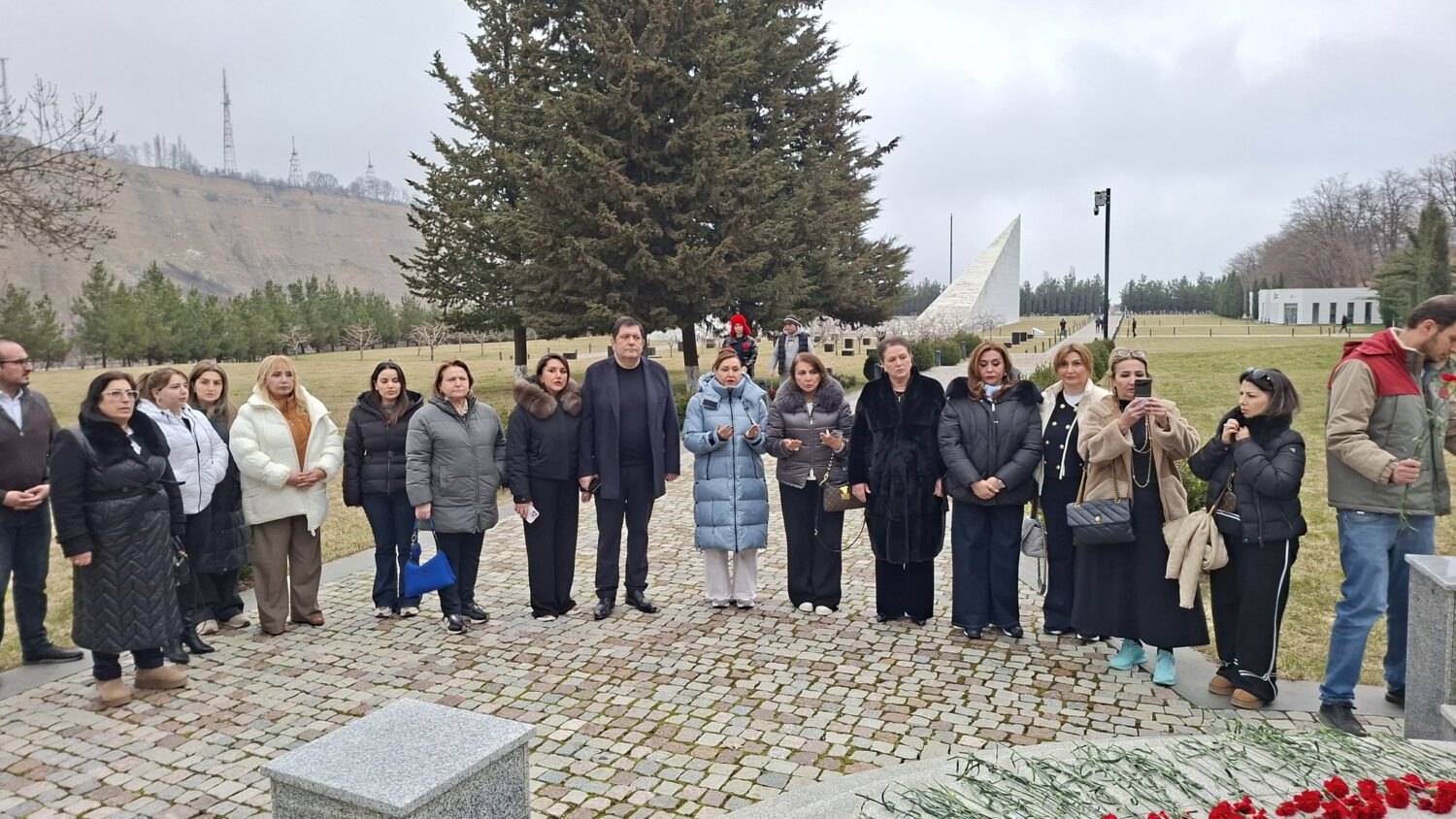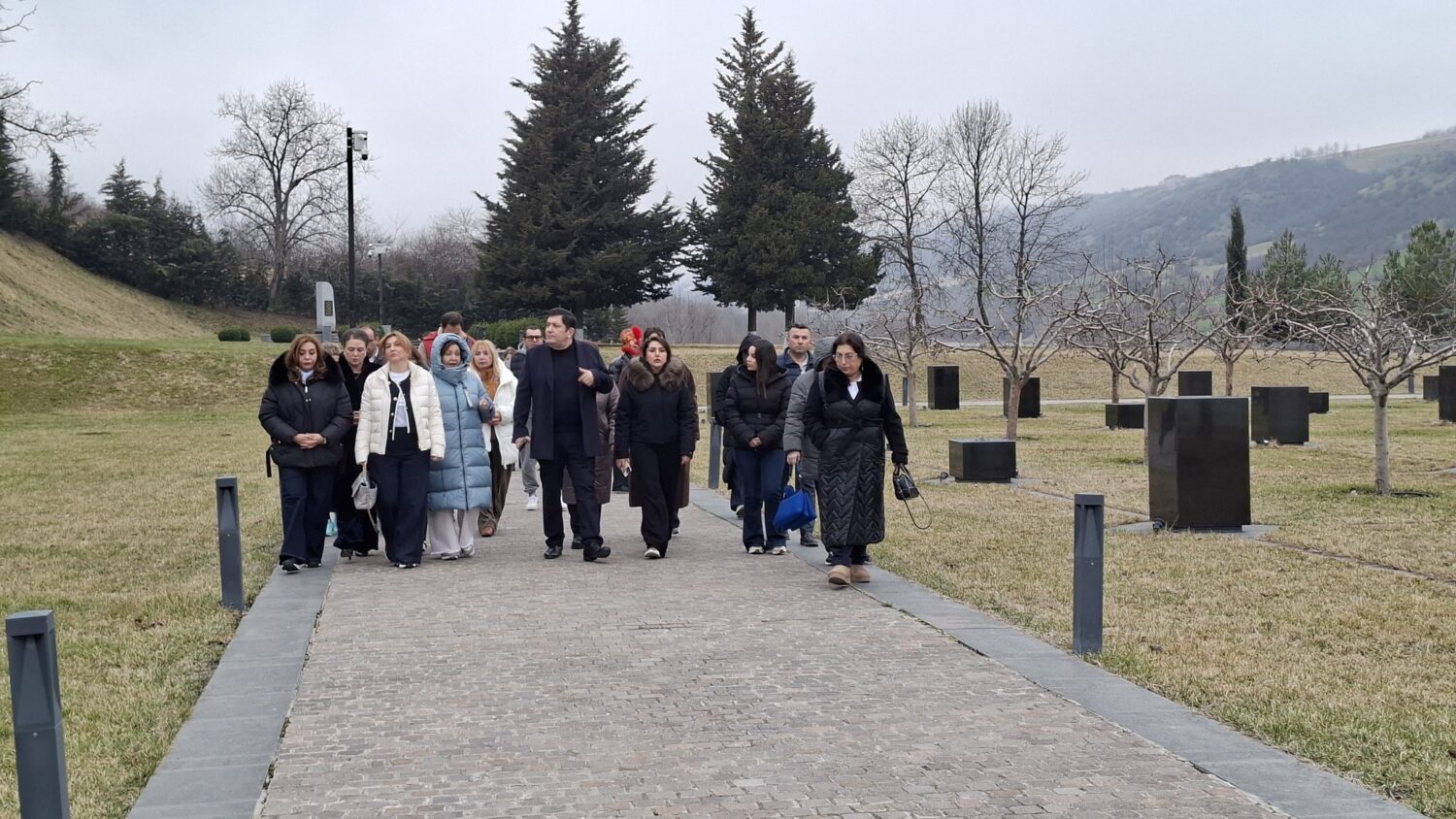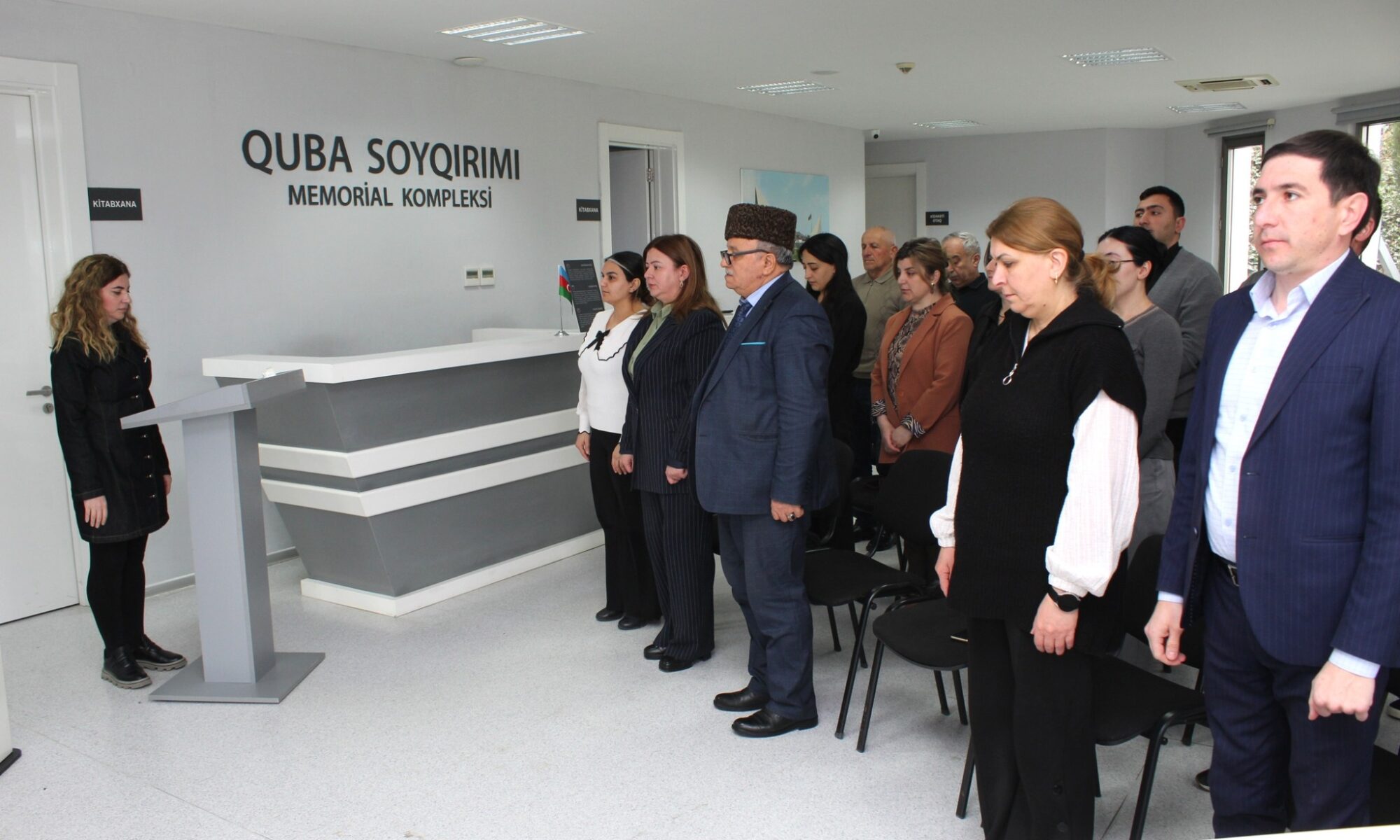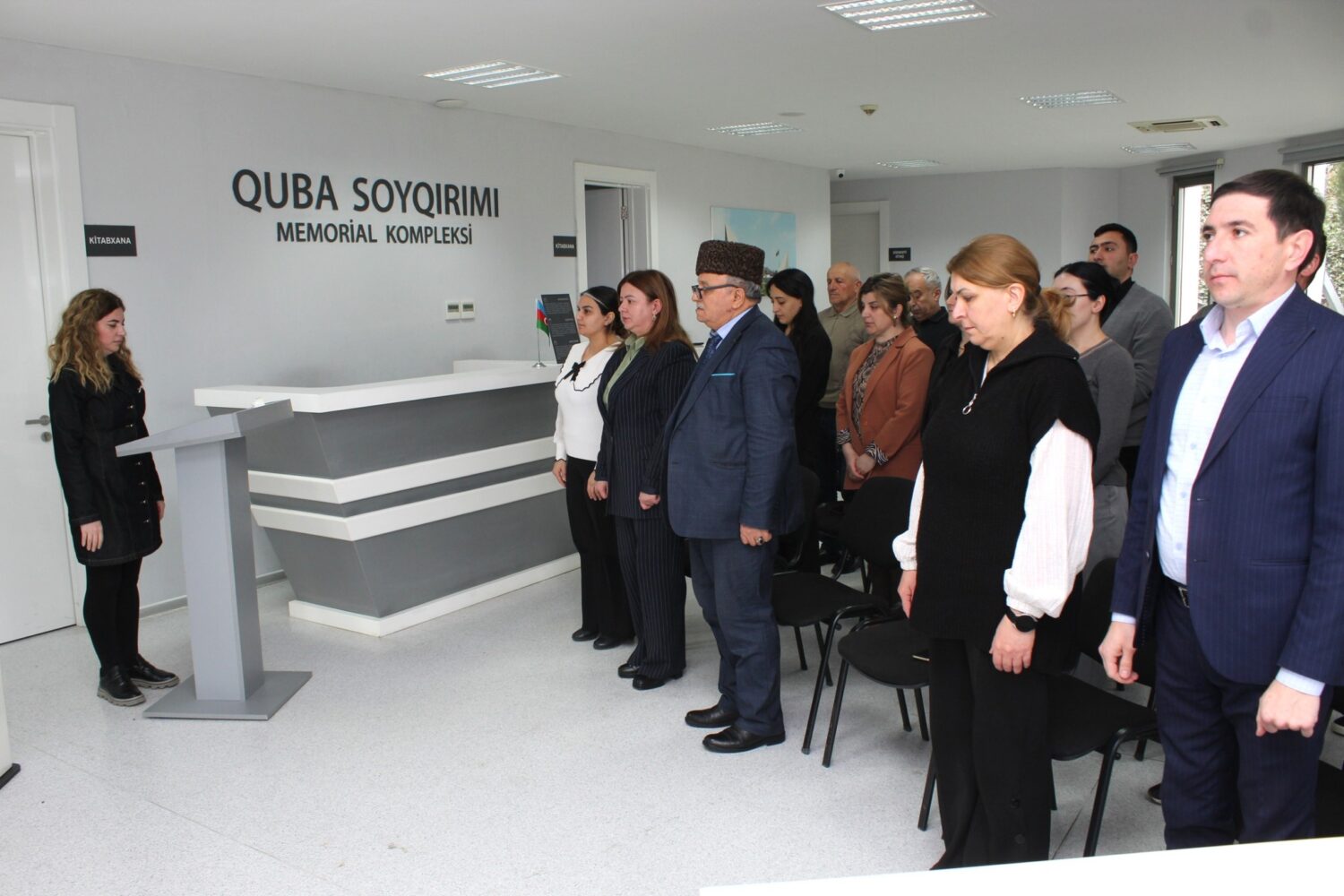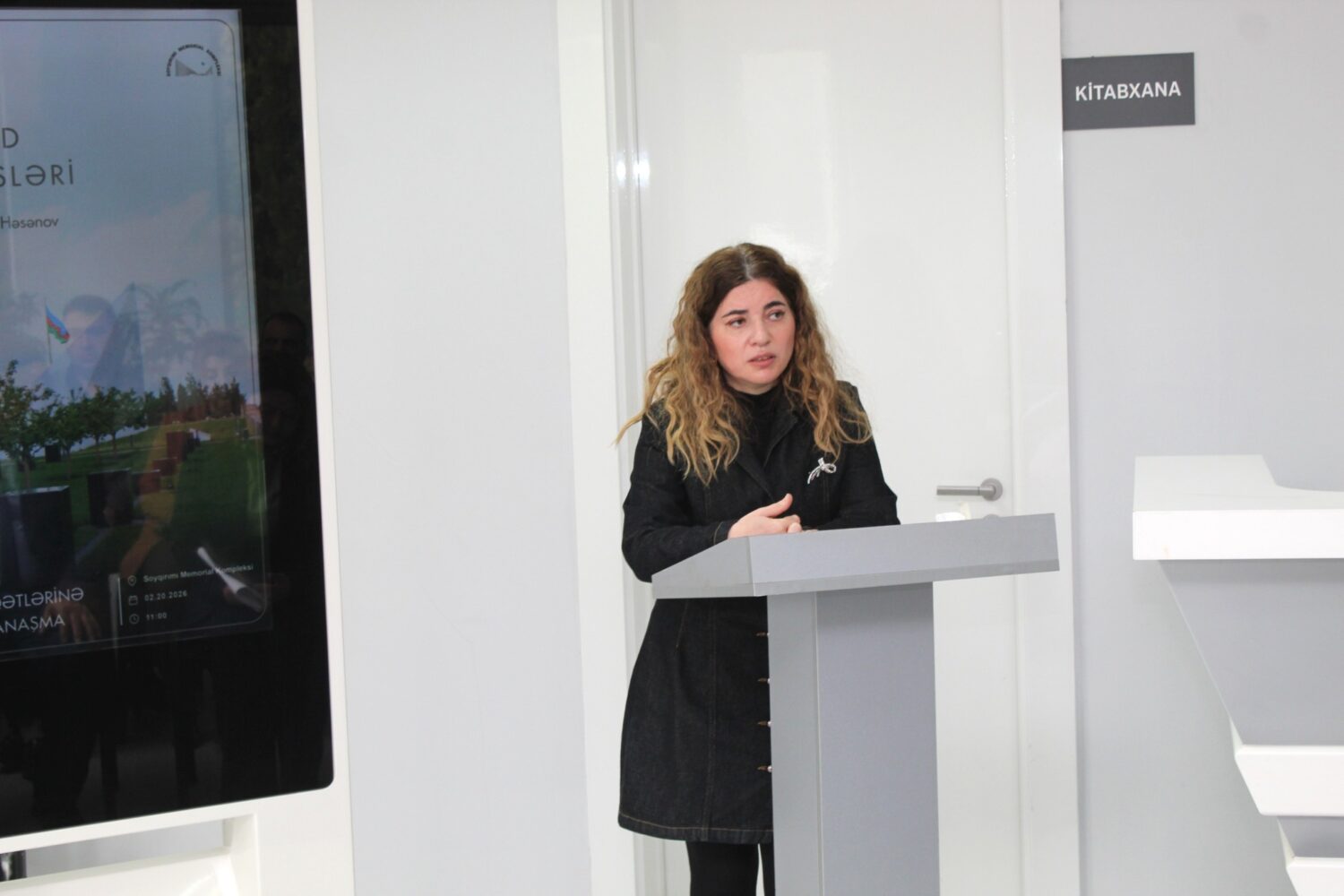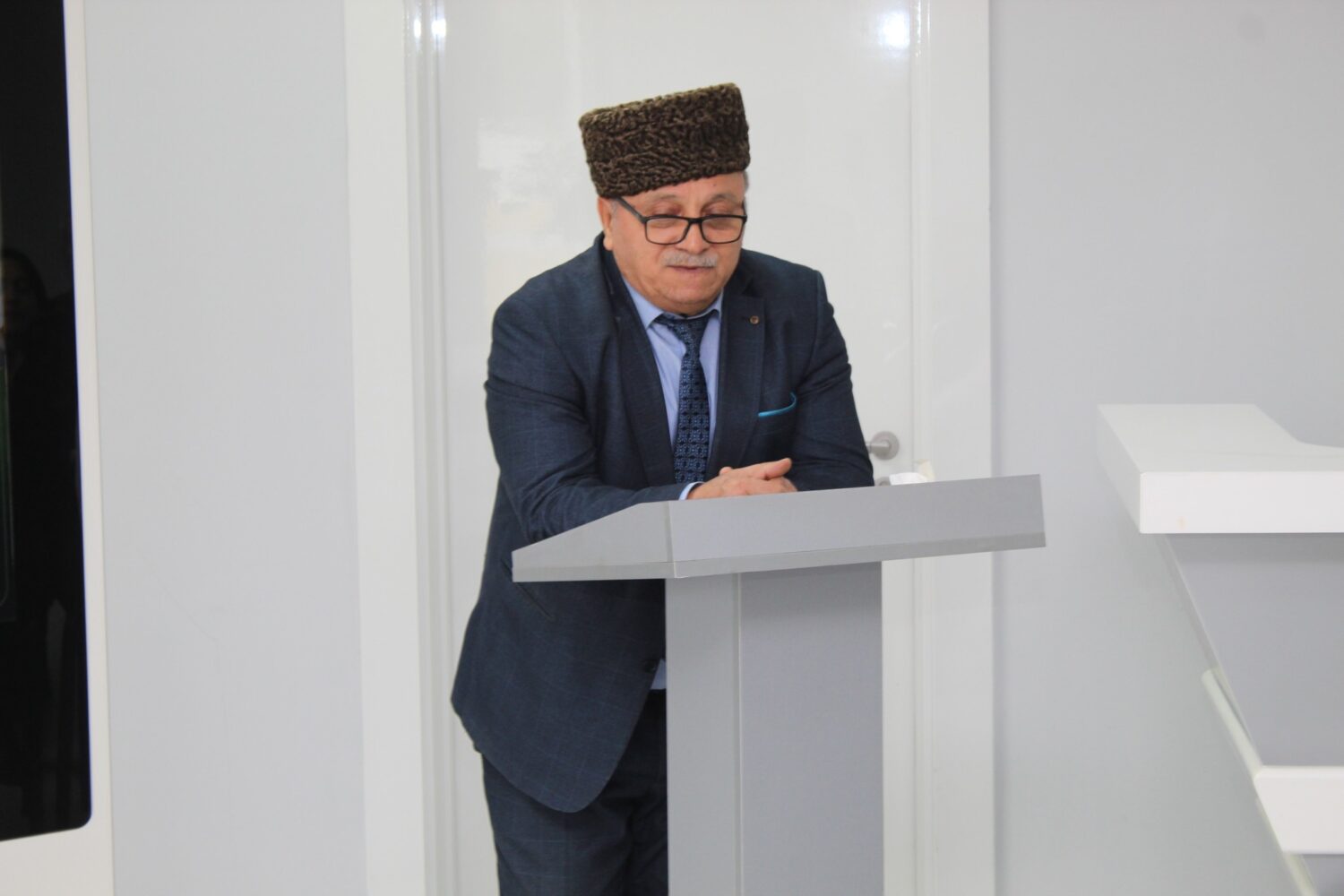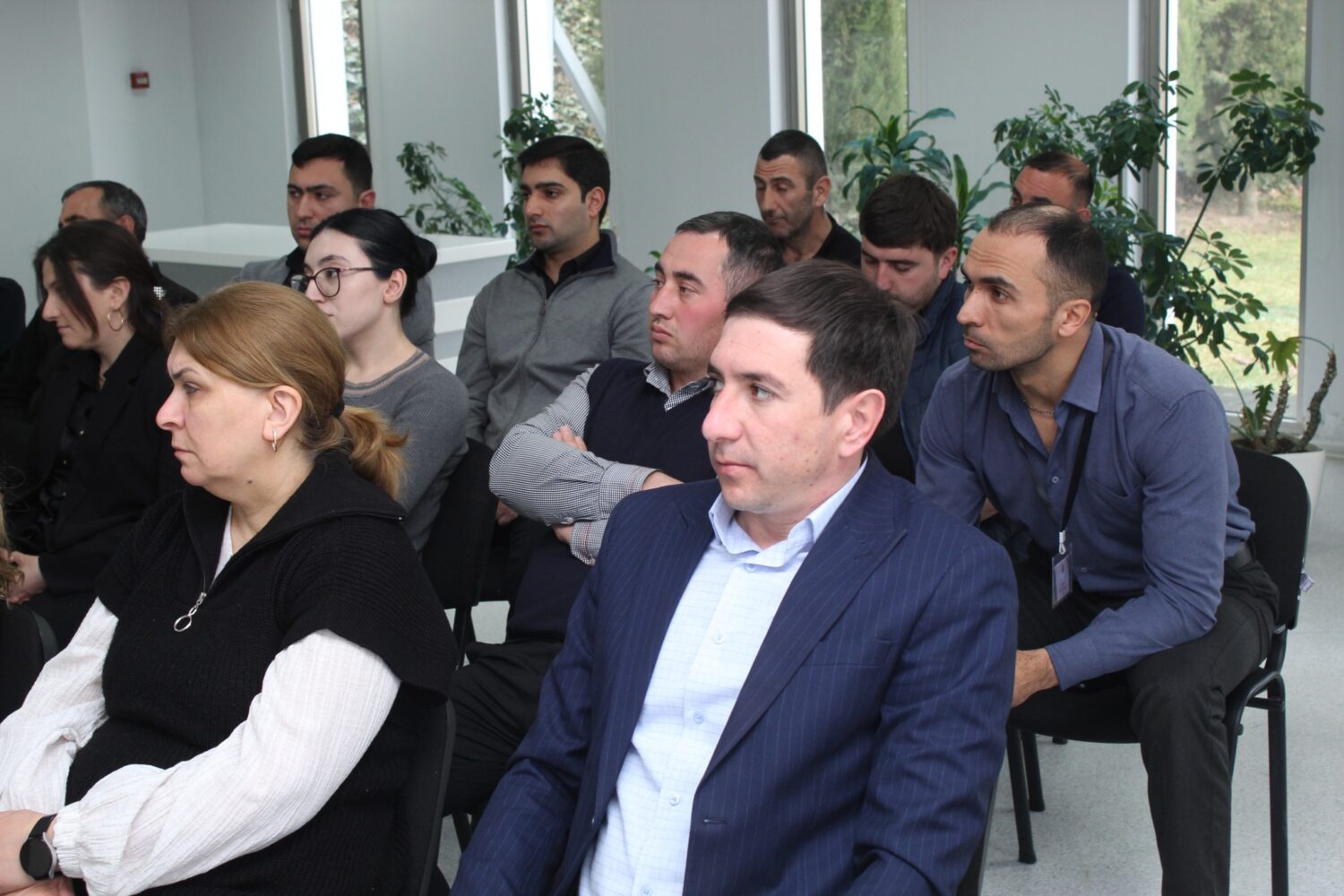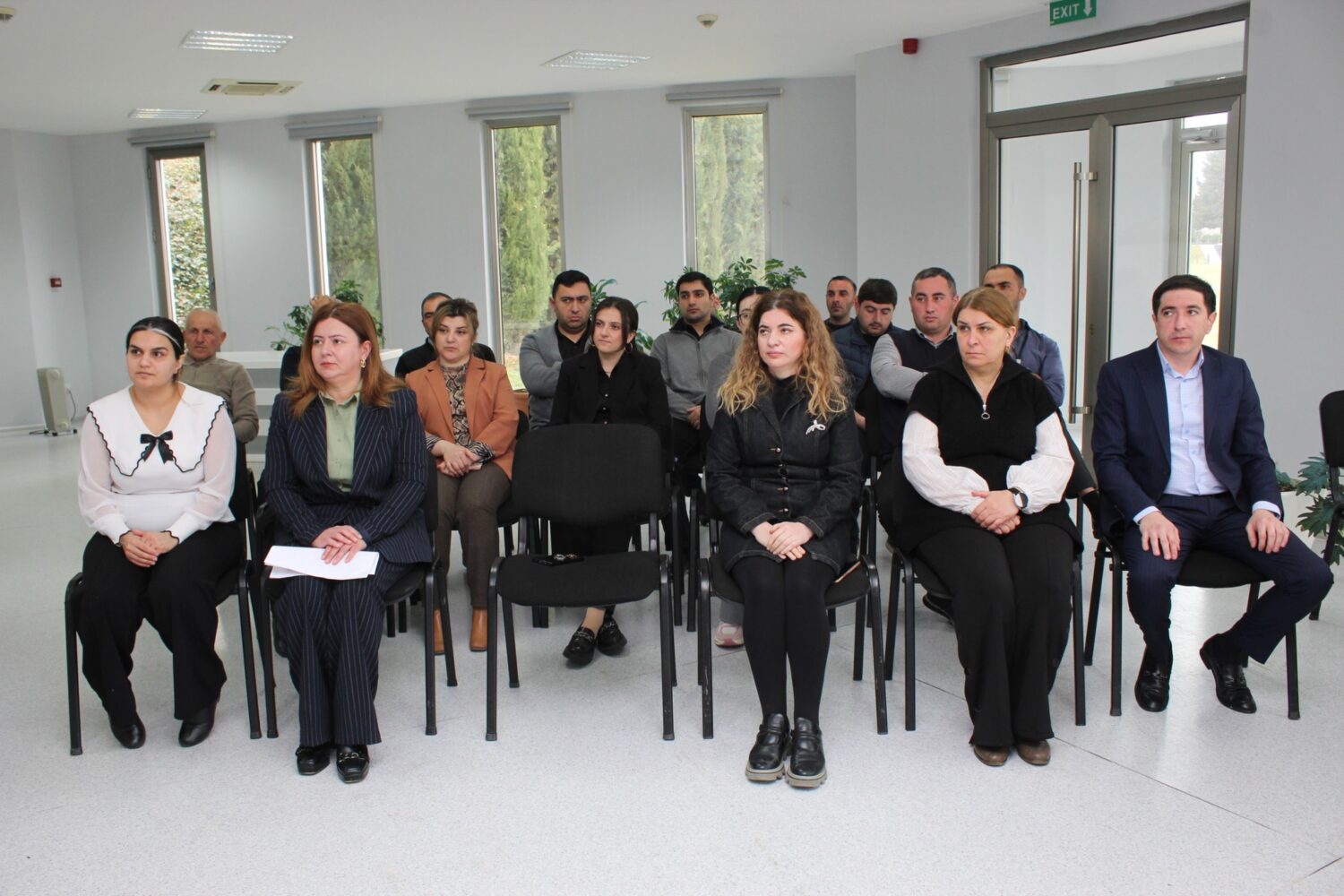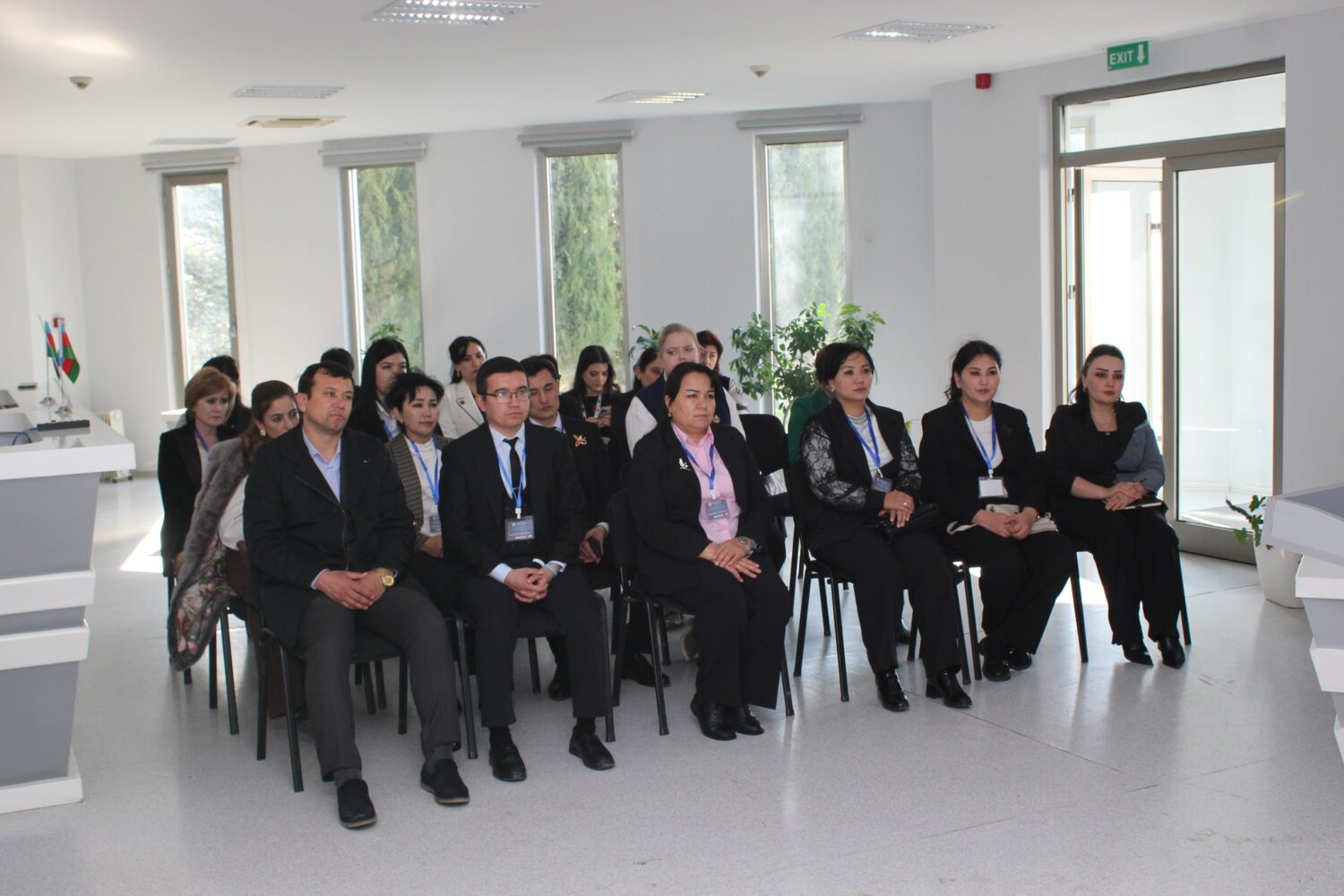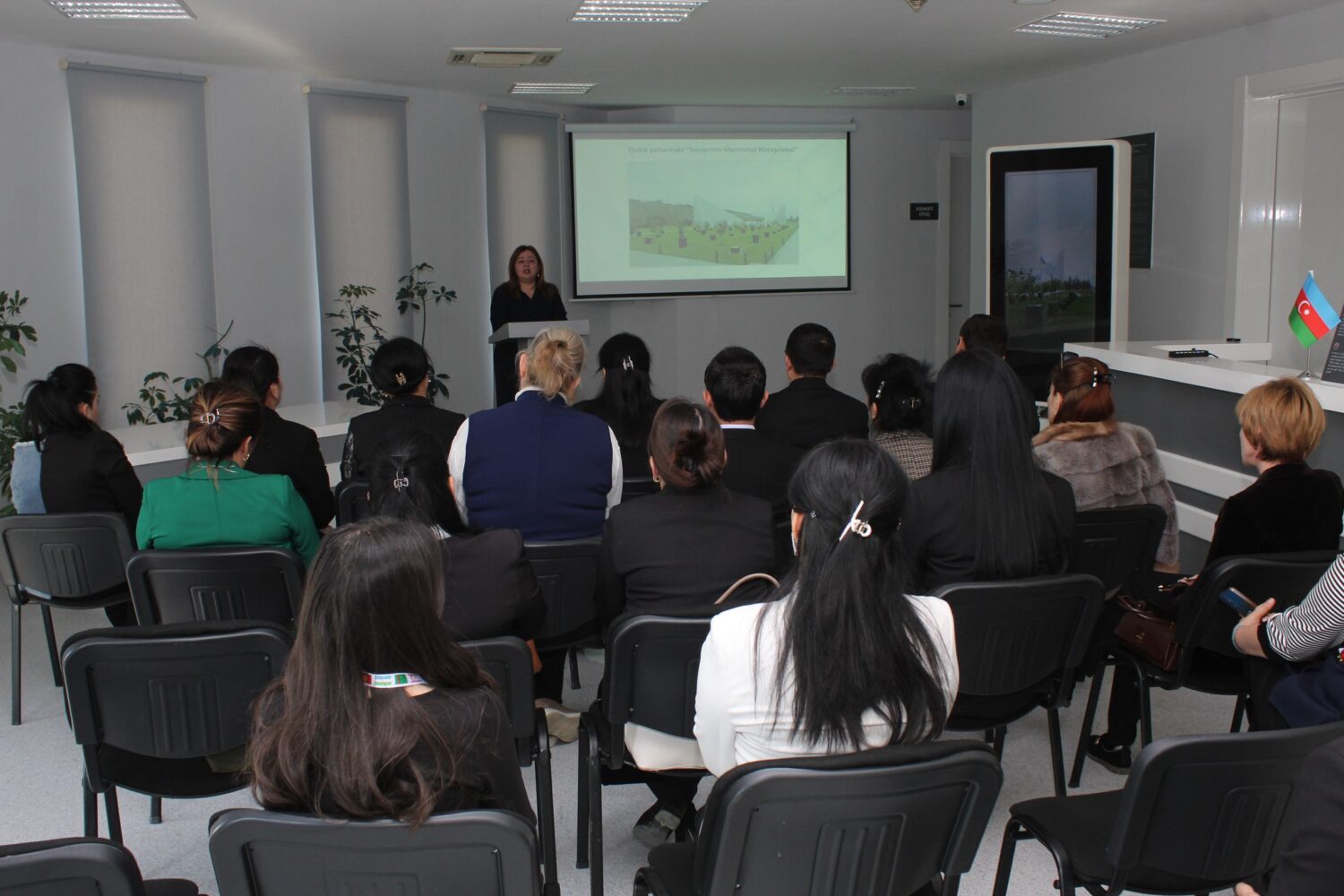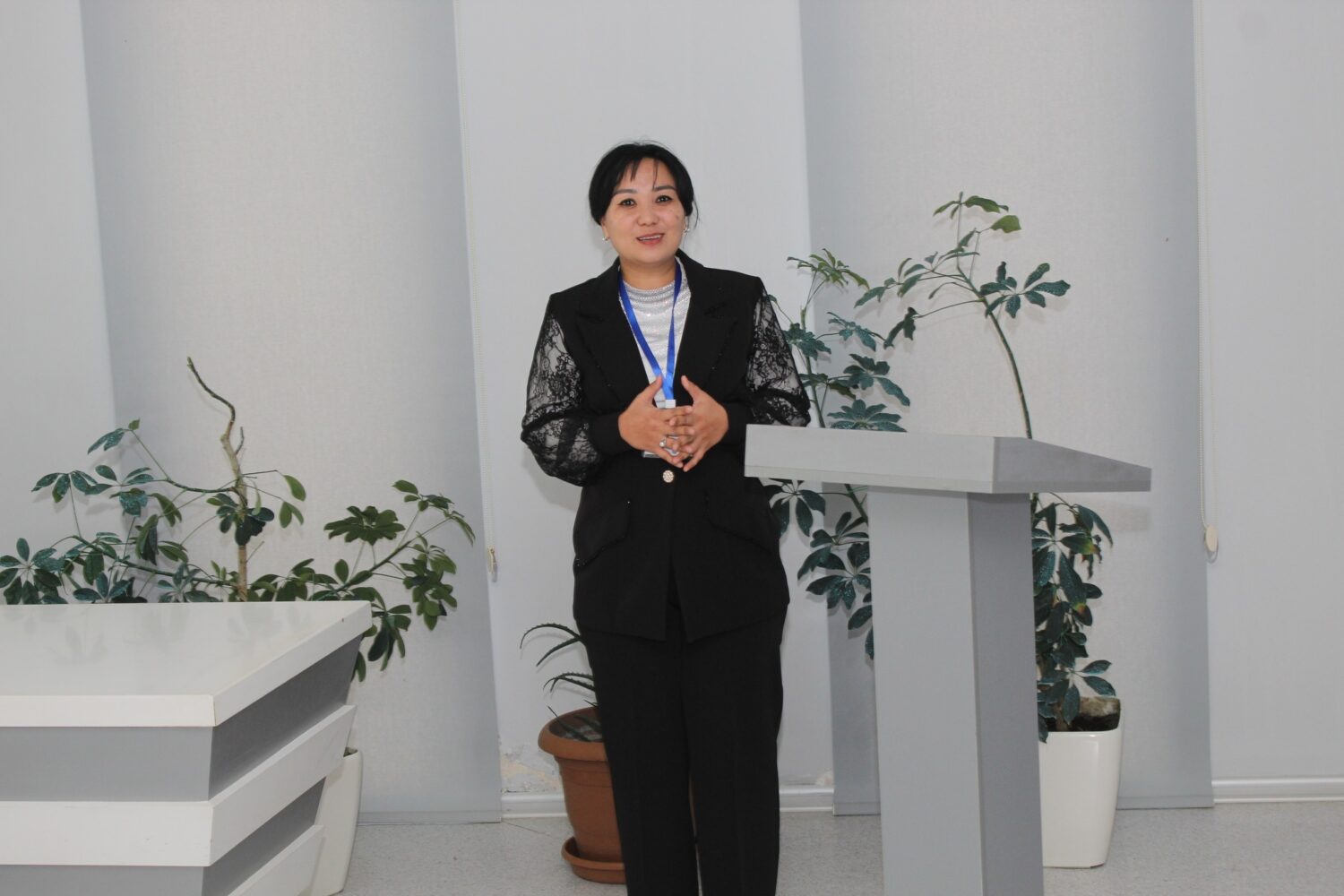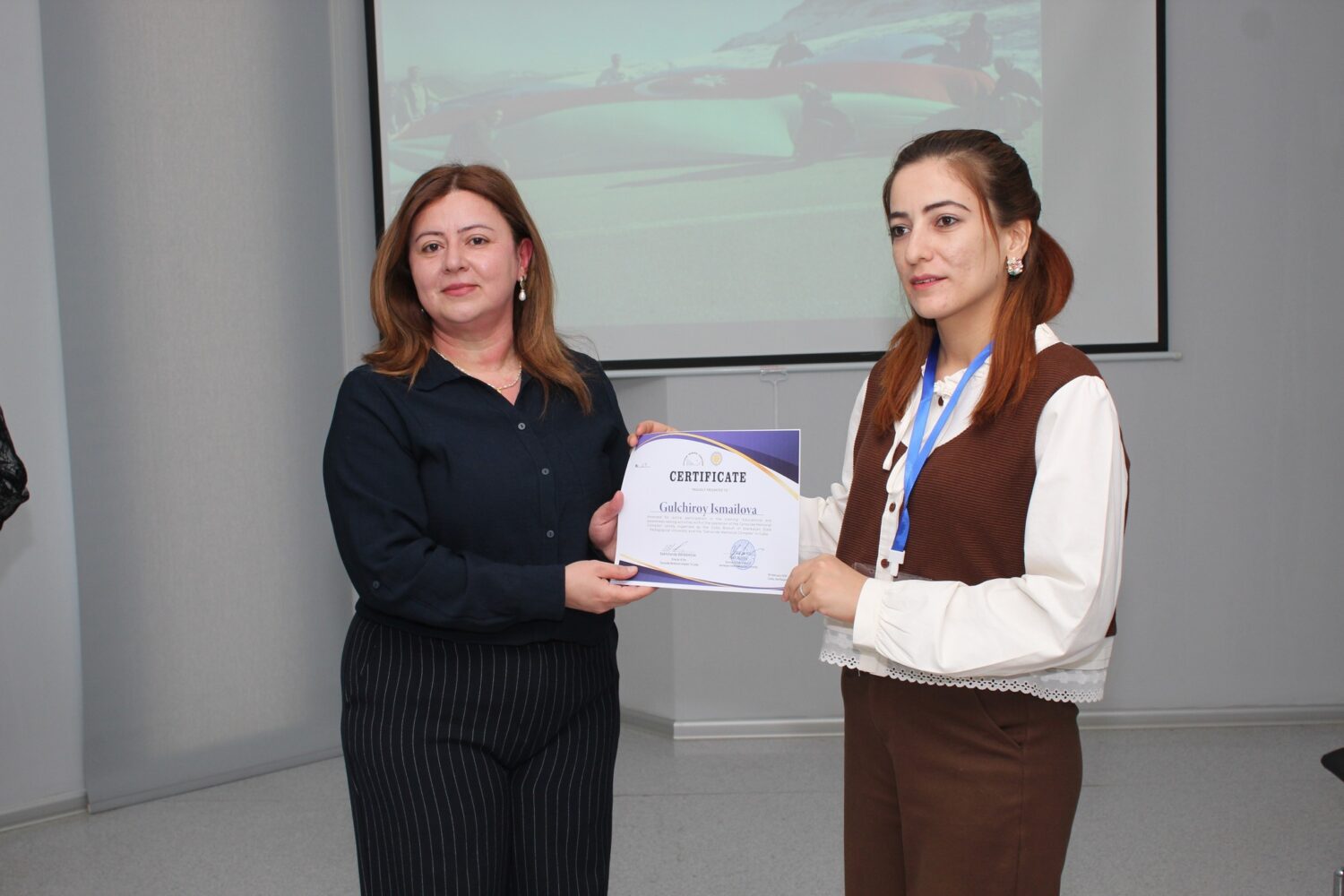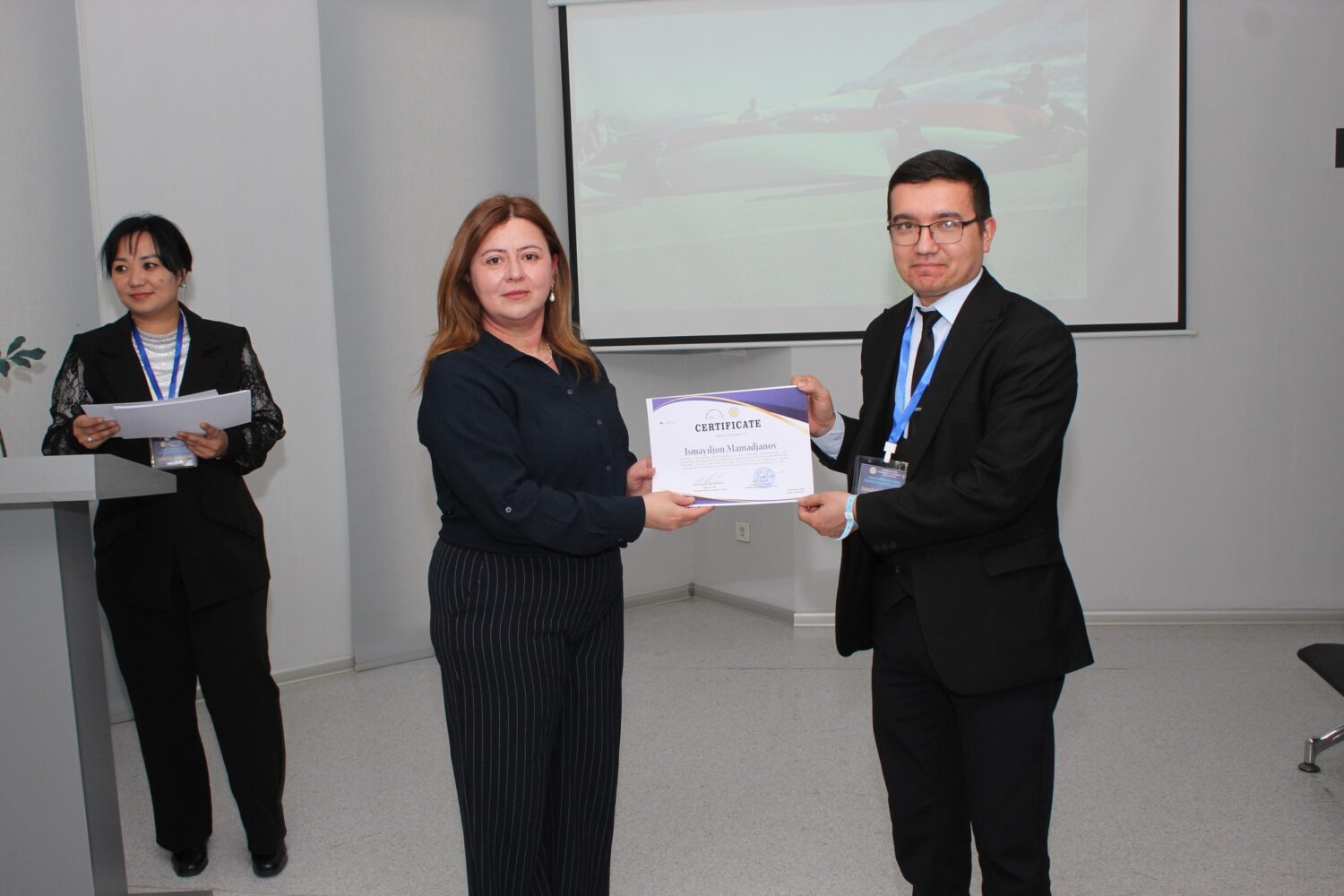
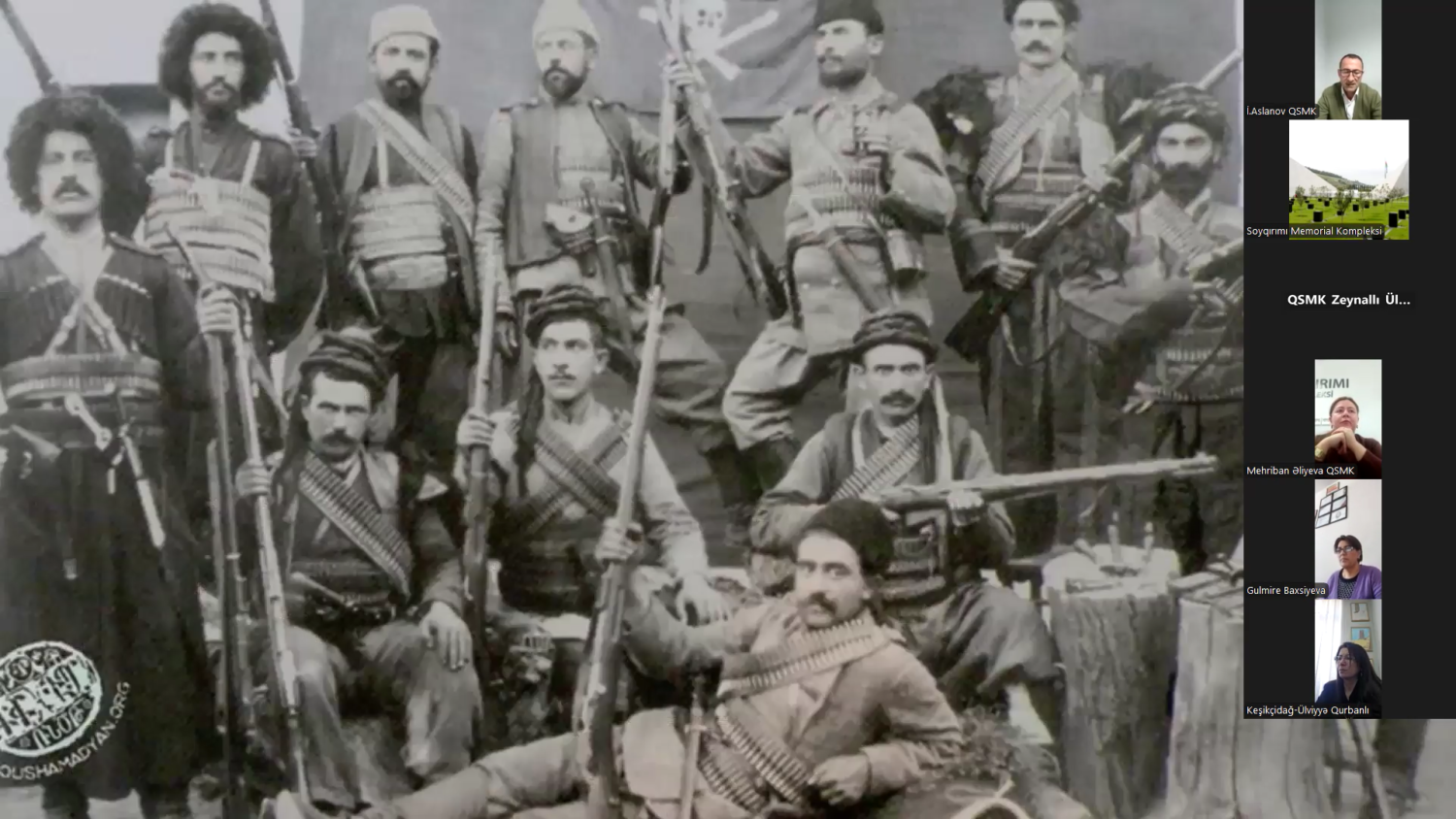

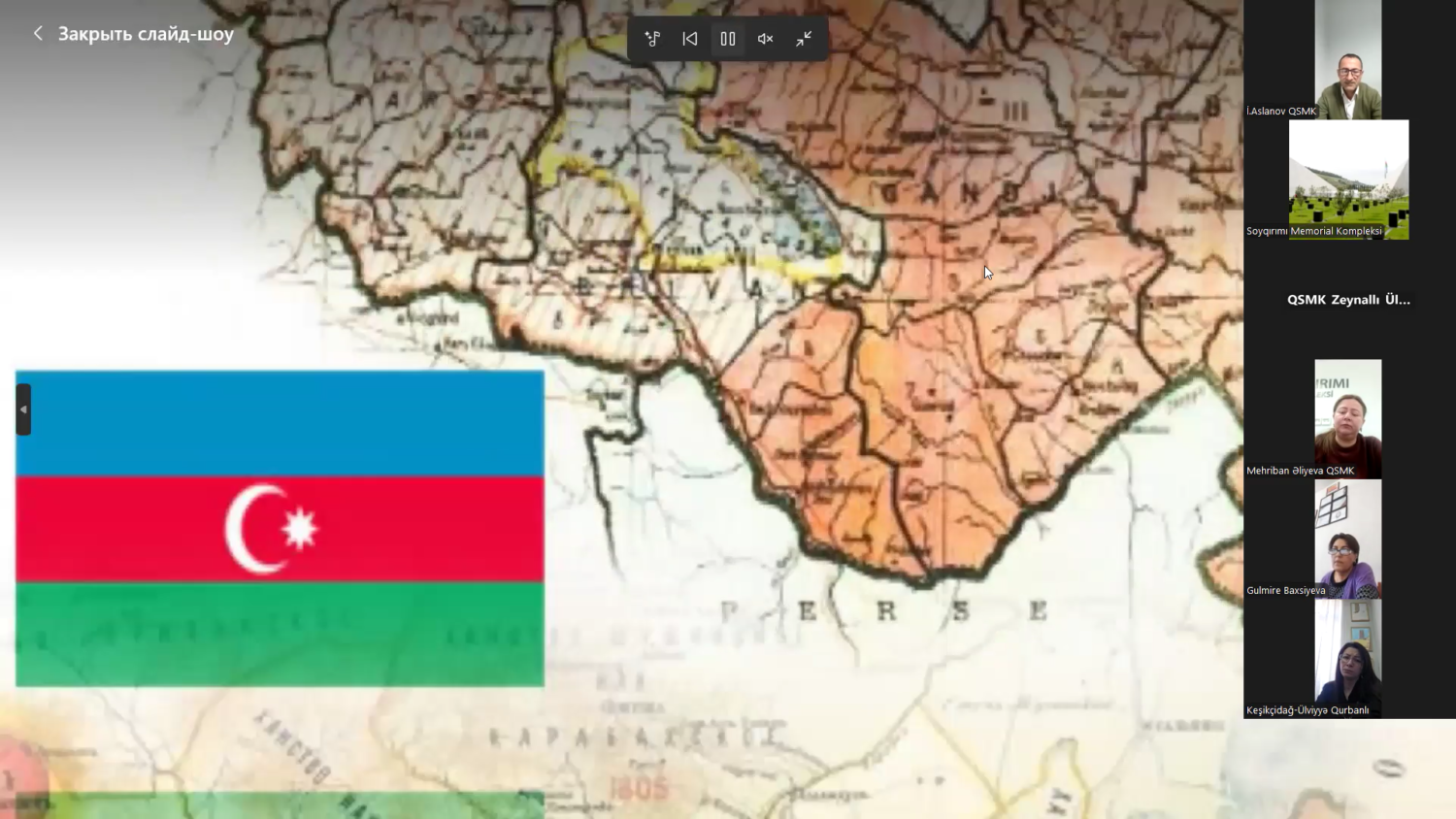
On the occasion of the 34th anniversary of the Khojaly genocide, a masterclass was organized at the “Genocide Memorial Complex” in the city of Guba. The event began with a one-minute moment of silence in memory of the martyrs who sacrificed their lives for the homeland.

In the opening speech of the masterclass, the Director of the Genocide Memorial Complex, Dr. Rakhshanda Bayramova, emphasized the historical significance of the Khojaly events. She stated that during the tragedy, 613 people were killed with particular brutality, including 106 women, 63 children, and 70 elderly individuals. She also noted that 1,275 people were taken hostage, and their fate remained unknown for many years. Subsequently, Professor Haji Hasanov stated that the Khojaly genocide was not only a great tragedy for Azerbaijan but also a crime against all humanity. He emphasized that the Khojaly genocide is one of the bloodiest and most horrific examples of the deliberate policy of ethnic cleansing carried out by Armenian nationalists against Azerbaijanis. This tragedy, he stressed, should be regarded not only as a crime against the Azerbaijani people but as a crime against humanity as a whole. It was also noted that thanks to National Leader Heydar Aliyev, the Khojaly genocide was brought to international attention, and that today diplomatic and legal measures are being undertaken by his достой successor, President Ilham Aliyev. The event continued with discussions centered around the topic.   
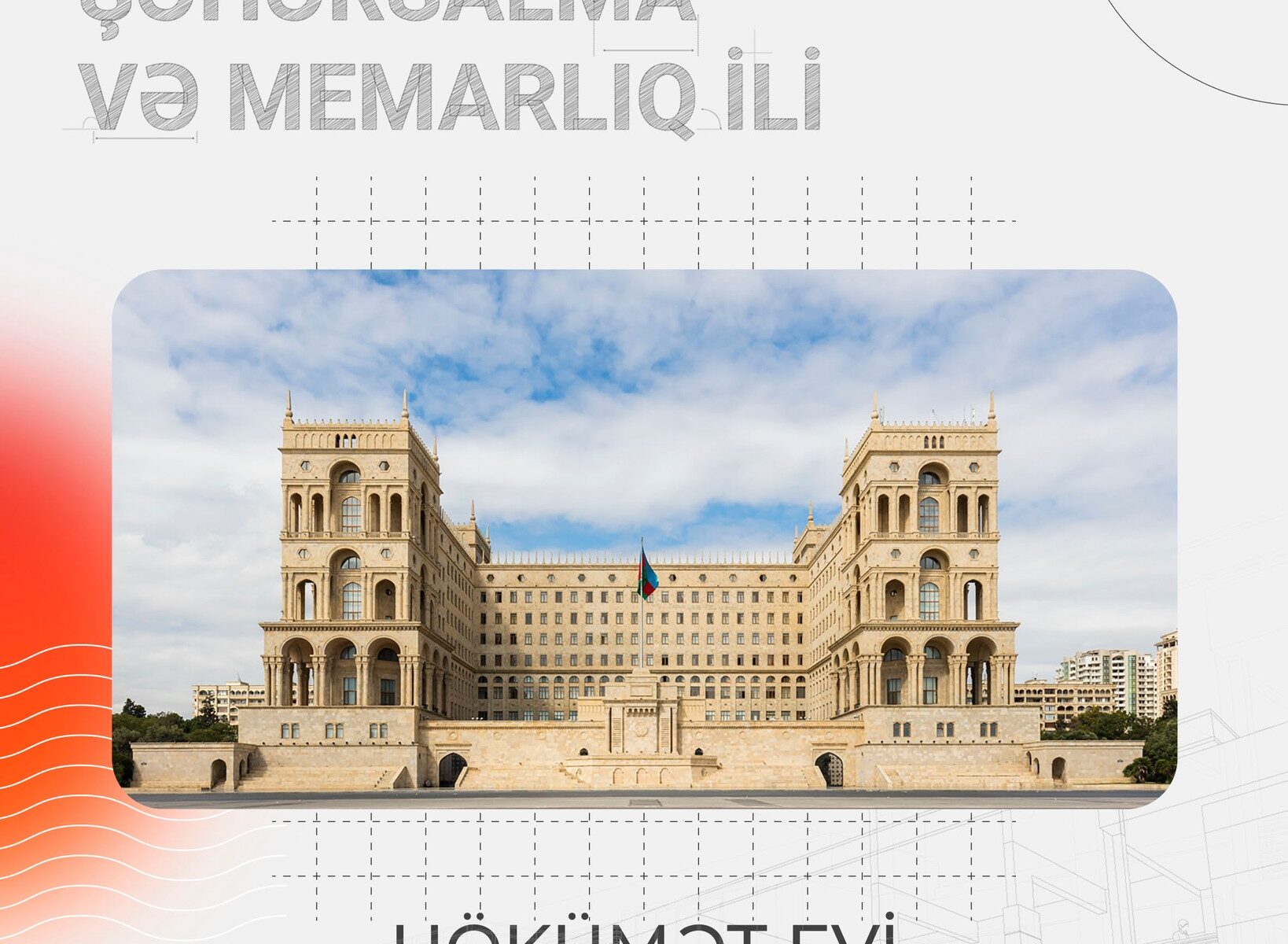
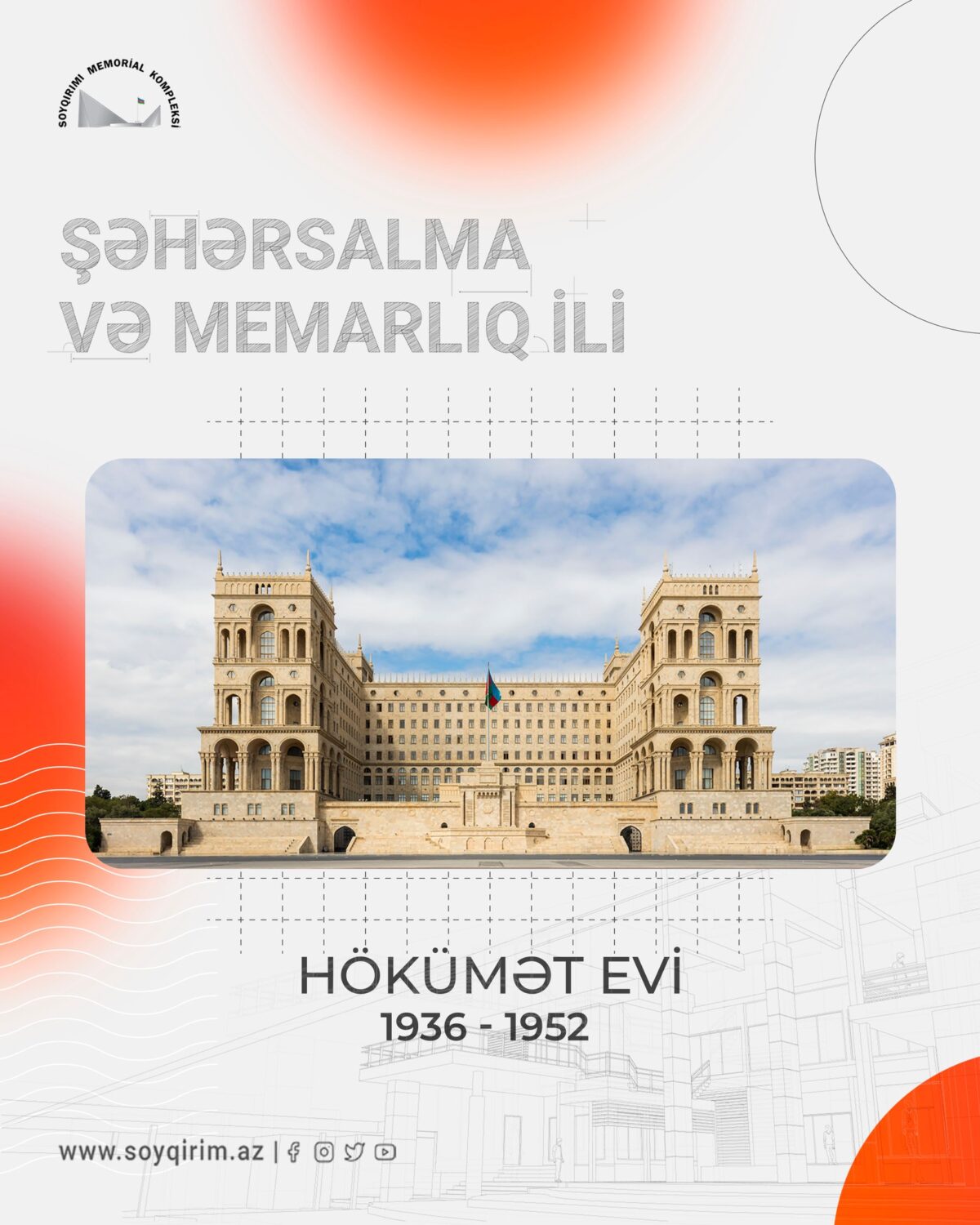
"The Government House"

Located in the center of Baku, the capital of Azerbaijan, on the shores of Freedom Square, the Government House stands out not only for its monumental appearance but also for its historical significance. This grand building is one of the key centers of the country’s state administration and is considered one of the rarest examples of Azerbaijan’s architectural heritage.
The Government House holds a special place in the magnificent architectural ensemble and has a rich and interesting history. In 1924, the idea of building a new building for government members in Baku was proposed, and this process continued until the early 1930s. A competition for the design of the building was announced in 1932, and the winners were selected in 1934. Although the project by Mikayıl Hüseynov and Sadıq Dadaşov was of a high level, it was not approved. The jury awarded first place to Moscow architect Lev Rudnev. It was decided that the building would be constructed in the city center, at the current Freedom Square, with 13 floors planned. However, due to the lack of national architectural elements in the project, changes were made. Arches in the alleys facing the sea were added as a result of these modifications. Although construction began in 1934, it was left unfinished due to World War II and was only completed in 1952. Today, the Government House is preserved as a national historical monument, reflecting the architectural elements of the Shirvanshahs’ Palace.
The Government House is not only an administrative building but also a living witness to the history of Azerbaijan’s statehood, a gem of architectural art, and a symbol of national pride. It has witnessed significant events in Azerbaijan’s history. For example, during the January 20, 1990, events, the mourning rally held in Freedom Square took place in front of the Government House. This event is a reflection of both the people’s will for freedom and the symbolic significance of the building in the national memory.
The grandeur and history of the building create a bridge between the past and present of the Azerbaijani people, reminding future generations that the country’s statehood traditions have been preserved.

A training session titled “The Role of Museums and Reserves in Educating the Younger Generation” was held.

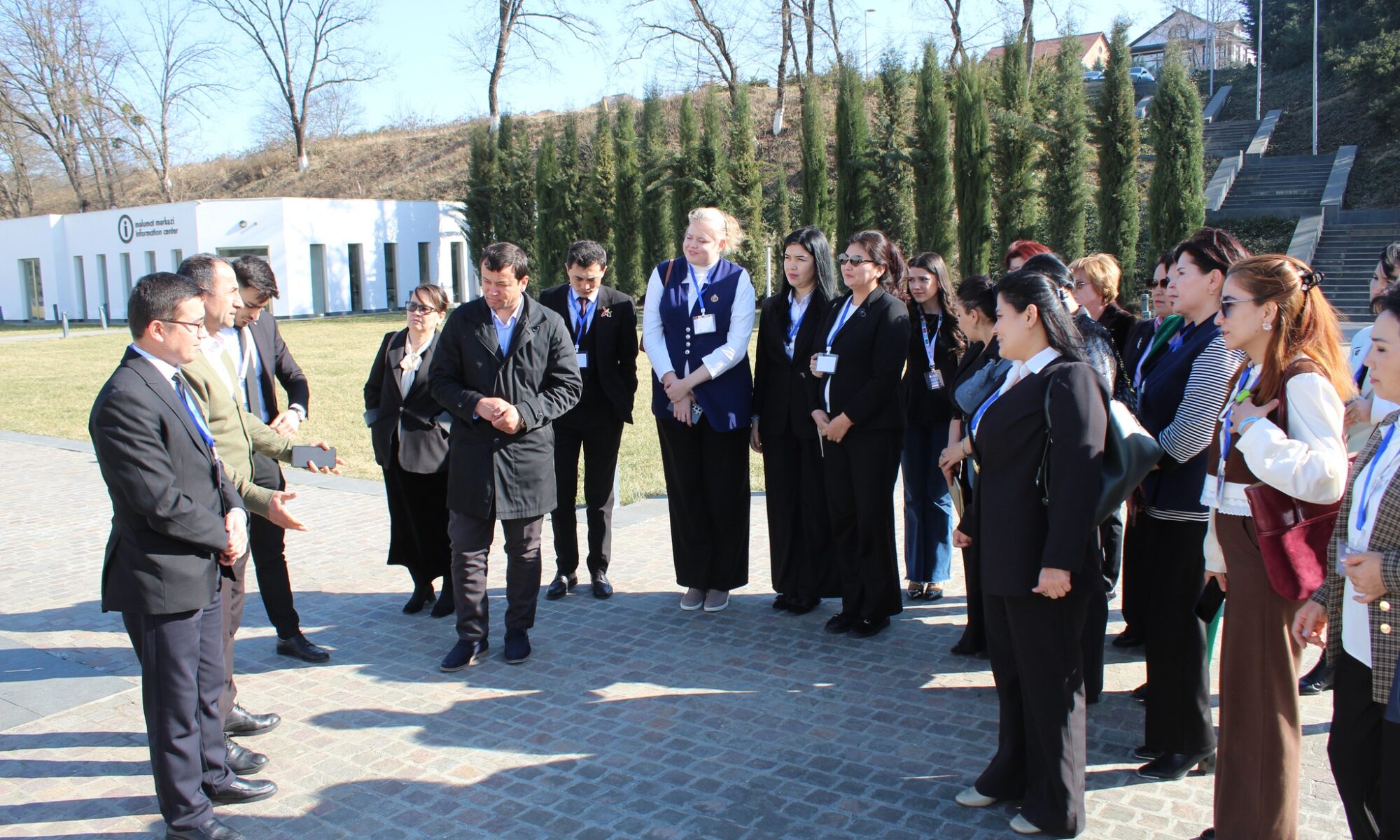
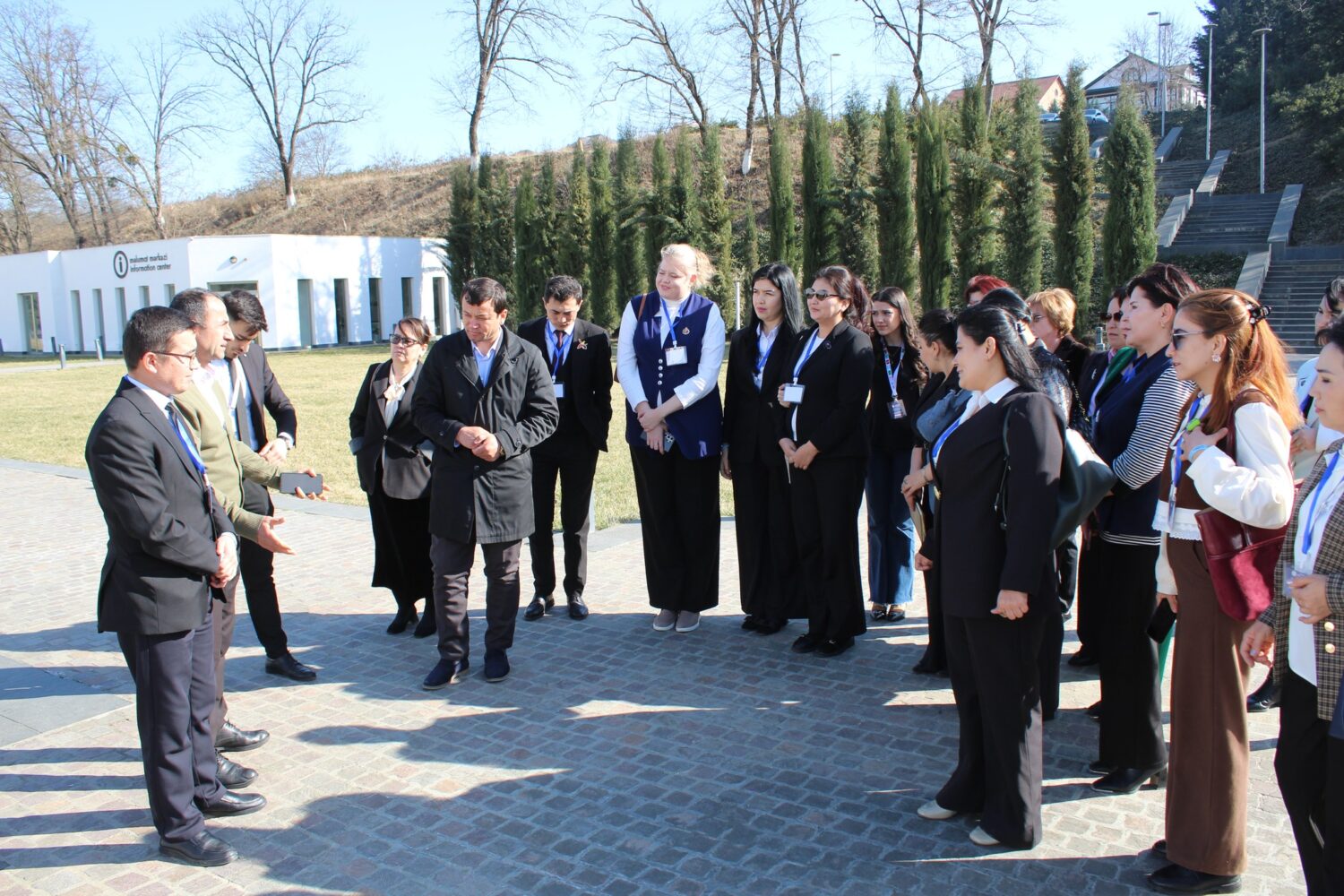
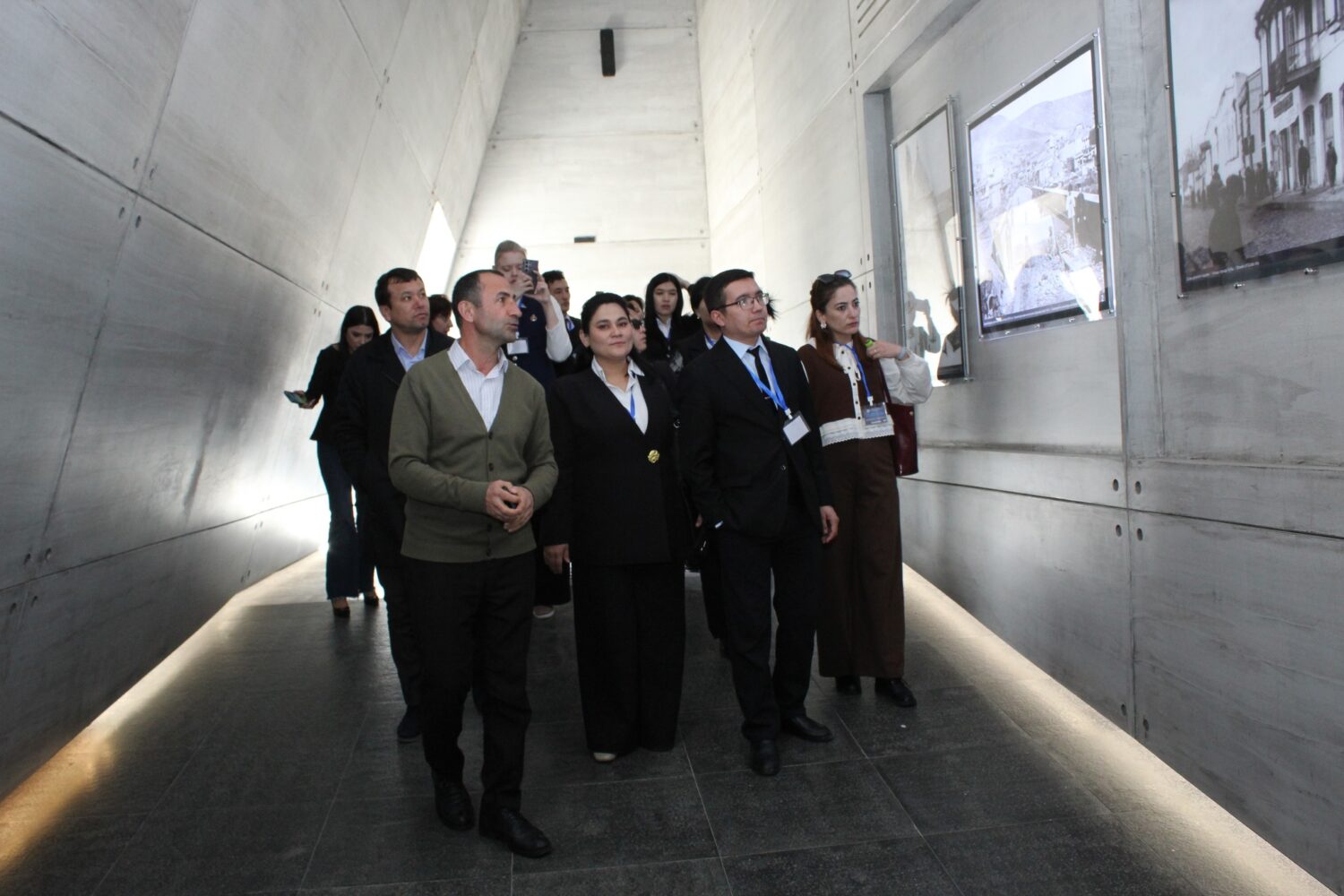
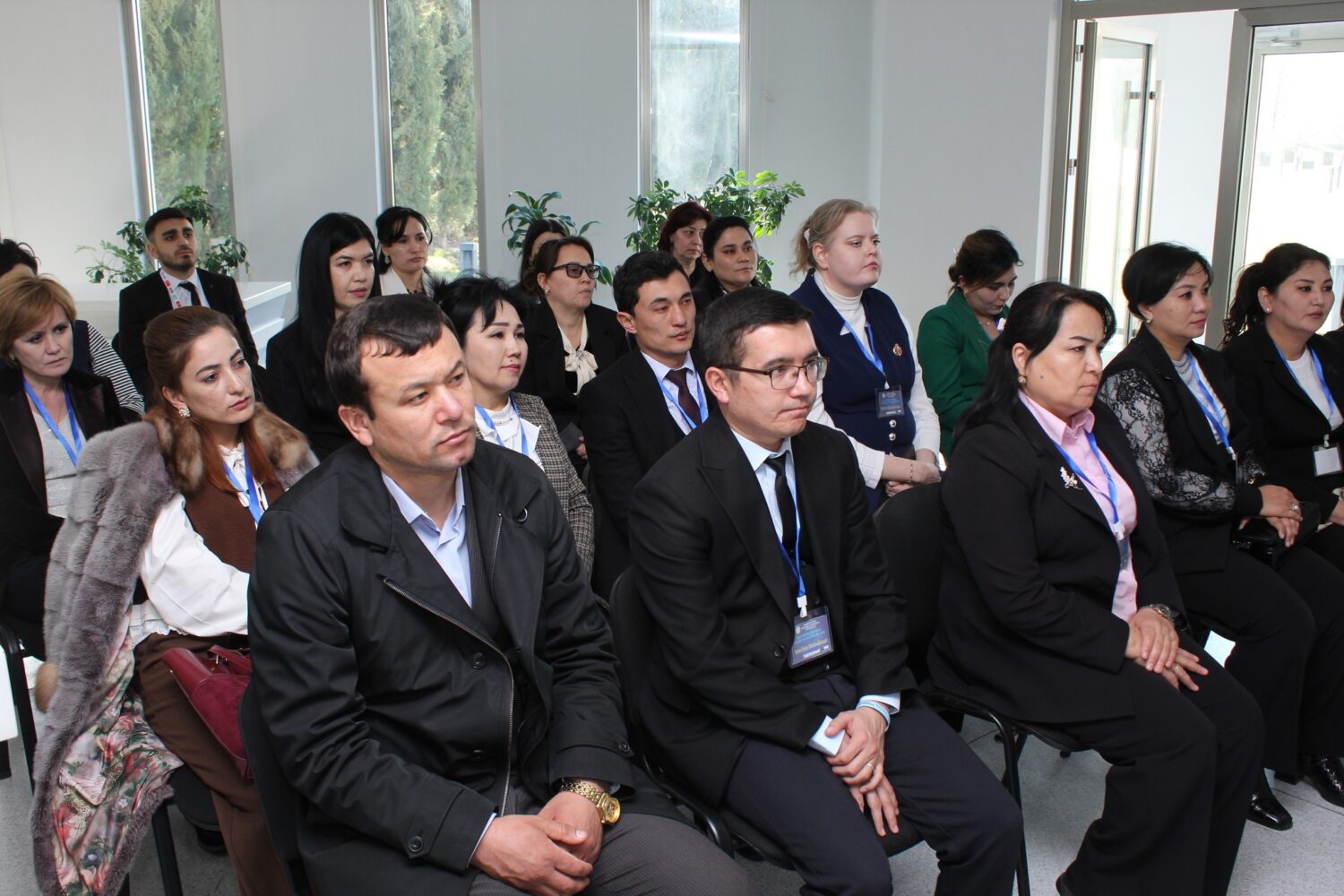
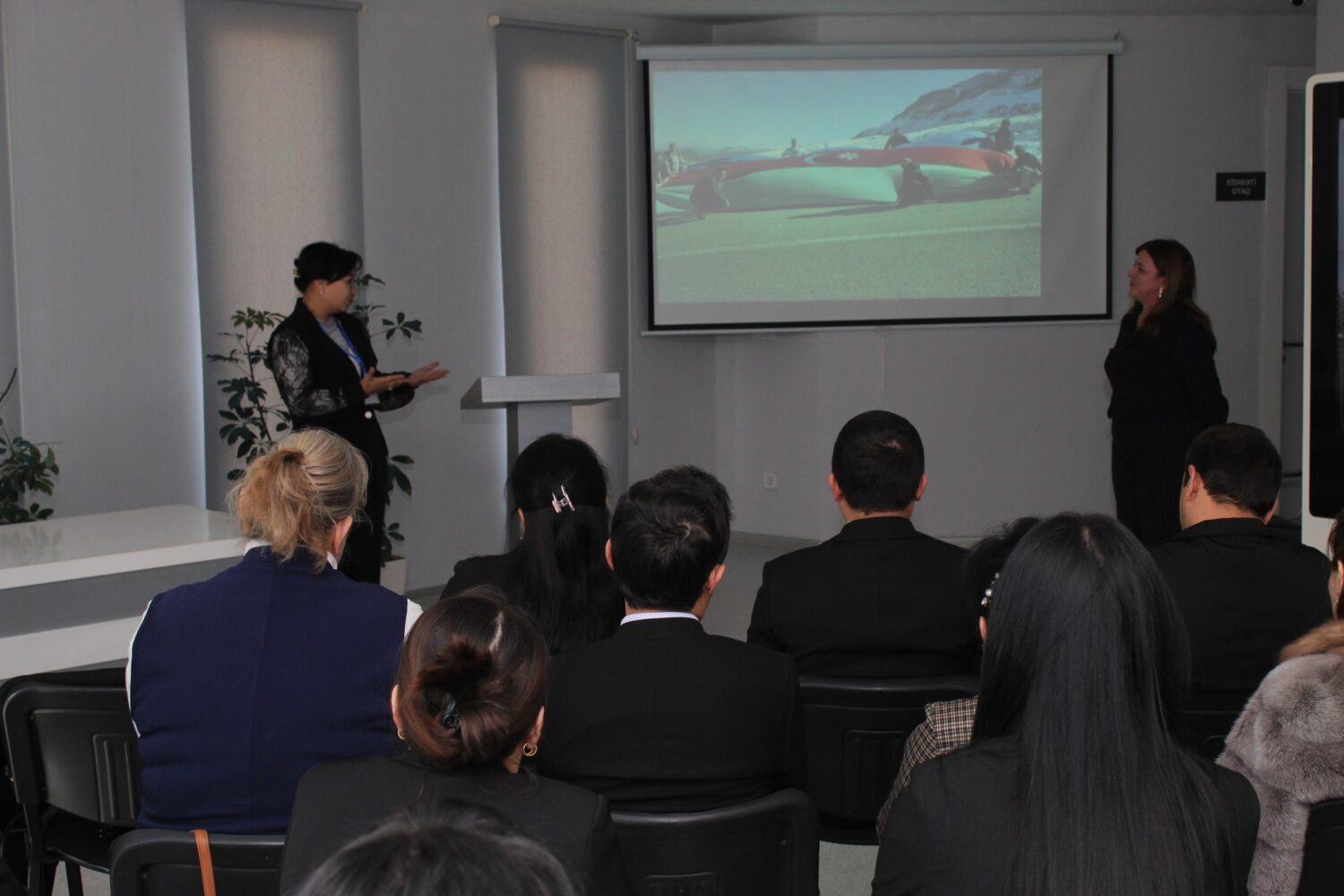
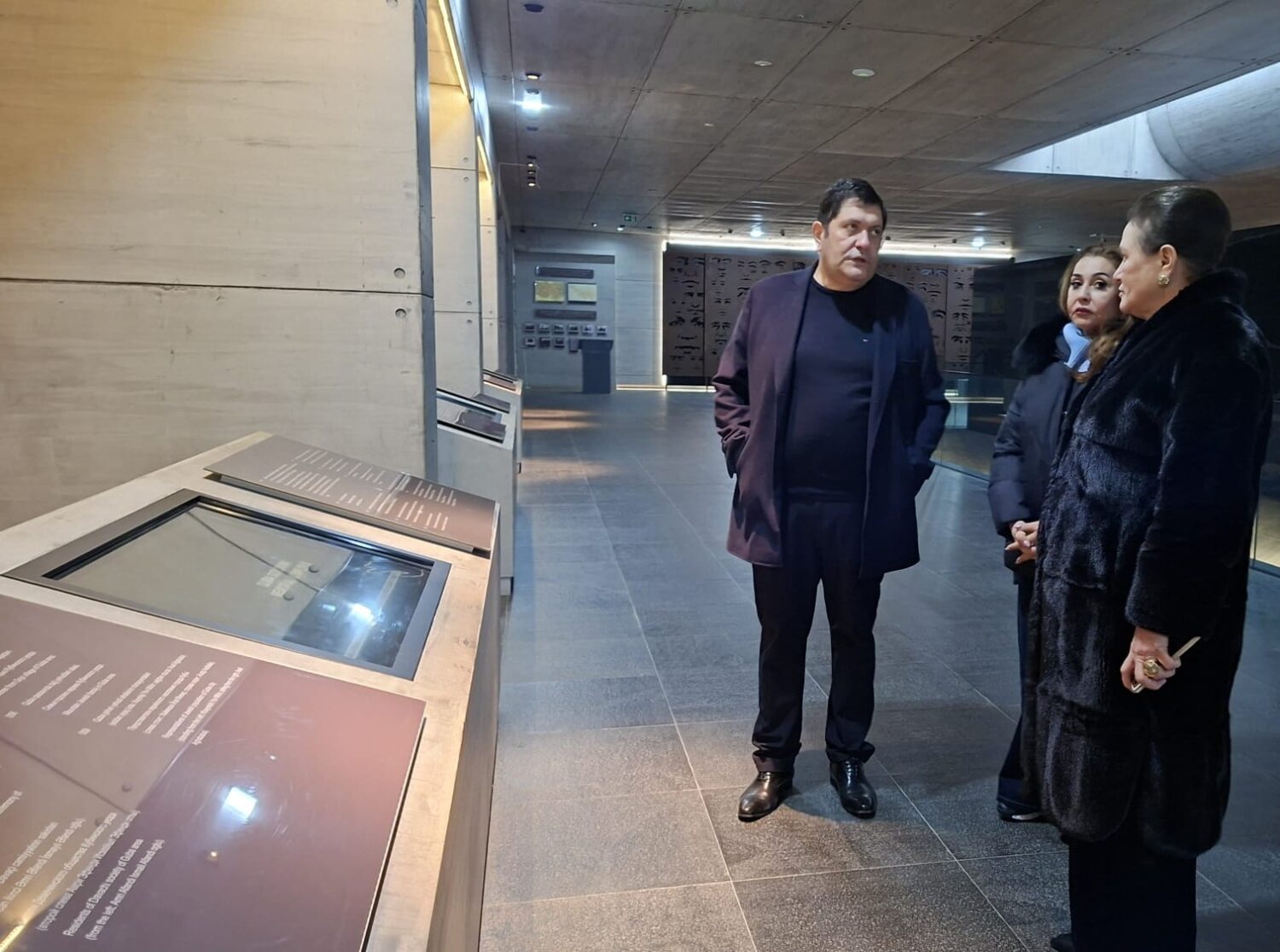
Organized by the “Genocide Memorial Complex” in the city of Guba and initiated by the Guba branch of the Azerbaijan State Pedagogical University, directors and staff members of pedagogical skills centers operating under the Ministry of Preschool and School Education of the Republic of Uzbekistan took part in a training session entitled “The Role of Museums and Reserves in Educating the Younger Generation” at the Genocide Memorial Complex.

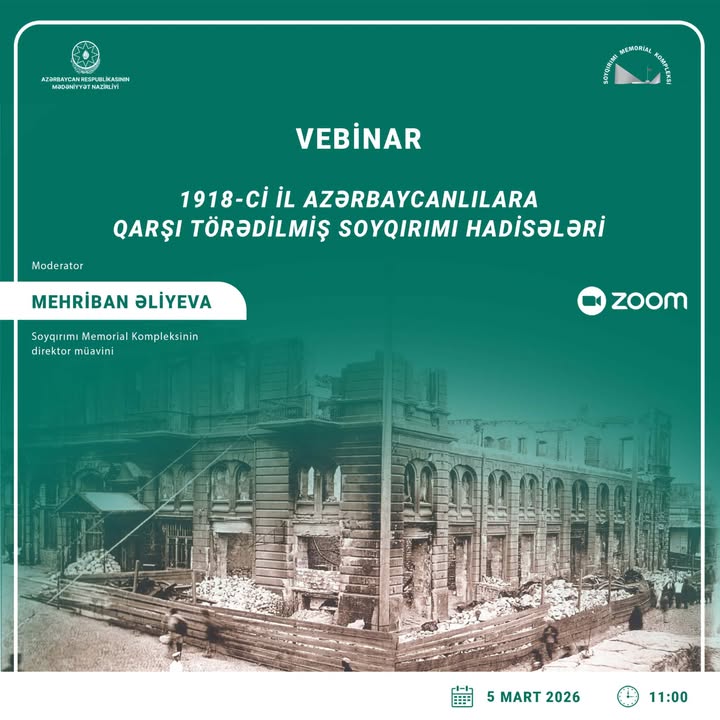
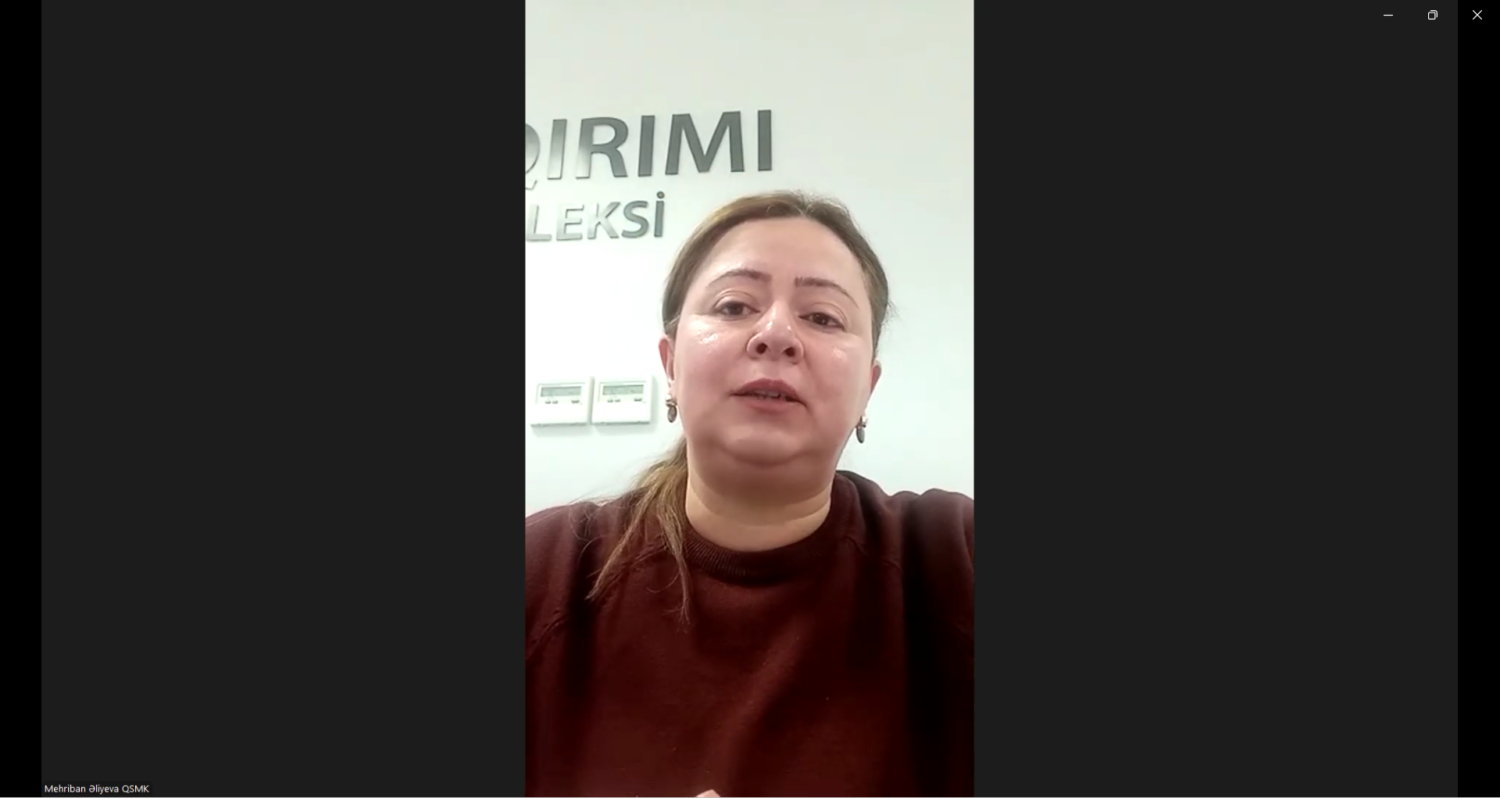
The participants first familiarized themselves with the museum of the Memorial Complex. Afterwards, the Deputy Director of the complex, Mehriban Aliyeva, delivered a speech welcoming the guests and provided detailed information about the complex’s activities, objectives, and educational mission. She noted that within the framework of mutual cooperation between the two countries in the fields of economics, transportation, and humanitarian affairs, the number of joint projects continues to grow steadily, further strengthening the bonds between the two nations.

Other speakers emphasized that Azerbaijan–Uzbekistan relations have deep historical roots and spoke about the historically close cultural ties between the two countries.

At the end of the event, certificates were presented to the participants in recognition of their attendance.

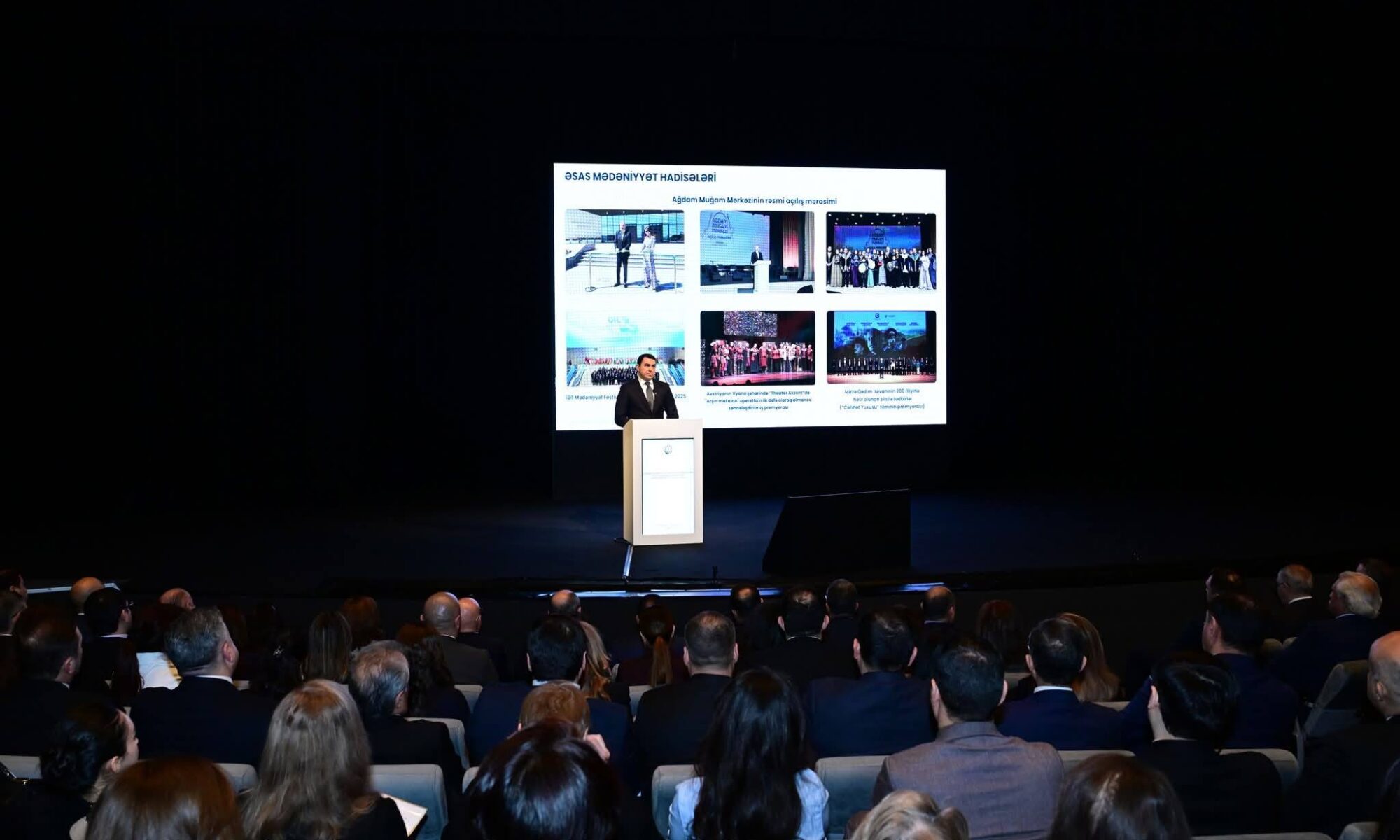
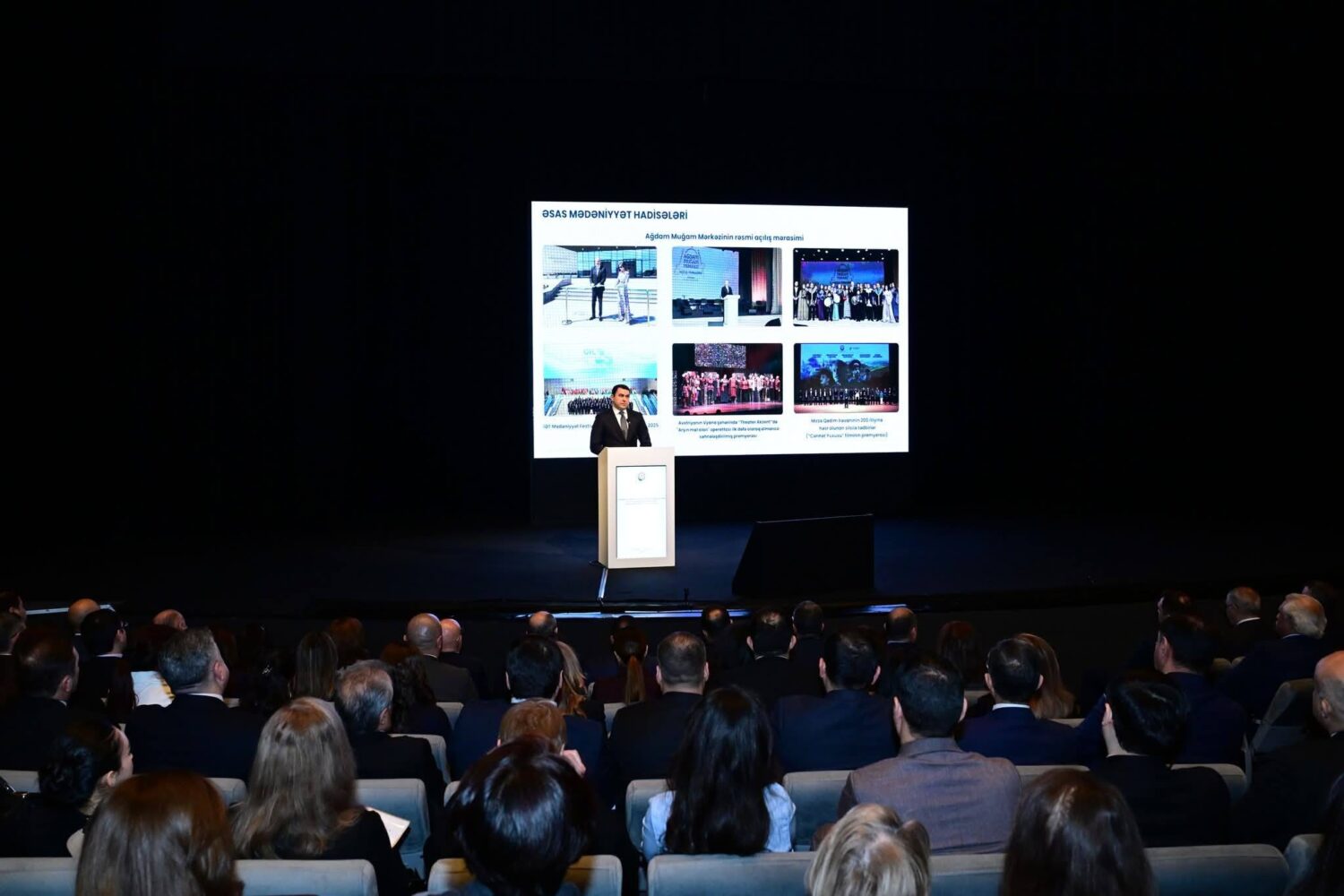
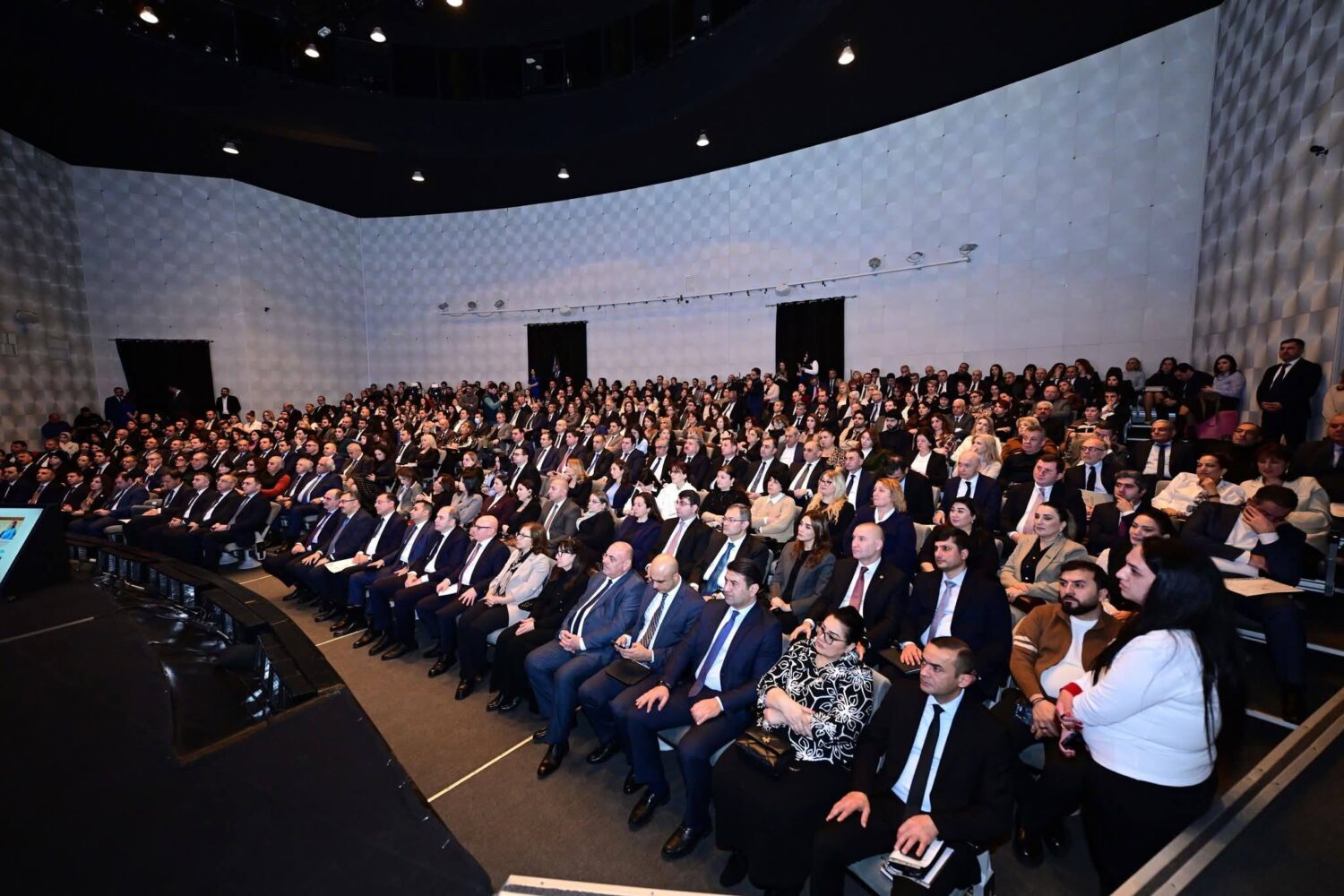
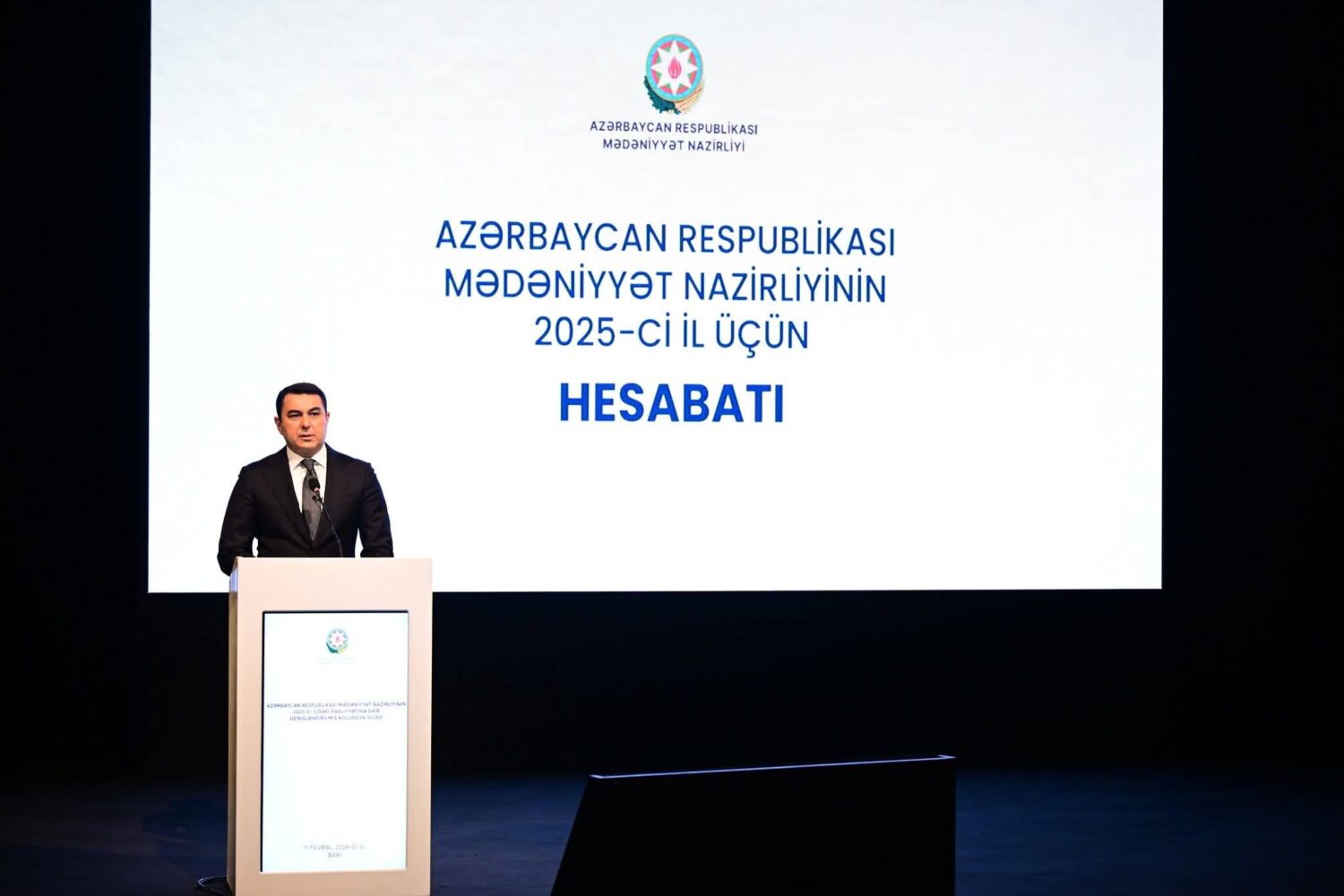
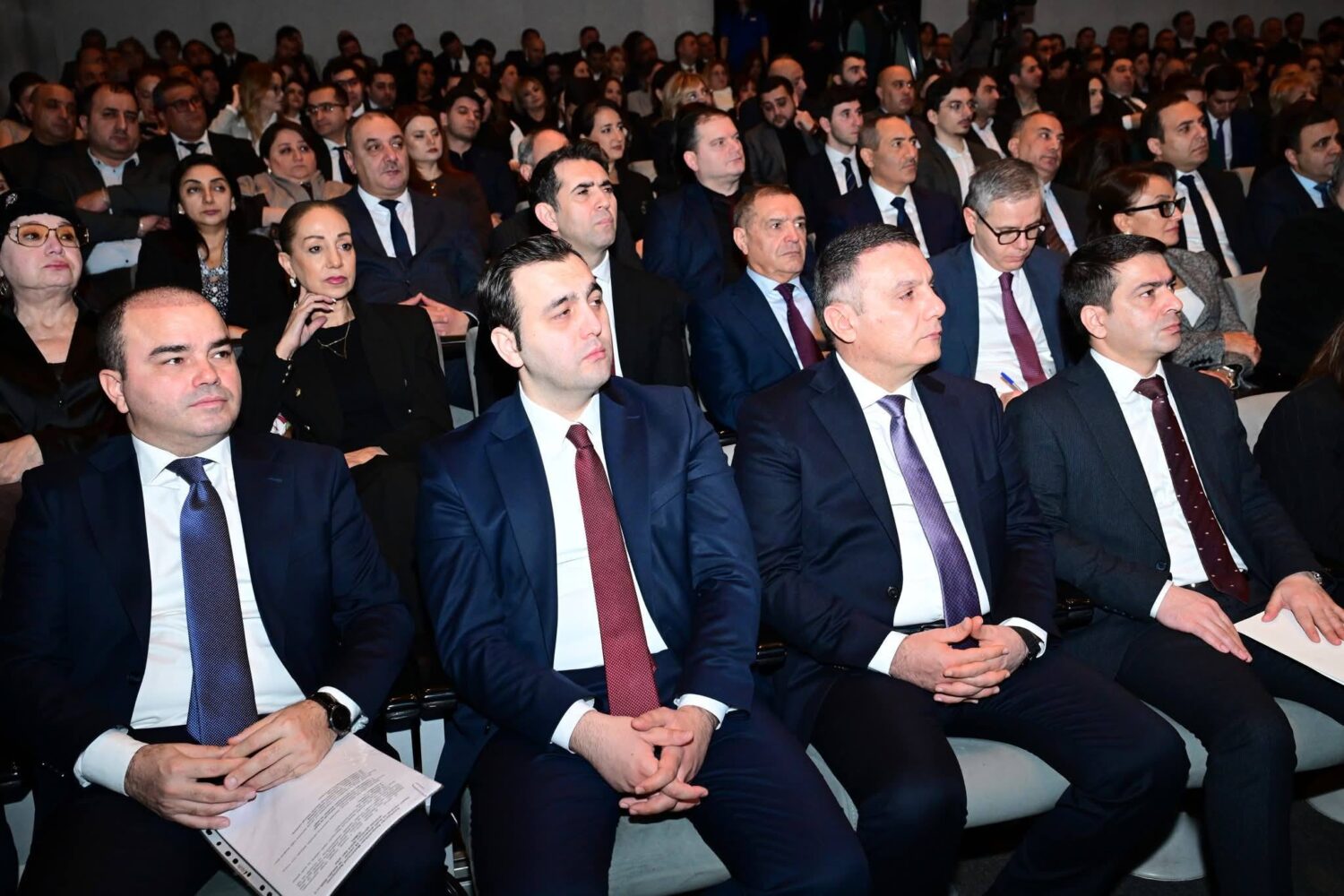
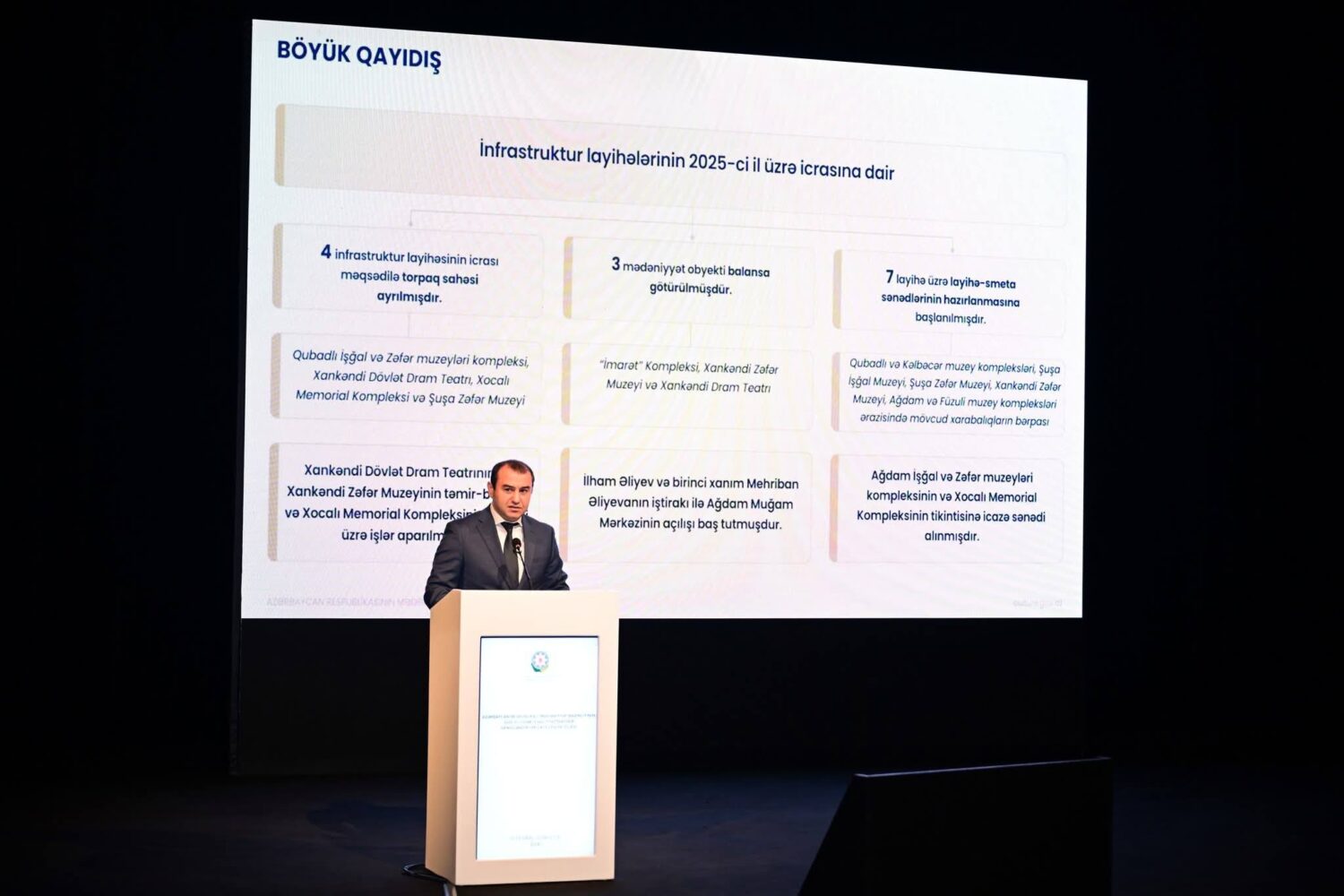
An expanded board meeting on the activities of the Azərbaycan Respublikasının Mədəniyyət Nazirliyi for 2025 is being held.

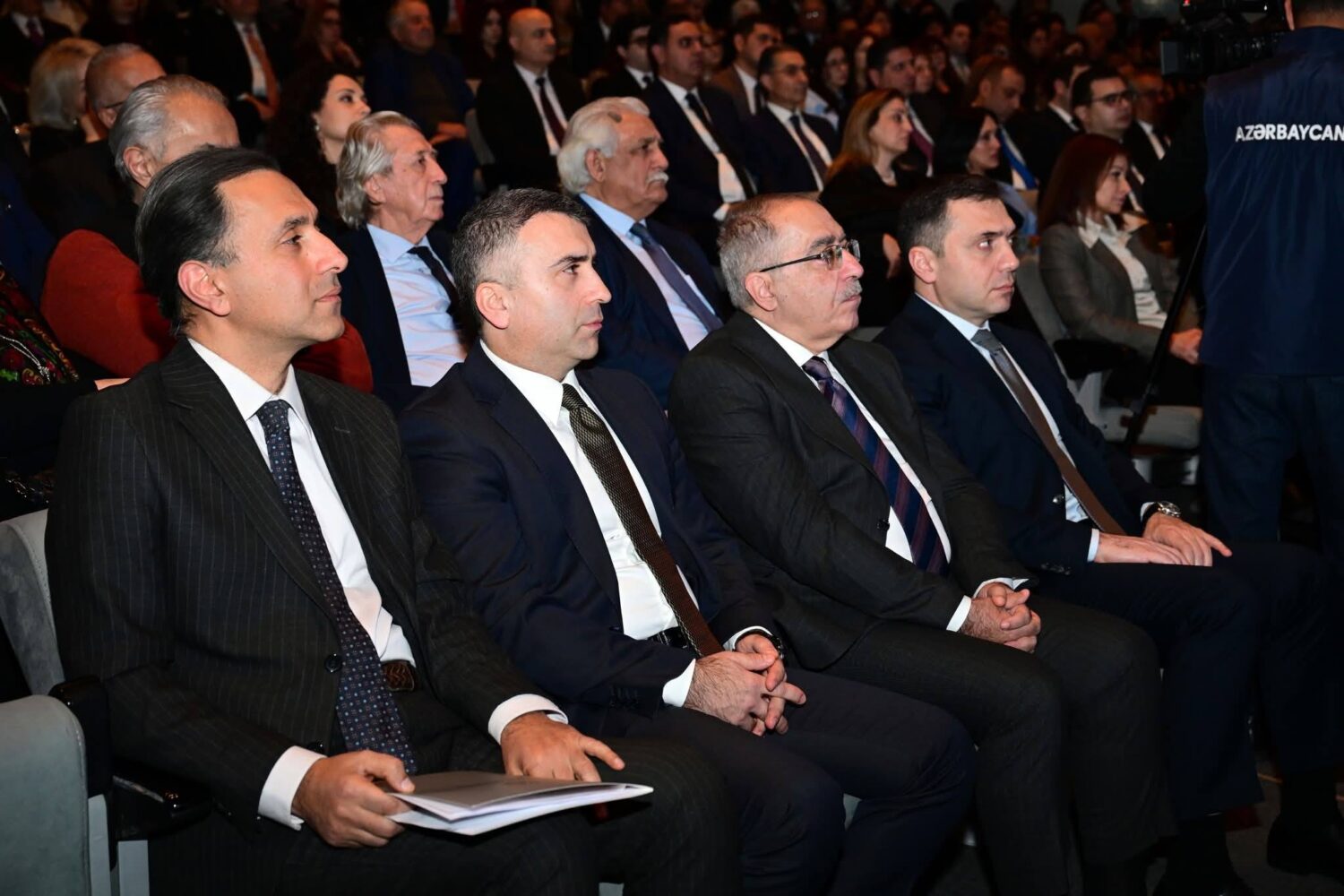
On February 11, an expanded board meeting on the activities of the Azərbaycan Respublikasının Mədəniyyət Nazirliyi for 2025 is being held in Azərbaycan. The meeting, held at the Azərbaycan Dövlət Milli Gənc Tamaşaçılar Teatrı, is attended by Minister of Culture Adil Kərimli, members of the board, Chairman of the Culture Committee of the Azərbaycan Respublikasının Milli Məclisi Polad Bülbüloğlu, committee members, heads and representatives of relevant higher education institutions and creative organizations, well-known cultural figures, and heads of the ministry’s subordinate institutions.    

Employees of the State Service are participating in the “Turkish Restoration and Conservation Laboratories Network – Turkey Experience Exchange Program.”

In Ankara, the “Turkish Restoration and Conservation Laboratories Network – Turkey Experience Exchange Program” has started. The program is organized at the initiative of the Türk Mədəniyyəti və İrsi Fondu, hosted by the Türkiyə Respublikası Mədəniyyət və Turizm Nazirliyi, and supported by the Türk Əməkdaşlıq və Koordinasiya Agentliyi (TİKA) and the Türk Dünyası Fondu.

The aim of the program is to strengthen cooperation in the restoration and conservation of cultural heritage across the Turkic world.

Within the framework of the program, which runs from February 9 to 13, specialists in restoration and conservation from Azerbaijan, Kazakhstan, Kyrgyzstan, Turkey, Uzbekistan, Hungary, and Turkmenistan will come together in Ankara and İstanbul.

On the first day of the program, a session was held for participants at the Ankara Regional Restoration and Conservation Laboratory.

As part of the visit, the next events will take place in the city of Istanbul.


"Urban Planning and Architecture Year"

According to the Decree No. 858 of the President of the Republic of Azerbaijan dated December 22, 2025, the year 2026 has been declared the “Year of Urban Planning and Architecture.” The declaration of the “Year of Urban Planning and Architecture” in Azerbaijan is an expression of the importance given to the country’s historical heritage and future development. This decision emphasizes the necessity of approaching cities not only as living spaces but also as carriers of cultural and social memory. Azerbaijani cities have developed over centuries along the Silk Road, becoming centers of trade, craftsmanship, and culture. This process has created a unique style and identity in the architectural appearance of cities.
Historical forts, caravanserais, mosques, and tombs demonstrate that national architectural thought has deep roots. Monuments like the Momine Khatun Mausoleum, Khudafarin Bridge, and the Ateshgah Complex are examples of our architectural heritage recognized worldwide. The inclusion of the Old City, the Shirvanshahs’ Palace Complex, Maiden Tower, and the historical center of Sheki in UNESCO’s World Heritage List further affirms the value of this heritage.
In particular, the work of Ajami Nakhchivani has had a significant influence on the formation of the Azerbaijani architectural school in the Near East. From the 19th century onward, a new architectural language began to emerge in Baku, combining Eastern and Western styles. In the 20th century, modern urban planning approaches based on national traditions were developed, and many cities’ planning was renewed.
In the period of independence, architectural projects implemented in the country significantly expanded the aesthetic appearance and functional capabilities of cities. The Heydar Aliyev Center, Flame Towers, and the White City complex have become symbols of modern architecture. Construction works in the regions have given new impetus to the balanced development of cities.
Restoration and reconstruction projects implemented in the liberated territories reveal the humanistic and sustainable essence of urban planning. The restoration of Shusha’s historical architectural environment is a manifestation of national will and memory. The “Year of Urban Planning and Architecture” is a call for the systematic and thoughtful continuation of these processes. This year aims to shape cities in a more livable, aesthetic, and future-oriented manner.

Agreements on the Southern Gas Corridor Project

The Southern Gas Corridor, one of the most important international projects implemented by the Republic of Azerbaijan, was established in 2013 with the Final Investment Decision (FID) on the Shah Deniz-2 project. This decision enabled the development of the second phase of the Shah Deniz gas field located in the Caspian Sea and the large-scale production of natural gas. The Southern Gas Corridor is a strategic energy corridor that ensures the safe and sustainable delivery of Azerbaijani gas from the Caspian Basin to European markets and is based on several important international agreements.
The agreement between Azerbaijan and Turkey has served to strengthen the strategic partnership between the two countries. TANAP (Trans-Anatolian Natural Gas Pipeline) starts at the Georgian border, passes through Turkey, and extends to Europe, playing a significant role in both Turkey’s and Europe’s energy security.
Additionally, within the framework of the Southern Gas Corridor, intergovernmental and host country agreements have been signed with all the countries through which the project passes. These documents play a crucial role in regulating the construction, operation, legal, and tax issues related to the pipelines and ensure the long-term stability of the project. The agreements signed under the Southern Gas Corridor project have strengthened Azerbaijan’s position as a reliable partner in the international energy market, contributing significantly to the country’s economic development and the enhancement of its political influence.

Law of the Republic of Azerbaijan on making amendments to the Criminal Code of the Republic of Azerbaijan, the Code of Administrative Offenses of the Republic of Azerbaijan, and the Laws of the Republic of Azerbaijan 'On the Protection of Historical and Cultural Monuments' and 'On Culture'.

https://president.az/az/articles/view/71428?fbclid=IwY2xjawPn0fZleHRuA2FlbQIxMABicmlkETExVnpQWERlNVpPb3dTSHQ2c3J0YwZhcHBfaWQQMjIyMDM5MTc4ODIwMDg5MgABHtQt2HcS2Kt9uQ0jFmStLAYxFzWpUdUsabLiBGqt4Gsa_lYRZ-JdGGdq_UR2_aem_Qa1urg7wj5sijJn1k7JsmA

On the occasion of the anniversary of the January 20 tragedy, a commemorative event and masterclass titled 'January 20 – A Chronicle of Heroism' was organized in Guba. The event was held through the joint cooperation of the 'Genocide Memorial Complex' and the Guba District Branch of the New Azerbaijan Party

The event commenced with a minute of silence to honor the memory of the heroes who sacrificed their lives for the territorial integrity and independence of Azerbaijan, followed by the playing of the National Anthem of the Republic of Azerbaijan.

Dr. Tahmina Aliyeva, a specialist at the “Genocide Memorial Complex” in Guba and Doctor of Philosophy in History, moderated the event and spoke about the historical significance of the January 20 tragedy. She stated that although the events of January 20 were intended to silence the will of the Azerbaijani people through force, they instead strengthened the national struggle, securing an eternal place in the nation’s memory as the pinnacle of martyrdom for independence.

Dr. Rakhshanda Bayramova, Director of the Genocide Memorial Complex, discussed the historical and political essence of the tragedy and its crucial role in the people’s struggle for freedom. She emphasized that the primary mission of the Memorial Complex is to preserve national memory and educate the younger generation in the spirit of patriotism.

Elkhan Maharramov, Deputy Chairman of the Guba District Branch of the New Azerbaijan Party, highlighted the important place January 20 holds in the history of Azerbaijan’s national struggle and stressed the necessity of always honoring the martyrs with deep respect. He noted that this history, written with the blood of the January 20 martyrs, forms the foundation of Azerbaijan’s state independence, and today’s achievements are a direct result of those sacrifices.

Furthermore, Dr. Sabir Hajiyev, Head of the Department of Humanities at the Guba branch of the Azerbaijan State Pedagogical University, Doctor of Philosophy in Political Science, and an eyewitness to the January 20 tragedy, delivered a speech. He described the events as part of the Soviet empire’s bloody policy aimed at breaking the freedom-seeking will of the Azerbaijani people. During his presentation, he used a visual display based on archival materials and facts to provide a vivid account of the course and historical consequences of the events. Dr. Hajiyev emphasized that, by its nature, this tragedy was not only an act of repression but also a historical turning point that awakened national consciousness and bolstered ideas of liberty. He noted that the heroism shown by the January 20 martyrs is etched in history as a symbol of the Azerbaijani people’s determination to fight for independence and continues to play a vital role in shaping the patriotism of the youth. The speaker also shared his insights on the political and legal aspects of the January 20 tragedy and its evaluation on the international stage.

The event concluded with discussions on the topic.

THE 1ST INTERNATIONAL SYMPOSIUM ON “THE SILK ROAD: HISTORY, CULTURE, AND ART OF TURKIC PEOPLES ALONG THIS ROUTE”

INTERNATIONAL SYMPOSIUM THE SILK ROAD AND THE HISTORY, CULTURE, AND FINE ARTS OF THE TURKIC PEOPLES ALONG THIS ROUTE April 16 – 17, 2026 Gobustan National Historical and Cultural Reserve THE 1ST INTERNATIONAL SYMPOSIUM ON “THE SILK ROAD: HISTORY, CULTURE, AND ART OF TURKIC PEOPLES ALONG THIS ROUTE”

According to the Decree of the President of the Republic of Azerbaijan, Mr. Ilham Aliyev, on the celebration of the 100th anniversary of the First Turkological Congress, a series of international academic events will be organized as part of the anniversary. Among these events, the 1st International Symposium titled “The Silk Road: History, Culture, and Art of Turkic Peoples Along This Route” will be held in Baku on April 16–17, 2026. The Silk Road has historically served as a central hub of trade and cultural exchange between East and West for centuries, becoming one of the oldest and most significant trade routes in the world. Along with goods, ideas, knowledge, and cultures also traveled this road. The Silk Road has significantly influenced the development of the history, culture, and art of various peoples over time, including the Turkic peoples. This symposium aims to explore the heritage, history, art, and culture of the Turkic peoples along the Silk Road, as well as the challenges they faced – such as genocide, deportation, and repression.

Objectives of the Symposium:

To introduce the history and culture of the Turkic peoples living along the Silk Road; To study the historical, socio-economic, and political factors that influenced the culture of Turkic peoples via the Silk Road; To discuss the identification, preservation, and promotion of historical monuments and sites of Turkic peoples; To examine the genocide, deportations, and repressive policies faced by Turkic peoples in the territories along the Silk Road and contribute to the international recognition of these issues; To establish experience-sharing and cooperation among scholars and researchers. Date and Venue: Date: April 16–17, 2026 Venue: Baku, Azerbaijan Deadline for article submission: March 1, 2026

Email for article submission:

 simpozium2026@gmail.com

Who Can Participate? Scholars and researchers in the fields of archaeology, history, culture, and art, as well as employees of museums and heritage institutions. Symposium Topics: 1. Archaeological heritage, rock art, and their study in ethnographic context 2. The Silk Road and the history of Turkic peoples 3. The Silk Road: Historical and cultural relations in the formation of Turkic civilization 4. The cultural heritage of Turkic peoples, its study and development in the modern era, and its influence on global culture 5. Preservation, study, and promotion of historical monuments of Turkic peoples 6. Genocide, deportation, and repressive policies in the territories inhabited by Turkic peoples: historical and legal aspects 7. Cultural integration policies among Turkic-speaking states in the modern era and the Great Silk Road 8. The Heritage of the Great Silk Road: Internationalization of global cultural values Formatting Requirements for Symposium Materials: Paper size A4 Font Times New Roman, size 12 pt Languages Azerbaijani, Russian, or English Line spacing 1.15 Indentation 1.25 cm Margins 2 cm on all sides Title Centered, uppercase, bold Author’s full name Centered, bold Institution, city, country: Centered, italic Email address: Centered, italic ORCID code Centered, italic Keywords 5–7 keywords in Azerbaijani, English, and Russian Abstract 80–100 words in Azerbaijani, English, and Russian Structure References Abstract, Introduction, Main Body, Discussion, Conclusion Cited in square brackets (e.g., [1, p. 56]); listed alphabetically Only one article will be accepted per author (individual or co-author). Authors without academic degrees must include a review from a scientific supervisor, expert (e.g., their institution’s head), or a field-relevant academic. The review should be presented on a separate page and include contact details and institutional affiliation. Submitted articles will be checked through an anti-plagiarism system before being published in the symposium proceedings. Articles that do not meet the specified requirements will not be accepted. Authors bear full responsibility for their submissions.

Organizational Support: Ministry of Culture of the Republic of Azerbaijan State Service for the Protection, Development, and Restoration of Cultural Heritage under the Ministry of Culture Gobustan State Historical-Artistic Reserve “Genocide Memorial Complex” in Guba

Contact Information: For organizational issues:

Ali Bayramov – Deputy Director, Gobustan National Historical-Artistic Reserve (+994777077770)

Khayal Nuhbalayev – Staff Member, “Genocide Memorial Complex” in Guba (+994558850036)

For academic matters:

Nazila Mammadova – Staff Member, “Genocide Memorial Complex” in Guba (+994556797911)

Namig Bagirli – Staff Member, “Genocide Memorial Complex” in Guba (+994506097097)

Sevinc Shirinli – Senior Researcher, Gobustan National Historical-Artistic Reserve (+994518583388)

Project Leaders: Vugar Isayev, Rakhshanda Bayramova

Concept Authors: Vugar Isayev, Rakhshanda Bayramova

Chief Scientific Advisor: Anar Isgandarov

Scientific Secretary: Irada Aliyeva

Literary Editor and Proofreader: Namig Bagirli

Chief Coordinator: Nazila Mammadova

Design and Technical Layout: Mikayil Sultanzade

Scientific Committee of the Symposium

1. Academician Nargiz Akhundova – Full Member of the Azerbaijan National Academy of Sciences
2. Professor, Doctor of Historical Sciences Anar Isgandarov – Chair of the Science and Education Committee of the National Assembly of Azerbaijan
3. Professor, Doctor of Historical Sciences Maryam Seyidbeyli
4. Professor, PhD in History Haji Hasanov
5. Professor, Doctor of Art History Maryam Ali-zade
6. Professor, People’s Artist Mammadsefa Gasimov
7. Professor, Doctor of Historical Sciences Sevinc Aliyeva, Baku Engineering University
8. Prof. Dr. İbrahim Erdem Atnur, Vice-Rector of the Azerbaijan National Defense
University
9. Professor Melahat Farajova – Lecturer, Department of History and Theory of Fine
Arts, Azerbaijan State University of Culture and Arts
10. Professor Vafa Gurban – Ege University, Institute of Turkish World Studies,
Department of Social, Economic, and Political Relations of the Turkish World
11. Professor Selma Unlu Yel – Gazi University, Gazi Faculty of Education, Department
of Elementary Education
12. Professor Danuta Chmielowska (Danuta Khmelovska) – Political Scientist, Specialist
in Turkish Studies
13. Professor Lindita Xhanari –University of Tirana, Teacher of Faculty of History and
Philology
14. Professor Melike Cummarutova – Tashkent State University
15. Professor Shohistohon Uljayeva – Head of the Department of Humanities, Tashkent
Institute of Irrigation and Agricultural Mechanization Engineers
16. Professor Igor Viktorovich Turisin – President of the Research Institute of Economics
and Law; Editor-in-Chief of the academic journal “Modern Scientific Thought”
17. Professor, Doctor of Economic Sciences Antella Muço – Chair of the Albania–
Azerbaijan Friendship, Science, and Culture Society
18. Professor, PhD in History Aydar Yurevich Khabutdinov – Kazan University
19. Doctor of Historical Sciences Irada Bagirova
20. Doctor of Historical Sciences Vagif Abishov
21. Doctor of Historical Sciences Shirinbey Aliyev – Azerbaijan State University of
Culture and Arts
22. Doctor of Historical Sciences Marina Imasheva – Sh. Marjani Institute of History,
Academy of Sciences of the Republic of Tatarstan
23. Associate Professor, PhD in Art History Sadaqat Aliyeva.
24. Associate Professor, PhD in Pedagogy Yegana Eyvazova
25. Associate Professor, PhD in History Sona Maharramova – Head of the Department of
History and Methods of Teaching History, Sumgait State University
26. PhD in History Rakhshanda Bayramova – Director of the Genocide Memorial
Complex in Guba
27. Associate Professor, PhD in History Irada Aliyeva – Leading Researcher, Institute of
History and Ethnology named after A.A. Bakikhanov, Azerbaijan National Academy of
Sciences
28. Associate Professor, PhD in History Subhan Talibli – Leading Researcher, Institute of
Oriental Studies named after Academician Z. Bunyadov, Azerbaijan National
Academy of Sciences; Specialist at the Genocide Memorial Complex in Guba
29. PhD in History Sevinc Nasirova – Academic Secretary of the National Museum of
Azerbaijani History; Senior Lecturer at Azerbaijan Cooperation University
30. PhD in History Nurana Asadullayeva – Academic Secretary, National Museum of
Azerbaijani Literature named after Nizami Ganjavi
31. PhD in Art History Pike Akhundova-Talibli – Member of the Union of Composers of
Azerbaijan
32. PhD in Art History Gunay Gafarova – Head of the Department of Social Sciences,
Azerbaijan Tourism and Management University
33. PhD in History Elnur Najiyev – Senior Lecturer at Baku Engineering University
34. PhD in History Aida Ismayilova – Senior Researcher at the National Museum of
Azerbaijani History; Lecturer at Azerbaijan State University of Culture and Arts
35. PhD in Philology Aysel Sheydayeva – Lecturer at the Guba Branch of Azerbaijan
State Pedagogical University
36. PhD in Philosophy Kamala Nuriyeva – Deputy Director for Museology and Collection
Management, National Museum of Azerbaijani Literature named after Nizami Ganjavi
37. PhD in History Gunay Hasanova – Lecturer at Western Caspian University
38. PhD in History Lachin Mustafayev – Senior Researcher, Archaeological Scientific
фонд Department of the National Museum of Azerbaijani History; Senior Lecturer,
Department of General History and History Teaching Technologies, Guba Branch of
Azerbaijan State Pedagogical University
39. PhD in Cultural Studies Naile Aliyeva – Head of the Department of International
Relations and World Museums, National Museum of Azerbaijani Literature named
after Nizami Ganjavi
40. PhD in History Tahmina Aliyeva – Senior Lecturer, Department of Humanities, Guba
Branch of Azerbaijan State Pedagogical University
41. PhD in Philology Maleyka Mammadova – Leading Researcher at the Folklore
Institute of the Azerbaijan National Academy of Sciences
42. PhD in Art History Gulseba Hasanova – Head of the Literary Chronicle and
Documentary Film Archives Department, National Museum of Azerbaijani Literature
named after Nizami Ganjavi
43. PhD in History Ayten Asadova – Lecturer at Sumgait State University
44. Ahmed Tarabek – Researcher at the Turkish Studies Center based in Egypt PhD in
History, Associate Professor Safar Ashurov, Head of the “Early Bronze Age
Archaeology” Department at the Institute of Archaeology and Anthropology,
Azerbaijan National Academy of Sciences (ANAS)
45. PhD in History, Associate Professor Kamala Najafova, Deputy Dean for Research at
the Faculty of History, Baku State University
46. PhD in History, Associate Professor Safar Ashurov, Head of the “Early Bronze Age
Archaeology” Department at the Institute of Archaeology and Anthropology,
Azerbaijan National Academy of Sciences (ANAS)