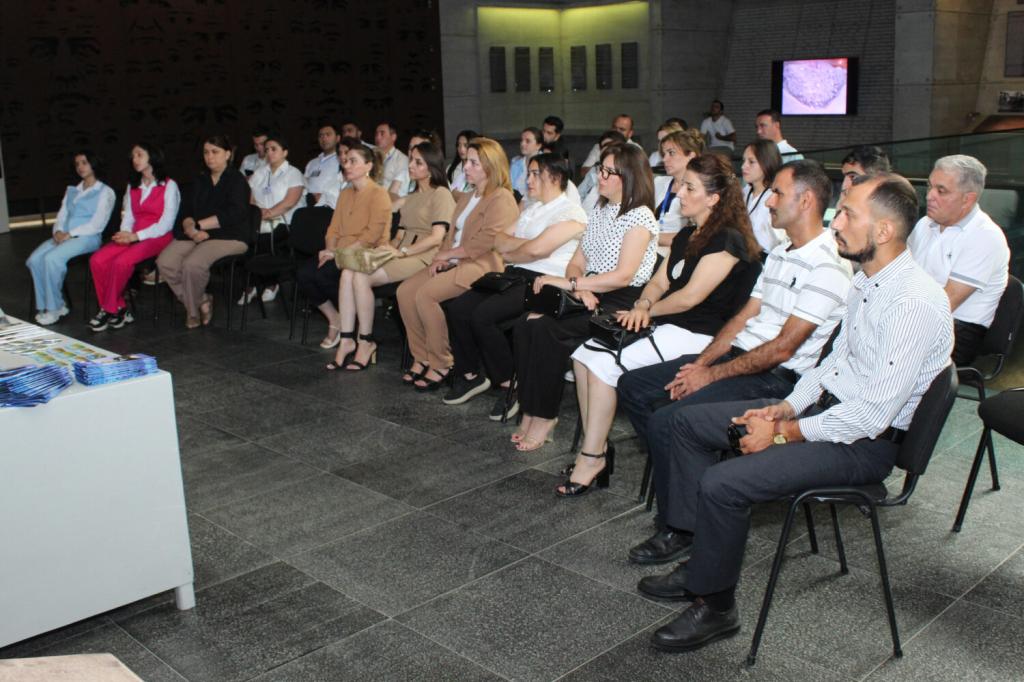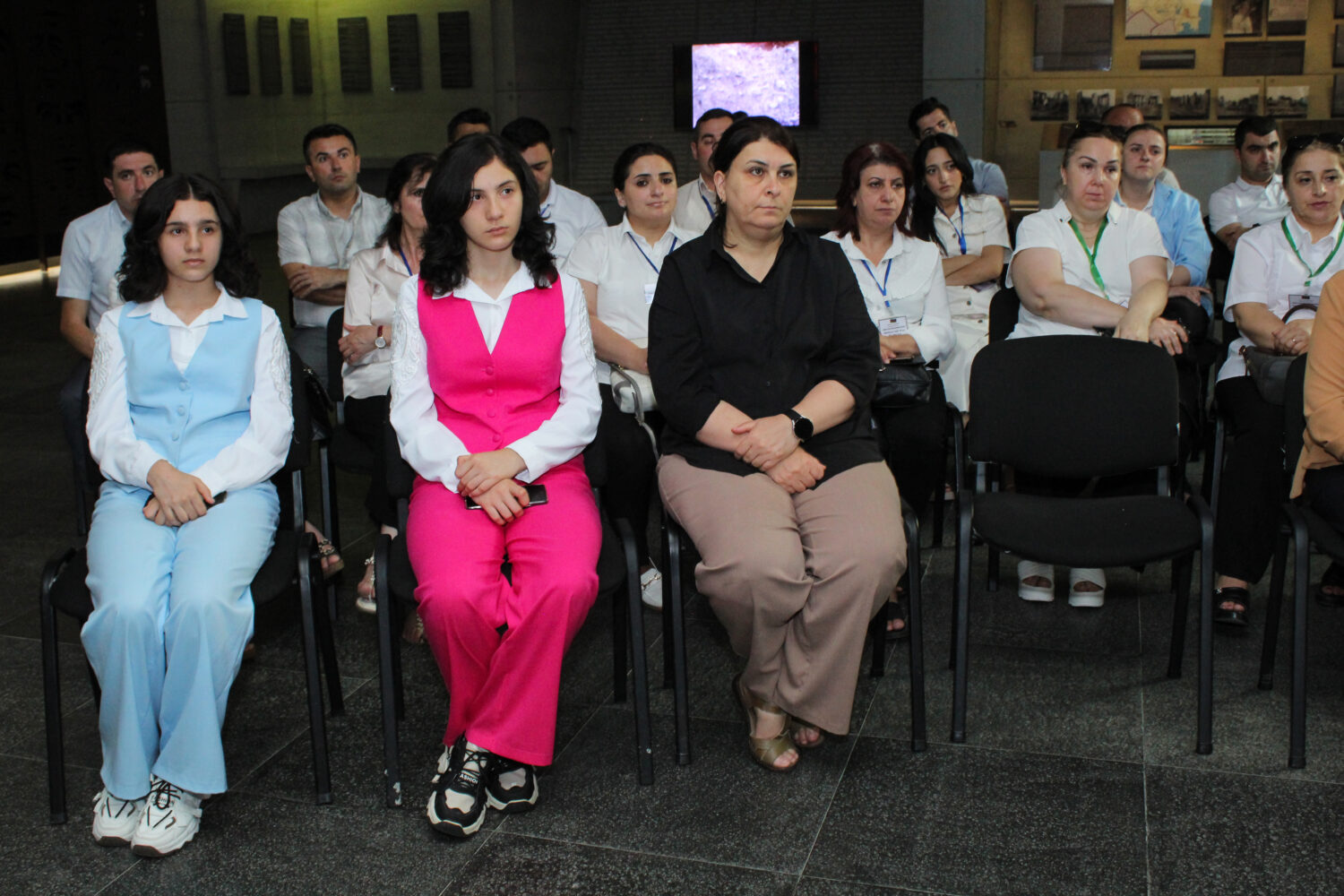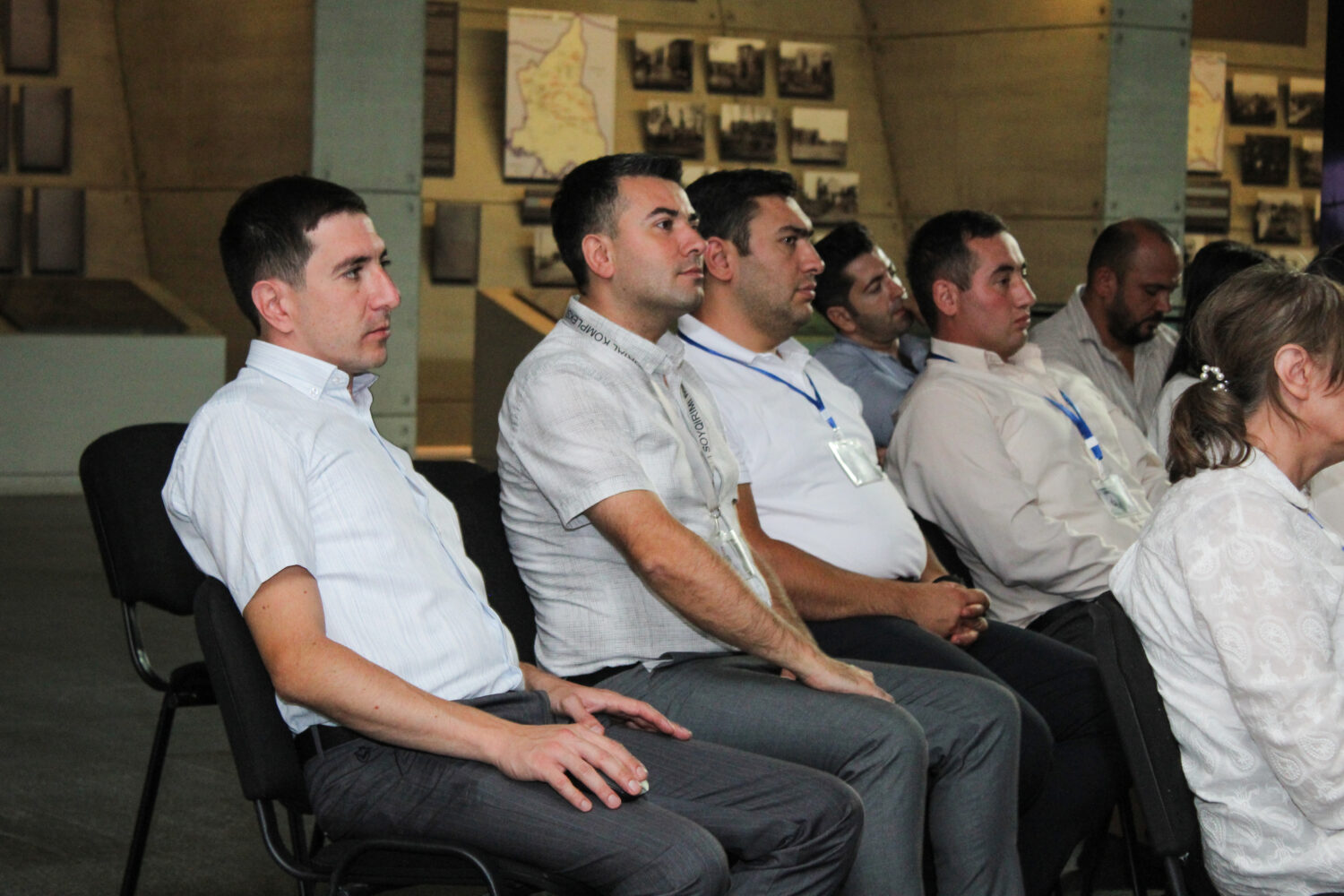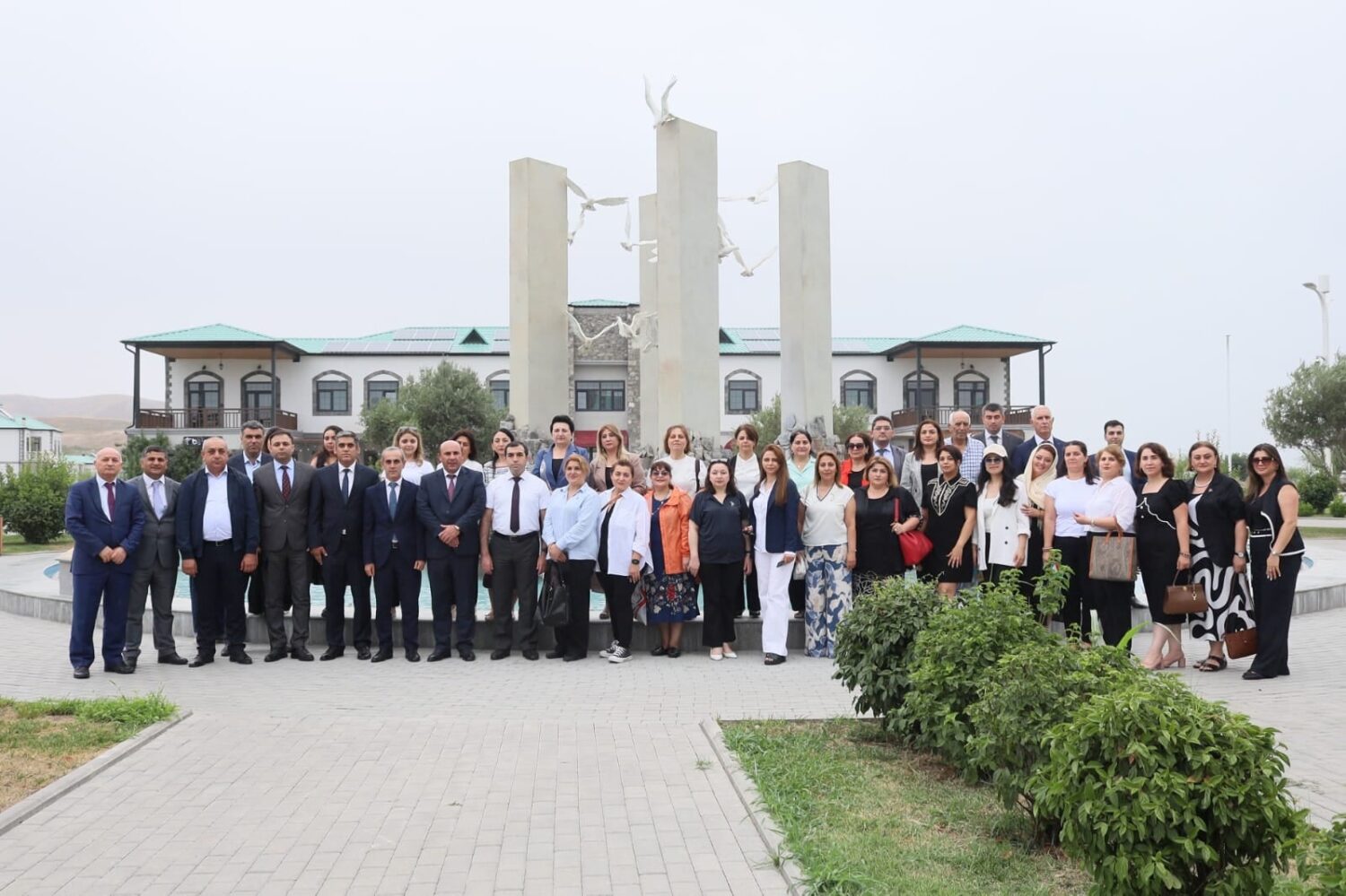
On July 8, a meeting of the Expert Council on the identification of immovable cultural resources under the Ministry of Culture was held at the National Library of Azerbaijan named after M.F. Akhundzade. The meeting focused on completed works and upcoming tasks. Professor Gulchohra Mammadova, the chairman of the Expert Council and rector of the Azerbaijan University of Architecture and Construction, delivered a speech outlining the council's activities.
Sabina Hajiyeva, head of the State Service for Protection, Development, and Restoration of Cultural Heritage, discussed existing challenges and future issues related to the evaluation of monuments. Parviz Najafov, Head of the Monitoring Sector of Monuments Protection of the Cultural Heritage Protection Department, reported that in the first stage, 6 objects in Baku and 51 in territories liberated from occupation were registered. In the second stage, 13 objects in Binagadi district, and in the third stage, 63 buildings in Sabail district were submitted to the Expert Council for consideration.
The council summarized proposals regarding Baku and liberated territories and sent them to the Azerbaijan National Academy of Sciences (ANAS), which approved the inclusion of 48 objects in the monument list. A draft decision for their inclusion has been prepared for the relevant authorities’ approval. In Binagadi district, corrections to names, dates, and addresses of 9 state-registered monuments were proposed, and 8 out of 12 significant buildings were recommended for the monument list. For Sabail district, 49 out of 63 buildings were recommended for inclusion. Suggestions from these stages were compiled into a letter to ANAS.
The meeting concluded with council members’ comments and suggestions, fostering an exchange of ideas. The Expert Council aims to update the Cabinet of Ministers Decision No. 132 dated August 2, 2001, concerning the state protection of immovable historical and cultural monuments in Azerbaijan.
The council includes representatives from the Ministry of Culture, the State Service for the Protection, Development, and Restoration of Cultural Heritage, the State Urban Planning and Architecture Committee, the Baku City Architecture and Urban Planning Main Department, the Baku City Executive Authority, the State Service for Real Estate Affairs under the Ministry of Economy, the State Tourism Agency, the Azerbaijan University of Architecture and Construction, the Union of Architects of Azerbaijan, the Institute of Archeology and Anthropology of ANAS, the “Icherisheher” State Historical-Architectural Reserve Department, the Shusha City State Reserve Department, and the Ministry of Culture of Nakhchivan MR.
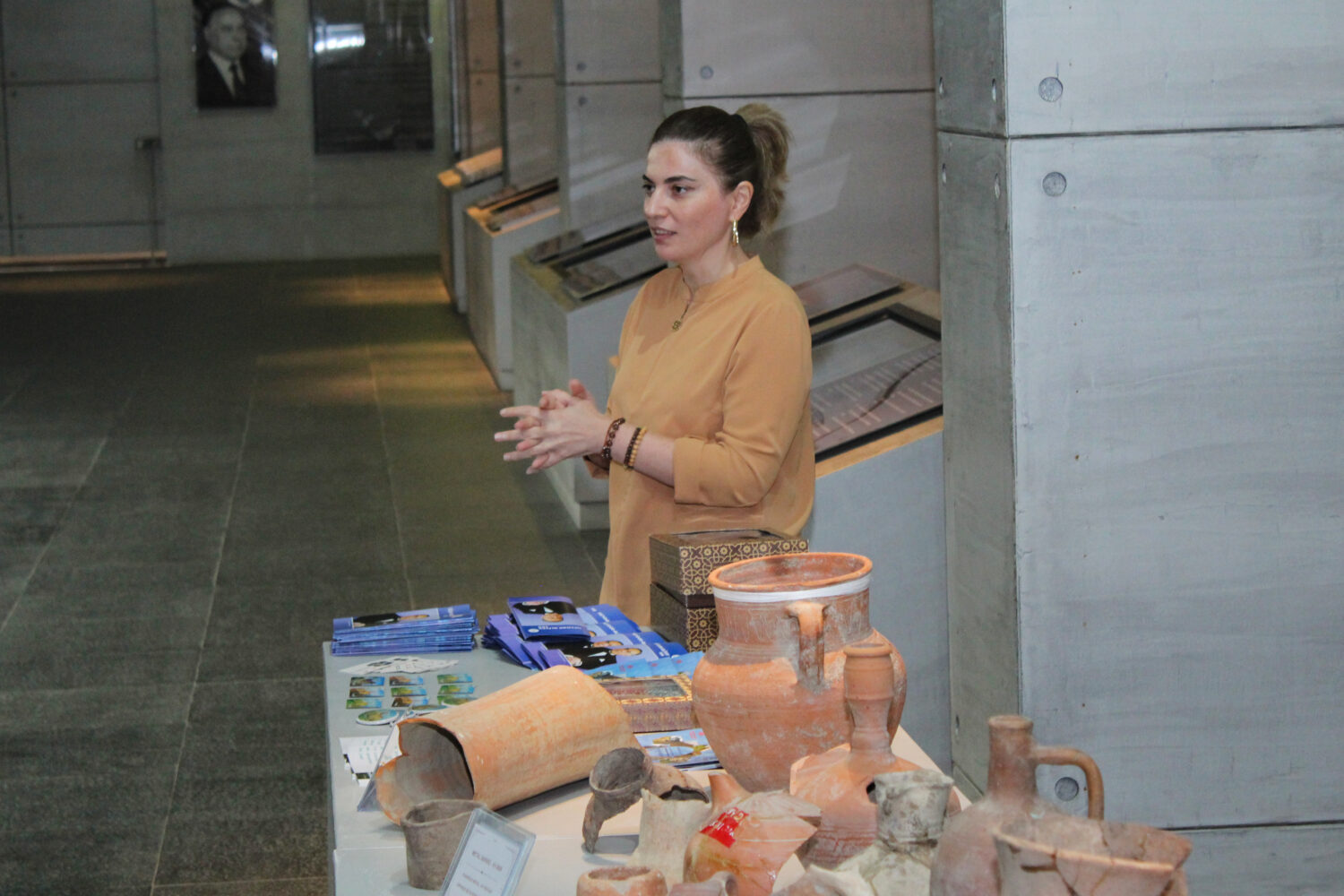
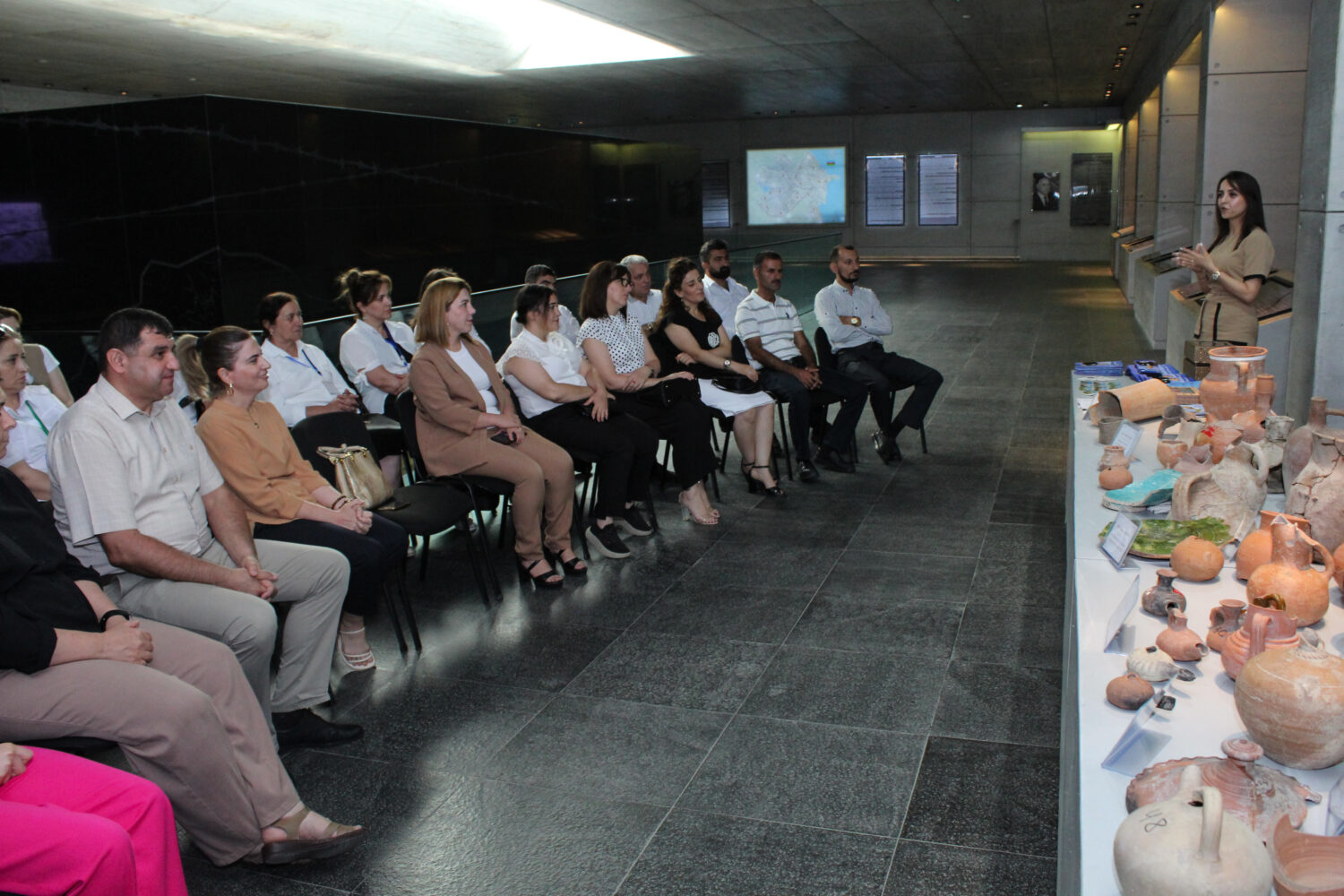
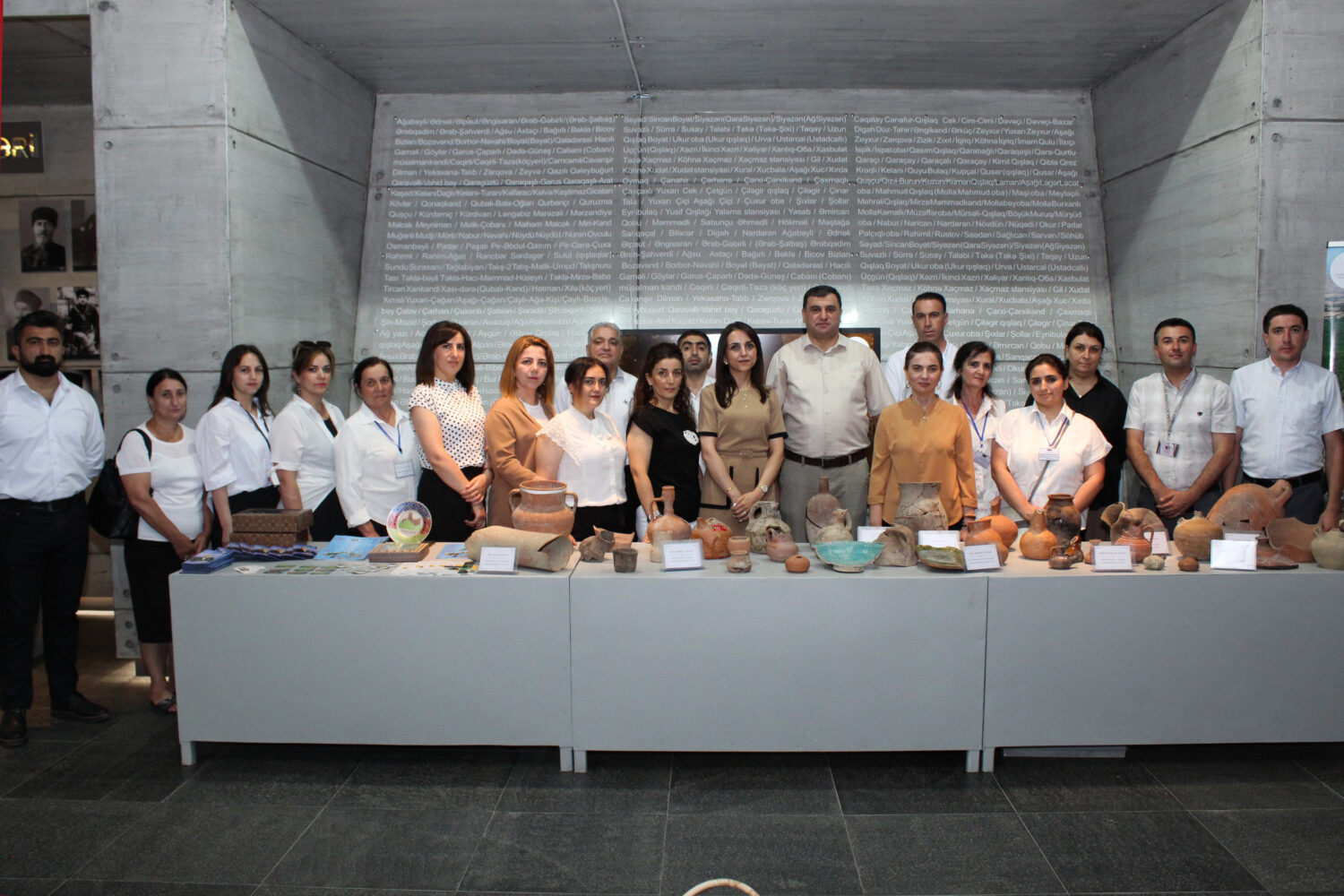
On June 26, an event was held at the "Genocide Memorial Complex" in Guba to mark the Day of the Armed Forces of the Republic of Azerbaijan. The gathering included employees from the Scientific Research, Exposition, and Foundation Department of the Genocide Memorial Complex, as well as participants from the "Pir Huseyn Khanagahi" historical-architectural reserve. The event, titled "June 26 - Day of the Armed Forces of the Republic of Azerbaijan," saw various notable attendees.
Dr. Rakhshande Bayramova, Director of the Complex, welcomed the reserve employees, highlighting the significant progress made in army building and other areas following the establishment of stability in the country. She attributed this progress to the unparalleled efforts and dedication of the Great Leader, who successfully created a regular army under a unified command in a short span of time.
Following her remarks, Maharram Muslimov, Director of the “Pir Huseyn Khanagahi” historical-architectural reserve, emphasized the historical importance of the army in ensuring the state’s territorial integrity, sovereignty, and security, as well as its influence regionally and globally. Other speakers included Naiba Mammadova, Zaur Jafarov, and Yusifli Emin from the “Pir Huseyn Khanagahi” reserve, along with Mehriban Aliyeva, Deputy Director of the Genocide Memorial Complex, and Ulkar Zeynalova and Seria Abidova, employees of the Complex.
They discussed the history of the Azerbaijani army, noting that Azerbaijan has consistently asserted itself in the military field. The speakers highlighted the recent triumphs of the Azerbaijani Army, which, under the leadership of Commander-in-Chief Ilham Aliyev, demonstrated its strength and modern military capability, ultimately restoring Azerbaijan’s territorial integrity. This achievement stands as the greatest victory of the Azerbaijani Army in the past century.
The event concluded with further discussions on the topic.
The 4th Republican Student Scientific-Practical Conference, dedicated to the "Year of Solidarity for the Sake of the Green World," was held at the Republican Humanities Gymnasium named after S.C. Peshavari. The event focused on "Students' Views on Science and Education in Azerbaijan" and saw participation from employees of the "Genocide Memorial Complex" in Guba.
Speakers highlighted that 2024 had been declared the “Year of Solidarity for the Green World” by a decree from President Ilham Aliyev of the Republic of Azerbaijan. They noted that various important competitions and contests had taken place in the gymnasium as part of this initiative, with the current 4th Republican Student Scientific-Practical Conference being a significant event in this series.
The conference organized its sessions into various sections, including “Azerbaijani Language and Literature,” “History,” “Mathematics,” “Physics and Astronomy,” “Chemistry-Biology,” “Digital Skills, STEAM,” “Geography,” “Aesthetic and Physical Education,” and “Foreign Languages.”
The conference was organized by the Republican Humanities Gymnasium named after S.C. Peshavari, which operates under the direct authority of the State Agency for Pre-School and General Education under the Ministry of Science and Education of the Republic of Azerbaijan. Other organizing bodies included the ANAS Acad. Institute of Oriental Studies named after Z.M. Bunyadov, the ETN Acad. Hasan Aliyev Institute of Geography, the Monitoring Center under the State Language Commission of the Republic of Azerbaijan, the Shamakhi branch of the Azerbaijan State Pedagogical University, the “Genocide Memorial Complex” in Guba, the Educational Institute of the Republic of Azerbaijan, and the Sheki Regional Scientific Center of ANAS.
An event was held at the "Genocide Memorial Complex" in Guba to commemorate June 15 Liberation Day.
Mehriban Aliyeva, Deputy Director of the Complex, opened the event with a speech highlighting the significance of June 15, 1993, a day celebrated with great pride in Azerbaijani history. This date marks the beginning of the struggle to preserve the hard-won independence of the Azerbaijani people. The return of Great Leader Heydar Aliyev to political power on June 15 stands as a monumental event in Azerbaijan’s centuries-old history, laying the foundation for our National Liberation.
Speakers emphasized that the determination of national leader Heydar Aliyev infused the people with enthusiasm and transformed Azerbaijan into a confident and powerful state focused on the future. The wise and visionary policies initiated by Heydar Aliyev have led Azerbaijan to become an independent and influential state in the region. These policies continue to be successfully upheld by President Ilham Aliyev, ensuring Azerbaijan’s continued progress and stability.
In commemoration of June 15 Liberation Day and in alignment with the 2024 "Year of Solidarity for the Green World," an environmental cleaning campaign was organized in Guba city by the "Genocide Memorial Complex." Employees of the Complex participated in this initiative by conducting cleaning activities in various streets and parks. The campaign aimed to promote environmental protection and solidarity within the community, reflecting the values of both historical remembrance and sustainable development.
"Teymur Bey Novruzov"

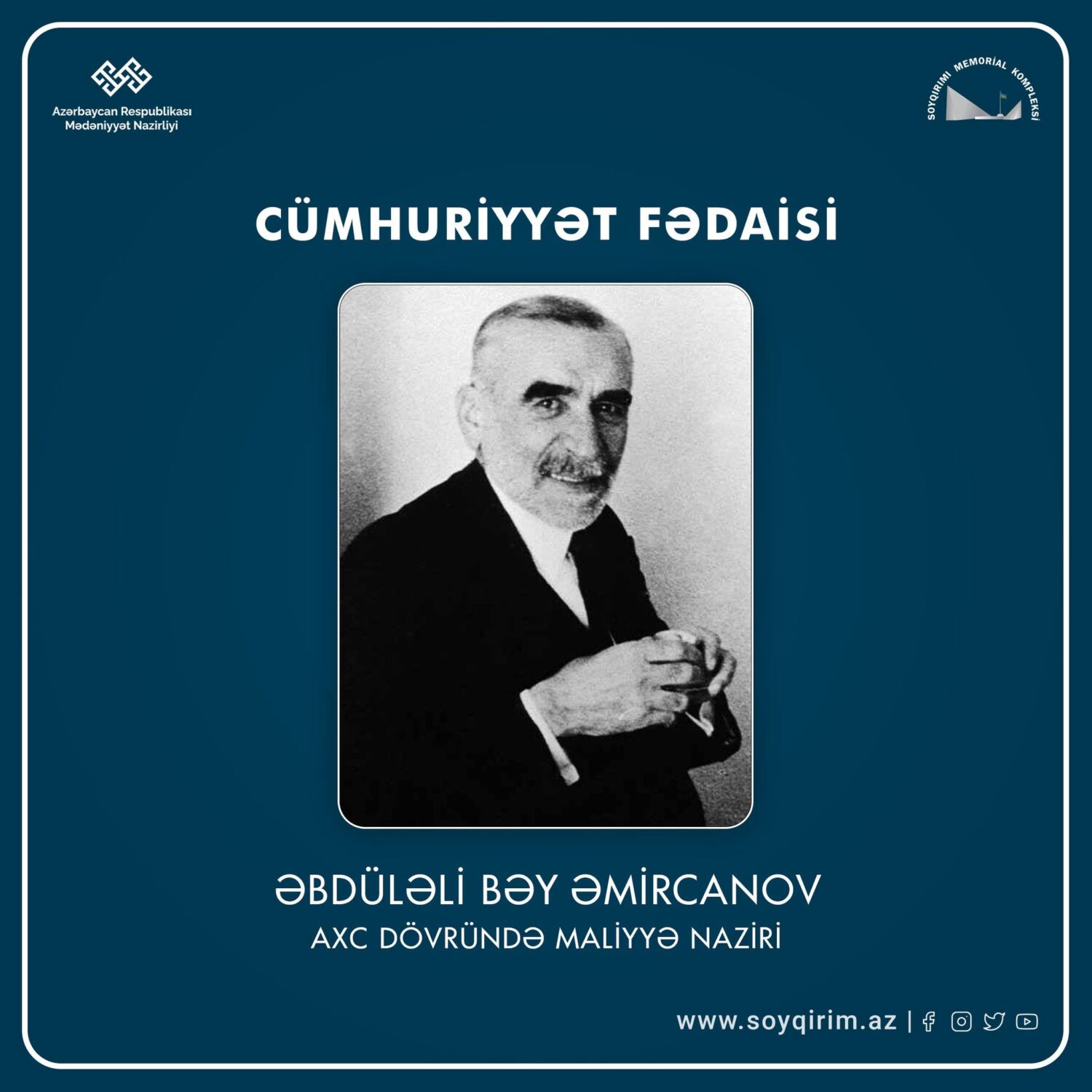
Aslan bey Ali agha oglu Gardashov

Aslan bey Ali agha oglu Gardashov, a prominent figure in the Azerbaijan Democratic Republic, was born in 1866 in the village of Chokakoba, Zagatala district. He initially pursued his education at the Transcaucasian Teachers’ Seminary before furthering his studies at Istanbul University. Working in the realms of law and education, Aslan Bey Kardashov was elected as a member of the Second Duma from Dagestan. He joined the Musavat party in 1917 and was appointed to the commission on the amnesty of political prisoners by the newly convened AKP Parliament on December 25, 1918. Later, on March 14, 1919, Aslan Bey Nasib Bey Yusifbeyli assumed the role of Minister of Agriculture and State Property in the fourth government cabinet. Following the Bolshevik invasion on April 28, 1920, A. Gardashov, remaining devoted to the ideals of independence, led the Zagatala uprising. While it’s widely believed that Aslan Bey was executed on July 21, 1920, during the course of this uprising, precise details regarding his fate remain elusive.
"Nakhchivan Juma Mosque"

One of Azerbaijan’s magnificent historical-architectural monuments is the Juma Mosque located in the city of Nakhchivan. Situated in the center of the city, the Juma Mosque was built in the 18th century by Muhammad Tagi and was known among the people as the “City Mosque”. The mosque played a significant role in the social, political, and ideological life of the city before the Soviet era.
Plaque is placed at the west entrance gate of the mosque with the total area 1000 m².
It becomes clear from the text inscribed on the marble plaque that the mosque was built with the efforts of Haji Muhammad Jafar aga, the son of Nakhchivan native Haji Novruz.
The mosque has a minaret. During the Armenian massacre against the local population in Nakhchivan in 1918, the minaret was damaged by artillery fire. This damage is clearly visible in a painting by the distinguished artist Bahruz Kangarli, drawn in 1920.
In 2007, the Juma Mosque was extensively restored under the supervision of the Chairman of the Supreme Assembly of the Nakhchivan Autonomous Republic.
A Republican scientific-practical conference titled "The first parliamentary republic of the Muslim East in historical research," dedicated to May 28 Republic Day, was jointly organized by the History Faculty of Baku State University and the "Genocide Memorial Complex" in Guba.
The conference began with the national anthem of the Republic of Azerbaijan, followed by a moment of silence to honor the memory of the genocide victims and brave sons who sacrificed their lives for their homeland. A short documentary film paying tribute to the devoted individuals of the Republic was screened, setting the stage for the proceedings.
Dr. Rakhshanda Bayramova, the director of the complex, welcomed the guests and expressed her wishes for the success of the conference. She highlighted the significance of May 28, 1918, when Azerbaijan declared itself as the first democratic, legal, and secular state in the Muslim East. This declaration and the subsequent reforms marked a period of significant socio-cultural, economic progress, and the development of civil society, reflecting Azerbaijan’s strong statehood traditions and innovative spirit.
Ibrahim Zeynalov, the dean of the Faculty of History, underscored the historical importance of establishing a parliament in the Muslim East at the beginning of the 20th century. He noted that the Azerbaijan Democratic Republic’s parliament, though active for a brief period, left a lasting legacy in Azerbaijani history and serves as a source of pride for the nation.
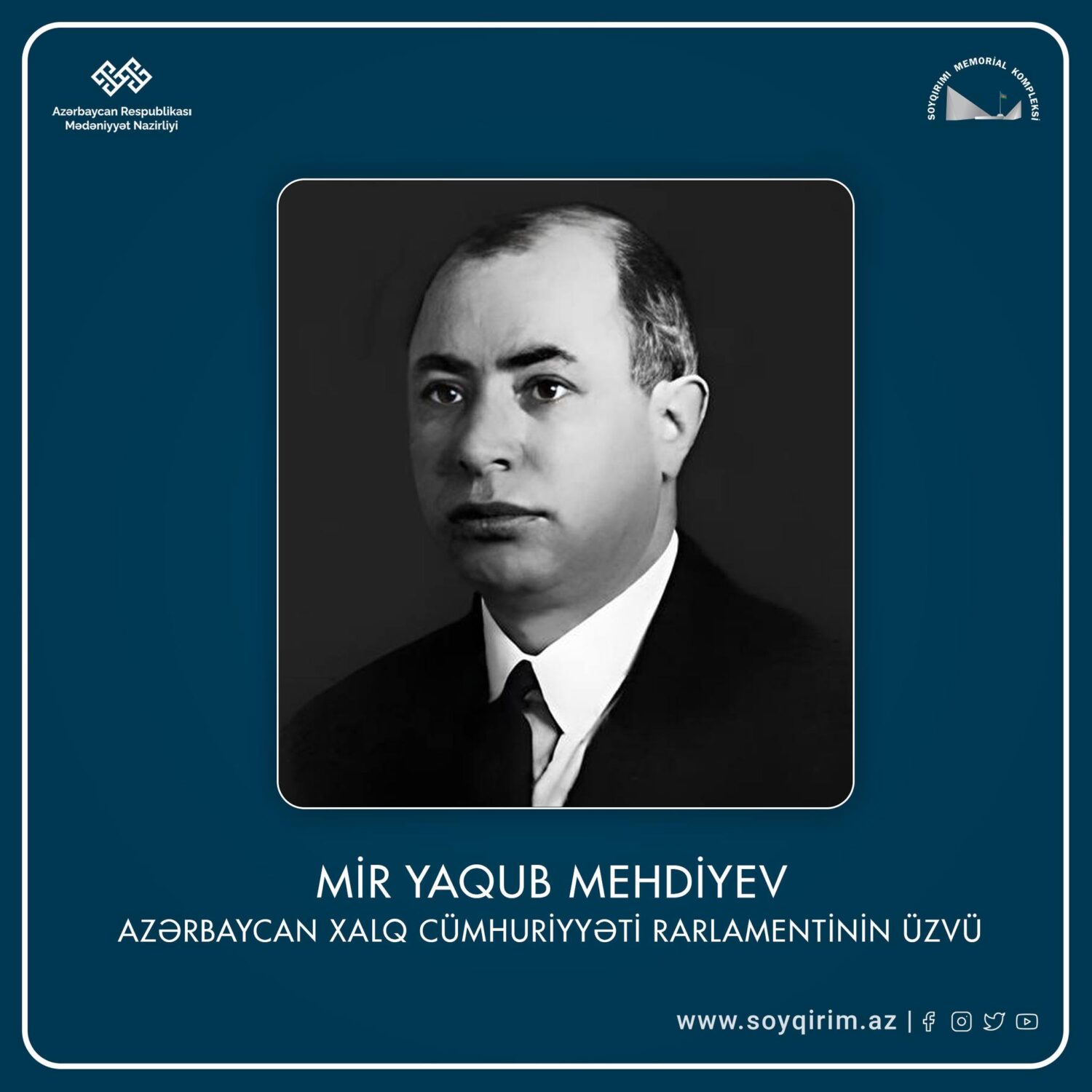
Throughout the conference, historians and researchers presented scientific articles and engaged in discussions on various aspects of the Azerbaijan People’s Republic. The primary aim of the conference was to revisit the history of the Azerbaijan Democratic Republic, commemorate the 20th-century genocide, promote scientific and historical development in the region, and foster collaboration among scholars researching the Republic’s activities.
"Xurşidbanu Natəvan's house-museum"

"The Gala Archaeological-Ethnographic Museum Complex"